Milkweed Cardiac Glycoside Poisoning, Whorled-Milkweed Neurotoxicity, and Contaminated-Hay Emergencies
Is Milkweed Poisonous to Dogs, Cats, Horses, and Livestock?
Yes—Milkweed, Asclepias species, is poisonous to dogs, cats, horses, cattle, sheep, goats, pigs, poultry, rabbits, guinea pigs, birds, reptiles, and many other animals. Milkweed poisoning is not one uniform syndrome because the genus contains chemically diverse species. Many milkweeds contain cardenolides, also called cardiac glycosides, that can disrupt the heart in a digitalis-like manner. Certain narrowleaf or whorled species are also associated with a severe neurologic syndrome marked by weakness, staggering, tremors, spasms, seizures, respiratory paralysis, coma, and death.
Cardenolides inhibit sodium-potassium ATPase, an enzyme essential to normal electrical and electrolyte gradients across cell membranes. The resulting disturbance can alter cardiac conduction, increase abnormal electrical activity, and produce slow, rapid, weak, or irregular rhythms. Gastrointestinal signs such as drooling, vomiting, diarrhea, abdominal pain, colic, and appetite loss may appear before obvious cardiovascular collapse, but sudden death can occur when a serious arrhythmia develops.
Leaf shape provides a warning, not a complete toxin diagnosis. Some fine-leaved or whorled milkweeds have historically been associated with predominantly neurologic poisoning, while several highly toxic western species have experimentally demonstrated cardenolide activity. The older term “galitoxin” is still repeated for a supposed resinous neurotoxic principle, but it does not identify one consistently characterized molecule across the genus. Species identification, clinical findings, ECG results, electrolytes, and exposure circumstances are more reliable than assigning every plant to a simple broadleaf or narrowleaf category.
Fresh plants are not the only danger. Milkweed remains poisonous after cutting and drying, and contaminated hay is a major route of horse and livestock exposure because animals cannot reliably sort small fragments from otherwise desirable forage. Leaves, stems, flowers, roots, latex, young shoots, pods, seeds, dried plants, hay fragments, garden trimmings, concentrated extracts, and processing waste all require precautions. Seeds can contain potent cardenolides, so mature pods are not harmless pet toys or cage decorations.
A meaningful ingestion should be treated as urgent even before severe signs begin. There is no universal toxic dose for the genus, and the margin between illness and death can be narrow with highly toxic species. Risk depends on the exact milkweed, tissue, growth stage, season, plant population, fresh or dried condition, amount eaten, animal species, body size, heart health, hydration, and time to treatment.
About this guide: This page provides general pet-poisoning information and cannot diagnose or treat an individual animal. For any suspected exposure, contact a veterinarian or animal poison-control service immediately. Do not induce vomiting, give medication, or attempt home decontamination unless directed by a veterinary professional.
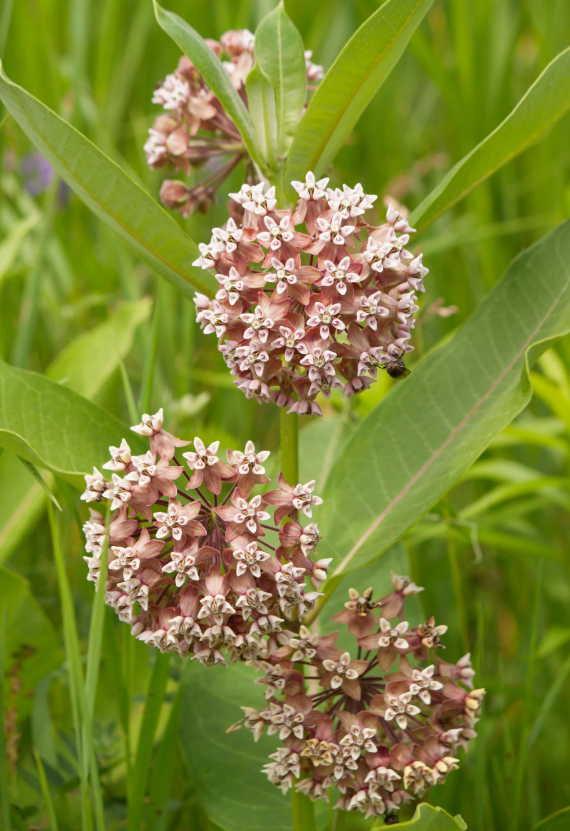
Milkweed
Asclepias spp.
Asclepias L. is the accepted botanical genus for the true milkweeds covered collectively by this page. “Spp.” means that multiple species are included rather than one exact species. The abbreviation is not italicized.
Species frequently encountered in gardens, landscapes, pastures, hay fields, roadsides, rangeland, wetlands, and pollinator plantings include:
- Asclepias syriaca L. — Common Milkweed
- Asclepias speciosa Torr. — Showy Milkweed
- Asclepias incarnata L. — Swamp Milkweed
- Asclepias tuberosa L. — Butterfly Weed or Pleurisy Root
- Asclepias curassavica L. — Tropical Milkweed
- Asclepias verticillata L. — Whorled Milkweed
- Asclepias subverticillata (A.Gray) Vail — Horsetail or Western Whorled Milkweed
- Asclepias fascicularis Decne. — Narrowleaf Milkweed
- Asclepias eriocarpa Benth. — Woollypod Milkweed
- Asclepias labriformis M.E.Jones — Labriform Milkweed
- Asclepias viridis Walter — Green Antelopehorn
- Asclepias asperula (Decne.) Woodson — Antelopehorn Milkweed
- Asclepias pumila (A.Gray) Vail — Plains or Low Whorled Milkweed
The exact species materially affects risk. Cardenolide identity and concentration, the likelihood of a predominantly cardiac or neurologic syndrome, growth form, habitat, and livestock toxicity can differ greatly. A genus-level identification should therefore be recorded as Asclepias spp. until a complete specimen can be identified more precisely.
Some plants commonly called milkweed are classified outside Asclepias. Balloon Plant and Swan Plant may belong to Gomphocarpus; Giant Milkweeds may belong to Calotropis; and invasive Swallow-Worts belong to Vincetoxicum. These related Apocynaceae can also be poisonous, but their accepted scientific names and toxicologic profiles should not be placed automatically under Asclepias spp.
Apocynaceae — Dogbane Family; subfamily Asclepiadoideae; formerly treated as Asclepiadaceae
Milkweed; Milk Weed; True Milkweed; Asclepias; Butterfly Weed; Butterfly Milkweed; Common Milkweed; Broadleaf Milkweed; Showy Milkweed; Swamp Milkweed; Marsh Milkweed; Rose Milkweed; Tropical Milkweed; Bloodflower; Whorled Milkweed; Eastern Whorled Milkweed; Western Whorled Milkweed; Horsetail Milkweed; Poison Milkweed; Narrowleaf Milkweed; Mexican Whorled Milkweed; Plains Whorled Milkweed; Low Whorled Milkweed; Labriform Milkweed; Woollypod Milkweed; Woolly Milkweed; Green Milkweed; Green Antelopehorn; Antelopehorn; Antelope-Horns; Spider Milkweed; Rush Milkweed; Pleurisy Root; Silkweed; Silk Weed; Silky Swallow-Wort; Wild Cotton; Cottonweed; Cotton Weed; Virginia Silk; Silk Grass; Butterfly Flower; Orange Milkweed; Chiggerflower; Immortal; Inmortal
The principal name for each plant should include its species whenever that information is available, such as Common Milkweed, Asclepias syriaca; Butterfly Weed, Asclepias tuberosa; Swamp Milkweed, Asclepias incarnata; Tropical Milkweed, Asclepias curassavica; Showy Milkweed, Asclepias speciosa; or Western Whorled Milkweed, Asclepias subverticillata.
“Butterfly Weed” usually refers to Asclepias tuberosa, which may release little obvious milky sap despite being a true milkweed. “Mexican Whorled Milkweed,” “Narrowleaf Milkweed,” and “Whorled Milkweed” have been applied inconsistently in older agricultural and poison-plant literature, making the scientific name especially important.
“Milkweed” is also used for related plants outside Asclepias, including Gomphocarpus, Calotropis, and occasionally invasive Vincetoxicum. Unrelated spurges in the genus Euphorbia may be called milkweeds because they also release white sap. Hemp Dogbane, Apocynum cannabinum, belongs to the same family and contains cardioactive compounds but is not a true milkweed.
A Genus with Several Toxicologic Patterns
Milkweed toxicity cannot be reduced accurately to one compound or one clinical syndrome. The genus contains numerous cardenolides, pregnane-related compounds, resins, latex proteins, enzymes, and other secondary metabolites whose identities and concentrations vary among species and plant populations. Some exposures are dominated by gastrointestinal and cardiac effects, while certain whorled or narrowleaf milkweeds produce striking neuromuscular and respiratory signs.
The strongest evidence supports cardenolides as the principal lethal toxins in many species. Experimental administration of dried Asclepias labriformis, dried A. eriocarpa, plant extracts, purified labriformin, and digitoxin produced qualitatively similar illness and lesions in sheep. This finding is important because it demonstrates that even milkweeds historically placed in a “western” or “highly toxic” group cannot be assigned automatically to a separate non-cardiac toxin.
Other whorled milkweeds, particularly A. subverticillata and related fine-leaved species, are associated with severe weakness, incoordination, tremors, spasms, seizures, respiratory paralysis, and death despite low or inconsistent measured cardenolide concentrations. Their neurotoxic principle remains incompletely characterized. The older name galitoxin may appear in poison-plant references, but it should be treated as a historical descriptive label rather than a universally isolated and structurally confirmed molecule.
Cardenolides and Cardiac Glycosides
Cardenolides are steroidal compounds containing a five-membered unsaturated lactone ring. Many occur as glycosides in which one or more sugars are attached to the steroidal aglycone. Milkweeds produce numerous structurally distinct cardenolides rather than plant versions of pharmaceutical digoxin alone.
Compounds reported from different milkweeds include labriformin, calotropin, calactin-related molecules, asclepin-related compounds, syriobiosides, syriosides, aspeciosides, gomphosides, afrosides, and many additional glycosides or genins. Not every species contains every compound, and older names are not always chemically interchangeable.
Natural structural differences matter. Polarity, sugar attachments, oxidation, tissue distribution, absorption, protein binding, metabolism, and affinity for sodium-potassium ATPase influence potency and duration. A serum digoxin result cannot be converted directly into a total milkweed-cardenolide concentration.
Inhibition of Sodium-Potassium ATPase
Sodium-potassium ATPase uses cellular energy to move sodium out of cells and potassium into cells. This pump helps maintain electrical gradients, cell volume, nerve activity, skeletal-muscle function, and the electrical stability of cardiac tissue.
Cardenolides bind to and inhibit the pump. Intracellular sodium rises, the sodium-calcium exchanger becomes less effective, and intracellular calcium handling changes. The heart may contract more forcefully, but electrical automaticity and conduction can become dangerously unstable.
Possible rhythm disturbances include sinus bradycardia, sinus tachycardia, premature complexes, atrioventricular block, junctional rhythms, atrial or ventricular tachyarrhythmias, bidirectional ventricular tachycardia, ventricular fibrillation, and periods of electrical standstill. One animal can move between slow and fast rhythms as poisoning progresses.
Electrolytes and Why Home Treatment Is Dangerous
Acute severe sodium-potassium-pump inhibition may produce hyperkalemia as potassium shifts out of cells, while vomiting, diarrhea, kidney dysfunction, prior diuretic therapy, or prolonged illness can create a different electrolyte pattern. Potassium concentration is therefore a prognostic and treatment variable rather than something an owner should guess from the pulse or clinical appearance.
Magnesium, calcium, sodium, glucose, acid-base balance, hydration, kidney perfusion, and concurrent medication can further influence arrhythmias. Potassium supplements, salt mixtures, calcium products, sports drinks, electrolyte drenches, and heart medications can worsen an unstable rhythm when given without ECG and laboratory guidance.
Labriformin and Highly Potent Seed Defenses
Labriformin is a potent cardenolide first associated with western milkweeds such as A. labriformis and A. eriocarpa. More recent chemical research demonstrated that common-milkweed seeds also contain labriformin and a diverse cardenolide mixture.
Common-milkweed seed chemistry varies geographically. Experimental testing found labriformin to be especially inhibitory even to specialist milkweed insects adapted to many other cardenolides. This reinforces the practical warning that mature pods and seeds are not harmless merely because the leaves have dried or fallen.
The silky white coma attached to each seed is not established as the principal systemic toxin, but seed floss can carry attached seeds, pod fragments, dust, pesticides, mold, and plant sap. Pods and floss should not be given to pets as toys, nesting material, bedding, or enrichment.
Cardenolide Concentration Varies Across the Plant
Milkweed latex often contains a higher cardenolide concentration than the surrounding leaf tissue, but this is not universal and does not make the non-latex tissues safe. Quantitative analysis of multiple species showed large differences in both latex and leaves and in the relationship between the two.
Roots, stems, leaves, flowers, pods, and seeds may carry different cardenolide profiles. Concentration can also change with plant age, season, water availability, herbivore damage, genetics, and environmental stress. One chemical analysis from one location cannot define every specimen of that species.
The absence of abundant white sap is not proof of safety. Butterfly Weed, A. tuberosa, often produces clear or inconspicuous sap yet remains biologically active and capable of causing significant ocular injury.
The Whorled-Milkweed Neurologic Syndrome
Certain fine-leaved and whorled milkweeds produce a syndrome in grazing animals that is more neurologic than the classic digitalis-like presentation. Weakness may progress to an unsteady gait, knuckling, muscle tremors, spasms, violent convulsions, recumbency, respiratory weakness, paralysis, coma, and death.
The toxin responsible has not been characterized adequately across the implicated species. Older sources describe a resinous principle called galitoxin; later sources propose incompletely characterized resinoids or pregnane-related glycosides. These descriptions should not be treated as confirmation of one molecule acting identically in every narrowleaf plant.
Leaf form remains clinically useful because several highly dangerous rangeland species are inconspicuous, fine-leaved, and easily hidden in hay. It is not sufficiently precise to replace species identification, cardiac monitoring, or neurologic examination.
Broadleaf and Narrowleaf Are Not Absolute Chemical Categories
Many broadleaf milkweeds are cardenolide-rich and produce gastrointestinal and cardiac poisoning. Several narrowleaf or whorled species produce predominantly neurologic illness. That generalization helps range managers identify high-risk plants, but exceptions and mixed syndromes occur.
Asclepias labriformis is regarded as one of the most toxic western milkweeds, and controlled sheep experiments implicated its cardenolides. Woollypod Milkweed, A. eriocarpa, likewise produced a cardenolide syndrome experimentally. Conversely, Western Whorled Milkweed, A. subverticillata, remains associated strongly with a poorly characterized neurologic toxicant.
A poisoned animal may also show both cardiac and neurologic findings. Poor cardiac output, hypoxia, electrolyte abnormalities, seizures, aspiration, bloat, shock, and direct neurotoxicity can overlap clinically.
Experimental Toxicity and the Absence of a Universal Dose
Experimental and field literature demonstrates that some milkweeds can be lethal at very small fractions of a grazing animal’s body weight. Sheep studies and historical feeding data have reported potential lethality near 0.05 percent of body weight for A. labriformis and approximately 0.25 percent for A. eriocarpa under particular experimental conditions.
These values are not universal thresholds and must not be used to calculate a safe amount. Toxicity changes with species, plant population, moisture content, collected tissue, growth stage, season, grinding, animal susceptibility, rumen contents, and experimental method. A small amount of a highly toxic species may be more dangerous than a visibly larger amount of another milkweed.
No validated dose exists for dogs, cats, horses, goats, pigs, rabbits, guinea pigs, poultry, companion birds, or reptiles. Any suspected meaningful ingestion deserves professional assessment.
Latex, Proteases, and Local Tissue Injury
Milkweed latex is a pressurized defensive emulsion containing rubber-like materials, cardenolides, lipids, resins, proteins, enzymes, and other constituents. Its stickiness can gum mouthparts and deter insects, while its chemical components discourage generalist herbivores.
Proteolytic enzymes such as asclepain-related proteases have been isolated from milkweed latex. They may contribute to local irritation or defensive activity, but they do not replace cardenolides or the unresolved whorled-milkweed toxicant as the principal explanation for fatal livestock poisoning.
Sap may burn or irritate the mouth, lips, skin, and eyes. Eye exposure is particularly important because milkweed latex has caused corneal epithelial injury, stromal edema, and endothelial dysfunction in documented human cases. Animals contaminated during chewing, mowing, pruning, or grooming require prompt irrigation and examination when ocular pain persists.
Fresh Plants, Dried Plants, and Hay
Drying does not reliably inactivate milkweed toxins. Cardenolides are chemically stable enough to remain important in cured forage, dried stems, seed pods, floral material, and dead plants. Whorled stems and narrow leaves may become especially difficult to recognize after baling.
Fresh milkweed is often bitter or unpalatable, but avoidance is inconsistent. Hungry animals, inexperienced juveniles, animals moved into a new field, livestock concentrated in corrals or driveways, and herds grazing during drought may consume it. Recent grazing research also shows that cattle do not invariably avoid every milkweed species when plants are available within a mixed prairie.
Hay removes much of the animal’s ability to select around the weed. Chopping, grinding, cubing, pelleting, or mixing total rations can distribute toxic material throughout feed and make visual detection harder.
Young Shoots, Flowers, Pods, and Seeds
Tender shoots and newly emerging plants may be consumed when little alternative forage is available. Flowering plants remain poisonous, and colorful pollinator-garden species may attract curious dogs, poultry, birds, and small herbivores.
Immature pods contain living vascular and seed tissue. Mature pods contain concentrated seeds and dry fragments that may persist into winter. Human foraging practices involving selected species, growth stages, repeated boiling, or cultural preparation cannot be translated into veterinary feeding guidance.
Monarch Adaptation Does Not Confer Animal Safety
Monarch caterpillars and several other milkweed specialists possess behavioral, physiological, and molecular adaptations that reduce the effects of latex and cardenolides. Alterations in sodium-potassium ATPase, selective metabolism, toxin transport, and sequestration allow these insects to feed on plants that poison generalist animals.
Even monarchs pay biological costs and are not resistant to every cardenolide equally. Research shows that they metabolize some parent compounds into less toxic stored forms, while potent molecules such as labriformin remain challenging.
Dogs, cats, horses, livestock, poultry, rabbits, and reptiles do not share those specialized adaptations. Milkweed’s ecological value to monarchs therefore provides no evidence that the plant is safe for domestic animals.
Monarch Caterpillars and Butterflies as Secondary Exposures
Monarch larvae and adults can contain sequestered cardenolides. Their bright coloration functions partly as a warning to predators, and some vertebrates learn to avoid them after an aversive experience.
Direct veterinary evidence defining how many monarch caterpillars or butterflies would poison a dog, cat, bird, or reptile is limited. An animal that consumes one insect without signs should not be assumed poisoned, but intentional feeding is inappropriate, and ingestion of multiple insects should be reported—particularly when milkweed leaves were eaten at the same time.
Concentrated Extracts and Herbal Products
Milkweed roots, latex, seeds, and other tissues have historical medicinal and industrial uses. Extracts, tinctures, powders, seed oils, herbal products, and homemade preparations may concentrate cardenolides or introduce solvents and other ingredients.
Cold-pressed milkweed seed oil has been shown to contain detectable cardenolides. Processing therefore does not guarantee separation of toxic constituents from an oil, meal, powder, or residue unless the specific manufacturing process has been validated analytically.
Alcohol, essential oils, sweeteners, preservatives, additional herbs, pesticides, fertilizers, and swallowed packaging can alter the poisoning syndrome. Preserve the complete product rather than reporting only that it contained Milkweed.
No Simple Household Antidote
There is no food, dairy product, oil, electrolyte solution, or household medicine that neutralizes milkweed toxins. Treatment depends on whether the patient has a cardenolide syndrome, neurologic syndrome, mixed exposure, local sap injury, aspiration, bloat, or another toxic plant.
Digoxin-specific immune Fab fragments may be considered in severe life-threatening cardenolide poisoning, but binding varies among plant glycosides and the veterinary evidence is not equally strong for every milkweed compound. Their use requires specialist judgment, cardiovascular monitoring, electrolyte evaluation, and access to an appropriate product.
Other treatment may include controlled gastrointestinal decontamination, continuous ECG monitoring, intravenous fluids selected cautiously for cardiac status, correction of measured electrolyte abnormalities, atropine for selected symptomatic bradyarrhythmias, rhythm-specific antiarrhythmic medication, seizure control, oxygen, intubation, ventilation, bloat management, and intensive nursing care.
Onset and Progression
Milkweed poisoning may begin within several hours, but the timeline is variable. Species, amount, tissue, fresh or dried condition, stomach or rumen contents, and the toxin profile all influence onset. Severely poisoned livestock may die within hours, while other cases progress over two to four days.
Early gastrointestinal signs can create a false impression that the illness is limited to stomach upset. Cardiac rhythm disturbances or neurologic weakness may appear later, recur after temporary improvement, or cause sudden deterioration during handling and transport.
Animals sharing contaminated hay may become ill at different times because toxic fragments are distributed unevenly. The first down animal may represent only the earliest or largest exposure in the group.
Gastrointestinal and Oral Signs
Drooling, lip licking, repeated swallowing, nausea, vomiting, diarrhea, abdominal pain, colic, feed refusal, depression, and lethargy are common early findings. Sap may irritate the mouth directly, while cardenolides also stimulate gastrointestinal and central vomiting pathways.
Dogs and cats may vomit leaves, stems, pods, seeds, or white sap. Horses cannot vomit and may instead develop salivation, abdominal discomfort, repeated flank watching, pawing, diarrhea, reduced intestinal sounds, or bloat-like distension.
Ruminants may show excessive salivation, rumen distension, diarrhea, reduced cud chewing, reluctance to move, or separation from the herd. Bloat may result from rumen dysfunction, recumbency, neurologic impairment, or prolonged inability to eructate.
Cardiac Rhythm Abnormalities
The pulse may become slow, rapid, weak, irregular, intermittently absent, or difficult to count. Heart rate alone does not identify the rhythm. An animal with a seemingly normal average rate may still have premature complexes, conduction block, runs of tachycardia, or alternating slow and fast periods.
Possible manifestations include exercise intolerance, sudden weakness, pale or muddy mucous membranes, cold ears or limbs, delayed capillary refill, weak pulses, low blood pressure, episodic collapse, or sudden death. An irregular rhythm may be more obvious through an electronic monitor than by brief auscultation.
Cardenolide poisoning can produce many of the same electrical disturbances seen with excessive digoxin or other cardiac glycosides. Continuous or repeated ECG assessment is important because the rhythm can change as absorption, electrolyte status, and treatment evolve.
Neurologic Milkweed Poisoning
Certain whorled or narrowleaf exposures produce progressive weakness, stiffness, an abnormal stance, knuckling, swaying, stumbling, reluctance to move, loss of balance, and inability to rise. Muscle fasciculations may develop into coarse tremors, spasms, or violent convulsions.
Pupils may become dilated, and awareness may range from depression to agitation, confusion, stupor, or coma. Neurologic signs can also arise secondarily from arrhythmias, poor brain perfusion, hypoxia, electrolyte disturbance, seizures, or aspiration.
Respiratory-muscle weakness may progress even when convulsions are not dramatic. A recumbent animal that appears quiet may be entering paralysis rather than recovering.
Respiratory Signs
Rapid breathing, shallow breaths, increased abdominal effort, nostril flaring, grunting, neck extension, open-mouth breathing, blue-gray mucous membranes, weak respiratory excursions, and gasping are emergency findings.
Respiratory compromise may result from neurotoxic paralysis, severe cardiac dysfunction, aspiration of vomit or charcoal, ruminal bloat restricting the diaphragm, seizures, pulmonary edema, or shock. Treatment must address the actual mechanism rather than assuming that every breathing problem has one cause.
Dogs
Dogs may develop drooling, vomiting, diarrhea, abdominal pain, loss of appetite, profound depression, weakness, an abnormal gait, dilated pupils, tremors, seizures, an irregular pulse, difficult breathing, collapse, coma, or sudden death.
Garden exposures may involve leaves, stems, pods, tropical milkweed, pollinator-garden trimmings, compost, or monarch-covered plants. Rural dogs may consume dried material in hay, manure, feed bunks, brush piles, roadside cuttings, or livestock waste.
A puppy carrying one dry pod may receive seed and pod exposure before obvious gastrointestinal signs begin. A dog that chewed a plant treated with insecticide may have a mixed syndrome requiring separate pesticide evaluation.
Cats
Reported feline cases are less common than livestock cases, but cats are not protected from cardenolides or other milkweed toxins. Possible findings include drooling, vomiting, diarrhea, hiding, food refusal, weakness, tremors, altered pupils, collapse, abnormal breathing, or profound depression.
Sap on the paws or coat creates continued oral exposure through grooming. Open-mouth breathing, inability to stand, seizures, collapse, or a markedly abnormal pulse is an emergency.
Horses
Horses may show salivation, feed refusal, colic, diarrhea, depression, trembling, weakness, an unsteady gait, cardiac arrhythmias, recumbency, respiratory distress, or sudden death. Because horses cannot vomit, they do not display one of the most recognizable small-animal signs.
Hay contamination is especially important. A horse may eat dried milkweed that it would have avoided in pasture, and small fragments may be distributed throughout the bale. Whole-leaf, pod, and fine whorled material should all be preserved for identification.
Stress, forced exercise, trailering, repeated attempts to make a weak horse stand, and unmonitored administration of cardiac drugs or electrolytes can worsen instability.
Cattle, Sheep, and Goats
Cattle and sheep are classic victims of range and contaminated-hay outbreaks. Early salivation, bloat, diarrhea, depression, weakness, or isolation from the group may progress to staggering, tremors, spasms, recumbency, respiratory difficulty, paralysis, and death.
Sheep can be killed by small amounts of highly toxic species. Goats may browse plants avoided by cattle but are not immune. Animals concentrated around corrals, bedding grounds, gates, driveways, water sources, or depleted forage are at increased risk.
A 2025 cattle case associated with contaminated hay produced weakness, breathing difficulty, a rapid weak pulse, bloat, spasms, paralysis, and death. Milkweed DNA was detected in rumen material, illustrating the value of combining plant analysis with clinical and pathologic evidence.
Pigs and Camelids
Pigs may uproot plants, break stems, consume pods, or raid discarded garden material. Salivation, vomiting, diarrhea, weakness, trembling, seizures, abnormal rhythm, and collapse are possible.
Llamas and alpacas may encounter milkweed in pasture or hay and can develop gastrointestinal, cardiac, or neurologic illness. Species-specific case numbers are limited, so a meaningful exposure should not be dismissed because the animal is not cattle or sheep.
Rabbits, Guinea Pigs, and Other Small Herbivores
Milkweed must never be collected as forage. Rabbits and guinea pigs may develop drooling, food refusal, abdominal pain, diarrhea, weakness, tremors, collapse, or reduced fecal production.
These animals cannot vomit. Gastrointestinal stasis may occur alongside systemic poisoning when pain, weakness, dehydration, or reduced intake interrupts normal motility. Their small body size means that a few leaves or seeds can represent a substantial exposure.
Poultry and Companion Birds
Chickens, turkeys, ducks, and other poultry may peck seeds, leaves, pods, cut plants, or contaminated bedding. Depression, reduced feed intake, diarrhea, weakness, poor coordination, tremors, seizures, paralysis, and sudden death are possible.
Historical experimental work documented poisoning in turkey poults fed whorled milkweed. Companion birds should not receive milkweed pods, floss, stems, or leaves as cage enrichment. Small body size and a highly efficient respiratory system can magnify the consequences of mixed pesticide or plant exposure.
Reptiles and Other Exotics
Milkweed should not be planted in tortoise pens, browsing enclosures, or mixed-species habitats. Herbivorous reptiles may develop oral irritation, food refusal, weakness, abnormal movement, regurgitation, diarrhea, tremors, or reduced responsiveness.
Direct reptile evidence is sparse, and environmental temperature influences metabolism and clinical progression. Forced oral treatment in a weak or neurologically abnormal reptile can cause aspiration.
Sap, Skin, and Eye Signs
Milky latex may cause burning, redness, itching, swelling, dermatitis, face rubbing, and irritation of damaged skin. Systemic cardiac or neurologic poisoning does not have to occur for local sap injury to require treatment.
Eye exposure can cause intense tearing, eyelid spasm, redness, blurred vision, corneal edema, small epithelial defects, cloudiness, light sensitivity, and persistent pain. Similar corneal toxicity has been documented even with Butterfly Weed, which may not release conspicuous white latex.
An animal that walks through cut plants may groom sap from its feet and coat, converting a dermal exposure into an oral ingestion.
Secondary Liver and Kidney Abnormalities
Liver or kidney values may become abnormal in severe poisoning because of dehydration, shock, poor blood flow, hypoxia, muscle injury, seizures, hemolysis, aspiration, or another toxicant. These organs are not necessarily the primary targets of one ordinary milkweed bite.
Reduced urine production, dark urine, jaundice, severe muscle pain, or persistent laboratory abnormalities require continued investigation and monitoring.
Sudden Death
Fatal arrhythmia may occur before dramatic vomiting, tremors, or seizures are observed. Livestock may be found dead near contaminated hay or an infested area, while surviving herd mates show only subtle weakness or bloat initially.
Death may also result from respiratory paralysis, status epilepticus, aspiration, severe ruminal tympany, shock, or a mixed cardiac-neurologic syndrome. A postmortem examination, representative forage, rumen contents, and plant identification may protect the remaining animals.
Duration and Prognosis
Progression may continue for several days. Apparent stabilization after vomiting or diarrhea does not exclude delayed arrhythmia, and a standing animal may later become weak or recumbent.
The prognosis is better when exposure is recognized before arrhythmias, seizures, respiratory weakness, bloat, or collapse develop. Stable heart rhythm, normal potassium, adequate breathing, preserved awareness, and continued ability to stand are favorable signs.
The outlook becomes guarded to grave with highly toxic species, large or unknown ingestion, contaminated hay affecting multiple animals, hyperkalemia, serious conduction abnormalities, ventricular arrhythmias, recurrent seizures, respiratory paralysis, recumbency, coma, aspiration, or delayed treatment.
Milkweed Is a Genus, Not One Plant
Milkweed refers principally to species of Asclepias, an accepted genus in the Dogbane family. The genus is native across the Americas and in tropical and southern Africa and includes herbs, subshrubs, wetland plants, prairie species, desert plants, and rangeland weeds.
A genus-level page is necessary because owners frequently recognize only the word Milkweed. It is also a limitation: Common Milkweed in an eastern roadside, Tropical Milkweed in a Florida butterfly garden, Western Whorled Milkweed in New Mexico hay, and Labriform Milkweed on Utah rangeland are not chemically interchangeable.
Species identification should remain part of every meaningful exposure investigation. A complete flowering or fruiting specimen, habitat, geographic location, leaf arrangement, sap, pod, root structure, and photographs of the whole colony are far more useful than one crushed leaf.
Current Family Placement
Modern classification places Asclepias in Apocynaceae, subfamily Asclepiadoideae. Older literature treated the milkweed group as the separate family Asclepiadaceae. Both names appear in veterinary books, herbarium records, poison-plant reports, and historical research.
The current placement reflects the close evolutionary relationship between milkweeds and other dogbane-family plants. It also explains shared features such as specialized floral structures, paired fruits in some relatives, milky or clear latex, and cardioactive compounds in several lineages.
General Growth Form
Many North American milkweeds are herbaceous perennials that die back seasonally and return from crowns, rhizomes, or deep roots. Others grow as subshrubs in warm climates. Stems range from short and tufted to tall, upright, and colony-forming.
Some species spread aggressively through underground rhizomes, while others remain as discrete clumps or emerge from deep taproots. A dormant winter bed may still contain poisonous dry stems, pods, seeds, crowns, and roots even when no green leaves remain.
Leaves Are Extremely Variable
Leaves may be broad, oval, lance-shaped, grasslike, threadlike, opposite, alternate, or arranged in whorls. Common Milkweed has broad opposite leaves. Swamp Milkweed has narrower lance-shaped leaves. Whorled Milkweed produces numerous slender leaves around the stem, and Butterfly Weed often has alternate or spirally arranged leaves.
This variation makes the common name alone unreliable. A fine-leaved milkweed can disappear visually into cured grass hay, while a juvenile broadleaf plant may be confused with Dogbane or another roadside perennial.
The broadleaf-versus-narrowleaf distinction originated because several fine-leaved western species caused severe livestock outbreaks. It remains a useful warning but should not be converted into a guarantee that every broadleaf species is purely cardiotoxic or every narrowleaf species contains the same neurotoxin.
The Highly Specialized Milkweed Flower
Milkweed flowers are commonly arranged in umbels or rounded clusters. Each flower has five reflexed petals and a central corona formed by five hoods, often with projecting horns. Pollen is packaged into paired structures called pollinia rather than released as loose individual grains.
An insect’s leg or mouthpart can slip into a floral guide and remove a pair of pollinia. This mechanism supports highly specialized pollination but can occasionally trap small insects. The flower’s complexity is one of the most useful features distinguishing true milkweeds from unrelated white-sapped plants.
Flower color ranges from white and green to pink, purple, red, orange, or yellow. Color does not predict cardenolide concentration or veterinary safety.
Follicles, Seeds, and Silky Comas
The milkweed “pod” is botanically a follicle that splits along one side when mature. Flat seeds overlap inside and carry silky hairs, called comas, that assist wind dispersal.
Seeds are biologically defended tissues. Modern common-milkweed research identified a diverse cardenolide mixture and especially potent labriformin in seeds. A mature dry pod should therefore be treated as toxin-bearing material rather than harmless winter décor.
Pets may also choke on pod pieces or inhale fine floss. Birds can entangle light fibers around toes, while nesting material contaminated with seeds, mold, or pesticide residue creates additional risk.
Latex Is a Field Clue with Important Exceptions
Breaking the leaf or stem of many milkweeds releases sticky white latex. The fluid may contain concentrated cardenolides, resins, enzymes, proteins, lipids, and rubber-like particles.
Latex amount differs by species, plant condition, and tissue. Butterfly Weed commonly has clear or inconspicuous sap. A plant should not be declared safe or excluded from Asclepias merely because white liquid is not obvious.
Latex can be transferred to the skin, eyes, pruning tools, mower surfaces, gloves, fur, paws, feathers, hay equipment, and feed. Dry sap residue may remain on cut material after the visible liquid disappears.
Where Milkweeds Grow
Milkweeds occupy prairies, meadows, roadsides, old fields, rangeland, open woodland, crop margins, dunes, disturbed soil, deserts, foothills, wetlands, stream margins, marshes, ditches, gardens, and landscaped pollinator habitats.
Habitat is species-specific. Swamp Milkweed favors moist ground; Butterfly Weed often occupies dry sunny soil; Common Milkweed spreads through fields and roadsides; Tropical Milkweed persists in frost-free landscapes; and several dangerous western species occur around dry ranges, corrals, driveways, abandoned fields, canals, and disturbed livestock areas.
Regional habitat helps narrow identification, but seeds and nursery plants move far beyond native ranges. Pollinator projects, roadside seeding, wildflower mixtures, and online plant sales can introduce species where livestock managers do not expect them.
Common Milkweed
Common Milkweed, Asclepias syriaca, is native from central and eastern Canada into the north-central and eastern United States. It forms spreading colonies from rhizomes and produces broad opposite leaves, rounded pink to mauve flower clusters, thick latex, and warty follicles.
Its chemistry is not trivial. Leaves, latex, and seeds contain cardenolides, including highly potent compounds. Human reports document cardioactive-steroid exposure after improperly prepared pods, and digoxin-like immunoassay results can occur.
Common Milkweed is also the species most frequently surrounded by conflicting human-foraging claims. Whatever cultural or culinary preparation may be used by informed adults, raw shoots, leaves, buds, pods, roots, latex, and seeds must not be offered to pets or livestock.
Showy Milkweed
Showy Milkweed, Asclepias speciosa, is widespread in western North America and produces broad leaves, large rose-pink flower clusters, abundant latex, and conspicuous follicles. It is planted for pollinators and can occur in pasture, ditch banks, roadsides, and irrigated ground.
Its attractive appearance and horticultural value do not establish safety. Landscape trimmings and hay harvested from infested areas should remain inaccessible to horses and livestock.
Swamp Milkweed
Swamp Milkweed, Asclepias incarnata, grows naturally in wet meadows, marsh margins, stream edges, pond margins, and ditches and is now widely planted in rain gardens and pollinator beds.
It generally has narrower leaves than Common Milkweed and pink to rose flower clusters. It may be encountered around farm ponds, drainage areas, wet horse pasture, dog-walking paths, and ornamental water features.
Butterfly Weed
Butterfly Weed, Asclepias tuberosa, produces vivid orange to yellow-orange flowers and a deep tuberous root. It often releases clear rather than conspicuous milky sap, creating a dangerous assumption that it is not a milkweed.
Its roots have been called Pleurisy Root and have a history of medicinal use. That history does not make the plant safe for animal administration. Sap exposure has caused documented corneal toxicity, and the entire plant should remain inaccessible.
Tropical Milkweed
Tropical Milkweed, Asclepias curassavica, is native from Mexico through tropical America and is cultivated widely for red, orange, and yellow flowers. In warm climates it may remain green and flowering for long periods rather than entering winter dormancy.
It contains cardenolides and must not be planted inside dog runs, poultry yards, tortoise pens, rabbit enclosures, or livestock-accessible landscaping. Pruning waste and frost-killed stems remain relevant exposures.
Whorled and Narrowleaf Milkweeds
Whorled Milkweed, A. verticillata, and Western Whorled or Horsetail Milkweed, A. subverticillata, have numerous narrow leaves that can blend into grass and dried forage. Their small pale flowers and slender stems are less conspicuous than the broadleaf milkweeds familiar from gardens.
Western Whorled Milkweed is associated strongly with severe livestock neurotoxicity. Weakness, tremors, spasms, convulsions, respiratory paralysis, and death can follow relatively small intake. Its active neurotoxic chemistry remains incompletely resolved.
Fine-leaved plants in hay should not be dismissed because no broad milkweed leaf is visible. Spread the forage, preserve suspicious fragments, and inspect stems for whorled leaf scars, follicles, flower remains, and latex-bearing tissue.
Labriform and Woollypod Milkweeds
Labriform Milkweed, Asclepias labriformis, is among the most dangerous western rangeland milkweeds. Experimental sheep work demonstrated that its toxicity closely resembled that of purified labriformin and digitoxin, strongly implicating cardenolides.
Woollypod Milkweed, A. eriocarpa, occurs in California and northern Baja California and has hairy foliage and woolly follicles. It also contains labriformin and related cardenolides and produced a digitalis-like syndrome experimentally.
These species demonstrate why “western milkweed” or “narrowleaf toxin” cannot be treated as one chemical category. Species-level toxicology matters.
Hay Contamination
Hay contamination is one of the most important Milkweed exposure pathways. Fresh plants may be unpalatable, but cutting, curing, baling, chopping, and mixing can hide them among grasses or alfalfa. Drying does not reliably destroy cardenolides or eliminate the toxicity of whorled species.
One contaminated bale can expose several animals unevenly. The animal receiving a dense pocket of plant fragments may become critically ill while a neighboring animal remains normal initially.
When milkweed is found, stop feeding the implicated bale and secure the entire field, cutting, stack, load, or lot until it has been evaluated. Do not pull out one visible stem and continue feeding the remainder.
Representative sampling matters. Collect suspicious material from the exterior and interior of several bales, the feed bunk, refusals, and any ground forage. Include leaves, stems, pods, flowers, roots, and fine fragments rather than selecting only the most recognizable piece.
A 2025 cattle investigation confirmed milkweed DNA in rumen contents through metabarcoding. Molecular testing can support diagnosis when forage is fragmented, but it complements rather than replaces clinical examination, pathology, ECG findings, and field investigation.
Pasture and Rangeland Circumstances
Poisoning is favored by drought, overgrazing, inadequate forage, abrupt movement into an infested field, hungry animals released from transport, and concentration around gates, corrals, bedding grounds, trails, water points, or driveways.
Milkweed avoidance is not absolute. Palatability differs among species, growth stages, and animals. Young shoots may be eaten with spring forage, and certain whorled species may be more readily consumed than coarse broadleaf plants.
Mechanical control can create a temporary exposure surge. Mowing, pulling, disking, herbicide treatment, storm damage, and roadside cutting leave wilted or drying material where animals may investigate it.
Pollinator Gardens and Animal-Safe Design
Milkweed is ecologically essential to monarch larvae and valuable to many other insects. Its ecological importance and animal toxicity can be managed together through thoughtful placement rather than indiscriminate removal from every property.
Plant milkweed outside dog runs, exercise yards, poultry areas, rabbit and guinea-pig pens, tortoise enclosures, horse paddocks, livestock lanes, and forage-production fields. Use fencing or another physical barrier that also prevents access to fallen stems and pods.
School, park, veterinary-clinic, daycare, apartment, and community pollinator gardens should account for visiting animals. Signs alone do not prevent a loose dog, curious child, chicken, or grazing tortoise from entering a planting.
Pruning waste must go directly into secure disposal. Do not throw pollinator-garden cuttings over a fence into a paddock or place dried pods in an animal-accessible compost pile.
Dogs and Household Exposure
Dogs may chew fresh garden stems, carry dry pods, dig roots, raid trimmings, eat monarch-covered foliage, or investigate vase material and seed-saving containers. Puppies may shred stalks before bitterness discourages them.
Roadside plants introduce pesticide, herbicide, vehicle-fluid, and trash exposure. A dog that develops seizures or collapse after chewing roadside Milkweed may have more than one toxin involved.
Owners should photograph the entire patch before emergency removal. The relationship between leaves, stems, flowers, and pods often determines the species.
Cats
Cats may bite indoor seedling trays, patio plants, floral stems, or foliage brought indoors for monarch caterpillars. Sap transferred to paws and fur is swallowed during grooming.
A butterfly-rearing container is not safe merely because the adult plant remains outdoors. Cut leaves, frass, caterpillars, water tubes, pesticides, and wilting stems may all be accessible to an indoor cat.
Horses
Horse exposures arise primarily from hay, infested pasture, discarded landscaping material, and dried weeds around fences or feeding sites. Horses may avoid standing fresh plants yet consume them after cutting.
Colic and diarrhea can distract from an evolving arrhythmia. A horse with weakness, an abnormal pulse, trembling, respiratory effort, or recumbency needs immediate large-animal veterinary care and should not be exercised or repeatedly forced to rise.
Cattle, Sheep, and Goats
Sheep and cattle account for many documented losses. Highly toxic plants may be consumed around depleted bedding grounds, driveways, or range sites where preferred forage is limited. Goats browse selectively but are not immune.
When one animal becomes ill, remove every exposed animal from the source without excessive driving. Observe the entire group for appetite, rumination, bloat, gait, pulse quality, tremors, respiratory effort, and isolation from the herd.
Carcasses, rumen contents, feed, and plant material may be needed for diagnostic confirmation. Do not dispose of all suspect forage before representative samples are secured.
Poultry, Pigs, Rabbits, and Exotics
Poultry may peck at pods and seeds or encounter chopped plants in garden waste. Pigs can uproot crowns and roots. Milkweed should never be used as animal bedding, cage décor, poultry greens, browse, enrichment, or nesting material.
Rabbits and guinea pigs are endangered both by the toxin and by secondary food refusal. Birds and reptiles have limited species-specific evidence, which supports stricter prevention rather than an assumption of tolerance.
Human Foraging Does Not Establish Pet Safety
Common Milkweed and a few other species appear in wild-food traditions, often with strict identification, selected developmental stages, and repeated cooking or water changes. Published human poisoning has followed improperly selected or prepared pods.
Animals cannot identify the correct species, choose only a designated stage, discard bitter portions, or follow a preparation method. Human culinary claims should never be used to calculate a safe amount for a pet or livestock animal.
Foraging also creates indirect pet exposure when raw shoots, pods, cooking water, discarded plant pieces, and contaminated utensils are left accessible.
Milkweed Versus Hemp Dogbane
Hemp Dogbane, Apocynum cannabinum, is a poisonous relative with opposite leaves, reddish stems, milky sap, branching growth, smaller flowers, and long paired seed pods. It can grow alongside milkweed and also contains cardioactive compounds.
Milkweed flowers have distinctive hoods and pollinia and usually occur in rounded umbels. Dogbane flowers are smaller and differently structured, and mature fruits commonly appear as paired slender pods.
Confusion does not reduce urgency because both plants can produce serious cardiovascular poisoning.
Milkweed Versus Spurge
Spurges in Euphorbia also release white latex but belong to a different family. Their sap commonly causes intense skin, mouth, gastrointestinal, and ocular irritation through diterpene esters and other compounds rather than the typical Milkweed cardenolide profile.
Spurge flowers and fruits lack the characteristic milkweed corona, pollinia, and follicle with silky seeds. A white-sapped plant should never be identified from latex alone.
Related Plants Sold as Milkweed
Balloon Plant, Swan Plant, and Oscar may be sold under milkweed names but are often classified as Gomphocarpus. Giant Milkweeds belong to Calotropis, and Tropical Giant Milkweed may be grown as a monarch host in warm climates.
These plants also contain toxic latex and cardenolides. They require their own accepted scientific names and should not be declared safe because they fall outside Asclepias.
Diagnosis
Diagnosis combines plant identification, the exact species when possible, tissue and quantity, exposure timing, fresh or dried state, forage inspection, gastrointestinal findings, neurologic examination, ECG monitoring, electrolytes, kidney and liver values, acid-base status, blood pressure, oxygenation, and evaluation for other toxins.
Preserve whole plants with roots, leaves, flowers, pods, and seeds. Photograph the colony, habitat, leaf arrangement, flower structure, sap, and surrounding vegetation. For hay exposure, collect representative material from multiple bales and feeding locations.
Rumen or stomach contents may contain recognizable plant fragments. Microscopy, herbarium comparison, DNA barcoding or metabarcoding, and chemical analysis may support a difficult diagnosis.
Digoxin Immunoassays
Some plant cardenolides cross-react with laboratory digoxin immunoassays and produce an apparent serum digoxin concentration even when pharmaceutical digoxin was never administered. A published Common Milkweed ingestion produced a detectable digoxin-like result.
Cross-reactivity differs among assays and compounds. A positive result can support exposure to a cardioactive steroid but does not identify the plant, establish the total toxin burden, or correspond reliably to the therapeutic and toxic ranges used for actual digoxin.
A negative test does not exclude Milkweed poisoning. ECG findings, potassium, clinical progression, plant evidence, and hemodynamic status remain more important.
Differential Diagnosis
Cardiac-glycoside Milkweed poisoning can resemble Oleander, Foxglove, Lily-of-the-Valley, Star-of-Bethlehem, Dogbane, Kalanchoe, Squill, cardiac-medication overdose, ionophore toxicity, severe electrolyte disturbance, and primary cardiac disease.
Weakness, tremors, seizures, and paralysis after pasture exposure also require consideration of Poison Hemlock, Water Hemlock, Larkspur, Locoweed, blue-green algae, metaldehyde, tremorgenic mycotoxins, pesticides, lead, infectious neurologic disease, and metabolic disorders.
Bloat, diarrhea, and collapse in ruminants may arise from grain overload, nitrate or nitrite poisoning, ruminal acidosis, toxic gas, enterotoxemia, anaphylaxis, or contaminated water. Finding Milkweed nearby does not prove it caused every outbreak.
Prognosis
Small exposures recognized before systemic signs may recover with early decontamination and monitoring. The prognosis becomes less favorable once serious arrhythmias, hyperkalemia, recurrent seizures, respiratory weakness, aspiration, severe bloat, recumbency, or coma develops.
Species matters. A small ingestion of a highly toxic milkweed may carry a worse outlook than a larger amount of a lower-cardenolide plant. Unknown hay contamination must be managed cautiously because the dose and species are often impossible to determine immediately.
Prevention
Exclude Milkweed from forage fields, hay lots, feed bunks, corrals, paddocks, dog runs, poultry yards, small-herbivore pens, and tortoise enclosures. Pollinator plantings should be separated physically from animal areas.
Inspect hay before purchase and feeding, provide adequate desirable forage, avoid releasing hungry livestock into infested ground, and monitor areas around gates, water sources, driveways, and bedding grounds.
Wear gloves and eye protection during removal. Secure plants and pods immediately rather than leaving wilted material where animals can reach it. Follow local conservation and weed-management requirements when controlling native or protected milkweed populations.
Immediate Response
- Stop further exposure: Remove the animal from living plants, pasture, hay, pods, seeds, cut stems, sap, contaminated feed, compost, and garden waste immediately.
- Call urgently: Contact a veterinarian or animal poison-control service after any meaningful ingestion, unknown amount, contaminated-hay exposure, highly toxic species, or developing clinical signs.
- Keep the animal quiet: Minimize running, herding, chasing, excitement, struggling, and unnecessary restraint because exertion can worsen arrhythmias and oxygen demand.
- Preserve complete specimens: Save roots, stems, lower and upper leaves, flowers, pods, seeds, sap-bearing tissue, and photographs of the colony and habitat.
- Preserve representative forage: Collect suspicious fragments from several parts of the bale, feed bunk, refusals, ground forage, and the remainder of the implicated lot.
- Estimate the maximum exposure: Report the greatest quantity that may be missing and whether the material was fresh, wilted, dried, chopped, ground, pelleted, or mixed with other feed.
- Assess every exposed animal: Remove and observe all animals sharing the pasture, bale, trough, enclosure, or plant waste because signs may begin at different times.
Recognize a Cardiac or Neurologic Emergency
- Watch coordination: Staggering, knuckling, swaying, tremors, stiffness, weakness, inability to rise, or loss of muscular control requires emergency care.
- Watch breathing: Rapid, labored, grunting, shallow, gasping, open-mouth, or weak breathing can indicate respiratory failure, cardiac compromise, aspiration, or bloat.
- Check pulse quality when safe: A rapid, slow, weak, irregular, intermittently absent, or difficult-to-detect pulse may indicate cardiac-glycoside effects.
- Watch the abdomen: Bloat, severe colic, repeated vomiting, profuse diarrhea, or progressive distension requires prompt treatment.
- Watch awareness: Profound depression, confusion, seizures, collapse, coma, or reduced responsiveness indicates severe poisoning.
- Check mucous membranes: Pale, muddy, gray, or blue-gray gums may indicate poor circulation or oxygenation.
- Do not wait for every sign: Sudden fatal arrhythmia can occur before a complete textbook syndrome appears.
Remove Loose Material from the Mouth
- Wear gloves and eye protection: Milkweed sap may irritate human skin and eyes, and a neurologic or painful animal may bite unexpectedly.
- Remove only visible loose pieces: Carefully take accessible leaves, stems, pods, seeds, and sap-covered fragments from the lips and front of the mouth.
- Avoid blind sweeps: Do not reach deeply into the throat or push plant material toward the airway.
- Wipe accessible sap: Use a damp cloth on the lips and front of the mouth only in a fully alert animal.
- Rinse only when safe: Use a gentle low-pressure rinse only when the animal is conscious, breathing normally, swallowing normally, and able to protect its airway.
- Stop if coughing or gagging begins: Further oral cleaning becomes unsafe when swallowing is impaired.
Do Not Induce Vomiting at Home
- Do not give hydrogen peroxide automatically: Milkweed can cause spontaneous vomiting, weakness, arrhythmias, tremors, seizures, and poor swallowing, making home emesis hazardous.
- Never give peroxide to a cat: Hydrogen peroxide can cause serious feline gastric and esophageal injury.
- Never induce vomiting after signs begin: Do not attempt emesis in an animal that is vomiting, weak, staggering, trembling, collapsed, seizing, bloated, breathing abnormally, sedated, or swallowing poorly.
- Do not use household emetics: Salt, mustard, ipecac, dish soap, oil, syrup, fingers in the throat, and manual gagging are unsafe.
- Do not induce vomiting in horses, livestock, rabbits, guinea pigs, birds, or reptiles: These species either cannot vomit normally or face unacceptable procedural risk.
- Allow professional selection: A veterinarian or poison-control professional may consider controlled emesis only in an appropriate fully alert, stable, asymptomatic dog after a recent exposure.
Activated Charcoal and Gastrointestinal Decontamination
- Do not give charcoal yourself: Weakness, vomiting, bloat, tremors, seizures, sedation, or poor swallowing creates a severe aspiration risk.
- Use veterinary administration: Activated charcoal may be considered after recent ingestion when the patient is stable and the airway can be protected.
- Do not use household charcoal: Barbecue briquettes, fireplace ash, burned food, and homemade carbon are not medical activated charcoal.
- Do not repeat doses without direction: Multiple-dose charcoal may be considered for selected cardiac glycosides, but it can cause dehydration, electrolyte abnormalities, constipation, high blood sodium, aspiration, or obstruction.
- Do not drench livestock: Salivating, bloated, weak, recumbent, convulsing, or poorly swallowing animals may inhale oral fluids and medication.
- Allow advanced procedures: Gastric lavage, rumen evacuation, rumenotomy, lavage through a protected airway, and other decontamination must be selected by the treating veterinarian.
Do Not Give Heart Drugs or Electrolytes at Home
- Do not give atropine: It may be useful for selected symptomatic bradyarrhythmias but can worsen other rhythms when given without ECG guidance.
- Do not give lidocaine or another antiarrhythmic: Rhythm-specific medication must be selected from an ECG and cardiovascular examination.
- Do not give potassium: Acute cardiac-glycoside poisoning may already cause dangerous hyperkalemia.
- Do not give calcium or magnesium blindly: Electrolyte therapy must follow measured values, rhythm, kidney function, and specialist judgment.
- Do not give diuretics or stimulants: These can worsen dehydration, electrolyte imbalance, oxygen demand, or an unstable rhythm.
- Report existing medication: Digoxin, diuretics, heart drugs, steroids, supplements, and electrolyte products may affect risk and treatment.
Do Not Give Household Remedies
- Do not give milk or dairy: Milk, yogurt, cream, cheese, and ice cream do not neutralize cardenolides.
- Do not give oil: Cooking oil, coconut oil, and mineral oil do not bind Milkweed toxins and may be aspirated.
- Do not give anti-diarrheal medication: Loperamide, bismuth products, kaolin mixtures, and owner-selected remedies may be inappropriate or harmful.
- Do not give human pain medication: Ibuprofen, naproxen, acetaminophen, aspirin, and similar drugs can create an additional poisoning.
- Do not give sports drinks or salt mixtures: Their electrolyte content is not designed for cardiac-glycoside poisoning and may worsen abnormalities.
- Do not give herbal antidotes: No tea, plant extract, essential oil, charcoal food, or supplement has been shown to neutralize Milkweed safely.
Food and Water
- Do not force food: A nauseated, weak, bloated, convulsing, or poorly swallowing animal may choke or aspirate.
- Offer water only when safe: Small amounts may remain available only when the animal is fully alert, swallowing normally, breathing normally, and not vomiting repeatedly.
- Do not force fluids: Syringed, poured, tubed, or drenched water can enter the lungs without appropriate restraint and airway assessment.
- Remove contaminated feed: Replace the entire implicated ration with known-safe forage only after veterinary or feed-management direction.
- Do not encourage walking to water: Bring professional care to severely weak livestock whenever possible rather than forcing exertion.
Seizure and Tremor Safety
- Treat neurologic signs as emergencies: Tremors, spasms, seizures, paralysis, and respiratory weakness can progress rapidly.
- Clear the surroundings: Remove fencing hazards, furniture, tools, buckets, cords, and sharp objects.
- Do not put anything in the mouth: Keep hands, food, water, spoons, cloth, and medication away during a seizure.
- Do not restrain the limbs: Protect the animal from impact without pinning it down.
- Reduce stimulation: Lower noise, light, heat, and unnecessary handling while transportation is arranged.
- Time the episode: Record the onset and duration and whether normal awareness returns between events.
Bloat and Recumbent Ruminants
- Keep the animal sternal when safely possible: Position cattle, sheep, and goats on the chest rather than flat on the side to reduce bloat and aspiration risk.
- Do not force a collapsing animal to walk: Exercise increases oxygen demand and may worsen cardiac instability.
- Watch the left abdomen: Rapidly increasing left-sided distension, respiratory effort, or inability to eructate requires emergency decompression by a veterinarian.
- Do not puncture the rumen without training: Incorrect trocar placement can cause hemorrhage, peritonitis, organ injury, and delayed treatment.
- Protect the down animal: Provide safe footing, shade, ventilation, and protection from trampling while avoiding excessive rolling and restraint.
Safe Handling and Transportation
- Call ahead: Tell the clinic that Milkweed, a cardiac glycoside, or whorled-milkweed neurotoxicity is suspected.
- Reduce stress: Keep the environment quiet and avoid chasing, crowding, repeated loading attempts, or unnecessary procedures.
- Prevent falls: Use a padded carrier, stretcher, rigid board, sling, or blanket for weak small animals.
- Do not muzzle a vomiting or breathing-impaired animal: A muzzle can trap vomit and restrict ventilation.
- Allow the easiest breathing position: Do not compress the neck, chest, or abdomen.
- Bring all evidence: Take the complete plant, forage samples, product labels, photographs, vomited fragments, feed tags, and information identifying the hay field or supplier.
Skin and Coat Exposure
- Wear gloves: Avoid transferring sap to your own skin, eyes, and mouth.
- Prevent grooming: Stop the animal from licking sap-covered fur, paws, feathers, or skin.
- Remove contaminated equipment: Take off collars, harnesses, blankets, boots, saddles, bandages, and clothing holding sap against the body.
- Wash thoroughly: Use lukewarm water and mild pet-safe shampoo, then rinse completely.
- Clean nearby surfaces: Wash carriers, tools, bedding, floors, cages, and equipment that can recontaminate the animal.
- Seek care for persistent lesions: Continued redness, blistering, swelling, pain, discharge, or open skin requires examination.
Eye Exposure
- Begin irrigation immediately: Flush the affected eye with sterile saline or clean lukewarm water for at least fifteen to twenty minutes.
- Use a gentle continuous flow: Allow fluid to move across the eye without scraping the surface or forcing debris beneath the eyelids.
- Prevent rubbing: Stop the animal from pawing at the eye or rubbing against furniture, fencing, carpet, or the ground.
- Do not use tools: Tweezers, cotton swabs, cloth, and fingernails can worsen corneal injury.
- Do not apply human eye drops: Redness relievers, anesthetics, ointments, and leftover prescriptions may worsen or conceal injury.
- Obtain prompt examination: Persistent squinting, blurred or cloudy cornea, discharge, swelling, light sensitivity, or inability to open the eye requires veterinary care.
Veterinary Diagnosis
- Identify the species when possible: Species-level identification helps distinguish cardenolide-dominant plants from whorled milkweeds associated with severe neurotoxicity.
- Monitor the ECG: Continuous or repeated electrocardiography may be required because rhythms can change suddenly.
- Measure electrolytes: Potassium, magnesium, calcium, sodium, glucose, and acid-base abnormalities influence prognosis and treatment.
- Assess perfusion: Blood pressure, pulse quality, lactate, mucous membranes, temperature, and urine output help define cardiovascular severity.
- Evaluate organ function: Kidney and liver values, muscle enzymes, hydration, oxygenation, and coagulation may be checked in severe cases.
- Assess the respiratory system: Lung sounds, oxygen saturation, blood gases, chest imaging, and airway examination may identify aspiration or paralysis.
- Test plant and feed material: Botanical examination, microscopy, chemical analysis, DNA barcoding, or metabarcoding may support diagnosis.
Digoxin Testing and Its Limitations
A digoxin immunoassay may detect cross-reacting milkweed cardenolides and produce an apparent digoxin concentration. This can support a cardiac-glycoside exposure when interpreted with the history and ECG.
The numerical result does not correspond reliably to the concentration or toxicity of all milkweed cardenolides. Different assays recognize different molecular structures, and a negative result cannot exclude poisoning.
Veterinary Decontamination and Support
A veterinarian may induce vomiting in a suitable asymptomatic dog after a recent ingestion, administer activated charcoal with airway protection, consider repeated charcoal in selected cases, perform gastric lavage, or remove contaminated rumen contents. The decision depends on the species, time, neurologic status, cardiac stability, aspiration risk, and plant material involved.
Intravenous fluids may support circulation and kidney perfusion, but fluid selection and rate must account for rhythm, blood pressure, cardiac function, electrolytes, urine output, and possible pulmonary compromise. Milkweed poisoning is not treated safely with an automatic shock-fluid formula.
Cardiac Treatment
Continuous ECG monitoring guides treatment. Atropine may be considered for selected clinically important bradyarrhythmias or atrioventricular block. Lidocaine or another rhythm-specific agent may be selected for certain ventricular arrhythmias. No antiarrhythmic is appropriate for every Milkweed rhythm.
Measured hyperkalemia, hypokalemia, magnesium abnormalities, and acid-base disorders require controlled correction. Treatment decisions must account for the fact that acute cardiac-glycoside poisoning can respond differently from routine electrolyte depletion.
Digoxin-specific immune Fab fragments may be considered for severe, life-threatening cardenolide poisoning involving unstable arrhythmias, major hyperkalemia, or cardiovascular collapse. Binding and clinical effectiveness may differ among plant glycosides, and availability and cost can limit use. Administration belongs under veterinary toxicology or critical-care supervision.
Neurologic and Respiratory Treatment
Veterinarian-selected anticonvulsants or sedatives may be used for tremors, spasms, and seizures. Temperature, blood glucose, electrolytes, oxygenation, and acid-base status require monitoring because sustained muscle activity creates additional metabolic stress.
Oxygen, airway protection, intubation, ventilation, suction, and aspiration treatment may be required when respiratory muscles weaken or vomiting compromises the lungs. Ruminants may need simultaneous bloat management to reduce pressure on the diaphragm.
Horses and Livestock
- Remove the entire source: Stop feeding the implicated hay and move animals from the infested pasture without excessive exertion.
- Secure the hay lot: Do not feed other bales from the same field or cutting until they are inspected.
- Examine the whole group: Multiple animals may be exposed even when only one initially shows signs.
- Minimize driving and sorting: Stress can worsen arrhythmias, respiratory demand, and collapse.
- Do not drench: Weak, bloated, salivating, recumbent, trembling, or poorly swallowing animals can aspirate.
- Arrange large-animal monitoring: ECG, electrolytes, rumen assessment, fluids, seizure treatment, respiratory support, and bloat management may be required.
- Preserve diagnostic material: Retain forage, rumen contents, carcasses, photographs, and field samples until the outbreak is resolved.
Dogs and Cats
- Do not observe systemic signs at home: Weakness, tremors, abnormal gait, altered pupils, collapse, abnormal pulse, or breathing difficulty requires emergency care.
- Report all medications: Heart drugs, diuretics, electrolyte supplements, steroids, anti-nausea medications, and supplements may affect treatment.
- Report mixed exposures: Mention pesticides, monarch caterpillars, compost, roadside herbicide, pods, and swallowed packaging.
- Use safe transport: Keep the animal quiet in a padded carrier or on a stable surface without forcing food or water.
Rabbits, Guinea Pigs, Birds, and Reptiles
- Do not attempt vomiting: Household emesis is inappropriate and dangerous in these species.
- Monitor food intake and feces: Reduced intake, diarrhea, smaller output, or cessation can become a serious secondary emergency.
- Do not force feed before assessment: Neurologic weakness, poor swallowing, regurgitation, obstruction, and respiratory compromise must be excluded.
- Remove contaminated habitat material: Replace food, water, bedding, substrate, perches, and decorations containing plant fragments or sap.
- Maintain species-appropriate temperature: Avoid overheating or chilling a weak exotic animal during transport.
- Use a species-experienced veterinarian: Fluid routes, nutrition, anticonvulsants, cardiovascular monitoring, and respiratory support differ greatly among species.
Monitoring and Recovery
- Monitor rhythm beyond the first symptoms: Arrhythmias may develop, change, or recur after gastrointestinal signs improve.
- Monitor breathing: Respiratory effort should remain strong and regular without grunting, gasping, progressive weakness, or blue-gray tissue.
- Monitor coordination: Weakness, staggering, tremors, recumbency, and seizures should improve rather than progress.
- Monitor electrolytes and kidney function: Potassium and perfusion abnormalities may require repeated testing.
- Watch for aspiration: Coughing, fever, nasal discharge, rapid breathing, or renewed lethargy after vomiting requires reassessment.
- Monitor every exposed animal: Herd mates or animals sharing a bale may develop signs after the first case.
- Attend rechecks: ECG, electrolyte, kidney, liver, respiratory, and neurologic abnormalities may persist beyond apparent clinical improvement.
Prevention and Prognosis
- Inspect hay and pasture: Remove Milkweed from forage-production areas and reject contaminated feed.
- Provide adequate safe forage: Hungry animals are more likely to consume unpalatable poisonous plants.
- Separate pollinator gardens: Use physical barriers around Milkweed planted for monarchs and other insects.
- Secure pods and waste: Keep stems, pods, seeds, roots, sap-contaminated tools, and trimmings inaccessible.
- Typical prognosis: Small exposures recognized before systemic illness may recover with prompt veterinary care and monitoring.
- Guarded-to-grave circumstances: Highly toxic species, large or unknown ingestion, contaminated hay, unstable arrhythmias, serious potassium abnormalities, seizures, respiratory paralysis, recumbency, coma, aspiration, or delayed treatment creates a poor outlook.
Frequently Asked Questions About Milkweed and Animal Poisoning
Are all Milkweed species equally poisonous?
No. Toxicity varies substantially among species, populations, plant parts, seasons, and preparations. Many milkweeds contain cardenolides capable of causing digitalis-like cardiac poisoning, while certain whorled species are associated with severe neurologic illness. Highly toxic plants such as Labriform Milkweed can be lethal at very small intakes. Species identification improves risk assessment, but an unidentified Milkweed should still be treated as poisonous.
Do broadleaf Milkweeds affect the heart while narrowleaf Milkweeds affect the nervous system?
That is a useful field generalization but not an absolute chemical rule. Many broadleaf species are cardenolide-rich, and several whorled milkweeds produce prominent neurologic signs. Experimental sheep research also showed that the highly toxic western species Asclepias labriformis and A. eriocarpa caused effects attributable to cardenolides. Leaf shape should guide caution and identification, not replace ECG monitoring or clinical examination.
What is galitoxin?
Galitoxin is an older name used for a supposed resinous neurotoxic principle in Milkweed. It is repeated frequently in secondary poison-plant sources, but it does not identify one consistently isolated and structurally confirmed toxin across the genus. The neurotoxic chemistry of Western Whorled Milkweed and related species remains incompletely characterized. Public guidance should describe the observed neurologic syndrome without presenting galitoxin as a settled universal molecule.
What is labriformin?
Labriformin is a potent cardenolide originally associated with Labriform and Woollypod Milkweed. Experimental sheep studies found that purified labriformin produced illness similar to the intact plants and digitoxin. Newer research has also identified labriformin in Common Milkweed seeds and found it especially inhibitory even to specialist milkweed insects. Its presence reinforces the danger of pods and seeds.
Why do Milkweed cardiac glycosides cause so many different heart rhythms?
Cardenolides inhibit sodium-potassium ATPase, disrupting sodium, potassium, and calcium handling in cardiac cells. The result can increase abnormal automaticity while slowing conduction through other parts of the heart. An animal may develop premature beats, atrioventricular block, slow rhythms, rapid ventricular rhythms, or alternating abnormalities. A pulse count alone cannot identify the rhythm, which is why ECG monitoring is important.
Is potassium always high after Milkweed poisoning?
No single electrolyte pattern should be assumed. Acute severe sodium-potassium-pump inhibition can cause hyperkalemia, but vomiting, diarrhea, kidney disease, diuretics, prolonged illness, and prior treatment can alter the result. Potassium concentration must be measured and interpreted with the ECG and kidney function. Owners should never give potassium, salt, sports drinks, calcium, or electrolyte drenches without direct veterinary instruction.
Can dried Milkweed in hay still kill livestock?
Yes. Drying does not reliably destroy cardenolides or eliminate the danger of whorled Milkweed. Hay is especially hazardous because animals may consume fragmented weeds along with desirable forage and cannot select around them effectively. Toxic material can be distributed unevenly, so one animal may receive a lethal pocket while others appear normal initially. Stop feeding the implicated lot and preserve representative samples.
How much Milkweed is toxic?
No universal toxic dose exists for the genus. Historical and experimental sheep data show that some highly toxic species can be lethal at a very small fraction of body weight, but those values cannot be transferred to every species or animal. Moisture, tissue, season, population, preparation, and individual susceptibility change the dose. No number of leaves, pods, seeds, or hay fragments should be advertised as safe.
Are Milkweed pods and seeds poisonous?
Yes. Pods contain living plant and seed tissue, and mature seeds can contain diverse, potent cardenolides. Common-milkweed seed studies identified labriformin and numerous additional compounds. The silky floss itself is not regarded as the principal systemic toxin, but it can carry attached seeds and pod fragments. Pods should not be used as dog toys, bird nesting material, cage enrichment, or decorative material around animals.
Is Butterfly Weed safe because it does not have much white sap?
No. Butterfly Weed, Asclepias tuberosa, is a true Milkweed even though its sap may appear clear or much less conspicuous. The absence of obvious white latex does not establish a safe plant. Sap exposure from this species has caused documented corneal toxicity. Its leaves, stems, roots, flowers, pods, and seeds should remain inaccessible to animals.
Is Common Milkweed safe if people sometimes eat it?
No veterinary safety conclusion can be drawn from human-foraging traditions. Human use may depend on exact identification, selected developmental stages, repeated preparation, and avoidance of bitter material. Published poisoning has followed improperly prepared Common Milkweed pods. Pets and livestock consume raw tissues indiscriminately and should not receive shoots, leaves, buds, flowers, pods, roots, latex, cooking waste, or seeds.
Can a digoxin blood test confirm Milkweed poisoning?
Some Milkweed cardenolides cross-react with digoxin immunoassays and can produce an apparent digoxin concentration. A positive result may support exposure to a cardioactive steroid but does not identify the plant or measure total toxin burden reliably. Different assays recognize different compounds. A negative result cannot exclude Milkweed poisoning, and ECG findings, electrolytes, plant evidence, and clinical progression remain essential.
Can digoxin immune Fab treat Milkweed poisoning?
Digoxin-specific immune Fab fragments may be considered in severe, life-threatening cardenolide poisoning involving unstable arrhythmias, major hyperkalemia, or cardiovascular collapse. Binding differs among plant cardiac glycosides, and direct evidence is not equally strong for every Milkweed compound. The treatment is expensive, may not be readily available, and requires veterinary toxicology or critical-care supervision. It is not a household antidote.
Can Milkweed sap damage an animal’s eyes?
Yes. Sap can cause intense irritation, corneal epithelial defects, stromal edema, cloudiness, pain, tearing, and eyelid spasm. Flush the eye immediately with sterile saline or clean lukewarm water for at least fifteen to twenty minutes. Persistent squinting, cloudiness, discharge, swelling, light sensitivity, or inability to open the eye requires prompt veterinary examination.
Are monarch caterpillars safe for pets to eat?
Monarch caterpillars and adults can contain Milkweed cardenolides that they sequester for defense. Veterinary dose data are limited, so one insect does not guarantee poisoning, but intentional feeding is inappropriate. Report ingestion of multiple caterpillars or butterflies, especially when Milkweed leaves were consumed at the same time. Monitor for drooling, vomiting, weakness, tremors, abnormal pulse, or breathing changes.
Can Milkweed be planted safely for monarchs on a property with animals?
Yes, but the planting should be physically separated from dog runs, poultry yards, rabbit areas, tortoise pens, horse paddocks, livestock lanes, and forage fields. Barriers must prevent access to the living plants and fallen stems, pods, and seeds. Pruning waste should go directly into secure disposal. Ecological value does not require planting Milkweed where animals can graze it.
Should I make my dog vomit after it eats Milkweed?
Do not induce vomiting unless a veterinarian or animal poison-control professional specifically directs it while the dog remains fully alert, stable, asymptomatic, breathing normally, swallowing normally, and able to protect its airway. Milkweed can cause spontaneous vomiting, arrhythmias, weakness, tremors, seizures, and collapse. Hydrogen peroxide must never be used in cats, and household emetics such as salt, mustard, oil, or manual gagging are unsafe.
Does activated charcoal help?
A veterinarian may use activated charcoal after a recent ingestion when the patient is stable and the airway is protected. Repeated doses may be considered in selected cardiac-glycoside exposures, but they can cause dehydration, high blood sodium, constipation, obstruction, or aspiration. Charcoal must never be forced into a vomiting, bloated, weak, trembling, seizing, sedated, or poorly swallowing animal.
Why should a Milkweed-poisoned animal be kept calm?
Exercise and struggling increase oxygen demand and sympathetic stimulation and may worsen an unstable cardiac rhythm or respiratory weakness. A severely affected animal can collapse during chasing, herding, loading, or repeated attempts to make it stand. Move exposed animals away from the source with the least stress practical and obtain professional assistance rather than forcing prolonged activity.
What findings require immediate emergency care?
Weakness, staggering, tremors, spasms, seizures, inability to stand, bloat, repeated vomiting or diarrhea, a rapid, slow, weak, or irregular pulse, difficult or weak breathing, pale or blue-gray tissue, collapse, coma, or reduced responsiveness requires immediate veterinary treatment. Give nothing by mouth when awareness, breathing, swallowing, or coordination is abnormal. Bring complete plants, forage samples, photographs, and all recovered fragments.