Dogbane Poisoning, Hay Contamination, and Cardiac Glycosides
Is Dogbane Poisonous to Dogs, Cats, Horses, and Livestock?
Yes, Dogbane, Apocynum spp., is poisonous to dogs, cats, horses, cattle, sheep, goats, and other animals. Hemp Dogbane, Spreading Dogbane, and their natural hybrids contain cardenolide cardiac glycosides, including cymarin and related digitalis-like compounds. Ingestion may cause vomiting, diarrhea that may contain blood, abdominal pain, weakness, depression, slow or abnormal heart rhythm, impaired cardiac conduction, potassium abnormalities, cold extremities, collapse, convulsions, cardiac arrest, and death. Both green plants and dried material in hay should be treated as toxic.
About this guide: This page provides general pet-poisoning information and cannot diagnose or treat an individual animal. For any suspected exposure, contact a veterinarian or animal poison-control service immediately. Do not induce vomiting, give medication, or attempt home decontamination unless directed by a veterinary professional.
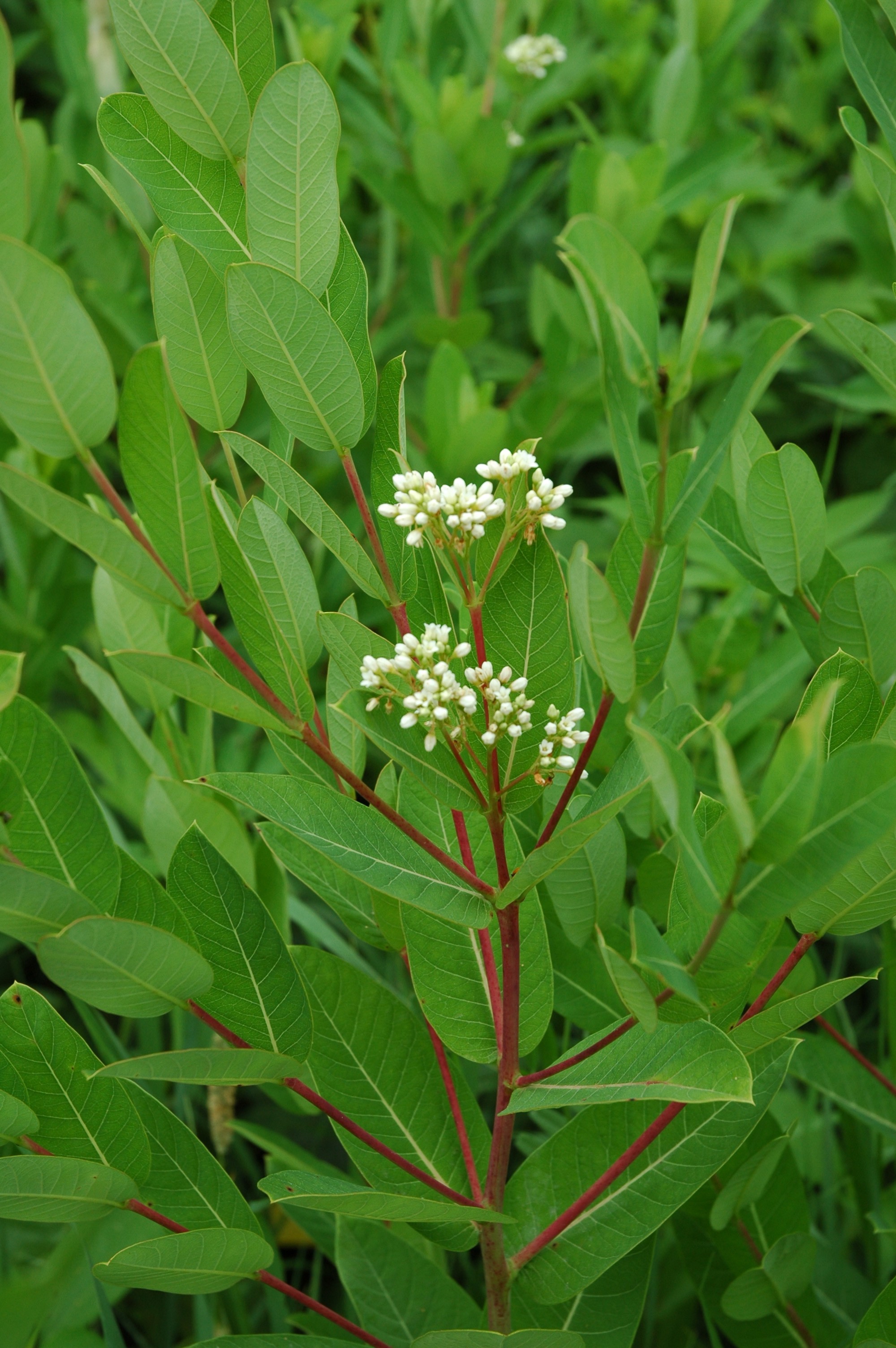
Dogbane
Apocynum spp.
Important accepted North American taxa include:
Apocynum cannabinum L. — Hemp Dogbane, Indian Hemp, Prairie Dogbane
Apocynum androsaemifolium L. — Spreading Dogbane, Flytrap Dogbane
Apocynum × floribundum Greene — Western Dogbane, a naturally occurring hybrid of A. androsaemifolium and A. cannabinum
Apocynum sibiricum Jacq. — Clasping-leaved Dogbane, accepted separately in current Kew treatment but historically included within broad concepts of A. cannabinum
Other accepted members of the genus include:
Apocynum pictum Schrenk
Apocynum venetum L.
Important historical names associated with Apocynum cannabinum include:
Cynopaema cannabinum (L.) Lunell
Apocynum album Greene
Apocynum canadense Shecut
Apocynum hypericifolium Aiton
Apocynum pubescens Mitchell ex R.Br.
Apocynum suksdorfii Greene
Important historical names associated with Apocynum androsaemifolium include:
Cynopaema androsaemifolium (L.) Lunell
Apocynum ambigens Greene
Apocynum muscipulum Moench
Apocynum pumilum A.Gray
Hybridization is common where Hemp Dogbane and Spreading Dogbane overlap. Intermediate plants may not fit neatly into one field description, which is one reason a genus-level scientific field is appropriate for this poisoning page.
Apocynaceae Juss. — Dogbane Family
Dogbane belongs to the order Gentianales, subfamily Apocynoideae, tribe Apocyneae, and genus Apocynum.
Modern Apocynaceae also includes the former milkweed family, Asclepiadaceae, as the subfamily Asclepiadoideae. This expanded family treatment explains why Dogbane and milkweeds share several visible features, including milky latex, opposite leaves, paired seed pods, silky-haired seeds, and cardiac glycosides in many species.
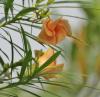
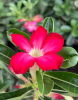
Other dangerous cardiac-glycoside plants in Apocynaceae include Oleander, Yellow Oleander, Desert Rose, Acokanthera, Strophanthus, and numerous milkweeds. Family membership alone does not establish an identical toxin concentration or safe dose.
Dogbane, Dogs Bane, Dog’s Bane, Hemp Dogbane, Dogbane Hemp, Indian Hemp, Indianhemp, Indian Dogbane, Prairie Dogbane, Spreading Dogbane, Flytrap Dogbane, Western Dogbane, Clasping-leaved Dogbane, American Hemp, Canadian Hemp, Wild Hemp, Wild Cotton, Glabrous Hemp, Bitterroot, Bitter Root, Bitteroot, Colicroot, American Ipecac, Wild Ipecac, Indian Physic, Honey Bloom, Rheumatism Weed, Rheumatism Wood, Rheumatism Root, Bowman’s Root, Apocynum spp., Apocynum cannabinum, Apocynum androsaemifolium, Apocynum × floribundum
“Indian Hemp,” “American Hemp,” “Wild Hemp,” and similar names refer to the strong stem fibers formerly used for cordage. Dogbane is unrelated to cannabis and should never be treated as an edible or recreational hemp plant.
“Bitterroot” is highly ambiguous and also refers to Lewisia rediviva, a different western North American plant. “Bowman’s Root” commonly refers to Gillenia trifoliata. Neither should be treated as an exact botanical synonym of Apocynum without further identification.
“Indian Hemp” is sometimes used for either Apocynum cannabinum or A. androsaemifolium in older medicinal and veterinary references. Current plant identification should use the scientific name whenever possible.
Cardenolide Cardiac Glycosides
Dogbane contains cardenolides, a group of cardiac glycosides with digitalis-like effects. These compounds bind to the sodium-potassium pump, or Na+/K+-ATPase, in cell membranes.
The concentration and complete glycoside profile vary among Apocynum species, individual plants, plant parts, growing conditions, seasons, developmental stages, and fresh or dried material.
The genus should therefore be described as containing a variable mixture of cardioactive cardenolides rather than one uniform toxin at one predictable concentration.
Cymarin
Cymarin is the best-established cardioactive glycoside associated with North American Dogbane. It is a potent cardenolide structurally related to k-strophanthin and has historically been investigated or used as a cardiac stimulant.
The fact that a purified compound once had medicinal use does not make the raw plant safe. Therapeutic cardiac glycosides have a narrow margin between a biologically active dose and a dose capable of producing vomiting, conduction block, ventricular arrhythmias, hyperkalemia, shock, and death.
Apocannoside
Apocannoside and cymarin were isolated as biologically active cardenolides from Apocynum cannabinum. Their presence confirms that Hemp Dogbane contains more than one active cardiac glycoside.
Species-specific concentrations in naturally occurring plants are not predictable from appearance, location, leaf number, or the age of a hay bale.
Apocynamarin and Cyntoxin
Apocynamarin appears in older pharmacognostic and medicinal literature concerning Dogbane. The term “cyntoxin” has also been used historically as an alternative name.
These names are much less prominent in modern species-specific analytical research than cymarin and apocannoside. They remain useful historical terminology but should not be presented as though every modern Apocynum sample has been shown to contain a fixed amount of one clearly characterized compound called cyntoxin.
Inhibition of Na+/K+-ATPase
The sodium-potassium pump normally moves sodium out of cells and potassium into cells. Cardiac glycosides inhibit this pump, causing intracellular sodium to rise and intracellular potassium to fall.
The altered sodium gradient reduces normal sodium-calcium exchange, allowing calcium to accumulate inside cardiac muscle cells. Cardiac contraction may initially become stronger, but normal impulse formation, conduction, and myocardial recovery become unstable.
The result may include sinus bradycardia, atrioventricular block, premature complexes, junctional rhythms, atrial or ventricular tachyarrhythmias, ventricular fibrillation, or cardiac arrest.
Potassium Abnormalities
Acute inhibition of sodium-potassium pumps can cause potassium to shift from cells into the bloodstream. Marked hyperkalemia is an important warning sign of severe cardiac-glycoside poisoning.
Vomiting and diarrhea may simultaneously reduce total-body potassium. A patient may therefore have high, normal, or low measured potassium depending on the exposure stage, gastrointestinal losses, kidney function, hydration, and treatment already received.
Potassium supplements must never be given merely because an animal has diarrhea. Electrolytes require direct measurement and serial reassessment.
Fresh and Dried Material Remain Toxic
Green leaves and stems are toxic, but drying does not reliably destroy the cardenolides. Dried Dogbane mixed into hay remains a practical livestock hazard.
Hay contamination can be more concerning than access to a standing plant because the bitter taste and milky latex are less obvious, the plant is mixed with desirable forage, and the animal may consume repeated portions from the same bale.
Old stems, roots, flowers, seed pods, mowing debris, pulled plants, and dried fragments should all be kept out of animal feed and accessible waste areas.
Milky Latex
Broken leaves, stems, and roots release sticky white latex. The latex contains plant chemicals and should not be allowed to contact the mouth, eyes, damaged skin, or animal feed.
Direct ingestion is the primary systemic risk. Skin contact may cause localized irritation or dermatitis in a sensitive animal, particularly when sap remains beneath a collar, harness, bandage, or thick coat.
Latex on the paws or fur may be swallowed during grooming. Eye exposure can produce pain and irritation and should be irrigated promptly.
Every Plant Part Should Be Treated as Unsafe
Leaves and stems are the best-documented livestock exposure tissues, but roots, flowers, seed pods, seeds, sap, and whole dried plants should also be considered unsafe.
The perennial root system can produce large colonies and remains alive after the visible stems are cut. Pulled or plowed roots left on the soil surface may become accessible to dogs, pigs, or other animals that dig.
Fibrous Stems and Mechanical Digestive Risk
Dogbane stems contain long, strong bast fibers. This property made them valuable for cordage, but it can also create a mechanical digestive concern when an animal consumes large quantities of stems or coarse hay fragments.
Fibrous material may contribute to constipation, impaction, reduced manure production, or obstruction, especially in a dehydrated horse or an animal eating poor-quality contaminated hay.
Impaction is not the primary cardenolide mechanism and should not be expected after every Dogbane exposure. It is a separate practical complication that requires gastrointestinal assessment.
No Dependable Safe Dose
Reported toxicity figures conflict dramatically. USDA cites a generalized lethal estimate near 0.5 g/kg and an old report of cattle deaths after approximately 15 g of green leaves.
Other historical feeding reports describe cattle receiving leaves equal to approximately 1% of body weight and sheep receiving as much as approximately 5.6% without obvious poisoning. Another approximately 105-pound sheep reportedly consumed more than five pounds of leaves and developed only diarrhea.
These reports cannot all be translated into one dependable threshold. Differences may involve plant misidentification, natural hybrids, toxin concentration, rate of intake, rumen metabolism, animal adaptation, individual susceptibility, and historical reporting quality.
No leaf count, stem weight, hay percentage, or body-weight calculation should be used to justify continued feeding or home observation.
Onset and Early Gastrointestinal Signs
Signs may begin within the first several hours after ingestion. The earliest abnormalities commonly involve the digestive tract and may include drooling, nausea, vomiting, diarrhea, abdominal discomfort, appetite loss, and depression.
Diarrhea may be profuse and can contain mucus or blood. Blood does not prove that the entire intestine is permanently damaged, but it indicates clinically important irritation or impaired gastrointestinal perfusion.
Horses cannot vomit. Early equine signs may instead include salivation, feed refusal, colic, pawing, flank watching, reduced intestinal sounds, sweating, or depression.
Dehydration and Circulatory Stress
Vomiting and diarrhea can rapidly reduce circulating fluid volume. Dry or tacky gums, sunken eyes, reduced urination, weak pulses, cool extremities, and delayed capillary refill suggest clinically important dehydration or poor perfusion.
Fluid loss can intensify the cardiac-glycoside effects by worsening hypotension, kidney perfusion, electrolyte abnormalities, and myocardial instability.
Bradycardia and Impaired Conduction
The heart rate may become abnormally slow. First-, second-, or third-degree atrioventricular block may interfere with transmission of electrical impulses from the atria to the ventricles.
The animal may appear weak, reluctant to move, cold at the feet or limbs, mentally dull, or prone to fainting. A pulse may feel slow, irregular, unusually strong, or intermittently absent.
Clinically important bradycardia is defined by its effect on blood pressure and perfusion rather than by one numerical heart rate alone.
Tachycardia and Ventricular Arrhythmias
Some animals develop a rapid pulse rather than bradycardia. Pain, dehydration, shock, or compensatory sympathetic activity can increase the heart rate, while myocardial glycoside effects can produce premature beats and tachyarrhythmias.
Possible rhythms include premature atrial or ventricular complexes, junctional rhythms, ventricular tachycardia, bidirectional ventricular tachycardia, and ventricular fibrillation.
Rhythm abnormalities may be intermittent. A temporarily normal pulse does not prove that the danger has ended.
Weakness, Cold Extremities, and Collapse
Reduced cardiac output can cause progressive weakness, cold limbs, pale or gray mucous membranes, poor pulse quality, low blood pressure, fainting, and collapse.
An animal may improve briefly and then deteriorate again as the rhythm changes or additional plant material is absorbed.
Dilated Pupils and Autonomic Signs
Dilated pupils, sweating, drooling, altered gastrointestinal movement, and changes in urination have appeared in older livestock descriptions.
These findings are not specific to Dogbane. Pain, shock, stress, medication, neurologic disease, and other poisonous plants can produce similar changes.
Neurologic Signs
Severe poisoning may cause trembling, incoordination, abnormal posture, profound weakness, convulsions, loss of consciousness, or coma.
Neurologic deterioration may result from direct glycoside effects, inadequate cerebral perfusion, severe rhythm disturbance, hyperkalemia, hypoglycemia, hypoxia, acid-base abnormalities, or prolonged shock.
Respiratory Complications
Breathing may become rapid, shallow, weak, or labored because of shock, cardiac failure, aspiration, convulsions, abdominal distention, or loss of effective circulation.
Coughing after vomiting or regurgitation, nasal discharge, fever, abnormal lung sounds, or worsening respiratory effort raises concern for aspiration pneumonitis or pneumonia.
Constipation, Impaction, and Obstruction
Large quantities of tough stems or contaminated coarse hay may contribute to reduced manure production, dry feces, straining, abdominal distention, recurrent colic, or impaction.
These signs may occur with or without major cardiac poisoning. A horse that stops passing manure after eating suspect hay requires examination even when the pulse initially appears normal.
Repeated unproductive vomiting in a dog, progressive abdominal enlargement, severe focal pain, or inability to pass stool may indicate retained fibrous material or another foreign body.
Signs in Dogs and Cats
A dog that tastes a small amount of bitter fresh Dogbane may drool, vomit, develop diarrhea, or refuse food. A larger exposure can progress to weakness, bradycardia, an irregular rhythm, cold paws, collapse, tremors, or convulsions.
Cats may encounter cut stems, dried herbal material, hay brought into a barn, or sap on the coat. Published feline case detail is limited, but the cardenolide mechanism warrants the same urgent response to a credible ingestion.
Signs in Horses
Horses may develop colic, diarrhea, depression, sweating, dilated pupils, weakness, cold extremities, an abnormal pulse, impaired conduction, incoordination, convulsions, or sudden collapse.
Hay exposure deserves particular concern because the plant may be consumed repeatedly and the horse cannot vomit to remove it.
Signs in Cattle, Sheep, and Goats
Ruminants may show diarrhea, reduced appetite, abdominal discomfort, depression, weakness, abnormal pulse, reduced rumen motility, collapse, or convulsions.
Rumen microorganisms may degrade some glycosides and contribute to variable susceptibility, but this possibility does not make contaminated forage acceptable.
Multiple animals developing diarrhea, weakness, or rhythm abnormalities after one new bale, hay lot, or pasture access should trigger immediate removal of the entire group from the source.
Expected Course
USDA descriptions report that fatal Hemp Dogbane cases may progress within approximately six to twelve hours. Less severe cases can improve after the source is removed and hydration, electrolytes, circulation, and cardiac rhythm are supported.
Cardiac-glycoside effects may persist or recur for several days after a substantial exposure because absorption can continue and some glycosides may undergo enterohepatic recirculation.
Dogbane Is Primarily a Field and Hay Hazard
Dogbane differs from potted cardiac-glycoside plants such as Desert Rose and landscaped shrubs such as Oleander. North American Apocynum is most often encountered in fields, pastures, hay ground, ditches, roadsides, irrigation channels, waterways, open woodland, prairie, waste areas, and disturbed soil.
This habitat changes the exposure pattern. Companion animals usually encounter fresh colonies during walking, hunting, field training, or outdoor play, while horses and livestock may consume dried fragments mixed into forage.
Plant Identity
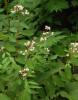
Dogbanes are upright perennial herbs with opposite or nearly opposite simple leaves, smooth leaf margins, branching upper stems, milky latex, clusters of small five-parted flowers, and paired narrow seed pods.
The stems contain strong internal fibers. When a mature stem is broken and twisted, long strands may separate from the outer bark.
The plants spread through deep horizontal roots and rhizomatous growth. A single established patch can expand into a large colony that returns after mowing or superficial pulling.
Hemp Dogbane
Hemp Dogbane, Apocynum cannabinum, usually grows as an upright, branching perennial approximately two to six feet tall. Its leaves are opposite, smooth-edged, and generally narrower or more erect than those of Spreading Dogbane.
The flowers are small, greenish white to creamy, and held in branching terminal clusters. The paired seed pods are long, narrow, and pencil-like.
Hemp Dogbane commonly occupies moist or seasonally moist ground, including ditches, streambanks, creek beds, field margins, irrigated land, pastures, meadows, fence lines, and disturbed agricultural soil.
Spreading Dogbane
Spreading Dogbane, Apocynum androsaemifolium, is usually more openly branched and often has broader, spreading or drooping leaves.
Its flowers are generally larger and more visibly pink or pinkish white than those of Hemp Dogbane. The recurved flower lobes and structures inside the flower can temporarily trap small insects, contributing to the common name Flytrap Dogbane.
This species commonly occurs in dry thickets, woodland edges, forest openings, roadsides, meadows, brushy slopes, and other open ground.
Western Dogbane and Natural Hybrids
Apocynum × floribundum is an accepted natural hybrid between Hemp Dogbane and Spreading Dogbane. It occurs widely where the parent species overlap.
Hybrid plants may combine intermediate leaf position, flower color, branching, hairiness, and corolla form. Field identification can therefore be difficult even for experienced botanists.
Intermediate appearance does not reduce the poisoning concern. The hybrid should be treated like its cardenolide-containing parents.
Clasping-leaved Dogbane
Apocynum sibiricum is accepted separately by current Kew taxonomy and occurs from Canada into the northern and central United States.
Some North American floras and older agricultural sources treated it within a broad A. cannabinum concept. Records using either treatment remain useful for locating and identifying Dogbane populations.
How Dogs Encounter Dogbane
Dogs may mouth leaves while eating grass, pull fibrous stems during play, dig into perennial root systems, or chew dried stalks found along field edges and trails.
Hunting, herding, farm, and field-training dogs may pass through extensive colonies beside irrigation ditches, waterways, prairie, crop fields, and pasture fences.
Mowing or brush cutting increases access by placing fresh stems and leaves on the ground. Cut material may also lose some of the physical resistance that discourages chewing of the standing plant.
How Cats Encounter Dogbane
Cats are less likely than grazing animals to consume a large fresh quantity, but outdoor cats may chew leaves, investigate dried stems in a barn, or groom latex from the paws and coat.
Indoor exposure may occur when plant samples, dried herbal roots, decorative seed pods, cordage material, or contaminated hay are brought inside.
Hay Contamination
Hay is one of the most important Dogbane exposure routes. Once the plant is cut, dried, baled, and mixed among desirable grasses or legumes, an animal may be unable to sort it out reliably.
Dogbane remains toxic when dry. A contaminated bale may expose an animal repeatedly over several meals rather than through one witnessed bite.
Do not continue feeding a bale while waiting to see whether signs develop. Isolate the bale, record its source and lot, preserve representative plant fragments, and inspect other bales from the same field.
Inspecting Suspect Hay
Look for tough reddish-brown or gray fibrous stems, opposite leaves or leaf scars, milky residue in less-dried material, branching flower clusters, and paired narrow pods.
Identification from fragmented hay can be difficult. Milkweed, hemp, weeds with opposite leaves, and other fibrous plants may resemble Dogbane after drying.
A complete flowering or fruiting specimen from the hayfield may be more useful than one broken fragment from a bale.
Fresh Pasture Versus Dried Hay
Standing Dogbane is bitter, fibrous, and filled with sticky latex. Many well-fed animals avoid it when suitable forage is available.
That natural avoidance is unreliable during drought, overgrazing, transport, confinement, autumn forage shortage, or access to harvested fields where desirable plants have already been removed.
Dried material may be less recognizable and may lose some of the taste or texture cues that discourage browsing.
Conflicting Livestock Feeding Reports
Dogbane’s livestock risk has been described inconsistently for decades. Some older reports state that cattle received leaves equal to approximately 1% of body weight and sheep received approximately 1% to 5.6% without adverse effects.
Another report described an approximately 105-pound sheep consuming more than five pounds of leaves and developing only diarrhea. By contrast, USDA summarizes a generalized lethal estimate near 0.5 g/kg and reports that approximately 15 g of green leaves caused death in some cattle.
Older range references have also attributed horse deaths to hay containing relatively small quantities of Dogbane leaves and stems.
These observations may represent genuine species differences, gradual rumen adaptation, variable intake rate, seasonal chemistry, different Apocynum taxa, hybrids, incorrect plant identification, or inaccurate historical dose reconstruction.
The contradiction is itself clinically important. It demonstrates why one apparently tolerant cow or sheep cannot be used to prove that the hay is safe for another animal or species.
Understanding the 0.5 g/kg Estimate
A generalized dose of 0.5 g/kg equals approximately 0.05% of body weight. Mathematically, that would correspond to approximately 13.6 g, or 0.48 ounce, for a 60-pound animal and approximately 227 g, or 8 ounces, for a 1,000-pound animal.
These calculations explain the published unit but do not establish a household or feeding threshold. The estimate is based on broad livestock reporting and conflicts with both lower fatality reports and much higher tolerance reports.
No owner should weigh a handful of Dogbane and conclude that a smaller amount is safe.
Fiber History
The common names Indian Hemp, American Hemp, Wild Hemp, and Wild Cotton refer to the strong bast fibers within Dogbane stems.
Indigenous peoples of North America used these fibers for cordage, fishing nets, bags, bowstrings, thread, straps, and other durable materials. The plant’s fiber value is an important part of its cultural and botanical identity.
Traditional fiber use involved specialized harvesting and processing. It does not mean that raw leaves, roots, latex, stems, or medicinal preparations are safe for animals to ingest.
Medicinal History
Dogbane roots and glycosides were historically used or investigated as cardiac stimulants, diuretics, emetics, cathartics, and treatments for edema or “dropsy.” Names such as Indian Physic, American Ipecac, Colicroot, Rheumatism Root, and Wild Ipecac reflect these medicinal associations.
The same narrow therapeutic margin that made the plant pharmacologically interesting makes uncontrolled ingestion dangerous. Herbal powders, tinctures, extracts, and old medicinal preparations may deliver a less predictable exposure than one taste of a fresh plant.
Dogbane Versus Milkweed
Dogbane and milkweed may both have opposite leaves, milky latex, paired narrow pods, and silky seeds. Both belong to modern Apocynaceae, and many milkweeds also contain cardiac glycosides.
Hemp Dogbane generally branches more freely toward the top and produces clusters of numerous tiny greenish-white flowers. Common milkweeds often have thicker leaves and larger, rounded flower clusters composed of structurally distinctive milkweed flowers.
Dogbane pods are usually long, slender, and paired. Milkweed pods are often thicker and broader, although species vary.
From a poisoning standpoint, uncertain Dogbane-or-milkweed material should not be fed. Several milkweed species are at least as dangerous as Dogbane.
Dogbane Versus Cannabis or Industrial Hemp
Dogbane is not cannabis. Apocynum has opposite simple leaves with smooth margins, milky sap, and small clustered flowers.
Cannabis has palmately divided leaves with multiple sharply toothed leaflets and does not produce the same milky latex or paired narrow Dogbane pods.
The word “hemp” in Dogbane common names refers to stem fiber, not botanical relationship or psychoactive chemistry.
Dogbane Versus Oleander
Oleander, Nerium oleander, is a woody evergreen ornamental shrub with long narrow leaves and conspicuous pink, red, white, or yellow flowers.
Dogbane is generally an herbaceous perennial that dies back above ground in cold climates and grows in fields, ditches, and wild colonies.
Both contain cardenolides and can produce severe cardiac poisoning. A mixed or uncertain exposure should receive the same urgent cardiovascular assessment.
Pollinators and Wildlife Do Not Establish Safety
Dogbane flowers attract bees, moths, butterflies, flies, and other insects. Some caterpillars can consume or sequester plant cardenolides.
Specialized insect tolerance does not establish a safe dose for dogs, cats, horses, cattle, sheep, goats, rabbits, or people.
Pasture and Hayfield Management
Maintain adequate desirable forage so animals are not forced to browse Dogbane. Avoid turning hungry animals directly into weedy harvested fields, ditch banks, or overgrazed pastures.
Dogbane spreads through persistent horizontal roots, so one mowing or shallow cultivation may not eliminate the colony. Control plans should account for the perennial root system and should follow local agricultural recommendations.
When herbicides are used, observe grazing and harvest restrictions and prevent animals from contacting concentrated products. Herbicide exposure is a separate toxicologic problem from the plant itself.
Diagnosis
No routine laboratory test specifically confirms every Apocynum glycoside. Diagnosis depends on plant or hay identification, exposure history, gastrointestinal signs, cardiac rhythm, blood pressure, potassium, and exclusion of other cardiac-glycoside plants or diseases.
Some plant cardenolides may cross-react with serum digoxin immunoassays. A detectable digoxin-like value may support cardiac-glycoside exposure, but assay sensitivity to Dogbane compounds has not been established reliably and the numerical result cannot be interpreted exactly like pharmaceutical digoxin.
A negative digoxin assay does not rule out Dogbane poisoning.
Preserve the entire plant, roots when available, flowers, pods, clear photographs, hay fragments, bale identification, feed labels, and any plant material recovered from vomit, manure, or stomach contents.
Prevention
Do not feed hay known or suspected to contain Dogbane. Stop feeding immediately when suspicious fibrous stems, opposite leaves, paired pods, or other Dogbane material is discovered.
Keep plant-chewing dogs away from dense colonies along roadsides, waterways, ditches, fields, and woodland edges.
Bag or securely remove pulled plants and roots. Do not place Dogbane in paddocks, dog yards, rabbit runs, poultry areas, livestock pens, feed bunks, or open compost accessible to animals.
Immediate Steps After Dogbane Exposure
- Treat a meaningful exposure as potentially serious. Contact an emergency veterinarian, livestock veterinarian, or animal poison-control service promptly, especially when hay contamination, repeated feeding, or more than a brief fresh-plant taste is possible.
- Stop access immediately. Remove the animal or herd from the living colony, cut plants, field edge, ditch, hay, feed bunk, clipping pile, vomit, manure containing recognizable material, or contaminated storage area.
- Stop feeding suspect hay. Isolate the bale and all bales from the same lot until they have been inspected. Do not dilute suspect hay with clean forage and continue feeding it.
- Identify the plant and exposure form. Determine whether the material was fresh, wilted, dried, baled, powdered, extracted, or mixed with another plant. Check specifically for toxic milkweed, Oleander, Foxglove, or other cardiac-glycoside plants.
- Remove only loose visible material. If the animal is calm, alert, breathing normally, and swallowing normally, take away leaves, fibers, stems, pods, or hay resting at the lips or front of the mouth. Do not reach blindly toward the throat.
- Do not force a mouth rinse. A weak, vomiting, colicky, or poorly coordinated animal may inhale water and plant fragments. A damp cloth may be used on accessible lips or gums when this can be done safely.
- Preserve evidence. Bring a complete plant sample, photographs, hay fragments, bale tag, feed-lot information, seed pods, roots, and securely contained material recovered from vomit or manure.
- Reduce exertion. Keep a weak animal quiet and protected from stairs, trailers without support, steep terrain, water, traffic, or unnecessary walking while transport is arranged.
Do Not Attempt Unsupervised Home Treatment
- Do not induce vomiting at home. Hydrogen peroxide, salt, mustard, syrup of ipecac, and manual gagging can cause aspiration, stomach injury, electrolyte abnormalities, and dangerous treatment delay.
- Do not attempt vomiting after signs begin. Weakness, repeated vomiting, an abnormal pulse, collapse, tremors, convulsions, breathing difficulty, or impaired swallowing makes emesis unsafe.
- Do not give activated charcoal yourself. Charcoal can be inhaled by a vomiting, weak, recumbent, sedated, colicky, or neurologically abnormal animal.
- Do not give potassium supplements. Acute cardiac-glycoside poisoning may already be causing dangerous hyperkalemia.
- Do not give atropine, glycopyrrolate, calcium, beta blockers, digoxin medication, antiarrhythmics, or diuretics at home. Medication must match the documented rhythm, potassium value, blood pressure, and perfusion.
- Do not give mineral oil, cathartics, laxatives, or large oral drenches automatically. Dehydration, ileus, obstruction, poor swallowing, and aspiration risk must be assessed first.
- Do not give human pain relievers, antidiarrheal medication, antacids, or leftover prescriptions. These may worsen cardiac, gastrointestinal, kidney, or neurologic complications.
- Do not continue feeding contaminated hay because another animal appears normal. Individual susceptibility and actual intake may differ substantially within the same group.
When Emergency Examination Is Required
- Persistent gastrointestinal illness: Repeated vomiting, profuse or bloody diarrhea, severe abdominal pain, inability to retain water, or continued feed refusal requires evaluation.
- Cardiovascular abnormalities: A slow, rapid, irregular, or weak pulse; pale, gray, or blue mucous membranes; cold extremities; fainting; weak pulses; or collapse requires emergency monitoring.
- Neurologic signs: Trembling, incoordination, dilated pupils with weakness, convulsions, profound depression, or loss of consciousness requires immediate stabilization.
- Respiratory signs: Labored breathing, coughing after vomiting or regurgitation, blue-gray gums, weak respiratory effort, or loss of airway reflexes requires urgent care.
- Possible impaction or obstruction: Reduced manure, dry feces, straining, recurrent colic, progressive abdominal distention, repeated unproductive vomiting, or absent stool requires gastrointestinal examination.
- Hay or herd exposure: Discovery of Dogbane in hay or illness affecting several animals requires immediate removal of the feed and veterinary assessment of the entire exposed group.
Initial Veterinary Assessment
The veterinarian will assess airway protection, breathing, oxygenation, heart rate and rhythm, pulse quality, blood pressure, temperature, hydration, perfusion, neurologic status, abdominal pain, gastrointestinal motility, manure production, and the amount and form of plant material involved.
Electrocardiography is important because cardiac-glycoside rhythms may change rapidly and cannot be identified reliably from an owner’s pulse count.
Initial testing may include potassium, sodium, chloride, magnesium, calcium, glucose, kidney values, liver values, blood gases, acid-base status, lactate, packed cell volume, total solids, and urinalysis.
Professional Gastrointestinal Decontamination
A veterinarian may induce vomiting after a recent ingestion when a dog or cat remains alert, asymptomatic, cardiovascularly stable, neurologically normal, and able to protect its airway.
Emesis is contraindicated after repeated spontaneous vomiting or when weakness, bradycardia, tachyarrhythmia, collapse, tremors, convulsions, respiratory abnormalities, or impaired swallowing is present.
Activated charcoal may be administered after airway, hydration, sodium, and gastrointestinal-motility assessment. One dose is commonly considered after a meaningful recent cardiac-glycoside ingestion.
Additional charcoal doses may be considered because some cardenolides undergo enterohepatic recirculation. Repeat treatment is not automatic in Dogbane cases because vomiting, dehydration, hypernatremia, ileus, impaction, recumbency, and aspiration can make repeated dosing dangerous.
Gastric lavage is reserved for an exceptional recent and substantial exposure when emesis is unsafe or unsuccessful and the patient can be anesthetized and intubated with a protected airway.
Digoxin-Specific Antibody Fragments
Digoxin-specific antibody fragments bind digoxin and many structurally related plant cardenolides, preventing continued binding to Na+/K+-ATPase.
They may be considered when Dogbane poisoning causes severe hyperkalemia, high-grade atrioventricular block, sustained ventricular arrhythmias, hemodynamic instability, shock, or cardiac-arrest risk.
Direct binding affinity and dose calculations have not been established adequately for all Apocynum glycosides. Treatment should be coordinated with an animal poison-control service, clinical toxicologist, veterinary cardiologist, or critical-care specialist whenever possible.
Potassium can fall rapidly after antibody treatment as pump function improves, so serial electrolyte monitoring remains essential.
Bradycardia and Conduction Block
Atropine or glycopyrrolate may be considered when clinically important vagal activity contributes to bradycardia or atrioventricular block accompanied by hypotension, poor perfusion, weakness, or collapse.
Response may be incomplete because cardenolides affect cardiac conduction tissue directly as well as autonomic tone.
A temporary pacemaker may be considered in a rare patient with persistent high-grade block and inadequate cardiac output despite antidotal and medical treatment.
Ventricular Arrhythmias
Clinically important ventricular premature complexes or ventricular tachycardia may require rhythm-specific antiarrhythmic treatment. Lidocaine is commonly considered for ventricular arrhythmias in dogs and selected other species.
Medication choice depends on the exact ECG rhythm, species, potassium concentration, blood pressure, cardiac function, and access to digoxin-specific antibody fragments.
Electrical cardioversion is not a routine substitute for neutralizing continuing cardiac-glycoside toxicity and requires specialist judgment.
Hyperkalemia
Marked hyperkalemia can produce weakness, bradycardia, conduction slowing, widening ECG complexes, ventricular arrhythmias, and cardiac arrest.
Veterinary treatment may include dextrose with insulin to shift potassium into cells, sodium bicarbonate in selected acidotic patients, and digoxin-specific antibody fragments to address the underlying pump inhibition.
Calcium use in cardiac-glycoside poisoning has historically been controversial and should not be administered casually. The decision requires case-specific toxicologic and cardiovascular judgment.
Fluid and Circulatory Support
Intravenous balanced crystalloids may correct dehydration, replace gastrointestinal losses, support kidney perfusion, and improve circulation.
Fluid volume must be individualized. Excessive administration can worsen pulmonary edema or cardiac strain in a patient with poor cardiac output.
Persistent hypotension may require correction of the rhythm and electrolytes, digoxin-specific antibody fragments, and a veterinarian-selected vasopressor or inotrope based on the hemodynamic findings.
Vomiting, Diarrhea, and Gastrointestinal Injury
Persistent nausea or vomiting may be treated with a veterinarian-selected antiemetic such as maropitant or ondansetron after decontamination decisions are complete.
Fluids and electrolytes should be adjusted according to measured losses rather than a universal formula.
Sucralfate or acid suppression may be considered when hematemesis, melena, painful swallowing, esophagitis, or documented gastric injury is present. These medications do not neutralize Dogbane glycosides and are unnecessary after every exposure.
Impaction and Fibrous-Material Management
A horse or livestock animal with reduced manure production, recurrent colic, dry intestinal contents, or suspected fibrous impaction may require rectal examination, nasogastric assessment, ultrasound, radiography when feasible, and serial monitoring of gastrointestinal motility.
Fluids, carefully selected enteral treatment, analgesia, and controlled movement may be appropriate after obstruction, severe ileus, swallowing impairment, and aspiration risk have been assessed.
Mineral oil, magnesium salts, cathartics, or other laxatives should not be given automatically to a dehydrated or cardiovascularly unstable patient.
Dogs with suspected swallowed stem bundles, pods, twine-like fibers, or hay masses may require abdominal imaging or endoscopy to distinguish local irritation from a retained foreign body.
Neurologic and Respiratory Support
Clinically important tremors or convulsions may require benzodiazepines, additional anticonvulsants, oxygen, temperature control, and correction of glucose or electrolyte abnormalities.
Weak, collapsed, or convulsing animals may require intubation, airway suction, and positive-pressure ventilation.
Coughing, fever, nasal discharge, abnormal lung sounds, or worsening respiration after vomiting or regurgitation raises concern for aspiration. Antimicrobial medication is appropriate when bacterial aspiration pneumonia is established or strongly suspected.
Horses
Horses cannot vomit. Treatment may include nasogastric examination, activated charcoal when safe, ECG and blood-pressure monitoring, intravenous fluids, electrolyte correction, colic treatment, and rhythm-specific cardiac support.
Suspect hay must be removed from the entire group. Other horses that appear normal should be monitored because actual intake may differ and cardiac signs may be intermittent.
Cattle, Sheep, and Goats
Ruminant assessment should include rumen contractions, abdominal distention, manure production, hydration, pulse, rhythm, blood pressure when available, and the amount of contaminated forage remaining in the rumen.
Activated charcoal may be administered through an appropriately placed tube when swallowing and aspiration risk permit.
Rumen evacuation or rumenotomy may be considered after an unusually large recent ingestion when substantial recoverable plant material remains and the animal is stable enough for the procedure.
One apparently unaffected ruminant does not establish herd safety. Remove every exposed animal from the source and document which individuals had access.
Prognosis and Recovery
The prognosis is generally favorable after a small exposure when gastrointestinal signs remain limited and no cardiovascular abnormality or hyperkalemia develops.
The prognosis becomes guarded when the animal develops high-grade heart block, sustained ventricular arrhythmia, marked hyperkalemia, hypotension, gastrointestinal bleeding, severe dehydration, impaction, convulsions, aspiration, or collapse.
Early removal of contaminated hay, safe decontamination, continuous cardiac monitoring, electrolyte correction, and access to digoxin-specific antibody fragments provide the best chance of survival after a severe exposure.
Recovered animals should remain off the suspect feed permanently. Hay from the same field or lot should not be returned to use merely because clinical signs resolved.
Frequently Asked Questions About Dogbane and Animal Poisoning
How dangerous is Dogbane to dogs, cats, and horses?
Dogbane is a potentially serious cardiac-glycoside plant. A small fresh taste may cause only drooling, vomiting, diarrhea, or appetite loss, but a larger or repeated exposure can produce potassium abnormalities, bradycardia, heart block, ventricular arrhythmias, weakness, collapse, convulsions, and death. Hay exposure is particularly concerning because dried material can be consumed repeatedly without being recognized.
Which Dogbane species are poisonous?
Hemp Dogbane, Apocynum cannabinum, and Spreading Dogbane, A. androsaemifolium, are established cardenolide-containing plants. Their natural hybrid, A. × floribundum, should be treated the same way. Other members of the genus should not be assumed safe because cardiac glycosides and medicinally active compounds occur across Apocynum.
Is dried Dogbane in hay still poisonous?
Yes. Drying does not reliably destroy Dogbane cardiac glycosides. Contaminated hay may be more hazardous than a standing plant because the animal cannot sort the fragments easily and may consume repeated portions over several meals. Stop feeding suspect hay immediately and preserve the bale, source information, and plant fragments for identification.
Why do published Dogbane dose reports conflict so much?
Some sources report fatalities after very small amounts, while older feeding reports describe cattle and sheep tolerating much larger quantities. Possible explanations include incorrect plant identification, natural hybrids, seasonal toxin variation, different consumption rates, rumen degradation, previous adaptation, and differences among animal species. The inconsistency means that no published figure can serve as a dependable safe dose.
Can Dogbane stems cause impaction as well as poisoning?
Potentially. Dogbane stems contain unusually strong fibers, and a large quantity of coarse stems or contaminated hay may contribute to constipation, reduced manure production, or impaction. That mechanical problem is separate from the cardenolide effect on the heart. An exposed horse or other animal with colic, reduced manure, abdominal distention, or persistent straining requires gastrointestinal examination.
How can Dogbane be distinguished from milkweed?
Dogbane generally has more freely branching upper stems, numerous tiny greenish-white or pinkish bell-shaped flowers, very fibrous bark, and long narrow paired pods. Milkweeds often have thicker leaves and larger rounded flower clusters, although species vary and hybrids can complicate identification. Both groups may contain dangerous cardiac glycosides, so uncertain material should not be fed or treated as safe forage.
Should I make my dog vomit after it eats Dogbane?
Do not attempt home vomiting. Cardiac-glycoside poisoning may cause weakness, rhythm abnormalities, repeated vomiting, collapse, or impaired swallowing, increasing the risk of aspiration. A veterinarian may induce vomiting after a recent exposure only when the dog remains alert, asymptomatic, cardiovascularly stable, and able to protect its airway.
Does activated charcoal help with Dogbane poisoning?
A veterinarian may use activated charcoal after a meaningful recent ingestion when the animal’s airway, hydration, sodium level, and gastrointestinal motility permit it. Additional doses may be considered because some cardiac glycosides recirculate through bile, but repeat treatment is not automatic when vomiting, dehydration, ileus, impaction, or aspiration risk is present.
Can digoxin-specific antibody fragments treat severe Dogbane poisoning?
They may be considered for life-threatening hyperkalemia, high-grade heart block, ventricular arrhythmias, shock, or cardiac-arrest risk. These antibodies neutralize many plant cardenolides, but direct binding and dose information for every Apocynum glycoside is limited. Their use should be coordinated with veterinary toxicology, cardiology, critical-care, or poison-control specialists.
Can the white Dogbane sap irritate skin or eyes?
Yes. The milky latex can irritate contacted skin, lips, or eyes, although ingestion remains the major systemic danger. Wash sap from the coat or skin with mild soap and water, prevent grooming, and irrigate an exposed eye. Persistent redness, squinting, pain, swelling, or cloudiness requires veterinary examination.
What is the prognosis after Dogbane poisoning?
Animals with limited gastrointestinal signs and no ECG abnormality or hyperkalemia often recover with removal of the source and supportive care. Prognosis becomes guarded with marked potassium elevation, high-grade heart block, sustained ventricular arrhythmia, hypotension, gastrointestinal bleeding, impaction, convulsions, aspiration, or delayed treatment. Hay from the implicated field or lot should never be returned to feed.