Oleander Cardiac Glycoside Poisoning, Oleandrin Exposure, Fatal Arrhythmias, and Smoke Hazards
Is Oleander Poisonous to Dogs, Cats, Horses, and Livestock?
Yes—Oleander, Nerium oleander L., is highly poisonous and potentially fatal to dogs, cats, horses, donkeys, cattle, sheep, goats, camelids, pigs, rabbits, guinea pigs, birds, poultry, reptiles, and other animals. Leaves, stems, twigs, bark, roots, milky sap, flowers, fruit pods, seeds, seedlings, suckers, landscaping clippings, contaminated forage, and water holding cut plant material should all be treated as dangerous. Fresh, wilted, dried, and ordinarily cooked material may retain clinically important cardiac glycosides.
Oleander contains a complex mixture of cardenolide cardiac glycosides, with oleandrin serving as the principal analytical marker in many veterinary investigations. These compounds inhibit sodium-potassium ATPase, disturb sodium, potassium, and calcium movement across cell membranes, and make the heart electrically unstable. The same patient may develop an abnormally slow rhythm, atrioventricular block, premature beats, ventricular tachyarrhythmia, severe hyperkalemia, low blood pressure, shock, and sudden cardiac arrest.
Gastrointestinal signs may begin with drooling, nausea, vomiting in species capable of vomiting, abdominal pain, colic, diarrhea, appetite loss, or reduced gastrointestinal motility. Weakness, depression, trembling, loss of coordination, seizures, collapse, abnormal breathing, reduced urine production, and coma may follow. Sudden death may occur before an owner recognizes the earlier gastrointestinal or rhythm abnormalities.
Dry landscaping waste and contaminated hay are especially dangerous because the material may become less recognizable and easier to consume. Burning Oleander is also unsafe. A documented cattle outbreak followed concentrated exposure to smoke from burning clippings, demonstrating that inhalation and smoke-contaminated feed can create serious exposure in addition to direct ingestion.
About this guide: This page provides general pet-poisoning information and cannot diagnose or treat an individual animal. For any suspected exposure, contact a veterinarian or animal poison-control service immediately. Do not induce vomiting, give medication, or attempt home decontamination unless directed by a veterinary professional.
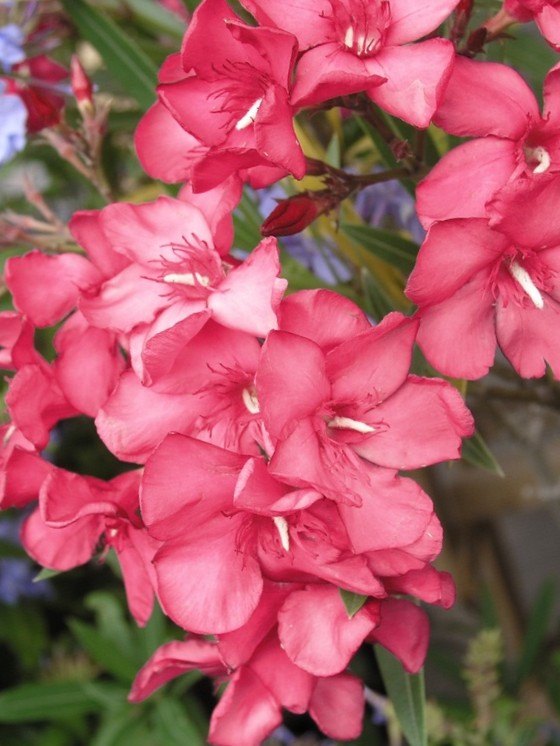
Oleander
Nerium oleander L.
- Nerium indicum Mill. — widely encountered historical synonym, especially in Asian horticultural and medicinal literature
- Nerium odorum Aiton — historical synonym associated with fragrant cultivated material
- Nerium odoratum Lam. — historical synonym and common search variation
- Nerium lauriforme Lam. — historical synonym
- Nerium kotschyi Boiss. — historical regional name now included within Nerium oleander
- Nerium mascatense A.DC. — historical regional synonym
- Nerium floridum Salisb. — historical synonym
- Nerium latifolium Mill. — historical synonym
- Nerium splendens Paxton — historical horticultural synonym
- Oleander indica (Mill.) Medik. — historical generic combination
- Oleander vulgaris Medik. — historical generic combination
- Cascabela thevetia (L.) Lippold — Yellow Oleander; a separate but also highly cardiotoxic species formerly listed as Thevetia peruviana
Apocynaceae — Dogbane Family
Oleander; Common Oleander; Rosebay; Rose-Bay; Rose Bay; Rose Laurel; Laurel Rose; Pink Oleander; White Oleander; Red Oleander; Sweet-Scented Oleander; Common Pink Oleander; Nerium
Historical and taxonomic search variations include Nerium indicum Mill., Nerium odorum Aiton, Nerium odoratum Lam., Nerium lauriforme Lam., Nerium kotschyi Boiss., Nerium mascatense A.DC., Nerium floridum Salisb., Nerium latifolium Mill., Nerium splendens Paxton, Oleander indica (Mill.) Medik., and Oleander vulgaris Medik.
Pink Oleander, White Oleander, Red Oleander, and similar color names normally describe cultivars of Nerium oleander, while Yellow Oleander is the separate cardiotoxic species Cascabela thevetia, formerly Thevetia peruviana. Rosebay is also used for unrelated plants, including Rosebay Willowherb and some rhododendrons. The scientific name, narrow leathery leaves arranged opposite each other or in whorls, terminal flower clusters, paired narrow fruit follicles, milky sap, and complete shrub should be used for identification.
Cardenolide Cardiac Glycosides
Oleander contains a complex mixture of cardioactive glycosides belonging primarily to the cardenolide class. Oleandrin is the best-known constituent and the compound most commonly targeted during veterinary toxicological testing, but natural poisoning involves a mixture rather than a measured dose of one purified chemical. More than 30 cardiac glycosides and related compounds have been reported from the plant.
Additional reported constituents include oleandrigenin, neriifolin, digitoxigenin-related glycosides, neriin, folinerin, rosagenin, neritalosides, odorosides, and numerous less familiar cardenolides. Historical names are inconsistent, and older publications sometimes use neriine, nerioside, oleandroside, or similar terms for mixtures or compounds characterized under older methods. The precise composition varies by tissue, cultivar, maturity, season, climate, and analytical technique.
Oleandrin
Oleandrin is a lipid-soluble cardenolide consisting of a steroid-like aglycone joined to the sugar oleandrose. Its lipophilicity favors biological-membrane interaction and distribution into tissues. Oleandrin is commonly detected in serum, urine, liver, heart, kidney, lung, gastrointestinal contents, feed, and other matrices during confirmed veterinary cases.
Detecting oleandrin confirms exposure to Oleander or an oleandrin-containing preparation, but the measured concentration must be interpreted according to specimen type, collection time, treatment, postmortem change, and analytical method. Concentrations in rumen contents, blood, liver, lung, and kidney are not directly interchangeable. A low concentration does not necessarily describe the peak concentration present earlier in the illness.
Sodium-Potassium ATPase Inhibition
Oleandrin and related cardenolides bind to and inhibit sodium-potassium ATPase, the membrane pump that normally moves sodium out of cells and potassium into cells. Inhibition raises intracellular sodium and reduces normal potassium entry. Potassium may consequently accumulate in the extracellular fluid and bloodstream during severe acute poisoning.
Increased intracellular sodium interferes with the sodium-calcium exchanger that normally removes calcium from cardiac muscle cells. Intracellular calcium rises, initially increasing contraction strength but also promoting delayed after-depolarizations, abnormal automaticity, premature beats, and potentially fatal tachyarrhythmias. The myocardium becomes simultaneously more forceful and less electrically stable.
Vagal and Conduction Effects
Cardiac glycosides also increase parasympathetic or vagal influence and slow conduction through the sinoatrial and atrioventricular nodes. The resulting rhythm may include sinus bradycardia, sinus arrest, prolonged atrioventricular conduction, second- or third-degree atrioventricular block, dropped beats, or escape rhythms. A veterinarian may detect pauses or an intermittently absent peripheral pulse.
Direct myocardial irritability can occur at the same time, producing premature atrial or ventricular complexes, multifocal ectopy, ventricular tachycardia, or fibrillation. A patient may move between slow and rapid rhythms during the same episode. One apparently normal heart-rate measurement does not exclude severe intoxication.
Hyperkalemia
Hyperkalemia is an important marker of severe acute sodium-potassium pump inhibition. Potassium displaced from cells accumulates outside them, further altering membrane excitability and cardiac conduction. Marked hyperkalemia can accompany weakness, atrioventricular block, ventricular arrhythmia, low blood pressure, shock, and a poor prognosis.
Potassium may later change because of vomiting, diarrhea, fluid therapy, kidney dysfunction, insulin, glucose, bicarbonate, digoxin-specific immune Fab, and other treatment. Repeated measurement is more informative than one result. Owners must never give potassium supplements after possible Oleander exposure.
Gastrointestinal Effects
Oleander can produce marked gastrointestinal irritation and autonomic dysfunction. Salivation, nausea, vomiting, diarrhea, abdominal pain, ileus, reduced rumen motility, tympany, and colic may result from local mucosal effects and systemic sodium-potassium pump inhibition. Severe diarrhea may contain mucus or blood.
Vomiting may expel visible leaf fragments but does not prove that the remaining absorbed dose is safe. Ongoing vomiting and diarrhea create dehydration, electrolyte loss, acid-base disturbance, poor perfusion, and aspiration risk. Horses and rabbits cannot vomit, so their early presentation may center on colic, anorexia, motility change, or weakness.
Neurologic and Muscular Effects
Sodium-potassium ATPase is essential in nerves and skeletal muscle as well as cardiac tissue. Depression, confusion, weakness, ataxia, tremors, dilated pupils, seizures, recumbency, progressive paralysis, stupor, and coma may occur. Some neurologic findings are direct cellular effects, while others result from arrhythmia, hypotension, hypoglycemia, shock, inadequate brain perfusion, or electrolyte disturbance.
Respiratory compromise may follow central depression, neuromuscular weakness, seizures, aspiration, pulmonary edema, or poor cardiac output. A severely affected animal may require airway protection and assisted ventilation in addition to cardiac treatment.
Every Plant Part Is Dangerous
Leaves, stems, twigs, branches, bark, roots, milky sap, flowers, fruit follicles, seeds, seedlings, suckers, and pruning debris should all be treated as poisonous. Leaves and landscaping clippings are the most frequent livestock exposure sources because they are abundant and easily dumped into paddocks, pens, or feed areas. Pods have caused documented cattle outbreaks.
No branch is safe merely because the leaves have been removed. Dogs may chew sticks, birds may shred twigs, rabbits may gnaw bark, and livestock may browse suckers or roots exposed during clearing. Sap can contaminate gloves, tools, clothing, fur, feed, buckets, and water.
Fresh, Wilted, and Dried Material
Drying and wilting do not reliably destroy Oleander cardenolides. Dried material may become less bitter and less recognizable, making it easier for livestock to consume when mixed into hay, bedding, green waste, or a ration. Fallen leaves and old branches remain a concern after the living shrub has been removed.
Ordinary boiling, steeping, or food preparation should not be considered detoxification. Fatal poisonings have followed prepared Oleander extracts, and boiled plant material has retained dangerous activity. No home processing method creates safe animal feed, medicine, or chewing material.
Hay, Silage, Green Chop, and Mixed Feed
Oleander fragments may enter hay when shrubs border cutting areas or when clippings are mixed intentionally or accidentally with forage. Once chopped, baled, or incorporated into a total mixed ration, narrow leaves and woody fragments may be difficult to identify. One contaminated load can expose an entire herd or flock.
Ensiling cannot be assumed to destroy the cardiac glycosides. Suspect hay, silage, green chop, grain, and mixed rations must be isolated while representative samples are retained. Removing the visible branch does not establish that smaller fragments are absent from the rest of the feed.
Smoke Inhalation and Burned Residue
Oleander should never be burned near barns, kennels, paddocks, poultry houses, trailers, feed, water, occupied buildings, or people. In a 2025 outbreak, smoke from burning Oleander mowing accumulated inside a beef-cattle facility approximately 20 meters away. Seventy-six of 205 cattle died, and oleandrin was detected in lungs, kidneys, liver, intracardiac clot, and ruminal contents.
The distribution of deaths, absence of plant fragments in feed and rumen contents, smoke accumulation, tissue concentrations, and lung findings supported inhalational intoxication as the most likely cause of the hyperacute deaths. Two later deaths were suspected to include secondary oral exposure from contaminated feed. Smoke, soot, embers, ash, and exposed feed or water must therefore be isolated after burning.
Water and Sap Contamination
Water holding cut Oleander branches, flowers, roots, or clippings should be treated as potentially contaminated. This includes vases, buckets, trailers, wheelbarrows, soaking containers, drainage areas, and troughs receiving plant debris. Sap and small plant fragments can enter the water even when no intact leaf remains visible.
Discard the water where animals cannot reach it and clean the container before reuse. Do not pour pruning water into a paddock, kennel, poultry run, rabbit area, or drinking-water source. Preserve a sample when an animal has already consumed it.
Milk and Food-Animal Residues
A dairy-cattle outbreak demonstrated oleandrin in biological tissues and animal products, including milk and cheese. This creates a food-safety concern in addition to the immediate veterinary emergency. Milk, meat, and other products from exposed animals must not enter the food chain until veterinary and regulatory authorities provide instructions.
Residue interpretation depends on the exposure, animal, product, timing, analytical method, and jurisdiction. Owners should not discard or distribute products without direction because samples may be needed for diagnosis and public-health investigation.
No Dependable Safe Dose or Leaf Count
Experimental studies and outbreak reports confirm that relatively small body-weight doses can be fatal, but no universal leaf count or plant weight establishes safety. Leaf size, moisture, cardenolide concentration, cultivar, plant part, chewing, digestive retention, animal species, body size, disease, and treatment delay all affect outcome.
A single leaf cannot be assumed harmless, and the absence of symptoms during the first hour does not establish safety. Conversely, historical lethal estimates should not be presented as though every animal ingesting that amount will die. Every credible exposure requires immediate professional case assessment.
Onset and Clinical Progression
Clinical signs may begin within approximately 30 minutes to several hours after ingestion, although onset varies with plant preparation, chewing, stomach or rumen contents, species, and dose. Experimental sheep developed abnormalities within about 30 minutes, while naturally exposed animals may be found dead before earlier signs are recognized. Intact plant material remaining in the stomach or rumen can prolong absorption.
The syndrome may progress through gastrointestinal irritation, rhythm disturbance, circulatory failure, neurologic deterioration, and death, but not every patient follows the same order. A sudden arrhythmia or collapse can occur before dramatic vomiting or diarrhea. Surviving animals may remain at risk of recurrent rhythms, renal injury, aspiration, and gastrointestinal complications for several days.
Drooling, Nausea, Vomiting, and Diarrhea
Early findings commonly include excessive salivation, lip licking, repeated swallowing, nausea, gagging, retching, vomiting, appetite loss, abdominal discomfort, and diarrhea. Vomit may contain green or dried leaves, narrow leaf fragments, bark, twigs, flowers, or feed. Diarrhea may be watery, foul-smelling, mucus-covered, dark, or bloody.
Repeated vomiting and diarrhea can cause dehydration, hemoconcentration, electrolyte change, acid-base disturbance, weak pulses, reduced urine production, and shock. Vomiting during depression, weakness, tremors, or seizures creates substantial aspiration risk. Coughing or renewed respiratory illness after vomiting requires reassessment.
Abdominal Pain and Gastrointestinal-Motility Changes
Dogs and cats may pace, whine, stretch repeatedly, guard the abdomen, or assume a hunched posture. Horses may paw, flank-watch, sweat, lie down repeatedly, roll, or develop decreased gastrointestinal sounds. Ruminants may develop ruminal atony, abdominal discomfort, reduced cud chewing, mild to severe tympany, or diarrhea.
Gastrointestinal signs may persist after the pulse temporarily improves. Continued pain, distension, absent motility, blood, or worsening dehydration requires intensive care. A foreign object or unrelated gastrointestinal disease should remain in the differential when the course is atypical.
Slow Rhythms and Atrioventricular Block
Increased vagal influence and conduction slowing can produce sinus bradycardia, sinus arrest, first- through third-degree atrioventricular block, dropped beats, junctional or ventricular escape rhythms, and long pauses. The peripheral pulse may be unusually slow, irregular, weak, or intermittently absent. Some electrical beats may not generate a palpable pulse.
An animal with a slow rhythm may appear depressed, weak, cold, confused, or prone to sudden collapse. Treatment depends on the exact ECG rhythm, blood pressure, perfusion, potassium concentration, and response to antidotal therapy. Pulse rate alone cannot define the rhythm safely.
Rapid and Ventricular Arrhythmias
Myocardial irritability may produce premature atrial or ventricular complexes, multifocal ectopy, accelerated idioventricular rhythms, ventricular tachycardia, and ventricular fibrillation. Owners may notice pounding, irregular beats, sudden weakness, collapse during movement, or repeated attempts to stand followed by falling.
The rhythm can change rapidly from bradycardia or heart block to ventricular tachyarrhythmia. A drug appropriate for one rhythm may be ineffective or harmful during another. Continuous ECG monitoring is substantially more informative than occasional auscultation.
Blood Pressure and Circulatory Failure
Blood pressure may be elevated during an early sympathetic response but can fall dangerously as cardiac output, vascular regulation, hydration, and myocardial function deteriorate. Weak pulses, pale or congested gums, prolonged capillary refill, cold ears or feet, reduced body temperature, weakness, and reduced responsiveness indicate poor perfusion.
Severe hypotension can injure the kidneys, brain, gastrointestinal tract, and other organs. Shock may coexist with arrhythmia, hyperkalemia, dehydration, and pulmonary edema. Collapse should never be attributed only to weakness without evaluating cardiovascular function.
Hyperkalemia and Other Laboratory Abnormalities
Severe acute sodium-potassium pump inhibition can raise serum potassium. Marked hyperkalemia contributes to weakness and conduction abnormalities and is associated with severe poisoning. Potassium must be interpreted with the ECG, kidney function, acid-base status, hydration, and timing.
Other findings may include hypoglycemia, hyperglycemia, hemoconcentration, azotemia, altered sodium or chloride, acid-base abnormalities, and elevations reflecting tissue injury. Hypoglycemia has been documented in a poisoned dog and may contribute to weakness, tremors, seizures, or altered awareness. Repeated laboratory testing is necessary because abnormalities evolve during treatment.
Neurologic and Muscular Signs
Depression, lethargy, confusion, dilated pupils, weakness, trembling, ataxia, abnormal posture, recumbency, progressive paralysis, stupor, seizures, and coma may occur. Neurologic findings can reflect direct membrane-pump inhibition, poor cerebral perfusion, hypoglycemia, electrolyte abnormalities, shock, or several mechanisms acting together.
A weak or uncoordinated animal can be injured by stairs, fencing, water, traffic, or forced walking. Seizures increase oxygen demand and body temperature and can worsen cardiovascular instability. Reduced awareness or swallowing ability greatly increases aspiration risk.
Respiratory Signs
Breathing may become rapid, shallow, irregular, noisy, labored, or gasping. Causes include shock, pulmonary edema, aspiration, severe cardiac dysfunction, seizure activity, inhaled smoke, airway contamination, or terminal neuromuscular failure. Blue-gray mucous membranes indicate inadequate oxygenation or perfusion.
Smoke-exposed cattle in the documented inhalation outbreak developed depression, sternal recumbency, and dyspnea before death. Pulmonary edema, hemorrhage, and oleandrin within lung tissue supported systemic and respiratory injury. Any animal exposed to Oleander smoke requires close respiratory and cardiovascular assessment.
Dogs
Dogs may chew leaves, low branches, pruning debris, roots, or sticks; raid compost; or drink contaminated water. Vomiting, diarrhea, drooling, depression, weakness, tremors, abnormal pupils, ataxia, collapse, or an abnormal pulse may develop. Puppies and habitual chewers face increased exposure because woody Oleander branches may be carried as toys.
A canine case treated successfully with digoxin-specific immune Fab had severe toxicosis despite antiarrhythmic and supportive treatment. Another dog developed clinically important hypoglycemia. These reports support early ECG, glucose, potassium, blood-pressure, and perfusion monitoring rather than relying solely on gastrointestinal signs.
Cats
Cats may chew leaves or flowers, contact sap, drink vase water, or encounter plant material carried indoors. Early signs may be vomiting, hiding, appetite loss, weakness, or quiet behavior. Their small body size means that limited plant material can represent a significant exposure.
A published cat developed ventricular arrhythmia after suspected exposure and responded rapidly to digoxin-specific antibody fragments. Previously unrecognized hypertrophic cardiomyopathy complicated the later course. Primary heart disease can therefore coexist with plant poisoning and influence treatment and prognosis.
Horses and Donkeys
Equids commonly encounter Oleander through dumped landscaping clippings, contaminated hay, storm debris, or branches extending over fences. Because they cannot vomit, colic, salivation, reduced gut sounds, diarrhea, depression, weakness, abnormal pulses, arrhythmias, sweating, recumbency, and collapse may dominate the presentation.
In a retrospective series of 30 poisoned equids, gastrointestinal abnormalities, azotemia, and cardiac arrhythmias were common, and 15 animals died or were euthanized. Cardiac dysfunction was the leading cause of death. Fatal miniature-horse cases also demonstrated that intensive supportive care does not guarantee survival.
Cattle, Sheep, and Goats
Ruminants are frequently exposed when clippings, pods, dried leaves, or mixed feed are consumed by several animals. Sudden death may be the first sign. Survivors may show salivation, abdominal pain, ruminal atony, tympany, diarrhea, slow or rapid rhythms, weakness, ataxia, breathing difficulty, recumbency, or progressive collapse.
Experimental sheep developed bradycardia followed by cardiac pauses and tachyarrhythmias, gastrointestinal-motility changes, abdominal pain, and urinary abnormalities. Goat studies and cattle-pod outbreaks confirm susceptibility across ruminant species. One sick animal should prompt immediate removal and examination of the entire exposed group.
Camelids
Llamas and alpacas may develop a combination of gastrointestinal, cardiovascular, and renal dysfunction. In a 12-case series, these three organ systems formed a recurring clinical pattern. Weakness, anorexia, colic-like behavior, abnormal rhythm, azotemia, reduced urine production, recumbency, and sudden deterioration may occur.
Oleandrin can be detected in serum and other specimens, but exposure history and plant identification remain essential. Camelids with salivation or poor swallowing should not be drenched because aspiration can compound the poisoning.
Rabbits and Small Herbivores
Rabbits, guinea pigs, and other small herbivores should never receive Oleander as browse, bedding, or chewing material. Possible findings include food refusal, abdominal discomfort, diarrhea, reduced fecal output, weakness, tremors, abnormal rhythm, breathing changes, recumbency, or collapse. Rabbits and guinea pigs cannot vomit.
Reduced food intake creates an additional risk of gastrointestinal stasis. Forced feeding is unsafe when cardiovascular instability, ileus, severe weakness, abdominal distension, or impaired swallowing has not been excluded. Immediate exotic-animal veterinary care is required.
Birds and Poultry
Birds may peck leaves, flowers, pods, seeds, clippings, ash, or contaminated feed. A 2024 report documented four young geese that developed hyperventilation, head movements, sialorrhea, and rapid death after ingesting pruning debris. Oleandrin was detected in liver, kidneys, heart, brain, and muscle.
Depression, diarrhea, abnormal posture, poor balance, inability to perch, tremors, seizures, open-mouth breathing, or collapse requires immediate avian care. Experimental differences among bird species do not make the plant safe for parrots, geese, chickens, ducks, or other birds.
Renal Abnormalities
Azotemia and reduced urine production are important in severely poisoned horses and camelids. Potential mechanisms include dehydration, low cardiac output, renal hypoperfusion, sodium-potassium ATPase inhibition within renal tubular cells, and concurrent tubular injury. Several mechanisms may occur together.
Microscopic tubular degeneration, necrosis, casts, mineralization, and congestion have been documented in poisoned horses. Similar lesions can occur in horses dying from unrelated causes, so renal histology cannot independently confirm Oleander poisoning. Exposure evidence and toxicological testing remain necessary.
Sudden Death and Delayed Deterioration
Fatal progression may occur within minutes or hours after signs begin. Other animals survive the initial crisis but remain at risk of recurrent arrhythmia, aspiration, renal dysfunction, gastrointestinal injury, or sudden collapse for several days. A brief period of normal rhythm does not establish complete recovery.
Continued monitoring is especially important after substantial ingestion, hyperkalemia, hypotension, ventricular arrhythmia, digoxin-specific immune Fab treatment, renal injury, or prolonged gastrointestinal signs. Discharge decisions should be based on sustained clinical and electrical stability rather than cessation of vomiting alone.
Plant Identity and Taxonomy
Oleander is Nerium oleander L., an evergreen shrub or small tree in Apocynaceae, the Dogbane Family. Linnaeus published the accepted name in 1753. Modern taxonomic treatment recognizes Nerium as a genus containing one accepted species, although numerous regional, horticultural, and historical names have accumulated.
Older literature may divide fragrant Asian material under Nerium indicum, Nerium odorum, or Nerium odoratum. Current treatment includes those names within N. oleander. Historical scientific names remain valuable search terms but should not be presented as separate poison species without current taxonomic support.
Native and Introduced Range
The accepted native range extends from the Mediterranean region across northern Africa, southern Europe, the Middle East, the Arabian Peninsula, Iran, Afghanistan, Pakistan, India, the western Himalaya, and eastward to Myanmar. The plant commonly grows in warm river valleys, seasonal watercourses, rocky ravines, and subtropical habitats.
Oleander has been introduced widely throughout tropical, subtropical, Mediterranean, and warm-temperate regions. In the United States it is especially common in California, Arizona, Texas, Louisiana, and other southern or western areas. Landscaping outside the naturalized range can still place the shrub beside homes, veterinary facilities, barns, schools, roadways, and animal enclosures.
Growth Form
Oleander may grow as a dense multistemmed shrub or be trained as a small tree. Mature height varies with cultivar, climate, pruning, irrigation, and growing conditions. New suckers may emerge at the base even when the main canopy is above animal height.
Repeated pruning creates abundant toxic waste. Storm damage, road maintenance, utility work, and hedge trimming may distribute branches beyond the original planting. Roots and suckers can remain after the visible shrub is cut down.
Leaves
Leaves are narrow, leathery, and usually dark green, with a prominent pale midrib and many closely spaced lateral veins. They generally occur opposite each other or in whorls of three. Their margins are smooth, and the tip is pointed.
Leaves may remain attached throughout much of the year in warm climates. Fallen, frost-damaged, wilted, or dried leaves remain dangerous. Narrow fragments in hay may resemble other plant material, making complete branches and photographs valuable for identification.
Flowers
Flowers develop in terminal clusters and commonly have five spreading petals. Cultivars may be white, cream, pale yellow, salmon, pink, red, or multicolored and may bear single or double flowers. Some are fragrant while others have little scent.
Color, scent, petal number, dwarf growth, and variegated foliage do not establish reduced toxicity. Flowers contain cardiac glycosides and should not be used in pet-accessible floral displays. Fallen blooms must be removed from water bowls and animal areas.
Fruit Pods and Seeds
The fruit normally consists of two long narrow follicles. Mature pods split and release numerous seeds bearing silky hairs that aid dispersal. Pods and seeds can fall into poultry yards, rabbit runs, feed troughs, bedding, and hay.
Cattle outbreaks caused by Oleander pods demonstrate that fruiting material is not a minor theoretical concern. Seeds and pods must not be used for crafts, enrichment, bedding, or decorative feed-area planting. Wind-dispersed seed material should be removed from animal enclosures.
Milky Sap
Broken leaves, shoots, stems, and roots release a milky latex-like sap. The sap can contaminate hands, gloves, clothing, pruning tools, toys, feed equipment, fur, and water. Direct contact may irritate skin or eyes in susceptible individuals.
Wear gloves and eye protection during removal. Wash exposed skin, tools, clothing, footwear, and equipment before contact with animals or feed. Prevent pets from licking sap-covered fur or chewing freshly cut stumps.
Seasonal Exposure
Oleander is evergreen in many warm climates, so exposure is not confined to one season. Spring and summer bring flowers and active growth, while late-season pruning can produce large clipping piles. Storms, freezes, drought, and renovation projects may create sudden access to branches.
Dried leaves can persist in hay, soil, drainage channels, fence lines, and disposal sites. Burned residue and smoke exposure may occur during seasonal yard cleanup. Prevention plans must cover live plants and every disposal stage.
Landscaping Clippings
Discarded clippings are one of the most important documented exposure pathways. A property owner, neighbor, contractor, municipal worker, or employee may throw green branches into a pasture believing that livestock will avoid an ornamental plant. Wilted material may be less bitter and mixed with desirable forage.
The California diagnostic review identified clippings as the most frequent source among 37 livestock cases. Every pruning job should include immediate collection, secure transport, and disposal where animals cannot reach the material. Temporary piles are not safe.
Hay and Feed Contamination
Oleander may enter forage when shrubs grow near hay fields, branches are dumped on cut forage, or contaminated clippings are incorporated into a feed pile. Dry leaves remain toxic and become difficult to recognize after baling or chopping. Several animals can receive a lethal exposure from one contaminated lot.
Quarantine suspect hay, silage, green chop, and total mixed ration immediately. Retain samples from multiple bales, feeders, or locations because contamination may be uneven. Do not feed the remainder merely because one visible branch has been removed.
Roadside and Public-Land Exposure
Oleander is frequently planted along highways, parking areas, schools, parks, commercial properties, and road medians. Storms, mowing, road maintenance, brush clearing, and illegal dumping can leave branches where dogs, horses, livestock, or wildlife can reach them.
Do not allow dogs to carry unidentified roadside sticks or horses to browse landscaping during travel stops. Animal trailers, feed tubs, and water buckets should be kept away from maintenance debris. Report dumped Oleander near public animal areas promptly.
Smoke, Soot, Ash, and Fire Exposure
Burning Oleander is not a safe disposal method. The 2025 cattle outbreak provides direct evidence that concentrated smoke can cause systemic oleandrin exposure and mass mortality. Smoke entered an enclosed livestock facility after clippings were burned nearby, and the spatial pattern of deaths corresponded with smoke accumulation.
Remove animals and people from the smoke path without forcing compromised patients to run. Ventilate buildings when this can be done safely, extinguish or isolate the source, and prevent re-entry. Feed, bedding, and water exposed to smoke, soot, embers, or ash should be isolated and sampled rather than continued in use.
Vase Water, Buckets, and Soaking Containers
Cut flowers and branches should never be placed where an animal can drink the water. Pruning crews may leave branches soaking in buckets or trailers, and roots may be washed in containers later used for feed or water. Sap and plant fragments can contaminate the liquid.
Save a sample if exposure has already occurred. Dispose of the remaining liquid where animals cannot reach it and clean the container thoroughly. Do not reuse a contaminated vessel immediately as a water or feed bucket.
Cooking Sticks, Firewood, Perches, and Toys
Oleander branches must not be used as cooking skewers, roasting sticks, stirring tools, firewood, dog fetch sticks, chew toys, bird perches, rabbit enrichment, or livestock browse. The absence of leaves does not remove the cardenolides from the wood and bark.
Historical cooking-skewer stories are repeated inconsistently, but direct mouth and food contact remains unnecessary and unsafe regardless of whether every anecdote can be authenticated. A smooth dry branch can be misidentified after removal from the plant, so disposal material should be secured immediately.
Dogs
Dogs may chew low branches, carry pruning sticks, raid compost, dig around roots, or drink contaminated water. Puppies may be attracted to fallen flowers and pods. Landscapers working inside a fenced yard can create a concentrated exposure within minutes.
Remove all fragments after pruning and inspect beneath shrubs regularly. Do not assume that vomiting has removed the complete dose. A dog that remains apparently normal after a known ingestion still requires immediate professional guidance.
Cats
Cats may chew leaves or flowers, contact sap on fur, drink vase water, or investigate indoor arrangements. A cat may hide after becoming nauseated or weak, making the first visible sign subtle. Their small size leaves little margin for exposure.
Keep cut Oleander entirely outside the home. Wash contaminated fur while preventing grooming, provided the cat remains stable enough for safe handling. Vomiting, weakness, an abnormal pulse, or unusual hiding after access requires urgent evaluation.
Horses, Donkeys, and Mules
Equids are usually exposed through clippings, contaminated hay, storm debris, or overhanging branches. Sparse pasture, boredom, transport stops, and feed contamination increase risk. They cannot vomit and may deteriorate through simultaneous gastrointestinal, cardiovascular, and renal dysfunction.
Fence shrubs well beyond reach and account for branch fall during storms. Never stack landscaping debris beside a paddock. Affected equids should not be exercised, repeatedly walked, or drenched when weak or swallowing abnormally.
Cattle, Sheep, and Goats
Ruminants may consume substantial material when clippings are mixed with hay or dumped into a pen. Pods, dry leaves, and chopped branches have caused outbreaks. Bitter taste does not protect hungry animals or those eating contaminated mixed feed.
Remove the entire group from the source and examine animals that still appear normal. Preserve rumen-accessible plant material and feed before cleanup. Sudden death in one animal may precede illness in the remainder.
Camelids
Llamas and alpacas are susceptible and may develop gastrointestinal, cardiac, and renal dysfunction together. Landscaping around farms, show grounds, boarding facilities, and residences creates exposure. Small clipping piles can be shared rapidly among several animals.
Monitor appetite, posture, pulse, urine production, breathing, and fecal output. Do not drench a weak or salivating camelid. Serum oleandrin and other diagnostic specimens may support the diagnosis.
Rabbits, Guinea Pigs, and Other Small Herbivores
Oleander should never be offered as browse or chewing material. Yard clippings placed beside hutches or compost can be pulled through fencing. A small branch may expose several animals.
Food refusal, reduced feces, diarrhea, weakness, tremors, abnormal breathing, or collapse requires immediate specialized care. Gastrointestinal stasis may develop in addition to systemic cardiac-glycoside poisoning.
Birds and Poultry
Birds may peck fresh clippings, dried leaves, pods, seeds, soot, ash, or contaminated feed. The fatal Franconia-geese report demonstrates rapid avian poisoning with tissue-confirmed oleandrin. Ornamental hedges should not border poultry or waterfowl enclosures without secure separation.
Do not use Oleander branches as perches and do not burn the plant near aviaries or poultry houses. Open-mouth breathing, loss of balance, tremors, inability to perch, or collapse is an emergency. Minimize handling while arranging veterinary care.
Reptiles and Other Exotics
Exact species-specific reptile evidence is limited, but Oleander should not be used in terrariums, tortoise grazing areas, or mixed-species enclosures. Herbivorous reptiles may consume fallen flowers or leaves, while insect prey may contact treated or contaminated material.
Appetite loss, abnormal posture, weakness, regurgitation, altered movement, or breathing changes requires an exotic-animal veterinarian. Mammalian treatment timelines and doses cannot be transferred automatically.
Published California Livestock Diagnoses
The California Veterinary Diagnostic Laboratory System diagnosed 37 livestock cases beginning in 1989. Landscaping clippings were the most common exposure source, and sudden death was the most common presenting complaint. Diarrhea, pulmonary edema, tachycardia, arrhythmias, colic, and lethargy were also reported.
The study helped establish plant identification, ingesta examination, thin-layer chromatographic oleandrin detection, and myocardial lesions as useful components of diagnosis. Modern mass-spectrometric methods provide more specific analytical confirmation.
Published Equid Series
The 30-equid retrospective series found frequent simultaneous gastrointestinal, cardiac, and renal abnormalities. Among the animals reaching the hospital, gastrointestinal abnormalities occurred in most, azotemia was common, and cardiac arrhythmias were frequently audible. Overall mortality was 50%.
Cardiac dysfunction was the most common cause of death. The series demonstrates that treatment can succeed but that severe poisoning remains highly lethal. Absence of one organ-system abnormality does not exclude the diagnosis.
Published Camelid Series
Twelve New World camelids with Oleander intoxication were reviewed in a veterinary case series. Gastrointestinal, cardiovascular, and renal dysfunction formed a recurring triad. The work supports systematic renal and cardiac monitoring in addition to gastrointestinal care.
Camelids may not show identical signs or laboratory changes at the same time. Exposure history, plant identification, serum testing, ECG findings, and repeated kidney assessment strengthen the diagnosis.
Fatal Cattle and Dairy Outbreaks
A 2019 investigation described the deaths of all six cattle on a small farm after Oleander-contaminated forage exposure. High-resolution mass spectrometry detected oleandrin in feed and rumen contents. The case demonstrates the value of analyzing the environmental source together with animal specimens.
A separate dairy outbreak caused multiple deaths and demonstrated oleandrin in serum, tissues, milk, and cheese. That finding expands the concern beyond animal survival to food-chain contamination. Exposed animal products require veterinary and regulatory control.
Dog and Cat Digoxin-Immune-Fab Cases
A dog with severe Oleander toxicosis failed to respond adequately to initial antiarrhythmic and supportive treatment. Digoxin-specific immune Fab controlled the poisoning and the dog survived, although ischemic injuries complicated recovery. The report established successful veterinary use of the specific antibody fragments in severe canine Oleander poisoning.
A cat with suspected exposure developed ventricular arrhythmia that improved rapidly after digoxin-specific antibody fragments. Previously unrecognized hypertrophic cardiomyopathy complicated the subsequent course. Early antidotal treatment may correct circulating glycoside effects but cannot reverse every preexisting or established structural cardiac lesion.
Fatal Geese Case
Four young Franconia geese consumed Oleander clippings left after hedge pruning. They developed hyperventilation, abnormal head movements, sialorrhea, and rapid death within 15–90 minutes. Plant fragments were present in the upper gastrointestinal tract.
Cardiac and renal lesions were documented, and oleandrin was measured in liver, kidneys, heart, brain, and muscle. The case refutes broad assumptions that birds are protected by relative experimental resistance observed in some species or dose models.
Diagnosis
Diagnosis combines exact plant identification, credible access, clinical progression, ECG findings, blood pressure, potassium and other electrolytes, glucose, kidney values, gastrointestinal abnormalities, and toxicological testing. No single sign confirms Oleander poisoning, and sudden death may occur before a complete clinical picture develops.
Preserve leaves attached to stems, flowers, pods, seeds, roots, nursery labels, hay, mixed feed, water, ash, smoke-exposed material, vomit, feces, stomach or rumen contents, and photographs of the exposure site. Keep clean plant material separate from biological specimens.
Digoxin Immunoassays
Oleandrin and oleandrigenin can cross-react with some digoxin or digitoxin immunoassays. A positive result in an animal not receiving a cardiac-glycoside medication can support exposure. Cross-reactivity varies substantially among assays and among individual Oleander glycosides.
The reported value is not a precise digoxin-equivalent concentration and should not be entered directly into a human digoxin-antidote calculation. A negative result does not exclude poisoning when the assay has poor cross-reactivity, the specimen was collected late, or the circulating compounds differ from the assay target.
Direct Oleandrin Analysis
Liquid chromatography coupled with tandem mass spectrometry can identify and quantify oleandrin in serum, urine, liver, heart, kidney, gastrointestinal contents, feed, and other specimens. This method is especially valuable when plant fragments have been digested or the exposure has forensic, herd, or food-safety implications.
Specimen selection should be coordinated with the diagnostic laboratory. Urine may be useful in living animals, but a negative urine result does not eliminate poisoning. Tissue distribution, postmortem interval, storage, and analytical limits affect interpretation.
Cardiac and Renal Pathology
Myocardial degeneration, necrosis, hemorrhage, edema, and inflammatory change can support the diagnosis when combined with exposure and toxicology. Hyperacute death may occur before prominent microscopic lesions develop. Similar cardiac injury can arise from other toxins or ischemia.
Renal tubular injury, casts, necrosis, mineralization, congestion, and reduced urine production may accompany severe equine and camelid poisoning. Controlled comparison has shown that renal lesions are not specific enough to diagnose Oleander independently. They remain clinically important for treatment and prognosis.
Differential Diagnosis
Other cardiac-glycoside plants include Yellow Oleander, foxglove, lily of the valley, Kalanchoe, desert rose, milkweeds, and related dogbanes. Yew can cause sudden cardiovascular collapse through a different toxin class. Digoxin, digitoxin, and other medications can closely mimic the syndrome.
Pesticides, ionophores, electrolyte disorders, primary heart disease, gastrointestinal disease, toxic algae, mushrooms, urea, nitrate, cyanide, botulism, and infectious causes may overlap in individual species. Exact identification matters because treatment and antidotal options differ.
Veterinary Decontamination
Decontamination depends on species, time, amount, clinical signs, and airway safety. A veterinarian may consider controlled emesis after a recent significant ingestion in a fully alert, stable, asymptomatic dog. Symptomatic patients generally should not be made to vomit because arrhythmia, weakness, seizures, and impaired swallowing increase risk.
Medical activated charcoal may reduce gastrointestinal absorption. Additional doses without repeated cathartic may be considered because cardiac glycosides may undergo biliary and gastrointestinal recirculation, but the evidence and risks must be weighed for the individual patient. Gastric lavage requires anesthesia and airway protection.
Large-animal treatment may include removal of rumen contents, rumen lavage, or rumenotomy when substantial identifiable material remains. These procedures can destabilize an animal with severe arrhythmia or shock and require direct veterinary management.
Digoxin-Specific Immune Fab
Digoxin-specific immune Fab is the principal specific antidotal therapy for life-threatening Oleander poisoning. The antibody fragments bind circulating cardiac glycosides, reducing the unbound fraction available to interact with tissue sodium-potassium pumps. Rhythm, potassium, perfusion, and clinical status may improve rapidly after an adequate treatment.
Oleander contains a mixture rather than pure digoxin, and the amount ingested is usually unknown. Cross-reactivity and binding affinity differ among glycosides, complicating dose estimation. Availability and cost may also limit access, which is why severe cases should be transferred or referred early when feasible.
Rhythm-Specific Cardiac Treatment
Continuous ECG monitoring guides treatment because the rhythm may change between bradycardia, atrioventricular block, ectopy, and ventricular tachyarrhythmia. Veterinarians may use anticholinergic medication for clinically significant vagally mediated bradycardia or block and selected antiarrhythmics for dangerous ventricular rhythms. No medication is appropriate for every ECG pattern.
Electrical pacing may be considered in refractory severe bradyarrhythmia, although cardiac-glycoside poisoning can make pacing difficult and the specific antidote remains central. Cardioversion and other interventions require toxicology and cardiology judgment because electrical instability can worsen.
Fluids, Potassium, Glucose, and Calcium
Intravenous fluids support circulation and replace gastrointestinal losses, but the type and rate must account for cardiac output, blood pressure, kidney function, urine production, pulmonary status, and electrolytes. Excessive fluid can worsen edema or cardiac compromise, while inadequate replacement perpetuates shock and renal injury.
Severe hyperkalemia may require digoxin-specific immune Fab and additional monitored treatment such as insulin with dextrose or bicarbonate in selected patients. Hypoglycemia requires measured correction. Potassium-containing products must not be given blindly.
Owners must never administer calcium. The historical absolute prohibition against all clinician-administered calcium during cardiac-glycoside toxicity is not supported uniformly by modern digoxin evidence, but calcium is not the specific treatment for Oleander poisoning and should not delay immune Fab. A veterinarian must decide whether a compelling indication exists from the ECG, potassium, ionized calcium, perfusion, and overall risk.
Experimental Fructose-1,6-Diphosphate
Experimental canine work found that fructose-1,6-diphosphate could improve selected hemodynamic and biochemical effects after Oleander poisoning. Additional experimental dog studies have examined it with glucose. These findings remain research evidence rather than a standard owner- or field-administered antidote.
Fructose-1,6-diphosphate should not replace digoxin-specific immune Fab, ECG-directed treatment, electrolyte management, airway support, and intensive monitoring. Availability and clinical protocols vary. Public dosing instructions are inappropriate.
Prognosis
Prognosis depends on the absorbed dose, treatment delay, ECG rhythm, potassium concentration, blood pressure, perfusion, glucose, kidney function, neurologic status, aspiration, and availability of digoxin-specific immune Fab. Animals without cardiovascular abnormalities or severe electrolyte changes generally have a better outlook.
Ventricular arrhythmia, high-grade heart block, marked hyperkalemia, persistent hypotension, renal failure, seizures, coma, pulmonary edema, smoke-associated respiratory injury, and delayed discovery create a guarded-to-grave prognosis. Fatalities can occur despite intensive care, but prompt recognition and antidotal treatment have saved severely affected dogs and cats.
Prevention
Do not plant Oleander where pets, livestock, rabbits, poultry, or children can reach it. Existing shrubs should be securely fenced or professionally removed. Removal plans must include roots, suckers, fallen leaves, flowers, pods, seeds, and every fragment of pruning waste.
Never burn Oleander near animals or feed, dump it into pastures, place it in accessible compost, mix it with hay, use it as firewood, or repurpose branches as toys, skewers, perches, or browse. Train landscaping crews and neighbors before work begins and inspect the site before animals return.
Immediate Emergency Response
- Contact a veterinarian immediately: Treat every known or credible Oleander ingestion as an emergency even when the animal still appears normal.
- Stop further exposure: Remove access to the shrub, leaves, sticks, flowers, pods, seeds, roots, sap, clippings, hay, feed, water, smoke, soot, and ash.
- Preserve the evidence: Save the complete plant, nursery label, photographs, clean samples, vomited fragments, hay, feed, water, and smoke-exposed material.
- Estimate the maximum exposure: Record the time, amount missing, plant part, fresh or dried condition, animal weight, and number of animals with access.
- Do not wait for symptoms: Cardiac-glycoside absorption and rhythm abnormalities may begin before an owner detects an abnormal pulse.
Keep the Animal Quiet
- Limit exertion: Do not run, chase, exercise, or repeatedly walk an animal with possible cardiac poisoning.
- Reduce stress: Keep the environment quiet and cool while emergency care is arranged.
- Prevent falls: Keep weak animals away from stairs, pools, roads, fencing, trailers, and hard obstacles.
- Carry small patients when safe: A weak dog or cat should not be forced to walk to the vehicle.
- Call before moving livestock: A large-animal veterinarian may recommend field stabilization before transport.
Arrhythmia and poor cardiac output can cause sudden collapse during handling. Quiet restraint is part of treatment rather than merely a comfort measure. Do not delay departure while attempting to count leaves or check the pulse repeatedly.
Remove Loose Plant Material
- Wear gloves: Protect skin and eyes from sap, smoke residue, and contaminated vomit.
- Remove only visible loose pieces: Carefully clear accessible leaves or stems from the lips and front of the mouth when handling is safe.
- Do not reach deeply: A blind finger sweep may push plant material toward the airway or result in a bite.
- Do not force a mouth rinse: Weakness, vomiting, tremors, seizure activity, or abnormal swallowing increases aspiration risk.
- Prevent grooming: Do not allow an animal to lick sap or soot from contaminated fur.
Do Not Induce Vomiting at Home
- Do not give hydrogen peroxide: Oleander may rapidly produce arrhythmia, weakness, seizures, and loss of airway control.
- Never give peroxide to a cat: It can seriously injure the feline stomach and esophagus.
- Do not use salt, mustard, ipecac, detergent, oil, syrup, fingers, or manual gagging: These methods create additional hazards and delay definitive care.
- Do not induce vomiting after signs begin: Vomiting is unsafe with depression, tremors, collapse, abnormal breathing, seizures, or impaired swallowing.
- Do not attempt vomiting in horses, rabbits, guinea pigs, birds, or ruminants: These animals either cannot vomit effectively or face serious aspiration and handling risks.
Do Not Give Home Antidotes or Heart Medication
- Do not give activated charcoal without direction: It may be useful professionally but can be aspirated by a vomiting, weak, sedated, or poorly swallowing animal.
- Do not give potassium: Severe acute Oleander poisoning can already produce dangerous hyperkalemia.
- Do not give calcium: Calcium is not an owner-administered antidote and requires clinician assessment of the ECG and electrolytes.
- Do not give atropine or antiarrhythmics: The correct medication depends on the current ECG rhythm, blood pressure, and potassium concentration.
- Do not give milk, oil, food, antacids, or sucralfate: These do not neutralize cardiac glycosides.
- Do not give human medication: Pain relievers, sedatives, antidiarrheals, stimulants, and heart drugs may worsen the emergency.
Food and Water
- Do not force food: Nausea, ileus, weakness, or abnormal swallowing can make feeding dangerous.
- Do not syringe water: Forced fluid may enter the lungs.
- Withhold contaminated sources: Remove vase water, pruning water, trough water, feed, hay, and bedding containing plant debris.
- Preserve samples before disposal: Retain representative water and feed for veterinary or laboratory testing.
- Follow veterinary instructions: Oral intake may be restricted until rhythm, swallowing, and decontamination decisions are complete.
Emergency Signs
- Gastrointestinal signs: Drooling, vomiting, diarrhea, blood, abdominal pain, reduced gut sounds, or colic may be the first evidence of poisoning.
- Heart and pulse abnormalities: An unusually slow, rapid, irregular, weak, pounding, or intermittently absent pulse requires immediate treatment.
- Perfusion failure: Pale or congested gums, cold extremities, prolonged capillary refill, weakness, or collapse indicates poor circulation.
- Neurologic signs: Ataxia, tremors, seizures, paralysis, stupor, or coma is an emergency.
- Breathing changes: Rapid, shallow, labored, gasping, noisy, or irregular breathing requires immediate transportation.
- Reduced urine production: Little or no urine may indicate severe dehydration, poor perfusion, or kidney injury.
Vomiting and Aspiration
- Do not muzzle a vomiting animal: Vomit and saliva must be able to drain freely.
- Position for drainage: Keep the head and neck positioned so material can leave the mouth without compressing the chest.
- Record the contents: Note leaves, twigs, blood, dark material, foam, or feed and preserve representative fragments.
- Watch for coughing: Coughing, nasal discharge, fever, rapid breathing, or renewed lethargy may indicate aspiration.
- Give nothing orally when swallowing is impaired: A weak, seizuring, or poorly responsive animal cannot protect its airway.
Tremors and Seizures
- Move hazards away: Clear furniture, buckets, tools, fencing, and sharp objects.
- Do not place anything in the mouth: Keep hands, spoons, medication, food, and water away during a seizure.
- Do not restrain the limbs forcefully: Protect the animal from impact without pinning it down.
- Reduce stimulation: Dim lights and reduce noise while arranging emergency transport.
- Time the episode: Record duration, recurrence, breathing, and whether normal awareness returns.
Smoke or Fire Exposure
- Move animals to fresh air: Leave the smoke area without forcing compromised animals to run.
- Ventilate buildings safely: Open doors and activate safe ventilation while preventing re-entry.
- Isolate exposed feed and water: Preserve samples and do not continue feeding material exposed to smoke, soot, ash, or embers.
- Remove remaining burn material: Extinguish or isolate embers using safe fire-control procedures.
- Seek immediate veterinary care: Depression, dyspnea, weakness, recumbency, abnormal rhythm, or sudden deaths after burning may indicate systemic poisoning.
Skin and Fur Exposure
- Wear gloves: Avoid transferring sap or soot to your skin, eyes, mouth, or another animal.
- Remove contaminated equipment: Take off collars, harnesses, blankets, or clothing holding residue against the animal.
- Wash stable animals: Use lukewarm water and mild pet-safe shampoo and rinse thoroughly.
- Prevent licking: Stop grooming until the coat has been cleaned.
- Seek care for persistent irritation: Redness, swelling, pain, blistering, or facial exposure requires veterinary examination.
Eye Exposure
- Begin gentle irrigation: Flush with sterile saline or clean lukewarm water.
- Do not rub the eye: Sap, ash, soot, and plant fragments may worsen corneal injury.
- Do not use human redness drops: Human or leftover veterinary eye medication may be inappropriate.
- Seek examination for continuing signs: Squinting, tearing, redness, cloudiness, discharge, or inability to open the eye requires prompt care.
Safe Transportation
- Call ahead: Tell the clinic that Oleander or cardiac-glycoside poisoning is suspected.
- Prevent exertion: Carry, stretcher, or support a weak animal rather than forcing it to walk.
- Protect against vomiting: Keep the head positioned so vomit and saliva can drain.
- Keep the patient quiet: Avoid unnecessary noise, restraint, and temperature stress.
- Bring evidence: Transport the plant, label, photographs, fragments, feed, water, ash, and safely contained vomit.
Dogs and Cats
- Treat every ingestion seriously: Do not observe at home while waiting for an abnormal heartbeat.
- Report possible stick chewing: Woody branches contain cardenolides even without leaves.
- Report vase-water access: The exposure may involve dissolved sap and small plant fragments.
- Report underlying heart disease: Existing cardiomyopathy, medication, or rhythm disease can alter treatment and prognosis.
- Expect prolonged monitoring when indicated: Rhythm and electrolyte abnormalities can recur after temporary improvement.
Horses and Livestock
- Remove the entire group: Every animal with access to clippings, hay, smoke, water, or feed should be considered exposed.
- Do not force affected animals to walk: Exercise may precipitate collapse in an animal with unstable cardiac output.
- Do not drench weak animals: Salivation, recumbency, colic, tremors, or impaired swallowing creates aspiration risk.
- Preserve feed samples: Retain multiple samples from different bales, feeders, piles, or ration locations.
- Inspect apparently normal animals: Intake and onset may differ within the group.
- Restrict animal products: Follow veterinary and regulatory instructions before milk, meat, eggs, or other products enter the food chain.
Rabbits, Guinea Pigs, Birds, and Other Exotics
- Do not attempt vomiting: Household emesis is unsafe or impossible in these species.
- Minimize handling: Struggling can worsen cardiovascular and respiratory instability.
- Do not force-feed: Ileus, weakness, abnormal swallowing, and cardiovascular compromise must be assessed first.
- Monitor posture and breathing: Open-mouth breathing, inability to perch, abnormal head movement, recumbency, or collapse requires immediate specialized care.
- Preserve feed and clippings: Small-animal cases may involve mixed vegetation or contaminated food.
Veterinary Evaluation
- Continuous ECG monitoring: Rhythm may change suddenly between bradycardia, heart block, ectopic beats, and tachyarrhythmia.
- Repeated blood-pressure assessment: Hypotension and poor perfusion materially affect treatment and prognosis.
- Repeated electrolyte measurement: Potassium, sodium, calcium, chloride, glucose, and acid-base status may change rapidly.
- Kidney assessment: Creatinine, urea nitrogen, urine output, urinalysis, and hydration help identify renal and perfusion complications.
- Gastrointestinal assessment: Vomiting, diarrhea, bleeding, abdominal pain, ileus, and rumen dysfunction may require intensive treatment.
- Toxicological testing: Digoxin immunoassays may support exposure, while direct oleandrin analysis can provide specific confirmation.
Veterinary Decontamination
Stabilizing airway, breathing, circulation, rhythm, and perfusion takes priority once signs develop. A veterinarian may consider controlled emesis after a recent ingestion in a fully alert, asymptomatic dog capable of protecting its airway. Symptomatic animals should generally not be made to vomit.
Medical activated charcoal may reduce absorption when it can be administered safely. Additional doses without repeated cathartic may be considered because of possible gastrointestinal recirculation, but vomiting, ileus, dehydration, hypernatremia risk, and airway protection must be considered. Gastric lavage requires anesthesia and endotracheal protection.
Rumen evacuation, lavage, or rumenotomy may be considered when large quantities of identifiable material remain in a ruminant. These procedures require ECG monitoring, cardiovascular stabilization, and direct large-animal veterinary management.
Digoxin-Specific Immune Fab
Digoxin-specific immune Fab is the principal specific antidotal therapy for life-threatening Oleander poisoning. It binds circulating cardiac glycosides and reduces their ability to attach to sodium-potassium pumps. Severe arrhythmia, marked hyperkalemia, cardiovascular instability, or continuing deterioration may justify early use.
- Consider access early: Availability, transfer time, cost, and species-specific uncertainty can delay treatment.
- Continue supportive care: ECG monitoring, electrolyte management, perfusion support, and airway care remain necessary.
- Monitor after administration: Rhythm, potassium, blood pressure, urine production, and kidney function can change rapidly.
- Do not use serum assay numbers as a simple dose chart: Oleander glycosides cross-react variably with digoxin assays.
Veterinary Cardiac Treatment
Rhythm-specific medication must follow the ECG rather than the plant name alone. Veterinarians may use anticholinergic medication for clinically important bradycardia or atrioventricular block and selected antiarrhythmics for ventricular ectopy or tachyarrhythmia. The drug plan may need to change as the rhythm changes.
Blood-pressure support may include carefully selected intravenous fluids and vasoactive medication. Excessive fluid may worsen pulmonary or cardiac compromise, while inadequate circulation perpetuates renal and tissue injury. Temporary pacing or advanced cardiac intervention may be considered in refractory cases.
Electrolyte, Glucose, and Seizure Treatment
Severe hyperkalemia requires immediate clinician-directed management, with digoxin-specific immune Fab serving as the most direct treatment of the underlying pump inhibition. Insulin with dextrose, bicarbonate, and other monitored measures may be used according to the ECG, glucose, acid-base status, and potassium concentration.
Calcium is not an owner remedy and should not be given blindly. The veterinarian must decide whether a specific indication outweighs the uncertain cardiac-glycoside risk. Hypoglycemia requires measured glucose correction, and seizures require veterinarian-selected anticonvulsant medication while oxygenation and circulation are restored.
Respiratory and Renal Support
Oxygen, suctioning, airway protection, endotracheal intubation, and assisted ventilation may be required after aspiration, smoke inhalation, seizures, pulmonary edema, or respiratory-muscle failure. Thoracic imaging and repeated oxygen assessment may be necessary.
Kidney support includes restoration of appropriate perfusion, urine-output monitoring, serial kidney values, urinalysis, and careful fluid management. Renal lesions are not diagnostic by themselves but can materially worsen the prognosis and alter drug elimination.
Monitoring and Recovery
- Monitor for several days when indicated: Cardiac-glycoside effects may persist or recur after apparent improvement.
- Continue ECG monitoring: A normal interval does not guarantee that another arrhythmia will not develop.
- Repeat electrolytes and glucose: Potassium, glucose, hydration, and acid-base status may change during treatment.
- Monitor kidney function: Urine output and renal values may worsen after the initial cardiovascular crisis.
- Watch for aspiration: Coughing, fever, rapid breathing, or renewed depression after vomiting requires reassessment.
- Do not return animals to the source: Suspect hay, feed, water, ash, clippings, and pasture must remain isolated.
Prognosis and Prevention
- Favorable indicators: Early treatment, stable blood pressure, normal or improving potassium, absence of major arrhythmia, and access to immune Fab improve the outlook.
- Serious indicators: Ventricular arrhythmia, high-grade block, marked hyperkalemia, shock, seizures, renal failure, pulmonary edema, coma, or delayed discovery creates a guarded-to-grave prognosis.
- Never dump clippings: Oleander waste must not enter pastures, pens, kennels, poultry yards, rabbit runs, hay fields, or accessible compost.
- Never burn Oleander near animals: Smoke, soot, ash, and contaminated feed or water can create additional exposure.
- Inspect purchased forage: Reject hay or feed containing narrow leathery leaves, unfamiliar woody fragments, flowers, or pods.
- Train everyone handling the plant: Owners, neighbors, landscapers, maintenance crews, farm workers, and contractors must understand the disposal hazard.
Frequently Asked Questions About Oleander and Animal Poisoning
My dog mouthed one Oleander leaf but I recovered it. Is that still an emergency?
Yes. Examine the leaf for missing pieces or tooth damage, preserve it, and contact a veterinarian or animal poison-control service immediately. Recovering most of the leaf reduces uncertainty but does not establish that no sap or tissue was swallowed. Cardiac-glycoside concentration varies, and early arrhythmia may not be obvious to an owner. Do not wait for vomiting or attempt home-induced vomiting.
Why can Oleander cause both a slow heartbeat and a rapid one?
Oleander glycosides increase vagal influence and slow conduction through the sinoatrial and atrioventricular nodes, producing bradycardia or heart block. At the same time, sodium-potassium pump inhibition raises intracellular calcium and makes cardiac tissue abnormally excitable, producing premature beats and ventricular tachyarrhythmias. The rhythm can alternate during the same poisoning. Continuous ECG monitoring is therefore much safer than treatment based on one pulse count.
Can an animal die before vomiting or diarrhea begins?
Yes. Sudden fatal arrhythmia or cardiac arrest may occur before gastrointestinal signs are recognized. This is especially important in livestock, where the first visible evidence may be dead animals beside a clipping pile or contaminated feeder. A symptom-free period after known ingestion is not a safe observation strategy. Immediate veterinary assessment is required.
Does drying Oleander make contaminated hay safe?
No. Drying does not reliably destroy the cardenolide glycosides, and dried leaves may become less bitter and harder to identify. Livestock consuming baled or chopped forage cannot avoid every fragment. Isolate the entire implicated lot and retain representative samples from multiple bales or feeders. Removing one visible branch does not clear the remainder.
Does boiling or cooking destroy oleandrin?
Ordinary boiling and household cooking are not dependable detoxification methods. Fatal poisonings have followed prepared or boiled Oleander material. The plant should never be used as food, tea, medicine, skewer material, cooking fuel, or a stirring tool. No visible change proves that the cardiac glycosides have been removed.
Can smoke from burning Oleander really poison animals?
Yes. In a 2025 outbreak, smoke from burning Oleander clippings accumulated inside a cattle facility and 76 of 205 animals died. Oleandrin was detected in lungs and several other tissues, and the evidence supported inhalation as the main route in the hyperacute deaths. Feed contaminated by smoke or residue was suspected in later deaths. Oleander must never be burned near animals, feed, water, or occupied structures.
What should be done with feed exposed to Oleander smoke or ash?
Stop feeding it immediately and isolate the affected lot. Preserve representative samples before disposal or cleanup because toxicological testing may be necessary. Do not assume that feed is safe because intact leaves are absent. Veterinary and regulatory authorities should direct testing, disposal, and any food-animal restrictions.
Can Oleander contaminate milk or other animal products?
Yes. A dairy-cattle outbreak detected oleandrin in milk and cheese as well as animal specimens. This creates a public-health and residue concern beyond the immediate poisoning. Milk, meat, eggs, or other products from exposed animals must not enter the food chain until veterinary and regulatory authorities provide instructions. Home taste or appearance cannot determine safety.
Is vase water from Oleander flowers dangerous?
It should be treated as potentially contaminated because sap and plant fragments may enter the water. Remove access, preserve a sample and the flowers, and contact a veterinarian after meaningful ingestion. Do not reuse the vase or bucket as an animal water container until it has been cleaned thoroughly. The absence of visible leaf pieces does not establish that the water contains no plant material.
Can an Oleander branch be used as a dog stick after the leaves are removed?
No. Stems, bark, and sap contain cardiac glycosides, and chewing can release plant material directly into the mouth. The branch may also splinter or lodge mechanically. Oleander wood should not be used as a fetch stick, chew toy, bird perch, livestock enrichment item, skewer, or firewood. Secure it immediately with the rest of the pruning waste.
How much Oleander is fatal?
No universal leaf count or plant weight can determine safety. Published experimental and field estimates confirm that small body-weight doses may be lethal, but toxin concentration, leaf size, tissue, cultivar, chewing, animal species, body size, disease, and treatment delay vary. One leaf cannot be declared safe, and a historical lethal estimate cannot predict every outcome. Any credible ingestion requires immediate professional guidance.
Why is potassium important during Oleander poisoning?
Sodium-potassium ATPase inhibition prevents normal potassium movement into cells, so potassium may rise in the bloodstream during severe acute poisoning. Marked hyperkalemia worsens conduction and is associated with serious toxicity. Potassium can later change with vomiting, kidney function, fluids, insulin, glucose, bicarbonate, and immune Fab. Repeated laboratory measurement is required, and owners must never give potassium supplements.
Should calcium always be avoided during Oleander poisoning?
Owners must never administer calcium. The historical belief that intravenous calcium inevitably causes a permanently contracted “stone heart” during every cardiac-glycoside poisoning is not supported uniformly by modern digoxin evidence. Calcium is still not the specific treatment for Oleander poisoning and should not delay digoxin-specific immune Fab. A veterinarian must decide whether a compelling indication exists from the ECG, potassium, ionized calcium, blood pressure, and overall clinical condition.
What is digoxin-specific immune Fab?
It is an antibody-fragment antidote developed to bind digoxin and related cardiac glycosides. The fragments can also bind circulating Oleander glycosides and reduce their interaction with sodium-potassium pumps. It has been used successfully in severe canine poisoning and produced rapid rhythm improvement in a cat. Availability, cost, unknown plant dose, and variable glycoside binding complicate treatment, so access should be investigated early.
Why can’t a digoxin blood-test result be used as a precise Oleander dose?
Oleander contains multiple glycosides that cross-react differently with different digoxin assays. The displayed value reflects assay recognition rather than a measured concentration of every active plant compound. The same specimen may produce different results on different platforms. A positive result can support exposure, but it is not a direct ingested-dose calculation or a complete antidote formula.
Which test can confirm oleandrin directly?
Liquid chromatography coupled with tandem mass spectrometry can identify and quantify oleandrin in serum, urine, liver, heart, kidney, gastrointestinal contents, feed, and other samples. It is more specific than relying on cross-reactivity in a digoxin assay. Specimen type, collection time, storage, treatment, and postmortem change still affect interpretation. The diagnostic laboratory should provide collection instructions.
Why do veterinarians monitor kidney function during a primarily cardiac poisoning?
Arrhythmia, low blood pressure, dehydration, and reduced cardiac output can decrease renal perfusion. Oleander glycosides may also affect sodium-potassium pumps within renal tubular cells. Azotemia and tubular injury are common in severe equine and camelid cases. Kidney status influences fluid treatment, drug handling, urine production, and prognosis.
Can kidney lesions prove that a horse died from Oleander?
No. Tubular degeneration, necrosis, casts, mineralization, and congestion can occur in poisoned horses, but comparative research found similar abnormalities in horses dying from other causes. Renal pathology supports the clinical picture but is not a specific diagnostic marker. Plant access, oleandrin testing, ECG findings, and the complete case history remain necessary.
Why might several livestock die while others sharing the pasture remain normal?
Individual intake can differ dramatically, especially when clippings or contaminated feed are distributed unevenly. Animals vary in body size, health, hunger, browsing behavior, and susceptibility. Some may consume leaves or pods while others avoid them. Every exposed animal should still be examined because onset may occur at different times.
How should a veterinarian triage suspected Oleander poisoning?
Immediate priorities include airway, breathing, circulation, ECG rhythm, blood pressure, perfusion, potassium, glucose, hydration, neurologic status, and time since exposure. Decontamination is considered only when the patient and airway are stable. Severe arrhythmia, hyperkalemia, hypotension, or deterioration should trigger early consideration of digoxin-specific immune Fab. Plant, feed, water, and biological samples should be preserved without delaying stabilization.
Can activated charcoal be given more than once?
A veterinarian may consider additional doses because cardiac glycosides may recirculate through bile and the gastrointestinal tract. Repeated charcoal is not automatically appropriate, and repeated cathartic exposure can worsen dehydration and electrolyte problems. Vomiting, ileus, weakness, sedation, tremors, seizures, or poor swallowing increases aspiration risk. Owners should never force charcoal at home.
When might rumen evacuation or rumenotomy be considered?
A large-animal veterinarian may consider removing rumen contents when a substantial amount of identifiable Oleander remains and continued absorption is likely. Rumen lavage or surgery must be weighed against arrhythmia, shock, handling stress, anesthesia, and the animal’s ability to tolerate the procedure. These are not owner-administered decontamination methods. Cardiac stabilization and monitoring remain essential.
How long must an animal be monitored?
Monitoring depends on the exposure, rhythm, potassium, kidney function, treatment, and clinical course. Significant cardiac-glycoside effects can persist or recur for several days, particularly when plant material remains in the gastrointestinal tract or renal function is impaired. One normal ECG interval or the end of vomiting does not guarantee safety. Discharge requires sustained cardiovascular, neurologic, gastrointestinal, and renal stability.
What other plants can resemble Oleander poisoning clinically?
Yellow Oleander, foxglove, lily of the valley, Kalanchoe, desert rose, and milkweeds also contain cardiac glycosides. Yew, ionophore feed contamination, pesticides, electrolyte disorders, and primary heart disease may produce overlapping cardiovascular collapse. Exact plant identification matters because toxin mixtures, diagnostic tests, and decontamination decisions differ. Severe illness should be treated while identification proceeds.
What should be done after a landscaper trims Oleander near animals?
Keep every animal away until all leaves, flowers, pods, twigs, bark, sawdust, roots, and sap-contaminated materials have been collected. Inspect feed, bedding, water, fencing, machinery, and neighboring enclosures. Bag or transport the waste securely without burning it near animals. Reinspect the site after wind or equipment movement before animals return.
What research gaps remain despite the large Oleander literature?
Veterinary medicine still needs better species-specific toxicokinetic data for the full natural cardenolide mixture, standardized immune-Fab approaches, prospective outcome studies, and clearer evidence for repeated charcoal and adjunctive treatments. More work is also needed on inhalation, smoke-contaminated feed, milk and tissue depletion, exotic species, and cultivar or tissue variation. Future cases should pair authenticated plants with quantitative oleandrin and broader cardenolide analysis rather than relying on leaf counts alone.