Sabi Star and Desert Rose Cardiac Glycosides, Sodium-Potassium ATPase Inhibition, Hyperkalemia, Arrhythmias, and Bird Flower Toxicity
Is Sabi Star Poisonous to Dogs, Cats, Horses, and Livestock?
Yes—Sabi Star or Desert Rose, Adenium obesum (Forssk.) Roem. & Schult., is a potentially deadly cardiac-glycoside plant for dogs, cats, horses, livestock, birds, rabbits, reptiles, and other animals. Its leaves, flowers, buds, pods, seeds, bark, roots, stems, caudex tissue, cuttings, sap, and milky latex contain cardenolide cardiac glycosides that inhibit sodium-potassium ATPase in heart and other excitable cells. Poisoning can cause drooling, foaming, vomiting or regurgitation, diarrhea, abdominal pain, appetite loss, depression, weakness, abnormal potassium concentrations, slow or rapid heart rhythms, atrioventricular block, ventricular arrhythmias, tremors, seizures, shock, collapse, and death.
The amount required to poison an individual animal is unknown, and the plant’s bitter latex is not a reliable safety mechanism. Severe poisoning has been documented after a Blue-and-Gold Macaw ate one Desert Rose flower, proving that flowers as well as roots, stems, and latex can contain clinically important toxin. Sabi Star is not an azalea, not a rhododendron, and not a true lily; its danger is digitalis-like cardiac-glycoside poisoning. Any known ingestion should be treated as urgent because gastrointestinal signs may appear first, while life-threatening rhythm changes, hyperkalemia, shock, or collapse can follow.
About this guide: This page provides general pet-poisoning information and cannot diagnose or treat an individual animal. For any suspected exposure, contact a veterinarian or animal poison-control service immediately. Do not induce vomiting, give medication, or attempt home decontamination unless directed by a veterinary professional.
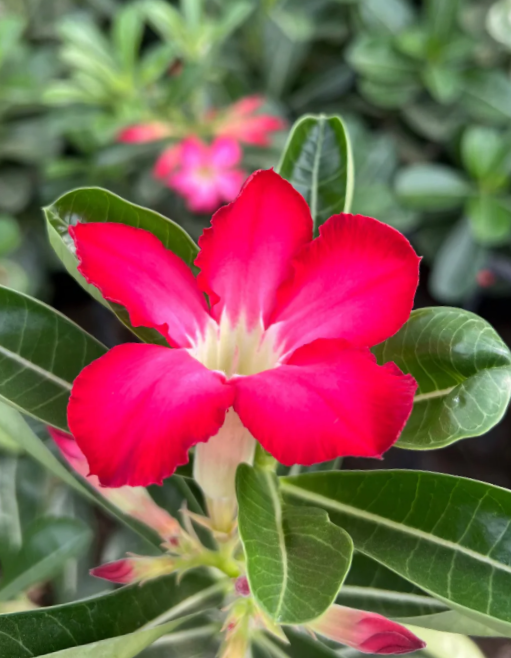
Sabi Star
Adenium obesum (Forssk.) Roem. & Schult.
- Nerium obesum Forssk. — basionym and historical name
- Cameraria obesa (Forssk.) Spreng. — historical combination
- Adenium arabicum Balf.f. — historical or synonymized name in current broad treatments of Adenium obesum
- Adenium arboreum Ehrenb. — historical synonym
- Adenium coetaneum Stapf — historical synonym
- Adenium honghel Lindl. — historical synonym and source of names connected with honghelin and hongheloside terminology
- Adenium micranthum Stapf — historical synonym
- Adenium socotranum Vierh. — historical or synonymized name in broad Adenium obesum treatments; still common in collector and horticultural discussion
- Adenium somalense Balf.f. — historical or synonymized name in current broad treatments of Adenium obesum
- Adenium speciosum Fenzl — historical synonym
- Adenium tricholepis Chiov. — historical synonym
- Adenium multiflorum Klotzsch — separate accepted species; Sabi Star, Sabie Star, Impala Lily, and Kudu Lily may refer to this species in southern African sources, so it should be handled as a naming and identification conflict rather than as a clean synonym of Adenium obesum
Apocynaceae — Dogbane Family
Sabi Star; Sabie Star; Desert Rose; Desert-Rose; Adenium; Fat Adenium; Mock Azalea; Mock-Azalea; Desert Azalea; Impala Lily; Kudu Lily; Karoo Rose; Bangkok Calachuche; Adenium Bonsai; Desert Rose Bonsai.
Taxonomic and historical search variations include Adenium obesum (Forssk.) Roem. & Schult., Nerium obesum Forssk., Cameraria obesa (Forssk.) Spreng., Adenium arabicum Balf.f., Adenium arboreum Ehrenb., Adenium coetaneum Stapf, Adenium honghel Lindl., Adenium micranthum Stapf, Adenium socotranum Vierh., Adenium somalense Balf.f., Adenium speciosum Fenzl, and Adenium tricholepis Chiov.
The names Sabi Star, Sabie Star, Impala Lily, and Kudu Lily are also used for Adenium multiflorum, a separate southern African species. “Desert Azalea” and “Mock Azalea” are horticultural names only; Adenium obesum is not an azalea and is unrelated to Rhododendron. “Impala Lily” and “Kudu Lily” are common names and do not make the plant a true lily. “Desert Rose” is also used for mineral formations and unrelated ornamental plants, so the scientific name, swollen caudex, milky latex, flowers, pods, leaves, and nursery label should be confirmed whenever poisoning is suspected.
Cardenolide Cardiac Glycosides Throughout the Plant
Sabi Star contains potent cardioactive steroids known as cardenolide cardiac glycosides. These compounds occur throughout the plant rather than in one isolated poisonous structure. Leaves, flowers, flower buds, stems, bark, caudex tissue, roots, pods, seeds, sap, latex, cuttings, grafting scraps, dried trimmings, discarded plant material, and vomited or regurgitated fragments should all be considered potentially dangerous.
The milky or watery latex receives particular attention because it can contain a concentrated mixture of cardiac glycosides and has historically been collected for arrow and fish poisons. Roots and stems have also been chemically documented to contain closely similar glycoside mixtures and quantities. A plant does not become safe after flowering, pruning, drying, defoliation, grafting, repotting, or bonsai shaping. Drying may reduce moisture and change texture, but it should not be assumed to destroy cardiac glycosides.
Sodium-Potassium ATPase Inhibition
Cardiac glycosides bind to and inhibit sodium-potassium ATPase, an enzyme embedded in cell membranes that normally moves sodium out of cells and potassium into them. This pump is essential for maintaining the electrical and chemical gradients used by nerves, skeletal muscle, gastrointestinal tissue, and the heart. When the pump is inhibited, sodium accumulates inside cells and potassium remains outside cells. The increase in intracellular sodium interferes with sodium-calcium exchange, causing calcium to rise inside heart-muscle cells.
At carefully controlled pharmaceutical doses, related digitalis compounds can increase the force of cardiac contraction in selected patients. In poisoning, the same mechanism destabilizes impulse formation, conduction, repolarization, and coordinated contraction. The heart may beat too slowly, too rapidly, or irregularly. Bradycardia, atrioventricular block, premature beats, junctional rhythms, atrial arrhythmias, ventricular tachycardia, ventricular fibrillation, and cardiac arrest may occur. Increased contractile force does not mean the heart is functioning effectively when rhythm and conduction are disorganized.
Hyperkalemia and Severe Pump Inhibition
Hyperkalemia is an especially important laboratory finding in severe acute poisoning. Potassium normally moves into cells through the sodium-potassium pump. When a large number of pumps are inhibited, serum potassium can rise to life-threatening levels. Severe hyperkalemia can contribute to muscle weakness, bradycardia, atrioventricular block, ventricular arrhythmia, cardiac arrest, collapse, and death.
High potassium is both a marker of extensive pump inhibition and an additional cause of cardiac instability. A single early potassium value may not reflect the peak abnormality because toxin absorption, vomiting, dehydration, circulation, treatment, and enterohepatic recirculation can change the pattern over time. Serial potassium, glucose, acid-base, renal, and electrocardiographic monitoring is central to managing severe cardiac-glycoside poisoning.
Complex Adenium Glycoside Chemistry
Phytochemical investigations have identified a large and complex collection of cardenolides rather than one exclusive Sabi Star toxin. Compounds documented from Adenium obesum include somalin, honghelin, hongheloside A, hongheloside C, 16-acetylstrospeside, digitalinum verum, obeside B, obeside C, and numerous related oleandrigenin-, digitoxigenin-, and gitoxigenin-based glycosides. Roots, stems, bark, aerial parts, and fruit pods have all been studied chemically.
The precise chemical profile varies among roots, stems, leaves, bark, fruits, individual plants, geographic populations, growing conditions, cultivars, and analytical studies. A long chemical list should not be interpreted as proof that every tissue contains every named glycoside at the same concentration. The well-supported toxicologic conclusion is that the plant contains numerous digitalis-like cardenolides with a narrow margin between biological activity and life-threatening poisoning.
Enterohepatic Recirculation and Prolonged Poisoning
Some cardiac glycosides can undergo enterohepatic recirculation. After absorption and processing by the liver, part of the toxin burden can be secreted into bile, returned to the intestine, and absorbed again. This recycling can prolong poisoning for several days even after visible plant material has left the stomach or the animal appears briefly improved.
Enterohepatic recirculation is the rationale for repeated veterinarian-administered activated-charcoal doses in selected hospitalized patients. Repeated charcoal is not harmless. Vomiting, depression, poor swallowing, dehydration, electrolyte changes, intestinal motility, cathartic exposure, and aspiration risk must be evaluated before each administration. Owner-administered charcoal is unsafe in a weak, vomiting, collapsed, seizuring, poorly coordinated, or poorly swallowing animal.
Latex, Sap, Skin, and Eye Contact
Systemic cardiac-glycoside poisoning is most strongly associated with ingestion, but fresh latex can irritate skin, oral tissue, and eyes. Pruning, grafting, caudex shaping, cutting roots, or breaking stems may project sap unexpectedly. Sap on the coat can be swallowed later during grooming, and sap on human hands can be transferred to the mouth, eyes, food, tools, or another animal.
Eye exposure may cause pain, tearing, squinting, redness, swelling, and inflammation. Persistent discomfort after irrigation requires examination for chemical irritation or corneal injury. Skin exposure should be washed promptly, especially before the person or animal touches the mouth or eyes. Gloves and eye protection are sensible when pruning, grafting, repotting, root trimming, or handling damaged plants.
Flowers, Pods, Seeds, and Small-Animal Risk
Flowers must not be treated as decorative but harmless tissue. A 2026 veterinary case documented life-threatening cardiac-glycoside poisoning in a Blue-and-Gold Macaw after ingestion of one Desert Rose flower. That case is important because it shows that a bloom, not only root, stem, latex, or caudex tissue, can produce severe systemic illness in a small animal.
The paired elongated pods and wind-dispersed seeds also belong in the toxic-parts discussion. Modern phytochemical work has examined fruit pods and isolated numerous cardiac glycosides and related compounds. These experiments do not prove that eating pods or seeds has a predictable dose-response in every species, but they do show that pods and seeds are biologically active plant structures and should not be offered as bird toys, cage enrichment, tortoise browse, rabbit forage, or livestock waste.
No Reliable Toxic Dose
No dependable toxic dose has been established for dogs, cats, horses, cattle, sheep, goats, pigs, camelids, birds, rabbits, guinea pigs, reptiles, or other companion animals. The plant’s bitter taste and vomiting response may reduce the amount retained in some animals, but bitterness is not a safety mechanism. A pet may swallow material before taste discourages further chewing, and birds can shred flowers or leaves rapidly before an owner intervenes.
Risk depends on plant part, amount missing, retained dose after vomiting or regurgitation, species, body size, heart status, kidney status, electrolyte balance, pregnancy, concurrent medication, and time to treatment. One visible bite mark does not tell the whole story. A large dog chewing a leaf tip, a macaw eating a flower, a puppy destroying a caudex, a cat licking sap from fur, and a goat eating discarded trimmings are different toxicologic events.
Not an Azalea, Not a True Lily, and Not a Safe Medicinal Plant
Sabi Star is sometimes called Desert Azalea or Mock Azalea because of its flower appearance, but it is not an azalea and does not contain grayanotoxins as its primary poison. It belongs to Apocynaceae, the dogbane family, and its principal animal hazard is digitalis-like cardiac-glycoside poisoning. The names Impala Lily and Kudu Lily are also common names, not evidence that the plant is a true lily. Sabi Star does not cause the specific feline kidney syndrome associated with true Lilium and Hemerocallis lilies.
Traditional medicinal, arrow-poison, fish-poison, acaricidal, antimicrobial, cytotoxic, and abortifacient uses do not make the plant safe. They demonstrate that extracts from the roots, stems, bark, sap, and other tissues possess substantial biological activity. A plant capable of killing game, affecting ticks, poisoning fish, altering cell growth, and disturbing cardiac conduction should never be used in homemade pet medication, parasite treatment, wound care, pregnancy-related remedies, or livestock treatments.
Onset and Early Progression
Clinical signs may begin within the first few hours after ingestion, but the course can vary with plant part, amount eaten, retained dose, animal size, species, stomach contents, vomiting or regurgitation, and whether the exposure involved plant tissue, sap, traditional preparations, or contaminated vomit. Gastrointestinal signs are often recognized first, but cardiovascular and electrolyte abnormalities may already be developing before the owner detects an abnormal pulse or collapse. Lack of immediate signs is not reassuring after a known ingestion.
Early signs may include drooling, foaming at the mouth, nausea, lip licking, repeated swallowing, vomiting in species capable of vomiting, regurgitation in birds or livestock, abdominal pain, diarrhea, loss of appetite, depression, hiding, quiet behavior, weakness, coldness, or unwillingness to stand. Vomiting may reduce the amount remaining in the stomach, but it does not prove that a dangerous dose was not absorbed. Vomited material may still contain active cardiac glycosides and identifiable plant fragments, so other animals must be kept away from it.
The animal may appear to improve after vomiting and then worsen as absorbed glycosides affect the heart, potassium balance, blood pressure, and nervous system. Because some cardiac glycosides can recirculate through bile and the intestine, signs may persist or recur over time. A patient should not be considered safe solely because the first episode of vomiting stopped.
Gastrointestinal Signs
Gastrointestinal effects are often the first visible warning. Dogs and cats may drool, foam, vomit, develop diarrhea, show abdominal pain, refuse food, or become quiet and depressed. Birds may regurgitate or foam rather than vomit like a dog. Horses cannot vomit and may instead salivate, develop colic, refuse feed, show diarrhea, or produce reflux-like signs. Ruminants and camelids may salivate, regurgitate, bloat, reduce rumination, or develop diarrhea.
Severe gastrointestinal irritation may produce blood in vomit, regurgitated material, or stool. Frank blood, coffee-ground material, black stool, repeated vomiting, or prolonged regurgitation can indicate severe irritation, swallowed foreign material, aspiration risk, or another exposure in addition to the plant. A dog that destroys a potted Sabi Star may also swallow potting soil, fertilizer, stones, plastic labels, broken ceramic, or pruning debris. A bird that ate a flower may also be exposed to fallen pollen, sap, or contaminated cage surfaces.
Cardiac Rhythm Changes and Shock
Cardiac effects can be highly variable. Bradycardia and atrioventricular block are common cardiac-glycoside patterns, but premature ventricular complexes, ventricular tachycardia, ventricular fibrillation, atrial arrhythmias, junctional rhythms, or rapid changes between slow and fast rhythms may also occur. One animal may present with a dangerously slow heart rate, while another may develop rapid ventricular instability. Treatment must be guided by electrocardiography rather than the plant name alone.
A weak or irregular pulse, pale or blue-gray mucous membranes, delayed capillary refill, cold extremities, fainting, sudden collapse, severe lethargy, and profound weakness indicate inadequate cardiac output, poor perfusion, or shock. An animal can deteriorate rapidly even when the initial illness appeared limited to vomiting. Stress, struggling, forced exercise, and rough transport can increase cardiac demand in a patient whose rhythm is already unstable.
Hyperkalemia and Metabolic Complications
Hyperkalemia may contribute to muscle weakness, bradycardia, conduction abnormalities, collapse, and life-threatening arrhythmias. Severe potassium elevation is a major warning sign in acute cardiac-glycoside poisoning because it reflects extensive sodium-potassium pump inhibition and further destabilizes the heart. Potassium can change as toxin absorption continues, fluid status changes, vomiting progresses, and treatment begins, so serial monitoring matters.
Hypoglycemia and other electrolyte or metabolic abnormalities have also been reported in cardiac-glycoside poisonings and may complicate treatment. Dehydration, shock, vomiting, poor intake, kidney dysfunction, acid-base changes, and species-specific physiology can all contribute. A patient with weakness, tremors, collapse, or seizure-like activity needs more than anti-nausea care; it needs cardiovascular, electrolyte, neurologic, and perfusion assessment.
Neurologic and Respiratory Signs
Neurologic signs can include agitation, dizziness-like behavior, an unsteady gait, tremors, muscle rigidity, abnormal pupil size, disorientation, seizure-like activity, seizures, stupor, and coma. These abnormalities may reflect direct glycoside effects, poor cerebral circulation, severe bradycardia, ventricular arrhythmia, shock, electrolyte disturbance, or prolonged oxygen deprivation. A neurologically abnormal patient is at high risk for aspiration and should not be forced to swallow anything at home.
Respiratory signs may result from shock, arrhythmia, aspiration, neurologic depression, seizure activity, pulmonary complications, or inadequate circulation. Rapid, labored, noisy, or shallow breathing; blue discoloration; open-mouth breathing; coughing; abnormal lung sounds; or worsening weakness after vomiting requires immediate care. In birds, blue facial tissue or cyanosis can appear quickly and should be treated as an emergency sign.
Dogs and Cats
Dogs may chew exposed caudex tissue, roots, pruned branches, seed pods, fallen flowers, leaves, or an entire potted plant. Puppies may shred plant pieces together with soil, fertilizer, decorative stones, and plastic labels. Vomiting, diarrhea, abdominal pain, poor appetite, depression, weakness, slow or irregular pulse, collapse, tremors, and seizures are important warning signs. A dog that vomits plant material still requires assessment because absorbed glycosides may continue circulating.
Cats may chew leaves or flowers, lick sap from the coat, or contact plant debris during indoor pruning. The absence of a large bite mark does not exclude ingestion of a meaningful amount by a small cat. Drooling, vomiting, appetite loss, hiding, weakness, abnormal heart rate, poor coordination, collapse, or seizures requires immediate care. Prolonged anorexia may also create secondary complications even after the cardiac-glycoside effects begin to resolve.
Horses, Livestock, Camelids, and Pigs
Horses and livestock may develop salivation, colic, diarrhea, feed refusal, depression, weakness, an irregular or slow pulse, ataxia, trembling, recumbency, seizures, and sudden death. Natural pasture exposure is uncommon compared with ordinary pasture toxins because Sabi Star is primarily an arid-region shrub and ornamental container plant, but discarded plants, greenhouse waste, landscape trimmings, bonsai scraps, topical ethnoveterinary preparations, and plant-processing residues can create concentrated exposure.
Horses cannot vomit. Salivation, colic, diarrhea, feed refusal, weakness, irregular pulse, ataxia, tremors, recumbency, and collapse should prompt investigation for a cardiac-glycoside plant or another severe toxin. Cattle, sheep, goats, pigs, and camelids should never receive Adenium clippings, processing residues, caudex pieces, roots, pods, or traditional preparations. The absence of extensive livestock case series does not establish safety, particularly given the plant’s historical use against large animals.
Birds
Birds may deteriorate extremely rapidly because of small body size, high metabolic demand, and efficient shredding of flowers and leaves. A 2026 Blue-and-Gold Macaw case documented life-threatening poisoning after ingestion of one Desert Rose flower. The bird fell, regained balance briefly, foamed at the mouth, developed blue discoloration, collapsed again, showed seizure-like activity, became moribund and shocky, had profound bradycardia, developed severe hyperkalemia, regurgitated frank blood, passed black digested-blood stool, and survived with intensive care.
This case is important because it documents that a flower, not only root or latex, can produce severe systemic illness. Birds should not be housed in the same room as accessible Sabi Star plants. Fallen petals, leaves, seed floss, and pruning debris can pass through or around a cage even when the pot itself appears out of reach. Foaming, regurgitation, blue discoloration, bradycardia, weakness, rigid posture, seizures, bloody gastrointestinal material, or collapse requires immediate avian emergency care.
Rabbits, Guinea Pigs, Reptiles, and Other Small Pets
Reliable dose and outcome data are limited for rabbits, guinea pigs, rodents, reptiles, and other small animals. Their small size makes even a fragment potentially important. Rabbits and guinea pigs cannot vomit, so appetite loss, reduced fecal production, diarrhea, abdominal pain, weakness, altered heart rate, tremors, collapse, or gastrointestinal stasis may be the visible warning signs instead of vomiting.
Herbivorous reptiles and tortoises should not be offered Sabi Star leaves, flowers, seed pods, or caudex trimmings as browse or enclosure decoration. Clinical signs in reptiles may be subtle or delayed because of species differences in metabolism and body temperature. Any exposure should be assessed with an exotic-animal veterinarian, especially if weakness, abnormal posture, reduced activity, tremors, anorexia, or collapse develops.
Severity, Duration, and Prognosis
A patient that develops only brief gastrointestinal signs and no cardiac rhythm, potassium, blood-pressure, or perfusion abnormality may recover fully with prompt veterinary care and observation. The prognosis cannot be judged solely from the amount the owner believes was eaten because plant potency, retained dose, and individual susceptibility are unknown.
The outlook becomes guarded to poor when hyperkalemia, shock, repeated collapse, ventricular arrhythmia, high-grade heart block, seizures, aspiration, gastrointestinal bleeding, or persistent collapse develops. Lack of access to digoxin-specific antibody fragments may further limit treatment of severe cases. The successful macaw case demonstrates that even a critically ill animal can recover with intensive care, but it does not make one-flower ingestion safe or establish that every similarly affected animal will survive.
Sabi Star Is an Ambiguous Common Name
The existing title Sabi Star is retained because North American veterinary poison lists and nursery references use it for Adenium obesum. An owner may therefore search for Sabi Star after reading that name on a plant label, pet-poison list, plant app, or online nursery page. Southern African botanical authorities apply Sabi Star or Sabie Star more specifically to Adenium multiflorum, together with Impala Lily and Kudu Lily. In those sources, Adenium obesum is principally called Desert Rose.
Both Adenium obesum and Adenium multiflorum belong to Adenium, both produce poisonous latex, and both should be treated as cardiac-glycoside hazards. The naming conflict matters for accurate identification, regional botany, and plant records, but it does not justify waiting for species confirmation before an exposed animal receives veterinary care. If the animal ate a plant labeled Sabi Star, Sabie Star, Impala Lily, Kudu Lily, or Desert Rose, preserve the plant and label and treat the exposure as potentially serious.
Sabi Star Is Not an Azalea or a True Lily
Desert Azalea and Mock Azalea describe the resemblance of the flowers to ornamental azaleas. Adenium obesum is not a Rhododendron and does not contain grayanotoxins as its primary poison. It belongs to Apocynaceae and contains digitalis-like cardenolide cardiac glycosides.
Impala Lily and Kudu Lily are likewise common names rather than proof that the plant belongs to the true-lily family. Adenium does not cause the specific feline kidney syndrome associated with true Lilium and Hemerocallis species. The distinction matters, but it does not make Sabi Star safe. A cat exposed to true lilies needs kidney-focused emergency treatment, while an animal exposed to Sabi Star needs urgent cardiac-glycoside triage, ECG and electrolyte attention, and supportive care based on signs.
Native Range and Growth Form
Adenium obesum is native across a broad region extending from western tropical Africa through the Sahel and northeastern Africa to the Arabian Peninsula and Tanzania. It grows primarily in desert, semidesert, dry scrub, rocky ground, and seasonally arid shrubland. The plant is a semisucculent or pachycaul shrub rather than a cactus, azalea, lily, or ordinary houseplant shrub.
Its most recognizable structure is the swollen caudex, a thickened stem and root base that stores water and may be partly underground in wild plants or prominently exposed in cultivated bonsai specimens. Smooth gray, gray-green, or brown branches rise from the swollen base. The leaves are leathery, smooth-edged, and clustered toward branch tips. A plant may retain its leaves in consistently warm, moist conditions or become drought-deciduous or cold-deciduous during unfavorable periods.
The flowers are tubular or funnel-shaped with five spreading lobes. Wild plants are commonly pink, rose, red, or pink-and-white, while modern cultivars may be white, yellowish, purple, striped, bicolored, double, or heavily ruffled. The fruit develops as paired elongated follicles. When mature, the pods split and release numerous seeds bearing silky hairs that aid wind dispersal. Pods, seed floss, and seeds should be kept away from animals along with the rest of the plant.
Why the Plant Is Common in Homes
Desert Rose has become internationally popular as a container plant and bonsai subject because of its swollen trunk, sculptural branches, drought tolerance, and unusually large flowers. It is sold in garden centers, succulent collections, online plant shops, markets, floral displays, cactus-and-succulent shows, gift containers, and bonsai collections. Many specimens are deliberately grown with the caudex exposed, which places a large mass of toxic root-stem tissue at chewing height for dogs.
Indoor placement creates direct access for cats, birds, rabbits, reptiles, and small pets. Outdoor containers are commonly kept on patios where dogs can reach fallen flowers, trimmed branches, grafting scraps, exposed roots, seed pods, or spilled potting material. Pruning, grafting, repotting, root trimming, caudex lifting, and bonsai shaping create small fragments that can fall onto floors, benches, patios, and cage areas. A dog, bird, or rabbit may ingest those fragments before showing any interest in the intact plant.
Every Part Should Be Considered Poisonous
The entire plant should be treated as poisonous. Roots and stems have been chemically documented to contain similar mixtures and quantities of cardiac glycosides, while leaves, flowers, fruit pods, and seeds have also yielded cardenolides in phytochemical studies. Fresh milky latex may be especially concentrated, but a dry leaf, wilted flower, cut branch, seed pod, root fragment, caudex shaving, or discarded bonsai trimming cannot be assumed safe.
Drying does not reliably destroy cardiac glycosides. A pruned branch, dead leaf, spent flower, seed pod, dried root fragment, or old cutting may still contain active toxin. Vomited or regurgitated material may also contain active glycosides and identifiable plant fragments. Other animals must not be allowed to eat or lick it. Use gloves during cleanup, avoid touching the mouth or eyes, and preserve a sample in a sealed container if the veterinarian requests it.
Documented Cardiac Glycosides and Biological Activity
Adenium obesum has been intentionally decocted to create poisons capable of bringing down large game. It should therefore be treated as a potentially deadly plant, and animals should never have access to its roots, stems, bark, leaves, flowers, pods, seeds, latex, clippings, extracts, processing residues, or traditional preparations.
Author L.P.A. Oyen of Plant Resources of Tropical Africa, commonly known as PROTA, described the plant’s cardiac glycosides and other documented biological effects as follows:
“In Adenium obesum the presence of some 30 cardiotoxic glycosides has been demonstrated, which act in a similar way as digitalis from Digitalis. Digitalis acts upon the Na+K+-ATPase enzyme that regulates the concentrations of Na+ and K+ ions in body cells and so also modifies the Ca++ concentration. In low doses it is used to treat congestive heart failure (CHF) and heart rhythm problems (atrial arrhythmias), but in high doses it leads to systolic heart failure and death.
“Several of the cardiac glycosides from Adenium obesum have oleandrigenin as aglycone moiety, e.g. hongheloside A (with D-cymarose), hongheloside C (with D-cymarose and D-glucose) and 16-acetylstrospeside (with D-digitalose). Other glycosides include: hongheline (composed of digitoxigenin with D-thevetose), somaline (composed of digitoxigenin with D-cymarose) and digitalinum verum (composed of gitoxigenin with D-digitalose and D-glucose). The roots and stems contain the same glycosides and in similar amounts. Oleandrigenin and some of the glycosides derived from it have cytotoxic effects and are being studied as potential components of anticancer drugs.
The ethanol extract of the roots slows down the growth of Bacillus subtilis, but has not shown activity against Pseudomonas aeruginosa, Staphylococcus aureus or Candida albida. Extracts from the root have shown a cytotoxic effect against several carcinoma cell lines. The aqueous stem bark extract is a potential acaricide as it shows high toxicity on all stadia of development of the ticks Amblyomma spp. and Boophilus spp.”
This quotation documents why the plant cannot be dismissed as merely irritating or mildly toxic. Its cardenolides act through the same sodium-potassium ATPase system targeted by digitalis drugs, but an animal chewing the plant receives an uncontrolled mixture and dose. Inhibition of this pump alters intracellular sodium and calcium and extracellular potassium, destabilizing cardiac contraction and electrical conduction. Bradycardia, atrioventricular block, premature beats, ventricular tachycardia, ventricular fibrillation, hyperkalemia, shock, and death may result.
The antimicrobial, cytotoxic, and acaricidal findings do not make the plant a safe home medication, cancer treatment, disinfectant, or parasite remedy. They demonstrate that extracts from the roots and bark possess substantial biological activity. A substance capable of affecting ticks, inhibiting microorganisms, injuring cultured cells, and disrupting cardiac conduction must not be applied to or administered to an animal outside controlled professional research or veterinary treatment.
Cardiac Glycosides From Fruit Pods, Seeds, Roots, and Stems
Modern phytochemical investigation has also examined the paired fruit pods. Dozens of compounds have been isolated from pod extracts, including numerous cardiac glycosides and pregnane derivatives. Honghelin, obeside B, and obeside C produced substantial cytotoxic effects against several laboratory cell lines. These experiments do not prove that eating a pod will treat cancer; they demonstrate that the fruit contains biologically powerful compounds capable of altering and killing cells.
Pods and seeds therefore belong in the toxic-parts discussion rather than being treated as decorative structures outside the poisoning risk. Birds, rabbits, tortoises, puppies, and curious dogs may investigate fallen pods, seed floss, and seeds. Seed dispersal structures can also move away from the pot, making the exposure source less obvious than a chewed leaf or broken branch.
How Sodium-Potassium ATPase Inhibition Affects the Heart
Sodium-potassium ATPase maintains the sodium and potassium gradients required for normal electrical activity. Cardiac glycosides bind to the pump and reduce its function. Intracellular sodium rises, reducing the normal ability of the sodium-calcium exchanger to remove calcium. Calcium accumulates within myocardial cells and the calcium stores used during contraction increase.
At carefully controlled pharmaceutical doses, related compounds such as digoxin can increase the force of contraction in selected patients. At toxic doses, the same mechanism disrupts impulse formation and conduction and makes the myocardium electrically unstable. The heart may beat too slowly, too rapidly, or irregularly. Atrioventricular block, premature ventricular beats, ventricular tachycardia, ventricular fibrillation, and cardiac arrest may occur. Increased contractile force does not mean the heart is functioning effectively when the rhythm is disorganized.
Hyperkalemia, Digoxin Immunoassays, and Severe Poisoning
Potassium normally moves into cells through the sodium-potassium pump. When a large number of pumps are inhibited, serum potassium can increase. Severe hyperkalemia is both a marker of extensive pump inhibition and an additional cause of cardiac conduction instability. It can contribute to weakness, bradycardia, atrioventricular block, ventricular arrhythmia, and cardiac arrest.
Serial potassium testing is therefore central to managing severe cardiac-glycoside poisoning. A single early result may not reflect the peak abnormality. Some plant cardenolides may cross-react with laboratory digoxin immunoassays. A detectable “digoxin” concentration may support cardiac-glycoside exposure even though the animal never received pharmaceutical digoxin. A negative result does not reliably exclude every plant glycoside because cross-reactivity varies among compounds, assays, and plant species.
Enterohepatic Recirculation
Some absorbed cardiac glycosides are processed by the liver and secreted into bile. They then return to the intestine, where they may be absorbed again. This enterohepatic cycle can prolong poisoning for several days even after the visible plant material has left the stomach.
The recycling also provides the rationale for repeated veterinarian-administered activated-charcoal doses in selected patients. Repeated charcoal is not harmless. Vomiting, depression, poor swallowing, electrolyte changes, dehydration, intestinal motility, cathartic exposure, and aspiration risk must be evaluated before each administration. The concept belongs in veterinary treatment, not in owner-administered first aid.
Historical Arrow-Poison Use
The use of Adenium obesum as a hunting poison is widely documented across Africa. Depending on the region and tradition, poison makers used root sap, stem latex, wood, bark, leaves, or concentrated combinations with other cardiac-glycoside plants. The Hadza people of Tanzania used Adenium material alone or in combination with Strophanthus eminii. The Duruma of Kenya used stem latex, sometimes combined with roots and wood from Acokanthera schimperi or latex from another poisonous plant.
Preparations could be reduced to concentrated material applied to arrowheads. Plant Resources of Tropical Africa reports that the poison acted quickly enough that large game might die within approximately two kilometers of where it was struck. That history is directly relevant to pet safety. It demonstrates that the plant’s reputation is not based merely on its milky sap or membership in the dogbane family. People deliberately concentrated its cardenolides because of their reliable cardiovascular effects.
Fish Poison, Ordeal Poison, Criminal Poisoning, and Traditional Medicinal Use
Decoctions of bark and leaves have been used as fish poison in Nigeria, Cameroon, and East Africa. Preparations have also been documented as ordeal poisons and for criminal poisoning in parts of Mauritania and Senegal. A homemade decoction or soaked plant water can contain far more extracted glycoside than one ordinary bite. Pets and livestock should be prevented from reaching containers, discarded plant water, processing equipment, or plant residues used in any traditional preparation.
Historical medicinal use is extensive. Root decoctions have been used in the Sahel for venereal disease and in Somalia as nasal drops for rhinitis. Root or bark preparations have been used as washes for skin disease and lice. Latex has been applied to decayed teeth and septic wounds. Powdered stems have been placed on camels and cattle to kill skin parasites, while the bark has been chewed as an abortifacient. These uses are important ethnobotanical evidence and should not be deleted from the record. They also show why medicinal use cannot be equated with safety. A plant capable of killing parasites, poisoning fish, altering pregnancy, damaging cultured cells, and stopping large game can poison an animal when its dose and route are uncontrolled.
Abortifacient Use, Pregnancy, and Topical Livestock Use
The documented chewing of bark as an abortifacient supports avoiding every deliberate medicinal exposure during pregnancy. It does not establish the exact dose that would cause abortion in a dog, cat, horse, cow, sheep, goat, camelid, pig, rabbit, bird, or other animal. Pregnancy may also increase the consequences of severe vomiting, shock, arrhythmia, hypoxia, and poor uterine perfusion. Any exposure involving a pregnant animal deserves immediate veterinary consultation.
Powdered stems and extracts have historically been applied to livestock for external parasites. The aqueous stem-bark extract has demonstrated toxicity against developmental stages of several tick species. Topical application can still expose an animal through damaged skin, grooming, licking, runoff into the mouth, or treatment of a large body surface. Other animals may lick the preparation from the treated animal. No homemade Adenium parasite treatment should be applied to a pet or livestock animal. Commercial veterinary products have measured concentrations, safety testing, withdrawal instructions, species-specific labeling, and residue guidance that a plant paste or extract does not provide.
Latex Contact With Skin and Eyes
Systemic cardiac-glycoside poisoning is most strongly associated with ingestion, but fresh latex can irritate skin, oral tissue, and eyes. Pruning, grafting, repotting, and root trimming may project sap unexpectedly from a cut branch or root. Eye exposure may cause pain, tearing, squinting, redness, swelling, and inflammation. Persistent discomfort after irrigation requires examination for chemical irritation or corneal injury.
Skin exposure should be washed promptly, particularly before the person or animal touches the mouth or eyes. Gloves should be used when pruning, grafting, or handling damaged roots. Tools, counters, floors, and potting benches should be cleaned after sap exposure, and plant fragments should be discarded in a closed container where animals cannot reach them.
Dogs and Cats
Dogs may chew exposed caudex tissue, roots, pruned branches, seed pods, fallen flowers, leaves, or an entire container plant. Puppies may shred the pot and consume plant pieces together with soil, fertilizer, decorative stones, and plastic labels. Vomiting, diarrhea, abdominal pain, poor appetite, depression, weakness, slow or irregular pulse, collapse, and tremors are important warning signs. A dog that vomits plant material still requires assessment because absorbed glycosides may continue circulating.
Cats may chew leaves or flowers, lick sap from the coat, or contact plant debris during indoor pruning. The absence of a large bite mark does not exclude ingestion of a meaningful amount by a small cat. Drooling, vomiting, appetite loss, hiding, weakness, abnormal heart rate, poor coordination, collapse, or seizures requires immediate care. Prolonged anorexia may also create secondary complications even after the cardiac-glycoside effects begin to resolve.
Horses, Livestock, Camelids, and Pigs
Natural pasture exposure is uncommon because the plant is primarily a dry-region shrub and ornamental, but greenhouse waste, discarded houseplants, pruned branches, bonsai scraps, root trimmings, traditional topical preparations, and plant-processing residues can place concentrated material within reach. Horses cannot vomit. Salivation, colic, diarrhea, feed refusal, weakness, an irregular or slow pulse, ataxia, tremors, recumbency, and sudden death should prompt investigation for a cardiac-glycoside plant.
Cattle, sheep, goats, pigs, and camelids should never receive Adenium clippings, processing residues, caudex pieces, pods, seeds, or topical preparations. The absence of extensive livestock case series does not establish safety, particularly given the plant’s historical use against large animals. A mixed landscape-waste exposure should also be evaluated for oleander, yellow oleander, foxglove, lily-of-the-valley, Kalanchoe, yew, rhododendron, azalea, sago palm, and other dangerous plants.
A 2026 Blue-and-Gold Macaw Case
A 2026 case report provides direct veterinary documentation of severe poisoning by an ordinary ornamental plant. A 33-year-old male Blue-and-Gold Macaw ate one Desert Rose flower from an indoor houseplant. After ingestion, the bird fell to the floor, regained its balance briefly, then foamed at the mouth and developed blue discoloration of the facial area. It collapsed again and showed seizure-like activity.
Approximately two hours after exposure, the macaw was moribund, in shock, recumbent with rigid limbs, and profoundly bradycardic at 40 beats per minute. It later regurgitated frank blood and passed black, digested-blood stool. Initial blood testing showed severe hyperkalemia exceeding 10 mmol/L. Treatment included oxygen, warmth, atropine, fluids, dextrose, calcium gluconate, activated charcoal, furosemide, and additional supportive medications selected for the bird’s findings.
The macaw survived. This case is important for two reasons: it documents that a flower, not only root or latex, can produce severe systemic illness, and it demonstrates that aggressive treatment can succeed even when the initial condition is critical. It does not mean one-flower ingestion is safe or that every similarly affected bird will survive.
Birds, Rabbits, Reptiles, and Other Small Pets
Parrots can rapidly shred a flower or leaf and swallow a proportionally large dose before an owner intervenes. A single ornamental bloom may therefore be more consequential to a bird than to a large dog. Foaming, regurgitation, dark or blue facial tissue, bradycardia, weakness, rigid posture, seizures, bloody gastrointestinal material, or collapse requires immediate avian emergency care. Birds should not be housed in the same room as an accessible Adenium. Fallen petals, leaves, seed floss, and pruning debris can pass through or around a cage even when the pot itself appears out of reach.
Reliable dose and outcome data are limited for rabbits, guinea pigs, rodents, reptiles, and other small pets. Their small size makes even a fragment potentially important. Rabbits and guinea pigs cannot vomit. Appetite loss, reduced fecal production, diarrhea, abdominal pain, weakness, altered heart rate, tremors, or collapse requires urgent veterinary advice. Herbivorous reptiles and tortoises should not be offered Desert Rose leaves, flowers, pods, roots, or trimmings as browse or enclosure decoration.
Diagnosis and Important Differential Diagnoses
Diagnosis combines known access, plant identification, gastrointestinal illness, cardiac rhythm abnormalities, electrolyte findings, and response to treatment. Photographs should include the caudex, leaves, flowers, pods, roots, nursery label, and damaged area. Continuous electrocardiographic monitoring may reveal bradycardia, atrioventricular block, premature beats, ventricular tachycardia, or changing rhythms. Blood pressure, perfusion, temperature, respiratory status, glucose, potassium, magnesium, kidney values, and acid-base status may also require monitoring.
Oleander, yellow oleander, foxglove, lily-of-the-valley, milkweed, Kalanchoe, star-of-Bethlehem, and several other plants can produce a similar cardiac-glycoside syndrome. Yew can also cause collapse and arrhythmia but contains taxine alkaloids rather than cardenolides. Rhododendron and azalea contain grayanotoxins, while true lilies cause feline kidney injury rather than digitalis-like cardiotoxicity. Medications such as digoxin, beta blockers, calcium-channel blockers, antiarrhythmics, and some pesticides may mimic portions of the syndrome. Complete exposure history is therefore essential.
Veterinary Treatment and Prognosis
There is no ordinary home remedy that neutralizes Sabi Star toxins. Treatment begins with airway, breathing, circulation, neurologic status, and continuous assessment of the heart rhythm. A veterinarian may induce vomiting in an alert, asymptomatic dog or cat after a recent ingestion when the airway can be protected. Emesis is avoided in an animal already vomiting repeatedly, weak, collapsed, seizing, bradycardic, or poorly coordinated. Activated charcoal may be administered after airway and aspiration risk are evaluated, and repeated charcoal may be used in selected hospitalized patients to interrupt enterohepatic recirculation.
Intravenous fluids support circulation, but the type and rate must be tailored to cardiac function, blood pressure, hydration, electrolyte concentrations, and urine production. Excessive fluid administration can worsen a patient with poor cardiac output. Atropine or glycopyrrolate may be used for clinically important bradycardia. Ventricular arrhythmias may require lidocaine or another rhythm-specific medication. Severe hyperkalemia can be treated with veterinarian-selected measures such as dextrose with insulin, sodium bicarbonate, or other therapy according to the electrocardiogram, acid-base status, glucose, and severity.
Digoxin-specific antibody fragments can bind structurally similar plant cardiac glycosides and are the most direct antidotal option for severe poisoning. Cost, availability, calculated toxin burden, species, clinical severity, and response to initial treatment influence their use. An animal that develops only brief gastrointestinal signs and no cardiac or potassium abnormality may recover fully with prompt decontamination and monitoring. The outlook becomes guarded when hyperkalemia, shock, repeated collapse, ventricular arrhythmia, high-grade heart block, seizures, aspiration, or gastrointestinal bleeding develops.
Prevention
Keep Adenium plants in a room or enclosure inaccessible to pets rather than relying on a high table. Cats climb, birds fly, dogs knock over pots, rabbits chew fallen leaves, and flowers or seed material can drop. During pruning, grafting, repotting, root work, or bonsai shaping, confine animals elsewhere. Wear gloves, protect the eyes, collect every clipping and root fragment, and clean tools and surfaces after sap exposure.
Do not discard Adenium plants, roots, pods, seeds, flowers, caudex scraps, or trimmings in livestock pens, rabbit runs, aviaries, tortoise enclosures, accessible compost piles, open trash, poultry yards, dog yards, or pet water areas. Never use the plant in homemade pet medication, parasite treatment, wound care, pregnancy-related remedies, or livestock treatments. After a poisoning incident, keep all animals away from vomited or regurgitated material and from the damaged plant until every fragment has been removed.
Immediate Steps After Exposure
Remove access immediately and treat any known ingestion as urgent. Sabi Star is a cardiac-glycoside plant, and cardiac changes can begin within the first few hours. Do not wait for vomiting, collapse, or an abnormal heartbeat before seeking professional guidance.
- Secure the whole source: Remove the plant, flowers, leaves, pods, seeds, roots, caudex pieces, pruning debris, potting material, latex-contaminated tools, and contaminated vomit or regurgitated material where no animal can reach them.
- Contact a veterinarian or animal poison-control service now: Report species, weight, plant part eaten, amount missing, time of exposure, symptoms, heart disease, kidney disease, pregnancy, medications, and whether the exposure involved a bird or small pet.
- Keep the animal calm and quiet: Running, struggling, forced walking, and unnecessary stress increase cardiac demand and may worsen an unstable rhythm.
- Remove loose mouth material carefully: If the animal is alert, cooperative, breathing normally, and swallowing normally, clear visible fragments from the front of the mouth. Do not reach deeply into the throat.
- Wash external sap exposure: Rinse skin or coat with lukewarm water and mild animal-safe cleanser while preventing licking.
- Irrigate exposed eyes: Flush with sterile saline or clean lukewarm water for approximately 15 minutes and seek examination if pain, squinting, redness, swelling, or cloudiness persists.
- Preserve evidence: Bring the plant, nursery tag, photographs, vomited fragments, traditional-remedy container, pruning debris, supplement products, and an estimate of the missing material.
Do Not Attempt Unsupervised Home Treatment
Do not try to treat Sabi Star poisoning at home. The dangerous problems are cardiac conduction disturbance, potassium abnormalities, shock, collapse, aspiration, seizure activity, and prolonged toxin recirculation. Owner-administered treatment can turn a survivable case into a fatal one.
- Do not induce vomiting at home: Hydrogen peroxide can cause gastric injury, prolonged vomiting, bleeding, esophageal irritation, and aspiration, and it is particularly inappropriate for cats, birds, weak animals, and neurologically abnormal patients.
- Do not administer activated charcoal yourself: Cardiac-glycoside patients may vomit, collapse, seize, lose normal swallowing, or aspirate charcoal into the lungs.
- Do not force food, milk, oil, salt water, or plain water: None neutralizes the glycosides, and forced material can worsen vomiting or enter the lungs.
- Do not give cardiac or electrolyte drugs: Atropine, glycopyrrolate, lidocaine, digoxin medication, potassium products, calcium, insulin, sodium bicarbonate, diuretics, beta blockers, calcium-channel blockers, or antiarrhythmics can be dangerous when used without ECG and bloodwork.
- Do not give pain, seizure, stomach, or sedative medication: Human medication, leftover prescriptions, supplements, antidiarrheals, antacids, sedatives, anticonvulsants, and anti-nausea drugs may be unsafe or may mask deterioration.
- Do not exercise or walk a weak animal: Carry or transport the patient with minimal stress whenever this can be done safely.
- Do not assume spontaneous vomiting ended the danger: Absorbed glycosides can continue affecting the heart, and enterohepatic recirculation may prolong exposure.
When Emergency Examination Is Especially Important
- Any known ingestion: No reliable safe dose exists, and flowers, leaves, roots, stems, pods, seeds, latex, and trimmings all contain cardiac glycosides.
- Bird exposure: One flower produced life-threatening poisoning in a macaw, and birds can deteriorate rapidly because of small body size and high metabolic demand.
- Repeated vomiting or diarrhea: Gastrointestinal illness may precede cardiovascular deterioration and can contribute to dehydration and electrolyte abnormalities.
- Slow, rapid, or irregular heartbeat: Weak pulse, skipped beats, fainting, collapse, pale or blue mucous membranes, delayed capillary refill, or cold extremities may indicate serious rhythm disturbance or shock.
- Weakness or neurologic signs: Staggering, tremors, rigid posture, seizures, severe depression, disorientation, or inability to stand requires immediate stabilization.
- Breathing abnormalities: Rapid, labored, noisy, shallow, or open-mouth breathing may result from shock, arrhythmia, aspiration, seizure activity, or inadequate circulation.
- Pregnant or medically fragile animal: Heart disease, kidney disease, electrolyte abnormalities, advanced age, small body size, pregnancy, or relevant medications may reduce the patient’s ability to tolerate poisoning.
- Traditional preparation or extract exposure: Decoctions, soaked plant water, arrow-poison material, topical parasite preparations, or concentrated plant residues can deliver more glycoside than ordinary chewing.
Veterinary Decontamination
A veterinarian may induce vomiting when a recent exposure occurred and the patient remains alert, cardiovascularly stable, neurologically normal, breathing normally, and capable of protecting the airway. Emesis is avoided in animals already vomiting uncontrollably, collapsed, profoundly bradycardic, seizuring, weak, poorly coordinated, or unable to swallow safely. Horses, ruminants, camelids, rabbits, rodents, and birds should not be managed as vomiting-capable household patients.
Gastric lavage may be considered under anesthesia in selected severe exposures when emesis is unsafe or unsuccessful and plant material is believed to remain in the stomach. Activated charcoal may reduce continued gastrointestinal absorption. Because cardiac glycosides can undergo enterohepatic recirculation, veterinarians may administer additional charcoal doses at intervals without repeating the cathartic each time.
Decontamination is withheld or modified when the patient is already vomiting uncontrollably, collapsed, profoundly bradycardic, seizuring, poorly coordinated, bloated, or unable to swallow safely. The goal is not simply to “get the plant out”; it is to reduce toxin absorption without causing aspiration, worsening shock, or delaying cardiac stabilization.
Cardiovascular and Electrolyte Treatment
Continuous electrocardiography, heart-rate assessment, blood-pressure measurement, perfusion monitoring, temperature assessment, and serial electrolyte testing guide treatment. The rhythm may change repeatedly, so medication appropriate at one point may become inappropriate later. Bradycardia, atrioventricular block, ventricular premature complexes, ventricular tachycardia, ventricular fibrillation, and mixed rhythms require different responses.
Intravenous fluids support circulation and correct dehydration, but rates are individualized according to cardiac performance, blood pressure, electrolyte status, kidney function, and urine production. Excessive fluid administration can worsen a patient with poor cardiac output. Atropine or glycopyrrolate may be used for clinically significant bradycardia. Ventricular tachyarrhythmias may be treated with lidocaine or another antiarrhythmic selected for the actual electrocardiographic pattern.
Severe hyperkalemia may require dextrose with insulin, sodium bicarbonate, calcium for membrane stabilization, or other veterinarian-selected therapy. Potassium, glucose, electrocardiographic changes, kidney function, and acid-base status must be monitored closely during correction. Digoxin-specific antibody fragments may be administered in severe poisoning. These fragments bind circulating cardiac glycosides and can reverse life-threatening arrhythmias and hyperkalemia when the plant compounds cross-react sufficiently with the antidote.
Supportive Treatment and Monitoring
Oxygen, warming, antiemetic medication, gastrointestinal protection, seizure control, shock treatment, and aspiration management may be required. Bloody vomit, regurgitation, melena, or diarrhea may justify additional gastrointestinal monitoring and support. A weak or neurologically abnormal animal should be handled with airway protection in mind because aspiration can become a major secondary complication.
Birds and small exotic pets require species-specific dosing, temperature support, nutritional planning, oxygen delivery, airway precautions, and stress reduction. The successful macaw case required intensive multimodal treatment rather than one antidote or home remedy. Rabbits, guinea pigs, reptiles, and other small pets need attention to appetite, hydration, temperature, gut motility, heart rate, and species-specific handling.
Dogs and Cats
Dogs should be monitored for vomiting, diarrhea, abdominal pain, pulse quality, heart rhythm, gum color, weakness, tremors, collapse, stool changes, and possible ingestion of caudex pieces, potting soil, stones, fertilizer, or plastic labels. A dog that vomits plant material may still have absorbed a dangerous dose or retained additional fragments.
Cats should be monitored for vomiting, appetite, hiding, weakness, heart rate, rhythm, gum color, coordination, breathing, and any sap exposure on the coat. Cats that stop eating require additional attention because prolonged anorexia can create secondary complications. Owner attempts to induce vomiting or syringe charcoal are especially unsafe in cats.
Horses, Livestock, Birds, Rabbits, and Reptiles
Horses and livestock should be removed from greenhouse waste, landscape trimmings, discarded container plants, traditional topical preparations, and mixed ornamental debris. Horses cannot vomit, so salivation, feed refusal, colic, diarrhea, weakness, irregular pulse, tremors, ataxia, recumbency, or sudden death should prompt immediate large-animal evaluation. Cattle, sheep, goats, pigs, and camelids should be assessed for cardiac signs, weakness, gastrointestinal distress, collapse, and exposure to other poisonous plants in the same debris.
Bird exposure is an emergency even when only a flower was eaten. Parrots and other birds should receive avian veterinary care for foaming, regurgitation, weakness, blue discoloration, poor perching, tremors, seizure-like signs, melena, collapse, or any known ingestion. Rabbits and guinea pigs require monitoring of appetite, fecal output, hydration, posture, gut motility, and activity. Reptile and tortoise cases should include review of temperature, hydration, substrate, all plants present, and whether Sabi Star was deliberately offered as browse.
Recovery and Prognosis
Patients that never develop cardiovascular abnormalities or hyperkalemia generally have a favorable prognosis with prompt veterinary care and observation. Recovery is based on sustained rhythm stability, normalizing electrolytes, adequate blood pressure, controlled gastrointestinal signs, appropriate temperature, adequate hydration, and normal activity rather than brief apparent improvement after vomiting.
The prognosis becomes guarded to poor with severe hyperkalemia, ventricular arrhythmias, high-grade heart block, shock, seizures, aspiration, gastrointestinal bleeding, or persistent collapse, particularly when digoxin-specific antibody fragments are unavailable. Monitoring may be required for several days because glycosides can recirculate through the liver and intestine. Even with prompt treatment, severe poisoning may be fatal.
Prevention After the Incident
Keep Adenium plants in a room or enclosure inaccessible to pets rather than relying on a high table. Cats climb, birds fly, dogs knock over pots, flowers fall, and leaves or seed floss can travel. During pruning, grafting, repotting, caudex shaping, or root work, confine animals elsewhere. Wear gloves, protect the eyes, collect every clipping and root fragment, and clean tools and surfaces after sap exposure.
Do not discard Adenium plants, roots, pods, seeds, flowers, caudex pieces, or trimmings in livestock pens, rabbit runs, aviaries, tortoise enclosures, accessible compost piles, open trash, poultry yards, dog yards, or pet water areas. Never use the plant in homemade pet medication, parasite treatment, wound care, pregnancy-related remedies, or livestock treatment. Keep other animals away from vomit or regurgitated material until it is cleaned and disposed of safely.
Frequently Asked Questions About Sabi Star and Animal Poisoning
Does the name Sabi Star refer to Adenium obesum or Adenium multiflorum?
Both usages occur. North American veterinary and nursery references often list Sabi Star as a common name for Adenium obesum. Southern African botanical authorities associate Sabi Star or Sabie Star more specifically with Adenium multiflorum, while calling Adenium obesum Desert Rose. Both species have poisonous latex and cardiac glycosides, so suspected ingestion remains an emergency even before the exact species is resolved. Preserve the plant label and photographs, but do not delay veterinary triage while debating the common name.
Is Sabi Star really an azalea or a lily?
No. Desert Azalea and Mock Azalea are resemblance-based nursery names, and Impala Lily and Kudu Lily are regional common names. Adenium obesum belongs to the dogbane family, Apocynaceae. It does not contain the grayanotoxins of true azaleas or the unidentified feline kidney toxin of true lilies. Its danger comes from digitalis-like cardiac glycosides that can disturb sodium-potassium ATPase, potassium balance, and cardiac rhythm.
Which parts of Adenium obesum are poisonous?
Every part should be treated as poisonous: latex, roots, caudex, bark, stems, leaves, flowers, buds, pods, seeds, and dried trimmings. Roots and stems have been shown to contain similar cardiac-glycoside mixtures, while separate studies have isolated cardenolides from active extracts and fruit pods. Removing flowers, allowing a cutting to dry, or waiting until a plant drops its leaves does not make the remaining material safe for chewing animals.
What scientific evidence supports the claim that Sabi Star contains cardiac glycosides?
A 1990 phytochemical investigation identified 30 cardiac glycosides from the roots and stems, including 15 known glycosides and 15 new combinations of known aglycones and sugars. Eleven structures were elucidated, and oleandrigenin beta-gentiobiosyl-beta-D-thevetoside was the major glycoside. Earlier and later studies identified additional compounds including somalin, honghelin, hongheloside A, 16-acetylstrospeside, obeside B, and obeside C. This is strong chemical support for treating the plant as a serious cardiac-glycoside hazard.
How do Sabi Star toxins interfere with the heart?
The cardiac glycosides inhibit sodium-potassium ATPase, the membrane pump that maintains sodium and potassium gradients. Intracellular sodium rises, potassium remains outside cells, and calcium accumulates within heart-muscle cells. The result is stronger but electrically unstable contraction, capable of producing bradycardia, heart block, premature beats, ventricular tachycardia, ventricular fibrillation, hyperkalemia, shock, and cardiac arrest. The rhythm can change over time, which is why continuous ECG monitoring matters in serious cases.
Can one flower cause severe poisoning?
Yes. A 2026 case report documented life-threatening poisoning in a 33-year-old Blue-and-Gold Macaw after it ate one Desert Rose flower. The bird collapsed, foamed at the mouth, developed blue discoloration, showed seizure-like activity, had a heart rate of 40 beats per minute, and developed potassium greater than 10 mmol/L. It survived intensive veterinary treatment, but the case confirms that flowers contain clinically important toxin and should not be considered decorative but harmless.
Why was Adenium used as an arrow poison?
People in several African regions recognized that concentrated root sap, stem latex, wood, bark, and leaf preparations produced rapid cardiovascular collapse. The Hadza used Adenium material alone or with Strophanthus, while other traditions combined it with Acokanthera or related poisons. Historical accounts report that large game could die within a short distance after being struck with a treated arrow. That history shows that the plant’s danger is not just a vague “milky sap” warning; it reflects reliable cardenolide activity.
Does traditional medicinal use mean small amounts are safe?
No. Historical use includes preparations for venereal disease, rhinitis, lice, skin disorders, tooth decay, infected wounds, pregnancy termination, fish poisoning, and livestock parasites. These uses demonstrate potent biological activity but do not establish a safe household or veterinary dose. Extraction method, plant origin, tissue used, preparation concentration, route of exposure, and individual susceptibility can change the amount of cardiac glycoside delivered dramatically. Medicinal history belongs in toxicology context, not home treatment.
What are the first signs in a dog or cat?
Drooling, foaming, vomiting, diarrhea, abdominal pain, appetite loss, depression, and weakness commonly appear first. Cardiovascular effects may follow or occur at the same time, including a slow, rapid, or irregular heartbeat, weak pulse, pale or blue-gray mucous membranes, fainting, cold extremities, or collapse. Tremors, poor coordination, seizures, and breathing abnormalities indicate a severe exposure or poor circulation and should not be managed through home observation.
Can Sabi Star poisoning cause both a slow heartbeat and ventricular tachycardia?
Yes. Cardiac glycosides alter automaticity, conduction, vagal tone, potassium distribution, and calcium handling simultaneously. One patient may develop sinus bradycardia or atrioventricular block, while another develops premature ventricular beats or ventricular tachycardia. The rhythm can also change over time, which is why treatment requires continuous electrocardiographic monitoring rather than one pulse check or a single universal heart medication.
Why is high potassium dangerous in cardiac-glycoside poisoning?
Inhibition of the sodium-potassium pump prevents normal movement of potassium into cells, allowing serum potassium to rise. Severe hyperkalemia worsens conduction abnormalities, muscle weakness, bradycardia, and ventricular instability and often indicates substantial pump inhibition. Potassium must be monitored serially because the concentration can change as toxin is absorbed, treatment begins, perfusion improves, vomiting continues, and kidney handling changes.
Should vomiting be induced after an animal eats Sabi Star?
Do not induce vomiting at home. A veterinarian may use a controlled emetic after a recent ingestion when the patient is alert, stable, neurologically normal, and capable of protecting the airway. Vomiting is unsafe once weakness, collapse, repeated spontaneous vomiting, bradycardia, tremors, seizures, poor coordination, or swallowing problems develop. Hydrogen peroxide can cause additional gastric and esophageal injury and is inappropriate for cats, birds, and unstable animals.
Why might activated charcoal be given more than once?
Some cardiac glycosides undergo enterohepatic recirculation: the liver secretes them into bile, they return to the intestine, and they are absorbed again. Repeated charcoal can interrupt that cycle in selected hospitalized patients. It must be administered under veterinary supervision because vomiting, poor swallowing, aspiration, dehydration, electrolyte changes, intestinal motility, and excessive cathartic use can create serious complications.
Is there an antidote for severe Sabi Star poisoning?
Digoxin-specific antibody fragments can bind structurally similar plant cardiac glycosides and are the principal antidotal option for severe digitalis-like poisoning. They may reverse dangerous arrhythmias and hyperkalemia when the plant compounds cross-react sufficiently with the antibody product. Availability, expense, species, suspected dose, clinical severity, and response to initial stabilization affect their use. Supportive treatment and continuous monitoring remain necessary because not every Adenium glycoside has identical antibody affinity.
Can sap on the skin or in the eyes poison an animal?
Systemic poisoning is most strongly associated with ingestion, but fresh latex can irritate skin, mouth, and eyes and may be swallowed during grooming. Wash exposed coat or skin and irrigate the eyes promptly. Persistent eye pain, redness, squinting, swelling, cloudiness, oral irritation, vomiting, weakness, or abnormal heartbeat requires veterinary assessment. People handling cut plants should wear gloves and avoid touching their eyes or mouth.
Is vomit from an exposed animal dangerous?
Vomited or regurgitated material may contain active glycosides and recognizable plant fragments. Keep other animals away, use gloves during cleanup, avoid touching the mouth or eyes, and preserve a sample when requested by the veterinarian. The main secondary risk is another animal ingesting the material or plant sap being transferred from contaminated hands and surfaces. Standing near vomit is not the concern; ingestion and contamination are.
What should veterinarians monitor in suspected Sabi Star poisoning?
Key monitoring includes continuous ECG, heart rate, rhythm changes, blood pressure, perfusion, mucous-membrane color, body temperature, respiratory status, potassium, glucose, magnesium, kidney values, acid-base status, hydration, urine production, neurologic status, and gastrointestinal bleeding. The rhythm may change repeatedly, and potassium can rise or fall during treatment. Bird and exotic cases also require strict temperature, oxygenation, stress, and nutrition management.
Can a digoxin blood test help diagnose plant cardiac-glycoside poisoning?
Sometimes. Some plant cardenolides cross-react with laboratory digoxin immunoassays, so a detectable “digoxin” result may support exposure even when the animal never received pharmaceutical digoxin. A negative result does not reliably exclude Sabi Star poisoning because cross-reactivity varies among plant glycosides and assay methods. Diagnosis still depends on plant access, clinical signs, ECG findings, electrolyte abnormalities, and exclusion of other cardiac-glycoside plants or medications.
What are the most important differential diagnoses?
Oleander, yellow oleander, foxglove, lily-of-the-valley, milkweed, Kalanchoe, star-of-Bethlehem, and several other plants can produce a similar cardiac-glycoside syndrome. Yew can also cause sudden collapse and arrhythmia but contains taxine alkaloids rather than cardenolides. Rhododendron and azalea contain grayanotoxins, while true lilies cause feline kidney injury rather than digitalis-like cardiotoxicity. Digoxin, beta blockers, calcium-channel blockers, antiarrhythmics, pesticides, and electrolyte disorders can also mimic parts of the syndrome.
What are the main research gaps for Sabi Star poisoning?
The major gaps are veterinary case series in dogs and cats, species-specific toxic-dose data, cultivar and tissue glycoside concentration comparisons, outcome data for birds and small exotic pets, and better documentation of digoxin-immunoassay cross-reactivity for Adenium cardenolides. The chemistry is well supported, but clinical dose-response information remains limited. The 2026 macaw case is valuable because it documents severe flower poisoning, hyperkalemia, bradycardia, and successful intensive treatment in a real veterinary patient.
What is the prognosis after Sabi Star ingestion?
The prognosis is favorable when treatment begins promptly and the patient never develops cardiovascular abnormalities, severe hyperkalemia, shock, or neurologic deterioration. It becomes guarded to poor with severe potassium elevation, ventricular arrhythmias, high-grade heart block, repeated collapse, seizures, aspiration, gastrointestinal bleeding, or persistent shock. The reported macaw survived an initially critical exposure, demonstrating that aggressive treatment can work, but severe Adenium poisoning remains potentially fatal.
How can Sabi Star poisoning be prevented?
Keep Adenium plants in a room or enclosure inaccessible to animals rather than relying on height. Cats climb, birds fly, dogs knock over pots, flowers fall, and pruning debris travels. During pruning, grafting, repotting, or root work, confine animals elsewhere, wear gloves, protect the eyes, and collect every clipping. Do not discard Adenium plants, roots, pods, flowers, seed material, caudex scraps, or trimmings in livestock pens, rabbit runs, aviaries, tortoise enclosures, accessible compost piles, poultry yards, open trash, dog yards, or pet water areas.