Giant Dumb Cane Toxicity, Raphide Injury, and Airway Swelling
Is Giant Dumb Cane Poisonous to Dogs, Cats, Horses, and Livestock?
Yes—Giant Dumb Cane, Dieffenbachia seguine, is poisonous and capable of causing severe local injury in dogs, cats, horses, livestock, rabbits, birds, and other animals. The plant was formerly and is still widely labeled Dieffenbachia amoena. Chewing a leaf, thick petiole, cane, root, flower structure, fruit, or propagation cutting releases microscopic insoluble calcium oxalate crystals called raphides together with inflammatory sap constituents.
Meaningful exposure usually causes immediate and intense pain in the lips, mouth, tongue, and throat; profuse drooling; violent head shaking; pawing at the face; gagging; vomiting; swelling; altered vocalization; and painful or difficult swallowing. Most animals recover with prompt supportive care, but rapidly increasing tongue or throat swelling, inability to swallow saliva, noisy inhalation, open-mouth breathing, blue-gray gums, or collapse is an airway emergency.
About this guide: This page provides general pet-poisoning information and cannot diagnose or treat an individual animal. For any suspected exposure, contact a veterinarian or animal poison-control service immediately. Do not induce vomiting, give medication, or attempt home decontamination unless directed by a veterinary professional.
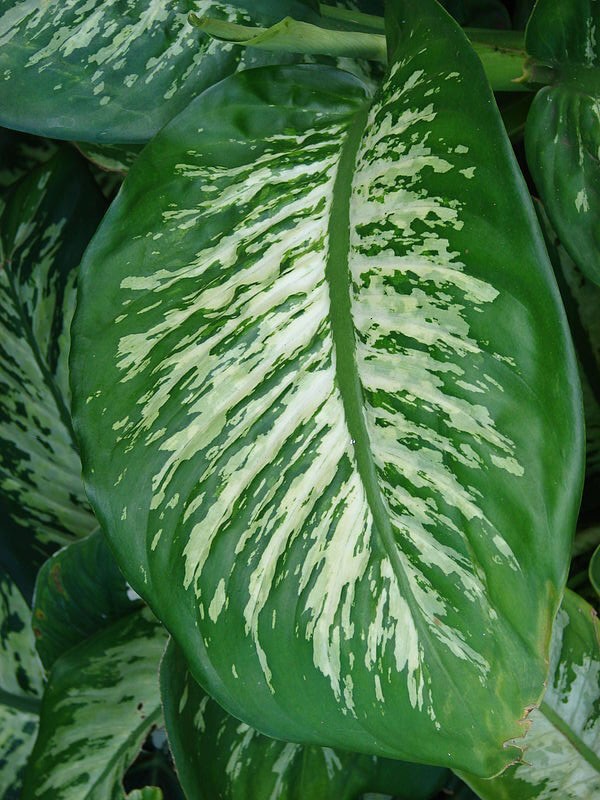
Giant Dumb Cane
Dieffenbachia seguine (Jacq.) Schott
Important homotypic synonyms and former combinations include:
- Arum seguine Jacq. — basionym
- Arum crudele Salisb. — illegitimate superfluous name
- Caladium seguine (Jacq.) Vent.
Relevant horticultural and historical synonyms include:
- Caladium maculatum G.Lodd.
- Dieffenbachia amabilis W.Bull
- Dieffenbachia amoena W.Bull
- Dieffenbachia baraquiniana Verschaff. & Lem.
- Dieffenbachia gigantea Verschaff. ex Regel
- Dieffenbachia grandis W.Bull ex J.Dix
- Dieffenbachia maculata (G.Lodd.) Sweet
- Dieffenbachia picta Schott
- Dieffenbachia robusta K.Koch
- Dieffenbachia seguine var. maculata (G.Lodd.) E.J.Lowe & W.Howard
- Seguinum maculatum (G.Lodd.) Raf.
- Spathiphyllum pictum W.Bull
Important botanical and horticultural distinctions:
- Dieffenbachia amoena, D. maculata, and D. picta are currently treated as synonyms of D. seguine, although all three names remain common in horticulture and veterinary literature.
- ‘Tropic Snow’ is a large cultivated Dieffenbachia widely associated with the former name D. amoena and the common name Giant Dumb Cane.
- ‘Exotica’, ‘Exotica Perfection’, ‘Perfection’, ‘Arvida’, ‘Camille’, and similar commercial names identify cultivated Dieffenbachia selections rather than toxin-free species.
- Not every plant sold simply as Dieffenbachia belongs to D. seguine. Other accepted species and modern hybrids occur in cultivation, but the calcium oxalate irritant mechanism is widespread within the genus.
Araceae
Giant Dumb Cane; Giant Dumbcane; Dumb Cane; Dumbcane; Charming Dieffenbachia; Spotted Dumb Cane; Spotted Dumbcane; Variable Dieffenbachia; Gold Dieffenbachia; Leopard Lily; Mother-in-Law Plant; Dieffenbachia; Tropic Snow; Exotica; Exotica Perfection; Perfection; Arvida; Camille; Dieffenbachia seguine; Dieffenbachia amoena; Dieffenbachia maculata; Dieffenbachia picta; Dieffenbachia gigantea; Dieffenbachia robusta; Caladium seguine; Caladium maculatum; Arum seguine; Seguinum maculatum
Dieffenbachia amoena is no longer accepted as a separate species and is currently treated as a synonym of Dieffenbachia seguine. The older name remains widespread on nursery labels, in horticultural books, and in veterinary poison references.
Dieffenbachia maculata and Dieffenbachia picta are also synonyms of Dieffenbachia seguine under current taxonomy. “Spotted Dumb Cane” may therefore appear under any of those names or on plants sold without a reliable species label.
‘Tropic Snow’, ‘Exotica’, ‘Exotica Perfection’, ‘Perfection’, ‘Arvida’, and ‘Camille’ are horticultural names rather than separate non-toxic species. Cultivar identity does not remove the insoluble calcium oxalate hazard.
Mother-in-Law Plant is highly ambiguous and is also applied to Dracaena trifasciata, formerly Sansevieria trifasciata. Leopard Lily may refer to Dieffenbachia or to unrelated flowering plants. The complete plant and scientific label should be preserved during a poisoning investigation.
Calcium Oxalate Crystals Confirmed in the Exact Species
The principal toxic structures in Giant Dumb Cane are insoluble calcium oxalate crystals. Detailed exact-species anatomical research on Dieffenbachia seguine documented a remarkable variety of crystal-producing idioblasts in leaves, stems, roots, flowers, pollen-bearing structures, and other tissues.
The crystal forms include bundles of needle-shaped raphides as well as druses, prisms, crystal sand, and specialized structures associated with particular organs. Not every crystal form has the same defensive or clinical importance. Raphides are especially significant because their elongated shape allows them to penetrate moist oral and ocular tissue.
The exact-species research confirms that the plant’s crystal system is more complex than a few loose needles inside a leaf. Crystal type, size, idioblast structure, and tissue location vary throughout the plant.
Raphide Idioblasts and Crystal Discharge
Raphides are stored in specialized cells called idioblasts. Some Dieffenbachia idioblasts can discharge their crystal bundles forcefully when the plant tissue is crushed, cut, or exposed to particular physical or chemical conditions.
Chewing ruptures ordinary cells, deforms crystal-bearing idioblasts, mixes sap with saliva, and presses the released needles directly into the lips, gums, tongue, palate, pharynx, or esophagus. A pet may therefore experience severe pain after crushing only a small amount of tissue.
The dramatic reaction does not require systemic absorption. Injury begins immediately at the contact surface, which is why dogs and cats often drop the plant, shake their heads, paw at the mouth, and salivate within moments.
Mechanical Puncture and the Needle Effect
Raphides produce thousands of microscopic punctures, stimulate sensory nerves, disrupt the epithelial barrier, and create channels through which sap constituents can enter deeper tissue. The result is burning pain, redness, vascular leakage, inflammation, and edema.
Experimental research with raphide-bearing plants demonstrates that needle-shaped crystals can act synergistically with proteolytic or otherwise defensive compounds. The crystals increase the biologic activity of those compounds by opening the tissue surface and carrying material into the puncture sites.
This needle effect explains why purified mineral crystals may cause less inflammation than freshly crushed plant tissue containing both raphides and sap. It also explains why plants with calcium oxalate crystals do not all produce an identical degree of irritation.
Proteolytic Activity Without One Proven Universal Enzyme
Dieffenbachia tissue has long been associated with proteolytic enzyme activity. Older literature used the name “dumbain” for a protease believed to contribute to oral inflammation. Later publications have discussed L-asparaginase and other plant proteins.
The existence of biologically active plant proteins is credible, but no single enzyme has been conclusively shown to cause every Giant Dumb Cane poisoning. Species, cultivar, organ, extraction method, plant age, and environmental conditions can alter the protein mixture.
The most accurate description is that insoluble calcium oxalate raphides act together with incompletely characterized inflammatory and proteolytic sap constituents. Dumbain and L-asparaginase should be presented as historical or proposed contributors rather than as the one proven toxin.
Experimental Inflammation and Tongue Edema
Experimental work conducted under the historical name Dieffenbachia picta demonstrated pronounced local toxicity in guinea pigs and measurable tongue edema in mice. Because D. picta is currently treated as a synonym of D. seguine, those studies remain relevant to the modern species concept.
The experiments support the clinical importance of local inflammatory injury and demonstrate that the syndrome is not explained simply by an unpleasant taste. Plant juice and tissue preparations can produce substantial swelling and smooth-muscle or mucosal effects under controlled conditions.
Experimental doses and concentrated extracts cannot be converted into a safe leaf count or household pet dose. Natural chewing exposes an animal unevenly according to the part crushed, amount of sap released, and tissue contacted.
Inflammatory Mediators and Edema
Crystal puncture and sap exposure activate local inflammatory pathways. Mast cells, damaged epithelial cells, sensory nerves, vascular tissue, and other components of the inflammatory response may release mediators that increase pain, blood flow, tissue permeability, and swelling.
This reaction is not necessarily a classic allergy. An antihistamine may be useful in a selected patient when a veterinarian considers it appropriate, but histamine blockade cannot remove crystals, reverse tissue puncture, neutralize proteolytic material, or guarantee that laryngeal swelling will not progress.
Airway assessment must therefore be based on breathing, swallowing, vocalization, tongue and pharyngeal swelling, oxygenation, and clinical progression rather than on whether an antihistamine was given.
Insoluble Oxalate Is Not Systemic Soluble-Oxalate Poisoning
The calcium oxalate crystals in Dieffenbachia are poorly soluble and act principally where they contact tissue. They do not ordinarily dissolve into a large absorbable oxalate dose, remove substantial calcium from the circulation, or precipitate throughout the kidneys.
This differs from plants containing soluble oxalate salts, which can cause systemic hypocalcemia, muscle fasciculation, tetany, cardiovascular instability, and renal calcium oxalate deposition.
Primary kidney failure, severe systemic hypocalcemia, generalized tetany, seizures, or widespread oxalate nephrosis is not the expected direct result of an ordinary Giant Dumb Cane exposure. Such findings require investigation for another plant, chemical, medical disorder, prolonged hypoxia, or severe secondary dehydration.
All Living Plant Tissues Should Be Treated as Hazardous
Leaves, pale variegated tissue, green leaf tissue, petioles, canes, nodes, roots, sap, spathes, spadices, flowers, fruit, seeds, propagation cuttings, and new shoots should all remain inaccessible.
Exact crystal anatomy differs among organs, and no controlled comparison has established that every tissue contains an identical raphide concentration. The absence of equal-concentration evidence does not establish a safely chewable plant part.
Freshly cut cane and root sections deserve particular caution because they expose moist internal tissue, release sap readily, and are easier for an animal to carry than an upright plant.
Fresh, Wilted, and Dried Material
Wilting and drying do not dissolve mineral crystals. A fallen leaf, dried petiole, old cane segment, dead root, or discarded cutting may still release rigid calcium oxalate particles when crushed or chewed.
Proteins and volatile sap constituents may change during drying, but no household drying, freezing, cooking, soaking, or composting procedure has been validated as a method for making Dieffenbachia safe for animal consumption.
Plant waste should never be offered as forage, browse, bedding, cage enrichment, chewing material, or animal-accessible compost.
Skin and Eye Hazards
Fresh sap can irritate skin, particularly where the surface is damaged or exposure is prolonged. Burning, redness, itching, swelling, dermatitis, or blister-like lesions may develop after pruning, repotting, propagation, or contact with broken tissue.
Eye exposure is especially important. Needle-shaped crystals can penetrate the corneal epithelium and become visible within the epithelial and stromal layers. Published cases document conjunctival inflammation, corneal epithelial defects, crystalline keratopathy, pain, tearing, photophobia, and blurred vision.
Crystals may persist after loose surface contamination has been rinsed away. Continued squinting, corneal cloudiness, abnormal discharge, or apparent visual impairment therefore requires veterinary examination rather than repeated home rinsing alone.
Fibrous Plant Material Creates a Separate Physical Hazard
Giant Dumb Cane produces broad leaves, thick petioles, stout fleshy canes, fibrous roots, and substantial propagation sections. A swallowed strip or mass may create choking, esophageal obstruction, gastric retention, or intestinal obstruction independently of the raphide chemistry.
Persistent retching, regurgitation, vomiting after the initial oral pain improves, abdominal enlargement, reduced fecal production, or inability to retain water may indicate retained plant material.
Activated charcoal does not remove embedded crystals or a physical foreign body.
No Established Safe Dose
No dependable leaf count, cane length, root weight, crystal concentration, or gram-per-kilogram toxic dose has been established for natural Giant Dumb Cane exposure in dogs, cats, horses, livestock, rabbits, or birds.
Severity depends on the tissue crushed, duration and force of chewing, amount swallowed, animal size, airway anatomy, individual inflammatory response, and whether fertilizer, pesticide, potting material, propagation water, wire, or another toxic plant was consumed simultaneously.
Immediate and Intense Oral Pain
Signs usually begin while the animal is chewing or within minutes. A dog or cat may abruptly release the plant, cry out, shake its head violently, paw at the face, rub the muzzle against the floor, hold the mouth partly open, or resist examination.
Saliva may become profuse, thick, or rope-like and soak the chin, chest, paws, bedding, or floor. Lip smacking, repeated swallowing, gagging, dry heaving, coughing, and obvious panic are common responses to severe local pain.
Visible oral changes may include redness, swelling, punctate erosions, abrasions, small hemorrhages, ulceration, or blister-like lesions on the lips, gums, tongue, palate, floor of the mouth, or other mucosal surfaces.
Tongue, Pharyngeal, and Laryngeal Swelling
Inflammatory swelling may continue increasing after the plant has been dropped. Edema of the tongue, floor of the mouth, pharynx, epiglottic region, or larynx can interfere with swallowing and, rarely, airflow.
Warning signs include inability to swallow saliva, continuous drooling with unsuccessful swallowing attempts, repeated neck extension, increasingly hoarse vocalization, stertor, stridor, harsh inspiration, open-mouth breathing, panic, blue-gray mucous membranes, weakness, or collapse.
Severe airway compromise is uncommon, but it is documented in veterinary medicine. One dog died from glottic edema and asphyxiation, while another survived airway obstruction after emergency treatment that included a temporary tracheostomy.
Painful Swallowing and Voice Changes
Odynophagia means painful swallowing, while dysphagia means swallowing is mechanically or functionally difficult. An affected animal may approach food or water, attempt to take it, and then drop it or pull away because tongue and pharyngeal movement is painful.
Food falling from the mouth, coughing when drinking, nasal reflux, repeated swallowing, or inability to manage saliva indicates more extensive involvement.
A dog’s bark may become hoarse, weak, unusually high, or nearly absent. A cat may meow weakly or stop vocalizing. Voice change reflects pain or inflammation affecting the tongue, pharynx, or laryngeal region and is especially concerning when breathing also becomes noisy.
Gastrointestinal Signs
Swallowed sap and plant tissue may cause nausea, vomiting, reduced appetite, abdominal discomfort, lethargy, depression, soft stool, or diarrhea. Repeated vomiting may drag additional plant material and stomach contents across injured oral and esophageal surfaces.
Blood may appear when substantial irritation, erosive disease, or forceful retching injures the esophagus or stomach. A published feline case documented extensive gastric ulceration after Dieffenbachia intoxication.
Repeated blood, coffee-ground material, black stool, severe abdominal pain, or inability to retain water requires prompt veterinary assessment rather than routine home observation.
Dehydration and Secondary Complications
Oral pain may prevent drinking, while vomiting and diarrhea increase fluid loss. Tacky gums, reduced skin elasticity, sunken eyes, reduced urination, rapid heart rate, weakness, and worsening depression indicate dehydration.
Electrolyte and acid-base abnormalities may develop when gastrointestinal losses are substantial. Small animals, young puppies or kittens, elderly patients, and animals with kidney or cardiovascular disease may deteriorate more rapidly.
Aspiration can occur when vomit, saliva, food, water, or charcoal enters the lungs while swallowing and airway protection are impaired. Coughing, fever, nasal discharge, rapid breathing, abnormal lung sounds, or reduced oxygenation after vomiting requires evaluation for aspiration injury.
Skin and Fur Exposure
Sap on the skin may cause burning, redness, itching, swelling, rash, or contact dermatitis. Paws and fur can become contaminated when an animal walks through pruning debris, brushes against a broken cane, or tips over a freshly cut plant.
Grooming transfers sap and crystals from the coat to the mouth and eyes. Persistent paw licking, facial rubbing, redness between the toes, or a sharply localized rash may follow an unwitnessed plant-care exposure.
Eye Exposure
Sap or plant particles entering an eye can cause immediate or delayed pain, tearing, intense squinting, eyelid spasm, conjunctival swelling, redness, discharge, light sensitivity, corneal haze, or apparent visual difficulty.
Published human cases and experimental corneal work document fine needle-like crystals within the corneal epithelium and stroma. Surface irrigation may remove loose sap without extracting every crystal already embedded in the cornea.
Continued squinting, cloudiness, abnormal discharge, unequal pupils, persistent rubbing, or impaired navigation after irrigation requires prompt veterinary examination.
Fibrous Foreign-Body Signs
A dog may swallow a folded leaf, thick petiole, cane segment, root mass, or propagation section. These materials can cause a physical complication unrelated to systemic oxalate absorption.
Material lodged in the mouth or esophagus may cause repeated gagging, drooling, regurgitation, neck extension, or immediate return of water after drinking. Gastric or intestinal retention may cause recurrent vomiting, abdominal pain, lethargy, distention, or reduced stool.
A long plant fiber protruding from the mouth or rectum should not be pulled blindly because it may be anchored internally.
Dogs
Dogs may pull down large leaves, chew accessible canes, carry propagation pieces, investigate roots during repotting, or swallow potting material with the plant. Puppies and dogs with pica may consume more tissue before pain stops them.
Most dogs recover with conservative treatment, but the published fatal and tracheostomy cases demonstrate that severe tongue, pharyngeal, or glottic edema is a genuine veterinary emergency.
Cats
Cats may bite leaf tips, climb surrounding furniture to reach the plant, play with hanging petioles, or contact sap during grooming. A cat may hide, refuse food, or become unusually quiet rather than permit oral examination.
Persistent feline anorexia requires attention even when the initial injury appears localized. Prolonged food refusal can create serious secondary metabolic disease.
The published gastric-ulcer case also demonstrates that feline Dieffenbachia exposure is not always limited to brief drooling and oral discomfort.
Horses and Livestock
Horses and livestock are most likely to encounter Dieffenbachia when an indoor plant, greenhouse specimen, or tropical landscape shrub is discarded into an enclosure. Horses cannot vomit and may instead develop salivation, painful chewing, dropped feed, dysphagia, feed refusal, colic, diarrhea, or depression.
Every animal sharing access to discarded plants or clippings should be assessed. One visibly affected animal may indicate that others consumed smaller amounts.
Unexpected Systemic Findings
Systemic hypocalcemia, primary kidney failure, permanent liver injury, severe hemolytic anemia, generalized tetany, seizures, coma, and widespread organ failure are not the expected direct consequences of uncomplicated Dieffenbachia raphide exposure.
Seizures or unconsciousness could occur secondarily after catastrophic airway obstruction and oxygen deprivation. They may also indicate another plant, pesticide, fertilizer, medication, metabolic disorder, or mistaken identification.
Expected Course and Prognosis
Mild oral pain and drooling often begin improving within several hours after access ends. Appetite may remain reduced for the remainder of the day or longer when the tongue or oral mucosa is substantially inflamed.
Moderate injury may require analgesia, fluid support, anti-nausea treatment, and a temporary change in feeding. Corneal crystals and deeper ocular inflammation may take considerably longer to resolve than uncomplicated oral signs.
The prognosis is good to excellent when breathing and swallowing remain normal. It becomes guarded with progressive airway edema, prolonged hypoxia, aspiration, severe ulceration, dehydration, ocular injury, or gastrointestinal obstruction.
Accepted Identity and the Dieffenbachia amoena Name
Giant Dumb Cane is currently classified as Dieffenbachia seguine (Jacq.) Schott. The name Dieffenbachia amoena was published for large cultivated material and became deeply established in nursery catalogues, houseplant books, poison lists, and veterinary references.
Modern taxonomy treats D. amoena as a synonym rather than a separate accepted species. Plants labeled D. amoena, Giant Dumb Cane, or Charming Dieffenbachia should therefore be understood within the broad and highly variable D. seguine complex.
Dieffenbachia picta and D. maculata are also synonyms. This is important because major experimental and veterinary reports were published under those older names.
Native Range and Habitat
The accepted native range extends from the Caribbean through northern and tropical South America, including portions of the West Indies, the Guianas, Venezuela, Colombia, Ecuador, Peru, Bolivia, and Brazil.
Wild plants occupy humid tropical environments, including shaded forest, secondary vegetation, stream margins, wet disturbed ground, and other moist lowland habitats.
Cultivation has carried the species far beyond its native range. It is encountered as an indoor foliage plant in temperate regions and as a landscape or naturalized plant in frost-free climates.
Cane-Forming Growth
Giant Dumb Cane is an evergreen herbaceous subshrub with thick, succulent, cane-like stems. Older stems develop conspicuous rings or scars where previous petioles were attached.
The cane may remain relatively unbranched until it is cut or damaged. Dormant buds then produce new shoots below the wound, which is why old plants are commonly shortened and propagated from cane sections.
Large cultivated forms can become tall and top-heavy indoors. A dog pulling one leaf or a cat jumping into the foliage may tip the entire container and gain access to roots, potting products, broken ceramic, support stakes, and fresh sap.
Leaves, Petioles, and Variegation
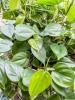
The leaves are simple, alternate, broad, and generally oval to oblong with smooth margins and pointed tips. Numerous lateral veins extend from the central midrib.
Large petioles partly sheath the cane and contain substantial moist tissue. Both the petiole and leaf blade contain crystal-producing idioblasts and irritating sap.
Cultivars may be dark green with cream flecks, marbled with yellow and white, marked by a pale central field, or densely patterned across most of the blade. Pale variegated tissue is not toxin-free.
Giant Cultivars and Commercial Names
‘Tropic Snow’ is one of the best-known large cultivars associated with Giant Dumb Cane and the former name D. amoena. Its broad leaves usually have irregular cream or pale yellow markings around the midrib.
‘Exotica’, ‘Exotica Perfection’, ‘Perfection’, ‘Arvida’, and ‘Camille’ are additional horticultural names encountered in the trade. Retail labels are not always taxonomically consistent, and the same cultivated plant may be relabeled when its original identity is lost.
During a poisoning emergency, confirmation that the plant is a Dieffenbachia is more important than determining the exact cultivar from leaf markings.
Flowers and Fruit
Mature plants may produce a typical aroid inflorescence consisting of a fleshy spadix partly enclosed by a pale green, cream, or whitish spathe. Flowering is uncommon under ordinary indoor conditions.
Fruit may develop after successful pollination in favorable tropical conditions and can mature through green into orange or red coloration. Flowers, fruit, and seeds should not be treated as safer than foliage.
Why the Plant Is Called Dumb Cane
The common name refers to temporary inability or unwillingness to speak after severe oral exposure. Pain, tongue swelling, pharyngeal inflammation, excessive secretions, and irritation near the larynx can make speech physically difficult.
Dogs and cats cannot describe the same sensation, but a hoarse bark, altered meow, repeated swallowing, weak vocalization, or refusal to open the mouth reflects comparable local injury.
The name is descriptive of the poisoning syndrome, not evidence of a primary brain or neurologic toxin.
Exact-Species Crystal Anatomy
A detailed anatomical study examined the diversity and distribution of calcium oxalate-producing idioblasts throughout D. seguine. The investigators found multiple crystal morphologies associated with particular organs and tissue locations.
Raphides and biforine-like idioblasts are especially relevant to herbivore deterrence, while other crystals may have structural, calcium-regulatory, reproductive, or additional plant functions.
The study supports the exact-species calcium oxalate mechanism but does not supply a veterinary dose or prove that every tissue contains an identical concentration.
What the Idioblast Research Shows
Separate experimental observations demonstrated that specialized Dieffenbachia idioblasts can discharge raphides under particular physical and chemical conditions. The cells are not passive containers that always require complete destruction before crystals escape.
Chewing, crushing, saliva, pressure, and tissue hydration can combine to release the raphide bundle rapidly. This helps explain the immediate onset and the plant’s unusually effective defense against continued chewing.
The Protease Question
Experimental Dieffenbachia research has repeatedly supported a protein or proteolytic component, but the literature does not identify one universal enzyme with certainty.
“Dumbain” is a historical name used for protease activity associated with Dieffenbachia. L-asparaginase has also been named in later reports, partly because enzymes with that activity occur in plant tissues.
A responsible toxicology page should not convert those proposals into a definitive statement that one purified enzyme causes every exposure. The best-supported model remains synergistic mechanical and biochemical injury involving raphides and a variable sap mixture.
Experimental Toxicity Under the Name Dieffenbachia picta
Guinea-pig experiments using plant juice demonstrated local and gastrointestinal toxicity from material then identified as D. picta. The work examined oral effects and pharmacologic responses rather than merely noting crystal presence.
Later mouse experiments produced measurable tongue edema after exposure to D. picta material. Those studies support the possibility of substantial local swelling and provide an experimental foundation for airway vigilance.
Because D. picta is now treated as a synonym of D. seguine, the evidence remains relevant, although concentrated experimental preparations do not reproduce every household pet exposure.
The Fatal Canine Case
A published case described a dog that developed severe, locally extensive erosive and ulcerative glossitis accompanied by acute respiratory distress after chewing Dieffenbachia material identified under the historical name D. picta.
Emergency efforts failed to relieve the respiratory crisis, and the dog died from asphyxiation associated with glottic edema. The report emphasizes that most Dieffenbachia exposures remain recoverable while documenting the rare possibility of fatal airway obstruction.
The case should not be used to suggest that every bite is fatal. It does justify immediate escalation when swelling or breathing changes are progressing.
The Dog Treated with Temporary Tracheostomy
Another published dog presented with choking, gagging, dysphagia, and airway obstruction after Dieffenbachia ingestion. The animal required intensive evaluation, surgical removal of substantial gastric material, and a temporary tracheostomy to maintain airflow.
The dog survived with airway protection and supportive treatment. This case demonstrates that severe pharyngeal or laryngeal swelling can be reversible when the airway is secured promptly.
It also demonstrates that chemical irritation and physical plant-material ingestion can occur in the same patient.
Extensive Gastric Ulceration in a Cat
A published feline case documented hematemesis, anorexia, severe dehydration, and extensive gastric ulceration diagnosed through endoscopy and histopathology after Dieffenbachia intoxication.
The cat required electrolyte and fluid support, gastrointestinal medication selected by the clinicians, and assisted nutrition through a feeding tube.
The case is unusual but important because it confirms that substantial gastrointestinal mucosal disease can occur beyond the immediate mouth reaction.
Ocular Crystal Deposition
Human case reports and experimental ocular work document crystals within the corneal epithelium and stroma after Dieffenbachia sap exposure. Findings include conjunctival chemosis, epithelial defects, corneal abrasion, keratitis, and fine blue or needle-like deposits.
In some reports the crystals diminished gradually over weeks rather than disappearing immediately after irrigation. Vision generally recovered with appropriate ophthalmic care, but prolonged crystal persistence demonstrates why continued pain or cloudiness requires examination.
Human eye-drop regimens from published cases should never be copied for pets. Medication choice depends on whether an ulcer, infection, retained material, or deeper inflammation is present.
Propagation and Plant-Care Exposure
Dieffenbachia is frequently propagated from top cuttings or cane segments containing one or more nodes. Every fresh cut exposes sap, while detached pieces are easier for animals to drag or chew than an anchored plant.
Propagation water may contain sap, fertilizer, bacteria, algae, and decomposing tissue and should not be available as animal drinking water.
Pruning knives, shears, gloves, work surfaces, floors, clothing, and discarded paper towels can carry sap and crystals after the plant itself has been moved.
Mixed Pot and Garden Exposures
An animal pulling over a Dieffenbachia may swallow potting bark, perlite, coir, fertilizer granules, systemic insecticide, decorative stone, ceramic fragments, plastic mesh, wire, or plant ties.
These materials can cause choking, obstruction, perforation, neurologic poisoning, kidney injury, or other systemic disease independently of the plant.
Persistent or atypical signs should not be attributed automatically to raphides when components of the pot or plant-care products are missing.
Diagnosis
There is no routine blood test that confirms Dieffenbachia exposure. Diagnosis depends on plant identification, immediate onset of compatible oral signs, physical examination, and exclusion of another toxin or foreign body.
Useful evidence includes the whole plant, nursery label, leaf and petiole, cane section, roots, flower structure, remaining cutting, propagation vessel, pot contents, and all fertilizer and pesticide labels.
Severe pain may prevent a complete awake oral examination. Sedation or anesthesia may be needed to inspect beneath the tongue, remove retained fibers, evaluate deeper pharyngeal swelling, examine the larynx, or perform endoscopy safely.
Prevention
Prevention must account for mature size, climbing cats, pulling dogs, falling leaves, and detached propagation pieces. A high shelf is not safe when surrounding furniture provides access or when leaves extend beyond it.
Stabilize large containers, keep cuttings in a closed plant room or secure cabinet, remove broken material immediately, and clean all sap-contaminated surfaces before animals regain access.
In a household with a persistent plant-chewing cat, puppy, rabbit, or bird, replacement with a genuinely pet-safer plant is more dependable than relying on bitter sprays or repeated supervision.
Immediate Steps After Giant Dumb Cane Exposure
- Stop further chewing. Move the animal away from leaves, petioles, canes, roots, sap, flower structures, fruit, cuttings, propagation water, and discarded plant material.
- Confirm the plant. Save any label showing Dieffenbachia seguine, Dieffenbachia amoena, D. picta, D. maculata, Tropic Snow, Exotica, Perfection, Arvida, Camille, or another cultivar name.
- Remove only loose visible material. If the animal is calm, alert, breathing normally, and swallowing normally, use gloves, damp gauze, or a clean damp cloth to lift pieces resting at the lips or front of the mouth.
- Wipe accessible surfaces gently. A damp cloth may be used on the lips, front gums, and front of the tongue without scraping, rubbing vigorously, or pushing material farther back.
- Do not reach toward the throat. A painful or frightened animal may bite, and deep handling can worsen swelling, panic, or obstruction.
- Prevent grooming after sap exposure. Keep the animal from licking contaminated paws, fur, or skin until washing is complete.
- Preserve evidence. Save the nursery label, clear photographs, representative leaves, cane, roots, vomited fragments, pot contents, and plant-care product labels.
- Monitor breathing and swallowing continuously. Do not leave an animal unattended when tongue swelling, repeated gagging, voice change, or inability to swallow saliva is present.
Do Not Induce Vomiting or Give Home Antidotes
- Do not induce vomiting. Do not use hydrogen peroxide, salt, mustard, syrup of ipecac, dish soap, detergent, manual gagging, or fingers in the throat.
- Vomiting cannot remove embedded raphides. The principal injury has already occurred in the lips, mouth, tongue, and pharynx.
- Do not administer activated charcoal yourself. Charcoal does not extract crystals from tissue and presents a serious aspiration risk when swallowing is painful or impaired.
- Do not give milk, yogurt, cottage cheese, oil, bread, ice cream, or soft food as an antidote. These products do not dissolve embedded crystals or neutralize the inflammatory sap and may be aspirated.
- Do not force water. Pouring or syringing liquid toward the throat can cause aspiration in a gagging, swollen, panicked, weak, or poorly swallowing animal.
- Do not give owner-selected antihistamines or corticosteroids. They do not remove raphides and must not delay airway examination.
- Do not give human pain relievers, antacids, anti-diarrheal medication, gastrointestinal protectants, or leftover prescriptions. The wrong medication may add toxicity or obscure progression.
Airway Emergency Signs
- Swelling is increasing. Progressive enlargement of the tongue, lips, floor of the mouth, throat, or face requires urgent assessment.
- Saliva cannot be swallowed. Continuous drooling combined with repeated unsuccessful swallowing indicates clinically important dysphagia.
- Vocalization changes. A hoarse, weak, unusually high, or absent bark or meow may indicate deeper pharyngeal or laryngeal inflammation.
- Breathing becomes noisy. Stridor, stertor, wheezing, harsh inspiration, or persistent coughing may indicate narrowing of the upper airway.
- Respiratory effort increases. Neck extension, open-mouth breathing, panic, elbows held away from the body, blue-gray gums, weakness, or collapse is an emergency.
- Do not force an examination. Repeatedly opening the mouth or wrestling a breathing-impaired animal increases stress and oxygen demand.
Skin, Paw, and Fur Decontamination
Wear gloves and prevent grooming. Wash contaminated skin, paws, and fur with mild liquid soap or a pet-appropriate shampoo and generous lukewarm water. Work away from the eyes and mouth and rinse thoroughly.
Do not scrub irritated skin aggressively. Avoid alcohol, peroxide, bleach, solvents, concentrated vinegar, essential oils, and abrasive cleaners.
Remove contaminated collars, harnesses, bedding, towels, and clothing until they have been washed. Persistent redness, swelling, blister-like lesions, open skin, pain, or continued licking requires veterinary examination.
Eye Exposure
Begin irrigation immediately with sterile saline or clean lukewarm water. Flush continuously and gently, directing runoff away from the other eye and mouth.
Do not rub the eye or attempt to remove embedded particles with fingers, tweezers, dry gauze, or a cotton swab. Do not use milk, soap, peroxide, contact-lens cleaner, human redness-relief drops, or leftover eye medication.
Prevent pawing when possible without delaying irrigation or transport. Continued pain, squinting, redness, cloudiness, discharge, abnormal pupils, or apparent visual difficulty requires prompt veterinary examination.
Veterinary Oral and Airway Examination
The veterinarian will assess respiratory effort, oxygenation, mucous-membrane color, tongue and pharyngeal edema, ability to handle saliva, vocal changes, lung sounds, hydration, and aspiration risk.
The lips, gums, tongue, floor of the mouth, and visible pharynx may be examined for retained fibers, cane fragments, erosions, ulceration, hemorrhage, and swelling. Sedation or anesthesia may be necessary when pain prevents a safe and complete examination.
Progressive edema may require intravenous access, oxygen, continuous respiratory monitoring, and preparation for controlled endotracheal intubation. A temporary tracheostomy or another advanced airway procedure may be necessary when oral or laryngeal swelling prevents safe intubation or adequate airflow.
Airway intervention is uncommon but should not be delayed when respiratory effort or oxygenation is deteriorating.
Pain and Inflammation Control
Veterinary analgesia may be required when oral pain prevents drinking, eating, grooming, or rest. Medication selection should account for hydration, gastrointestinal condition, kidney and liver function, species, and swallowing safety.
Antihistamines or corticosteroids may be considered when clinically important edema is present, but their value depends on the mechanism, severity, and stage of inflammation. Neither treatment removes crystals or replaces airway monitoring.
Severe stomatitis or glossitis may require hospitalization, injectable medication, softened nutrition after swallowing becomes safe, and repeated oral examination.
Vomiting and Gastrointestinal Care
Professional emesis is generally not useful after uncomplicated Dieffenbachia chewing because local injury has already occurred and spontaneous gagging or vomiting is common. Additional vomiting may re-expose injured tissue and increase aspiration risk.
Persistent vomiting may be treated with a veterinarian-selected antiemetic after retained plant material, obstruction, ulceration, and mixed exposures have been considered.
Intravenous fluids may be required when oral pain prevents drinking or vomiting and diarrhea cause dehydration. Food and water may be withheld temporarily when dysphagia, active vomiting, sedation, or airway instability makes oral intake unsafe.
Once swallowing is normal and pain and nausea are controlled, water and an appropriate diet may be reintroduced gradually. Force-feeding is inappropriate in a painful, weak, nauseated, sedated, or poorly swallowing patient.
Gastrointestinal Ulceration
Repeated blood in vomit, coffee-ground material, black stool, marked abdominal pain, pale gums, or worsening weakness requires investigation for esophageal or gastric ulceration and blood loss.
Veterinary evaluation may include a complete blood count, packed-cell volume, total protein, blood chemistry, clotting assessment, abdominal imaging, and endoscopy.
Gastrointestinal protectants, acid-control medication, antiemetics, analgesia, and assisted nutrition may be used when clinically indicated. They are not antidotes for raphides and should not be administered from an old prescription.
Foreign-Body and Choking Evaluation
Tell the veterinarian whether a long leaf strip, thick petiole, cane segment, root mass, plastic pot material, wire, stone, or support stake is missing.
Repeated gagging, regurgitation, immediate return of water, persistent vomiting, abdominal enlargement, reduced stool, or worsening pain may indicate retained material.
Radiographs may identify certain foreign objects or secondary obstruction patterns, while ultrasound can evaluate gastrointestinal motion and plant material not visible on ordinary radiographs.
Endoscopy may remove material from the esophagus or stomach. Surgery may be required when a foreign body has entered the intestine, caused complete obstruction, or damaged the gastrointestinal wall.
Do not pull a long plant fiber protruding from the mouth or rectum unless a veterinarian directs it.
Veterinary Eye Treatment
The eye may require additional irrigation, fluorescein staining, magnified corneal examination, eyelid eversion, and evaluation of pupil function and intraocular pressure when appropriate.
Treatment may include veterinary ocular analgesia, lubrication, topical antimicrobial medication when an epithelial defect creates infection risk, and an Elizabethan collar.
Topical corticosteroids require ophthalmic judgment and should not be used blindly when an untreated corneal ulcer, infection, or impaired epithelial healing may be present.
Fine crystals can remain within the cornea after surface irrigation. Follow-up should continue until pain resolves, the corneal epithelium is intact, inflammation is controlled, and vision remains normal.
Dogs and Cats
A dog or cat that took one brief bite, released the plant, and remains able to breathe and swallow normally often has a favorable outcome. Close observation remains appropriate because inflammatory swelling may progress after the initial contact.
Persistent drooling, vomiting, food refusal, hiding, facial rubbing, altered voice, or reluctance to drink warrants veterinary guidance. Cats that remain anorexic require particular attention.
Confine an uncomfortable, weak, sedated, or visually affected animal at ground level away from stairs, balconies, water, traffic, and high furniture.
Horses and Livestock
Remove the entire exposed group from standing plants, uprooted specimens, broken canes, greenhouse waste, and landscape clippings. Horses cannot vomit and should never receive an emetic.
Inspect every animal for salivation, painful chewing, dropped feed, dysphagia, appetite loss, colic, diarrhea, depression, respiratory noise, and abnormal behavior.
Provide uncontaminated forage and water after swallowing safety has been assessed. Preserve leaves, canes, roots, flower structures, fruit, and photographs for identification.
Major neurologic disease, jaundice, primary kidney failure, or sudden death requires investigation for another plant, chemical, contaminated feed, or disease.
Prognosis and Recovery
The prognosis is good to excellent after most limited exposures. Mild drooling and oral pain often begin improving within several hours.
Moderate inflammation may interfere with eating or drinking for a day or longer and may require analgesia, anti-nausea treatment, or fluid support. Gastric ulceration, esophageal injury, aspiration, foreign-body ingestion, and corneal damage prolong recovery.
The prognosis becomes guarded when tongue or laryngeal swelling impairs airflow, prolonged hypoxia develops, substantial blood loss occurs, or obstructing plant material cannot be removed promptly.
Frequently Asked Questions About Giant Dumb Cane and Animal Poisoning
Is Dieffenbachia amoena still an accepted species?
No. Modern taxonomy treats Dieffenbachia amoena as a synonym of Dieffenbachia seguine. The older name remains important because Giant Dumb Cane, ‘Tropic Snow’, veterinary cases, nursery labels, and horticultural books may still use it.
Are Dieffenbachia picta and Dieffenbachia maculata the same species?
They are currently treated as synonyms of D. seguine. Experimental and veterinary publications using those names remain relevant to the modern broad species concept, although the exact cultivated material in an old report may not be reconstructable.
Have calcium oxalate crystals been studied directly in Dieffenbachia seguine?
Yes. Exact-species anatomical research documented multiple calcium oxalate crystal forms and specialized idioblasts throughout the plant. Raphides and crystal-discharging cells are especially relevant to the immediate oral injury.
Do the idioblasts actually eject the crystals?
Some specialized Dieffenbachia idioblasts can discharge raphide bundles under particular physical and chemical conditions. Chewing also ruptures and compresses plant tissue, mixing the crystals with sap and forcing them into contacted surfaces.
Is dumbain the proven toxin?
Dumbain is an older name used for proteolytic activity associated with Dieffenbachia. It should not be presented as the one conclusively identified toxin in every species and cultivar. The strongest model involves insoluble calcium oxalate raphides acting with a variable mixture of proteolytic and inflammatory sap constituents.
Is L-asparaginase responsible for the poisoning?
L-asparaginase has been discussed in later Dieffenbachia literature, but its presence does not prove that it alone causes oral pain, swelling, ulceration, and airway injury. No single enzyme has been shown to account for every natural exposure.
Why does one bite cause such dramatic pain?
Crushing a small amount of tissue can release numerous microscopic needles directly into densely innervated oral surfaces. The raphides puncture the epithelium and permit irritating sap constituents to enter the tissue, producing immediate mechanical and inflammatory injury.
Can Giant Dumb Cane stop a dog or cat from breathing?
Severe airway obstruction is uncommon but documented. A fatal dog developed glottic edema and asphyxiation, while another dog with airway obstruction survived after intensive care and temporary tracheostomy. Increasing tongue size, inability to swallow saliva, stridor, open-mouth breathing, or blue-gray gums is an emergency.
Why can a pet’s bark or meow change?
Pain and swelling affecting the tongue, pharynx, and tissues near the larynx can make vocalization difficult. A hoarse, weak, high-pitched, or absent voice is particularly concerning when it develops with increasing drooling, dysphagia, or respiratory noise.
Can Dieffenbachia cause serious stomach ulcers?
Yes, although this is not the usual outcome of a brief nibble. A published cat developed hematemesis, severe dehydration, anorexia, and extensive gastric ulceration confirmed by endoscopy and histopathology. Repeated blood, coffee-ground material, or black stool requires veterinary evaluation.
Can Dieffenbachia cause kidney failure?
Primary kidney failure is not the expected direct syndrome. Its insoluble calcium oxalate crystals act mainly where they contact tissue and do not ordinarily produce the systemic hypocalcemia and renal crystal deposition associated with soluble-oxalate plants.
Why are milk, yogurt, or soft food not recommended as first aid?
They do not dissolve crystals embedded in tissue or neutralize inflammatory plant proteins. An animal developing painful swallowing or throat swelling may also inhale food or liquid. Gentle removal of loose material, airway observation, and veterinary pain control are safer priorities.
Should vomiting be induced?
No. Vomiting cannot remove crystals embedded in the mouth and may drag plant fragments and acidic stomach contents across injured tissue. Gagging, drooling, swelling, and impaired swallowing also increase aspiration risk.
Is activated charcoal useful?
It is generally not useful for crystals and inflammatory material acting locally in the mouth and throat. Charcoal cannot remove embedded raphides or a swallowed cane segment and may be inhaled by an animal that is drooling, gagging, vomiting, or unable to swallow normally.
Can sap in the eye cause lasting injury?
It can cause corneal abrasion, epithelial defects, inflammation, and crystalline keratopathy. Fine crystals may remain within corneal layers after surface irrigation. Prompt flushing is important, but continued squinting, pain, cloudiness, discharge, or visual difficulty requires veterinary examination.
Can a leaf, petiole, or cane cause an obstruction?
Yes. Thick petioles, long fibrous leaves, roots, and cane segments can lodge in the esophagus or gastrointestinal tract. Persistent gagging, regurgitation, vomiting, abdominal enlargement, reduced stool, or inability to retain water requires imaging and examination.
How long should symptoms last?
Mild oral pain and drooling often begin improving within several hours, while substantial inflammation may interfere with eating for a day or longer. Signs continuing for many days require reassessment for ulceration, esophageal injury, airway damage, retained material, aspiration, ocular crystals, infection, or another diagnosis.