Hoary Alyssum Toxicity, Equine Limb Edema, and Acute Laminitis
Is Hoary Alyssum Poisonous to Dogs, Cats, Horses, and Livestock?
Yes—for horses and ponies. Hoary Alyssum, Berteroa incana, is a recognized equine poison, but it is not currently known to cause the characteristic toxicosis in dogs, cats, cattle, sheep, or goats. Susceptible horses may develop depression, fever, dramatic swelling of the lower legs, warm painful hooves, strong digital pulses, stiffness, diarrhea, reluctance to move, and acute laminitis after eating the fresh plant or contaminated hay.
Signs commonly begin within approximately 12 to 36 hours, although not every horse sharing the same forage becomes ill. Most uncomplicated cases improve after the source is removed and supportive care is provided, but severe laminitis, gastrointestinal injury, intravascular hemolysis, shock, secondary kidney complications, premature parturition, abortion, permanent hoof damage, and rare deaths have occurred. The causal toxin remains unknown, and drying or storing contaminated hay does not reliably make it safe.
About this guide: This page provides general pet-poisoning information and cannot diagnose or treat an individual animal. For any suspected exposure, contact a veterinarian or animal poison-control service immediately. Do not induce vomiting, give medication, or attempt home decontamination unless directed by a veterinary professional.
Hoary Alyssum
Berteroa incana (L.) DC.
The basionym is Alyssum incanum L.
Relevant botanical synonyms and former combinations include:
- Alyssum incanum L.
- Farsetia incana (L.) W.T.Aiton
- Moenchia incana (L.) Roth
- Vesicaria incana (L.) Desv.
- Alyssum incanum var. trichocarpum (Rohlena) Beck
- Berteroa ascendens var. microcarpa Boiss.
- Berteroa incana var. bulgarica Degen & Urum.
- Berteroa incana var. prolifera DC.
- Berteroa incana subsp. stricta (Boiss. & Heldr.) Stoj. & Stef.
- Berteroa incana f. trichocarpa (Rohlena) Trinajstić
- Berteroa incana var. trichocarpa Rohlena
- Berteroa orbiculata var. stricta (Boiss. & Heldr.) Boiss.
- Berteroa stricta Boiss. & Heldr.
- Crucifera berteroa E.H.L.Krause
- Draba chaeirifolia Bergeret
- Draba cheiranthifolia Lam.
- Draba cheirifolia Bergius ex DC.
- Draba cheiriformis Lam.
- Draba dasycarpa Bernh.
Brassicaceae
Older references may use the family name Cruciferae.
Hoary Alyssum; Hoary-Alyssum; Hoary False Alyssum; Hoary False-Alyssum; False Hoary Alyssum; Hoary False Madwort; Hoary False-Madwort; False Hairy Madwort; Hoary Berteroa; Hoary Alison; Hoary Allison; Heal-Bite; Healbite; Heal Bite; Whiteweed; White Weed; Berteroa incana; Alyssum incanum; Farsetia incana; Moenchia incana; Vesicaria incana
Hoary Alyssum is not the same plant as Sweet Alyssum, Lobularia maritima, the low-growing fragrant ornamental commonly planted in flower beds, borders, and containers.
“False Alyssum” and “False Madwort” are broad comparison names and may be applied inconsistently. Preserve the scientific name, flowering stems, stellate hairs, and seedpods whenever identification affects a horse-poisoning investigation.
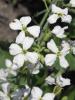
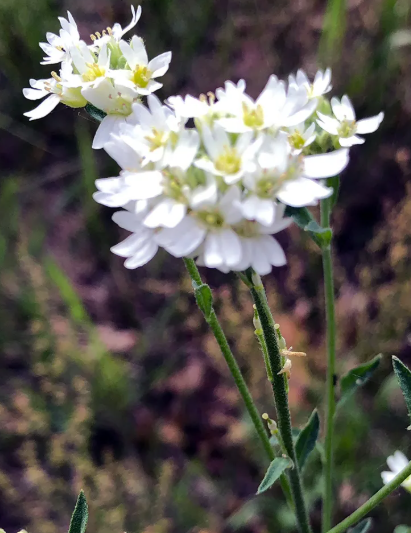
The deeply notched four-petaled flowers may appear to have eight narrow petals from a distance. This feature helps separate Hoary Alyssum from several other small white-flowered weeds but is not sufficient by itself for definitive identification.
The Causal Toxin Remains Unknown
The compound or combination of compounds responsible for Hoary Alyssum toxicosis has not been conclusively identified. There is no validated commercial chemical assay that can measure a named Hoary Alyssum toxin in hay or predict which exposed horse will become ill.
The plant belongs to the mustard family, and mustard-family plants commonly contain glucosinolates, isothiocyanates, sulfur-containing compounds, phenolics, proteins, and other biologically active constituents. No specific glucosinolate, isothiocyanate, nitrate, alkaloid, protein, or other chemical has been proven to cause the characteristic combination of fever, distal-limb edema, and laminitis.
The unknown mechanism should not be replaced with an unsupported claim that the disease is caused by nitrate accumulation, pesticides, one mustard oil, or a generalized allergic reaction. Those possibilities may require investigation in a particular hay lot, but none is established as the defining Hoary Alyssum toxin.
Fresh and Dried Plants Remain Hazardous to Horses
Toxicosis occurs after horses consume the living plant in pasture and after dried plant material is incorporated into hay. Drying, curing, baling, chopping, pelleting, or mixing the weed with alfalfa or grass does not reliably eliminate the hazard.
In the experimental study, hay containing approximately 30% Hoary Alyssum reproduced the syndrome after storage for several months. Material from the same contaminated hay source was still capable of producing clinical signs after approximately nine months of storage.
There is therefore no sound basis for storing contaminated hay until it is presumed to have detoxified. Processing may instead make the plant harder to recognize and distribute fragments throughout the feed.
Experimental Concentrations Are Not Safe Thresholds
The controlled feeding work used hay containing approximately 30% Hoary Alyssum. Severe field outbreaks have likewise involved heavily contaminated forage.
That concentration is evidence that substantial contamination can reproduce the syndrome; it is not a published safe limit below which every horse can eat the hay without risk. Individual susceptibility varies, contamination is uneven, and one flake may contain a much greater concentration than the average calculated for the bale.
No dependable safe percentage, plant count, stem count, seedpod count, or dose per kilogram has been established. Current practical prevention requires excluding visibly contaminated hay from horse feed rather than attempting to calculate a tolerable amount.
Marked Individual Susceptibility
Not every horse consuming the same contaminated source develops visible illness. In some exposure groups, approximately half of the horses became clinically affected while the remainder appeared normal.
No consistent relationship with breed, sex, age, occupation, athletic use, or management type has explained this difference. One unaffected horse does not prove that the forage is safe for another horse or for later feeding.
A horse that has previously eaten contaminated hay without signs should not be deliberately rechallenged. Susceptibility may reflect unidentified metabolic, immune, vascular, gastrointestinal, or hoof-related factors that cannot currently be tested before exposure.
Equine Species Specificity
Naturally occurring and experimental toxicosis is established in horses and ponies. Published poisoning reports in mules and donkeys are lacking, but deliberate exposure is not appropriate because they are equids and the causal toxin remains unknown.
Dogs, cats, cattle, sheep, and goats are not currently recognized as developing the characteristic Hoary Alyssum syndrome. A goat forage-utilization study found that Hoary Alyssum reduced intake and nutritive use, particularly when chopping prevented selective refusal, but it did not establish the equine edema-and-laminitis syndrome in goats.
Absence of the recognized horse syndrome does not prove that contaminated hay is suitable for another species. The same lot may contain mold, mycotoxins, excessive nitrate, pesticides, blister beetles, foreign objects, dust, or additional poisonous weeds.
Which Plant Parts Are Hazardous?
The characteristic toxicosis has been associated with consumption of whole above-ground plants in pasture and dried plant material in hay. No organ-specific feeding study has established that basal leaves, stem leaves, stems, flowers, seedpods, or seeds are harmless to horses.
All above-ground portions should therefore be excluded from horse feed, including rosette leaves, flowering stems, buds, flowers, developing and mature seedpods, seeds, green plants, dried plants, and fragments mixed through hay, silage, pellets, or complete forage products.
The taproot is not a typical hay contaminant and has not been established as the principal toxic structure. The practical poisoning hazard is the above-ground plant harvested or grazed with forage.
No Toxin Test or Antidote
Because the toxic principle has not been identified, no blood test, urine test, feed assay, antidote, binding agent, or neutralization procedure specifically confirms or reverses Hoary Alyssum toxicosis.
Diagnosis depends on botanical identification, documented exposure, compatible timing and clinical signs, and exclusion of other causes of fever, edema, diarrhea, hemolysis, shock, and laminitis.
Activated charcoal cannot be assumed to bind an unidentified toxin, and no home ingredient can neutralize contaminated forage already consumed. Treatment is supportive and directed toward laminitis, inflammation, pain, gastrointestinal loss, endotoxemia, hemolysis, circulation, kidney risk, and pregnancy complications.
Onset and Core Equine Syndrome
Clinical signs usually begin within approximately 12 to 36 hours after a susceptible horse consumes a toxic amount. Experimental horses developed findings within approximately 18 to 36 hours.
The core syndrome includes depression, fever, distal-limb edema, stiffness, reluctance to move, increased hoof temperature, strong digital pulses, and acute laminitis. Appetite and water consumption may decline, and affected horses may appear dull or unusually uninterested in their surroundings.
Not every exposed horse develops signs. Every horse sharing the pasture or hay must nevertheless be monitored because onset and severity may differ among individuals.
Fever and Lower-Limb Edema
Body temperature may reach or exceed approximately 103 degrees Fahrenheit. Fever may accompany dullness, reduced appetite, stiffness, and the first visible swelling of the limbs.
Edema commonly develops from the knees or hocks downward and may involve several or all four legs. The swelling can become dramatic, warm, tight, stiff, or painful.
Firm finger pressure may leave a temporary indentation called pitting edema. This diffuse pattern differs from one hard localized swelling caused by a tendon injury, joint injury, puncture, cellulitis, or trauma, although those conditions remain important differentials.
Acute Laminitis
Laminitis is the most consequential common complication. Early signs include warm or hot hooves, strong or bounding digital pulses, shortened steps, stiffness while turning, shifting weight, increased recumbency, and reluctance or refusal to walk.
A horse with painful front feet may extend the forelimbs forward and shift weight toward the hindquarters. This camped-out or sawhorse posture attempts to reduce pressure on the painful toe region.
Laminar injury may continue progressing after contaminated hay is removed. Severe cases can cause rotation or sinking of the distal phalanx, reduced sole depth, penetration of the sole, coronary-band separation, hoof-wall loss, permanent lameness, or euthanasia.
A horse should not be repeatedly walked in tight circles to test its feet. Unnecessary movement increases pain and mechanical stress within an already compromised hoof.
Gastrointestinal Disease and Endotoxemia
Mild diarrhea and transient abdominal discomfort may occur in otherwise uncomplicated cases. Signs can include reduced intestinal sounds, pawing, flank watching, restlessness, repeated attempts to lie down, or a tense abdomen.
The severe broodmare outbreak included acute gastrointestinal inflammation, mucosal injury, marked fluid loss, and bloody diarrhea. Damage to the intestinal barrier can permit bacterial endotoxin to enter the circulation.
Endotoxemia may intensify systemic inflammation, vascular leakage, shock, coagulation abnormalities, and laminitis. Profuse or bloody diarrhea, fever, weak pulses, abnormal mucous membranes, recumbency, or collapse requires immediate intensive treatment.
Intravascular Hemolysis and Anemia
Intravascular hemolysis was documented in the severe broodmare outbreak. Red blood cells were destroyed within the circulation, reducing oxygen-carrying capacity and releasing hemoglobin into plasma and urine.
Possible signs include weakness, rapid heart rate, pale or yellow-tinged mucous membranes, exercise intolerance, depression, and red, brown, or unusually dark urine.
Discolored urine is not specific to Hoary Alyssum. Blood, dehydration, muscle pigment, kidney disease, urinary disease, red-maple toxicosis, and other causes must remain under consideration.
Hypovolemia, Shock, and Kidney Complications
Profuse diarrhea, vascular leakage, inflammation, and poor water intake can reduce circulating blood volume. Cold extremities, weak pulses, prolonged capillary refill, dry mucous membranes, rapid heart rate, severe depression, recumbency, or collapse may indicate shock.
Acute kidney injury may develop secondarily to dehydration, reduced renal perfusion, endotoxemia, shock, or the renal burden of filtering free hemoglobin during hemolysis.
Reduced urine production, dark urine, worsening weakness, persistent dehydration, or abnormal kidney values requires continued monitoring and treatment.
Pregnant Mares
Severe maternal illness can threaten pregnancy. Premature parturition and late-term abortion were documented in the broodmare outbreak.
Fetal loss may reflect fever, endotoxemia, shock, severe inflammation, placental compromise, reduced maternal circulation, or the combined physiologic stress of advanced toxicosis rather than a proven direct fetal toxin.
Udder development, milk leakage, abdominal contractions, placental discharge, vaginal discharge, fetal membranes, or sudden change in abdominal contour requires urgent reproductive examination.
Dogs, Cats, Ruminants, and Other Species
Dogs and cats are not currently recognized as developing the characteristic equine syndrome. A dog or cat eating rough plant material could develop nonspecific gastrointestinal irritation, but fever with four-limb stocking up and laminitis is not an expected companion-animal presentation.
Cattle, sheep, and goats are not known to develop the characteristic syndrome. Hoary Alyssum can still reduce forage quality and intake, and contaminated feed may contain unrelated hazards.
Mules and donkeys have not been adequately studied. Because they are equids and the toxin is unknown, contaminated forage should not be considered safe for them.
Expected Course and Prognosis
Many uncomplicated cases begin improving within approximately two to four days after complete source removal and supportive care. Distal-limb edema, fever, and stiffness may resolve before hoof soreness is fully settled.
Horses that develop clinically important laminitis may require weeks or months of controlled activity, radiographic monitoring, hoof support, corrective trimming or shoeing, and rehabilitation before returning to previous work.
The prognosis becomes guarded with distal-phalanx displacement, hoof-wall separation, severe colitis, endotoxemia, intravascular hemolysis, shock, kidney complications, pregnancy loss, recumbency, or multiple-organ involvement.
Accepted Identity and Range
Hoary Alyssum is Berteroa incana (L.) DC., a member of the Brassicaceae. Older references may use the family name Cruciferae, which refers to the cross-like arrangement of four petals characteristic of many mustard-family flowers.
The accepted native range extends from eastern-central Europe through portions of Russia and Central Asia to northern China. The species has been introduced widely into Canada and the United States, likely through contaminated forage, crop seed, soil, and transportation corridors.
Life Cycle and Growth Form
Hoary Alyssum may behave as a summer annual, winter annual, biennial, or short-lived perennial depending on germination date, climate, cutting, moisture, and winter survival.
Plants germinating early may flower and produce seed during the same growing season. Later seedlings may remain as basal rosettes through winter and bolt the following year.
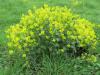
The plant develops a taproot. Several erect or ascending stems may arise from the crown and commonly reach approximately one to three feet, although vigorous plants may become taller.
Hoary Stems and Stellate Hairs
The gray or hoary appearance is produced by dense stellate hairs on the stems, leaves, buds, and seedpods. Each hair branches into several arms and resembles a tiny star under magnification.
These hairs are among the most useful identification features in both living plants and contaminated hay. A hand lens can help separate Hoary Alyssum fragments from smoother alfalfa stems and other white-flowered weeds.
Leaves, Flowers, and Seedpods
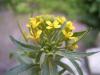
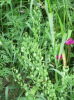
Lower leaves are generally oblong or oblanceolate and narrow toward the base. Stem leaves are alternate, narrow, gray-green, rough or hairy, and sessile or attached by a very short stalk.
The flowers are small and white. Each flower has four petals, but the petals are deeply divided at the tip and may create the appearance of eight narrow petals.
The fruits are hairy, oblong to elliptical silicles rather than perfectly round pods. They are held on short stalks close to the flowering stem and retain a short pointed style at the tip.
Each fruit contains two chambers separated by a thin membranous partition. Small flattened reddish-brown seeds develop within the chambers, and the translucent partition may remain after the outer walls fall away.
Seed Production and Recurring Infestations
Hoary Alyssum can produce substantial seed over an extended flowering period. Direct field research found wide variation among plants, ranging from only a few seeds to more than one thousand, with several hundred seeds per untreated plant on average.
Several herbicide treatments reduced seed production and viability, including applications after flowering and pod formation. Few treatments eliminated the population during the following growing season, demonstrating the need for repeated scouting and follow-up control.
Mature seed can be spread by haying machinery, mowers, vehicles, livestock, contaminated crop seed, soil movement, roads, railways, and discarded forage.
Habitat and Pasture Conditions
The plant is well adapted to dry, sandy, gravelly, calcareous, low-fertility, or disturbed soils. It occurs along roadsides, railroad corridors, gravel pits, vacant land, trails, thin lawns, overgrazed pastures, hayfields, meadows, orchards, and restoration sites.
Dense healthy forage competes with Hoary Alyssum. Drought, winterkill, low fertility, overgrazing, traffic, bare soil, and poor stand establishment create openings in which it can spread.
The living plant is generally less palatable than desirable pasture forage. Poisoning still occurs when safe forage is scarce or when the weed becomes abundant.
Why Contaminated Hay Is the Major Hazard
Once the plant is cut, dried, and mixed through hay, horses cannot avoid every stem, flower cluster, or seedpod. Dried Hoary Alyssum may resemble alfalfa closely enough that contamination is missed during a superficial inspection.
Useful clues in hay include gray-green round stems, alternate leaf scars, star-shaped hairs, divided white flower remnants, and hairy oblong seedpods with pointed tips.
Contamination can be patchy. The outside of a bale or one clean-looking flake does not establish that the interior or the remainder of the lot is free of the weed.
What the Experimental Study Established
Field cases and controlled feeding reproduced fever, distal-limb edema, strong digital pulses, and laminitis after ingestion. Experimental horses received hay containing approximately 30% Hoary Alyssum.
Signs developed within approximately 18 to 36 hours, but not every exposed horse was affected. The contaminated hay retained its toxic activity after storage for several months, including material fed approximately nine months after baling.
The study did not identify the toxin, establish a safe lower concentration, or explain individual susceptibility.
The Severe Broodmare Outbreak
A separate herd of pregnant horses exposed through contaminated hay developed an unusually severe syndrome dominated by acute gastrointestinal disease and intravascular hemolysis.
Three mares experienced late-term abortion. The report establishes that Hoary Alyssum toxicosis can extend beyond stocking up and laminitis when exposure or individual response is severe.
These findings should not be presented as inevitable after every contaminated bale. They define the serious end of the clinical spectrum.
Dogs, Cats, Goats, and Other Nonhorse Species
The characteristic toxicosis has not been established in dogs or cats. Illness following contact with a supposed Hoary Alyssum plant should prompt botanical confirmation and evaluation for another weed, pesticide, foreign material, mold, or unrelated disease.
A controlled forage study in goats found that Hoary Alyssum reduced intake and nutritive utilization. Goats selectively refused more of the weed when it remained identifiable in long hay than when it was chopped into silage.
That study did not demonstrate the equine edema-and-laminitis syndrome. It also does not justify feeding an unexamined contaminated hay lot to goats or other ruminants without considering nutritional quality and additional contaminants.
Diagnosis
No specific laboratory test confirms Hoary Alyssum toxicosis. Diagnosis depends on documented exposure, compatible onset, fever, limb edema, digital-pulse changes, hoof pain, and botanical identification of the plant in pasture or forage.
The veterinarian may perform a complete blood count, serum chemistry, electrolyte evaluation, urinalysis, coagulation testing, blood-smear examination, lactate assessment, and repeated kidney measurements according to the clinical presentation.
Baseline and follow-up hoof radiographs may assess distal-phalanx position, sole depth, rotation, sinking, gas lines, and progression of laminitis.
Important Differential Diagnoses
Black-walnut exposure, grain overload, sepsis, retained placenta, severe colitis, Potomac horse fever, salmonellosis, cantharidin exposure, carbohydrate overload, endocrine-associated laminitis, red-maple toxicosis, purpura hemorrhagica, cellulitis, and traumatic limb disease may produce overlapping findings.
Mold, mycotoxins, excessive nitrate, pesticides, blister beetles, dust, foreign objects, and additional poisonous weeds may occur in the same hay.
Hoary Alyssum should not be used to explain atypical neurologic, respiratory, hepatic, or gastrointestinal signs without evaluating these alternatives.
Prevention and Control
Inspect hayfields before harvest, maintain dense competitive forage, correct overgrazing and fertility problems, and control new infestations before mature seed is produced.
Hand pulling or digging can remove small patches when the taproot and crown are removed. Mowing must be timed and repeated because one cutting may permit regrowth or spread mature seed.
Research shows that properly selected herbicide treatments can substantially reduce seed production and viability, but recurrence in the following season remains possible. Every product label’s application, grazing, haying, reseeding, environmental, and worker-safety requirements must be followed.
Do not feed visibly contaminated hay to horses, ponies, mules, or donkeys. Do not grind, pellet, dilute, or store the forage in an attempt to make it safe.
Immediate Response to Suspected Hoary Alyssum Exposure
- Stop the feed immediately. Remove every bale, flake, pellet, or forage source suspected of containing Hoary Alyssum.
- Remove horses from the source. Move them from contaminated pasture or feeding areas without forcing a stiff, painful, weak, or reluctant horse to walk a long distance.
- Contact an equine veterinarian. Seek prompt guidance after a meaningful exposure or whenever fever, leg edema, warm hooves, strong digital pulses, stiffness, diarrhea, depression, or appetite loss develops.
- Identify every exposed equid. Record all horses, ponies, mules, and donkeys that shared the pasture or feed, including those that currently appear normal.
- Quarantine the hay lot. Separate and clearly mark every bale from the same field, cutting, supplier, delivery, or storage group.
- Preserve representative samples. Collect several flakes from multiple bales and save stems, leaves, flowers, seedpods, and roots from the pasture when available.
- Record the timeline. Note when the forage was first fed, estimated quantity consumed, when it was removed, and when each horse developed signs.
- Do not sort around visible stems. Removing obvious plant fragments from one flake does not make the bale safe.
- Do not dilute contaminated hay. Mixing it with clean forage cannot guarantee a safe dose for each horse.
Check Immediately for Laminitis
- Compare all four hooves. Check for unusual warmth or heat.
- Check digital pulses. Strong or pounding pulses near the fetlock may indicate developing laminar inflammation.
- Watch the stance. Forelimbs extended forward with weight shifted backward is a classic attempt to unload painful toes.
- Watch movement. Short steps, stiffness, reluctance to turn, repeated lying down, shifting weight, or refusal to walk requires urgent examination.
- Restrict unnecessary movement. Do not ride, lunge, exercise, or repeatedly walk a horse with suspected laminitis.
- Provide soft supportive footing. Use deep bedding while awaiting veterinary direction.
- Do not force diagnostic circles. Repeated tight turns increase pain and mechanical stress.
- Discuss cryotherapy promptly. Continuous controlled cooling of the feet or distal limbs may be recommended as part of early laminitis management.
Transportation Warning
Do not routinely trailer a horse during the acute laminitis phase merely for convenience or relocation. Loading, balancing in a moving trailer, tight turns, ramps, and unloading can place additional force on damaged laminae.
Ask the veterinarian whether the benefits of hospital referral outweigh the transportation risk. When referral is necessary, the horse may require analgesia, hoof support, deep bedding, professional loading assistance, minimal turning, and the shortest safe route.
Monitor Fever, Edema, and Circulation
- Record temperature. Report fever or a rising temperature to the veterinarian.
- Document limb swelling. Note which legs are involved and whether edema extends below the knees or hocks.
- Check for pitting. Gentle pressure may leave a temporary indentation in fluid-filled tissue.
- Do not massage aggressively. Vigorous rubbing or forced exercise does not treat the underlying toxicosis.
- Inspect mucous membranes. Pale, yellow, dark red, muddy, blue-gray, or abnormally dry gums require veterinary attention.
- Check capillary refill and pulse quality. Delayed refill, weak pulses, or marked tachycardia may accompany dehydration, hemolysis, endotoxemia, or shock.
- Monitor urination. Reduced urine production or red-brown urine requires immediate reporting.
Gastrointestinal, Hemolysis, and Shock Emergencies
Pawing, flank watching, repeated lying down, rolling, sweating, reduced intestinal sounds, a tense abdomen, or diarrhea requires veterinary evaluation.
Profuse or bloody diarrhea can cause rapid fluid loss and may indicate severe intestinal injury and endotoxemia. Do not assume it is an uncomplicated self-limiting case.
Pale or yellow-tinged gums, weakness, rapid heart rate, and red or brown urine may indicate intravascular hemolysis. Cold extremities, weak pulses, prolonged capillary refill, profound depression, recumbency, or collapse may indicate shock.
Allow a stable horse with normal swallowing voluntary access to clean water unless the veterinarian directs otherwise. Do not force oral fluids, drenches, charcoal, oil, medication, or feed into a weak, colicky, recumbent, or poorly swallowing horse.
Pregnant Mare Monitoring
Tell the veterinarian the mare’s pregnancy stage immediately. Severe toxicosis has been associated with premature parturition and late-term abortion.
- Watch for premature labor. Udder development, milk leakage, restlessness, sweating, abdominal contractions, or placental discharge requires urgent assessment.
- Watch for fetal loss. Vaginal discharge, fetal membranes, fetal tissue, or a sudden change in abdominal contour requires immediate veterinary and biosecurity guidance.
- Reduce unnecessary stress. Avoid exercise, herd disruption, routine transport, and painful procedures unless medically necessary.
- Preserve fetal and placental material. Examination may be needed to distinguish toxicosis from infectious abortion.
- Wear gloves. Follow veterinary instructions when handling fetal tissue, placenta, or contaminated bedding.
Vomiting, Charcoal, and Home Treatments
Horses cannot vomit. Hydrogen peroxide, salt, mustard, ipecac, detergent, manual gagging, and other home emetics have no role and can cause serious injury.
The causal toxin is unknown, so activated charcoal’s binding ability is also unknown. A veterinarian may consider gastrointestinal decontamination only when likely benefit outweighs aspiration, dehydration, colic, and administration risks.
Do not give milk, oil, vinegar, household charcoal, herbal products, human antidiarrheals, human pain medication, antibiotics, or another supposed antidote.
Dogs and cats are not recognized as susceptible to the characteristic syndrome. Do not induce vomiting after incidental exposure without direct veterinary or animal poison-control instruction, and never use hydrogen peroxide as a feline emetic.
Veterinary Diagnostic Evaluation
The veterinarian may evaluate temperature, edema, hoof heat, digital pulses, gait, hydration, intestinal sounds, abdominal pain, mucous membranes, circulation, urine, and pregnancy status.
A complete blood count may identify anemia, hemoconcentration, inflammation, or findings compatible with hemolysis. Serum testing may assess electrolytes, kidney function, proteins, glucose, muscle values, and the consequences of dehydration or shock.
Urinalysis may identify hemoglobin, blood, concentration abnormalities, and evidence of renal complications. Coagulation testing may be appropriate during severe gastrointestinal disease, hemorrhage, or shock.
Baseline and follow-up hoof radiographs may evaluate distal-phalanx position, rotation, sinking, sole depth, gas lines, and progression of laminitis.
Botanical examination of suspect hay remains central because no specific toxin assay exists.
Veterinary Supportive Treatment
There is no specific antidote. Complete removal of contaminated forage is the first essential treatment.
Veterinary care may include equine-appropriate analgesic and anti-inflammatory medication, deep bedding, controlled cryotherapy, frog or sole support, therapeutic packing, boots, pads, corrective trimming, or specialized shoeing.
Intravenous fluids and electrolyte support may be required for diarrhea, dehydration, hemolysis, kidney risk, endotoxemia, or shock. Severe gastrointestinal cases may require intensive anti-endotoxic and cardiovascular treatment.
Clinically important intravascular hemolysis or anemia may require whole blood, packed red cells, plasma, or other blood-product support. Urine output, hydration, kidney values, electrolytes, and circulation may require repeated monitoring.
Long-term laminitis care should be coordinated among the veterinarian, farrier, owner, and rehabilitation team.
Hay-Lot Investigation
- Identify the source. Record the field, cutting, supplier, delivery date, storage location, and horses receiving each batch.
- Inspect several bales. Contamination may be concentrated within only a few bales or flakes.
- Examine the interior. The outside of a bale may appear clean while Hoary Alyssum is concentrated inside.
- Look for diagnostic fragments. Gray hairy stems, stellate hairs, notched white petals, alternate leaves, and hairy oblong seedpods support identification.
- Do not store it for later horse use. Toxic activity has persisted for months in properly stored hay.
- Do not grind or pellet it. Processing conceals the weed and distributes fragments more evenly without proving detoxification.
- Consult before redirecting it. Another species may not develop the horse syndrome, but the feed may contain mold, nitrate, pesticides, blister beetles, or other weeds.
Delayed Monitoring of Exposed Horses
Check every exposed horse repeatedly for several days after the source is removed. Monitor temperature, appetite, water intake, manure, limb swelling, hoof temperature, digital pulses, stance, willingness to turn, and time spent lying down.
A horse remaining outwardly normal during the first examination may still develop signs later. Do not return quarantined hay to use because the initially exposed group appeared unaffected.
Dogs, Cats, Ruminants, Mules, and Donkeys
Hoary Alyssum is not currently recognized as causing the characteristic syndrome in dogs, cats, cattle, sheep, or goats. Illness in those species requires confirmation of the plant and evaluation for another toxin, contaminant, or disease.
Mules and donkeys should not receive contaminated forage. Published cases are lacking, but their equid biology and the unidentified toxin justify caution.
Do not apply horse medication, fluid, charcoal, or decontamination protocols automatically to another species.
Recovery and Prognosis
Many uncomplicated horses improve within approximately two to four days after source removal and supportive treatment.
Horses with laminitis may require weeks or months of hoof care and controlled rehabilitation. Return to athletic use should be based on comfort, radiographic stability, hoof growth, and veterinary and farrier assessment.
Distal-phalanx displacement, sole penetration, hoof-wall separation, shock, severe hemolysis, acute kidney complications, severe colitis, pregnancy loss, or recumbency creates a guarded prognosis.
Frequently Asked Questions About Hoary Alyssum and Animal Poisoning
Why is Hoary Alyssum considered an equine-specific poison?
The characteristic combination of fever, distal-limb edema, strong digital pulses, stiffness, and laminitis has been reproduced experimentally and documented naturally in horses. Comparable toxicosis has not been established in dogs, cats, cattle, sheep, or goats. The reason for this species difference remains unknown because the causal toxin and metabolic pathway have not been identified.
What chemical in Hoary Alyssum poisons horses?
No responsible compound has been conclusively identified. The plant belongs to the mustard family and contains numerous biologically active constituents, but no glucosinolate, isothiocyanate, nitrate, alkaloid, protein, pesticide residue, or other chemical has been proven to cause the equine syndrome. There is consequently no toxin-specific blood test, hay assay, or antidote.
Does hay containing less than 30% Hoary Alyssum become safe?
No. Approximately 30% contamination was used successfully in the controlled feeding study, but that was an experimental exposure concentration rather than a safety threshold. Plant fragments may be unevenly distributed, and individual horses differ markedly in susceptibility. Visibly contaminated hay should not be fed to equids regardless of its estimated average percentage.
Does storing contaminated hay eventually destroy the toxin?
That cannot be assumed. Hay used in the experimental work remained capable of producing signs after several months of storage, including material stored for approximately nine months. Because the toxin is unknown, there is no chemical test proving that an older bale has detoxified. Contaminated horse hay should not be saved for later use.
Why do some horses become sick while others eating the same hay remain normal?
Individual susceptibility is one of the unresolved features of this toxicosis. In some groups, only about half of similarly exposed horses developed recognizable signs. Breed, sex, occupation, and athletic use have not provided a dependable explanation. An unaffected horse does not demonstrate that the forage is safe or that another horse will tolerate it.
How quickly should exposed horses be monitored?
Monitoring should begin immediately. Signs commonly appear within approximately 12 to 36 hours, and experimental horses developed fever, limb edema, and laminitis within approximately 18 to 36 hours. Check temperature, lower limbs, hoof heat, digital pulses, stance, gait, appetite, manure, and urination repeatedly for several days after the source is removed.
How is Hoary Alyssum stocking up different from an injured leg?
Hoary Alyssum edema often affects several or all four lower limbs and may extend from the knees or hocks downward. It is commonly soft enough to pit when pressed and occurs with fever, stiffness, or hoof changes. One hot, painful, localized swelling may instead indicate trauma, cellulitis, tendon injury, joint disease, or a puncture and requires its own examination.
Can mild leg swelling progress to founder?
Yes. Distal-limb edema may appear before severe hoof pain becomes obvious. Increasing hoof temperature, strong digital pulses, shifting weight, short steps, reluctance to turn, repeated recumbency, or a camped-out stance suggests developing laminitis. Early treatment is important because laminar damage may continue after the contaminated hay has been removed.
Why should a horse with acute laminitis not be transported routinely?
Loading, backing, tight turns, ramps, balancing in a moving trailer, and unloading can add mechanical stress to damaged laminae. The veterinarian must weigh this risk against the advantages of hospital referral. Necessary transportation may require analgesia, hoof support, deep bedding, professional assistance, minimal turning, and the shortest practical route.
Can Hoary Alyssum cause bloody diarrhea, anemia, or abortion?
Yes, but these findings represent severe disease rather than the routine presentation. A documented broodmare outbreak involved acute gastrointestinal injury, intravascular hemolysis, and three late-term abortions. Profuse or bloody diarrhea, pale or yellow gums, red-brown urine, weakness, shock, premature labor, or fetal loss requires intensive veterinary care.
Can contaminated hay be fed safely to cattle, sheep, or goats?
Those species are not known to develop the characteristic equine syndrome, and goats have been used in forage-utilization research. Hoary Alyssum reduced intake and forage utilization, particularly when chopping prevented selective refusal. The hay may also contain mold, nitrate, pesticides, blister beetles, foreign material, or other weeds, so redirection should occur only after veterinary and nutritional assessment.
Are dogs or cats poisoned by Hoary Alyssum?
Hoary Alyssum is not currently recognized as a cause of the characteristic toxicosis in dogs or cats. A pet may develop nonspecific stomach upset after chewing rough vegetation, but vomiting, weakness, tremors, breathing difficulty, jaundice, seizures, or collapse requires confirmation of the plant and investigation for pesticides, another poisonous weed, foreign material, or unrelated disease.
Can a laboratory test hay for the Hoary Alyssum toxin?
No validated commercial toxin assay exists because the responsible chemical remains unknown. Botanical identification is therefore central. Representative samples should come from multiple bales and several locations within the hay lot because contamination may be highly uneven.