Field Pennycress Toxicity and Sinigrin-Derived Mustard-Oil Injury
Is Field Pennycress Poisonous to Dogs, Cats, Horses, and Livestock?
Yes—Field Pennycress, Thlaspi arvense, should be treated as poisonous and irritating to dogs, cats, horses, cattle, sheep, goats, pigs, poultry, and other animals when enough plant or seed material is consumed. Its seeds are rich in the glucosinolate sinigrin. Crushing, chewing, grinding, chopping, or wetting the tissue allows myrosinase to generate pungent breakdown products, especially allyl isothiocyanate and allyl thiocyanate, which can inflame the mouth and gastrointestinal tract.
A small exploratory pet nibble is more likely to cause no illness or temporary drooling, vomiting, diarrhea, and appetite loss than life-threatening poisoning. Severe disease is documented after large, seed-rich, or nearly pure livestock-feed exposure and may include profound colic, forestomach edema, dehydration, shock, abortion, collapse, and death. Repeated consumption of high-glucosinolate seed or meal may also impair feed intake, growth, thyroid function, and reproduction.
About this guide: This page provides general pet-poisoning information and cannot diagnose or treat an individual animal. For any suspected exposure, contact a veterinarian or animal poison-control service immediately. Do not induce vomiting, give medication, or attempt home decontamination unless directed by a veterinary professional.
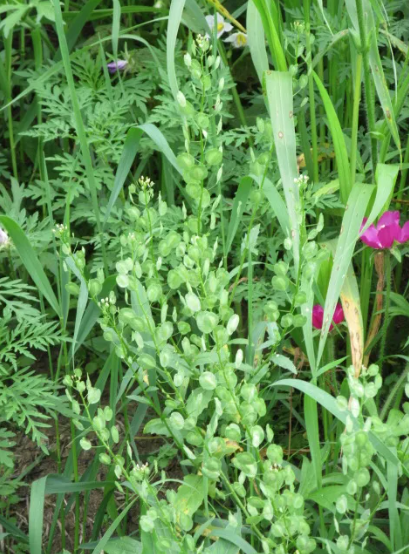
Field Pennycress
Thlaspi arvense L.
Relevant botanical synonyms and historical combinations include:
- Crucifera thlaspi (Roxb.) E.H.L.Krause
- Lepidium thlaspi Roxb.
- Teruncius arvensis (L.) Lunell
- Thlaspidea arvensis (L.) Opiz
- Thlaspidium arvense (L.) Bubani
- Thlaspi arvense var. sinuatum H.Lév.
- Thlaspi baicalense DC.
- Thlaspi collinum M.Bieb.
- Thlaspi nemorosum Adam ex DC.
Field Pennycress remains accepted within the genus Thlaspi. It should not be reassigned automatically to Noccaea, Lepidium, or another pennycress genus merely because many former Thlaspi species have been reclassified.
Brassicaceae
Field Pennycress; Field Penny-cress; Pennycress; Penny Cress; Fanweed; Fan Weed; French Weed; Frenchweed; French-weed; Mithridate Mustard; Penny Grass; Pennygrass; Field Pennygrass; Stinkweed; Stink Weed; Stinking Mustard; Field Thlaspi; Bastard Cress; Thlaspi arvense; Lepidium thlaspi; Teruncius arvensis; Thlaspidea arvensis; Thlaspidium arvense “Pennycress” is also applied to species formerly placed in Thlaspi and now assigned to Noccaea or other genera. Those plants are not exact synonyms of Thlaspi arvense. Field Pennycress should not be confused with Shepherd’s Purse (Capsella bursa-pastoris), Peppergrasses or Pepperweeds (Lepidium species), Hoary Cress or Whitetop (Lepidium draba), Roadside Pennycress (Mummenhoffia alliacea), Wild Mustard (Sinapis arvensis), Flixweed (Descurainia sophia), Tansy Mustard (Descurainia pinnata), or Yellow Rocket (Barbarea vulgaris). Commercial domesticated pennycress, low-erucic-acid pennycress, low-fiber pennycress, and reduced-glucosinolate breeding lines are still Thlaspi arvense but may differ substantially from wild seed in oil, fiber, and sinigrin composition. Their feed evaluations should not be transferred automatically to wild Field Pennycress.
Sinigrin Is the Defining Glucosinolate
Field Pennycress produces the glucosinolate sinigrin, also called allyl glucosinolate or 2-propenyl glucosinolate. Sinigrin is a sulfur- and nitrogen-containing storage compound rather than the final irritating mustard oil.
Modern exact-species seed analysis identified sinigrin as the only glucosinolate detected in the tested Field Pennycress lines. Screening of hundreds of wild populations showed substantial variation in concentration, demonstrating that one seed lot cannot represent every plant population, field, season, or cultivar.
Sinigrin is generally stored separately from the hydrolytic enzyme myrosinase while plant cells remain intact. Chewing, grinding, crushing, chopping, freezing, insect damage, milling, or other disruption allows the enzyme and glucosinolate to mix in the presence of moisture.
Allyl Isothiocyanate and Allyl Thiocyanate
Myrosinase removes the glucose portion of sinigrin and produces a highly reactive aglycone that can rearrange into several compounds. Allyl isothiocyanate, abbreviated AITC, is the principal pungent mustard oil associated with Field Pennycress toxicosis.
Exact pennycress seed-meal research also identified allyl thiocyanate. In one isolated active volatile fraction, allyl isothiocyanate represented approximately 80.9% and allyl thiocyanate approximately 18.8%. The compounds have the same elemental formula but different molecular arrangements and should not be treated as interchangeable names.
Product formation depends on myrosinase activity, moisture, temperature, pH, plant proteins that direct glucosinolate breakdown, processing, storage, and digestive conditions. Nitriles, thiocyanates, and other sulfur-containing products may therefore accompany or replace part of the AITC yield under particular conditions.
How Mustard Oils Injure Tissue
Allyl isothiocyanate is a highly reactive electrophile and a strong sensory irritant. It activates pain- and inflammation-sensing pathways in oral, respiratory, gastrointestinal, skin, and ocular tissues.
Contact can cause burning, salivation, redness, vascular leakage, edema, inflammation, nausea, vomiting, diarrhea, and abdominal pain. A concentrated dose in the rumen or other forestomachs may cause extensive submucosal edema, impaired motility, fluid loss, shock, and secondary circulatory failure.
The chemical is volatile. Freshly crushed seed meal, chopped plants, wet ground seed, and poorly ventilated processing areas may therefore create eye and respiratory irritation in addition to ingestion risk.
The Severe Cattle Outbreak
Field Pennycress has caused confirmed fatal livestock poisoning. In the best-documented outbreak, approximately 220 pregnant cows were fed material composed virtually entirely of fanweed. About 100 developed distress and colic within four hours.
Eight cows died during the following five days despite removal of the feed and symptomatic treatment, and four abortions occurred. Necropsy showed massive submucosal edema of the forestomachs, particularly the rumen. The feed liberated approximately 250 milligrams of allyl isothiocyanate per 100 grams.
This extreme exposure establishes lethal potential but does not mean scattered plants in a productive pasture create the same risk. It also does not provide a safe AITC dose for individual pets, horses, or livestock.
Seeds and Seed Meal Present the Greatest Practical Concentration
Mature seeds contain substantial sinigrin and enough endogenous myrosinase to hydrolyze it when the seeds are crushed and moistened. Modern screening found marked seed-to-seed-population variation, with environmental conditions affecting the resulting concentrations.
Seed-rich hay, contaminated grain, screenings, press cake, meal, ground seed, pellets, and dried floral material can deliver a more concentrated and less avoidable dose than a few young leaves.
The entire plant should still be treated as unsafe. Leaves, stems, flowers, roots, immature pods, mature pods, seeds, sprouts, crop waste, and dried plants may contribute glucosinolates or irritating breakdown products.
Fresh Versus Dried Plant Material
Drying does not remove sinigrin from seeds or guarantee that the plant is safe. It may reduce some immediately available volatile AITC, but intact glucosinolate and myrosinase can remain until the tissue is later crushed and moistened.
Hay creates a particular risk because animals cannot easily separate dry Pennycress from desirable grasses and legumes. Seedpods may shatter during baling and distribute seeds through the entire lot.
Grinding and pelleting can disrupt plant cells and spread seed material uniformly through feed. Heating may reduce plant myrosinase activity, but digestive microorganisms and processing conditions can still alter glucosinolate breakdown. Processing should never be assumed to detoxify wild Pennycress without analysis.
Long-Term Feed Effects
Repeated consumption of high-glucosinolate Pennycress seed or meal can reduce palatability, feed intake, growth, and feed efficiency. Poultry feeding research found progressively poorer performance as wild-type Pennycress meal formed a larger portion of the ration.
Thiocyanates and other glucosinolate breakdown products can interfere with iodine uptake or thyroid-hormone synthesis. Chronic exposure may therefore contribute to thyroid enlargement, altered thyroid function, poor growth, reduced production, or reproductive problems, particularly when dietary iodine or selenium is inadequate.
These effects are most relevant to formulated feed, seed meal, or sustained contaminated-forage exposure. They are not the expected result of one small leaf eaten by a dog or cat.
Erucic Acid and Wild Pennycress Oil
Wild-type Pennycress seed oil may contain substantial erucic acid. This long-chain fatty acid is a feed-composition concern distinct from the acute mustard-oil injury caused by sinigrin hydrolysis.
Domestication programs have developed low-erucic-acid lines and have also selected for lower fiber or reduced sinigrin. Results from those specialized lines cannot be used to declare ordinary wild seed, press cake, or roadside plants safe.
Nitrate Is Not a Confirmed Defining Toxin
Field Pennycress efficiently takes up soil nitrogen and responds strongly to nitrate availability. That agronomic characteristic does not establish that the species routinely accumulates concentrations capable of causing livestock methemoglobinemia.
No exact-species quantitative poisoning study used for this page established nitrate as a normal Field Pennycress toxin. Brown blood, blue-gray mucous membranes, rapid respiratory distress, collapse, or sudden group deaths should still trigger immediate testing of the actual forage, water, fertilizer, and mixed weed population.
A field containing Pennycress may also contain pigweed, lambsquarters, kochia, nightshade, crop residue, fertilizer contamination, or other nitrate sources. The plant name alone cannot identify the cause.
Environmental Contaminants Are Separate Hazards
Field Pennycress can grow beside roads, industrial sites, mines, treated rights-of-way, crop fields, and contaminated drainage. Pesticides, herbicides, fertilizers, hydrocarbons, and metals at those locations are not natural Pennycress toxins.
Environmental contamination must be evaluated from the actual site, applied product, soil, plant tissue, and exposure history rather than attributed automatically to the species.
No Dependable Safe Dose
No universal safe leaf count, seed count, AITC concentration, plant weight, hay percentage, or dietary-inclusion level applies to dogs, cats, horses, cattle, sheep, goats, pigs, poultry, rabbits, or other animals.
Severity depends on sinigrin concentration, plant part, seed maturity, cell disruption, moisture, myrosinase activity, dose rate, digestive physiology, pregnancy, iodine status, duration of exposure, and whether other toxicants are present.
Dogs and Cats After a Small Plant Exposure
A small one-time nibble may produce no visible illness or temporary oral and gastrointestinal irritation. Early signs can include drooling, lip smacking, repeated swallowing, pawing at the mouth, head shaking, nausea, vomiting, reduced appetite, soft stool, diarrhea, abdominal discomfort, and lethargy.
The crushed plant’s pungent odor and burning taste often limit continued chewing. This natural avoidance is not dependable in puppies, kittens, persistent plant chewers, animals eating fallen seedpods, or pets exposed to ground seed or meal.
Repeated vomiting or diarrhea can cause dehydration, electrolyte loss, weakness, reduced urination, and poor circulation. A cat that remains anorexic beyond a brief period requires prompt care because prolonged food refusal creates additional metabolic risk.
Severe Gastrointestinal Injury
A large plant mass or concentrated seed exposure can produce intense salivation, retching, vomiting in species capable of vomiting, abdominal pain, profuse diarrhea, reluctance to eat, depression, and weakness.
Severe gastrointestinal inflammation may cause blood in vomit or feces, loss of protein and fluid into the intestinal wall, abdominal distention, impaired motility, shock, cold extremities, weak pulses, collapse, and death.
The documented cattle outbreak produced massive submucosal edema of the rumen and other forestomachs. This is more severe than an ordinary digestive upset and can continue worsening after the source has been removed.
Horses
Horses cannot vomit. Possible signs include salivation, repeated swallowing, feed refusal, pawing, flank watching, stretching, rolling, sweating, depression, diarrhea, reduced manure production, abdominal distention, and colic.
Severe pain, persistent rolling, repeated attempts to lie down, absent gastrointestinal sounds, reflux, cardiovascular compromise, or progressive abdominal enlargement requires emergency examination.
A horse consuming contaminated hay may be exposed at every feeding even when no obvious Pennycress plant remains visible in the feed tub.
Cattle, Sheep, Goats, and Other Ruminants
Ruminants may develop salivation, reduced cud chewing, poor appetite, repeated lying down, kicking at the abdomen, ruminal atony, diarrhea, abdominal distention, depression, dehydration, weakness, and collapse.
Forestomach edema may interfere with normal rumen function and circulation. Severe bloat, increasing abdominal girth, respiratory difficulty, or inability to eructate requires urgent treatment.
Pregnant animals may abort during severe systemic illness. Abortion is not expected after every exposure but occurred during the extreme cattle outbreak and warrants continued monitoring after gastrointestinal signs improve.
Poultry and Chronic Seed-Meal Exposure
High dietary inclusion of ordinary Pennycress meal may reduce feed intake, weight gain, and feed efficiency in growing birds. Poor palatability, sinigrin, erucic acid, and fiber can all contribute.
Chronic glucosinolate exposure may also contribute to thyroid enlargement or altered thyroid-hormone status, particularly when ration iodine is inadequate. These are nutritional-toxicologic effects rather than the acute rumen-wall injury seen in cattle consuming nearly pure plant material.
Thyroid and Reproductive Effects
Possible long-term findings include poor growth, reduced production, weight loss, reproductive inefficiency, thyroid enlargement, reduced thyroid-hormone response, prolonged gestation, weak or abnormal offspring, or other signs of iodine dysfunction.
These findings are nonspecific. They may involve multiple mustard species, inadequate iodine or selenium, ration imbalance, genetic disease, or unrelated endocrine disorders.
Field Pennycress should not be named as the sole cause without forage identification, ration analysis, mineral testing, and evaluation of the complete herd or flock history.
Skin and Eye Irritation
Crushed plant material, wet seed meal, or mustard-oil residue may cause redness, burning, itching, swelling, or contact dermatitis on the skin, udder, teats, lips, nostrils, paws, or sparsely haired areas.
Eye exposure may cause tearing, squinting, eyelid spasm, redness, conjunctival swelling, light sensitivity, discharge, or corneal injury. Continued pain or cloudiness after irrigation requires veterinary examination.
Volatile compounds from freshly wetted or ground seed meal may also irritate the nose and respiratory tract in poorly ventilated areas.
Foreign-Material and Mixed-Feed Complications
Dried stems and pods may contribute mechanical irritation. Animals chewing decorative arrangements may also swallow wire, floral picks, ribbon, preservatives, paint, glue, or other plants.
Contaminated hay and grain may contain mold, mycotoxins, pesticides, blister beetles, other poisonous weeds, or excessive nitrate independently of the Pennycress.
Persistent vomiting, obstruction signs, unusual neurologic disease, jaundice, widespread bleeding, severe arrhythmias, or organ failure should therefore prompt investigation beyond mustard-oil irritation.
Signs Suggesting Nitrate or Nitrite Rather Than Mustard-Oil Injury
Sudden rapid or labored breathing, marked anxiety, muscular tremors, blue-gray or muddy-brown mucous membranes, chocolate-brown blood, staggering, collapse, seizures, abortion, coma, or rapid group deaths indicate an oxygen-transport emergency.
That pattern is not the established defining syndrome of Field Pennycress. It requires immediate testing for nitrate or nitrite in forage, water, fertilizer, crop residue, and other weeds and measurement of methemoglobin when possible.
Expected Course and Prognosis
Most small companion-animal exposures have a good to excellent prognosis. Mild drooling, vomiting, or diarrhea should improve after access stops and hydration is maintained.
The prognosis becomes more guarded with persistent gastrointestinal loss, severe colic, forestomach edema, shock, aspiration, major foreign-body ingestion, prolonged thyroid disruption, pregnancy complications, or nearly pure contaminated feed.
Plant Identity and Accepted Taxonomy
Field Pennycress is Thlaspi arvense L., an annual in Brassicaceae. Unlike many plants historically placed in Thlaspi, this species remains accepted within that genus.
Historical literature may list it as Lepidium thlaspi, Teruncius arvensis, Thlaspidea arvensis, or Thlaspidium arvense. These names are useful when searching old agricultural, botanical, feeding, and toxicology records.
The species is native across temperate Eurasia and has been introduced broadly through North America and many other temperate regions.
Growth Habit and Seasonal Development
Field Pennycress can behave as a winter annual or a spring-germinating annual. Autumn seedlings form a frost-tolerant basal rosette, survive winter, and resume growth early in spring. Other seeds germinate during spring and complete their life cycle later in the season.
Plants commonly grow approximately one to two and one-half feet tall but may remain shorter or become larger depending on moisture, fertility, competition, mowing, and emergence date.
The plant develops a taproot and one or more upright, usually hairless stems that branch most strongly near the flowering portion.
Leaves, Flowers, Pods, and Seeds
Basal leaves are usually spoon-shaped, oblanceolate, or obovate and narrow toward a petiole. They may wither before the plant reaches seed maturity.
Upper leaves are alternate, sessile, and clasp the stem with ear-like basal lobes. Their margins may be smooth, wavy, or shallowly toothed.
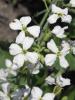
The tiny white flowers have four petals and four sepals. New flowers open near the top of an elongating raceme while developing fruits line the stem below.
The fruit is a flat, broadly round or oval silicle with a papery wing and a distinct notch at its tip. The numerous coin-like pods provide the clearest field identification feature.
Each mature pod contains several dark-brown seeds. A vigorous plant may produce thousands of seeds, and buried seed can remain viable for many years.
Odor and Common Names
Crushing the foliage or seeds releases a strong garlic, cabbage, turnip, horseradish, or mustard odor. This accounts for names including Stinkweed and Stinking Mustard.
Fanweed refers to the flat winged pods, while Pennycress and Pennygrass refer to their resemblance to small coins.
Odor is useful supporting evidence but should not be used as a reason to taste an unidentified plant.
Field Pennycress Versus Shepherd’s Purse
Shepherd’s Purse, Capsella bursa-pastoris, produces triangular to heart-shaped fruits rather than the round, winged, apically notched fruits of Field Pennycress.
Both species have small white four-petaled flowers and may grow together in disturbed soil. Fruit shape is more reliable than young rosette leaves for distinguishing them.
Other Confusing Mustard-Family Weeds
Peppergrasses and Pepperweeds belong principally to Lepidium. Hoary Cress or Whitetop is Lepidium draba, a perennial with dense white flower clusters and different fruits.
Wild Mustard, Tansy Mustard, Flixweed, Yellow Rocket, Roadside Pennycress, and numerous cultivated brassicas contain different glucosinolate mixtures and should not be treated as exact synonyms.
A shared mustard odor does not establish identical AITC production, thyroid effects, palatability, or toxic dose.
Where Animals Encounter the Plant
Field Pennycress grows in cropland, grain fields, gardens, orchards, vineyards, pastures, hay fields, roadsides, railway corridors, vacant lots, construction sites, barnyards, waste ground, and other disturbed soil.
Dogs and cats may chew garden plants, uprooted weeds, dried floral stems, or fallen seedpods. Horses and livestock are more likely to be exposed through dense pasture stands, hay, green chop, grain contamination, screenings, seed meal, or crop residue.
The plant is generally unpalatable, but avoidance fails when safe forage is scarce, animals are hungry, weeds are chopped or dried into feed, or seed material is ground into a ration.
The Documented Cattle Outbreak in Context
The severe fanweed outbreak involved pregnant cattle being fed material described as virtually pure Field Pennycress. Clinical distress began rapidly, and deaths continued after the source was removed because the gastrointestinal injury was already severe.
The outbreak demonstrates that Pennycress is not merely a harmless bitter weed. It also demonstrates why exposure proportion matters: a scattered pasture plant and a nearly pure ration are not equivalent.
The AITC released by the tested feed cannot be converted into a safe number of leaves or pods for another herd, horse, dog, or cat.
Modern Seed Chemistry
Recent exact-species research confirmed sinigrin as the principal and, in the tested seed lines, only detected glucosinolate. Wild populations varied considerably in sinigrin concentration.
Seed meal research demonstrated that wetting the meal can produce volatile allyl isothiocyanate and allyl thiocyanate. This is why ground or damaged seed can present a different hazard from intact seed remaining dry in storage.
Processing method, heat, moisture, enzyme survival, fermentation, storage, and digestive conditions all affect which products form and how much becomes available.
Pennycress as an Emerging Crop
Field Pennycress is being domesticated as a winter oilseed and renewable-fuel crop. Breeding and gene-editing programs have selected lines with reduced erucic acid, lower seed-coat fiber, improved agronomic traits, and lower sinigrin.
Some processed or specially developed products may be evaluated as limited animal-feed ingredients. Those studies apply only to the tested line, processing method, nutrient composition, and dietary inclusion.
They do not establish that wild seed, ordinary press cake, roadside plants, garden weeds, or contaminated hay can be fed without restriction.
Chronic Thyroid and Reproductive Concerns
Glucosinolate breakdown products can interfere with iodine uptake or thyroid-hormone synthesis. Risk is influenced by the specific breakdown products, intake, animal species, pregnancy, iodine and selenium status, and duration of feeding.
A miniature-donkey report associated maternal thyroid dysfunction and iodine deficiency with pasture containing several mustard weeds, including Field Pennycress. Because several species and mineral deficiencies were present, it should not be described as proof that Pennycress alone caused the reproductive syndrome.
Pregnant animals consuming a glucosinolate-rich ration require assessment of the complete ration and mineral program rather than automatic iodine supplementation.
Milk and Meat Taint
Animals consuming Field Pennycress may produce milk or meat with an objectionable garlic, cabbage, turnip, or mustard flavor. Taint can occur below the exposure that causes severe clinical illness.
Off-flavor is therefore an important sign that the plant is entering the diet and should prompt feed inspection even when the animals remain outwardly normal.
Diagnosis
There is no routine blood test that proves Field Pennycress ingestion. Diagnosis relies on plant identification, the proportion and form of the material eaten, clinical findings, feed analysis, and exclusion of other causes.
Useful evidence includes the entire plant, rosette leaves, clasping upper leaves, flowers, round notched pods, seeds, photographs of the stand, hay, grain, meal, silage, bedding, fertilizer records, and pesticide labels.
Dogs and cats with persistent vomiting or diarrhea may require complete blood count, serum chemistry, electrolytes, urinalysis, hydration assessment, and abdominal imaging.
Horses with colic may require nasogastric intubation, reflux assessment, rectal examination, ultrasound, bloodwork, abdominal-fluid evaluation, and monitoring of gastrointestinal motility.
Ruminant outbreaks may require feed analysis, rumen-fluid assessment, necropsy, histopathology, glucosinolate or AITC analysis, and investigation of nitrate, mycotoxin, pesticide, and mixed-weed exposure.
Nitrate and Methemoglobin Testing
Nitrate poisoning should be investigated when the clinical pattern includes acute respiratory distress, brown or cyanotic mucous membranes, chocolate-brown blood, rapid collapse, or sudden group deaths.
Representative samples must come from multiple plants, field locations, bales, feed depths, and water sources because contamination may be uneven.
A high nitrate result identifies a nitrate hazard in the tested material. It does not prove that Field Pennycress rather than another plant, fertilizer, or water source supplied it.
Prevention
Control plants during the rosette or early stem stage before mature pods form. Remove pulled plants rather than leaving them accessible to animals.
Inspect hay fields before cutting and reject heavily contaminated hay rather than attempting to sort visible pods from finished bales.
Maintain competitive desirable forage, avoid overgrazing, feed animals before introducing them to unfamiliar pasture, and keep detailed field, cutting, stack, and animal-group records.
Keep dried Pennycress arrangements and loose pods away from pets, rabbits, birds, and children. Clean seed and plant debris from machinery when moving between fields.
Immediate Steps After Field Pennycress Exposure
- Stop further ingestion. Move the animal away from growing plants, seedpods, loose seeds, garden waste, hay, grain, screenings, seed meal, pellets, silage, bedding, or crop residue.
- Determine the exposure form. Distinguish one young-leaf nibble from numerous seeds, ground meal, seed-rich hay, a nearly pure weed ration, or repeated access over several days.
- Isolate suspect feed. Quarantine the entire related hay cutting, grain lot, meal batch, silo, or pasture. Do not continue feeding cleaner-looking portions while testing is arranged.
- Remove only loose visible material. If the animal is calm, alert, breathing normally, and swallowing normally, lift plant fragments resting at the lips or front of the mouth.
- Wipe accessible oral surfaces gently. A damp cloth may be used on the lips and front gums without forcing water toward the throat.
- Preserve representative evidence. Save complete plants, pods, seeds, several forage samples, feed labels, supplier information, fertilizer and pesticide records, and photographs of the field or feeding area.
- Identify every exposed animal. Record all pets, horses, livestock, pregnant animals, and poultry that shared the source, even when only one currently appears ill.
- Contact a veterinarian promptly. Seek guidance after large or seed-rich ingestion, repeated exposure, horse colic, herd involvement, pregnancy concern, or persistent clinical signs.
Do Not Attempt Unsupervised Home Treatment
- Do not induce vomiting. Do not use hydrogen peroxide, salt, mustard, syrup of ipecac, dish soap, detergent, manual gagging, or fingers in the throat.
- Do not force food or water. A painful, vomiting, weak, bloated, neurologically abnormal, or poorly swallowing animal may aspirate material.
- Do not administer activated charcoal yourself. It can be aspirated, does not reverse existing tissue injury, and is not routinely justified after a small irritant-plant exposure.
- Do not give milk, yogurt, oil, bread, antacids, laxatives, or another improvised antidote. None reliably neutralizes AITC in injured tissue.
- Do not acidify the rumen. Historical attempts to manipulate rumen pH are not dependable treatment and can cause severe acidosis and additional gastrointestinal injury.
- Do not administer piperazine as a Pennycress antidote. Historical laboratory proposals did not establish it as standard clinical therapy.
- Do not give iodine, thyroid medication, methylene blue, corticosteroids, pain medication, or leftover prescriptions without veterinary direction. Each has specific indications and potential harms.
When Emergency Examination Is Required
- Vomiting or diarrhea is persistent. Repeated fluid loss, blood, inability to retain water, marked lethargy, or reduced urination requires examination.
- A horse shows colic. Persistent pawing, rolling, sweating, flank watching, distention, absent manure, or increasing pain is an emergency.
- A ruminant has severe abdominal distress. Reduced rumen movement, repeated lying down, bloat, respiratory impairment, or collapse requires immediate large-animal treatment.
- Circulation is deteriorating. Cold extremities, weak pulses, pale or gray gums, prolonged capillary refill, severe weakness, or collapse may indicate shock.
- Breathing or mucous-membrane color is abnormal. Rapid breathing, blue-gray or muddy-brown gums, chocolate-colored blood, tremors, or sudden collapse requires urgent nitrate and methemoglobin investigation.
- Several animals share the exposure. Remove the entire group and arrange herd-level examination and feed sampling.
- A pregnant animal was heavily exposed. Severe systemic disease has been associated with abortion and warrants follow-up after apparent gastrointestinal recovery.
Recent Dog or Cat Ingestion
A healthy dog or cat that took one brief nibble and remains symptom-free may require observation after the source is removed. Repeated access and seed or meal exposure deserve greater concern.
A veterinarian may consider clinic-induced vomiting after a recent substantial ingestion when the patient is fully alert, neurologically normal, breathing normally, not already vomiting repeatedly, and able to protect the airway.
Home-induced vomiting is not recommended. Mustard-oil irritation may already be causing nausea or esophageal discomfort, and another emetic can increase aspiration and gastrointestinal injury.
Professional activated charcoal may be considered after a meaningful seed or meal ingestion when the anticipated benefit outweighs airway, dehydration, sodium, constipation, and ileus risks. Exact-species evidence does not support routine repeated doses.
Veterinary Examination and Testing
The veterinarian will assess hydration, oral irritation, abdominal pain, gastrointestinal motility, temperature, heart rate, pulse quality, blood pressure, respiratory function, mucous-membrane color, manure or stool production, pregnancy status, and neurologic condition.
Testing may include complete blood count, serum chemistry, glucose, sodium, potassium, chloride, calcium, magnesium, kidney and liver-associated values, total protein, albumin, acid-base measurements, urinalysis, lactate, and coagulation testing in severely affected patients.
Persistent gastrointestinal disease may require abdominal radiographs, ultrasound, endoscopy, or surgery when foreign material or obstruction is possible.
Fluid, Electrolyte, and Shock Support
Intravenous fluids may be needed to replace vomiting and diarrhea losses, maintain circulation, support kidney perfusion, and correct acid-base and electrolyte abnormalities.
Fluid treatment must be adjusted for species, body size, dehydration, continuing losses, pregnancy, heart function, kidney function, blood pressure, and evidence of forestomach or intestinal edema.
Animals remaining hypotensive after appropriate circulating-volume correction may require veterinarian-selected vasopressor support and intensive monitoring.
Pain, Nausea, and Gastrointestinal Treatment
Veterinary analgesia may be required for oral burning, abdominal pain, colic, or inflamed gastrointestinal tissue. Medication selection must account for hydration, kidney function, gastrointestinal bleeding risk, and species.
Persistent vomiting in dogs or cats may be treated with a veterinarian-selected antiemetic after useful decontamination and obstruction assessment are completed.
Gastrointestinal protectants may be considered when hematemesis, melena, esophagitis, erosive gastritis, or severe mucosal injury is documented or strongly suspected. They are not specific Pennycress antidotes.
Food and water should be withheld temporarily when vomiting, dysphagia, severe abdominal pain, sedation, or shock makes oral intake unsafe. Reintroduction should be gradual after the patient stabilizes.
Horse Treatment
Horses cannot vomit and must not receive an emetic. Evaluation may include nasogastric intubation, assessment of gastric reflux, rectal examination, abdominal ultrasound, abdominal-fluid analysis, intravenous fluids, analgesia, and repeated gastrointestinal-motility monitoring.
Do not walk an exhausted, severely painful, weak, or collapsing horse endlessly. Keep the animal in a safe area while veterinary assistance is obtained.
Persistent reflux, increasing abdominal distention, unremitting pain, deteriorating circulation, or evidence of intestinal displacement may require referral or surgery.
Cattle, Sheep, Goats, and Other Ruminants
Remove the group from the source and provide verified clean forage and water. Evaluate the rumen for motility, distention, contents, pH, and evidence of severe mucosal or systemic injury.
Treatment may include controlled removal of toxic rumen contents, appropriate adsorbents when useful and safe, fluid and electrolyte support, transfaunation, management of ruminal atony, relief of bloat, analgesia, and treatment of shock.
Attempts to lower rumen pH as an antidote should not be improvised. Creating ruminal acidosis can worsen dehydration, bacterial disruption, mucosal damage, and systemic illness.
Skin and Fur Exposure
Wear gloves and prevent grooming. Wash contaminated skin, paws, udders, teats, and fur with mild liquid soap and generous lukewarm water.
Rinse thoroughly without aggressive scrubbing. Do not use peroxide, bleach, alcohol, solvents, or essential oils on irritated tissue.
Persistent redness, swelling, pain, blistering, hair loss, udder irritation, or self-trauma requires veterinary examination.
Eye Exposure
Flush the eye immediately with sterile saline or clean lukewarm water for at least 15–20 minutes. Direct runoff away from the opposite eye and mouth.
Do not rub the eye or use soap, milk, oil, contact-lens cleaner, human redness-relief drops, or leftover ophthalmic medication.
Continued squinting, tearing, redness, cloudiness, discharge, eyelid swelling, light sensitivity, or apparent visual difficulty requires prompt examination and fluorescein testing.
Suspected Nitrate or Nitrite Emergency
Remove suspect feed, plants, water, and fertilizer immediately and keep affected animals quiet. Exercise increases oxygen demand and can precipitate collapse.
The veterinarian may measure methemoglobin and test blood, forage, water, plants, silage, and fertilizer for nitrate and nitrite.
Intravenous methylene blue may be used for clinically important methemoglobinemia. It is not a routine Field Pennycress treatment and must be administered by a veterinarian with attention to diagnosis, species, adverse effects, and food-animal regulations.
Supplemental oxygen may help but cannot by itself restore hemoglobin that has been converted to methemoglobin.
Chronic Feed and Thyroid Evaluation
Animals consuming Pennycress seed or meal repeatedly may require assessment of body weight, growth, feed intake, production, reproductive history, serum thyroid hormones, iodine and selenium status, and the complete ration.
Do not give iodine blindly. Excess iodine can also disrupt thyroid function, and the ration may contain more than one goitrogenic plant or feed ingredient.
Specialized low-glucosinolate or low-erucic commercial grain should be evaluated according to its own compositional analysis and approved inclusion guidance rather than the common plant name alone.
Feed Sampling and Management
Collect representative samples from several field locations, bales, depths, grain bins, meal bags, or silo areas. One obvious plant selected from the top of a bale may not represent the lot.
Record the field, cutting date, supplier, delivery, storage position, ration inclusion, animals fed, first exposure date, and onset of clinical signs.
Do not sell, donate, dilute, or transfer suspect material before the risk has been assessed. Dilution can spread contaminated feed to more animals.
Prognosis and Recovery
Most small dog and cat exposures have a favorable prognosis. Limited vomiting or diarrhea should improve with source removal and appropriate hydration.
Horses with mild colic and livestock with limited gastrointestinal irritation may recover fully when exposure ends promptly and supportive care is provided.
The prognosis becomes guarded to grave with extensive forestomach edema, shock, persistent bloat, severe dehydration, aspiration, abortion, nearly pure contaminated feed, or delayed treatment.
Frequently Asked Questions About Field Pennycress and Animal Poisoning
Is sinigrin itself the substance that burns the mouth and rumen?
Sinigrin is the stored glucosinolate precursor. Tissue damage allows myrosinase to hydrolyze it and generate reactive products, especially allyl isothiocyanate. The intact precursor and the resulting mustard oil should not be treated as chemically identical. Processing, moisture, pH, temperature, and plant proteins influence which products form.
Is allyl thiocyanate merely another name for allyl isothiocyanate?
No. They are structural isomers. Exact Field Pennycress seed-meal research identified both compounds, with allyl isothiocyanate dominating the isolated active volatile fraction. Older pages frequently omit “iso” or use the names inconsistently, but the molecular structures and some biological properties differ.
Has severe Field Pennycress poisoning actually been documented?
Yes. Approximately 220 pregnant cattle were fed material described as virtually pure fanweed. About 100 developed distress and colic within four hours, eight died during the following five days, and four aborted. Necropsy revealed massive forestomach-wall edema. This was an extreme exposure and should not be converted into a prediction that one leaf will kill a pet.
Why are mature seeds more concerning than a few young leaves?
Modern exact-species analyses show that Pennycress seed contains substantial sinigrin and its own myrosinase. Crushing and wetting seed can therefore generate concentrated mustard-oil products. Seeds are also easily distributed through hay, grain, screenings, meal, and pellets, creating repeated exposure that animals cannot selectively avoid.
Do all Field Pennycress populations contain the same sinigrin concentration?
No. Screening of hundreds of wild lines found marked variation, and the same genetic line differed among growing locations. Genetics, environment, maturity, sulfur and nitrogen nutrition, harvest timing, and storage can all affect seed composition. A result from one seed lot cannot establish the concentration in another field.
Does drying or baling destroy the glucosinolates?
No. Drying may reduce some preformed volatile mustard oil, but sinigrin and myrosinase can remain in seeds and dry plant material. Later grinding, chewing, and moistening can restart hydrolysis. Baling may increase practical risk by mixing the plant and its seeds throughout otherwise desirable forage.
Can ensiling be used to detoxify contaminated Pennycress?
Fermentation can change myrosinase activity and the proportions of glucosinolate breakdown products, but it does not guarantee that the resulting silage is safe. Plant concentration, fermentation quality, moisture, pH, temperature, and later digestive metabolism all matter. Suspect material requires analysis and professional ration assessment rather than deliberate ensiling as a home remedy.
Can rumen acidification prevent allyl isothiocyanate formation?
Historical experiments examined whether lower pH reduced AITC production, but deliberate rumen acidification did not become a dependable clinical antidote. It can cause severe ruminal acidosis, dehydration, microbial disruption, and additional mucosal injury. Rumen treatment must be selected by a veterinarian according to the patient’s actual condition.
Is piperazine an antidote for Field Pennycress poisoning?
No accepted modern veterinary protocol uses piperazine as a standard Pennycress antidote. Historical laboratory work explored chemical reactions with allyl isothiocyanate, but that does not establish safe or effective treatment in a living animal with gastrointestinal injury, dehydration, shock, or pregnancy complications.
Can Field Pennycress cause thyroid disease?
Repeated consumption of glucosinolate-rich seed or meal can generate thiocyanate and related compounds that interfere with iodine utilization. Risk is greatest when exposure is sustained and the ration is deficient or imbalanced in iodine or selenium. A single small nibble is not expected to cause hypothyroidism, and thyroid disease should not be attributed to Pennycress without evaluating the complete ration and mineral status.
Does Field Pennycress always accumulate dangerous nitrate?
No exact-species evidence establishes a consistently toxic nitrate concentration. The plant responds to and captures soil nitrate, but nutrient uptake is not the same as proven methemoglobinemia risk. Brown blood, blue-gray gums, respiratory distress, or sudden deaths require testing of the entire forage, water, fertilizer source, and mixed weed population.
Can the severe cattle outbreak be used to calculate a safe pet dose?
No. The cattle received an extraordinary nearly pure ration, and the measured AITC liberation applied to that feed under those test conditions. Dogs and cats differ in body size, digestion, exposure pattern, and ability to vomit. No safe leaf count, seed count, or gram-per-kilogram amount has been established for companion animals.
Is domesticated low-glucosinolate Pennycress the same safety problem as the wild weed?
It is the same botanical species but not necessarily the same feed product. Breeding and gene editing can reduce sinigrin, erucic acid, or fiber, and controlled studies may support restricted dietary inclusion of a particular processed line. Those findings cannot be transferred to wild seed, unidentified press cake, roadside plants, or weed-contaminated hay.
Why can Pennycress taint milk or meat without causing obvious illness?
Volatile sulfur compounds and their metabolites may alter flavor at an intake below that required to cause severe colic or shock. Off-flavored milk or meat is therefore an early exposure warning and an economic problem, not proof that the ration is otherwise safe.
What does chocolate-brown blood mean after Pennycress was found in the field?
Chocolate-brown blood suggests methemoglobinemia, most commonly from nitrate or nitrite exposure. It is not the defining mustard-oil syndrome of Field Pennycress. The veterinarian should investigate fertilizer, water, crop residues, and other nitrate-accumulating plants rather than assuming that Pennycress supplied the nitrate merely because it was present.