Wormseed Mustard Glucosinolates, Cardenolide Cardiac Glycosides, Contaminated Seed and Feed Risk, Arrhythmias, Hyperkalemia, and Nitrate Boundaries
Is Wormseed Mustard Poisonous to Dogs, Cats, Horses, and Livestock?
Yes—Wormseed Mustard, Erysimum cheiranthoides, is poisonous to dogs, cats, horses, livestock, pigs, rabbits, guinea pigs, birds, reptiles, and other animals when enough plant material is eaten, especially seeds, pods, reproductive tissue, or feed contaminated with seed-rich material. This plant is not just an ordinary mildly irritating mustard weed. It contains glucosinolates that can generate pungent mustard-oil breakdown products after chewing or crushing, and it also contains cardenolide cardiac glycosides that can interfere with sodium-potassium ATPase in heart and other excitable cells. A small taste may cause only drooling, nausea, vomiting, diarrhea, appetite loss, or abdominal discomfort, but substantial exposure can progress to weakness, depression, abnormal pulse, dangerously slow or rapid heart rhythm, conduction block, electrolyte abnormalities, collapse, seizures, and death.
Historical livestock concern centers especially on seed-contaminated feed because small mustard seeds can be harvested into grain, screenings, hay, green chop, silage, or prepared rations. Once seed is ground or mixed into feed, animals cannot sort around the bitter contaminant. Young leaves and reproductive tissues also deserve caution because modern plant-chemistry work shows that cardenolides are distributed through the plant and are not limited to one tissue. Nitrate accumulation, pesticide residues, herbicide exposure, mycotoxins, mineral errors, and other weeds may create additional or competing syndromes when the plant comes from agricultural fields, disturbed ground, roadsides, or contaminated feed sources.
About this guide: This page provides general pet-poisoning information and cannot diagnose or treat an individual animal. For any suspected exposure, contact a veterinarian or animal poison-control service immediately. Do not induce vomiting, give medication, or attempt home decontamination unless directed by a veterinary professional.
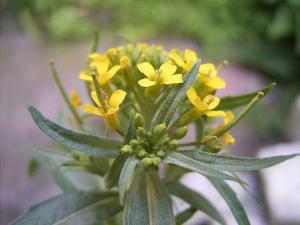
Wormseed Mustard
Erysimum cheiranthoides L.
Important botanical synonyms and historical names include:
- Cheiranthus cheiranthoides (L.) A.Heller
- Cheirinia cheiranthoides (L.) Link
- Cheiranthus aquaticus Lej.
- Cheiranthus erysimoides Huds.
- Cheiranthus scapigerus Willd.
- Cheiranthus turritoides Lam.
- Erysimum cheiranthoides subsp. altum Ahti
- Erysimum cheiranthoides subsp. nodosum (Fr.) Á.Löve & D.Löve
- Erysimum cheiranthoides var. aquaticum (Lej.) Lej.
- Erysimum cheiranthoides var. japonicum H.Boissieu
- Erysimum cheiranthoides var. laxa Maxim.
- Erysimum cheiranthoides var. nodosum Fr.
- Erysimum cheiranthoides var. paniculatum Regel
- Erysimum japonicum (H.Boissieu) Makino
- Erysimum lanceolatum Hook.
Important non-synonym confusion names:
- Dysphania ambrosioides (L.) Mosyakin & Clemants — Epazote, American Wormseed, Mexican Tea; unrelated amaranth-family plant
- Dysphania anthelmintica (L.) Mosyakin & Clemants — Wormseed; unrelated plant historically used as an anthelmintic
- Artemisia cina O.Berg & C.F.Schmidt — Levant Wormseed; unrelated aster-family plant
- Erysimum × cheiri and Erysimum cheiri horticultural material — common Wallflower; related ornamental wallflowers, not this weed
- Erysimum hieraciifolium L. — Tall Wormseed Mustard; separate Erysimum species
- Erysimum inconspicuum (S.Watson) MacMill. — Small Wormseed Mustard; separate Erysimum species
- Sisymbrium officinale (L.) Scop. — Hedge Mustard; separate Brassicaceae species sometimes confused by common name
Brassicaceae
Also known by the former family name Cruciferae and commonly called the Mustard or Cabbage family.
Wormseed Mustard; Worm-Seed Mustard; Wormseed Wallflower; Worm-Seed Wallflower; Treacle Mustard; Treacle-Mustard; Treacle Wallflower; Wallflower Mustard; Wormseed Stock; Hedge Mustard; Yellow Wormseed Mustard; Field Wormseed Mustard; Erysimum cheiranthoides; Cheiranthus cheiranthoides; Cheirinia cheiranthoides.
Scientific and historical search names include Erysimum cheiranthoides L., Cheiranthus cheiranthoides (L.) A.Heller, Cheirinia cheiranthoides (L.) Link, Cheiranthus aquaticus Lej., Cheiranthus erysimoides Huds., Cheiranthus scapigerus Willd., Cheiranthus turritoides Lam., Erysimum japonicum (H.Boissieu) Makino, and Erysimum lanceolatum Hook.
Naming caution: “Wormseed” alone is highly ambiguous and may refer to Dysphania ambrosioides, Dysphania anthelmintica, Artemisia cina, or other plants historically used against intestinal worms. “Wallflower” most often refers horticulturally to Erysimum × cheiri, Erysimum cheiri, or ornamental wallflower cultivars. “Tall Wormseed Mustard” generally refers to Erysimum hieraciifolium, and “Small Wormseed Mustard” may refer to Erysimum inconspicuum. This page refers specifically to Wormseed Mustard, Erysimum cheiranthoides.
Two Toxin Systems: Glucosinolates and Cardenolide Cardiac Glycosides
Wormseed Mustard contains two major classes of defensive chemicals: glucosinolates, which are widespread throughout Brassicaceae, and cardenolides, a group of cardiac glycosides that is unusual within the mustard family but characteristic of most species in the genus Erysimum. These systems act through different mechanisms. Glucosinolates generate acrid, irritating breakdown products when plant tissue is damaged. Cardenolides can alter ion transport in the heart, gastrointestinal tract, nervous system, skeletal muscle, and other excitable tissues after sufficient absorption.
This dual chemistry is the reason Wormseed Mustard should not be treated like a simple “mild mustard weed.” A small bite may cause only oral and gastrointestinal irritation, but a seed-rich or feed-contamination exposure can create a cardiac-glycoside problem with rhythm disturbance, hyperkalemia, collapse, or death. The page should therefore hold both ideas at once: glucosinolate irritation may be the first visible sign, while cardenolides create the more dangerous systemic risk.
The Glucosinolate-Myrosinase System
Glucosinolates are sulfur- and nitrogen-containing plant glycosides that are ordinarily stored separately from enzymes called myrosinases. Biting, grinding, crushing, freezing, wilting, digestion, microbial damage, or feed processing breaks cellular compartments and allows myrosinase to hydrolyze the glucosinolates. Depending on the compound, pH, iron, associated proteins, plant tissue, and reaction conditions, the products may include isothiocyanates, nitriles, epithionitriles, thiocyanates, and related molecules.
These products give damaged mustard-family plants their sharp odor and taste. They can irritate the mouth, esophagus, stomach, forestomachs, and intestines. In animals, this may produce salivation, lip licking, nausea, vomiting in species capable of vomiting, diarrhea, abdominal pain, colic, feed refusal, and reduced intake. The acrid taste may limit voluntary grazing, but it does not protect animals from seed already mixed into feed or plant fragments already baled into hay.
Species-Specific Glucosinolates in Erysimum cheiranthoides
The best modern Erysimum cheiranthoides work does not support describing this plant as one simple allyl-isothiocyanate source. Tobias Züst and colleagues confirmed that the principal glucosinolates in the studied E. cheiranthoides accession included glucoiberverin, glucoiberin, and glucocheirolin, with additional aliphatic and indole glucosinolates present at lower concentrations. Glucoiberverin is 3-methylthiopropyl glucosinolate, glucoiberin is 3-methylsulfinylpropyl glucosinolate, and glucocheirolin is 3-methylsulfonylpropyl glucosinolate.
The same research identified biosynthetic capacity for glucoerucin, glucoraphanin, glucoerysolin, and related compounds. The precise hydrolysis products produced in a chewing animal may vary because the plant contains myrosinases and breakdown-directing proteins that can steer glucosinolate degradation toward different products. The practical field language should therefore say “glucosinolates and their mustard-oil breakdown products,” not reduce the plant to one fixed chemical.
Why Allyl Isothiocyanate Is Not the Best Principal-Toxin Label
Allyl isothiocyanate is the pungent mustard oil produced from sinigrin in black mustard, brown mustard, horseradish, and related prepared mustard-flavor systems. It is a powerful mucous-membrane irritant, and older broad mustard-poisoning summaries often used allyl isothiocyanate as the representative mustard-oil toxin.
That analogy should not be pushed too far for Wormseed Mustard. The 2020 E. cheiranthoides genomic and metabolite analysis found no detectable sinigrin in the tested accession. Allyl isothiocyanate should therefore not be treated as the established principal toxin of this species, even though other glucosinolate-derived isothiocyanates, nitriles, thiocyanates, and related products may contribute to oral and gastrointestinal irritation.
Cardenolide Cardiac Glycosides
The second and potentially more serious toxin class is the cardenolide cardiac glycosides. Cardenolides consist of a steroid-like core attached to a five-membered lactone ring and one or more sugars. Their principal molecular target is sodium-potassium ATPase, an essential membrane pump that normally moves sodium out of cells and potassium into cells. Inhibition raises intracellular sodium, indirectly raises intracellular calcium, and destabilizes electrical conduction and contraction in the heart.
Cardiac glycoside poisoning may begin with nonspecific gastrointestinal signs and then progress to abnormal pulse, weakness, hypotension, collapse, electrolyte disturbance, and dangerous arrhythmias. The heart may become unusually slow, unusually fast, irregular, or intermittently weak. Conduction block, bradyarrhythmias, ventricular arrhythmias, poor pulse quality, cold extremities, and sudden deterioration are possible after a meaningful dose.
Cheiranthosides and Other Wormseed-Mustard Cardenolides
Zhen-Huan Lei and colleagues conducted several direct chemical investigations of Wormseed Mustard seed. In 1996 they isolated cheiranthosides I, II, and III together with known cardenolides. A later study isolated cheiranthosides VI and VII with glucoerysimoside. In 2002, Lei, Hitoshi Nakayama, Akihiko Kuniyasu, Bao-Shan Tai, and Toshihiro Nohara isolated cheiranthosides VIII, IX, and X from the seeds and characterized strophanthidin- and cheiranthidin-based structures by spectroscopy.
Additional cardenolides associated with the species include erysimoside, erychroside, erycordin, glucoerysimoside, glucodigifucoside, helveticoside, and compounds based on strophanthidin, digitoxigenin, cannogenol, and related aglycones. Not every compound occurs at the same concentration in every accession, tissue, or developmental stage, but the chemical evidence clearly establishes a diverse cardiac-glycoside system rather than one isolated toxin.
Sodium-Potassium ATPase Inhibition and Hyperkalemia
Lei and colleagues also evaluated sodium-potassium ATPase inhibition by cardiac glycosides isolated from E. cheiranthoides. This links the plant’s isolated chemistry to the established molecular target of cardiac-glycoside poisoning. In a poisoned animal, pump inhibition can increase extracellular potassium and disrupt the electrochemical gradients needed for normal heart and muscle function.
Hyperkalemia is an important marker of severe cardiac-glycoside poisoning. It may contribute to bradycardia, conduction block, ventricular arrhythmias, muscle weakness, collapse, and death. Serum potassium must be interpreted by the treating veterinarian because dehydration, kidney dysfunction, hemolysis during blood collection, acid-base disturbance, and other diseases can also affect potassium values.
Cardenolides Are Not Limited to Seeds
Seeds remain important because historical livestock poisoning involved feed contaminated with enough Wormseed Mustard seed, and because reproductive tissue protects the next generation of the plant. However, modern plant-transport work makes it unsafe to say that only seeds are toxic. Martin Alani and colleagues detected ten cardenolides across different plant tissues and found highest concentrations in young leaves and reproductive structures. Their grafting and transport experiments showed movement both upward and downward within the plant.
Leaves, stems, flowers, pods, young tissue, reproductive tissue, roots, dried fragments, and seed-contaminated material should therefore all be treated as potentially toxic. The practical danger depends on tissue, amount, plant age, preparation, drying, grinding, and whether the plant has been incorporated into feed.
Drying, Grinding, and Feed Processing Do Not Reliably Detoxify the Plant
Drying may reduce some volatile irritant qualities of fresh damaged mustard-family tissue, but it does not reliably neutralize cardenolide cardiac glycosides. Seed contamination can remain hazardous after harvest. Grinding, pelleting, or mixing may increase digestive access to seed contents by breaking the seed coat and distributing the toxin through a ration.
This is especially important for pigs and livestock eating prepared feed. A grazing animal may reject a bitter weed. A pig eating milled grain or screenings cannot pick out tiny mustard seeds. A horse or cow eating hay cannot easily separate small dried fragments after they have been cut and baled. Feed processing can therefore remove the animal’s ability to avoid the plant.
Nitrate Is a Conditional Additional Hazard
Nitrate represents a possible additional forage hazard rather than an established constant toxin of every Wormseed Mustard plant. Brassicas and many rapidly growing weeds may accumulate nitrate when nitrogen uptake continues during drought, frost, prolonged cloudiness, nutrient imbalance, herbicide injury, or other stress that suppresses normal growth and protein synthesis. The actual forage must be tested because appearance, species name, and growing history cannot establish a nitrate concentration.
In ruminants, nitrate can be converted to nitrite, and nitrite can oxidize hemoglobin into methemoglobin. Gray-blue or brown mucous membranes, chocolate-brown blood, severe air hunger, rapid weak pulse, trembling, staggering, collapse, and sudden death support nitrate-associated methemoglobinemia rather than uncomplicated glucosinolate irritation or pure cardiac-glycoside poisoning. Mixed exposure is possible if cardenolide-containing Wormseed Mustard also accumulated nitrate under stressful conditions.
Pesticides, Metals, Mycotoxins, and Other Contaminants
Pesticides, herbicides, heavy metals, mycotoxins, mineral errors, ionophore contamination, spoiled feed, and other environmental toxicants must be separated from the plant’s natural glucosinolate and cardenolide chemistry. A plant growing in a treated crop field, roadside, railway corridor, industrial area, mine-affected soil, ditch, floodplain, or contaminated feed lot may carry additional hazards. These exposures can produce signs that do not match the expected plant syndrome.
Excessive salivation with pinpoint pupils and muscle fasciculations may suggest certain insecticides. Bleeding may suggest anticoagulants or another disorder. Severe neurologic, renal, hepatic, or hemorrhagic signs may point toward metals, pesticides, mycotoxins, ionophores, toxic weeds mixed into the same feed, or unrelated disease. Plant identification and contaminant investigation should proceed together when illness is broader than the expected glucosinolate and cardiac-glycoside pattern.
Early Oral and Gastrointestinal Signs
Wormseed Mustard poisoning may begin with oral and gastrointestinal irritation. An animal may salivate, lick its lips, refuse food, develop abdominal discomfort, vomit, or pass loose stool or diarrhea after chewing fresh foliage, flowers, pods, or seed-rich material. The glucosinolate-myrosinase system produces pungent breakdown products as plant tissue is crushed, and those products can irritate the mouth, esophagus, stomach, forestomachs, and intestines.
The gastrointestinal syndrome may remain mild after a brief taste. Concentrated seed contamination, prolonged consumption, or prepared feed that distributes the plant through a ration can produce repeated vomiting, profuse diarrhea, dehydration, electrolyte loss, weakness, and poor circulation. Blood in vomit or stool is not expected after a small uncomplicated exposure and should prompt veterinary assessment for severe irritation, another toxicant, foreign material, infection, or unrelated gastrointestinal disease.
Cardiac-Glycoside Signs
Cardenolide absorption can extend the illness well beyond uncomplicated stomach upset. Early cardiac-glycoside poisoning may look deceptively nonspecific: vomiting, diarrhea, appetite loss, weakness, depression, reduced exercise tolerance, or reluctance to stand. As the heart and electrolytes become involved, the heartbeat may become unusually slow, unusually rapid, irregular, intermittently weak, or difficult to count.
An affected animal may have poor pulses, pale or abnormal mucous membranes, low blood pressure, cold extremities, collapse, or sudden deterioration after earlier gastrointestinal signs. A normal heartbeat during the first examination does not rule out later cardiac abnormalities because absorbed glycosides may persist, redistribute, or undergo enterohepatic recirculation. Any meaningful exposure with weakness, collapse, abnormal pulse, or repeated vomiting deserves cardiac and electrolyte monitoring.
Hyperkalemia, Weakness, and Collapse
Sodium-potassium ATPase inhibition can cause potassium to accumulate outside cells while sodium and calcium balance changes within them. Hyperkalemia is an important marker of severe cardiac-glycoside poisoning. It can contribute to bradycardia, conduction block, ventricular arrhythmias, muscle weakness, collapse, and death.
Muscle weakness may be mistaken for simple tiredness or dehydration. In a cardiac-glycoside exposure, weakness, trembling, staggering, recumbency, poor pulse quality, or sudden collapse should be treated as systemic poisoning until proven otherwise. These signs are especially concerning when seeds, pods, seed-contaminated feed, grain screenings, hay, or prepared ration were involved.
Neurologic and Respiratory Signs
Neurologic findings may develop secondarily to poor cardiac output, electrolyte disturbance, direct cellular effects, shock, or severe gastrointestinal fluid loss. Depression, marked lethargy, weakness, trembling, loss of coordination, staggering, recumbency, seizures, and coma are possible in substantial poisoning.
Breathing may become rapid or labored because of pain, shock, cardiac dysfunction, metabolic disturbance, aspiration, nitrate-associated oxygen failure, or inadequate tissue perfusion. Respiratory distress should not be dismissed as anxiety or ordinary stomach upset. It requires prompt assessment of heart rhythm, perfusion, oxygenation, blood color, electrolytes, and the possibility of additional toxicants.
Dogs
Dogs may chew plants along field margins, ingest seed-bearing weeds, eat garden waste, consume contaminated animal feed, or get into grain screenings. A small taste may cause only drooling, nausea, vomiting, diarrhea, appetite loss, or temporary abdominal discomfort. Larger exposures, repeated vomiting, plant seed ingestion, or contaminated feed exposure are more concerning.
Emergency signs in dogs include weakness, collapse, trembling, seizures, pale gums, abnormal pulse, very slow or very rapid heart rate, repeated vomiting, severe diarrhea, inability to retain water, breathing difficulty, or profound depression. Because no dependable safe amount has been established, the animal’s body size, plant part, seed content, amount, and time since exposure all matter.
Cats
Cats are less likely to consume a large amount of Wormseed Mustard, but they may nibble foliage, contact discarded weeds, or eat plant fragments carried indoors. Possible early signs include drooling, lip licking, vomiting, diarrhea, hiding, appetite loss, and quiet depression.
Cardiac-glycoside concern rises when a cat develops repeated vomiting plus weakness, collapse, abnormal heartbeat, cold extremities, tremors, or profound lethargy. Cats also tolerate prolonged food refusal poorly, so persistent anorexia after exposure should not be left for days. Home vomiting attempts are unsafe and should not be used.
Horses, Ponies, and Donkeys
Horses may encounter Wormseed Mustard in hay, pasture weeds, field margins, grain screenings, contaminated bedding, or prepared feed. They cannot vomit, so gastrointestinal irritation may appear as feed refusal, salivation, depression, diarrhea, pawing, flank watching, stretching, repeated lying down, rolling, sweating, or other colic signs.
Cardiac-glycoside effects may produce weakness, sweating, abnormal pulse quality, bradycardia, tachycardia, arrhythmia, collapse, or sudden death. A horse with colic and an abnormal rhythm requires immediate cardiac and electrolyte evaluation, not just routine colic observation. If several horses develop signs after a hay or feed change, the entire batch should be isolated and sampled.
Cattle, Sheep, Goats, Camelids, and Other Ruminants
Historical livestock accounts describe cattle becoming ill after feed was contaminated with Wormseed Mustard seed. Cattle, sheep, goats, alpacas, and llamas may develop salivation, feed refusal, ruminal discomfort, diarrhea, weakness, reduced production, poor exercise tolerance, abnormal pulse, collapse, or sudden death after meaningful exposure. The rumen can alter glucosinolates and some breakdown products, but it does not guarantee detoxification of every hazard.
If stressed or heavily fertilized forage also contains excessive nitrate, a separate methemoglobinemia syndrome may occur. Rapid breathing, severe weakness, muscular tremors, staggering, rapid weak heartbeat, gray-blue or brown mucous membranes, chocolate-brown blood, collapse, seizures, and sudden death support nitrate involvement. Feed testing is required because nitrate signs do not prove that the plant inherently contains a fixed dangerous nitrate concentration.
Pigs and Seed-Contaminated Feed
Pigs are at particular risk from seed-contaminated grain, screenings, meal, or pellets because they consume prepared rations rapidly and cannot sort out small weed seeds once incorporated. Historical reports describe pig deaths after feed was contaminated with enough Wormseed Mustard seed. Clinical signs may include vomiting, diarrhea, feed refusal, weakness, depression, irregular heartbeat, collapse, or sudden death.
Grinding may increase access to seed constituents by breaking the seed coat. A new feed source followed by vomiting, diarrhea, weakness, abnormal pulse, collapse, or sudden death should trigger immediate preservation and testing of the ration, not continued feeding while waiting for more animals to become ill.
Rabbits, Guinea Pigs, Birds, Reptiles, and Other Small Animals
Wormseed Mustard should not be offered as browse, cage greenery, hay, bedding, tortoise forage, poultry greens, bird enrichment, or reptile enclosure décor. Rabbits and guinea pigs may develop appetite loss, soft stool, diarrhea, abdominal discomfort, reduced fecal output, dehydration, weakness, or secondary gut slowing after irritant plant exposure. Because they cannot vomit normally, reduced food intake and fecal output are important early warning signs.
Birds may peck leaves, flowers, pods, or contaminated feed and may show reduced appetite, regurgitation, diarrhea, weakness, poor perching, or collapse. Reptiles and tortoises may show reduced appetite, abnormal stool, inactivity, dehydration, weakness, or abnormal breathing. Species-specific safe doses are not established, and small body size makes concentrated seed exposure more concerning.
Signs That Point Beyond Mild Mustard Irritation
Serious poisoning is uncommon when an animal takes one small bite of the standing plant because the acrid taste and defensive chemicals discourage continued grazing. The risk rises when desirable forage is scarce, a pasture is heavily infested, seed-rich plants are cut into feed, contaminated screenings are incorporated into a prepared ration, or animals are confined with plant material.
Red flags include repeated vomiting, profuse diarrhea, dehydration, severe colic, weakness, trembling, staggering, abnormal pulse, slow heart rate, rapid heart rate, irregular rhythm, collapse, seizures, breathing difficulty, gray-brown mucous membranes, chocolate-brown blood, dark urine, sudden death, or multiple animals affected after the same feed. Recovery may occur within one or two days after a mild irritant exposure, but clinically important cardiac-glycoside poisoning may persist for several days and requires ongoing electrocardiographic and electrolyte monitoring.
Wormseed Mustard on This Page Means Erysimum cheiranthoides
The Wormseed Mustard covered here is Erysimum cheiranthoides, a Eurasian annual or biennial mustard that has become widely naturalized in North America and other temperate regions. It is also called Wormseed Wallflower, Treacle Mustard, Treacle Wallflower, and Wallflower Mustard. The plant belongs to Brassicaceae, but the genus Erysimum is chemically unusual because it combines the normal mustard-family glucosinolate system with cardenolide cardiac glycosides.
The common name reflects former use of the seeds in preparations intended to expel intestinal worms. That historical use does not establish a safe medicinal dose for animals. The same plant contains compounds capable of causing gastrointestinal irritation and, after sufficient exposure, clinically important cardiac-glycoside poisoning.
Accepted Taxonomy and Synonyms
The accepted scientific name is Erysimum cheiranthoides L. Carl Linnaeus published the species in Species Plantarum in 1753. The plant has been placed historically in names such as Cheiranthus cheiranthoides, Cheirinia cheiranthoides, Cheiranthus aquaticus, Cheiranthus erysimoides, Erysimum japonicum, and Erysimum lanceolatum.
Older varieties and subspecies based on plant height, branching, leaf form, pod length, or geography may appear in floras, seed records, grain-identification documents, herbarium labels, and older agricultural references. These synonyms matter for search and identification, but the PAWS page should keep the accepted name centered so the plant is not confused with unrelated “wormseed” plants or ornamental wallflowers.
Native and Introduced Range
The native range extends from Europe across northern and central Asia to northern Japan. It includes much of northern, central, and eastern Europe, parts of the Balkans and Caucasus, Siberia, Mongolia, northern and central China, Korea, and Japan. The plant has moved widely through agriculture, trade, and disturbed-ground habitats.
It has been introduced across much of North America, including Canada and the United States, and is also recorded from regions such as Great Britain, Ireland, Italy, North Africa, southern Argentina, New Zealand, and other temperate areas. Its spread has been aided by contaminated crop seed, grain screenings, rail transport, road traffic, disturbed soil, flood movement, and agricultural machinery.
Habitat and Exposure Settings
Wormseed Mustard grows in cultivated fields, gardens, roadsides, railway corridors, waste ground, disturbed pasture, riverbanks, gravel bars, floodplain openings, dry streambeds, and other open or recently disturbed habitats. It often becomes established where soil has been cultivated, compacted, flooded, graded, or otherwise disrupted.
Agricultural exposure matters more than ornamental exposure. Mature seedpods can enter grain, hay, green chop, silage, screenings, and other harvested material. Dogs and cats may encounter the plant along field edges, farmyards, trails, gardens, and disturbed urban ground. Horses and livestock are more likely to receive a clinically meaningful dose through contaminated feed than by voluntarily grazing a few bitter plants.
Growth Form, Leaves, Flowers, and Pods
Erysimum cheiranthoides is usually an annual but may behave as a winter annual or biennial. Plants commonly grow approximately 6 to 40 inches tall and can occasionally become taller under favorable conditions. The stems are erect, ribbed, and usually branched in the upper portion. Fine, tightly pressed, star-shaped hairs cover much of the foliage and stem; these appressed branched hairs are useful in separating the plant from some similar yellow-flowered mustards.
The lower leaves may form a temporary basal cluster and often wither before the plant reaches full fruiting. Stem leaves are alternate, narrow, lance-shaped to elliptic, and commonly one to four inches long. Margins range from nearly smooth to shallowly or coarsely toothed. Leaves taper toward a short stalk or narrow base.
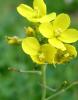
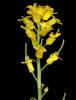
The flowers occur in a terminal raceme that elongates as the plant matures. Each flower has four yellow petals in the cross-like pattern characteristic of Brassicaceae, four sepals, six stamens, and one pistil. The flowers are small and may become visually overshadowed by the many developing seedpods beneath them. The fruit is a narrow, upright or strongly ascending silique that eventually splits into two valves, releasing numerous small yellow-brown, reddish-brown, or dark-brown seeds.
Why the Seeds Matter
Canadian grain-identification guidance describes Wormseed Mustard seeds as very small, roughly around one millimeter long, with a variable oblique outline, a prominent curved radicle ridge, and a granular or slightly greasy-looking surface. Their small size allows them to contaminate cereal grain and screenings. Once seeds are mixed into grain, meal, pellets, or screenings, animals cannot choose around them.
Seeds matter because historical livestock concern centered on seed-contaminated feed, and because seed and reproductive tissues carry high-value defensive chemistry. They are not the only poisonous part of the plant, but they are one of the most realistic routes for concentrated animal exposure.
Distinguishing Wormseed Mustard from Similar Species
Wormseed Mustard may be confused with Tall Wormseed Mustard, Small Wormseed Mustard, western wallflowers, tumble mustards, hedge mustards, yellow rocket, wild mustard, flixweed, field pennycress, and other yellow-flowered crucifers. Accurate identification matters because different mustard-family plants vary in glucosinolate chemistry, nitrate risk, seed toxicity, and whether they contain cardenolide cardiac glycosides.
Erysimum inconspicuum generally has larger anthers, longer sepals and petals, and longer pods than typical E. cheiranthoides. Wormseed Mustard typically has small bright-yellow flowers, relatively short anthers, narrow upright pods, appressed branched hairs, and a weedy annual or biennial habit. When livestock disease or feed contamination is involved, a complete plant specimen with pods and seeds is much more useful than a single leaf photograph.
“Wormseed” Is a Common-Name Trap
“Wormseed” alone is one of the most dangerous common-name shortcuts on this page. Epazote and American Wormseed commonly refer to Dysphania ambrosioides or Dysphania anthelmintica, which are unrelated plants with different chemistry. Levant Wormseed is associated with Artemisia cina, an aster-family plant historically used as a source of santonin.
Wormseed Mustard is Erysimum cheiranthoides. It is a mustard-family plant with glucosinolates and cardenolides, not an epazote, not a santonin plant, and not the same thing as every “wormseed” listed in herbal or historical references. Emergency identification should use the scientific name or a plant specimen, not the common name alone.
The Erysimum Genus Is Chemically Unusual
Most members of Brassicaceae rely principally on glucosinolates and their breakdown products for chemical defense. Erysimum retains that ancestral mustard-family system but has also evolved the ability to manufacture cardenolide cardiac glycosides. Modern comparative work has shown that most tested Erysimum species produce both toxin classes.
This dual chemistry means Wormseed Mustard should not be treated as an ordinary mildly irritating mustard. Gastrointestinal irritation may be the first and most visible effect, but a sufficiently large exposure can also create a cardiac-glycoside emergency. That distinction is the main reason this page needs more depth than a generic Brassicaceae stomach-upset entry.
Glucosinolates in Wormseed Mustard
The three principal glucosinolates reported in E. cheiranthoides are glucoiberverin, glucoiberin, and glucocheirolin. Modern work confirmed their predominance in the studied Elbtalaue accession and detected additional aliphatic and indole glucosinolates at lower concentrations. These compounds differ in side-chain oxidation and length, which affects their biological activity, odor, hydrolysis products, and role as feeding cues or deterrents.
Older livestock references often grouped mustard-family poisoning under “mustard oils” or isothiocyanates without resolving the precursor glucosinolate or exact breakdown product. Those descriptions remain useful clinically, but they should not override modern species-specific chemistry. Wormseed Mustard can produce irritating glucosinolate breakdown products, but allyl isothiocyanate should not be named as its established dominant toxin.
How the Glucosinolate-Myrosinase System Works
Intact glucosinolates and myrosinase enzymes are stored in separate cellular compartments. When an animal chews the plant, or when tissue is cut, ground, frozen, wilted, or digested, the compartments rupture and the enzyme contacts its substrate. Myrosinase removes glucose from the glucosinolate, and the unstable remaining molecule rearranges into an isothiocyanate, nitrile, epithionitrile, or thiocyanate depending on the original side chain and local chemical conditions.
These reactive products deter herbivores through odor, taste, mucosal irritation, and cellular toxicity. The animal may experience salivation, nausea, abdominal pain, vomiting, diarrhea, or feed refusal before enough plant material is consumed to create a systemic dose. Feed contamination bypasses part of this deterrent because the plant material is already mixed into something the animal wants to eat.
Cardenolide Cardiac Glycosides
Cardenolides are glycosides containing a steroid-like core and a five-membered lactone ring. Their principal molecular target is sodium-potassium ATPase, a membrane pump found throughout animal tissues and essential for maintaining cellular sodium and potassium gradients. Inhibition raises intracellular sodium and indirectly increases intracellular calcium. Cardiac contractions may become stronger but slower, while conduction through the heart becomes unstable.
The gastrointestinal tract and nervous system are also affected because sodium-potassium ATPase is not confined to the heart. Vomiting, diarrhea, weakness, depression, trembling, poor perfusion, collapse, and seizures may therefore accompany cardiac abnormalities. A poisoned animal may look like it has a severe gastrointestinal illness before the arrhythmia becomes obvious to the owner.
Lei and Colleagues’ Seed Studies
Zhen-Huan Lei and colleagues conducted a series of chemical investigations of Wormseed Mustard seed during the 1990s and early 2000s. Their work isolated numerous previously undescribed cardiac glycosides rather than merely detecting a nonspecific positive cardenolide reaction. In 1996, Lei and colleagues reported cheiranthosides I, II, and III together with known cardenolides.
In later studies, Lei and colleagues identified cheiranthosides VI and VII together with glucoerysimoside, then cheiranthosides VIII, IX, and X from the seeds. The 2002 Chemical and Pharmaceutical Bulletin study characterized glycosides based on strophanthidin and cheiranthidin through spectroscopic analysis. This work provides direct exact-species chemical support for the seed-toxicity concern.
Na+,K+-ATPase Inhibition
Lei, Kuniyasu, Tai, Nakayama, and Nohara also evaluated sodium-potassium ATPase inhibition by cardiac glycosides isolated from E. cheiranthoides. This work connected the plant’s isolated chemistry to the established molecular target of cardiac-glycoside poisoning.
Different sugars and aglycones alter a cardenolide’s absorption, tissue distribution, persistence, and binding characteristics. The complete plant therefore contains a mixture with potentially different pharmacokinetic and toxicodynamic properties rather than one compound behaving exactly like pharmaceutical digoxin.
Cardenolide Movement Through the Plant
Martin Alani, Gordon Younkin, Mahdieh Mirzaei, Pavan Kumar, and Georg Jander published work on acropetal and basipetal cardenolide transport in E. cheiranthoides. They detected ten cardenolides distributed among different tissues. Concentrations were highest in young leaves and reproductive tissues, consistent with the plant allocating strong chemical defense to actively growing and reproductively valuable structures.
Grafting and transport experiments showed movement both toward the shoot tip and toward lower portions of the plant. Leaves can produce or contain cardenolides that are redistributed to other tissues, so toxicity cannot be assigned only to seeds. Seeds are historically and practically important, but the whole plant should be treated as potentially toxic.
Younkin and Colleagues’ Herbivore Study
Gordon Younkin and colleagues published 2024 work showing that cardiac glycosides protect wormseed wallflower against some, but not all, glucosinolate-adapted herbivores. The researchers used genetic manipulation and feeding experiments to distinguish the protective effects of cardenolides from those of glucosinolates.
Removing or reducing cardiac-glycoside production made the plant more acceptable to certain specialist herbivores that ordinarily tolerate mustard-family glucosinolates. The work confirms that cardenolides are a biologically functional defense in living Wormseed Mustard, not merely trace chemicals isolated from old seed samples.
Historical Cattle and Swine Poisoning
Canadian livestock reports describe cattle becoming ill and pigs dying after feed was contaminated with enough Wormseed Mustard seed. John M. Kingsbury included the species in the 1964 reference Poisonous Plants of the United States and Canada.
The historical reports do not provide the complete analytical detail expected from a modern case series. No exact cardenolide profile, glucosinolate concentration, dose per kilogram, electrocardiogram, serum potassium result, or contaminant screen was documented in the available summaries. The reports remain important because they identify seed-contaminated feed as a realistic exposure route and demonstrate that the outcome can extend beyond temporary gastrointestinal irritation.
Why Swine Are at Particular Feed-Contamination Risk
Pigs consume prepared rations rapidly and may receive weed seeds ground or mixed into cereal grain. Once the seeds are incorporated into meal, pellets, or screenings, the animal cannot select around the bitter contaminant. Cardiac glycosides survive drying better than many volatile irritants, and grinding may increase digestive access to seed constituents by breaking the seed coat.
Vomiting, diarrhea, weakness, depression, irregular heart rhythm, collapse, or sudden death after a new grain or screenings source should prompt immediate preservation and testing of the feed. The remaining ration should not be fed to another animal as a test.
Cattle and Other Ruminants
Cattle usually avoid bitter mustard plants when adequate forage is available. Exposure increases during drought, overgrazing, confinement, feed shortage, or contamination of harvested forage. The rumen can alter glucosinolates and some of their breakdown products, but it does not guarantee detoxification. Cardenolides can remain active, and nitrate may create an additional hazard when plants have grown under accumulation-favoring conditions.
Salivation, feed refusal, diarrhea, weakness, reduced milk production, poor exercise tolerance, abnormal pulse, collapse, or sudden death warrants examination of the full ration and not merely the pasture. If multiple animals are affected, the event should be treated as a feed-source or environmental investigation.
Horses
Horses may encounter Wormseed Mustard in hay, pasture weeds, grain screenings, or contaminated bedding and feed. They cannot vomit, so gastrointestinal irritation may appear as feed refusal, depression, diarrhea, or colic. Because cardiac glycosides are also involved, a horse with colic and an abnormal pulse requires more than routine gastrointestinal observation.
Cardiac-glycoside effects may produce weakness, sweating, abnormal pulse quality, bradycardia, tachycardia, arrhythmia, collapse, or sudden death. Electrocardiography, electrolyte testing, and careful cardiovascular assessment are appropriate when exposure is meaningful or signs extend beyond mild feed refusal.
Dogs and Cats
Dogs may chew plants along field margins or ingest seed-bearing weeds, garden waste, or contaminated animal feed. Cats are less likely to consume a large amount but may nibble foliage or contact discarded plants. A small taste may cause only drooling, nausea, vomiting, diarrhea, or appetite loss.
Because the species contains cardiac glycosides, repeated vomiting accompanied by weakness, collapse, an abnormal heartbeat, cold extremities, trembling, or profound depression requires emergency assessment. No dependable safe amount has been established for dogs or cats. Body size, plant tissue, maturity, amount of seed, and chemical variation all affect the dose.
Environmental Contaminants Require Separate Evidence
A plant growing on treated agricultural land may carry pesticide or herbicide residues. A plant growing in contaminated soil may also contain or retain metals or other pollutants. These possibilities apply to many plants and do not establish that Wormseed Mustard is a special accumulator of every environmental toxin.
The clinical pattern should guide testing. Tremors, excessive secretions, pinpoint pupils, or respiratory secretions may suggest certain insecticides. Bleeding may suggest anticoagulants. Severe neurologic or renal disease may point toward metals, pesticides, mycotoxins, ionophores, another weed, or a ration error. Plant identification and contaminant investigation should proceed together when illness is broader than the expected glucosinolate and cardiac-glycoside syndrome.
Nitrate as a Conditional Forage Hazard
Nitrate is present to some degree in nearly all plants. It accumulates when root uptake continues while drought, frost, prolonged cloudiness, nutrient imbalance, herbicide injury, or another stress reduces photosynthesis and protein synthesis. Brassicas can accumulate clinically important nitrate under the right conditions. Species name alone does not establish the concentration, and no reliable evidence supports labeling every Wormseed Mustard plant as inherently high in nitrate.
Suspect hay, silage, green chop, or pasture should be sampled and analyzed, with the result clearly identified as nitrate, nitrate-nitrogen, or potassium nitrate and reported on a fresh- or dry-matter basis. Nitrate-associated methemoglobinemia commonly produces gray-brown mucous membranes, severe air hunger, and chocolate-brown blood. Cardiac glycosides more characteristically produce vomiting, weakness, hyperkalemia, and slow, rapid, or irregular heart rhythms. Mixed exposure is possible.
Diagnosis
Diagnosis begins with identification of the plant and confirmation of the exposure route. Bring the whole plant when possible, including flowers, pods, seeds, leaves, stems, and roots. Preserve the feed label, grain sample, hay, screenings, silage, ration, or pasture material involved.
Veterinary evaluation may include electrocardiography, continuous heart-rate monitoring, blood pressure, serum potassium and other electrolytes, kidney values, glucose, acid-base status, complete blood count, packed-cell volume, urinalysis, and hydration assessment. A veterinary digoxin immunoassay may cross-react with some plant cardiac glycosides, but a negative result does not exclude poisoning because individual Wormseed Mustard cardenolides do not necessarily react exactly like digoxin.
Feed testing may include botanical seed identification, nitrate analysis, pesticide screening, mycotoxin testing, ionophore screening, mineral analysis, and evaluation for other toxic weeds. Representative sampling is essential because weed seeds and contaminants may be unevenly distributed.
Important Differential Diagnoses
Other glucosinolate-containing forage plants include Wild Mustard, Black Mustard, Rapeseed, Canola, Turnips, Kale, Cabbage, Tansy Mustard, Flixweed, Field Pennycress, Wild Radish, and Wintercress. Their toxin profiles and likelihood of nitrate, sulfur, or glucosinolate-related disease vary.
Other cardiac-glycoside plants include Oleander, Foxglove, Milkweed, Lily of the Valley, Dogbane, Kalanchoe, Desert Rose, Yellow Oleander, and Star of Bethlehem. Rapid gastrointestinal and cardiac illness also requires consideration of yew, aconite, ionophore-contaminated feed, metaldehyde, organophosphate or carbamate pesticides, electrolyte disturbance, mycotoxins, cyanogenic plants, nitrate plants, and primary cardiac disease.
Veterinary Treatment
There is no Wormseed Mustard-specific antidote. Treatment depends on amount, plant part, time since exposure, current neurologic status, cardiac rhythm, serum potassium, hydration, and the suspected balance between glucosinolate irritation and cardiac-glycoside absorption. The source must be removed immediately.
A veterinarian may induce vomiting in a neurologically normal dog or cat after recent substantial ingestion when aspiration risk is low. Activated charcoal may be administered professionally and repeated in selected cardiac-glycoside cases because enterohepatic recirculation can prolong exposure. Gastric lavage is reserved for exceptional severe exposures under anesthesia with endotracheal intubation and a protected airway.
Intravenous fluids support circulation but must be selected and monitored carefully when significant cardiac dysfunction or hyperkalemia is present. Electrocardiography and serial electrolyte measurements guide antiarrhythmic and supportive treatment. Atropine or glycopyrrolate may be selected for clinically important bradycardia. Other arrhythmias require rhythm-specific medication rather than one universal cardiac drug.
Digoxin-specific antibody fragments can bind several plant-derived cardiac glycosides and may be considered in severe poisoning with dangerous arrhythmias or hyperkalemia. Availability, dose estimation, cost, and expected cross-reactivity must be handled by the treating veterinarian or toxicologist.
Prognosis
The prognosis is generally good after a small exposure producing only brief gastrointestinal irritation. Improvement should follow removal of the source and appropriate supportive treatment.
The outlook becomes guarded when persistent vomiting, severe diarrhea, dehydration, hyperkalemia, bradycardia, tachyarrhythmia, conduction block, hypotension, seizures, collapse, or delayed treatment develops. Animals that receive early monitoring, decontamination when appropriate, electrolyte management, and antidotal treatment when indicated have a better chance of recovery than animals first examined after severe cardiac instability has developed.
Prevention
Control Wormseed Mustard before it forms mature seedpods in grain fields, hayfields, paddocks, feed-crop margins, gardens, and disturbed farmyards. Inspect harvested grain and screenings for small reddish-brown mustard seeds. Do not feed contaminated screenings, rejected grain, weed-heavy hay, or unknown feed waste without botanical identification and professional evaluation.
Grinding and pelleting do not guarantee detoxification. Provide adequate safe forage so livestock are not forced to consume bitter weeds. Remove pulled plants and seed-bearing garden waste from animal areas. Test suspect forage for nitrate after drought, frost, prolonged cloudiness, heavy nitrogen fertilization, or herbicide injury, and investigate pesticide or other contaminant exposure separately rather than assuming that every abnormal sign originates from Wormseed Mustard itself.
Immediate Steps After Exposure
Remove the source immediately. Prevent further access to the plant, seedpods, loose seed, contaminated grain, screenings, hay, silage, green chop, pellets, garden waste, compost, or pasture source. Keep affected animals quiet and minimize exertion when weakness, abnormal heartbeat, breathing difficulty, trembling, or collapse is present.
- Contact a veterinarian or animal poison-control service: Report the animal’s species, weight, plant part, estimated amount, exposure time, current symptoms, and whether seeds, pods, screenings, prepared feed, hay, or grain were involved.
- Preserve samples: Secure the whole plant, loose seeds, feed, ration label, hay, screenings, silage, grain, water, and any vomited material in separate clean containers for identification and testing.
- Remove loose mouth material only when safe: If the animal is alert, cooperative, breathing normally, and swallowing normally, remove visible plant fragments from the front of the mouth without reaching deeply into the throat.
- Isolate suspect feed: Do not feed the rest of a suspect ration, screenings batch, grain lot, bale, or silage source to another animal. Preserve an untouched representative sample before moving or discarding the material.
- Save field and product records: Preserve pesticide labels, herbicide records, fertilizer history, manure application, weather events, frost, drought, field location, and harvest date when the plant came from agricultural or disturbed ground.
Do Not Attempt Unsupervised Home Treatment
- Do not induce vomiting with hydrogen peroxide: Peroxide can cause severe gastritis, esophageal irritation, prolonged vomiting, bleeding, and aspiration.
- Do not use salt, mustard, oil, syrup of ipecac, dish soap, or manual gagging: These methods can create additional poisoning or injury.
- Do not force activated charcoal: Charcoal may be used professionally in selected cardiac-glycoside cases, but a vomiting, weak, collapsed, seizing, or poorly swallowing animal can inhale it into the lungs.
- Do not force food, water, milk, broth, oil, or electrolyte solution: Cardiac, neurologic, colic, or swallowing abnormalities increase aspiration risk.
- Do not give Kapectolin, Kaopectate, sucralfate, antacids, antihistamines, probiotics, pain relievers, antiemetics, or antidiarrheal drugs without veterinary direction: These do not neutralize cardenolides or stabilize a dangerous rhythm.
- Do not administer human or animal heart medication on your own: Atropine, beta blockers, calcium-channel blockers, antiarrhythmics, potassium products, calcium, diuretics, and digoxin-related medication can be dangerous when used for the wrong rhythm or electrolyte state.
- Do not give methylene blue or thiamine as guesswork: These treatments apply to specific diagnoses, not to every mustard-family or cardiac-glycoside exposure.
When Emergency Examination Is Especially Important
- Seeds, pods, screenings, or contaminated feed were eaten: Reproductive tissues can contain substantial cardenolide concentrations, and prepared feed may deliver a larger dose than voluntary grazing.
- The heartbeat seems slow, rapid, weak, or irregular: Cardiac-glycoside poisoning can cause multiple dangerous arrhythmias.
- Vomiting or diarrhea is repeated: Continued fluid and electrolyte loss can worsen cardiac instability, dehydration, and shock.
- Weakness, trembling, staggering, or collapse develops: These signs may reflect arrhythmia, hyperkalemia, poor circulation, nitrate exposure, or another systemic toxin.
- Breathing becomes rapid or labored: Respiratory distress may accompany shock, arrhythmia, nitrate methemoglobinemia, aspiration, pain, or severe metabolic disturbance.
- Mucous membranes or blood appear gray-brown or chocolate colored: This suggests possible nitrate-associated methemoglobinemia and requires immediate veterinary treatment.
- Seizures, coma, or sudden recumbency occurs: These findings indicate severe poisoning, oxygen deprivation, electrolyte disturbance, or another major disease process.
- Several animals are affected: A group event suggests contaminated feed, seed screenings, nitrate, pesticide exposure, mycotoxin, ionophore contamination, or another shared hazard.
Veterinary Decontamination
A veterinarian may induce vomiting after a recent substantial ingestion in an alert dog or cat that is neurologically normal and able to protect its airway. Vomiting is inappropriate in a collapsed, seizing, severely weak, repeatedly vomiting, or poorly swallowing animal. Horses and ruminants cannot be managed through ordinary owner-induced vomiting.
Activated charcoal may be used professionally to reduce absorption of cardiac glycosides and may be repeated in selected cases because some compounds undergo enterohepatic recirculation. Cathartic use and repeat dosing require careful attention to hydration, sodium, potassium, gastrointestinal motility, and aspiration risk. Gastric lavage is reserved for exceptional severe exposures under anesthesia with endotracheal intubation and a protected airway.
Cardiac and Electrolyte Treatment
Electrocardiographic monitoring, blood pressure measurement, and serial potassium and other electrolyte testing are central to management. Intravenous fluids are selected according to hydration, circulation, potassium concentration, acid-base status, kidney function, and cardiac performance.
Clinically important bradycardia may be treated with veterinarian-selected anticholinergic medication. Tachyarrhythmias and ventricular abnormalities require rhythm-specific treatment. Severe hyperkalemia may require dextrose with insulin, sodium bicarbonate, or other professionally selected therapy. Calcium administration must be approached cautiously in cardiac-glycoside poisoning because it can worsen intracellular calcium loading and arrhythmias.
Digoxin-specific antibody fragments may be considered for severe plant cardiac-glycoside poisoning with life-threatening arrhythmia, cardiovascular instability, or marked hyperkalemia. This decision depends on clinical severity, availability, cost, likely cross-reactivity, and toxicologist guidance.
Testing Suspect Feed
Feed should be examined for Wormseed Mustard seed, other toxic weeds, nitrate, pesticide residue, mycotoxins, ionophores, mineral errors, mold, and formulation mistakes when the clinical syndrome is severe or involves multiple animals. The laboratory must be told whether the suspected material is whole grain, screenings, hay, silage, pellets, pasture plants, or a mixed ration.
Representative sampling is essential because weed seeds and contaminants may be distributed unevenly. A clean-looking handful from one corner of a bin or bale does not prove that the whole lot is safe. Preserve labels, invoices, supplier information, lot numbers, and photographs of the material before it is discarded.
Dogs and Cats
Dogs and cats with a tiny taste and brief mild signs may only need professional triage, source removal, and monitoring. Veterinary care becomes more important when exposure involved seeds, pods, contaminated feed, repeated vomiting, diarrhea, weakness, collapse, abnormal heartbeat, tremors, profound depression, or possible pesticide exposure.
Do not assume a small animal is safe because the plant is “just a mustard.” This species contains cardiac glycosides. A small dog or cat can receive a meaningful dose from a concentrated seed or feed exposure even when the amount of plant material appears small to a person.
Horses and Livestock
Horses, ponies, donkeys, cattle, sheep, goats, pigs, alpacas, llamas, poultry, and other livestock should be removed from the source and provided safe alternative feed and clean water. Do not drive, chase, or stress weak, dyspneic, neurologic, arrhythmic, or colicky animals unless directed by a veterinarian. Group exposure should be handled as a feed-source emergency.
Hay, grain, screenings, and pasture samples should be saved before the material is moved or discarded. If seed contamination is suspected, inspect several areas of the bale, bin, feeder, and field because contamination may be uneven. If nitrate, pesticide, ionophore, mycotoxin, or mineral error is suspected, laboratory testing is more reliable than appearance or smell.
Rabbits, Guinea Pigs, Birds, Reptiles, and Small Pets
Small animals should not be fed Wormseed Mustard as greens, browse, hay, bedding, cage décor, poultry greens, tortoise forage, or enrichment. If exposure occurs, remove the plant and contact an appropriate veterinarian when the amount is meaningful or signs develop. Do not force food, water, oil, milk, charcoal, or household medication.
Rabbits and guinea pigs that stop eating, develop diarrhea, produce fewer fecal pellets, become weak, or show abdominal discomfort need prompt care. Birds with regurgitation, poor perching, diarrhea, weakness, collapse, or suspected feed contamination need avian guidance. Reptiles and tortoises may show reduced appetite, inactivity, abnormal stool, or dehydration rather than the dog-and-cat vomiting pattern.
Recovery and Prognosis
Animals with mild oral or gastrointestinal irritation may recover over several hours to one or two days. Continued appetite loss, vomiting, diarrhea, weakness, abnormal pulse, or depression requires reassessment.
Cardiac-glycoside signs may persist for several days. Patients should remain monitored until rhythm, blood pressure, potassium, hydration, appetite, and activity have returned to acceptable levels. The prognosis becomes guarded to poor with severe hyperkalemia, refractory arrhythmias, prolonged hypotension, seizures, collapse, aspiration, or delayed treatment. Early recognition and access to advanced monitoring and digoxin-specific antibody fragments can improve the outlook in severe cases.
Prevention After the Incident
Control Wormseed Mustard before it forms mature seedpods in grain fields, hayfields, paddocks, gardens, feed-crop margins, and disturbed farm areas. Inspect harvested grain and screenings for small reddish-brown mustard seeds. Do not feed contaminated screenings, rejected grain, weed-heavy hay, or unknown farm waste without botanical identification and professional evaluation.
Grinding and pelleting do not guarantee detoxification. Provide adequate safe forage so livestock are not forced to consume bitter weeds. Remove pulled plants and seed-bearing garden waste from animal areas. Test suspect forage for nitrate after drought, frost, prolonged cloudiness, heavy nitrogen fertilization, or herbicide injury, and investigate pesticide or other contaminant exposure separately.
Frequently Asked Questions About Wormseed Mustard and Animal Poisoning
Is Wormseed Mustard poisonous to dogs, cats, horses, and livestock?
Yes. Wormseed Mustard contains irritating glucosinolates and cardenolide cardiac glycosides. A small taste may cause gastrointestinal upset, while substantial seed, pod, reproductive-tissue, hay, grain, screenings, or prepared-feed exposure can produce dangerous heart-rate and rhythm abnormalities. Pigs and livestock are especially concerning when seed-contaminated feed is involved.
Is Wormseed Mustard the same plant as Epazote or American Wormseed?
No. Epazote and American Wormseed commonly refer to Dysphania ambrosioides or Dysphania anthelmintica, which are unrelated plants with different chemistry. Wormseed Mustard is Erysimum cheiranthoides, a member of Brassicaceae with glucosinolates and cardenolide cardiac glycosides.
What toxins does Wormseed Mustard contain?
It contains glucosinolates, including glucoiberverin, glucoiberin, and glucocheirolin, plus numerous cardenolide cardiac glycosides. Reported cardiac glycosides include cheiranthosides, erysimoside, erychroside, erycordin, glucoerysimoside, glucodigifucoside, helveticoside, and related strophanthidin-, digitoxigenin-, cannogenol-, and cheiranthidin-based compounds.
Does Wormseed Mustard release allyl isothiocyanate?
Allyl isothiocyanate is produced from sinigrin. Modern analysis of the tested E. cheiranthoides accession found no detectable sinigrin. The plant can produce other irritating glucosinolate breakdown products, but allyl isothiocyanate should not be treated as its established principal toxin.
How do the cardiac glycosides cause poisoning?
Cardenolides inhibit sodium-potassium ATPase. This changes sodium, potassium, and calcium movement across cell membranes and can produce vomiting, weakness, hyperkalemia, bradycardia, tachycardia, conduction block, ventricular arrhythmias, low blood pressure, collapse, and death. The gastrointestinal tract and nervous system can also be affected.
Which parts of Wormseed Mustard are poisonous?
Seeds, pods, flowers, young leaves, mature leaves, stems, and roots should all be treated as potentially toxic. Research has found cardenolides throughout the plant, with especially high concentrations in young leaves and reproductive tissues. Seeds remain a major feed-contamination hazard because they can be harvested into grain or screenings.
Why are the seeds an important livestock hazard?
Small seeds can contaminate cereal grain and screenings and may be ground into prepared feed. Animals cannot select around the bitter seed once it is incorporated into meal, pellets, or mixed ration. Historical reports of cattle illness and pig deaths involved feed contaminated with enough Wormseed Mustard seed, making seed-rich feed one of the most important exposure routes.
Have cattle and pigs been poisoned by Wormseed Mustard?
Yes. Historical Canadian reports describe illness in cattle and deaths in pigs after feed was contaminated with Wormseed Mustard seed. The reports lack modern analytical detail such as electrocardiograms, serum potassium, and cardenolide quantification, but they establish contaminated feed as a credible poisoning route.
Is Wormseed Mustard dangerous to horses?
Yes. Horses may be exposed through hay, pasture weeds, grain screenings, contaminated bedding, or prepared feed. They cannot vomit, so gastrointestinal irritation may appear as feed refusal, depression, diarrhea, or colic. Weakness, sweating, abnormal pulse quality, bradycardia, tachycardia, arrhythmia, collapse, or sudden death suggests possible cardiac-glycoside involvement and requires emergency care.
Is Wormseed Mustard dangerous to dogs?
A small dog exposure may cause drooling, nausea, vomiting, diarrhea, or appetite loss. Larger exposures, seed ingestion, garden waste, contaminated feed, or plant material from treated fields are more concerning. Weakness, collapse, abnormal heartbeat, repeated vomiting, severe diarrhea, trembling, or profound depression after exposure should be treated as an emergency.
Is Wormseed Mustard dangerous to cats?
Cats are less likely to eat a large amount, but the plant should still be treated as poisonous. Signs may include drooling, vomiting, diarrhea, hiding, and appetite loss. Because cardiac glycosides are present, repeated vomiting with weakness, collapse, abnormal pulse, cold extremities, tremors, or profound lethargy requires emergency assessment. Home vomiting attempts are unsafe for cats.
Is Wormseed Mustard safe for rabbits, guinea pigs, birds, or reptiles?
No. It should not be offered as browse, hay, cage greenery, bedding, tortoise forage, poultry greens, bird enrichment, or reptile décor. Species-specific safe doses are not established. Small animals may develop appetite loss, diarrhea, gut slowing, weakness, dehydration, or systemic signs after concentrated seed or plant exposure.
Can Wormseed Mustard accumulate nitrate?
Nitrate accumulation is possible under drought, frost, prolonged cloudiness, heavy nitrogen fertilization, herbicide injury, or other growth-limiting conditions. The risk is conditional rather than inherent, and the actual forage must be tested. Species name alone cannot prove whether a plant contains a dangerous nitrate concentration.
How can nitrate poisoning be distinguished from cardiac-glycoside poisoning?
Nitrate-associated methemoglobinemia commonly produces gray-brown mucous membranes, severe air hunger, rapid weak pulse, and chocolate-brown blood. Cardiac glycosides more characteristically produce vomiting, weakness, hyperkalemia, and slow, rapid, or irregular heart rhythms. Mixed exposure is possible if Wormseed Mustard also accumulated excessive nitrate, so testing is needed.
Does Wormseed Mustard specially accumulate pesticides and environmental toxins?
No unique ability to accumulate every environmental toxin has been established. A plant growing in treated or contaminated soil may carry pesticide residues, herbicides, metals, or other pollutants, but those exposures must be investigated separately from the plant’s natural glucosinolates and cardenolides. Site history matters.
Should vomiting be induced at home?
No. Hydrogen peroxide can cause severe gastric and esophageal injury, prolonged vomiting, bleeding, and aspiration. A veterinarian may induce vomiting in a suitable alert dog or cat after considering amount, timing, neurologic status, heart risk, and airway risk, but owners should not attempt it at home.
Should activated charcoal be given?
Only under veterinary direction. Activated charcoal may reduce cardiac-glycoside absorption and may be repeated professionally in selected cases, but it can be inhaled by a vomiting, weak, collapsed, seizing, or poorly swallowing animal. It also does not replace cardiac monitoring, electrolyte testing, or rhythm-specific treatment.
Is there an antidote for the cardiac glycosides?
Digoxin-specific antibody fragments may bind several plant-derived cardiac glycosides and can be considered in severe cases with dangerous arrhythmias, cardiovascular instability, or marked hyperkalemia. Treatment also requires electrocardiographic monitoring, electrolyte management, fluids, and rhythm-specific medication. Availability and dosing must be handled by the treating veterinarian or toxicologist.
Can animals recover from Wormseed Mustard poisoning?
Yes. Mild gastrointestinal cases usually recover fully after the source is removed and supportive care is provided. The prognosis becomes guarded with hyperkalemia, persistent arrhythmias, low blood pressure, collapse, seizures, aspiration, severe dehydration, or delayed treatment. Early veterinary intervention improves the outlook.
How do veterinarians diagnose Wormseed Mustard poisoning?
Diagnosis begins with plant or seed identification and exposure history. Veterinary evaluation may include electrocardiography, continuous heart monitoring, blood pressure, serum potassium and other electrolytes, kidney values, acid-base status, complete blood count, urinalysis, and hydration assessment. Feed testing may include botanical seed identification, nitrate analysis, pesticide screening, mycotoxin testing, ionophore screening, mineral analysis, and evaluation for other toxic weeds.
Can a digoxin test detect Wormseed Mustard poisoning?
A veterinary digoxin immunoassay may cross-react with some plant cardiac glycosides, but a negative result does not exclude poisoning. Individual Wormseed Mustard cardenolides do not necessarily react exactly like pharmaceutical digoxin. Heart rhythm, potassium, exposure history, plant identification, and clinical signs remain central to diagnosis.
What differentials matter most?
Important differentials include other mustard-family plants, oleander, foxglove, milkweed, lily of the valley, dogbane, kalanchoe, desert rose, yellow oleander, Star of Bethlehem, yew, aconite, ionophore-contaminated feed, metaldehyde, organophosphate or carbamate pesticides, nitrate plants, cyanide plants, mycotoxins, electrolyte disorders, and primary cardiac disease.
How can Wormseed Mustard poisoning be prevented?
Control plants before seed maturity, inspect grain and screenings for weed seed, avoid feeding contaminated hay or rejected grain, provide adequate forage, and remove pulled seed-bearing plants from animal areas. Grinding and pelleting do not guarantee detoxification. Test suspect feed for nitrate and other contaminants after drought, frost, heavy nitrogen fertilization, prolonged cloudiness, or herbicide injury.