Wild Radish Glucosinolates, Mustard-Oil Irritation, Nitrate Risk, Sulfur-Associated PEM, Hemolysis, and Contaminated Feed Hazards
Is Wild Radish Poisonous to Dogs, Cats, Horses, and Livestock?
Yes—Wild Radish, Raphanus raphanistrum, can poison horses and livestock and can irritate the digestive tract of dogs, cats, rabbits, guinea pigs, birds, reptiles, and other animals that eat it. This mustard-family weed stores glucosinolates that are converted into pungent isothiocyanates, nitriles, thiocyanates, and related sulfur compounds when the plant is chewed, crushed, wilted, frozen, mowed, chopped, or digested. Limited exposure most often causes salivation, lip licking, nausea, vomiting in species capable of vomiting, diarrhea, abdominal discomfort, appetite loss, feed refusal, or colic. Most small pet nibbles are expected to be mild, but that does not make the plant safe forage.
Heavy or sustained Wild Radish exposure is a different risk category. Dense pasture stands, contaminated hay, seed pods in grain, hungry animals turned into weedy fields, drought-stressed growth, nitrogen-rich soil, excessive sulfur intake, and recently treated crop fields can create serious livestock hazards. Ruminants may face nitrate/nitrite poisoning with methemoglobinemia, sulfur-associated polioencephalomalacia with blindness or seizures, possible oxidant red-blood-cell injury, chronic goitrogenic or production effects, and chemical exposure from pesticides or herbicides. A group outbreak, neurologic signs, blue-gray or muddy mucous membranes, chocolate-brown blood, dark urine, severe colic, collapse, or illness after access to treated vegetation should be treated as an emergency and investigated with plant, feed, water, and agricultural-product samples.
About this guide: This page provides general pet-poisoning information and cannot diagnose or treat an individual animal. For any suspected exposure, contact a veterinarian or animal poison-control service immediately. Do not induce vomiting, give medication, or attempt home decontamination unless directed by a veterinary professional.
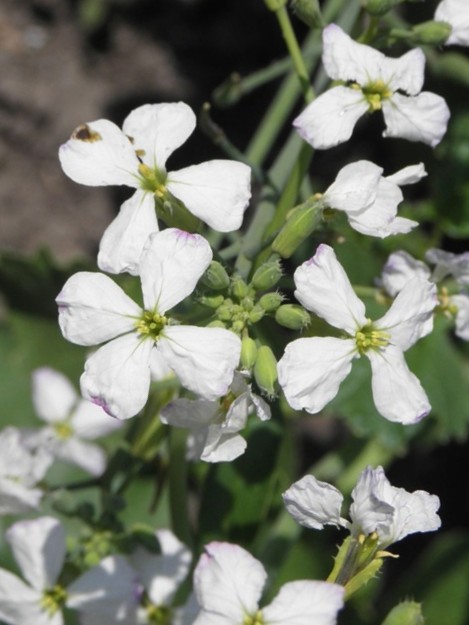
Wild Radish
Raphanus raphanistrum L.
Accepted infraspecific taxa include:
- Raphanus raphanistrum subsp. landra (Moretti ex DC.) Bonnier & Layens
- Raphanus raphanistrum subsp. raphanistrum
- Raphanus raphanistrum subsp. rostratus (DC.) Thell.
- Raphanus raphanistrum subsp. sativus (L.) Schmalh.
Important botanical synonyms include:
- Raphanistrum raphanistrum (L.) H.Karst.
- Raphanistrum vulgare Gray
- Raphanus sylvestris Lam.
- Rapistrum raphanistrum (L.) Crantz
Important taxonomy and naming notes:
- Cultivated radish is commonly called Raphanus sativus L., but some current botanical treatments place it under Raphanus raphanistrum subsp. sativus.
- Sea Radish is usually associated with Raphanus raphanistrum subsp. landra or related coastal forms rather than every inland Wild Radish population.
- Charlock Mustard is Sinapis arvensis, a separate Brassicaceae species often confused with Wild Radish.
- Wild Mustard, Turnip Weed, Wild Turnip, Oilseed Radish, Forage Radish, Tillage Radish, and cultivated radish cover several related but non-identical Brassicaceae plants whose toxicology overlaps but should not be merged automatically.
Brassicaceae
Wild Radish; Jointed Charlock; White Charlock; Jointed Radish; Jointed Wild Radish; Wild Charlock; Runch; Runch Weed; Runche; Sea Radish; Wild Rape; Wild Mustard Radish; Wild Radish Weed; Raphanus raphanistrum.
Scientific and historical search names include Raphanus raphanistrum, Raphanus raphanistrum subsp. raphanistrum, Raphanus raphanistrum subsp. landra, Raphanus raphanistrum subsp. rostratus, Raphanus raphanistrum subsp. sativus, Raphanistrum raphanistrum, Raphanistrum vulgare, Raphanus sylvestris, and Rapistrum raphanistrum.
Naming caution: cultivated radish is commonly called Raphanus sativus, although some modern classifications treat it as Raphanus raphanistrum subsp. sativus. Charlock Mustard is Sinapis arvensis, not Wild Radish. Wild Mustard, Turnip Weed, Wild Turnip, Oilseed Radish, Tillage Radish, Forage Radish, and Sea Radish may refer to separate Brassicaceae species, subspecies, cultivars, crop types, or hybrid populations. Their glucosinolate, nitrate, sulfur, and feed-contamination risks overlap, but exact identification still matters for diagnosis, forage testing, and pasture control.
Glucosinolates Are the Core Wild Radish Toxin Precursors
Wild Radish belongs to Brassicaceae, the mustard family. Its characteristic defensive chemicals are glucosinolates, sulfur- and nitrogen-containing compounds stored in intact plant tissues apart from the enzyme myrosinase. The intact plant is not simply filled with one ready-made mustard oil. Instead, it carries a two-part chemical defense system that becomes active when tissue is chewed, crushed, mowed, wilted, frozen, digested, infected, or otherwise damaged.
When animal chewing breaks cells apart, glucosinolates and myrosinase come together. Myrosinase removes glucose from the glucosinolate molecule, and the unstable remainder rearranges into biologically active products. Depending on tissue chemistry and conditions, those products may include isothiocyanates, nitriles, epithionitriles, thiocyanates, indole-derived products, and other sulfur-containing molecules. These compounds create the sharp radish, mustard, horseradish, or wasabi-like odor released from damaged tissue.
The practical toxicology begins with irritation. Isothiocyanates and related mustard-oil products can irritate the lining of the mouth, esophagus, stomach, forestomachs, and intestines. This explains salivation, nausea, vomiting in species capable of vomiting, abdominal pain, diarrhea, colic, reduced rumination, feed refusal, and decreased performance. The same basic chemistry also helps make Wild Radish unpalatable enough that animals often avoid large amounts while good forage is available.
Wild Radish Is Not One Universal Allyl-Isothiocyanate Plant
Older Wild Radish summaries sometimes state that the plant releases allyl isothiocyanate and then discuss experimental allyl-isothiocyanate toxicity. Allyl isothiocyanate is a powerful mustard-oil irritant, and laboratory studies have examined its fetotoxic, genotoxic, and carcinogenic effects under particular experimental doses and conditions. That toxicology should not be erased. What needs correction is the assumption that every Wild Radish plant contains a large sinigrin-like reservoir that releases allyl isothiocyanate as the dominant product.
Exact-species profiling shows a more complex picture. In the Wild Radish glucosinolate study, researchers examined roots, leaves, flowers, and branches from accessions collected across several states and identified 17 glucosinolates. Glucoerucin, glucoraphenin, glucobrassicin, and gluconasturtiin accounted for most of the total measured glucosinolate content in the studied material. Their hydrolysis can produce compounds such as erucin, sulforaphene, indole-derived products, phenethyl isothiocyanate, nitriles, and related breakdown products.
The exact product mixture depends on plant genetics, tissue, growth stage, pH, iron availability, epithiospecifier proteins, myrosinase activity, gut microbes, moisture, damage, wilting, frost, and digestion. This is why the toxin field should say glucosinolates and their hydrolysis products rather than naming allyl isothiocyanate as the one universal Wild Radish toxin.
Seeds, Jointed Pods, Leaves, Flowers, Roots, and Stems
All plant parts should be treated as potentially irritating or hazardous when eaten in sufficient quantity. Leaves, stems, flowers, roots, green pods, mature jointed pods, and seeds can contain glucosinolates. The exact chemical profile is not uniform throughout the plant. Some compounds may be more concentrated in roots, others in flowers, vegetative tissues, reproductive tissues, or seed-bearing parts.
Seed and pod contamination deserves special attention because harvested grain can carry mature Wild Radish pod segments. The fruit is an indehiscent, segmented siliqua that breaks crosswise into hard one-seeded sections rather than splitting open lengthwise. Those jointed pod pieces can remain mixed with wheat or other grain and become a feed-contamination problem. A pig, horse, goat, or cow eating contaminated feed receives plant material already blended into a palatable ration, without the same chance to reject a standing bitter weed.
The categorical statement that seeds are always the most toxic part is too simple. Reproductive tissues can be important, and pods are a major grain-contamination hazard, but glucosinolate concentrations and compounds vary among plant parts, accessions, and maturity stages. For clinical triage, the more useful question is whether the animal ate a small fresh nibble, a dense pasture stand, chopped hay, seed pods in grain, or feed from a treated crop field.
The Hale and Utley Pig-Feeding Evidence
Hale and Utley’s feeding study provides valuable exact-species evidence for Wild Radish seed-pod contamination. Growing pigs were fed wheat-based diets containing Wild Radish seed pods at several concentrations, including high inclusion levels. Gross signs of acute poisoning were not observed during the trials or at maturity.
That absence of dramatic acute signs did not make the pods harmless. Increasing Wild Radish seed-pod contamination worsened feed conversion, reduced average daily gain at higher inclusions, decreased digestibility of dry matter, crude protein, and energy, increased nitrogen excretion, and reduced nitrogen retention. This is important because it avoids two bad extremes. Wild Radish pods were not shown to kill every pig immediately, but they clearly reduced feed value and animal performance when included as a ration contaminant.
Nitrate Accumulation Is a Separate Hazard
Wild Radish can accumulate nitrate when growing in nitrogen-rich soil or under environmental stress. Nitrate itself is less directly toxic than nitrite, but ruminant microbes can convert nitrate to nitrite. If intake overwhelms the next conversion step from nitrite to ammonia and microbial protein, nitrite is absorbed into the bloodstream and oxidizes hemoglobin into methemoglobin. Methemoglobin cannot carry oxygen normally.
Nitrate accumulation is influenced by heavy nitrogen fertilization, manure-rich soil, drought, low light, cloudy weather, cool growing conditions, frost, plant injury, herbicide treatment, rapid regrowth, and stress that slows normal protein synthesis. Lower stems and other plant portions may carry different nitrate concentrations from flowers or seeds. A visual inspection cannot determine whether a stand is safe forage.
Nitrate poisoning is therefore a different syndrome from ordinary mustard-oil gastrointestinal irritation. It can produce rapid breathing, weakness, tremors, muddy or blue-gray mucous membranes, chocolate-brown blood, collapse, pregnancy loss, and death from oxygen deprivation. Dogs, cats, horses, and pigs can be affected under some nitrate/nitrite exposure scenarios, but ruminants are especially vulnerable because rumen microbes efficiently produce nitrite.
Excess Sulfur and Polioencephalomalacia
Wild Radish can also contribute a substantial sulfur load when it dominates a ruminant diet. Brassicaceae plants contain many sulfur-rich compounds, including glucosinolates and sulfur-containing amino-acid derivatives. In the rumen, excessive dietary sulfur can lead to hydrogen sulfide accumulation. Hydrogen sulfide absorbed or eructated from the rumen is associated with polioencephalomalacia, a destructive disorder of the cerebral cortex.
Sulfur-associated polioencephalomalacia is not a mild stomach-upset syndrome. It can cause altered behavior, separation from the herd, ear or facial twitching, incoordination, apparent blindness, wandering, star gazing, head pressing, circling, tremors, recumbency, seizures, coma, and death. The documented Queensland Wild Radish incident involved a pasture composed almost entirely of Raphanus raphanistrum, cattle found dead or comatose, and animals observed blind or head pressing.
This severe syndrome should be framed correctly. It is a heavy-grazing, high-sulfur, ruminant-pasture problem, not the expected result of a dog nibbling one Wild Radish leaf. It becomes relevant when Wild Radish is no longer a scattered weed and instead becomes most of the available forage, especially after weather patterns favor dense weed growth over ordinary pasture.
Possible Oxidant Red-Blood-Cell Injury
Several Brassicaceae forages can cause oxidative injury to red blood cells when eaten in large amounts by ruminants. S-methylcysteine sulfoxide and related sulfur amino-acid derivatives can be converted by rumen microorganisms into compounds that damage red-cell membranes and hemoglobin. This creates hemolytic anemia, Heinz bodies, hemoglobinuria, weakness, pale or yellow mucous membranes, and collapse in severe cases.
Wild Radish has been associated with hemolytic disease after heavy intake, but its exact oxidant compound profile and its importance relative to glucosinolate products, nitrate, sulfur, and field conditions remain less firmly established than for some cultivated Brassica forages. The page should therefore describe hemolysis as a possible heavy-intake Brassicaceae-associated syndrome rather than presenting one named Wild Radish oxidant as fully proven.
Chronic Goitrogenic and Production Effects
Some glucosinolate breakdown products can interfere with iodine metabolism and thyroid hormone production, especially when Brassicaceae plants dominate the diet and dietary iodine is marginal. This is usually a chronic nutritional-production problem rather than an acute pet-poisoning event. Possible consequences include poor growth, reduced productivity, reproductive problems, thyroid enlargement, or suboptimal feed efficiency.
Wild Radish seed-pod contamination can also reduce digestibility and growth performance without producing dramatic collapse. For feed investigations, reduced gain, poor conversion, decreased milk production, reduced rumination, or poor ration performance may matter even when the owner never observes classic poisoning signs.
Pesticides, Herbicides, and Environmental Contamination
The broad claim that Wild Radish “absorbs environmental toxins” needs to be divided into specific hazards. Nitrate and mineral sulfur are plant nutrients that can accumulate internally under particular growing conditions. Systemic pesticides can enter plant tissues. Contact pesticides, herbicides, fungicides, and spray adjuvants may remain on leaf surfaces. Heavy metals may be relevant where soil is contaminated, but they are not an automatic property of every Wild Radish plant.
Herbicide-treated weeds may become more palatable before dying, and grazing restrictions depend on the product label. Illness after access to a recently treated field should not be blamed vaguely on Wild Radish alone. The actual exposure may involve glucosinolates, nitrate, sulfur, oxidant compounds, pesticide residue, herbicide injury, fertilizer, contaminated water, moldy hay, grain contamination, or several hazards at once.
No Reliable Safe Dose
No reliable safe dose has been established across dogs, cats, horses, cattle, sheep, goats, pigs, rabbits, guinea pigs, birds, reptiles, or other animals. A small pet nibble is very different from an animal eating a dense stand, seed-pod-contaminated grain, baled hay dominated by Wild Radish, or nitrate-rich regrowth after fertilization and drought stress.
The correct risk assessment depends on species, body size, amount eaten, plant part, freshness, maturity, field conditions, nitrate and sulfur content, agricultural chemical history, symptoms, pregnancy, and whether one animal or a group is affected. Guessing from appearance, taste, flower color, or the absence of previous illness at the same site is not adequate for livestock decisions.
Small Exposures Usually Cause Gastrointestinal Irritation
A limited Wild Radish exposure most often causes gastrointestinal irritation. Dogs and cats may drool, lick their lips, swallow repeatedly, show nausea, vomit, develop abdominal discomfort, pass soft stool or diarrhea, and temporarily refuse food. Some animals remain asymptomatic after a small nibble. The pungent taste and early irritation often discourage continued eating.
Horses cannot vomit and may instead show salivation, feed refusal, pawing, looking at the flank, stretching, repeated lying down, soft manure, diarrhea, reduced manure production, or other signs of colic. Mild irritation may resolve after the plant is removed, but severe or persistent abdominal pain requires examination because colic has many potentially life-threatening causes.
Mustard-Oil Irritation and Colic
Isothiocyanates and related mustard-oil products irritate mucous membranes. In the mouth, this may cause salivation, lip licking, chewing motions, head shaking, or reluctance to continue eating. In the stomach, forestomachs, and intestines, irritation may cause abdominal discomfort, reduced rumination, fluid secretion, diarrhea, nausea, vomiting in species capable of vomiting, and colic.
Heavy gastrointestinal irritation can produce dehydration, electrolyte disturbance, reduced feed intake, and loss of condition. A mild dog stomach upset after one plant nibble is not the same as a herd eating a nearly pure Wild Radish pasture or pigs receiving contaminated grain in every ration. Duration and dose matter.
Nitrate and Nitrite Signs
Nitrate and nitrite exposure creates a different clinical picture. Affected ruminants may breathe rapidly, appear anxious or weak, stagger, develop a rapid heartbeat, tremble, urinate frequently, become unable to stand, and collapse. Mucous membranes may look gray, blue, cyanotic, or muddy brown. Blood may appear characteristically chocolate brown because methemoglobin cannot transport oxygen normally.
Pregnant ruminants exposed to significant nitrate may abort because both dam and fetus are deprived of oxygen. Animals that survive an acute episode may still lose a pregnancy several days later. Dogs, cats, horses, and pigs can also develop methemoglobinemia under some nitrate/nitrite exposures, but ruminants are at particular risk because their forestomach microbes convert nitrate to the more toxic nitrite.
Sulfur-Associated Polioencephalomalacia
Excessive sulfur intake can cause polioencephalomalacia in cattle and other ruminants. Early signs may include reduced appetite, separation from the herd, altered behavior, twitching of the ears or face, hyperexcitability, and incoordination. More advanced signs include apparent blindness, wandering, head pressing, star gazing, circling, muscle tremors, recumbency, seizures, coma, and death.
This syndrome is most likely when Wild Radish or another Brassicaceae plant dominates the diet rather than appearing as a scattered weed. In the documented cattle case, affected cattle were found dead or comatose or were seen apparently blind and head pressing while grazing a pasture composed almost entirely of Wild Radish. Neurologic signs in a group of ruminants should never be dismissed as ordinary “radish upset.”
Possible Hemolytic Anemia
Oxidative red-blood-cell injury produces yet another pattern. Possible signs include weakness, exercise intolerance, rapid breathing, rapid pulse, pale or yellow mucous membranes, reduced appetite, collapse, and red or dark-brown urine caused by hemoglobin released from damaged cells. Laboratory examination may reveal anemia, Heinz bodies, elevated bilirubin, hemoglobinuria, and other evidence of red-cell destruction.
Wild Radish has been associated with hemolytic disorders after heavy ruminant intake, but the exact Wild Radish oxidant compound and its role relative to sulfur, nitrate, glucosinolate products, and feed conditions remain less certain than in some cultivated Brassica forages. The clinical approach should be broad: test the animal, forage, water, and field history rather than assuming one mechanism.
Chronic Brassicaceae and Feed-Performance Signs
Chronic heavy Brassicaceae intake can interfere with thyroid function through certain glucosinolate breakdown products, especially when iodine intake is marginal. Poor growth, reduced production, reproductive problems, or thyroid enlargement would be chronic nutritional findings rather than the expected result of one Wild Radish meal.
Feed contamination may also reduce performance without obvious dramatic poisoning. Wild Radish seed pods in pig diets reduced feed efficiency and digestibility in experimental work, even when gross acute poisoning signs were not observed. Weight loss, poor gain, reduced milk production, or poor feed conversion in a group may therefore deserve a feed-quality investigation.
Pesticide or Herbicide Signs May Not Look Like Plant Poisoning
Pesticides can create signs that do not fit the plant’s ordinary gastrointestinal syndrome. Profuse salivation, pinpoint pupils, severe tremors, muscle fasciculations, seizures, extreme weakness, respiratory distress, unusual chemical odor, or several animals becoming ill together after a field was treated should raise immediate suspicion for chemical exposure.
Herbicide injury can also change plant palatability or chemistry. Recently sprayed weeds may be eaten more readily before they die. If animals became ill after access to a treated pasture, crop field, roadside, orchard, vineyard, ditch, or field margin, the exact product, label, application date, weather, and grazing interval become part of the poisoning history.
Dogs
Dogs may chew Wild Radish while roaming a field, pull up plants, eat compost, raid spilled grain, or consume seed pods mixed with feed. A small exposure is most likely to cause no signs or temporary salivation, vomiting, diarrhea, abdominal discomfort, and appetite loss. More concerning signs include repeated vomiting, bloody diarrhea, dehydration, marked weakness, tremors, abnormal gum color, dark urine, collapse, or suspected pesticide exposure.
Prepared foods containing ordinary cultivated radish are not the same exposure as a raw wild plant from a field. Seasonings, onion, garlic, excess salt, fat, pickling brine, and other ingredients in human food may create separate risks. A dog eating raw Wild Radish from a recently sprayed crop edge is a different case from a dog stealing a small piece of plain cultivated radish.
Cats
Cats are less likely to eat a substantial amount of Wild Radish, but they may nibble young leaves, chew field vegetation brought indoors, or encounter plant sap and seed pods in hay, bedding, or garden material. Expected signs after a small exposure include drooling, nausea, vomiting, diarrhea, hiding, and temporary food refusal.
Continued food refusal in cats should not be ignored because prolonged anorexia can create secondary metabolic problems. A cat exposed to herbicide-treated weeds, contaminated bouquet or garden material, or another plant mixed with Wild Radish needs broader triage than a simple mild stomach upset.
Horses, Ponies, and Donkeys
Horses may develop feed refusal, salivation, mild to severe colic, soft manure, diarrhea, depression, and dehydration after eating Wild Radish foliage, hay, green chop, or seed-contaminated feed. Horses cannot vomit, so nausea-like discomfort appears as colic behavior, pawing, flank watching, stretching, lying down, rolling, reduced manure, or reluctance to eat.
Severe or persistent colic, abdominal distention, repeated lying down, rolling, sweating, abnormal mucous membranes, diarrhea with dehydration, or reduced manure output requires veterinary examination. Horses are less vulnerable than ruminants to the rumen-specific nitrate and sulfur pathways, but they still require evaluation when exposure is heavy, forage is contaminated, or symptoms do not fit mild irritation.
Cattle
Cattle may show salivation, reduced appetite, abdominal discomfort, diarrhea, decreased rumination, reduced milk production, depression, weakness, or loss of condition after substantial Wild Radish intake. If nitrate is involved, signs may shift toward rapid breathing, weakness, muddy or blue-gray mucous membranes, chocolate-brown blood, collapse, and sudden death. If sulfur-associated polioencephalomalacia is involved, signs may shift toward blindness, head pressing, circling, seizures, coma, and death.
A group event in cattle should be treated as a pasture, feed, water, or agricultural-chemical investigation. One cow with diarrhea may have irritant gastroenteritis. Several cattle with weakness, abnormal gum color, neurologic signs, or sudden death require urgent testing for nitrate, sulfur, toxic plants, water contamination, pesticide exposure, and other causes.
Sheep, Goats, Camelids, and Pigs
Sheep and goats may develop salivation, feed refusal, abdominal discomfort, diarrhea, depression, weakness, reduced production, and dehydration. Ruminant-specific nitrate, sulfur, and oxidant concerns also apply. Goats may browse Wild Radish or consume garden waste, while sheep may ingest it when it dominates pasture or conserved forage.
Alpacas and llamas can be exposed through contaminated hay, pasture, or feed and should not be assumed resistant. Pigs may be exposed through seed-pod-contaminated grain, spilled feed, garden waste, or pasture rooting. Experimental pig feeding showed reduced performance and digestibility from seed-pod contamination, even without obvious acute collapse.
Rabbits, Guinea Pigs, Birds, Reptiles, and Other Small Animals
Wild Radish should not be offered as browse, greens, hay, bedding, cage enrichment, tortoise forage, poultry greens, or reptile enclosure décor. Rabbits and guinea pigs may develop appetite loss, soft stool, diarrhea, abdominal discomfort, reduced fecal output, dehydration, or secondary gut slowing after irritating plant ingestion.
Birds may peck flowers, seed pods, leaves, or contaminated feed and may show reduced appetite, regurgitation, diarrhea, weakness, or poor perching. Reptiles and tortoises may show reduced appetite, abnormal stool, inactivity, dehydration, or weakness rather than obvious vomiting. Species-specific safe doses are not established.
Expected Course and Red Flags
Most pets that nibble a small amount develop no signs or transient gastrointestinal upset. Mild signs may improve within several hours after the plant is removed. Diarrhea or appetite changes may last longer after more substantial irritation, but the course should trend toward recovery.
Serious and fatal cases are much more likely when grazing animals consume dense stands, Wild Radish dominates baled hay, seed pods contaminate grain, plants contain excessive nitrate or sulfur, oxidant anemia develops, or a recently sprayed pasture is grazed before it is safe. Red flags include repeated vomiting or diarrhea, severe colic, dehydration, blue-gray gums, chocolate-brown blood, dark urine, pale or yellow mucous membranes, blindness, head pressing, seizures, collapse, pregnancy loss, sudden death, or multiple animals affected at once.
Accepted Name, Family, and Native Range
The accepted scientific name is Raphanus raphanistrum L. in Brassicaceae, the mustard family, historically called Cruciferae because the four petals of many family members form a cross. The plant is an annual or occasionally biennial herb and is one of the best-known agricultural weeds in the genus Raphanus.
Current botanical treatment places the native range from Europe through the Mediterranean and into Central Asia. Human agriculture carried the species far beyond that range, and Wild Radish is now naturalized across much of North America, South America, Australia, New Zealand, southern Africa, Asia, and numerous islands. Its exact prehistoric center of origin has been debated because wild forms, cultivated radish, Mediterranean populations, coastal forms, and related taxa have a long history of movement and interbreeding.
Wild Radish, Cultivated Radish, and Sea Radish
Cultivated radish is commonly called Raphanus sativus, although some current botanical systems treat it as Raphanus raphanistrum subsp. sativus. Cultivated radishes usually have an enlarged edible storage root, while Wild Radish usually has a slender, tough taproot and a weedy field habit. The food status of cultivated radish does not make weedy Wild Radish, seed pods, pesticide-treated field plants, or nitrate-rich forage safe for animals.
Sea Radish is usually associated with coastal Raphanus raphanistrum subsp. landra or related forms. Some regions also contain naturalized radish populations with mixed cultivated and Wild Radish ancestry. For poisoning management, any unidentified pungent mustard-family weed dominating forage deserves careful botanical and chemical evaluation.
How to Identify Wild Radish
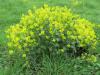
Wild Radish normally begins as a coarse basal rosette. It develops one or more erect, branching, bristly stems commonly one to three feet tall, although plants may remain shorter under stress or become taller in fertile soil. Stems and leaves often carry stiff hairs, and crushed tissue releases a pungent radish or mustard odor when glucosinolates and myrosinase interact.
Basal and lower leaves are usually rough and deeply lobed or pinnatifid, often with a large rounded terminal lobe and several smaller side lobes. Leaves become progressively smaller and less deeply divided farther up the flowering stems. A description of uniformly lance-shaped, mostly entire leaves is too simple for this plant and can cause confusion with other Brassicaceae weeds.
Flowers and the Distinctive Jointed Pod
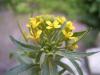
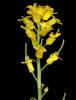
The flowers have four petals and are commonly white, cream, pale yellow, pink, lavender, or purple. Dark violet, brown, or purple veins frequently cross each petal, creating one of the plant’s most useful field-identification features. Flower color alone is not enough because several mustard-family weeds have yellow or pale four-petaled flowers.
The fruit is the key feature. It is an indehiscent siliqua with a narrow beak and conspicuous constrictions between the seeds. As it matures, the pod breaks crosswise into hard one-seeded sections rather than splitting lengthwise and releasing all seeds at once. Those segmented pods explain the names Jointed Charlock and Jointed Radish and help explain why the plant contaminates grain.
Charlock Mustard and Other Look-Alikes
Charlock Mustard, Sinapis arvensis, is a separate yellow-flowered mustard often confused with Wild Radish. Charlock typically has yellow flowers and seed pods that do not break into the same corky one-seeded joints. Wild Mustard, Wild Turnip, Turnip Weed, Shepherd’s Purse, London Rocket, Hoary Cress, canola volunteers, oilseed radish, forage radish, and cultivated radish escapes can also confuse pasture and feed investigations.
Look-alikes matter because toxicology overlaps but is not identical. Several Brassicaceae plants can cause gastrointestinal irritation, nitrate problems, sulfur-associated PEM, hemolytic anemia, photosensitization, or feed-performance problems under different conditions. Exact identification helps decide which plant, feed, water, and chemical tests matter most.
Glucosinolates Are Stored Precursors, Not Ready-Made Mustard Oil
An intact Wild Radish plant largely keeps glucosinolates and myrosinase in separate cellular compartments. This system protects the plant from constantly poisoning itself while allowing rapid production of irritants after tissue damage. Chewing, mowing, frost, wilting, chopping, digestion, insect feeding, and microbial attack can bring the two parts of the system together.
The animal is exposed to a changing chemical mixture rather than one fixed toxin stored at one concentration. Plant genetics, tissue type, maturity, pH, iron, epithiospecifier proteins, gut microbes, and processing conditions all influence whether more isothiocyanates, nitriles, epithionitriles, thiocyanates, or indole products form.
The Exact Wild Radish Glucosinolate Study
Malik and colleagues examined Wild Radish accessions collected across the northeastern and southern United States in a study of glucosinolate variation. Roots, leaves, flowers, and primary and secondary branches were analyzed rather than treating the whole plant as chemically uniform. Seventeen glucosinolates were identified.
Glucoerucin, glucoraphenin, glucobrassicin, and gluconasturtiin made up most of the total glucosinolate content in the studied accessions. Concentrations differed among accessions and plant tissues. That variability is central to honest toxicology: the flowers, roots, young leaves, mature stems, and seed-bearing tissues of two Wild Radish populations may not deliver the same dose or the same breakdown products.
The Allyl Isothiocyanate Claim in Context
Allyl isothiocyanate is the familiar pungent compound strongly associated with black mustard, brown mustard, horseradish, and wasabi-type flavor. It is an aggressive mucous-membrane irritant and has produced dose-dependent adverse effects in experimental animals. It is reasonable to discuss allyl isothiocyanate as a mustard-oil comparator.
Wild Radish does not have one unchanging glucosinolate profile dominated universally by an allyl-glucosinolate precursor. Exact-species studies instead found glucoerucin, glucoraphenin, glucobrassicin, and gluconasturtiin among major compounds. The plant can still generate powerful isothiocyanates and related products, but allyl isothiocyanate should not be presented as its sole or invariably dominant toxic product.
Are the Seeds the Most Toxic Part?
Seed and pod contamination deserves serious attention because harvest equipment can collect mature Wild Radish segments with wheat or other grain. Reproductive tissues can contain substantial defensive chemistry, and pods are a practical feed hazard because they are carried into rations.
The categorical statement that seeds are always the most toxic portion is not supported across every accession and compound. Wild Radish distributes different glucosinolates among roots, flowers, leaves, branches, pods, and seeds, and the highest concentration depends on which chemical is being measured. The practical danger of pods comes partly from exposure duration: a grazing animal may reject a bitter green plant, while a pig or other animal eating contaminated grain receives pod fragments already mixed throughout an otherwise palatable ration.
The Hale and Utley Pig-Feeding Study
O. M. Hale and P. R. Utley examined seed-pod contamination directly in the 1985 paper “Effects of Feeding Wheat Contaminated with Wild Radish (Raphanus raphanistrum) to Growing Pigs.” In one trial, pigs received diets containing 0%, 1.20%, 3.25%, or 4.95% Wild Radish seed pods. In another, diets contained 0%, 7.5%, or 15% seed pods.
No gross signs of acute toxicity were observed during the trials or at maturity. Performance still deteriorated as contamination increased. Feed required per unit of gain rose, average daily gain declined at higher inclusion levels, digestibility of dry matter, crude protein, and gross energy decreased, nitrogen excretion increased, and nitrogen retention fell.
This study is important because it cuts through two inaccurate extremes. Seed pods were not demonstrated to be instantly lethal at every level, but neither were they harmless filler. Chronic feed contamination reduced the nutritional and productive value of the ration even without a dramatic poisoning syndrome.
Nitrate Accumulation Is a Specific Environmental Hazard
Wild Radish is often associated with nitrogen-rich soils. When more nitrogen is available than the plant can immediately use to build proteins, it can store the excess as nitrate. Heavy nitrogen fertilization, manure-rich ground, drought, low light, frost, herbicide injury, cloudy weather, and rapid regrowth can allow nitrate to accumulate.
Ruminants are especially susceptible because rumen microbes convert nitrate into nitrite. Normally nitrite is converted onward to ammonia and microbial protein. When the nitrite step outruns the next conversion, nitrite enters the bloodstream and changes hemoglobin into methemoglobin. A plant or forage sample must be tested to establish nitrate concentration. Color, flower stage, bitterness, and lack of visible fertilizer granules cannot prove that a dense stand is safe.
The Sulfur-Associated Cattle Deaths
R. A. McKenzie and colleagues published “Sulfur-Associated Polioencephalomalacia in Cattle Grazing Plants in the Family Brassicaceae” after investigating two Queensland cattle incidents. In the Wild Radish incident, the pasture consisted almost entirely of Raphanus raphanistrum. Two of 150 mixed-breed adult cattle died, and another was treated successfully with thiamine.
Affected cattle were found dead or comatose or were observed apparently blind and head pressing. Analysis of plant material and drinking water produced an estimated total dietary sulfur concentration of about 1.01% of dry matter. Lead testing was negative, and no other concentrated source of thiaminase, sodium, or hydrogen sulfide was identified.
The incident followed unusual rainfall that promoted dense weed growth at the expense of ordinary pasture. That exposure pattern matters. A normally avoided weed can become the bulk of the available diet and stop being a minor nuisance.
Hemolytic Anemia and Other Brassicaceae Syndromes
Several Brassicaceae forages can cause oxidative hemolytic anemia when eaten in large amounts. S-methylcysteine sulfoxide is converted by rumen microorganisms into sulfur compounds that damage red-blood-cell membranes and oxidize hemoglobin. The syndrome is classically associated with heavy intake of some Brassica forages.
Wild Radish has been associated with hemolytic disorders, and older livestock references describe poisoning after cattle were forced to eat large quantities. Modern veterinary framing should remain cautious: the exact Wild Radish oxidant principle is less firmly established than in some cultivated Brassicas, and hemolysis may occur alongside nitrate, sulfur, glucosinolate, and feed-quality problems. Possible signs include pallor, jaundice, weakness, rapid breathing, reduced production, dark-red or brown urine, and collapse.
Pesticides Are a Separate Poisoning Question
A Wild Radish plant growing in a crop field, roadside, orchard, vineyard, ditch, or recently treated pasture may carry herbicide, insecticide, fungicide, fertilizer, or spray-adjuvant exposure. Those chemicals can be more immediately dangerous than the plant’s own glucosinolates. Some products remain on leaf surfaces, while systemic products enter living tissues.
Spray-grazing can also make treated weeds more palatable before they die, encouraging livestock to eat plants they previously avoided. When illness follows access to treated vegetation, preserve the product label, application rate, application date, weather, re-entry interval, grazing-withholding information, and a sample of the vegetation. “Wild Radish poisoning” is not an adequate diagnosis when an agricultural chemical may be involved.
Dogs and Cats
A dog may chew Wild Radish while roaming a field, pull up a plant, eat compost, or consume seed pods mixed with spilled grain. Cats are less likely to eat a substantial amount but may nibble young leaves or encounter field vegetation carried indoors. The expected result of a small pet exposure is oral or gastrointestinal irritation rather than sulfur-associated brain disease or nitrate poisoning.
Larger exposures, concentrated seed material, pesticide residue, or continuing vomiting and diarrhea change that assessment. Prepared foods containing ordinary cultivated radish are not the same exposure as a wild plant from a treated field. Seasonings, onion, garlic, excess salt, fat, pickling brine, and other ingredients in human food may create separate risks.
Horses and Livestock
Wild Radish is generally pungent and comparatively unpalatable, so animals often avoid it while good forage remains available. Drought, overgrazing, hunger, sudden turnout, contaminated hay, harvested grain, and dense weed invasion remove that protection. Poisoning risk becomes greatest when the plant is no longer a scattered weed and instead forms much of the pasture or conserved forage.
A horse may develop colic from irritant compounds, while ruminants face additional nitrate, sulfur, oxidant, and chronic glucosinolate risks. Contaminated hay deserves special attention because drying does not necessarily eliminate glucosinolates, nitrate, sulfur, or pesticide residue. The bitter plant may also be harder for an animal to sort out after it has been chopped, baled, or mixed with more palatable forage.
Small Mammals, Birds, Reptiles, and Exotics
Rabbits, guinea pigs, chinchillas, birds, reptiles, tortoises, and other exotics should not be fed Wild Radish as forage, browse, cage greenery, bedding, or enrichment. The pet-exotic literature does not establish safe doses, and small herbivores may develop secondary gastrointestinal problems after appetite loss or diarrhea.
Birds may selectively peck flowers or seed pods, while tortoises and herbivorous reptiles may eat field weeds when offered mixed greens. These exposures should be handled as potentially irritating Brassicaceae ingestion, with added attention to pesticide residues, fertilizer, herbicide-treated vegetation, and other weeds mixed in the same material.
Diagnosis and Laboratory Investigation
Diagnosis begins with correct plant identification, estimated amount consumed, clinical pattern, pasture composition, feed history, fertilizer and pesticide use, weather, water source, and whether one animal or an entire group is affected. Useful samples include whole flowering plants with roots and pods, hay from several areas of a bale or stack, grain, drinking water, pesticide labels, fertilizer records, blood, urine, rumen contents, stomach contents, and photographs of the field.
Veterinary testing may include complete blood count, blood-smear examination for hemolysis or Heinz bodies, methemoglobin measurement, nitrate or nitrite analysis, serum chemistry, electrolytes, urinalysis, blood-gas testing, sulfur analysis of feed and water, and postmortem examination of the brain when polioencephalomalacia is suspected. One handful from one corner of a field may not represent a variable nitrate or sulfur exposure.
Prognosis
The prognosis is generally excellent after a small exposure that produces only brief gastrointestinal irritation. It becomes more guarded when vomiting, diarrhea, colic, dehydration, hemolysis, methemoglobinemia, neurologic disease, pregnancy loss, pesticide exposure, or foreign material develops.
Nitrate poisoning can be fatal quickly but may respond dramatically when recognized and treated before prolonged oxygen deprivation occurs. Sulfur-associated polioencephalomalacia has a variable prognosis; animals treated while still standing or early in the course generally fare better than those already recumbent, blind, or seizing. Hemolytic anemia may continue to worsen after animals are removed from the source because damaged red cells remain in circulation.
Prevention
Control Wild Radish before it flowers and produces jointed seed pods. Prevent dense stands from replacing safe pasture, and do not rely on livestock to avoid the weed once forage becomes limited. Avoid turning hungry animals directly into heavily infested, drought-stressed, recently fertilized, or recently treated fields.
Inspect hay and grain for bristly stems, lobed leaves, veined four-petaled flowers, and jointed pod fragments. Test suspect forage for nitrate and sulfur rather than guessing. Observe all pesticide and herbicide grazing restrictions, preserve product labels, and provide adequate safe forage so animals are not forced to eat weeds they would normally avoid.
Immediate Steps After Exposure
Prevent further ingestion. Move the animal away from the plants, hay, grain, seed pods, clippings, compost, garden waste, field edge, or recently treated pasture. Stop access for every animal sharing the same feed, water, pasture, or crop residue until the source is identified and the risk is assessed.
- Remove loose material safely: If a dog or cat is alert, cooperative, breathing normally, and swallowing normally, remove visible plant fragments from the lips and front of the mouth. Do not reach deeply into the throat or risk being bitten.
- Preserve the complete plant: Collect roots, basal leaves, stems, flowers, and jointed seed pods whenever available. A flowering or fruiting specimen is much easier to identify than one torn leaf.
- Isolate suspect feed: Stop access to contaminated hay, grain, water, green chop, silage, or pasture for every animal in the group. Do not continue feeding it while waiting to see whether more animals become ill.
- Check agricultural records: Identify fertilizer, manure, herbicide, insecticide, fungicide, spray-adjuvant, and grazing-withholding information for the field.
- Contact a veterinarian: Report the species and number of animals exposed, amount eaten, clinical signs, pasture composition, weather stress, fertilizer history, pesticide treatment, water source, and whether the plant was fresh, wilted, baled, chopped, sprayed, or mixed with grain.
Do Not Attempt Unsupervised Home Treatment
- Do not induce vomiting: Hydrogen peroxide, salt, mustard, syrup of ipecac, dish soap, and manual gagging can cause prolonged vomiting, stomach injury, esophageal irritation, or aspiration.
- Do not administer activated charcoal automatically: Charcoal does not treat methemoglobinemia, sulfur-associated brain disease, hemolytic anemia, or pesticide poisoning and may be aspirated by a vomiting, weak, seizing, or poorly swallowing animal.
- Do not force water or electrolyte solutions: Normal access to clean water is appropriate for an alert animal that is not vomiting, but drenching can cause aspiration and cannot correct serious dehydration safely.
- Do not give Kapectolin, Kaopectate, bismuth, loperamide, sucralfate, antacids, probiotics, pain medication, or human stomach medication without veterinary direction: These products do not neutralize isothiocyanates or correct nitrate, sulfur, pesticide, or oxidant poisoning.
- Do not give methylene blue or thiamine without veterinary direction: These treatments may be used for specific diagnoses, but dose, concentration, species, route, timing, and contraindications matter.
- Do not drench horses or livestock: Forced oral medication can be inhaled by an animal with colic, weakness, neurologic disease, respiratory distress, or impaired swallowing.
- Do not return animals to the same pasture after signs improve: Continued exposure can produce a second and more severe episode.
When Emergency Examination Is Especially Important
- Colic or gastrointestinal illness is persistent: Repeated vomiting, severe abdominal pain, profuse diarrhea, abdominal distention, reduced manure, or inability to retain water requires veterinary evaluation.
- Breathing is rapid or difficult: Respiratory distress accompanied by gray, blue, cyanotic, or muddy-brown gums may indicate nitrate-associated methemoglobinemia.
- Blood appears chocolate brown: This is a major warning sign for methemoglobin formation and requires immediate treatment.
- Neurologic signs develop: Apparent blindness, wandering, head pressing, circling, tremors, seizures, recumbency, or coma may indicate sulfur-associated polioencephalomalacia or another brain disorder.
- Urine becomes red or dark brown: This may indicate hemolysis, muscle injury, severe dehydration, or another toxin.
- Mucous membranes become pale or yellow: Pallor and jaundice may accompany red-blood-cell destruction.
- Several animals become ill: A group outbreak raises concern for contaminated feed, excessive nitrate or sulfur, water contamination, pesticide exposure, or another shared hazard.
- The animal is pregnant: Nitrate-associated oxygen deprivation and severe maternal illness may threaten pregnancy even when the dam survives.
Veterinary Treatment
Treatment depends on which Wild Radish-associated syndrome is actually present. A pet with mild gastrointestinal irritation requires a different approach from a cow with methemoglobinemia, a steer with polioencephalomalacia, a horse with severe colic, a pig eating contaminated grain, or a group exposed to herbicide-treated weeds.
Gastrointestinal treatment may include veterinarian-selected antiemetic medication, analgesia, fluid therapy, electrolyte correction, and monitoring of hydration and abdominal function. Persistent colic may require rectal examination, nasogastric intubation, ultrasound, bloodwork, fecal testing, or other investigation to exclude obstruction, displacement, enteritis, sand accumulation, parasites, and unrelated intestinal disease.
Nitrate or Nitrite Poisoning Treatment
Suspected nitrate or nitrite poisoning requires immediate removal from the source, low-stress handling, oxygen support when available, laboratory confirmation when possible, and carefully calculated veterinary methylene-blue treatment. Methylene blue is not a harmless universal antidote and can itself damage red blood cells when used incorrectly, overdosed, or given to susceptible species.
Plant, water, blood, plasma, ocular fluid, or other diagnostic samples may be needed. Animals recovering from acute methemoglobinemia still need observation because pregnancy loss, respiratory complications, or continued exposure can occur after the first crisis.
Sulfur-Associated Polioencephalomalacia Treatment
Suspected sulfur-associated polioencephalomalacia requires immediate removal of the high-sulfur feed or pasture and intensive neurologic treatment. Veterinarians commonly administer thiamine and may use anti-inflammatory medication, seizure control, fluids, nursing care, and measures to reduce brain swelling. Response to thiamine is variable because sulfur-associated disease is not simply ordinary dietary thiamine deficiency.
Animals already blind, recumbent, comatose, or seizing have a more guarded prognosis than animals treated early. Herdmates should be moved to safe feed and water while sulfur analysis and pasture inspection are performed.
Hemolytic Anemia and Pesticide Exposure
Hemolytic anemia may require serial blood counts, blood-smear examination, bilirubin measurement, urinalysis, oxygen support, fluids, removal from the oxidant source, and in severe cases blood transfusion. Because damaged red cells remain in circulation, signs may continue to worsen after animals leave the pasture or feed source.
Pesticide poisoning requires treatment directed at the exact product rather than treatment for Wild Radish itself. Preserve the product label, active ingredient, application rate, date, weather, re-entry interval, grazing restriction, and sample of vegetation. Organophosphate, carbamate, chlorate, herbicide, fertilizer, and other chemical exposures require different treatment plans.
Dogs and Cats
Dogs and cats with a small exposure and mild nausea may only need professional triage, removal of plant material, and monitoring. Veterinary care becomes more important when vomiting repeats, diarrhea is severe, the animal cannot retain water, signs persist, the animal is very small or medically fragile, or pesticide-treated plants may have been eaten.
Do not assume a field weed is safe because cultivated radish is a food. A raw Wild Radish plant from a field edge may carry glucosinolates, nitrate, soil contamination, herbicide residue, insecticide residue, fertilizer, mold, or other plant material. Bring photographs and any label or field information to the veterinarian.
Horses and Livestock
Horses, ponies, donkeys, cattle, sheep, goats, pigs, alpacas, llamas, poultry, and other livestock should be removed from the source and provided safe alternative feed and clean water. Do not drive, chase, or stress weak, neurologic, dyspneic, or colicky animals unless directed by a veterinarian. Group exposure should be handled as a feed-source or pasture emergency.
Hay, grain, and pasture samples should be saved before the material is discarded. If Wild Radish is suspected in hay or grain, inspect multiple areas of the bale, stack, bin, or feeder because contamination may be uneven. If nitrate or sulfur is suspected, laboratory testing is more reliable than appearance, odor, or the owner’s estimate of weed percentage.
Rabbits, Guinea Pigs, Birds, Reptiles, and Small Pets
Small animals should not be fed Wild Radish as greens, browse, hay, bedding, cage décor, poultry greens, or tortoise forage. If exposure occurs, remove the plant and call an appropriate veterinarian when the amount is meaningful or signs develop. Do not force food, water, oil, milk, charcoal, or household medication.
Rabbits and guinea pigs that stop eating, develop diarrhea, produce fewer fecal pellets, become weak, or show abdominal discomfort need prompt care. Birds with regurgitation, poor perching, diarrhea, weakness, or suspected pesticide exposure need avian guidance. Reptiles and tortoises may show reduced appetite, inactivity, abnormal stool, or dehydration rather than the dog-and-cat vomiting pattern.
Recovery and Prognosis
Dogs, cats, and horses with limited gastrointestinal irritation generally have a good to excellent prognosis and may recover within several hours to a few days. Continuing vomiting, diarrhea, dehydration, or abdominal pain lengthens recovery and requires reassessment.
Nitrate poisoning can be fatal quickly but may respond dramatically when recognized and treated before prolonged oxygen deprivation occurs. Sulfur-associated polioencephalomalacia has a variable prognosis; animals treated while still standing or early in the course generally fare better than those already recumbent, blind, or seizing. Hemolytic anemia may continue to worsen after animals are removed from the source. Group exposures require continued observation and testing even when only one or two animals initially appear sick.
Prevention After the Incident
Close the pasture, feed source, or field edge until the plant and related hazards are identified. Control Wild Radish before flowering and seed-pod production. Prevent dense stands from replacing safe pasture. Do not turn hungry animals directly into a heavily infested, drought-stressed, recently fertilized, or recently sprayed field.
Inspect hay and grain for bristly stems, lobed leaves, veined four-petaled flowers, and jointed pod fragments. Test suspect forage for nitrate and sulfur rather than guessing. Observe all pesticide grazing restrictions and keep complete records of fertilizer, herbicide, insecticide, fungicide, and manure applications.
Frequently Asked Questions About Wild Radish Poisoning
What makes Wild Radish poisonous?
Wild Radish stores glucosinolates separately from the enzyme myrosinase. Chewing, crushing, frost, wilting, mowing, chopping, or digestion brings them together and produces isothiocyanates, nitriles, thiocyanates, indole-derived products, and related sulfur compounds. These products create the pungent mustard odor and can irritate the mouth, stomach, forestomachs, and intestines.
Is allyl isothiocyanate the main Wild Radish toxin?
Not consistently. Allyl isothiocyanate is a powerful mustard-oil irritant, but exact Wild Radish analysis identified 17 glucosinolates and found glucoerucin, glucoraphenin, glucobrassicin, and gluconasturtiin among the dominant compounds. The plant can produce several isothiocyanates and related breakdown products rather than one universal toxin.
What did the Wild Radish glucosinolate study find?
Malik and colleagues analyzed roots, leaves, flowers, and branches from accessions collected across multiple states. Seventeen glucosinolates were identified, and four major compounds—glucoerucin, glucoraphenin, glucobrassicin, and gluconasturtiin—made up most of the total measured glucosinolates. The study showed that Wild Radish chemistry varies by plant part and population.
Are Wild Radish seeds the most poisonous part?
Seeds and jointed pods can contain substantial defensive chemistry and are important grain contaminants, but they have not been proven to be invariably the most toxic tissue in every plant. Glucosinolate concentrations and compounds vary among roots, leaves, flowers, branches, pods, seeds, plant populations, and growth stages. Pods matter especially because they can be mixed into grain.
What did the pig seed-pod feeding study show?
Hale and Utley fed growing pigs wheat diets containing Wild Radish seed pods up to 15% of the ration. The pigs did not show gross signs of acute poisoning, but increasing contamination reduced growth, feed efficiency, nutrient digestibility, and nitrogen retention. The pods were not instantly lethal in that study, but they were clearly poor and damaging feed contaminants.
Can Wild Radish cause nitrate poisoning?
Yes. Wild Radish can store excess nitrogen as nitrate, especially in nitrogen-rich soil or under environmental stress. Rumen microorganisms can convert nitrate to nitrite faster than nitrite can be detoxified, producing methemoglobinemia and severe oxygen deprivation. This is a ruminant emergency when exposure is substantial.
What signs suggest nitrate poisoning rather than simple stomach irritation?
Rapid or difficult breathing, profound weakness, tremors, collapse, gray-blue or muddy-brown mucous membranes, chocolate-brown blood, and sudden death strongly suggest methemoglobinemia. Pregnant animals may abort after significant oxygen deprivation. These signs require immediate veterinary care and forage, water, or biological testing.
Can Wild Radish cause blindness or seizures in cattle?
Yes, when excessive sulfur intake causes polioencephalomalacia. Documented cattle signs include apparent blindness, head pressing, altered behavior, incoordination, recumbency, seizures, coma, and death. This syndrome is associated with heavy or nearly exclusive grazing of Wild Radish or other Brassicaceae plants, not one small taste.
What happened in the documented Queensland cattle case?
A pasture grazed by 150 adult cattle consisted almost entirely of Wild Radish. Two cattle died and another was treated successfully with thiamine. Affected animals were found dead or comatose or were observed apparently blind and head pressing. The estimated total dietary sulfur was about 1.01% of dry matter.
Can Wild Radish cause hemolytic anemia?
Wild Radish has been associated with oxidative hemolytic disease after heavy ruminant intake. The precise Wild Radish compound responsible is less firmly established than it is for some cultivated Brassica forages, but possible signs include pale or yellow gums, weakness, rapid breathing, dark urine, reduced production, and collapse. Blood testing is needed to confirm the syndrome.
Can Wild Radish cause goiter or thyroid problems?
Chronic heavy Brassicaceae intake can interfere with iodine metabolism through some glucosinolate breakdown products, especially when iodine intake is marginal. Poor growth, reduced production, reproductive problems, or thyroid enlargement would be chronic nutritional findings rather than the expected result of one Wild Radish nibble.
Does Wild Radish automatically contain pesticides and environmental toxins?
No. Nitrate and sulfur can accumulate internally under particular soil and weather conditions. Systemic pesticides may enter plant tissue, while contact products may remain on the surface. Heavy metals depend on contaminated soil. The actual plant, feed, water, and chemical history must be tested rather than assuming every specimen stores the same outside toxins.
Why does poisoning often occur through hay or grain?
Animals may reject pungent living plants while good forage is available. Once Wild Radish is dried, baled, chopped, or mixed into grain, animals cannot sort it out as easily. Jointed seed-pod fragments are especially capable of contaminating harvested grain, and hay may still carry glucosinolates, nitrate, sulfur, pesticide residues, or mold problems.
Is Wild Radish dangerous to dogs?
A small dog exposure is most likely to cause no signs or temporary salivation, vomiting, diarrhea, abdominal discomfort, and appetite loss. The risk increases with large amounts, concentrated seed material, repeated vomiting or diarrhea, dehydration, dark urine, abnormal gum color, or plants carrying pesticide residue or excessive nitrate. A field plant should not be treated like a harmless grocery radish.
Is Wild Radish dangerous to cats?
Cats are less likely to eat large amounts, but Wild Radish can still irritate the digestive tract. Possible signs include drooling, vomiting, diarrhea, hiding, and food refusal. A cat that keeps refusing food, vomits repeatedly, or may have contacted herbicide-treated weeds needs veterinary guidance. Mixed field vegetation should also be checked for other toxic plants.
Is Wild Radish poisonous to horses?
Yes. Horses may develop salivation, feed refusal, mild to severe colic, soft manure, diarrhea, depression, or dehydration after eating Wild Radish foliage, hay, green chop, or seed-contaminated feed. Horses cannot vomit. Severe or persistent colic, abdominal distention, repeated lying down, rolling, sweating, reduced manure, or marked depression requires equine veterinary examination.
Is Wild Radish poisonous to cattle, sheep, goats, and camelids?
Yes. Ruminants can develop gastrointestinal irritation after substantial intake and are also the animals most at risk for nitrate/nitrite poisoning, sulfur-associated polioencephalomalacia, and possible oxidant anemia when Wild Radish dominates pasture or feed. Group exposure should be handled as a pasture, hay, grain, water, or agricultural-chemical investigation.
Is Wild Radish poisonous to pigs?
Pigs may develop gastrointestinal irritation after eating Wild Radish or contaminated feed. Exact seed-pod feeding work in pigs did not show gross acute poisoning even at high pod inclusion, but growth, feed efficiency, digestibility, and nitrogen retention worsened as contamination increased. Wild Radish pods should not be treated as harmless grain filler.
Is Wild Radish safe for rabbits, guinea pigs, birds, or reptiles?
No. Wild Radish should not be used as browse, hay, cage greenery, poultry greens, tortoise forage, bedding, or enrichment. Species-specific safe doses are not established, and small animals may develop appetite loss, diarrhea, gut slowing, dehydration, or pesticide-related illness if the plant came from a field or roadside.
Should I make my pet vomit after it eats Wild Radish?
No. Do not use hydrogen peroxide, salt, mustard, syrup of ipecac, dish soap, or manual gagging unless a veterinarian specifically directs treatment. These methods can cause injury or aspiration and do not address nitrate, sulfur, hemolytic, pesticide, or foreign-material problems.
Should activated charcoal be given?
Not automatically. Activated charcoal does not treat methemoglobinemia, sulfur-associated brain disease, hemolytic anemia, or many pesticide exposures, and it can be inhaled by a vomiting, weak, seizing, or poorly swallowing animal. A veterinarian may use it only when the specific exposure and patient condition justify the risk.
Should methylene blue be kept on hand for Wild Radish nitrate poisoning?
Methylene blue can be an important veterinary treatment for confirmed or strongly suspected methemoglobinemia, but it is not a home remedy. Dose, concentration, species, route, repeat dosing, and contraindications matter. Incorrect use can damage red blood cells or delay the correct treatment for a different syndrome.
Should thiamine be given for blindness or head pressing?
Thiamine is commonly used by veterinarians when polioencephalomalacia is suspected, including sulfur-associated cases. It should not be given as an unsupervised substitute for diagnosis and emergency care. Blindness, head pressing, circling, seizures, or coma requires immediate veterinary treatment and removal of the herd from the suspect pasture or feed.
How do veterinarians diagnose Wild Radish poisoning?
Diagnosis begins with plant identification, amount eaten, pasture composition, hay or grain history, fertilizer and pesticide use, weather, water source, and whether one animal or a group is affected. Testing may include nitrate or nitrite analysis, methemoglobin, blood count, blood smear, chemistry, urinalysis, sulfur analysis of feed and water, pesticide investigation, and postmortem brain examination when polioencephalomalacia is suspected.
What differentials matter most?
Important differentials include charlock mustard, wild turnip, canola or rape poisoning, other Brassicaceae weeds, nitrate-accumulating plants, cyanide plants, urea, pesticide poisoning, toxic algae, salt poisoning, lead, thiaminase plants, grain overload, infectious enteritis, colic from other causes, hemolytic diseases, and foreign material in feed or grain. Severe signs should not be blamed on Wild Radish without testing.
What is the usual prognosis?
The prognosis is generally excellent after a small exposure causing only mild gastrointestinal irritation. Heavy pasture or feed exposure can be much more serious. Methemoglobinemia, polioencephalomalacia, hemolytic anemia, severe dehydration, colic complications, pregnancy loss, or pesticide poisoning may be fatal without prompt veterinary treatment.
How can Wild Radish poisoning be prevented?
Control Wild Radish before it flowers and produces jointed seed pods. Prevent dense stands from replacing safe pasture, inspect hay and grain for pod fragments, test suspect forage for nitrate and sulfur, observe pesticide grazing restrictions, and never turn hungry animals directly into heavily infested or recently treated fields. Do not feed ornamental, roadside, or crop-field weeds to pets, livestock, poultry, reptiles, or small mammals.