Hosta Steroidal Saponins and Gastrointestinal Irritation
Is Hosta Poisonous to Dogs, Cats, Horses, and Livestock?
Yes—Hosta, Hosta species, should be treated as poisonous to dogs, cats, horses, livestock, rabbits, birds, and other animals. Hostas contain structurally diverse steroidal saponins capable of irritating the mouth and gastrointestinal tract. Expected signs include drooling, lip licking, nausea, vomiting, abdominal discomfort, diarrhea, appetite loss, depression, and weakness.
Most limited hosta ingestions are expected to cause no signs or a self-limiting gastrointestinal illness rather than catastrophic organ failure. Severe dehydration, aspiration, gastrointestinal bleeding, prolonged food refusal, or complications from swallowed soil, fertilizer, slug bait, wire, stones, plastic, or plant containers can make an apparently ordinary garden exposure more serious.
Scientific studies have isolated numerous spirostanol and furostanol saponins from hosta rhizomes, roots, leaves, flowers, and edible young tissues. The compounds and concentrations differ among species and plant parts, and no study has established a safe number of leaves, shoots, flowers, seed capsules, roots, or rhizome pieces for domestic animals. No green, blue, gold, white-edged, miniature, giant, fragrant, thick-leaved, slug-resistant, or variegated cultivar has been proven nontoxic.
Hosta is commonly called Plantain Lily, but it is not a true lily in the genus Lilium. Ordinary hosta poisoning is not associated with the well-known acute kidney-failure syndrome caused by true lilies and daylilies in cats. Exact identification remains critical because hostas may grow beside true lilies, daylilies, Lily-of-the-Valley, daffodils, tulips, and other plants with very different poisoning mechanisms.
Young shoots and selected hosta species have regional human culinary use after harvesting and preparation. That tradition does not establish that raw ornamental hostas are safe for pets. Mature tissues, rhizomes, unknown hybrids, concentrated extracts, large quantities, and plants treated with garden chemicals create different exposures from a carefully identified human food plant.
About this guide: This page provides general pet-poisoning information and cannot diagnose or treat an individual animal. For any suspected exposure, contact a veterinarian or animal poison-control service immediately. Do not induce vomiting, give medication, or attempt home decontamination unless directed by a veterinary professional.
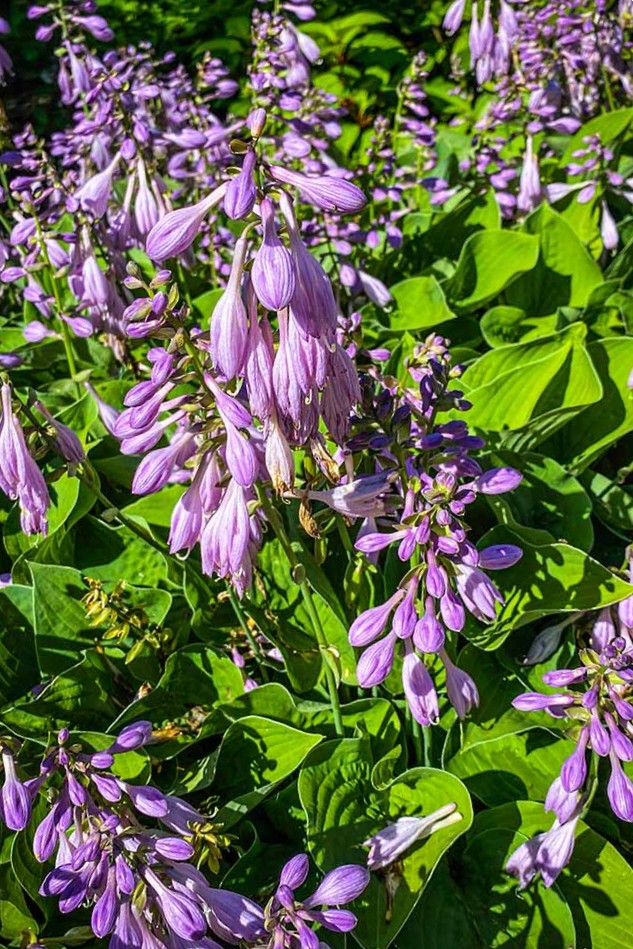
Hosta
Hosta spp.
The accepted genus is Hosta Tratt., established by Leopold Trattinnick in 1812 as a conserved botanical name. Current global taxonomic treatment recognizes approximately 30 accepted species native from the Russian Far East through Korea and China to Japan.
Accepted species important in horticulture, phytochemical research, regional food use, or botanical identification include:
- Hosta plantaginea (Lam.) Asch. — Fragrant Plantain Lily, August Lily, or Plantain-Leaved Hosta
- Hosta sieboldiana (Hook.) Engl. — Siebold’s Hosta or Blue-Leaved Hosta
- Hosta sieboldii (Paxton) J.W.Ingram — Siebold Hosta
- Hosta ventricosa Stearn — Blue Plantain Lily or Purple-Corolla Hosta
- Hosta longipes (Franch. & Sav.) Matsum. — Long-Stalked Hosta
- Hosta lancifolia (Thunb.) Engl. — Lance-Leaved Hosta
- Hosta minor (Baker) Nakai — Small Hosta
- Hosta venusta F.Maek. — Korean or Jeju Hosta
- Hosta capitata (Koidz.) Nakai — Capitate Hosta
- Hosta clausa Nakai — Closed-Flower Hosta
- Hosta yingeri S.B.Jones — Yinger’s Hosta
- Hosta kikutii F.Maek. — Kikutii Hosta
- Hosta kiyosumiensis F.Maek. — Kiyosumi Hosta
- Hosta hypoleuca Murata — White-Backed Hosta
- Hosta pycnophylla F.Maek. — Dense-Leaved Hosta
- Hosta tokudama F.Maek. — Tokudama Hosta
- Hosta tsushimensis N.Fujita — Tsushima Hosta
Historical generic names include Funkia, Bryocles, Libertia, Niobe, and the rejected name Saussurea. Funkia remains widely encountered as a common name and in older horticultural, medicinal, and chemical literature.
Familiar labels such as Hosta fortunei, Hosta undulata, Hosta montana, Hosta caerulea, and various forms of “Hosta japonica” have complicated historical or horticultural usage. Some are treated as synonyms, cultivar groups, garden hybrids, or names without the same standing as currently accepted wild species. The cultivar label should be preserved rather than converted automatically into a presumed species.
Modern hostas include thousands of registered cultivars and complex hybrids. Common cultivar names include ‘Blue Angel’, ‘Blue Mouse Ears’, ‘Empress Wu’, ‘Francee’, ‘Frances Williams’, ‘Gold Standard’, ‘Guacamole’, ‘Halcyon’, ‘June’, ‘Liberty’, ‘Patriot’, ‘Royal Standard’, ‘Sagae’, ‘Stained Glass’, ‘Sum and Substance’, and ‘Whirlwind’. Cultivar name, leaf color, mature size, fragrance, ploidy, and hybrid ancestry do not establish pet safety.
Asparagaceae — Asparagus Family; subfamily Agavoideae
Hostas were historically classified in Liliaceae and have also been placed in Agavaceae or the separate family Hostaceae. Those older placements remain common in horticultural and phytochemical literature, but the accepted modern family is Asparagaceae.
Hosta; Hostas; Plantain Lily; Plantain Lilies; Funkia; Funkia Lily; Funkia Lilies; Giboshi; Gibōshi; Urui; August Lily; Fragrant Plantain Lily; Plantain-Leaved Hosta; Blue Hosta; Blue-Leaved Hosta; Siebold Hosta; Siebold’s Hosta; Japanese Hosta; Korean Hosta; Miniature Hosta; Giant Hosta
Historical botanical and horticultural search names include Funkia, Bryocles, Libertia, Niobe, Hosta fortunei, Hosta undulata, Hosta montana, Hosta caerulea, and Hosta plantaginea var. japonica. These names may refer to accepted synonyms, old classifications, cultivar groups, or horticultural material of uncertain ancestry.
Common cultivar and trade names include Blue Angel Hosta; Blue Mouse Ears Hosta; Empress Wu Hosta; Francee Hosta; Frances Williams Hosta; Gold Standard Hosta; Guacamole Hosta; Halcyon Hosta; June Hosta; Liberty Hosta; Patriot Hosta; Royal Standard Hosta; Sagae Hosta; Stained Glass Hosta; Sum and Substance Hosta; and Whirlwind Hosta.
Plantain Lily is not the same plant as Common Plantain, Plantago major; Narrowleaf Plantain, Plantago lanceolata; true lilies in Lilium; daylilies in Hemerocallis; Peace Lily, Spathiphyllum; Calla Lily, Zantedeschia; Lily-of-the-Valley, Convallaria majalis; or August Lily as that name is applied regionally to other late-flowering ornamentals.
Steroidal Saponins Are the Best-Supported Toxic Principle
The most defensible toxicological description of hosta is exposure to a variable mixture of steroidal saponins. Saponins are glycosides composed of a lipid-soluble aglycone, called a sapogenin, attached to one or more sugar chains. Their combined water-soluble and fat-interacting regions give them detergent-like or surfactant properties.
Hosta does not contain one chemically uniform “hosta saponin.” Research has identified numerous compounds with different steroid backbones, sugar sequences, attachment points, and biological activities. Species, plant part, developmental stage, extraction method, and cultivar ancestry all affect which compounds are recovered.
The practical veterinary syndrome is primarily irritation of the mouth and gastrointestinal tract. Exact studies have not identified one purified hosta compound as the sole cause of every natural dog, cat, horse, or livestock exposure.
Spirostane and Furostane Saponins
Hosta chemistry includes both spirostanol and furostanol steroidal saponins. These structural categories differ in the configuration of the steroid side chain and in how sugars are attached. Small structural changes can alter membrane activity, solubility, intestinal absorption, antifungal activity, cytotoxicity, and hemolytic behavior.
This structural diversity is clinically important because the word saponin does not describe one fixed potency. A laboratory result from one purified rhizome compound cannot be applied automatically to every hosta leaf or cultivar.
Exact-Species Evidence From Hosta sieboldii
A phytochemical investigation of Hosta sieboldii rhizomes isolated eighteen steroidal saponins, including several compounds newly described at the time. Some showed cytostatic activity against cultured leukemia cells.
The study establishes that the underground tissue contains a complex and biologically active saponin mixture. It does not establish that every rhizome ingestion causes bone-marrow toxicity in an animal, and laboratory cytostatic activity must not be converted directly into a natural pet-poisoning mechanism.
Exact-Species Evidence From Hosta longipes
Multiple studies have isolated spirostanol and furostanol saponins from the underground parts of Hosta longipes. Other research identified steroidal compounds and known steroidal saponins directly in the leaves.
The presence of saponins in both underground and above-ground tissues supports whole-plant precautions. It also demonstrates why the claim that “only the roots are toxic” or “only the leaves contain saponins” is scientifically unsound.
Hosta longipes has regional food use, and one chemical study described it as an edible vegetable in Korea. That cultural use reflects selected plant material, preparation, customary portion size, and human experience; it does not establish raw pet safety.
Exact-Species Evidence From Hosta plantaginea
Hosta plantaginea has been studied extensively because its flowers and other tissues are used in traditional medicine. Steroidal glycosides have been isolated from its flowers, rhizomes, underground parts, and leaves. Exact studies identified compounds with antifungal, cytotoxic, anti-inflammatory, or other laboratory activity.
Researchers named hostasaponin A and hostasaponin B from the rhizomes. Other studies isolated new furostanol glycosides from the flowers and antifungal saponins from the leaves. These findings confirm that saponin chemistry is distributed across several tissues.
Traditional medicinal use does not provide a veterinary dose and does not mean that an owner should administer flowers, extracts, tea, tincture, or powdered roots to an animal. Extraction can deliver selected compounds in a concentration unlike ordinary garden chewing.
Exact-Species Evidence From Hosta ventricosa
Research on the underground parts of Hosta ventricosa isolated spirostanol and furostanol saponins, pregnane glycosides, and other steroidal compounds. Some purified compounds showed anti-inflammatory or cytotoxic activity in experimental models.
These findings establish chemical activity in the crown and rhizome region but do not create a clinically validated toxic dose. A root-ball exposure must be evaluated from the actual plant mass, symptoms, animal size, and accompanying soil and garden products.
Saponins and Gastrointestinal Membranes
Saponins can interact with cholesterol and other membrane components. In the gastrointestinal tract, this may alter epithelial membranes, stimulate secretions, irritate mucosa, and trigger nausea, vomiting, abdominal discomfort, or diarrhea.
The detergent-like comparison is chemical rather than literal. Hosta ingestion is not equivalent to swallowing household soap, and household detergent should never be given as a treatment. The plant’s natural saponins occur within complex tissues and have structure-specific biological behavior.
Most ingested saponins have limited systemic absorption when the gastrointestinal lining is intact. Larger amounts, damaged mucosa, concentrated extracts, or unusual individual susceptibility may increase exposure beyond the gut, but no Hosta-specific veterinary absorption curve has been established.
Foaming and Salivation
Saponins can form stable foam when shaken in water. In an animal, drooling or foamy saliva may result from oral irritation, nausea, repeated licking, or air mixed into secretions. Visible foam does not measure the dose and does not prove that systemic poisoning is occurring.
Profuse salivation with inability to swallow, respiratory noise, marked tongue swelling, or severe oral pain is atypical for uncomplicated hosta exposure and requires evaluation for another plant, caustic substance, foreign body, or allergic reaction.
The Hemolysis Evidence Boundary
Many saponins can disrupt red-cell membranes under laboratory conditions, especially when purified compounds contact erythrocytes directly. Hemolytic activity varies greatly with molecular structure, concentration, sugar arrangement, species of red cell, and experimental conditions.
Direct contact in a test tube is not equivalent to swallowing an intact leaf. Gastrointestinal metabolism, binding to food and cholesterol, poor absorption, and dilution can limit systemic exposure. Clinically important intravascular hemolysis has not been established as the routine syndrome after ordinary hosta ingestion by dogs or cats.
Pale gums, red or brown urine, jaundice, severe weakness, or falling red-cell values should therefore prompt a broader investigation rather than an automatic conclusion that hosta saponins caused hemolysis. Onions, garlic, zinc, immune-mediated disease, blood parasites, toxins, hemorrhage, and other causes may be more likely.
Cytotoxic and Antifungal Activity Is Not a Pet-Poisoning Diagnosis
Several purified hosta saponins inhibit cultured tumor cells, fungal growth, inflammatory mediators, or other laboratory targets. These findings demonstrate biochemical activity and may support pharmaceutical research.
They do not prove that a dog eating a leaf will develop cancer-cell toxicity, immune suppression, or a fungal-treatment effect. Laboratory concentrations, purified compounds, direct cell exposure, solvents, and experimental endpoints differ fundamentally from natural oral ingestion.
Alkaloids, Phenolics, and Other Constituents
Research on Hosta plantaginea and other species has identified benzylphenethylamine alkaloids, flavonoids, phenolic glycosides, monoterpene glycosides, fatty acids, and numerous additional metabolites. Some have shown antiviral, antioxidant, antibacterial, or enzyme-modulating activity in vitro.
No individual alkaloid, flavonoid, or phenolic compound has been established as the principal cause of ordinary companion-animal hosta poisoning. The strongest practical association remains steroidal-saponin gastrointestinal irritation.
Leaves
Leaves are the most common pet exposure because they arise at ground level and form dense accessible clumps. A dog may tear several broad blades, while a cat may nibble leaf tips repeatedly. Direct chemical work confirms steroidal constituents in leaves of at least some species.
Leaf thickness, wax coating, color, ribbing, slug resistance, and variegation do not reveal saponin concentration. A heavily textured blue leaf is not proven more or less toxic than a thin green or gold leaf.
Young Shoots
Hosta shoots emerge as tightly rolled points or pips in spring. They are tender, close to the ground, and sometimes harvested as human food. Dogs, rabbits, deer, voles, and other animals may bite the shoots before leaves expand.
Young shoots may differ chemically from mature leaves because plants mobilize stored nutrients and defensive compounds during emergence. No validated veterinary study establishes young shoots as harmless or defines a safe raw amount.
Crowns, Rhizomes, and Roots
Hostas grow from persistent crowns with short rhizomes and dense fleshy or fibrous roots. Numerous steroidal saponins have been isolated directly from the underground tissues of several species, making a dug-up crown a more substantial exposure than one superficial leaf bite.
Dogs may swallow compact rhizome pieces while digging, and pigs or livestock may gain access when clumps are uprooted. The root ball may also contain fertilizer, systemic pesticide, slug bait, wire baskets, plant labels, landscape fabric, stones, mold, and plastic.
Flowers, Scapes, Capsules, and Seeds
Hosta flowers grow on leafless stalks called scapes and are usually white, lavender, violet, or purple. Steroidal glycosides and other active compounds have been isolated from Hosta plantaginea flowers, so floral tissue should not be assumed chemically inert.
After pollination, elongated capsules may develop and release dark, flattened, winged seeds. Hosta seeds are not supported by the same concentrated poisoning evidence as Wisteria or Castor Bean seeds, but they have not been established as pet-safe food.
Dry scapes and capsules can cause mechanical irritation, and seed heads used in crafts may carry paint, preservative, wire, glue, or pesticide.
Fresh, Wilted, Frost-Damaged, and Dried Material
Fresh leaves and shoots contain intact saponin mixtures. Wilting reduces water but does not prove that steroidal glycosides have disappeared. Frost-damaged leaves may collapse into soft material that is easier for a dog or grazing animal to consume.
Dried foliage, roots, flower stalks, pressed specimens, compost, and garden debris should not be considered detoxified. Drying may alter some constituents while leaving nonvolatile saponins and other compounds present.
Old plant material also develops mold and may become mixed with mushrooms, fertilizer, herbicide, mulch, or decaying organic matter. Illness after compost access should not be assigned to hosta alone without examining the complete pile.
Cooking and Human Food Use
Young shoots and selected tissues from certain hosta species have regional culinary use in Japan and Korea. They may be harvested at a particular stage and boiled, blanched, sautéed, or otherwise prepared. Cultural experience with a selected human food does not prove that every ornamental cultivar is interchangeable.
Cooking can leach or alter some saponins, but reduction depends on the plant, tissue, cutting, water volume, temperature, and duration. No cooking method has been validated to make hosta safe as dog food, cat food, livestock feed, or rabbit forage.
Food-seasoning ingredients create separate hazards. Butter, salt, garlic, onion, sauces, oils, and rich foods may be more dangerous to an animal than the carefully prepared shoot itself. Kitchen scraps containing hosta should remain inaccessible.
Cultivars and Variegated Forms
Modern hostas represent extensive hybridization and selection for leaf size, color, corrugation, wax coating, fragrance, flower shape, growth rate, and slug resistance. Thousands of cultivar names do not represent thousands of independently tested toxicological profiles.
No cultivar has been demonstrated to lack steroidal saponins throughout all tissues and growth stages. Blue, green, chartreuse, gold, white-centered, white-edged, miniature, giant, tetraploid, fragrant, and thick-leaved plants should receive the same initial precautions.
No Validated Veterinary Toxic Dose
No controlled study has established a toxic dose of hosta leaves, shoots, flowers, rhizomes, roots, capsules, or seeds for dogs, cats, horses, cattle, sheep, goats, rabbits, guinea pigs, birds, or reptiles.
Risk depends on plant species, cultivar, tissue, amount, animal size, chewing, stomach contents, repeated access, accompanying products, and individual susceptibility. A superficial puncture in one leaf differs from swallowing an entire divided crown.
Most small exposures are expected to remain gastrointestinal and have a favorable outcome. Severe or atypical findings require investigation rather than unsupported expansion of hosta’s toxin profile.
Expected Onset and Clinical Course
Signs may begin within a few hours after an animal chews or swallows hosta, although exact onset has not been established in controlled veterinary studies. Nausea, salivation, vomiting, abdominal discomfort, and diarrhea are the most plausible early findings.
Most limited exposures are expected to remain mild to moderate and improve after access ends. Repeated ingestion over several days, consumption of underground tissues, a concentrated extract, or a mixed garden-product exposure can produce a more complicated course.
Drooling and Nausea
Early nausea may appear as lip licking, repeated swallowing, drooling, gulping, grass eating, restlessness, hiding, or refusal of food. Saliva may appear clear or foamy because saponins, nausea, and repeated mouth movement mix air into the secretions.
Continuous drooling with inability to swallow, marked tongue enlargement, respiratory noise, or severe oral pain is not the expected simple hosta pattern. These findings raise concern for an insoluble-calcium-oxalate plant, caustic exposure, foreign body, electrical injury, or severe allergy.
Vomiting
Vomiting is one of the most commonly expected signs in dogs and cats. Vomit may contain broad leaf pieces, chewed shoots, fibrous root material, food, foam, bile, potting soil, fertilizer pellets, mulch, mushrooms, or parts of a plant label or container.
One vomiting episode in an otherwise alert animal differs from repeated vomiting with inability to retain water. Persistent vomiting can cause dehydration, electrolyte disturbance, esophagitis, weakness, and aspiration pneumonia.
Diarrhea
Stool may become soft, loose, watery, urgent, mucus-covered, or occasionally blood-streaked after significant gastrointestinal irritation. Diarrhea may occur with or without vomiting.
Profuse diarrhea, repeated blood, black tar-like stool, marked weakness, or reduced urination requires veterinary examination. These findings may reflect severe gastrointestinal injury, dehydration, another toxin, infection, or unrelated disease.
Abdominal Discomfort
Dogs may stretch, hunch, guard the abdomen, pant, pace, or resist lying down. Cats may crouch, hide, tense the abdomen, or object to being picked up. Small herbivores may grind their teeth or reduce movement.
Severe distention, persistent intense pain, repeated unproductive retching, or absent fecal output requires evaluation for bloat, obstruction, pancreatitis, a swallowed foreign object, or another emergency rather than assumption of uncomplicated saponin irritation.
Appetite Loss and Depression
Reduced appetite may result from nausea, abdominal discomfort, gastritis, or stress. Mild quietness can accompany gastrointestinal upset and dehydration.
Profound depression, stupor, inability to stand, or progressive loss of responsiveness is atypical after a small hosta exposure. Slug bait, pesticide, mushroom, medication, true lily, or another plant should be investigated.
Dehydration and Electrolyte Loss
Repeated vomiting and diarrhea can reduce circulating fluid volume and alter sodium, potassium, chloride, glucose, and acid-base balance. Young animals, small breeds, geriatric patients, and animals with kidney, heart, or endocrine disease may deteriorate more quickly.
Dry gums, sunken eyes, weakness, rapid heart rate, reduced urination, cold extremities, or collapse indicates clinically important fluid loss or another systemic process.
Oral Irritation
Some animals may show mild mouth discomfort, lip licking, or face rubbing after chewing fresh tissue. Hosta does not contain the needle-like insoluble calcium oxalate crystals responsible for the intense immediate oral pain typical of Dieffenbachia, Pothos, Philodendron, or Peace Lily.
Extensive oral swelling, ulceration, blistering, or inability to swallow should therefore prompt reidentification of the plant and examination for chemical or mechanical injury.
Blood Abnormalities Are Not the Routine Pattern
Although purified saponins can damage red cells in laboratory systems, clinically important hemolysis is not established as the ordinary result of oral hosta ingestion. Pale gums, jaundice, red-brown urine, rapid breathing, or severe weakness requires a complete hematologic investigation.
Blood loss through vomiting or diarrhea, immune-mediated hemolysis, onion or garlic exposure, zinc, parasites, toxins, and primary disease may be more plausible explanations than a small hosta leaf exposure.
Dogs
Dogs may develop drooling, vomiting, diarrhea, appetite reduction, abdominal discomfort, depression, or weakness after chewing leaves or digging up a crown. Puppies and dogs attracted to newly applied fertilizer may consume a substantial root ball rather than a few leaves.
Garden exposures frequently involve slug bait, snail bait, bone meal, blood meal, cocoa mulch, mushrooms, systemic pesticide, plastic labels, stones, or wire. Tremors, seizures, extreme agitation, hyperthermia, severe weakness, or rapid collapse is not adequately explained by ordinary hosta ingestion and requires immediate investigation of these additional hazards.
Cats
Cats may bite leaf tips, hide beneath foliage, contact garden products on the paws, or groom plant and soil residue from the coat. Signs may be subtle and include lip licking, quiet vomiting, hiding, food refusal, or reduced grooming.
Hosta is not a true lily and is not associated with the characteristic true-lily kidney-failure syndrome in cats. An unidentified “lily” exposure must still be treated cautiously because a true Lilium or Hemerocallis plant may be growing in the same bed. Continued anorexia also requires attention because prolonged fasting can cause secondary hepatic lipidosis.
Horses
Horses may encounter hosta through landscape clippings, uprooted clumps, nursery waste, compost, or ornamental beds around barns and event facilities. They cannot vomit, so feed refusal, salivation, colic, soft stool, diarrhea, depression, or reduced gut sounds may be the principal findings.
Severe colic, tremors, respiratory distress, marked weakness, or collapse is not the expected ordinary hosta syndrome and requires examination of every plant and chemical in the debris. A symptomatic horse should not be drenched with charcoal, oil, water, or another home preparation.
Cattle, Sheep, Goats, and Other Livestock
Livestock exposure is most likely when divided crowns, landscape waste, container plants, or clippings are discarded into a pasture, pen, or feed area. Goats may browse broad leaves readily, while cattle and sheep may consume wilted hosta mixed with desirable vegetation.
Expected concerns include salivation, feed refusal, gastrointestinal upset, depression, and reduced rumination after a substantial ingestion. Hosta-specific severe bloat, hemolysis, liver failure, or sudden-death syndromes are not well established. Group illness should prompt investigation of pesticides, toxic weeds, contaminated feed, and other ornamentals.
Rabbits and Guinea Pigs
Rabbits and guinea pigs cannot vomit. Exposure may appear as food refusal, salivation, tooth grinding, soft stool, diarrhea, reduced fecal production, abdominal discomfort, hiding, or weakness.
Even a relatively mild gastrointestinal irritant can become serious when eating stops and gastrointestinal stasis develops. Hosta leaves, shoots, roots, and flowers should not be offered as routine forage or enrichment.
Birds and Poultry
Birds may shred leaves, flowers, capsules, or roots and can consume a meaningful amount relative to body size. Poultry may scratch through newly divided beds and ingest root fragments, fertilizer granules, slugs, snails, pesticide, or treated soil.
Regurgitation, diarrhea, reduced appetite, fluffed posture, weakness, altered balance, or respiratory change requires avian veterinary guidance. Direct species-specific evidence is limited and does not establish a safe amount.
Reptiles and Other Exotic Animals
Tortoises and other herbivorous reptiles may sample hosta in outdoor exercise areas or receive it in gathered garden forage. Small mammals may dig into crowns or chew potted plants.
Food refusal, regurgitation, diarrhea, abnormal feces, abdominal distention, lethargy, or weakness requires an exotic-animal veterinarian. The complete plant, substrate, fertilizer, pesticide, and enclosure information should accompany the animal.
Severe or Atypical Findings
Seizures, severe tremors, hyperthermia, progressive paralysis, marked arrhythmia, jaundice, acute kidney failure, widespread bleeding, profound oral swelling, or sudden death is not the expected uncomplicated hosta syndrome.
These findings require immediate investigation for slug bait, pesticides, mushrooms, true lilies, daylilies, Lily-of-the-Valley, Sago Palm, cardiac-glycoside plants, medications, nicotine, cannabis, xylitol, antifreeze, foreign-body obstruction, or primary medical disease.
Duration and Prognosis
Mild gastrointestinal signs are expected to improve within several hours to one or two days once exposure ends, vomiting is controlled, hydration remains adequate, and normal eating resumes. There is no validated recovery timetable for every species or ingestion amount.
The prognosis is generally good to excellent after a limited uncomplicated exposure. It becomes dependent on the complication when severe dehydration, prolonged anorexia, aspiration, gastrointestinal bleeding, obstruction, or a more dangerous mixed exposure develops.
Plant Identity, Native Range, and Poisoning-Relevant Habitat
Hostas are herbaceous perennial plants native from the Russian Far East through Korea and China to Japan. Wild species occupy habitats that include shaded mountain slopes, woodland margins, streambanks, rocky ravines, damp meadows, river corridors, coastal cliffs, and forest openings, depending on the species.
Outside their native range, hostas are among the most widely planted shade perennials. They occur beneath trees, along foundations, beside porches, around ponds, in woodland gardens, along shaded paths, in courtyards, cemeteries, parks, apartment grounds, botanical collections, commercial landscapes, and containers.
Their ground-level growth makes foliage readily accessible to dogs, cats, rabbits, tortoises, poultry, and other animals. Thick plantings may conceal mushrooms, slug bait, fertilizer granules, rodent bait, fallen tree fruit, and other hazards beneath the leaves.
Taxonomy, Hybridization, and Cultivar Complexity
Current global treatment accepts approximately 30 species, but Hosta taxonomy has long been difficult because of overlapping morphology, natural variation, hybridization, cultivated sports, and extensive human selection. Molecular research continues to refine relationships among East Asian species.
Most garden hostas are cultivars or hybrids rather than unmodified wild species. A cultivar may combine ancestry from several taxa and may be identified by a registered name without a confident species assignment.
This complexity matters toxicologically because the saponin profile of one researched species cannot be assigned automatically to every garden hybrid. It supports genus-wide caution while also requiring restraint against claims that every hosta has exactly the same potency.
Spring Emergence and Young Shoots
Hostas overwinter below ground and emerge in spring as tightly rolled shoots commonly called pips or noses. The shoots enlarge rapidly and unfold into a mound of leaves.
Dogs may bite tender pips, rabbits may crop them close to the soil, and poultry may scratch around the crown. Gardeners dividing or transplanting plants may leave cut shoots, crown fragments, and roots on the ground.
Young shoots from selected species have regional human food use. That fact should not be generalized to unknown ornamental cultivars or used to justify allowing animals to graze the bed.
Leaves
Hosta leaves arise from the crown on distinct petioles. Depending on species and cultivar, they may be narrow, oval, round, heart-shaped, lance-shaped, cupped, rippled, deeply ribbed, heavily corrugated, waxy, smooth, or thick and leathery.
Color ranges from dark green and blue-green to chartreuse, gold, cream, and nearly white, with numerous edge, center, streaked, and mottled variegation patterns. The blue appearance generally results from a waxy surface coating rather than blue pigment.
None of these visual traits determines saponin concentration. A slug-resistant thick leaf may be harder to chew but is not proven chemically safer, and a pale variegated section is not proven toxin-free.
Flower Scapes, Flowers, Capsules, and Seeds
Leafless flower stalks rise above the foliage during summer or early autumn. The flowers are usually tubular or bell-shaped and may be white, lavender, violet, or purple. Most are lightly scented or scentless, while Hosta plantaginea and its descendants can produce large fragrant white flowers.
Flowers may attract hummingbirds and pollinating insects. Fallen blossoms and cut scapes can accumulate on patios, in water bowls, or inside animal enclosures. Exact research has isolated biologically active compounds from hosta flowers, so they should not be used as pet treats.
Pollinated flowers develop elongated capsules containing flat dark seeds with papery wings. Seed ingestion is not documented as a uniquely severe hosta syndrome, but capsules and seeds should remain inaccessible because their composition and veterinary dose are incompletely studied.
Crowns, Rhizomes, and Roots
The crown is the compact perennial base from which leaves, shoots, and roots arise. Many hostas have short rhizomes and a dense network of pale fleshy or fibrous roots. Some spread slowly by stolon-like growth, while others remain tight clumps.
Scientific studies have repeatedly isolated numerous steroidal saponins from underground hosta tissues. A dog swallowing a large rhizome section therefore presents a different exposure from one bite through a leaf margin.
Underground exposure also introduces soil, fertilizer, systemic pesticide, landscape fabric, wire baskets, plastic mesh, stones, root-control material, mold, and broken container pieces. Every missing component should be accounted for.
Summer Growth, Autumn Decline, and Winter Dormancy
Hosta foliage expands through spring and summer. Heat, drought, slugs, hail, disease, and mechanical injury may create torn or collapsed leaves that are easier for an animal to pull free.
Leaves yellow and die back after frost or seasonal dormancy. The soft collapsing foliage may be raked into compost or left in place as mulch. Saponins are nonvolatile compounds, and ordinary frost or wilting should not be interpreted as complete detoxification.
The living crown remains underground throughout winter. Dogs, pigs, voles, and construction work may expose the rhizomes during the dormant season when no leaf is available for identification.
How Dogs Gain Access
Dogs may chew leaves while exploring a shaded bed, pull entire petioles from the crown, raid divided clumps, eat newly emerging shoots, or dig for roots. Puppies may be attracted to the movement of large leaves or to soft soil around a recently planted specimen.
Dogs are often drawn less by hosta itself than by bone meal, blood meal, fish fertilizer, manure, compost, or animal-based fertilizer mixed into the soil. This can lead to consumption of the entire root ball and a much larger plant exposure.
Slug and snail control is another major concern. Pellets and granules may be hidden beneath hosta leaves where a dog can ingest them unnoticed. Tremors, seizures, hyperthermia, severe agitation, profound weakness, or collapse should never be attributed casually to hosta when bait may be present.
Decorative stones, plastic labels, edging, irrigation tubing, wire plant guards, and broken pots may be swallowed during the same incident. Persistent vomiting or absent fecal passage may reflect obstruction rather than saponins alone.
How Cats Gain Access
Cats may nibble leaf tips, rest beneath the broad foliage, climb onto containers, or groom soil and garden-product residue from their paws. Indoor hosta plants and fresh-cut leaves may create access outside the normal growing season.
A cat may chew the same plant repeatedly over several nights, making the total amount difficult to reconstruct. Quiet vomiting, hiding, reduced grooming, or approaching food and turning away may be the earliest signs.
The common name Plantain Lily can create a dangerous identification error. Hosta is not a true lily, but a cat may have had access to both hosta and a true Lilium or daylily in the same garden. True-lily uncertainty requires urgent kidney-protective veterinary evaluation.
Horses and Equine Exposure
Horses may encounter hosta around farmhouses, showgrounds, resorts, therapeutic-riding facilities, botanical gardens, and landscaped barns. Exposure most often follows disposal of divided crowns, clippings, container plants, or mixed ornamental debris into a paddock.
Horses cannot vomit, so large ingestion may present as salivation, feed refusal, colic, diarrhea, or depression. Hosta is not recognized as a common cause of catastrophic equine poisoning, but the entire debris pile must be identified.
Yew, Oleander, Rhododendron, Black Locust, Cherry Laurel, Lily-of-the-Valley, Foxglove, and pesticide-treated material may be mixed with apparently harmless landscape waste. Those hazards can dominate the prognosis.
Cattle, Sheep, Goats, and Other Livestock
Livestock are unlikely to encounter hosta as ordinary pasture forage, but discarded garden clumps, nursery waste, storm-damaged containers, and landscaping around farm buildings can create access. Goats may browse broad leaves readily.
Animals should not be used deliberately to clear a hosta bed. Direct livestock toxicology is limited, and large quantities of saponin-containing foliage may alter gastrointestinal function even when small wildlife browsing appears uneventful.
Group illness requires review of every plant, fertilizer, pesticide, herbicide, feed source, and water source. The presence of chewed hosta does not prove that it caused severe herd disease.
Rabbits, Guinea Pigs, and Gathered Garden Forage
Hosta leaves may be collected accidentally with dandelion, plantain, grass, or other garden forage. Owners may also assume that wildlife browsing establishes safety for pet herbivores.
Rabbits and guinea pigs should not receive unidentified hosta leaves, flowers, roots, or shoots as routine food. Their inability to vomit makes appetite loss and gastrointestinal stasis more important than visible emesis.
Any gathered forage exposed to slug bait, fertilizer, herbicide, dog urine, road runoff, mold, or poisonous look-alikes should be discarded rather than sorted selectively.
Birds, Poultry, and Outdoor Runs
Companion birds may shred leaves and flowers, while chickens and other poultry may scratch through hosta beds searching for slugs and insects. They can ingest plant pieces, pellets, fertilizer, treated soil, and mushrooms simultaneously.
Hostas are sometimes planted near aviaries for shade. Fallen flowers, seeds, and leaves should not enter water or feeding areas, and no systemic pesticide should be applied without considering runoff and insect exposure.
Reptiles and Other Exotic Animals
Tortoises may sample hosta growing in an outdoor enclosure, while rodents, pigs, ferrets, and other animals may dig into crowns. The absence of published case reports does not establish safety.
Naturalistic enclosures should use plants with species-appropriate safety evidence. Hosta should not be introduced solely because deer, slugs, or people are known to eat selected tissues.
Human Edibility and the Urui Tradition
Young hosta shoots are eaten regionally in Japan, where prepared shoots may be called urui, and selected Hosta tissues have food use in Korea and elsewhere in East Asia. Shoots are generally harvested young and prepared as a seasonal vegetable.
This use demonstrates that hosta saponins do not make every human exposure inevitably dangerous. It does not demonstrate that all species, mature tissues, rhizomes, ornamental hybrids, quantities, or raw preparations are equivalent.
Human food practice also involves an animal-species boundary. Dogs, cats, rabbits, birds, and livestock differ in gastrointestinal physiology, body size, metabolism, and tolerance. Food tradition is not a veterinary feeding recommendation.
Hosta and True Lilies
True lilies belong to Lilium and arise from bulbs. They produce upright stems bearing narrow leaves and large six-parted flowers. Even small amounts of true-lily pollen, petals, leaves, or vase water can cause acute kidney failure in cats.
Hostas arise as basal leaf clumps from crowns and rhizomes and send up separate leafless flower scapes. Their expected poisoning syndrome is gastrointestinal irritation rather than true-lily nephrotoxicity.
An owner who cannot distinguish the plants should treat a cat exposure as potentially involving a true lily until a veterinarian or qualified botanist confirms otherwise. Waiting for kidney signs can lose the best treatment window.
Hosta and Daylilies
Daylilies belong to Hemerocallis. They produce arching strap-like leaves, fleshy roots, and flowers that typically last one day. Daylilies share the true-lily kidney-failure concern in cats despite belonging to a different genus.
Hosta leaves are generally broader and individually stalked, with prominent parallel or curving veins. Mixed garden beds frequently contain both hosta and daylily, making a photograph of one chewed leaf insufficient.
Hosta and Lily-of-the-Valley
Lily-of-the-Valley, Convallaria majalis, has broad leaves that can resemble small hosta foliage early in the season. It produces arching stalks of white bell-shaped flowers and later red berries.
Lily-of-the-Valley contains cardiac glycosides capable of causing gastrointestinal illness, bradycardia, conduction abnormalities, arrhythmias, weakness, collapse, and death. Marked cardiac abnormalities should prompt immediate reconsideration of the plant identification.
Hosta and Peace Lily or Calla Lily
Peace Lily and Calla Lily are aroids containing insoluble calcium oxalate crystals. They cause immediate severe mouth pain, drooling, tongue irritation, and sometimes swelling when chewed.
Hosta lacks the characteristic crystal-driven syndrome. An animal with abrupt intense oral pain and visible swelling may have chewed an aroid growing indoors or in a mixed container rather than hosta.
Hosta and Common Plantain
Common Plantain, Plantago major, is a low-growing broadleaf weed with strong parallel veins and narrow flower spikes. The common name Plantain Lily can lead people to confuse it with hosta.
Plantago does not form the same thick ornamental crown, broad petioled mound, or tall hosta flower scape. Gathered wild plantain should be identified independently rather than assuming all “plantain” leaves share hosta chemistry.
Slug Bait and Snail Control
Hostas are commonly treated for slug and snail damage. Pellets may contain metaldehyde, iron compounds, or other active ingredients, and formulations may include attractants that make them appealing to dogs.
Metaldehyde-type poisoning can produce agitation, tremors, seizures, hyperthermia, rapid breathing, and life-threatening metabolic complications. Iron-containing products can produce gastrointestinal injury and, after substantial exposure, more serious systemic effects. Product identification is urgent because treatment differs from hosta saponin irritation.
Do not assume a dog ate only leaves because chewed foliage is visible. Search under the entire clump, along edging, and in storage areas for bait packages and missing granules.
Fertilizer, Bone Meal, Compost, and Mulch
Bone meal, blood meal, fish emulsion, manure, compost, and slow-release fertilizer can attract animals to newly planted hostas. Large fertilizer ingestion may cause vomiting, diarrhea, electrolyte disturbance, pancreatitis risk from rich organic material, or formation of dense gastrointestinal contents.
Mulch may contain mold, mushrooms, cocoa products, treated wood, stones, plastic, or sharp material. An overturned container or excavated bed should be treated as a complete environmental exposure rather than a plant-only event.
Nursery and Container Exposure
Nursery hostas may contain systemic insecticide, fungicide, slow-release fertilizer, growth regulator, plastic mesh, wire tags, perlite, bark, coir, and decorative stones. Retail labels may list only the cultivar and not the treatment history.
Dogs may tear apart a newly purchased pot, while cats may drink saucer water. Preserve the receipt, product tags, treatment labels, and remaining potting material after illness.
Diagnosis
No routine blood, urine, saliva, or stomach-content test confirms hosta ingestion or measures one definitive hosta saponin. Diagnosis depends on plant identification, amount and tissue involved, timing, compatible gastrointestinal signs, and exclusion of more dangerous plants and products.
Useful evidence includes complete leaves, petioles, shoots, flower scapes, flowers, capsules, crown and rhizome pieces, roots, nursery tags, cultivar labels, photographs, vomited fragments, fertilizer, slug bait, pesticide containers, mushrooms, and foreign material.
The access route should be reconstructed. One cat nibbling a leaf tip presents a different problem from a dog that excavated a newly fertilized crown or a horse exposed to mixed landscape clippings.
Hosta identification should remain provisional when a cat may have reached a true lily or daylily. Botanical confirmation can change an ordinary gastrointestinal case into a time-critical kidney emergency.
Veterinary Evaluation
The veterinarian may assess oral comfort, swallowing, hydration, abdominal pain, temperature, heart rate, pulse quality, blood pressure, respiratory function, gait, awareness, urine production, and evidence of gastrointestinal bleeding.
Repeated vomiting or diarrhea may justify a complete blood count, electrolytes, glucose, serum chemistry, urinalysis, acid-base assessment, and packed-cell volume or total solids. These tests measure dehydration and complications rather than detecting hosta directly.
Kidney values and serial urinalysis become particularly important when true-lily exposure cannot be excluded. Tremors or seizures require immediate investigation of metaldehyde, pesticides, mushrooms, medications, and metabolic disease.
Persistent abdominal pain, recurrent vomiting, absent stool, or missing stones, labels, plastic, wire, or root-ball material may require radiographs, ultrasound, endoscopy, or surgery.
Differential Diagnosis
Ordinary vomiting and diarrhea overlap with dietary indiscretion, infection, parasites, pancreatitis, medication, spoiled food, mushrooms, fertilizers, pesticides, and numerous plants. Visible hosta damage does not prove causation.
True lilies and daylilies are critical cat differentials because of acute kidney failure. Lily-of-the-Valley produces cardiac-glycoside poisoning, while Peace Lily and Calla Lily cause intense calcium-oxalate oral injury.
Severe tremors, seizures, and hyperthermia suggest slug bait or another neurotoxin. Jaundice, red-brown urine, progressive paralysis, severe arrhythmia, or multiorgan failure requires a broader diagnostic investigation.
Prognosis
The prognosis is generally good to excellent after a limited hosta ingestion producing mild drooling, vomiting, diarrhea, or appetite reduction. Improvement should include decreasing gastrointestinal signs, normal hydration, renewed appetite, ordinary urination, and return of normal behavior.
Prognosis depends on the complication when persistent vomiting, severe dehydration, aspiration, gastrointestinal obstruction, prolonged feline anorexia, or another toxin is involved. A true-lily or slug-bait exposure must be prognosed according to that hazard rather than hosta.
Prevention
Keep hostas outside the reach of animals that repeatedly chew plants or dig into crowns. Temporary fencing is especially useful during spring emergence, planting, division, fertilizing, pesticide treatment, and autumn cleanup.
Collect divided crowns, root pieces, cut scapes, seed capsules, and frost-damaged foliage immediately. Do not throw them into paddocks, rabbit runs, poultry yards, open compost, or accessible brush piles.
Avoid or tightly secure slug bait and record every product applied to a hosta bed. Store fertilizer, bone meal, pesticides, labels, and gardening supplies in closed animal-proof containers.
Separate hostas from true lilies and daylilies in cat-accessible gardens when practical. Clear plant labeling and full-bed photographs can prevent a dangerous identification delay during an emergency.
Immediate Steps After Exposure
- Stop further access: Move the animal away from leaves, shoots, roots, rhizomes, flowers, compost, soil, and garden products.
- Preserve the complete plant: Save intact and damaged leaves, flower scapes, flowers, capsules, roots, crown pieces, labels, and photographs.
- Estimate the maximum amount: Include plant tissue still missing from attached leaves and any underground material that may have been swallowed.
- Record the timing: Note when access occurred and when drooling, vomiting, diarrhea, weakness, tremors, or other signs began.
- Identify mixed hazards: Search for slug bait, fertilizer, mushrooms, pesticide, herbicide, mulch, bone meal, wire, stones, plastic, and true lilies.
- Contact a professional when needed: Repeated signs, substantial root or rhizome ingestion, uncertain identification, or any possible bait or true-lily exposure requires prompt guidance.
Most small hosta exposures are expected to remain gastrointestinal, but the visible plant should not distract from a more dangerous garden product or look-alike. Preserve the entire scene until the exposure is understood.
Verify the Plant and the Garden Bed
- Confirm the ground-level leaf clump: Hostas have broad petioled leaves arising from one crown.
- Inspect neighboring plants: Look specifically for true lilies, daylilies, Lily-of-the-Valley, daffodils, tulips, aroids, and mushrooms.
- Photograph labels and flowers: A nursery tag or flower scape can resolve identification.
- Search beneath the leaves: Slug bait and fertilizer may be hidden from ordinary view.
- Inspect the root ball: Account for stones, wire, plastic mesh, plant labels, and container pieces.
- Preserve product containers: Exact active ingredients determine treatment.
Remove Loose Material From the Mouth
- Wear gloves: Garden chemicals, mushrooms, fertilizer, and contaminated soil may be present.
- Remove only loose visible pieces: Carefully lift accessible leaves, root fragments, stones, or plastic from the lips and front of the mouth.
- Avoid blind finger sweeps: Do not push material farther toward the throat.
- Do not scrub: Forceful rubbing can injure the gums and provoke biting.
- Stop if coughing or struggling begins: Airway safety takes priority over complete home cleaning.
- Save representative fragments: Retain material for botanical identification.
Gentle Mouth Rinsing
- Rinse only a fully alert animal: Breathing, awareness, and swallowing must be normal.
- Use clean lukewarm water: Allow a gentle flow across the front of the mouth and outward.
- Do not aim toward the throat: A forceful stream or syringe can cause aspiration.
- Stop if gagging or coughing begins: Difficulty handling water makes continued rinsing unsafe.
- Do not force the jaws open: Pain, nausea, and restraint increase bite risk.
A rinse may remove loose plant and soil residue but does not neutralize swallowed saponins. Persistent drooling, vomiting, or abnormal swallowing requires veterinary examination.
Do Not Induce Vomiting at Home
- Do not give hydrogen peroxide automatically: It can cause gastritis, esophagitis, repeated vomiting, and aspiration.
- Never give hydrogen peroxide to a cat: It can cause serious feline gastrointestinal injury.
- Never use salt, mustard, dish soap, oil, ipecac, or manual gagging: These methods can create an additional emergency.
- Do not induce vomiting after signs begin: Vomiting, weakness, tremors, depression, coughing, or abnormal swallowing makes emesis unsafe.
- Do not induce vomiting after foreign-material exposure: Stones, wire, labels, plastic, and sharp root material may cause additional injury.
- Allow veterinarian-selected emesis only: A veterinarian may consider controlled emesis in a suitable asymptomatic dog after a recent substantial ingestion.
Activated Charcoal
- Do not administer charcoal routinely at home: Its benefit for local saponin irritation is uncertain.
- Never force charcoal: A vomiting, weak, coughing, or poorly swallowing animal can aspirate it.
- Do not use fireplace or barbecue charcoal: These products are not medical activated charcoal.
- Do not give owner-selected cathartics: Diarrhea and dehydration may worsen.
- Allow case-specific veterinary use: Charcoal may be considered when another absorbable toxin or pesticide was involved.
Activated charcoal cannot remove root-ball foreign material, treat a slug-bait tremor syndrome, or protect a cat from true-lily kidney injury. The actual exposure must determine treatment.
Do Not Give Household Remedies or Improvised Medication
- Do not give milk, yogurt, bread, eggs, or cheese: Food does not neutralize steroidal saponins.
- Do not give cooking oil or mineral oil: Oil can worsen nausea and may be aspirated.
- Do not force food: A nauseated or poorly swallowing animal may vomit or aspirate.
- Do not give antidiarrheal medication automatically: Human products may be inappropriate for the species or illness.
- Do not give human pain relievers: Ibuprofen, naproxen, acetaminophen, and aspirin can cause additional poisoning.
- Do not give leftover veterinary medication: Antiemetics, antibiotics, sedatives, steroids, and gastrointestinal drugs require patient-specific selection.
Food and Water
- Do not force oral intake: Vomiting, abdominal pain, weakness, or poor swallowing makes feeding unsafe.
- Do not syringe water: Forced water cannot correct meaningful dehydration and can enter the lungs.
- Offer cautious water only when safe: The animal should be fully alert, swallowing normally, and not vomiting repeatedly.
- Prevent rapid drinking: Gulping may trigger additional vomiting.
- Remove saucer and irrigation water: It may contain fertilizer, pesticide, mold, bacteria, or plant residue.
- Follow veterinary feeding instructions: Timing and food type depend on species, nausea, hydration, and medical history.
Skin, Coat, and Paw Exposure
- Remove visible debris: Lift leaves, roots, soil, fertilizer, bait granules, and mushrooms from the coat without crushing them.
- Wear gloves: Garden products may be more hazardous than the plant.
- Wash stable animals gently: Use lukewarm water and mild pet-safe shampoo for ordinary soil and plant residue.
- Prevent grooming: Licking can convert coat contamination into oral exposure.
- Seek product-specific advice: Pesticide, herbicide, bait, or concentrated fertilizer may require a different decontamination method.
- Do not use solvents: Alcohol, petroleum products, bleach, essential oils, and concentrated detergent can worsen injury.
Eye Exposure
- Begin irrigation promptly: Flush the affected eye with sterile saline or clean lukewarm water for approximately 15 to 20 minutes.
- Use gentle pressure: Allow water to pass across the eye without forcing soil or plant fragments deeper.
- Prevent rubbing: Pawing and rubbing can produce a corneal abrasion.
- Do not use human eye medication: Redness drops, topical anesthetics, and leftover steroid products may worsen or conceal injury.
- Seek examination for persistent signs: Squinting, cloudiness, discharge, swelling, pain, or apparent vision change requires veterinary care.
Recognize an Emergency
- Repeated vomiting: Inability to retain water can cause dehydration and aspiration.
- Profuse or bloody diarrhea: Significant intestinal injury, fluid loss, or another toxin may be present.
- Severe abdominal pain: Distention, repeated unproductive retching, or absent stool raises concern for obstruction or bloat.
- Tremors, seizures, or hyperthermia: Slug bait, pesticide, mushroom, or another neurotoxin must be considered immediately.
- Cat exposed to an unidentified lily-like plant: True-lily kidney protection must not be delayed while waiting for symptoms.
- Marked weakness or collapse: Severe dehydration, low blood pressure, blood loss, or another toxicant may be involved.
- Abnormal breathing: Coughing after vomiting, labored breathing, blue-gray gums, or open-mouth breathing requires emergency care.
- Reduced urination: Dehydration, kidney injury, or a true-lily exposure requires prompt investigation.
Safe Transportation
- Keep the animal quiet: Limit exertion, excitement, and unnecessary walking.
- Do not muzzle a vomiting animal: A muzzle can trap vomit and interfere with breathing.
- Use secure padded confinement: Weak, trembling, or disoriented animals require protection from falls.
- Allow the easiest breathing position: Do not force a respiratory patient flat.
- Bring all evidence: Transport the plant, labels, product containers, mushrooms, vomited fragments, and foreign material safely.
- Call ahead: Report any possible slug bait, true lily, seizure, repeated vomiting, or obstruction concern.
Veterinary Examination and Diagnostics
- Assess hydration and circulation: Gum moisture, pulse quality, heart rate, blood pressure, body weight, and urine output help measure fluid loss.
- Assess gastrointestinal function: Abdominal pain, distention, vomiting frequency, fecal output, and gut sounds guide treatment.
- Assess neurologic function: Tremors, seizures, hyperthermia, agitation, or ataxia suggests a mixed or alternative toxin.
- Assess kidney risk in cats: True-lily uncertainty may require serial kidney values and urinalysis.
- Account for foreign material: Missing stones, labels, wire, plastic, mesh, or pot fragments may require imaging.
- Identify garden products: Slug bait, fertilizer, herbicide, and pesticide treatment can change the entire treatment plan.
Veterinary Treatment
Treatment for an uncomplicated hosta ingestion is supportive. A veterinarian may use anti-nausea medication to reduce vomiting, fluid loss, esophageal irritation, and aspiration risk. Fluids may be administered according to hydration, circulation, electrolyte measurements, species, and underlying disease.
Gastrointestinal protectants or acid suppression may be considered when persistent gastritis, esophagitis, hematemesis, or significant irritation is suspected. Veterinarian-selected analgesia may be appropriate for abdominal discomfort.
Endoscopy or surgery may be required when stones, wire, plastic, plant labels, pot fragments, or a large root mass obstructs or injures the gastrointestinal tract. No medication neutralizes every hosta saponin directly.
When true-lily exposure cannot be excluded in a cat, treatment priorities change to early kidney-protective care and serial monitoring. When slug bait or pesticide is involved, seizure control, temperature management, respiratory support, intensive decontamination, and product-specific toxicology may take priority.
Horses and Livestock
- Remove all ornamental debris: Prevent continued access to hosta and every other plant in the load.
- Do not attempt vomiting: Horses and ruminants must never receive household emetics.
- Do not drench symptomatic animals: Salivation, weakness, colic, or abnormal swallowing increases aspiration risk.
- Inspect the entire group: Different animals may have consumed different plants and quantities.
- Preserve representative specimens: Save hosta, other ornamentals, feed, fertilizer, and pesticide information.
- Investigate severe signs broadly: Sudden death, seizures, arrhythmia, or major organ disease is not adequately explained by ordinary hosta ingestion.
Rabbits, Guinea Pigs, Birds, and Other Exotics
- Do not attempt vomiting: Rabbits and guinea pigs cannot vomit, and household emesis is unsafe for birds and reptiles.
- Monitor food intake closely: Reduced eating can become medically important before dramatic signs develop.
- Monitor fecal production: Reduced or absent stool may indicate pain, nausea, obstruction, or gastrointestinal stasis.
- Preserve all gathered forage: The batch may contain another plant, chemical, or mushroom.
- Watch breathing and balance: Weakness, altered posture, tremors, or respiratory change requires urgent care.
- Bring enclosure materials: Substrate, fertilizer, bait, pesticide, and plant labels may assist diagnosis.
Monitoring and Recovery
- Monitor vomiting and diarrhea: Episodes should decrease rather than become more frequent, painful, or bloody.
- Monitor hydration: Drinking, urination, gum moisture, strength, and activity should normalize.
- Monitor appetite: Interest in appropriate food should return as nausea resolves.
- Monitor abdominal comfort: Distention, guarding, repeated retching, or absent stool requires reassessment.
- Monitor breathing: Coughing, fever, rapid respiration, or renewed lethargy may indicate aspiration.
- Monitor neurologic status: Tremors, seizures, agitation, or ataxia suggests another or additional toxin.
- Monitor cats for urination: Reduced urine or increased kidney values requires urgent reevaluation, particularly when lily identification was uncertain.
Recovery means that vomiting and diarrhea have stopped, hydration and circulation remain stable, appropriate eating resumes, urination and fecal passage are normal, abdominal pain resolves, and no respiratory, neurologic, kidney, or foreign-body complication is developing.
Prevention and Prognosis
- Protect newly planted and divided hostas: Temporary fencing prevents leaf chewing and crown digging.
- Secure garden products: Keep slug bait, fertilizer, bone meal, pesticide, and herbicide inaccessible.
- Remove plant debris promptly: Collect roots, crowns, cut scapes, frost-damaged leaves, and seed capsules.
- Label mixed beds clearly: Distinguish hosta from true lilies, daylilies, and Lily-of-the-Valley.
- Typical prognosis: Limited uncomplicated hosta exposures generally have a good-to-excellent outcome.
- Complicated prognosis: Severe dehydration, prolonged anorexia, aspiration, obstruction, true-lily exposure, slug bait, or another toxin requires more intensive treatment.
Frequently Asked Questions About Hosta and Animal Poisoning
Is Hosta poisonous to dogs?
Yes. Dogs that chew hosta may develop drooling, nausea, vomiting, abdominal discomfort, diarrhea, appetite loss, depression, or weakness. Most limited leaf exposures are expected to remain mild, but a dog that digs up and swallows the crown or rhizome receives a larger mass of saponin-containing tissue. Garden incidents also commonly involve fertilizer, bone meal, slug bait, stones, plastic, wire, or mushrooms, so the entire exposure scene should be examined.
Is Hosta poisonous to cats?
Yes. Cats may show lip licking, quiet vomiting, diarrhea, hiding, food refusal, or reduced grooming after chewing hosta. Hosta is not a true lily and is not associated with the characteristic acute kidney-failure syndrome caused by Lilium and Hemerocallis species. Exact identification remains urgent when a cat had access to a mixed garden bed because hostas, true lilies, and daylilies may grow beside one another.
Is Hosta poisonous to horses and livestock?
Hosta should not be offered as forage or discarded into paddocks. Horses, cattle, sheep, and goats may encounter divided crowns, landscape clippings, nursery waste, or mixed ornamental debris. Salivation, feed refusal, colic, diarrhea, depression, or reduced gastrointestinal motility may follow a substantial ingestion. Severe arrhythmia, seizures, sudden death, jaundice, or progressive organ failure is not the established ordinary hosta pattern and requires identification of every plant and chemical in the debris.
Is Hosta dangerous to rabbits, guinea pigs, birds, or reptiles?
It should remain inaccessible to these animals. Rabbits and guinea pigs cannot vomit, so nausea and gastrointestinal irritation may appear as food refusal, tooth grinding, diarrhea, reduced fecal production, or gastrointestinal stasis. Birds may shred a meaningful amount relative to body size, and reptiles may consume hosta in gathered forage. Direct species-specific evidence is limited and does not establish a safe dose.
What toxin is present in Hosta?
The best-supported toxic principles are structurally diverse steroidal saponins. Exact studies have isolated spirostanol and furostanol saponins from several hosta species and from rhizomes, roots, leaves, flowers, and young edible tissues. These compounds can interact with biological membranes and irritate the gastrointestinal tract. No single purified “hosta toxin” has been proven to cause every natural animal exposure.
How do Hosta saponins cause vomiting and diarrhea?
Saponins contain a steroid-like fat-interacting region attached to sugar chains, giving them surfactant properties. Within the gastrointestinal tract, some can interact with membrane cholesterol, alter epithelial permeability, stimulate secretions, and irritate the mucosa. The result may be nausea, vomiting, abdominal pain, or diarrhea. Effects vary greatly among individual saponin structures, and most hosta compounds have not been tested in a veterinary dose-response model.
Which parts of Hosta are poisonous?
Leaves are the most common pet exposure, but saponins have been isolated directly from underground tissues, leaves, flowers, and edible young tissues of different species. Crowns, rhizomes, roots, shoots, mature leaves, flowers, scapes, capsules, seeds, and dried material should therefore remain inaccessible. Evidence does not support one universally safe plant part or one fixed ranking that applies to every species and cultivar.
Are Hosta roots and rhizomes more dangerous than the leaves?
Underground tissues deserve particular concern because numerous steroidal saponins have been isolated from the rhizomes and roots of several species, and a dog may swallow a dense piece containing much more plant mass than one leaf bite. No controlled comparison proves that every hosta rhizome is chemically more toxic than every leaf. Root-ball exposure is also more complicated because soil, fertilizer, systemic pesticide, wire, stones, mesh, and plastic may be swallowed.
Can one Hosta leaf seriously poison a pet?
One superficial bite from an ordinary leaf is more likely to cause no signs or mild gastrointestinal irritation than life-threatening poisoning. No universal safe leaf count exists, however, because leaf size, species, cultivar, chewing, animal size, and individual sensitivity vary. A giant hosta leaf can represent far more plant material than a miniature cultivar leaf, and repeated access may go unnoticed. Symptoms and the maximum possible amount should guide the response.
How quickly do Hosta poisoning symptoms begin?
Drooling, nausea, vomiting, abdominal discomfort, or diarrhea may begin within several hours, but no controlled onset range has been established for every animal and plant part. Repeated nighttime chewing can make the actual starting time uncertain. Rapid tremors, seizures, extreme agitation, hyperthermia, or collapse is atypical and should trigger an immediate search for slug bait, pesticide, mushrooms, medication, or another toxin.
Can Hosta poisoning be fatal?
Fatal poisoning from an ordinary limited hosta ingestion is not well supported in the veterinary literature. Serious illness can still develop through repeated vomiting, severe diarrhea, dehydration, aspiration, prolonged anorexia, or swallowed foreign material. A more dangerous product or look-alike may also be present. Prognosis should therefore be based on the animal’s actual findings and complete exposure rather than either dismissing every case or portraying hosta as routinely lethal.
Can Hosta saponins destroy red blood cells?
Some purified saponins can rupture red cells in laboratory assays, but hemolytic activity varies greatly with chemical structure and experimental conditions. Direct contact in a test tube does not reproduce digestion, dilution, poor absorption, and binding within the gastrointestinal tract. Clinically important intravascular hemolysis is not established as the routine syndrome after oral hosta exposure. Pale gums, jaundice, or red-brown urine requires a broader hematologic investigation.
Is Hosta a true lily, and can it cause kidney failure in cats?
No. Hosta belongs to Asparagaceae and is called Plantain Lily because of its appearance, not because it belongs to Lilium. The acute kidney-failure syndrome in cats is associated with true lilies and daylilies, not ordinary hosta exposure. A cat with access to an unidentified lily-like plant still requires urgent identification because a mixed bed may contain both hosta and a true lily. Do not wait for reduced urination before seeking care when identification is uncertain.
Is Hosta the same as Daylily?
No. Daylilies belong to Hemerocallis and produce arching strap-like leaves and flowers that typically last one day. Hostas form broad petioled leaf mounds and send up separate flower scapes. Daylilies share the serious feline kidney risk associated with true lilies, while hosta more commonly causes gastrointestinal irritation. Mixed plantings make accurate leaf and flower identification essential.
Why do people eat Hosta shoots if the plant is poisonous to pets?
Young shoots from selected hosta species have regional food use in Japan and Korea and may be harvested at a specific developmental stage and cooked. Toxicology depends on species, tissue, maturity, preparation, amount, and the consumer. Human culinary experience with a selected prepared shoot does not prove that a raw mature ornamental cultivar, rhizome, large quantity, or concentrated extract is safe for an animal. Many plants contain biologically active compounds yet have controlled food uses.
Does cooking make Hosta safe for dogs or livestock?
No cooking method has been validated as a veterinary detoxification process. Boiling may leach or alter some saponins, but the result depends on plant identity, tissue, cutting, water, temperature, and duration. Other constituents may remain. Prepared hosta dishes may also contain onion, garlic, salt, butter, oil, or rich sauces that create separate hazards. Hosta should not be prepared deliberately as pet food or livestock feed.
Are blue, gold, white, or variegated Hostas less poisonous?
No color group has been demonstrated to be toxin-free. Blue leaves obtain their appearance largely from a waxy coating, while gold and white areas reflect pigment or chloroplast differences. Those visible traits do not prove that steroidal saponins are absent from the leaf, petiole, flower, or rhizome. All cultivars should receive the same initial exposure precautions.
Are miniature or giant Hosta cultivars different toxicologically?
There is no evidence that miniature cultivars possess a uniquely safe chemistry or that giant cultivars are chemically more potent. Size changes the amount available: one leaf from a giant cultivar may weigh many times more than a miniature leaf. Cultivars also have complex hybrid ancestry and are not routinely analyzed for saponins. Risk should be based on actual plant mass and symptoms rather than the marketing size class.
Is wilted, frost-damaged, or dried Hosta still poisonous?
It should remain inaccessible. Wilting and frost reduce water content and damage cells but do not prove that nonvolatile steroidal saponins have disappeared. Dried leaves, roots, scapes, capsules, compost, and pressed specimens may retain plant compounds and can carry mold, mushrooms, herbicide, fertilizer, wire, or decorative products. Decaying material should not be offered as forage or left in an animal-accessible compost pile.
Why is slug bait especially important in a Hosta exposure?
Slug and snail products are frequently placed beneath hosta leaves, where owners may not see them. Some baits can cause tremors, seizures, hyperthermia, severe agitation, gastrointestinal injury, weakness, or life-threatening systemic poisoning. These signs are much more serious than the expected ordinary hosta syndrome and require product-specific treatment. Search the bed and storage area and bring the package to the veterinarian.
Should vomiting be induced after a pet eats Hosta?
Do not induce vomiting at home. Hydrogen peroxide, salt, mustard, dish soap, oil, ipecac, and manual gagging can cause additional gastrointestinal injury or aspiration. A veterinarian may consider controlled emesis in a recently exposed, fully alert dog after a substantial ingestion, but many limited hosta exposures do not require it. Emesis is inappropriate for cats, horses, rabbits, guinea pigs, birds, and any animal already symptomatic or unable to swallow normally.
Does activated charcoal help after Hosta ingestion?
Activated charcoal is not a routine home treatment for hosta’s primarily local gastrointestinal irritation. Its ability to bind the complete mixture of hosta saponins has not been established, and a vomiting or poorly swallowing animal can aspirate it. A veterinarian may consider charcoal when a pesticide, slug bait, medication, or another absorbable toxicant was also swallowed. Charcoal cannot treat dehydration, obstruction, true-lily kidney injury, or neurologic poisoning from bait.
Is there an antidote or a test for Hosta poisoning?
No specific antidote or routine diagnostic assay exists. Treatment is supportive and may include anti-nausea medication, fluid replacement, gastrointestinal protection, pain control, and monitoring for complications. Blood and urine tests assess hydration, electrolytes, kidney and liver function, blood loss, and competing disease rather than detecting hosta directly. Plant identification, exposure reconstruction, and response to treatment remain central.
Which signs require immediate emergency care?
Repeated vomiting, inability to retain water, profuse or bloody diarrhea, severe abdominal pain, marked weakness, collapse, abnormal breathing, prolonged food refusal, reduced urination, or suspected foreign-material ingestion requires prompt examination. Tremors, seizures, hyperthermia, extreme agitation, or loss of coordination strongly suggests slug bait, pesticide, mushroom, or another toxin. Any cat exposure involving an unidentified true-lily or daylily possibility should also be treated urgently.
How long do Hosta poisoning symptoms last, and what is the prognosis?
Mild gastrointestinal signs are expected to improve within several hours to one or two days once exposure stops and hydration and appetite remain adequate. The prognosis is generally good to excellent for uncomplicated hosta ingestion. Recovery takes longer when vomiting is persistent, a cat stops eating, aspiration develops, or foreign material is swallowed. When true lilies, slug bait, fertilizer, or another toxin is involved, prognosis depends on that more serious exposure.
How can Hosta poisoning be prevented without removing every plant?
Use temporary fencing during spring emergence, planting, division, fertilizing, pesticide treatment, and autumn cleanup. Collect root pieces, cut scapes, capsules, and frost-damaged foliage promptly. Avoid leaving slug bait beneath accessible leaves, secure all garden products, and supervise animals that dig or chew plants. Clear labeling and photographs of beds containing hostas, true lilies, and daylilies can prevent dangerous identification delays during an emergency.