Impala Lily Toxicity, Cardiac Glycosides, and Life-Threatening Arrhythmias
Is Impala Lily Poisonous to Dogs, Cats, Horses, and Livestock?
Yes—Impala Lily, Adenium obesum, is highly poisonous to dogs, cats, horses, livestock, rabbits, birds, and other animals that ingest it. Roots, the swollen caudex, bark, stems, sticky latex, leaves, flowers, fruit follicles, seeds, seedlings, cuttings, grafting material, and dried debris must all be treated as dangerous. The plant contains numerous cardioactive steroids called cardiac glycosides or cardenolides that inhibit the sodium-potassium pump required for normal heart, nerve, and muscle function.
Early signs may include drooling, vomiting, diarrhea, abdominal pain, appetite loss, depression, or weakness. Poisoning can then progress to severe hyperkalemia, a slow or rapid heart rate, atrioventricular block, premature contractions, ventricular tachycardia, ventricular fibrillation, poor circulation, tremors, seizures, collapse, cardiac arrest, and death. A 2026 veterinary case confirmed that even a flower can cause critical poisoning in a large pet bird.
About this guide: This page provides general pet-poisoning information and cannot diagnose or treat an individual animal. For any suspected exposure, contact a veterinarian or animal poison-control service immediately. Do not induce vomiting, give medication, or attempt home decontamination unless directed by a veterinary professional.
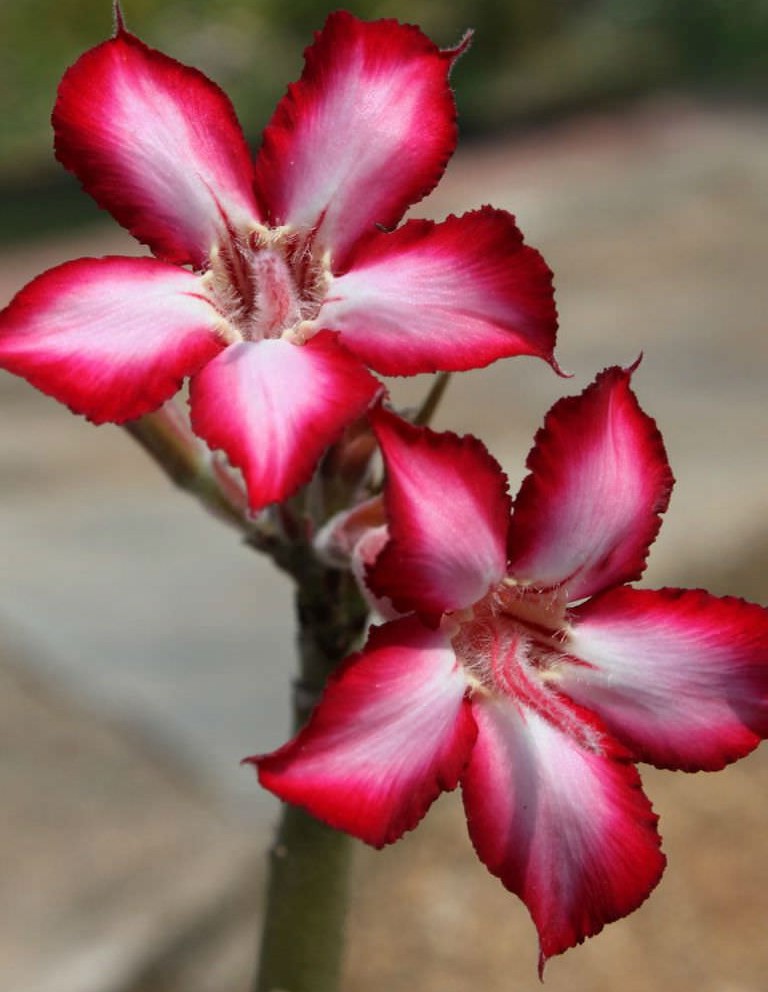
Impala Lily
Adenium obesum (Forssk.) Roem. & Schult.
Important homotypic synonyms and former combinations include:
- Nerium obesum Forssk. — basionym
- Cameraria obesa (Forssk.) Spreng.
Relevant botanical synonyms include:
- Adenium arabicum Balf.f.
- Adenium arboreum Ehrenb.
- Adenium coetaneum Stapf
- Adenium honghel Lindl.
- Adenium micranthum Stapf
- Adenium socotranum Vierh.
- Adenium somalense Balf.f.
- Adenium speciosum Fenzl
- Adenium tricholepis Chiov.
Important botanical and horticultural distinctions:
- Adenium arabicum, A. somalense, and A. socotranum are currently treated as synonyms of Adenium obesum in the broad accepted species concept, although those names remain widely used by collectors and nurseries.
- Adenium boehmianum, A. dhofarense, A. multiflorum, A. oleifolium, and A. swazicum are separate accepted species rather than synonyms of A. obesum.
- Many ornamental Desert Roses are cultivated selections or interspecific hybrids. Flower color, caudex form, grafting, or cultivar identity does not remove the cardiac-glycoside hazard.
Apocynaceae — Dogbane or Oleander Family
Impala Lily; Desert Rose; Desert-Rose; Sabi Star; Kudu Lily; Mock Azalea; Desert Azalea; Wild Frangipani; Adenium; Desert Rose Adenium; Adenium obesum; Nerium obesum; Adenium arabicum; Adenium somalense; Adenium socotranum; Adenium honghel
Desert Rose is the most widely used horticultural name. Mock Azalea and Desert Azalea are misleading because Adenium obesum is not an azalea or rhododendron.
Impala Lily and Kudu Lily are also botanically misleading because the plant is not a true lily. Wild Frangipani reflects its resemblance and family relationship to Plumeria, but Adenium and Plumeria are separate genera with different toxicological profiles.
Adenium arabicum, Adenium somalense, and Adenium socotranum remain common horticultural names but are currently treated within the broad accepted species Adenium obesum.
Exact-Species Cardiac Glycosides
The principal toxic compounds in Impala Lily are cardioactive steroids called cardiac glycosides or cardenolides. These compounds share a steroid nucleus, a five-membered unsaturated lactone ring, and one or more attached sugars. Small structural differences among the aglycone and sugar portions affect absorption, receptor binding, distribution, elimination, and cross-reactivity with diagnostic assays and digoxin-specific antibodies.
Exact-species research by Tatsuo Yamauchi and Fumiko Abe examined the roots and stems of Adenium obesum. Thirty cardiac glycosides were identified, including fifteen previously known glycosides and fifteen new combinations of known aglycones and sugars. The structures of eleven compounds were elucidated, and oleandrigenin β-gentiobiosyl-β-D-thevetoside was the principal glycoside in the studied material.
Subsequent chemical reviews documented dozens of cardenolides from roots, stems, leaves, and flowers. The compounds include glycosides derived from oleandrigenin, digitoxigenin, and gitoxigenin. Reported examples include hongheloside A, hongheloside C, 16-acetylstrospeside, hongheline, somaline, digitalinum verum, obeside, obebioside, obetrioside, and numerous related cymarosides, digitalosides, thevetosides, and sarmentosides.
No short toxin list can represent the complete species profile. Different investigations have used different geographic material, cultivars, organs, extraction solvents, and analytical methods. A compound isolated from one root or pod should not be assumed to occur at the same concentration in every flower, leaf, seed, or cultivated hybrid.
Flowers, Fruit Pods, Seeds, Leaves, and Latex
The toxicology is not confined to the root or swollen trunk. Fruit-pod research isolated a complex mixture of cardiac glycosides, triterpenoids, and steroids from Adenium obesum. Additional studies have identified or inferred cardioactive and cytotoxic constituents in leaves, flowers, and seeds.
Direct veterinary evidence now confirms that a flower can produce life-threatening poisoning. In 2026, a blue and gold macaw became critically ill after eating a Desert Rose flower. The bird developed collapse, severe bradycardia, shock, marked hyperkalemia, regurgitation of blood, and melena before eventually recovering after prolonged intensive treatment.
Seeds and paired fruit follicles should remain inaccessible. The narrow seeds are equipped with silky hairs that assist wind dispersal and may attract cats and birds. A ripening follicle can open suddenly and distribute numerous toxic seeds through a house, greenhouse, patio, or animal enclosure.
Cut roots, stems, graft unions, and branches release sticky clear or whitish latex. The latex carries cardioactive plant constituents and can contaminate hands, tools, clothing, floors, animal coats, and discarded plant material. Skin contact is more likely to cause local irritation than systemic cardiotoxicity, but licking contaminated fur or hands can convert an external exposure into ingestion.
Inhibition of the Sodium-Potassium Pump
Cardiac glycosides bind to and inhibit membrane-bound sodium-potassium adenosine triphosphatase, written as Na+/K+-ATPase. This pump normally moves sodium out of cells and potassium into them while maintaining the electrochemical gradients required for normal nerve, skeletal-muscle, and cardiac function.
Pump inhibition causes intracellular sodium to rise. The sodium-calcium exchanger then becomes less effective at moving calcium out of cardiac muscle cells, allowing intracellular calcium to accumulate. This can initially increase the force of cardiac contraction, but it also destabilizes electrical conduction and increases myocardial excitability.
The same poisoning can slow one portion of the electrical system while making another portion abnormally excitable. Increased vagal influence and conduction delay may produce sinus bradycardia or partial or complete atrioventricular block. At the same time, irritable atrial or ventricular cells may produce premature contractions, multifocal ectopy, ventricular tachycardia, bidirectional rhythms, ventricular fibrillation, or cardiac arrest.
There is therefore no single “Desert Rose heartbeat.” A poisoned animal may alternate between slow and rapid rhythms, and a treatment suitable for one ECG pattern may be dangerous during another.
Hyperkalemia and Cellular Potassium Shift
Na+/K+-ATPase normally moves potassium from extracellular fluid into cells. Acute pump inhibition interferes with that movement and may cause potassium to rise in the bloodstream. Severe hyperkalemia further impairs cardiac conduction and is an important marker of serious acute cardiac-glycoside poisoning.
The 2026 macaw case provides direct exact-species veterinary confirmation. The bird’s initial potassium concentration exceeded 10 mmol/L after ingestion of one flower and was accompanied by profound bradycardia, shock, cyanotic discoloration, and collapse.
Not every poisoned animal develops hyperkalemia, and a normal early potassium result does not guarantee that deterioration will not occur. Vomiting, diarrhea, kidney function, hydration, timing, species, and treatment can alter the measured value. Potassium must be interpreted together with the ECG, blood pressure, perfusion, clinical progression, and exposure history.
Enterohepatic Recirculation and Prolonged Illness
Some cardiac glycosides are excreted into bile and later reabsorbed from the intestine. This enterohepatic recirculation can prolong exposure and contribute to recurrent vomiting, renewed ECG abnormalities, or deterioration after apparent improvement.
The precise toxicokinetics of every Adenium obesum cardenolide have not been established. It is reasonable to apply the broader cardiac-glycoside principle when planning monitoring and veterinary decontamination, but a fixed four- or five-day illness should not be promised for every patient.
The bitter taste and early vomiting may reduce absorption in some animals by discouraging continued chewing or expelling plant material. Neither effect provides dependable protection. A persistent animal may consume more, and vomiting may begin only after a clinically important amount has already been absorbed.
Digoxin Assays and Diagnostic Limitations
Some non-digoxin plant cardiac glycosides cross-react with clinical digoxin immunoassays. A detectable “digoxin” concentration after plant exposure may support the presence of a digoxin-like compound, but the value does not necessarily measure the true amount of Adenium toxin in the blood.
Cross-reactivity varies by compound and laboratory platform. A low or negative digoxin result cannot exclude Desert Rose poisoning, while an elevated result cannot be converted directly into an absorbed plant dose or a digoxin-equivalent immune-Fab requirement.
Diagnosis must therefore remain clinical. Plant identification, exposure timing, gastrointestinal signs, potassium, ECG findings, blood pressure, perfusion, and response to treatment are more important than relying on one immunoassay number.
Digoxin-Specific Immune Fab Is Extrapolated Treatment
Digoxin-specific immune Fab consists of antibody fragments developed to bind free digoxin. The fragments can also bind some structurally related plant glycosides, and successful veterinary treatment has been documented in dogs and a cat with severe Oleander poisoning.
A controlled canine Oleander model demonstrated rapid conversion to sinus rhythm and survival after immune-Fab administration. Later clinical reports documented successful treatment of a dog and rapid improvement of a cat with suspected Oleander toxicosis.
No published case currently proves that immune Fab binds every clinically important Adenium obesum glycoside or establishes a Desert Rose-specific dose. It may be considered for life-threatening arrhythmia, severe hyperkalemia, shock, or progressive cardiovascular instability, but its use is specialist-directed and extrapolated from related cardiac-glycoside poisonings.
Historical Arrow and Fish Poison
Roots, wood, bark, stems, and latex were historically processed into hunting poisons in several African regions. Preparations were crushed, extracted, boiled, concentrated, or combined with other cardiotoxic plants before being applied to arrows. These preparations deliberately converted plant tissue into a concentrated weapon intended to cause circulatory collapse.
The Hadza of Tanzania used Desert Rose sap alone or with Strophanthus eminii. Duruma preparations in Kenya could include stem latex combined with Acokanthera schimperi or another toxic latex. Bark-and-leaf preparations were also used as fish poison.
This history does not mean that every brief nibble is fatal. It does establish that the plant’s toxicity is genuine, biologically powerful, and not comparable to a mild ornamental stomach irritant.
Fresh, Dried, Burned, and Concentrated Material
Drying does not reliably destroy cardiac glycosides. Fallen leaves, dried stems, flowers, root pieces, grafting scraps, old pods, seeds, and dead-looking cuttings must remain inaccessible.
Burning plant debris is inappropriate. Smoke and airborne particles can expose the eyes and respiratory tract, while incompletely burned material and ash may remain contaminated. Fire also makes the amount and route of exposure impossible to assess accurately.
Homemade teas, tinctures, boiled extracts, concentrated latex, arrow-poison residues, pest preparations, or traditional medicines present a substantially different exposure from a brief bite of the intact plant. Concentration can greatly increase the delivered cardiac-glycoside dose.
No Established Safe or Lethal Dose
No dependable pet-safe leaf count, flower count, seed count, sap volume, root weight, plant mass, or lethal dose has been established for dogs, cats, horses, livestock, rabbits, guinea pigs, or birds consuming Adenium obesum.
Risk depends on the plant part, local glycoside concentration, cultivar or hybrid, amount chewed, animal size, gastrointestinal absorption, vomiting, kidney function, concurrent heart disease, and speed of treatment.
A limited bite does not guarantee death, but no owner should wait for a detectable rhythm abnormality before seeking emergency advice.
Early Gastrointestinal Signs
Clinical signs may begin rapidly, but onset varies with the plant part, dose, degree of chewing, stomach contents, species, and individual susceptibility. In the published macaw case, collapse and severe systemic signs occurred almost immediately after flower ingestion, while other animals may first develop gastrointestinal illness before cardiovascular abnormalities become apparent.
Early findings include drooling, lip licking, repeated swallowing, nausea, gagging, retching, vomiting, diarrhea, abdominal cramping, appetite reduction, and depression. Vomiting may be severe, protracted, or recurrent.
Abdominal pain may appear as restlessness, repeated stretching, a hunched or prayer posture, whining, flank watching, a tense abdomen, or resistance when the abdomen is touched. Cats may hide, crouch, stop grooming, or refuse food without showing obvious outward pain.
Repeated vomiting and diarrhea can cause dehydration, electrolyte abnormalities, acid-base disturbance, weakness, aspiration risk, and worsening cardiovascular instability. Blood in vomit or stool is a severe finding and was documented directly in the 2026 macaw case.
Bradycardia, Heart Block, and Slow Rhythms
Increased vagal effects and impaired atrioventricular conduction can produce sinus bradycardia, first-, second-, or third-degree heart block, junctional escape rhythms, pulse deficits, or periods when effective cardiac output is dangerously reduced.
An owner may notice a slow or irregular pulse, weakness, reluctance to stand, cold extremities, pale or gray gums, delayed capillary refill, fainting, or collapse. A slow heart rate that might appear calm or restful in another setting can be a life-threatening sign after Desert Rose exposure.
The poisoned macaw presented with a heart rate of approximately 40 beats per minute, profound shock, recumbency, rigid limbs, and dark blue cheek patches. This case establishes that severe bradycardia can follow authenticated flower ingestion.
Premature Beats and Ventricular Arrhythmias
Cardiac glycosides also increase myocardial excitability. Possible rhythms include premature atrial or ventricular contractions, ventricular bigeminy, multifocal ventricular ectopy, ventricular tachycardia, bidirectional tachycardia, ventricular fibrillation, and sudden cardiac arrest.
A poisoned animal may switch between bradycardia, heart block, normal-appearing intervals, and rapid ventricular rhythms. A single pulse count or short ECG tracing cannot define the entire course.
Signs associated with unstable tachyarrhythmia include sudden weakness, agitation, fainting, weak or intermittent pulses, pale or blue-gray gums, rapid breathing, loss of consciousness, and collapse.
Hyperkalemia and Circulatory Shock
Acute pump inhibition may move potassium out of cells and cause marked hyperkalemia. The resulting conduction disturbance can compound the direct cardiac-glycoside effect and contribute to bradycardia, heart block, ventricular arrhythmia, and cardiac arrest.
Shock may produce cool extremities, weak pulses, prolonged capillary refill, pale or gray mucous membranes, reduced urine production, hypothermia, altered responsiveness, and collapse. Blue or gray tissue suggests severe oxygen-delivery failure and requires immediate resuscitative care.
Hyperkalemia is an important severity marker, but its absence does not exclude poisoning. Potassium may change over time and must be monitored with the rhythm and circulatory status.
Weakness, Incoordination, Tremors, and Seizures
Weakness, wobbling, stumbling, dilated pupils, poor coordination, disorientation, reduced responsiveness, or collapse may result from inadequate cardiac output, electrolyte disturbance, direct toxin effects, hypoglycemia, shock, or hypoxia.
Muscle twitching, tremors, rigid limbs, seizure-like activity, stupor, coma, respiratory arrest, and death may occur in severe cases. These signs should not be interpreted automatically as a primary neurologic poison because the brain may be failing secondarily from inadequate perfusion and oxygen delivery.
A seizing or collapsed animal must not be given food, liquid, charcoal, or medication by mouth. Protect it from injury and transport immediately.
The 2026 Blue and Gold Macaw Case
A 33-year-old male blue and gold macaw ate one flower from an indoor Desert Rose. The bird initially fell, briefly regained balance, then developed oral foaming, blue discoloration of the cheek patches, collapse, and apparent seizure activity.
Approximately two hours after exposure, the macaw was moribund, recumbent, in shock, and severely bradycardic. It subsequently regurgitated frank blood and passed melena. Initial laboratory testing showed potassium above 10 mmol/L.
Treatment included oxygen, warming, fluids, atropine, dextrose, calcium gluconate, vitamins, anti-inflammatory medication, antibiotics, activated charcoal, and continued intensive supportive care. Hyperbaric oxygen was used as an adjunct. Treatment and diagnostic monitoring continued for twelve days, and the bird was reported clinically normal three years later.
This case is important because it demonstrates severe exact-species flower toxicity in a pet bird. It does not establish that every flower causes the same reaction or that the individual treatment protocol should be copied into another species without specialist judgment.
Dogs and Cats
Dogs may chew a caudex, root, stem, leaf, flower, seed pod, seed, or freshly cut grafting piece. Puppies may dig into pots and expose roots or carry small cuttings that are easier to chew than the intact plant.
Cats may bite leaves and flowers, play with wind-dispersed seeds, knock over pots, or lick latex from the coat. Open-mouth breathing, collapse, marked weakness, repeated vomiting, or an irregular pulse requires immediate emergency care.
Most published veterinary cardiac-glycoside treatment evidence in dogs and cats comes from Oleander and pharmaceutical digoxin rather than Desert Rose. The shared mechanism makes that evidence clinically useful, but the exact absorbed glycosides and toxicokinetics may differ.
Birds and Small Mammals
Birds may shred flowers, leaves, bark, stems, pods, or seeds. Their small body mass means that a visually small piece can represent a substantial exposure, and cardiovascular collapse may occur before an owner can detect subtle gastrointestinal signs.
Rabbits and guinea pigs cannot vomit. Reduced appetite, drooling, abdominal pain, diarrhea, reduced fecal production, weakness, hypothermia, incoordination, or collapse may be the first recognized findings.
Small species should not be observed at home after a credible ingestion merely because no vomiting occurred.
Horses and Livestock
Horses and livestock may encounter Desert Rose in tropical landscapes, discarded containers, hedge waste, greenhouse debris, or cut branches thrown into an enclosure. Horses cannot vomit and may develop salivation, colic, diarrhea, appetite loss, weakness, an irregular pulse, incoordination, tremors, collapse, or sudden death.
Every animal sharing access should be examined. Different individuals may consume different amounts and develop signs at different times.
A sudden death near discarded ornamental plants requires preservation of the entire plant and feed environment for veterinary and toxicological investigation.
Skin and Eye Exposure
Latex on the skin may cause burning, redness, itching, swelling, or contact dermatitis. Sap beneath a collar, harness, bandage, or coat can remain in contact longer and produce more severe irritation.
Eye exposure may cause immediate pain, tearing, squinting, conjunctival redness, eyelid swelling, corneal irritation, cloudiness, or apparent visual impairment. Persistent signs after irrigation require veterinary examination.
Systemic cardiotoxicity is not expected from brief contact with intact skin alone, but damaged skin, mucous membranes, eye exposure, licking, or a large concentrated latex exposure changes the risk.
Expected Course and Emergency Warning Signs
No fixed duration can be predicted. Gastrointestinal signs may precede ECG abnormalities, and some cardiac glycosides may undergo prolonged absorption or enterohepatic recirculation. A patient can appear improved and later deteriorate.
Emergency warning signs include repeated vomiting, bloody vomit or stool, severe weakness, hypothermia, an irregular or unusually slow pulse, fainting, poor coordination, tremors, seizures, pale or blue-gray gums, labored breathing, collapse, abnormal awareness, or any credible ingestion followed by illness.
A normal early ECG, potassium result, or period of apparently normal behavior does not automatically clear a meaningful exposure.
Plant Identity and Modern Classification
Impala Lily is Adenium obesum, a semisucculent shrub or small tree in Apocynaceae. Desert Rose is its most common ornamental name. The plant is neither a true rose, lily, azalea, nor frangipani.
Modern broad taxonomy accepts Adenium obesum from western tropical Africa across northeastern and eastern Africa to Tanzania, the Arabian Peninsula, and Socotra. Earlier horticultural systems divided that enormous range into several species, varieties, or subspecies.
Current treatment places names such as Adenium arabicum, A. somalense, and A. socotranum within A. obesum. Collectors and nurseries continue to use those names for regional forms with recognizable differences in caudex structure, stems, leaves, flowers, and seasonal growth.
Other plants formerly treated as subspecies or varieties remain separate accepted species, including Adenium boehmianum, A. multiflorum, A. oleifolium, and A. swazicum. The practical poisoning response remains cautious for any uncertain Adenium because cardiac glycosides occur within the genus.
Caudex, Roots, Stems, and Latex
The swollen lower trunk and upper root system form the structure commonly called the caudex. This water- and carbohydrate-storing organ gives the plant its characteristic bonsai-like or miniature-baobab appearance.
Roots and the caudex contain directly documented cardiac glycosides. Raising the plant during repotting to expose thick roots may increase ornamental value while also placing highly toxic tissue within reach of pets.
Gray-green or brown fleshy stems branch above the caudex. Cutting, grafting, pruning, breaking, or root work releases sticky latex. Freshly cut material creates one of the most concentrated and accessible household exposures because sap coats tools, hands, floors, gloves, and small portable plant pieces.
Cuttings may remain capable of rooting after removal from the parent plant. They should not be treated as dead or detoxified simply because they are lying on a bench or drying before propagation.
Leaves, Flowers, Pods, and Seeds
Leaves are simple, leathery to slightly fleshy, and clustered near branch tips. Shapes range from narrow and lance-like to broad and spoon-shaped. Green, variegated, drought-stressed, yellowing, and fallen leaves must all be treated as poisonous.
The trumpet-shaped flowers usually have five spreading lobes, although modern breeding has produced double and triple forms. Colors include white, pink, red, purple-toned, yellow, orange, striped, edged, and variegated forms. Flower color and petal count do not indicate safety.
Successful pollination produces two elongated follicles joined near the base. When mature, they split open and release numerous narrow seeds with silky hairs at each end. Pods can open suddenly, making seed collection and cleanup important in homes with cats, birds, poultry, or small mammals.
The 2026 macaw case removes any reasonable basis for treating flowers as merely decorative or lower-risk tissue. One authenticated flower ingestion was followed by life-threatening cardiac-glycoside poisoning.
Nursery Hybrids, Grafting, and Cultivar Labels
Many retail Desert Roses are grafted or hybrid plants selected for flower color, form, repeated blooming, branching, or caudex appearance. A named cultivar may consist of one flowering scion grafted onto a different Adenium rootstock.
The scion, rootstock, graft union, roots, and new shoots should all be treated as toxic. No cultivar, flower color, variegation pattern, double bloom, or regional label has been demonstrated to be free of cardiac glycosides.
Grafting and pruning create small wedges, bark strips, stem sections, flower clusters, roots, and latex-covered tissues that animals can carry away. Every piece must be accounted for before pets return to the work area.
Historical Use as Arrow and Fish Poison
Desert Rose has a long history as a deliberate poison in several African regions. Root sap, wood, bark, stems, and latex were crushed, extracted, boiled, concentrated, or combined with other toxic plants and applied to hunting arrows.
The Hadza of Tanzania used the sap alone or with Strophanthus eminii. Duruma preparations in Kenya could include stem latex together with Acokanthera schimperi or another toxic latex. Arrow-poison use has also been recorded in Senegal, Nigeria, Cameroon, Namibia, and neighboring areas.
Bark-and-leaf decoctions were used as fish poison in parts of West and East Africa. Ordeal-poison and criminal uses were also reported historically.
These accounts describe concentrated preparations and should not be converted into a household lethal-dose estimate. They remain powerful evidence that the plant’s cardioactivity was recognized long before modern isolation of its cardenolides.
Traditional Medicinal and Veterinary Uses
Traditional uses included preparations for rhinitis, skin disease, lice, venereal disease, decaying teeth, septic wounds, and other conditions. Powdered stems or latex were also used on livestock to control external parasites, and bark was reported as an abortifacient.
These practices are part of the plant’s ethnobotanical history and should not be erased. They do not establish a safe modern dose, route, preparation, or veterinary indication.
Variation in plant population, organ, extraction method, concentration, accompanying plants, and patient susceptibility can separate a traditional desired effect from fatal cardiac poisoning.
Authoritative Pharmacological Description
L. P. A. Oyen, writing for Plant Resources of Tropical Africa, summarized the plant’s pharmacology and documented glycosides as follows:
”In Adenium obesum the presence of some 30 cardiotoxic glycosides has been demonstrated, which act in a similar way as digitalis from Digitalis. Digitalis acts upon the Na+K+-ATPase enzyme that regulates the concentrations of Na+ and K+ ions in body cells and so also modifies the Ca++ concentration. In low doses it is used to treat congestive heart failure (CHF) and heart rhythm problems (atrial arrhythmias), but in high doses it leads to systolic heart failure and death.
”Several of the cardiac glycosides from Adenium obesum have oleandrigenin as aglycone moiety, e.g. hongheloside A (with D-cymarose), hongheloside C (with D-cymarose and D-glucose) and 16-acetylstrospeside (with D-digitalose). Other glycosides include: hongheline (composed of digitoxigenin with D-thevetose), somaline (composed of digitoxigenin with D-cymarose) and digitalinum verum (composed of gitoxigenin with D-digitalose and D-glucose). The roots and stems contain the same glycosides and in similar amounts. Oleandrigenin and some of the glycosides derived from it have cytotoxic effects and are being studied as potential components of anticancer drugs.
The ethanol extract of the roots slows down the growth of Bacillus subtilis, but has not shown activity against Pseudomonas aeruginosa, Staphylococcus aureus or Candida albida. Extracts from the root have shown a cytotoxic effect against several carcinoma cell lines. The aqueous stem bark extract is a potential acaricide as it shows high toxicity on all stadia of development of the ticks Amblyomma spp. and Boophilus spp.
The quotation uses the older notation Na+K+-ATPase and Ca++. Modern notation generally expresses the same targets as Na+/K+-ATPase and intracellular Ca2+. The underlying sodium-pump mechanism remains valid.
The quotation also explains why the plant can be poisonous, pharmacologically interesting, pesticidal, and cytotoxic at the same time. Laboratory or ethnomedical activity does not make the raw plant safe for uncontrolled treatment.
Anticancer and Pesticide Research
Several isolated cardenolides and extracts have demonstrated cytotoxic effects against cultured cancer-cell lines. Fruit-pod, seed, leaf, root, and stem preparations have also been investigated for antimicrobial, molluscicidal, acaricidal, antiviral, and other biological activities.
These studies identify pharmacologically active molecules and possible research leads. They do not demonstrate that eating the plant treats cancer, infection, parasites, or another disease.
A crude plant contains uncontrolled combinations of compounds capable of damaging normal tissue, disturbing potassium, and stopping the heart before any proposed therapeutic effect could be used safely.
The Direct Veterinary Macaw Case
The 2026 report of a blue and gold macaw is the most important direct clinical evidence currently available for companion animals. The bird ate a single flower from an indoor plant and rapidly developed collapse, oral foaming, cyanotic discoloration, seizure-like activity, profound bradycardia, shock, bloody regurgitation, melena, and severe hyperkalemia.
Intensive treatment continued for twelve days. The report described oxygen, warming, fluids, atropine, dextrose, calcium gluconate, activated charcoal, supportive medication, and hyperbaric oxygen. Three years later, the owners reported normal behavior without recognized residual effects.
The outcome demonstrates that severe poisoning is not necessarily hopeless. It also shows why waiting for a visible rhythm abnormality or assuming that petals are harmless can be disastrous.
The case does not establish one universal treatment protocol. Birds, dogs, cats, horses, livestock, and small mammals differ in cardiovascular physiology, drug handling, airway risk, and decontamination safety.
Similar Plants and Naming Confusion
Oleander, Nerium oleander, belongs to the same family and also contains potent cardiac glycosides. It has long narrow leaves, lacks a swollen Desert Rose caudex, and forms a more conventional woody shrub.
Yellow Oleander, Cascabela thevetia, and Suicide Tree, Cerbera odollam, are additional Apocynaceae plants with dangerous cardiac glycosides. Their seeds and fruit may be particularly hazardous.
Frangipani, Plumeria species, produces milky latex and large flowers but is best known as an irritant rather than as an established equivalent of Desert Rose cardiotoxicity.
Madagascar Palm, Pachypodium lamerei, has a swollen succulent trunk but bears prominent spines. True azaleas are Rhododendron species containing grayanotoxins, while true lilies are Lilium species capable of causing acute kidney failure in cats.
Common names such as Mock Azalea, Desert Azalea, Impala Lily, Kudu Lily, and Wild Frangipani must not be used to transfer the wrong poisoning mechanism from an unrelated plant.
Diagnosis
No routine assay definitively identifies every Adenium obesum cardiac glycoside. Diagnosis depends on plant identification, exposure history, clinical progression, ECG findings, potassium and other electrolytes, blood pressure, perfusion, and exclusion of other cardiotoxic plants or medications.
A commercial digoxin immunoassay may cross-react with plant cardenolides. A positive result can support suspected cardiac-glycoside exposure, but the value is not a reliable quantitative measurement of Desert Rose toxin. A negative test does not rule it out.
Useful evidence includes the complete plant, flowers, leaves, stems, roots, caudex fragments, pods, seeds, cuttings, nursery labels, photographs, vomited material, and all pesticide or fertilizer products associated with the pot.
Serial ECGs and potassium results are more informative than one early measurement. Additional testing may include glucose, kidney and liver values, acid-base status, blood count, urinalysis, chest imaging after aspiration, and cardiac ultrasound when underlying disease or persistent dysfunction is suspected.
Prognosis
Prognosis depends on the absorbed dose, plant part, time before treatment, potassium concentration, rhythm disturbance, blood pressure, kidney function, duration of shock, and response to therapy.
An animal treated before cardiovascular instability develops has a better outlook than one presenting with severe hyperkalemia, complete heart block, ventricular fibrillation, prolonged hypoxia, or cardiac arrest.
Even critically poisoned patients may recover with aggressive treatment, as demonstrated by the macaw case and by immune-Fab treatment of related Oleander poisoning in dogs and cats. Severe cases remain guarded to grave.
Prevention
Physical separation must account for the entire plant and its life cycle. A high shelf does not protect against climbing cats, falling flowers, windblown seeds, expanding branches, or a pot that can be knocked over.
Exclude animals during pruning, grafting, repotting, root lifting, and seed collection. Wear gloves and eye protection, clean tools and work surfaces, and account for every clipping, root fragment, petal, seed, pod, glove, and sap-contaminated cloth.
Do not burn the plant or discard it into a paddock, pasture, poultry run, rabbit enclosure, kennel, accessible compost pile, or ordinary landscape-waste heap where animals may browse it.
Treat Every Credible Ingestion as Urgent
- Stop access immediately: Move the animal away from the living plant, fallen flowers, leaves, roots, caudex fragments, cuttings, seed pods, seeds, grafting scraps, potting debris, and contaminated tools.
- Do not wait for heart signs: Vomiting, appetite loss, or weakness may precede a detectable arrhythmia. A meaningful exposure requires emergency veterinary consultation even while the animal appears normal.
- Call ahead: Tell the clinic that a cardiac-glycoside plant ingestion is suspected so ECG, electrolyte testing, oxygen, and resuscitation equipment can be prepared.
- Preserve the plant: Save representative leaves, flowers, stems, roots, pods, seeds, labels, photographs, vomited fragments, and all missing or chewed pieces.
- Record the exposure: Note the animal’s species and weight, plant part, estimated amount, earliest and latest possible time, and every sign observed.
- Keep the animal quiet: Minimize walking, excitement, barking, struggling, and unnecessary restraint because activity increases cardiac demand.
Remove Loose Material Safely
When the animal is alert, breathing normally, and unlikely to bite, remove only loose visible plant pieces resting at the lips or front of the mouth. Do not reach blindly toward the throat.
Sticky latex may be wiped gently from the lips, front gums, and accessible tongue with a damp disposable cloth. Do not scrape tissue, force the mouth open repeatedly, or push fragments farther back.
A gentle rinse may be used only in a fully alert animal with normal swallowing. Allow water to drain outward rather than directing it toward the throat. Stop if the animal coughs, gags, panics, becomes weak, or cannot swallow normally.
Do Not Attempt Unsupervised Home Treatment
- Do not induce vomiting: Do not use hydrogen peroxide, salt, mustard, ipecac, detergent, dish soap, manual gagging, or fingers in the throat.
- Never give peroxide to a cat: Hydrogen peroxide is not a safe feline emetic.
- Do not give activated charcoal at home: Charcoal may be aspirated by a vomiting, weak, bradycardic, uncoordinated, collapsed, sedated, or poorly swallowing animal.
- Do not force food or liquid: Milk, oil, yogurt, bread, broth, water, or food does not neutralize cardiac glycosides and may complicate professional decontamination or enter the lungs.
- Do not give heart medication: Digoxin, atropine, beta blockers, calcium-channel blockers, antiarrhythmics, blood-pressure drugs, potassium, calcium, or electrolyte products can worsen the wrong rhythm or metabolic condition.
- Do not use human medication: Human pain relievers, antacids, antihistamines, corticosteroids, anti-nausea products, supplements, and leftover prescriptions are not antidotes.
Skin and Latex Decontamination
Wear disposable gloves when handling fresh latex, chewed plant material, vomit, stool, pruning debris, contaminated bedding, or an affected coat.
Remove contaminated collars, harnesses, clothing, and bedding. Wash the skin and coat promptly with lukewarm water and a mild pet-safe cleanser, then rinse thoroughly.
Prevent licking during cleanup. Wash tools, hard surfaces, footwear, gloves, and human skin that contacted fresh sap.
Persistent redness, pain, swelling, blistering, intense itching, or open sores requires veterinary assessment.
Eye Exposure
Flush the affected eye immediately with sterile saline or clean lukewarm water for approximately 15 to 20 minutes. Direct a gentle stream across the ocular surface and beneath the eyelids rather than forcefully at the cornea.
Prevent rubbing and keep runoff away from the other eye. Do not use human redness-relief drops, numbing medication, corticosteroid drops, antibiotic ointment, milk, soap, or contact-lens cleaner.
Continued pain, squinting, tearing, redness, swelling, cloudiness, discharge, unequal pupils, or apparent visual difficulty requires prompt veterinary examination.
Emergency Transport
- Use floor-level transport: Keep a weak or unstable animal away from stairs, seat edges, open windows, pools, and other fall hazards.
- Allow a natural position: Let the animal hold its head and body in the position that makes breathing easiest.
- Do not force walking: Carry or support the animal when this can be done safely.
- Do not place objects in the mouth during a seizure: Protect the animal from surrounding hazards without restraining the jaws.
- Bring another adult when possible: One person should drive while the other observes breathing, gum color, responsiveness, and collapse without interfering with safe travel.
Professional Gastrointestinal Decontamination
Veterinary emesis may be considered after a recent ingestion in a dog that remains fully alert, neurologically normal, hemodynamically stable, able to swallow, and free from significant vomiting, bradycardia, arrhythmia, weakness, or aspiration risk.
Emesis is inappropriate in symptomatic animals, cats without an approved veterinary method, horses, rabbits, guinea pigs, birds, or any patient with collapse, seizure activity, abnormal breathing, impaired swallowing, or a dangerous rhythm.
Activated charcoal may reduce gastrointestinal absorption in selected patients. Repeated doses without repeated cathartic may be considered because some cardiac glycosides undergo enterohepatic recirculation. The value and safety depend on airway protection, hydration, bowel function, species, and clinical condition.
Gastric lavage is reserved for selected serious recent exposures under anesthesia with a protected airway and cardiovascular monitoring. It is not a home procedure.
Continuous Cardiovascular Monitoring
Meaningful exposures may require continuous ECG monitoring because bradycardia, heart block, premature contractions, ventricular tachycardia, and fibrillation require different treatment.
Blood pressure, pulse quality, mucous-membrane color, capillary refill, temperature, respiratory status, urine production, and mental status should be assessed repeatedly.
A single normal ECG early after ingestion does not exclude later deterioration. Monitoring duration should be based on the estimated exposure, serial results, clinical progression, and plant-cardiac-glycoside kinetics rather than one predetermined number of hours.
Potassium, Glucose, and Laboratory Monitoring
Potassium requires close serial monitoring. Severe hyperkalemia indicates substantial pump inhibition and may aggravate conduction abnormalities and arrhythmias.
Potassium can fall rapidly after effective toxin binding or correction of pump function, creating a risk of hypokalemia. Treatment therefore requires repeated testing rather than one correction based on a single sample.
Glucose, sodium, chloride, acid-base status, kidney function, hydration, and urine output also influence treatment. Vomiting, diarrhea, shock, and cardiac dysfunction can create abnormalities separate from the direct plant effect.
Calcium treatment during cardiac-glycoside-associated hyperkalemia is a clinician-level decision. Historical concern about calcium has been challenged by later experimental evidence, and the 2026 macaw survived after receiving calcium gluconate. Owners must not administer calcium or electrolyte products at home.
Digoxin-Specific Immune Fab
Digoxin-specific immune Fab may be considered when life-threatening cardiac-glycoside poisoning produces severe hyperkalemia, unstable bradycardia, high-grade heart block, refractory ventricular arrhythmia, shock, or progressive cardiovascular collapse.
The treatment is supported directly for digoxin and by experimental and clinical veterinary evidence involving Oleander. Direct published efficacy and dose data for Adenium obesum are not yet available.
Fab dosing in plant poisoning cannot be calculated reliably from the plant weight or a cross-reactive digoxin immunoassay alone. Product availability, cost, suspected glycoside cross-reactivity, patient size, and clinical severity affect the decision.
After administration, potassium may move back into cells and fall quickly. ECG, potassium, renal function, perfusion, and urine output require continued monitoring. Recurrence is possible when toxin burden is large, Fab dosing is insufficient, or clearance is impaired.
Rhythm-Specific Treatment
There is no universal heart medication for Desert Rose poisoning. Treatment must follow the actual ECG rhythm and hemodynamic condition.
Clinically important bradycardia or atrioventricular block may prompt veterinarian-selected anticholinergic treatment, temporary pacing, immune Fab, or other support. Response may vary because not every conduction disturbance is predominantly vagal.
Ventricular arrhythmias may require a carefully selected antiarrhythmic. A drug appropriate for ventricular ectopy may be harmful during severe bradycardia or another conduction pattern.
Electrical cardioversion and standard resuscitation may be required during unstable tachyarrhythmia or cardiac arrest, but recurrent toxicity can continue until circulating glycosides are neutralized or eliminated.
Fluids, Blood Pressure, and Perfusion
Intravenous crystalloids may be needed to correct dehydration and restore circulating volume after vomiting, diarrhea, and shock. Fluid treatment must account for cardiac output, lung sounds, kidney function, urine production, blood pressure, and the risk of volume overload.
Hypovolemia should be corrected appropriately before relying on vasopressors. If clinically important hypotension persists despite suitable volume correction and rhythm management, a veterinarian may select vasoactive support according to the patient’s cardiovascular state.
Oxygen is appropriate when perfusion is poor, breathing is abnormal, or severe arrhythmia limits oxygen delivery. Intubation and ventilation may be necessary in a collapsed or poorly responsive patient.
Vomiting, Aspiration, and Nutritional Support
Persistent vomiting may require veterinarian-selected anti-nausea medication after decontamination decisions are complete. Gastrointestinal protectants may be used when bleeding or significant mucosal injury is suspected.
Coughing, fever, rapid breathing, abnormal lung sounds, or worsening oxygenation after vomiting raises concern for aspiration pneumonia and may require chest imaging and additional treatment.
Food and water may be withheld temporarily when active vomiting, sedation, poor perfusion, or impaired swallowing makes oral intake unsafe. Nutrition should be resumed gradually after stability and swallowing safety are established.
Tremors and Seizures
Persistent tremors or seizures require injectable anticonvulsant treatment, temperature monitoring, glucose evaluation, oxygen support, and airway protection.
Seizures may reflect severe circulatory failure, hypoxia, electrolyte disturbance, hypoglycemia, or direct toxicosis. Correcting the cardiac and metabolic cause is as important as suppressing visible motor activity.
Horse and Livestock Exposure
Remove the entire group from living plants, cut branches, discarded containers, roots, flowers, seed pods, seeds, hedge waste, and contaminated forage.
Provide uncontaminated feed and water while veterinary help is arranged. Do not drench a weak, colicky, trembling, recumbent, coughing, or poorly swallowing animal.
Horses cannot vomit and must never receive an emetic. Salivation, colic, diarrhea, a slow or irregular pulse, weakness, staggering, tremors, recumbency, collapse, or sudden death requires immediate large-animal veterinary assessment.
Preserve the plant, feed, water, stomach contents when available, chemical labels, and photographs of the exposure area.
Recovery and Prognosis
Early decontamination and monitoring before cardiovascular instability develops provide the best chance of recovery.
Severe hyperkalemia, complete heart block, sustained ventricular arrhythmia, shock, repeated collapse, aspiration, prolonged hypoxia, or delayed treatment creates a guarded to grave prognosis.
Critical poisoning is not automatically hopeless. The published macaw survived profound bradycardia, potassium above 10 mmol/L, shock, gastrointestinal bleeding, and twelve days of intensive treatment.
After discharge, renewed vomiting, weakness, fainting, appetite loss, coughing, altered breathing, abnormal behavior, or exercise intolerance requires immediate re-examination.
Frequently Asked Questions About Impala Lily, Desert Rose, and Animal Poisoning
Has severe Desert Rose poisoning been documented directly in a pet?
Yes. A 2026 report described a blue and gold macaw that ate one Adenium obesum flower and rapidly developed collapse, cyanotic discoloration, seizure-like activity, profound bradycardia, shock, gastrointestinal bleeding, and potassium above 10 mmol/L. The bird recovered after twelve days of intensive treatment and remained clinically normal three years later.
Does that macaw case mean one flower will poison every animal severely?
No. Glycoside concentration, flower size, amount swallowed, species, body weight, absorption, and individual susceptibility vary. The case proves that flowers can contain a clinically dangerous dose; it does not create a predictable one-flower rule for dogs, cats, horses, or other birds.
Why are some plants sold as Adenium arabicum or Adenium socotranum?
Those names remain deeply established in the collector and nursery trade for recognizable regional forms. Current broad taxonomy treats A. arabicum, A. somalense, and A. socotranum as synonyms of A. obesum. Other names, including A. multiflorum and A. swazicum, remain separate accepted species. None of these distinctions creates a pet-safe Adenium.
Can a digoxin blood test confirm Desert Rose poisoning?
It may support the diagnosis, but it is not definitive. Some plant cardiac glycosides cross-react with digoxin immunoassays while others react poorly or not at all. A positive result does not measure the actual Adenium toxin burden, and a negative result does not exclude poisoning. ECG findings, potassium, perfusion, and the plant history remain essential.
Why can an animal have both a slow heart rate and premature ventricular beats?
Cardiac glycosides can slow the sinus and atrioventricular nodes through vagal and conduction effects while simultaneously increasing excitability in other cardiac cells. The result can be bradycardia or heart block accompanied by ventricular ectopy, or alternating slow and rapid rhythms.
Does a normal early ECG mean the animal is safe?
No. Absorption may still be occurring, and gastrointestinal signs can precede cardiovascular abnormalities. A brief ECG also may miss intermittent arrhythmia. Meaningful exposures require serial or continuous monitoring according to the amount, clinical signs, potassium, and treatment response.
Does every serious Desert Rose poisoning cause hyperkalemia?
No. Hyperkalemia is an important severity marker but is not present in every patient or at every stage. Timing, vomiting, diarrhea, kidney function, species, and treatment influence potassium. A normal result cannot override an abnormal ECG, shock, collapse, or a convincing exposure.
Is digoxin-specific immune Fab proven to work for Adenium obesum?
Direct published Adenium-specific efficacy and dosing evidence is not currently available. The treatment has reversed severe Oleander cardiac-glycoside poisoning in experimental dogs and clinical dog and cat cases. Because Desert Rose glycosides act through the same sodium pump, immune Fab may be considered in a critical patient, but the decision is extrapolated and specialist-directed.
Why can’t the immune-Fab dose be calculated from the digoxin test?
A digoxin immunoassay may bind plant glycosides unevenly and report a value that does not represent the true number of toxic molecules. Different Adenium cardenolides may also bind the antibody fragments with different affinity. Clinical severity and response must guide treatment rather than applying a pharmaceutical-digoxin formula blindly.
Can dried leaves, old cuttings, or dormant roots still be poisonous?
Yes. Drying, dormancy, and storage do not reliably destroy cardiac glycosides. Old grafting scraps, dried flowers, fallen leaves, exposed roots, and dead-looking stems must be collected and discarded securely.
Why are the silky seeds a special household risk?
Mature follicles can split suddenly and release many lightweight seeds. Their silky hairs make them move in air currents and attract cats and birds. Seeds can travel beneath furniture, into cages, across patios, and into adjoining animal areas after the parent plant appears safely out of reach.
Does touching latex cause the same danger as swallowing the plant?
Brief contact with intact skin is more likely to cause local irritation than life-threatening cardiotoxicity. Risk increases when latex contacts damaged skin, eyes, lips, or another mucous membrane or when an animal licks contaminated fur. Large or prolonged concentrated exposures deserve veterinary advice.
Can burning Desert Rose safely dispose of it?
No. Burning can expose people and animals to smoke, hot sap, airborne particles, and incompletely burned toxic material. Bag or contain cuttings, roots, pods, and seeds according to local disposal requirements rather than burning them in an open pile.
Why does the arrow-poison history matter if household exposures are smaller?
Traditional arrow poisons were deliberately concentrated and sometimes combined with other toxic plants, so they do not define the outcome of one household bite. They do establish that Adenium contains biologically potent cardiotoxins capable of producing lethal circulatory failure when enough is delivered.
Can serum potassium fall too low after treatment?
Yes. Acute poisoning may shift potassium out of cells, while reversal of pump inhibition can move it back inside rapidly. Repeated testing is necessary because both severe hyperkalemia and treatment-associated hypokalemia can destabilize the heart.
Why can’t owners give calcium or potassium when an electrolyte problem is suspected?
The correct treatment depends on the measured electrolyte concentration, ECG pattern, kidney function, acid-base status, and whether effective toxin binding has begun. Calcium use in cardiac-glycoside hyperkalemia has been debated, while potassium can be dangerous when the patient is already hyperkalemic. Neither should be guessed at home.
Can an apparently recovered animal deteriorate again?
Yes. Continued gastrointestinal absorption, enterohepatic recirculation, insufficient decontamination, recurrent electrolyte change, or delayed cardiac injury can produce renewed signs. Vomiting, weakness, fainting, appetite loss, coughing, altered breathing, or abnormal behavior after improvement requires immediate reassessment.