Mayapple Toxicity, Cytotoxic Lignans, and Severe Gastrointestinal Injury
Is Indian Apple or Mayapple Poisonous to Dogs, Cats, Horses, and Livestock?
Yes—Indian Apple or Mayapple, Podophyllum peltatum, is poisonous to dogs, cats, horses, livestock, rabbits, birds, and other animals that eat it. The plant contains cytotoxic aryltetralin lignans, including podophyllotoxin, α-peltatin, β-peltatin, and related compounds. These substances interfere with microtubules and normal cell division and can injure the mouth, gastrointestinal tract, nervous system, bone marrow, liver, and other tissues after a sufficiently large or concentrated exposure.
Roots and branching underground rhizomes are the traditional source of podophyllum resin and deserve particular concern, but leaves can also contain substantial concentrations of active lignans. Stems, flowers, green or incompletely ripened fruit, seeds, seedlings, and plant debris should remain inaccessible. Fully ripe yellow fruit pulp has a limited history of human consumption, but that tradition does not establish a safe serving for pets or livestock and does not make the seeds, rind, or incompletely ripened fruit safe.
About this guide: This page provides general pet-poisoning information and cannot diagnose or treat an individual animal. For any suspected exposure, contact a veterinarian or animal poison-control service immediately. Do not induce vomiting, give medication, or attempt home decontamination unless directed by a veterinary professional.
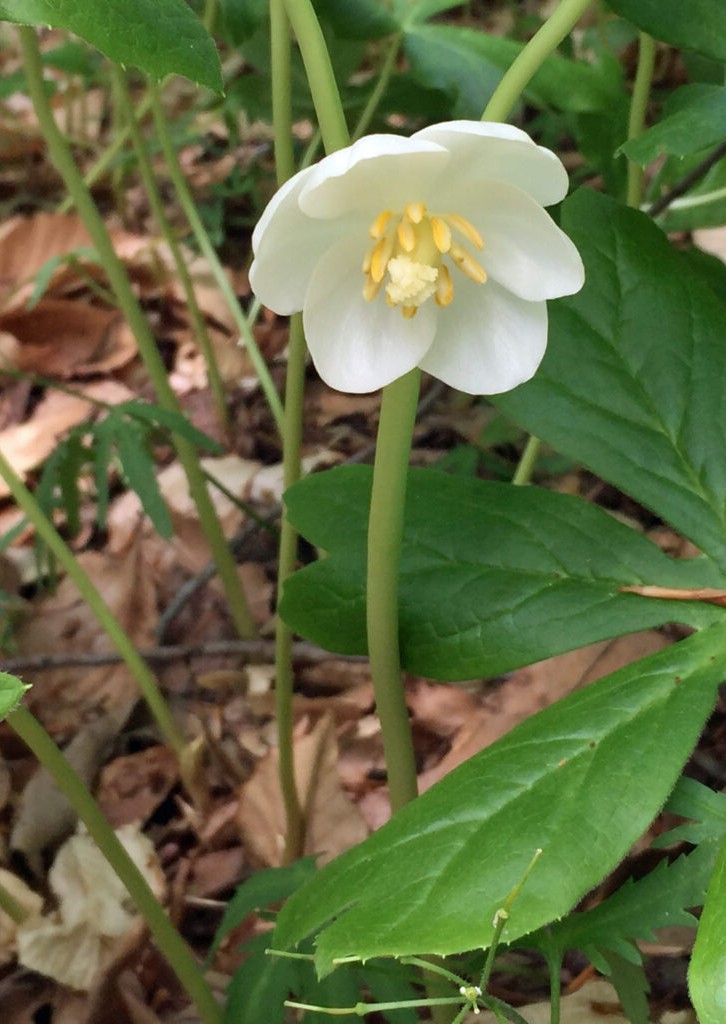
Indian Apple (Mayapple)
Podophyllum peltatum L.
Important botanical synonyms and former names include:
- Anapodophyllum peltatum Moench
- Podophyllum callicarpum Raf.
- Podophyllum montanum Raf.
- Podophyllum peltatum var. annulare J.M.H.Shaw
- Podophyllum peltatum f. aphyllum Plitt
- Podophyllum peltatum f. biltmoreanum Steyerm.
- Podophyllum peltatum f. callicarpum (Raf.) J.M.H.Shaw
- Podophyllum peltatum f. deamii Raymond
Important botanical distinctions:
- Podophyllum peltatum is the North American Mayapple and is distinct from European or Mediterranean mandrakes in the genus Mandragora.
- Podophyllum hexandrum, also widely published as Sinopodophyllum hexandrum, is an Asian species commonly called Himalayan or Indian Mayapple and should not be treated as a synonym of P. peltatum.
- Diphylleia cymosa, commonly called Umbrella Leaf, is a separate North American member of Berberidaceae.
- Named Mayapple forms involving unusual leaf development or fruit color remain within Podophyllum peltatum and should not be presumed chemically harmless.
Berberidaceae — Barberry Family
Mayapple; May Apple; May-Apple; American Mayapple; Indian Apple; Indian Apple Root; Hog Apple; Hogapple; Ground Lemon; Wild Lemon; American Mandrake; Wild Mandrake; Mandrake; Duck’s Foot; Raccoonberry; Devil’s Apple; Umbrella Leaf; Wild Jalap; Podophyllum peltatum; Anapodophyllum peltatum; Podophyllum callicarpum; Podophyllum montanum
American Mandrake, Wild Mandrake, and Mandrake refer regionally to Podophyllum peltatum but should not be confused with true mandrakes in the genus Mandragora, which contain tropane alkaloids and cause a different poisoning syndrome.
Indian Apple is highly ambiguous and has been applied to several unrelated plants. Indian Mayapple may also refer to the separate Asian species Podophyllum hexandrum, widely published as Sinopodophyllum hexandrum.
Umbrella Leaf may refer to Diphylleia cymosa, while Umbrella Plant is used for several unrelated houseplants and aquatic or landscape species. The scientific name and complete plant should be preserved during a poisoning investigation.
Exact-Species Aryltetralin Lignans
Mayapple contains a chemically diverse group of cytotoxic natural products known as aryltetralin lignans. The best-known compound is podophyllotoxin, but it is not the plant’s only biologically active constituent. Exact-species analyses of Podophyllum peltatum have also identified α-peltatin, β-peltatin, 4′-demethylpodophyllotoxin, desoxypodophyllotoxin, podophyllotoxin glucosides, peltatin glucosides, and additional related lignans whose concentration and distribution vary among plant organs and populations.
Podophyllin, also called podophyllum resin, is not one pure toxin naturally circulating through the plant under that name. It is a crude resinous pharmaceutical or historical medicinal preparation produced primarily from dried roots and rhizomes of Mayapple or related species. The resin contains podophyllotoxin, peltatins, and numerous other extractable constituents in proportions that depend on the source plant, manufacturing process, solvent, storage, and product concentration.
This distinction matters clinically. A dog chewing one leaf encounters intact plant tissue with a naturally variable lignan mixture. An animal licking a concentrated podophyllin preparation, podofilox solution, podophyllotoxin product, tincture, powder, or homemade extract may receive a much larger and more readily absorbed dose from a very small volume.
Roots and Rhizomes Are Important but Not Universally the Most Concentrated
Roots and the branching underground rhizome have long been regarded as the most dangerous portions because they were harvested to manufacture podophyllum resin. They remain high-concern exposure material, particularly when a dog digs up a colony, landscaping exposes the rhizomes, or discarded divisions are left where animals can chew them.
Exact-species chemical research does not support a universal claim that underground tissue always contains the highest podophyllotoxin concentration. A study of 28 American Mayapple accessions found rhizome concentrations ranging from approximately 0.14% to 0.42% dry weight, while leaf concentrations ranged from undetectable to approximately 2.52%. In several accessions the leaves contained more podophyllotoxin than the rhizomes, and concentrations in one organ did not reliably predict concentrations in the other.
Broader surveys of leaves from colonies across the eastern United States likewise found striking chemotypic variation. Some populations accumulated very high podophyllotoxin with little α- or β-peltatin, while others accumulated predominantly peltatins and little detectable podophyllotoxin. Environmental conditions can affect growth and yield, but stable genetic or biosynthetic differences among colonies are also important.
The practical conclusion is not that leaves are always more dangerous than rhizomes. It is that plant part alone cannot supply a dependable dose estimate. Both aboveground and underground tissue may contain clinically relevant cytotoxic lignans.
Podophyllotoxin Glucosides and Damage During Chewing
Mayapple leaves contain free podophyllotoxin as well as glycosylated storage forms such as podophyllotoxin 4-O-β-D-glucopyranoside. Research demonstrated that enzymes present in leaf tissue can convert glucosides into corresponding aglycones when plant material is disrupted under suitable conditions.
Chewing crushes cells, mixes enzymes with stored substrates, exposes lignans to saliva and gastrointestinal fluid, and increases the surface area available for extraction. The exact amount released inside an animal has not been measured, but an intact-looking leaf cannot be assumed to represent only the free podophyllotoxin quantified before tissue disruption.
Drying also does not establish safety. Mineral loss is not required for toxicity, and stable lignans can remain in dried roots, rhizomes, leaves, powders, herbal products, and old plant debris.
Disruption of Tubulin and Microtubule Dynamics
Podophyllotoxin binds tubulin and disrupts the assembly, disassembly, and dynamic behavior of microtubules. Microtubules are structural components required for cell shape, intracellular transport, nerve function, and formation of the mitotic spindle that separates chromosomes during cell division.
At different concentrations, podophyllotoxin-tubulin interactions can cap growing microtubule ends, retard addition of new subunits, alter spindle organization, and promote microtubule depolymerization. The result is mitotic arrest and failure of normal cellular division rather than one simple act of dissolving every microtubule immediately.
Rapidly renewing tissues are especially vulnerable. Gastrointestinal epithelium, bone-marrow precursor cells, hair-producing cells, reproductive tissue, and developing embryonic tissue all depend on repeated cell division. This helps explain why major systemic podophyllin poisoning can produce severe enteritis first and delayed blood-cell abnormalities later.
Podophyllotoxin Is Not Etoposide or Teniposide
Etoposide and teniposide were developed from podophyllotoxin chemistry, but they are not simply purified Mayapple resin. Structural modification changed their principal pharmacological behavior.
Podophyllotoxin primarily disrupts tubulin and microtubule function. Etoposide and teniposide act mainly through inhibition of DNA topoisomerase II, producing DNA-strand injury during replication. Their clinical oncology use does not make raw Mayapple an anticancer treatment and does not justify borrowing chemotherapy doses or management protocols for plant ingestion.
A poisonous natural molecule can provide the chemical starting point for a valuable medicine after extensive modification, purification, formulation, testing, and precise dosing. The living plant remains uncontrolled cytotoxic material.
Local Irritation and Tissue Injury
Fresh roots, rhizomes, sap, crushed foliage, and podophyllin resin can irritate or directly injure living tissue. Contact may cause burning, redness, inflammation, blistering, erosion, ulceration, or necrotic injury, particularly when concentrated material remains beneath a bandage, collar, coat, or skin fold.
Podophyllin and podophyllotoxin can be absorbed through mucous membranes and through skin when the exposure is concentrated, prolonged, applied to damaged tissue, or spread across a large surface. Severe human poisonings have occurred after topical medicinal application without intentional swallowing.
Casual contact with one intact leaf is not equivalent to application of concentrated resin. Gloves remain appropriate when handling crushed roots, rhizomes, sap, vomited plant fragments, contaminated fur, or medicinal products.
The Ripe-Fruit Exception Requires Caution
Fully ripe, soft, yellow Mayapple pulp has a documented history of limited human food use. That exception applies narrowly to correctly identified, completely ripened pulp and does not establish that the entire fruit, seeds, rind, green fruit, or partly ripened fruit is non-toxic.
Controlled studies defining the lignan content of every stage and component of the fruit are limited. The boundary between green, partly ripe, and fully ripe material may also be misjudged, particularly after fruit falls, becomes damaged, or begins fermenting.
No controlled feeding trial has established a safe amount of ripe Mayapple pulp for dogs, cats, horses, livestock, rabbits, guinea pigs, or birds. There is no nutritional reason to offer it to a pet, and the possibility of swallowed seeds or incompletely ripened tissue removes the value of treating it as a household food exception.
Natural Plant Ingestion Versus Concentrated Podophyllin Poisoning
Most reports of coma, profound neuropathy, severe bone-marrow suppression, hepatic injury, renal dysfunction, and death involve podophyllum resin, podophyllotoxin medication, concentrated herbal preparations, or unusually large exposures. Those cases provide critical mechanistic and treatment information but should not be presented as the inevitable result of one small leaf bite.
Natural plant ingestion is expected first to cause oral irritation, vomiting, diarrhea, abdominal pain, and depression. A sufficiently large dose—particularly involving lignan-rich leaves, roots, rhizomes, repeated consumption, or concentrated products—can extend beyond the gastrointestinal tract and produce systemic cytotoxic and neurologic illness.
The absence of a modern authenticated dog or cat case series prevents calculation of a reliable leaf count, rhizome weight, or species-specific probability of severe outcome. That uncertainty requires proportionate caution rather than automatic claims that every exposure is fatal.
No Established Safe or Lethal Dose
No dependable safe plant quantity, toxic leaf count, rhizome weight, seed count, fruit serving, or lethal dose has been established for natural Podophyllum peltatum ingestion in dogs, cats, horses, livestock, rabbits, guinea pigs, or birds.
Risk depends on the chemotype, plant organ, maturity, amount crushed, amount swallowed, body size, route of exposure, gastrointestinal absorption, underlying disease, and whether the material was a living plant, dried drug, extract, resin, or pharmaceutical preparation.
Early Oral and Gastrointestinal Irritation
Signs may begin within minutes to several hours, although onset depends on the plant part, amount, lignan concentration, degree of chewing, stomach contents, and individual animal. A bitter or irritating taste may cause abrupt withdrawal from the plant, head shaking, lip licking, repeated swallowing, gagging, retching, or pawing at the mouth.
Salivation may be mild or profuse. The lips, gums, tongue, palate, and throat can become red, painful, inflamed, blistered, or ulcerated after concentrated sap, crushed rhizome, or resin exposure. An animal may approach food or water and then pull away because chewing or swallowing is uncomfortable.
Vomiting, forceful purging, diarrhea, and abdominal cramping are the most characteristic consequences of ingestion. Vomiting may occur once after a small exposure or become repeated and exhausting after substantial leaf, root, rhizome, unripe-fruit, seed, or concentrated-product ingestion.
Abdominal Pain, Enteritis, and Gastrointestinal Bleeding
Abdominal pain may appear as restlessness, repeated stretching, a hunched posture, prayer position, whining, flank watching, kicking at the abdomen, or resistance when touched. Cats may hide, crouch, stop grooming, or refuse food without displaying obvious outward pain.
Diarrhea may become frequent, watery, mucoid, or forceful. Fresh red blood can result from severe lower gastrointestinal irritation, while black tarry stool or coffee-ground vomit raises concern for more substantial bleeding higher in the digestive tract.
Severe natural-plant gastrointestinal bleeding appears uncommon, but concentrated podophyllin is capable of profound mucosal and systemic injury. Repeated blood, pale gums, weakness, abdominal distention, or collapse requires emergency examination.
Dehydration, Electrolyte Disturbance, and Shock
Repeated vomiting and diarrhea can rapidly deplete fluid and electrolytes. Tacky gums, reduced skin elasticity, sunken eyes, thirst, reduced urination, weakness, lethargy, and a rapid heart rate are early signs of dehydration.
Progressive loss may cause low blood pressure, weak pulses, cool extremities, delayed capillary refill, worsening mental status, kidney stress, and circulatory collapse. Sodium, potassium, chloride, glucose, and acid-base abnormalities can intensify weakness, tremors, abnormal behavior, or cardiac instability.
Young, very small, elderly, or medically fragile animals have less reserve and may become unstable after less fluid loss than a healthy adult animal.
Neurologic Toxicity
Substantial systemic exposure can produce agitation, confusion, hallucination-like behavior, depression, weakness, reduced reflexes, poor coordination, stumbling, inability to stand, tremors, seizures, stupor, or coma.
Human podophyllin cases demonstrate an important biphasic neurologic pattern. Acute encephalopathy or psychosis may improve, yet a delayed sensorimotor and autonomic peripheral neuropathy can emerge afterward and persist for weeks or months. This delayed syndrome is best documented after concentrated resin exposure and should not be predicted routinely after one Mayapple leaf.
Any animal that becomes uncoordinated, tremorous, seizuring, poorly responsive, or unable to stand requires immediate care. Severe dehydration, another poisonous plant, pesticide, medication, or metabolic disease may produce similar signs and must be investigated.
Delayed Bone-Marrow Suppression
Bone-marrow precursor cells divide rapidly and are vulnerable to antimitotic compounds. After a major systemic podophyllin exposure, white blood cells, platelets, and red-cell precursors may fall after the initial gastrointestinal illness appears to be improving.
Leukopenia or neutropenia can increase susceptibility to infection. Thrombocytopenia can cause petechiae, bruising, bleeding gums, nosebleeds, blood in urine or stool, and prolonged bleeding from minor injuries. Suppression of red-cell production may contribute to anemia, pale gums, weakness, and reduced exercise tolerance.
Delayed marrow injury is much more strongly supported after concentrated medicinal or herbal exposure than after ordinary browsing. Serial blood counts remain appropriate after a substantial root, rhizome, extract, resin, or product exposure because one normal early count cannot exclude later suppression.
Liver, Kidney, and Multiorgan Effects
Severe systemic podophyllin poisoning has been associated with hepatic dysfunction and renal abnormalities. Direct cytotoxic injury, dehydration, hypotension, hemolysis, infection, and prolonged critical illness may all contribute to abnormal organ values.
Jaundice, very dark urine, greatly reduced urine production, persistent hypoglycemia, severe weakness, or worsening illness after the gastrointestinal signs settle requires laboratory reassessment.
Major organ failure is not the expected outcome of a brief taste. It is most concerning after concentrated products, a large ingestion, prolonged exposure, or severe shock.
Skin and Mucous-Membrane Injury
Plant resin or crushed tissue on the skin may cause redness, itching, burning, papules, swelling, blistering, erosion, or ulceration. Moist areas beneath the jaw, around the lips, between the toes, beneath a collar, or within skin folds may hold the material against the body and sustain injury.
An animal can transfer resin from a paw or contaminated coat to the muzzle, eyelids, mouth, or another body region during grooming. Delayed worsening may occur after the initial plant exposure has ended because local tissue injury continues to develop.
Progressive facial or intermandibular swelling requires examination. It may reflect local irritation, inflammatory edema, salivary contamination, infection, or an unrelated allergic or obstructive process.
Eye Exposure
Sap, resin, crushed root material, or contaminated paws can cause immediate ocular pain, tearing, squinting, conjunctival redness, eyelid swelling, rubbing, corneal irritation, cloudiness, or apparent visual difficulty.
Continued squinting or cloudiness after irrigation raises concern for a corneal epithelial defect, retained plant material, or deeper inflammation. Eye injury should not be treated with leftover human or veterinary medication before the cornea is examined.
Mechanical Complications
A root segment, thick rhizome, wad of leaves, fruit, woody debris, garden mesh, or medication applicator can produce choking or gastrointestinal obstruction independently of the plant’s cytotoxic chemistry.
Repeated gagging, regurgitation, neck extension, immediate return of water, persistent vomiting, abdominal enlargement, reduced stool, or apparent recovery followed by renewed illness requires evaluation for retained material.
Dogs and Cats
Dogs are most likely to encounter Mayapple while digging through woodland colonies, excavating landscaping, carrying rhizome divisions, or eating fallen fruit. Puppies may continue chewing despite the bitter taste and can swallow soil, fertilizer, landscape fabric, or another plant during the same event.
Cats may chew stems or leaves, play with fruit, or groom plant residue from the coat. Persistent feline appetite loss requires attention even when vomiting has stopped because prolonged anorexia can create serious secondary metabolic disease.
No modern authenticated companion-animal case series defines the typical dose-response relationship. Clinical management must therefore rely on plant-part identification, estimated amount, symptoms, and the broader evidence from plant chemistry and concentrated podophyllin poisoning.
Horses and Livestock
Livestock generally avoid bitter Mayapple when adequate forage is available, but historical reports describe poisoning in pigs and cattle, and exposure has also been associated with other grazing species. Risk increases when rhizomes are uprooted, colonies are mowed into forage, storm debris is dumped into enclosures, or animals lack suitable feed.
Possible findings include salivation, appetite loss, diarrhea, abdominal pain, depression, weakness, incoordination, and recumbency. Horses cannot vomit and may show colic, diarrhea, feed refusal, or neurologic changes instead.
Every animal sharing access should be assessed because individuals may consume very different amounts from the same colony or pile of debris.
Expected Course and Emergency Warning Signs
A limited leaf taste may cause no signs or gastrointestinal illness that begins improving within several hours. Root, rhizome, repeated, concentrated-product, or systemic exposures can produce illness lasting several days and may require follow-up testing after the animal appears clinically better.
Emergency warning signs include repeated vomiting, inability to retain water, bloody diarrhea, black stool, severe abdominal pain, major dehydration, weakness, loss of coordination, tremors, seizures, collapse, coma, pale gums, unexplained bruising, active bleeding, fever, markedly reduced urine production, or worsening illness after apparent improvement.
Accepted Identity and Native Range
Indian Apple or Mayapple is Podophyllum peltatum L., a rhizomatous perennial in Berberidaceae. Its native range extends from southeastern Canada through much of the central and eastern United States. It is strongly associated with the eastern deciduous forest but also occupies wooded slopes, floodplains, ravines, shaded roadsides, field margins, and other seasonally moist habitats.
The species frequently forms extensive colonies that appear to contain hundreds of individual plants. Many of those shoots are genetically identical extensions of one long-lived clone connected by a branching underground rhizome.
This clonal structure matters during poisoning prevention. Pulling one visible shoot does not remove the colony, and digging or construction can expose a network of toxic rhizome pieces over a much larger area than the leaves suggest.
One-Leaf and Two-Leaf Shoots
Young or nonreproductive shoots usually produce one large umbrella-like leaf and no flower. Mature reproductive shoots divide near the top and typically carry two broad leaves with a single nodding flower developing in the fork beneath them.
The flower is easily overlooked because the leaves conceal it from above. It generally has six to nine white petals surrounding numerous yellow stamens. After pollination, the ovary develops into one fleshy fruit.
Unusual botanical forms can produce leafless flowering shoots, three leaves, altered carpel numbers, or fruit that ripens orange or red rather than the more familiar yellow. These variations remain Mayapple and do not indicate a non-toxic variety.
Leaves, Petioles, and Peltate Attachment
Mayapple leaves are broad, pale to medium green, and palmately divided into several lobes. The leaf stalk attaches beneath the blade away from the ordinary margin, creating the shield-like or umbrella-like structure described by the botanical term peltate.
Leaves may be large enough to conceal the flower, fruit, small wildlife, or a pet’s muzzle. An owner may discover damaged foliage without immediately seeing what portion was chewed or whether a fruit was present beneath it.
Exact-species chemical studies demonstrate that leaves cannot be dismissed as low-toxin tissue. Some colonies contain little detectable podophyllotoxin in foliage, while others produce leaves with concentrations exceeding those measured in their rhizomes.
Rhizomes and Colony Expansion
The shallow underground rhizome grows horizontally and produces roots, buds, and new aerial shoots at intervals. It may be brown, reddish brown, or dark externally and lighter within when broken.
Dogs can expose rhizomes while digging, and landscaping crews may leave cut divisions or root fragments on the surface. Rhizome pieces are more portable than rooted plants and may be carried into yards, kennels, barns, or homes.
The historic drug called American podophyllum was prepared from dried rhizomes and roots. That pharmacognostic history explains the special concern surrounding underground tissue even though modern chemical studies show that some leaves can contain higher podophyllotoxin concentrations.
Fruit Development and the Narrow Ripe-Pulp Tradition
The fruit begins green and firm beneath the leaves and ripens later in summer. Mature fruit is usually yellow or golden and softens while developing a strong aroma. Wildlife may remove fruit before people notice it.
Fully ripe pulp has been eaten historically in limited amounts and used in preserves. This traditional exception is narrower than broad statements that “the fruit is edible.” Green fruit, partly ripened fruit, seeds, rind, attached plant tissue, and incorrectly identified fruit remain inappropriate for consumption.
No veterinary study establishes a safe ripe-pulp portion. Dogs may swallow the complete fruit rather than separate the pulp carefully, while grazing animals may consume the fruit with leaves, petioles, and stems. PAWS therefore does not recommend feeding Mayapple fruit to animals.
American Mandrake Is Not European Mandrake
American Mandrake is a common name for Podophyllum peltatum. European or Mediterranean mandrake belongs to the genus Mandragora in Solanaceae and contains tropane alkaloids capable of producing anticholinergic poisoning.
The two plants are unrelated in appearance, chemistry, geographic origin, and expected syndrome. Mayapple causes cytotoxic, gastrointestinal, and potentially neurologic or hematologic injury; true mandrake poisoning is characterized more by dry mucous membranes, dilated pupils, agitation, hallucination-like behavior, rapid heart rate, urinary retention, hyperthermia, and other anticholinergic effects.
Asian Mayapples and Scientific-Name Confusion
Much of the commercial podophyllotoxin literature concerns Himalayan or Indian Mayapple, commonly published as Podophyllum hexandrum or Sinopodophyllum hexandrum. That is a separate Asian species rather than another name for North American Mayapple.
Older publications also placed several Asian mayapples in Podophyllum, while later systems divided them among Dysosma, Sinopodophyllum, and related genera. Current databases do not always use the same generic boundaries.
Research from those species can clarify podophyllotoxin chemistry and human poisoning but should not silently replace exact-species evidence from P. peltatum.
Exact-Species Chemotypes
American Mayapple is not chemically uniform across its range. Large surveys found colonies dominated by podophyllotoxin, colonies dominated by α-peltatin, and others with mixed or very low concentrations.
The difference is not merely an academic issue for pharmaceutical crop selection. It means that the same number of leaves from two colonies may not deliver the same lignan dose.
Visual appearance does not reveal the chemotype. Leaf size, color, fruit production, soil type, shade, and geographic location cannot be used by a pet owner to identify a low-toxin plant.
Historical Medicine and the Podophyllin Problem
Mayapple roots and resin were used historically as drastic cathartics, emetics, anthelmintics, and topical treatments. The violent purging action was once interpreted as therapeutic, but inconsistent preparation and narrow safety margins caused severe poisonings.
Podophyllin later became a topical treatment for anogenital warts. Absorption from large treated areas, damaged mucosa, excessive concentration, prolonged contact, pregnancy, or accidental ingestion produced gastrointestinal, neurologic, hepatic, renal, and bone-marrow toxicity.
These clinical cases establish what the lignans can do after substantial systemic absorption. They do not establish that a household animal nibbling one leaf received the same dose as a person exposed to concentrated resin.
Severe Human Podophyllin Cases
A 1979 report described a 17-year-old patient who entered a coma after concentrated podophyllum resin was applied to extensive vulvar lesions. The illness involved the central nervous system, bone marrow, and liver and required charcoal hemoperfusion. Neurologic and physiologic sequelae remained six months later.
Another report documented hallucinatory psychosis, bone-marrow depression, and mild hepatic dysfunction followed by persistent autonomic and sensorimotor peripheral neuropathy. Fatal systemic cases have also been published.
These reports justify serial blood counts and neurologic monitoring after a major concentrated exposure. They should be presented as concentrated podophyllin evidence, not as a routine forecast for every natural Mayapple ingestion.
Podophyllotoxin and Modern Cancer Drugs
Podophyllotoxin became an important chemical starting point in the development of etoposide, teniposide, and related anticancer medicines. Those drugs are purified semisynthetic compounds with different principal molecular targets, controlled formulations, and carefully calculated clinical doses.
The connection is scientifically important because it demonstrates the potency of Mayapple lignans. It does not make the root, leaf, resin, tea, powder, or homemade extract a cancer therapy.
Eating Mayapple cannot reproduce an oncology protocol and may injure the gastrointestinal tract, nervous system, marrow, liver, kidneys, skin, or developing fetus before any theoretical antitumor effect could be used safely.
How Animals Encounter Mayapple
Dogs may chew leaves during woodland walks, dig up rhizomes in shaded yards, eat fruit beneath a colony, or gain access to roots exposed by erosion, construction, or transplanting. Garden divisions and medicinal herb material create additional exposures away from natural habitat.
Livestock exposure becomes more likely when colonies are cut into hay, uprooted material is dumped into an enclosure, pigs root through woodland soil, or hungry animals lack suitable forage. Rabbits, guinea pigs, birds, and poultry should not receive Mayapple as forage or enrichment.
Medication exposure can occur when a pet licks podofilox or podophyllotoxin from treated human skin, chews a product container, or contacts improperly stored herbal resin. The package and ingredient list are essential because solvents and inactive ingredients may add separate hazards.
Diagnosis
No routine blood test confirms Mayapple ingestion. Diagnosis depends on plant identification, plant part, estimated amount, exposure timing, clinical findings, and exclusion of another toxin, medication, mushroom, or foreign body.
Useful evidence includes the complete plant, rhizome, roots, leaves, flower, fruit, seeds, photographs of the colony, vomited fragments, herb packaging, and any podophyllin or podofilox product involved.
Initial testing may include a complete blood count, electrolytes, glucose, kidney and liver values, acid-base status, urinalysis, and assessment of hydration and perfusion. Serial blood counts are more informative than one early sample after a substantial systemic or concentrated exposure.
Persistent vomiting, abdominal enlargement, regurgitation, or reduced fecal production may justify radiographs, ultrasound, contrast imaging, or endoscopy for retained roots, rhizomes, fruit, packaging, or another swallowed object.
Prognosis
The prognosis is generally good after a limited natural-plant exposure when signs remain confined to mild oral irritation, vomiting, or diarrhea and hydration is maintained.
The outlook becomes more guarded with root or rhizome ingestion, very lignan-rich foliage, concentrated resin or medication, severe gastrointestinal injury, prolonged dehydration, neurologic abnormalities, marrow suppression, organ dysfunction, or delayed treatment.
There is no evidence-based universal 24-hour recovery promise. Significant cases may require several days of treatment and repeat blood testing after discharge.
Prevention
Prevent repeated browsing with fencing, supervised access, or relocation from Mayapple colonies. A barrier must account for fruit beneath the leaves and shallow rhizomes exposed by digging or erosion.
Collect all roots, rhizomes, leaves, fruit, seeds, and divisions after transplanting or landscape work. Do not dump plant material into pastures, paddocks, poultry runs, rabbit enclosures, kennels, or accessible compost piles.
Store podophyllin, podofilox, podophyllotoxin products, herbal powders, and extracts as securely as prescription medication. Keep pets away from recently treated skin and wash external residue promptly after accidental transfer.
Immediate Steps After Mayapple Exposure
- Stop further access: Move the animal away from the colony, exposed rhizomes, roots, leaves, flowers, fruit, seeds, garden debris, medicinal products, and contaminated surfaces.
- Identify the material: Determine whether the exposure involved a leaf, root, rhizome, green fruit, ripe fruit, seeds, dried herb, resin, podofilox, podophyllotoxin medication, tincture, tea, or another preparation.
- Preserve evidence: Save complete plant parts, missing pieces, fruit, seeds, nursery labels, photographs, vomited material, and the original product container with its concentration and ingredients.
- Remove only loose visible pieces: When the animal is alert, breathing normally, and unlikely to bite, remove material resting at the lips or front of the mouth. Do not reach toward the throat.
- Wear gloves: Crushed roots, rhizomes, resin, sap, vomit, and contaminated fur may irritate human skin and mucous membranes.
- Contact a veterinarian promptly: Root, rhizome, seed, unripe-fruit, repeated, substantial, concentrated-product, or uncertain exposure deserves professional advice even before signs appear.
Do Not Attempt Unsupervised Home Treatment
- Do not induce vomiting: Do not give hydrogen peroxide, salt, mustard, ipecac, dish soap, detergent, raw eggs, hot sauce, or use fingers or tools to trigger gagging.
- Never give peroxide to a cat: Hydrogen peroxide is not a safe feline emetic.
- Do not force activated charcoal: Charcoal may be aspirated by a vomiting, weak, sedated, uncoordinated, seizuring, or poorly swallowing animal.
- Do not give milk, oil, food, or bread as an antidote: These do not neutralize lignans and may complicate professional decontamination or enter the lungs.
- Do not give antidiarrheals or human medication: Pain relievers, antacids, bismuth products, loperamide, anti-nausea drugs, corticosteroids, herbal remedies, and leftover prescriptions may add toxicity or conceal progression.
- Do not assume ripe-fruit exposure is automatically safe: Confirm that no seeds, rind, green tissue, leaves, or stem were swallowed.
Mouth Cleaning and Oral Irritation
Use a damp disposable cloth to lift visible residue from the lips, front gums, and accessible tongue without scraping painful tissue. A gentle rinse may be used only when the animal is fully alert, breathing normally, and swallowing normally.
Do not pour or syringe water toward the throat. Stop rinsing if the animal coughs, gags, struggles, becomes weak, or cannot manage saliva.
Persistent drooling, visible ulceration, progressive swelling, refusal of water, coughing during swallowing, or altered vocalization requires veterinary examination.
Veterinary Gastrointestinal Decontamination
A veterinarian may consider medically controlled emesis after a recent meaningful ingestion in a dog that remains fully alert, neurologically normal, able to swallow, and free from repeated vomiting, severe oral injury, collapse, or aspiration risk.
Emesis is inappropriate in symptomatic animals and in species that cannot vomit safely, including horses, rabbits, guinea pigs, rodents, and birds.
Activated charcoal may be considered after selected substantial plant or concentrated-product exposures when the patient can protect the airway and gastrointestinal obstruction is not suspected. Its use must account for vomiting, dehydration, electrolyte status, intestinal motility, and neurologic condition.
Gastric lavage is reserved for unusual serious recent exposures under anesthesia with a protected airway. It is not routine and is never a home procedure.
Vomiting, Diarrhea, and Abdominal Pain
- Track every episode: Record the timing and appearance of vomit and stool, including plant material, roots, fruit, seeds, foam, mucus, fresh blood, coffee-ground material, or black stool.
- Watch abdominal comfort: Hunching, prayer posture, repeated stretching, whining, flank watching, bloating, or resistance to touch requires assessment.
- Permit water only when safe: An alert animal that has stopped vomiting and swallows normally may have voluntary access to small amounts of fresh water.
- Never force fluids: A nauseated, weak, coughing, gagging, or neurologically abnormal animal may aspirate them.
- Watch for dehydration: Tacky gums, sunken eyes, reduced urination, weakness, rapid heart rate, cool extremities, or worsening depression requires treatment.
- Report blood promptly: Repeated blood, black stool, pale gums, bruising, or collapse is an emergency.
Skin and Coat Decontamination
Remove contaminated collars, harnesses, clothing, and bedding. Brush or lift away loose dry material before wetting the coat so that it is not spread over a larger area.
Wash exposed skin, paws, and fur with lukewarm water and a mild pet-safe cleanser. Rinse thoroughly and prevent licking until cleanup is complete.
Do not apply alcohol, peroxide, bleach, solvents, concentrated vinegar, essential oils, human steroid cream, antibiotic ointment, or topical anesthetic.
Continued redness, swelling, blistering, ulceration, pain, or open skin requires veterinary examination.
Eye Exposure
Flush the affected eye immediately with sterile saline or clean lukewarm water for approximately 15 to 20 minutes. Direct a gentle stream across the eye and beneath the eyelids rather than forcefully at the cornea.
Prevent rubbing and keep contaminated runoff away from the other eye. Do not use redness-relief drops, contact-lens cleaner, numbing medication, corticosteroid drops, antibiotic ointment, milk, or soap.
Continued squinting, tearing, redness, swelling, cloudiness, unequal pupils, discharge, or apparent visual difficulty requires prompt veterinary examination.
Neurologic Emergency Signs
- Keep the animal at floor level: Move an uncoordinated or weak patient away from stairs, furniture edges, water, traffic, and hard objects.
- Do not force walking: Carry or support the animal when this can be done safely.
- Protect during seizures: Clear surrounding hazards without restraining the jaws or placing objects in the mouth.
- Seek emergency care: Agitation, confusion, loss of coordination, tremors, seizures, stupor, coma, or collapse indicates systemic illness.
Veterinary Examination and Supportive Treatment
There is no specific Mayapple antidote. Treatment is directed at limiting absorption, controlling gastrointestinal losses, protecting injured tissue, supporting circulation, and identifying neurologic, hepatic, renal, hematologic, or mechanical complications.
The veterinarian may evaluate the mouth, eyes, skin, hydration, abdominal comfort, temperature, cardiovascular status, coordination, reflexes, and mental status. Intravenous crystalloids may be required for dehydration, hypotension, electrolyte disturbance, or reduced intake.
Persistent vomiting may require veterinarian-selected anti-nausea medication after decontamination decisions are complete. Gastrointestinal protectants, analgesia, and nutritional support may be used when mucosal injury or prolonged food refusal is present.
Tremors or seizures may require injectable anticonvulsants, oxygen, glucose assessment, temperature control, and airway protection. Persistent severe neurologic illness warrants investigation for another poison or mixed exposure as well as Mayapple toxicity.
Serial Blood Counts and Organ Monitoring
A complete blood count obtained shortly after exposure may still be normal because bone-marrow suppression can be delayed. Serial testing may be recommended after substantial root, rhizome, concentrated-resin, medication, or systemic exposure.
Monitoring may include white-cell counts, neutrophils, platelets, hematocrit, liver values, kidney values, electrolytes, glucose, acid-base status, urinalysis, and clotting assessment when bleeding is present.
Fever, new bruising, pinpoint hemorrhages, pale gums, bleeding, profound lethargy, coughing, painful urination, or recurrent illness after initial improvement requires immediate reassessment.
Concentrated Podophyllin, Podofilox, or Herbal Product Exposure
Treat any medicinal resin, solution, gel, powder, tea, tincture, or extract as a high-concentration exposure. Save the complete package, active concentration, inactive ingredients, applicator, and estimated amount missing.
Determine whether the animal swallowed the container, licked recently treated human skin, contacted medication applied beneath a bandage, or drank a homemade preparation.
Wash external residue while wearing gloves unless the product label or veterinary professional gives different instructions. Systemic illness can follow dermal or mucosal absorption without obvious ingestion.
Massive concentrated exposure may justify consultation with a veterinary toxicologist and a facility capable of intensive neurologic, hematologic, hepatic, renal, and respiratory support. Extracorporeal techniques have been attempted in severe human cases, but there is no established routine veterinary protocol.
Horse and Livestock Exposure
Remove the entire group from living colonies, exposed rhizomes, uprooted plants, cut hay, storm debris, landscape waste, and contaminated feed. Provide clean water and adequate uncontaminated forage while veterinary assistance is arranged.
Inspect every animal sharing access. Monitor salivation, appetite, manure production, abdominal pain, diarrhea, depression, weakness, incoordination, and recumbency.
Horses cannot vomit and must never receive an emetic. Do not drench a weak, colicky, uncoordinated, coughing, recumbent, or poorly swallowing animal with oil, charcoal, water, feed, or medication.
Preserve whole plants, rhizomes, hay, feed, photographs, and professionally collected stomach contents when available.
Recovery and Prognosis
Most limited natural exposures causing mild oral or gastrointestinal signs have a good prognosis when vomiting and diarrhea are controlled and hydration is maintained.
The prognosis becomes more guarded with a substantial root or rhizome exposure, concentrated product, severe gastrointestinal injury, prolonged hypotension, neurologic abnormalities, bone-marrow suppression, organ dysfunction, or delayed treatment.
Recovery should include decreasing vomiting and diarrhea, comfortable swallowing, improving hydration and appetite, normal coordination, and stable blood-cell counts. Renewed weakness, bruising, bleeding, fever, pale gums, poor coordination, or abnormal behavior after apparent improvement requires immediate re-examination.
Frequently Asked Questions About Indian Apple, Mayapple, and Animal Poisoning
Are Mayapple roots always more toxic than the leaves?
No. Roots and rhizomes are historically important because they were used to manufacture podophyllum resin, but exact-species studies found major population variation. Examined rhizomes contained approximately 0.14% to 0.42% podophyllotoxin, while leaves ranged from undetectable concentrations to approximately 2.52%. Some leaves therefore contained substantially more than the corresponding underground tissue.
Why can two Mayapple colonies have different toxicity?
American Mayapple has distinct chemical profiles or chemotypes. One colony may accumulate predominantly podophyllotoxin, another may produce more α-peltatin, and another may contain little of the measured lignans in its leaves. Genetics, biosynthetic capacity, environment, soil, and plant development all contribute, and visual appearance does not reveal the concentration.
Are podophyllin and podophyllotoxin the same substance?
No. Podophyllotoxin is a defined aryltetralin lignan. Podophyllin or podophyllum resin is a crude extract containing podophyllotoxin, α-peltatin, β-peltatin, and numerous other constituents. A concentrated resin product can deliver a much larger dose than one piece of living plant tissue.
Can Mayapple leaves release more active compound after they are crushed?
Mayapple leaves contain both free lignans and glycosylated forms. Plant enzymes can convert podophyllotoxin glucosides into corresponding aglycones when tissues are disrupted under suitable conditions. Natural chewing has not been quantified in the same way, but crushing clearly changes the chemical environment and increases extraction from the leaf.
Does ripe Mayapple fruit contain no toxin at all?
That conclusion is too broad. Completely ripe yellow pulp has a history of limited human use, but controlled organ-by-organ and ripening-stage safety data are incomplete. The exception does not include green fruit, partly ripened fruit, rind, seeds, leaves, or attached stem tissue, and no pet-safe serving has been established.
Why should a veterinarian repeat the blood count after the pet seems better?
Gastrointestinal signs can begin before injury to bone-marrow precursor cells becomes visible in circulation. White-cell and platelet counts may fall later. Repeat testing helps detect delayed infection risk, bruising, bleeding, or anemia after a substantial systemic or concentrated exposure.
Can skin exposure really cause systemic poisoning?
Concentrated podophyllin has caused systemic human poisoning after application to damaged or highly absorptive tissue. Casual contact with an intact leaf is not equivalent, but concentrated resin, prolonged contamination, large exposed areas, broken skin, or mucous-membrane contact deserves urgent professional advice.
Why can nerve problems appear after the vomiting and coma resolve?
Severe podophyllin poisoning can produce transient central nervous-system effects followed by delayed peripheral nerve injury. Human cases describe autonomic and sensorimotor neuropathy persisting after the acute encephalopathy and marrow abnormalities improved. This pattern is associated principally with concentrated systemic exposure rather than a routine minor leaf taste.
Is Mayapple the plant used to make etoposide?
Podophyllotoxin chemistry provided the starting framework for etoposide and teniposide, but the medicines are semisynthetic derivatives with different principal molecular actions. Their clinical value does not make raw Mayapple, podophyllin resin, tea, or homemade extract a safe cancer treatment.
Why is American Mandrake not treated like true mandrake poisoning?
American Mandrake is Podophyllum peltatum and contains cytotoxic lignans. True mandrakes are Mandragora species containing tropane alkaloids. The plants are unrelated and produce different syndromes, so the common name alone is not sufficient for treatment decisions.
Is Himalayan or Indian Mayapple the same species?
No. Himalayan or Indian Mayapple usually refers to Podophyllum hexandrum, also published as Sinopodophyllum hexandrum. It is an Asian species and an important commercial source of podophyllotoxin. Its research should not be represented as exact evidence for North American P. peltatum.
Can a dog be poisoned by digging in a dormant Mayapple colony?
Yes. The aerial shoots die back seasonally, but the living rhizome remains underground. Digging can expose toxic roots and rhizomes even when no leaves are visible. Landscape work, erosion, and animal burrowing can create the same risk.
Why are concentrated wart medications more concerning than a leaf?
Podophyllin, podofilox, and podophyllotoxin products contain measured or concentrated active material in a small volume and may include solvents that increase tissue penetration. Licking recently treated skin or chewing a container can therefore deliver a disproportionately large dose.
Can activated charcoal prevent bone-marrow suppression?
Charcoal may reduce absorption in a selected recent exposure, but it cannot reverse toxin already absorbed or guarantee that delayed marrow injury will not occur. It also presents an aspiration risk in vomiting, weak, sedated, uncoordinated, or poorly swallowing animals. Serial monitoring remains necessary after a major exposure.
What should be suspected when severe signs follow one reported leaf bite?
The history may underestimate the amount, the leaf may come from a high-lignan chemotype, underground tissue or fruit may also be missing, or another toxin may be involved. Pesticides, mushrooms, medication, concentrated herbal products, foreign bodies, and mistaken plant identity should all be investigated.
Why should Mayapple clippings not be placed in a pasture or compost pile?
Cut material is easier for animals to pick up than an intact woodland plant, and rhizome pieces can remain biologically active. Composting does not immediately destroy the lignans. A hungry, curious, or confined animal may consume material it would normally avoid while grazing.