Sacred Bamboo Cyanogenic Glycosides, Hydrogen Cyanide Release, Bird Berry-Gorging, Livestock Clipping Risk, and Emergency Antidotal Treatment
Is Sacred Bamboo Poisonous to Dogs, Cats, Horses, and Livestock?
Yes—Sacred Bamboo or Heavenly Bamboo, Nandina domestica Thunb., is poisonous to dogs, cats, horses, livestock, birds, rabbits, guinea pigs, and other animals when enough cyanogenic plant material is crushed, chewed, swallowed, or digested. The plant contains cyanogenic compounds capable of releasing hydrogen cyanide after tissue damage. Cyanide prevents cells from using oxygen, so an animal can breathe rapidly and still suffer cellular oxygen failure.
Leaves, stems, bark, roots, flowers, green fruits, ripe red fruits, seeds, seedlings, and pruning debris should all be treated as potentially poisonous. Leaves have demonstrated strong cyanogenic potential throughout the year, green fruits may release cyanide rapidly, and ripe red berries vary by clone, fruit age, and ripeness. That variability does not create a dependable safe berry count for pets, birds, horses, livestock, or small mammals.
Severe poisoning is uncommon after a minor dog or cat exposure, but it can develop quickly after substantial ingestion, heavy berry consumption, landscape-clipping access, or bird gorging. Birds that swallow many berries in one feeding bout and ruminants that chew or ferment concentrated foliage can generate cyanide faster than their detoxification systems can remove it. Signs may include vomiting, salivation, anxiety, rapid or labored breathing, bright-red or abnormal mucous membranes, weakness, tremors, loss of coordination, seizures, collapse, respiratory failure, coma, and death.
About this guide: This page provides general pet-poisoning information and cannot diagnose or treat an individual animal. For any suspected exposure, contact a veterinarian or animal poison-control service immediately. Do not induce vomiting, give medication, or attempt home decontamination unless directed by a veterinary professional.
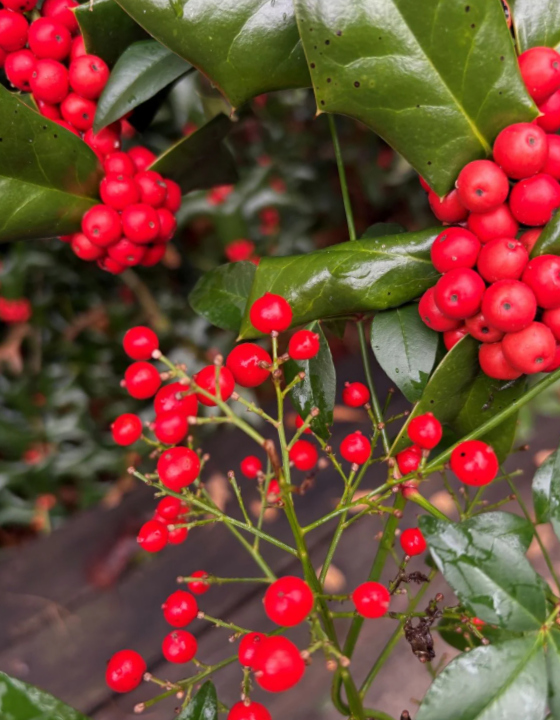
Sacred Bamboo
Nandina domestica Thunb.
- Recognized botanical synonyms include Nandina denudata Lavallée, Nandina tsermonanten Hassk., and Nandina tomentosa Wehmer.
- Several named forms, varieties, and cultivars have been published in horticultural use, but Nandina domestica remains the accepted species name for the plant commonly called Sacred Bamboo, Heavenly Bamboo, or Nandina.
- Nandina domestica is not a true bamboo. It belongs to Berberidaceae, the Barberry Family, not Poaceae, the grass family.
Berberidaceae — Barberry Family
Sacred Bamboo; Heavenly Bamboo; Heavenly-Bamboo; Nandina; Common Nandina; Chinese Sacred Bamboo; Japanese Sacred Bamboo; Domestic Nandina; Nanten; Nan-Ten; Nantian Zhu; Southern Heavenly Bamboo; Heavenly Bamboo Shrub; Sacred Bamboo Shrub; Nandina domestica; Nandina denudata; Nandina tsermonanten; Nandina tomentosa
Common cultivar and landscape names may include Compacta, Nana, Firepower, Gulf Stream, Harbor Dwarf, Moon Bay, Obsession, Flirt, Lemon Lime, Blush Pink, Moyer’s Red, Richmond, Alba, Woods Dwarf, and other named selections. Cultivar names may describe mature size, leaf color, or fruiting habit, but they do not automatically prove that foliage is safe to chew.
Sacred Bamboo and Heavenly Bamboo are misleading common names. Nandina domestica is an evergreen or semievergreen woody shrub in the Barberry Family and is not a true bamboo or grass. “Bamboo” toxicity information for true bamboos should not be applied to Nandina, and “nonfruiting” or “sterile” Nandina should not be treated as animal forage because leaves and stems may still be cyanogenic.
Cyanogenic Compounds and Hydrogen Cyanide Release
Sacred Bamboo contains cyanogenic compounds capable of releasing hydrogen cyanide after its tissues are damaged. Cyanogenic glycosides and related cyanogenic precursors are plant-defense compounds stored in a relatively inactive form while plant cells remain intact. The cyanogenic precursor and the enzymes capable of breaking it apart are normally kept in separate cellular compartments.
When an animal chews a leaf, crushes a berry, grinds plant material, or begins digesting it, those compartments rupture and their contents mix. Plant β-glucosidase enzymes remove the sugar portion from the cyanogenic compound, leaving an unstable cyanohydrin. That cyanohydrin can decompose spontaneously or through hydroxynitrile-lyase activity to release hydrogen cyanide, commonly abbreviated HCN.
The animal is therefore not simply swallowing a reservoir of free cyanide. The poison is generated rapidly when tissue injury brings the stored precursor and activating enzymes together. Crushing, grinding, macerating, prolonged chewing, gizzard action, rumen fermentation, or heavy berry consumption can increase contact between the precursor and the enzymes that release cyanide.
Direct Evidence for Nandina Cyanogenesis
Scientific investigation of Nandina domestica cyanogenesis dates back decades. In 1966, Y.P. Abrol, E.E. Conn, and J.R. Stoker published work on the identification, biosynthesis, and metabolism of a cyanogenic glucoside in the species. That research established that cyanogenesis in Nandina was not merely an inference from poisoned animals.
Further chemical work by J.D. Olechno, J.E. Poulton, and E.E. Conn resulted in the 1984 identification of nandinin, an acylated free cyanohydrin isolated from the leaves. Nandinin was characterized as the 3-(3,4-dihydroxyphenyl)-2-propenoic-acid 4′-ester of 4-(β-D-glucopyranosyloxy)-α-hydroxybenzeneacetonitrile. The chemical terminology is complex, but its toxicologic importance is straightforward: Nandina has specialized cyanogenic chemistry capable of generating hydrogen cyanide.
Other biologically active compounds occur in Nandina domestica, including alkaloids such as nantenine and higenamine-related constituents discussed in pharmacology literature. Those compounds should not displace cyanogenic chemistry as the principal explanation for the characteristic acute veterinary syndrome. Rapid respiratory, neurologic, and cardiovascular collapse after significant ingestion is most consistent with hydrogen-cyanide release and inhibition of cellular respiration.
How Cyanide Stops Oxygen Use
Hydrogen cyanide binds to ferric iron in cytochrome-c oxidase, also known as complex IV, within the mitochondrial electron-transport chain. This blocks the final transfer of electrons to oxygen, prevents oxygen from being reduced to water, and interrupts aerobic production of ATP, the molecule cells use to transfer usable energy.
The lungs may continue moving air and the bloodstream may contain abundant oxygen, but the tissues cannot use the oxygen that reaches them. This condition is called histotoxic hypoxia or histotoxic anoxia. Organs with high and continuous energy requirements, especially the brain and heart, are the first to fail when cellular respiration stops.
This mechanism explains why an animal may breathe rapidly, gasp, or appear desperate for air even when the airway is open. It also explains why venous blood and mucous membranes may appear unusually bright red in some cyanide cases: oxygen remains in the blood because tissues cannot extract and use it normally. That color is suggestive but unreliable and should never delay treatment.
Detoxification Through Thiocyanate Is Limited
Mammals and birds can detoxify limited cyanide exposure by converting cyanide to the less toxic compound thiocyanate through sulfur-dependent pathways that include the mitochondrial enzyme rhodanese. Thiocyanate is then eliminated primarily in urine. This protective mechanism is important but limited.
Detoxification depends on the availability of sulfur donors, the speed with which cyanide is released and absorbed, the animal’s species, body size, health, oxygenation, circulation, and total dose. A small amount may be detoxified before systemic collapse develops. A rapid bolus from crushed leaves, green fruits, berry gorging, rumen fermentation, or a concentrated pile of clippings can overwhelm the pathway.
Dogs have been described in toxicology discussions as having comparatively low overall rhodanese activity relative to several other mammalian species, which may reduce tolerance of rapidly absorbed cyanide exposure. That observation does not establish a dependable dog-specific berry count. It simply reinforces that rapidly developing breathing, neurologic, or collapse signs after Nandina exposure must be taken seriously.
Leaves, Green Fruits, and Red Fruits Differ but Are Not Safe
Every part of Sacred Bamboo should be considered potentially poisonous, including leaves, stems, bark, roots, flowers, green fruit, ripe red fruit, seeds, seedlings, and pruning debris. A 12-month investigation found that the leaves remained strongly cyanogenic throughout the year. Removing berries reduces one exposure route but does not make the shrub edible.
Green, unripe fruits were strongly and rapidly cyanogenic in that investigation. Mature red fruits were more variable: many released cyanide more slowly and less strongly than green fruits, and some older berries produced little or no detectable cyanide. That variability is important because it explains why the plant can be eaten without incident in some settings and cause mortality in others.
Variability does not make ripe red berries safe. Cyanogenic potential differs among individual plants, clones, fruit ages, fruit ripeness, growing conditions, and handling. An animal or fruit-eating bird may consume berries from a more strongly cyanogenic plant, may eat many berries quickly, or may crush them thoroughly enough to produce a dangerous exposure.
Exposure Form and Speed Matter
The form and speed of consumption matter as much as the plant name. A single berry dropped beneath a shrub is not the same exposure as a cedar waxwing gorging on many fruits, a parrot shredding berry clusters, a goat browsing a pile of freshly cut branches, or a cow chewing landscape trimmings. The faster cyanide is generated and absorbed, the less time the animal has to detoxify it.
Birds that gorge on many berries during one feeding episode can generate cyanide faster than their detoxification systems can remove it. Ruminants may release cyanide efficiently through thorough mastication, plant enzymes, and rumen microbial activity. Horses and livestock may also be exposed when trimmings are dumped directly into a paddock or when ornamental shrubs grow through fences.
Dogs and cats are less likely to consume a forage-sized quantity, but small body size, rapid ingestion, crushed berries, pruning debris, and individual susceptibility can still make an exposure important. Cats deserve special caution because open-mouth breathing is always medically significant and because they may be exposed to leaves or berries brought indoors as decoration.
No Dependable Safe Dose
No dependable safe dose has been established for dogs, cats, horses, livestock, birds, rabbits, guinea pigs, reptiles, or other animals. The final cyanide dose depends on plant clone, tissue, ripeness, fruit age, tissue damage, amount swallowed, speed of consumption, chewing efficiency, digestive physiology, body size, health status, and availability of sulfur-dependent detoxification.
The red color of the berries, the age of the shrub, the absence of symptoms after an earlier exposure, or the fact that some wildlife consumes the fruit cannot be used to declare a later ingestion safe. A minor exposure with no systemic signs generally carries a favorable prognosis, but heavy fruit consumption, crushed foliage, landscape clippings, or rapid-onset respiratory and neurologic signs should be handled as a true emergency.
Hazardous Vomit, Rumen Contents, and Crushed Plant Material
Vomit, stomach contents, rumen gas, gastric aspirate, crushed berries, macerated leaves, and sealed bags of damaged plant material may release hydrogen cyanide. The bitter-almond odor is not a dependable warning because many people cannot detect it and because clinically important exposure can occur without a useful smell.
Owners should not deliberately smell vomit, rumen gas, stomach contents, or plant sample bags. Veterinary and diagnostic personnel may need gloves, eye protection, adequate ventilation, sealed containers, and respiratory precautions when collecting or opening samples. Sample handling is part of the safety problem with cyanogenic plants, not a minor technical detail.
Onset and Early Progression
Acute cyanide poisoning can develop within minutes because hydrogen cyanide is absorbed rapidly and interferes immediately with cellular respiration. Early signs may include anxiety, agitation, increased respiratory rate and depth, salivation, abdominal discomfort, vomiting in species capable of vomiting, weakness, restlessness, and an unusually rapid heartbeat. Gastrointestinal signs may be the first visible evidence that plant material was eaten, but they should not be mistaken for the entire syndrome.
An animal that vomits and then becomes weak, tremorous, disoriented, or short of breath may already be developing systemic cyanide poisoning. Cyanide poisoning can move from normal appearance to collapse quickly enough that waiting for a complete symptom list is dangerous. Heavy berry consumption, crushed foliage, pruning debris, or group exposure should be treated more seriously than one uncertain nibble.
The speed of progression depends on amount eaten, tissue type, how thoroughly the plant was crushed, whether the exposure involved green fruit or leaves, body size, species, digestive physiology, sulfur-donor availability, and how fast antidotal care begins. Severe cases can be found dead without observed warning signs.
Respiratory and Oxygen-Use Signs
As mitochondrial oxygen use fails, affected animals may hyperventilate, gasp, extend the neck, breathe with exaggerated effort, or appear desperate for air. The airway may remain open and the lungs may continue moving oxygen normally; the problem is that cells cannot use the oxygen delivered to them.
Venous blood and visible mucous membranes may appear unusually bright pink, brick red, or cherry red because tissues fail to extract oxygen from the blood. This finding is suggestive but unreliable. The color may be absent, difficult to recognize, altered by another disease, or lost quickly after death. It should never delay treatment.
As collapse progresses, mucous membranes may become pale, gray, blue, or cyanotic because circulation and respiration are failing. An animal with rapid breathing, open-mouth breathing, gasping, blue-gray color, or collapse should be treated as an emergency regardless of whether the classic cherry-red color is visible.
Neurologic and Muscular Signs
Neurologic deterioration can be abrupt because the brain depends on continuous aerobic energy production. Weakness may progress to muscle fasciculations, tremors, loss of coordination, staggering, abnormal behavior, dilated pupils, rigid extension, seizures, collapse, coma, and respiratory arrest. An animal may move from mild anxiety to profound neurologic failure with little warning.
Severe tremors, seizures, loss of consciousness, or respiratory arrest indicate that cellular energy production has already been seriously compromised. These signs require immediate antidotal treatment, oxygen, ventilatory support, cardiovascular support, and seizure control. Home observation is not appropriate once neurologic signs begin.
Cardiovascular Signs
Cardiovascular findings may initially include tachycardia and elevated blood pressure as the body responds to stress and oxygen deprivation. This can be followed by weak pulses, abnormal rhythms, falling blood pressure, circulatory collapse, cardiac arrest, and sudden death. The heart is vulnerable because it has continuous energy requirements and cannot function normally when mitochondrial respiration is blocked.
In the most severe exposures, an animal may be found dead before an owner sees vomiting, trembling, or respiratory distress. Sudden death near Nandina clippings, berry-laden shrubs, or mixed landscape debris should trigger investigation for cyanogenic plant exposure along with other fast-acting toxins and cardiopulmonary causes.
Dogs and Cats
Dogs and cats rarely consume the large amounts more typical of livestock or fruit-gorging birds, so many pet exposures may produce no visible signs or limited gastrointestinal illness. A dog may eat fallen berries, pull branches from a hedge, chew pruned material, or swallow several berries before the bitter taste discourages further ingestion. Puppies and plant-chewing dogs deserve extra caution.
Cats are less likely than dogs to gorge on fallen fruit, but they may chew foliage, investigate berry-bearing cuttings, or encounter leaves brought indoors as decoration. Open-mouth breathing in a cat is always medically significant. Vomiting, sudden weakness, open-mouth breathing, dilated pupils, trembling, loss of balance, seizures, or collapse requires emergency care.
No guaranteed safe berry or leaf count exists. Weakness, rapid breathing, bright-red, pale, blue, gray, or brown mucous membranes, tremors, poor coordination, seizures, collapse, or open-mouth breathing should be treated as an emergency. A minor exposure with no systemic signs generally has a favorable prognosis, while a rapidly developing respiratory or neurologic syndrome can become fatal within minutes.
Horses
Horses may reach Nandina planted beside fences, barns, riding facilities, trails, parking lots, or landscaped turnout. Cut shrubs and hedge trimmings create a greater risk because a concentrated amount of foliage can be placed directly inside an enclosure. Horses cannot vomit.
Potential signs include anxiety, salivation, rapid or labored breathing, weakness, muscle tremors, loss of coordination, seizures, collapse, and sudden death. A weak or respiratory-distressed horse should not be forced to walk, exercised, or drenched. Exertion increases oxygen demand during a crisis in cellular oxygen use.
Any ornamental-clipping pile should be examined for other poisonous plants as well. Yew, oleander, cherry, privet, rhododendron, Pieris, Kalmia, and other landscape shrubs may be discarded with Nandina and can produce different or overlapping syndromes.
Cattle, Sheep, Goats, Camelids, and Other Ruminants
Ruminants can release cyanide efficiently from cyanogenic vegetation because they chew plant material thoroughly and rumen microbes contribute to glycoside hydrolysis. A hungry animal consuming a large amount rapidly is at greatest risk. Landscape clippings, storm debris, hedge trimmings, or a concentrated pile of branches can create a much greater danger than scattered ornamental access.
Potential signs include apprehension, excessive salivation, rapid or labored breathing, muscle tremors, weakness, staggering, bright-red mucous membranes, seizures, collapse, and sudden death. Once clinical signs begin, treatment must be immediate. Moving, chasing, or restraining a severely affected animal can increase oxygen demand and precipitate collapse.
Natural herd poisoning from Nandina is poorly documented compared with sorghum, wild cherry, or arrowgrass, but the cyanogenic chemistry is real and the exposure scenario is plausible. A pile of cut Nandina in a goat yard, horse paddock, sheep lot, or cattle enclosure should be treated as hazardous.
Birds
Birds may show weakness, inability to perch, falling from a perch, loss of balance, wing droop, rapid or open-mouth breathing, tremors, seizures, collapse, and sudden death. Fruit-eating birds that swallow many berries in one feeding episode can overwhelm their cyanide-detoxification capacity. Small body size and rapid intake leave little margin.
The documented cedar-waxwing deaths demonstrate that heavy Nandina fruit consumption can produce extensive pulmonary and internal hemorrhage and fatal systemic poisoning. Other birds may consume smaller quantities without obvious illness, but that does not make the berries suitable bird food. Parrots and pet birds can also shred leaves, stems, and berries efficiently, activating the cyanogenic system through crushing and grinding.
Any pet bird showing weakness, open-mouth breathing, tremors, inability to perch, seizures, collapse, or sudden depression after access to Nandina requires immediate avian veterinary care. Birds have little physiologic reserve and may deteriorate quickly.
Rabbits, Guinea Pigs, and Other Small Herbivores
Reliable toxic-dose data are unavailable for rabbits, guinea pigs, chinchillas, and most small mammals. Their low body weight means several leaves or berries may represent a meaningful exposure. They should not be offered Nandina foliage, berries, clippings, holiday decorations, or dried material as browse or enrichment.
Rabbits and guinea pigs cannot vomit. Rapid breathing, food refusal, weakness, tremors, loss of balance, seizures, collapse, or sudden reduction in fecal production requires prompt veterinary attention. Any small herbivore with respiratory or neurologic signs after access to a cyanogenic plant should be treated as urgent.
The Bitter-Almond Odor Is Unreliable
The frequently repeated bitter-almond odor is not a dependable clinical sign. Many people are genetically unable to detect it, the odor may be weak or absent, and deliberate sniffing can expose the person attempting the test. Absence of odor does not rule out cyanide.
No one should deliberately smell vomit, stomach contents, rumen gas, crushed leaves, crushed berries, or sealed plant samples. Those materials may release hydrogen-cyanide vapor. Diagnosis should rely on exposure history, plant identification, clinical findings, appropriate sample collection, and urgent veterinary treatment rather than blood color or odor alone.
Important Differential Diagnoses
Nitrate and nitrite poisoning can also cause rapid breathing, weakness, tremors, seizures, collapse, and sudden death. Nitrate typically produces methemoglobin and chocolate-brown blood rather than the persistently oxygenated blood associated with cyanide. When nitrate poisoning remains possible, sodium nitrite must be used carefully because it can worsen methemoglobinemia.
Other differentials include carbon monoxide, hydrogen sulfide, organophosphate or carbamate insecticides, urea or ammonia toxicity, yew, oleander, cherry, sorghum, arrowgrass, privet, severe cardiopulmonary disease, electrocution, seizures from other causes, acute asphyxiation, toxic gases, smoke inhalation, and mixed landscape trimmings. The presence of Nandina in the landscape does not prove that it caused the illness.
Mixed pruning debris and access to pesticides, fertilizers, medications, and other poisonous plants must be investigated. The correct emergency treatment may differ sharply depending on whether the true cause is cyanide, nitrate, cardiac glycosides, yew alkaloids, organophosphates, or another fast-acting toxin.
Sacred Bamboo Is Not a True Bamboo
Nandina domestica is a woody shrub in the Barberry Family, Berberidaceae. The common names Sacred Bamboo and Heavenly Bamboo refer to its upright cane-like stems and finely divided leaves, not to a botanical relationship with true bamboo. True bamboos are grasses in Poaceae and have different botanical structures and toxicologic expectations.
This distinction matters because an animal owner searching only for “bamboo toxicity” may receive information about edible bamboo shoots, ornamental bamboo, or bamboo-like grasses. That information does not apply to Nandina. Sacred Bamboo is a cyanogenic ornamental shrub, not a safe bamboo forage.
Accepted Name, Synonyms, and Native Range
The accepted scientific name is Nandina domestica Thunb. Recognized synonyms include Nandina denudata, Nandina tsermonanten, and Nandina tomentosa, along with several horticultural forms and varieties. The plant is currently placed in Berberidaceae within Ranunculales.
Current botanical treatment gives its native range as central and southern China. It has been introduced and cultivated widely elsewhere, including Japan, Korea, parts of the southeastern United States, and other regions. It has escaped cultivation in some places and may appear in woodland edges, natural areas, roadsides, and residential landscapes.
The page should preserve the common title Sacred Bamboo because it matches owner search behavior, nursery labels, and poison-control terminology. The scientific field should make clear that the accepted species is Nandina domestica and that bamboo-like common names are misleading.
Native Range and Landscape Exposure
Sacred Bamboo has been cultivated for centuries as an ornamental shrub and is now common in residential foundation plantings, commercial landscapes, courtyards, temple gardens, hedges, woodland edges, parking-lot islands, municipal plantings, and containers. Its tolerance of shade, pruning, and a range of landscape conditions makes it common near homes and animal-accessible areas.
Landscape exposure is especially likely where fruiting shrubs grow beside patios, kennels, horse fences, livestock lots, chicken runs, rabbit areas, bird-feeding stations, schools, trails, and walking paths. Fallen berries can remain available beneath a plant after the branches themselves appear out of reach. Pruned branches may also be dumped where animals can reach them.
Naturalized plants create additional concerns for wildlife and grazing animals because berrying shrubs may persist outside formal plantings. In regions where Nandina is invasive or spreading, removal may benefit both animal safety and local plant communities.
How to Recognize Nandina domestica
Sacred Bamboo grows as an upright, multistemmed shrub. Numerous slender stems arise from the base and may resemble bamboo canes, although they lack the hollow, jointed culm structure of true bamboo. Plants are evergreen or semievergreen depending on climate and may vary widely by cultivar.
The leaves are large and compound, commonly divided two or three times into many smaller smooth-edged leaflets. New growth may emerge pink, bronze, copper, or red before becoming green. Older foliage often turns red, burgundy, or purple during cool weather, which increases the shrub’s ornamental appeal.
Small white or pinkish-white flowers develop in upright branched clusters. Fertile plants later produce rounded green fruits that ripen to bright red and may persist through autumn and winter. Some dwarf ornamental cultivars rarely flower or fruit, while other selections produce heavy berry crops. Foliage color, mature size, and fruit production can differ substantially among named cultivars.
The Cyanogenic Plant-Defense System
Cyanogenic glycosides are not free cyanide stored loosely throughout an undamaged plant. They are stable precursor compounds maintained separately from activating enzymes. Chewing ruptures the vacuoles and other cellular structures that kept the components apart.
β-glucosidases remove the sugar portion, creating an unstable cyanohydrin. The cyanohydrin then decomposes spontaneously or through hydroxynitrile-lyase activity and releases hydrogen cyanide. This arrangement allows the plant to release a rapidly acting poison at the exact point where an herbivore damages it.
Grinding, macerating, blending, crushing, prolonged chewing, gizzard action, or rumen fermentation can increase contact between the precursor and enzymes. That is why the form and speed of consumption matter. A bird gorging on crushed berries or a ruminant chewing a pile of fresh clippings may generate cyanide much faster than an animal that mouths one intact berry and stops.
Identification of Nandina Cyanogenic Compounds
In 1966, Y.P. Abrol, E.E. Conn, and J.R. Stoker published a detailed investigation titled “Studies on the Identification, Biosynthesis and Metabolism of a Cyanogenic Glucoside in Nandina domestica Thunb.” Their work established that cyanogenesis in the species was not merely an assumption based on field poisoning.
Further chemical work by J.D. Olechno, J.E. Poulton, and E.E. Conn resulted in the 1984 identification of nandinin, an acylated free cyanohydrin isolated from the leaves. The characterized structure was described as the 3-(3,4-dihydroxyphenyl)-2-propenoic-acid 4′-ester of 4-(β-D-glucopyranosyloxy)-α-hydroxybenzeneacetonitrile.
The name is technical, but the practical meaning is straightforward. Nandina has specialized cyanogenic chemistry capable of generating hydrogen cyanide when plant tissues are damaged. Other Nandina constituents may be pharmacologically interesting, but cyanide release is the main acute veterinary poisoning concern.
Leaves Remain Cyanogenic Throughout the Year
A 12-month survey examined leaves and fruits collected from multiple cultivated Nandina plants. The leaves tested strongly cyanogenic throughout the year rather than becoming harmless after flowering or fruit drop. This finding is important for dogs, cats, horses, livestock, rabbits, guinea pigs, pet birds, and browsing wildlife.
Removing only the berries reduces one exposure route but does not make the shrub edible. Leaves, stems, and pruning debris remain a concern. A plant sold as nonfruiting or berry-free may reduce bird-gorging and seed-spread risk but should not be treated as safe browse for animals.
Green and Ripe Fruits Do Not Have the Same Cyanide Potential
The same year-long investigation found that green, unripe fruits were strongly and rapidly cyanogenic. Damage to those fruits released substantial cyanide quickly. That matters for animals that chew green berries, pruning crews that cut berry-laden branches, and birds or mammals feeding before the fruit is fully mature.
Ripe red fruits were more variable. Most were weakly and slowly cyanogenic, but results differed among clones and over time. Fruits tended to become less cyanogenic the longer they remained on the plant, and some old fruits tested negative. The study used semiquantitative categories corresponding to low, moderate, and higher hydrogen-cyanide equivalent ranges, and it distinguished rapid cyanide release from delayed positive reactions.
This variability explains why birds may feed on Nandina without dying in one location and then experience a mass mortality event elsewhere. It does not provide an owner with a dependable method to judge berries by color, age, or appearance. “Red” is not the same as “safe.”
The 2009 Cedar-Waxwing Deaths
In April 2009, dozens of cedar waxwings were found dead in Thomas County, Georgia. Five birds were submitted to the University of Georgia’s Tifton Veterinary Diagnostic and Investigational Laboratory for gross and microscopic examination. Intact and partly digested Nandina domestica berries were the only material found in the birds’ gastrointestinal tracts.
The birds’ crops and digestive systems contained enough fruit to demonstrate heavy consumption rather than one accidental berry. All five examined birds had pulmonary, mediastinal, and tracheal hemorrhage. Several tissues and organs were diffusely congested and hemorrhagic, with especially marked congestion, edema, and hemorrhage in the lungs. Cardiac and skeletal-muscle hemorrhage was also documented.
The lesions were consistent with cyanide toxicity, and the investigators concluded that the birds’ voracious feeding behavior allowed them to consume toxic quantities of Nandina berries. Published in 2010, the report remains the key formal scientific documentation of Nandina-associated poisoning in cedar waxwings.
Why Cedar Waxwings Are Especially Vulnerable
Cedar waxwings commonly travel in flocks and consume fruits in rapid succession. A flock can strip a fruiting shrub within minutes, and an individual bird may swallow many berries before the first cyanide dose has been detoxified. This feeding behavior is central to the documented mortality event.
Most birds that consume only one or two fruits may detoxify a small cyanide exposure by converting cyanide to thiocyanate and eliminating it. Gorging produces cyanide faster than those detoxification systems can handle. Small body size further reduces the margin of safety.
Nandina fruits may remain on the shrub late into winter when preferred native fruits are scarce. Cedar waxwings may then switch to a food they normally consume less readily and ingest a dangerous quantity during one feeding bout. This is also why removing fruit clusters before ripening is more protective for birds than simply assuming wildlife will avoid the berries.
Dogs
Dogs may eat fallen berries, pull branches from a hedge, chew pruned material, or investigate dried decorative stems brought indoors. Puppies and dogs that habitually consume landscape plants may swallow several berries before the bitter taste discourages them. Dogs may also shred branches, which increases tissue damage and cyanide release.
Many small exposures may cause no signs or temporary vomiting and abdominal discomfort. Weakness, rapid breathing, brick-red or abnormal mucous membranes, tremors, poor coordination, seizures, or collapse indicates possible systemic cyanide exposure and requires immediate treatment.
Dogs have been described as having comparatively low overall rhodanese activity, which may reduce tolerance of rapid cyanide exposure, but this does not establish a specific toxic berry count. The practical rule is to take the combination of exposure plus rapid respiratory or neurologic signs seriously.
Cats
Cats are less likely than dogs to gorge on fallen fruit, but they may chew foliage, investigate berry-bearing cuttings, or encounter leaves and stems brought indoors as decoration. They may also contact crushed berries or plant fragments on patios, floors, or furniture and groom residue from the coat.
Vomiting, sudden weakness, open-mouth breathing, dilated pupils, trembling, loss of balance, seizures, or collapse requires emergency care. Open-mouth breathing in a cat is always medically significant regardless of the suspected plant.
A small, unwitnessed contact with no signs may not progress, but there is no safe home rule based on berry color or leaf count. If the cat has systemic signs or meaningful access, veterinary guidance is needed quickly.
Horses
Horses may reach Nandina planted beside fences, barns, riding facilities, trails, parking lots, or landscaped turnout. Cut shrubs and hedge trimmings create a greater risk because a concentrated amount of foliage can be placed directly inside an enclosure. Horses cannot vomit.
Potential signs include anxiety, salivation, rapid breathing, weakness, muscle tremors, loss of coordination, seizures, collapse, and sudden death. A weak or respiratory-distressed horse should not be walked, worked, or drenched while waiting for help.
Any ornamental-clipping pile should be examined for other poisonous plants as well. Yew, oleander, cherry, privet, rhododendron, Pieris, Kalmia, and other landscape plants may be discarded with Nandina and can produce different or overlapping syndromes.
Cattle, Sheep, Goats, and Other Ruminants
Ruminants can release cyanide efficiently from cyanogenic vegetation because they chew plant material thoroughly and rumen microbes contribute to glycoside hydrolysis. A hungry animal consuming a large amount rapidly is at greatest risk. Landscape trimmings are the most plausible high-dose exposure.
Natural herd poisoning from Nandina is poorly documented compared with sorghum, wild cherry, or arrowgrass, but landscape trimmings, escaped ornamental access, and contaminated browse can create a concentrated exposure. Goats and sheep browsing ornamental clippings deserve particular caution because they may consume woody plants readily.
Once clinical signs begin, treatment must be immediate. Moving, chasing, crowding, or restraining a severely affected animal can increase oxygen demand and precipitate collapse. Calm removal from the source and rapid veterinary treatment are safer.
Birds
All pet birds should be prevented from chewing leaves, branches, flowers, green fruit, or ripe berries. Parrots can shred plant tissue efficiently and activate the cyanogenic system through crushing and grinding. Berry clusters should not be used as cage enrichment or natural decoration.
Cedar waxwings are the best-documented victims because of their fruit-gorging behavior, but the cyanogenic chemistry is not unique to that species. Small body size and rapid consumption can make other birds vulnerable.
Weakness, falling from a perch, open-mouth breathing, tremors, seizures, inability to stand, or sudden collapse requires immediate avian veterinary care. Birds can progress rapidly and may die before extensive supportive care can be arranged.
Rabbits, Guinea Pigs, and Other Small Herbivores
Reliable toxic-dose data are unavailable for rabbits, guinea pigs, chinchillas, and most small mammals. Their low body weight means that several leaves or berries may represent a substantial exposure. They should not be deliberately fed Nandina as browse, bedding, nesting material, enrichment, or dried decoration.
Rabbits and guinea pigs cannot vomit. Rapid breathing, food refusal, weakness, tremors, loss of balance, seizures, collapse, or sudden reduction in fecal production requires prompt veterinary attention. Respiratory or neurologic signs after access to a cyanogenic plant should be treated as urgent.
Fruiting and Nonfruiting Cultivars
Nandina cultivars differ greatly in mature size, flowering, berry production, leaf form, foliage color, and landscape behavior. A dwarf plant without berries may present less risk to fruit-eating birds, but its foliage remains potentially cyanogenic. Sterility or low fruit production addresses the berry pathway, not the leaf chemistry.
A plant sold as “sterile,” “nonfruiting,” or “fruitless” should not be treated as animal forage. Leaves and stems can still be chewed, and pruning debris can still be hazardous. Nonfruiting selections may be preferable for wildlife protection, but they are not edible pet plants.
Bright-Red Blood Is Suggestive, Not Definitive
In cyanide poisoning, venous blood may remain unusually oxygenated because tissues cannot use the oxygen delivered to them. Blood and mucous membranes can therefore appear bright or cherry red. This sign is classic but unreliable.
The color may be absent, difficult to distinguish, or lost rapidly after death. Carbon-monoxide poisoning can also produce abnormally red blood, while nitrate poisoning commonly produces chocolate-brown blood through methemoglobin formation. No owner should cut an animal, draw blood, or delay treatment to inspect color.
The Bitter-Almond Odor Is Unreliable and Potentially Dangerous
Hydrogen cyanide is traditionally described as having a bitter-almond odor. A substantial proportion of people cannot detect that odor because of genetic differences, and others may fail to smell it at a clinically useful concentration. The absence of odor does not exclude cyanide.
No one should deliberately smell vomit, stomach contents, rumen gas, crushed leaves, crushed berries, or a sealed sample bag. Those materials may release hydrogen-cyanide vapor and expose the examiner. Odor is not a safe diagnostic test.
Diagnosis
Diagnosis is usually based on sudden compatible illness, access to Sacred Bamboo or another cyanogenic plant, and rapid veterinary investigation. Treatment may need to begin before laboratory confirmation because death can occur within minutes. A convincing exposure plus rapid respiratory and neurologic signs is enough to justify emergency action.
Representative plant samples, gastrointestinal contents, rumen gas, heparinized whole blood, liver, and muscle may be submitted for cyanide analysis. Samples must be collected and preserved correctly because cyanide is volatile and concentrations can decline rapidly after death. The most useful sample depends on species, whether the animal is alive or dead, time since death, and laboratory instructions.
Rapid field tests can detect cyanide released from plant material or rumen contents, but a negative result does not completely exclude poisoning. The sample may be unrepresentative, cyanide may already have dissipated, or the wrong tissue may have been tested. Blood gas analysis, acid-base status, lactate, cardiovascular monitoring, neurologic examination, and response to antidotal treatment may support the diagnosis.
Hazardous Sample Handling
Rumen gas, stomach contents, vomit, gastric aspirate, and crushed cyanogenic plant material may release hydrogen cyanide. Veterinary and diagnostic personnel may require gloves, eye protection, adequate ventilation, sealed sample containers, and respiratory protection when opening or collecting samples.
Containers should be sealed promptly and handled according to laboratory instructions. An owner should not open a sealed bag repeatedly, crush berries to “test” them, smell the sample, or bring a strongly odorous, leaking container into an enclosed vehicle without veterinary guidance.
Important Differential Diagnoses
Nitrate and nitrite poisoning can also cause rapid breathing, weakness, tremors, seizures, and sudden death. Nitrate typically produces methemoglobin and chocolate-brown blood rather than the persistently oxygenated blood associated with cyanide. Treatment differs, and nitrite antidotes can be dangerous if nitrate poisoning is the true diagnosis.
Other differentials include carbon monoxide, hydrogen sulfide, organophosphate or carbamate insecticides, urea or ammonia toxicity, yew, oleander, wild cherry, sorghum, arrowgrass, severe cardiopulmonary disease, electrocution, seizures from other causes, toxic gases, smoke inhalation, and acute asphyxiation.
The presence of Nandina in the landscape does not prove that it caused the illness. Mixed pruning debris and access to pesticides, fertilizers, medications, and other poisonous plants must be investigated. In many real properties, several dangerous landscape plants may be present in the same clipping pile.
Cyanide Antidotal Compounds in Veterinary and Medical Use
The following compounds have been used as cyanide antidotes in veterinary or human medicine. This information is retained as medical and veterinary toxicology context, not as owner treatment instructions. None of these compounds should be administered by an animal owner.
- Hydroxocobalamin: Binds cyanide directly to form cyanocobalamin, which is eliminated in urine. It does not intentionally create methemoglobinemia and is generally favored when available because it does not deliberately reduce oxygen-carrying capacity.
- Sodium nitrite: Intentionally forms a controlled quantity of methemoglobin, which acts as a high-affinity decoy binding site for cyanide. It can worsen tissue hypoxia or hypotension and is especially dangerous when nitrate poisoning is the true diagnosis.
- Sodium thiosulfate: Supplies sulfur for conversion of cyanide to thiocyanate through rhodanese-dependent and related detoxification pathways. It is commonly administered after sodium nitrite and may also be combined with hydroxocobalamin.
- 4-Dimethylaminophenol: A rapid methemoglobin-forming antidote used in some jurisdictions. Excessive methemoglobinemia and adverse effects limit routine veterinary use.
- Dicobalt edetate: Binds cyanide but can produce severe toxicity when administered without confirmed significant cyanide exposure. Its use is limited and it is not a routine first-line veterinary antidote.
Selection depends on certainty of diagnosis, animal species, cardiovascular condition, oxygenation, availability, concurrent differentials, and the risks associated with the antidote itself. When cyanide and nitrate poisoning cannot be confidently distinguished, the choice of antidote becomes especially important.
Hydroxocobalamin
Hydroxocobalamin, a form of vitamin B12, binds cyanide to create cyanocobalamin. The complex is then eliminated in urine. This direct-binding mechanism does not require intentional reduction of the blood’s oxygen-carrying capacity.
Veterinary guidance describes hydroxocobalamin as a preferred antidote because of its effectiveness and relatively low toxicity. Limitations include cost, availability, large dose requirements, red discoloration of urine and tissues, and interference with some laboratory measurements.
Sodium Nitrite and Sodium Thiosulfate
The older established antidotal protocol uses sodium nitrite followed by sodium thiosulfate. Sodium nitrite deliberately oxidizes part of the animal’s hemoglobin to methemoglobin. Cyanide binds more readily to the ferric iron in methemoglobin than to cytochrome-c oxidase, creating cyanmethemoglobin and helping pull cyanide away from mitochondria.
Sodium thiosulfate supplies sulfur needed for conversion of cyanide to thiocyanate. Thiocyanate is substantially less toxic and can be excreted through the kidneys. Thiosulfate may also be used in selected situations when cyanide exposure is suspected but nitrite use is risky.
Nitrite treatment is dangerous when cyanide has not caused the illness, when oxygen-carrying capacity is already compromised, or when nitrate poisoning is the true diagnosis. Producing additional methemoglobin in a nitrate-poisoned animal can worsen the crisis.
Oxygen and Ventilatory Support
One-hundred-percent oxygen does not remove cyanide from cytochrome-c oxidase, but it increases the quantity of oxygen dissolved in plasma and supports surviving cellular metabolism while an antidote is administered. Oxygen is especially important in small animals and in any patient with respiratory compromise.
An animal in respiratory arrest may require intubation and mechanical ventilation. Resuscitation personnel should use appropriate airway equipment or a barrier rather than direct mouth-to-mouth contact when cyanide contamination of oral material is possible. Airway support and antidotal therapy must occur together when the patient is critically affected.
Gastric Lavage and Activated Charcoal
Gastric lavage may be considered after a recent substantial ingestion when the patient is anesthetized, intubated, ventilated, and its airway is protected. Gastric contents and lavage fluid must be regarded as potentially hazardous because they can release hydrogen cyanide. This is not a home procedure.
Activated charcoal does not bind cyanide especially effectively and is not an antidote. A veterinarian may consider one prompt dose in a small dog, cat, or other monogastric patient because the potential toxicity is severe, but charcoal must not delay oxygen or antidotal treatment and should not be administered to a weak, seizing, collapsed, or poorly swallowing animal without airway protection.
Prognosis
The prognosis depends heavily on whether the animal remains alive and has a heartbeat when treatment begins. Cyanide binds rapidly but can also dissociate rapidly when an effective antidote is administered. Animals treated immediately may recover even after respiratory arrest when circulation can be maintained and cyanide is removed from its mitochondrial target.
Prolonged oxygen deprivation can cause irreversible brain, heart, and organ injury despite later antidotal success. The outlook is poor when the animal is found after an unknown period of cardiac arrest, has sustained severe neurologic injury, or cannot receive an antidote quickly. A minor exposure without systemic signs generally has a favorable prognosis.
Prevention
Remove fruiting Nandina from areas used by pets, horses, livestock, poultry, aviaries, and wild-bird feeding flocks. Native berry-producing shrubs provide safer and generally more valuable wildlife food. Where removal is not immediately possible, cut off flower clusters before fruit forms or remove fruit clusters before they ripen.
Wear gloves and dispose of the material where animals cannot reach it. Do not throw Nandina prunings into paddocks, goat yards, rabbit areas, chicken runs, compost piles, brush piles, or places where wildlife congregates. Nonfruiting cultivars reduce berry exposure and seed spread but do not make the leaves safe to eat.
Fence animals away from the shrub, inspect hedge lines after pruning and storms, and keep berry-bearing decorations out of pet homes and bird enclosures. For cat, dog, bird, rabbit, and livestock properties, removal is safer than relying on height, taste, or occasional pruning.
Immediate Steps After Exposure
Remove the animal from the plant immediately. Stop access to leaves, berries, roots, branches, pruning debris, vomit, rumen contents, and any mixed landscape material. Cyanide poisoning can progress from normal appearance to collapse within minutes, so meaningful exposure should be discussed with a veterinarian or animal poison-control service immediately.
- Move the animal into fresh air when safe: Avoid enclosed areas containing vomit, rumen gas, stomach contents, or heavily crushed plant material.
- Keep the animal quiet: Carry small animals when possible and do not force a weak horse, cow, goat, sheep, or other livestock animal to walk.
- Preserve the plant for identification: Photograph the entire shrub and save representative leaves, berries, and stems in a sealed container without crushing or repeatedly opening it.
- Warn the veterinary team before arrival: Tell them that cyanogenic-plant exposure is suspected so oxygen, airway equipment, antidotes, and hazardous-sample precautions can be prepared.
- Secure the source: Remove berry clusters, clippings, fallen fruits, and mixed pruning debris so other animals cannot continue eating the material.
- Watch the group: Birds, livestock, and herd mates may have eaten different amounts and may collapse at different times.
Do Not Attempt Unsupervised Home Treatment
Owner-administered treatment can delay the only interventions that matter: oxygen, ventilation, circulation support, and antidotal therapy. Cyanide poisoning is not neutralized by common kitchen products, and stomach contents may create a handling hazard.
- Do not induce vomiting: Hydrogen peroxide, salt, mustard, dish soap, detergent, and manual gagging can cause injury, aspiration, and additional cyanide release from stomach contents.
- Do not administer activated charcoal yourself: Charcoal is not strongly effective against cyanide and can be aspirated by a weak, rapidly breathing, seizing, or poorly coordinated animal.
- Do not force food, water, milk, oil, broth, or another liquid: None neutralizes cyanide, and forced swallowing can delay antidotal care or cause aspiration.
- Do not administer a cyanide antidote yourself: Sodium nitrite, sodium thiosulfate, hydroxocobalamin, 4-dimethylaminophenol, dicobalt edetate, and related treatments require professional diagnosis, intravenous access, monitoring, and species-specific judgment.
- Do not smell the animal’s vomit or plant sample: Bitter-almond odor is unreliable, and gastric contents, rumen gas, or crushed cyanogenic tissue may release hazardous hydrogen-cyanide vapor.
- Do not perform direct mouth-to-mouth resuscitation: Use a barrier or veterinary airway equipment when cyanide contamination of oral material is possible.
- Do not assume red berries are safe: Ripe fruit cyanogenic potential varies by clone, fruit age, and condition, and heavy consumption can still be hazardous.
Emergency Findings Requiring Immediate Examination
- Rapid or labored breathing: Hyperventilation, open-mouth breathing, neck extension, gasping, or respiratory distress may indicate severe cellular oxygen failure.
- Bright-red or abnormal mucous membranes: Brick-red, cherry-red, pale, gray, or blue gums may accompany severe poisoning or circulatory collapse.
- Neurologic abnormalities: Tremors, muscle fasciculations, staggering, seizures, rigid extension, loss of consciousness, or coma requires immediate antidotal treatment.
- Weakness or collapse: Sudden inability to stand, weak pulses, collapse, or cardiac arrest indicates a critical exposure.
- Heavy berry consumption: A bird, dog, or other animal that swallowed many fruits rapidly may receive a dangerous dose before symptoms begin.
- Livestock group exposure: Several animals can deteriorate almost simultaneously after access to clippings or cyanogenic browse.
- Any bird showing signs: Birds have little physiologic reserve and may progress rapidly after gorging on berries or shredding foliage.
- Uncertain mixed clippings: Landscape waste may also include yew, oleander, cherry, rhododendron, Pieris, privet, or other dangerous plants.
Veterinary Emergency Treatment
Veterinary personnel first secure the airway, provide high-concentration oxygen, support ventilation, establish intravenous access, and assess cardiovascular and neurologic function. Antidotal treatment should not be delayed for laboratory confirmation when the exposure history and clinical syndrome strongly indicate cyanide.
Hydroxocobalamin may be administered to bind cyanide directly and form cyanocobalamin for urinary elimination. It is favored when available because it does not intentionally create methemoglobinemia or worsen the blood’s oxygen-carrying capacity. Cost, availability, dose size, and laboratory discoloration effects may limit use in some settings.
Sodium nitrite followed by sodium thiosulfate remains an established alternative. Sodium nitrite creates controlled methemoglobin to draw cyanide away from cytochrome-c oxidase, and sodium thiosulfate supplies sulfur for conversion to thiocyanate. When cyanide and nitrate poisoning cannot be distinguished confidently, sodium nitrite requires particular caution because it could worsen nitrate-induced methemoglobinemia.
Seizures, shock, acid-base disturbance, abnormal heart rhythms, hypoglycemia, hypothermia, and respiratory arrest are treated concurrently. Cardiopulmonary resuscitation and mechanical ventilation may be successful when circulation is maintained long enough for antidotal treatment to remove cyanide from its mitochondrial target.
Veterinary Decontamination
One early dose of activated charcoal may be considered in a small monogastric animal, although cyanide adsorption is limited. It must not delay oxygen and antidotal treatment and must not be administered to an animal unable to protect its airway.
Gastric lavage is reserved for selected recent exposures and requires anesthesia, endotracheal intubation, ventilation, and controlled hazardous-waste handling. Lavage fluid and gastric aspirate can release hydrogen cyanide. The veterinary team must handle gastric contents, vomit, and plant material as potentially hazardous.
Veterinarians treating ruminants may consider methods to reduce continued cyanide generation in the rumen, including professionally administered sulfur donors. Oral treatment is performed only when swallowing and airway safety can be controlled. A weak, bloated, tremoring, or respiratory-distressed animal should not be drenched by an owner.
Species-Specific Handling
Dogs and cats should be transported promptly if they develop systemic signs or had a meaningful ingestion. Cats with open-mouth breathing should be treated as emergency patients regardless of plant amount. Do not induce vomiting at home.
Horses and livestock should be kept calm and moved only as much as necessary to remove them from exposure. Chasing, crowding, forced walking, loading, or rough restraint increases oxygen demand. Landscape clippings should be removed from the entire enclosure, not just from the sick animal.
Birds require immediate avian veterinary care if they show weakness, falling, open-mouth breathing, tremors, seizures, or collapse. A bird that has gorged on berries can deteriorate before extended observation is possible. Remove berry clusters from aviaries, flight pens, and wild-bird feeding areas.
Recovery and Prognosis
An animal that receives effective treatment while the heart is still beating may improve rapidly as cyanide is bound or converted to thiocyanate and mitochondrial respiration resumes. Continued monitoring is necessary for recurrent respiratory, neurologic, cardiovascular, and acid-base abnormalities.
- Monitor breathing: Respiratory rate, effort, oxygenation, lung sounds, and need for ventilatory support may change quickly.
- Monitor neurologic status: Tremors, seizures, mentation, posture, and ability to stand help determine whether oxygen deprivation caused lasting injury.
- Monitor circulation: Heart rate, rhythm, blood pressure, pulse quality, and perfusion guide supportive care.
- Monitor acid-base status and lactate: Severe lactic acidosis supports impaired aerobic metabolism but is not specific to cyanide.
- Monitor exposed groups: Herd mates, flock mates, and other pets may become sick later depending on amount eaten.
- Prevent re-exposure: Do not return animals to clippings, berrying shrubs, or contaminated enclosures.
Animals with a small exposure and no systemic signs generally have a favorable prognosis. Severe poisoning has a poor to grave prognosis when antidotal treatment is unavailable or delayed, but even respiratory arrest can be reversible when circulation, ventilation, and antidote administration begin immediately. Prolonged seizures, coma, or cardiac arrest can leave permanent injury from oxygen deprivation.
Frequently Asked Questions About Sacred Bamboo and Animal Poisoning
Is Sacred Bamboo a true bamboo?
No. Sacred Bamboo is Nandina domestica, a woody shrub in Berberidaceae. Its upright stems and finely divided leaves create a bamboo-like appearance, but it is unrelated to true bamboo grasses. Toxicity information for edible or ornamental bamboo should not be applied to Nandina.
Which parts of Nandina domestica are poisonous?
Every part should be treated as potentially poisonous, including leaves, green fruits, ripe red fruits, flowers, stems, bark, roots, seeds, seedlings, and pruning debris. The leaves remain strongly cyanogenic throughout the year. Green fruits tend to release cyanide strongly and rapidly, while ripe fruits vary according to clone, age, and ripeness.
Are ripe red Nandina berries less poisonous than green berries?
Most ripe fruits tested in a 12-month study were less rapidly and less strongly cyanogenic than green fruits. Some older berries produced little or no detectable cyanide. Other red fruits remained cyanogenic, however, and the concentration differed among individual plant clones. Berry color and age cannot establish a safe amount for a pet, bird, horse, or livestock animal.
What happened in the documented cedar-waxwing poisoning case?
Dozens of cedar waxwings were found dead in southern Georgia in April 2009. Five birds were examined, and intact or partly digested Nandina domestica berries were the only contents found in their digestive tracts. All had pulmonary, mediastinal, and tracheal hemorrhage, with extensive congestion and hemorrhage particularly in the lungs. The investigators concluded that rapid gorging produced a toxic cyanide dose.
Why can cedar waxwings die when other birds eat the same berries?
Cedar waxwings commonly swallow large numbers of fruit during one feeding bout. Small cyanide doses can be converted to thiocyanate and eliminated, but gorging releases cyanide faster than detoxification can occur. Most birds that take only one or two fruits are less likely to overwhelm that pathway, although no Nandina berry should be considered suitable bird food.
Can one or two Nandina berries kill a dog or cat?
A minor exposure is less likely to cause severe systemic poisoning than rapid consumption of many berries or substantial foliage, and serious Nandina poisoning is uncommon in pets. No dependable safe berry count exists because cyanogenic potential varies among plants and fruits. Contact a veterinarian for a meaningful ingestion or any weakness, rapid breathing, tremors, incoordination, collapse, open-mouth breathing, or abnormal gum color.
How does chewing the plant release cyanide?
The cyanogenic precursor and its activating enzymes are normally stored separately in intact plant cells. Chewing breaks those compartments and allows β-glucosidase to remove the sugar portion of the cyanogenic compound. The resulting cyanohydrin then decomposes and releases hydrogen cyanide. Thorough crushing, grinding, gizzard action, or rumen digestion can increase this interaction.
How does cyanide kill an animal when oxygen is still in the blood?
Cyanide inhibits cytochrome-c oxidase in the mitochondrial electron-transport chain. The lungs may deliver oxygen and the blood may carry it, but the cells cannot use it to produce ATP. The brain and heart fail rapidly because their energy demand is continuous. This is why an affected animal may breathe desperately despite having no airway obstruction.
Is cherry-red blood proof of cyanide poisoning?
No. Bright-red venous blood and brick-red mucous membranes may occur because tissues cannot extract oxygen normally, but the color may be absent or fade rapidly. Carbon monoxide can also produce unusually red blood, while nitrate typically produces chocolate-brown blood. Diagnosis requires the exposure history, clinical findings, appropriate samples, and laboratory or field testing.
Should I smell the plant or vomit for a bitter-almond odor?
No. Many people cannot detect bitter-almond odor, and its absence does not exclude cyanide. Vomit, stomach contents, rumen gas, and heavily crushed cyanogenic plant material may release hydrogen cyanide. Deliberately smelling those materials can expose the person attempting the test and provides no dependable diagnostic result.
Can Nandina poison horses, cattle, sheep, or goats?
Yes. Cyanogenic foliage presents a plausible serious risk to horses and livestock consuming a substantial amount, especially when hedge trimmings or landscape waste are placed directly into an enclosure. Ruminants can release cyanide efficiently through chewing, plant enzymes, and rumen activity. Natural livestock cases appear uncommon compared with classic cyanogenic forages, but a concentrated pile of clippings can create a very different exposure.
Should vomiting be induced after a dog or cat eats Sacred Bamboo?
Do not induce vomiting at home. Vomiting can increase exposure of people and animals to cyanide-containing stomach material and creates an aspiration risk. A veterinarian may consider controlled decontamination after assessing timing, symptoms, airway protection, and the amount eaten, but oxygen and antidotal treatment take priority when systemic signs are present.
What antidotes are used for cyanide poisoning?
Hydroxocobalamin binds cyanide directly and is favored when available because it does not intentionally reduce oxygen-carrying capacity. Sodium nitrite followed by sodium thiosulfate is another established protocol: nitrite creates methemoglobin to bind cyanide, while thiosulfate supports conversion to thiocyanate. 4-Dimethylaminophenol and dicobalt edetate have also been used but have substantial limitations. All require professional administration.
Is activated charcoal an effective cyanide antidote?
No. Activated charcoal does not neutralize absorbed cyanide and does not bind it especially effectively. A veterinarian may consider one early dose in a small monogastric animal because the potential consequences of ingestion are severe. It must not delay oxygen or antidotal treatment and should not be given to an animal unable to protect its airway.
Are sterile or nonfruiting Nandina cultivars safe around animals?
They reduce the production of berries that attract birds and spread the plant into natural areas, but they do not make the foliage edible. Leaves have demonstrated strong cyanogenic potential throughout the year. A nonfruiting cultivar should still be kept away from chewing pets, horses, livestock, rabbits, guinea pigs, and aviaries.
What is the prognosis after Sacred Bamboo poisoning?
The prognosis is favorable after a small exposure when no systemic signs develop. Once rapid breathing, tremors, seizures, collapse, or respiratory arrest begins, the condition is critical and death may occur within minutes. Treatment can be highly effective when circulation continues and an antidote is administered immediately, but prolonged oxygen deprivation may cause irreversible brain and organ injury.
Which Nandina plant parts should be tested when poisoning is suspected?
Useful samples may include leaves, green fruits, red fruits, stems, flowers, pruning debris, stomach contents, vomit, rumen contents, liver, muscle, and blood, depending on the species and whether the animal is alive or dead. Samples must be handled according to laboratory instructions because cyanide is volatile and can decline after death. A negative result from one old or unrepresentative sample does not fully exclude cyanide exposure.
Why is Nandina fruit toxicity so variable?
Fruit cyanogenic potential varies by clone, fruit age, ripeness, tissue condition, and time on the plant. Green fruits tend to be more strongly and rapidly cyanogenic, while red fruits may be weaker, slower, or occasionally negative in testing. That variability explains inconsistent field observations but does not create a safe visual rule for animals.
Why are leaves still important if most public concern focuses on berries?
Leaves have shown strong cyanogenic potential throughout the year. Berry removal reduces the risk to fruit-gorging birds and curious pets, but it does not make the shrub safe for browsing animals. Dogs, goats, horses, rabbits, and livestock may be exposed through leaves, stems, and clippings even when berries are absent.
How should cyanide poisoning be distinguished from nitrate poisoning?
Both can cause rapid breathing, weakness, tremors, seizures, collapse, and sudden death. Cyanide prevents cells from using oxygen and may leave venous blood unusually bright red, while nitrate converts hemoglobin to methemoglobin and commonly produces chocolate-brown blood. Treatment differs sharply. Sodium nitrite can help confirmed cyanide poisoning but may worsen nitrate-induced methemoglobinemia, so veterinary diagnosis and judgment are essential.
Why is hydroxocobalamin often preferred when available?
Hydroxocobalamin binds cyanide directly to form cyanocobalamin, which is eliminated in urine. It does not intentionally create methemoglobinemia, so it does not deliberately reduce oxygen-carrying capacity. Cost, availability, dose requirements, and laboratory discoloration effects may limit use, but its mechanism is especially valuable when maintaining oxygen delivery is critical.
When are sodium nitrite and sodium thiosulfate risky?
Sodium nitrite intentionally creates methemoglobin to bind cyanide. That can be helpful in confirmed cyanide poisoning but dangerous if the animal already has impaired oxygen transport or if nitrate poisoning is the true problem. Sodium thiosulfate supplies sulfur for conversion of cyanide to thiocyanate and is generally better tolerated, but it still requires professional use and monitoring.
Why is vomit or rumen content from a Nandina case considered hazardous?
Damaged cyanogenic plant material can continue releasing hydrogen cyanide. Vomit, gastric aspirate, rumen gas, stomach contents, crushed berries, and macerated leaves may expose people handling the material, especially in enclosed spaces. Samples should be sealed, ventilated appropriately, and handled according to veterinary or laboratory instructions rather than opened repeatedly by an owner.
What are the biggest evidence gaps in Sacred Bamboo poisoning?
The major gaps include species-specific toxic-dose data for dogs, cats, horses, livestock, rabbits, guinea pigs, pet birds, and reptiles; cultivar-by-cultivar cyanogenic potential; berry-count risk by clone and ripeness; controlled veterinary treatment outcome data; and field documentation beyond the cedar-waxwing mortality report. Current guidance remains conservative because the plant’s cyanogenic chemistry is real and acute cyanide poisoning can progress too quickly for trial-and-error home decisions.