Nandina Cyanogenic Compounds, Variable Berry Toxicity, and Acute Cellular Oxygen Failure
Is Nandina Poisonous to Dogs, Cats, Horses, Livestock, and Birds?
Yes—Nandina, Nandina domestica, is poisonous to dogs, cats, horses, cattle, sheep, goats, companion birds, poultry, rabbits, guinea pigs, reptiles, and wildlife. The plant contains cyanogenic compounds capable of releasing hydrogen cyanide when leaves, fruit, shoots, stems, or other tissues are chewed, crushed, digested, frozen, wilted, shredded, or otherwise damaged. A small exposure may cause no visible illness or only drooling, nausea, vomiting, diarrhea, abdominal discomfort, reduced appetite, or temporary lethargy, but a sufficiently large and rapidly available dose can produce life-threatening cellular oxygen-use failure.
Leaves have demonstrated strong cyanogenic potential throughout the year, and green unripe fruit can release cyanide rapidly. Ripe red fruit is more variable. Direct testing found many ripe fruits weaker and slower to release cyanide than green fruit, while some ripe samples tested negative and others remained detectably cyanogenic. Red color therefore does not prove that a particular berry is cyanide-free, but the evidence also does not support treating every isolated ripe berry as if it delivered a uniform lethal dose.
During true acute cyanide toxicosis, oxygen may still enter the lungs and circulate in the blood, but cyanide blocks cytochrome-c oxidase in mitochondria and prevents cells from using that oxygen normally. The brain, heart, respiratory muscles, and other energy-dependent tissues can fail rapidly. Warning signs include sudden anxiety or restlessness, rapid breathing, open-mouth breathing, severe weakness, staggering, tremors, seizures, abnormal heart rate, collapse, coma, respiratory arrest, and death.
Nandina presents several distinct animal-exposure patterns. Dogs may eat fallen fruit or shredded hedge clippings; grazing animals may receive an entire pile of branches thrown into a pasture; rabbits may be given leaves mistakenly as browse; and fruit-eating birds may gorge on persistent winter berries. The published cedar-waxwing mortality event demonstrates that mass fruit consumption can cause fatal poisoning, but it should not be converted into an unsupported universal berry-count rule for every species.
Heavenly Bamboo and Sacred Bamboo are misleading common names. Nandina domestica is a woody shrub in the Barberry family and is not a true bamboo. Correct identification should include the whole compound leaf, cane-like stems, flower or fruit clusters, nursery label, and the shrub growing in place rather than relying on loose red berries alone.
About this guide: This page provides general pet-poisoning information and cannot diagnose or treat an individual animal. For any suspected exposure, contact a veterinarian or animal poison-control service immediately. Do not induce vomiting, give medication, or attempt home decontamination unless directed by a veterinary professional.
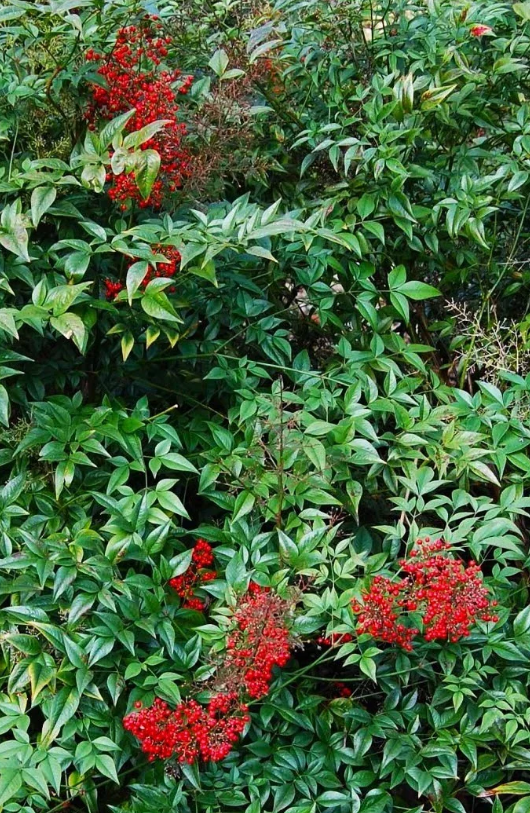
Nandina
Nandina domestica Thunb.
Nandina domestica Thunb. is the accepted scientific name. Carl Peter Thunberg published the genus and species in Nova Genera Plantarum in 1781. Nandina is currently treated as a monotypic genus, meaning that Nandina domestica is its only accepted species.
Accepted botanical synonyms and historical names include:
- Nandina denudata Lavallée
- Nandina domestica alba W.B.Clarke
- Nandina domestica f. alba (W.B.Clarke) Rehder
- Nandina domestica f. gigantea Beecher
- Nandina domestica var. linearifolia C.Y.Wu ex S.Y.Bao
- Nandina domestica f. longifolia (Dippel) Rehder
- Nandina domestica var. longifolia Dippel
- Nandina domestica f. purpurea Beecher
- Nandina tsermonanten Hassk.
Nandina tomentosa Wehmer also appears in historical nomenclatural records but was published without a valid description and is treated as a nomen nudum rather than an accepted alternative species.
Named dwarf, compact, red-foliaged, pale-fruited, and low-fruiting cultivars remain horticultural forms of Nandina domestica. Cultivar size, foliage color, or reduced fruit production does not establish that the leaves and stems have lost their cyanogenic chemistry.
Berberidaceae — Barberry Family
Nandina; Heavenly Bamboo; Heavenly-Bamboo; Sacred Bamboo; Sacred-Bamboo; Chinese Sacred Bamboo; Japanese Sacred Bamboo; Southern Heavenly Bamboo; Domestic Nandina; Nanten; Nan-Ten; Bamboo Bush; Bamboo Shrub
Heavenly Bamboo and Sacred Bamboo are misleading common names. Nandina domestica is a broadleaf woody shrub in Berberidaceae, the Barberry family, and is not a true bamboo or other grass.
Common cultivar and trade names include ‘Firepower’, ‘Gulf Stream’, ‘Harbour Dwarf’, ‘Moon Bay’, ‘Compacta’, ‘Nana’, ‘Obsession’, ‘Flirt’, ‘Blush Pink’, ‘Lemon Lime’, ‘Domestica’, ‘Moyer’s Red’, ‘Richmond’, ‘Alba’, and numerous regional or nursery selections. Cultivar names are applied inconsistently in commerce, and descriptions such as dwarf, sterile, fruitless, or nearly fruitless should be verified from the actual plant rather than assumed to be permanent under every growing condition.
Nandina should not be confused with true bamboo, Mahonia or Oregon-grape, Pyracantha or Firethorn, Holly, Coralberry, Beautyberry, Barberry, Pepper Tree, or other shrubs bearing red or clustered fruit.
Cyanogenesis Is the Principal Established Hazard
The principal toxic hazard in Nandina domestica is cyanogenesis, the plant’s ability to generate hydrogen cyanide from stored cyanogenic compounds. Exact-species research has identified p-glucosyloxymandelonitrile in young shoots and nandinin, an acylated cyanohydrin, in the leaves. Leaf tissue also contains cyanide-releasing enzymatic activity capable of facilitating cyanohydrin breakdown.
Cyanogenic compounds are not continuously releasing a dangerous cloud from an undamaged shrub. In intact tissue, chemical precursors and the enzymes that act upon them are separated within different cellular compartments. Chewing, crushing, shredding, freezing, wilting, mowing, digestion, and microbial fermentation can rupture those compartments and allow cyanide-generating reactions to begin.
Veterinary descriptions often use the broad term cyanogenic glycosides because glycosylated cyanohydrins are central to many cyanogenic plants. Nandina chemistry is more specific than that shorthand suggests and includes both a cyanogenic glucoside and the acylated free cyanohydrin nandinin. The clinically important consequence is released cyanide rather than the need for an owner to identify the exact precursor molecule.
p-Glucosyloxymandelonitrile
Research on young Nandina shoots identified p-glucosyloxymandelonitrile as a cyanogenic glucoside and demonstrated incorporation of labeled tyrosine into the compound’s structure. This established that Nandina actively produces a plant-specific cyanogenic defense rather than merely accumulating environmental cyanide.
The compound is structurally related to other mandelonitrile-derived plant cyanogens. Enzymatic hydrolysis can liberate a cyanohydrin that subsequently decomposes to benzaldehyde and hydrogen cyanide. The rate and amount released depend on tissue chemistry, damage, enzymes, moisture, pH, digestion, microorganisms, and the amount consumed.
Nandinin
Nandinin was isolated from Nandina leaves and characterized as an acylated free cyanohydrin. It is not simply another nursery name for the whole plant and should not be confused with nantenine, an isoquinoline alkaloid also reported from Nandina.
Because nandinin already contains a cyanohydrin structure, it contributes to the plant’s cyanogenic potential through chemistry that is somewhat different from a simple intact glycoside. The practical animal-safety conclusion remains the same: damaged leaves and shoots can release hydrogen cyanide and should not be chewed, fed, or added to animal enclosures.
Hydroxynitrile Lyase Activity
A hydroxynitrile lyase characterized from Nandina leaves can catalyze reactions involving cyanohydrins. Enzymes of this class participate in the formation or cleavage of cyanohydrin structures and help explain why plant disruption can accelerate cyanide-related chemistry.
The presence of a highly active enzyme does not provide a direct dog, cat, horse, or bird toxic dose. It confirms that Nandina possesses an effective biochemical system for handling cyanohydrins and that chewing or crushing is toxicologically important.
Leaves Remain Strongly Cyanogenic
A twelve-month cyanogenesis survey found Nandina leaves strongly cyanogenic throughout the year. Seasonal red, bronze, burgundy, green, frost-damaged, or partly dried foliage should therefore not be assigned different safety categories based only on appearance.
The testing method demonstrated cyanide-releasing potential rather than measuring the exact dose absorbed by an animal. Leaf maturity, cultivar, environment, processing, digestion, and consumption still affect the clinical outcome. Nevertheless, leaves have stronger and more consistent direct evidence of cyanogenicity than the assumption that all ripe berries are equally dangerous.
Green Fruit Is Strongly and Rapidly Cyanogenic
Green unripe Nandina fruit demonstrated strong and rapid cyanogenic reactions. Green fruit should therefore be treated as a high-concern tissue, particularly when an animal consumes multiple fruits or an entire developing cluster.
The small round shape can make green fruit difficult to notice within foliage or pruning debris. Dogs, livestock, birds, rabbits, and poultry may ingest it together with leaves and stems rather than as an isolated fruit exposure.
Ripe Red Fruit Has Variable Cyanogenic Potential
Ripe red Nandina fruit cannot be described accurately with one universal toxin concentration. In direct testing, most mature fruit was less strongly and more slowly cyanogenic than green fruit. Some ripe samples remained positive, while others produced no detectable reaction in the study’s test system.
This variability likely reflects differences in clone, cultivar, maturity, growing conditions, month, individual fruit, and biochemical breakdown during ripening. Red fruit should remain inaccessible because an owner cannot determine its chemistry by color. At the same time, the evidence does not justify claiming that every ripe berry delivers an identical or inevitably fatal dose.
A dog that swallowed one ripe berry while remaining completely normal presents a different risk profile from a bird that gorged on a fruit cluster, a puppy that shredded green fruit and leaves, or cattle given a pile of freshly cut foliage. Triage should consider the actual plant part, amount, chewing, species, body size, timing, and clinical signs.
Fruit Seeds and Pulp
Nandina fruit contains pulp and seeds, but the distribution of cyanogenic compounds between every microscopic fruit component has not been mapped sufficiently to create separate veterinary safety rules. Chewing can expose more internal tissue and mix plant enzymes with cyanogenic precursors.
Whole fruits swallowed with minimal chewing may release material differently from fruits crushed by teeth, a bird’s gizzard, mowing equipment, or rumen fermentation. This difference is one reason a simple berry count cannot fully predict dose.
How Cyanide Prevents Cellular Oxygen Use
Hydrogen cyanide or cyanide ion binds strongly to the ferric iron in mitochondrial cytochrome-c oxidase, also called complex IV of the electron-transport chain. This blocks the final transfer of electrons to oxygen and interrupts oxidative phosphorylation.
The lungs may still contain oxygen and the bloodstream may transport it, but poisoned cells cannot use that oxygen efficiently to generate adenosine triphosphate. This state is called histotoxic hypoxia or histotoxic anoxia. It differs from airway obstruction, in which oxygen cannot reach the lungs, and from severe anemia, in which too little hemoglobin is available to carry oxygen.
The brain and heart are particularly vulnerable because they require continuous aerobic energy. Respiratory muscles and the brain’s respiratory centers can also fail, allowing rapid breathing to progress to weak respirations, apnea, cardiac arrest, and death.
Bright-Red Blood and Mucous Membranes
Venous blood may remain unusually oxygenated when tissues cannot extract oxygen normally. This can produce bright-red or brick-red mucous membranes and historically described cherry-red venous blood.
The finding is inconsistent, may be transient, and is difficult to judge under artificial light or in animals with pigmented gums. Blue-gray, pale, muddy, or apparently normal mucous membranes may also be observed. Gum color cannot safely confirm or exclude cyanide poisoning.
Owners should never cut, bleed, puncture, or otherwise injure an animal to inspect blood color. Such actions delay treatment and create additional trauma without providing a reliable diagnosis.
Bitter-Almond Odor Is Unreliable and Unsafe to Test
Hydrogen cyanide and benzaldehyde-related chemistry may produce an odor described as bitter almond. Many people cannot detect that odor because the ability is genetically variable, and the smell may be absent even during serious poisoning.
Do not deliberately smell the animal’s breath, vomit, crushed leaves, feed mash, gastric contents, or rumen gas. Damaged material may continue releasing volatile hydrogen cyanide, especially when a large amount is handled in an enclosed or poorly ventilated space.
Natural Cyanide Detoxification Has Limited Capacity
Animals can detoxify limited cyanide exposure through several pathways, including sulfur-dependent conversion to thiocyanate. Thiocyanate is substantially less toxic and is excreted, primarily through the kidneys.
This capacity helps explain why a tiny exposure may produce no systemic illness. Detoxification is not instantaneous or unlimited. A large dose released quickly can overwhelm the available enzymes and sulfur donors before the body can protect the brain, heart, and respiratory system.
Species, age, diet, metabolic condition, liver and kidney function, dose rate, and exposure route may influence tolerance. No home calculation can determine whether a specific animal’s detoxification capacity will be exceeded.
Ruminants and Rapid Cyanide Release
Cattle, sheep, goats, and other ruminants may be particularly vulnerable to cyanogenic plants because thorough chewing disrupts tissue and rumen microorganisms continue hydrolyzing cyanogenic compounds. Warm, moist fermentation conditions can make cyanide available rapidly.
Group poisoning can occur when hedge clippings, uprooted shrubs, storm debris, or contaminated forage is dumped into a pasture. Several animals may become anxious, salivate, breathe rapidly, tremble, collapse, or die within a short period.
The absence of illness in the first animal examined does not make the source safe. Individuals may have consumed different tissues and quantities, and signs may appear at different times.
Dogs, Cats, and Other Monogastric Animals
Dogs and cats do not have a rumen, but chewing, stomach digestion, intestinal enzymes, and microorganisms can still release cyanide. A minor ornamental-plant exposure may cause no signs or nonspecific gastrointestinal illness rather than full systemic cyanide toxicosis.
Leaf ingestion, green-fruit ingestion, repeated berry consumption, access to crushed clippings, or sudden respiratory and neurologic signs deserves greater concern. Cats are less likely than many dogs to consume a large shrub mass, but small body size and hidden chewing behavior make feline exposure impossible to dismiss automatically.
Birds and the Gorging Hazard
Fruit-eating birds may swallow numerous berries rapidly. Cedar waxwings feed socially, have expandable esophagi, and may gorge when a persistent fruit crop is one of the few winter foods available.
In the published mortality investigation, affected cedar waxwings contained large quantities of Nandina fruit and showed lesions compatible with cyanide toxicosis. The event establishes a real wildlife hazard from mass ingestion.
It does not establish that every bird eating one fruit will die. Risk depends on gorging behavior, bird size, fruit chemistry, ripeness, alternative foods, speed of ingestion, and the individual bird’s ability to detoxify cyanide.
Other Alkaloids and Phytochemicals
Nandina contains numerous isoquinoline alkaloids and other secondary compounds, including nantenine, higenamine, berberine-related compounds, and additional constituents investigated for pharmacologic effects. These compounds confirm that the shrub has complex chemistry beyond cyanogenesis.
Their exact contribution to ordinary veterinary plant poisoning has not been established as clearly as cyanide release. Severe rapid respiratory, cardiovascular, and neurologic failure should be attributed principally to cyanogenic exposure unless evidence supports another mechanism. Named alkaloids should not be presented as separate proven causes of every symptom.
Fresh, Wilted, Frozen, and Dried Material
Plant damage can initiate cyanide release, and free hydrogen cyanide is volatile enough that some may dissipate over time. That fact does not create a safe household drying, freezing, wilting, or composting protocol.
Damaged tissue may retain unreacted cyanogenic compounds, enzymes, and internal plant material capable of releasing more cyanide during digestion. Frost-damaged foliage, dried ornamental sprays, dead leaves, mowed shoots, compost, hedge clippings, and old branches should remain inaccessible.
No Validated Toxic Berry Count or Plant Dose
No validated toxic leaf weight, green-fruit count, ripe-berry count, stem length, or plant volume has been established for dogs, cats, horses, cattle, sheep, goats, rabbits, guinea pigs, companion birds, poultry, or reptiles.
A universal berry number would ignore plant variability, fruit ripeness, chewing, cyanide-release rate, animal size, species, metabolism, and whether leaves or green fruit were consumed at the same time. Any online claim that a fixed number is always harmless or always lethal should be treated with caution.
No Safe Owner-Administered Antidote
Hydroxocobalamin, sodium nitrite, and sodium thiosulfate are medical antidotal agents used in selected cyanide emergencies. They are not interchangeable household remedies, and ordinary vitamin B12 products are not substitutes for properly formulated and administered hydroxocobalamin.
Nitrites intentionally create methemoglobin, which can bind cyanide but also reduces normal oxygen-carrying capacity and may worsen hypotension. Sodium thiosulfate supplies sulfur for thiocyanate formation but may act too slowly as the sole intervention during rapidly progressive shock. Antidote choice belongs to a veterinarian or toxicologist who can evaluate the certainty of diagnosis, species, clinical severity, oxygenation, circulation, and available formulations.
Exposure Does Not Produce One Uniform Syndrome
Nandina exposure can range from an animal remaining completely normal after an uncertain small ingestion to rapidly fatal cyanide toxicosis after a large amount of strongly cyanogenic tissue. The plant part, fruit ripeness, quantity, chewing, dose rate, animal species, body size, and individual plant chemistry all influence the outcome.
Vomiting or diarrhea alone does not prove that cyanide is blocking cellular respiration. Conversely, the absence of vomiting does not exclude a dangerous exposure, especially in horses, ruminants, rabbits, birds, and reptiles.
Mild Gastrointestinal Signs
Limited dog or cat exposure may cause lip licking, repeated swallowing, drooling, nausea, vomiting, diarrhea, abdominal discomfort, reduced appetite, or temporary lethargy. These signs may reflect local plant irritation, other phytochemicals, anxiety, or a low cyanide dose that does not progress to systemic energy failure.
Repeated vomiting and diarrhea can still cause dehydration, electrolyte loss, aspiration, or prolonged food refusal. Mild gastrointestinal signs deserve more concern when the animal consumed leaves, green fruit, many berries, crushed clippings, or an unknown amount.
Rapid Onset of Systemic Cyanide Toxicosis
After a sufficiently large and rapidly available dose, systemic signs may begin within minutes. Some cases may evolve over a longer interval because cyanide release, swallowing, stomach or rumen retention, and absorption are variable.
Sudden restlessness, anxiety, excitement, rapid breathing, panting, dilated pupils, excessive salivation, and an increased heart rate may be early systemic signs. Deterioration can be extremely fast, leaving little time for routine diagnostic confirmation before oxygen, resuscitation, and antidotal treatment are needed.
Respiratory Signs
Rapid breathing is an important warning because the body attempts to compensate for cellular oxygen-use failure and metabolic acidosis. The animal may pant, breathe with the mouth open, extend the neck, flare the nostrils, gasp, or show exaggerated chest and abdominal movement.
As the brain’s respiratory centers and respiratory muscles lose energy, breathing may become shallow, irregular, slow, or weak. Terminal respiratory arrest can occur even when the airway itself remains open.
Coughing or renewed breathing difficulty after vomiting may indicate aspiration rather than cyanide alone. Both conditions require emergency treatment.
Neurologic and Muscular Signs
The brain’s high energy requirement makes neurologic signs prominent in severe poisoning. An animal may appear anxious or disoriented, sway, stagger, lose coordination, become weak, fall, develop muscle twitching, tremors, rigidity, paddling, or generalized seizures.
Progression may include reduced responsiveness, stupor, coma, loss of protective airway reflexes, paralysis, and death. Any sudden neurologic deterioration after meaningful Nandina exposure should be treated as an emergency rather than monitored at home.
Cardiovascular and Circulatory Signs
Cyanide-induced energy failure can produce a rapid heart rate early in poisoning, followed by weak pulses, abnormal rhythm, low blood pressure, cardiovascular collapse, and cardiac arrest. A slow rate may occur later or in individual patients, but no single pulse pattern defines the exposure.
Cold extremities, fainting, profound weakness, pale or muddy gums, and inability to stand may indicate failing circulation. Owners cannot determine adequate perfusion from heart rate alone.
Mucous-Membrane Color
Bright-red or brick-red mucous membranes may occur because venous blood remains unusually oxygenated when tissues cannot extract oxygen normally. This classically described finding is neither universal nor permanent.
Gums may also appear pale, blue-gray, muddy, dark, or apparently normal. Pigmentation, lighting, shock, aspiration, concurrent disease, and the stage of poisoning can alter their appearance. Treatment should never be delayed while waiting for a textbook color.
Blood Color and Odor
Venous blood has traditionally been described as cherry red during cyanide poisoning. The color can fade after exposure to air and is not sufficiently reliable for home diagnosis.
A bitter-almond odor may be present on the breath, vomit, gastric contents, feed, or rumen gas, but many people cannot smell it. Deliberately smelling disrupted plant material or stomach contents risks exposure and should never be used as a diagnostic test.
Dogs
Dogs may eat fallen fruit, strip low foliage, chew cane-like stems, dig up roots, play with fruit clusters, or consume freshly cut hedge trimmings. Puppies and habitual plant eaters may swallow a larger dose before the incident is noticed.
A limited ripe-fruit exposure may produce no signs or gastrointestinal upset. Leaf ingestion, green fruit, numerous berries, or crushed clippings may produce rapid breathing, agitation, weakness, staggering, tremors, seizures, collapse, respiratory failure, or death.
Vomited fruit or leaves do not guarantee that the entire dose has been removed. Cyanide may already have been released and absorbed, and additional material may remain in the stomach.
Cats
Cats are less likely than many dogs to consume a large shrub mass, but they may nibble low leaves, bat at fruit clusters, chew decorative sprays, or groom plant residue from their coat and paws.
Possible signs include drooling, vomiting, diarrhea, hiding, weakness, dilated pupils, rapid or open-mouth breathing, abnormal gait, tremors, seizures, collapse, or reduced responsiveness. Open-mouth breathing in a cat is an immediate emergency regardless of whether cyanide is confirmed.
Horses
Horses may browse Nandina when safer forage is limited or when cut branches are thrown into a paddock. Freshly cut material is often easier to reach and may be consumed even when the standing shrub had previously been ignored.
Horses cannot vomit. Possible signs include anxiety, salivation, rapid breathing, flared nostrils, tremors, weakness, stumbling, repeated falling, collapse, seizures, coma, or death.
Do not wait for gastrointestinal evacuation as proof of poisoning. Sudden respiratory or neurologic change after access to Nandina or other cyanogenic vegetation requires an immediate large-animal response.
Cattle, Sheep, Goats, and Other Ruminants
Ruminants may deteriorate rapidly because mastication and rumen microorganisms can release cyanide from strongly cyanogenic vegetation. Group exposure is possible when branches, uprooted plants, green fruit, or hedge waste is dumped into a field.
Early signs can include anxiety, salivation, rapid breathing, increased heart rate, frequent urination or defecation, and muscle twitching. Staggering, tremors, recumbency, seizures, respiratory arrest, and death may follow quickly.
Several animals may become sick in succession. Every member of the exposed group should be removed from the source and evaluated rather than waiting for each to develop signs.
Rabbits, Guinea Pigs, and Other Small Herbivores
Nandina leaves, shoots, twigs, fruit, and clippings should never be offered as browse or chewing material. A seemingly small piece can represent a substantial dose relative to body weight.
Possible signs include drooling, food refusal, altered fecal output, abdominal discomfort, rapid breathing, weakness, poor coordination, tremors, seizures, collapse, or reduced responsiveness. Rabbits and guinea pigs cannot vomit, so absence of vomiting has no reassuring value.
Food refusal and reduced fecal output may also trigger secondary gastrointestinal stasis even when systemic cyanide poisoning does not develop.
Companion Birds and Poultry
Companion birds should not receive Nandina fruit, twigs, leaves, or decorative sprays. Small body size, high metabolic demand, efficient fruit processing, and rapid consumption may reduce the margin for delay.
Possible signs include sudden agitation, open-mouth breathing, tail bobbing, inability to perch, weakness, abnormal balance, tremors, seizures, collapse, or death. Chickens and other poultry should be prevented from foraging beneath fruiting plants or through piles of clippings.
Cedar Waxwings and Wildlife Mortality
The published cedar-waxwing outbreak involved dozens of dead birds, with examined birds containing large quantities of Nandina fruit. The birds’ gorging behavior was central to the exposure.
Cedar waxwings feed socially and can consume fruit rapidly when other winter foods are scarce. Their experience demonstrates that ripe fruit can be hazardous under high-dose conditions even though individual ripe berries vary in cyanogenic potential.
Healthy birds observed eating a few fruits from another shrub do not disprove the outbreak. Dose, fruit chemistry, feeding speed, species, and access to alternative foods all matter.
Reptiles and Tortoises
Nandina should not be planted as edible browse in tortoise pens or herbivorous reptile enclosures. Direct species-specific dose evidence is limited, and the plant’s cyanogenic chemistry makes intentional feeding inappropriate.
Possible signs include food refusal, regurgitation, abnormal posture, weakness, rapid or labored breathing, tremors, reduced responsiveness, or collapse. Onset and progression may be influenced by environmental temperature and species-specific metabolism.
Signs Suggesting a Mixed or Different Exposure
Vomiting and diarrhea alone may result from another ornamental plant, spoiled food, fertilizer, pesticide, mulch, mushrooms, infection, pancreatitis, or dietary indiscretion. Sudden tremors, seizures, and collapse can also follow organophosphate or carbamate insecticides, metaldehyde, strychnine, electric shock, heatstroke, severe allergy, smoke inhalation, carbon monoxide, nitrate or nitrite poisoning, or primary neurologic disease.
Complete evidence matters because Nandina shrubs may be treated with systemic pesticides, foliar sprays, fertilizer, herbicides, or landscape chemicals. The plant should not become an automatic explanation for signs that do not fit the exposure amount or timing.
Duration and Prognosis
An animal that remains neurologically, respiratorily, and cardiovascularly normal after an isolated uncertain ripe-fruit exposure has a more favorable risk profile than one that consumed leaves, green fruit, numerous berries, or crushed clippings. The appropriate observation period should be selected by a veterinarian or poison-control professional from the actual circumstances.
The prognosis is generally good when signs remain absent or limited to transient gastrointestinal upset. It becomes guarded to grave once severe respiratory distress, seizures, coma, profound metabolic acidosis, cardiovascular collapse, or respiratory arrest develops.
Plant Identity
Nandina domestica is an upright woody shrub in Berberidaceae, the Barberry family. It is the only accepted species in the genus Nandina. Its slender stems and finely divided foliage created the names Heavenly Bamboo and Sacred Bamboo, but it is not a bamboo or other grass.
The plant is commonly used in foundation beds, hedges, parking-lot islands, apartment landscaping, commercial properties, parks, courtyards, temple gardens, and older residential landscapes. Most animal exposures therefore occur outdoors or through cut landscape material rather than from a typical indoor houseplant.
Native and Introduced Range
The accepted native range is central and southern China. The species has a long cultivation history in East Asia and has been introduced into Japan, Korea, parts of India, Australia, Europe, Pacific islands, and the United States.
In the United States, escaped or naturalized populations have been documented in several southern and southeastern states. The shrub may persist around abandoned home sites, woodland edges, floodplains, roadsides, ravines, forest understories, fencerows, and disturbed urban woods.
Growth Form
Nandina commonly forms a cluster of upright, slender, cane-like stems arising from a woody crown and root system. Mature traditional forms may reach several feet in height, while dwarf selections remain much shorter.
The stems often branch sparsely, and large compound leaves cluster toward their upper portions. Plants may spread through seed and vegetative regrowth, producing dense stands that persist after the original landscape planting has been neglected.
Leaves
The apparent leaves are large, finely divided compound structures that may be twice or three times pinnate. Numerous smooth-edged leaflets give the plant a light, lacy texture that can resemble bamboo foliage from a distance.
New growth may emerge pink, copper, bronze, or red before becoming green. Older foliage often turns red, burgundy, or purple during cool weather. Color is not a dependable toxicity indicator because leaves have shown strong cyanogenic potential throughout the year.
Fallen, frost-damaged, wilted, red, green, shredded, or dried leaves should remain inaccessible. Damage may initiate cyanide release but does not reliably eliminate the remaining cyanogenic potential.
Flowers
Small white to pinkish-white flowers develop in large upright branching clusters, usually during late spring or early summer. Pollinated flowers are followed by green fruit that later ripens orange-red or bright red.
Flowers have not been demonstrated to be the most strongly cyanogenic tissue, but no amount has been established as safe animal food. Removing flower clusters before fruit develops can reduce later berry exposure, provided every cutting is collected and secured.
Fruit Development
The round fruit begins green and typically becomes orange-red or bright red as it matures. Clusters may persist into fall and winter and can remain available after more palatable native fruit has been depleted.
Green fruit is strongly and rapidly cyanogenic. Ripe fruit usually has lower or slower cyanogenic potential but varies significantly among samples. Fruit color alone cannot determine whether a particular berry will release cyanide.
Are Ripe Nandina Berries Always Equally Poisonous?
No. Direct research found substantial ripe-fruit variability. Some mature fruit remained cyanogenic, some released cyanide only slowly, and some produced no detectable reaction in the test used.
This explains why occasional fruit ingestion may pass without visible illness while gorging can produce fatal poisoning. It does not make ripe fruit appropriate pet food or bird feed. It means that risk should be described honestly rather than through an unsupported universal berry number.
Poisonous Parts and Evidence Limits
Leaves, young shoots, and fruit have the strongest exact-species evidence for cyanogenic chemistry. Stems, roots, seeds, flowers, clippings, and whole-plant debris should remain inaccessible because their safety has not been established and they may be consumed together with better-studied tissues.
Calling every tissue potentially poisonous is a precautionary animal-safety recommendation, not a claim that every organ has been measured at the same cyanide concentration. Leaves and green fruit deserve particular emphasis because their cyanogenic potential is better demonstrated and more consistent.
How Tissue Damage Changes Exposure
Intact cells keep cyanogenic compounds and relevant enzymes partly separated. Teeth, beaks, mowing blades, pruning tools, freezing, wilting, digestion, and fermentation rupture those cells and allow the chemistry to proceed.
A pile of freshly cut hedge material may therefore present a different exposure from an untouched standing shrub. Cut branches are also easier for livestock and dogs to reach and may be mistaken for deliberately provided browse.
Fresh, Wilted, Frozen, and Dried Material
Free hydrogen cyanide is volatile, so some cyanide can dissipate from damaged tissue. That chemical fact must not be converted into a home detoxification method.
Partly dried or wilted material may retain unreacted precursors and enzymes capable of releasing more cyanide during chewing and digestion. Frost damage, composting, air drying, mowing, or leaving branches in the sun does not provide a validated safety endpoint.
Nandina as a Landscape Exposure
Dogs may encounter fruit and low foliage along sidewalks, patios, apartment complexes, commercial buildings, public parks, yard boundaries, and wooded trails. Fallen berries may roll beneath decks, shrubs, furniture, or fences and remain available after the cluster is no longer visible.
Landscaping crews may place cut material temporarily on lawns, driveways, sidewalks, or beside animal enclosures. The period between pruning and disposal can create a concentrated exposure that did not exist when the foliage remained above the animal’s reach.
Dogs
Dogs may eat fallen berries, carry stems, shred fruit clusters, dig around roots, chew resprouting shoots, or raid bags and piles of pruning waste. Puppies and dogs with pica, plant-eating behavior, or high play drive may swallow plant material while tearing it apart.
One uncertain ripe berry in a normal large dog is not equivalent to a mouthful of green fruit, leaves, or crushed clippings. Preserve the evidence and seek patient-specific guidance rather than relying on a universal internet berry count.
Cats
Cats may chew low leaves, investigate decorative cuttings, bat fruit from clusters, or groom residue after moving through a recently pruned shrub. They may also hide early illness, making quiet weakness or open-mouth breathing especially concerning.
Keep cut sprays out of bouquets and seasonal decorations accessible to cats. Hydrogen peroxide must never be used to induce vomiting in a cat.
Horses
Horses may ignore a standing ornamental for years yet eat cut material thrown into a paddock. Reduced forage, drought, confinement, transport, curiosity, or storm damage increases risk.
Because horses cannot vomit, an owner should not wait for gastrointestinal evacuation. Anxiety, salivation, rapid breathing, tremors, stumbling, collapse, or seizures after access to Nandina or another cyanogenic plant requires immediate large-animal care.
Cattle, Sheep, Goats, and Other Ruminants
Ruminants combine thorough mastication with microbial fermentation, conditions that can promote rapid cyanide release. A pile of leafy trimmings or green fruit can expose several animals at once.
Remove the entire group, preserve plant and feed samples, and inspect every available source. Nandina may be only one component of mixed landscape waste that also contains Oleander, Yew, Cherry Laurel, Rhododendron, Azalea, or pesticide-treated material.
Rabbits, Guinea Pigs, and Chinchillas
Nandina should never be collected as browse, bedding, nesting material, cage decoration, or chewing enrichment. Small herbivores may consume a substantial dose relative to body weight before the error is recognized.
Food refusal, reduced fecal output, abdominal discomfort, drooling, rapid breathing, weakness, tremors, or collapse requires prompt species-experienced care. Gastrointestinal stasis may complicate recovery even when acute cyanide toxicosis does not develop.
Companion Birds and Poultry
Nandina fruit should not be offered to parrots, finches, canaries, pigeons, poultry, or other captive birds. The fact that wild birds sometimes consume the fruit without visible illness does not establish safety for a companion bird.
Birds can process fruit quickly and may ingest many berries before an owner notices. Open-mouth breathing, weakness, inability to perch, tremors, seizures, or collapse is an immediate avian emergency.
Cedar Waxwings and Published Wildlife Poisoning
A published veterinary investigation documented deaths among cedar waxwings that had gorged on Nandina fruit. Examined birds contained large quantities of fruit, and the lesions and circumstances supported cyanide toxicosis.
Cedar waxwings are social fruit eaters and can strip a shrub rapidly. Their expandable esophagus and gorging behavior may deliver cyanide faster than detoxification pathways can handle it.
The incident is important evidence of genuine wildlife toxicity, but the exposure pattern should remain explicit. It involved heavy consumption rather than a controlled demonstration that every isolated ripe berry is fatal.
Why Some Birds Eat Nandina Without Dying
Ripe fruit varies in cyanogenic potential, and many birds consume only a few fruits before moving to another food source. Small cyanide amounts may be detoxified without visible illness.
Risk rises when alternative winter fruit is scarce, a flock gorges quickly, fruit comes from a more cyanogenic plant, or birds consume green fruit or foliage. Observing healthy birds on one shrub does not establish that all Nandina fruit is safe.
Nandina and True Bamboo
True bamboos are grasses with jointed culms and narrow grass leaves. Nandina is a woody broadleaf shrub with compound leaves, white flowers, and clustered round fruit.
The distinction matters because plants sharing the word bamboo may have entirely different chemistry. Identification should rely on the scientific name and whole plant rather than the common name.
Nandina and Mahonia
Mahonia and Oregon-grape are relatives in Berberidaceae and may also have compound leaves and clustered fruit. Mahonia commonly has stiff leaflets with sharply toothed or spiny margins and blue, purple, or dark fruit.
Nandina usually has smooth-edged lacy leaflets, slender unarmed stems, and green-to-red fruit. Family relationship does not prove identical toxins or identical treatment.
Nandina and Pyracantha
Pyracantha or Firethorn may carry dense clusters of orange or red fruit. It has simple leaves and prominent sharp thorns, while Nandina has compound foliage and smooth cane-like stems.
Loose berries alone may be difficult to identify. Photograph the entire plant, leaves, fruit attachment, stems, and growth habit.
Nandina and Holly
Hollies in the genus Ilex often bear persistent red fruit but generally have simple rather than compound leaves. Holly fruit is associated primarily with gastrointestinal irritation through different chemistry.
Do not diagnose Nandina exposure from red color alone. Identification changes the expected hazard and the urgency assigned to a large ingestion.
Nandina and Barberry
Barberries belong to the same family but usually produce simple leaves, spines, and elongated or oval fruit rather than Nandina’s lacy compound foliage and terminal fruit clusters.
Plants within Berberidaceae contain varied alkaloids and other compounds. Shared family placement does not make one species a reliable toxicologic substitute for another.
Fruiting and Low-Fruiting Cultivars
Field research has demonstrated substantial differences in flowering and fruit production among Nandina selections. Some cultivars produce little or no fruit under particular trial conditions, while traditional forms may fruit heavily.
A genuinely nonfruiting selection reduces the attractive berry pathway for dogs and birds but does not establish that leaves and stems are noncyanogenic. A cultivar described as sterile, fruitless, or nearly fruitless may also behave differently with climate, pollination, maturity, or labeling errors.
Inspect the actual plant each season. Remove unexpected flowers and fruit clusters before they become accessible.
Clinical Onset
Severe cyanide signs may begin within minutes after a large rapidly available dose. Livestock consuming strongly cyanogenic material and birds gorging on fruit may deteriorate particularly quickly.
Mild gastrointestinal upset after a small companion-animal exposure may be less dramatic and may not represent systemic cyanide toxicosis. Timing must be interpreted together with the plant part, amount, chewing, and symptoms.
Diagnosis
Diagnosis begins with reliable plant identification, the tissue and amount consumed, speed of onset, respiratory and neurologic findings, circulation, acid-base status, and exclusion of other emergencies.
Preserve complete compound leaves, green and ripe fruit, stems, roots, nursery labels, photographs of the shrub, clippings, feed, vomit, stomach contents, or rumen contents. Representative material from the actual source is more useful than an unrelated internet photograph.
Cyanide Testing and Sample Handling
Whole blood, stomach contents, rumen contents, liver, muscle, feed, and plant material may be submitted for cyanide or cyanogenic-potential testing. The appropriate specimens depend on whether the animal is alive, deceased, recently treated, or part of a herd investigation.
Cyanide is volatile and concentrations may change after collection. Airtight containers, prompt chilling or freezing, rapid transport, and coordination with the diagnostic laboratory are important. Owners should follow professional collection instructions rather than opening and repeatedly smelling samples.
Why Blood Color Is Not Diagnostic
Venous blood may appear unusually bright because tissues have failed to extract oxygen normally. The effect is inconsistent and may fade quickly after death or air exposure.
Blood color can support a broader diagnosis but cannot confirm cyanide poisoning by itself. Treatment must not be delayed while waiting for a visible color change or laboratory confirmation.
Differential Diagnosis
Rapid breathing, tremors, seizures, collapse, and abnormal mucous membranes may also result from smoke inhalation, carbon monoxide, nitrate or nitrite poisoning, organophosphate or carbamate insecticides, metaldehyde, strychnine, severe allergy, electric shock, heatstroke, cardiac disease, or another cyanogenic plant.
Vomiting and diarrhea alone are nonspecific and may reflect spoiled food, gastrointestinal infection, fertilizer, pesticide, mulch, mushrooms, medication, pancreatitis, or another ornamental shrub. A broad investigation prevents a visible Nandina plant from obscuring a different emergency.
Veterinary Treatment Principles
There is no safe owner-administered treatment capable of reversing serious cyanide poisoning. Immediate priorities include removing exposure, supporting the airway and ventilation, delivering high-concentration oxygen, controlling seizures, supporting circulation, evaluating severe metabolic acidosis, and administering a suitable antidote when acute cyanide toxicosis is reasonably suspected.
Hydroxocobalamin binds cyanide to form cyanocobalamin, which can be excreted. Ordinary oral vitamin B12 tablets or injections are not equivalent to emergency hydroxocobalamin therapy.
Sodium nitrite and sodium thiosulfate represent another established antidotal approach. Nitrite intentionally forms methemoglobin, which can draw cyanide away from cellular enzymes, while thiosulfate supplies sulfur for thiocyanate formation. The strategy requires professional selection and monitoring because methemoglobinemia and hypotension can further impair oxygen delivery.
Prognosis
The prognosis is excellent when the animal remains neurologically, cardiovascularly, and respiratorily normal or develops only mild transient gastrointestinal signs. Many small uncertain ornamental exposures fall into this lower-severity category.
The prognosis becomes guarded to grave after severe breathing difficulty, repeated seizures, coma, profound metabolic acidosis, respiratory arrest, or cardiovascular collapse. Rapid access to oxygen, resuscitation, ventilation, and cyanide antidotes may be lifesaving, but some patients deteriorate before treatment can be completed.
Prevention
Removal of fruiting Nandina from animal areas is the most dependable way to eliminate repeated berry exposure. Verified low-fruiting or nonfruiting cultivars reduce fruit availability but do not make the foliage suitable for chewing.
When plants remain, block access, remove flower or fruit clusters before they mature, collect fallen fruit and leaves, secure pruning waste immediately, and inspect for seedlings or resprouting shoots.
Never throw Nandina clippings into pastures, chicken runs, rabbit enclosures, kennels, aviaries, tortoise pens, compost areas accessible to animals, or wildlife feeding stations.
Immediate Response
- Stop further exposure: Move the animal away from the shrub, fallen fruit, leaves, seedlings, hedge clippings, uprooted plants, landscape waste, contaminated feed, and exposed bedding.
- Preserve the complete evidence: Save compound leaves, green and ripe fruit, seeds, stems, flowers, roots, nursery labels, photographs, and representative material recovered from vomit.
- Estimate the largest plausible amount: Determine whether the animal ate an isolated ripe berry, multiple clusters, green fruit, leaves, roots, or a pile of crushed clippings.
- Record the time: Note when access occurred and when vomiting, rapid breathing, weakness, staggering, tremors, seizures, or other signs began.
- Contact a professional promptly: Seek veterinary or animal poison-control guidance after leaf ingestion, green-fruit ingestion, numerous berries, livestock or bird exposure, an uncertain amount, or any clinical sign.
- Protect other animals: Remove every animal sharing the same pasture, clipping pile, enclosure, feed, bedding, or fruiting shrub.
Nandina exposure requires triage based on the plant part, quantity, chewing, species, and symptoms rather than the plant name alone. An isolated uncertain ripe berry in a normal large dog is not equivalent to a cow eating leafy trimmings or a bird gorging on fruit. Leaves and green fruit deserve particular concern because they have demonstrated strong cyanogenic potential. Sudden respiratory, neurologic, or cardiovascular change should be treated as acute cyanide toxicosis until a veterinarian determines otherwise.
Check for Emergency Signs
- Breathing: Rapid, labored, shallow, gasping, weak, or open-mouth breathing requires immediate emergency transportation.
- Coordination: Staggering, swaying, falling, inability to stand, muscle twitching, tremors, or seizures indicates serious neurologic dysfunction.
- Responsiveness: Confusion, profound weakness, collapse, stupor, coma, or failure to respond normally is an emergency.
- Gum color: Bright-red, brick-red, blue-gray, pale, muddy, or otherwise abnormal gums should be reported, but normal color does not exclude poisoning.
- Heart and circulation: A very rapid, slow, irregular, or weak pulse, cold extremities, fainting, or collapse requires immediate care.
- Do not wait for every sign: Acute cyanide toxicosis may progress from the first respiratory or neurologic abnormality to arrest within a short period.
Cyanide prevents cells from using oxygen rather than simply blocking the airway. An animal may therefore breathe rapidly even when air is moving through the lungs. Rapid breathing may progress to gasping, weak respirations, respiratory arrest, seizures, and cardiovascular collapse. Mucous-membrane color and home pulse checks are too inconsistent to rule out the emergency.
Remove Loose Plant Material
- Wear gloves: Use disposable or washable gloves when handling chewed plant matter, saliva, vomit, feed, or contaminated bedding.
- Remove only visible loose pieces: Carefully take accessible leaves, fruit, seeds, or stem fragments from the lips and front of the mouth.
- Avoid blind sweeps: Do not reach deeply into the throat or push material toward the airway.
- Wipe visible residue: Use a damp cloth on the lips, front of the tongue, and muzzle of a fully alert animal when handling is safe.
- Rinse only when safe: A gentle low-pressure rinse may be used only when the animal is alert, breathing normally, swallowing normally, and able to protect its airway.
- Stop if coughing or gagging begins: Further mouth cleaning becomes unsafe when swallowing is impaired.
Removing loose material can prevent additional swallowing, but aggressive mouth cleaning can create aspiration or handling injury. A weak, trembling, frightened, or poorly responsive animal may bite or inhale water and plant debris. Do not wrestle with an unstable patient merely to remove every visible fragment. Emergency transport takes priority once breathing, coordination, or responsiveness is abnormal.
Do Not Induce Vomiting at Home
- Do not give hydrogen peroxide automatically: Cyanide poisoning can produce sudden weakness, seizures, impaired swallowing, and respiratory distress that make aspiration more likely.
- Never give peroxide to a cat: Hydrogen peroxide can cause serious feline stomach and esophageal injury.
- Never induce vomiting after signs begin: Do not attempt emesis in an animal that is vomiting, drooling heavily, weak, trembling, staggering, collapsed, seizing, breathing abnormally, or poorly responsive.
- Do not induce vomiting in horses or ruminants: Horses cannot vomit, and forced oral treatment in distressed livestock may be aspirated.
- Do not induce vomiting in rabbits, guinea pigs, birds, or reptiles: Household emesis is inappropriate or dangerous in these species.
- Do not use household emetics: Salt, mustard, ipecac, oil, detergent, syrup, fingers in the throat, and manual gagging are unsafe.
- Allow professional selection: A veterinarian may consider controlled emesis only after a recent meaningful ingestion in an appropriate fully alert, stable, asymptomatic dog that can protect its airway.
Home vomiting is dangerous because a patient can deteriorate neurologically or respiratorily while the emetic is being administered. Peroxide and other household methods can also injure the gastrointestinal tract or add salt, detergent, or aspiration poisoning to the original exposure. Veterinary emesis is a selective option for an appropriate asymptomatic patient, not a routine response to every berry ingestion. Oxygen, ventilation, seizure control, circulation support, and antidotes take priority when systemic cyanide toxicosis is suspected.
Activated Charcoal
- Do not give charcoal at home: Do not force charcoal into an animal without direct professional instruction.
- Never give it to a symptomatic animal: Vomiting, weakness, tremors, seizures, respiratory distress, sedation, or poor swallowing creates a serious aspiration hazard.
- Do not repeat doses: Repeated charcoal may worsen dehydration, electrolyte disturbance, constipation, obstruction, and aspiration risk.
- Do not use household charcoal: Barbecue briquettes, fireplace ash, burned food, and homemade carbon are not medical activated charcoal.
- Do not delay definitive care: Charcoal must never postpone oxygen, ventilation, antidotes, seizure control, or cardiovascular stabilization.
Activated charcoal does not bind cyanide especially well and cannot reverse cyanide already attached to cellular enzymes. A veterinarian may consider one prompt dose for an appropriate asymptomatic dog or cat after a recent meaningful oral exposure, particularly when other absorbable plant compounds are also relevant. Its role is limited, and aspiration can cause severe or fatal lung injury. Charcoal is not a substitute for cyanide antidotes or respiratory support.
Do Not Give Home Antidotes
- Do not give sodium thiosulfate: Antidote selection, formulation, route, and administration belong to a veterinarian or toxicologist.
- Do not give nitrites: Sodium nitrite and related drugs intentionally form methemoglobin and can cause dangerous hypotension or impaired oxygen carriage.
- Do not give ordinary vitamin B12 products: Dietary B12 tablets, liquids, injections, and supplements are not substitutes for emergency hydroxocobalamin treatment.
- Do not give milk, oil, or food: These products do not neutralize cyanide and may interfere with decontamination or enter the lungs.
- Do not give stimulants: Coffee, caffeine, decongestants, or energy products may worsen cardiovascular stress.
- Do not give human medication: Antacids, sedatives, anti-diarrheal products, pain relievers, respiratory drugs, and leftover prescriptions may create additional toxicity.
Cyanide antidotes work through specific chemical mechanisms and require formulations and administration that cannot be reproduced with household supplements. Hydroxocobalamin binds cyanide, while nitrite-thiosulfate treatment uses methemoglobin formation and sulfur donation. Incorrect nitrite use can further reduce oxygen delivery at the exact time the patient is already experiencing cellular oxygen failure. A guessed dose based on an internet chart can be fatal when the diagnosis, species, product concentration, or severity is wrong.
Food and Water
- Do not force food: A nauseated, weak, trembling, vomiting, or poorly swallowing animal may choke or aspirate.
- Do not force water: Syringed, poured, or drenched fluids can enter the lungs.
- Offer water only when stable: Small amounts of plain water may remain available only when the animal is fully alert, swallowing normally, breathing normally, and not repeatedly vomiting.
- Avoid electrolyte drinks: Human products may contain excessive sugar, sodium, caffeine, flavorings, artificial sweeteners, or xylitol.
- Follow veterinary instructions: Food and water may need to be withheld when emesis, anesthesia, intubation, gastric procedures, or emergency treatment is anticipated.
Forced oral intake creates aspiration risk and does not dilute cyanide that has already been released. Food may also interfere with prompt veterinary emesis or anesthesia in an otherwise appropriate asymptomatic patient. The decision to offer water or reintroduce food depends on neurologic status, breathing, vomiting, planned procedures, species, and the veterinarian’s assessment.
Vomiting and Diarrhea
- Track every episode: Record frequency, volume, appearance, and whether leaves, green or red fruit, seeds, stems, blood, or other material is present.
- Save representative fragments: Place plant material in a sealed container for identification when this can be done safely.
- Watch for dehydration: Tacky gums, sunken eyes, reduced urination, worsening weakness, or inability to retain water requires veterinary care.
- Watch for respiratory change: Rapid breathing, gasping, coughing, weakness, or altered awareness after vomiting may indicate systemic poisoning or aspiration.
- Do not muzzle a vomiting animal: A muzzle may trap vomit and interfere with drainage and breathing.
- Prevent re-ingestion: Keep other animals away from vomit, stool, expelled fruit, and plant fragments.
Vomiting and diarrhea may remain limited gastrointestinal signs, but they do not prove that the animal is safe. Cyanide may have been released before vomiting, and material can remain in the stomach. A patient that develops rapid breathing, weakness, staggering, tremors, or altered responsiveness after gastrointestinal signs has moved beyond routine stomach upset and requires emergency stabilization.
Handle Vomit and Crushed Plant Material Carefully
- Ventilate the area: Open doors or windows when cleaning a substantial quantity of crushed foliage, fruit mash, vomit, feed, or rumen material.
- Do not smell the material: Never place the face near the sample to search for a bitter-almond odor.
- Use gloves: Collect material without unnecessary direct contact and place it in a sealed container or double bag.
- Wash exposed skin: Wash hands and exposed areas with soap and water after cleanup.
- Follow sample instructions: A veterinarian or laboratory may request airtight, chilled, or frozen specimens because cyanide is volatile.
- Leave a hazardous area: Dizziness, headache, nausea, breathing difficulty, or unusual odor during large-scale cleanup requires immediate movement to fresh air and emergency assistance.
Significant secondary poisoning from cleaning one ordinary small-pet vomit incident is unlikely, but crushed cyanogenic material can continue releasing hydrogen cyanide temporarily. Risk is greater with a large pile of chopped foliage, rumen contents, feed mash, enclosed transport compartment, or poorly ventilated barn. Do not lean into containers, trailers, stomach contents, or rumen gas. Human safety and ventilation matter during herd investigations and carcass examinations.
Tremors and Seizures
- Clear the area: Move furniture, buckets, tools, fencing, water containers, and sharp objects away from the animal.
- Do not put anything in the mouth: Keep hands, food, water, spoons, and medication away during a seizure.
- Do not restrain the limbs: Protect the animal from impact without pinning it down.
- Reduce stimulation: Lower noise, bright light, crowding, and handling while arranging immediate transportation.
- Time the episode: Record when the seizure begins and ends and whether normal awareness returns.
- Protect the airway: Position the patient safely after convulsions so saliva and vomit can drain when possible.
Tremors and seizures indicate serious brain and muscular energy failure. Prolonged activity increases oxygen demand, body temperature, muscle injury, and aspiration risk while the toxin is already preventing normal cellular oxygen use. These signs require veterinarian-administered anticonvulsants, oxygen, airway assessment, circulation support, and likely antidotal treatment. Do not delay transport to obtain a long video or complete home cleanup.
Breathing Difficulty or Collapse
- Leave immediately for emergency care: Do not wait for a routine callback when the animal is gasping, collapsed, seizing, or poorly responsive.
- Call ahead: Tell the clinic that cyanogenic plant or Nandina exposure is suspected so oxygen, ventilation, resuscitation, and antidotes can be prepared.
- Keep the airway clear: Remove only visible loose material and allow saliva or vomit to drain from the mouth.
- Do not force anything orally: Water, milk, food, charcoal, vitamins, and medication may enter the lungs.
- Minimize exertion: Carry or support a weak small animal rather than forcing it to walk.
- Begin CPR only when appropriate: Start animal CPR only when the patient is unresponsive, not breathing, and has no detectable heartbeat, and continue during transport when this can be done safely.
Rapid breathing may be the body’s attempt to compensate for severe metabolic acidosis and failed cellular oxygen use. Gasping, weak breathing, collapse, or loss of responsiveness indicates that compensation is failing. Oxygen supports the greatest possible delivery while antidotes reduce the cyanide burden, but oxygen alone does not detach cyanide from cytochrome oxidase. Immediate advanced treatment is necessary.
Safe Transportation
- Prevent falls: Use a padded carrier, crate, stretcher, rigid board, sling, or blanket for a weak or uncoordinated animal.
- Allow drainage: Position a vomiting or heavily salivating animal so material can leave the mouth without obstructing breathing.
- Avoid excessive restraint: Struggling raises oxygen demand and may worsen severe cyanide toxicosis.
- Maintain species-appropriate temperature: Avoid overheating or chilling a weak bird, reptile, rabbit, small mammal, or neonatal animal.
- Bring evidence: Take the complete plant, fruit at its current color, leaves, nursery label, photographs, treatment records, and securely contained samples when requested.
- Do not transport loose hazardous plant mash: Seal or double bag substantial crushed material and ventilate the vehicle appropriately.
Transportation should reduce exertion, aspiration, injury, and delay. Calling ahead allows the clinic to prepare oxygen, airway equipment, intravenous access, seizure medication, antidotes, and laboratory supplies. The animal should remain in the position that permits easiest breathing and safest drainage rather than being forced upright solely for appearance.
Veterinary Evaluation
- Assess airway and breathing: Respiratory rate, effort, oxygenation, airway protection, and aspiration risk are immediate priorities.
- Assess circulation: Heart rate, rhythm, pulse quality, blood pressure, mucous membranes, temperature, and perfusion help determine severity.
- Assess neurologic function: Excitement, weakness, ataxia, tremors, seizures, pupil changes, and responsiveness are important indicators.
- Evaluate acid-base status: Blood-gas, lactate, glucose, electrolytes, and related testing may reveal severe metabolic disturbance.
- Collect appropriate samples: Whole blood, gastric contents, rumen contents, feed, tissues, and representative plant material may be submitted for analysis.
- Do not delay treatment: Confirmatory cyanide testing is often too slow to guide the first minutes of care in a deteriorating patient.
Diagnosis is clinical and exposure-based during the emergency phase. Severe lactic acidosis, rapid respiratory or neurologic deterioration, compatible plant access, and highly oxygenated venous blood may strengthen suspicion, but no single sign is diagnostic. Treatment may need to begin before cyanide results are available because the toxin can produce respiratory arrest and cardiovascular collapse faster than routine laboratory turnaround.
Veterinary Decontamination
- Select emesis only for an appropriate patient: Veterinary vomiting may be considered after a recent meaningful ingestion in a stable, fully alert, asymptomatic dog or cat with an intact airway.
- Avoid emesis after systemic signs: Weakness, rapid breathing, tremors, seizures, altered mentation, poor swallowing, or collapse makes vomiting unsafe.
- Use charcoal selectively: One veterinarian-directed dose may be considered, but cyanide binding is limited.
- Prioritize stabilization: Oxygen, ventilation, circulation support, seizure control, and antidotes must not be delayed for charcoal or stomach emptying.
- Consider retained material: Plant fragments may remain in the stomach or rumen and continue releasing cyanide.
Decontamination depends on species, tissue, quantity, time, symptoms, and airway protection. A normal dog seen shortly after significant leaf or green-fruit ingestion may be eligible for controlled emesis, while a trembling or rapidly breathing patient is not. Gastric or rumen procedures may be considered in selected cases, but opening or manipulating cyanogenic contents also creates staff-exposure concerns and requires ventilation and protective handling.
Veterinary Oxygen and Respiratory Support
- Provide high-concentration oxygen: Maximize oxygen delivery while cyanide is being bound, redistributed, metabolized, or excreted.
- Protect the airway: Intubation may be necessary when consciousness, swallowing, or protective reflexes are impaired.
- Support ventilation: Assisted or mechanical ventilation may be required when breathing becomes weak, irregular, or absent.
- Treat aspiration: Vomiting and impaired airway protection may require suction, imaging, oxygen support, and additional respiratory care.
- Continue resuscitation as indicated: Respiratory and cardiac arrest requires species-appropriate advanced life support.
Oxygen does not directly remove cyanide from cytochrome-c oxidase, but it improves the available oxygen gradient and supports tissues while antidotes and natural detoxification reduce the cyanide burden. Ventilation becomes essential when the patient cannot maintain adequate breathing independently. Airway and breathing support should begin immediately and continue through antidote administration rather than being treated as secondary steps.
Veterinary Cyanide Antidotes
- Hydroxocobalamin: Binds cyanide to form cyanocobalamin and does not intentionally reduce normal hemoglobin oxygen carriage.
- Sodium nitrite: Creates methemoglobin that can bind cyanide but can also worsen hypotension and reduce blood oxygen-carrying capacity.
- Sodium thiosulfate: Supplies sulfur for enzymatic conversion of cyanide to thiocyanate and may be used as part of a selected antidotal plan.
- Select treatment professionally: Diagnosis certainty, species, shock, anemia, methemoglobin risk, oxygenation, product availability, and time all affect antidote choice.
- Do not substitute household products: Supplements, aquarium chemicals, photographic chemicals, garden products, and ordinary vitamin preparations are unsafe substitutes.
Hydroxocobalamin has direct experimental efficacy evidence in cyanide-poisoned dogs and is often favored when available because it binds cyanide without intentionally creating methemoglobinemia. It may interfere with some laboratory tests and discolor blood, urine, and tissues, but those effects are managed in the clinical setting.
Nitrite-thiosulfate treatment uses a different strategy and remains a professional option. Nitrite-induced methemoglobin can attract cyanide away from cellular enzymes, while thiosulfate supports conversion to thiocyanate. Excessive methemoglobinemia or hypotension can further impair oxygen delivery, so owner administration is never appropriate.
Veterinary Seizure, Circulatory, and Metabolic Support
- Control seizures: Veterinarian-administered anticonvulsants or muscle-relaxant drugs may be needed immediately.
- Establish vascular access: Intravenous or intraosseous access may be required for antidotes, fluids, medication, and sampling.
- Support circulation: Fluids and additional cardiovascular support are selected according to blood pressure, perfusion, rhythm, and pulmonary status.
- Monitor cardiac rhythm: Cyanide-induced energy failure, acidosis, hypoxia, and treatment can alter heart rate and rhythm.
- Correct severe metabolic abnormalities: Blood-gas, lactate, electrolyte, glucose, and acid-base findings guide additional therapy.
- Control temperature: Tremors and seizures may cause dangerous overheating and muscle injury.
Seizures, profound acidosis, and shock intensify cellular oxygen demand while cyanide is blocking normal energy production. Supportive treatment must therefore occur simultaneously with antidotal therapy. Fluids, cardiovascular medication, glucose correction, temperature management, and acid-base treatment are individualized rather than applied as one automatic protocol to every Nandina ingestion.
Horses and Livestock
- Remove the entire group: Move all animals away from Nandina, trimmings, contaminated forage, and the affected pasture or pen.
- Call a large-animal veterinarian immediately: Cyanide poisoning may progress too rapidly for routine observation.
- Do not drench: A salivating, trembling, weak, recumbent, or poorly swallowing animal may inhale oral fluid or medication.
- Preserve plant and feed samples: Collect representative leaves, green and ripe fruit, clippings, hay, feed, and water without delaying treatment.
- Check every animal: Individuals may consume different quantities and develop signs at different times.
- Minimize exertion: Do not chase, drive, or force unstable animals to walk.
- Protect people: Avoid placing the face near rumen contents, crushed forage, stomach tubes, trailers, or enclosed contaminated material.
Large-animal Nandina poisoning is likely to involve a shared source and potentially several patients. Rumen microorganisms can release cyanide rapidly from strongly cyanogenic vegetation, so an exposed herd or flock requires immediate source control and group assessment. Antidotes, oxygen, ventilation, seizure control, circulation support, and rumen management may need to begin before confirmatory testing is available.
Companion Birds and Poultry
- Remove all access: Secure fruit, leaves, twigs, decorative sprays, fallen berries, and contaminated feed or bedding.
- Minimize handling: Struggling increases oxygen demand and may worsen rapid deterioration.
- Use quiet transport: Place the bird in a secure, dimly lit carrier at an appropriate temperature.
- Do not force food or water: A weak or open-mouth-breathing bird may aspirate.
- Seek avian emergency care: Open-mouth breathing, tail bobbing, weakness, inability to perch, tremors, seizures, or collapse requires immediate treatment.
- Assess flock exposure: Remove other birds from the same fruiting shrub, clippings, or contaminated foraging area.
Birds can deteriorate with little warning because of small body size, high metabolic rate, and rapid fruit consumption. A companion bird that gorged on Nandina fruit should not be managed according to the absence of illness in wild birds seen on the same shrub. Avian oxygen support, vascular or intraosseous access, seizure control, antidotal treatment, and temperature management require specialized care.
Rabbits, Guinea Pigs, and Other Small Herbivores
- Remove the plant immediately: Secure leaves, stems, fruit, roots, browse, bedding, and contaminated food.
- Do not induce vomiting: Rabbits and guinea pigs cannot vomit, and household emesis is unsafe.
- Monitor breathing and coordination: Rapid breathing, weakness, tremors, or collapse requires emergency care.
- Monitor food and fecal output: Food refusal, reduced feces, diarrhea, or abdominal discomfort requires prompt attention.
- Do not force feed before assessment: Severe weakness, poor swallowing, abdominal distension, or neurologic dysfunction must be evaluated first.
- Use a species-experienced veterinarian: Fluid therapy, antidotes, airway care, nutrition, and restraint differ from dog and cat treatment.
Small herbivores can receive a proportionally large dose from a small cutting, and their inability to vomit eliminates one possible route of plant-material removal. Even when systemic cyanide poisoning does not develop, nausea and reduced intake may lead to gastrointestinal stasis. The treatment plan must balance emergency toxicology with the species’ nutritional and gastrointestinal needs.
Monitoring and Recovery
- Monitor breathing: Respiratory rate and effort should remain normal rather than becoming progressively faster, weaker, or irregular.
- Monitor coordination: Weakness, staggering, tremors, seizures, or altered awareness should not appear after discharge.
- Monitor circulation: Gum color, pulse quality, activity, temperature, and responsiveness should remain stable.
- Monitor gastrointestinal signs: Vomiting, diarrhea, abdominal discomfort, appetite, and hydration should improve.
- Follow recheck instructions: Significant exposures may require repeat neurologic, cardiovascular, respiratory, acid-base, or laboratory evaluation.
- Return immediately for deterioration: Rapid breathing, abnormal gum color, weakness, collapse, tremors, seizures, or reduced responsiveness requires emergency reassessment.
Patients that remain normal or develop only transient gastrointestinal signs generally have a favorable outlook. Recovery from true cyanide toxicosis depends on dose, speed of recognition, respiratory support, circulation, seizure control, and timely antidote administration. Secondary aspiration, prolonged seizures, severe acidosis, or cardiac arrest may complicate recovery even after the cyanide burden has been reduced.
Prevention and Prognosis
- Remove fruiting plants from animal areas: Removal is the most dependable way to eliminate repeated fruit access.
- Remove flower and fruit clusters early: Cut and contain clusters before green or red fruit becomes accessible.
- Collect fallen fruit and leaves: Do not allow berries or foliage to accumulate beneath shrubs, decks, patios, fences, or feeding areas.
- Secure clippings: Bag or contain pruning waste immediately rather than leaving it in piles.
- Never feed landscape waste: Do not place Nandina branches in pastures, pens, hutches, coops, kennels, aviaries, tortoise enclosures, or wildlife feeding areas.
- Inspect low-fruiting cultivars: Reduced fruit production does not eliminate cyanogenic foliage, and unexpected fruit may still develop.
- Recognize favorable circumstances: The prognosis is generally excellent when signs remain absent or limited to mild gastrointestinal upset.
- Recognize severe circumstances: Seizures, respiratory failure, profound acidosis, coma, or cardiovascular collapse creates a guarded-to-grave prognosis without immediate intensive care.
Prevention must address both routine fallen berries and concentrated exposures created by pruning, uprooting, mowing, storm damage, and landscape disposal. A dog that repeatedly eats fruit or foliage is best protected by removing the shrub or physically excluding access. Fatal systemic poisoning is not the expected result of every small exposure, but the speed of genuine cyanide toxicosis leaves little margin for delay once respiratory or neurologic signs begin.
Frequently Asked Questions About Nandina and Animal Poisoning
Are ripe red Nandina berries always highly cyanogenic?
No. Direct testing found that ripe red fruit varies substantially among plants, months, and individual samples. Most mature fruit in the year-long study was less strongly and more slowly cyanogenic than green fruit, while some samples tested negative and others remained detectably cyanogenic. Red color therefore does not prove that a particular berry is harmless, but the evidence also does not support assigning every ripe berry the same toxin concentration or outcome.
Why is green Nandina fruit more concerning than ripe fruit?
Green unripe fruit demonstrated strong and rapid cyanogenic reactions in direct testing. Its chemistry can make cyanide available more quickly after chewing or digestion than the weaker, slower, and more variable pattern commonly found in ripe fruit. A dog, bird, rabbit, horse, or livestock animal that consumed green fruit should therefore receive prompt professional assessment even when the initial appearance is normal.
Are Nandina leaves poisonous throughout the year?
Yes. A twelve-month study found the leaves strongly cyanogenic throughout the year. Seasonal red, bronze, green, burgundy, frost-damaged, or fallen foliage should not be assigned different safety categories based only on color. Leaves and leafy clippings deserve more concern than an isolated uncertain ripe berry because their cyanogenic potential is both stronger and more consistently demonstrated.
How many Nandina berries are poisonous to a dog?
No validated toxic berry count exists. Risk depends on whether the fruit was green or ripe, the chemistry of that particular shrub, berry size, amount chewed, dog size, speed of ingestion, and whether leaves or stems were swallowed at the same time. A universal safe or lethal number would create false certainty. Preserve the plant and seek patient-specific guidance from a veterinarian or animal poison-control service.
What should I expect if my dog swallowed one ripe berry?
One ripe berry is less likely to cause severe systemic cyanide poisoning than a mouthful of leaves, green fruit, or crushed clippings, particularly in a large healthy dog that remains completely normal. That comparison is not a guarantee because ripe-fruit chemistry varies and the actual plant identification may be uncertain. Preserve the berry cluster and whole plant, confirm whether other fruit or leaves are missing, and obtain professional guidance rather than applying a fixed internet berry rule.
Why can some birds eat Nandina fruit without becoming ill?
Many birds consume only a small amount, and ripe fruit varies in cyanogenic potential. Limited cyanide exposure may be detoxified before visible illness develops. Risk increases when birds gorge rapidly, alternative winter fruit is scarce, green fruit is eaten, or the shrub produces more cyanogenic ripe fruit. Healthy birds observed on one plant do not establish universal safety.
Why are cedar waxwings especially associated with Nandina poisoning?
Cedar waxwings feed socially and may consume a large quantity of fruit within a short period. In the published mortality investigation, examined birds contained large amounts of Nandina fruit, and the circumstances supported cyanide toxicosis. Their gorging behavior can deliver cyanide faster than natural detoxification pathways can manage. The event demonstrates a real high-dose wildlife hazard rather than proving that every bird eating one berry will die.
Can Nandina cause only vomiting or diarrhea without systemic cyanide poisoning?
Yes. A limited dog or cat exposure may cause drooling, nausea, vomiting, diarrhea, abdominal discomfort, appetite loss, or temporary lethargy without progressing to respiratory or neurologic failure. Those signs are nonspecific and may reflect local irritation or a low exposure. Leaf ingestion, green fruit, numerous berries, an unknown amount, or the development of rapid breathing, weakness, staggering, tremors, or altered responsiveness raises the level of concern substantially.
How does Nandina cyanide prevent the body from using oxygen?
Cyanide binds to cytochrome-c oxidase in the mitochondrial electron-transport chain. Oxygen may still enter the lungs and circulate in the blood, but cells cannot use it normally to produce energy. The brain, heart, and respiratory system are affected quickly because they require continuous aerobic metabolism. This explains why rapid breathing can progress to seizures, collapse, respiratory arrest, and death even when the airway remains open.
Does cyanide poisoning always cause bright-red gums?
No. Bright-red or brick-red mucous membranes may occur because tissues fail to remove oxygen from venous blood normally, but the change is inconsistent and may be difficult to recognize. Gums may appear pale, blue-gray, muddy, dark, or normal depending on timing, lighting, pigmentation, shock, and concurrent complications. Normal gum color cannot rule out cyanide toxicosis, and treatment should not wait for a textbook appearance.
Should I smell the animal’s breath or vomit for bitter almonds?
No. Many people genetically cannot detect the bitter-almond odor associated with cyanide-related compounds, and the smell may be absent during serious poisoning. Deliberately leaning over vomit, crushed leaves, fruit mash, feed, stomach contents, or rumen material may expose the person to volatile hydrogen cyanide. Odor is an unreliable diagnostic clue and should never replace immediate veterinary assessment.
Are wilted, frozen, or dried Nandina leaves safe?
No reliable household processing method makes Nandina safe for animals. Plant damage may release some free hydrogen cyanide, and part of that volatile cyanide may dissipate, but unreacted cyanogenic compounds and enzymes can remain. Frost-damaged foliage, dried sprays, hedge clippings, composted material, and dead leaves should not be fed or used as browse, bedding, decoration, perches, or chewing material.
Why are cattle, sheep, and goats at particular risk?
Ruminants chew vegetation thoroughly and maintain a warm microbial fermentation chamber in the rumen. Those conditions can release cyanide rapidly from strongly cyanogenic leaves and green fruit. Group exposure may occur when an entire pile of trimmings is discarded into a field. Several animals can become anxious, salivate, breathe rapidly, tremble, collapse, or die before routine testing is completed.
Is Heavenly Bamboo a true bamboo?
No. Heavenly Bamboo is Nandina domestica, a woody broadleaf shrub in Berberidaceae. True bamboos are grasses with jointed culms and grass leaves. The common name is misleading and can cause owners to assume that Nandina has the same safety profile as an unrelated bamboo. The scientific name should be used whenever an exposure is reported.
Are fruitless Nandina cultivars safe around pets?
A genuinely nonfruiting cultivar reduces the attractive berry pathway for dogs and birds, but it does not establish that the foliage and stems are nontoxic. Fruiting also varies with cultivar, climate, maturity, pollination, and labeling accuracy. A plant sold as sterile or nearly fruitless should still be inspected for flowers and fruit, and its leaves and clippings should remain inaccessible.
Should I make my dog vomit after eating Nandina?
Do not induce vomiting unless a veterinarian or animal poison-control professional specifically directs it while the dog remains fully alert, stable, asymptomatic, breathing normally, swallowing normally, and able to protect its airway. Cyanide poisoning can produce sudden seizures, weakness, respiratory distress, and collapse that make home vomiting dangerous. Hydrogen peroxide must never be given to cats, and salt, mustard, ipecac, detergent, oil, or manual gagging is unsafe.
Does activated charcoal help after Nandina ingestion?
Activated charcoal does not bind cyanide particularly well. A veterinarian may consider one prompt dose in an appropriate asymptomatic dog or cat after a recent meaningful ingestion, but its role is limited. Charcoal must never delay oxygen, ventilation, seizure control, circulation support, or cyanide antidotes, and it should not be forced into a vomiting, trembling, weak, sedated, or poorly swallowing animal.
Is ordinary vitamin B12 an antidote for Nandina poisoning?
No. Emergency hydroxocobalamin is a specific pharmaceutical cyanide antidote that binds cyanide to form cyanocobalamin. Ordinary oral vitamin B12 tablets, nutritional liquids, injections, and supplements are not equivalent in formulation, route, concentration, or clinical effect. Attempting to substitute a household vitamin can delay the oxygen, ventilation, resuscitation, and antidotal treatment needed during rapidly progressive poisoning.
Why should sodium nitrite or sodium thiosulfate never be given at home?
Nitrite treatment intentionally forms methemoglobin, which can bind cyanide but also reduces the blood’s normal oxygen-carrying capacity and may worsen hypotension. Thiosulfate supports conversion of cyanide to thiocyanate but is not a simple household neutralizer and may be too slow as the sole response to severe shock. Diagnosis, species, product formulation, oxygenation, circulation, anemia, and clinical severity all affect professional antidote selection.
When does Nandina exposure require immediate emergency care?
Rapid or labored breathing, open-mouth breathing, severe weakness, abnormal gum color, staggering, tremors, seizures, collapse, coma, or reduced responsiveness requires immediate emergency transportation. Leaf ingestion, green-fruit ingestion, numerous berries, crushed clippings, livestock exposure, bird gorging, or an unknown large amount should be discussed with a veterinarian before advanced signs appear. Acute cyanide toxicosis can progress faster than confirmatory testing can be completed.