Japanese Show Lily Toxicity and Feline Acute Kidney Injury
Is Japanese Show Lily Poisonous to Dogs, Cats, Horses, and Livestock?
Yes—Japanese Show Lily, Lilium speciosum, is a true lily that can cause rapidly progressive acute kidney injury and death in cats. Every portion must be treated as dangerous to cats, including bulb scales, roots, stems, leaves, buds, flowers, tepals, stamens, anthers, pollen, pistils, seed structures, sap, wilted or dried fragments, and water from a vase containing the plant. A cat can be exposed by biting the plant, licking pollen from its coat or paws, drinking vase water, or grooming after contact with contaminated furniture, wrapping, clothing, or another animal.
Dogs do not ordinarily develop the characteristic true-lily renal-tubular syndrome documented in cats, although chewing the plant may cause drooling, vomiting, diarrhea, abdominal discomfort, appetite loss, or lethargy. The renal risk in horses, livestock, rabbits, birds, and other animals is not defined adequately and should not be assumed to match either cats or dogs. Japanese Show Lily, related true lilies, and Oriental hybrids should never be offered as forage, browse, bedding, food, or enrichment.
About this guide: This page provides general pet-poisoning information and cannot diagnose or treat an individual animal. For any suspected exposure, contact a veterinarian or animal poison-control service immediately. Do not induce vomiting, give medication, or attempt home decontamination unless directed by a veterinary professional.
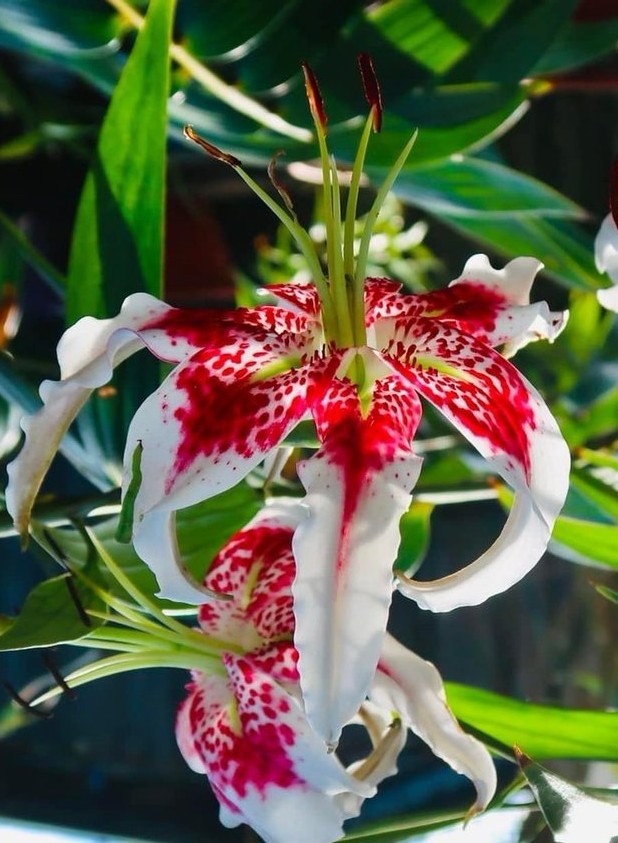
Japanese Show Lily
Lilium speciosum Thunb.
Accepted infraspecific taxa include:
- Lilium speciosum var. clivorum S.Abe & Tamura
- Lilium speciosum var. gloriosoides Baker
- Lilium speciosum var. speciosum
Important historical, horticultural, and synonymous names associated principally with Lilium speciosum var. speciosum include:
- Lilium albiflorum Hook.
- Lilium speciosum var. rubrum Lem.
- Lilium speciosum f. rubrum (Lem.) E.H.Wilson
- Lilium speciosum var. album Paxton
- Lilium speciosum f. album-novum (H.Pettigrew) E.H.Wilson
- Lilium speciosum var. vestale Mast.
- Lilium speciosum f. vestale (Mast.) S.Abe & Tamura
- Lilium speciosum var. roseum (Paxton) Mast.
- Lilium speciosum f. roseum (Paxton) E.H.Wilson
Important botanical and horticultural distinctions:
- Rubrum Lily usually refers to pink, crimson, or strongly spotted forms historically named Lilium speciosum var. rubrum.
- White forms historically labeled var. album, var. vestale, or f. album-novum remain part of the same cat-toxic species.
- Japanese Show Lily is a true lily in the genus Lilium and must not be confused with Peace Lily, Calla Lily, Lily of the Valley, Peruvian Lily, Flame Lily, or another unrelated plant carrying a lily common name.
- Oriental hybrid lilies may contain Lilium speciosum ancestry. Stargazer-type and other Oriental lilies must also be treated as potentially nephrotoxic to cats even when their precise parentage is not listed.
Liliaceae — True Lily Family
Japanese Show Lily; Japanese Show-Lily; Showy Japanese Lily; Showy Lily; Japanese Lily; Spotted Lily; Speciosum Lily; Orchid Lily; Rubrum Lily; Rubrum Japanese Lily; Japanese Rubrum Lily; White Japanese Lily; Album Lily; Vestale Lily; Lilium speciosum; Lilium speciosum var. rubrum; Lilium speciosum f. rubrum; Lilium speciosum var. album; Lilium speciosum var. vestale
Rubrum Lily commonly refers to the pink, crimson, or strongly spotted horticultural forms historically placed under Lilium speciosum var. rubrum. Rubrum, roseum, album, and vestale forms remain true lilies and share the severe feline renal hazard.
Japanese Lily is ambiguous and may refer to several lily species native to or cultivated in Japan. The scientific name or a reliable florist, nursery, or botanical label should be preserved whenever poisoning treatment depends on identification.
Oriental Lily is a horticultural group rather than one species. Oriental hybrids commonly contain ancestry from Lilium speciosum, Lilium auratum, and related East Asian lilies. Stargazer-type, Rubrum-type, and other Oriental lilies must be treated as dangerous to cats.
Japanese Show Lily is not Peace Lily, Spathiphyllum; Calla Lily, Zantedeschia; Lily of the Valley, Convallaria majalis; Peruvian Lily, Alstroemeria; Flame Lily, Gloriosa superba; or Daylily, Hemerocallis. Daylilies are not true lilies botanically but can cause the same acute kidney-injury syndrome in cats.
An Unidentified Water-Soluble Feline Nephrotoxin
Japanese Show Lily belongs to the genus Lilium, whose members are associated with severe acute kidney injury in cats. The exact molecule responsible has not been identified conclusively. Experimental toxicology involving Easter Lily demonstrated that nephrotoxic activity was concentrated in water-soluble extracts of flowers and leaves rather than in the organic-solvent fractions. This finding supports rapid absorption from chewed plant tissue, pollen-contaminated material, and water containing soluble plant constituents.
The unidentified toxin or a feline-specific metabolite targets renal tubular epithelium. Histologic injury is centered particularly in the proximal convoluted tubules, where epithelial degeneration and necrosis impair reabsorption, solute handling, glucose conservation, water balance, and normal urine concentration. Tubular cells may detach into the lumen, and granular, cellular, or hyaline casts can obstruct or further injure damaged nephrons.
Ultrastructural examination in experimental lily toxicosis documented marked mitochondrial swelling, formation of enlarged or fused megamitochondria, nuclear pyknosis, cytoplasmic lipid accumulation, and progressive tubular epithelial destruction. These changes support a direct toxic cellular injury rather than kidney failure caused merely by dehydration after vomiting.
The toxin’s precise biochemical target remains unresolved. Its rapid clinical effect, water solubility, severe feline specificity, and concentration of injury in metabolically active renal tubular cells suggest that feline absorption, metabolism, transport, mitochondrial susceptibility, or detoxification pathways may be involved. None of those proposed explanations has been proved sufficiently to replace “unidentified water-soluble nephrotoxin” as the principal toxic designation.
Why Cats Develop Kidney Failure
Cats are exceptionally susceptible to the renal effects of true lilies and daylilies. Attempts described in the experimental literature to reproduce the same characteristic nephrotoxicity in dogs, rats, and rabbits were unsuccessful. This does not mean that the plant is appropriate food for those species; it shows that the distinctive acute tubular-necrosis syndrome is strongly species-dependent.
Early tubular dysfunction can reduce the kidneys’ ability to concentrate urine. A cat may initially produce an abnormally large volume of dilute urine and become progressively dehydrated despite drinking more. Urinary glucose and protein may appear because injured proximal tubules cannot reclaim filtered molecules normally.
As tubular injury advances, filtration and urine production may decline. Oliguria means abnormally low urine production; anuria means essentially no urine production. When the kidneys cannot eliminate potassium, phosphorus, acids, nitrogenous waste, and water, the cat can develop hyperkalemia, hyperphosphatemia, metabolic acidosis, severe azotemia, fluid overload, uremic gastrointestinal injury, neurologic dysfunction, cardiac instability, and death.
Pancreatic acinar degeneration was also documented in experimental Easter Lily toxicosis. Its clinical importance is less consistently defined than the renal lesion, but abdominal pain, vomiting, or biochemical evidence of pancreatic injury may occasionally accompany the primary nephrotoxic syndrome.
Every Plant Part and Every Form of Exposure
Every portion of Japanese Show Lily must be treated as dangerous to cats: bulb scales, basal roots, stem roots, stems, leaves, flower buds, open flowers, tepals, nectaries, stamens, anthers, pollen, pistils, ovaries, seed capsules, seeds, sap, fallen fragments, wilted tissue, and dried material.
The bulb is a true scaly bulb composed of overlapping fleshy storage leaves rather than a solid corm or a layered onion protected by a continuous papery tunic. Loose scales can break away during storage and remain accessible in bags, boxes, potting areas, garages, sheds, garden beds, or discarded soil.
Removing pollen-bearing anthers does not make a Japanese Show Lily safe. Pollen may already have fallen onto tepals, leaves, tables, clothing, furniture, wrapping, or the floor, and the unidentified nephrotoxic principle is not restricted to pollen. The remaining flower, stem, leaves, and bulb remain dangerous.
Drying or wilting does not establish safety. Fallen bouquet fragments, dried pollen, pressed flowers, discarded stems, old bulbs, composted pieces, wreath material, and vacuumed or swept debris should all remain inaccessible to cats.
Pollen and Grooming Exposure
Lily pollen is dry, mobile, highly visible on light-colored fur, and easily transferred. A cat can brush against protruding anthers without biting the plant and later swallow pollen while grooming the forehead, whiskers, shoulders, paws, chest, or flank.
Visible yellow, orange, rust, brown, or reddish pollen suggests meaningful contact, but absence of visible coloration does not rule out exposure. Fine particles may remain after superficial brushing or may already have been swallowed.
Pollen can also spread indirectly from hands, clothing, bouquet wrapping, florist paper, countertops, tables, floors, furniture, other pets, or water spilled from a vase. Removing the bouquet after discovering contamination does not reverse any toxin already ingested.
No dependable toxic pollen mass has been established. Because the renal consequences can be fatal and the cat may appear normal during the early treatment window, any credible pollen ingestion or grooming exposure requires immediate veterinary evaluation.
Vase Water and the Water-Soluble Fraction
Water from a vase containing a true lily must be treated as a potentially toxic feline exposure. Cut stems release sap and soluble cellular material; pollen, damaged tepals, leaves, and flower debris may also enter the water.
The experimental demonstration of water-soluble nephrotoxicity makes it biologically plausible that contaminated water can deliver active material without a visible bite from the plant. No safe sip or safe dilution has been established.
Flower preservatives, bacterial growth, mold, fertilizers, and other plants in a mixed arrangement can create additional gastrointestinal or toxic hazards. Plain water containing true lily material remains concerning even without a commercial preservative.
Exact-Species Steroidal Saponins and Phenolic Glycosides
Phytochemical examination of fresh bulbs of a white form historically identified as Lilium speciosum f. vestale isolated a new phenolic glycoside, 6′-O-feruloylsucrose, and a new steroidal saponin together with several previously known phenolic glycosides and saponins.
A separate study of the Oriental hybrid ‘Star Gazer’, described as Lilium speciosum × Lilium nobilissimum, isolated a new steroidal saponin and four known steroidal saponins from fresh bulbs. The compounds were evaluated for antitumor-promoter activity in experimental systems.
These exact-species and direct-hybrid studies demonstrate that Japanese Show Lily and its descendants contain substantial bulb chemistry beyond the unidentified nephrotoxic fraction. They do not establish that the isolated steroidal saponins or phenolic glycosides cause feline renal tubular necrosis.
A compound can have pharmacological, cytotoxic, membrane-active, antioxidant, or other laboratory properties without being the cause of the acute feline syndrome. Until a constituent reproduces the characteristic kidney lesion and fulfills the necessary analytical and toxicological evidence, the feline nephrotoxin remains unidentified.
Exposure Amount and Evidence Limitations
Published veterinary literature documents severe illness after small true-lily exposures, including portions of flowers or leaves. The precise amount is often uncertain because owners discover a damaged flower, pollen on the coat, vomited fragments, or an unattended bouquet rather than witnessing and weighing the ingestion.
No validated safe leaf fraction, petal size, pollen quantity, bulb weight, sip of vase water, or body-weight threshold exists for cats exposed to Japanese Show Lily. Numerical claims should not be used to justify observation at home.
The strongest mechanistic experiments used Easter Lily, while many clinical case reports involve Easter, Tiger, Asiatic hybrid, Oriental, or unidentified true lilies and daylilies. Japanese Show Lily is included in the high-risk group through genus-level clinical experience, reports involving Rubrum lilies, its role in Oriental hybrids, and the established pattern that dangerous nephrotoxicity extends across Lilium.
The absence of an exact-species dose-response experiment does not justify treating Lilium speciosum as an exception. It requires honest acknowledgment that the toxic molecule, dose, and relative potency of its individual organs remain unresolved.
Dogs and Other Animal Species
Dogs have not reproduced the characteristic feline tubular-necrosis syndrome in the available experimental work. Dogs that chew true lilies may develop salivation, nausea, vomiting, diarrhea, abdominal discomfort, appetite reduction, or lethargy from plant material, bulb constituents, or nonspecific gastrointestinal irritation.
A dog with azotemia, absent urination, seizures, collapse, severe weakness, major heart-rhythm abnormalities, or progressive neurologic disease should be evaluated for another nephrotoxin, another plant carrying a lily common name, urinary obstruction, medication, chemical exposure, or unrelated disease rather than assuming routine Japanese Show Lily ingestion explains the syndrome.
The susceptibility of horses, livestock, rabbits, guinea pigs, poultry, pet birds, reptiles, and other companion species has not been defined through adequate exact-species research. They should not be fed the plant, but the feline emergency protocol and prognosis should not be copied to every species without evidence.
The Early Silent Period and Gastrointestinal Phase
A cat may appear completely normal immediately after exposure. This silent period is dangerous because absence of outward illness does not mean that the toxin was not swallowed or that renal tubular injury will not develop.
Early clinical signs frequently begin within several hours and may include salivation, lip licking, nausea, vomiting, appetite loss, hiding, depression, and lethargy. Diarrhea can occur but is less consistent than vomiting and anorexia.
Vomiting may stop temporarily, and the cat may appear brighter. That apparent recovery is not dependable evidence that the danger has passed. The water-soluble toxin may already have been absorbed while tubular cellular injury progresses without visible signs.
Some cats never develop dramatic early gastrointestinal signs before laboratory abnormalities emerge. A credible exposure history alone is sufficient to require urgent evaluation.
Early Renal Tubular Dysfunction
During the next several hours to approximately one day, injured renal tubules may lose the ability to concentrate urine. The cat may drink more and produce larger quantities of pale, dilute urine. Increased thirst and urination in this setting are signs of renal dysfunction, not evidence that the cat is successfully flushing out the toxin.
Urinalysis may reveal inadequately concentrated urine, glucose despite a normal blood-glucose concentration, protein, casts, and other evidence of tubular injury. These changes may precede a major rise in serum creatinine or blood urea nitrogen.
Continued vomiting, poor food and water intake, and urinary water loss accelerate dehydration. Tacky gums, sunken eyes, reduced skin elasticity, weakness, weight loss, rapid heart rate, and worsening depression may develop.
Renal enlargement or discomfort may cause abdominal pain, reluctance to be handled, a hunched posture, or withdrawal. These findings are not present in every cat and should not be awaited before beginning treatment.
Progressive Acute Kidney Injury
As tubular necrosis becomes more extensive, nitrogenous waste products accumulate. Serum creatinine, blood urea nitrogen, phosphorus, and other biochemical abnormalities may rise, while acid-base and electrolyte regulation deteriorates.
Urine production can change from polyuria to oliguria or anuria. A litter box that becomes unexpectedly dry, markedly smaller urine clumps, or repeated litter-box visits without meaningful urine warrants immediate reassessment. Urinary obstruction must also be excluded because it can produce a similar outward pattern.
Persistent vomiting, profound appetite loss, severe lethargy, dehydration, weakness, recumbency, uremic breath, oral ulceration, and painful enlarged kidneys may accompany advanced azotemia. The cat may become disoriented, ataxic, tremorous, or poorly responsive.
Hyperkalemia can disturb cardiac conduction and muscle function, particularly when urine production is severely reduced. Metabolic acidosis, fluid overload, pulmonary edema, hypertension, hypotension, or other complications may develop depending on disease stage and treatment.
Oliguria, Anuria, and Uremic Complications
Oliguria and anuria indicate severe renal dysfunction and substantially worsen the prognosis. Once the kidneys cannot remove administered fluid, continued unadjusted fluid therapy can cause dangerous overhydration, peripheral edema, pleural or pulmonary fluid accumulation, and respiratory compromise.
Advanced uremia can produce oral ulceration, severe nausea, gastrointestinal bleeding, neurologic depression, tremors, seizures, hypothermia, abnormal breathing, and cardiac instability. These are complications of kidney failure and electrolyte or acid-base disturbance rather than direct stimulation by the original plant toxin.
Anuric cats may require hemodialysis, peritoneal dialysis, or another renal-replacement technique to control potassium, phosphorus, acid-base status, nitrogenous waste, and body-fluid volume while the kidneys are given time to recover.
Anuria has historically carried a guarded to grave prognosis, but survival is possible. Individual case reports document recovery after dialysis and, in one recent case, after intensive medical management that included veterinarian-directed furosemide. A single successful case does not establish furosemide as a guaranteed antidote or a substitute for renal-replacement therapy.
Pancreatic and Other Reported Abnormalities
Experimental Easter Lily research documented degeneration of pancreatic acinar cells in addition to renal injury. Clinical pancreatitis is not the defining syndrome and is not diagnosed in every exposed cat, but persistent abdominal pain or vomiting may justify pancreatic assessment.
Elevated creatine kinase, ventricular premature complexes, fever or hypothermia, facial or paw edema, and neurologic signs have been reported in some lily cases. These findings are less consistent than the gastrointestinal and renal abnormalities and may reflect severe systemic illness, uremia, electrolyte disturbance, hypoxia, or concurrent disease.
Calcium oxalate crystals reported in occasional renal specimens should not lead to the assumption that Japanese Show Lily is a soluble-oxalate plant. The primary pathogenesis differs from ethylene glycol or soluble-oxalate poisoning, and crystal findings have not identified the lily toxin.
Dogs
Dogs are expected to be far less susceptible to the characteristic renal syndrome. After chewing Japanese Show Lily, a dog may develop drooling, nausea, vomiting, diarrhea, abdominal discomfort, appetite reduction, or temporary lethargy.
Repeated gastrointestinal losses can still cause dehydration, tacky gums, reduced urination, weakness, electrolyte disturbance, or aspiration. Bulb scales, woody stems, bouquet materials, ribbon, wire, floral foam, plastic, and plant-food packets can create separate foreign-body or toxic hazards.
Acute kidney failure, seizures, severe cardiac abnormalities, respiratory collapse, or profound neurologic illness is not the expected uncomplicated canine syndrome. Another toxicant, another plant called a lily, urinary disease, or unrelated illness should be investigated.
Horses, Livestock, Birds, and Small Mammals
Species-specific clinical evidence is insufficient to define a dependable Japanese Show Lily syndrome in horses, cattle, sheep, goats, pigs, rabbits, guinea pigs, poultry, or pet birds. The plant should not be offered as browse, forage, bedding, nesting material, or enrichment.
Horses and livestock may develop salivation, feed refusal, diarrhea, colic, or nonspecific depression after eating unfamiliar ornamental vegetation. Rabbits and guinea pigs cannot vomit and may instead develop salivation, food refusal, abdominal discomfort, reduced fecal output, or gastrointestinal stasis.
Birds may shred leaves, flowers, or bulb scales and expose the beak, mouth, crop, skin, and eyes. A captive bird’s ingestion pattern differs from the incidental wildlife use sometimes observed around garden plants.
Serious or progressive illness in a nonfeline species requires a broad investigation rather than automatic application of the feline diagnosis.
Expected Timeline and Emergency Findings
Early gastrointestinal signs often appear within hours, but measurable kidney dysfunction may emerge later. Significant acute kidney injury commonly becomes evident during the first one to three days, and untreated advanced disease can result in death within several days.
The timeline varies with the lily, plant part, quantity, treatment, and individual cat. It must not be used to calculate a safe waiting period. A cat exposed minutes ago requires the same urgent response as one exposed several hours ago.
Emergency findings include any credible feline exposure, repeated vomiting, increasing thirst or urination, a suddenly dry litter box, oliguria, anuria, severe weakness, collapse, uremic breath, oral ulceration, tremors, seizures, disorientation, difficult breathing, or reduced responsiveness.
Accepted Identity, Native Range, and Varieties
Japanese Show Lily is Lilium speciosum Thunb., a bulbous perennial in Liliaceae. Its accepted native range includes southeastern China, Taiwan, and the Japanese islands of Shikoku and Kyushu.
Current botanical treatment recognizes three varieties. Var. speciosum is associated principally with Japan; var. gloriosoides occurs in China and Taiwan; and var. clivorum represents another accepted geographic and morphological expression within the species.
Historical horticulture generated numerous names based on flower color, spotting, stature, and orientation. Rubrum, roseum, album, vestale, punctatum, magnificum, and other named forms were often promoted as distinct garden entities. These names do not identify different veterinary risk categories.
The plant is cultivated far beyond its native range and is used in perennial borders, containers, specialty lily collections, florist production, wedding arrangements, funeral displays, religious services, event decorations, and cut-flower bouquets. Household exposure is far more likely to involve a bouquet than a wild population.
Bulb, Stem, Leaves, and Seasonal Growth
Japanese Show Lily grows from a scaly bulb. Unlike an onion, the bulb lacks one continuous protective tunic enclosing all the fleshy scales. Individual scales overlap around a shortened basal plate and can separate during storage, transport, planting, or digging.
Basal roots arise from the bulb, while additional stem roots may develop above it during active growth. One or more upright stems emerge seasonally and carry numerous narrow lance-shaped leaves arranged alternately or in a loose spiral.
The plant is deciduous. The stem and leaves die back after the growing season while the bulb remains alive below ground. Dormancy does not remove the risk: stored bulbs, loose scales, excavated plants, potting debris, and disturbed soil remain hazardous to cats.
True lilies differ from daylilies in growth form. A true lily generally has leaves distributed along an upright stem. A daylily produces a basal clump of strap-like leaves and separate flower scapes that are largely leafless.
Large Recurved Flowers and Pollen Exposure
The flowers are usually produced during late summer or early autumn. They are large, strongly fragrant, and commonly face downward or outward. Six white, pale-pink, rose, or crimson-flushed tepals curve sharply backward, producing a Turk’s-cap or reflexed form.
The inner tepal surfaces are frequently marked with crimson, magenta, purple-red, or dark rose spots and raised papillae. Long filaments project beyond the recurved tepals and support prominent pollen-bearing anthers.
The exposed anthers make contact contamination easy. A cat walking beneath a bouquet, rubbing its face against a flower, jumping onto a table, or brushing the plant while investigating a window can acquire pollen without chewing any visible tissue.
Flower color does not predict safety. White, pink, crimson, spotted, unspotted, Rubrum, Album, Vestale, double-flowered, pollen-reduced, and commercially altered forms remain true lilies.
Rubrum Lily and Oriental Hybrid Parentage
Rubrum Lily commonly refers to pink or crimson Japanese Show Lily forms historically labeled Lilium speciosum var. rubrum. The name remains common in older toxicology lists, florist terminology, bulb catalogues, and horticultural references.
Japanese Show Lily contributed to the development of Oriental hybrid lilies. These hybrids commonly share large fragrant flowers, white-to-pink coloration, prominent spotting, and outward- or downward-facing blooms.
Phytochemical research on the Oriental hybrid ‘Star Gazer’, described as Lilium speciosum × Lilium nobilissimum, directly confirms Japanese Show Lily ancestry and chemically active bulb tissue. A florist label stating Oriental Lily, Stargazer Lily, Rubrum Lily, or true lily is sufficient to treat feline exposure as an emergency.
Modern commercial hybrids may have complex pedigrees not available on the bouquet label. Veterinary action should not wait for complete parentage reconstruction.
How Bouquet Exposures Occur
Cut flowers are one of the most important exposure routes. A bouquet may enter a home as a gift, condolence arrangement, wedding centerpiece, holiday display, workplace delivery, church decoration, or floral subscription without the recipient being warned that it contains a true lily.
A cat can bite a leaf or tepal, lick pollen, drink from the vase, walk through spilled water, rub against anthers, play with fallen pieces, or groom after contacting contaminated wrapping or furniture.
One true-lily stem can contaminate other flowers, the vase, table surface, wrapping, ribbon, floral foam, and nearby floor. Removing only the lily stem does not prove that every source of pollen or soluble plant material has been removed.
Floral preservative packets may add separate hazards, but their presence is not necessary for a dangerous exposure. Plain vase water holding a true lily remains concerning.
Garden, Bulb, and Storage Exposures
Cats may encounter planted lilies outdoors, loose bulbs indoors, unplanted scales, excavated material, garden waste, soil from a container, or stems brought inside after cutting.
Bulbs may be stored in garages, sheds, refrigerators, basements, cardboard boxes, mesh bags, potting benches, or open containers. Cats can enter spaces that owners assume are inaccessible and may bat or carry a loose scale before chewing it.
Dogs are more likely than cats to excavate and swallow bulbs, fertilizer, bone meal, packaging, labels, or garden debris. A dog’s principal concern may therefore involve gastrointestinal irritation, obstruction, fertilizer exposure, or another bulb species rather than feline-type renal toxicity.
Commercial bulbs may be treated with fungicides, pesticides, dyes, preservatives, or mold inhibitors. Severe neurologic, hepatic, respiratory, or cardiovascular signs after bulb ingestion may reflect a treatment chemical or another bulb in the package.
True Lilies and Daylilies
True lilies belong to the genus Lilium. Easter Lily, Tiger Lily, Asiatic Lily, Oriental Lily, Stargazer Lily, Rubrum Lily, Japanese Show Lily, and many trumpet, martagon, and hybrid lilies belong to this high-risk feline group.
Daylilies belong to Hemerocallis and are not members of Liliaceae under current classification. They nevertheless cause a clinically similar acute kidney-injury syndrome in cats and require the same emergency response.
Daylily leaves arise in basal fans, and their individual flowers commonly last only one day. True lilies grow from scaly bulbs and usually carry leaves along the flowering stem.
A cat owner does not need to distinguish a true lily from a daylily before seeking care. Either credible exposure is sufficient for emergency treatment.
Peace Lily, Calla Lily, and Other Unrelated Lilies
Peace Lily and Calla Lily belong to Araceae and contain insoluble calcium oxalate raphides. They cause immediate mouth pain, drooling, pawing, gagging, and swelling rather than the delayed feline renal-tubular syndrome.
Lily of the Valley contains cardiac glycosides and can cause vomiting, bradycardia, atrioventricular block, ventricular arrhythmias, weakness, collapse, seizures, and death in several species.
Flame Lily and Autumn Crocus contain colchicine or colchicine-like compounds capable of severe gastrointestinal injury, shock, bone-marrow suppression, and multiple-organ failure.
Peruvian Lily may produce comparatively mild gastrointestinal or contact effects and does not share true-lily nephrotoxicity. Plantain Lily, Canna Lily, Ginger Lily, African Lily, and other common names likewise refer to unrelated plants.
The common word lily does not identify one toxin. The complete plant, label, photographs, and bouquet packaging should accompany the patient whenever possible.
Experimental Renal Pathology
Controlled Easter Lily research established that aqueous extracts of both leaves and flowers could reproduce the feline syndrome. Flower fractions were particularly potent in the experimental system, but the study does not establish that a Japanese Show Lily flower is always more dangerous than its leaf, bulb, or pollen under natural conditions.
Renal lesions included acute tubular epithelial necrosis, especially within the proximal convoluted tubules. Urinary abnormalities included glucosuria, proteinuria, casts, and loss of concentrating ability. Blood abnormalities included rising creatinine and azotemia as injury progressed.
Electron microscopy showed mitochondrial swelling and megamitochondria within tubular cells. The kidney’s proximal tubules require substantial energy for active transport, making mitochondrial disruption a plausible contributor to rapid loss of tubular function.
Pancreatic acinar degeneration was also observed. The relationship between that lesion and natural clinical pancreatitis remains less certain than the renal findings.
Clinical Case Evidence and Outcomes
A six-cat acute renal failure series included cats exposed to Easter and Tiger lilies. All were treated medically, and two underwent hemodialysis. The report established the severity of oliguric and anuric lily-associated renal failure and the possible role of dialysis in salvage treatment.
A separate Asiatic hybrid case documented severe nephrotoxicosis after repeated leaf ingestion. Another Tiger Lily case demonstrated recovery from marked acute kidney injury after intensive care.
A household survey involving 57 exposed cats found that most received prompt veterinary care and either remained normal or developed brief signs that resolved, while a smaller group developed renal insufficiency or was euthanized because of renal failure.
In a 25-cat treatment series, all cats survived to discharge after decontamination, intravenous fluids, or both were begun within 48 hours of known exposure. Only a small proportion had increased renal values at discharge. The authors emphasized that the optimal decontamination method and fluid duration remained unresolved.
A newer retrospective study of 112 exposed cats found a higher prevalence of acute kidney injury than earlier reports. Kidney injury occurred among both inpatient and outpatient cats. Inpatient survival was 100%, while outpatient survival was lower but still favorable for many cats. The findings broaden treatment-outcome evidence but do not establish that unsupervised home observation is safe.
Diagnosis and Early Testing
No routine blood, urine, hair, pollen, or plant-toxin assay definitively confirms Japanese Show Lily poisoning. Diagnosis rests on exposure history, plant identification, pollen contamination, vomited fragments, timing, serial renal testing, urinalysis, and urine-output monitoring.
Baseline serum chemistry may include creatinine, blood urea nitrogen, phosphorus, potassium, calcium, glucose, and other electrolytes. Urinalysis can evaluate urine specific gravity, glucose, protein, casts, sediment, and evidence of another urinary disorder.
A normal first creatinine value does not clear the cat because creatinine rises only after a meaningful reduction in filtration and can lag behind tubular injury. Serial measurements are more informative than one result obtained shortly after exposure.
Body weight, hydration, urine volume, blood pressure, respiratory status, and repeated physical examination help guide fluid therapy. A urinary catheter or another method of measured urine collection may be necessary in severely affected cats.
Alternative causes of acute kidney injury include ethylene glycol, nonsteroidal anti-inflammatory drugs, aminoglycosides, other medications, grapes or raisins in dogs, severe dehydration, shock, pyelonephritis, urinary obstruction, leptospirosis in susceptible species, and pre-existing renal disease.
Treatment Evidence and the Fluid-Duration Question
Professional gastrointestinal decontamination may include veterinarian-induced emesis after a recent exposure in an alert, stable cat with a protected airway. Activated charcoal may be used when the veterinarian judges that potential adsorption outweighs aspiration and handling risks, although its specific efficacy against the unidentified lily toxin has not been proved.
Intravenous crystalloids are used to correct dehydration, maintain renal perfusion, support urine production, and permit close monitoring while the absorbed toxin is cleared. Fluids do not chemically neutralize the nephrotoxin.
Traditional protocols commonly hospitalize exposed cats for approximately two to three days. The optimal duration has not been established experimentally, and treatment should be individualized according to exposure certainty, elapsed time, serial kidney values, urinalysis, hydration, body weight, urine output, and the patient’s medical condition.
The newer inpatient-versus-outpatient evidence should not be reduced to the claim that hospitalization is unnecessary. Retrospective treatment allocation, differing exposure certainty, financial constraints, illness severity, and follow-up can affect group outcomes. Inpatient care still permits continuous fluid delivery, rapid response to vomiting, repeated laboratory testing, and accurate urine-output monitoring.
When hospitalization is genuinely impossible, a veterinarian may design an outpatient protocol with decontamination, subcutaneous fluids, laboratory follow-up, and strict return instructions. That remains professional medical management, not watchful waiting at home.
Oliguric and Anuric Rescue Treatment
Once urine production falls, fluids must be matched carefully to hydration, ongoing losses, body weight, and measured urine output. Continuing high fluid administration into an anuric patient can cause life-threatening overhydration.
Veterinarians may address hyperkalemia, acidosis, hypertension, nausea, gastrointestinal ulceration, nutrition, and other uremic complications while determining whether urine production can be restored.
One recent case documented recovery from oligo-anuric lily-associated acute kidney injury after intensive medical care and veterinarian-directed furosemide. This single outcome is important but does not establish a universal diuretic protocol. Diuretics cannot restore irreversibly destroyed nephrons and must not delay dialysis referral.
Hemodialysis, continuous renal-replacement therapy, or peritoneal dialysis may be necessary when severe azotemia, hyperkalemia, acidosis, fluid overload, oliguria, or anuria cannot be controlled medically. Availability, cost, travel distance, patient stability, and timing affect whether dialysis can be pursued.
Prognosis
The prognosis is generally excellent when a credible exposure is recognized promptly and treatment begins before significant kidney injury develops. Many early-treated cats never become azotemic or develop only mild, reversible abnormalities.
The prognosis becomes more guarded once creatinine rises, tubular injury is documented, or urine production falls. Oliguric and anuric patients have the greatest risk of death and are most likely to require dialysis.
Recovery from severe acute kidney injury is possible because surviving tubular cells can regenerate. Some cats regain sufficient function for a good quality of life, while others may retain chronic kidney impairment and require long-term monitoring.
Dogs with isolated gastrointestinal illness generally have a favorable prognosis when vomiting and dehydration are controlled and no other plant, chemical, or foreign material was involved.
Prevention
The safest rule is that no Lilium or Hemerocallis plant, bulb, bouquet, pollen-bearing flower, or vase water should enter an area accessible to cats.
A high shelf is not reliable. Cats climb, pollen falls, flowers drop, vases spill, and contaminated wrapping or water can reach the floor.
Florists, relatives, gift senders, workplaces, churches, funeral homes, wedding planners, event venues, and delivery services should be told explicitly that the household or location requires arrangements free of true lilies and daylilies.
“Pet-friendly bouquet” should be verified from the actual plant list. Removing visible anthers, choosing a double flower, or selecting a pollen-reduced cultivar does not remove the plant-wide feline hazard.
Immediate Response After Feline Exposure
- Treat every credible contact as an emergency: A bite, lick, pollen-contaminated coat, vase-water exposure, or uncertain access to Japanese Show Lily requires immediate veterinary evaluation.
- Stop further access: Remove the cat from the plant, fallen pollen, petals, leaves, bulb material, bouquet wrapping, vase, spilled water, floral foam, and contaminated surfaces.
- Prevent grooming: Place the cat in a carrier or maintain gentle control so pollen on the paws, face, chest, or coat is not swallowed during grooming.
- Preserve evidence: Bring the complete flower and stem, leaves, bulb, bouquet label, florist card, packaging, photographs, vase-water information, and any vomited fragments.
- Record the possible time: Note the earliest and latest access, what plant parts were present, whether pollen was visible, and whether the cat could have drunk from the vase.
- Leave for care immediately: Do not wait for vomiting, increased thirst, abnormal urine production, or abnormal blood tests before seeking treatment.
Removing Pollen Without Delaying Treatment
Visible pollen may be blotted from the coat with a damp disposable cloth while transportation is being arranged. Avoid vigorous rubbing, which can spread pollen into a larger area or drive it deeper into the coat.
A quick gentle rinse with lukewarm water may be appropriate when a substantial area is contaminated and the cat can be handled safely. The goal is to reduce grooming exposure, not to complete an elaborate bath before leaving.
Do not delay departure to dry the coat perfectly, remove every microscopic particle, or repeatedly restrain a panicking cat. Veterinary treatment remains necessary even when visible pollen appears to have been removed.
Wear gloves, place contaminated towels in a sealed bag, clean the carrier after transport, and prevent other cats from contacting contaminated fur, cloths, furniture, or floors.
Do Not Induce Vomiting at Home
- Never give hydrogen peroxide to a cat: It is not a safe feline emetic and can cause severe gastritis, esophageal injury, aspiration, and additional suffering.
- Do not use salt, mustard, ipecac, dish soap, detergent, oil, syrup, fingers, or tools: These methods are unsafe and can create a second poisoning or physical injury.
- Do not wait for telephone instructions while delaying travel: Contact the clinic during transportation when possible.
- Professional emesis may still be useful: Veterinary staff may use a feline-appropriate emetic after assessing elapsed time, alertness, airway protection, and current symptoms.
- Do not induce vomiting after neurologic or respiratory impairment: Weakness, collapse, seizures, sedation, abnormal breathing, or impaired swallowing creates a high aspiration risk.
Do Not Force Charcoal, Food, Water, or Medication
Do not force activated charcoal at home. A struggling, vomiting, sedated, or poorly swallowing cat can aspirate it into the lungs. Charcoal’s efficacy against the unidentified lily toxin has not been established well enough to justify delaying veterinary treatment.
Do not force food, water, milk, oil, broth, electrolyte solution, supplements, kidney products, calcium, potassium, magnesium, herbal remedies, or human medication.
Do not administer diuretics or leftover veterinary drugs. Furosemide and other medications require evaluation of hydration, blood pressure, electrolytes, kidney function, and urine production. Improper use can worsen dehydration or delay dialysis.
A cat may drink normally or appear hungry after exposure. That behavior does not eliminate the need for emergency care.
Professional Decontamination
Veterinary staff may induce vomiting when the exposure was recent and the cat is alert, stable, and able to protect the airway. The decision depends on timing, symptoms, plant material, and whether the cat has already vomited.
Activated charcoal may be administered professionally when the potential benefit is considered greater than aspiration or handling risk. The unidentified toxin’s adsorption characteristics are not fully established, so charcoal should not be presented as a proven antidote.
Gastric lavage is not routine and would require anesthesia, endotracheal intubation, and a specific clinical justification. Endoscopy may be considered when a large bulb piece, wrapping, string, wire, or another foreign object was swallowed.
Decontamination removes or binds material that remains in the gastrointestinal tract. It cannot reverse renal tubular injury that has already occurred.
Baseline Examination and Testing
The veterinarian will assess hydration, body weight, temperature, heart rate, respiratory status, blood pressure, abdominal or renal discomfort, mental status, and evidence of pollen or plant material.
Baseline blood testing may include creatinine, blood urea nitrogen, phosphorus, potassium, sodium, chloride, calcium, glucose, acid-base status, and other values needed to evaluate renal function and treatment safety.
Urinalysis may assess urine specific gravity, glucose, protein, casts, sediment, and evidence of infection or another urinary disorder. A normal early creatinine concentration does not rule out poisoning.
Serial blood and urine testing is necessary because tubular injury can develop after initially normal findings. Trends are more informative than one isolated value.
Intravenous Fluids and Hospital Monitoring
Intravenous crystalloids are used to correct dehydration, support renal perfusion, maintain appropriate circulating volume, and permit close monitoring during the period of toxic risk.
Fluid therapy is not a chemical antidote and should not be described simply as “flushing the toxin out.” The rate and duration must reflect hydration, cardiovascular status, body weight, ongoing losses, urine production, electrolytes, and serial renal values.
Hospitalized cats are commonly monitored for approximately two to three days, but no study has defined one mandatory duration for every exposure. A cat with uncertain contact, delayed presentation, abnormal urinalysis, rising kidney values, vomiting, dehydration, or changing urine output may require longer care.
Body weight, lung sounds, respiratory rate, edema, blood pressure, and urine production help identify underhydration or dangerous fluid overload.
Outpatient Treatment Is Not Home Observation
A recent retrospective study found that some professionally managed outpatient cats survived lily exposure, although inpatient survival was higher. Those findings do not make unsupported home monitoring safe.
An outpatient protocol may include professional decontamination, subcutaneous fluids, scheduled laboratory rechecks, urine monitoring, anti-nausea treatment, and strict emergency return instructions. It is used when hospitalization is not available or cannot be pursued and still requires direct veterinary supervision.
Outpatient care provides less control over fluid delivery, vomiting, laboratory timing, urine measurement, and sudden deterioration. A cat that cannot eat, drink, urinate normally, or return reliably for testing is a poor outpatient candidate.
Monitoring Urine Production
Early polyuria may indicate loss of concentrating ability. Later oliguria or anuria indicates severe renal dysfunction and changes both treatment and prognosis.
Veterinary staff may use measured litter, collection pans, absorbent systems, urinary catheterization, body-weight trends, or other methods to estimate urine output accurately.
At home, a smaller litter clump or apparently dry box is too imprecise to guide critical fluid therapy but remains an emergency warning sign after discharge.
Fluid administration must be reduced or altered when urine production cannot keep pace with intake. Continuing high fluid volumes in an anuric cat can cause pulmonary edema, pleural effusion, peripheral edema, and respiratory failure.
Anti-Nausea Care, Nutrition, and Uremic Complications
Veterinarian-selected anti-nausea medication may reduce vomiting, discomfort, dehydration, and aspiration risk. Gastrointestinal protectants may be used when uremia causes oral, esophageal, gastric, or intestinal injury.
Analgesia may be required for abdominal or renal discomfort. Medication selection must account for kidney function; nephrotoxic drugs and inappropriate nonsteroidal anti-inflammatory medications must be avoided.
Nutritional support becomes important when anorexia persists. Feeding plans must be adjusted to nausea, hydration, electrolyte balance, and the severity of renal dysfunction.
Hyperkalemia, acidosis, hypertension, hypothermia, seizures, or cardiac abnormalities require toxin-specific critical care and continuous reassessment.
Oliguric or Anuric Acute Kidney Injury
Reduced or absent urine production is a major emergency. Treatment focuses on precise fluid balance, correction of life-threatening electrolyte and acid-base disturbances, management of uremia, and early discussion of renal-replacement therapy.
A veterinarian may consider a diuretic challenge in a properly hydrated patient after obstruction and other reversible causes are addressed. Failure to produce urine after a diuretic does not justify repeated uncontrolled dosing.
A published case documented recovery of an oligo-anuric cat after intensive medical care and furosemide administration. This remains a single case and does not replace the broader evidence supporting dialysis for uncontrolled anuric kidney failure.
Dialysis
Hemodialysis, continuous renal-replacement therapy, or peritoneal dialysis may be considered when severe azotemia, hyperkalemia, metabolic acidosis, fluid overload, oliguria, or anuria cannot be controlled medically.
Dialysis removes uremic waste and excess water and helps control electrolytes and acid-base status while the renal tubules are given time to regenerate. It does not directly identify or neutralize the original lily toxin.
Referral should be considered before the patient becomes too unstable to transport. Availability is limited, and early communication with a dialysis center can preserve treatment options.
Response for Dogs
- Contact a veterinarian: Report the exact plant, part eaten, amount, dog’s weight, exposure time, and current signs.
- Watch gastrointestinal signs: Repeated vomiting, diarrhea, abdominal pain, food refusal, or inability to retain water requires examination.
- Monitor hydration: Tacky gums, weakness, sunken eyes, or reduced urination can follow repeated gastrointestinal losses.
- Preserve identification: Another plant carrying a lily name may contain cardiac glycosides, colchicine, calcium oxalate, or another toxin dangerous to dogs.
- Seek emergency care for atypical signs: Collapse, seizures, major rhythm abnormalities, profound weakness, difficult breathing, or absent urination requires immediate investigation.
Horses, Livestock, Birds, Rabbits, and Other Animals
Remove the entire plant, bulbs, cut flowers, bouquet waste, garden debris, and contaminated forage. Do not offer Japanese Show Lily as browse, nesting material, bedding, or enrichment.
Horses, rabbits, guinea pigs, and other species unable to vomit must never receive an emetic. Do not drench a weak, colicky, salivating, coughing, recumbent, or poorly swallowing animal with oil, water, charcoal, feed, or medication.
Monitor feed intake, manure or fecal production, hydration, salivation, abdominal comfort, urine production, coordination, and breathing. Significant illness requires species-appropriate veterinary assessment because the feline dose and prognosis cannot be transferred automatically.
Recovery and Follow-Up
Cats treated before measurable kidney injury generally have an excellent prognosis. Stable renal values, normal urine concentration or improving urinalysis, appropriate urine output, normal hydration, and absence of vomiting support discharge decisions.
Follow-up bloodwork and urinalysis may be recommended after discharge, especially when exposure was substantial, treatment began late, or any renal abnormality developed.
Cats recovering from severe acute kidney injury may retain chronic kidney disease and require long-term monitoring of creatinine, urine concentration, blood pressure, phosphorus, proteinuria, appetite, body weight, and hydration.
Any renewed vomiting, appetite loss, excessive thirst, increased urination, reduced urine production, weakness, weight loss, or lethargy after discharge requires prompt reassessment.
Prevention
Do not bring true lilies or daylilies into a home accessible to cats. Removing anthers, placing the vase high, or choosing a pollen-reduced form is not reliable prevention.
Check every bouquet, centerpiece, condolence arrangement, church display, event decoration, and florist delivery before it enters the home.
Tell florists and gift senders explicitly: no Lilium, no Hemerocallis, no Oriental lilies, no Stargazer lilies, and no Rubrum lilies.
After removing a lily, clean contaminated surfaces, dispose of vase water securely, collect pollen and fallen fragments, wash hands and clothing, and keep cats away until cleanup is complete.
Frequently Asked Questions About Japanese Show Lily and Animal Poisoning
Has the feline kidney toxin in Japanese Show Lily been identified?
No. Controlled true-lily research established that the nephrotoxic activity is water-soluble and targets renal tubular epithelium, but the responsible molecule has not been identified conclusively. Proposed differences in feline metabolism, transport, or detoxification remain hypotheses rather than a complete mechanism.
Are the steroidal saponins isolated from Lilium speciosum the kidney toxin?
That has not been proved. Exact-species bulb studies isolated steroidal saponins and phenolic glycosides, and an Oriental Stargazer hybrid with L. speciosum ancestry yielded additional saponins. None has been shown to reproduce the characteristic feline renal tubular necrosis.
Why is vase water considered dangerous when the toxin is unknown?
Experimental research showed nephrotoxic activity in aqueous flower and leaf fractions. Cut stems, sap, pollen, and damaged tissue can release water-soluble material into a vase. No safe volume or dilution has been established for cats.
Can removing the anthers make Japanese Show Lily safe?
No. Anthers may already have released pollen, and the nephrotoxic principle is present beyond the pollen. Leaves, tepals, stems, bulbs, sap, and vase water remain dangerous even after every visible anther is removed.
Can a double or pollen-free Oriental lily be kept safely around cats?
No. Reduced pollen may lower one contact route but does not remove the plant-wide toxin. A double flower, sterile hybrid, or pollen-reduced cultivar remains a true lily unless reliable botanical identification proves otherwise.
Why can the first kidney blood test be normal?
Creatinine and blood urea nitrogen rise only after kidney filtration has declined sufficiently. Tubular injury, glucosuria, proteinuria, casts, or loss of urine-concentrating ability can begin before marked azotemia appears. Serial blood and urine testing is therefore essential.
Does vomiting and then acting normal mean the cat removed the toxin?
No. Vomiting may stop after the toxin has already been absorbed. A temporary period of normal behavior is well recognized before acute kidney injury becomes clinically obvious and must not be used to justify home observation.
Why may an exposed cat urinate excessively before urine production stops?
Early tubular injury reduces the kidneys’ ability to concentrate urine, causing polyuria and dehydration. More extensive tubular damage can later reduce filtration and urine production, progressing to oliguria or anuria.
Does the newer outpatient study mean cats no longer need hospitalization?
No. Some professionally managed outpatients had favorable outcomes, but inpatient survival was higher, and acute kidney injury occurred in both groups. The retrospective study could not control every difference in exposure, illness, owner resources, or treatment selection. Outpatient veterinary care is not equivalent to monitoring a cat at home without testing.
Must every cat receive exactly 48 or 72 hours of intravenous fluids?
No single duration has been proved optimal for every case. Two to three days of inpatient monitoring is commonly used, but treatment should respond to elapsed time, exposure certainty, hydration, serial kidney values, urinalysis, body weight, and urine production. A fixed clock should not override the patient’s findings.
Can too much fluid harm a cat with lily-induced kidney failure?
Yes. Once urine production is severely reduced, excessive fluid can accumulate and cause edema, pleural effusion, pulmonary edema, hypertension, and respiratory distress. Fluids must be adjusted to hydration, body weight, cardiovascular findings, and measured urine output.
Does furosemide cure anuric lily poisoning?
No. One case report documented recovery after intensive treatment that included furosemide, but a single successful case does not establish a cure. Diuretics cannot restore irreversibly destroyed nephrons and should not delay dialysis referral when severe oliguria or anuria persists.
When is dialysis considered?
Dialysis may be needed when oliguria or anuria prevents control of potassium, acid-base balance, nitrogenous waste, or body-fluid volume. It can support the cat while surviving tubular cells recover but is not available in every region and should be discussed before the patient becomes too unstable to transfer.
Is Rubrum Lily the same as Japanese Show Lily?
Rubrum Lily commonly refers to pink or crimson forms historically classified as Lilium speciosum var. rubrum. These plants belong within Japanese Show Lily and carry the same feline emergency classification.
Are all three accepted Lilium speciosum varieties dangerous to cats?
None has been established as a safe exception. Var. clivorum, var. gloriosoides, and var. speciosum are all true lilies and should be treated according to the genus-level feline nephrotoxicity evidence.
How is Japanese Show Lily connected to Stargazer Lily?
Japanese Show Lily contributed to Oriental hybrid breeding. Phytochemical research described the Stargazer hybrid examined as Lilium speciosum × Lilium nobilissimum. Stargazer and other Oriental lilies must be treated as dangerous to cats regardless of whether a bouquet provides complete parentage.
Are dried Japanese Show Lily flowers still dangerous?
They should remain inaccessible. Drying does not establish destruction of the unidentified nephrotoxin, and dried pollen or fragments can still be swallowed during grooming or play.
Why are dogs affected differently?
The characteristic renal syndrome has not been reproduced in dogs, rats, or rabbits in the experimental literature cited for true lilies. The feline susceptibility may involve species-specific metabolism, transport, or renal-cell vulnerability. Dogs can still develop gastrointestinal illness or complications from bulbs, chemicals, or foreign materials.
What findings suggest that the plant may not be a true lily?
Immediate severe oral burning suggests a calcium-oxalate aroid such as Peace Lily or Calla Lily. Major arrhythmias suggest Lily of the Valley. Severe gastrointestinal injury followed by marrow suppression or multiple-organ failure suggests Autumn Crocus or Flame Lily. Correct plant identification materially changes treatment.
What is the most important action after possible feline exposure?
Prevent further grooming and go directly to veterinary care. Do not wait for vomiting, kidney-value changes, thirst, or reduced urine production. Early professional decontamination, testing, and monitored treatment provide the best chance of preventing irreversible renal injury.