Stargazer Lily Feline Kidney Failure, Pollen and Vase-Water Exposure, True-Lily Identification, Early IV Fluids, and Daylily Confusion
Is Stargazer Lily Poisonous to Dogs, Cats, Horses, and Livestock?
Yes—for cats. Stargazer Lily, Lilium ‘Stargazer’, is a true Oriental hybrid lily capable of causing fatal acute kidney injury after even a very small feline exposure. A cat may be poisoned by chewing a leaf or petal, swallowing part of a flower, licking pollen from its coat, walking through fallen pollen and grooming later, chewing a stem, contacting a bulb, or drinking water from a vase containing cut lilies. Any credible cat exposure is an immediate veterinary emergency, even when the cat appears completely normal.
The toxic principle has not been chemically identified, but the true-lily syndrome in cats targets the proximal tubular epithelium of the kidney. Early vomiting may occur within the first several hours, then the cat may appear temporarily improved while tubular injury continues. Excessive urination, dehydration, glucosuria, proteinuria, rising kidney values, oliguria, anuria, uremia, electrolyte disturbance, fluid overload, seizures, coma, and death may follow if treatment is delayed or kidney injury becomes severe.
Dogs, horses, and livestock are not known to develop the same lily-induced feline kidney failure, although eating plant material can still cause nonspecific gastrointestinal upset. Serious illness in a dog, horse, cow, goat, sheep, rabbit, bird, or other non-cat after eating a plant called a lily should prompt confirmation of the plant because Lily-of-the-Valley, Gloriosa Lily, Autumn Crocus, Daylily, Peace Lily, Calla Lily, Peruvian Lily, and other “lilies” have different toxins and different treatment priorities.
About this guide: This page provides general pet-poisoning information and cannot diagnose or treat an individual animal. For any suspected exposure, contact a veterinarian or animal poison-control service immediately. Do not induce vomiting, give medication, or attempt home decontamination unless directed by a veterinary professional.
Stargazer Lily
Lilium ‘Stargazer’
Common veterinary, florist, and horticultural search names include:
- Lilium orientalis ‘Stargazer’
- Lilium Oriental Hybrid ‘Stargazer’
- Lilium Oriental Group ‘Stargazer’
- Stargazer Oriental Hybrid Lily
Important related true-lily and daylily risk names:
- Lilium longiflorum Thunb. — Easter Lily; true lily with the same recognized feline acute kidney injury syndrome
- Lilium lancifolium Thunb. — Tiger Lily; true lily with the same recognized feline acute kidney injury syndrome
- Lilium speciosum Thunb. and related Oriental hybrids — true lilies; not exact synonyms of ‘Stargazer’ but part of the same cat-emergency group
- Hemerocallis species — Daylilies; not botanical true lilies, but cause the same feline renal syndrome and should be treated as cat emergencies
Important non-synonym confusion names:
- Spathiphyllum species — Peace Lily; separate Araceae plants causing insoluble-calcium-oxalate oral irritation, not true-lily feline renal toxicosis
- Zantedeschia species — Calla Lily; separate Araceae plants causing insoluble-calcium-oxalate oral irritation, not true-lily feline renal toxicosis
- Alstroemeria species — Peruvian Lily or Lily of the Incas; separate plants usually associated with mild gastrointestinal irritation
- Convallaria majalis L. — Lily-of-the-Valley; separate cardiac-glycoside plant, not a true lily
- Gloriosa superba L. — Gloriosa Lily, Flame Lily, or Climbing Lily; separate colchicine-containing plant, not a true lily
- Colchicum autumnale L. — Autumn Crocus or Meadow Saffron; separate colchicine-containing plant sometimes confused with lilies through common-name language
Liliaceae
Stargazer Lily; Star Gazer Lily; Stargazer Oriental Lily; Oriental Stargazer Lily; Oriental Hybrid Lily ‘Stargazer’; Pink Stargazer Lily; Stargazer True Lily; Stargazer Cut Lily; Stargazer Bouquet Lily; Lilium ‘Stargazer’; Lilium orientalis ‘Stargazer’; Lilium Oriental Hybrid ‘Stargazer’; Lilium Oriental Group ‘Stargazer’
“Oriental Lily” identifies a larger horticultural group that includes many additional cultivars such as ‘Casa Blanca,’ ‘Muscadet,’ ‘Sorbonne,’ ‘Siberia,’ and ‘Starfighter.’ These are not exact synonyms for ‘Stargazer,’ but Oriental hybrids belonging to the genus Lilium should be treated as capable of causing the same fatal kidney syndrome in cats.
“Lily” is one of the most dangerous common-name traps in pet poisoning. True lilies in the genus Lilium and daylilies in the genus Hemerocallis are cat renal emergencies. Peace Lily, Calla Lily, Peruvian Lily, Lily-of-the-Valley, Gloriosa Lily, Autumn Crocus, and other plants with “lily” in the name are different plants with different toxins and should not be treated as botanical synonyms.
The Feline Nephrotoxin Remains Unidentified
The toxic principle in Stargazer Lily has not been identified chemically, but it is an exceptionally potent feline nephrotoxin associated with true lilies of the genus Lilium and daylilies of the genus Hemerocallis. The toxin should not be invented, named casually, or described as a known alkaloid, cardiac glycoside, oxalate crystal, colchicine compound, essential oil, or pollen protein. The safest scientific statement is that the responsible compound remains unknown but behaves as a highly potent cat-specific nephrotoxin.
Every part of the plant must be treated as dangerous to cats, including the leaves, petals, flower buds, stamens, pollen, stems, bulbs, roots, sap, and plant debris. Water from a vase containing cut lilies can also carry enough dissolved or suspended plant material to create a serious exposure. No safe feline dose has been established, and the amount required for poisoning may be far smaller than the amount visibly missing from the plant.
The absence of immediate illness does not indicate a nontoxic dose. A cat may receive a nephrotoxic exposure from a tiny petal fragment, a few pollen grains groomed from the coat, a sip of vase water, or unsupervised contact with a bouquet that appears mostly intact. Because the toxin is unknown and exposure cannot be quantified reliably from appearance, every credible feline contact with Stargazer Lily must be managed as potentially life-threatening.
Water-Soluble True-Lily Toxicity
Experimental work with Easter Lily, another true Lilium, showed that nephrotoxic activity was present in water-based extracts of both leaves and flowers. Organic-solvent extracts did not reproduce the same kidney injury, indicating that the responsible toxicant is water-soluble or travels with a water-soluble plant fraction. The aqueous flower extract was particularly potent and also produced pancreatic acinar-cell degeneration in experimental cats.
These findings help define the shared true-lily syndrome, but the individual toxic molecule remains unknown and has not been isolated specifically from ‘Stargazer.’ A public Stargazer Lily page should therefore use the Easter Lily work as strong comparative true-lily evidence, not as proof that a named compound has been identified in this exact cultivar.
The water-soluble finding explains why vase water is a credible exposure route. It also explains why a cat that did not visibly chew a leaf or flower may still be at risk after drinking from the vase, licking water from a surface, grooming wet plant residue, or contacting pollen and sap that later enter the mouth.
Every Plant Part and Vase Water Are Dangerous to Cats
Leaves, petals, flower buds, pollen, stamens, stems, bulbs, roots, sap, and vase water should all be treated as potentially nephrotoxic to cats. Removing the orange-brown anthers may reduce loose pollen in a floral display, but it does not make the remaining leaves, petals, stems, sap, bulb material, or vase water safe.
Pollen presents a distinctive exposure route. A cat may brush against an open flower, acquire visible yellow-orange pollen on its face, whiskers, paws, or coat, and then ingest it while grooming. Fallen pollen on a table, floor, counter, windowsill, packaging, wrapping paper, or pet bedding may also be transferred to the feet and swallowed later.
Bulbs and garden debris deserve the same caution. Outdoor cats or cats with access to gardening areas may contact bulbs, cut stems, deadheaded flowers, fallen petals, pollen-covered tools, compost, or discarded bouquets. Cat exposure prevention must cover the whole plant lifecycle and the whole floral arrangement, not just the open bloom.
Why Cats Are Uniquely Susceptible
Cats have a unique and still unexplained susceptibility. The characteristic nephrotoxic syndrome has not been reproduced in dogs, horses, or other commonly exposed domestic animals. Dogs may develop gastrointestinal upset after eating true-lily plant material, but they are not known to develop the same proximal tubular necrosis seen in cats.
The difference may involve feline absorption, metabolism, transport into renal tissue, mitochondrial vulnerability, renal tubular uptake, or inability to detoxify or eliminate a lily-derived compound, but no mechanism has been confirmed. Cats differ from many mammals in several metabolic and conjugation pathways, but no study has proved that one specific deficiency fully explains true-lily nephrotoxicity.
This species specificity must never be interpreted as variation among individual cats. Kittens, adults, seniors, indoor cats, outdoor cats, purebred cats, mixed-breed cats, male cats, female cats, healthy cats, and cats with preexisting kidney disease can all be affected. A large adult cat cannot safely tolerate an exposure merely because the amount appears small relative to its weight.
Proximal Tubular Injury
The principal target is the proximal tubular epithelium of the kidney. After absorption, the toxicant causes rapid mitochondrial swelling and dysfunction within tubular cells, followed by degeneration and acute tubular necrosis. Damaged proximal tubules lose their ability to reabsorb water, glucose, proteins, electrolytes, bicarbonate, amino acids, and other filtered substances normally.
This produces early excessive urination, dehydration, glucosuria, proteinuria, and poorly concentrated urine before the injury may progress to severely reduced or absent urine production. Early urinalysis may reveal tubular dysfunction before creatinine and blood urea nitrogen become severely abnormal. That is why one normal early blood test cannot rule out poisoning.
The tubular basement membrane may remain intact even when epithelial cells have undergone extensive necrosis. That distinction matters because surviving cats may regenerate tubular lining if circulation, electrolyte balance, waste removal, nutrition, and fluid status can be supported long enough. It does not make the syndrome mild. Once urine production stops, potassium, phosphorus, acids, nitrogenous wastes, and excess fluid can accumulate rapidly.
Oliguria, Anuria, and Renal-Replacement Therapy
Oliguria means abnormally low urine production, while anuria means essentially absent urine production. These stages indicate severe renal dysfunction and carry a much poorer prognosis than polyuric kidney injury. A cat with lily-associated oliguria or anuria cannot safely receive high-rate fluids without close monitoring because fluid overload can become life-threatening.
Diuretics such as furosemide or mannitol may be considered by a veterinarian in selected cases, but they do not reverse dead tubular cells and do not reliably restore urine production. A response to diuretics in one case does not establish that medication can replace dialysis in every oliguric or anuric cat.
Hemodialysis or peritoneal dialysis may control potassium, acid-base balance, fluid volume, and uremic waste while tubular epithelium attempts to regenerate. Access is limited, treatment is intensive and costly, and successful recovery is not guaranteed. Referral should be discussed early when urine output is falling because transfer becomes more difficult after severe instability develops.
Not Calcium Oxalate, Cardiac Glycoside, or Colchicine Poisoning
Stargazer Lily toxicity is not caused by insoluble calcium oxalate crystals, cardiac glycosides, colchicine, or the compounds responsible for many other plants called lilies. Peace Lily and Calla Lily cause primarily immediate oral irritation from calcium oxalate raphides. Lily-of-the-Valley affects the heart through cardiac glycosides. Gloriosa Lily and Autumn Crocus can cause severe multisystem poisoning through colchicine-related alkaloids.
Stargazer Lily instead causes delayed, potentially fatal renal tubular toxicosis in cats, often without dramatic mouth irritation at the moment of exposure. A cat may not drool, paw at the mouth, or show immediate oral pain after true-lily exposure. Waiting for dramatic signs can waste the most useful treatment window.
The common-name distinction matters for treatment. When the plant is truly Lilium ‘Stargazer’ or another true lily, the cat needs emergency renal-protective care. When the plant is Peace Lily, Calla Lily, Lily-of-the-Valley, Gloriosa Lily, or another “lily,” the toxicity and treatment priorities differ. Uncertainty should be handled by sending photographs to the veterinarian or poison-control specialist while proceeding as an emergency if a true lily or daylily remains possible.
No Safe Feline Dose
No safe number of pollen grains, petals, leaves, bites, sips, or licks has been established. Estimates such as “one leaf,” “part of a petal,” “a few pollen grains,” or “vase water” illustrate how small a credible exposure may be, but they should not be interpreted as thresholds below which no treatment is needed.
Exposure assessment is especially unreliable with bouquets. A cat can chew a petal and leave no obvious missing piece, lick pollen from fur hours after the plant was removed, drink from a vase overnight, step through fallen pollen, or groom a housemate that contacted the flower. The absence of obvious plant damage is not reassurance.
Because the toxin is unidentified, there is no home antidote, no safe waiting period, and no meaningful way for an owner to calculate risk from appearance. The correct response to credible feline exposure is immediate veterinary evaluation, decontamination when appropriate, IV fluids when indicated, and serial kidney and urine monitoring.
Early Gastrointestinal Phase
The earliest clinical phase generally begins within approximately 1–3 hours, although signs may occur at any time during the first 12 hours. Vomiting is common and may be accompanied by drooling, reduced appetite, depression, hiding, weakness, or unusual quietness. Some cats vomit only once or remain outwardly normal.
A cat that has not vomited has not been cleared of risk, and the absence of symptoms during the first several hours does not mean that the kidneys are unharmed. Lily toxicity is especially dangerous because the period when treatment is most helpful may occur before the cat looks seriously ill.
Owners should not use early improvement as reassurance. A cat may vomit, appear better, groom, sleep, or eat a small amount while tubular injury continues. The emergency is defined by exposure, not by waiting for kidney failure signs.
The Deceptive Quiet Period
The initial gastrointestinal signs may improve temporarily after several hours. This apparent recovery is dangerous because renal tubular injury can continue while the cat seems more comfortable. Owners may believe that a brief stomach upset has passed, only to see the cat become ill again one or two days later.
Treatment during this outwardly quiet period is far more likely to prevent severe kidney injury than treatment delayed until urination changes or azotemia becomes obvious. A normal attitude, normal early creatinine, or lack of visible dehydration does not rule out exposure.
This is the phase where many preventable losses happen. The owner watches because the cat “seems fine,” while the kidney tubules are already being injured. Any credible contact with Stargazer Lily should override that false reassurance.
Polyuric Kidney-Injury Phase
As proximal tubular damage progresses, many cats enter a polyuric phase approximately 12–30 hours after exposure. They may drink excessively, urinate larger volumes, dehydrate despite drinking, continue vomiting, refuse food, and become increasingly lethargic. The litter box may be wetter than usual before it becomes dangerously dry.
Urinalysis may reveal poor concentrating ability, glucose in the urine without corresponding severe hyperglycemia, protein loss, and renal tubular casts. Blood urea nitrogen, creatinine, phosphorus, and potassium may still be normal early and then increase as functional renal tissue is lost.
In this phase, fluid therapy and urine-output measurement require careful control. The veterinarian must support kidney perfusion and hydration without missing the transition toward reduced urine production.
Oliguria, Anuria, and Advanced Uremia
More severe acute kidney injury may progress from excessive urination to oliguria, in which only a small amount of urine is produced, and then to anuria, in which urine production effectively stops. Owners may notice an empty litter box, repeated visits to the box without urine, or no identifiable urination.
These observations can be mistaken for urinary obstruction, particularly in a male cat, but lily-associated renal failure is an equally urgent emergency and requires immediate laboratory and urine-output assessment. A blocked male cat and a lily-poisoned cat that has stopped urinating are both emergencies; the owner should not attempt to sort them out at home.
Advanced uremia produces persistent vomiting, profound appetite loss, dehydration, oral ulceration, foul or ammonia-like breath, weakness, recumbency, altered awareness, and hypothermia. Potassium and acid-base abnormalities may impair cardiac and neuromuscular function. Facial or limb swelling, difficulty breathing from fluid overload, tremors, and seizures may occur in severe disease.
Seizures and Neurologic Signs
Seizures are not usually the first or defining action of the unidentified true-lily toxin. When they occur, they are generally considered secondary to uremia, metabolic disturbance, hypertension, cerebral effects, severe systemic illness, or complications of advanced acute kidney injury.
Weakness, depression, altered awareness, tremors, collapse, hypothermia, or seizures after known or suspected Stargazer Lily exposure indicate a severe case or a complication. These signs should not be managed as a simple upset stomach, a behavioral problem, or an isolated neurologic episode.
Timeline to Renal Failure and Death
Without effective treatment, renal failure may become established within 24–72 hours and death may occur approximately 3–7 days after exposure. A cat can die from uremia, electrolyte disturbance, fluid imbalance, cardiovascular complications, or the consequences of complete loss of kidney function.
Cats that survive severe injury may recover fully, retain persistent kidney impairment, or require prolonged renal support depending on the depth and duration of tubular damage. Follow-up bloodwork, urinalysis, blood-pressure measurement, hydration monitoring, and long-term kidney management may be needed after discharge.
Dogs
Dogs that chew Stargazer lilies may vomit, develop diarrhea, drool, or lose interest in food because plant material irritates the gastrointestinal tract. They are not known to develop the characteristic feline renal tubular necrosis after ordinary true-lily exposure.
Serious illness in a dog after eating a plant identified as Stargazer Lily should prompt confirmation of the plant and investigation for pesticides, fertilizer, intestinal obstruction, another toxic ornamental, another “lily,” medication ingestion, pancreatitis, infection, or an unrelated disease. Lily-of-the-Valley, Gloriosa Lily, Autumn Crocus, and other plants with lily-like names have different and potentially severe toxicities.
Horses and Livestock
Horses and production livestock do not have a recognized Stargazer-lily renal syndrome. A horse, cow, goat, sheep, pig, camelid, or other large animal may develop nonspecific gastrointestinal upset after eating plant material, but feline-style acute tubular necrosis is not the expected syndrome.
Significant illness in another species warrants plant confirmation. If the actual plant was Lily-of-the-Valley, Gloriosa Lily, Autumn Crocus, certain toxic bulbs, treated florist material, or a mixed bouquet, the exposure may be much more dangerous than ordinary Stargazer Lily chewing in a non-cat.
Rabbits, Birds, and Other Small Animals
Reliable species-specific evidence for Stargazer Lily renal toxicosis in rabbits, guinea pigs, birds, reptiles, and other small animals is limited. These animals should not be allowed to chew true lilies or bouquet material, but the classic emergency kidney-failure syndrome is recognized overwhelmingly in cats.
Small animals that develop vomiting or regurgitation where possible, drooling, food refusal, diarrhea, weakness, tremors, inability to perch, reduced fecal output, respiratory distress, or collapse after eating any plant called a lily require veterinary evaluation. The plant identity should be checked carefully because common-name confusion can hide a different toxin.
Signs That Suggest the Plant Was Not a True Lily Alone
Immediate severe mouth burning, pawing at the mouth, and tongue swelling suggest a calcium-oxalate aroid such as Peace Lily or Calla Lily rather than a true-lily renal syndrome. Sudden severe heart rhythm signs after a plant called lily may suggest Lily-of-the-Valley. Severe bloody gastrointestinal illness, bone-marrow suppression risk, multiorgan failure, or shock may suggest Gloriosa Lily or Autumn Crocus.
Those distinctions matter, but uncertainty should not delay emergency care for a cat. If the plant could be a true lily or daylily, treatment should proceed as a potential renal emergency while identification is clarified.
‘Stargazer’ Is an Oriental Hybrid Cultivar
The precise horticultural name is Lilium ‘Stargazer’. It is a cultivated Oriental hybrid rather than a naturally occurring botanical species. Its ancestry lies within the Oriental lily group, which was developed from several East Asian Lilium species and is known for large, fragrant, late-flowering blooms.
The name Lilium orientalis remains common in poison-control databases, flower shops, veterinary records, and older horticultural material. It is useful as a search term but should not replace the cultivar name when the plant is known specifically to be ‘Stargazer.’
Florist invoices, bouquet cards, nursery tags, and online plant listings may use “Stargazer,” “Oriental Lily,” “Pink Oriental Lily,” “Star Gazer,” or Lilium orientalis loosely. For a cat emergency, any of these labels should be treated as a true-lily warning until proven otherwise.
How to Identify Stargazer Lily
Stargazer lilies grow from scaly bulbs and produce erect, usually unbranched stems bearing numerous narrow, lance-shaped green leaves. The leaves attach directly or nearly directly to the stem and are arranged alternately or in a loose spiral. Garden plants may arise from bulbs, while cut stems in bouquets may arrive without bulbs attached.
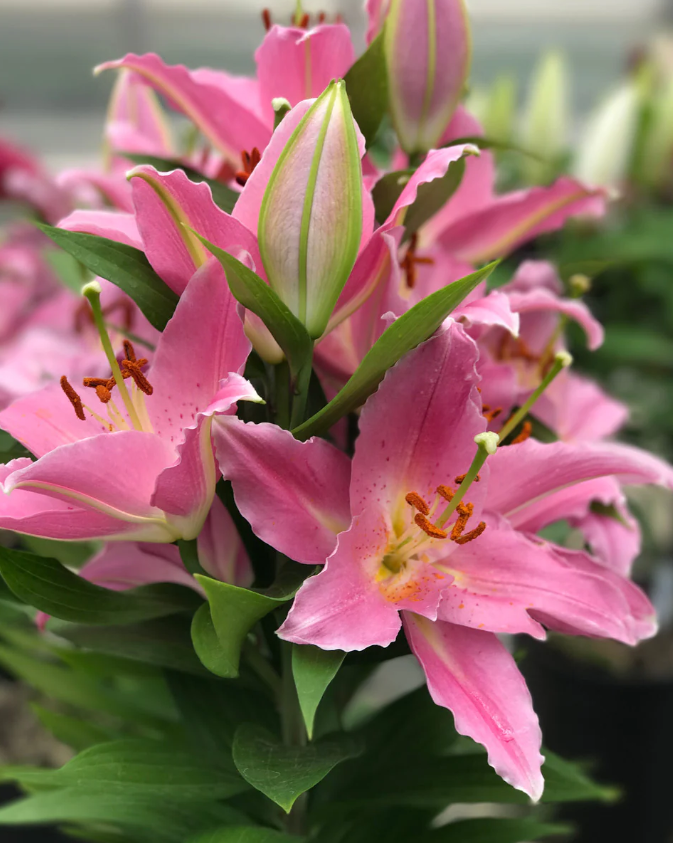
The large flowers face upward or outward, which inspired the cultivar name. Each bloom has six petal-like tepals with white ruffled margins, deep rose-pink to crimson centers, dark spots, and a prominent central stripe. Long stamens bear large orange, rust, or brown pollen-covered anthers.
The flowers are strongly fragrant and are widely used in mixed bouquets. Cut-flower identification is important because stems may arrive without a nursery label and may be mixed with roses, chrysanthemums, carnations, baby’s breath, greenery, and flowers that are safe or unsafe for cats in different ways.
Every Part Is an Emergency for Cats
The leaves, petals, flower buds, pollen, stamens, stems, bulbs, roots, sap, and vase water should all be treated as potentially nephrotoxic. Removing the pollen-bearing anthers reduces one visible source of contamination but does not make the flower safe.
A cat may be exposed without visibly eating the plant. Pollen transferred to the coat during sniffing or brushing against the flower can be swallowed during grooming. Water that has held cut stems may contain dissolved plant material even when no leaf or petal is floating in it.
No safe number of pollen grains, petals, bites, or sips has been established. Estimates such as “one leaf,” “part of a petal,” or “a few pollen grains” illustrate the extremely small exposure capable of causing disease but should not be interpreted as a threshold below which no treatment is needed.
Why Cats Are Uniquely Susceptible
The severe renal syndrome is recognized overwhelmingly in cats. Dogs may develop gastrointestinal upset after eating a lily but do not develop the same acute renal tubular necrosis. Horses are also listed as non-toxic for this particular plant in major pet-poison references.
The feline susceptibility remains unexplained. Cats differ from many mammals in several metabolic and conjugation pathways, but no study has proved that a specific deficiency accounts for lily nephrotoxicity. It is equally possible that cats form a uniquely toxic metabolite, transport the compound into renal cells more efficiently, or eliminate it poorly.
There is no dependable breed, age, sex, or body-size protection. A kitten, adult, senior, healthy cat, or cat with preexisting kidney disease should all be treated as at risk. A cat that has had prior lily contact without obvious illness should not be considered resistant.
The Toxin Is Unknown but Appears Water-Soluble
Experimental research with Easter Lily separated plant extracts into aqueous and organic fractions. Only the aqueous fractions reproduced the characteristic kidney and pancreatic injury. Flowers appeared especially potent in that experimental model.
These results explain why vase water is a credible exposure and why washing pollen or plant residue from the coat before grooming can matter. They do not reveal the toxin’s chemical identity or permit a home antidote.
The unknown-toxin status is not a weakness in the emergency recommendation. It is one reason every credible exposure must be treated aggressively: no owner or veterinarian can calculate a safe dose from a visible bite mark or a missing pollen smear.
What the Toxin Does to the Kidneys
The injury centers on the proximal convoluted tubules, which normally reclaim water, glucose, amino acids, electrolytes, bicarbonate, and small proteins from the filtered fluid. Damaged tubular cells lose these functions before overall filtration necessarily falls enough to raise blood creatinine.
This explains why urinalysis may reveal glucosuria, proteinuria, casts, and inadequate concentration before severe azotemia is evident. It also explains the early increase in urine production: damaged tubules cannot reclaim water efficiently.
As more cells die, filtration and urine formation decline. Oliguria and anuria indicate much more severe disease and create an immediate risk of hyperkalemia, acidosis, fluid overload, and accumulation of uremic waste.
Why Early Normal Bloodwork Does Not Rule Out Poisoning
Serum creatinine and blood urea nitrogen reflect reduced filtration and may not increase until substantial kidney function has been lost. A cat presented shortly after pollen contact may have completely normal blood values despite having received a lethal untreated dose.
Baseline testing is still important because it documents the cat’s starting values and identifies preexisting kidney disease or other abnormalities. Serial testing over approximately 48–72 hours is substantially more informative than one normal result obtained immediately after exposure.
Urine testing may be especially valuable early. Poor concentrating ability, glucose in the urine, protein loss, and casts can reveal tubular injury before a single blood chemistry panel looks dramatic.
Diagnosis Does Not Require Plant Fragments in Vomit
Seeing the cat chew a flower or finding plant fragments in vomit provides strong evidence, but neither is required before treatment. Cats may ingest pollen or vase water without leaving any identifiable plant material.
Diagnosis is based on the exposure history, identification of a true lily, compatible progression, blood chemistry, urinalysis, hydration, and measured urine production. No routine test detects the unknown lily toxin directly.
A photograph of the bouquet, flower, stem, leaves, pollen, label, florist invoice, or arrangement can be extremely useful. The entire bouquet should be considered because more than one toxic plant may be present.
Important Laboratory Findings
Urinalysis may show reduced concentrating ability, isosthenuria, glucosuria, proteinuria, and granular or epithelial casts consistent with tubular damage. Urine output should be measured whenever kidney injury is suspected rather than estimated solely from litter-box observations.
Blood abnormalities may include increasing creatinine, blood urea nitrogen, phosphorus, and potassium. Dehydration, acid-base disturbance, and other electrolyte changes may develop. Experimental research has also documented pancreatic degeneration and occasional creatine-kinase elevation, although pancreatic injury is not the main clinical feature in most naturally exposed cats.
Blood pressure, body weight, hydration status, lung sounds, respiratory rate, and fluid balance are also important. Aggressive fluids are useful only when the cat can handle the fluid load and urine production is being tracked.
Early Veterinary Decontamination
A veterinarian may induce vomiting when ingestion was recent and the cat is alert, neurologically appropriate, and able to protect its airway. Gastric lavage may be considered in selected cases in which emesis is inappropriate or unsuccessful.
Activated charcoal with a cathartic is included in some current veterinary protocols, although the exact toxin and degree of charcoal binding remain unknown. Decontamination decisions must account for aspiration risk, hydration, existing vomiting, neurologic status, and time since exposure.
Hydrogen peroxide is not a safe routine feline emetic and should never be administered by an owner. Delaying hospital care while trying repeated home remedies can eliminate the best opportunity to prevent renal injury.
Intravenous Fluids and Monitoring
Hospital-administered intravenous fluid therapy supports renal blood flow, corrects dehydration, and promotes elimination before severe tubular failure develops. Merck describes fluid administration at approximately two to three times maintenance for 48–72 hours, but the actual rate must be tailored to body weight, hydration, heart function, urine production, electrolytes, respiratory status, and serial examination.
More fluid is not automatically safer. A cat becoming oliguric or anuric cannot eliminate a high fluid load and may develop pulmonary edema, peripheral edema, hypertension, pleural effusion, or other life-threatening complications. Accurate input and output measurement is essential.
Kidney values and urine should be reassessed during hospitalization, commonly through the first 72 hours. A cat should not be discharged merely because it stopped vomiting if kidney values, urine concentration, hydration, or urine output are changing.
Treatment Delays and the “18-Hour Rule”
Many veterinary warnings state that treatment delayed beyond approximately 18 hours is associated with a sharply worse prognosis and often irreversible kidney injury. That warning appropriately emphasizes urgency but is not a reason to deny treatment after an uncertain or delayed exposure.
Retrospective studies have documented good outcomes in some cats presented later, including cats treated within 48 hours. Exposure amount, plant part, individual susceptibility, decontamination, urine production, and the stage of kidney injury vary greatly.
The correct response at any time is immediate veterinary evaluation. A cat with possible lily exposure should never be kept home because the owner believes the treatment window has already closed.
Recent Outcome Evidence
A retrospective study of 25 treated cats reported that every cat survived to discharge. Most were hospitalized for intravenous fluids and monitoring, and only a small proportion had increased renal values at discharge. The study included cats evaluated from less than 30 minutes to 48 hours after ingestion.
A larger study published in the 2025 volume of the Journal of the American Veterinary Medical Association evaluated 112 cats. Acute kidney injury was identified in nearly half of both inpatient and outpatient groups. Survival remained high, but inpatient cats had superior survival.
These findings improve the evidence base but do not make casual monitoring safe. Retrospective studies include cats with different amounts and certainty of exposure, different treatment protocols, and different baseline risk. Their practical message is that treatment works best when pursued immediately and should still be pursued when the exposure timeline is imperfect.
Oliguria, Anuria, and Dialysis
Oliguria means abnormally low urine production, while anuria means essentially no urine production. These stages indicate severe renal dysfunction and carry a much poorer prognosis than polyuric kidney injury.
Diuretics such as furosemide or mannitol may be considered by a veterinarian in selected cases, but they do not reverse dead tubular cells and do not reliably restore urine production. One successful case does not establish that medication can replace dialysis in every anuric cat.
Hemodialysis or peritoneal dialysis can control fluid and metabolic complications while the kidney tubules attempt to regenerate. Access is limited, treatment is intensive and costly, and successful recovery is not guaranteed. Referral should be discussed early when urine output is falling because transfer becomes more difficult after severe instability develops.
Stargazer Lily Is Not the Only Renal-Toxic Lily
True lilies in the genus Lilium include Easter, Asiatic, Tiger, Japanese Show, Rubrum, Oriental, Stargazer, and Wood lilies. Daylilies in the genus Hemerocallis are not botanical true lilies but cause the same feline kidney syndrome.
Any unidentified lily with large showy flowers, six tepals, prominent stamens, and narrow leaves along an upright stem should be treated as potentially nephrotoxic until identified conclusively. If a florist, neighbor, or plant app gives only the word “lily,” that is not enough to clear a cat exposure.
Other “Lilies” Cause Different Poisoning Syndromes
Peace Lily and Calla Lily contain insoluble calcium oxalate crystals and cause immediate oral pain, drooling, and swelling rather than delayed acute kidney failure. Peruvian Lily generally causes mild gastrointestinal irritation.
Lily-of-the-Valley contains cardiac glycosides and can cause dangerous heart-rhythm abnormalities. Gloriosa or Flame Lily contains colchicine-related alkaloids capable of causing severe gastrointestinal, neurologic, bone-marrow, and multiorgan injury. Autumn Crocus is another colchicine-type hazard that may be confused through common-name or flower-shape language.
These distinctions matter for treatment, but uncertainty must not delay emergency care when a cat may have contacted a true lily or daylily. Proceed as a cat renal emergency while identification is being clarified.
Dogs, Horses, and Livestock
Dogs may vomit or develop diarrhea after eating Stargazer-lily material, but the feline nephrotoxic syndrome has not been documented in dogs. Horses and production livestock do not have a recognized Stargazer-lily renal syndrome.
Significant illness in another species warrants confirmation that the plant was not Lily-of-the-Valley, Gloriosa Lily, Autumn Crocus, another toxic bulb, a pesticide-treated bouquet, a fertilizer exposure, or another toxic ornamental sharing the lily name.
This species difference should be stated carefully. It does not make Stargazer Lily safe in a cat household, and it does not mean a dog, horse, goat, rabbit, or bird should be allowed to eat florist plants.
Preventing Exposure
The safest policy in any home containing a cat is to exclude all true lilies and daylilies completely. Placing a bouquet on a high shelf is not dependable because pollen falls, petals and leaves drop, vase water spills, and cats can climb or drink from containers when unsupervised.
Ask florists to prepare cat-safe arrangements without any Lilium or Hemerocallis. A bouquet described only as “mixed flowers,” “seasonal arrangement,” “Oriental lilies,” or “premium lilies” should be inspected before it enters the home.
Remove outdoor lilies from gardens accessible to resident or neighborhood cats. Bulbs, cut stems, deadheaded flowers, pollen-covered surfaces, gardening tools, compost, and discarded bouquets should all remain inaccessible.
Immediate Steps After Any Possible Cat Exposure
Treat the exposure as an emergency. Contact a veterinarian, emergency veterinary hospital, or animal poison-control service immediately. Do not wait for vomiting, appetite loss, increased thirst, increased urination, reduced urination, abnormal bloodwork, or visible kidney failure signs.
- Remove the cat from the source: Secure the bouquet, potted plant, fallen pollen, petals, leaves, stems, vase water, bulbs, packaging, and any other exposed animals.
- Prevent grooming: A cat with pollen on its face, paws, whiskers, or coat may swallow the toxin while cleaning itself. Use an Elizabethan collar or careful restraint when one is immediately available and safe.
- Remove visible pollen without delaying transport: Gently wipe or rinse accessible pollen from the coat with lukewarm water when this can be done promptly and safely. Do not spend prolonged time bathing a distressed cat instead of leaving for the hospital.
- Preserve identification evidence: Bring the plant, florist label, packaging, bouquet photograph, receipt, or a secure sample. Photograph the flowers, pollen-bearing anthers, leaves, stems, vase, and complete arrangement.
- Report every exposure route: Tell the veterinarian whether the cat chewed foliage, licked pollen, drank vase water, vomited plant material, walked through fallen pollen, groomed another cat, or had only suspected unsupervised access.
Do Not Attempt Home Decontamination
- Do not give hydrogen peroxide: Hydrogen peroxide is not a safe routine emetic for cats and can cause severe irritation, prolonged vomiting, aspiration, and delay in definitive care.
- Do not use salt, mustard, syrup of ipecac, oil, dish soap, detergent, or manual gagging: These methods are ineffective or dangerous and may create additional poisoning or aspiration.
- Do not give activated charcoal unless directed by a veterinarian: Charcoal administration requires assessment of the cat’s airway, hydration, vomiting, neurologic status, aspiration risk, and treatment timeline.
- Do not force food, milk, water, or oral medication: Forced material may trigger vomiting or aspiration and does not neutralize the unknown lily toxin.
- Do not rely on one normal blood test: Kidney values may remain normal during the early period after exposure, when preventive treatment is most valuable.
- Do not monitor at home for urine changes: Waiting until the litter box is dry may mean that severe renal failure and a poor-prognosis oliguric or anuric phase have already developed.
When Exposure Is Uncertain
Emergency assessment remains appropriate when a cat was alone with a lily-containing bouquet, pollen is found on the coat, a leaf or petal is damaged, vase water is missing, a bouquet was knocked over, floral packaging contains pollen, or the plant cannot be identified. Lack of witnessed ingestion does not rule out exposure.
When the flower may be a Peace Lily, Calla Lily, Peruvian Lily, Lily-of-the-Valley, Daylily, Gloriosa Lily, true lily, or unknown lily, send photographs to the veterinarian or poison-control specialist. Do not delay travel while attempting a perfect identification at home if true lily or daylily exposure remains possible.
Veterinary Decontamination
A veterinarian may induce vomiting when the exposure was recent and the cat is alert, stable, and able to protect its airway. Sedation or another professionally selected emetic may be required because feline emesis cannot be managed safely with household peroxide.
Gastric lavage may be considered in selected cases when a substantial recent ingestion is suspected and vomiting is contraindicated or unsuccessful. Activated charcoal with a cathartic may also be administered according to the cat’s condition and the treating veterinarian’s protocol.
Decontamination is most useful before the toxin has been absorbed, but treatment should not be withheld merely because several hours have passed. The exposure timeline is often uncertain, and kidney-protective treatment may still improve the outcome.
Baseline Testing and Hospital Monitoring
Initial evaluation commonly includes physical examination, body weight, hydration assessment, complete blood count, serum chemistry, electrolytes, and urinalysis. Baseline results may be normal and serve as the comparison for later testing.
Urine concentration, glucosuria, proteinuria, sediment casts, and measured urine output help identify tubular dysfunction. Blood urea nitrogen, creatinine, phosphorus, potassium, acid-base status, blood pressure, hydration, and respiratory status are monitored serially, commonly through the first 48–72 hours.
Intravenous Fluid Therapy
Intravenous fluids are administered in a veterinary hospital to correct dehydration, maintain renal perfusion, and promote elimination before severe tubular failure develops. Treatment often continues for approximately 48–72 hours, but the dose and duration must be individualized.
The cat’s body weight, respiratory rate, lung sounds, blood pressure, hydration, electrolytes, urine output, fluid intake, and fluid losses must be monitored. High-rate fluids can become dangerous if urine production declines. More fluid is not automatically better once oliguria, anuria, hypertension, pulmonary edema, or fluid overload appears.
Treatment of Established Acute Kidney Injury
Antiemetics, gastrointestinal protection, nutritional support, electrolyte correction, blood-pressure management, and treatment of acid-base abnormalities may be required. A urinary catheter or other measured collection system may be needed to quantify urine production accurately.
Oliguria and anuria require intensive reassessment of fluid therapy. Diuretics may be attempted in selected patients but do not reliably reverse tubular necrosis. Hyperkalemia, pulmonary edema, severe acidosis, or progressive uremia may require renal-replacement therapy.
Hemodialysis or peritoneal dialysis can control fluid and metabolic complications while the kidney tubules attempt to regenerate. Referral should be discussed early when urine output is falling because transfer becomes more difficult after severe instability develops.
Dogs, Horses, Livestock, and Other Non-Cat Exposures
Dogs that chew Stargazer Lily may develop vomiting, diarrhea, drooling, or appetite loss, but they are not known to develop the feline true-lily kidney syndrome. Horses and livestock do not have a recognized Stargazer-lily renal toxicosis.
Still, non-cat exposures should not be ignored when the plant identity is uncertain, the animal is severely ill, a mixed bouquet was involved, or another “lily” may have been present. Lily-of-the-Valley, Gloriosa Lily, Autumn Crocus, other bulbs, pesticides, florist preservatives, fertilizer, and foreign material can create separate emergencies.
Recovery and Prognosis
The prognosis is excellent in many cats treated before significant kidney injury develops. Recent clinical studies report high overall survival among cats receiving prompt decontamination, monitoring, intravenous fluids, or combinations of those treatments.
The prognosis becomes guarded when azotemia is progressing and poor when oliguria or anuria develops. Cats recovering from substantial acute kidney injury may require follow-up blood tests, urinalysis, blood-pressure measurement, dietary management, hydration monitoring, and monitoring for persistent chronic kidney disease.
- Continue follow-up after discharge: Kidney values may need rechecking even when the cat appears clinically improved.
- Track urination and appetite: Reduced urine production, increased thirst, vomiting, poor appetite, lethargy, or weight loss after discharge requires reassessment.
- Prevent repeat exposure: Remove all true lilies and daylilies from the home, garden, compost, trash, and florist arrangements accessible to cats.
- Warn household members and florists: A single well-meant bouquet can create a life-threatening emergency.
Frequently Asked Questions About Stargazer Lily Poisoning
Is the scientific name Lilium orientalis or Lilium ‘Stargazer’?
The more precise horticultural name is Lilium ‘Stargazer’ because Stargazer is a named Oriental hybrid cultivar rather than a naturally occurring species. Lilium orientalis remains common in veterinary poison databases, florist records, and older horticultural sources, so it is an important search name. Both labels should alert a cat owner to the same emergency nephrotoxic risk.
How little Stargazer Lily can poison a cat?
No safe feline dose has been established. Severe kidney injury has followed very small true-lily exposures, and cats may be exposed by grooming pollen from their coat, chewing a petal edge, or drinking vase water. Because the toxin is unidentified and plant concentration cannot be judged visually, the absence of a large missing piece does not reduce the need for immediate veterinary treatment.
Can pollen alone cause fatal kidney failure?
Yes. A cat can brush against an open flower, collect pollen on its face, whiskers, paws, or coat, and ingest it during grooming. Visible pollen should be removed promptly while preventing grooming, but cleaning the coat must not delay transport to a veterinary hospital. Pollen on floors, counters, tables, wrapping, or packaging can also be transferred to a cat’s feet and swallowed later.
Is water from a Stargazer-lily vase poisonous to cats?
Yes. The unidentified nephrotoxin appears to be associated with a water-soluble plant fraction, and veterinary warnings include vase water as a potentially fatal exposure route. A cat that drinks from the vase requires the same immediate response as a cat seen chewing a leaf or flower.
Are Stargazer lilies poisonous to dogs and horses?
Dogs and horses are not known to develop the characteristic feline acute kidney injury. A dog may still vomit or develop diarrhea after eating plant material. Serious illness in a dog, horse, livestock animal, bird, or small mammal should prompt confirmation that the plant was not Lily-of-the-Valley, Gloriosa Lily, Autumn Crocus, another toxic bulb, pesticide-treated florist material, or another plant with “lily” in its name.
Can a cat look normal while kidney damage is developing?
Yes. Early vomiting or drooling may stop after several hours, creating a deceptive period in which the cat appears improved. Renal tubular injury can continue during that interval. Increased thirst, excessive urination, dehydration, rising kidney values, and later reduced urine production may not become apparent until 12–48 hours after exposure.
How is Stargazer-lily poisoning diagnosed if no plant fragments are found?
There is no routine test for the unknown lily toxin. Diagnosis is based on possible access to a true lily, plant or bouquet identification, the clinical timeline, serial blood chemistry, urinalysis, hydration, and measured urine production. Normal early creatinine does not rule out poisoning. Glucosuria, proteinuria, casts, and reduced urine-concentrating ability may provide evidence of tubular injury before advanced azotemia develops.
Should hydrogen peroxide be given to make a cat vomit?
No. Hydrogen peroxide is not a safe routine feline emetic and may cause severe gastrointestinal irritation, prolonged vomiting, or aspiration. It also wastes critical treatment time. A veterinarian may induce vomiting with appropriate medication after assessing the cat’s airway, neurologic condition, time since exposure, hydration, and aspiration risk.
Does activated charcoal help after lily exposure?
Activated charcoal with a cathartic is included in some veterinary protocols, but the exact lily toxin and degree of binding remain unknown. Charcoal should not be forced at home. A veterinarian must first assess the cat’s vomiting, airway protection, hydration, neurologic status, aspiration risk, and time since exposure.
How long must a cat be treated after lily exposure?
Hospital treatment and monitoring commonly continue for approximately 48–72 hours. The veterinarian may perform serial blood chemistry and urinalysis while measuring urine output and adjusting intravenous fluids. Duration cannot be reduced safely to one universal 24-hour protocol because early results may be normal and kidney injury may become apparent later.
Is it too late to treat a cat more than 18 hours after exposure?
No exposure should be considered untreatable solely because 18 hours may have passed. Delay is associated with a substantially greater risk of irreversible kidney injury, but published case series include cats that survived after later presentation and treatment. The cat should be evaluated immediately, regardless of the estimated timeline, because exposure amount, absorption, urine production, and injury severity cannot be determined at home.
What does it mean when a lily-poisoned cat stops urinating?
Severely reduced urine production is called oliguria, while essentially absent production is anuria. These findings indicate advanced acute kidney injury and prevent the body from removing potassium, acids, fluid, and metabolic waste. The prognosis becomes poor, and dialysis or other renal-replacement therapy may be required to maintain the cat while damaged renal tubules attempt to regenerate.
Can dialysis save a cat with lily-associated kidney failure?
Dialysis can sometimes control potassium, acid-base balance, fluid overload, and uremic waste while the kidney tubules attempt to recover. It is not a guaranteed cure, and access is limited, intensive, and expensive. Referral should be discussed early when urine output is falling because transfer becomes harder after severe instability, fluid overload, or advanced uremia develops.
Which flowers called lilies cause the same kidney failure?
True lilies in the genus Lilium and daylilies in the genus Hemerocallis cause the recognized feline renal syndrome. Peace lilies and calla lilies cause oral calcium-oxalate irritation instead. Lily-of-the-Valley affects the heart, Gloriosa Lily causes colchicine-like multisystem poisoning, and Peruvian Lily generally causes mild gastrointestinal upset. When identification is uncertain, emergency treatment should proceed as though a true lily may be involved.
Can removing the pollen make a Stargazer bouquet safe for cats?
No. Removing the anthers may reduce loose pollen but leaves the petals, leaves, stems, sap, and vase water capable of exposing a cat. Pollen may already have fallen onto the bouquet, table, wrapping, furniture, or floor. A home containing cats should not contain true lilies or daylilies in any form.
What if my cat only walked past or brushed against the lily?
Brushing against a lily can be enough if pollen or plant residue transfers onto the coat, paws, whiskers, or face and the cat later grooms. Prevent grooming, remove visible pollen quickly if this does not delay transport, and contact a veterinarian or emergency hospital. The risk depends on whether residue was transferred, but that cannot be judged safely at home.
What should I photograph for identification?
Photograph the full bouquet, individual flowers, pollen-bearing anthers, leaves, stems, florist label, packaging, receipt, vase water, and any damaged plant part. Include any other flowers in the arrangement because mixed bouquets may contain more than one toxic plant. Bring the plant or a secure sample if doing so will not delay emergency care.
Can a cat survive Stargazer-lily poisoning?
Yes, especially when treatment begins before significant kidney injury develops. Retrospective studies report high survival in treated cats, including cats receiving decontamination, monitoring, intravenous fluids, or inpatient care. The prognosis becomes much worse when azotemia progresses, urine production falls, or anuria develops.
What is the prognosis after Stargazer-lily exposure?
The prognosis is often excellent when exposure is recognized promptly and treatment begins before significant renal injury. It becomes increasingly guarded as creatinine rises and poor after oliguria or anuria develops. Cats that survive severe acute injury may recover completely or may retain chronic kidney impairment requiring long-term monitoring and management.
How can Stargazer-lily poisoning be prevented?
The safest policy is to keep all true lilies and daylilies out of any home, garden, porch, bouquet, compost, or trash area accessible to cats. Tell florists not to include Lilium or Hemerocallis in arrangements. A high shelf is not reliable protection because pollen falls, petals drop, vase water spills, and cats climb.