Tulip Bulb Poisoning, Tuliposide-Tulipalin Irritation, Foreign-Body Risk, and True-Lily Confusion
Are Tulips Poisonous to Dogs, Cats, Horses, and Livestock?
Yes—true tulips, Tulipa species and hybrids, are poisonous to dogs, cats, horses, cattle, sheep, goats, pigs, rabbits, birds, reptiles, and other animals. All parts should be treated as unsafe, including bulbs, basal plates, bulb scales, shoots, leaves, stems, flowers, pollen, anthers, seed capsules, cut-flower material, stored bulbs, newly planted bulbs, lifted bulbs, discarded bulb waste, and vase or pot debris. The bulb is the most hazardous part because it contains the densest plant tissue, concentrated defensive metabolites, and a firm fibrous structure that can irritate or obstruct the digestive tract.
Tulips contain tuliposides and tulipalins, an activated chemical-defense system that can irritate the mouth, esophagus, stomach, and intestines after chewing or swallowing. Poisoning most often causes lip licking, drooling, repeated swallowing, vomiting in animals capable of vomiting, diarrhea, abdominal pain, food refusal, depression, and lethargy. Bulb ingestion is the exposure that deserves the most attention: one or more bulbs can produce severe gastrointestinal inflammation, dehydration, electrolyte disturbance, weakness, tremors, increased or irregular heart rate, breathing abnormalities, aspiration risk, and a physical obstruction of the esophagus, stomach, or intestine. Tulips are not the same emergency as true lilies in cats, but mixed bouquets must be identified carefully because Lilium lilies and Hemerocallis daylilies can cause acute kidney failure in cats after very small exposures.
About this guide: This page provides general pet-poisoning information and cannot diagnose or treat an individual animal. For any suspected exposure, contact a veterinarian or animal poison-control service immediately. Do not induce vomiting, give medication, or attempt home decontamination unless directed by a veterinary professional.
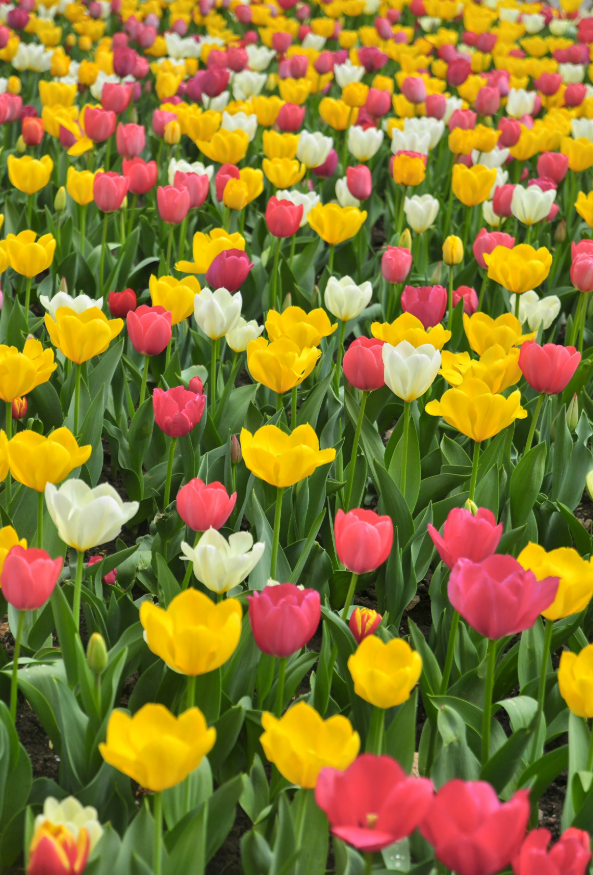
Tulip
Tulipa spp. and hybrids
The genus is formally written Tulipa L. Common cultivated tulips may be sold as Tulipa gesneriana L., Tulipa hybrids, Darwin Hybrid tulips, Triumph tulips, species tulips, botanical tulips, or by cultivar name without a species-level identification.
Important garden, florist, and species-tulip names include:
- Tulipa gesneriana L. — commonly associated with many garden and florist tulips, but not a complete identity for every modern hybrid or species tulip
- Tulipa fosteriana W.Irving — Fosteriana tulips
- Tulipa greigii Regel — Greigii tulips
- Tulipa kaufmanniana Regel — Kaufmanniana tulips or waterlily tulips
- Tulipa clusiana DC. — Lady Tulip and related species-tulip forms
- Tulipa humilis Herb. — a small species tulip used in rock gardens and containers
- Tulipa sylvestris L. — Woodland Tulip or Wild Tulip
- Tulipa tarda Stapf — a small yellow-and-white species tulip often sold for naturalizing
- Tulipa turkestanica Regel — a multi-flowered species tulip
- Tulipa linifolia Regel — a small red species tulip used in gardens
Important horticultural class and trade terms:
- Single Early Tulips
- Double Early Tulips
- Triumph Tulips
- Darwin Hybrid Tulips
- Single Late Tulips
- Double Late Tulips
- Lily-Flowered Tulips
- Fringed Tulips
- Viridiflora Tulips
- Parrot Tulips
- Rembrandt-type Tulips
- Kaufmanniana, Fosteriana, Greigii, and other species-tulip groups
Important non-synonym confusion names:
- Liriodendron tulipifera L. — Tulip Tree, Tulip Poplar, Yellow-Poplar, Canoewood, or Whitewood; a large Magnoliaceae tree, not a true tulip bulb
- Magnolia species and hybrids — Tulip Magnolia or Saucer Magnolia; unrelated trees or shrubs with tulip-shaped flowers
- Lilium species — true lilies; unrelated bulb plants that can cause acute kidney failure in cats
- Hemerocallis species — daylilies; unrelated plants that can also cause acute kidney failure in cats
- Hyacinthus orientalis L. — Garden Hyacinth; a separate bulb with related tuliposide/tulipalin-type irritant chemistry
- Narcissus species — Daffodil, Narcissus, or Jonquil; separate bulbs with lycorine and related alkaloids
- Colchicum autumnale L. — Autumn Crocus or Meadow Saffron; far more dangerous colchicine-containing plant, not a tulip
- Crocus species — spring crocuses; separate Iridaceae bulbs or corms, not true tulips
Liliaceae
Tulip; Tulips; Garden Tulip; Common Garden Tulip; Dutch Tulip; Florist Tulip; Cut Tulip; Potted Tulip; Botanical Tulip; Species Tulip; Wild Tulip; Woodland Tulip; French Tulip; Tulip Bulb; Tulip Bulbs; Tulip Flowers; Tulipa; Tulipa spp.; Tulipa hybrids.
Horticultural and trade search names include Single Early Tulips, Double Early Tulips, Triumph Tulips, Darwin Hybrid Tulips, Single Late Tulips, Double Late Tulips, Parrot Tulips, Fringed Tulips, Viridiflora Tulips, Lily-Flowered Tulips, Rembrandt-type Tulips, Kaufmanniana Tulips, Fosteriana Tulips, Greigii Tulips, Botanical Tulips, Species Tulips, naturalizing tulips, forcing tulips, and potted spring bulbs.
Important botanical and species search names include Tulipa L., Tulipa gesneriana L., Tulipa fosteriana, Tulipa greigii, Tulipa kaufmanniana, Tulipa clusiana, Tulipa humilis, Tulipa sylvestris, Tulipa tarda, Tulipa turkestanica, Tulipa linifolia, and Tulipa garden hybrids.
Yellow-Poplar, Tulip Poplar, Tulip Tree, Canoewood, and Whitewood usually refer to Liriodendron tulipifera, a large tree in Magnoliaceae, not a true tulip. Tulip Magnolia usually refers to Magnolia species or hybrids such as saucer magnolia. Lily-Flowered Tulip is a tulip flower form, not a true lily. A mixed spring bouquet may contain tulips, true lilies, daffodils, hyacinths, irises, or other plants with different emergency priorities, so identify every plant rather than relying on the word tulip alone.
Tuliposides and Tulipalins: The Activated Tulip Defense System
Tulips contain a defensive chemical system based on tuliposides and tulipalins. Veterinary summaries often name tulipalin A and tulipalin B as the toxic principles, and that shorthand is useful, but the intact plant also stores substantial quantities of precursor compounds called tuliposides. Tuliposides are glucose esters, not tulipalins themselves. When the plant is damaged by cutting, chewing, crushing, fungal attack, handling, or storage injury, tuliposide-converting enzymes can transform stored precursors into more reactive lactone products.
Tuliposide A can be converted to tulipalin A. Tuliposide B can be converted to tulipalin B. The plant therefore maintains relatively stable defensive metabolites in living tissue and generates antimicrobial, irritant, or sensitizing compounds after injury. For animal poisoning, this means that a dog chewing a bulb, a cat biting a stem, a horse crushing a discarded plant, or cattle eating chopped bulb waste may be exposed to a mixture of intact tuliposides, free tulipalins, newly generated lactones, plant fiber, bulb reserves, soil, and horticultural chemicals.
The system is not evenly distributed across every plant part. Bulbs, roots, pollen, anthers, leaves, flowers, and shoots can differ in tuliposide and enzyme patterns. Research on Tulipa gesneriana has identified tuliposide-converting enzymes from bulbs, pollen, and roots, and studies of species tulips have isolated multiple tuliposides and tulipalins from aboveground tissues and flowers. That tissue specificity is one reason the page should not treat tulip poisoning as one fixed dose tied to flower color or cultivar class.
Tulipalin A, Tulipalin B, and Reactive Lactone Chemistry
Tulipalin A is α-methylene-γ-butyrolactone, also written alpha-methylene-gamma-butyrolactone or 3-methylideneoxolan-2-one. Its reactive α-methylene group allows it to bind with proteins and helps explain why it is such an important sensitizer in human occupational dermatitis. Tulipalin B is a related hydroxylated lactone, α-methylene-β-hydroxy-γ-butyrolactone. Tuliposide B and tulipalin B have been studied particularly in antimicrobial defense, pollen, anthers, roots, and other specialized tissues.
Animal ingestion is not identical to human skin sensitization. A florist’s chronic fingertip dermatitis and a dog’s acute vomiting after eating a bulb are not the same clinical pathway. Still, the chemistry is connected. The same reactive plant-defense system that irritates or sensitizes skin can irritate oral, esophageal, gastric, and intestinal tissues when swallowed. A chewed bulb can therefore cause drooling, nausea, vomiting, diarrhea, abdominal pain, and food refusal even when no true systemic organ poison has been isolated as the sole cause of every sign.
The exact receptor-level mechanism responsible for every veterinary sign has not been established. Tulip poisoning should not be written as though tulipalin A alone explains the entire syndrome. Bulb tissue contains multiple compounds, including tuliposides, tulipalins, proteins, possible lectin-like or glycoprotein constituents described in older bulb literature, starches, fibers, and irritating plant sap. The safest public explanation is that tulip bulbs and other tissues contain irritant defensive compounds, with tuliposide-tulipalin chemistry forming the best-supported core.
The Bulb Is the Highest-Risk Part
The bulb is the most hazardous tulip structure for animals. It contains the stored energy and growing tissues needed for regrowth, dense layered scales, and concentrated chemical defenses. Because a bulb is thick, moist, and compact, a dog or livestock animal can swallow a much greater mass of plant material from one bulb than from several petals or leaves. Bulb scales may also contain substantial free tulipalin A, and crushing or chewing can promote further conversion of tuliposides into reactive lactones.
Bulb exposure is common because bulbs are handled in ways that put them directly in animal reach. They are stored in bags in garages and sheds, soaked or staged before planting, dropped along garden beds, lifted after flowering, divided, discarded, or mixed with soil and fertilizer. Newly planted beds attract digging dogs, especially when bone meal, blood meal, fish meal, or other animal-derived fertilizer is used. Commercial bulb production, greenhouse cleanup, landscaping crews, cemetery plantings, and municipal flower-bed removal can create large piles of bulbs and leaves that are far more dangerous than a single flower stem in a vase.
A bulb is also a physical object. It can lodge in the esophagus, remain in the stomach, pass as large fragments, or obstruct the small intestine. This mechanical hazard is independent of tulipalin chemistry. A dog that ate a bulb may initially vomit from irritation and later develop persistent vomiting, abdominal distention, pain, reduced fecal output, or unproductive retching because plant material remains in the digestive tract. That is why bulb ingestion deserves veterinary attention even when early signs look like ordinary stomach upset.
Leaves, Stems, Flowers, Pollen, and Cut Tulips
Leaves, stems, flowers, pollen, anthers, and developing seed structures also contain tuliposides, tulipalins, or related defensive chemistry and should not be treated as edible. Aboveground portions usually produce a smaller dose because they are less dense than bulbs and often less attractive to animals. A few bites of foliage or petals most often cause mild or moderate gastrointestinal irritation rather than the severe bulb cases that drive emergency concern.
Cut flowers remain relevant. Cats may chew leaves from a bouquet, lick pollen from the table, drink vase water, or play with fallen petals. Dogs may pull a bouquet down and eat stems, leaves, floral foam, ribbons, skewers, plastic wrap, plant food packets, or other materials. Tulip vase water may contain plant exudates, bacteria, floral preservative, fertilizer residue, and contaminants from other flowers. Tulip-only vase water is not comparable to eating a bulb, but it should not be offered deliberately and it becomes much more concerning when true lilies, daffodils, hyacinths, or other toxic plants are in the same arrangement.
Contact Dermatitis and Tulip Fingers
Tulipalin A is one of the best-established plant sensitizers encountered by florists, bulb workers, and people handling large numbers of tulips. Repeated contact with bulbs, stems, leaves, sap, or cut flowers can cause tulip fingers: painful redness, scaling, fissuring, thickened skin, nail-fold inflammation, and dermatitis of the fingertips and hands. Airborne or dust-like bulb particles can also spread sensitizing material beyond direct hand contact in heavy occupational settings.
This human evidence matters for two reasons. First, it confirms that tulip defensive chemistry can bind proteins and cause biologically meaningful tissue reactions. Second, it helps owners understand why gloves and skin washing are sensible during bulb planting or disposal. It does not mean that every animal swallowing a tulip has an allergic skin disease. The ingestion syndrome is predominantly oral and gastrointestinal irritation, with secondary dehydration, pain, obstruction, or mixed-exposure complications driving the serious cases.
Systemic Signs and What Not to Overstate
Large exposures may produce signs beyond uncomplicated stomach irritation. Severe vomiting and diarrhea can cause dehydration, electrolyte disturbance, weakness, poor circulation, abnormal heart rate, and collapse. Respiratory depression and rhythm abnormalities have been reported after significant bulb ingestion, but these effects are much less consistent than drooling, vomiting, diarrhea, abdominal pain, and depression. They may reflect severe pain, dehydration, aspiration, electrolyte change, shock, foreign-body obstruction, or another substance consumed with the bulb.
Tulips should not be described as a proven true-lily kidney toxin. They belong to Liliaceae, but family membership does not mean they cause the same poisoning as Lilium species or Hemerocallis daylilies. True lilies and daylilies can cause rapidly fatal acute kidney failure in cats after extremely small exposures. Tulips instead produce a predominantly gastrointestinal and irritant syndrome, with bulbs creating the highest chemical and physical hazard. This distinction is critical because a cat exposed to an unidentified bouquet may need true-lily emergency treatment even if tulips are the only flowers the owner recognizes.
Soil, Fertilizer, Pesticides, Bone Meal, Mold, and Packaging
Real tulip exposures often involve more than tulip tissue. Dogs digging newly planted beds may swallow soil, mulch, fertilizer, bone meal, blood meal, bulb dust, plastic mesh, labels, pesticide granules, rodent bait, or treated bulb material. Bulbs stored in sheds may be moldy, treated with fungicides, contaminated by rodent urine, or packaged with silica gel, plastic netting, paper, or labels. A dog that vomits after raiding a bulb bag may be dealing with plant irritation, foreign material, fertilizer ingestion, pesticide exposure, or all of them at once.
Livestock exposures also deserve mixed-risk thinking. Discarded bulbs may be mixed with leaves, stems, soil, fungal decay, compost, spoiled feed, chemicals, and plastic debris. Commercially rejected bulbs are not tested feed. Tulip bulbs should not be substituted for root crops, onions, or roughage merely because they look like feed material. When a group of cattle, sheep, goats, or horses becomes ill after access to bulb waste, the whole ration and disposal site must be investigated.
No Validated Safe Dose
No validated safe dose has been established for dogs, cats, horses, cattle, sheep, goats, pigs, rabbits, birds, reptiles, or other animals. A small petal bite is unlikely to behave like a full bulb ingestion, but that does not create a universal safe number of petals, leaves, bulb scales, or grams. Toxic risk depends on plant part, amount, chewing, bulb size, animal size, species, hydration, pregnancy, age, underlying disease, co-ingested materials, and whether the material can obstruct the digestive tract.
The practical triage question is not “what color tulip was it?” but “did the animal eat the bulb?” Flower color, cultivar class, and florist variety do not identify a safe tulip. The greatest concern is stored or newly planted bulbs, multiple bulbs, unknown amount, small animals, cats with possible true-lily bouquet exposure, vomiting that does not stop, abdominal pain, dehydration, abnormal pulse, respiratory change, or evidence that plant material may be lodged in the esophagus or intestine.
Expected Onset and Early Pattern
Clinical signs generally begin within the first several hours after tulip ingestion, although the exact interval varies with the plant part, amount consumed, chewing, stomach contents, animal size, and species. A pet that mouths one petal may show nothing or transient salivation. A dog that chews one or more bulbs receives a much larger chemical and physical exposure and can become substantially ill.
The early pattern is usually oral and gastrointestinal. Lip licking, repeated swallowing, drooling, nausea, food refusal, vomiting, diarrhea, abdominal discomfort, depression, and lethargy are the most common signs. Vomit may contain plant fragments, bulb scales, soil, or pieces of packaging. Seeing plant material in vomit does not prove the stomach is empty because bulb fragments can remain behind or pass into the intestine.
Some animals initially appear restless rather than quiet. They may pace, stretch, hunch, guard the abdomen, repeatedly ask to go outside, or resist being picked up. Abdominal pain is especially important after bulb ingestion because it can reflect chemical irritation, stomach distention, pancreatitis triggered by dietary indiscretion, or a developing obstruction.
Vomiting, Diarrhea, Dehydration, and Electrolyte Loss
Vomiting may occur once or repeatedly. Diarrhea may follow as the intestines become irritated and fluid balance is disturbed. Mild cases may involve a small amount of drooling and one or two gastrointestinal episodes. More significant cases may involve repeated vomiting, watery diarrhea, inability to keep water down, abdominal pain, weakness, and depression.
Repeated vomiting and diarrhea can cause dehydration, especially in cats, puppies, kittens, toy-breed dogs, elderly animals, and patients with kidney, heart, endocrine, or gastrointestinal disease. Tacky gums, sunken eyes, reduced skin elasticity, reduced urination, weakness, rapid pulse, cold extremities, or collapse are not “just tulip stomach upset.” They indicate that the gastrointestinal syndrome is becoming systemic through fluid loss and poor circulation.
Electrolyte abnormalities can follow severe fluid loss. These may contribute to weakness, tremors, abnormal heart rhythm, poor intestinal movement, and worsening lethargy. Tremors or cardiovascular changes after tulip exposure should not be dismissed automatically as a direct tulipalin effect when dehydration, pain, electrolyte disturbance, aspiration, pesticide exposure, or obstruction may be involved.
Bulb Obstruction and Choking-Type Presentations
A swallowed tulip bulb can create a mechanical problem in addition to chemical irritation. Bulbs are firm, fibrous, layered objects. A bulb or large piece can lodge in the esophagus, remain in the stomach, or obstruct the intestine. This may occur even when the animal vomited some material earlier.
Esophageal obstruction may cause gagging, repeated swallowing, regurgitation, drooling, neck extension, distress, coughing, or inability to swallow water. Dogs may paw at the mouth, retch repeatedly, or bring up saliva and foam. Horses may show repeated swallowing, feed or saliva from the nostrils, neck extension, coughing, and anxiety. These signs require urgent examination; forcing water, oil, bread, or food can worsen aspiration and esophageal injury.
Intestinal obstruction may not be obvious immediately. Persistent vomiting, loss of appetite, abdominal enlargement, repeated unproductive retching, reduced fecal production, severe abdominal pain, worsening lethargy, or temporary improvement followed by relapse can develop hours or days later. Plant material is not always easily visible on radiographs, so persistent signs may require repeat imaging, ultrasound, contrast studies, endoscopy, or exploratory surgery depending on the case.
Systemic, Cardiovascular, Respiratory, and Neurologic Signs
After a large bulb ingestion, more serious abnormalities may include pronounced depression, weakness, tremors, rapid heart rate, an irregular pulse, rapid breathing, shallow breathing, respiratory depression, collapse, or shock. These findings are much less consistently reported than the gastrointestinal signs and should be interpreted cautiously. They may arise from severe vomiting, dehydration, electrolyte derangement, pain, aspiration, obstruction, fertilizer or pesticide exposure, mold, or another plant in the same exposure.
Respiratory signs require immediate care. Labored breathing, blue-gray gums, coughing after vomiting, noisy breathing, collapse, or reduced responsiveness may indicate aspiration, shock, pain, severe weakness, or another toxicant. Tulip poisoning is not usually described as a primary lung poison, so respiratory depression or severe breathing difficulty should widen the investigation rather than narrow it.
Seizures are not expected after a simple petal nibble. If seizures, profound neurologic depression, severe tremors, blindness, or unusual behavior occurs, the veterinarian should consider co-ingested pesticides, slug bait, rodenticides, tremorgenic mold, other spring bulbs, true lilies in cats, medications, hypoglycemia, electrolyte derangement, or unrelated neurologic disease.
Dogs
Dogs account for many tulip calls because they dig, chew bulbs, raid garages, and investigate planting areas. A dog may eat bulbs from an open bag, newly planted bed, compost pile, planter, or landscaping project. Bone meal and other animal-derived fertilizers can make bulb beds more attractive and encourage excavation. Dogs may also swallow soil, mulch, fertilizer, plastic mesh, labels, and bulb packaging with the plant material.
Small foliage or flower exposure often causes limited drooling, vomiting, or diarrhea. Bulb ingestion is more concerning and may cause repeated vomiting, diarrhea, abdominal pain, appetite loss, depression, dehydration, and retained plant material. A dog that initially vomits bulb pieces but then continues vomiting, refuses food, becomes painful, produces little stool, or develops a swollen abdomen needs reassessment for retained bulb fragments or obstruction.
Unproductive retching in a dog is always important. It may reflect severe nausea, but in deep-chested dogs it also raises concern for gastric dilatation-volvulus or obstruction. Do not assume tulip irritation explains every retch when the abdomen is distended, the dog is painful, or collapse develops.
Cats and the True-Lily Distinction
Cats may chew cut tulip leaves, nibble petals, drink vase water, or investigate potted spring bulbs. Tulip poisoning in cats is usually characterized by drooling, vomiting, diarrhea, appetite loss, abdominal discomfort, depression, and lethargy. A large bulb exposure can be more serious, but tulip ingestion alone is not the same as the acute kidney-failure emergency caused by true lilies and daylilies.
The distinction matters because flower arrangements are often mixed. A cat owner may recognize tulips but miss an Asiatic lily, Easter lily, Oriental lily, tiger lily, daylily, loose pollen, or contaminated vase water in the same bouquet. If the entire arrangement cannot be identified confidently, the veterinarian should be told that possible true-lily exposure occurred. True-lily triage in cats is time-sensitive and should not be delayed while debating whether tulips themselves are nephrotoxic.
Cats also tolerate dehydration and appetite loss poorly. A cat that continues vomiting, refuses food, hides, becomes weak, or urinates less after plant exposure needs veterinary care. Do not attempt home vomiting in cats.
Horses, Ponies, and Donkeys
Horses may salivate, refuse feed, become depressed, develop abdominal discomfort or colic-like behavior, pass loose manure or diarrhea, sweat, or appear weak after access to tulip bulbs or garden waste. Horses cannot vomit, so absence of vomiting is not reassuring. The most realistic exposure is not a horse selecting tulip petals in a manicured bed; it is discarded bulbs, landscaping debris, potted spring plants, contaminated feed, or access to ornamental plantings during boredom or forage shortage.
Repeated swallowing, neck extension, coughing, feed or saliva from the nostrils, or distress while trying to swallow raises concern for esophageal obstruction or impaired swallowing. A horse showing these signs should not be drenched with water, oil, charcoal, or feed. Choke and aspiration can become more dangerous than the original plant irritant.
Colic signs after bulb exposure deserve large-animal veterinary assessment. Walking may be appropriate in some colic cases under direction, but forced exercise is not a universal plant-poisoning treatment. Pain level, hydration, gut sounds, manure output, heart rate, mucous membranes, and possible obstruction all matter.
Cattle, Sheep, Goats, Pigs, and Other Livestock
Livestock exposure is uncommon in ordinary pasture because tulips are cultivated ornamentals rather than range plants. The risk increases when bulbs, leaves, or commercial bulb-production waste are dumped into an enclosure, mixed with feed, used as bedding, placed in compost, or offered as an unusual ration ingredient. Ruminants and pigs can consume far more plant biomass than a household pet when the material is placed directly in their feeding area.
A published cattle-feed case involving tulip bulbs with leaves described serious herd-level consequences. Tulip material was found in rumen contents of dead young cattle, and the exposure was associated with intense mucosal irritation, impaired feed digestion, drooling, vomiting or abnormal regurgitation descriptions, diarrhea, reduced gains, and deaths in a herd also dealing with poor forage conditions. The important lesson is not that every cow nibbling one flower will die; it is that bulb waste is not livestock feed.
Adult ruminants should not be described as routinely vomiting in the same way dogs and cats vomit. They may salivate, go off feed, develop diarrhea, show abdominal discomfort, ruminate poorly, regurgitate abnormally, bloat, lose condition, or become depressed. Goats and sheep may browse discarded bulbs or leaves readily if hungry or curious. Pigs may root through compost and swallow bulbs, soil, mold, fertilizer, plastic, or spoiled material with the plant.
Rabbits, Guinea Pigs, Birds, Reptiles, and Small Pets
Rabbits and guinea pigs cannot vomit. Tulip exposure may cause drooling, food refusal, tooth grinding, abdominal discomfort, diarrhea, soft stool, reduced fecal output, lethargy, or weakness. In these species, appetite loss and reduced feces can become a secondary emergency even when the original plant effect is mainly gastrointestinal irritation. Tulip leaves, flowers, bulbs, and cut-flower debris should not be used as forage, bedding, enrichment, or cage greenery.
Birds may chew leaves, flowers, pollen, or bouquet material and receive a meaningful dose relative to body weight. Possible signs include regurgitation, watery droppings, crop discomfort, weakness, fluffed posture, reduced appetite, poor perching, tremors, or collapse. Reptiles and tortoises may show reduced appetite, abnormal stool, quiet behavior, weakness, dehydration, or worsening activity rather than obvious vomiting. Species-specific safe doses are not established, so preventing access is better than testing tolerance.
Duration, Complications, and Prognosis
Most animals with limited foliage, stem, flower, or petal exposure recover fully with prompt removal from the source and supportive care when needed. Mild gastrointestinal signs may resolve within several hours to a day. Bulb ingestion may require longer observation because severe irritation, dehydration, aspiration, retained plant material, or obstruction can continue after the first vomiting episode.
The prognosis is generally favorable when the exposure is small, signs remain mild, hydration is maintained, and no bulb fragments are retained. It becomes more guarded when several bulbs were eaten, vomiting or diarrhea is persistent, dehydration is substantial, abdominal pain is severe, cardiovascular or respiratory abnormalities develop, aspiration occurs, or imaging suggests obstruction. Signs that continue or worsen after the initial gastrointestinal episode require reassessment rather than continued home observation.
True Tulips Belong to the Genus Tulipa
Tulips are bulb-forming perennial plants in the genus Tulipa, family Liliaceae. The genus includes many accepted species native across parts of Europe, North Africa, the Mediterranean region, the Middle East, the Caucasus, central Asia, and adjacent regions, with major diversity in central Asian mountain systems. Centuries of selection and hybridization have produced thousands of named garden cultivars and commercial classes.
The familiar cultivated tulip is often labeled Tulipa gesneriana, but that name does not accurately cover every modern florist tulip, species tulip, potted tulip, or complex hybrid. For a general animal-poisoning page, Tulipa species and hybrids is the safer and more accurate scientific field. Species such as Tulipa fosteriana, Tulipa greigii, Tulipa kaufmanniana, Tulipa clusiana, Tulipa humilis, Tulipa sylvestris, and Tulipa tarda may be sold separately as botanical or species tulips, while many large garden tulips are classified by horticultural form rather than by simple species identity.
Yellow-Poplar, Tulip Tree, and Tulip Magnolia Are Not Tulips
The original alternate-name list correctly warned that several “tulip” names belong to unrelated trees. Yellow-Poplar, Tulip Poplar, Tulip Tree, Canoewood, and Whitewood usually refer to Liriodendron tulipifera, a tall North American tree in Magnoliaceae. The common name comes from the tulip-like outline of its flowers, not from botanical membership in Tulipa.
Tulip Magnolia generally refers to magnolias with large cup-shaped flowers, especially saucer magnolia and related Magnolia hybrids. These trees and shrubs do not have tulip bulbs and should not be managed as Tulipa bulb poisoning. The reverse is also true: a dog that dug up a true tulip bulb has not merely eaten a harmless tree leaf because someone heard the word tulip.
How to Recognize a Garden Tulip
Tulips grow from rounded, oval, or somewhat pointed bulbs enclosed in brown or tan papery tunics. The bulb has fleshy internal scales and a basal plate where roots emerge. Newly planted bulbs may look like onions or small storage roots to owners, but they are ornamental bulbs, not tested animal feed.
New growth emerges as one or more broad, smooth, waxy leaves that are often blue-green or gray-green. The leaves have parallel veins, smooth margins, no teeth, and often partly clasp the lower flower stem. Most garden tulips produce one upright flower stem bearing a single showy bloom, although some species and cultivars carry several flowers. The flower usually has six similar petal-like tepals arranged in two groups of three, six stamens, and a central three-part ovary.
Flower form is extremely variable. Tulips may be simple cups, bowls, goblets, lily-flowered forms with pointed reflexed tepals, fringed forms, doubled peony-like forms, ruffled parrot forms, or striped and green-marked Viridiflora forms. Color does not determine toxicity. White, yellow, orange, red, pink, purple, green-striped, multicolored, and nearly black cultivars should all be treated as potentially poisonous. Dwarf species tulips, florist tulips, potted bulbs, and large hybrid garden cultivars share the same practical animal-safety concern.
Where Animal Exposures Occur
Dogs are most commonly exposed while bulbs are being stored, planted, lifted, divided, or discarded. A bag of bulbs in a garage, mudroom, greenhouse, or garden shed may be easier to reach than bulbs already buried in the garden. Dogs that habitually dig may uncover newly planted or established bulbs and chew them because of their firm texture, earthy odor, or contamination with bone meal, blood meal, fish meal, or other attractive fertilizer.
Cats are more likely to nibble indoor potted tulips, cut flowers, leaves, or petals from a bouquet. Fallen petals may be batted around and chewed. Some cats drink vase water or brush against pollen and then groom. Although aboveground tulip portions are less concentrated than bulbs, they are not safe snacks, and a cat exposure should always trigger the mixed-bouquet question: were true lilies or daylilies present too?
Horses and livestock may be exposed when landscaping plants, spent bulbs, or greenhouse waste are dumped over a fence, when ornamental beds border an enclosure, or when horticultural waste is added inadvertently to feed. Large-scale bulb production creates unusual opportunities for rejected bulbs, leaves, soil, fungicide residues, and plant waste to enter cattle or other livestock rations. Rabbits, guinea pigs, poultry, tortoises, and birds may encounter tulip waste when owners toss “garden greens” into pens without identifying the plant.
The Bulb Is the Highest-Risk Part
The bulb contains stored nutrients and concentrated defensive chemistry. It is also physically dense, allowing an animal to consume a much greater plant mass than it would obtain from several petals. Veterinary poison services consistently identify bulb ingestion as the exposure most likely to cause severe vomiting, diarrhea, abdominal pain, and systemic complications.
Size alone does not predict safety. One large bulb may create more chemical and obstructive risk than several small bulbs, but small bulbs can be swallowed whole by a dog, pig, goat, or curious horse. The cultivar, storage condition, stage of growth, amount chewed, animal size, co-ingested material, and whether pieces remain in the stomach or intestine all influence the outcome. No universal safe number of bulbs has been established.
The bulb’s outer papery tunic is not a protective wrapper from a toxicology standpoint. Dogs may eat the tunic, scales, basal plate, roots, soil, and attached shoots. Bulb dust and broken dry scales can also contribute to contact dermatitis in people who handle large numbers of bulbs, so gloves and cleanup are sensible during planting and disposal.
Tuliposides and the Plant’s Activated Defense System
Tulips store tuliposide A and tuliposide B as important secondary metabolites. These molecules can be converted by specialized tuliposide-converting enzymes into tulipalin A and tulipalin B. Different enzyme forms occur in different tissues, including bulbs, pollen, roots, and leaves. This tissue specialization helps the plant generate antimicrobial lactones where they are needed.
Chewing damages the plant’s compartments and brings precursors, enzymes, water, and tissue contents into contact. A stored bulb may therefore expose an animal to preexisting tulipalins, tuliposide precursors, and newly formed reactive lactones. That does not mean a chewed tulip bulb becomes “more poisonous every minute” in a way an owner can calculate. It means the chemistry is dynamic enough that simple label statements such as “contains tulipalin” are incomplete.
Tuliposides and tulipalins have also been studied in wild and species tulips such as Tulipa sylvestris and Tulipa turkestanica. This supports the broad safety approach used on the page: true tulips as a genus should be considered unsafe, even though the exact chemical profile differs among species, cultivars, tissues, and developmental stages.
Tulipalin A and Contact Dermatitis
Tulipalin A is one of the best-established plant allergens encountered by horticultural workers. Repeated handling of bulbs, stems, leaves, and cut flowers can sensitize the skin. Florists and bulb workers may develop painful fissuring of the fingertips, redness, scaling, thickened skin, nail changes, and inflammation around the nail folds, historically called tulip fingers.
This human occupational disease demonstrates that tulipalin A and related tulip chemicals can bind with tissue proteins and provoke delayed immune reactions. It should not be confused with the immediate vomiting and diarrhea seen after animal ingestion. A person may handle tulips for years before becoming sensitized, after which a comparatively small contact can trigger dermatitis. A dog eating a bulb is not developing tulip fingers; it is dealing with oral and gastrointestinal exposure, possible dehydration, and possible obstruction.
People planting, sorting, cutting, or disposing of many bulbs should wear gloves and wash exposed skin. Gloves contaminated internally with sap or bulb dust may prolong exposure, so dirty gloves should not be reused as though they are protective. Anyone developing persistent hand dermatitis should seek medical evaluation rather than repeatedly treating the skin while continuing unprotected bulb handling.
Dogs
Dogs account for many veterinary tulip calls because they dig and chew bulbs. A dog may swallow pieces rapidly before the bitter or irritating effect causes it to stop. Soil, mulch, fertilizer, plastic mesh, labels, bulb wrappers, fungicide residues, or packaging may be consumed at the same time. This mixed exposure is common enough that it should be asked about every time a dog eats stored or newly planted bulbs.
A small foliage exposure often causes limited drooling or stomach upset. Bulb ingestion can result in repeated vomiting, diarrhea, significant abdominal pain, appetite loss, depression, dehydration, tremors, abnormal pulse, or retained plant material. A dog that initially vomits bulb material but continues vomiting or refuses food may have retained fragments or a developing obstruction. A dog that digs bulb beds after bone meal application may also have eaten enough fertilizer to complicate the case.
Cats and the Important True-Lily Distinction
Tulips are poisonous to cats, but they do not produce the classic acute renal failure associated with true lilies. Plants in the genera Lilium and Hemerocallis can cause fatal kidney injury after a cat eats a small amount, licks pollen from its coat, or drinks contaminated vase water. That emergency requires immediate aggressive veterinary treatment.
Tulip poisoning in cats is usually characterized by drooling, vomiting, diarrhea, appetite loss, abdominal discomfort, and depression. A large bulb exposure may be more serious, but tulip ingestion alone should not automatically be described as proven nephrotoxicity. The distinction becomes difficult when several flower types share a bouquet. A cat owner may recognize tulips but overlook an Asiatic, Easter, Oriental, tiger, or daylily among them. When the complete bouquet cannot be identified confidently, the veterinarian should be told that a possible true-lily exposure occurred.
Horses
The ASPCA and other veterinary poison references classify tulips as toxic to horses. Direct equine case detail is less extensive than companion-animal information, but access to bulbs, garden waste, or contaminated feed can produce salivation, feed refusal, depression, abdominal discomfort, diarrhea, and colic-like behavior. Horses cannot vomit, so a horse will not show the classic dog-and-cat vomiting pattern even after a meaningful exposure.
A bulb or large fragment lodged in the esophagus may cause repeated swallowing, distress, neck extension, coughing, and feed or saliva from the nostrils. Forced water, oil, charcoal, or feed should never be given to a horse showing these signs. Tulips should not be planted inside paddocks or where bulbs and clippings can be thrown into an enclosure. Horses deprived of forage may investigate ornamental plants they would otherwise ignore.
Cattle, Sheep, Goats, Pigs, and Other Livestock
Livestock exposure is uncommon in ordinary pasture because tulips are generally cultivated ornamentals rather than range plants. Poisoning becomes possible when discarded bulbs, leaves, commercial bulb-production waste, or landscaping debris enters a ration. The danger is not theoretical. A veterinary cattle report described tulip bulbs with leaves as an unusual and high-risk component in cattle feed, with deaths in a Galloway herd and tulip bulb material found in rumen contents of examined animals.
This type of exposure differs from a cow briefly reaching over a fence to crop one flower. A contaminated ration or dumped waste pile can deliver repeated, substantial doses. It may also contain moldy roughage, soil, pesticides, fungicides, plastic, twine, or other waste. Discarded bulbs should never be offered as livestock feed merely because they resemble onions, root crops, or wet feed material. Tulips lack the tested safety and nutritional profile required for animal rations.
Goats and sheep may browse ornamental waste readily. Pigs may root through bulb piles and compost. Alpacas and llamas may develop feed refusal, diarrhea, depression, and dehydration from mixed plant waste. Poultry, rabbits, and tortoises may be offered “garden scraps” by well-meaning owners. The prevention rule is simple: tulip bulbs, leaves, stems, flowers, and production waste do not belong in any animal enclosure.
Cut Flowers, Potted Tulips, and Vase Water
Cut tulip stems and flowers retain tuliposides and tulipalins. Cats and dogs may chew the leaves, drink vase water, lick pollen, or ingest fallen petals. Vase water may also contain commercial floral preservative, bacterial growth, fertilizer residues, dissolved plant compounds, or material from other poisonous bouquet plants.
A few licks of plain water from a vase containing only tulips are unlikely to deliver the same toxin burden as chewing a bulb, but the water should not be offered deliberately. The more important risk is bouquet identification. True lilies and daylilies in the same vase make the situation a feline kidney emergency. Daffodils, hyacinths, irises, chrysanthemums, oleander, yew, and other flowers may introduce their own toxicology.
Potted spring arrangements create a similar problem. A decorative pot may contain tulips, daffodils, hyacinths, crocuses, and unknown bulbs. A dog that knocks over the planter may eat bulbs and potting soil. A cat may chew leaves from multiple species. Owners should save the entire pot tag and photograph every plant, not just the flower they recognize.
Human Use of Tulip Bulbs Does Not Establish Animal Safety
Tulip bulbs were consumed during severe food shortages, particularly in the Netherlands during the Second World War. Historical preparation involved desperate circumstances, careful identification, removal of unsuitable material, and cooking methods intended for human survival, not pet nutrition. Illness still occurred when bulbs were prepared improperly or confused with ordinary onions.
Emergency human use does not establish that modern ornamental bulbs are safe for pets or livestock. Cultivars differ chemically, bulbs may be treated with pesticides or fungicides, and animal species do not necessarily tolerate plant constituents in the same way as people. A raw bulb, cooked bulb, dried bulb, rejected commercial bulb, or composted bulb should not be fed to dogs, cats, horses, cattle, goats, sheep, pigs, rabbits, birds, reptiles, or other animals.
Diagnosis
Diagnosis is usually based on known access, compatible gastrointestinal signs, and identification of the plant or bulb. Owners should bring the nursery label, bulb packaging, complete plant, photographs, vomited fragments, and any remaining material to the clinic. The veterinarian should also be told about fertilizers, pesticides, bone meal, fungicide-treated bulbs, plastic mesh, potting soil, floral preservative, and other bouquet plants involved in the exposure.
Clinical assessment may include hydration, abdominal palpation, pain scoring, heart rate and rhythm, respiratory status, temperature, blood glucose, electrolytes, kidney values, and acid-base status. Laboratory abnormalities usually reflect dehydration, electrolyte disturbance, secondary complications, or co-ingestants rather than one characteristic tulip-specific blood pattern.
Radiographs or ultrasound may be needed when a whole bulb or large fragments were swallowed. Plant material is not always clearly visible on radiographs, so persistent clinical signs may justify repeated imaging, contrast studies, endoscopy, or surgical exploration. A patient that stops vomiting temporarily but remains painful, refuses food, or produces little feces has not necessarily cleared the hazard.
Important Differential Diagnoses
Other spring bulbs can cause similar vomiting and diarrhea. Hyacinths contain related tuliposide and tulipalin chemistry. Daffodils contain lycorine and related alkaloids and may produce more pronounced gastrointestinal, cardiovascular, or neurologic effects. Irises cause gastrointestinal irritation through different compounds. Autumn crocus, Colchicum autumnale, is far more dangerous than an ordinary spring crocus or tulip and can cause severe multi-organ poisoning and bone-marrow injury.
Onions, garlic, leeks, and other Allium bulbs may damage red blood cells. Spring crocuses, grape hyacinths, ornamental onions, lilies, daylilies, amaryllis, and ornamental bulb mixtures may all appear in the same garden or stored bulb area. Correct identification of an unearthed bulb is therefore essential.
In cats, true lilies and daylilies must be excluded immediately. In dogs, foreign-body obstruction, fertilizer poisoning, pesticide exposure, pancreatitis, infectious gastroenteritis, spoiled compost, bone-meal ingestion, rodenticide, and ingestion of plastic or fabric packaging can produce overlapping signs. In livestock, poor-quality roughage, mold, nitrate, other poisonous plants, feed change, and foreign material should be considered when tulip waste enters a ration.
Veterinary Treatment and Prognosis
No specific antidote neutralizes tulipalins after ingestion. Treatment is based on the amount and plant part involved, the time since exposure, the animal’s current signs, and whether a physical obstruction is possible. A veterinarian may induce vomiting in a suitable alert dog or cat after a recent bulb ingestion, but vomiting is avoided when the patient is depressed, trembling, already vomiting uncontrollably, unable to swallow, showing breathing abnormalities, or at high risk of aspiration. Horses, rabbits, rodents, and most livestock are not candidates for owner-induced vomiting.
Activated charcoal may be considered selectively, but its benefit for a primarily irritant bulb exposure is uncertain and it carries aspiration risk. Repeated charcoal administration is not a routine requirement. Gastric lavage or endoscopic retrieval may be considered when significant bulb material remains in the stomach and safer removal is possible under airway protection. Endoscopy or surgery may be required if a bulb is lodged in the esophagus, stomach, or intestine.
Supportive care may include antiemetics, pain relief, fluid therapy, electrolyte correction, gastrointestinal protectants, nutritional support, and monitoring of heart rate and breathing. Severe dehydration, aspiration, abnormal rhythm, respiratory depression, or prolonged gastrointestinal signs require more intensive care. The prognosis is generally good after small leaf, stem, flower, or petal exposures when signs remain limited to mild gastrointestinal irritation. It becomes more guarded with bulb ingestion, repeated vomiting, severe diarrhea, marked dehydration, respiratory or cardiovascular abnormalities, aspiration, or obstruction.
Prevention
Store unplanted bulbs in closed, animal-proof containers rather than open bags in garages, sheds, mudrooms, or greenhouses. Clean up fallen bulbs, papery scales, damaged shoots, and packaging after planting. Supervise dogs that dig, and use physical barriers around beds rather than relying on repellents that may carry their own risks.
Do not use bone meal or other animal-derived fertilizer where it will encourage dogs to excavate bulb beds. Keep bulb-treatment chemicals, fungicide dust, fertilizer, plastic mesh, and packaging inaccessible. Place potted tulips and cut arrangements beyond the reach of cats and dogs, and remove fallen petals promptly. In households with cats, identify every plant in a mixed bouquet and avoid bringing true lilies or daylilies into the home.
Never dump bulbs, leaves, stems, flowers, greenhouse waste, potted spring arrangements, or garden clippings into a horse paddock, livestock enclosure, rabbit run, chicken yard, tortoise pen, aviary, dog yard, or accessible compost pile. Commercially rejected tulip bulbs and production waste should not be substituted for tested livestock feed.
Immediate Steps After Exposure
Stop further ingestion first. Remove the animal from the tulips, bulb bed, potted plant, bouquet, stored bulb bag, garage floor, planting area, compost, landscaping waste, ration, paddock debris, rabbit run, poultry yard, or vase. Secure the remaining material so no other animal can reach it. Bulb exposure deserves more urgency than a tiny petal nibble because bulbs carry the largest chemical dose and can lodge in the digestive tract.
- Identify the plant part: Determine whether the animal ate a petal, leaf, stem, pollen, vase water, bulb scale, whole bulb, several bulbs, soil, fertilizer, packaging, or an unidentified mixture.
- Contact a veterinarian or animal poison-control service: Report the species, weight, amount, plant part, time of exposure, current signs, and whether fertilizer, pesticide, bone meal, fungicide-treated bulbs, soil, plastic mesh, or other bouquet plants were involved.
- Save representative material: Keep the nursery label, bulb package, complete plant, photos of the bed or bouquet, remaining bulbs, vase water, fertilizer bag, product labels, and any vomited fragments.
- Check for true lilies in cat cases: If a cat contacted a mixed bouquet or vase and the entire arrangement cannot be identified, tell the veterinarian that a possible true-lily or daylily exposure may have occurred.
- Clear only loose mouth material: If the animal is alert and cooperative, gently remove visible pieces from the lips and front of the mouth. Do not reach deeply into the throat, force swallowing, or risk being bitten.
- Monitor for obstruction signs: Gagging, repeated swallowing, neck extension, regurgitation, unproductive retching, abdominal enlargement, persistent vomiting, severe pain, or reduced feces needs prompt examination.
Do Not Attempt Unsupervised Home Treatment
- Do not induce vomiting yourself: Hydrogen peroxide, salt, mustard, syrup of ipecac, dish soap, and manual gagging can cause gastrointestinal injury, prolonged vomiting, aspiration, or dangerous stress.
- Do not force food, milk, oil, bread, or water: An animal that is nauseated, vomiting, depressed, gagging, choking, or obstructed may inhale liquids or worsen its discomfort.
- Do not administer activated charcoal automatically: Its usefulness for tulip-bulb irritation is case-dependent, and aspiration can be serious.
- Do not give human anti-nausea, antidiarrheal, pain, heart, sedative, respiratory, or stomach medication: Some products are toxic to animals and can conceal worsening dehydration, obstruction, or true-lily exposure.
- Do not assume vomiting removed the entire bulb: Large fragments may remain in the stomach or pass into the intestine and cause later obstruction.
- Do not drench horses or livestock: Forced water, oil, charcoal, electrolyte mixtures, or home remedies can be aspirated and may worsen choke, bloat, abdominal pain, or stress.
The safest owner action is evidence preservation, rapid veterinary contact, and preventing re-exposure. Home treatment is especially risky when bulb ingestion, obstruction, depression, tremors, breathing changes, severe vomiting, or a cat’s unidentified bouquet exposure is involved.
When Emergency Examination Is Especially Important
- One or more bulbs were eaten: Bulbs contain the highest concentration of tulip defensive compounds and can obstruct the esophagus, stomach, or intestine.
- Vomiting or diarrhea is repeated: Continued fluid loss can cause dehydration, electrolyte abnormalities, weakness, and poor circulation.
- The animal cannot keep water down: Persistent vomiting, tacky gums, sunken eyes, reduced urination, or weakness indicates the need for fluid support.
- Abdominal pain is severe or persistent: A tense or enlarged abdomen, hunching, repeated stretching, unproductive retching, or reduced fecal output may indicate obstruction.
- Cardiovascular, respiratory, or neurologic signs develop: Rapid or irregular heartbeat, tremors, profound depression, labored breathing, collapse, or seizures requires urgent care.
- A cat encountered an unidentified bouquet: Possible exposure to a true lily or daylily must be treated as a separate kidney-failure emergency.
- A horse shows choking signs: Repeated swallowing, neck extension, coughing, or feed and saliva from the nostrils requires immediate examination. Horses cannot vomit.
- Livestock shared bulb waste or contaminated feed: Remove the entire group from the source and preserve feed, rumen-content evidence if available, plant material, and labels for investigation.
- A rabbit, guinea pig, bird, reptile, or other small pet stops eating: Small animals have less reserve, and digestive upset can rapidly become a secondary problem.
Veterinary Decontamination and Treatment
A veterinarian may induce vomiting after a recent ingestion in an alert dog or cat that can protect its airway. Decontamination is avoided or modified when the animal is already vomiting severely, depressed, trembling, unable to swallow, showing respiratory abnormalities, or suspected of obstruction. Cats require special caution because household emesis attempts are unsafe and because true-lily exposure must be ruled out when bouquets are involved.
Activated charcoal may be used selectively rather than automatically. Tulip poisoning is primarily irritant and foreign-body oriented, and charcoal does not solve a retained bulb. Charcoal can also be aspirated by a vomiting, weak, sedated, or poorly swallowing animal. If a fertilizer, pesticide, rodenticide, or other chemical was swallowed with the bulb, the decontamination decision may change according to that product.
Treatment may include antiemetics, pain control, intravenous or subcutaneous fluids, electrolyte correction, gastrointestinal protectants, nutritional support, and monitoring of heart rate, rhythm, perfusion, breathing, hydration, urine output, and abdominal pain. A patient with severe dehydration may need bloodwork and repeated electrolyte checks. A patient with coughing after vomiting may need evaluation for aspiration.
Imaging, Endoscopy, and Surgery for Bulb Obstruction
Radiographs, ultrasound, endoscopy, or contrast studies may be required when a bulb or packaging material could be lodged in the digestive tract. Plant material may not be as obvious as metal or bone on imaging, so the veterinarian must interpret imaging along with the history and clinical course. Persistent vomiting, severe abdominal pain, unproductive retching, abdominal enlargement, or reduced feces after bulb ingestion should not be dismissed because an initial X-ray is unrevealing.
Endoscopy may allow removal of bulb material from the esophagus or stomach in selected cases. Surgery may be required if plant material or packaging obstructs the intestine or if the patient deteriorates despite supportive care. A swallowed bulb can remain dangerous after the initial chemical irritation begins to improve.
Dogs and Cats
Dogs should be monitored for drooling, vomiting, diarrhea, abdominal pain, repeated swallowing, retching, appetite loss, depression, weakness, tremors, pulse changes, breathing changes, hydration, urination, and fecal output. A digging dog should also be evaluated for soil, bone meal, fertilizer, fungicide-treated bulbs, plastic mesh, and foreign material. Moving the remaining bulbs out of reach is not enough if the dog can return to the bed and dig up more.
Cats should be monitored for drooling, vomiting, diarrhea, hiding, appetite loss, dehydration, weakness, and reduced urination. The mixed-bouquet question is critical. If a cat had access to tulips in a vase with unidentified flowers, the veterinarian needs to know that true lilies or daylilies may have been present. Tulip-only exposure usually does not create the same kidney-failure emergency, but missing a true lily can be fatal.
Horses and Livestock
Horses, ponies, and donkeys should be kept quiet and removed from bulbs, garden waste, potted arrangements, and contaminated feed. Do not force water or oil into a horse showing repeated swallowing, neck extension, coughing, nasal feed material, or distress. These can be choke signs, and inappropriate drenching increases aspiration risk.
Cattle, sheep, goats, pigs, alpacas, llamas, and other livestock should be removed from all tulip bulbs, leaves, flowers, ration contamination, compost, and horticultural waste. Preserve the feed and plant material. Do not continue feeding a suspect ration to “see if it was the tulips.” Group exposure requires group monitoring because each animal may have eaten a different amount and younger or smaller animals may show signs first.
Birds, Rabbits, Guinea Pigs, Reptiles, and Small Pets
Birds, rabbits, guinea pigs, tortoises, lizards, and other small pets require species-specific care. Birds with regurgitation, watery droppings, poor perching, weakness, tremors, fluffed posture, or reduced food intake need avian veterinary guidance. Rabbits and guinea pigs cannot vomit, so food refusal, diarrhea, reduced fecal output, tooth grinding, or lethargy after tulip exposure should not be watched passively.
Reptiles and tortoises should not be given tulip leaves, flowers, or bulbs as forage or enrichment. If exposure occurs, maintain the animal within its proper temperature range and contact an exotic-animal veterinarian when ingestion is meaningful or signs develop. Abnormal stool, inactivity, weakness, reduced appetite, or dehydration may be the only early signs.
Recovery and Prognosis
Most animals with a limited flower, leaf, or stem exposure recover fully after short-lived gastrointestinal signs. Bulb ingestion may require longer observation because severe irritation, dehydration, aspiration, and obstruction can continue after the initial exposure. Improvement should be steady: vomiting should stop, appetite should return, abdominal pain should improve, fecal production should continue, hydration should normalize, and energy should improve.
The prognosis is favorable when treatment begins before major dehydration or obstruction develops. It becomes more guarded with cardiovascular or respiratory abnormalities, aspiration, prolonged vomiting, severe electrolyte disturbance, persistent pain, delayed diagnosis of a foreign body, or delayed recognition of true-lily exposure in a cat. A patient that temporarily improves and then relapses needs reassessment.
Prevention After the Incident
Store bulbs in sealed animal-proof containers. Do not leave bulb bags, loose scales, planting trays, or discarded bulbs in garages, sheds, mudrooms, barns, or greenhouses. Clean up planting areas and keep dogs away from newly planted beds. Avoid bone meal and other animal-derived fertilizers in areas where dogs dig.
Keep potted tulips and cut arrangements away from pets. Remove fallen petals and leaves promptly. In households with cats, avoid true lilies and daylilies entirely and identify every plant in a bouquet before bringing it inside. Do not dump tulip bulbs, leaves, stems, flowers, or commercial bulb waste into livestock areas, horse paddocks, poultry yards, rabbit runs, tortoise pens, compost piles, or dog-accessible landscaping waste.
Frequently Asked Questions About Tulips and Animal Poisoning
Are all Tulip species and cultivars poisonous to animals?
Yes. All true tulips in the genus Tulipa should be treated as poisonous to dogs, cats, horses, livestock, rabbits, birds, reptiles, and other animals. Chemical concentrations vary among species, cultivars, tissues, and growth stages, but flower color, cultivar class, and florist name do not identify a safe tulip. The bulb is consistently the highest-risk part.
Which part of a Tulip is most poisonous?
The bulb is the most dangerous part because it contains dense plant reserves, concentrated defensive chemistry, and enough mass for a meaningful exposure. Leaves, stems, flowers, pollen, and seed structures are also potentially irritating, but they usually cause less severe poisoning than bulbs. A swallowed bulb can additionally create an esophageal, stomach, or intestinal obstruction.
What are tulipalin A, tulipalin B, and tuliposides?
Tuliposide A and tuliposide B are glucose-ester defensive metabolites stored in tulip tissues. When tissue is damaged, specialized tuliposide-converting enzymes can form the reactive lactones tulipalin A and tulipalin B. Tulipalin A is also the principal sensitizer associated with occupational tulip contact dermatitis in people. In animal ingestion, the practical concern is irritation from the damaged plant mixture, especially bulb material.
What symptoms occur after a dog eats a Tulip?
Typical signs include drooling, lip licking, vomiting, diarrhea, abdominal pain, appetite loss, depression, and lethargy. Bulb ingestion may cause more severe vomiting, dehydration, tremors, abnormal pulse, breathing changes, or obstruction. A dog that continues vomiting, refuses food, becomes painful, has a swollen abdomen, or produces little stool after eating a bulb needs prompt veterinary assessment.
What symptoms occur after a cat eats a Tulip?
Cats may develop drooling, vomiting, diarrhea, appetite loss, abdominal discomfort, hiding, depression, and dehydration. Tulips do not ordinarily cause the acute kidney-failure syndrome associated with true lilies and daylilies. However, if the cat had access to an unidentified bouquet, the veterinarian should be told that a possible true-lily exposure may have occurred.
Is one Tulip petal likely to cause severe poisoning?
One petal or a small nibble of leaf is more likely to cause no signs or limited gastrointestinal irritation than a life-threatening syndrome. Individual sensitivity varies, and the animal should still be watched for drooling, vomiting, diarrhea, or appetite loss. Bulb ingestion, repeated chewing, small body size, or any developing symptoms increases the need for veterinary guidance.
How quickly do Tulip-poisoning signs begin?
Drooling, nausea, vomiting, and abdominal discomfort generally begin within the first several hours, but no exact onset applies to every case. Obstruction from a swallowed bulb may produce persistent or delayed signs over the following hours or days. An initially normal animal should not be assumed safe after known bulb ingestion.
Do Tulips cause kidney failure in cats like Easter Lilies?
No. Tulips most often cause an irritant gastrointestinal syndrome and are not known to produce the characteristic acute renal failure caused by true Lilium species and Hemerocallis daylilies. The distinction depends on accurate plant identification. If a cat was exposed to a mixed bouquet that may contain true lilies, treat it as a possible true-lily emergency until the bouquet is identified.
Are Tulip Tree, Tulip Poplar, and Whitewood alternate names for garden Tulips?
No. Those names generally refer to Liriodendron tulipifera, a large North American tree in the magnolia family. Its flowers resemble tulips, but the tree is not a Tulipa species and does not share the same bulb-related poisoning syndrome. Tulip Magnolia likewise refers to unrelated magnolias, not true tulip bulbs.
Can cut Tulips poison a pet?
Yes. Cut tulip leaves, stems, flowers, and fallen petals remain potentially irritating if chewed. Most cut-flower exposures are less severe than bulb ingestion, but vomiting, diarrhea, drooling, and appetite loss may occur. The larger risk in cats is a mixed bouquet that also contains true lilies or daylilies.
Can Tulip vase water poison a pet?
Tulip vase water may contain plant exudates, bacteria, floral preservative, fertilizer residue, and material from other bouquet plants. A few licks from a tulip-only vase are unlikely to equal bulb ingestion, but vase water should not be offered deliberately. If true lilies or daylilies are in the vase, cat exposure becomes much more serious because pollen and plant material can contaminate the water.
Should I make my dog or cat vomit after eating a Tulip bulb?
Do not induce vomiting at home. A veterinarian may induce vomiting after a recent ingestion when the animal is alert, stable, and able to protect its airway, but hydrogen peroxide and other home emetics can cause injury or aspiration. Bulb size, obstruction risk, current symptoms, and species all affect the safest treatment decision.
Is activated charcoal needed after Tulip ingestion?
Not routinely. Activated charcoal may be considered by a veterinarian in selected mixed or significant exposures, but tulip bulb poisoning is largely irritant and foreign-body oriented. Charcoal does not remove a retained bulb and can be aspirated by an animal that is vomiting, weak, sedated, or swallowing poorly.
How can a Tulip bulb cause an intestinal obstruction?
A tulip bulb is a firm, fibrous object that may be swallowed whole or in large pieces. It can lodge in the esophagus, remain in the stomach, or block the intestine. Persistent vomiting, unproductive retching, abdominal enlargement, severe pain, appetite loss, or reduced fecal production after bulb ingestion requires imaging and veterinary assessment.
Are dried or cooked Tulip bulbs safe for animals?
No. Drying or cooking should not be relied upon to make ornamental tulip bulbs safe. Historical human use during famine was an emergency survival practice, not proof of pet or livestock safety. Modern bulbs may also carry pesticide, fungicide, fertilizer, mold, soil, or packaging contamination.
Can handling Tulips cause a skin reaction?
Yes. Repeated contact with tulipalin A and related tulip materials can cause allergic contact dermatitis in people, especially florists and bulb workers. Painful fingertip cracking, redness, scaling, thickened skin, nail-fold inflammation, and chronic dermatitis are characteristic of tulip fingers. Gloves and skin washing are sensible when handling many bulbs or cut stems.
Are Tulips poisonous to horses?
Yes. Horses may develop salivation, feed refusal, abdominal discomfort, colic-like signs, diarrhea, depression, weakness, and dehydration after access to tulip bulbs or garden waste. Horses cannot vomit. Repeated swallowing, neck extension, coughing, or feed and saliva from the nostrils after bulb exposure may indicate choke and requires immediate examination.
Are Tulips poisonous to cattle?
Yes. Cattle exposure is unusual in normal pasture but can occur when tulip bulbs with leaves or bulb-production waste are added to a ration. A veterinary report described serious illness and deaths in a Galloway herd after large amounts of tulip bulbs with leaves were fed during poor forage conditions. Tulip bulbs should never be used as cattle feed.
Are Tulips poisonous to sheep and goats?
Yes. Sheep and goats may browse discarded bulbs, leaves, or landscape waste, especially when hungry or when clippings are placed directly in their enclosure. Possible signs include salivation, feed refusal, abdominal discomfort, diarrhea, depression, weakness, reduced rumination, or dehydration. Tulip waste should not be used as browse or bedding.
Are Tulips poisonous to pigs?
Yes. Pigs may root through compost, bulb piles, greenhouse waste, or landscaping debris and swallow bulbs, soil, mold, fertilizer, plastic, or spoiled material with the tulip tissue. This should be treated as a mixed exposure. Tulip bulbs and discarded spring planters should not be placed in pig pens or compost areas accessible to pigs.
Are Tulips safe for rabbits and guinea pigs?
No. Rabbits and guinea pigs should not be given tulip leaves, flowers, stems, bulbs, or cut-flower debris. They cannot vomit, and digestive irritation can lead to food refusal, reduced fecal output, diarrhea, abdominal pain, and gastrointestinal hypomotility. Any small herbivore that stops eating after exposure needs species-specific veterinary guidance.
Are Tulips safe for birds or reptiles?
No. Tulip leaves, flowers, bulbs, and bouquet debris should not be used as bird enrichment, poultry treats, tortoise forage, reptile browse, or cage greenery. Birds may develop regurgitation, watery droppings, weakness, tremors, poor perching, or reduced appetite. Reptiles may show reduced appetite, abnormal stool, weakness, inactivity, or dehydration.
Can fertilizer or bone meal make Tulip exposure worse?
Yes. Bone meal, blood meal, fish meal, and other animal-derived fertilizers can attract dogs to bulb beds and encourage digging. Fertilizers, pesticides, fungicide-treated bulbs, plastic mesh, and packaging may be swallowed with the bulb. The veterinarian should be told about every soil amendment or chemical used in the planting area.
How do veterinarians diagnose Tulip poisoning?
Diagnosis usually uses known access, plant or bulb identification, plant fragments in vomit, compatible signs, and assessment for obstruction or co-ingestants. Useful evidence includes the bulb package, nursery label, photos of the plant, remaining bulbs, vomited material, vase contents, fertilizer labels, and the complete mixed bouquet. Imaging may be needed when a bulb or packaging could be retained.
What differentials matter most?
Important differentials include true lilies and daylilies in cats, daffodils, hyacinths, irises, autumn crocus, spring crocus, onions and other Allium bulbs, fertilizer, pesticides, fungicides, bone meal, moldy compost, foreign-body obstruction, pancreatitis, infectious gastroenteritis, and spoiled food. Correct bulb and bouquet identification is essential.
How do veterinarians treat Tulip poisoning?
Treatment depends on amount, plant part, timing, symptoms, and obstruction risk. Veterinary care may include controlled vomiting in selected early dog or cat cases, antiemetics, fluids, electrolyte correction, pain control, gastrointestinal protectants, monitoring, imaging, endoscopy, or surgery. There is no specific antidote that neutralizes tulipalins after ingestion.
What is the prognosis after Tulip ingestion?
The prognosis is generally good after a small flower, leaf, or stem exposure when signs remain mild and hydration is maintained. Bulb ingestion is more guarded because severe irritation, dehydration, aspiration, and obstruction are possible. Persistent vomiting, severe diarrhea, marked abdominal pain, abnormal pulse, breathing changes, collapse, or reduced feces worsens the outlook and requires reassessment.
How can Tulip poisoning be prevented?
Store bulbs in closed animal-proof containers, clean up papery scales and damaged bulbs after planting, keep dogs away from newly planted beds, avoid bone meal where dogs dig, and place potted or cut tulips beyond pet reach. Identify every flower in mixed bouquets, avoid true lilies in homes with cats, and never dump bulbs, leaves, or garden waste into animal enclosures or accessible compost.