Kudu Lily Toxicity and Cardiac-Glycoside Poisoning
Is Kudu Lily Poisonous to Dogs, Cats, Horses, and Livestock?
Yes—Kudu Lily, Adenium multiflorum, is a poisonous cardiac-glycoside plant that can endanger dogs, cats, horses, livestock, pet birds, wildlife, and people. Exact-species chemical research has identified potent cardenolide glycosides in the seeds, and the latex has a long history of use in concentrated arrow- and fish-poison preparations. Chewing the swollen stems, bark, underground rootstock, roots, flowers, fruiting follicles, seeds, seedlings, or freshly cut material can release or deliver toxic plant compounds.
Early poisoning may resemble an ordinary stomach illness, with drooling, nausea, vomiting, diarrhea, abdominal pain, appetite loss, depression, or weakness. Systemic poisoning can disrupt sodium, potassium, and calcium movement across cell membranes, producing an abnormally slow, rapid, or irregular heart rhythm, atrioventricular block, ventricular arrhythmias, high blood potassium, low blood pressure, collapse, seizures, cardiac arrest, and death. A normal pulse or apparently improved behavior after vomiting does not reliably exclude later cardiovascular deterioration.
The precise risk from one bite cannot be calculated from the plant’s size, flower color, nursery label, or the amount of visible latex. Direct dog- and cat-specific toxic-dose studies for Adenium multiflorum are not available, and cultivated Adeniums may be hybrids or incorrectly labeled. Any meaningful chewing of bark, stem, rootstock, root, seed material, or latex-bearing tissue deserves prompt veterinary consultation.
About this guide: This page provides general pet-poisoning information and cannot diagnose or treat an individual animal. For any suspected exposure, contact a veterinarian or animal poison-control service immediately. Do not induce vomiting, give medication, or attempt home decontamination unless directed by a veterinary professional.
Kudu Lily
Adenium multiflorum Klotzsch
The accepted species was published by Friedrich Klotzsch from material collected in Mozambique. The name is retained as a distinct species in current major botanical treatments.
Important former combinations and taxonomic synonyms include:
- Adenium obesum var. multiflorum (Klotzsch) L.E.Codd
- Adenium obesum subsp. multiflorum (Klotzsch) G.D.Rowley
Older horticultural, ethnobotanical, chemical, and poison references may therefore place Kudu Lily within a broadly defined Adenium obesum. That historical treatment explains continuing overlap in nursery labels and common names, but it does not justify assigning every compound isolated from Adenium obesum automatically to Adenium multiflorum.
Kudu Lily can hybridize with Adenium obesum and other cultivated Adeniums. A grafted or hybrid ornamental may not be identifiable confidently from flower color alone, and the rootstock and upper plant may belong to different taxa.
Apocynaceae — Dogbane Family
Kudu Lily; Kudu-Lily; Impala Lily; Impala-Lily; Impalalelie; Impala Lelie; Sabi Star; Sabie Star; Multi-Flowered Adenium; Multiflowered Adenium; Many-Flowered Adenium; Megoza; Adenium multiflorum; Adenium obesum var. multiflorum; Adenium obesum subsp. multiflorum
Kudu Lily, Impala Lily, and Sabi Star most properly identify Adenium multiflorum. “Sabie Star” is a common spelling variant associated with the Sabie region of southern Africa.
Desert Rose, Desert Azalea, Mock Azalea, and Mock-Azalea more commonly refer to Adenium obesum or to cultivated Adenium hybrids. Nursery sellers may use those names broadly for several species, grafted plants, and hybrid selections. The label should therefore be preserved after a poisoning exposure, but it should not be treated as conclusive botanical identification.
Kudu Lily is not a true lily and is unrelated to species of Lilium. It does not cause the distinctive cat-specific lily nephrotoxicity associated with Easter Lily, Asiatic Lily, Oriental Lily, Tiger Lily, and related true lilies. Its principal poisoning hazard is cardenolide cardiac-glycoside toxicosis.
It should also not be confused with Impala Lily names applied locally to other succulent or dogbane-family ornamentals. Identification should use the swollen stems, clustered leaves, cool-season flowers, paired follicles, seed structure, nursery history, and—when necessary—expert botanical examination.
Exact-Species Cardenolide Evidence
Kudu Lily contains cardenolide cardiac glycosides, steroid-derived compounds that produce digitalis-like effects on excitable cells, especially cardiac muscle and the heart’s conduction system. Exact-species chemical work on the seeds of Adenium multiflorum identified 16-desacetyl-16-anhydrohongheloside A, 16-anhydrostrospeside, and strospeside. The first two contain 16-anhydrogitoxigenin linked respectively to cymarose or digitalose, while strospeside contains gitoxigenin linked to digitalose.
This evidence confirms that Adenium multiflorum possesses its own cardenolide chemistry rather than being considered poisonous only because it resembles Desert Rose. It does not, however, provide a modern quantitative comparison among flowers, leaves, bark, latex, roots, rootstock, follicles, and seeds. Statements that one plant part invariably contains the highest concentration would therefore exceed the available evidence.
The historical seed study also predates modern chromatographic toxin profiling. Its compounds remain relevant, but a complete contemporary metabolomic and quantitative survey of geographically distinct Kudu Lily populations has not been published. Additional cardenolides may be present, and proportions may differ among wild populations, cultivated selections, hybrids, seasons, plant ages, and growing conditions.
How Cardenolides Disrupt Cellular Ion Transport
Cardenolides bind to and inhibit sodium-potassium ATPase, a membrane enzyme that normally moves sodium out of cells and potassium into cells. The pump helps establish the electrical gradients required for normal nerve transmission, skeletal-muscle function, renal transport, and coordinated cardiac contraction. Inhibition allows intracellular sodium to rise and interferes with normal movement of potassium across the cell membrane.
The altered sodium gradient reduces sodium-calcium exchange, so calcium accumulates within cardiac muscle cells. At controlled medicinal concentrations, related compounds can increase the force of cardiac contraction. Toxic exposure is fundamentally different: excessive pump inhibition destabilizes automaticity, conduction, repolarization, and impulse formation. Increased vagal effects may slow the sinus node and atrioventricular conduction, while cellular calcium loading and delayed afterdepolarizations promote premature beats and dangerous tachyarrhythmias.
This dual action explains why the same poisoning can produce apparently contradictory rhythms. An animal may progress from sinus bradycardia or atrioventricular block to ventricular ectopy, ventricular tachycardia, fibrillation, or alternating slow and rapid rhythms. A single heart-rate measurement cannot characterize the rhythm or predict its stability.
Potassium, Calcium, and Systemic Severity
As sodium-potassium ATPase inhibition becomes more extensive, potassium can move out of cells and accumulate in the bloodstream. Clinically important hyperkalemia is associated with severe cardiac-glycoside poisoning and can further impair electrical conduction. Potassium may change during the course of treatment, vomiting, dehydration, renal dysfunction, insulin administration, fluid therapy, and antidote response, so repeated measurement is more informative than one early value.
A normal potassium result does not completely exclude poisoning, particularly early in the clinical course or after partial treatment. Conversely, high potassium is not specific to Kudu Lily and can occur with urinary obstruction, kidney failure, tissue destruction, shock, certain medications, laboratory sample damage, and other toxins.
Calcium handling is also altered inside cardiac cells, but owners should not interpret that mechanism as a reason to administer calcium. Blood ionized calcium and intracellular cardiac calcium are different clinical issues. Unsupervised calcium can be dangerous in an animal with an unstable rhythm, and professional use requires evaluation of the electrocardiogram, electrolytes, circulation, and the reason calcium is being considered.
Gastrointestinal and Neurologic Effects
The gastrointestinal tract is commonly affected before or alongside the heart. Cardenolides can stimulate vagal and central emetic pathways and irritate the digestive tract, producing salivation, nausea, vomiting, diarrhea, abdominal pain, and appetite loss. Vomiting may reduce some unabsorbed plant material, but it does not prove that the absorbed dose was harmless.
Depression, weakness, disorientation, tremors, seizures, stupor, and coma can reflect direct toxin effects, inadequate cerebral perfusion from an unstable rhythm, hypotension, severe electrolyte disturbance, hypoglycemia, aspiration, or a combination of mechanisms. These overlapping pathways are why a quiet or recumbent animal cannot be assumed merely to be tired after vomiting.
Some cardiac glycosides undergo biliary excretion followed by intestinal reabsorption. This enterohepatic recirculation can prolong exposure and contribute to recurrent gastrointestinal or cardiac abnormalities after initial improvement. The extent of recirculation has not been measured for each Kudu Lily cardenolide, so it should be considered a plausible toxin-class concern rather than a precisely quantified exact-species process.
Latex, Plant Parts, and Practical Dose
Kudu Lily produces poisonous watery or whitish latex in its bark and succulent tissues. The stem latex has historically been used in southern Africa to prepare arrow poison and fish poison, often in combination with other toxic plants. Such concentrated preparations do not equal an accidental bite from an ornamental, but they demonstrate that damaged tissue can yield biologically powerful material.
Seeds are the plant part with direct exact-species glycoside-isolation evidence. Latex-bearing stems, bark, roots, and the large underground rootstock are important practical hazards because chewing or cutting can release sap and allow an animal to consume dense plant tissue. Flowers, leaves, fruiting follicles, seedlings, cuttings, grafting scraps, wilted material, and dried debris should also be treated as unsafe even though comparative concentration data for every part are unavailable.
The underground structure is a thickened rootstock, not an edible culinary tuber. Its compact mass can allow a digging dog or grazing animal to consume more tissue than would be obtained from one leaf. That dose-concentration effect is a practical exposure concern; it should not be confused with proof that the rootstock always contains the highest cardenolide concentration.
Drying, leaf fall, dormancy, wilting, pruning, freezing, or prolonged storage should not be expected to make the plant safe. Cardiac glycosides are not neutralized simply because a branch has dried. Dried fragments may be easier to chew, mix into yard debris or feed, or carry into a kennel, bird enclosure, stable, or house.
Variation Among Populations, Cultivars, and Hybrids
Wild Kudu Lily is reportedly browsed heavily by cattle and wildlife in parts of Zimbabwe, while material from other regions has been regarded as highly poisonous. This suggests meaningful chemical variation among provenances, but it does not define a nontoxic population or establish that browsing animals consume a dangerous quantity. Selective feeding, seasonal chemistry, adaptation, dilution with other forage, and differences in plant genetics may all contribute.
Cultivated Adeniums introduce further uncertainty. Plants may be seedlings, named cultivars, interspecific hybrids, or grafted specimens with one taxon above the graft and another as the rootstock. Flower color, double petals, miniature growth, variegation, or bonsai training does not demonstrate reduced cardiac-glycoside content.
No dependable pet-safe bite, flower count, seed count, latex volume, root weight, or whole-plant dose has been established for Adenium multiflorum. Risk depends on the animal’s species and size, the plant part, the quantity swallowed rather than merely mouthed, the amount of latex released, the plant’s chemistry, underlying heart or kidney disease, concurrent medication, vomiting, and the speed of veterinary care.
Related-Species Evidence Must Remain Labeled
Adenium obesum is closely related, was historically combined taxonomically with Kudu Lily, and has a much larger published chemical record. Research on its roots and stems identified numerous cardiac glycosides and pregnanes, while separate work on its fruiting pods isolated dozens of compounds that included cardenolides, triterpenoids, and steroids. These studies confirm broad chemical complexity within the genus but do not prove that every named Adenium obesum compound occurs in Adenium multiflorum.
The same distinction applies to treatment research. Successful use of digoxin-specific immune Fab in oleander-poisoned dogs and cats supports its potential role against severe plant cardenolide poisoning, but binding affinity differs among glycosides. No controlled study has established how strongly available antibody fragments bind 16-desacetyl-16-anhydrohongheloside A, 16-anhydrostrospeside, or strospeside in a Kudu Lily-poisoned animal.
Early Gastrointestinal Illness
The first visible signs may be excessive salivation, lip licking, repeated swallowing, nausea, retching, vomiting, diarrhea, abdominal pain, appetite loss, depression, or lethargy. Plant fragments in vomit may include fibrous bark, succulent stem tissue, roots, glossy leaves, flower parts, narrow fruiting follicles, or seeds with attached hairs.
Abdominal discomfort may appear as restlessness, repeated stretching, whining, a hunched posture, tense abdominal muscles, hiding, reluctance to move, or resistance to being picked up. Horses and other species that cannot vomit may instead develop salivation, colic, reduced gastrointestinal motility, diarrhea, depression, or feed refusal.
Vomiting and diarrhea can cause dehydration and additional electrolyte disturbance. Tacky gums, reduced urination, sunken eyes, weak pulses, worsening lethargy, or inability to keep water down indicates that the illness is no longer appropriate for unsupervised home observation.
Cardiac Rhythm Disturbance
Cardiac-glycoside poisoning can produce an unusually slow, rapid, irregular, weak, or intermittently absent peripheral pulse. Possible rhythms include sinus bradycardia, sinus arrest, atrioventricular block, premature atrial or ventricular complexes, junctional rhythms, ventricular tachycardia, and ventricular fibrillation. Several rhythm disturbances may occur sequentially or simultaneously.
An animal with reduced effective cardiac output may tire abruptly, stumble during movement, faint, fall, become unable to stand, or collapse. Cold paws, ears, or limbs; pale, gray, or blue mucous membranes; low body temperature; weak pulses; and reduced responsiveness suggest poor tissue perfusion or shock.
A home pulse count can miss premature beats, pulse deficits, intermittent block, or brief episodes of ventricular arrhythmia. An apparently normal rate does not prove that the electrocardiogram is normal, and an abnormal rate does not identify which treatment is appropriate.
Hyperkalemia and Metabolic Complications
Clinically significant hyperkalemia may accompany extensive sodium-potassium ATPase inhibition. It can intensify bradycardia, conduction block, weakness, and the risk of cardiac arrest. High potassium cannot be diagnosed from appearance and may be present even when gastrointestinal signs seem to be improving.
Repeated vomiting, poor intake, shock, kidney dysfunction, and treatment can produce additional abnormalities in glucose, sodium, chloride, magnesium, calcium, acid-base balance, and hydration. Hypoglycemia has been documented in a dog with oleander poisoning and should remain a consideration in a weak, trembling, seizuring, or mentally altered animal, although it is not established as a routine Kudu Lily finding.
Reduced urination can indicate severe dehydration, poor renal perfusion, urinary obstruction from an unrelated exposure, or acute kidney dysfunction. Urine output matters when intravenous fluids and electrolyte treatment are being planned because an oliguric patient can become fluid overloaded.
Respiratory Distress and Collapse
Rapid breathing, labored respiration, open-mouth breathing, gasping, neck extension, or abnormal respiratory effort may reflect shock, inadequate cardiac output, aspiration of vomit, pulmonary edema, seizure complications, or impending arrest. In cats, open-mouth breathing is always an emergency sign.
A collapsed animal may continue to breathe while having a life-threatening rhythm, or it may have only ineffective gasping. Sudden improvement in posture does not guarantee that circulation has stabilized. Recurrent fainting or collapse is particularly concerning for an intermittent arrhythmia.
Vomiting creates an aspiration risk when consciousness, swallowing, or airway protection is impaired. Coughing, wet or noisy breathing, fever, increasing respiratory effort, or new oxygen dependence after vomiting may indicate aspiration injury.
Neurologic Signs
Neurologic abnormalities may include depression, disorientation, restlessness, weakness, poor coordination, dilated or unequal pupils, muscular tremors, rigid extension, seizures, stupor, or coma. The animal may appear quiet because perfusion is failing rather than because nausea has resolved.
Seizures may arise from direct toxin activity, severe circulatory compromise, electrolyte disturbance, hypoglycemia, hypoxia, or secondary brain injury. Repeated episodes, failure to regain awareness, or a seizure accompanied by an abnormal pulse or breathing pattern requires immediate critical care.
In pet birds, serious deterioration may occur with little warning. A documented related-species case involved a macaw that collapsed after eating one Adenium obesum flower and was moribund with profound bradycardia, shock, rigid limbs, gastrointestinal bleeding, and severe hyperkalemia at presentation. That case does not establish a one-flower toxic dose for every bird, but it demonstrates that a flower exposure cannot be dismissed.
Timing and Clinical Progression
No exact onset interval has been established for dogs or cats ingesting Adenium multiflorum. Cardiac-glycoside plant poisoning may begin within hours, but timing varies with the plant part, quantity, degree of chewing, stomach contents, vomiting, absorption, and the individual glycosides involved.
Gastrointestinal signs may precede detectable cardiovascular abnormalities. An animal can therefore vomit, seem quieter or temporarily improved, and later develop bradycardia, conduction block, ventricular ectopy, hypotension, or collapse. This progression is one reason a meaningful exposure may require monitored observation even when the initial physical examination is reassuring.
Clinical abnormalities can persist or recur because unabsorbed material remains in the gastrointestinal tract, cardiac glycosides may recirculate through bile and intestine, and tissue injury does not stop immediately when the plant is removed. There is no dependable exact-species rule that mild illness resolves within one day or that a normal period at home excludes later deterioration.
Species-Specific Presentation
Dogs are likely to be exposed while digging around the rootstock, pulling a plant from a pot, chewing succulent stems, carrying pruning debris, or investigating grafting material. Puppies and habitual chewers may consume plant tissue together with fertilizer, pesticide, decorative stone, wire, plastic, or potting material, creating both toxicologic and foreign-body concerns.
Cats may nibble leaves or flowers, lick sap from paws or fur, or have prolonged unobserved access to an indoor container plant. Continued food refusal deserves attention even when no arrhythmia has been recognized because prolonged feline anorexia can create serious secondary metabolic complications.
Horses, cattle, sheep, goats, and other grazing animals may consume living plants, uprooted rootstocks, dumped landscaping material, hedge debris, or dried branches mixed with feed. Horses cannot vomit, and ruminants may show salivation, diarrhea, colic, weakness, an abnormal pulse, dyspnea, staggering, collapse, or sudden death without the repeated vomiting seen in dogs.
Pet birds may investigate flowers, seed follicles, bark, or sap-bearing branches. Their rapid metabolism, small body mass, and difficulty recognizing early cardiovascular signs make any meaningful exposure an urgent veterinary concern.
Emergency Findings
Emergency warning signs include repeated vomiting, substantial diarrhea, blood in vomit or stool, profound depression, an unusually slow or rapid pulse, an irregular or intermittently absent pulse, cold extremities, pale or blue mucous membranes, marked weakness, fainting, inability to stand, breathing difficulty, tremors, seizures, collapse, coma, or reduced responsiveness.
Sudden illness affecting more than one animal should also prompt investigation of fertilizer, pesticide, contaminated water, another cardiac-glycoside plant, medication, poisonous bait, or discarded plant material. Kudu Lily may be part of a mixed exposure rather than the only hazard.
Accepted Identity and Taxonomic History
Kudu Lily is Adenium multiflorum Klotzsch, a deciduous succulent shrub or small tree in the Dogbane family, Apocynaceae. Klotzsch described the species from material associated with Tete in Mozambique. Its name refers to the abundant flowers produced by mature plants.
The species was later treated as Adenium obesum var. multiflorum and Adenium obesum subsp. multiflorum. Those combinations remain important search terms, but current major botanical resources recognize Adenium multiflorum separately from Adenium obesum.
A later nomenclatural study corrected the type treatment by selecting the illustration accompanying the original description as the lectotype. That issue does not change the poisoning response, but it strengthens the botanical identity behind the accepted name.
Native Range and Habitat
The native range extends through Malawi, southeastern Zambia, Zimbabwe, Mozambique, Eswatini, northeastern South Africa, and northern KwaZulu-Natal. It is associated principally with warm southern African lowveld and other frost-limited regions.
Wild plants occur in dry woodland, open grassland, sandy or alluvial ground, rocky areas, river-associated habitat, and brackish or seasonally dry flats. Reports place the species from near sea level to approximately 1,200 metres in elevation, although much of its range is lower.
Outside southern Africa, companion animals are most likely to encounter Kudu Lily in specialist succulent collections, botanical gardens, warm-climate landscapes, patios, conservatories, greenhouses, and indoor container displays. International seed and plant trade allows exposure far beyond its native range.
Growth Form and Underground Rootstock
Kudu Lily commonly grows approximately one-half to three metres tall and may reach about three and one-half metres under favorable conditions. It develops thick, gray to brown succulent stems above a large underground rootstock. Older plants can resemble miniature baobabs, particularly while leafless.
The rootstock stores water and supports survival through prolonged dry periods. It may become extremely large in old plants. It is not an edible tuber, bulb, or corm. Uprooting, transplanting, storm damage, root pruning, and bonsai work can expose dense poisonous tissue and latex that were previously inaccessible.
Dogs that dig in containers or landscaped beds may chew the rootstock or roots. Landscaping crews may create a separate exposure by leaving uprooted specimens or cut root material in an open yard, compost pile, stable, livestock enclosure, or trash area.
Stems, Bark, and Latex
The stems are swollen, smooth, and gray to brown, with shiny bark and branching that becomes more conspicuous as the plant ages. Bark and fleshy tissues contain watery, clear, or whitish latex released by cutting, breaking, crushing, chewing, grafting, or uprooting.
Ingestion is the principal concern for systemic cardiac-glycoside poisoning. Latex can also contaminate lips, oral tissues, eyes, damaged skin, fur, feathers, paws, gardening gloves, pruning tools, floors, furniture, vehicle interiors, and containers. An animal may receive a delayed oral exposure by licking contaminated fur or feet.
Contact with intact skin is not equivalent to swallowing the plant, and systemic poisoning through normal skin has not been established as the routine exposure route. Nevertheless, sap should be removed promptly because it can irritate tissues, enter cuts, reach the eyes, or be ingested during grooming.
Leaves and Seasonal Dormancy
The leaves are simple, leathery, smooth-edged, and generally obovate to oblong, becoming broader toward the tip. They are glossy green above, paler beneath, and clustered toward the ends of branchlets in a spiral arrangement.
Kudu Lily normally sheds its leaves at the beginning of the cool season and may remain leafless for months. Abundant flowers commonly appear before new leaves. A bare plant is therefore not necessarily dead, and a leafless stem or rootstock should not be discarded where animals can reach it.
Dormancy does not establish chemical safety. Leafless branches, bark, rootstock, roots, and pruned material remain potential cardiac-glycoside exposures.
Flowers, Fruit, and Seeds
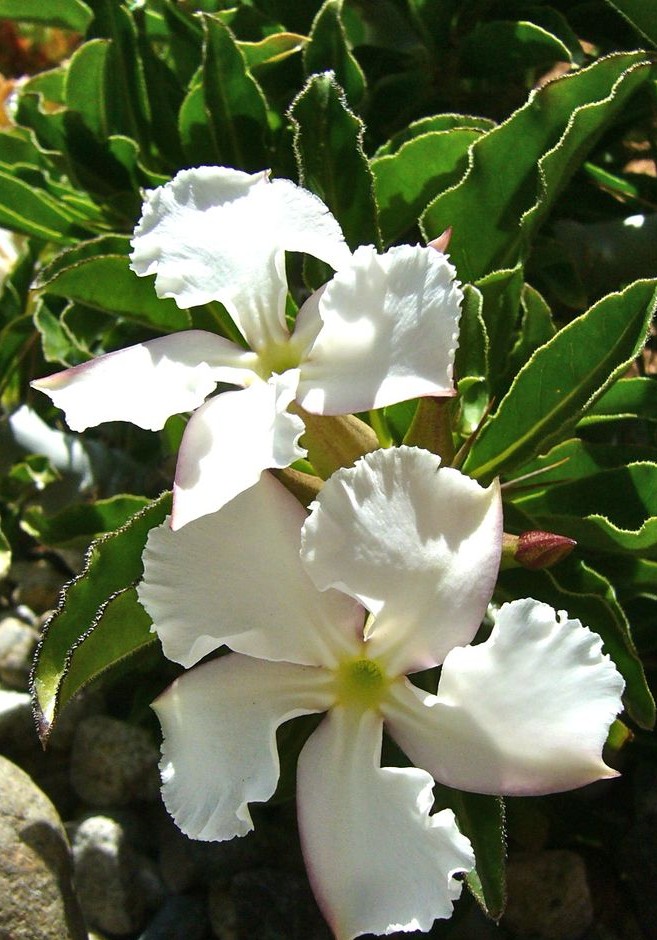
The flowers are produced in dense terminal clusters and usually have five spreading lobes. They are often white or pale internally with sharply contrasting pink, crimson, or scarlet margins and darker red striping in the throat. Flowering while leafless is one of the species’ most recognizable features.
The fruit consists of two elongated follicles that eventually spread apart. Mature follicles split lengthwise and release numerous narrow brown seeds bearing tufts of silky hairs at both ends. Wind-dispersed seeds and detached follicles can enter kennels, aviaries, stalls, patios, or neighboring properties.
The seeds are particularly important toxicologically because exact-species cardiac glycosides were isolated from them. Seed packets, propagation trays, open follicles, discarded seedlings, and nursery work areas should remain inaccessible to animals.
Kudu Lily, Desert Rose, and Cultivated Hybrids
Kudu Lily most characteristically flowers during the cool season while leafless and often bears white flowers with strongly contrasting red or crimson margins and throat stripes. Desert Rose, Adenium obesum, has a more northerly and extensive natural range and is the species most commonly sold as a flowering houseplant or bonsai.
The species are closely related, were historically combined, and hybridize readily in cultivation. Modern ornamental lines may contain ancestry from several Adenium species. Grafting is also common, so the swollen rootstock and flowering branches may not share the same identity.
Exact identification improves scientific accuracy and helps interpret plant-part chemistry, but it should not delay care. Kudu Lily, Desert Rose, and uncertain Adenium hybrids should all be treated as potentially dangerous cardiac-glycoside plants after meaningful ingestion.
Kudu Lily Is Not a True Lily
Kudu Lily is unrelated to true lilies in the genus Lilium. True lilies can cause acute kidney failure in cats after very small exposures to petals, leaves, pollen, or vase water. Kudu Lily instead creates a cardiac-glycoside syndrome involving the gastrointestinal tract, electrolytes, circulation, and heart rhythm.
A cat that has contacted an unidentified “lily” still requires urgent identification because the treatment priorities differ. Photographs of the whole plant, leaves, stems, flowers, pollen structures, and container label are more useful than relying on the common name alone.
Kudu Lily and Oleander
Oleander, Nerium oleander, belongs to the same family and produces a closely related cardiac-glycoside syndrome. Oleander has slender woody branches and long narrow leathery leaves, while Kudu Lily has swollen succulent stems, clustered broader leaves, and a large rootstock.
Both can produce gastrointestinal illness, hyperkalemia, bradycardia, conduction block, ventricular arrhythmias, hypotension, collapse, seizures, and death. Oleander dog and cat cases provide important treatment evidence for plant cardenolide poisoning, but exact toxic doses and antibody-binding behavior cannot be transferred directly to Kudu Lily.
Arrow Poison, Fish Poison, and Traditional Use
The stem latex of Adenium multiflorum has long been used in Zimbabwe and Zambia in arrow- and fish-poison preparations, often combined with toxic material from other plants. Root and stem latex also appear in traditional veterinary practices, including preparations historically given for diarrhea or eye disease in domestic birds.
These uses do not establish a safe veterinary dose. Traditional extracts, decoctions, powders, latex concentrates, or mixed remedies may deliver far more cardenolide than an accidental bite and may include additional unidentified poisons.
An owner should tell the veterinarian whether the exposure involved a living plant, a nursery specimen, a homemade extract, a traditional preparation, a treated arrow, a hunting mixture, an herbal product, or an unknown liquid. Those are toxicologically different exposures.
Geographic Variation Does Not Establish Safety
Reports that cattle and wild animals browse Kudu Lily in Zimbabwe are evidence that some populations or exposure circumstances may be tolerated. They do not prove that the species is generally edible or that a cultivated plant has low cardenolide content.
Browsing animals may select particular tissues, eat small amounts among other forage, encounter plants at a different growth stage, possess prior exposure or adaptation, or consume a chemically different population. Animals observed feeding successfully do not reveal how much was eaten, whether subclinical cardiac effects occurred, or whether deaths were missed.
A nursery specimen’s provenance and hybrid ancestry are usually unknown. Visual appearance cannot distinguish a low-cardenolide specimen from a high-cardenolide specimen.
Related Desert Rose Chemistry: Preserved Scientific Commentary
Kudu Lily was historically classified within Adenium obesum, and the species share closely related cardiac-glycoside chemistry. The following commentary by L.P.A. Oyen concerns the related Desert Rose, Adenium obesum. It is preserved in full because it explains established Adenium chemistry and the sodium-potassium ATPase mechanism. The compounds listed in the quotation should not all be assigned automatically to Adenium multiflorum.
“In Adenium obesum the presence of some 30 cardiotoxic glycosides has been demonstrated, which act in a similar way as digitalis from Digitalis. Digitalis acts upon the Na+K+-ATPase enzyme that regulates the concentrations of Na+ and K+ ions in body cells and so also modifies the Ca++ concentration. In low doses it is used to treat congestive heart failure (CHF) and heart rhythm problems (atrial arrhythmias), but in high doses it leads to systolic heart failure and death.
“Several of the cardiac glycosides from Adenium obesum have oleandrigenin as aglycone moiety, e.g. hongheloside A (with D-cymarose), hongheloside C (with D-cymarose and D-glucose) and 16-acetylstrospeside (with D-digitalose). Other glycosides include: hongheline (composed of digitoxigenin with D-thevetose), somaline (composed of digitoxigenin with D-cymarose) and digitalinum verum (composed of gitoxigenin with D-digitalose and D-glucose). The roots and stems contain the same glycosides and in similar amounts. Oleandrigenin and some of the glycosides derived from it have cytotoxic effects and are being studied as potential components of anticancer drugs.
“The ethanol extract of the roots slows down the growth of Bacillus subtilis, but has not shown activity against Pseudomonas aeruginosa, Staphylococcus aureus or Candida albida. Extracts from the root have shown a cytotoxic effect against several carcinoma cell lines. The aqueous stem bark extract is a potential acaricide as it shows high toxicity on all stadia of development of the ticks Amblyomma spp. and Boophilus spp.”
— L.P.A. Oyen, Plant Resources of Tropical Africa treatment of Adenium obesum.
The quoted medicinal, antimicrobial, cytotoxic, and acaricidal findings do not make either Adenium species suitable for home treatment. Laboratory extracts, traditional poison mixtures, purified compounds, and accidental animal ingestion are fundamentally different exposures.
Household and Garden Exposure Scenarios
Dogs may pull a plant from its container, chew the caudex-like stem, dig up the rootstock, carry cut branches, or investigate material left after pruning, grafting, repotting, or frost damage. Puppies may swallow plant tissue together with potting mix, labels, wire, mesh, stones, plastic, or broken ceramic.
Cats may nibble flowers or leaves, brush against fresh sap, lick contaminated paws, or gain prolonged unobserved access to an indoor specimen. Fallen flowers can remain accessible after the pot itself has been moved.
Birds may shred stems, flowers, follicles, seed packets, or decorative branches. Horses and livestock may receive dumped landscape debris, uprooted specimens, hedge material, or dried cuttings mixed accidentally into other feed.
Mixed Exposure and Foreign-Body Concerns
An overturned container can expose an animal to more than Kudu Lily. Slow-release fertilizer pellets, systemic insecticides, fungicides, herbicide residue, decorative stone, moisture-retaining crystals, plant supports, wire, plastic tags, and broken pottery may be swallowed during the same event.
Continued vomiting, abdominal distension, pain, reduced stool production, repeated unproductive retching, or illness recurring after apparent improvement may indicate retained plant tissue or a separate gastrointestinal foreign body. Imaging or endoscopy may be needed even when the cardiac evaluation is initially normal.
Diagnosis
There is no routine rapid test that conclusively proves Kudu Lily ingestion. Diagnosis combines exposure history, botanical identification, the plant part involved, gastrointestinal signs, electrolyte changes, hemodynamic findings, and a compatible electrocardiographic abnormality.
Veterinary assessment may include continuous or repeated ECG monitoring, blood pressure, potassium, sodium, chloride, calcium, magnesium, glucose, kidney and liver values, acid-base status, lactate, blood count, urinalysis, urine-output measurement, oxygenation, thoracic imaging after aspiration concern, and abdominal imaging after possible rootstock or foreign-material ingestion.
Commercial digoxin assays may cross-react with some plant cardenolides, but the amount of cross-reactivity differs among compounds and laboratory platforms. A positive result may support exposure without quantifying its severity accurately. A negative or low result cannot exclude Kudu Lily because the assay was not designed to detect every Adenium multiflorum glycoside.
Prognosis
The prognosis is often favorable when exposure is identified early, gastrointestinal losses are controlled, potassium and blood pressure remain stable, and no cardiac rhythm disturbance develops during an appropriate observation period.
The outlook becomes guarded with marked hyperkalemia, persistent bradycardia, advanced atrioventricular block, ventricular arrhythmia, hypotension, repeated syncope, aspiration pneumonia, seizures, or prolonged poor perfusion. Cardiac ischemic injury may allow rhythm abnormalities to continue after circulating toxin is reduced.
Cardiac arrest, recurrent ventricular fibrillation, severe shock, respiratory failure, or delayed presentation creates a poor prognosis, although recovery remains possible with intensive monitoring, toxin-specific antibody treatment when available and appropriate, airway support, and rhythm-directed critical care.
Prevention
The safest placement is one that prevents access not only to the living plant but also to flowers, seeds, sap, tools, runoff, pruning scraps, and uprooted root material. A high shelf is insufficient for a household with climbing cats, flying birds, falling flowers, or a plant that may be knocked down.
Wear gloves during pruning or repotting, wash tools and contaminated surfaces, and place debris directly into a closed animal-proof container. Do not put Kudu Lily in an accessible compost pile or leave a dormant leafless specimen where it can be mistaken for harmless dry wood.
Preserve botanical labels and purchase records. In homes with plant-chewing pets, free-flying birds, or livestock that receive landscape waste, removal of the plant is more dependable than relying on training or visual supervision.
Immediate Steps After Exposure
- Stop further access: Move the animal away from the living plant, fallen flowers, seeds, fruiting follicles, roots, rootstock, cuttings, latex, vomit, pruning debris, and contaminated tools or surfaces.
- Keep the animal quiet: Prevent running, excitement, struggling, and unnecessary walking because exertion increases cardiovascular demand during a potentially unstable rhythm.
- Identify the damaged part: Determine whether the animal contacted a flower, leaf, seed, follicle, bark, succulent stem, graft, root, underground rootstock, latex, dried cutting, extract, or traditional poison preparation.
- Estimate what is missing: Record the number of bite marks, pieces removed, seeds spilled, flowers missing, duration of unsupervised access, and whether chewing released visible sap.
- Contact a veterinarian promptly: Obtain professional guidance after any meaningful or uncertain ingestion, especially exposure to bark, stem, rootstock, roots, seeds, concentrated latex, extracts, or an unknown quantity.
- Protect other animals: Remove contaminated vomit, flowers, seed tufts, sap-bearing fragments, and gardening debris before another animal is exposed.
Remove Only Loose Visible Material
In a fully alert animal that is breathing and swallowing normally, remove loose visible fragments from the lips or front of the mouth when this can be done without being bitten. A damp cloth may be used to wipe external lips and easily reached oral surfaces.
Do not perform a blind finger sweep, reach toward the throat, pry open the mouth of a distressed animal, or pour water into the mouth. Forced rinsing can push material backward or cause aspiration.
Do not place hands near the mouth of an animal that is trembling, seizuring, disoriented, collapsing, or resisting examination.
Preserve Plant and Exposure Evidence
- Save the complete plant: Preserve representative stem, bark, leaves, flowers, follicles, seeds, roots, rootstock, and any graft union when available.
- Keep the nursery label: Save the botanical name, cultivar, supplier, purchase record, and packaging even when the label says only Desert Rose, Impala Lily, or Adenium hybrid.
- Take photographs: Photograph the entire plant, swollen stems, leaves, flowers, fruit, container, damaged area, bite marks, spilled material, and exact exposure location.
- Save vomited fragments: Place representative material in a sealed disposable container and keep it away from animals and children.
- Document associated products: Bring fertilizer, pesticide, fungicide, potting-medium, herbal-preparation, or traditional-poison packaging involved in the same incident.
- Write down the timeline: Record the earliest and latest possible exposure, first symptom, each vomiting episode, pulse or breathing change, collapse, seizure, urination, and every substance already administered.
Do Not Attempt Unsupervised Vomiting
Do not give hydrogen peroxide, salt, mustard, ipecac, detergent, dish soap, oil, syrup, or any improvised emetic. Do not use fingers, tools, or manual gagging.
Hydrogen peroxide must never be used as a feline emetic. It can cause serious gastric and esophageal injury. It should not be given automatically to dogs either.
Veterinary induction of vomiting may be considered only after a recent ingestion in a fully alert, stable, asymptomatic animal that can protect the airway. The decision depends on species, timing, plant part, quantity, current rhythm, and aspiration risk.
Vomiting is contraindicated once weakness, repeated vomiting, depression, tremors, abnormal breathing, poor coordination, collapse, seizure activity, impaired swallowing, or reduced consciousness develops. Horses, rabbits, guinea pigs, and other species incapable of vomiting must never be treated as though emesis were an option.
Do Not Give Charcoal or Oral Antidotes at Home
Owner-administered activated charcoal can be aspirated and may worsen dehydration or electrolyte disturbance. Barbecue charcoal, fireplace ash, burned food, and homemade carbon are not medical activated charcoal.
Veterinarians may use activated charcoal after weighing the benefit of binding gastrointestinal cardiac glycosides against vomiting, ileus, dehydration, sodium status, sedation, and aspiration risk. Additional administrations may be considered because some cardiac glycosides undergo enterohepatic recirculation, but repeated charcoal is not appropriate for every patient.
Do not give milk, yogurt, oil, bread, food, electrolyte drinks, antacids, mineral drenches, herbal preparations, or a homemade “detox.” None neutralizes Kudu Lily cardenolides.
Do not give potassium, calcium, magnesium, sodium, iron, vitamins, heart medication, antihistamines, corticosteroids, human pain relievers, antidiarrheals, anticonvulsants, or leftover veterinary medication. Treatment must be based on the actual rhythm, blood pressure, electrolyte results, airway status, and organ function.
Vomiting, Diarrhea, and Aspiration Risk
- Track every episode: Record frequency, volume, blood, dark material, foam, latex, bark, root, flower, seed, potting material, fertilizer pellets, or foreign debris.
- Do not assume vomiting ended the danger: Absorbed glycosides can continue affecting potassium, conduction, and cardiac rhythm after plant fragments are expelled.
- Allow water only when safe: A fully alert animal that swallows normally and is not vomiting repeatedly may have voluntary access to small amounts of clean water unless the veterinarian advises otherwise.
- Never force fluids: Syringed or poured water can enter the lungs and cannot correct shock, hyperkalemia, or a dangerous arrhythmia.
- Watch for aspiration: Coughing, wet breathing, increasing effort, nasal discharge, fever, or deterioration after vomiting requires examination.
- Watch for obstruction: Persistent retching, abdominal distension, pain, reduced stool, or recurring vomiting may reflect retained rootstock, bark, stones, plastic, wire, or broken-pot material.
Cardiac and Circulatory Warning Signs
- Observe without delaying care: Note whether the pulse feels unusually slow, rapid, irregular, weak, or intermittently absent, but do not rely on a home pulse count to exclude arrhythmia.
- Watch for syncope: Sudden falling, brief loss of awareness, collapse during movement, or repeated episodes of weakness may indicate an intermittent rhythm disturbance.
- Check mucous membranes: Pale, gray, or blue gums can indicate inadequate perfusion or oxygenation.
- Check extremities: Cold paws, ears, wings, or limbs combined with weakness can indicate low cardiac output or shock.
- Minimize exertion: Carry a small unstable animal when safe, or use a stretcher or supported transport for a larger animal rather than forcing it to walk.
- Seek immediate emergency care: An abnormal pulse, profound weakness, fainting, cold extremities, breathing difficulty, collapse, or reduced responsiveness requires monitored treatment.
Breathing Difficulty, Collapse, and Seizures
Rapid labored breathing, open-mouth breathing, gasping, neck extension, blue mucous membranes, or reduced respiratory effort requires immediate critical care. Do not give anything by mouth to an animal with abnormal breathing, collapse, reduced consciousness, seizure activity, or poor swallowing.
During a seizure, clear hard objects away, prevent falls into water or from heights, and keep hands away from the mouth. Do not restrain the jaw or pin the animal down. Record the duration and whether awareness returns between episodes.
Position a poorly responsive vomiting animal so material can drain from the mouth without compressing the chest or neck. Begin species-appropriate CPR only when the animal is unresponsive and not breathing normally and when doing so does not delay emergency transportation.
Latex on Skin, Fur, Feathers, or Eyes
- Wear gloves: Avoid transferring sap from the plant, vomit, coat, or tools to your eyes or mouth.
- Prevent grooming: Keep the animal from licking contaminated paws, skin, fur, or feathers until cleanup is complete.
- Wash external contamination: Use lukewarm water and a mild animal-safe cleanser to remove sap from fur, feathers, or intact skin while preventing chilling and oral exposure.
- Flush exposed eyes: Rinse continuously with sterile saline or clean lukewarm water while arranging veterinary examination.
- Obtain eye care: Persistent squinting, redness, swelling, tearing, cloudiness, pain, or rubbing requires examination.
- Report damaged skin: Sap contacting a cut, puncture, ulcer, or surgical site deserves professional advice because the barrier to absorption has been disrupted.
Veterinary Evaluation and Monitoring
The veterinary team may assess heart rate and rhythm, pulse deficits, mucous-membrane color, capillary refill, blood pressure, temperature, hydration, abdominal comfort, neurologic status, respiratory function, and urine production. Continuous ECG is preferable in a clinically affected patient because intermittent rhythm changes may be missed during a brief examination.
Laboratory testing may include repeated potassium, sodium, chloride, calcium, magnesium, glucose, kidney values, liver values, blood gases, acid-base status, lactate, blood count, packed cell volume, and urinalysis. Electrolytes may change as poisoning progresses or treatment begins.
A digoxin immunoassay may be used as supporting evidence, but results require cautious interpretation. Plant cardenolides may cross-react unpredictably, and a negative result does not exclude Kudu Lily poisoning.
Thoracic imaging may be needed after suspected aspiration. Abdominal radiographs, ultrasound, endoscopy, or surgery may be required when a dense rootstock fragment, wire, stone, plastic tag, or other foreign object was swallowed.
Professional Decontamination
Veterinary emesis may be considered before signs develop when ingestion was recent and the patient is neurologically and cardiovascularly stable. It becomes inappropriate when airway protection, rhythm stability, or consciousness is compromised.
Medical activated charcoal may be administered after anti-nausea treatment and airway assessment. Repeated charcoal may be considered in selected patients when continued gastrointestinal exposure or enterohepatic recirculation is a concern.
Gastric lavage is reserved for carefully selected severe exposures and requires anesthesia, endotracheal airway protection, ECG monitoring, and direct assessment of the cardiovascular risk. Endoscopic retrieval may be preferable for large rootstock, bark, or foreign material that is unlikely to pass safely.
Cardiovascular and Electrolyte Treatment
Intravenous crystalloids may be used to correct dehydration and support circulation, but fluid therapy must be adjusted to blood pressure, heart rhythm, kidney function, urine production, and evidence of cardiac insufficiency or pulmonary edema. Fluids do not neutralize the toxin.
Clinically important bradycardia or atrioventricular block may prompt veterinarian-directed use of atropine or other rhythm-specific measures. Ventricular ectopy or tachyarrhythmia requires a different antiarrhythmic strategy, which may include lidocaine or another agent selected from the ECG pattern and the patient’s species and hemodynamic status. A medication appropriate for one rhythm can worsen another.
Severe hyperkalemia requires controlled emergency management with continuous ECG and repeated laboratory measurement. Treatment may involve insulin with dextrose and other specialist-selected interventions. Calcium administration should not be improvised and requires professional judgment because the indication, ionized calcium, rhythm, and cardiac-glycoside context must all be considered.
Vasopressors may be used when clinically important hypotension persists after appropriate assessment and correction of circulating volume. They are not a substitute for necessary fluid resuscitation, and both fluids and vasopressors require caution in a patient with severe bradyarrhythmia, cardiac insufficiency, pulmonary edema, or reduced urine production.
Digoxin-Specific Immune Fab
Digoxin-specific immune Fab may be considered for life-threatening plant cardiac-glycoside poisoning involving severe hyperkalemia, refractory bradycardia, advanced conduction block, ventricular arrhythmia, shock, or repeated collapse.
Veterinary dog and cat evidence comes primarily from oleander cases rather than Kudu Lily. The antibody fragments can bind certain plant cardenolides, but the binding affinity for each identified Adenium multiflorum glycoside has not been established.
Selection, calculation, administration, and post-treatment interpretation require a veterinary toxicologist, cardiologist, or critical-care clinician. Availability and cost may affect use. Antibody treatment does not replace airway support, ECG monitoring, electrolyte management, blood-pressure support, or treatment of aspiration and seizures.
Respiratory, Neurologic, and Gastrointestinal Support
Supplemental oxygen may support a patient with poor perfusion, respiratory compromise, aspiration, or seizure activity. Intubation and mechanical ventilation may be necessary when consciousness or ventilation is inadequate.
Veterinarian-selected anti-nausea medication can reduce ongoing fluid loss after decontamination decisions have been made. Gastrointestinal protectants, nutritional support, and treatment of hemorrhagic gastrointestinal injury may be required in a severely affected patient.
Seizures require veterinarian-selected anticonvulsants while circulation, glucose, oxygenation, temperature, and electrolytes are corrected. Persistent neurologic abnormalities should not be attributed automatically to the plant without considering hypoglycemia, aspiration, head trauma during collapse, medication, and another toxin.
Horse and Livestock Response
- Remove the entire group: Prevent access to living plants, uprooted rootstocks, landscaping debris, flowers, fruiting follicles, seeds, and contaminated feed.
- Move animals calmly: Avoid chasing weak, dyspneic, staggering, or collapsing animals because exertion increases cardiac demand.
- Call a veterinarian immediately: Salivation, colic, diarrhea, weakness, an abnormal pulse, breathing difficulty, collapse, or sudden death requires urgent investigation.
- Preserve representative material: Save roots, bark, latex-bearing stems, flowers, seeds, feed, water, and requested postmortem or gastrointestinal samples.
- Do not drench: Never force water, oil, charcoal, feed, calcium, electrolytes, or medication into a weak, recumbent, seizuring, dyspneic, or poorly swallowing animal.
- Investigate discarded ornamentals: One affected animal may indicate that additional herd or flock members reached the same landscaping waste.
Observation, Recovery, and Prognosis
An animal may require hospital observation after gastrointestinal signs improve because potassium and rhythm abnormalities can emerge or recur later. The appropriate monitoring period depends on the exposure, symptoms, ECG, laboratory results, decontamination, and access to follow-up care; there is no dependable exact-species time rule.
The prognosis is generally favorable when exposure is recognized early, vomiting is controlled, circulation remains stable, potassium stays within an acceptable range, and no arrhythmia develops during monitored observation.
Marked hyperkalemia, persistent bradycardia, advanced atrioventricular block, ventricular arrhythmia, repeated syncope, aspiration pneumonia, seizures, shock, or cardiac ischemic injury creates a guarded prognosis. Cardiac arrest, recurrent ventricular fibrillation, severe respiratory failure, or prolonged poor perfusion creates a poor outlook.
Prevention After the Incident
Remove remaining flowers, follicles, seeds, sap, and root material before the animal returns home. Clean tools, floors, containers, transport surfaces, clothing, gloves, fur, and feathers that contacted latex.
Do not leave pruned or uprooted material in an open trash container, compost pile, wheelbarrow, garage floor, barn aisle, or livestock feeding area. Dried plant material remains unsafe.
In a home with a persistent plant chewer, climbing cat, free-flying bird, or dog that digs in containers, permanent removal is more reliable than placing the plant on a higher table or relying on a decorative barrier.
Frequently Asked Questions About Kudu Lily and Animal Poisoning
My pet chewed the plant but no piece appears to be missing. Does contact with the latex still matter?
Yes. Bite marks can release latex even when the animal does not swallow an obvious section of stem or bark. Some sap may remain on the lips, teeth, tongue, paws, coat, or surrounding floor and be swallowed later during grooming. Wipe only easily reached external residue from a fully alert animal, prevent grooming, and photograph the damaged area before cleaning the plant.
The absence of a missing piece lowers the estimated swallowed mass but does not prove that no toxin was ingested. Report the number and depth of bite marks, visible sap, time since contact, animal size, and any drooling, vomiting, weakness, or pulse change to the veterinarian.
The nursery label says “Desert Rose,” “Impala Lily,” or only “Adenium.” How can I know whether it is really Kudu Lily?
Nursery names are inconsistent. Kudu Lily is Adenium multiflorum, while Desert Rose usually refers to Adenium obesum. Cultivated plants may also be interspecific hybrids or grafted specimens whose rootstock and flowering branches have different ancestry.
Save the label and photograph the entire plant, graft union, swollen base, leaves, flower pattern, follicles, and seeds. Kudu Lily often flowers profusely while leafless during the cool season and commonly has white petals with sharply contrasting crimson margins and throat stripes, but flower appearance alone cannot resolve every hybrid. The emergency response does not depend on perfect identification because all uncertain Adeniums should be treated as cardiac-glycoside hazards.
One fallen flower disappeared. Is that less concerning than chewing the stem or rootstock?
A flower generally represents less plant mass than a large section of rootstock or stem, but it should not be assumed harmless. Exact Kudu Lily flower concentrations have not been quantified, and a related Adenium obesum case documented severe, rapidly progressive cardiac-glycoside poisoning in a macaw after one flower was eaten.
Risk also depends on the animal. One flower represents a much larger dose per unit of body weight for a small bird, kitten, toy-breed dog, or juvenile animal than for a large dog. Contact a veterinarian, especially when the flower was chewed thoroughly, the pet is small, the amount is uncertain, or any gastrointestinal, cardiovascular, respiratory, or neurologic sign develops.
My dog vomited pieces of Kudu Lily and now seems normal. Did vomiting remove the poison?
Vomiting may remove some unabsorbed material, but it cannot show how much cardenolide was absorbed before the plant came back up. Gastrointestinal signs can occur before potassium elevation, conduction block, or ventricular arrhythmia becomes apparent.
Save the vomited fragments and note the time, amount, and whether intact root, bark, seeds, or stem pieces remain missing from the plant. A veterinarian may recommend examination, ECG, electrolyte testing, or monitored observation even when the dog appears improved. Do not repeat vomiting or give charcoal at home.
Can I check my pet’s pulse at home and watch for a slow heart rate?
A pulse check can reveal a gross abnormality, but it cannot rule out poisoning. Premature beats may fail to produce a palpable pulse, intermittent heart block can be missed between checks, and a dangerous ventricular rhythm may have an apparently normal average rate.
Do not repeatedly restrain or excite the animal to obtain measurements. Record any obvious irregularity, fainting, weakness, cold extremities, or breathing change and seek care. An electrocardiogram is needed to identify the rhythm and determine whether treatment for bradycardia, heart block, or ventricular ectopy is appropriate.
The first ECG and potassium result were normal. Can cardiac problems still appear later?
Yes. A normal early test is reassuring but not an absolute guarantee. Absorption may be incomplete, gastrointestinal material may remain, some glycosides may undergo enterohepatic recirculation, and intermittent rhythm disturbances may not occur during a brief tracing.
The decision to discharge or continue observation should consider the plant part, amount missing, vomiting, time since exposure, repeated potassium values, blood pressure, ECG duration, underlying heart or kidney disease, concurrent medication, and the reliability of home monitoring. Owners should receive explicit return instructions for vomiting, weakness, an abnormal pulse, fainting, breathing changes, tremors, or collapse.
What does a negative digoxin test mean after suspected Kudu Lily poisoning?
It does not rule out poisoning. Commercial digoxin immunoassays were developed to measure digoxin, not every plant cardenolide. Some botanical glycosides cross-react strongly, some weakly, and others may not produce a detectable result on a particular testing platform.
A positive result can support exposure but does not necessarily measure the true toxin concentration or predict severity accurately. A negative result must be interpreted beside the exposure history, plant identification, ECG, potassium, blood pressure, gastrointestinal signs, and clinical progression.
Could the fertilizer, insecticide, or potting material be more dangerous than the plant?
It can be. An overturned Adenium container may create a mixed exposure involving slow-release fertilizer, systemic insecticide, fungicide, moisture-retaining crystals, decorative stones, wire, plastic labels, or broken ceramic. Those materials can cause gastrointestinal irritation, electrolyte disturbances, neurologic signs, chemical poisoning, or obstruction independently of the Kudu Lily.
Bring every product label and photograph the original scene before cleanup. Report missing pellets, chewed plastic, broken pot pieces, spilled soil, and access to standing runoff. Persistent abdominal pain, repeated vomiting, distension, or reduced stool production may justify imaging even when the cardiac evaluation is normal.
The sap got on my cat’s paws, but I did not see the cat bite the plant. Is that an ingestion?
Not necessarily, but grooming can convert external contamination into oral exposure. Prevent licking, wear gloves, and wash the paws and contaminated fur with lukewarm water and a mild animal-safe cleanser. Avoid spreading sap toward the eyes or mouth.
Contact a veterinarian when substantial sap was present, the cat groomed before cleanup, the skin was damaged, or drooling, vomiting, hiding, appetite loss, weakness, open-mouth breathing, or collapse develops. Do not use peroxide to make a cat vomit.
Does a grafted or hybrid Adenium have the same poisoning risk as a pure Kudu Lily?
Its exact chemical profile may differ, but it should not be presumed safer. Cultivated Adeniums are often selected for flower color, petal number, compact growth, or grafting compatibility rather than low cardenolide content. The rootstock may belong to one taxon while the flowering branches belong to another hybrid or cultivar.
After exposure, photograph both sides of the graft union and identify whether the pet chewed the rootstock, upper stem, flower, seed pod, or root. Botanical uncertainty strengthens the reason for veterinary assessment because the toxin concentration and compound mixture cannot be predicted from the trade name.
Wild animals and cattle sometimes browse Kudu Lily. Why is a garden plant still considered poisonous?
Observed browsing does not establish a safe dose. Wild or grazing animals may eat limited tissue, select particular plants or seasons, dilute the exposure with other forage, possess prior adaptation, or encounter a genetically different population with lower cardenolide concentrations.
Field observations also may not detect transient arrhythmias, reduced production, fetal effects, subclinical illness, or animals that die away from the observation site. A cultivated plant’s origin and hybrid ancestry are usually unknown, so wildlife browsing should not guide a household or livestock safety decision.
Is a dry, dormant, frost-damaged, or long-discarded Kudu Lily branch still dangerous?
Yes. Cardiac glycosides should not be assumed to disappear when the plant loses its leaves, wilts, freezes, or dries. Dormant Kudu Lily may remain leafless for months while the poisonous stems and rootstock are still alive.
Dry fragments may be particularly accessible because they resemble sticks, collect in yard waste, or become mixed with hay, bedding, compost, or firewood. Dispose of all material in a closed animal-proof container rather than leaving it in an open pile.
Can Kudu Lily be kept safely on a high shelf or behind a baby gate?
That depends on the animals in the home, but elevation alone does not control every route of exposure. Cats climb, birds fly, flowers and leaves fall, pots are knocked over, and sap-bearing water or debris can be carried on tools, hands, or clothing.
A physical barrier is only useful when it prevents access to the entire plant, fallen material, propagation supplies, seed follicles, and cleanup waste. For a persistent plant-chewing dog, climbing cat, free-flying bird, or household with young children, removing the plant is more dependable than relying on placement.
Is digoxin-specific immune Fab guaranteed to work for Kudu Lily poisoning?
No. It is a rational specialist treatment for severe plant cardiac-glycoside poisoning, and successful dog and cat cases have been reported after oleander exposure. However, antibody fragments were designed around digoxin, and their affinity for each Kudu Lily cardenolide has not been established.
Clinical response may depend on the compounds involved, absorbed dose, timing, circulation, kidney function, and whether irreversible cardiac injury has already occurred. Fab treatment also does not replace ECG monitoring, potassium management, oxygen, airway support, blood-pressure treatment, decontamination, or rhythm-specific care.
What information is most useful when calling the emergency veterinarian?
Report the animal’s species, weight, age, medical conditions, heart or kidney disease, current medication, earliest and latest exposure time, plant part involved, amount missing, whether latex was visible, whether vomiting occurred, and every symptom observed. Mention any fertilizer, pesticide, potting material, traditional preparation, or foreign object involved in the same incident.
Bring the complete plant or representative secured samples, the nursery label, photographs of the undamaged and damaged plant, seed packet, graft union, vomited fragments, and related product packaging. Do not carry loose toxic material in the same space where the animal can reach it during transport.