Lily of the Palace Lycorine Poisoning and Bulb Exposure
Is Lily of the Palace Poisonous to Dogs, Cats, Horses, and Livestock?
Yes—Lily of the Palace, referring principally to Hippeastrum puniceum and ornamental Hippeastrum species and hybrids, is poisonous to dogs, cats, horses, livestock, rabbits, birds, and other animals. These plants contain lycorine and numerous related Amaryllidaceae alkaloids. Ingestion most commonly causes drooling, nausea, repeated vomiting, abdominal pain, diarrhea, appetite loss, depression, and lethargy.
The bulb creates the greatest practical hazard because it provides a compact mass of alkaloid-containing tissue and is often stored loose, boxed, wax-coated, newly purchased, unplanted, uprooted, or discarded where a dog can consume it rapidly. A small leaf or flower nibble is more likely to cause no signs or limited gastrointestinal illness than life-threatening poisoning, but a substantial bulb ingestion, concentrated extract, or uncertain amount can cause severe dehydration, low blood pressure, weakness, tremors, incoordination, seizures, cardiovascular instability, collapse, or profound neurologic depression.
Lily of the Palace is not a true Lily of the genus Lilium. Hippeastrum poisoning is dominated by gastrointestinal and possible cardiovascular or neurologic effects, whereas true Lilies and Daylilies can cause catastrophic acute kidney injury in cats after very small exposures. Any unidentified plant called Easter Lily must be treated as a true-Lily emergency in a cat until reliable identification proves otherwise.
About this guide: This page provides general pet-poisoning information and cannot diagnose or treat an individual animal. For any suspected exposure, contact a veterinarian or animal poison-control service immediately. Do not induce vomiting, give medication, or attempt home decontamination unless directed by a veterinary professional.
Lily of the Palace
Hippeastrum spp.
The name Lily of the Palace is associated especially with Hippeastrum puniceum (Lam.) Voss, but plants sold to the public as Amaryllis are often unidentified Hippeastrum species or complex ornamental hybrids. Cultivated holiday plants are also described horticulturally as Hippeastrum × hybridum or simply as Hippeastrum hybrids.
Important historical names and synonyms associated with Hippeastrum puniceum include:
- Amaryllis punicea Lam.
- Amaryllis equestris Aiton, an illegitimate superfluous name
- Hippeastrum equestre (Aiton) Herb., an illegitimate superfluous name
- Hippeastrum puniceum var. majus (Ker Gawl.) Marais
- Hippeastrum barbatum Herb.
- Amaryllis barbata (Herb.) Traub
Hippeastrum purpureum has also appeared historically in connection with plants called Lily of the Palace, Barbados Lily, or Common Amaryllis, but older horticultural usage was inconsistent and does not always correspond cleanly with current species limits.
The botanical genus Amaryllis is separate from Hippeastrum. True Amaryllis belladonna is a South African species commonly called Belladonna Lily or Naked Lady, while Hippeastrum is an American genus containing the plants most often sold commercially as Amaryllis.
Amaryllidaceae — Amaryllis Family
Amaryllis; Hippeastrum Amaryllis; Dutch Amaryllis; Holiday Amaryllis; Christmas Amaryllis; Giant Amaryllis; Common Amaryllis; Amaryllis Lily; Knight’s Star; Knight’s-Star Lily; Knight Star Lily; Ridderstjerne; Ritterstern; Lily of the Palace; Palace Lily; Barbados Lily; Red Barbados Lily; Fire Lily; Red Fire Lily; Easter Lily; Cacao Lily; Cocoa Lily; Wild Amaryllis; Tropical Amaryllis
Names particularly associated with Hippeastrum puniceum include Lily of the Palace, Barbados Lily, Red Barbados Lily, Common Amaryllis, Easter Lily, Fire Lily, Cacao Lily, Cocoa Lily, and Amaryllis Lily. Older labels and literature may use Amaryllis punicea, Amaryllis equestris, Hippeastrum equestre, or Hippeastrum purpureum.
Amaryllis is botanically ambiguous because it is used commercially for Hippeastrum but scientifically for the separate genus Amaryllis. Easter Lily is especially dangerous as an ambiguous name because it usually refers in North America to Lilium longiflorum, a true Lily capable of causing acute kidney injury in cats.
Fire Lily may refer to Hippeastrum, Gloriosa superba, species of Cyrtanthus, or other unrelated plants. Belladonna Lily usually refers to Amaryllis belladonna, while Wild Amaryllis may refer to several different bulb-forming species depending on the region. Preserve the scientific name and complete plant rather than relying on one common name.
Amaryllidaceae Alkaloids in Hippeastrum
Lily of the Palace contains a chemically diverse mixture of Amaryllidaceae alkaloids rather than one isolated toxin. Lycorine is the compound most consistently associated with the characteristic nausea and vomiting, but chemically investigated Hippeastrum species and ornamental hybrids also contain haemanthamine-, homolycorine-, tazettine-, galanthamine-, montanine-, crinine-, narciclasine-, and related structural types. Documented compounds across the genus include lycorine, tazettine, haemanthamine, hippeastrine, homolycorine, vittatine, galanthamine, montanine, pancracine, pretazettine, narciclasine-related compounds, zephyranthine, and numerous minor alkaloids. An individual plant should not be assumed to contain every compound reported from the genus.
The plants sold as holiday Amaryllis are frequently complex hybrids selected for flower color, size, doubling, striping, and growth habit rather than chemically standardized plants. Research involving six ornamental cultivars detected twenty alkaloid-like compounds and identified eighteen, while a detailed examination of fresh bulbs from the cultivar Ferrari isolated fourteen known Amaryllidaceae alkaloids. Those studies demonstrate substantial chemical richness within ordinary horticultural material. They do not establish that every red, white, striped, double, dwarf, or wax-coated bulb contains an identical mixture or concentration.
Modern genus-level research has identified dozens of alkaloids across *Hippeastrum*, with lycorine-, haemanthamine-, homolycorine-, and galanthamine-type compounds among the most frequently represented structural groups. The measured profile varies with species, cultivar, tissue, geography, developmental stage, environment, extraction technique, and analytical method. Laboratory detection or isolation confirms chemical presence but does not by itself establish an intact-plant toxic dose for a dog, cat, horse, or bird. Clinical assessment must therefore consider the actual part eaten, preparation, quantity, and signs rather than assuming a pharmaceutical dose of every reported alkaloid.
Lycorine and the Emetic Syndrome
Lycorine is one of the most widely distributed alkaloids in Amaryllidaceae and has been identified in many chemically investigated *Hippeastrum* species. Controlled research in beagle dogs demonstrated a dose-dependent nausea and vomiting response after administration of purified lycorine, providing direct animal evidence for its central role in the characteristic emetic syndrome. A second controlled study evaluated receptor pathways and antiemetic drugs in lycorine-exposed dogs. Those experiments support the mechanism of vomiting but must not be converted into a safe or toxic number of leaves or grams of bulb.
The precise emetic mechanism is complex. Evidence from the dog studies indicates that neurokinin-1 pathways contribute importantly, while some familiar histamine-, muscarinic-, serotonin-, and dopamine-directed antiemetic mechanisms did not explain the entire response. This helps clarify why repeated vomiting may be prominent and why veterinarian-selected anti-nausea therapy is preferable to owner-selected medication. The research involved purified lycorine delivered under controlled conditions, not dogs eating intact ornamental bulbs with a mixed alkaloid profile.
Lycorine also interferes with protein synthesis and cellular proliferation at sufficient experimental concentrations and has been studied for antiviral, antifungal, anti-inflammatory, and anticancer activity. These laboratory effects confirm biological potency but do not mean that a small leaf nibble predictably causes generalized cellular injury. Similarly, experimental findings involving ascorbic-acid synthesis do not justify vitamin C as an antidote. The clinically established veterinary importance of lycorine is strongest for nausea, vomiting, fluid loss, and the complications that follow persistent emesis.
Direct Bulb Chemistry and the Practical Bulb Hazard
The bulb has the strongest direct chemical evidence and presents the greatest practical exposure risk. A modern investigation of *Hippeastrum puniceum* bulbs identified fifteen alkaloids through gas chromatography–mass spectrometry and isolated compounds including lycorine, tazettine, and 9-O-demethyllycoramine. Other research isolated 3-O-acetylnarcissidine and a glycosylated narciclasine alkaloid from the species. These findings confirm that the bulb contains a complex mixture rather than lycorine alone.
Bulbs of ornamental hybrids have likewise yielded chemically diverse profiles. Research on several named cultivars found substantial differences among varieties, while fresh bulbs of the Ferrari cultivar contained multiple structural classes and yielded vittatine in especially large amounts during isolation work. These studies support the conclusion that hybrid bulbs are pharmacologically active but chemically variable. They do not prove that the same alkaloid is dominant in every bulb sold as Christmas Amaryllis.
The bulb’s importance is also practical rather than purely comparative. It is a compact, fleshy structure that a dog can chew or swallow rapidly, and one bulb may provide much more tissue than several bites of foliage. Loose bulbs are accessible during shipping, storage, unpacking, repotting, division, removal, and disposal. Small offsets, detached scales, basal plates, roots, shriveled bulbs, and dormant bulbs remain relevant even when the plant is not actively growing.
No controlled study has compared every modern hybrid’s bulb, leaf, flower, root, and seed alkaloid concentration. The bulb should therefore be described as the most concerning part and the part with the strongest direct chemistry evidence, rather than claiming that every bulb has a universally proven maximum concentration. A large foliage exposure can still cause significant illness, particularly in a small animal. The practical risk depends on the mass eaten as well as the chemical profile.
Galanthamine and Other Alkaloid Mechanisms
Galanthamine is a reversible acetylcholinesterase inhibitor that also modulates nicotinic acetylcholine receptors. It has been identified in some *Hippeastrum* species, but its concentration varies widely and it is not necessarily a major constituent of every ornamental hybrid. When present in a meaningful amount, cholinesterase inhibition provides a plausible contribution to salivation, gastrointestinal activity, weakness, tremors, or other autonomic and neurologic effects. The complete plant syndrome should not be treated as a predictable pharmaceutical galanthamine exposure.
Haemanthamine, vittatine, montanine, tazettine, hippeastrine, homolycorine, pancracine, narciclasine-related compounds, and additional alkaloids have demonstrated cytotoxic, antiproliferative, cholinesterase-inhibiting, vascular, neurologic, antimicrobial, or antiparasitic activity in experimental systems. These effects differ substantially among compounds and study models. A cell-culture result does not establish that a pet chewing a flower will develop the same endpoint. The value of these studies is to demonstrate chemical complexity and biological activity, not to manufacture an unsupported household toxic dose.
Cardiovascular and neurologic effects after substantial ingestion may reflect several interacting factors. Direct alkaloid actions can combine with dehydration, electrolyte loss, pain, stress, reduced circulating volume, hypoglycemia, aspiration, seizure activity, and pre-existing disease. This explains why heart rate may be rapid, slow, or irregular and why weakness may have more than one cause. Clinical monitoring is more useful than assigning every severe sign to one named compound.
Plant Parts, Processing, and Evidence Limits
Bulbs, bulb scales, offsets, basal plates, roots, leaves, flower stalks, flowers, pollen, ovaries, developing capsules, seeds, sap, fresh cuttings, dried material, powders, teas, tinctures, extracts, and water contaminated with plant debris should all remain inaccessible. Leaves and flowers often provide a smaller practical dose than a bulb, but they still contain biologically active tissue and can cause gastrointestinal illness. Fallen flowers, broken stalks, pollen, and sap may be transferred to the mouth during grooming. No plant part should be offered as food, enrichment, bedding, or a chew object.
Wax coating, decorative foil, dryness, dormancy, freezing, pressing, soaking, or the absence of roots does not neutralize the alkaloids. A dog may chew through wax, glue, glitter, wire, plastic supports, foil, fabric, or packaging before reaching the bulb, creating foreign-body and additional chemical risks. Dried bulbs and leaves remain relevant because Amaryllidaceae alkaloids can be recovered from stored plant material. Herbal preparations may deliver more concentrated compounds than a bite of the intact plant.
No validated toxic dose exists for intact *Hippeastrum* in dogs, cats, horses, cattle, sheep, goats, rabbits, guinea pigs, or birds. Purified-lycorine research, cell studies, chemistry papers, and evidence from related Amaryllidaceae cannot be converted into a guaranteed safe number of leaves or percentage of a bulb. Small leaf or flower exposures are more likely to cause no signs or limited gastrointestinal illness, while major bulb, concentrated-product, or uncertain exposures deserve prompt professional assessment. Severe effects are biologically plausible but not the routine documented outcome of every exposure.
Expected Onset and Early Gastrointestinal Signs
Clinical effects depend on the amount swallowed, the plant part, alkaloid profile, animal species, body size, stomach contents, health status, and whether the exposure involved fresh plant tissue or a concentrated preparation. Nausea, drooling, repeated swallowing, retching, vomiting, abdominal discomfort, appetite loss, intestinal cramping, and diarrhea commonly develop within the first several hours. A small exploratory leaf or flower nibble may produce no observable illness or only transient gastrointestinal signs. Bulb exposure deserves more concern because an animal can consume a much larger compact dose before the incident is discovered.
Vomiting may be sudden, forceful, or repeated because lycorine has a strong emetic effect. Vomit may contain food, foam, bile, mucus, leaf pieces, flower material, bulb scales, wax, decorative material, or packaging. Spontaneous vomiting can reduce the retained amount but does not prove that the animal is safe. Alkaloids may already have been absorbed, and large bulb fragments or foreign material can remain in the stomach after the animal vomits.
Blood-streaked vomit or stool can occur after significant gastrointestinal irritation or repeated forceful vomiting, although bleeding is not a defining alkaloid-specific sign. Severe abdominal pain, abdominal enlargement, continued retching without producing material, or persistent vomiting can also indicate retained bulb pieces, packaging, obstruction, pancreatitis, or another swallowed object. These findings require veterinary examination rather than attribution to uncomplicated plant irritation. The complete packaging and exposure area should be inspected for additional hazards.
Dehydration, Hypotension, and Cardiovascular Instability
Repeated vomiting and diarrhea can cause dehydration, electrolyte abnormalities, reduced circulating volume, weakness, dry or tacky gums, reduced urination, low blood pressure, and collapse. Small dogs, cats, young animals, elderly animals, and patients with kidney, heart, endocrine, or gastrointestinal disease may deteriorate more rapidly. A pet that becomes unusually quiet after vomiting may be resting, but it may also have poor perfusion. Gum color, pulse quality, temperature, urine production, and blood pressure are more informative than behavior alone.
Clinically important hypotension may cause weak pulses, pale or gray mucous membranes, cold ears or feet, delayed capillary refill, fainting, collapse, reduced awareness, and inadequate blood flow to the kidneys and brain. The heart rate may rise as compensation for dehydration, pain, and low blood pressure, while a slower or irregular rhythm may occur through alkaloid effects, electrolyte disturbance, pre-existing heart disease, or a mixed exposure. No single pulse pattern defines *Hippeastrum* poisoning. Serial blood-pressure and ECG measurements may be necessary when weakness, fainting, pulse irregularity, or a major bulb ingestion is involved.
Kidney abnormalities are generally secondary to dehydration, hypotension, prolonged seizures, or another toxin rather than the distinctive primary nephrotoxicity caused by true Lilies in cats. Liver values may also rise during severe systemic illness without primary hepatic poisoning being the characteristic syndrome. Reduced urination, worsening lethargy, persistent hypotension, or inability to retain water requires prompt assessment. A cat exposed to an unidentified Easter Lily must still be treated urgently for possible true-Lily nephrotoxicity until identification is secure.
Neurologic and Respiratory Progression
Depression and lethargy may appear as excessive sleeping, hiding, reduced interest in the surroundings, reluctance to walk, inability to jump normally, or generalized weakness. Larger exposures can produce trembling, muscle fasciculations, stiffness, incoordination, difficulty standing, altered awareness, or repeated collapse. These findings may result from direct alkaloid activity, dehydration, hypotension, electrolyte abnormalities, hypoglycemia, or another toxicant. A weak or uncoordinated animal should not be forced to walk, eat, or drink.
Continuous tremors and seizures are severe possibilities after a substantial bulb or concentrated-product exposure, although they appear uncommon after ordinary minor foliage exposure. Any seizure, repeated seizure activity, failure to regain normal awareness, stupor, coma, or inability to stand requires emergency care. Profound paralysis or prolonged coma is not sufficiently documented as the routine species-specific outcome of *Hippeastrum* ingestion and should prompt evaluation for another poison or metabolic disorder. Pesticides, medication, mushrooms, Gloriosa, Autumn Crocus, nicotine products, and additional plants may cause overlapping signs.
Breathing may become rapid, shallow, labored, irregular, or weak because of pain, aspiration, severe hypotension, seizure activity, cardiac instability, or central nervous system depression. Coughing, nasal discharge, fever, or increased respiratory effort after vomiting may indicate aspiration pneumonia. Open-mouth breathing in a cat, blue-gray gums, gasping, weak respiratory movement, or reduced responsiveness is an immediate emergency. Respiratory decline should never be dismissed as an expected consequence of vomiting.
Dogs, Cats, Horses, and Other Species
Dogs are particularly likely to ingest bulbs because they dig, carry objects, open packages, and chew fleshy plant structures. Wax-coated bulbs, boxed holiday plants, dormant bulbs, and discarded bulbs may be more accessible than a planted specimen. Canine signs most commonly begin with drooling, nausea, vomiting, diarrhea, abdominal pain, and depression. Major bulb ingestion is more likely to produce persistent vomiting, weakness, hypotension, tremors, incoordination, or cardiovascular abnormalities.
Cats more commonly nibble leaves or flowers, investigate packaging, drink planter or vase water, or groom pollen and sap from the coat. Drooling, repeated vomiting, food refusal, hiding, unusual stillness, weakness, or inability to jump normally warrants veterinary attention. Bulb ingestion may be less common in cats but remains potentially serious. Open-mouth breathing, collapse, tremors, or seizures requires immediate transport.
Horses cannot vomit, so exposure may appear as salivation, repeated swallowing, feed refusal, colic, diarrhea, depression, weakness, low blood pressure, an abnormal pulse, trembling, incoordination, or recumbency. Cattle, sheep, and goats may show similar gastrointestinal and neurologic effects after consuming discarded bulbs, uprooted clumps, nursery waste, or contaminated feed. Group exposure should be considered whenever plant debris was placed in pasture or a feed area. Other animals may develop signs later or at different severity because the amount consumed is uneven.
Rabbits and guinea pigs may drool, refuse food, produce fewer feces, develop diarrhea, sit abnormally, or become weak. Appetite interruption is particularly important because it can contribute to gastrointestinal stasis independently of the plant’s direct effects. Birds may show beak wiping, regurgitation, diarrhea, weakness, loss of balance, tremors, seizures, or unusual quietness after shredding leaves, flowers, stalks, or bulb scales. Evidence specific to these species is limited, so the actual clinical condition should guide the urgency and treatment.
Clinical Course, Prognosis, and Findings Suggesting Another Poison
Most minor leaf or flower exposures that produce no signs or limited gastrointestinal illness have a good prognosis with appropriate monitoring and supportive care. Persistent vomiting, diarrhea, dehydration, hypotension, aspiration, or neurologic abnormalities can extend illness beyond the first day. Concentrated products, herbal preparations, major bulb ingestion, and mixed exposures cannot be expected to follow the same course as a brief foliage taste. Recovery depends on retained dose, hydration, blood pressure, airway protection, rhythm stability, and control of complications.
Primary acute kidney failure in a cat should raise immediate concern for a true Lily or Daylily rather than being assumed to be the ordinary *Hippeastrum* syndrome. Delayed multisystem failure, bone-marrow suppression, profound persistent neuropathy, or severe tissue necrosis should broaden the differential to Gloriosa, Autumn Crocus, chemotherapy medication, another plant, or unrelated disease. An unidentified bulb can also be Daffodil, Tulip, Onion, Autumn Crocus, or another species with a different risk profile. Accurate identification should continue even after treatment begins.
Emergency findings include repeated vomiting with inability to retain water, blood in vomit, severe abdominal enlargement or pain, profound weakness, pale or gray gums, weak pulses, fainting, a markedly slow, rapid, or irregular heartbeat, cold extremities, reduced urination, continuous tremors, any seizure, breathing difficulty, collapse, stupor, coma, or reduced responsiveness. These findings require immediate veterinary care. Continued home observation is not appropriate once systemic or progressive signs appear.
Plant Identity
Lily of the Palace is a regional and poison-control common name applied principally to plants in the genus Hippeastrum, especially Hippeastrum puniceum. These are bulb-forming members of Amaryllidaceae native to tropical and subtropical regions of the Americas. The plants commonly sold indoors as Amaryllis during the winter holiday season are generally Hippeastrum species or ornamental hybrids rather than members of the botanical genus Amaryllis. That distinction is important for identification even though both genera contain potentially harmful Amaryllidaceae alkaloids.
Why the Page Uses Hippeastrum Species
Lily of the Palace is associated particularly with Hippeastrum puniceum, but commercial bulbs are frequently complex hybrids that cannot be identified reliably to one wild species from the flower alone. Nursery labels may say only Amaryllis, Holiday Amaryllis, Dutch Amaryllis, or Hippeastrum hybrid. A genus-level toxicology page therefore provides the most useful coverage for real pet exposures. The shared presence of lycorine and related Amaryllidaceae alkaloids supports common initial precautions while species- and cultivar-level chemical differences remain acknowledged.
Hippeastrum puniceum
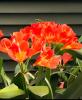
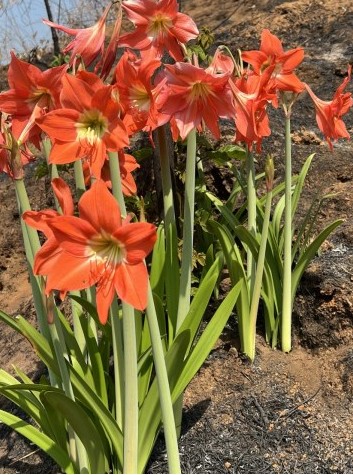
Hippeastrum puniceum is an accepted bulbous species native to tropical portions of South America and established beyond its native range in additional tropical and subtropical regions. It is particularly associated with the names Lily of the Palace, Barbados Lily, Red Barbados Lily, Fire Lily, Easter Lily, Cacao Lily, and Common Amaryllis. The species typically develops broad strap-shaped leaves and a thick flower stalk carrying several orange-red to reddish flowers, often with paler or greenish coloration near the throat. Modern ornamental hybrids can look substantially different, so flower color alone cannot confirm or exclude this species.
Historical Scientific Names
Older literature may identify Hippeastrum puniceum as Amaryllis punicea, Amaryllis equestris, or Hippeastrum equestre. Additional horticultural names and combinations were used inconsistently as botanists separated the American plants now called Hippeastrum from the South African genus Amaryllis. These historical names remain important because older poison lists, chemistry papers, nursery records, herbals, and regional references may use them. They do not identify separate pet-safe plants.
Amaryllis and Hippeastrum
The common name Amaryllis is used worldwide for large-flowered Hippeastrum bulbs, but botanically Amaryllis is a separate South African genus containing Amaryllis belladonna. Hippeastrum is an American genus containing the familiar boxed and potted holiday bulbs. Both groups belong to Amaryllidaceae and contain alkaloids capable of causing poisoning. A plant labeled only Amaryllis should therefore be preserved and identified rather than assumed to be one particular species.
Meaning of Hippeastrum
The name Hippeastrum is traditionally interpreted as Knight’s Star or Knight’s-Star Lily, referring to the prominent star-like flowers. Ridderstjerne and Ritterstern are Scandinavian and German common names with the same general meaning and may appear on European labels, care cards, gift packaging, and online product listings. These international names commonly refer to the same ornamental bulbs sold elsewhere as Amaryllis. They do not indicate a less toxic cultivar.
How to Recognize Hippeastrum
Hippeastrum grows from a large layered bulb with a basal plate and fleshy roots. The bulb may sit partly above the potting medium or may be sold loose, boxed, wrapped, or coated in decorative wax. Broad, flat, strap-shaped leaves arise directly from the bulb, while a thick, usually hollow and leafless flower stalk rises from the center. The stalk commonly bears several large trumpet-shaped, funnel-shaped, or star-shaped flowers.
Flower color may be scarlet, red, orange, salmon, pink, white, cream, greenish, striped, edged, speckled, or multicolored. Single and double cultivars are available, and some hybrids have exceptionally large flowers or unusually short stems. Flower color, size, doubling, striping, and cultivar price do not reveal alkaloid concentration. The bulb, leaf arrangement, hollow stalk, and clustered flowers are more useful identification features than color alone.
The Bulb Is the Greatest Practical Hazard
The bulb presents the greatest practical risk because it contains a compact mass of alkaloid-bearing tissue and has the strongest direct chemical evidence. A dog may chew or swallow a substantial portion before vomiting begins, especially when the bulb is loose, newly purchased, dormant, or recently removed from soil. One bulb can provide far more tissue than several bites of foliage. Small offsets, detached scales, basal plates, roots, and shriveled or moldy bulbs should receive the same precautions.
The exact concentration has not been compared in every tissue and cultivar, so it is more accurate to describe the bulb as the most concerning practical exposure than to claim a universal maximum concentration. A large leaf or flower ingestion can still cause significant illness. The veterinarian should know whether the animal ate the bulb, leaves, flowers, roots, or a mixed portion. Every fragment that can be recovered should be preserved.
Waxed and Soil-Free Bulbs
Holiday Amaryllis bulbs are frequently sold coated in wax and displayed without soil or water. Wax does not neutralize lycorine or the other alkaloids inside the bulb. Dogs may chew through decorative wax, glue, glitter, paint, foil, wire, plastic supports, fabric, or attached ornaments before reaching the plant tissue. These materials create foreign-body and additional chemical risks that must be reported with the plant ingestion.
Preserve samples or photographs of the coating and all attached decorations. Missing wire, plastic, ribbon, glass, foil, or hardened wax may justify imaging or endoscopic evaluation even when the plant poisoning itself appears mild. A waxed bulb should not be placed on a floor, low table, hearth, porch, or shelf accessible to pets. Lack of soil does not make it an artificial or harmless decoration.
Boxed and Stored Bulbs
Bulbs may be stored in closets, garages, cabinets, shopping bags, shipping boxes, gift baskets, or storage rooms before they are displayed. Dogs can detect and open the package even when the bulb has not been planted. Cardboard, plastic, fertilizer packets, decorative moss, stakes, and instructions may be swallowed along with the bulb. The incident can therefore involve plant alkaloids, obstruction risk, and nonplant ingredients at the same time.
Preserve the box, barcode, receipt, scientific name, cultivar name, source, fertilizer information, and decorative coating details. Estimate the amount of both bulb and packaging that is missing. Do not discard the remaining product merely because the animal has already vomited. The packaging may provide the most reliable identification available.
Leaves and Flowers
Leaves, flower stalks, flowers, pollen, ovaries, developing capsules, and seeds contain biologically active tissue and should remain inaccessible. These parts usually provide a smaller practical dose than the bulb, but repeated chewing can still cause meaningful gastrointestinal illness. Broken stalks and fallen flowers place fresh sap and pollen on floors, furniture, bedding, and pet coats. Cats may later ingest the residue during grooming.
A single small nibble is more likely to cause no signs or limited vomiting than severe systemic poisoning, but no amount is guaranteed safe for every animal. Small animals and those with pre-existing illness may tolerate fluid loss poorly. Repeated plant access can also make the total swallowed amount difficult to estimate. Remove fallen material promptly and inspect the plant for missing tissue.
Cut Flowers and Vase Water
Cut *Hippeastrum* flowers, hollow stalks, pollen, fallen tepals, and attached leaves should remain inaccessible. Pets should not drink water that has held the flowers because it may contain sap, plant fragments, floral preservatives, fertilizer residue, bacteria, and compounds released by every other plant in the arrangement. Removing the visible flowers does not make the remaining water suitable for drinking. Preserve the complete bouquet and preservative packet after an exposure.
Mixed arrangements may contain true Lilies, Daffodils, Tulips, Foxglove, Lily of the Valley, Oleander, or other plants with different toxic syndromes. In a cat, the presence of any true *Lilium* or *Hemerocallis* material creates a separate immediate kidney-injury emergency. Do not assume that the large Amaryllis flower is the only relevant plant. Every flower and piece of foliage should be identified.
Household Holiday Exposure
Hippeastrum is commonly brought indoors during winter and holiday periods when pets may have increased access to packages, decorations, guest belongings, and plants. Exposure may involve the bulb, potting medium, moss, fertilizer, planter drainage, wax, foil, ribbon, stakes, glass, stagnant water, or fallen flowers. Dogs may open boxed bulbs or knock over containers, while cats may chew moving leaves and flowers or drink from decorative vessels. The entire display should be evaluated rather than treating the incident as a simple leaf nibble.
Temporary displays may be placed in areas where plants are not normally kept, such as dining tables, hearths, entryways, offices, bedrooms, and gift-wrapping areas. Visitors may not recognize that the bulb is poisonous or may place it on the floor while unloading gifts. Secure storage is necessary before planting as well as after flowering. Dormant bulbs and discarded plants remain hazardous.
Garden and Naturalized Exposure
In warm climates, *Hippeastrum* may grow outdoors or persist around former homes, cemeteries, dumped garden waste, roadsides, vacant properties, woodland margins, and other disturbed sites. Dogs may dig up the bulbs, and livestock may encounter discarded clumps, nursery waste, or material thrown over a fence. Bulbs exposed by erosion, construction, wildlife, or landscaping can become accessible even when the plant was previously undisturbed. Location information is relevant because it explains the route of exposure.
Uprooted bulbs and divided offsets should never be left in piles accessible to animals. Yard waste may also contain pesticides, fertilizers, mold, sharp debris, and other poisonous plants. An animal eating from such a pile may have a mixed exposure. Preserve representative samples from the standing plants and the waste material.
Dogs
Dogs are particularly likely to ingest bulbs because they dig, carry objects, open packages, and chew fleshy underground structures. One dog may swallow bulb scales, roots, wax, foil, plastic, and potting material during the same incident. Early vomiting does not prove that every fragment has been expelled. Depression, profound weakness, repeated vomiting, fainting, tremors, or an abnormal pulse requires prompt examination.
Bulb exposure should be treated more urgently than a witnessed single leaf bite because the swallowed mass is often larger and more difficult to estimate. The owner should inspect the remaining bulb and packaging rather than relying on what was seen in the mouth. If the bulb is missing entirely, assume the largest plausible ingestion. Save fragments from vomit without handling them unnecessarily.
Cats
Cats are more likely to nibble leaves and flowers, bat at hanging blooms, drink vase or planter water, or groom pollen and sap from the coat. A cat may hide after vomiting or become unusually still, making weakness or dehydration difficult to recognize. Persistent vomiting, food refusal, drooling, inability to jump, reduced urination, or weakness requires veterinary care. Open-mouth breathing, tremors, collapse, or seizures is an emergency.
The common name Easter Lily creates a special identification problem. If the plant could be a true *Lilium* or Daylily rather than *Hippeastrum*, the cat requires immediate true-Lily treatment even before symptoms develop. Preserve the flower, leaves, bulb, label, and photographs. Do not delay while waiting for online identification.
Horses
Horses may encounter *Hippeastrum* through ornamental plantings, garden waste, discarded bulbs, nursery debris, cemetery flowers, or material mixed into feed and bedding areas. The acrid or unfamiliar plant may be avoided during ordinary grazing, but concentrated dumped material changes the exposure. Horses cannot vomit, so salivation, repeated swallowing, colic, diarrhea, feed refusal, depression, weakness, abnormal pulse, trembling, incoordination, or collapse may develop without plant material being expelled. Large-animal veterinary advice is required after a meaningful ingestion.
Do not drench a salivating, weak, or poorly swallowing horse. Preserve bulbs, leaves, flowers, feed, and nearby look-alikes. Inspect the area for Daffodil, Autumn Crocus, Oleander, Yew, pesticides, and other hazards. Other horses with access should also be evaluated or monitored.
Cattle, Sheep, and Goats
Livestock exposure is most likely when bulbs, uprooted clumps, nursery waste, cut flowers, or yard debris are discarded into pasture, feed areas, bale storage, or manure piles. Goats and hungry animals may investigate vegetation other livestock avoid. Salivation, reduced feed intake, abdominal pain, diarrhea, weakness, trembling, incoordination, abnormal pulse, or recumbency requires veterinary evaluation. The complete group may have been exposed even when only one animal is visibly ill.
Goats should not be used as an assumed safe disposal method for Amaryllis bulbs or foliage. Browsing behavior does not establish resistance to lycorine or other alkaloids. Preserve representative material and remove the entire source. Hay and feed should be inspected for additional bulbs or poisonous plants.
Rabbits and Guinea Pigs
Hippeastrum should never be offered as forage, enrichment, bedding, or a chew item. Rabbits and guinea pigs can consume a meaningful amount relative to body weight, and nausea or mouth discomfort may appear primarily as food refusal. Drooling, abdominal discomfort, diarrhea, reduced fecal production, weakness, or abnormal behavior requires prompt veterinary care. Appetite interruption can contribute to gastrointestinal stasis even when the direct toxic effects are limited.
Do not attempt vomiting because these species cannot vomit. Forced food or water may be aspirated when weakness or swallowing difficulty is present. Preserve the plant and determine whether bulb scales or packaging were swallowed. Species-experienced veterinary treatment should begin before prolonged anorexia develops.
Birds
Pet birds may shred leaves, flowers, stalks, bulb scales, or dried material and expose the beak, mouth, eyes, feet, skin, and digestive tract. Beak wiping, regurgitation, diarrhea, weakness, loss of balance, tremors, seizures, or unusual quietness requires avian veterinary guidance. Small birds can receive a proportionally substantial exposure from material that appears minor beside a dog. Bulbs and cut arrangements should not be displayed in bird-accessible rooms.
Plant material can also fall into cages, aviaries, water cups, or food dishes from nearby displays. Remove contaminated food and water and preserve the plant. Do not administer owner-selected charcoal, oil, or medication. Respiratory or neurologic signs require emergency care.
Lycorine and Vomiting
Lycorine has been detected widely throughout Amaryllidaceae and is one of the most consistent alkaloids in investigated *Hippeastrum* species. Controlled beagle-dog research demonstrated dose-dependent nausea and vomiting after purified lycorine administration, providing direct evidence for the characteristic emetic response. Additional research evaluated the receptor pathways and effectiveness of different antiemetic drugs. This work supports veterinarian-selected control of persistent vomiting but does not establish an intact-plant toxic dose.
The research dose involved purified lycorine under experimental conditions rather than a mixed bulb ingestion. An ornamental bulb contains numerous other alkaloids and may be swallowed with wax, packaging, soil, or foreign material. The duration and severity of illness can therefore differ from the experimental model. Clinical treatment should follow the patient rather than attempting to reproduce a research protocol.
Why Vomiting Does Not Guarantee Safety
Vomiting often limits the amount retained and helps explain why many exposures remain gastrointestinal rather than progressing to severe systemic illness. It is nevertheless a symptom of poisoning, not proof that the animal has treated itself successfully. Absorption may already have begun, and large bulb pieces, wax, wire, plastic, or other material may remain within the stomach. Continued vomiting can itself cause dehydration, electrolyte loss, aspiration, esophageal irritation, and hypotension.
An apparently empty stomach does not establish that the entire bulb was recovered. Compare the vomited fragments with the missing plant and packaging. Persistent retching, abdominal enlargement, pain, or inability to retain water warrants imaging or further evaluation. Do not repeatedly attempt home emesis after spontaneous vomiting has begun.
Protein-Synthesis Research
Lycorine has inhibited protein synthesis, cell growth, and cellular division in experimental systems, and these effects have contributed to antiviral, antifungal, anti-inflammatory, and anticancer research. Laboratory exposure can deliver purified compound directly to cells at concentrations that do not resemble a small plant nibble. The findings document biological activity but do not establish that every animal ingesting foliage develops generalized protein-synthesis inhibition. Public toxicology should preserve that distinction.
Cell-culture cytotoxicity also cannot be converted into a veterinary dose or prognosis. A substance may be active against a cultured tumor line without producing the same effect after oral plant ingestion. The clinically relevant evidence remains strongest for vomiting and the consequences of a substantial exposure. Laboratory results add mechanistic depth rather than a separate household syndrome.
Ascorbic-Acid Claims
Lycorine has been reported to inhibit ascorbic-acid synthesis in certain experimental organisms and tissues, but the importance of that effect during naturally occurring dog, cat, horse, or livestock poisoning has not been established. Dogs and cats also differ in their normal vitamin C physiology from many experimental organisms. Vitamin C is not a proven antidote and should not be administered as an owner-selected treatment. It cannot replace fluid therapy, blood-pressure support, airway care, or seizure control.
Galanthamine and Acetylcholinesterase
Galanthamine reversibly inhibits acetylcholinesterase and also influences nicotinic acetylcholine receptors. It is an important pharmaceutical compound obtained from selected Amaryllidaceae sources and has been identified in some *Hippeastrum* species. Its concentration varies substantially, and it is not necessarily abundant in every Lily of the Palace or holiday hybrid. The natural poisoning syndrome reflects the entire alkaloid mixture rather than a predictable pharmaceutical galanthamine dose.
When cholinesterase-inhibiting compounds are present in a meaningful amount, they may contribute to salivation, gastrointestinal activity, weakness, tremors, and autonomic abnormalities. That possibility does not justify atropine or another owner-selected antidote. Clinical signs may arise through several mechanisms, including lycorine-induced emesis and secondary dehydration. Treatment must be guided by the actual patient.
Hippeastrum puniceum Bulb Chemistry
A direct chemical investigation of *Hippeastrum puniceum* bulbs identified fifteen alkaloids through GC–MS. Lycorine, tazettine, 9-O-demethyllycoramine, and additional compounds were characterized or isolated, while the extracts also demonstrated acetylcholinesterase-inhibiting activity. Other work isolated 3-O-acetylnarcissidine and a glycosylated narciclasine alkaloid from the species. These studies provide strong evidence that the bulb contains a complex biologically active mixture.
The studies did not establish a dog or cat toxic dose or compare every bulb with every leaf and flower. The findings justify greater concern for substantial bulb exposure without supporting an exact number of poisonous bulb scales. Geography, genetics, plant age, storage, and extraction method may alter the measured profile. Modern hybrids may differ further from wild *H. puniceum*.
Other Hippeastrum Alkaloids
Haemanthamine, hippeastrine, homolycorine, vittatine, montanine, pancracine, pretazettine, narciclasine-related compounds, and many minor alkaloids have been identified across the genus. Their biological activities include cytotoxic, neurologic, vascular, antiproliferative, anticholinesterase, antiparasitic, and antimicrobial effects in various experimental models. An individual plant should not be assumed to contain every reported compound. The clinical significance of each constituent during natural pet poisoning remains less clearly defined than lycorine’s emetic effect.
Research on ornamental cultivars shows that two visually similar bulbs can have different alkaloid profiles. One hybrid may contain a compound that is minor or absent in another. Flower color and cultivar name do not permit a reliable clinical prediction. The exposed animal’s condition remains the central guide.
Cardiovascular Effects
Large *Hippeastrum* exposures have been associated in toxicology references with low blood pressure and cardiac rhythm abnormalities. These effects may reflect direct alkaloid activity, fluid loss, electrolyte disturbance, autonomic effects, stress, pain, and severe systemic illness. The pulse may become rapid, slow, weak, or irregular depending on the dominant problem. Fainting, weak pulses, pale or gray gums, cold extremities, or collapse requires blood-pressure and ECG monitoring.
A normal home heart-rate count does not exclude hypotension or intermittent rhythm disturbance. Owners may also have difficulty detecting pulse deficits or weak peripheral pulses. Serial clinical assessment is more reliable. Owner-selected heart or blood-pressure medication can worsen the condition and must not be given.
Neurologic Effects
Trembling, muscle fasciculations, weakness, stiffness, incoordination, altered awareness, seizures, and profound depression are recognized severe possibilities after large or concentrated exposure. They are not the routine expected result of a minor leaf nibble. Neurologic signs may also reflect dehydration, hypotension, glucose abnormalities, electrolyte disturbance, aspiration, or another toxin. Persistent or progressive abnormalities require emergency evaluation.
Severe paralysis, prolonged coma, or unusual delayed multisystem disease should broaden the differential diagnosis. Gloriosa, Autumn Crocus, pesticides, medication, mushrooms, and metabolic disease may produce overlapping or more severe syndromes. The presence of an Amaryllis plant nearby does not prove that it explains every sign. Preserve all possible exposure evidence.
Lily of the Palace Is Not a True Lily
Hippeastrum belongs to Amaryllidaceae and is not a member of the true-Lily genus Lilium. Its characteristic poisoning syndrome involves vomiting, diarrhea, abdominal pain, depression, dehydration, possible hypotension, and neurologic or cardiovascular effects after substantial exposure. True Lilies and Daylilies can cause acute kidney injury in cats after very small exposures. The two syndromes require different risk assessments.
A cat that chewed an unidentified flower called Lily should be treated according to the most dangerous plausible identity until the plant is confirmed. Do not assume that a bulbous plant with a trumpet-shaped flower is *Hippeastrum*. Preserve the leaves, flower, bulb, pollen, label, and photographs. Immediate true-Lily treatment should not be delayed by uncertain identification.
The Name Easter Lily Is Dangerous and Ambiguous
Hippeastrum puniceum is called Easter Lily in some regions, but Easter Lily commonly means Lilium longiflorum in North American veterinary practice. The true Lily can cause fatal acute kidney injury in cats even when the exposure appears small. An owner may report only “Easter Lily” without knowing which plant was involved. This ambiguity must be resolved urgently.
Preserve the complete plant and original label. In a cat, treat the incident as a true-Lily emergency until a veterinarian or qualified identifier confirms that the plant is not Lilium or Hemerocallis. Do not wait for kidney signs. The early gastrointestinal signs can overlap.
Fire Lily Is Also Ambiguous
Fire Lily may refer to *Hippeastrum*, but the name is also applied to Gloriosa superba, species of Cyrtanthus, and other brightly colored plants. Gloriosa superba contains colchicine-related toxins capable of causing severe delayed gastrointestinal, hematologic, neurologic, and multisystem disease. A common-name report of Fire Lily is therefore insufficient for treatment planning. Scientific identification is essential.
Preserve the complete plant rather than one flower. Leaf form, growth habit, underground structure, climbing behavior, and flower shape may distinguish the possibilities. Treatment should proceed according to the most dangerous plausible plant when identification is delayed. Do not assume a familiar red flower is Amaryllis.
Barbados Lily
Barbados Lily is one of the common names most closely associated with Hippeastrum puniceum. The name appears in regional floras, historical illustrations, traditional-use records, and poison references. Plants sold under this name should receive the same bulb, foliage, and flower precautions as other *Hippeastrum*. The common name does not establish a standardized cultivar or alkaloid concentration.
Belladonna Lily
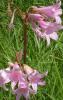
Belladonna Lily or Naked Lady usually refers to Amaryllis belladonna, a South African species in the same family. It is not the same genus as *Hippeastrum*, although both are widely called Amaryllis and both contain potentially harmful alkaloids. The plants differ in native range, flowering pattern, foliage timing, and chemistry. Neither should be offered to animals.
Older nursery labels and casual descriptions may blur the distinction. Preserve the bulb, flower, leaves, and label rather than relying on “Amaryllis.” Initial veterinary precautions remain similar because gastrointestinal poisoning is possible in both groups. Exact identification still improves the evidence assessment.
Daffodils and Other Lycorine Plants
Daffodils, Surprise Lilies, Snowdrops, Bush Lilies, Spider Lilies, and several other Amaryllidaceae plants contain lycorine or related alkaloids and can cause overlapping gastrointestinal and neurologic effects. Their bulbs may resemble one another when leaves and flowers are absent. An unidentified bulb could also be a Tulip, Onion, Autumn Crocus, or another plant with different toxicology. Preserve packaging and photographs whenever possible.
Evidence from a related Amaryllidaceae plant may help explain lycorine’s mechanism but should not be used to assign an exact dose to *Hippeastrum*. Different genera and tissues contain different mixtures. A shared vomiting syndrome does not prove identical cardiovascular or neurologic risk. Diagnosis should remain plant-specific whenever identification is possible.
Medicinal and Traditional Use
Several *Hippeastrum* species, including *H. puniceum*, have been used regionally in traditional remedies for wounds, inflammation, swelling, respiratory complaints, and other conditions. Historical use documents biological activity but does not establish safety or effectiveness in animals. Bulb poultices, teas, tinctures, powders, extracts, and fermented products may deliver concentrated alkaloids or cause direct irritation. They should not be applied to or administered to pets or livestock.
Laboratory interest in lycorine, galanthamine, narciclasine-related compounds, and other alkaloids has led to pharmacologic research. Pharmaceutical relevance does not make the crude plant a medicine. Dose, purity, route, and monitoring are fundamentally different. Accidental exposure to a concentrated product requires the original package.
Diagnosis
Diagnosis begins with identification of the plant, part consumed, maximum amount missing, time of exposure, onset of vomiting, and progression of gastrointestinal, cardiovascular, respiratory, or neurologic signs. Preserve the complete plant, bulb scales, basal plate, roots, leaves, flowers, pollen, seed structures, nursery tag, shipping box, receipt, wax coating information, product packaging, and vomited fragments. Photograph the original display and every nonplant material involved. The common name Amaryllis or Lily is not sufficiently specific by itself.
The history should distinguish a single leaf bite from ingestion of an entire bulb, a mass of scales, vase water, a dried herbal product, or a mixed bouquet. Estimate missing wax, foil, wire, plastic, ribbon, moss, fertilizer, and potting material. Spontaneous vomiting does not establish the retained dose. A veterinarian may need to investigate both poisoning and foreign-body risk.
Veterinary Evaluation
The veterinarian may assess hydration, gum color, capillary refill, pulse quality, blood pressure, heart rate and rhythm, temperature, abdominal pain, respiratory function, swallowing, gait, muscle strength, awareness, tremors, and seizure activity. Laboratory testing may include a complete blood count, electrolytes, glucose, kidney and liver measurements, acid-base status, and urinalysis. ECG monitoring is appropriate for an abnormal pulse, fainting, severe weakness, or significant hypotension. Serial blood-pressure measurements may be needed as absorption and fluid therapy progress.
Abdominal imaging or endoscopy may be considered when large bulb fragments, wax, wire, glass, plastic, foil, or other packaging could remain in the gastrointestinal tract. Chest imaging may be needed after coughing, fever, nasal discharge, or breathing difficulty following vomiting. A cat exposed to a possible true Lily requires separate kidney monitoring and immediate treatment. No routine laboratory test specifically confirms *Hippeastrum* poisoning.
Differential Diagnosis
Similar gastrointestinal or neurologic signs can result from Daffodil, Belladonna Lily, Surprise Lily, Spider Lily, Clivia, true Lily, Daylily, Lily of the Valley, Gloriosa, Autumn Crocus, pesticides, medication, mushrooms, pancreatitis, infection, and gastrointestinal obstruction. An unidentified bulb may be Onion, Tulip, Daffodil, or Autumn Crocus. Mixed bouquets and yard-waste piles can contain several toxic plants. Identification should not stop after the first plausible flower is recognized.
Primary acute kidney injury in a cat requires investigation for true Lilies and other renal toxins. Severe delayed bone-marrow suppression or multisystem organ failure is not the usual *Hippeastrum* presentation and should broaden the differential. Persistent abdominal distention or retching may indicate obstruction rather than alkaloid poisoning alone. The complete clinical pattern must guide diagnosis.
Prognosis
The prognosis is generally good after a small leaf or flower exposure that causes no signs or limited gastrointestinal illness and receives appropriate supportive care. The outlook becomes more guarded after substantial bulb ingestion, uncontrolled vomiting, severe dehydration, hypotension, arrhythmia, continuous tremors, seizures, aspiration, collapse, retained foreign material, or delayed treatment. Concentrated extracts and products also create greater uncertainty than intact foliage. Recovery depends on hydration, circulation, airway protection, neurologic stability, and management of complications.
Vomiting often limits the retained dose, but it can also worsen fluid loss and aspiration risk. Animals should not be discharged solely because vomiting has stopped if blood pressure, hydration, gait, appetite, or awareness remains abnormal. Persistent respiratory signs may develop after the initial gastrointestinal illness improves. Follow-up is determined by the severity of the exposure and complications.
Prevention
Keep loose, boxed, wax-coated, planted, dormant, and discarded bulbs outside areas accessible to dogs, cats, birds, rabbits, horses, and livestock. Account for every bulb, scale, offset, root, and piece of decorative material during unpacking, storage, repotting, division, and disposal. Prevent access to vase water, planter drainage, soaking water, moss, fertilizer, foil, ribbon, and packaging. Do not place discarded bulbs in open compost, yard-waste piles, pasture, feed areas, or accessible garbage.
Remove fallen flowers and broken stalks promptly and clean pollen or sap from floors, furniture, bedding, and coats. Preserve labels while the plant remains in the home. Verify ambiguous names such as Easter Lily and Fire Lily before relying on a lower-risk identification. In cat households, unidentified Lily-type plants should not be brought indoors.
Immediate Response
- Stop access immediately: Remove the animal from the plant, bulb, bulb scales, leaves, flowers, vase water, planter drainage, potting area, packaging, compost, or herbal preparation.
- Treat bulb ingestion as the higher-risk exposure: A whole bulb, multiple scales, an offset, or an uncertain missing amount warrants prompt veterinary or animal poison-control guidance even before severe signs appear.
- Preserve the complete evidence: Save the plant, bulb fragments, roots, flower stalk, flowers, nursery tag, box, barcode, receipt, cultivar name, wax-coating information, fertilizer packet, and vomited material.
- Estimate the maximum possible amount: Report the greatest amount that could be missing, when the exposure occurred, the animal’s weight, whether vomiting began, and whether the material was fresh, dried, powdered, extracted, or concentrated.
- Identify nonplant hazards: Report missing wax, glue, glitter, wire, foil, glass, plastic, ribbon, stakes, moss, potting material, fertilizer, floral preservative, and every other plant in the arrangement.
- Resolve ambiguous Lily names urgently: Treat an unidentified Easter Lily exposure in a cat as an immediate true-Lily emergency until reliable identification excludes Lilium and Hemerocallis.
Remove Loose Material Safely
- Remove only visible loose pieces: Carefully take bulb scales, leaf fragments, flower material, wax, or packaging from the lips and front of the mouth when this can be done safely.
- Avoid blind finger sweeps: Do not reach deeply into the throat or push plant or packaging material toward the airway or esophagus.
- Wipe accessible residue: A damp cloth may be used to remove loose sap or debris from the lips and front of the mouth in a fully alert animal.
- Do not force rinsing: Pouring or syringing water into the mouth can cause aspiration when nausea, weakness, tremors, or poor swallowing is present.
- Decontaminate the coat: Wear gloves, remove pollen, sap, wax, and fragments, then wash contaminated fur with lukewarm water and mild pet-safe shampoo.
- Prevent grooming: Keep the animal from licking the coat until plant material and decorative residues have been removed.
Do Not Induce Vomiting at Home
- Do not give hydrogen peroxide automatically: The decision depends on species, time, amount, symptoms, bulb size, packaging ingestion, and aspiration risk.
- Never give peroxide to a cat: Hydrogen peroxide is not a safe feline emetic and can cause severe gastric and esophageal injury.
- Do not use salt or household emetics: Mustard, ipecac, oil, syrup, dish soap, detergent, manual gagging, and fingers in the throat are unsafe.
- Never induce vomiting after signs begin: Do not attempt emesis in an animal that is vomiting repeatedly, heavily drooling, weak, depressed, trembling, uncoordinated, seizuring, collapsed, breathing abnormally, or swallowing poorly.
- Do not induce vomiting in species incapable of vomiting: Horses, rabbits, guinea pigs, and similar species must never receive an emetic.
- Reserve emesis for professional direction: A veterinarian may consider controlled emesis after a recent meaningful exposure only when the patient remains alert, stable, asymptomatic, and able to protect the airway.
Bulb ingestion may involve large fragments and foreign material that make uncontrolled vomiting less desirable. Wire, glass, sharp plastic, rigid wax, or bulky bulb pieces can injure the esophagus or become lodged. Spontaneous vomiting should not be followed by repeated home attempts to induce additional emesis. The veterinarian may need imaging before deciding whether further decontamination is appropriate.
Activated Charcoal and Other Home Remedies
- Do not administer activated charcoal at home: A veterinarian may consider it after a substantial recent bulb or concentrated-product ingestion, but it is not necessary for every small foliage exposure.
- Never force charcoal: Do not give it to a vomiting, weak, sedated, trembling, seizuring, collapsed, breathing-impaired, or poorly swallowing animal.
- Do not use household charcoal: Barbecue briquettes, fireplace ash, burned food, and homemade carbon are not veterinary activated charcoal.
- Do not repeat charcoal without monitoring: Repeated administration can contribute to aspiration, dehydration, constipation, and electrolyte abnormalities.
- Do not give milk, yogurt, bread, or oil: These products do not neutralize lycorine or other Amaryllidaceae alkaloids.
- Do not give vitamin C: Experimental ascorbic-acid findings do not make vitamin C an antidote for Hippeastrum poisoning.
- Do not give human gastrointestinal medication: Antacids, loperamide, bismuth, kaolin-pectin products, and owner-selected sucralfate do not neutralize the alkaloids and may complicate treatment.
- Do not give human pain medication: Ibuprofen, naproxen, acetaminophen, and aspirin can cause additional poisoning.
- Do not give owner-selected heart or blood-pressure drugs: Stimulants, decongestants, vasopressors, beta blockers, calcium-channel blockers, or antiarrhythmics may worsen cardiovascular instability.
- Do not give antihistamines or corticosteroids as antidotes: They do not neutralize lycorine and are not universal treatment for plant poisoning.
- Do not give herbal preparations: Teas, tinctures, essential oils, supplements, and additional plant products can add another pharmacologically active exposure.
- Do not use leftover veterinary medication: Prescription drugs must be selected according to the animal’s rhythm, blood pressure, hydration, neurologic status, and species.
Food, Water, Vomiting, and Diarrhea
- Do not force food: A nauseated, vomiting, weak, trembling, or poorly responsive animal may aspirate.
- Offer water only when safe: Small amounts of fresh water may remain available only when the animal is fully alert, swallowing normally, and not vomiting repeatedly.
- Do not force oral fluids: Syringed or poured water cannot correct severe dehydration or hypotension and may enter the lungs.
- Track every episode: Record vomiting and diarrhea frequency, appearance, blood, mucus, bulb scales, wax, packaging, leaves, flowers, or other recovered material.
- Save representative fragments: Place plant and packaging material recovered from vomit or stool in a sealed disposable container for identification.
- Watch for dehydration: Dry or tacky gums, reduced urination, worsening lethargy, weakness, sunken eyes, or inability to retain water requires veterinary care.
- Watch for aspiration: Coughing, gagging, nasal discharge, fever, rapid breathing, or worsening respiratory effort after vomiting may indicate material entered the lungs.
- Report possible obstruction: Repeated retching, abdominal enlargement, severe pain, or continued vomiting after packaging or a large bulb was swallowed may indicate retained foreign material.
Food may be withheld temporarily or reintroduced gradually according to veterinary instructions. The timing depends on vomiting, hydration, abdominal findings, neurologic status, and whether retained bulb fragments or foreign material are suspected. Persistent vomiting should be controlled professionally rather than treated with household medication. A patient unable to retain water may require intravenous therapy.
Recognize Hypotension, Arrhythmia, and Poor Perfusion
- Watch for sudden weakness: Repeated lying down, reluctance to stand, inability to walk, fainting, or collapse can indicate poor circulation.
- Check gum color: Pale, gray, or blue-tinged gums require immediate veterinary assessment.
- Observe the pulse: A rapid, slow, irregular, weak, or difficult-to-detect pulse may accompany hypotension, dehydration, electrolyte disturbance, or arrhythmia.
- Feel the extremities: Unusually cold ears, feet, or limbs can accompany reduced peripheral perfusion.
- Watch mental status: Extreme quietness, confusion, reduced responsiveness, stupor, or collapse may reflect inadequate blood flow to the brain.
- Monitor urination: Reduced urine output may indicate dehydration, hypotension, or secondary kidney stress.
- Do not rely on one home heart-rate count: A normal rate does not exclude weak pulses, intermittent rhythm abnormalities, or clinically important low blood pressure.
Keep the animal quiet and minimize excitement, walking, barking, struggling, and heat while arranging care. Cardiovascular demand can worsen weakness or fainting. Do not attempt to correct low blood pressure with caffeine, decongestants, salt, or another improvised product. Accurate blood-pressure measurement and ECG monitoring require veterinary equipment.
Tremors, Seizures, and Collapse
- Do not put anything in the mouth: Keep hands, spoons, cloth, food, water, and medication away from the mouth during a seizure.
- Do not hold the tongue: Dogs and cats do not swallow their tongues, and attempting to hold it can cause severe injury.
- Protect without pinning: Clear nearby objects and use folded blankets as barriers without restraining the limbs.
- Reduce stimulation: Lower noise and light when possible without delaying emergency transport.
- Time the episode: Record when tremors or seizures begin and end and whether normal awareness returns.
- Seek immediate care: Continuous tremors, any seizure, repeated seizures, collapse, inability to stand, or loss of consciousness is an emergency.
- Consider another toxin: Profound paralysis, delayed multisystem disease, or unusual neurologic progression requires investigation beyond Hippeastrum alone.
Safe Transportation
- Keep the animal quiet: Limit unnecessary handling and activity because dehydration, hypotension, and neurologic instability can worsen suddenly.
- Prevent falls: Keep a weak or uncoordinated animal away from stairs, pools, traffic, furniture edges, and hard obstacles.
- Carry when safe: Use a carrier, stretcher, rigid board, or blanket rather than forcing a weak animal to walk.
- Do not muzzle a vomiting animal: A muzzle can interfere with breathing and prevent vomit from leaving the mouth.
- Position carefully: Keep the neck in a natural position and avoid compressing the chest or abdomen.
- Call ahead: Tell the clinic that a Hippeastrum bulb, Amaryllidaceae alkaloid, possible true-Lily, or mixed bulb-and-packaging exposure is suspected.
- Bring all evidence: Take the plant, bulb, packaging, photographs, product labels, and recovered vomit fragments with the animal.
Veterinary Decontamination and Foreign-Material Assessment
A veterinarian may consider controlled emesis after a recent substantial ingestion when the patient remains alert, stable, asymptomatic, and able to protect the airway. Emesis may be inappropriate after repeated vomiting, weakness, tremors, altered awareness, respiratory abnormalities, or ingestion of sharp or bulky packaging. The expected benefit must be weighed against aspiration and esophageal injury. Horses, rabbits, and guinea pigs are managed without emesis.
Large bulb pieces, wax, wire, foil, plastic, glass, stakes, or other foreign material may remain after spontaneous vomiting. Abdominal radiographs, ultrasound, endoscopy, or another procedure may be considered according to the material and clinical findings. Gastric lavage is reserved for selected severe situations and requires anesthesia, endotracheal intubation, and continuous monitoring. Cardiovascular, respiratory, and neurologic stabilization takes priority over further decontamination.
Veterinary activated charcoal may be considered after a meaningful recent bulb or concentrated-product exposure when the airway is protected and gastrointestinal function permits. Evidence does not support forcing charcoal into every animal that nibbles a leaf. Repeated doses are not routine and require careful fluid, sodium, and aspiration monitoring. The decision should be individualized rather than mechanically applied.
Veterinary Examination and Monitoring
The veterinarian may assess hydration, gum color, capillary refill, pulse quality, heart rate, ECG rhythm, blood pressure, body temperature, abdominal pain, swallowing, respiratory function, gait, muscle strength, awareness, tremors, and seizure activity. Serial measurements are often more useful than one initial value because blood pressure and hydration can change as vomiting continues or fluids are administered. Urine production should be monitored in significantly dehydrated or hypotensive patients. A suspected true-Lily exposure in a cat requires immediate renal monitoring and separate treatment priorities.
Laboratory testing may include a complete blood count, electrolytes, glucose, kidney and liver measurements, acid-base status, blood gases, and urinalysis. Potassium, sodium, calcium, magnesium, and glucose abnormalities can worsen weakness, arrhythmia, or neurologic signs. Chest imaging may be required after aspiration concerns, while abdominal imaging may identify retained bulb or packaging. No routine blood test confirms that *Hippeastrum* was the cause.
Veterinary Treatment
Veterinarian-selected anti-nausea medication may reduce continued vomiting, discomfort, fluid loss, and aspiration risk after decontamination decisions are completed. Lycorine research in dogs supports the importance of neurokinin-1 pathways, but treatment must still be selected for the individual patient rather than copied directly from an experimental protocol. Persistent vomiting may require more than one supportive measure. Oral medication may not be retained in a repeatedly vomiting animal.
Intravenous crystalloids are used to correct clinically important dehydration and restore appropriate circulating volume. Fluid therapy should be adjusted according to blood pressure, heart function, electrolyte status, respiratory condition, and urine production. Patients with severe cardiac disease, reduced urine output, or pulmonary complications require additional caution. Repeated reassessment helps avoid both inadequate resuscitation and excessive fluid administration.
Persistent clinically important hypotension may require veterinarian-selected vasopressor support after appropriate volume deficits have been addressed. Vasopressors do not replace necessary fluid resuscitation in a hypovolemic patient and require blood-pressure, ECG, and perfusion monitoring. Significant arrhythmias require rhythm-specific treatment based on ECG findings, electrolyte values, and cardiovascular status. An owner-selected heart drug can worsen the wrong rhythm.
Veterinarian-selected anticonvulsants, muscle relaxants, sedatives, or anesthetic support may be required for continuous tremors or seizures. Treatment should occur alongside correction of oxygenation, glucose, electrolytes, temperature, acid-base disturbance, and hypotension. Oxygen, suctioning, intubation, or assisted ventilation may be needed for aspiration, collapse, severe neurologic depression, or respiratory failure. Aspiration pneumonia and foreign-body complications require separate targeted treatment.
Horses and Livestock
- Remove the source: Prevent access to bulbs, ornamental clumps, nursery waste, cut plants, contaminated feed, compost, and dumped landscaping material.
- Do not attempt emesis: Horses cannot vomit, and vomiting should not be attempted in ruminants or other livestock through household methods.
- Do not drench a symptomatic animal: Weak, salivating, trembling, recumbent, or poorly swallowing animals can aspirate water, oil, charcoal, or medication.
- Keep weak ruminants sternal when safe: Lateral recumbency can worsen bloat and aspiration risk.
- Evaluate the full group: Other animals may have consumed the same material and can develop signs at different times.
- Preserve representative samples: Retain bulbs, scales, foliage, flowers, feed, hay, packaging, and nearby look-alike plants.
- Obtain large-animal veterinary care: Intravenous fluids, blood-pressure support, ECG monitoring, colic treatment, seizure control, and management of complications may be required.
Large-animal treatment is based on the clinical syndrome rather than an assumed dose. Salivation, feed refusal, colic, diarrhea, weakness, abnormal pulse, trembling, incoordination, or recumbency warrants examination. The veterinarian may also investigate Daffodil, Autumn Crocus, Yew, Oleander, pesticides, and other materials mixed into the waste or feed. Do not force a weak animal to walk.
Monitoring, Recovery, and Prognosis
- Monitor eating and drinking: Continued nausea, food refusal, vomiting, or inability to retain water requires reassessment.
- Monitor strength and gait: Worsening lethargy, stumbling, fainting, tremors, or inability to rise requires immediate care.
- Monitor urination: Reduced output may indicate dehydration, hypotension, or secondary kidney stress.
- Watch for delayed aspiration: Coughing, fever, nasal discharge, rapid breathing, or renewed lethargy may appear after vomiting improves.
- Watch for retained foreign material: Recurrent vomiting, abdominal pain, distention, or appetite loss may indicate wax, packaging, or bulb fragments remain.
- Restrict activity: Keep recovering animals quiet until hydration, blood pressure, appetite, gait, breathing, and neurologic function are normal.
- Report recurrent signs: Renewed vomiting, diarrhea, weakness, abnormal pulse, tremors, seizures, coughing, or collapse requires prompt reevaluation.
Small leaf or flower exposures causing no signs or limited gastrointestinal upset generally have a good prognosis. Major bulb ingestion, uncontrollable vomiting, severe dehydration, persistent hypotension, clinically important arrhythmia, continuous tremors, seizures, aspiration, retained foreign material, collapse, or a concentrated product creates a more guarded outlook. Prevention requires securing every bulb and scale, controlling holiday displays and vase water, preserving labels, and disposing of plant debris in closed locations inaccessible to animals.
Frequently Asked Questions About Lily of the Palace and Animal Poisoning
Why is the bulb more concerning than a leaf or flower?
The bulb provides a compact mass of alkaloid-containing tissue and has the strongest direct chemical evidence. A dog can consume a large portion rapidly while opening a box, chewing a waxed display, digging in a pot, or carrying a discarded bulb.
Direct research confirms complex alkaloid mixtures in *Hippeastrum puniceum* bulbs and ornamental hybrid bulbs. Comparative studies have not proved that every bulb always contains the highest concentration, but the practical swallowed dose makes bulb ingestion the more consequential exposure.
Is one bite of an Amaryllis leaf likely to be fatal?
A single small leaf or flower bite is more likely to cause no signs or limited gastrointestinal upset than fatal poisoning. Drooling, nausea, vomiting, diarrhea, appetite loss, or lethargy may still occur.
No validated safe dose exists, and the true amount may be uncertain. A small witnessed nibble and an unwitnessed missing bulb should not be treated as equivalent exposures.
Does vomiting mean the bulb has been completely removed?
No. Vomiting may reduce the retained amount, but lycorine and other compounds may already have been absorbed. Large bulb fragments, wax, foil, wire, plastic, or other packaging can remain within the stomach.
Repeated vomiting can also cause dehydration, electrolyte loss, hypotension, and aspiration. Continued retching, abdominal pain, enlargement, or inability to retain water requires examination.
Are wax-coated Amaryllis bulbs poisonous?
Yes. The wax does not neutralize the alkaloids within the bulb. Dogs may chew through decorative wax, glue, glitter, foil, wire, plastic, or attached ornaments before swallowing plant tissue.
The nonplant material may add obstruction, laceration, or chemical risk. Preserve the entire display and report every missing component to the veterinarian.
Why does the page use Hippeastrum species instead of one exact species?
Lily of the Palace is associated particularly with Hippeastrum puniceum, but holiday Amaryllis bulbs are frequently complex hybrids or plants labeled only by cultivar. Flower appearance alone may not identify the wild ancestors reliably.
A genus-level page covers the shared lycorine and Amaryllidaceae-alkaloid risk while preserving the fact that exact chemistry varies among species and hybrids.
What does lycorine do?
Lycorine is strongly associated with nausea and vomiting. Controlled dog studies demonstrated a dose-dependent emetic response after purified lycorine administration and investigated the receptor pathways involved.
Those studies support lycorine’s role in the gastrointestinal syndrome but do not establish how many leaves or how much bulb would produce the same effect in a pet eating the intact plant.
Does every Hippeastrum contain the same alkaloids?
No. Alkaloid profiles differ among wild species, ornamental hybrids, cultivars, tissues, developmental stages, and growing conditions. Research on named cultivars demonstrated substantial chemical variation among bulbs that all looked like ordinary holiday Amaryllis.
No flower color, striping pattern, double form, wax color, or cultivar name can be used to declare a plant safe. Every bulb and plant should receive the same practical precautions.
Does Amaryllis poisoning cause kidney failure in cats?
Primary acute kidney failure is not the characteristic *Hippeastrum* syndrome. Severe dehydration or hypotension can still impair kidney function secondarily.
True Lilies in the genera Lilium and Hemerocallis can cause catastrophic acute kidney injury in cats after very small exposures. An unidentified Lily must be treated according to that higher-risk possibility until it is identified.
What should I do if the label says Easter Lily?
In a cat, treat the exposure as an immediate true-Lily emergency until a veterinarian or qualified plant identifier confirms that it is not Lilium longiflorum or another true Lily. Do not wait for symptoms or assume the plant is *Hippeastrum puniceum*.
Bring the complete plant, flower, leaves, bulb, pot, label, and photographs. The same common name can refer to plants with radically different toxic syndromes.
Is Fire Lily the same plant as Lily of the Palace?
Fire Lily is one common name used for some *Hippeastrum*, but it is also applied to unrelated plants including Gloriosa superba and certain Cyrtanthus species. Gloriosa contains colchicine-related toxins and can cause severe delayed multisystem poisoning.
Do not rely on the common name alone. Preserve the complete plant and treat according to the most dangerous plausible identity until identification is secure.
Are leaves and flowers safe once the bulb is removed?
No. Leaves, stalks, flowers, pollen, developing capsules, seeds, and sap contain biologically active tissue and can cause poisoning. The practical dose is often smaller than a bulb exposure, but repeated chewing can still produce significant gastrointestinal illness.
Fallen flowers and broken stalks can also contaminate floors, furniture, bedding, and coats. Cats may later ingest residue while grooming.
Is vase water from cut Amaryllis safe?
No. Vase water may contain sap, plant fragments, floral preservatives, fertilizer residue, bacteria, and compounds released by every other flower in the arrangement.
A mixed bouquet may also contain true Lilies or other more dangerous plants. Preserve the entire arrangement and prevent access to the water.
Can vitamin C reverse lycorine poisoning?
No reliable evidence supports vitamin C as an antidote for *Hippeastrum* poisoning. Experimental findings involving ascorbic-acid synthesis do not establish a clinically useful treatment in dogs, cats, horses, or livestock.
Vitamin C cannot correct dehydration, hypotension, aspiration, arrhythmia, or seizures. Treatment should address the animal’s actual clinical abnormalities.
Can galanthamine in the plant cause a cholinergic syndrome?
Galanthamine has been identified in some *Hippeastrum* species, but its concentration varies and it is not necessarily prominent in every ornamental hybrid. Cholinesterase inhibition may contribute to salivation, gastrointestinal activity, weakness, or tremors when enough active compound is present.
The natural plant syndrome reflects a mixed alkaloid exposure rather than a standardized pharmaceutical dose. Owners should not administer atropine or another antidote without veterinary direction.
Should I make my dog vomit after it eats an Amaryllis bulb?
Do not induce vomiting unless a veterinarian or animal poison-control specialist specifically directs it after evaluating the dog. The decision depends on the amount, time, symptoms, packaging, bulb size, foreign-material risk, and ability to protect the airway.
Do not give peroxide to a cat under any circumstances, and do not attempt vomiting in a weak, vomiting, trembling, seizuring, collapsed, sedated, breathing-impaired, or poorly swallowing animal.
Does activated charcoal always help after bulb ingestion?
No. A veterinarian may consider activated charcoal after a substantial recent bulb or concentrated-product exposure when the airway is protected and the expected benefit exceeds the risks.
It should not be forced into a vomiting, weak, trembling, seizuring, collapsed, or poorly swallowing animal. A minor foliage nibble does not automatically require charcoal.
Can bulb packaging be more dangerous than the plant?
Both can matter. Wire, glass, rigid plastic, foil, ribbon, stakes, hardened wax, and large cardboard pieces can cause obstruction, laceration, or aspiration, while the bulb causes alkaloid poisoning.
Preserve the entire display and estimate every missing component. Imaging or endoscopy may be needed even when the gastrointestinal signs could otherwise be explained by lycorine.
What findings require immediate emergency care?
Repeated vomiting with inability to retain water, severe abdominal pain or enlargement, profound weakness, pale or gray gums, weak pulses, fainting, an abnormal heartbeat, continuous tremors, any seizure, breathing difficulty, collapse, or reduced responsiveness requires immediate care.
Coughing, fever, nasal discharge, or rapid breathing after vomiting may indicate aspiration. Reduced urination can indicate significant dehydration or poor perfusion.