Mock Azalea Cardiac Glycoside Poisoning, Hyperkalemia, Arrhythmias, and Collapse
Is Mock Azalea Poisonous to Dogs, Cats, Horses, and Livestock?
Yes—Mock Azalea, Adenium obesum, is highly poisonous to dogs, cats, horses, livestock, birds, rabbits, guinea pigs, reptiles, and other animals. The same plant is more widely sold as Desert Rose. It contains numerous cardenolide cardiac glycosides that inhibit sodium-potassium ATPase and can produce digitalis-like poisoning. Early drooling, vomiting, diarrhea, abdominal pain, appetite loss, or depression may progress to severe potassium abnormalities, heart block, slow or rapid arrhythmias, weakness, collapse, seizures, respiratory failure, and death.
Direct chemical research has confirmed approximately 30 cardiac glycosides in the roots and stems, while separate investigation of the fruit pods isolated a large mixture that included additional cardiac glycosides. No plant part has been established as safe. The caudex, roots, bark, stems, leaves, sap, flowers, pods, seeds, fresh cuttings, grafting material, dried branches, and discarded bonsai or landscape trimmings should all remain inaccessible.
Flowers deserve particular emphasis. A published veterinary case documented critical cardiac-glycoside poisoning after a blue-and-gold macaw ate one Desert Rose flower. The bird became moribund with collapse, apparent seizure activity, cyanotic tissues, shock, severe bradycardia, gastrointestinal bleeding, and extreme hyperkalemia. That case does not prove that every single flower will poison every animal equally, but it confirms that flowers cannot be dismissed as decorative, diluted, or nontoxic portions of the plant.
A normal appearance immediately after ingestion does not establish safety. The pulse may initially seem normal, gastrointestinal signs may be mild, and clinically important rhythm or electrolyte abnormalities may not be detectable without an ECG and laboratory testing. The rhythm can also change during the poisoning, making home-selected heart medication or electrolyte treatment especially dangerous.
Mock Azalea is not a true Azalea. True Azaleas are Rhododendron species that contain grayanotoxins, while Desert Rose belongs to Apocynaceae and contains cardiac glycosides. Both can cause vomiting, weakness, cardiovascular abnormalities, collapse, and death, but they disrupt different cellular targets and require toxin-specific assessment.
About this guide: This page provides general pet-poisoning information and cannot diagnose or treat an individual animal. For any suspected exposure, contact a veterinarian or animal poison-control service immediately. Do not induce vomiting, give medication, or attempt home decontamination unless directed by a veterinary professional.
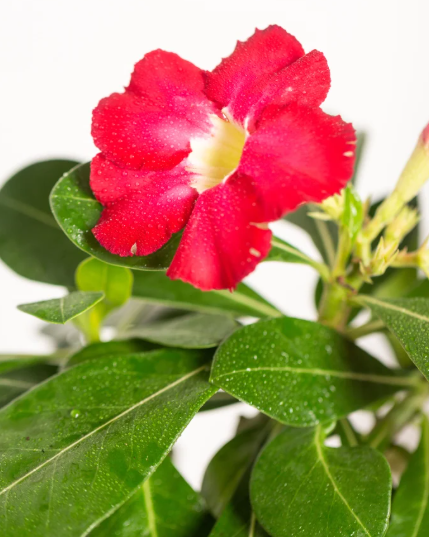
Mock Azalea
Adenium obesum (Forssk.) Roem. & Schult.
Peter Forsskål originally described the plant as Nerium obesum in 1775. Johann Jacob Roemer and Josef August Schultes transferred it to Adenium in 1819, creating the accepted combination Adenium obesum (Forssk.) Roem. & Schult.
Accepted homotypic synonyms based upon the same original type include:
- Cameraria obesa (Forssk.) Spreng.
- Nerium obesum Forssk.
Accepted heterotypic synonyms under the current broad treatment of Adenium obesum include:
- Adenium arabicum Balf.f.
- Adenium arboreum Ehrenb.
- Adenium coetaneum Stapf
- Adenium honghel Lindl.
- Adenium micranthum Stapf
- Adenium obesum subsp. socotranum (Vierh.) Lavranos
- Adenium obesum subsp. somalense (Balf.f.) G.D.Rowley
- Adenium socotranum Vierh.
- Adenium somalense Balf.f.
- Adenium somalense var. caudatipetalum Chiov.
- Adenium somalense var. crispum Chiov.
- Adenium speciosum Fenzl
- Adenium tricholepis Chiov.
Taxonomic treatments differ among global botanical databases, regional floras, and specialist succulent horticulture. Current broad treatment accepts A. obesum across western tropical Africa, northeastern and eastern Africa, Socotra, and the southern Arabian Peninsula. Other plants formerly placed beneath A. obesum are currently recognized as separate accepted species, including Adenium boehmianum, A. dhofarense, A. multiflorum, A. oleifolium, and A. swazicum.
Commercial Desert Roses are frequently grafted, selected, and hybridized. A plant labelled only Adenium may therefore be A. obesum, another accepted species, a regional form, or an interspecific hybrid. All Adeniums should be treated as cardiac-glycoside hazards unless exact chemical evidence establishes otherwise.
Apocynaceae — Dogbane Family
Mock Azalea; Desert Rose; Desert-Rose; Desert Azalea; Adenium; Common Adenium; Sabi Star; Sabi-Star; Impala Lily; Kudu Lily; Bottle-Tree Adenium; Bottle Tree; Dwarf Bottle Tree; Elephant’s Foot; Elephant Foot Plant; Mock Rose; Japanese Frangipani; Honghel; Honghel Tree; Socotra Desert Rose; Somali Desert Rose; Arabian Desert Rose; Karoo Rose; Adenium Bonsai
Historical and synonymized scientific names include Nerium obesum, Cameraria obesa, Adenium arabicum, Adenium arboreum, Adenium coetaneum, Adenium honghel, Adenium micranthum, Adenium socotranum, Adenium somalense, Adenium speciosum, and Adenium tricholepis.
“Mock Azalea” is not a true Azalea or Rhododendron. “Japanese Frangipani” can create confusion with Plumeria, while “Elephant’s Foot” is used for several unrelated caudiciform and succulent plants. “Impala Lily,” “Kudu Lily,” and “Desert Rose” may also be applied to other accepted Adenium species or horticultural hybrids.
Commercial labels may emphasize a flower-series, cultivar, breeder, graft, or regional name rather than the botanical identity. Double-flowered, triple-flowered, ruffled, striped, variegated, miniature, giant-caudex, and unusual-color forms should all receive the same cardiac-glycoside precautions.
Confirmed Cardiac Glycoside Hazard
Mock Azalea contains potent cardioactive steroids called cardenolides or cardiac glycosides. These compounds have a narrow margin between biological activity and dangerous toxicity and can destabilize the electrical and mechanical function of the heart.
The toxicologic classification is supported by exact-species chemical investigation rather than by common-name association alone. Roots and stems yielded approximately 30 cardiac glycosides, including 15 known compounds and 15 new combinations of previously known steroidal aglycones and sugars. Separate analysis of the fruit pods isolated 42 compounds belonging to cardiac-glycoside, triterpenoid, and steroid classes.
The plant contains a mixture rather than one solitary toxin. The identity, concentration, and relative proportions of glycosides can vary with plant part, geography, genetics, cultivar, hybrid ancestry, age, season, drought, horticultural conditions, and analytical method.
Roots and Stems
The roots and stems have the strongest direct documentation of extensive cardiac-glycoside content. The major glycoside in one detailed investigation was oleandrigenin β-gentiobiosyl-β-D-thevetoside. The same research characterized numerous additional combinations of oleandrigenin-, digitoxigenin-, and gitoxigenin-related structures.
Named compounds reported from Adenium research include honghelosides, hongheline, somaline, digitalinum verum, 16-acetylstrospeside, obeside-related compounds, obebiosides, obetriosides, and other structurally related glycosides. The exact nomenclature is chemically useful but should not suggest that only one or two named molecules determine the clinical outcome.
Roots and the swollen caudex are particularly important during repotting and bonsai work. A dog can pull the plant from its container and chew large, water-rich pieces that contain far more tissue than one leaf. Root-pruning scraps may also remain succulent and attractive after removal.
The woody appearance of an older stem does not make it inert. Bark, cambium, sap-bearing tissue, and the interior wood should remain inaccessible whether the branch is fresh, wilted, dry, carved, or discarded.
Fruit Pods, Flowers, and Seeds
Fruit-pod research confirmed a complex mixture that included cardiac glycosides. Paired Adenium follicles are therefore not merely dry seed containers; they are toxic plant tissues capable of exposing an animal before or after they split.
Seeds should be treated as highly concerning. Chewing disrupts the seed coat and releases concentrated internal tissue. No study establishes a pet-safe number of seeds, and their small size makes it difficult to determine how many were swallowed after a pod opens.
Direct veterinary evidence now confirms that flowers can cause systemic toxicosis. A blue-and-gold macaw became critically ill after eating one flower, demonstrating that an animal does not need to reach the caudex, roots, or bark to experience severe poisoning.
The amount absorbed from one flower by one macaw cannot be converted into a universal lethal threshold for every bird or mammal. It does establish that flowers must be collected promptly and must not be used as cage decoration, food garnish, toys, or animal-safe floral material.
Leaves, Bark, Sap, and Other Tissues
No raw plant part has been established as safe. Leaves, bark, young stems, old branches, roots, caudex tissue, flowers, pods, seeds, grafting scions, rootstock, and plant sap should all be treated as poisonous.
Direct quantitative chemistry is not equally complete for every tissue. The absence of one published concentration from one plant part does not justify offering that part to an animal, especially in a vascular plant that transports and stores defensive metabolites across multiple organs.
Freshly broken tissue may release clear, white, cream-colored, or sticky sap. Sap on fur, feathers, paws, beaks, or skin can later be swallowed during grooming. An animal that merely brushed the plant may therefore develop an oral exposure without being observed chewing it.
Sodium-Potassium ATPase Inhibition
Cardiac glycosides bind to sodium-potassium ATPase, a membrane pump that normally exports sodium from cells while importing potassium. The pump supports cellular electrical gradients, nerve conduction, muscle activity, cardiac rhythm, and cell-volume control.
When the pump is inhibited, intracellular sodium rises and potassium movement is disrupted. The sodium-calcium exchanger becomes less able to remove calcium from cardiac cells, and intracellular calcium availability increases.
At carefully controlled pharmaceutical doses, related compounds can increase the strength of cardiac contraction. In poisoning, excess intracellular calcium and altered membrane excitability create abnormal automaticity, delayed afterdepolarizations, conduction slowing, and unstable rhythms.
The autonomic nervous system and atrioventricular node may also be affected. That combination explains how one patient can develop increased contractility, a slow sinus rate, heart block, premature ventricular beats, and later a rapid ventricular rhythm.
Changing Cardiac Rhythms
Mock Azalea poisoning does not produce one dependable pulse pattern. Possible abnormalities include sinus bradycardia, sinus tachycardia, atrioventricular block, junctional rhythms, premature atrial or ventricular complexes, atrial tachyarrhythmias, ventricular tachycardia, bidirectional ventricular tachycardia, ventricular fibrillation, and electrical standstill.
The rhythm can change as absorption continues, potassium shifts, vomiting alters hydration, circulation worsens, and treatment begins. A medication appropriate for one ECG pattern may be ineffective or harmful after the rhythm changes.
A normal or apparently regular home pulse cannot exclude intermittent block, premature complexes, short runs of ventricular tachycardia, or an evolving electrolyte abnormality. ECG monitoring is more informative than a single owner-counted heart rate.
Hyperkalemia and Other Electrolyte Abnormalities
Severe acute sodium-potassium-pump inhibition can shift potassium out of cells and produce hyperkalemia. Marked potassium elevation can slow conduction further, worsen weakness, and contribute to fatal arrhythmias.
Potassium concentration is an important severity marker, but it must be measured. Vomiting, diarrhea, dehydration, kidney disease, diuretics, insulin, glucose therapy, prior electrolyte supplementation, and the timing of blood collection can alter the result.
Sodium, magnesium, calcium, glucose, acid-base balance, kidney perfusion, blood pressure, and oxygenation also influence cardiac stability. This is why household electrolyte drinks, potassium products, salt, calcium, and unmonitored heart medication are dangerous.
Gastrointestinal Effects
Cardiac glycosides commonly stimulate gastrointestinal and central vomiting pathways. Drooling, nausea, repeated vomiting, abdominal pain, diarrhea, appetite loss, and depression may be the first recognized signs.
Vomiting can remove some unabsorbed material, but it is not protective enough to justify observation without cardiovascular assessment. An animal may vomit once, appear improved, and later develop a conduction abnormality or collapse.
Repeated vomiting and diarrhea create secondary dehydration, electrolyte shifts, aspiration risk, and poor kidney perfusion. Blood in vomit or stool may reflect severe mucosal injury, coagulopathy, shock, forceful vomiting, or another complication.
Neurologic and Respiratory Effects
Weakness, ataxia, tremors, disorientation, dilated pupils, seizures, stupor, and coma may develop in severe cases. These signs can reflect direct central effects, arrhythmia-related cerebral hypoperfusion, extreme electrolyte disturbance, shock, or inadequate oxygen delivery.
Respiratory distress may arise from cardiovascular collapse, pulmonary edema, aspiration, seizure activity, metabolic acidosis, or terminal respiratory weakness. Blue-gray mucous membranes, open-mouth breathing, gasping, or shallow ineffective respiration requires immediate intervention.
Drying, Wilting, Boiling, and Composting
Cardiac glycosides should not be assumed to disappear when plant material wilts or dries. Fallen leaves, dormant branches, dried bonsai cuttings, seed pods, roots, floral material, and storm debris remain unsafe.
Boiling, burning, freezing, weather exposure, and early composting do not create a dependable detoxification method. Plant smoke, contaminated tools, ash, compost fragments, and cooking or extraction liquid introduce additional exposure routes.
Possible Intestinal Reabsorption
Some cardiac glycosides undergo biliary excretion and intestinal reabsorption. This enterohepatic cycling can prolong exposure and contribute to recurrent abnormalities after apparent improvement.
Repeated activated-charcoal treatment may be considered for selected hospitalized patients when the expected benefit outweighs dehydration, electrolyte, aspiration, constipation, and obstruction risks. The airway must be protected, and repeated cathartics are not automatically appropriate.
Exact recirculation varies among individual Adenium glycosides and has not been mapped completely. The broader cardiac-glycoside mechanism supports prolonged monitoring without claiming that every compound follows the same pharmacokinetic path.
Digoxin-Specific Immune Fab
Digoxin-specific immune Fab consists of antibody fragments designed to bind free digoxin. Because many plant cardenolides share related steroidal structures, immune Fab can also bind certain nontablet cardiac glycosides.
Veterinary and experimental evidence supports its use in severe Oleander and pharmaceutical-digoxin poisoning. It may be considered for life-threatening Adenium poisoning involving unstable arrhythmias, major hyperkalemia, cardiovascular collapse, or progressive toxicity that cannot be controlled adequately with supportive care.
Binding strength and required quantity can differ among plant glycosides. A pharmaceutical digoxin calculation may not correspond perfectly to the number or affinity of Adenium cardenolides present. Product availability, cost, patient size, renal function, clinical response, and consultation with a veterinary toxicologist or criticalist all affect its use.
Immune Fab should not be described as guaranteed or universally available, but it is the most important specific antidotal option for severe plant cardiac-glycoside poisoning.
No Safe Household Dose or Antidote
No validated safe or lethal dose exists for dogs, cats, horses, livestock, birds, rabbits, guinea pigs, reptiles, or other domestic animals. Risk depends on the tissue, amount, crushing, extraction, plant chemistry, species, body size, cardiac health, concurrent medication, vomiting, potassium, and treatment delay.
No food, oil, dairy product, supplement, electrolyte drink, charcoal food, or household medicine neutralizes the toxin safely. Treatment requires veterinary decontamination when appropriate, ECG monitoring, laboratory assessment, rhythm-specific care, seizure and respiratory support, and consideration of immune Fab in severe cases.
Onset and the Initially Quiet Patient
Signs may begin within a few hours, but exact timing varies with the tissue, amount, chewing, stomach contents, species, body size, and plant chemistry. An animal may remain outwardly normal during an early absorption period.
Gastrointestinal signs commonly appear first, yet a mild stomach reaction does not predict a mild cardiac course. Conversely, a dangerous arrhythmia can develop before the owner notices prolonged vomiting or diarrhea.
Cardiac-glycoside abnormalities can persist, change, or recur over several days. Observation should be based on ECG, electrolytes, circulation, and clinical progression rather than a fixed number of symptom-free hours selected at home.
Drooling, Vomiting, Diarrhea, and Abdominal Pain
Early findings may include lip licking, hypersalivation, repeated swallowing, nausea, retching, vomiting, diarrhea, abdominal discomfort, appetite loss, depression, and inactivity. Vomit may contain leaves, petals, bark, root, seed, pod fragments, potting medium, or sap.
Repeated vomiting can cause dehydration and aspiration. Horses, rabbits, guinea pigs, and several other species cannot vomit normally, so absence of vomiting does not indicate a safer exposure.
Bloody regurgitation, blood in vomit, black stool, or bloody diarrhea can occur in severe systemic illness but is not required for diagnosis. It warrants immediate evaluation for mucosal injury, shock, coagulopathy, another toxin, or foreign material.
Bradycardia, Heart Block, and Slow Rhythms
Affected animals may develop a slow pulse, pauses, dropped beats, atrioventricular block, junctional escape rhythms, or intermittent electrical silence. Owners may notice weakness, cold extremities, reluctance to move, fainting, or a pulse that seems unusually slow or difficult to find.
Severe bradycardia was a defining abnormality in the documented macaw case. That single case does not mean every Adenium patient will be bradycardic; rapid and mixed rhythms are also possible.
Tachyarrhythmias and Ventricular Instability
Premature ventricular complexes, ventricular tachycardia, bidirectional ventricular tachycardia, and ventricular fibrillation may occur. The pulse may feel rapid, irregular, weak, or intermittently absent because not every electrical beat produces an effective contraction.
Sudden collapse or death may be the first obvious sign of a malignant ventricular rhythm. Continuous ECG monitoring is preferable to occasional pulse counts after a meaningful ingestion.
Weakness, Poor Perfusion, and Collapse
Pale, muddy, gray, or blue-gray mucous membranes; delayed capillary refill; cold feet or ears; weak pulses; low blood pressure; wobbling; exercise intolerance; reluctance to stand; and collapse may reflect inadequate cardiac output.
Affected animals should be kept calm. Chasing, struggling, forced walking, repeated attempts to make a weak animal stand, and stressful transport can increase oxygen demand and aggravate cardiovascular instability.
Potassium-Associated Findings
Severe hyperkalemia may contribute to weakness, flaccidity, conduction slowing, rhythm abnormalities, and cardiovascular collapse. The outward signs are not specific enough to diagnose potassium concentration without blood testing.
The 2026 macaw case documented potassium above the laboratory’s measurable range after one flower was ingested. That dramatic finding confirms the potential severity of Adenium exposure but should not be turned into an assumption that every patient has the same electrolyte pattern.
Neurologic Signs
Disorientation, altered pupils, tremors, rigid posture, abnormal gait, apparent seizure activity, recurrent seizures, stupor, and coma may occur in advanced poisoning. These findings can arise from direct toxicity, hypoperfusion, hypoxia, electrolyte abnormalities, hypoglycemia, severe acidosis, or terminal arrhythmia.
Any seizure or marked change in awareness is a critical emergency. Food, water, medication, and fingers must be kept out of the mouth during active convulsions.
Respiratory Distress
Panting, rapid shallow breathing, increased abdominal effort, open-mouth breathing, neck extension, gasping, cyanosis, and weak respiratory movements indicate serious cardiopulmonary compromise.
Possible mechanisms include shock, arrhythmia, pulmonary edema, aspiration after vomiting, seizure complications, metabolic disturbance, or cardiopulmonary arrest. Breathing difficulty must not be managed as simple nausea or sap irritation.
Dogs
Dogs may initially develop drooling, vomiting, diarrhea, appetite loss, or depression. More severe poisoning can cause weakness, staggering, tremors, abnormal pupils, irregular pulse, fainting, breathing difficulty, seizures, collapse, or sudden death.
Common canine exposures include fallen flowers, chewed branches, seed pods, exposed roots, uprooted plants, bonsai scraps, grafting material, and landscape trimmings. A dog may ingest substantial caudex or root tissue while digging through a pot.
A dog that appears normal after a witnessed bite still requires urgent professional guidance. Clinical appearance alone cannot exclude intermittent rhythm abnormalities or developing hyperkalemia.
Cats
Cats may bite leaves or flowers, play with pods, climb into a planter, or groom sap from their paws and coat. Possible findings include drooling, vomiting, hiding, food refusal, weakness, dilated pupils, abnormal breathing, collapse, or seizures.
Cats frequently conceal early illness, and their small body size can make one chewed flower or a few plant fragments proportionally important. Open-mouth breathing, marked weakness, or collapse requires immediate emergency treatment.
Horses and Livestock
Horses may develop salivation, feed refusal, colic, diarrhea, depression, sweating, weakness, arrhythmias, breathing difficulty, recumbency, or sudden death. They cannot vomit and may therefore lack a prominent sign seen in dogs and cats.
Cattle, sheep, goats, pigs, camelids, and other livestock may be exposed when tropical landscaping, greenhouse plants, storm-damaged shrubs, or nursery waste is discarded into an enclosure. More than one animal may become ill after sharing the same branches or uprooted plant.
Repeated driving, sorting, or forcing a weak animal to walk can worsen cardiovascular stress. The entire group should be removed quietly from the source and evaluated.
Birds
Birds may chew flowers, succulent stems, bark, leaves, pods, or seeds and can release a large amount of sap by shredding plant tissue. Regurgitation, weakness, abnormal balance, depression, respiratory distress, bradycardia, collapse, rigid posture, or seizures is possible.
A direct veterinary case involved a blue-and-gold macaw that ate one flower. The bird collapsed rapidly, developed apparent seizure activity and cyanosis, and presented in shock with profound bradycardia and severe hyperkalemia. Intensive treatment continued for twelve days, and long-term follow-up reported normal behavior three years later.
This successful recovery demonstrates that severe poisoning is not automatically fatal, but it also confirms that flower-only exposure can become life-threatening.
Rabbits, Guinea Pigs, and Reptiles
Small herbivores may develop drooling, food refusal, abdominal discomfort, diarrhea, weakness, abnormal heart rate, tremors, collapse, or gastrointestinal stasis. They should never receive Adenium as forage, browse, or chewing enrichment.
Direct reptile evidence is limited. Herbivorous reptiles and tortoises should not have access to Desert Rose in planted enclosures. Food refusal, regurgitation, weakness, abnormal movement, breathing changes, or reduced responsiveness requires species-experienced care.
Sap, Skin, and Eye Signs
Local contact may cause burning, redness, itching, facial rubbing, or dermatitis. Sap on fur or feathers remains an ingestion hazard until it is removed.
Eye exposure may cause tearing, blinking, eyelid spasm, redness, swelling, cloudiness, discharge, and persistent pain. Local irritation does not exclude simultaneous systemic poisoning if the animal also chewed the plant.
Sudden Death
Death may result from ventricular fibrillation, severe conduction block, profound hyperkalemia, shock, seizures, aspiration, respiratory failure, or cardiopulmonary arrest. A patient can deteriorate quickly even after an apparently mild gastrointestinal beginning.
Finding an animal dead near a Desert Rose does not prove causation. Plant fragments, complete specimens, vomit or crop contents, medications, pesticides, and other environmental evidence should be preserved for diagnostic investigation.
Duration and Prognosis
Animals that remain hemodynamically stable, maintain normal potassium, and never develop clinically important rhythm abnormalities generally have a favorable prognosis after appropriate observation.
The outlook becomes guarded with persistent bradycardia, advanced heart block, ventricular arrhythmias, marked hyperkalemia, shock, gastrointestinal bleeding, aspiration, recurrent seizures, respiratory failure, or delayed treatment.
Recovery is possible after critical poisoning. Prognosis should be based on the patient’s actual rhythm, potassium, blood pressure, oxygenation, organ function, response to treatment, and access to intensive care rather than a blanket statement that treatment usually fails.
Accepted Identity and the Broader Adenium Problem
Mock Azalea is Adenium obesum, a semisucculent shrub or small tree in the Dogbane family. It is more widely recognized as Desert Rose and is cultivated for its swollen trunk base, sculptural branching, drought tolerance, and large colorful flowers.
Current broad botanical treatment includes several historically separated regional names within A. obesum. Other plants formerly treated as subspecies or varieties are accepted as separate species. Horticultural publications may therefore use A. arabicum, A. somalense, A. socotranum, A. multiflorum, A. swazicum, and additional names differently.
This taxonomic disagreement does not create a safe ornamental plant. All Adenium species, regional forms, grafts, and hybrids should be treated as cardiac-glycoside hazards unless reliable species-specific evidence proves otherwise.
Native Range and Dryland Habitat
The broadly treated species is native from western tropical Africa across portions of the Sahel, northeastern and eastern Africa, Socotra, Oman, Saudi Arabia, and Yemen. It grows primarily in dry shrubland, rocky slopes, open woodland, and seasonally arid landscapes.
The plant survives long dry periods through water storage in its enlarged basal stem, roots, and fleshy branches. Dormancy, seasonal leaf loss, and an apparently lifeless branch structure do not mean the plant has become chemically inactive.
The Caudex
The swollen basal structure is commonly called a caudex. In cultivated plants it may be raised above the soil deliberately to create a dramatic bottle-shaped or bonsai appearance.
The caudex is not a harmless water reservoir. It is living stem and root-associated tissue connected to the same vascular system as the cardenolide-containing roots and branches. Dogs may chew it after knocking over a pot, and livestock may consume it when an entire discarded plant is placed in an enclosure.
Caudex rot creates an additional exposure. Soft decomposing tissue may contain plant toxins together with bacteria, fungi, fertilizer, pesticide, and contaminated potting material.
Roots, Stems, and Bark
Roots and stems contain the best-documented complex of cardiac glycosides. Older roots can be thick and fleshy, while young roots may be fine and numerous. Every root fragment produced during repotting should be collected.
Branches are thick, smooth, gray-green to brown, and repeatedly divided. Young growth may remain succulent, while older stems become woody. Both conditions remain toxic.
Cut bark and stem tissue can release sticky sap. Pruning tools, grafting knives, wire, gloves, work surfaces, and clothing may become contaminated and later transfer material to an animal’s mouth or eyes.
Leaves
Leaves are simple and spirally arranged but often appear clustered near branch tips. Their shape ranges from narrow and oblong to broader toward the tip, depending on regional form, cultivar, hybrid ancestry, and growing conditions.
Plants may shed leaves during cool weather, drought, transplant stress, root problems, or changes in light. Fallen, wilted, yellow, and dried leaves must all be removed from animal-accessible areas.
Flowers
Wild-type flowers are funnel-shaped and commonly pink to reddish with a pale throat. Modern breeding has produced white, yellow, purple-toned, striped, edged, ruffled, double, triple, and multicolored flowers.
Flower color and petal number do not establish reduced toxicity. Grafting a decorative cultivar onto another Adenium rootstock also does not remove cardiac glycosides from either half of the plant.
Flowers detach readily and may fall from a windowsill, patio container, hedge, greenhouse bench, or bonsai display. The documented macaw case confirms that one flower can contain enough bioactive material to produce critical illness in a susceptible animal.
Paired Fruit Pods and Wind-Dispersed Seeds
Successful pollination can produce two elongated follicles joined near their bases. The pods enlarge, dry, and split lengthwise, releasing numerous seeds with silky hairs.
Direct chemical analysis of the fruit pods identified cardiac glycosides among dozens of isolated compounds. Pods should be removed or enclosed before they split where pets, birds, livestock, or children can reach them.
The floss may drift across a room or yard carrying attached seeds. Seeds and pod pieces should not be used for craft projects, bird nesting material, cage decoration, sensory play, or pet toys.
Grafting, Hybridization, and Cultivars
Commercial Desert Roses are commonly grafted to combine a desirable flowering top with a vigorous rootstock. Rootstock shoots may differ visibly from the grafted canopy, but both should be treated as poisonous.
Hybridization has produced an enormous diversity of flower shapes and colors. Breeding for ornamental appearance does not demonstrate that cardenolide-production pathways have been removed.
A plant may also be mislabelled. The response to a suspected exposure should be based on the physical specimen and the possibility of an Adenium cardiac-glycoside plant rather than confidence in a decorative trade name.
Houseplant and Patio Exposure
Indoor and patio specimens may drop flowers and leaves beneath furniture, onto balconies, or beside other plants. Cats can jump to elevated displays, birds can fly to them, and dogs may reach fallen material even when the pot itself is high.
Drainage water may contain fertilizer, systemic pesticide, fungicide, decaying root material, and sap. Decorative gravel, pumice, perlite, bark, wire, plant labels, and broken ceramic create foreign-body risks during the same incident.
Height alone is not reliable prevention. Physical separation must account for falling flowers, climbing animals, flying birds, wind, and accidental pot breakage.
Bonsai, Root Pruning, and Repotting
Desert Rose is frequently trained as bonsai because its caudex and branching resemble an aged miniature tree. Maintenance may include branch pruning, root trimming, grafting, wiring, defoliation, and lifting the caudex progressively above the soil.
These procedures expose exactly the roots and stems in which extensive cardiac-glycoside chemistry has been documented. Small scraps may be difficult to see against soil, bark, pumice, or work mats.
The work area should remain closed to animals until every fragment has been collected, tools and surfaces have been cleaned, contaminated soil has been secured, and the plant has stopped dripping sap.
Landscape, Nursery, and Storm-Debris Exposure
In warm climates, Adenium may be grown as a patio specimen, flowering shrub, greenhouse crop, nursery plant, courtyard accent, or mass landscape display. Storms, frost, construction, and pruning can place large quantities of loose material on the ground.
Branches and uprooted plants must never be discarded into horse paddocks, livestock pens, poultry yards, rabbit areas, tortoise enclosures, open compost, or wildlife feeding areas. Mixed ornamental debris may also contain Oleander, Yellow Oleander, Azalea, Yew, Lantana, Sago Palm, or other highly poisonous plants.
Dogs and Cats
Dogs may chew exposed roots, caudex tissue, low branches, fallen flowers, pods, seeds, and bonsai scraps. Puppies may pull over a container and ingest plant material, fertilizer, stone, wire, and pot fragments together.
Cats may bite flowers and leaves, climb into the pot, play with silky seeds, or groom sap from their paws. They may hide early gastrointestinal or cardiovascular illness, making a quiet or withdrawn cat after exposure especially concerning.
Horses and Livestock
Mock Azalea is not a routine pasture weed. Most large-animal exposures are created when greenhouse stock, houseplants, landscape trimmings, or storm-damaged shrubs are thrown into an enclosure.
Horses cannot vomit and may present with salivation, colic, diarrhea, weakness, sweating, arrhythmias, respiratory distress, recumbency, or sudden death. Cattle, sheep, goats, pigs, and camelids may be exposed as a group.
Do not assume only one animal ate the plant. Remove the entire group quietly, secure all debris, and preserve representative material before cleanup.
Birds
Birds are capable of cutting through flowers, bark, pods, and succulent stems rapidly with the beak. Shredding spreads sap over the mouth, feathers, feet, cage, food, and water.
One exact-species case now provides especially important evidence. A 33-year-old male blue-and-gold macaw consumed a flower from an indoor Desert Rose. The owners observed loss of balance, foaming at the mouth, darkening of the facial skin, collapse, and apparent seizure activity.
Two hours after exposure, the bird was moribund, recumbent, in shock, and profoundly bradycardic. It subsequently regurgitated blood and passed melena, and its initial plasma potassium exceeded the analyzer’s upper reporting limit. Intensive supportive treatment continued for twelve days. At three-year follow-up, the owners reported normal behavior without residual clinical signs.
The case demonstrates both the severity of flower exposure and the possibility of recovery with prolonged intensive care. It does not justify copying every treatment used in one macaw into a universal dog, cat, livestock, or bird protocol.
Rabbits, Guinea Pigs, and Other Exotics
Adenium must never be used as browse, forage, cage decoration, nesting material, perches, or live terrarium vegetation. Small animals can receive a substantial dose from a seemingly modest piece.
Food refusal in a rabbit or guinea pig creates a secondary gastrointestinal-stasis risk before the cardiac syndrome is fully characterized. Reptile metabolism and clinical progression vary with species and environmental temperature, making forced home treatment especially unsafe.
Published Chemical Documentation
Plant Resources of Tropical Africa summarized the plant’s cardiac-glycoside research as follows:
“In Adenium obesum the presence of some 30 cardiotoxic glycosides has been demonstrated, which act in a similar way as digitalis from Digitalis. Digitalis acts upon the Na+K+-ATPase enzyme that regulates the concentrations of Na+ and K+ ions in body cells and so also modifies the Ca++ concentration. In low doses it is used to treat congestive heart failure (CHF) and heart rhythm problems (atrial arrhythmias), but in high doses it leads to systolic heart failure and death.
“Several of the cardiac glycosides from Adenium obesum have oleandrigenin as aglycone moiety, e.g. hongheloside A (with D-cymarose), hongheloside C (with D-cymarose and D-glucose) and 16-acetylstrospeside (with D-digitalose). Other glycosides include: hongheline (composed of digitoxigenin with D-thevetose), somaline (composed of digitoxigenin with D-cymarose) and digitalinum verum (composed of gitoxigenin with D-digitalose and D-glucose). The roots and stems contain the same glycosides and in similar amounts. Oleandrigenin and some of the glycosides derived from it have cytotoxic effects and are being studied as potential components of anticancer drugs.
“The ethanol extract of the roots slows down the growth of Bacillus subtilis, but has not shown activity against Pseudomonas aeruginosa, Staphylococcus aureus or Candida albida. Extracts from the root have shown a cytotoxic effect against several carcinoma cell lines. The aqueous stem bark extract is a potential acaricide as it shows high toxicity on all stadia of development of the ticks Amblyomma spp. and Boophilus spp.”
The antimicrobial, cytotoxic, and acaricidal findings describe experimental biological activity. They do not make raw plant material, sap, root extract, or homemade preparations appropriate treatments for animals.
Historical Arrow and Hunting Poison
Adenium roots, bark, wood, and sap have been incorporated into traditional arrow or hunting-poison preparations in parts of Africa. Concentration and combination methods varied among communities and sometimes included additional poisonous plants or animal materials.
This history demonstrates that concentrated Adenium material can produce powerful systemic effects. It does not provide a reproducible dose for modern veterinary prediction.
Traditional poison extraction should never be attempted. Crushing, heating, soaking, boiling, filtering, or concentrating the plant can contaminate skin, eyes, tools, cookware, water, soil, and indoor surfaces with potent material.
Traditional Medicine and Laboratory Research
Roots, bark, stems, and sap have been used historically for infections, wounds, parasites, nasal complaints, dental problems, reproductive purposes, and additional conditions. Experimental work has investigated cytotoxic, antimicrobial, acaricidal, molluscicidal, and antiviral activities.
Biological activity is not the same as clinical safety. The same membrane-active cardiac glycosides that create laboratory effects can cause vomiting, hyperkalemia, heart block, ventricular arrhythmias, shock, and death.
No homemade Adenium tea, wash, wound product, parasite remedy, powder, extract, or sap preparation should be applied to or administered to an animal.
Mock Azalea Versus True Azalea
True Azaleas belong to Rhododendron in Ericaceae. Their grayanotoxins keep voltage-gated sodium channels abnormally activated, producing salivation, vomiting, weakness, bradycardia, hypotension, and collapse.
Mock Azalea belongs to Apocynaceae and inhibits sodium-potassium ATPase through cardiac glycosides. The syndromes overlap clinically, but the molecular targets, laboratory concerns, and antidotal options differ.
Mock Azalea Versus Oleander
Oleander, Nerium oleander, is a related Apocynaceae shrub containing oleandrin and other cardiac glycosides. It usually has long narrow leaves arranged along upright branches and lacks the prominent swollen Adenium caudex.
Both plants can cause fatal digitalis-like poisoning. Uncertain identification should increase urgency rather than delay treatment.
Mock Azalea Versus Madagascar Palm and Frangipani
Madagascar Palms are Pachypodium species. Many have a swollen trunk and leaves clustered near branch tips but usually possess conspicuous spines. Their sap is toxic or irritating, and uncertainty should not be treated casually.
Frangipani plants are Plumeria species with thick branches, milky sap, large leaves, and showy flowers. They generally lack the strongly swollen Adenium caudex. Plumeria exposure is more commonly associated with irritant gastrointestinal and sap effects rather than the extensively documented Adenium cardenolide mixture.
Diagnosis
Diagnosis combines plant identification with the tissue, amount, timing, chewing, vomiting, body size, medication history, gastrointestinal signs, ECG, blood pressure, potassium, additional electrolytes, glucose, acid-base balance, kidney function, oxygenation, and response to treatment.
Preserve a complete branch with leaves and flowers, caudex or root material, pods, seeds, nursery labels, photographs, graft information, and fragments recovered from the mouth, vomit, crop, stool, feed area, or enclosure.
No visual inspection or single laboratory test can define the complete exposure. Continuous or repeated assessment may be required because the rhythm and potassium concentration can change.
Digoxin Immunoassays
Immunoassays designed for pharmaceutical digoxin may cross-react with structurally related plant glycosides. A detectable digoxin-like value can support a cardiac-glycoside diagnosis when interpreted with the plant history, ECG, and potassium.
Cross-reactivity differs among assay platforms and compounds. The result does not equal the actual total concentration of Adenium glycosides and should not be compared uncritically with therapeutic digoxin ranges.
A negative test cannot exclude poisoning. Sampling time, assay design, compound structure, protein binding, and prior immune-Fab treatment may affect detection.
Prognosis
Promptly treated animals that maintain stable circulation, normal potassium, adequate breathing, and no clinically important arrhythmia generally have a favorable outlook.
Marked hyperkalemia, persistent heart block, ventricular tachyarrhythmias, shock, gastrointestinal bleeding, recurrent seizures, aspiration, respiratory failure, or delayed treatment creates a guarded-to-poor prognosis. Access to specialist critical care and immune Fab may materially affect the outcome.
Prevention
Mock Azalea should not be kept where animals can reach the living plant or anything that falls from it. This includes homes with climbing cats, free-flying birds, plant-chewing dogs, rabbits, tortoises, poultry, and other roaming animals.
Wear gloves and eye protection during pruning, grafting, and repotting. Close the work area, collect every leaf, flower, branch, root, pod, and seed, clean tools and surfaces, and place waste directly into a closed animal-inaccessible container.
Immediate Response
- Stop further exposure: Remove the animal from the living plant, fallen flowers, leaves, branches, exposed roots, caudex, seed pods, seeds, sap, and pruning or repotting debris.
- Call urgently: Contact a veterinarian or animal poison-control service as soon as ingestion is suspected because cardiac and potassium abnormalities can develop after an initially quiet period.
- Keep the animal calm: Limit running, chasing, struggling, repeated restraint, and unnecessary handling because exertion can worsen an unstable rhythm or poor circulation.
- Preserve the complete plant: Save leaves, flowers, stems, bark, roots, caudex material, pods, seeds, nursery labels, cultivar information, and photographs.
- Save recovered fragments: Preserve representative material from the mouth, vomit, crop, stool, cage, paddock, or feed area in a sealed container.
- Protect other animals: Prevent access to the plant, vomit, contaminated bedding, sap-covered tools, and discarded fragments.
- Estimate the maximum exposure: Report the greatest amount that could be missing rather than only the portion directly observed.
Recognize an Emergency
- Watch the pulse: A rapid, slow, weak, irregular, intermittently absent, or difficult-to-detect pulse may indicate serious cardiac-glycoside poisoning.
- Watch coordination: Weakness, wobbling, trembling, rigid posture, inability to stand, fainting, or collapse requires immediate treatment.
- Watch breathing: Rapid, labored, shallow, gasping, open-mouth, or weak breathing is an emergency.
- Watch awareness: Dilated pupils, confusion, stupor, seizures, coma, or reduced responsiveness indicates severe illness.
- Watch gastrointestinal signs: Repeated vomiting, profuse diarrhea, blood, severe abdominal pain, or inability to retain water requires prompt care.
- Do not wait for every sign: A dangerous rhythm can occur before a complete symptom list develops.
Remove Loose Material from the Mouth
- Wear gloves: Sap and plant fragments may contain cardiac glycosides and can irritate human skin or eyes.
- Remove only accessible pieces: Carefully take loose flowers, leaves, bark, stems, roots, pods, and seeds from the lips and front of the mouth when handling is safe.
- Avoid blind sweeps: Do not reach deeply into the throat or push material toward the airway.
- Wipe visible sap: Use a damp cloth on the lips and front of the mouth in a fully alert animal.
- Rinse only when safe: A gentle low-pressure rinse may be considered only when the animal is conscious, breathing normally, swallowing normally, and able to protect the airway.
- Stop if coughing or gagging begins: Further oral cleaning becomes unsafe when swallowing is impaired.
Do Not Induce Vomiting at Home
- Do not give hydrogen peroxide automatically: Mock Azalea can cause spontaneous vomiting, arrhythmias, weakness, tremors, seizures, collapse, and impaired swallowing.
- Never give peroxide to a cat: Hydrogen peroxide can cause serious feline gastric and esophageal injury.
- Never induce vomiting after signs begin: Do not attempt emesis in an animal that is vomiting, weak, trembling, collapsed, seizing, breathing abnormally, sedated, or swallowing poorly.
- Do not use household emetics: Salt, mustard, ipecac, dish soap, oil, syrup, fingers in the throat, and manual gagging are unsafe.
- Do not induce vomiting in horses, livestock, rabbits, guinea pigs, birds, or reptiles: These species either cannot vomit normally or face unacceptable procedural risks.
- Allow professional selection: A veterinarian or poison-control professional may consider controlled emesis only in an appropriate fully alert, stable, asymptomatic dog after a recent exposure.
Activated Charcoal
- Do not give charcoal yourself: A vomiting, weak, arrhythmic, trembling, seizing, collapsed, or poorly swallowing animal can inhale charcoal into the lungs.
- Allow veterinary administration: Activated charcoal may reduce absorption when used after airway, cardiovascular, hydration, and timing assessment.
- Expect case-specific decisions: Repeated charcoal may be considered to interrupt intestinal reabsorption of selected cardiac glycosides.
- Do not repeat doses without direction: Repeated charcoal can cause dehydration, electrolyte abnormalities, constipation, high blood sodium, obstruction, or aspiration.
- Do not use household charcoal: Barbecue briquettes, fireplace ash, burned food, and homemade carbon are not medical activated charcoal.
Do Not Give Heart Medication or Electrolytes
- Do not give potassium: Severe acute cardiac-glycoside poisoning may already have produced dangerous hyperkalemia.
- Do not give calcium yourself: Calcium treatment must be selected from measured potassium, the ECG, the species, and the complete clinical condition.
- Do not give atropine: It may be useful for selected symptomatic slow rhythms but can be inappropriate when another rhythm is present.
- Do not give lidocaine or another antiarrhythmic: Treatment must match the documented ECG abnormality.
- Do not give digoxin or another heart drug: Pharmaceutical cardiac glycosides, beta blockers, calcium-channel blockers, and blood-pressure medication can worsen poisoning.
- Do not rely on a home pulse count: A normal average rate does not exclude heart block, premature beats, or intermittent ventricular arrhythmia.
- Report all current medication: Heart drugs, diuretics, electrolyte supplements, steroids, and other medication affect treatment decisions.
Do Not Give Household Remedies
- Do not give milk or dairy: Milk, yogurt, cheese, cream, and ice cream do not neutralize cardiac glycosides.
- Do not give oil: Cooking oil, coconut oil, and mineral oil do not bind the toxins and may be aspirated.
- Do not give anti-diarrheal medication: Loperamide, bismuth products, kaolin mixtures, and similar remedies should not be owner-selected.
- Do not give antacids or sucralfate automatically: These products do not treat cardiac toxicity and may complicate urgent decontamination decisions.
- Do not give human pain medication: Ibuprofen, naproxen, acetaminophen, aspirin, and similar drugs can cause an additional poisoning.
- Do not give herbal remedies: Teas, tinctures, essential oils, plant extracts, and supplement mixtures can introduce further toxins.
Food and Water
- Do not force food: A nauseated, vomiting, weak, neurologically abnormal, or poorly swallowing animal may choke or aspirate.
- Do not force water: Syringed, poured, or drenched fluid can enter the lungs.
- Offer water only when stable: Small amounts may remain available only when the animal is fully alert, swallowing normally, breathing normally, and not vomiting repeatedly.
- Do not give electrolyte drinks: Human sports drinks and oral electrolyte products may contain inappropriate potassium, sodium, sugar, caffeine, or xylitol.
- Follow veterinary instructions: Food and water decisions may change when decontamination, sedation, anesthesia, or intensive cardiac monitoring is planned.
Vomitus and Contaminated Material
- Wear gloves: Vomit may contain toxic sap and recognizable plant fragments.
- Prevent re-ingestion: Remove every other animal before cleaning because pets may eat vomited plant material.
- Save a representative sample: Retain flowers, leaves, roots, bark, pods, seeds, and other fragments for identification.
- Clean the environment: Remove residue from floors, bedding, cages, carriers, fur, feathers, and equipment.
- Do not muzzle a vomiting animal: A muzzle can trap vomit and interfere with breathing.
- Watch for aspiration: Coughing, nasal discharge, rapid breathing, fever, or renewed lethargy after vomiting requires reassessment.
Seizure and Collapse Safety
- Treat seizures as emergencies: They may indicate severe circulatory, electrolyte, or neurologic compromise.
- Clear the surroundings: Move furniture, tools, water dishes, fencing hazards, and sharp objects away.
- Do not put anything in the mouth: Keep hands, food, water, medication, cloth, and utensils away during active convulsions.
- Do not restrain the limbs: Protect the animal from impact without pinning it down.
- Reduce stimulation: Lower light, noise, heat, and unnecessary handling while transportation is arranged.
- Time the episode: Record when it begins and ends and whether normal awareness returns.
Sap on the Skin, Coat, or Feathers
- Wear protective gloves: Avoid transferring sap to your own eyes and mouth.
- Prevent grooming: Stop the animal from licking contaminated fur, paws, feathers, or skin.
- Remove contaminated equipment: Take off collars, harnesses, blankets, saddles, bandages, clothing, or cage material holding sap against the body.
- Pick out plant fragments: Remove leaves, petals, bark, roots, pods, and seeds without crushing them farther.
- Wash thoroughly: Bathe affected fur or skin with lukewarm water and mild pet-safe shampoo, then rinse completely.
- Clean nearby surfaces: Wash carriers, cages, grooming tools, floors, bedding, and work surfaces that can cause re-exposure.
- Seek care for persistent irritation: Continued redness, pain, swelling, blistering, discharge, or open skin requires veterinary examination.
Eye Exposure
- Begin irrigation immediately: Flush the affected eye with sterile saline or clean lukewarm water for at least fifteen to twenty minutes.
- Use a gentle continuous flow: Allow fluid to move across the eye without scraping the surface or forcing debris beneath the eyelids.
- Prevent rubbing: Stop the animal from pawing at the eye or rubbing against furniture, fencing, carpet, perches, or the ground.
- Do not use tools: Tweezers, cotton swabs, cloth, and fingernails can worsen corneal injury.
- Do not apply human eye medication: Redness relievers, anesthetic drops, ointments, and leftover prescriptions may worsen or conceal injury.
- Obtain prompt examination: Continued squinting, cloudiness, discharge, swelling, light sensitivity, or inability to open the eye requires veterinary care.
Safe Transportation
- Call ahead: Tell the clinic that Mock Azalea, Desert Rose, Adenium, or cardiac-glycoside plant exposure is suspected.
- Keep the animal quiet: Reduce stress and exertion during movement and transport.
- Prevent falls: Use a padded carrier, stretcher, rigid board, sling, or blanket for a weak or uncoordinated animal.
- Keep the airway clear: Position the head so saliva and vomit can drain from the mouth.
- Do not compress the chest or neck: Allow the easiest breathing position.
- Bring the evidence: Take the plant, labels, photographs, flowers, pods, seeds, roots, caudex material, and recovered fragments.
Veterinary Evaluation
- Begin ECG monitoring: Rhythm abnormalities may change rapidly and may be intermittent.
- Measure potassium promptly: Hyperkalemia is an important severity marker in acute cardiac-glycoside poisoning.
- Measure additional electrolytes: Sodium, magnesium, calcium, glucose, and acid-base status influence cardiac stability and treatment.
- Assess perfusion: Blood pressure, pulse quality, capillary refill, lactate, temperature, and urine production help define cardiovascular severity.
- Assess organ function: Kidney, liver, muscle, and coagulation testing may be needed in severe cases.
- Evaluate respiration: Oxygenation, blood gases, lung sounds, imaging, and airway examination may identify aspiration, edema, or respiratory failure.
- Consider a digoxin immunoassay cautiously: A result may support exposure but cannot quantify every Adenium glycoside or exclude poisoning when negative.
Veterinary Decontamination
A veterinarian may induce vomiting in an appropriate asymptomatic dog after a recent ingestion, administer activated charcoal, consider carefully monitored repeat charcoal, perform gastric lavage with airway protection, or remove retained plant material. The decision depends on the species, timing, rhythm, neurologic status, vomiting, aspiration risk, and cardiovascular stability.
Decontamination must not distract from ECG monitoring and resuscitation. A patient in shock, severe bradycardia, ventricular arrhythmia, seizure activity, or respiratory distress requires stabilization before an elective gastrointestinal procedure.
Cardiovascular and Electrolyte Treatment
Intravenous access, cautious fluid therapy, blood-pressure support, oxygen, temperature management, and continuous rhythm assessment may be required. Fluid selection and administration must account for perfusion, cardiac function, vomiting, diarrhea, urine output, and pulmonary status.
Atropine may be selected for certain clinically significant bradyarrhythmias or atrioventricular block. Lidocaine or another rhythm-specific antiarrhythmic may be selected for certain ventricular abnormalities. No single medication is correct for every Adenium rhythm.
Hyperkalemia and other measured electrolyte abnormalities require controlled veterinary treatment and repeated reassessment. The treatment plan must consider the ECG, glucose, kidney function, acid-base status, species, and whether immune Fab is available.
Digoxin-Specific Immune Fab
Digoxin-specific immune Fab may be considered when life-threatening plant cardiac-glycoside poisoning produces unstable arrhythmias, major hyperkalemia, shock, or progressive cardiovascular collapse.
The product binds free glycoside and can draw tissue-associated toxin back into circulation for binding and elimination. Plant compounds differ in affinity, so response and the amount required may not match a simple pharmaceutical-digoxin calculation.
After immune Fab, total digoxin immunoassay results can become difficult or impossible to interpret because the assay may measure bound and unbound material differently. Clinical response, ECG, potassium, blood pressure, perfusion, and urine output remain central.
Neurologic and Respiratory Treatment
Veterinarian-selected anticonvulsants may be used for seizures or severe tremors. Oxygen, suction, airway protection, intubation, ventilation, aspiration treatment, and intensive monitoring may be necessary when respiration or awareness deteriorates.
Hyperthermia from sustained muscle activity and hypothermia from shock or inactivity require measured, controlled correction. External warming or cooling should not interfere with circulation and respiratory care.
Horses and Livestock
- Remove the entire source: Prevent access to landscape trimmings, greenhouse waste, uprooted shrubs, flowers, roots, pods, and seeds.
- Examine every exposed animal: Multiple animals may have consumed different amounts from the same waste pile.
- Minimize exertion: Do not chase, drive, sort, or repeatedly force weak animals to stand.
- Do not induce vomiting: Household emesis is inappropriate in horses and ruminants.
- Do not drench affected animals: Weak, salivating, recumbent, or poorly swallowing livestock may aspirate oral fluids and medication.
- Arrange large-animal monitoring: ECG, electrolytes, blood pressure, fluids, rhythm treatment, respiratory support, and antidotal consultation may be needed.
- Preserve mixed plant waste: Another discarded ornamental may contribute a different toxin.
Birds
- Remove every plant fragment: Take flowers, leaves, bark, branches, pods, seeds, and sap-contaminated cage material away immediately.
- Reduce handling stress: Keep the bird quiet in a secure carrier while arranging emergency avian care.
- Do not force oral fluids or food: A weak or regurgitating bird can aspirate readily.
- Maintain appropriate warmth without overheating: Shock and impaired thermoregulation require controlled supportive conditions.
- Bring the exact plant: One-flower ingestion has produced severe documented toxicosis.
Rabbits, Guinea Pigs, and Reptiles
- Do not attempt vomiting: Household emesis is inappropriate and dangerous in these species.
- Monitor food intake immediately: Continued refusal can create serious gastrointestinal or metabolic complications.
- Monitor feces: Reduced output, diarrhea, abnormal color, or cessation requires species-specific veterinary advice.
- Do not force feed before assessment: Poor swallowing, obstruction, regurgitation, cardiac instability, and neurologic dysfunction must be excluded.
- Maintain species-appropriate temperature: Avoid overheating or chilling a weak exotic patient.
- Use a species-experienced veterinarian: Cardiovascular monitoring, fluids, nutrition, restraint, and medication differ substantially among species.
Monitoring and Recovery
- Monitor the rhythm beyond gastrointestinal improvement: Arrhythmias may emerge, change, or recur after vomiting stops.
- Repeat potassium and other laboratory testing: Electrolyte abnormalities can evolve during absorption and treatment.
- Monitor blood pressure and perfusion: Stable heart rate alone does not prove adequate circulation.
- Monitor breathing: Respiratory effort should remain quiet and effective without aspiration signs.
- Monitor hydration and urine production: Vomiting, diarrhea, shock, immune Fab, and treatment can affect kidney perfusion.
- Expect prolonged observation when indicated: Clinically important abnormalities may persist or recur for several days.
- Attend all rechecks: ECG, electrolyte, kidney, respiratory, neurologic, and gastrointestinal abnormalities may require follow-up.
Prevention and Prognosis
- Remove household access: Keep Mock Azalea out of homes, patios, gardens, aviaries, and animal areas where any plant part can fall within reach.
- Secure plant waste: Place every cutting, root fragment, flower, pod, and seed directly into a closed animal-inaccessible container.
- Clean after plant work: Wash tools, gloves, work surfaces, floors, clothing, and containers before animals return.
- Favorable circumstances: Prognosis is generally favorable when treatment begins promptly and no significant rhythm, potassium, blood-pressure, or respiratory abnormality develops.
- Guarded circumstances: Marked hyperkalemia, persistent heart block, ventricular arrhythmias, shock, seizures, aspiration, respiratory failure, delayed treatment, or limited access to intensive care creates a more serious outlook.
Frequently Asked Questions About Mock Azalea, Desert Rose, and Animal Poisoning
Can one Desert Rose flower poison an animal?
Yes. A 2026 veterinary case documented critical toxicosis after a blue-and-gold macaw ate one Adenium obesum flower. The bird developed collapse, apparent seizure activity, shock, cyanosis, profound bradycardia, gastrointestinal bleeding, and extreme hyperkalemia. One case cannot define the dose for every animal, but it proves that flowers are biologically active and cannot be treated as harmless decorative material.
Which part of Mock Azalea contains the most cardiac glycosides?
Roots and stems have the most extensive direct chemical documentation, with approximately 30 cardiac glycosides identified in one major investigation. Fruit pods also contain cardiac glycosides, and flower ingestion has caused documented veterinary poisoning. Exact comparative concentrations have not been established for every cultivar, tissue, and growth stage. The practical rule is that no part should be considered safe.
Is the swollen caudex poisonous?
Yes. The caudex is living basal stem and root-associated tissue, not an inert water tank. It connects directly to the root and stem system in which numerous cardiac glycosides have been identified. Dogs may receive a large exposure by chewing a caudex after overturning a pot. Caudex and root scraps produced during bonsai work must be collected immediately.
Are Desert Rose pods and seeds poisonous?
Yes. Direct research identified cardiac glycosides in the fruit pods. Seeds should also be treated as highly concerning because chewing releases their internal tissues, and no safe number has been established. The silky seed hairs can distribute attached seeds around a home, cage, patio, or yard. Pods and seeds should never be used as pet toys, nesting material, or craft objects around animals.
Are double-flowered or hybrid Adeniums safer?
No. Breeding and grafting select flower color, petal number, plant size, branching, and caudex form; they do not demonstrate removal of cardiac-glycoside pathways. A grafted plant also contains two genetic plants—the decorative scion and its rootstock. Both portions should be treated as poisonous, including shoots that emerge below the graft.
Are all Adenium species poisonous?
All accepted Adenium species, regional forms, and hybrids should be treated as cardiac-glycoside hazards. The chemistry has not been quantified equally in every taxon, but related species share defensive latex and cardioactive-steroid concerns. A nursery label using only Adenium, Arabian Desert Rose, Socotra Desert Rose, Impala Lily, or another regional name does not establish a safe plant.
Is Mock Azalea related to true Azalea?
No. Mock Azalea is Adenium obesum in Apocynaceae and contains cardiac glycosides that inhibit sodium-potassium ATPase. True Azaleas are Rhododendron species in Ericaceae and contain grayanotoxins that disrupt voltage-gated sodium channels. Both can cause vomiting, weakness, abnormal heart rate, collapse, and death, but their mechanisms and treatment considerations differ.
Is Mock Azalea the same as Oleander?
No. Oleander is Nerium oleander, while Mock Azalea is Adenium obesum. Both belong to the Dogbane family and contain dangerous cardiac glycosides. Oleander usually has narrow leaves distributed along upright branches, while Adenium commonly has a swollen caudex and leaves clustered near branch tips. Uncertain identification should be managed as a serious cardiac-glycoside exposure.
Can an animal have a normal pulse and still be poisoned?
Yes. Rhythm abnormalities may be intermittent, may begin after an early absorption period, and may not change the average pulse rate enough for an owner to recognize them. Premature beats, brief heart block, and short runs of ventricular tachycardia can be missed without an ECG. A normal-looking animal shortly after a meaningful ingestion still requires urgent professional guidance.
Why is high potassium dangerous after Desert Rose ingestion?
Cardiac glycosides inhibit the pump that normally moves potassium into cells. Severe acute poisoning can therefore cause potassium to accumulate outside cells. Hyperkalemia further slows cardiac conduction and is associated with serious poisoning. It cannot be diagnosed from appearance alone, and owners must not give potassium, salt, electrolyte drinks, calcium, or heart medication without measured laboratory and ECG guidance.
Can a digoxin blood test confirm Adenium poisoning?
It may provide supporting evidence, but it is not definitive. Immunoassays designed for pharmaceutical digoxin can cross-react with some plant cardiac glycosides, and the amount detected differs among assay platforms and molecules. A positive result does not measure the total Adenium toxin burden accurately. A negative result cannot exclude poisoning, so ECG findings, potassium, circulation, and plant identification remain essential.
Is digoxin-specific immune Fab an antidote?
It is the most important specific antidotal option for severe cardiac-glycoside poisoning. The antibody fragments can bind digoxin and certain structurally related plant glycosides. Veterinary and experimental use has been successful with digoxin and Oleander-related poisoning, and specialist use may be considered for life-threatening Adenium toxicosis. Binding, quantity required, availability, and clinical response vary, so it is not guaranteed or suitable for home administration.
Is dried or dead Desert Rose still poisonous?
Yes. Drying, wilting, dormancy, frost damage, or early decomposition should not be assumed to destroy cardiac glycosides. Fallen leaves, dead branches, root scraps, dried flowers, pods, seeds, bonsai trimmings, and compost fragments should remain inaccessible. Do not burn the plant where animals can contact smoke, ash, or contaminated debris.
Can touching the sap cause cardiac poisoning?
Brief contact with intact skin is less likely to cause systemic poisoning than swallowing the plant, but sap may irritate skin and can be transferred to the mouth during grooming. Risk increases with damaged skin, prolonged contamination, eye exposure, or an animal licking sap-covered paws, feathers, or fur. Wear gloves, prevent grooming, and wash contaminated areas thoroughly.
Should I make my dog vomit?
Do not induce vomiting unless a veterinarian or animal poison-control professional specifically directs it while the dog remains fully alert, stable, asymptomatic, breathing normally, swallowing normally, and able to protect its airway. Mock Azalea can cause spontaneous vomiting, arrhythmias, weakness, seizures, and collapse. Hydrogen peroxide must never be used in cats, and salt, mustard, oil, ipecac, dish soap, and manual gagging are unsafe.
Does activated charcoal help?
A veterinarian may use activated charcoal to reduce absorption and may consider repeated doses for selected cardiac glycosides. It must not be forced into a vomiting, weak, arrhythmic, trembling, seizing, sedated, collapsed, or poorly swallowing animal. Repeated charcoal can also cause dehydration, electrolyte abnormalities, constipation, high blood sodium, obstruction, or aspiration and therefore requires monitoring.
Why must the animal be kept calm?
Exercise and struggling increase oxygen demand and sympathetic stimulation. A patient with poor cardiac output or an unstable rhythm may collapse during chasing, repeated restraint, forced walking, or difficult loading. Move the animal with the least exertion practical, use a carrier or stretcher when appropriate, and allow the position that makes breathing easiest.
What findings require immediate emergency care?
Any meaningful ingestion deserves urgent professional guidance. Repeated vomiting or diarrhea, weakness, wobbling, trembling, a rapid, slow, weak, or irregular pulse, pale or blue-gray tissue, difficult breathing, collapse, dilated pupils, seizures, or reduced responsiveness requires immediate emergency treatment. Give nothing by mouth when awareness, breathing, swallowing, or coordination is abnormal, and bring the complete plant and recovered fragments.