Umbrella Leaf Mayapple Podophyllin Resin, Antimitotic Lignan Toxicity, Contact Ulceration, Delayed Marrow Risk, and Ripe-Fruit Confusion
Is Umbrella Leaf Poisonous to Dogs, Cats, Horses, and Livestock?
Yes—Umbrella Leaf, Podophyllum peltatum, is poisonous to dogs, cats, horses, cattle, sheep, goats, pigs, poultry, birds, rabbits, guinea pigs, reptiles, and other animals. This native woodland plant is better known as Mayapple, American Mandrake, Wild Mandrake, Indian Apple, Hog Apple, Duck’s Foot, Raccoonberry, Wild Lemon, and Ground Lemon. Its roots, creeping rhizomes, leaves, stems, flowers, unripe fruit, seeds, sap, and resinous plant material contain cytotoxic aryltetralin lignans, especially podophyllotoxin, along with alpha-peltatin, beta-peltatin, desoxypodophyllotoxin, picropodophyllin, and related compounds within the resin mixture historically called podophyllin.
Umbrella Leaf is not an aroid-style “microscopic needle” plant. Its hazard is different. Podophyllin resin can directly irritate and ulcerate living tissue, while podophyllotoxin can interfere with microtubules and normal cell division. Exposure may cause drooling, mouth irritation, vomiting, diarrhea, abdominal pain, colic, dehydration, skin redness, muzzle or eyelid swelling, ulcerative dermatitis, eye injury, weakness, panting, staggering, tremors, abnormal breathing, and, after larger or more absorbed exposures, neurologic depression, bone-marrow suppression, liver or kidney abnormalities, shock, coma, or respiratory failure. Severe systemic effects are more likely after root, rhizome, seed, concentrated resin, extract, or large-quantity exposure than after one brief taste of a leaf, but mild early signs do not prove the exposure is over.
The ripe-fruit exception must be handled carefully. The soft pulp of a fully ripe, golden-yellow mayapple fruit has been eaten by people in limited amounts, but the seeds remain poisonous, the peel and surrounding plant parts are not safe, and unripe green fruit is toxic. Dogs, cats, horses, livestock, rabbits, birds, and other animals do not reliably wait for complete ripeness, separate pulp from every seed, avoid the skin, and stop after a tiny amount. No Umbrella Leaf fruit should be deliberately fed to an animal.
About this guide: This page provides general pet-poisoning information and cannot diagnose or treat an individual animal. For any suspected exposure, contact a veterinarian or animal poison-control service immediately. Do not induce vomiting, give medication, or attempt home decontamination unless directed by a veterinary professional.
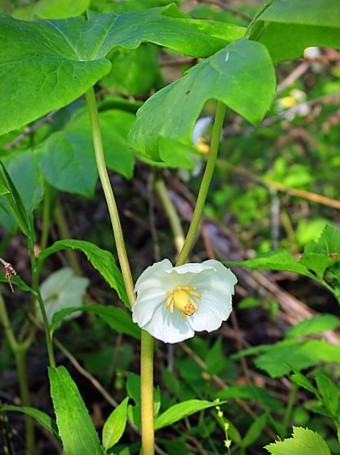
Umbrella Leaf
Podophyllum peltatum L.
Important botanical synonyms include:
- Anapodophyllum peltatum Moench
- Podophyllum callicarpum Raf.
- Podophyllum montanum Raf.
- Podophyllum peltatum var. annulare J.M.H.Shaw
- Podophyllum peltatum f. aphyllum Plitt
- Podophyllum peltatum f. biltmoreanum Steyerm.
- Podophyllum peltatum f. callicarpum (Raf.) J.M.H.Shaw
- Podophyllum peltatum f. deamii Raymond
Important non-synonym confusion names:
- Mandragora officinarum L. and other Mandragora species — European mandrake; unrelated Solanaceae plants with tropane-alkaloid toxicity, not American mandrake
- Podophyllum hexandrum Royle — Himalayan or Indian mayapple; related podophyllotoxin-containing medicinal species, not the eastern North American mayapple page species
- Diphylleia cymosa Michx. — umbrella leaf or skeleton flower in some regional use; separate Berberidaceae plant, not Podophyllum peltatum
- Darmera peltata (Torr. ex Benth.) Voss — umbrella plant or Indian rhubarb; separate Saxifragaceae plant, not mayapple
- Schefflera and Heptapleurum spp. — unrelated ornamental umbrella plants, usually discussed under insoluble calcium oxalate houseplant exposure rather than podophyllin poisoning
- Cyperus alternifolius L. and related umbrella sedges — unrelated plants also called umbrella plant
Berberidaceae — Barberry Family
Umbrella Leaf is in the barberry family, not Araceae and not Solanaceae. That family placement matters because this page is about podophyllin resin and antimitotic lignans, not the insoluble calcium oxalate raphide injury seen with dumb cane, philodendron, calla lily, pothos, peace lily, and other aroids, and not the tropane-alkaloid syndrome associated with European mandrake.
Umbrella Leaf; Umbrella-Leaf; Mayapple; May Apple; May-Apple; American Mayapple; American Mandrake; Wild Mandrake; Mandrake; Indian Apple; Indian Apple Root; Hogapple; Hog Apple; Duck’s Foot; Duckfoot; Raccoonberry; Raccoon Berry; Wild Lemon; Ground Lemon; Devil’s Apple; Devil Apple; Mayflower; Umbrella Plant; Podophyllum; Podophyllum Root; Mayapple Root.
Historical and taxonomic search variations include Podophyllum peltatum, Anapodophyllum peltatum, Podophyllum callicarpum, Podophyllum montanum, Podophyllum peltatum var. annulare, Podophyllum peltatum f. aphyllum, Podophyllum peltatum f. biltmoreanum, Podophyllum peltatum f. callicarpum, and Podophyllum peltatum f. deamii.
“Mandrake” is highly ambiguous. American mandrake or wild mandrake usually refers to Podophyllum peltatum, while European mandrake refers to Mandragora species in Solanaceae and involves a different tropane-alkaloid poisoning pattern. “Umbrella plant” and “umbrella leaf” are also used for several unrelated plants, including Darmera peltata, Diphylleia cymosa, Schefflera or Heptapleurum species, Cyperus species, and other broad-leaved ornamentals. During a poisoning emergency, the scientific name, photographs of the whole plant, and the chewed plant part matter more than the common name alone.
Podophyllin Is a Resin Mixture, Not One Simple Poison
The toxic material historically called podophyllin is a bitter, resinous mixture obtained especially from the roots and rhizomes of mayapple and related plants. It is not one pure chemical. It contains biologically active aryltetralin lignans, including podophyllotoxin, alpha-peltatin, beta-peltatin, desoxypodophyllotoxin, picropodophyllin, related glycosides, pigments, waxes, resins, and other plant constituents. The exact composition can vary with plant genetics, plant part, season, location, age, growing conditions, extraction method, and storage.
This point matters because owners often want a single safe-or-dangerous answer based on one visible feature: one leaf, one fruit, one root piece, one “ripe” color, or one colony. Mayapple does not work that way. A plant part from one colony may not match another colony chemically. Leaves are not harmless just because roots and rhizomes were the traditional resin source. Roots and rhizomes are not the only concern. Seeds are not safe because the pulp may be edible to people when fully ripe. A visual estimate cannot tell an owner how much podophyllotoxin, peltatin, resin, or irritant material an animal received.
Podophyllin should also not be confused with carefully manufactured medicinal derivatives. Podophyllotoxin is the natural lignan framework from which semisynthetic anticancer drugs such as etoposide and teniposide were developed. Those drugs are manufactured, purified, dosed, and monitored in medical settings. The existence of useful derivatives does not make the raw plant, rhizome, resin, homemade extract, dried root, or chewed seed safe for animals.
Podophyllotoxin Interferes With Cell Division
Podophyllotoxin is the most important toxic component of podophyllin. It is sufficiently lipid-soluble to cross cell membranes and interact with tubulin, the protein building block used to assemble microtubules. Microtubules are not optional cell decorations. They form the mitotic spindle that separates chromosomes during cell division, and they also support intracellular transport and structural organization.
By interfering with normal microtubule assembly, podophyllotoxin can arrest dividing cells in metaphase. A cell that cannot complete mitosis may die. This is why podophyllotoxin is described as antimitotic, cytostatic, and cytotoxic: it can stop cell division, suppress proliferation, and damage susceptible tissues. The chemistry is powerful enough that medicinal chemistry built cancer drugs from the podophyllotoxin scaffold, but the raw plant chemistry is uncontrolled and dangerous.
Rapidly dividing tissues are especially vulnerable. The lining of the stomach and intestine renews constantly. Bone marrow must continually produce white blood cells, platelets, and red blood cells. Reproductive tissues and developing embryos depend on controlled cell division. A clinically important absorbed exposure can therefore produce more than vomiting. It can injure gastrointestinal mucosa, suppress bone marrow, contribute to bleeding or infection risk, harm developing embryos, and produce systemic illness that outlasts the first episode of diarrhea.
Peltatins and Other Lignans Add to the Toxic Profile
American mayapple contains more than podophyllotoxin. Alpha-peltatin and beta-peltatin are important related lignans, and chemical studies of Podophyllum peltatum have shown meaningful variation in podophyllotoxin, alpha-peltatin, and beta-peltatin among accessions and plant tissues. Some colonies may be richer in podophyllotoxin. Others may show a different relationship among the peltatins. This variation is one reason a plant’s toxicity cannot be judged reliably from leaf size, fruit color, colony density, or whether the plant is in the wild versus a native garden.
The peltatins should not be treated as trivia. They are part of the podophyllin resin profile and help explain why the plant has a history in pharmacognosy, wart treatment, purgative medicine, anticancer-drug development, and toxicology. For a pet-poisoning page, the practical message is not that owners need to identify every lignan. The message is that the plant’s chemistry is complex, cytotoxic, and variable enough that roots, rhizomes, leaves, stems, unripe fruit, seeds, and resin-contaminated surfaces all deserve control.
Plant-Part and Seasonal Variation
Roots and rhizomes have traditionally been treated as the major source of podophyllin resin, and they remain high-concern material. They are thick, creeping, storage structures that can be exposed during digging, transplanting, colony removal, erosion, flooding, rooting by pigs, or destructive dog behavior. A root or rhizome fragment may be chewed longer than a bitter leaf, and it may be left on the soil surface where animals can reach it after garden work.
Leaves are not chemically empty. Research on American mayapple has found valuable lignan concentrations in aboveground tissues, including leaves. That is why sustainable-podophyllotoxin research has evaluated leaves as a renewable source instead of relying only on destructive rhizome harvest. From a poisoning standpoint, this supports a blunt rule: do not call leaves safe merely because older drug extraction emphasized roots and rhizomes.
Fruit requires the most careful wording. Roots, rhizomes, leaves, stems, unripe fruit, and seeds are poisonous. The soft pulp of a fully ripe golden-yellow fruit has been eaten by people in limited amounts and used in preserves. That exception is narrow, human-specific, and unreliable for animals. Seeds remain poisonous. The peel, stem, unripe pulp, and surrounding plant tissue remain a concern. An animal is likely to chew or swallow the whole fruit, including seeds, and may eat leaves or stems with it. No part of mayapple fruit should be deliberately fed to dogs, cats, horses, livestock, birds, rabbits, guinea pigs, reptiles, or other animals.
Contact Irritation, Resin Transfer, and Ulcerative Dermatitis
Podophyllin resin is a contact irritant as well as a systemic hazard after absorption. Sap, resin, crushed root, chewed leaf, fruit material, or contaminated saliva can irritate the lips, gums, tongue, muzzle, nose, eyelids, paws, abdomen, groin, and other exposed skin. The injury may begin as redness and burning, then progress to swelling, blistering, erosion, ulceration, or secondary infection if the resin remains in contact or the animal rubs and scratches the area.
Animals spread the resin mechanically. A dog with mouth pain may paw at the muzzle, then rub the eyes. A cat may get resin on its coat while hiding under a colony and ingest more during grooming. A horse may rub an irritated muzzle on fencing or bedding. A goat or pig may root through discarded rhizomes and smear sap around the nose. Saliva contaminated with plant resin can run down the chin and collect in moist folds or the intermandibular area under the jaw.
Eye contact is a separate concern. Resin transferred to the eyelids or ocular surface can cause pain, tearing, blinking, eyelid swelling, conjunctival redness, corneal abrasion, or ulceration. Steroid-containing eye medication should not be used casually, because steroids can worsen some corneal injuries or infections when used without examination. Persistent squinting, cloudiness, discharge, swelling, or apparent vision change needs veterinary evaluation.
Gastrointestinal Injury and the Old Purgative Effect
Podophyllin was historically known as a powerful cathartic or purgative. That does not mean it gently stimulates normal digestion. It irritates and injures the gastrointestinal lining. Salivation, nausea, vomiting, abdominal cramping, colic, and diarrhea are expected because the mouth, stomach, and intestines are being exposed to resinous cytotoxic material.
With greater exposure, gastrointestinal injury may become severe enough to produce repeated vomiting, profuse diarrhea, mucus, blood, dehydration, electrolyte imbalance, acid-base disturbance, reduced perfusion, shock, and secondary kidney injury. The antimitotic mechanism can also impair renewal of damaged gastrointestinal mucosa. A patient may still have painful or ulcerated mucosa after the original plant material has moved on.
This is why antidiarrheal medication and household stomach protectants are not appropriate owner shortcuts. Stopping diarrhea mechanically is not the same as treating cytotoxic mucosal injury, dehydration, electrolyte loss, and potential systemic absorption. A veterinarian may use antiemetics, analgesia, fluids, gastroprotectants, nutritional support, and monitoring in a coordinated plan, but home medication can mask worsening illness or be unsafe for the species.
Neurologic, Hematologic, Hepatic, Renal, and Respiratory Concerns
Severe systemic podophyllin poisoning is medically serious. Human cases involving concentrated resin, medicinal preparations, or significant ingestion describe confusion, agitation, hallucination-like behavior, stupor, coma, weakness, ataxia, reduced reflexes, peripheral neuropathy, paralysis, seizures, respiratory failure, bone-marrow depression, hepatic dysfunction, renal dysfunction, and multiorgan illness. Natural plant ingestion by an animal is not automatically equivalent to swallowing concentrated medicinal resin, but the same podophyllin chemistry explains why neurologic or delayed systemic signs must not be dismissed.
Bone marrow is a major delayed concern after significant absorbed exposure because marrow precursor cells divide rapidly. White blood cells may fall, increasing infection risk. Platelets may fall, increasing bruising or bleeding risk. Red blood cell production may be affected, contributing to pale mucous membranes, weakness, or reduced oxygen-carrying capacity. These changes may not be obvious in the first hour. A dog that stops vomiting may still need follow-up complete blood counts if it ate roots, rhizomes, seeds, large amounts of plant material, or any concentrated extract.
Peripheral neuropathy can also lag behind the first gastrointestinal signs. Weakness, reduced reflexes, abnormal gait, paralysis, urinary retention, respiratory weakness, or prolonged recovery after a substantial exposure requires continued veterinary assessment. Liver and kidney abnormalities may result from direct toxicity, poor perfusion, dehydration, shock, metabolic derangement, or mixed mechanisms. No single sign proves one pathway, which is why serious exposures need monitoring rather than a one-time reassurance.
Pregnancy, Reproductive Risk, and Developing Tissue
Compounds that interfere with cell division are concerning during pregnancy because embryonic and fetal development depends on precisely timed proliferation and tissue formation. Podophyllin and podophyllotoxin have significant reproductive and developmental warning history in medical toxicology, and they should be kept away from pregnant animals and pregnant people handling plant material.
A pregnant dog, cat, mare, cow, ewe, goat, sow, rabbit, guinea pig, or other animal that ingests mayapple roots, rhizomes, seeds, or substantial plant material deserves veterinary consultation even if early vomiting is mild. The absence of immediate dramatic signs does not prove that the exposure was irrelevant to developing embryos. The page should not publish speculative fetal-outcome predictions, but it should state the safety rule clearly: pregnant animals should not have access to mayapple colonies, discarded plants, rhizomes, resin, or extracts.
No Reliable Safe Dose Exists
No reliable safe dose exists for pets or livestock. Risk depends on species, body size, plant part, amount, season, colony chemistry, whether the fruit was ripe or unripe, whether seeds were crushed, whether roots or rhizomes were eaten, whether skin or eyes were contaminated, whether the animal is pregnant, and whether a concentrated preparation or homemade extract was involved.
The bitter taste and irritant resin often discourage animals from continuing to eat. That natural deterrent helps explain why severe natural poisoning is less common than the plant’s chemistry might suggest. It is not a safety guarantee. Hungry livestock, bored dogs, rooting pigs, curious goats, fruit-eating pets, children dropping fruit, and gardeners discarding rhizomes can all create exposures that bypass normal avoidance. The correct public advice is simple: keep animals away from the entire plant, including fully ripe fruit.
Early Mouth, Skin, and Gastrointestinal Signs
The most common signs after Umbrella Leaf exposure involve the mouth, face, skin, and gastrointestinal tract. An animal may drool, lick the lips, shake the head, paw at the mouth, gag, refuse food, vomit, develop abdominal pain, or pass soft stool or diarrhea. The plant is bitter and irritating, so many animals stop after tasting it. That can limit the dose, but it does not make the first signs meaningless. A short exposure can still cause painful mouth irritation, vomiting, and resin transfer onto the muzzle, paws, eyelids, or coat.
Oral irritation may appear as redness, swelling, blistering, erosion, or ulceration of the lips, gums, tongue, and mouth lining. Saliva contaminated with resin can run over the muzzle and lower jaw. An animal may rub the face against the floor, furniture, bedding, fencing, or pasture structures, which can spread the resin and worsen the injury. The intermandibular area under the jaw may look swollen when saliva and inflammation collect there.
Gastrointestinal signs range from mild to severe. Vomiting and diarrhea may be brief after a small leaf taste, or they may become repeated, bloody, painful, and dehydrating after root, rhizome, seed, fruit, or larger plant exposure. Abdominal pain may appear as whining, hunching, stretching, restlessness, guarding the belly, repeated lying down, flank watching, rolling, or reluctance to move. Mucus or blood in vomit or stool indicates more substantial irritation and needs veterinary attention.
Contact Dermatitis, Facial Swelling, and Eye Injury
Podophyllin resin can damage skin and mucous membranes directly. Muzzle redness, lip swelling, eyelid swelling, paw irritation, belly or groin irritation, and ulcerative dermatitis may develop where plant sap, resin, crushed tissue, or contaminated saliva contacts the body. Moist skin, hairless areas, abrasions, folds, eyelids, lips, and areas under a collar, harness, halter, bandage, or matted hair may be more vulnerable.
Eye exposure can occur when sap splashes directly into an eye, when an animal paws at the mouth and then rubs the face, or when grooming transfers resin from the coat or paws. Signs include blinking, tearing, squinting, eyelid swelling, conjunctival redness, cloudiness, discharge, light sensitivity, or refusal to open the eye. Eye injury should not be managed with leftover medications. Corneal abrasion or ulceration must be ruled out before topical steroid products are considered.
Facial swelling should not automatically be labeled an allergy. It may reflect direct resin injury, inflammation, self-trauma, secondary infection, or a combination of these. Increasing tongue, throat, or facial swelling, altered vocalization, drooling with difficulty swallowing, or noisy breathing requires more urgent assessment because airway or swallowing involvement changes the risk.
Vomiting, Diarrhea, Dehydration, and Shock
Podophyllin’s old purgative reputation is clinically relevant because the gastrointestinal signs are not gentle. The resin can irritate and injure the stomach and intestinal lining. Repeated vomiting and diarrhea can remove large amounts of fluid and electrolytes. Dehydration may appear as tacky gums, sunken eyes, weakness, lethargy, poor skin return, reduced urination, fast heart rate, or dull mentation. Severe fluid loss can reduce kidney perfusion and contribute to shock.
Bloody diarrhea, persistent vomiting, severe abdominal pain, collapse, pale gums, cold extremities, or a weak pulse indicates a potentially serious case. The animal may need intravenous fluids, electrolyte correction, blood pressure monitoring, pain control, antiemetic treatment, gastrointestinal support, and laboratory monitoring. Household antidiarrheals, bismuth products, antacids, or stomach protectants do not neutralize podophyllotoxin and may be unsafe or misleading in the wrong species.
Horses require special handling because they cannot vomit and may show the exposure as salivation, feed refusal, colic, diarrhea, sweating, elevated pulse, depression, or weakness. Severe or persistent colic should not be dismissed as a simple plant laxative effect. Rolling, repeated lying down, abdominal distension, reduced manure, severe diarrhea, or signs of shock require urgent equine veterinary care.
Neurologic and Respiratory Signs
Neurologic signs are less common after a limited natural plant taste, but they are medically important after larger, root/rhizome, seed, or concentrated-resin exposure. Possible signs include unusual agitation, hyperactivity, confusion-like behavior, depression, lethargy, weakness, loss of coordination, staggering, tremors, reduced reflexes, seizures, paralysis, coma, or abnormal responsiveness. An animal may shift from restless and painful to profoundly weak as dehydration, systemic absorption, neurologic toxicity, or shock progresses.
Panting can have several meanings. It may reflect nausea, abdominal pain, anxiety, fever, dehydration, metabolic disturbance, shock, or respiratory compromise. Rapid breathing should not be dismissed when it occurs with weakness, pale or blue-gray gums, collapse, tremors, seizures, severe diarrhea, or reduced consciousness. Slow, shallow, irregular, or labored breathing is an emergency.
Peripheral neuropathy may develop or persist after the initial gastrointestinal illness in serious podophyllin poisoning. Weakness, loss of coordination, reduced reflexes, abnormal limb use, urinary retention, respiratory weakness, or prolonged inability to stand should prompt continued monitoring rather than assuming the plant has “passed through.” Severe concentrated-resin cases in people show that neurologic recovery can be prolonged, so advanced signs in animals deserve a guarded prognosis and follow-up.
Delayed Bone-Marrow and Blood-Cell Problems
Bone-marrow suppression may not be visible during the first hours of illness. The marrow produces white blood cells, platelets, and red blood cells from rapidly dividing precursor cells, and antimitotic compounds can interfere with that production. A patient may first show vomiting and diarrhea, then appear somewhat improved, and later develop fever, infection, bruising, bleeding, pale gums, or renewed weakness if blood-cell counts fall.
Warning signs include fever, mouth ulcers, recurrent infection, unusual bruises, pinpoint red or purple spots on the gums or skin, nosebleeds, bleeding from the gums, blood in urine or stool, black stool, pale mucous membranes, lethargy, or exercise intolerance. Large plant ingestion, root or rhizome ingestion, seed ingestion, concentrated extract exposure, severe gastrointestinal illness, or systemic neurologic signs should lower the threshold for serial complete blood counts.
Dogs and Cats
Dogs may chew emerging shoots, carry leaves, dig up rhizomes, mouth ripe or unripe fruit, swallow seeds, raid compost, or investigate pulled plants after garden work. Typical signs include drooling, vomiting, diarrhea, abdominal pain, panting, lethargy, muzzle irritation, eyelid swelling, weakness, staggering, tremors, or collapse in more serious cases. A dog that digs and chews rhizomes deserves more concern than a dog that took one quick taste of a leaf and stopped.
Cats may nibble foliage, hide beneath colonies, walk through sap, or groom contaminated resin from the coat. Drooling, vomiting, diarrhea, food refusal, depression, facial irritation, eyelid swelling, and eye pain are major concerns. Cats that stop eating for extended periods can develop secondary metabolic problems, so continued anorexia after mouth or gastrointestinal irritation should not be ignored.
Horses, Livestock, Pigs, Poultry, and Wildlife-Adjacent Animals
Horses and livestock usually avoid mayapple when good forage is available, but risk rises during overgrazing, drought, confinement, feed shortage, woodland browsing, spring turnout into shaded margins, or disposal of pulled plants into enclosures. Cattle, sheep, goats, pigs, camelids, and poultry may show salivation, reduced appetite, abdominal discomfort, diarrhea, weakness, dermatitis, eye irritation, or depression. Pigs may root up and chew rhizomes, creating a more direct exposure to concentrated underground tissue.
A group exposure should be treated as a management problem, not an isolated “one animal had diarrhea” event. Remove animals from the source, inspect the whole area, and preserve plant samples. Mayapple may be mixed with other woodland plants, moldy debris, pesticides, herbicides, compost, toxic ornamentals, or discarded medications. Sudden severe illness in multiple animals should trigger broader investigation.
Rabbits, Guinea Pigs, Birds, Reptiles, and Other Small Animals
Rabbits and guinea pigs may chew leaves, stems, fruit, roots, or rhizome fragments and then stop eating because of mouth pain, nausea, or abdominal discomfort. They cannot vomit, so drooling, tooth grinding, food refusal, reduced fecal output, lethargy, hunched posture, or abdominal pain may be the first visible signs. A localized mouth exposure can become a gastrointestinal emergency when these animals stop eating.
Birds may peck fruit, shred leaves, or contact resin on the beak, tongue, face, or feet. Reptiles and tortoises should not be offered mayapple fruit, leaves, or woodland clippings as browse. Species-specific safe doses are not established, and small body size makes “just a little” a poor safety argument. Food refusal, abnormal droppings, weakness, oral irritation, respiratory change, or reduced activity after exposure deserves species-appropriate veterinary guidance.
Expected Course, Atypical Signs, and Prognosis
Mild oral irritation, brief vomiting, limited diarrhea, or small contact dermatitis may improve within 12 to 24 hours. Skin irritation, ulcerative lesions, eye injury, or gastrointestinal inflammation can require several days. Substantial ingestion may require longer monitoring because neurologic dysfunction, bone-marrow suppression, liver or kidney abnormalities, and peripheral neuropathy can appear after the earliest stomach signs begin to improve.
Coma is rare but recognized in severe systemic podophyllin poisoning. Collapse, seizures, severe weakness, respiratory depression, inability to stand, slow or irregular breathing, profound lethargy, bloody diarrhea, shock, or worsening signs after apparent improvement should be treated as emergency findings. The prognosis is usually good after a small exposure with mild signs, but it becomes guarded when there is severe gastrointestinal injury, shock, neurologic toxicity, respiratory compromise, marrow suppression, organ dysfunction, pregnancy exposure, or concentrated resin ingestion.
Umbrella Leaf Is the Native North American Mayapple
Umbrella Leaf is the eastern North American mayapple, Podophyllum peltatum, a herbaceous perennial in Berberidaceae, the Barberry Family. The name “umbrella leaf” comes from the plant’s broad, peltate leaves, which spread over the stem like small umbrellas. The plant is also called Mayapple, American Mandrake, Wild Mandrake, Indian Apple, Hog Apple, Duck’s Foot, Raccoonberry, Wild Lemon, Ground Lemon, and Devil’s Apple.
This is not European mandrake. European mandrake belongs to Mandragora in Solanaceae and has a different tropane-alkaloid toxicology. It is also not a tropical houseplant umbrella plant such as Schefflera, an umbrella sedge such as Cyperus, or a western ornamental umbrella leaf such as Darmera peltata. Those common-name traps matter because owners may search “mandrake” or “umbrella plant” and land on the wrong toxicology.
The PAWS page title should remain Umbrella Leaf because that is the supplied plant-name field, but the article must make mayapple and American mandrake impossible to miss. In a poisoning emergency, photographs of the entire plant and the scientific name are more reliable than common names.
Native Range, Habitat, and Animal Exposure Settings
Podophyllum peltatum is native from southeastern Canada through much of the central and eastern United States. It grows primarily in temperate deciduous woodland, forest edges, floodplains, riverbanks, shaded roadsides, thickets, damp meadows, wooded pastures, and native gardens with moist, fertile, humus-rich soil. It is a woodland plant, not a tropical interiorscape plant, and its exposure pattern follows that ecology.
Dogs may encounter mayapple on woodland walks, around shaded trails, in native plant gardens, near streambanks, and in backyards where colonies have been intentionally planted. Cats may hide beneath colonies and later groom resin from the coat. Horses and livestock may encounter mayapple in wooded pasture margins, along fence lines, in shaded lots, or where pulled plants were discarded. Pigs and dogs may expose rhizomes by digging. Goats may browse plants during forage shortage or when clippings are dumped into pens.
Garden and restoration work creates some of the highest-risk exposures. Rhizomes may be divided, dug, or thrown into a compost pile. Fruit may fall where animals can reach it. Cut stems, leaves, and root fragments may be left on the soil. A colony that looks ornamental to people can become a poison source for pets, livestock, rabbits, poultry, or tortoises if plant debris is not contained.
Spring Ephemeral Growth and Clonal Colonies
Mayapple is a spring woodland perennial. Shoots emerge early, before the deciduous canopy fully closes, and the plant uses spring sunlight to produce leaves, flowers, and fruit. As summer progresses, the foliage often yellows and disappears. The disappearance of the leaves does not mean the plant is gone. The underground rhizome remains alive and can produce new shoots the following spring.
That seasonal pattern matters for prevention. The plant may be most visible in spring, but the poisonous underground rhizomes may remain accessible after the aboveground parts fade. A dog digging in what appears to be an empty bed may expose rhizome material. Pigs rooting in a wooded lot may find storage tissue. Gardeners removing a colony may leave fragments that regrow and remain toxic.
Mayapple spreads by thick creeping rhizomes and can form broad clonal colonies. A dense patch may look like dozens or hundreds of individual plants even when much of the patch is connected underground. Mechanical clearing that chops rhizomes without collecting them can multiply accessible fragments. From an animal-safety standpoint, partial cleanup can be worse than leaving an intact colony behind a barrier, because the most concentrated-looking chewable material may be brought to the surface.
Identification: One-Leaf Shoots, Two-Leaf Shoots, Hidden Flowers, and Fruit
Mayapple stems are smooth, erect, and usually unbranched below the leaves. The plant commonly stands about 12 to 18 inches tall, though height varies with site quality. The leaves are broad, smooth, nearly circular to umbrella-like, and deeply divided into palm-like lobes with toothed or cleft margins. They are peltate, meaning the stalk attaches beneath the blade rather than at the leaf edge.
Nonflowering or immature shoots usually carry one terminal umbrella-like leaf. Flowering shoots typically divide near the top and bear two leaves, with a single nodding flower emerging from the fork between them. This pattern helps distinguish mayapple from many other “umbrella” plants. A large patch may look like only leaves from above because the flower hangs beneath the leaf canopy.
The flower usually appears in April or May in much of the plant’s range. It is white, waxy, and often hidden unless the leaf canopy is lifted. After pollination, a single oval, lemon-shaped fruit develops. The fruit begins green and later ripens to soft golden yellow, sometimes with pink, purple, or maroon tones. Wildlife such as box turtles may eat ripe fruit and disperse seeds, but wildlife use does not make the fruit safe for domestic animals.
The Ripe Fruit Exception Is Not Animal-Feeding Permission
The ripe-fruit issue is the place where a mayapple page can easily become unsafe. Roots, rhizomes, leaves, stems, unripe green fruit, and seeds are poisonous. The soft pulp of a completely ripe, golden-yellow fruit has been eaten by people in limited quantities and used in preserves. That is a narrow human-use exception, not a pet or livestock feeding recommendation.
Animals do not handle mayapple fruit the way a cautious human forager might. A dog may gulp the whole fruit and crush the seeds. A horse, cow, goat, pig, or sheep may consume fruit with attached stem, leaves, or unripe material. A cat, rabbit, guinea pig, bird, or tortoise may receive a meaningful dose from very little material. A child may hand fruit to a pet without removing seeds. Fruit color may be misread, and partly ripe fruit may still be green or mixed in a fallen pile.
The safe public rule is therefore direct: never feed mayapple fruit to animals. Do not leave fallen fruit in pet runs, poultry areas, paddocks, rabbit runs, tortoise enclosures, or compost where animals can reach it. Do not convert “ripe pulp has been eaten by people” into “the fruit is safe.” That mistake is exactly how the narrow exception becomes a poisoning pathway.
Podophyllin, Podophyllotoxin, and the Medical History
Mayapple has a long medicinal history because podophyllin resin is biologically powerful. It was historically used as a cathartic and as a tissue-destroying treatment, and podophyllotoxin became important as the chemical scaffold for semisynthetic anticancer drugs. That history should increase caution, not reassurance. A plant chemical can be medically useful under controlled conditions and still be dangerous when chewed, smeared on skin, swallowed as root material, or made into a homemade extract.
Podophyllotoxin differs from etoposide and teniposide. Podophyllotoxin primarily disrupts tubulin and microtubule assembly. Etoposide and teniposide are semisynthetic derivatives used as anticancer medications with topoisomerase II as their principal target. Owners do not need a chemotherapy lesson during first aid, but the page should prevent a common misunderstanding: “cancer-drug source” does not mean safe plant or safe natural medicine.
The older term podophyllin can also mislead because it sounds like one standardized compound. In reality, plant resin composition varies. Rhizomes, roots, leaves, and seeds may differ, colonies may differ, and preparations may differ. This variability is why veterinary risk assessment needs plant part, amount, timing, animal species, and clinical signs rather than a single internet dose.
Contact Injury: Muzzle, Eyelids, Paws, and Skin Folds
Podophyllin resin can injure tissue without a large swallowed dose. A dog chewing a leaf may drool resin onto the muzzle. A cat walking under a colony may collect sap on the coat. A horse may rub an irritated nose against a rail. A goat may smear plant material on the lips while browsing. Moist areas and thin skin are especially vulnerable: lips, eyelids, nose, paws, groin, abdomen, skin folds, and damaged skin.
Ulcerative dermatitis is not just a cosmetic problem. Irritated tissue can blister, erode, become infected, or enlarge through licking and scratching. Resin trapped in hair, a collar, a halter, bedding, or a paw can prolong exposure. A small mouth exposure may therefore become a face, eye, or skin problem through self-trauma and transfer.
Handlers should protect themselves too. Gloves and eye protection are reasonable when digging rhizomes, cutting stems, cleaning colonies, or handling vomit or contaminated plant material. Hands, tools, collars, leashes, grooming cloths, bedding, and buckets should be washed if contaminated. People can transfer resin to their own eyes and mouth just as animals can.
Dogs, Cats, and Small-Animal Pathways
Dogs are the most likely household animal to create a significant mayapple exposure through digging, chewing, carrying, or swallowing fruit. A dog may uncover rhizomes, chew roots, eat ripe or unripe fruit, raid compost, or mouth plant fragments during a woodland walk. Puppy chewing and boredom increase risk because the animal may keep working at a bitter root or rhizome longer than expected.
Cats may have smaller ingestions but more grooming-related exposure. A cat may nibble a leaf, lie under a colony, collect resin on the coat, and later ingest residue while grooming. Cats that stop eating after oral irritation deserve attention because prolonged anorexia can create secondary metabolic problems. Eye signs after face rubbing or grooming should not be dismissed as simple seasonal irritation.
Rabbits and guinea pigs should not be given mayapple leaves, stems, fruit, or woodland clippings. They cannot vomit and can develop serious gut slowdown after pain, nausea, or reduced food intake. Birds may peck fruit or plant debris. Reptiles and tortoises should not be offered mayapple as browse, even if wild turtles consume ripe fruit in nature. Wildlife diet observations are not husbandry recommendations for captive animals.
Horses, Livestock, and Woodland Pasture Management
Horses and livestock generally avoid bitter, irritating plants when adequate forage is available, but avoidance is not a management plan. Risk increases during overgrazing, drought, confinement, feed shortage, newly opened woodland pasture, spring turnout, land clearing, and disposal of pulled colonies. Pigs may root up rhizomes. Goats may browse marginal plants. Poultry may peck fruit or plant fragments.
Wooded pasture creates identification challenges. Mayapple may grow among other toxic plants, mushrooms, moldy debris, old fence materials, herbicide-treated brush, discarded garden waste, or natural hazards. Group illness should trigger a full pasture and feed investigation rather than a narrow assumption that mayapple is the only problem. Preserve plant samples with leaves, stems, fruit, and rhizome when possible.
Do not throw pulled mayapple into paddocks, goat pens, pig lots, poultry runs, compost piles accessible to animals, or brush piles used as browse. Do not rely on drying to make the plant safe. Dried leaves and roots may still contain biologically active lignans, and dried resin on surfaces can continue to irritate skin and mucous membranes.
Diagnosis and Veterinary Monitoring
Diagnosis depends on exposure history, plant identification, examination of the mouth, skin, eyes, and abdomen, and recognition of signs that fit podophyllin exposure. Useful photographs show the colony, one-leaved shoots, two-leaved flowering shoots, hidden flower, fruit color, rhizomes, exposed roots, and the exact plant part involved. Plant material found in vomit or stool may help confirm the exposure.
Veterinary evaluation may include oral examination, skin and eye assessment, hydration status, abdominal palpation, neurologic examination, blood pressure, electrocardiography, complete blood count, serum chemistry, electrolytes, blood glucose, liver values, kidney values, urinalysis, and monitoring for shock or respiratory compromise. Not every mild exposure needs every test. Substantial exposure, rhizome or seed ingestion, bloody gastrointestinal signs, neurologic changes, pregnancy, or systemic illness makes laboratory monitoring more important.
Serial complete blood counts are the major delayed-monitoring issue. A normal early exam does not always exclude later marrow effects after a clinically meaningful absorbed dose. Follow-up may be warranted when the animal ate roots, rhizomes, seeds, multiple fruits, a large amount of leaves, or concentrated plant material, or when early illness was severe.
Important Differential Diagnoses
Drooling, vomiting, diarrhea, abdominal pain, dermatitis, and eye irritation have many possible causes. Differential diagnoses include caustic chemicals, mushrooms, pesticides, herbicides, fertilizer, slug bait, infectious gastroenteritis, pancreatitis, foreign bodies, compost toxins, moldy feed, irritating aroids, nightshades, pokeweed, buttercups, spurges, and numerous other woodland or garden plants.
Neurologic depression, tremors, seizures, weakness, coma, or respiratory failure broadens the list. Consider sedatives, cannabis, metaldehyde, tremorgenic mycotoxins, organophosphates, carbamates, ethylene glycol, cyanogenic plants, neurotoxic mushrooms, medications, and unrelated metabolic disease. European mandrake is a separate plant with a different tropane-alkaloid syndrome and should not be merged with American mandrake.
Prevention
Keep mayapple colonies outside pet runs, kennels, dog paths, rabbit runs, poultry areas, tortoise enclosures, and high-use livestock areas. Prevent digging around rhizomes. During removal or division, collect every rhizome fragment, root piece, leaf, stem, flower, and fruit. Bag the waste securely rather than leaving it in an open compost pile or brush heap.
Provide safe forage for livestock so animals are not forced into bitter woodland plants. Inspect wooded pasture margins in spring when mayapple is visible. Fence dense colonies when practical. Teach family members not to feed ripe mayapple fruit to animals. Wear gloves and eye protection when handling crushed plants or roots, and wash contaminated tools, hands, collars, bedding, and surfaces after contact.
Immediate Steps After Exposure
Stop further ingestion and remove the animal from the plant, exposed rhizomes, roots, fallen fruit, seeds, woodland colony, garden debris, compost, contaminated forage, or discarded plant pile. Secure the source so other animals cannot reach it. Check whether the animal is alert, breathing normally, swallowing normally, and safe to handle before touching the mouth. A painful, nauseated, frightened, or neurologically abnormal animal can bite, aspirate, collapse, or deteriorate during forceful first aid.
- Call a veterinarian or animal poison-control service: Report the species, weight, plant part, estimated amount, fruit ripeness, whether seeds were eaten, whether roots or rhizomes were chewed, time since exposure, vomiting, diarrhea, abdominal pain, skin contact, eye contact, pregnancy, and neurologic signs.
- Remove only loose visible material: If the animal is alert, cooperative, and swallowing normally, remove plant pieces from the lips and very front of the mouth. Do not reach deeply into the throat.
- Gently wipe resin or sap: Use a damp cloth to remove visible residue from the lips, muzzle, paws, coat, and accessible mouth surfaces. Do not scrub ulcerated tissue.
- Prevent rubbing and grooming: Resin on the muzzle, paws, eyelids, coat, or skin can spread to the eyes or be swallowed repeatedly. An Elizabethan collar may help when immediately available and safe, but do not delay veterinary care for it.
- Preserve identification evidence: Photograph the colony, umbrella-shaped leaves, one- and two-leaf shoots, hidden flower, fruit, seeds, rhizomes, and exposed roots. Save plant material, fruit, rhizome pieces, or vomited plant fragments when safe.
- Separate group exposures: If livestock, poultry, rabbits, kennel animals, or multiple pets had access, remove every animal from the area and keep the entire plant source for inspection.
Do not assume the exposure is minor because the animal stopped eating. The plant’s bitter irritant effect often limits intake, but root, rhizome, seed, fruit, and concentrated-resin exposures can still be serious. Also do not assume recovery is complete when vomiting stops. Delayed neurologic signs, bone-marrow suppression, liver or kidney abnormalities, and skin or eye injury can outlast the first gastrointestinal phase after a substantial exposure.
Do Not Attempt Unsupervised Home Treatment
- Do not induce vomiting with hydrogen peroxide: Peroxide can cause severe gastritis, esophageal irritation, prolonged vomiting, bleeding, and aspiration.
- Do not use salt, mustard, oil, syrup of ipecac, or manual gagging: These methods can create additional poisoning or injury without safely removing podophyllin.
- Do not force food or fluids: A vomiting, painful, lethargic, weak, or poorly swallowing animal may inhale them into the lungs.
- Do not give activated charcoal automatically: Charcoal may be useful in selected veterinary cases, but it can be aspirated by a vomiting, weak, sedated, poorly swallowing, or neurologically abnormal animal.
- Do not give Kapectolin, Kaopectate, sucralfate, antacids, loperamide, bismuth products, antidiarrheals, antihistamines, corticosteroids, antibiotics, human pain relievers, or leftover veterinary drugs without direction: These do not neutralize podophyllotoxin and may be unsafe for the species or clinical condition.
- Do not treat ripe-looking fruit as safe: The seeds remain poisonous, and animals may also eat peel, unripe pulp, stem, leaves, or surrounding debris.
- Do not drench horses or livestock: Forced oral fluids or medication can be aspirated by an animal with colic, weakness, salivation, choking, neurologic signs, or impaired swallowing.
The central problem is not a stomach upset that can be patched with household products. Podophyllin resin can ulcerate tissue, and podophyllotoxin can affect dividing cells after absorption. Home treatment can delay the fluids, antiemetics, pain control, eye care, neurologic monitoring, and bloodwork the animal may need.
Skin, Coat, Paw, and Eye Decontamination
Wear gloves when handling sap, resin, rhizomes, vomit, contaminated fur, tools, or bedding. Wash exposed skin, paws, muzzle, and coat with lukewarm water and a mild pet-safe cleanser when the animal is stable enough. Rinse thoroughly and prevent licking until residue is removed. Wash collars, leashes, halters, bedding, towels, grooming tools, buckets, and transport surfaces if resin may have contacted them.
If plant material or resin enters an eye, begin gentle irrigation with sterile saline or clean lukewarm water if this can be done safely. Do not rub the eye. Do not apply leftover ophthalmic medication, steroid eye drops, antibiotic ointment, essential oils, herbal rinses, or human eye products unless a veterinarian directs it. Persistent squinting, tearing, redness, swelling, cloudiness, discharge, eyelid closure, or apparent vision difficulty requires veterinary examination.
Skin lesions may evolve after the first cleaning. Redness, swelling, blistering, erosion, ulceration, discharge, odor, or persistent licking should be rechecked. A small resin burn can become larger through self-trauma or secondary infection.
When Emergency Examination Is Especially Important
- Vomiting or diarrhea is repeated or bloody: Continued fluid loss can cause severe dehydration, electrolyte disturbance, poor circulation, and shock.
- Abdominal pain or colic is severe: Hunching, persistent restlessness, rolling, sweating, abdominal enlargement, repeated lying down, elevated pulse, or reduced manure requires urgent assessment.
- Facial, tongue, or throat swelling increases: Difficulty swallowing, altered vocalization, drooling with distress, noisy breathing, or open-mouth breathing may indicate airway or swallowing involvement.
- The eyes are affected: Swollen eyelids, severe pain, persistent squinting, cloudiness, discharge, or inability to open the eye may indicate chemical or corneal injury.
- Neurologic signs develop: Hyperactivity, profound lethargy, staggering, weakness, tremors, reduced reflexes, seizures, paralysis, coma, or abnormal mentation indicates possible systemic toxicity.
- Breathing changes: Extreme panting, slow or shallow breathing, respiratory weakness, blue-gray gums, collapse, or irregular breathing requires emergency care.
- Roots, rhizomes, seeds, multiple fruits, or concentrated plant preparations were consumed: These exposures carry greater concern for systemic toxicity and delayed complications.
- The animal is pregnant: Antimitotic compounds raise reproductive and developmental concern even when early signs appear mild.
- Delayed signs appear after apparent improvement: Fever, bruising, bleeding, pale gums, infection, worsening weakness, or reduced reflexes may indicate delayed marrow or neurologic effects.
Veterinary Decontamination
There is no specific antidote for podophyllotoxin already absorbed into tissues. Veterinary decontamination depends on species, timing, plant part, amount, current signs, oral injury, neurologic status, and aspiration risk. A veterinarian may consider emesis after a recent ingestion in a suitable alert dog or cat that can protect its airway and has no significant neurologic abnormality, severe oral injury, or repeated vomiting. That decision should never be replaced by owner-administered hydrogen peroxide or manual gagging.
Activated charcoal may be considered for selected substantial exposures, especially root, rhizome, seed, multiple-fruit, or concentrated-resin ingestion. Charcoal is not a universal antidote. It can be inhaled into the lungs by an animal that is vomiting, weak, sedated, poorly swallowing, or neurologically abnormal. Gastric lavage is reserved for selected severe exposures under anesthesia with endotracheal intubation and a protected airway.
Veterinary treatment may also include removal of plant fragments from the mouth, controlled cleansing of resin-contaminated skin, eye irrigation, fluorescein staining, pain relief, antiemetics, fluids, electrolyte correction, and baseline bloodwork. A mild leaf taste may not need aggressive decontamination. A rhizome ingestion with vomiting and weakness is a different case.
Supportive Treatment and Monitoring
Supportive care may include veterinarian-selected antiemetic medication, analgesia, intravenous fluids, electrolyte replacement, acid-base support, gastrointestinal protectants, nutritional support, skin care, ophthalmic treatment, and monitoring for dehydration or shock. Severe gastrointestinal bleeding, persistent diarrhea, collapse, or poor perfusion may require hospitalization and intensive monitoring.
Neurologic signs require careful management. Seizures require veterinarian-selected anticonvulsants. Respiratory depression, respiratory muscle weakness, or coma may require oxygen, airway control, intubation, and mechanical ventilation. Hypotension or shock requires appropriate fluid resuscitation and, when perfusion remains inadequate after volume correction, veterinarian-directed vasopressor support.
Delayed monitoring is part of the treatment plan after substantial exposure. Complete blood counts may need to be repeated over several days to detect falling white blood cells, platelets, or red blood cells. Serum chemistry, liver values, kidney values, urinalysis, blood pressure, electrocardiography, and neurologic examinations may also be required. An animal that looks brighter after the first night may still need follow-up if the dose or plant part was high-risk.
Dogs, Cats, Horses, Livestock, and Small Animals
Dogs should be monitored for vomiting, diarrhea, abdominal pain, drooling, muzzle swelling, eyelid swelling, dermatitis, weakness, staggering, tremors, collapse, and delayed bruising or bleeding. Bring rhizome fragments, fruit, seeds, leaves, and photographs. A dog that dug up roots or ate fruit with seeds deserves more concern than a dog that briefly mouthed a leaf.
Cats should be monitored for drooling, vomiting, diarrhea, food refusal, depression, grooming-related resin ingestion, face rubbing, eye pain, and lethargy. Continued anorexia should be treated seriously. Cats should not receive hydrogen peroxide as a home emetic, and eye symptoms require examination rather than leftover drops.
Horses and livestock should be moved away from the colony, woodland margin, pulled plants, rhizomes, or contaminated forage. Provide safe forage and clean water, but do not force oral intake. Horses cannot vomit, so salivation, feed refusal, diarrhea, colic, weakness, sweating, elevated pulse, and abnormal breathing matter more than waiting for emesis. Group exposures require removal of the entire source and review for other toxic plants, chemicals, mold, or feed problems.
Rabbits and guinea pigs that stop eating after chewing mayapple need prompt veterinary guidance because food refusal can lead to gastrointestinal hypomotility. Birds with oral irritation, abnormal droppings, weakness, or reduced appetite should be assessed by an avian veterinarian. Reptiles and tortoises should not be offered mayapple fruit, leaves, or woodland clippings; reduced appetite, lethargy, oral irritation, or abnormal stools after exposure warrants reptile-veterinary advice.
Recovery, Follow-Up, and Prevention After the Incident
Animals with mild oral irritation, brief vomiting or diarrhea, and localized dermatitis may improve within 12 to 24 hours and recover fully over the next several days. Skin and eye lesions may require rechecks. Gastrointestinal ulceration, dehydration, neurologic weakness, marrow suppression, liver abnormalities, or kidney abnormalities can extend recovery substantially longer.
The prognosis is generally good after a small exposure with improving signs. It becomes guarded with bloody gastrointestinal disease, severe dehydration, shock, progressive neurologic weakness, seizures, respiratory depression, coma, bone-marrow suppression, organ dysfunction, pregnancy exposure, or concentrated-resin ingestion. Follow-up bloodwork is not overkill after a serious exposure; it is how delayed marrow and organ effects are caught.
After the incident, remove mayapple from pet runs, kennels, rabbit areas, poultry access, tortoise enclosures, and high-use livestock paths. Fence or mark colonies in wooded pasture. Prevent digging around rhizomes. Bag plant waste securely after removal. Do not feed ripe fruit, and do not leave fallen fruit where animals can reach it.
Frequently Asked Questions About Umbrella Leaf and Animal Poisoning
Are Umbrella Leaf and Mayapple the same plant?
Yes. Umbrella Leaf, Mayapple, American Mandrake, Wild Mandrake, Indian Apple, Hog Apple, Duck’s Foot, Raccoonberry, Wild Lemon, and Ground Lemon are common names for Podophyllum peltatum. The common names “mandrake” and “umbrella plant” are also used for unrelated plants, so the scientific name and photographs of the whole plant should be confirmed during a poisoning emergency.
Is Umbrella Leaf poisonous to dogs, cats, and horses?
Yes. Umbrella Leaf is poisonous to dogs, cats, horses, livestock, birds, rabbits, guinea pigs, reptiles, and other animals. Expected signs include drooling, vomiting, diarrhea, abdominal pain, colic, lethargy, panting, weakness, skin redness, ulceration, eye or muzzle irritation, and, after larger exposures, neurologic abnormalities, bone-marrow suppression, organ dysfunction, coma, or respiratory failure.
What is podophyllin?
Podophyllin is a bitter resinous mixture obtained especially from mayapple roots and rhizomes. It contains podophyllotoxin, alpha-peltatin, beta-peltatin, desoxypodophyllotoxin, picropodophyllin, and related lignans and plant constituents. It is not one pure chemical, and its composition can vary with plant part, source, season, genetics, and preparation.
How does podophyllotoxin interfere with cell division?
Podophyllotoxin binds tubulin and interferes with normal microtubule assembly. Microtubules form the mitotic spindle that separates chromosomes during cell division. When spindle function fails, dividing cells can arrest in metaphase and die. This antimitotic effect helps explain injury to rapidly renewing tissues such as gastrointestinal lining, bone marrow, reproductive tissue, and developing embryos after significant exposure.
Is podophyllotoxin the same as etoposide?
No. Podophyllotoxin is the natural lignan found in mayapple and related plants. Etoposide and teniposide are semisynthetic anticancer drugs developed from the podophyllotoxin chemical framework. Their medical use does not make raw mayapple, podophyllin resin, roots, rhizomes, seeds, or homemade extracts safe for animals.
Which parts of Mayapple are poisonous?
Roots, rhizomes, leaves, stems, flowers, unripe fruit, seeds, sap, and resin-contaminated plant material should be treated as poisonous. The soft pulp of a completely ripe golden-yellow fruit has been eaten by people in limited amounts, but the seeds remain poisonous and animals should not be offered any part of the fruit.
Is ripe Mayapple fruit safe for pets?
No. The human-use exception for fully ripe pulp is too narrow for animal safety. Animals may swallow or crush the seeds, eat the peel, consume partly ripe fruit, or eat leaves and stems along with the fruit. Dogs, cats, horses, livestock, rabbits, guinea pigs, birds, reptiles, and other animals should not be fed mayapple fruit.
Are Mayapple roots and rhizomes more concerning than leaves?
Roots and rhizomes are high-concern material because they have traditionally been the major source of podophyllin resin and may be chewed as fleshy underground fragments. Leaves can also contain meaningful lignan concentrations, so they are not safe. A dog, pig, goat, or horse exposed to dug rhizomes deserves prompt veterinary guidance.
Can Mayapple cause skin ulcers or facial swelling?
Yes. Podophyllin resin is a strong contact irritant. Sap or resin transferred from the mouth to the muzzle, paws, eyelids, coat, or skin can cause redness, swelling, blistering, erosion, ulcerative dermatitis, and secondary infection. Increasing tongue or throat swelling, difficulty swallowing, or noisy breathing requires emergency assessment.
Why can an animal’s eyelids swell shut after Mayapple exposure?
An animal with mouth pain may paw at the muzzle and transfer resin onto the eyelids and eyes. Direct irritation and rubbing can cause eyelid swelling, conjunctival inflammation, corneal abrasion, or ulceration. Persistent squinting, tearing, cloudiness, discharge, swelling, or inability to open the eye requires veterinary examination.
Can Mayapple poisoning cause delayed problems?
Yes. Vomiting and diarrhea may appear first, but significant absorbed exposure can later affect bone marrow or peripheral nerves. Fever, infection, bruising, bleeding, pale gums, weakness, reduced reflexes, abnormal gait, or worsening lethargy after initial improvement may indicate delayed complications and should be checked promptly.
Can Mayapple suppress bone marrow?
Significant exposure to podophyllin-type antimitotic compounds can suppress rapidly dividing bone-marrow precursor cells. White blood cells, platelets, or red blood cells may fall after the early gastrointestinal phase. Large ingestion, root or rhizome ingestion, seed ingestion, concentrated extract exposure, or systemic illness may justify serial complete blood counts.
Can Mayapple cause neurologic signs?
Yes, especially after substantial or concentrated exposure. Possible signs include agitation, lethargy, weakness, loss of coordination, staggering, tremors, reduced reflexes, peripheral neuropathy, paralysis, seizures, coma, or abnormal breathing. Limited natural plant tastes more often cause mouth and gastrointestinal signs, but neurologic changes should be treated as serious.
Can Mayapple poisoning be fatal?
Fatal natural plant ingestion appears uncommon because the plant is bitter and irritating, which discourages continued eating. Death remains possible after large or concentrated exposure involving severe gastrointestinal injury, shock, neurologic toxicity, respiratory failure, bone-marrow suppression, organ dysfunction, or coma. Root, rhizome, seed, and extract exposures deserve special concern.
Why do livestock usually avoid Mayapple?
Mayapple is bitter and irritating, so well-fed livestock often choose other forage. Poisoning becomes more likely during overgrazing, drought, confinement, feed shortage, woodland browsing, newly opened wooded pasture, or when pulled plants and rhizomes are discarded into an enclosure. Adequate forage and proper plant-waste disposal are part of prevention.
Should vomiting be induced after Mayapple ingestion?
Do not induce vomiting at home. Hydrogen peroxide, salt, mustard, oil, ipecac, and manual gagging can cause injury, prolonged vomiting, bleeding, or aspiration. A veterinarian may consider emesis in a suitable alert dog or cat after evaluating the plant part, amount, timing, oral injury, neurologic status, and airway risk.
Should activated charcoal be given after Mayapple ingestion?
Activated charcoal may be considered by a veterinarian after substantial root, rhizome, seed, multiple-fruit, or concentrated-resin exposure, but it is not a universal antidote. A vomiting, weak, lethargic, sedated, or poorly swallowing animal can inhale charcoal into the lungs. Do not give charcoal unless directed by a veterinary professional.
Is American Mandrake the same as European Mandrake?
No. American mandrake is another common name for Podophyllum peltatum, the mayapple. European mandrake belongs to Mandragora in Solanaceae and contains tropane alkaloids that can cause a different anticholinergic poisoning syndrome. The shared name “mandrake” should never be used without the scientific name during poisoning assessment.
Is Umbrella Leaf the same as Schefflera umbrella plant?
No. Schefflera and related umbrella-tree houseplants are unrelated tropical ornamentals usually discussed under insoluble calcium oxalate exposure. Umbrella Leaf on this page is Podophyllum peltatum, a native woodland mayapple with podophyllin resin and cytotoxic lignans. Photographs and the scientific name are essential when “umbrella plant” appears in an exposure history.
Is Mayapple poisonous to dogs?
Yes. Dogs may chew leaves, dig rhizomes, eat fruit, swallow seeds, or raid compost. Signs may include drooling, vomiting, diarrhea, abdominal pain, panting, lethargy, muzzle or eye irritation, weakness, staggering, tremors, collapse, or delayed bruising and infection after serious exposure. Rhizome and seed ingestion deserves prompt veterinary guidance.
Is Mayapple poisonous to cats?
Yes. Cats may nibble foliage, hide under colonies, contact sap, or groom resin from the coat and paws. Drooling, vomiting, diarrhea, food refusal, depression, facial irritation, eyelid swelling, and eye pain are major concerns. Continued anorexia should be taken seriously because cats can develop secondary metabolic problems when they stop eating.
Is Mayapple poisonous to horses?
Yes. Horses may encounter mayapple in wooded pasture, shaded fence lines, native plantings, or discarded garden waste. Horses cannot vomit, so signs may include salivation, feed refusal, colic, diarrhea, sweating, elevated pulse, lethargy, weakness, dermatitis, and abnormal breathing. Severe colic, persistent diarrhea, dehydration, or weakness requires urgent equine care.
Is Mayapple poisonous to cattle, sheep, goats, pigs, and poultry?
Yes. Livestock and poultry should not have access to mayapple leaves, fruit, roots, rhizomes, or discarded colonies. Risk increases during forage shortage, overgrazing, confinement, woodland browsing, or plant disposal into pens. Pigs may root up rhizomes, and goats may browse normally rejected plants when safer forage is limited.
Is Mayapple dangerous to rabbits and guinea pigs?
Yes. Rabbits and guinea pigs should not be offered mayapple leaves, fruit, roots, stems, or woodland clippings. They cannot vomit and may show drooling, tooth grinding, food refusal, reduced fecal output, lethargy, or abdominal discomfort. Food refusal can become a gastrointestinal emergency even if the original exposure seemed small.
Can birds, reptiles, or tortoises eat Mayapple fruit or leaves?
No. Mayapple should not be used as bird food, reptile browse, tortoise food, or enclosure vegetation. Wildlife use of ripe fruit does not establish safety for captive animals. Small body size, seed ingestion, and species-specific sensitivity make intentional feeding unsafe.
How long does recovery take?
Mild oral irritation or limited gastrointestinal illness may improve within 12 to 24 hours, while dermatitis, eye injury, vomiting, diarrhea, or mucosal ulceration can require several days. Significant neurologic effects, bone-marrow suppression, liver or kidney abnormalities, or peripheral neuropathy can appear later or persist longer and require follow-up monitoring.
How can Umbrella Leaf poisoning be prevented?
Keep mayapple colonies outside pet runs, kennels, rabbit areas, poultry spaces, tortoise enclosures, and livestock access. Prevent digging around rhizomes, collect every plant fragment after removal, bag plant waste securely, and never discard leaves, fruit, seeds, roots, or rhizomes into animal enclosures or open compost. Do not feed ripe mayapple fruit to animals.