Paraguayan Jasmine Convulsant Poisoning, Brunfelsamidine Exposure, Severe Tremors, Seizures, and Respiratory Risk
Is Paraguayan Jasmine Poisonous to Dogs, Cats, Horses, and Livestock?
Yes—Paraguayan Jasmine, Brunfelsia australis Benth., is highly poisonous and potentially fatal to dogs, cats, horses, cattle, sheep, goats, donkeys, camelids, pigs, rabbits, guinea pigs, birds, and other animals. Leaves, stems, branches, bark, roots, sap, flowers, fruit, pulp, seeds, seedlings, fallen material, mulch containing plant debris, and pruning waste should all be treated as dangerous. Fruit and the numerous hard seeds enclosed within it present the greatest practical risk because dogs may eat several before illness becomes obvious.
Poisoning commonly begins with salivation, lip licking, coughing, sneezing, gagging, retching, vomiting, diarrhea, abdominal discomfort, increased urination, anxiety, restlessness, or unusual behavior. Neurologic deterioration may follow rapidly and can include facial twitching, muscle fasciculations, generalized tremors, a stiff or wide-based stance, extensor rigidity, opisthotonus, profound ataxia, nystagmus, inability to right the body, recurrent tonic-clonic seizures, or continuous seizure activity. Body temperature may rise dangerously during prolonged muscular activity or fall during shock, paralysis, heavy sedation, or prolonged recumbency.
Severe poisoning can also compromise breathing and circulation. Vomiting, salivation, altered consciousness, and seizures increase aspiration risk, while sustained rigidity and convulsions increase oxygen demand, acid production, muscle injury, and heat generation. Published canine cases have documented hypoventilation, loss of protective airway reflexes, need for mechanical ventilation, cardiac dysrhythmia, cardiac arrest, prolonged seizure control, and death.
Paraguayan Jasmine is not a true jasmine and is unrelated to the genus Jasminum. The names Yesterday-Today-and-Tomorrow, Morning-Noon-and-Night, Kiss-Me-Quick, Lady-of-the-Night, Franciscan Rain Tree, and related nursery names are used across several Brunfelsia species and occasionally unrelated plants. Exact identification is important, but any credible Brunfelsia exposure should be treated as an emergency while the species is confirmed.
About this guide: This page provides general pet-poisoning information and cannot diagnose or treat an individual animal. For any suspected exposure, contact a veterinarian or animal poison-control service immediately. Do not induce vomiting, give medication, or attempt home decontamination unless directed by a veterinary professional.
Paraguayan Jasmine
Brunfelsia australis Benth.
- Brunfelsia hopeana var. australis (Benth.) J.A.Schmidt — homotypic historical variety
- Franciscea australis (Benth.) Miers — homotypic historical generic combination
- Brunfelsia paraguayensis Chodat — heterotypic botanical synonym
- Brunfelsia uniflora f. intermedia Hassl. — heterotypic historical form
- Brunfelsia uniflora f. obovatifolia Hassl. — heterotypic historical form
- Brunfelsia pauciflora (Cham. & Schltdl.) Benth. — a separate toxic species commonly sold as Yesterday-Today-and-Tomorrow or Franciscan Rain Tree
- Brunfelsia uniflora (Pohl) D.Don — a separate toxic species implicated experimentally in sheep and donkeys
- Brunfelsia americana L. — a separate Caribbean species commonly associated with Lady-of-the-Night
Solanaceae — Nightshade Family
Subfamily Petunioideae
Paraguayan Jasmine; Paraguay Jasmine; Jasmine of Paraguay; Yesterday-Today-and-Tomorrow; Yesterday, Today and Tomorrow; Yesterday Today Tomorrow; Morning-Noon-and-Night; Morning, Noon and Night; Kiss-Me-Quick; Eternity Plant; Forever Plant
Historical and taxonomic search variations include Brunfelsia hopeana var. australis (Benth.) J.A.Schmidt, Franciscea australis (Benth.) Miers, Brunfelsia paraguayensis Chodat, Brunfelsia uniflora f. intermedia Hassl., and Brunfelsia uniflora f. obovatifolia Hassl.
Yesterday-Today-and-Tomorrow, Morning-Noon-and-Night, Kiss-Me-Quick, Eternity Plant, Forever Plant, Franciscan Rain Tree, and Lady-of-the-Night are ambiguous names used for several Brunfelsia species. Franciscan Rain Tree is most often associated with Brunfelsia pauciflora, while Lady-of-the-Night commonly refers to Brunfelsia americana and may also identify the unrelated Cestrum nocturnum; “Fransiscan Rain Tree” is a recurring misspelling. The scientific name, flowers changing from purple through lavender to white, simple alternate leaves, firm rounded fruit, enclosed seeds, complete shrub, nursery label, and exposure location should be used for identification.
An Incompletely Characterized Convulsant Mixture
Paraguayan Jasmine poisoning cannot be assigned confidently to one fully characterized toxin present at a known concentration in every leaf, flower, fruit, or seed. Brunfelsia species contain a chemically diverse mixture of alkaloids, amidines, coumarins, volatile compounds, and other secondary metabolites, and the profile differs by species, plant part, maturity, season, extraction method, and growing conditions. Exact toxicokinetic studies measuring absorption, distribution, metabolism, and elimination in naturally poisoned dogs, cats, horses, or livestock remain limited.
Brunfelsamidine is the best-supported named convulsant associated with the genus, but it was isolated and identified from Brunfelsia grandiflora rather than directly quantified as the sole toxin in B. australis poisoning. Hopeanine has been associated with depressive, paralytic, hypersensitive, and convulsant effects in experimental pharmacologic work involving material historically called Brunfelsia hopeana. Scopoletin and additional constituents occur in the genus, but their individual contribution to the acute veterinary syndrome has not been proved conclusively.
Natural poisoning therefore should be understood as exposure to a variable plant mixture rather than a measured dose of purified brunfelsamidine. Different compounds may contribute to the combination of gastrointestinal irritation, excitation, weakness, tremors, rigidity, seizures, cardiovascular abnormalities, and respiratory depression. The prominence of one effect over another may depend on the exact species, tissue, dose, elapsed time, animal, and treatment.
Brunfelsamidine
Brunfelsamidine was isolated as a convulsant from the medicinal species Brunfelsia grandiflora and identified chemically as pyrrole-3-carboxamidine. Experimental exposure produced excitement, tonic-clonic seizures, and death, making it a biologically plausible explanation for much of the severe hyperexcitable syndrome seen in poisoned animals. Its chemical identity is important because it is an amidine and should not be described inaccurately as a classic atropine-like tropane alkaloid.
The compound’s experimental activity resembles the excited phase of veterinary Brunfelsia poisoning, including marked responsiveness to stimulation, muscular contraction, tonic extension, clonic movement, and recurrent seizures. However, direct quantitative confirmation of brunfelsamidine in naturally poisoned B. australis patients has not established a diagnostic blood concentration, lethal dose, or single receptor-level mechanism. The complete syndrome may involve brunfelsamidine acting with other constituents rather than acting alone.
Brunfelsamidine should not be confused with strychnine merely because both can produce stimulus-sensitive rigidity and convulsions. The phrase “strychnine-like” describes a clinical resemblance and a useful differential-diagnosis clue. It does not prove that the plant toxin binds the same inhibitory glycine receptor site or follows identical toxicokinetics.
Hopeanine and Depressive or Paralytic Effects
Hopeanine is historically associated with pharmacologic investigation of material called Brunfelsia hopeana. Experimental descriptions include decreased activity, weakness, paralysis, hypersensitivity, and seizures, a pattern that could help explain why some poisoned animals alternate between intense excitation and profound depression. The evidence is substantially less developed than modern veterinary clinicians would require to assign a precise circulating concentration or treatment target.
Severe animals may appear frantic and rigid during one period and weak, recumbent, poorly responsive, or unable to protect the airway during another. That change can reflect the plant mixture, exhaustion after continuous muscular activity, hypoxia, hyperthermia, acidosis, electrolyte change, sedative medication, or several factors acting together. A depressed phase should never be assumed to represent recovery merely because visible tremors temporarily stop.
Scopoletin and Other Coumarins
Scopoletin has been isolated from the Brunfelsia genus and is sometimes included in explanations of the poisoning syndrome. It possesses pharmacologic activity, but direct evidence has not established scopoletin as the principal cause of natural canine or livestock convulsions. Its presence should be reported as part of the broader chemistry rather than promoted to a definitive veterinary toxin without exact evidence.
Related coumarins and glycosides may vary among roots, bark, leaves, flowers, and fruit. Some may influence smooth muscle, vascular tone, inflammation, or other biological processes under experimental conditions. Those observations do not provide a validated clinical dose or justify treating every abnormal blood pressure, heart rate, or intestinal sign as a direct scopoletin effect.
Why “Tropane Alkaloids” Is Too Broad
Some veterinary and botanical publications have described Brunfelsia poisoning generally as tropane-alkaloid toxicity. The family Solanaceae includes classic tropane-containing plants such as Jimsonweed, Deadly Nightshade, and Mandrake, making that explanation superficially plausible. The principal named Brunfelsia convulsant, brunfelsamidine, is nevertheless pyrrole-3-carboxamidine rather than atropine or scopolamine.
Agitation, pupil dilation, temperature change, increased heart rate, and altered behavior may overlap with anticholinergic poisoning, but the defining veterinary pattern is usually gastrointestinal illness followed by tremors, stimulus-sensitive rigidity, ataxia, opisthotonus, and seizures. Dry mouth, urinary retention, markedly reduced gastrointestinal sounds, hot dry skin, and isolated delirium do not define the typical syndrome. Exact chemistry remains incomplete, so neither “pure tropane poisoning” nor “brunfelsamidine alone” should be presented as settled fact.
Water-Soluble Toxic Activity
The Spainhour investigation prepared aqueous extracts from submitted fruit, leaves, and stems with branches and administered them to laboratory rodents. Every tested plant portion produced neurologic illness, and the fruit preparation caused especially rapid and intense effects. The water-based toxic material retained similar biological activity after four months of refrigerated storage.
Those findings establish that important toxic activity can enter an aqueous preparation and persist during cold storage. They do not mean that ordinary rainwater beneath the shrub contains a known lethal concentration, nor do they provide a safe or fatal drinking-water threshold. Water holding cut branches, macerated fruit, crushed seed material, or plant debris should nevertheless be kept away from animals and preserved when exposure has occurred.
Fruit and Seeds
Fruit and seeds present the greatest practical danger in many canine cases. Dogs may deliberately consume rounded fruit from the shrub, retrieve fallen fruit from mulch, or swallow numerous seeds before vomiting or neurologic signs begin. The fruit can remain partly intact, allowing recognizable pods, pulp, or dark seeds to appear later in vomit, stomach contents, diarrhea, or feces.
Exact B. australis reports include poisoning after fruit ingestion, fatal outcome associated with fruits and seeds, and successful confirmation of the plant through macroscopic and microscopic examination of gastrointestinal material. Experimental evidence from another cultivated Brunfelsia also found the fruit preparation to act more rapidly and intensely than leaf or stem preparations. These findings support aggressive prevention during fruiting and careful examination of vomit and stool.
The number of seeds per fruit, toxin concentration, ripeness, chewing, digestive retention, animal body size, and individual susceptibility can vary. No safe berry count or seed count has been established. A dog that appears normal after eating one or more fruits still requires immediate professional assessment.
Leaves, Flowers, Stems, Bark, and Roots
Leaves, flowers, stems, branches, bark, roots, and sap should not be considered safe merely because fruit appears more dangerous. The Spainhour study produced illness using preparations from fruit, leaves, and woody material, and exact B. australis diagnosis has been confirmed from leaves and stem fragments recovered in canine diarrhea. Livestock experiments with B. uniflora also produced severe convulsions and diarrhea after leaf administration.
Fallen blossoms may be mouthed by dogs, carried by cats, shredded by birds, or consumed with forage by small herbivores. Pruning exposes fresh bark, sap, stems, and root material that may be mixed with more desirable vegetation. Storm damage, transplanting, stump removal, and open compost can make plant tissues available that an animal could not reach on an intact shrub.
Seasonal Variation
Experimental work with Brunfelsia uniflora demonstrated meaningful seasonal variation in leaf toxicity. Sheep and a donkey developed severe convulsions and diarrhea after receiving flowering-season leaves collected near the start of the rainy season, while comparable or larger amounts collected later produced fewer or no signs in several animals. This is important evidence that plant chemistry can change over time.
The result applies directly to the tested B. uniflora population and should not be converted into a safe-season rule for B. australis. Different species, sites, climates, plant parts, and years may not follow the same pattern. Owners must treat the shrub as poisonous throughout the year, including outside flowering and fruiting periods.
Neuromuscular Hyperexcitability
Severe poisoning disrupts normal control of motor activity and can produce escalating twitching, fasciculations, generalized tremors, rigid limb extension, opisthotonus, and seizures. Minor sound, touch, light, handling, or movement may intensify the muscular activity. The patient can expend enormous energy while appearing unable to relax voluntarily.
Continuous contractions increase oxygen demand, carbon-dioxide production, heat generation, lactate, acid load, and muscle-cell injury. Prolonged activity may contribute to hyperthermia, exhaustion, hypoglycemia, electrolyte disturbance, dark urine from muscle injury, kidney stress, and cardiovascular instability. Rapid control of muscular activity is therefore part of organ protection rather than merely suppression of a visible symptom.
Seizures and Status Epilepticus
Generalized tonic-clonic seizures may occur singly, in clusters, or as continuous seizure activity. During the tonic phase, the body may become rigid and the neck and limbs may extend; clonic movements can then produce paddling or rhythmic jerking. Salivation, urination, defecation, jaw movement, vocalization, loss of consciousness, and temporary blindness or disorientation may accompany the episode.
Recurrent seizures can continue for hours or days and may require several classes of anticonvulsant or anesthetic medication. One published dog continued convulsing until the fifth day and required approximately three weeks for complete recovery. The end of one seizure or temporary suppression under sedation does not establish that the toxic process has resolved.
Respiratory and Cardiovascular Toxicity
Respiratory compromise can result from continuous muscular activity, exhaustion, aspiration, loss of protective airway reflexes, sedative medication, central hypoventilation, or a combination of those factors. A severely affected dog has required endotracheal intubation and mechanical ventilation after developing respiratory failure. Weak, shallow, irregular, gasping, or absent breathing is an immediate emergency.
Heart rate may increase with anxiety, pain, fever, dehydration, seizure activity, and sympathetic stimulation. Severe dysrhythmia and fatal cardiac arrest have also been documented after massive Brunfelsia exposure. Continuous ECG and blood-pressure monitoring are therefore appropriate in severe cases rather than assuming that the syndrome is limited to the gastrointestinal tract and brain.
No Validated Safe or Lethal Dose
No dependable safe fruit count, seed count, leaf weight, branch mass, or body-weight dose has been established for dogs, cats, horses, livestock, rabbits, birds, or reptiles. Experimental doses from another species or another animal cannot be converted directly into an owner-facing threshold. Natural plant concentrations and individual exposure conditions are too variable.
A small exposure may cause only transient gastrointestinal signs, while a larger fruit or seed ingestion may progress rapidly to uncontrollable seizures and death. The absence of immediate symptoms does not establish safety because onset may be delayed. Every credible ingestion deserves prompt case-specific assessment.
Onset and Early Progression
Clinical signs often begin within approximately two to several hours, although more rapid experimental onset and substantially delayed natural presentations have been described. The interval depends on the plant part, number of fruits or seeds, chewing, stomach contents, digestive movement, animal size, and individual susceptibility. An animal may appear normal during a clinically important period after the exposure.
Early illness often combines gastrointestinal signs with a change in behavior. The animal may become anxious, restless, unusually alert, vocal, withdrawn, antisocial, frightened, or difficult to settle while also salivating, coughing, sneezing, gagging, retching, vomiting, or developing diarrhea. Those early signs may be the only warning before rapid neurologic deterioration.
Salivation, Coughing, Sneezing, Gagging, and Retching
Excessive salivation may reflect nausea, mouth contact with plant material, impaired swallowing, or developing neurologic dysfunction. Coughing, sneezing, gagging, and retching have been documented in canine cases and may precede vomiting or seizures. Persistent respiratory or pharyngeal signs also raise concern for aspirated material, a lodged fruit, or another plant component.
A vomiting or neurologically abnormal animal can lose normal airway protection. Saliva, gastric fluid, charcoal, plant material, and food may enter the lungs. Coughing during or after vomiting, rapid breathing, fever, nasal discharge, crackles, or renewed lethargy may indicate aspiration pneumonia.
Vomiting, Diarrhea, and Abdominal Pain
Vomiting and diarrhea are among the most consistent early findings. The animal may produce food, foam, mucus, bile, fruit pulp, seed pods, leaves, stems, or numerous small dark seeds. Abdominal pain can appear as restlessness, guarding, stretching, a hunched posture, whining, or resistance to palpation.
Repeated gastrointestinal losses can produce dehydration, electrolyte change, acid-base disturbance, reduced circulating volume, weak pulses, and worsening lethargy. Diarrhea may remain watery and profuse during severe illness. An animal unable to retain water requires injectable antiemetic treatment and fluid support rather than continued oral attempts.
Behavioral and Mental Changes
Anxiety, panic, hypervigilance, continuous vocalization, unusual aggression, antisocial behavior, disorientation, vacant staring, or progressive depression may occur. Some animals become extremely reactive to sound, touch, light, or movement. Others become dull, weak, recumbent, or poorly responsive after a period of intense excitation.
Altered behavior may reflect direct neurotoxicity, pain, hypoxia, hyperthermia, acidosis, exhaustion, or treatment medication. A quiet animal is not necessarily improving when it no longer responds normally or cannot protect its airway. Mentation must be evaluated together with breathing, temperature, circulation, and neurologic function.
Muscle Fasciculations and Generalized Tremors
Fine twitching may begin around the face, ears, eyelids, lips, or individual muscle groups. Fasciculations can spread into whole-body trembling and continuous generalized tremors. The animal may remain conscious and frightened while unable to suppress the muscular movement.
Tremors can progress to rigid limb extension, a stiff sawhorse-like posture, paddling, or generalized convulsions. Repeated contractions generate heat and rapidly consume oxygen and energy. Continuous muscular activity requires emergency control even before a generalized seizure is clearly identified.
Stimulus Sensitivity, Rigidity, and Opisthotonus
The syndrome may resemble strychnine poisoning because minor stimulation can intensify spasms and rigid extension. Touching the animal, opening a door, moving the carrier, bright light, or a sudden sound may precipitate another episode. A quiet, dim environment can reduce unnecessary triggering but cannot replace emergency veterinary treatment.
Opisthotonus describes severe arching of the head, neck, and back caused by sustained extensor-muscle contraction. The limbs may remain rigid, and the animal may be unable to stand, turn, or relax normally. This posture creates a major risk of overheating, oxygen deprivation, traumatic injury, and respiratory failure.
Ataxia and Loss of Righting Ability
Ataxia can progress from mild swaying to profound inability to walk. Affected animals may stagger, cross their limbs, misplace their feet, stand with a wide base, fall sideways, circle, or repeatedly collapse. Proprioceptive deficits can make the animal appear unaware of foot placement.
Severely affected patients may lose the ability to right themselves after falling. They should not be forced to walk or climb into a vehicle because exertion, falls, and stimulation can worsen the condition. A carrier, blanket, stretcher, or padded transport surface is safer.
Nystagmus, Pupil Changes, and Visual Abnormalities
Horizontal nystagmus, abnormal eye movement, unequal pupils, dilated pupils, altered visual responses, or apparent blindness may occur. These findings can accompany severe central nervous system dysfunction, seizure activity, medication, hypoxia, or altered blood pressure. They are not specific enough to diagnose Brunfelsia poisoning without exposure evidence.
Eye lubrication may be needed when an animal is anesthetized, heavily sedated, or unable to blink normally. Persistent visual deficits after seizure control require neurologic and ophthalmic assessment. A patient with abnormal eyes and access to an unknown plant must also be evaluated for other neurotoxins.
Generalized Seizures
Generalized tonic-clonic seizures may begin with sudden rigidity, loss of awareness, or collapse before rhythmic paddling and jerking develop. Salivation, jaw movements, vocalization, urination, and defecation may occur. The patient may remain disoriented, blind, restless, or profoundly exhausted afterward.
Cluster seizures and continuous seizure activity can cause hyperthermia, hypoxia, aspiration, metabolic acidosis, electrolyte change, cerebral injury, muscle necrosis, and cardiorespiratory failure. Several medications and prolonged anesthesia may be required when benzodiazepines alone are insufficient. Seizure recurrence over several days has been documented.
Body-Temperature Abnormalities
Continuous tremors, rigidity, agitation, and seizures can produce dangerous hyperthermia. Heavy panting, hot skin, dark or bright-red gums, worsening tremors, and increasing weakness may accompany the rising temperature. Hyperthermia can intensify brain injury, coagulation abnormalities, muscle damage, and organ stress.
Hypothermia may develop during shock, paralysis, prolonged recumbency, intensive sedation, anesthesia, or environmental exposure. Cold extremities, weak responses, reduced shivering, and a falling measured temperature require controlled warming. Temperature can change repeatedly as muscular activity and treatment intensity change.
Respiratory Compromise
Rapid breathing can reflect anxiety, pain, fever, muscular activity, metabolic acidosis, aspiration, or poor oxygenation. Severe patients may develop weak, shallow, irregular, or inadequate ventilation. Loss of the gag reflex and reduced consciousness greatly increase aspiration risk.
A published dog developed respiratory failure requiring mechanical ventilation after severe neurologic illness and unsuccessful seizure control. Intubation, oxygen, suctioning, blood-gas assessment, and assisted ventilation may be required. Blue-gray gums, gasping, or absent effective breathing is an immediate life-threatening emergency.
Cardiovascular Abnormalities
Heart rate may become rapid because of excitement, fever, pain, dehydration, hypoxia, or medication. Pulse quality and blood pressure may worsen as fluid loss, acidosis, cardiac strain, and respiratory failure progress. Mild dysrhythmia has been described in earlier reports.
Severe dysrhythmia and cardiac arrest have also been documented in a fatal canine case after massive ingestion. Continuous ECG monitoring is appropriate during severe poisoning and prolonged anesthesia. A temporarily normal heart rate does not exclude later cardiovascular deterioration.
Urination, Muscle Injury, and Laboratory Changes
Increased urination has appeared in experimental and naturally poisoned animals, but its exact mechanism is not established. Severe muscular activity may elevate markers of muscle injury and contribute to dark urine. Vomiting, diarrhea, fever, and inability to drink can simultaneously reduce urine output through dehydration.
Blood counts and chemistry values may initially be normal or nonspecific despite dramatic neurologic disease. Later abnormalities may reflect dehydration, acidosis, hypoxia, hyperthermia, muscle injury, aspiration, kidney stress, or treatment. Serial testing is more informative than a single early panel.
Dogs
Dogs account for most published companion-animal cases and frequently consume fruit or seeds directly. Puppies may eat fallen material hidden in mulch, chew low branches, or revisit a fruiting shrub repeatedly. Vomiting, diarrhea, anxiety, tremors, rigidity, opisthotonus, ataxia, nystagmus, seizures, and death have all been documented.
Exact B. australis cases include fruit poisoning, a dog with substantial shrub ingestion and combined gastrointestinal, neurologic, and cardiac disease, and two cases confirmed by plant fragments in vomit or diarrhea. Fruit-and-seed ingestion appears especially dangerous, but leaf and stem exposure can also cause neurologic illness. Every damaged shrub and every gastrointestinal sample should be examined.
Cats
Cats are less frequently represented in formal case reports, but the genus is considered poisonous to them. Exposure may occur through chewing leaves or flowers, playing beneath the shrub, walking through pruning debris, or grooming sap and plant residue from the coat. Drooling, vomiting, coughing, tremors, abnormal pupils, poor coordination, seizures, or profound depression requires emergency evaluation.
Cats can deteriorate from prolonged food refusal even after the acute neurologic crisis improves. Sedation and anticonvulsant treatment also require careful respiratory and temperature monitoring. A cat should not be assumed resistant merely because most published cases involve dogs.
Horses
Horses may encounter the plant through hedge trimmings, storm debris, greenhouse waste, decorative plantings, or branches extending over a fence. Horses cannot vomit and may instead show salivation, coughing, colic, diarrhea, anxiety, tremors, rigidity, ataxia, recumbency, convulsions, or abnormal breathing. Difficulty swallowing creates an additional aspiration concern.
A neurologically abnormal horse should not be force-drenched or repeatedly walked. The surrounding area must be cleared of fencing hazards, water, machinery, and hard structures. Mixed ornamental debris may contain other highly toxic plants and must be examined in its entirety.
Cattle, Sheep, Goats, Donkeys, and Camelids
Browsing exposure is possible when ornamental shrubs grow beside enclosures or when clippings are dumped into a pasture or feed pile. Experimental B. uniflora poisoning produced diarrhea and severe convulsions in sheep and donkeys, with one sheep euthanized and other animals recovering. Seasonal differences were documented, but no safe browsing period was established.
Drooling, diarrhea, loss of balance, twitching, tremors, abnormal limb movement, recumbency, or convulsions should prompt removal of the entire group. Animals consuming from the same source may receive different amounts and develop signs at different times. Apparently normal animals require continued observation and veterinary guidance.
Rabbits, Guinea Pigs, and Other Small Herbivores
No part of the shrub should be offered as forage or enrichment. Small body size and repeated vegetation chewing can create a substantial relative exposure. Rabbits and guinea pigs cannot vomit, so diarrhea, food refusal, reduced fecal production, tremors, loss of balance, weakness, abnormal posture, or seizures may dominate the presentation.
Forced feeding is unsafe when neurologic function, swallowing, gastrointestinal movement, or aspiration risk is abnormal. Reduced intake may also lead to gastrointestinal stasis. Immediate exotic-animal veterinary care is required for any neurologic sign.
Companion Birds and Poultry
Birds may shred flowers, leaves, branches, fruit, or seed material and can consume numerous small seeds rapidly. Regurgitation, diarrhea, continuous vocalization, tremors, wing extension, poor balance, inability to perch, seizures, abnormal breathing, or collapse should be treated as an emergency. Exact avian dose data remain limited.
Poultry may encounter fallen fruit or clippings in a run or compost pile. Plant material may be mixed with pesticide, fertilizer, wire, plastic, or another poisonous ornamental. Preserve the complete exposure source and seek avian veterinary guidance.
Reptiles and Other Exotics
Exact reptile toxicology is poorly defined, but the plant should not be placed in tortoise yards, herbivore enclosures, or mixed planted exhibits. Appetite loss, regurgitation, diarrhea, tremors, abnormal posture, weakness, reduced responsiveness, or breathing changes requires specialized care. Mammalian treatment assumptions cannot be transferred automatically.
Husbandry temperature, dehydration, environmental stress, substrate ingestion, pesticide residue, and another plant can alter the presentation. Correct botanical identification remains essential. The absence of published reptile cases is not evidence of safety.
Few Distinctive Laboratory or Postmortem Lesions
Severe or fatal poisoning may produce few characteristic gross or microscopic lesions. The Schipperke investigation and livestock experiment found dramatic neurologic illness without a lesion that independently proved the diagnosis. Functional disruption can therefore be profound before permanent structural change becomes obvious.
Normal initial bloodwork does not rule out poisoning, and an unremarkable necropsy does not establish that the shrub was harmless. Diagnosis depends heavily on exposure history, botanical identification, gastrointestinal plant material, clinical progression, and exclusion of competing convulsant poisons. Toxicologic interpretation must integrate the complete case.
Duration and Prognosis
Mild exposures may improve within one or two days, but substantial poisoning can require several days of intensive seizure control and much longer neurologic recovery. One published dog stopped convulsing on the fifth day and required approximately three weeks for complete recovery. Other animals have died within hours or after prolonged critical care.
The outlook worsens with numerous fruits or seeds, uncontrolled seizures, severe hyperthermia, hypoventilation, aspiration, cardiac dysrhythmia, delayed treatment, or inability to maintain circulation. Temporary improvement after sedation does not establish that the toxin has cleared. Normal breathing, temperature, circulation, swallowing, gait, mentation, hydration, and sustained seizure control must all be demonstrated.
Exact Botanical Identity and Current Taxonomy
Paraguayan Jasmine is Brunfelsia australis Benth., an accepted species in Solanaceae, the Nightshade Family. George Bentham published the accepted name in 1846. Current classification places it within the South American lineage of Brunfelsia, a tropical American genus of shrubs and small trees.
Kew recognizes five synonyms: Brunfelsia hopeana var. australis, Franciscea australis, Brunfelsia paraguayensis, Brunfelsia uniflora f. intermedia, and Brunfelsia uniflora f. obovatifolia. The name Franciscea reflects an earlier generic treatment and is not merely a nursery nickname. Historical and scientific searches should include those names while public identification continues to use the accepted B. australis.
Veterinary publications often use Brunfelsia spp. because several cultivated species produce a closely related gastrointestinal and convulsant syndrome. That broader designation is clinically useful when the shrub cannot be identified exactly. It should not erase species distinctions when fruit, leaves, herbarium material, or a nursery label permits exact identification.
Native Range and Habitat
The accepted native range includes northeastern Argentina, southern Brazil, Paraguay, and Uruguay. The species occupies subtropical parts of southern South America and represents one of the more southerly members of the genus. Cultivation has spread it far beyond its native range into warm landscapes, patios, conservatories, and container collections.
Paraguayan Jasmine is grown primarily for its fragrant color-changing flowers and dense ornamental habit. It may be planted beside houses, walkways, patios, entrances, fences, pool areas, parking spaces, and dog-accessible lawns. These locations place flowers, fruit, seeds, and pruning debris directly into normal pet traffic.
Container culture can introduce the shrub into colder regions where it is moved indoors seasonally. Indoor overwintering may expose cats, birds, rabbits, or dogs that would never encounter the plant outdoors in that climate. The potting medium, fertilizer, pesticide, support stake, and drainage water must also be considered during an exposure.
Growth Form, Branches, Bark, and Roots
Brunfelsia australis is an evergreen to semi-evergreen shrub or small tree with a dense branching crown. Cold, drought, or marginal conditions may cause partial leaf loss, while warm protected plants can remain leafy. Repeated pruning can maintain a compact hedge or produce a more open multi-stemmed specimen.
Stems and branches become woody with age, but woody material is not safe. Experimental work involving another cultivated Brunfelsia produced toxicity from stem-and-branch preparations, and exact B. australis material has been identified in gastrointestinal samples after leaf-and-stem ingestion. Freshly cut branches and bark must therefore remain inaccessible.
Root exposure occurs during transplanting, digging, storm damage, stump removal, and disposal. Dogs may chew root pieces or investigate freshly disturbed soil, while livestock may browse uprooted shrubs mixed with other waste. Roots may also carry fertilizer, pesticide, landscape chemicals, wire, fabric, or plastic that complicates the poisoning.
Leaves
Leaves are simple, alternate, and smooth-edged, with elliptic, oval, oblong, or somewhat obovate shapes. They are generally medium to dark green and may appear leathery or slightly glossy. Leaf size, width, tip shape, and texture vary with plant age, growing conditions, and exact taxon.
Foliage alone may not separate B. australis reliably from B. pauciflora, B. uniflora, or another related shrub. Flowers, fruit, calyx, branch structure, geographic origin, nursery records, and complete plant photographs improve identification. Every suspected Brunfelsia leaf should remain inaccessible while the species is being resolved.
Fallen leaves may become hidden in mulch, grass, bedding, or compost. Puppies investigating the base of the shrub may consume them together with fruit or bark. Livestock may ingest leaves when clippings are mixed with desirable browse.
Flowers and the Yesterday-Today-and-Tomorrow Color Change
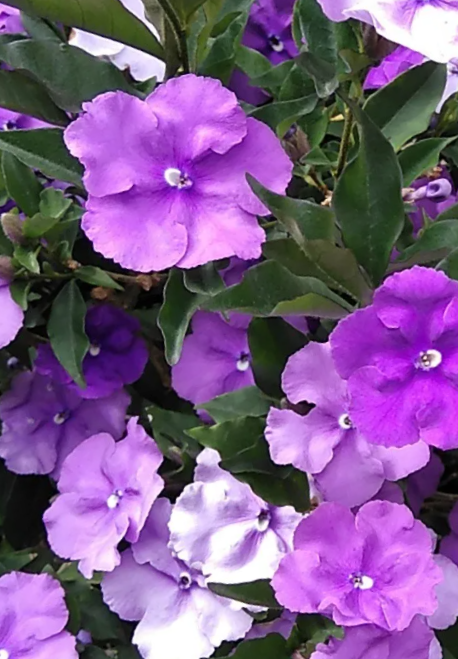
The flowers have a narrow tubular base that expands into five broad spreading lobes. New blooms commonly open violet or deep purple, fade through lavender or lilac, and become nearly white as they age. Flowers opening on different days allow several color stages to appear on the same shrub simultaneously.
This progression produced the names Yesterday-Today-and-Tomorrow and Morning-Noon-and-Night. The fragrance and conspicuous color make the shrub attractive to people, but fallen flowers may also attract animals or become mixed into bedding and mulch. Flowers should be treated as poisonous rather than as harmless decorative material.
Flowering commonly precedes fruit development and marks a period when cleanup becomes especially important. Pruning after flowering can distribute blossoms, immature fruit, leaves, and branch fragments across a yard. The animal should remain away until every piece has been collected.
Fruit, Pulp, and Seeds
The fruit is a rounded, firm, leathery berry-like structure that may begin green and become brown-green or darker as it matures. Numerous hard seeds are enclosed within pale pulp. The calyx may remain at the fruit base and can help with botanical identification.
Fruit and seeds have caused some of the best-documented severe canine cases. Dogs may eat fruit directly from low branches, collect fallen fruit from beneath the shrub, or consume seeds hidden in mulch. The delay before obvious neurologic illness may permit repeated ingestion.
Recognizable fruit, seed coats, or small dark seeds may survive vomiting and intestinal passage. Their recovery can be more diagnostically useful than an early blood panel. Owners and veterinary staff should inspect and preserve gastrointestinal material instead of discarding it automatically.
Poisonous Parts and Disposal Hazards
Leaves, stems, branches, bark, roots, sap, flowers, fruit, pulp, and seeds should all be treated as poisonous. Fruit and seeds may create the highest practical risk, but severe illness is not limited to them. Exact and experimental reports support toxicity from fruit, foliage, and woody material.
Fresh clippings, dried branches, root pieces, storm debris, fallen flowers, fruit, mulch, compost, and old plant material remain relevant. Drying has not been validated as a detoxification method. Water-soluble toxic activity has persisted under prolonged refrigerated experimental storage, demonstrating that lack of freshness does not guarantee safety.
Pruning waste should go directly into a closed animal-inaccessible container or controlled disposal stream. It must not be left temporarily beside a kennel, pasture, poultry run, rabbit area, feed shed, or open compost pile. A neighbor or contractor unfamiliar with the plant can create an exposure even when the owner normally manages it carefully.
Paraguayan Jasmine Is Not a True Jasmine
Paraguayan Jasmine belongs to Solanaceae rather than the true jasmine genus Jasminum in Oleaceae. The common name reflects fragrant ornamental flowers rather than botanical relationship. A nursery label containing only “jasmine” is not sufficient for poison identification.
Numerous unrelated plants are sold as jasmine, including members of Jasminum, Cestrum, Trachelospermum, Gardenia, and other genera. Their toxic syndromes and plant structures differ. Preserve the full scientific label and photograph leaves, flowers, fruit, stems, and complete growth form.
Paraguayan Jasmine and Franciscan Rain Tree
Franciscan Rain Tree is commonly associated with Brunfelsia pauciflora, including material historically called Brunfelsia calycina var. floribunda. That taxon was central to the fatal Schipperke investigation and several influential veterinary reports. It is not an accepted synonym of B. australis.
The two species share color-changing flowers and a serious poisoning concern. Emergency management is therefore similar when exact identification remains uncertain. Botanical records, however, should preserve the distinction and should not assign a B. pauciflora case automatically to Paraguayan Jasmine.
Paraguayan Jasmine and Brunfelsia uniflora
Brunfelsia uniflora is a separate accepted species with a broad South American range. It has been implicated experimentally in poisoning of sheep and donkeys. The study demonstrated diarrhea, severe convulsions, recovery in some animals, and meaningful seasonal variation.
Those livestock findings expand the evidence for genus-level risk but do not prove that B. australis follows the same seasonal pattern or dose response. The species must remain separate in the article. No season should be presented as safe for browsing any ornamental Brunfelsia.
Lady-of-the-Night and Cestrum nocturnum
Lady-of-the-Night is commonly associated with Brunfelsia americana, a Caribbean species with strongly fragrant pale flowers. The same name also refers to Night-Blooming Jessamine, Cestrum nocturnum, another member of Solanaceae. Common-name overlap can therefore involve a different genus as well as a different species.
An unknown plant called Lady-of-the-Night should not be treated as safe. Cestrum species can produce their own important toxic syndromes. Bring the complete plant and label while the animal is treated according to its actual clinical signs.
Why the Syndrome Is Called Strychnine-Like
Normal movement requires carefully balanced excitatory and inhibitory signaling throughout the brain, spinal cord, nerves, and muscles. Severe Brunfelsia poisoning disrupts that balance and produces excessive motor activity, rigid extension, heightened responses to stimulation, and convulsions. The resulting appearance may closely resemble poisoning by strychnine.
The clinical resemblance is useful because both emergencies require rapid control of muscular activity, reduced external stimulation, airway protection, temperature management, and prevention of traumatic injury. The phrase does not prove an identical molecular target. Exact receptor pharmacology for natural B. australis poisoning remains incompletely established.
Published Fatal Schipperke Case
In January 1989, the Texas Veterinary Medical Diagnostic Laboratory investigated the acute death of an 11-week-old intact female Schipperke. The puppy had been seen eating mulch around backyard shrubs approximately two hours before signs began. Initial findings included sudden anxiety, persistent sneezing, vomiting, moderate-to-severe generalized muscle tremors, and a measured temperature of 40.7°C.
“The physical status of the animal progressively worsened over a 2-hr period, culminating in a state of severe disorientation, staggering, ataxia, proprioceptive deficits, an inability to right itself, and seizures. The vomitus and loose stool contained numerous small dark brown seeds and intact medium green spherical, firm seed pods. The vaccination history was current and there was no known, suspected, or possible exposure to any heavy metal, insecticide, pesticide, herbicide, or methylxanthine. The client remarked that the puppy was seen eating mulch around bushes in the owner’s back yard approximately 2 hr prior to the first noted presentation of clinical signs. Treatment by the local veterinarian included Valium, prednisolone, and activated charcoal.”
Charles B. Spainhour, Jr., Robert A. Fiske, Wayne Flory, and John C. Reagor, “A toxicological investigation of the garden shrub Brunfelsia calycina var. floribunda in three species,” Journal of Veterinary Diagnostic Investigation, 1990.
The puppy died despite treatment. Necropsy did not identify a gross or microscopic lesion sufficient to explain the dramatic neurologic syndrome. The case demonstrates that fatal functional neurotoxicity may leave little distinctive structural evidence and that activated charcoal alone is not a cure.
Laboratory Findings from the Spainhour Investigation
Researchers separated the submitted shrub into fruit, leaves, and stems with branches and prepared aqueous material for administration to mice and rats. Initial abnormalities appeared within approximately 15–60 minutes and included anxiety, agitation, increased heart and respiratory rates, tearing, salivation, urination, tooth grinding, retching, shivering, and increased grooming. Severe ataxia, proprioceptive deficits, antisocial behavior, vocalization, generalized tremors, paw treading, nystagmus, convulsions, and profound loss of motor activity followed.
Every tested plant portion was toxic. Fruit caused death more rapidly and appeared to produce the most intense signs, supporting the practical concern created by fruiting shrubs. The water-soluble toxic activity remained capable of producing a comparable syndrome and lethality after four months of refrigerated storage.
The authors did not establish a reliable general canine lethal dose. Their rodent results cannot be converted into a safe berry count, leaf weight, or home triage threshold. The investigation is most valuable for confirming multisystem toxicity, identifying fruit as a major danger, and showing the diagnostic importance of seeds and pods.
Earlier Australian Canine Cases
“In the Australian reports, 1 dog showed clinical signs of gastric and buccal irritation, nystagmus, salivation, vomition, nervous irritation, extensor rigidity, and opisthotonous, but recovered with treatment in 2 days. Another dog died within 10 hours after ingestion of berries after exhibiting vomition, dementia, and severe hematuria. An experimental dog fed 5.4 g/kg of body weight of minced Brunfelsia showed depression, antisocial behavior, vomition, diarrhea, reluctance to stand, decreased motor activity, generalized fine muscle tremors, polyuria, involuntary rhythmic limb extension, convulsions, and opisthotonous. The animal was euthanized at 40 hours post dosing. Gross necropsy revealed only edema and hyperemia of the terminal ileum. Histopathologic findings were not specific.”
Spainhour, Fiske, Flory, and Reagor, summarizing earlier Australian veterinary reports.
These cases demonstrate a broad severity range, from recovery within two days to death within hours. They also show that oral and gastrointestinal irritation may precede the neurologic phase. Minimal or nonspecific pathology does not exclude a fatal convulsant poisoning.
Exact Brunfelsia australis Fruit Cases
A 1983 report documented intoxication of two dogs after ingestion of B. australis fruit. Although the brief indexed record does not provide a detailed abstract, the publication remains important exact-species evidence. It directly supports the continuing warning about fruiting shrubs and fallen berries.
A 2016 report described one fatal and one nonfatal canine B. australis poisoning. The fatal dog had neurologic signs and vomit containing fruits and small brown seeds, while the surviving dog had neurologic signs and green diarrhea containing leaves and stems. Macroscopic and microscopic comparison confirmed the recovered material as B. australis.
The 2016 authors concluded that fruit ingestion can have a fatal outcome and that leaves and branches can also cause illness. Gastrointestinal-material identification served as a useful diagnostic complement. The report supports preserving vomit and diarrhea rather than relying solely on blood tests.
Published Beagle Case Involving B. australis
A 2.5-year-old female Beagle initially presented with abdominal pain and vomiting after reportedly receiving green potato skins. Progressive illness developed within approximately five hours, and later investigation revealed substantial ingestion of a Yesterday-Today-and-Tomorrow shrub identified as Brunfelsia australis. The case included gastrointestinal, central nervous system, and cardiac concerns.
The report illustrates why an obvious food exposure can distract from a more dangerous environmental source. A complete history must include yard access, ornamental shrubs, fallen fruit, compost, mulch, pesticides, medications, and food. Several exposures may also occur together.
Four-Dog Case Series
A later Australian report described four dogs with acute Brunfelsia poisoning. Vomiting, diarrhea, anxiety, muscle tremors, opisthotonus, and seizures were prominent findings. All four dogs survived.
Treatment combinations included general anesthesia, gastric lavage, enemas, diazepam, phenobarbital, and propofol sedation. No single intervention served as a universal cure, and treatment had to control neurologic activity while removing remaining gastrointestinal material. Examination of feces was required to establish the diagnosis in every case.
Fatal Respiratory and Cardiac Case
A two-year-old dog developed acute vomiting, profuse diarrhea, and excessive salivation after unsupervised access to a yard containing Brunfelsia. Severe neurologic abnormalities followed, and generalized seizures were unresponsive to initial benzodiazepine treatment. Loss of the gag reflex required intubation, and respiratory failure required mechanical ventilation.
Four days after presentation, the dog developed severe cardiac dysrhythmia and died from cardiac arrest. Plant material from the shrub and gastrointestinal tract was identified as Brunfelsia. The case demonstrates that ECG monitoring and ventilation capability may be essential after massive exposure.
Sheep and Donkey Investigation
Farmers in northeastern Brazil had associated nervous disease in donkeys and ruminants with browsing Brunfelsia uniflora near the start of the rainy season when the plant was flowering. Investigators administered freshly collected leaves from different seasonal stages to sheep and donkeys. Two sheep and one donkey receiving flowering-season leaves developed severe convulsions and diarrhea.
One sheep was euthanized, while another sheep and the donkey recovered. A donkey receiving a smaller amount developed diarrhea and recovered. Comparable or larger amounts of later-season leaves caused no signs in several test animals.
The study demonstrates livestock susceptibility and possible seasonal chemical variation in B. uniflora. It does not establish a safe dose, safe season, or identical response for B. australis. All ornamental Brunfelsia waste should remain outside pastures and feed systems.
Dogs
Dogs represent the best-documented companion-animal risk. Fruit-seeking, mulch investigation, chewing during teething, digging, pica, and repeated access to fallen berries create common pathways. A puppy can consume a substantial dose before an owner notices the missing fruit.
Early vomiting or diarrhea should not be dismissed as ordinary dietary upset when a fruiting Brunfelsia is accessible. Tremors, rigidity, abnormal gait, nystagmus, or seizures may follow. Vomit and stool must be examined for fruit, seeds, leaves, or stems.
Cats
Cats may chew leaves and flowers, walk through pruning debris, play beneath a shrub, or groom sap and fragments from the paws or coat. Formal feline case literature is sparse compared with dogs, but the genus is classified as toxic and severe neurotoxicity is biologically plausible. A lack of published case numbers is not evidence of feline safety.
Drooling, vomiting, coughing, tremors, abnormal pupils, poor coordination, seizures, or unusual depression requires emergency care. Continued anorexia introduces a separate risk of hepatic lipidosis. Indoor container plants and seasonal overwintering create exposure outside the shrub’s normal landscape range.
Horses and Livestock
Horses and livestock may encounter Brunfelsia through branches growing over fences, hedge trimming, storm debris, nursery waste, decorative plantings, or mixed ornamental clippings. The plant should never be offered as browse. Horses cannot vomit, and neurologic impairment makes drenching particularly dangerous.
Remove the entire group when one animal develops salivation, diarrhea, tremors, ataxia, rigidity, recumbency, or convulsions. Preserve complete plant samples from several parts of the exposure area. Mixed debris may contain a second toxin that changes treatment and prognosis.
Rabbits, Guinea Pigs, Birds, Reptiles, and Other Exotics
No plant part should be used as browse, cage greens, perches, nesting material, enrichment, or enclosure landscaping. Small animals may ingest a large dose relative to body weight, while birds can consume numerous seeds rapidly. Exact species-specific dose information is unavailable.
Food refusal, diarrhea, regurgitation, tremors, abnormal movement, loss of balance, inability to perch, seizures, abnormal breathing, or reduced responsiveness requires species-experienced care. Forced feeding or oral medication is unsafe when swallowing or neurologic function is abnormal. Preserve the exact plant and every enclosure chemical.
Diagnosis
Diagnosis combines exact plant identification, credible access, gastrointestinal signs, neurologic progression, and recovery of recognizable plant material. No routinely available rapid blood assay confirms brunfelsamidine or measures the complete toxic mixture. Normal early bloodwork cannot clear a suspicious exposure.
Useful specimens include complete branches, mature leaves, flowers at several color stages, fruit, seeds, roots, nursery labels, photographs, vomit, diarrhea, feces, stomach contents, and material recovered during lavage. Clean botanical samples should remain separate from biological material. Diagnostic laboratories may compare fragments with authenticated reference specimens.
A complete environmental history is essential. Ask about slug bait, moldy food, compost, caffeine, chocolate, medications, pesticides, lead, rodenticides, mushrooms, cannabis, stimulants, and other ornamentals. Several toxins can coexist in a yard or waste pile.
Differential Diagnosis
Strychnine and metaldehyde are major differentials because they can cause stimulus-sensitive tremors, rigidity, hyperthermia, and seizures. Tremorgenic mold toxins, methylxanthines, amphetamines, cocaine, organochlorines, organophosphates, carbamates, lead, zinc phosphide, and cane-toad toxin can overlap substantially. Medication exposure and illicit substances must also be considered.
Metabolic and infectious differentials include hypocalcemia, hypoglycemia, hepatic encephalopathy, severe electrolyte disturbance, meningitis, encephalitis, canine distemper, epilepsy, and structural brain disease. The combination of vomiting or diarrhea, seeds in gastrointestinal material, rapid progression to tremors and rigidity, and access to a fruiting shrub strongly supports Brunfelsia. It does not eliminate the possibility of a mixed exposure.
Veterinary Stabilization and Treatment
There is no specific antidote. Immediate priorities are controlling tremors, rigidity, and seizures; protecting the airway; restoring effective ventilation and oxygenation; managing body temperature; supporting circulation; and preventing traumatic injury. Gastrointestinal decontamination must wait until those life-threatening problems are controlled.
Veterinarians may use benzodiazepines, barbiturates, phenobarbital, propofol, methocarbamol, or inhalant anesthesia according to the pattern and persistence of motor activity. Refractory patients may require intubation, suctioning, oxygen, and assisted or mechanical ventilation. ECG, blood pressure, temperature, glucose, electrolytes, acid-base status, oxygenation, and markers of muscle injury may require repeated assessment.
Once stable, a recent appropriate exposure may justify controlled emesis in a neurologically normal patient, while large fruit or seed ingestion may justify gastric lavage under anesthesia with a protected airway. Activated charcoal, gastrointestinal evacuation, or enemas have been used in published cases, but each carries risks during vomiting, diarrhea, dehydration, ileus, sedation, or impaired swallowing. Treatment must be individualized rather than copied from a historical protocol.
Prolonged recumbency and anesthesia require padding, turning, eye lubrication, bladder care, temperature control, pressure-injury prevention, and nutritional planning. Aspiration pneumonia, muscle injury, kidney stress, dysrhythmia, and recurrent seizures require their own treatment. Intensive monitoring may continue for several days.
Prognosis
Prognosis ranges from complete recovery to rapid death. Favorable factors include early recognition, prompt seizure control, maintained airway reflexes, normal oxygenation, controlled temperature, stable circulation, and removal of remaining plant material. Several dogs with severe tremors, opisthotonus, and seizures have survived intensive treatment.
Numerous fruits or seeds, uncontrolled seizures, severe hyperthermia, hypoventilation, aspiration, cardiac dysrhythmia, delayed treatment, or prolonged coma creates a guarded-to-grave outlook. Temporary suppression of seizures under anesthesia does not establish recovery. Discharge requires sustained neurologic, respiratory, cardiovascular, gastrointestinal, and temperature stability.
Prevention
Do not plant Paraguayan Jasmine or another Brunfelsia where pets or livestock can reach the shrub or fallen material. Existing plants should be removed or secured when a dog habitually consumes fruit, mulch, flowers, or vegetation. Fencing must account for fruit falling beyond the barrier.
Collect fallen fruit and flowers frequently during reproductive periods. Pruning waste, roots, leaves, branches, fruit, and seeds must go directly into a closed animal-inaccessible container. Never dump the plant into a pasture, kennel, rabbit run, poultry area, feed pile, or open compost.
Inform family members, gardeners, neighbors, landscapers, nursery workers, boarding staff, and farm employees about the risk. Retain the scientific label and photographs before removal. Correct identification prevents later confusion with true jasmine, Cestrum, or another Brunfelsia.
Immediate Response After Exposure
Any confirmed or suspected Paraguayan Jasmine ingestion should be treated as urgent because the animal may appear normal during the interval before tremors and seizures begin. Remove access, preserve the plant and all recovered material, reduce avoidable stimulation, and contact a veterinarian or animal poison-control service immediately. Do not wait for neurologic signs to determine whether the exposure was serious.
- Remove the animal from the source: Prevent further access to the shrub, flowers, fruit, seeds, roots, mulch, pruning debris, compost, propagation water, and vomited material.
- Preserve a complete specimen: Save a branch with mature leaves, flowers, fruit, and seeds when available, together with the nursery label and photographs of the entire shrub.
- Collect diagnostic evidence: Place vomited plant matter, regurgitated material, or stool containing seeds in a sealed container and prevent another animal from consuming it.
- Record the timeline: Note the earliest and latest possible access, maximum amount missing, first sign, and whether fruit, seeds, foliage, roots, or several parts were involved.
- Reduce stimulation: Keep the area quiet and dim while arranging transport, but do not delay departure to create a perfect environment.
Do Not Induce Vomiting at Home
Home-induced vomiting is unsafe because neurologic signs may begin rapidly or after an unrecognized delay. An animal that becomes tremorous, rigid, weak, gagging, confused, or poorly responsive can inhale vomit into the lungs. Professional case selection must account for elapsed time, species, neurologic status, swallowing, and airway protection.
- Do not give hydrogen peroxide: It can cause prolonged vomiting, stomach and esophageal injury, aspiration, and delayed transportation.
- Never give hydrogen peroxide to a cat: It can seriously damage the feline stomach and esophagus.
- Do not use salt, mustard, detergent, oil, syrup, fingers, or manual gagging: These methods can create another poisoning or physical injury.
- Do not attempt vomiting after signs begin: Agitation, tremors, rigidity, ataxia, weakness, vomiting, abnormal breathing, seizures, or reduced awareness makes emesis particularly dangerous.
- Do not attempt emesis in horses, rabbits, guinea pigs, birds, or ruminants: These species cannot vomit effectively or face major aspiration and handling risks.
Do Not Force Charcoal, Cathartics, Food, Water, or Medication
Historical and published veterinary protocols have used activated charcoal, cathartics, enemas, anticonvulsants, muscle relaxants, anesthetics, and gastric lavage. These were clinical procedures performed after assessing and stabilizing the airway, breathing, circulation, temperature, and neurologic condition. They must not be converted into owner-administered doses or home protocols.
- Do not force activated charcoal: A vomiting, tremoring, seizing, sedated, weak, or poorly swallowing animal can aspirate charcoal and develop severe lung injury.
- Do not give sorbitol or saline cathartics: Diarrhea, dehydration, electrolyte abnormalities, ileus, and aspiration risk may make them dangerous.
- Do not give human or leftover seizure medication: Incorrect drug selection can suppress breathing, worsen cardiovascular instability, or interfere with definitive treatment.
- Do not give muscle relaxants or sedatives: Methocarbamol, diazepam, phenobarbital, pentobarbital, propofol, and inhalant anesthetics require veterinary monitoring and airway support.
- Do not force food, milk, oil, or water: None neutralizes the toxins, and forced swallowing can produce aspiration.
Protect the Animal During Tremors or Seizures
Do not place fingers, spoons, towels, medication, food, or other objects in a seizing animal’s mouth. Animals do not swallow their tongues, and involuntary jaw movements can cause severe bites or break objects that obstruct the airway. Protection should focus on the surrounding environment rather than restraining the mouth or limbs.
- Move hazards away: Clear furniture, sharp objects, stairs, water containers, electrical cords, glass, and hard obstacles.
- Reduce light and noise: Dim the area and limit unnecessary touching because stimulation may intensify a spinal-convulsant syndrome.
- Time the episode: Record when the seizure begins and ends and whether another starts before normal awareness returns.
- Record video when safe: A short recording may help distinguish fasciculations, tremors, rigidity, paddling, and generalized seizures.
- Allow oral drainage: After convulsions stop, position the head so saliva and vomit can leave the mouth without compressing the chest.
Monitor Body Temperature
Continuous tremors, rigidity, agitation, and seizures can generate dangerous heat. Shock, paralysis, prolonged recumbency, heavy sedation, and environmental exposure can instead produce hypothermia. Temperature treatment should follow repeated measurements because the direction of the problem may change during the same case.
- Watch for hyperthermia: Heavy panting, hot skin, dark or bright-red gums, worsening tremors, and profound agitation may accompany overheating.
- Watch for hypothermia: Cold ears or feet, profound quietness, weak responses, and reduced shivering may accompany a dangerously low temperature.
- Do not use an ice bath: Uncontrolled cooling may cause vasoconstriction, shivering, and additional muscle heat production.
- Do not apply direct high heat: Heating pads, hot bottles, and electric blankets can burn a weak or unconscious animal.
- Use controlled transport conditions: Keep the vehicle comfortably cool during tremors without allowing a sedated or recumbent patient to become cold.
Monitor Breathing and Airway Protection
Weak, shallow, irregular, gasping, or absent effective breathing requires immediate airway and ventilation support. Salivation, vomiting, loss of the gag reflex, seizures, and sedation all increase aspiration risk. Blue-gray gums or tongue indicate inadequate oxygenation and demand immediate emergency care.
- Watch for loss of swallowing: Pooling saliva, choking, gurgling, or inability to handle oral secretions may indicate loss of airway reflexes.
- Watch for aspiration: Coughing after vomiting, rapid breathing, fever, nasal discharge, or renewed lethargy may indicate material entered the lungs.
- Give nothing by mouth: Food, water, charcoal, cathartics, and medication are unsafe when swallowing is impaired.
- Call ahead: Tell the emergency hospital that seizure control, intubation, oxygen, and ventilation equipment may be needed.
Emergency Findings Requiring Immediate Transport
- Gastrointestinal signs: Repeated vomiting, profuse diarrhea, gagging, coughing, excessive salivation, blood, or inability to retain water.
- Behavioral changes: Panic, unusual aggression, antisocial behavior, severe disorientation, continuous vocalization, or profound depression.
- Motor abnormalities: Facial twitching, fasciculations, tremors, stiffness, wide-based stance, staggering, falling, or inability to right the body.
- Eye and head abnormalities: Nystagmus, unequal or dilated pupils, apparent blindness, rigid neck extension, or opisthotonus.
- Seizures: Any generalized seizure, repeated episodes, or continuous muscular rigidity.
- Breathing or circulation changes: Rapid, weak, labored, or irregular breathing; pale or blue-gray gums; weak pulses; collapse; or reduced responsiveness.
Safe Transportation
- Call the clinic before departure: Report suspected severe Brunfelsia neurotoxicity so seizure, airway, and ventilation equipment can be prepared.
- Use a carrier, blanket, board, or stretcher: Do not force an ataxic, rigid, weak, or disoriented animal to walk.
- Pad the patient: Use blankets or towels around the body to reduce impact without restricting breathing or holding the limbs rigidly.
- Keep the vehicle quiet: Reduce bright light, noise, and unnecessary handling because stimulation may intensify spasms.
- Do not transport alone when possible: One person should drive while another observes breathing and protects the animal from injury.
- Bring the evidence: Transport the label, complete branch, fruit, seeds, photographs, product packages, vomit, and fecal material when collection is safe.
Veterinary Stabilization Comes Before Decontamination
An animal already showing central nervous system abnormalities must be stabilized before vomiting, charcoal, lavage, enemas, or another decontamination procedure is attempted. Uncontrolled seizures, rigidity, hyperthermia, poor oxygenation, dysrhythmia, shock, or loss of airway reflexes can become fatal during oral treatment. Stabilization may require several interventions simultaneously.
- Control seizures and rigidity: Veterinarians may use benzodiazepines, barbiturates, phenobarbital, propofol, methocarbamol, or inhalant anesthesia according to the response.
- Protect the airway: Endotracheal intubation, oxygen, suctioning, and assisted or mechanical ventilation may be required.
- Manage temperature: Controlled cooling or warming is selected according to repeated measured temperatures.
- Support circulation: Intravenous access, fluids, ECG, blood-pressure assessment, glucose, and electrolyte monitoring may be necessary.
- Prevent secondary injury: Padding, eye lubrication, turning, bladder care, and protection from aspiration and pressure injury may be required during prolonged anesthesia or recumbency.
Veterinary Gastrointestinal Decontamination
Once the patient is stable, the veterinarian determines whether plant material can still be removed safely. The decision depends on the elapsed time, amount, plant part, vomiting, bowel function, neurologic condition, and whether fruit or seeds may remain within the stomach or intestines. A procedure appropriate for an alert asymptomatic dog may be dangerous in a tremoring or obtunded patient.
- Veterinary emesis: Controlled vomiting may be considered only after a very recent exposure in an alert, neurologically normal patient with intact airway reflexes.
- Gastric lavage: A large fruit or seed ingestion may justify lavage under anesthesia with a protected airway.
- Activated charcoal: Professionally administered charcoal may be considered when toxin remains available for binding and aspiration risk is controlled.
- Cathartics: A cathartic is not appropriate for every patient and may be avoided during diarrhea, dehydration, electrolyte imbalance, ileus, or repeated charcoal treatment.
- Enemas or gastrointestinal evacuation: Published cases required additional measures when numerous seeds remained within the digestive tract.
- Examine recovered material: Fruit, seeds, leaves, and stems can confirm exposure and show whether plant material continues to pass.
Veterinary Monitoring and Supportive Care
No antidote directly neutralizes the complete Brunfelsia toxin mixture. Treatment must continue until the animal maintains normal neurologic function, breathing, temperature, hydration, circulation, and swallowing without repeated rescue medication or heavy anesthesia. Severe cases may require several days of intensive care.
- Neurologic monitoring: Tremors, rigidity, nystagmus, mentation, gait, righting ability, and seizure recurrence should be documented.
- Temperature monitoring: Hyperthermia and hypothermia may alternate as muscle activity and treatment intensity change.
- Respiratory monitoring: Oxygen saturation, blood gases, airway reflexes, lung sounds, and aspiration risk may require repeated assessment.
- Cardiovascular monitoring: ECG, heart rate, blood pressure, pulse quality, and perfusion are important because severe dysrhythmia and cardiac arrest have occurred.
- Fluid and electrolyte support: Vomiting, diarrhea, fever, muscular activity, and inability to drink can produce dehydration and metabolic abnormalities.
- Laboratory monitoring: Blood count, chemistry, glucose, electrolytes, kidney and liver measurements, acid-base status, and markers of muscle injury may be followed according to severity.
Dogs and Cats
- Assume delayed progression remains possible: A normal appearance immediately after fruit or seed ingestion does not clear the patient.
- Inspect vomit and stool: Fruit, seeds, leaves, and stems may provide the strongest diagnostic evidence.
- Monitor swallowing and appetite: Ongoing nausea, sedation, aspiration risk, and prolonged feline anorexia require attention.
- Prevent repeat access: Other household animals must be kept away from the shrub and contaminated gastrointestinal material.
- Expect prolonged care when severe: Seizure recurrence for several days and weeks-long neurologic recovery have been documented.
Horses and Livestock
- Remove the entire group: Move every animal away from the shrub, contaminated feed, clipping pile, compost, or storm debris.
- Do not force affected animals to walk: Ataxia, tremors, rigidity, and seizures create a major traumatic-injury risk.
- Do not drench: Salivation, convulsions, weakness, or impaired swallowing creates extreme aspiration risk.
- Preserve several plant samples: Collect leaves, flowers, fruit, seeds, and branches from different parts of the exposure area.
- Monitor apparently normal animals: Signs may be delayed and intake can differ substantially among animals.
Rabbits, Guinea Pigs, Birds, Reptiles, and Other Exotics
- Do not attempt vomiting: Household emesis is unsafe or impossible in these species.
- Do not force-feed or syringe fluids: Neurologic dysfunction and impaired swallowing increase aspiration risk.
- Reduce stimulation: Quiet, dim handling may reduce triggering while immediate transport is arranged.
- Monitor species-specific function: Fecal output, crop function, perching, posture, breathing, and responsiveness may provide early evidence of deterioration.
- Seek specialized care: Tremors, loss of balance, inability to perch, seizures, abnormal breathing, or reduced responsiveness requires immediate treatment.
Recovery and Prognosis
Recovery may occur within one or two days after a smaller exposure, but severe cases may require days of seizure control and weeks before complete neurologic recovery. Temporary improvement after sedation does not establish that the toxins have cleared. The animal must remain stable as medication is reduced.
- Monitor for recurrent seizures: Neurologic episodes can return after an apparently quiet interval.
- Monitor for aspiration: Coughing, fever, nasal discharge, rapid breathing, or renewed lethargy may indicate pneumonia.
- Monitor strength and coordination: Normal posture, gait, righting ability, vision, and responses should return before unrestricted activity.
- Monitor eating and drinking: Swallowing, appetite, hydration, urination, and stool should normalize.
- Expected outlook: Early aggressive care can produce complete recovery, but large fruit or seed ingestion, uncontrolled seizures, respiratory failure, and dysrhythmia carry a guarded prognosis.
Prevention
- Remove or secure fruiting shrubs: Fencing may be insufficient when fruit falls beneath or beyond the barrier.
- Collect fallen fruit and flowers: Frequent cleanup is essential during flowering and fruiting periods.
- Secure pruning waste: Place every branch, root, leaf, fruit, and seed directly into a closed animal-inaccessible container.
- Inspect mulch and compost: Puppies may find fruit or seeds hidden beneath the shrub or mixed with garden debris.
- Identify every similar shrub: Yesterday-Today-and-Tomorrow, Lady-of-the-Night, Franciscan Rain Tree, and Paraguayan Jasmine may refer to different poisonous species.
Frequently Asked Questions About Paraguayan Jasmine and Animal Poisoning
Is Paraguayan Jasmine poisonous to dogs and cats?
Yes. Brunfelsia australis and related Brunfelsia species can cause life-threatening gastrointestinal, neurologic, respiratory, and cardiovascular illness. Dogs and cats may develop salivation, coughing, vomiting, diarrhea, agitation, tremors, rigidity, poor coordination, abnormal eye movements, seizures, abnormal temperature, respiratory compromise, collapse, or death. Any credible ingestion requires immediate professional guidance.
Is Paraguayan Jasmine poisonous to horses and livestock?
Yes. Experimental Brunfelsia uniflora exposure caused severe diarrhea and convulsions in sheep and donkeys, and veterinary poison references treat the genus as hazardous to horses. Horses cannot vomit and may present with salivation, colic, tremors, rigidity, ataxia, recumbency, seizures, or respiratory difficulty. Remove every exposed animal from the source and contact a large-animal veterinarian immediately.
Is Paraguayan Jasmine the same as Yesterday-Today-and-Tomorrow?
Brunfelsia australis is commonly sold under that name, but it is not the only species called Yesterday-Today-and-Tomorrow. Brunfelsia pauciflora, B. uniflora, and other cultivated species may carry the same label. They are botanically separate but share a serious poisoning concern. Preserve the scientific label whenever possible.
Why are purple, lavender, and white flowers visible together?
Newly opened flowers are commonly violet or purple, fade through lavender or lilac, and become nearly white as they age. Different flowers open on different days, so several color stages appear on one shrub simultaneously. This sequence produced the names Yesterday-Today-and-Tomorrow and Morning-Noon-and-Night. Flower color does not indicate that one age stage is safe.
Is Paraguayan Jasmine a true jasmine?
No. It belongs to Solanaceae, the Nightshade Family, rather than the true jasmine genus Jasminum in Oleaceae. The jasmine name refers to its ornamental fragrance and appearance. A label containing only “jasmine” is not adequate for poison identification because many unrelated plants share that word.
Which plant parts are poisonous?
Leaves, stems, branches, bark, roots, sap, flowers, fruit, pulp, and seeds should all be treated as poisonous. Fruit and seeds create the greatest practical concern because dogs may eat several before signs begin, but leaf-and-stem poisoning has also been confirmed. Pruning waste, storm debris, compost, and old plant material must remain inaccessible. No plant part should be offered as browse or enrichment.
Why are the fruit and seeds especially dangerous?
Dogs may deliberately eat the rounded fruit and swallow numerous hard seeds before becoming visibly ill. Fruit preparations produced especially rapid and severe effects in experimental work, and exact B. australis fatalities have involved fruits and seeds. Recognizable seeds may later appear in vomit or stool and help establish the diagnosis. No safe fruit or seed count has been validated.
What toxins are present in Paraguayan Jasmine?
Brunfelsamidine is the best-supported named convulsant associated with the genus, while hopeanine and scopoletin are also frequently discussed. The natural plant contains a mixture rather than one measured purified toxin, and exact B. australis tissue concentrations have not been mapped sufficiently. Brunfelsamidine was identified chemically as pyrrole-3-carboxamidine. The complete veterinary mechanism remains incompletely characterized.
Is this simply tropane-alkaloid poisoning like Jimsonweed?
No classic atropine-like syndrome has been established as the complete explanation. Brunfelsamidine is an amidine rather than atropine or scopolamine, although some signs overlap with anticholinergic poisoning. The defining veterinary pattern usually combines vomiting or diarrhea with tremors, rigidity, ataxia, opisthotonus, and seizures. Atypical dry-mouth, urinary-retention, or delirium-dominant illness should broaden the differential diagnosis.
How quickly can symptoms begin?
Signs often begin within approximately two to several hours, but faster experimental onset and delayed natural presentations have been described. Timing depends on plant part, quantity, digestion, chewing, and individual susceptibility. A normal appearance shortly after ingestion does not establish safety. Professional guidance should begin before symptoms appear.
Can seizures continue or return for several days?
Yes. Recurrent tremors, rigidity, and seizures may continue for days and require several anticonvulsant or anesthetic medications. One published dog continued convulsing until the fifth day and needed approximately three weeks for complete recovery. Temporary quietness under sedation is not proof that the toxin has cleared. Monitoring must continue while medication is reduced.
Can Paraguayan Jasmine poisoning affect breathing and the heart?
Yes. Respiratory compromise may result from seizures, exhaustion, aspiration, loss of airway reflexes, central hypoventilation, or treatment medication. A published dog required mechanical ventilation and later developed severe cardiac dysrhythmia and fatal cardiac arrest. Severe patients need respiratory, oxygenation, ECG, blood-pressure, and temperature monitoring. The illness should not be treated as a seizure-only problem.
Can normal bloodwork rule out poisoning?
No. Severe and fatal cases have had few distinctive early laboratory abnormalities or postmortem lesions. The toxins may disrupt neurologic function before a characteristic structural lesion develops. Plant access, clinical progression, seeds or fruit in gastrointestinal material, and exclusion of other convulsants may be more diagnostic. Serial tests are still important for detecting complications.
What other poisonings resemble Paraguayan Jasmine?
Strychnine, metaldehyde slug bait, tremorgenic mold toxins, methylxanthines, stimulants, pesticides, lead, zinc phosphide, cane-toad toxin, medications, and illicit substances can produce overlapping signs. Hypocalcemia, hypoglycemia, hepatic encephalopathy, epilepsy, meningitis, encephalitis, and other neurologic disease may also resemble it. The veterinarian must investigate these possibilities when the plant exposure is uncertain. Mixed exposure remains possible even when seeds are found.
Should I make my dog vomit after it eats the fruit?
Do not induce vomiting unless a veterinarian or animal poison-control professional specifically directs it after assessing the case. Neurologic signs may begin before the owner recognizes them, and vomiting can cause aspiration in an agitated, tremoring, weak, gagging, or confused animal. Hydrogen peroxide should never be given automatically and is particularly unsafe in cats. Transportation should not be delayed for a home emesis attempt.
Should I give activated charcoal?
Do not force charcoal at home. A veterinarian may administer it after determining that the airway is protected and toxin remains available for binding. Vomiting, diarrhea, dehydration, impaired swallowing, ileus, sedation, and seizures can make charcoal or cathartics dangerous. Charcoal does not replace seizure control, ventilation, temperature management, or cardiovascular support.
Why should vomit and stool be preserved?
Fruit, seeds, leaves, and stems may remain recognizable and provide strong diagnostic evidence when bloodwork is nonspecific. Exact B. australis has been confirmed through macroscopic and microscopic examination of plant fragments recovered from vomit and diarrhea. In a four-dog series, fecal examination was required to establish the diagnosis in every case. Samples should be sealed and kept away from other animals.
How do veterinarians control the tremors and seizures?
Treatment may require benzodiazepines, barbiturates, phenobarbital, propofol, methocarbamol, or inhalant anesthesia. Severe patients may require intubation, oxygen, suctioning, and mechanical ventilation. Drug choice changes according to the type of motor activity, response to earlier treatment, breathing, temperature, blood pressure, and duration. These medications must not be administered from owner-facing dosing instructions.
What is the prognosis?
Prognosis depends on the plant part, amount, delay before care, seizure control, temperature, oxygenation, aspiration, circulation, and cardiac rhythm. Many dogs have recovered despite severe tremors, opisthotonus, and seizures. Death, prolonged ventilation, cardiac arrest, recurrent seizures, and weeks-long recovery have also been documented. Large fruit or seed ingestions and uncontrolled seizures create the greatest concern.
How should an existing shrub be managed around animals?
Complete removal is the safest option when dogs or livestock can reach the plant or fallen fruit. Fencing may fail when branches extend outward or fruit drops beyond the barrier. Collect flowers and fruit frequently, secure all pruning and root waste immediately, and prevent access to mulch and compost beneath the shrub. Inform gardeners, neighbors, contractors, pet sitters, and farm staff about the hazard.
What research gaps remain?
Research is needed to quantify brunfelsamidine, hopeanine, scopoletin, and other candidate compounds in authenticated B. australis leaves, flowers, fruit, seeds, bark, and roots across seasons. Veterinary toxicokinetic studies should examine absorption, metabolism, elimination, receptor activity, cardiac effects, and respiratory failure. Prospective cases should document exact plant identity, amount, gastrointestinal findings, ECG, ventilation, treatment, and long-term neurologic outcome. A validated diagnostic assay and species-specific dose-response data remain important unmet needs.