Ornamental Pepper Toxicity, Solanocapsine Alkaloids, and Jerusalem Cherry Exposure
Is Ornamental Pepper Poisonous to Dogs, Cats, Horses, and Livestock?
Yes—Ornamental Pepper, as identified on this page by the accepted scientific name Solanum pseudocapsicum, is poisonous to dogs, cats, horses, livestock, rabbits, guinea pigs, birds, and other animals that ingest it. This plant is more widely known as Jerusalem Cherry and must not be confused with true ornamental chili peppers in the genus Capsicum. Its leaves, stems, roots, seeds, green fruit, and fully colored yellow, orange, or red fruit contain solanocapsine and related aminosteroidal alkaloids.
Poisoning commonly begins with drooling, nausea, appetite loss, abdominal pain, vomiting in animals capable of vomiting, diarrhea, depression, and lethargy. More serious exposures may be accompanied by hemorrhagic diarrhea, dilated pupils, altered behavior, poor coordination, progressive muscular weakness, paralysis, tremors, seizures, abnormal breathing, an abnormal heart rate or rhythm, poor circulation, shock, collapse, or reduced responsiveness.
Exact veterinary dose-response evidence is limited, and no validated safe berry count applies to every animal. Alkaloid fractions have been isolated from ripe fruit as well as leaves, roots, seeds, and stems, so a red berry cannot be treated like a ripe cherry tomato. Berry color, one previous uneventful exposure, or vomiting shortly after ingestion does not establish that all toxic material was removed.
The clinical mechanism is more complicated than a generic claim of “solanine poisoning.” Solanocapsine and several related alkaloids are documented directly in this species, but their natural absorption, metabolism, interactions, and relative contributions to gastrointestinal, neurologic, autonomic, respiratory, and cardiovascular signs have not been mapped fully in domestic animals. Severe or atypical illness requires investigation for another nightshade, pesticide, medication, potting product, foreign material, or concurrent disease as well as the Ornamental Pepper exposure.
About this guide: This page provides general pet-poisoning information and cannot diagnose or treat an individual animal. For any suspected exposure, contact a veterinarian or animal poison-control service immediately. Do not induce vomiting, give medication, or attempt home decontamination unless directed by a veterinary professional.
Ornamental Pepper
Solanum pseudocapsicum L.
- Pseudocapsicum undulatum Moench — historical heterotypic synonym and former placement in the genus Pseudocapsicum
- Solanum capsicastrum Link ex Schauer — important horticultural synonym historically associated with False Jerusalem Cherry
- Solanum diflorum Vell. — historical heterotypic synonym
- Solanum hyemale Salisb. — historical heterotypic synonym
- Solanum ipecacuanha Chodat — historical heterotypic synonym associated with the plant’s emetic reputation
- Solanum microcarpum Vahl — historical heterotypic synonym
- Solanum pseudocapsicum var. diflorum (Vell.) Bitter — historical varietal combination
- Solanum pseudocapsicum var. luteum Poir. — historical yellow-fruited variety
- Solanum pseudocapsicum var. microcarpum Pers. — historical small-fruited variety
- Capsicum annuum L. — true pepper species containing many edible and ornamental chili-pepper cultivars; not a synonym of Ornamental Pepper
Solanaceae — Nightshade Family
Ornamental Pepper; Jerusalem Cherry; Jerusalem-Cherry; False Jerusalem Cherry; Winter Cherry; Madeira Winter Cherry; Madeira Cherry; Christmas Cherry; Christmas Berry; Coral Bush; Coral Shrub; Coralberry; Natal Cherry; Love Apple
Historical and taxonomic search variations include Pseudocapsicum undulatum, Solanum capsicastrum, Solanum diflorum, Solanum hyemale, Solanum ipecacuanha, Solanum microcarpum, Solanum pseudocapsicum var. diflorum, Solanum pseudocapsicum var. luteum, and Solanum pseudocapsicum var. microcarpum.
“Ornamental Pepper” is frequently used for harmless-looking but pungent cultivars of Capsicum annuum, while “Natal Cherry” may mean Natal Plum, Carissa macrocarpa, and “Winter Cherry” may refer to Physalis alkekengi or Withania somnifera. Identify the exact plant by its scientific name, alternate leaves, white star-shaped flowers with yellow anthers, and round tomato-like berries rather than by the common name alone.
Exact-Species Alkaloid Evidence
Ornamental Pepper contains a chemically distinctive mixture of aminosteroidal alkaloids. Solanocapsine is the best-known compound associated with Solanum pseudocapsicum, but it is not the only constituent relevant to the plant’s biological activity. Exact-species chemical studies have also identified solacapine, episolacapine, isosolacapine, O-methylsolanocapsine, solacasine, and additional related steroidal bases.
These alkaloids differ structurally from the familiar potato glycoalkaloids α-solanine and α-chaconine. Poison references sometimes use “solanine” as a broad shorthand for toxic Solanum chemistry, but that term is not sufficiently precise for this species. The public page should identify solanocapsine and related aminosteroidal alkaloids while acknowledging that the complete natural toxic mixture and its clinical contributions remain incompletely characterized.
The plant does not contain fluoxetine, amphetamine, dopamine, or vaguely described “phentamines” and “aramines” as recognized veterinary toxic principles. Such lists are the result of inaccurate secondary copying and should not appear in the finished page.
Solanocapsine and Related Steroidal Bases
Solanocapsine has a nitrogen-containing steroidal framework and has served as the structural reference used to identify related alkaloids from this species. Chemical correlation and nuclear-magnetic-resonance studies established several stereoisomeric compounds from the plant’s aboveground tissues, demonstrating that Ornamental Pepper chemistry cannot be reduced to one standardized molecule.
Solacasine was isolated separately and shown to possess antimicrobial activity in laboratory testing. O-methylsolanocapsine and total alkaloid fractions have demonstrated cytotoxicity in cultured cells. These findings establish biological activity but do not prove that antimicrobial or anticancer laboratory effects explain the syndrome seen after an animal chews a living plant.
Purified compounds, solvent extracts, cultured cells, and laboratory dosing bypass many factors that govern natural poisoning, including chewing, digestion, absorption, metabolism, protein binding, distribution, and excretion. In vitro potency must not be converted into a veterinary toxic dose or a prediction that one berry will produce severe systemic disease.
Alkaloid Fractions in Multiple Plant Parts
Researchers have prepared total alkaloid fractions from leaves, ripe fruit, roots, seeds, and stems of Solanum pseudocapsicum. All five fractions produced measurable biological activity in laboratory models, with the leaf fraction showing particularly strong cytotoxic activity in the reported cell systems.
This evidence supports treating the entire plant as potentially poisonous. It does not establish that each tissue contains the same compounds, the same concentrations, or the same natural oral toxicity. Comparative veterinary studies have not defined whether leaves, green fruit, ripe fruit, roots, or seeds consistently deliver the greatest dose under household conditions.
Flowers, fruit stalks, bark-like older stems, and sap have not been characterized sufficiently to designate them harmless. The practical rule is to prevent access to every part of the living plant, fallen material, uprooted roots, pruning debris, and compost.
Green, Yellow, Orange, and Red Fruit
Ornamental Pepper fruit begins green and ordinarily passes through yellow or orange before becoming glossy orange-red or red. Poison references often emphasize unripe fruit, reflecting the broader tendency of many nightshades to carry higher defensive alkaloid concentrations in immature tissues.
Exact-species total alkaloid fractions have nevertheless been recovered from ripe fruit. A red Jerusalem Cherry therefore cannot be treated like a ripe culinary tomato. Ripening may alter the mixture and concentration of alkaloids, phenolics, sugars, pigments, and other constituents without guaranteeing detoxification.
A modern comparison of green and red fruit analyzed phenolic compounds rather than establishing a complete alkaloid or veterinary toxicity profile. It cannot be used to prove that green fruit is a fixed multiple more poisonous than red fruit or that one color is safe. Berry color should never replace exposure assessment and clinical observation.
Acetylcholinesterase Inhibition and Mechanistic Limits
Solanocapsine and synthetic derivatives have demonstrated acetylcholinesterase inhibition in vitro. Acetylcholinesterase normally breaks down acetylcholine at neural and neuromuscular junctions. Inhibition can increase cholinergic signaling and may theoretically influence salivation, gastrointestinal activity, pupil size, heart rate, muscle function, and respiration.
The natural veterinary importance of this effect is unresolved. The concentration required at animal tissues after ordinary ingestion has not been established, and the complete plant contains several compounds rather than one purified inhibitor. It is therefore inappropriate to describe Ornamental Pepper as though it produces a uniform organophosphate-like cholinergic crisis.
Treatment should not automatically include atropine solely because an animal has eaten this plant. Atropine may be selected for a specific documented bradyarrhythmia or cholinergic finding under veterinary monitoring, but it is not a universal Ornamental Pepper antidote.
The Human Anticholinergic Case
A published case described a four-year-old child who developed hallucinations, memory disturbance, excitement, mydriasis, facial flushing, dry skin and mucous membranes, tachycardia, hyperpyrexia, ataxia, seizures, and drowsiness after ingesting Solanum pseudocapsicum. The authors characterized the presentation as central anticholinergic syndrome.
That presentation is medically important because it confirms that exact-species ingestion can produce severe neurologic and autonomic illness outside a simple gastrointestinal pattern. It also demonstrates why public copy should not categorically state that a dry, flushed, tachycardic, hallucinating syndrome can never occur.
The report remains one pediatric human case and does not establish incidence, veterinary dose, exact responsible alkaloid, or a routine animal treatment protocol. Its rapid response to intravenous neostigmine does not justify owner administration or automatic veterinary use of neostigmine or physostigmine after plant ingestion. Those drugs can produce severe adverse effects and require specialist diagnosis, cardiac monitoring, seizure assessment, and case-specific judgment.
Gastrointestinal Irritation and Cytotoxicity
Gastrointestinal irritation is the most consistently described effect of Ornamental Pepper ingestion. Salivation, nausea, vomiting, abdominal pain, appetite loss, diarrhea, and depression may occur as plant material and alkaloids contact the digestive tract.
Poison references describe possible mucosal ulceration and bloody diarrhea after serious exposure. Direct irritation, altered membrane function, autonomic effects, vomiting, intestinal hypermotility, and additional plant constituents may all contribute. Exact natural-lesion studies in dogs, cats, horses, and livestock remain limited.
Laboratory cytotoxicity of concentrated alkaloid fractions supports the ability of these compounds to injure cells under experimental conditions. It does not establish that every animal ingesting one berry will develop ulceration or that hemorrhagic diarrhea is inevitable.
Neurologic and Neuromuscular Effects
Serious poison-reference descriptions include depression, drowsiness, altered behavior, dilated pupils, ataxia, trembling, progressive weakness, paralysis, convulsions, stupor, and coma. These findings indicate systemic involvement rather than isolated dietary indiscretion.
Progressive muscular weakness can compromise standing, swallowing, coughing, and ventilation. A recumbent animal may aspirate saliva or vomit even when the primary toxin has not directly injured the lungs.
Exact veterinary case frequency is not available. Severe neurologic findings should prompt simultaneous investigation for pesticide, medication, cannabis, nicotine, mushroom, another nightshade, electrolyte abnormality, hypoglycemia, hypoxia, and primary neurologic disease.
Cardiovascular and Respiratory Effects
Bradycardia, irregular heartbeat, poor peripheral perfusion, respiratory depression, circulatory collapse, and shock appear in established veterinary poison-reference descriptions for Jerusalem Cherry. These signs are plausible during severe gastrointestinal fluid loss, autonomic disturbance, neuromuscular weakness, central nervous system depression, hypoxia, or a combination of mechanisms.
The evidence does not establish one predictable rhythm disturbance or prove that every abnormal pulse is a direct solanocapsine effect. ECG monitoring, blood pressure, perfusion findings, hydration, electrolytes, temperature, oxygenation, and acid-base status are needed to determine the actual problem.
Respiratory distress may reflect central or neuromuscular depression, aspiration pneumonia, shock, seizure-related complications, obstruction, or another exposure. Blue-gray mucous membranes, gasping, shallow breathing, or decreasing respiratory effort requires immediate airway and ventilation support.
Capsicum and Capsaicin Are Different
True ornamental chili peppers are generally cultivars of Capsicum annuum or another Capsicum species. Their fruit may be upright, pointed, conical, elongated, round, purple, cream, yellow, orange, or red. They may contain capsaicin and related capsaicinoids.
Capsaicin activates heat- and pain-sensing receptors, causing intense burning of the lips, mouth, eyes, skin, stomach, and intestines. Drooling, face rubbing, vomiting, diarrhea, coughing, and distress may be dramatic, but the mechanism differs from solanocapsine-containing Jerusalem Cherry.
The common label “ornamental pepper” cannot determine which syndrome applies. Preserve the nursery tag and entire plant, including flowers, leaves, fruit shape, and growth habit.
Drying, Cooking, and Processing
Drying does not prove that the alkaloids have disappeared. Fallen berries, dried fruit, wilted leaves, dead stems, discarded holiday plants, old greenhouse material, compost, and herbarium-like material must remain inaccessible.
Cooking, freezing, blending, steeping, fermenting, or homemade processing has not been validated as a method that makes Jerusalem Cherry safe for animals. The plant should not be used in homemade remedies, teas, tinctures, extracts, feed supplements, or wildlife-food mixtures.
Potting Soil, Pesticides, and Mixed Exposures
A potted Ornamental Pepper may contain fertilizer granules, systemic insecticide, fungicide, growth regulator, decorative moss, water-retaining crystals, mold, mushrooms, plant-support wire, and contaminated saucer water. These materials can produce signs different from or more serious than the plant.
Tremors, excessive secretions, pinpoint pupils, severe agitation, marked tachycardia, profound weakness, abnormal bleeding, kidney failure, or liver failure requires investigation for a pesticide, medication, mushroom, another plant, or unrelated disease. The visually obvious berries should not become the automatic explanation for every finding.
Toxic-Dose Limitations
No validated safe fruit count, lethal berry count, leaf weight, root weight, seed number, or milligram-per-kilogram dose exists for dogs, cats, horses, livestock, rabbits, guinea pigs, birds, or reptiles. Alkaloid concentration may vary with genotype, plant part, developmental stage, growing conditions, stress, storage, and analytical method.
One berry may cause no signs in one large dog while a smaller animal, repeated exposure, concentrated plant material, or a different individual plant may produce a different outcome. Statements that one berry is always safe or a fixed number is always fatal are unsupported.
Triage should focus on the maximum possible amount, exact plant identity, animal size and health, time since ingestion, current gastrointestinal and neurologic findings, breathing, circulation, and all co-exposures.
Onset and Clinical Progression
Clinical signs may begin within several hours, although an animal can appear normal immediately after ingestion. The timing depends on the amount swallowed, plant part, berry maturity, stomach contents, chewing, individual plant chemistry, animal species, body size, and whether absorption is continuing.
Gastrointestinal signs commonly appear first. More serious neurologic, neuromuscular, respiratory, or cardiovascular findings may emerge as the exposure progresses. Temporary improvement after vomiting does not prove that all berries, seeds, foliage, or alkaloids have been removed.
Early Gastrointestinal Signs
Early findings may include lip licking, nausea, drooling, repeated swallowing, appetite loss, food refusal, abdominal discomfort, restlessness, vomiting, loose stool, diarrhea, depression, and lethargy. Vomit may contain berry skin, seeds, leaves, soil, decorative moss, or other clues to the exposure.
Dogs and cats may approach food or water and then turn away because of nausea. Horses, rabbits, guinea pigs, and ruminants cannot use vomiting as a protective response and may show salivation, feed refusal, abdominal discomfort, altered fecal output, or depression instead.
Diarrhea, Ulceration, and Gastrointestinal Bleeding
Diarrhea may become frequent, watery, mucus-covered, urgent, or painful. Poison references describe possible gastrointestinal ulceration and hemorrhagic diarrhea after serious exposure.
Fresh blood, coffee-ground vomit, dark tarry stool, repeated straining, severe abdominal guarding, or continued pain requires prompt examination. Bleeding may reflect substantial mucosal injury, a foreign body, another toxin, coagulation disease, infection, or unrelated gastrointestinal disease.
Dehydration and Electrolyte Loss
Repeated vomiting and diarrhea can cause dehydration even if systemic alkaloid absorption remains limited. Tacky gums, sunken eyes, reduced urination, cold extremities, increasing weakness, rapid pulse, prolonged capillary refill, or inability to retain water indicates clinically important fluid loss.
Electrolyte, glucose, and acid-base abnormalities may intensify weakness, tremors, abnormal heart rhythm, altered mentation, and circulatory instability. Laboratory-guided correction is safer than owner-selected salt, sugar, electrolyte, or sports-drink mixtures.
Depression and Altered Behavior
Depression, apathy, unusual sleepiness, hiding, poor interaction, drowsiness, and reduced responsiveness may accompany gastrointestinal illness or signal systemic neurologic involvement. These changes should not be dismissed as ordinary fatigue after vomiting.
An exact human case also documented excitement, hallucinations, memory disturbance, flushing, dryness, and hyperpyrexia. Although this pattern is not established as the routine veterinary presentation, marked agitation, confusion, unusual vocalization, severe restlessness, or apparent visual disturbance deserves emergency evaluation.
Pupil and Autonomic Abnormalities
Dilated pupils are included in established poisoning descriptions. Heart rate may become slow, fast, or irregular depending on the actual toxic, autonomic, cardiovascular, hydration, and electrolyte effects.
Dry mucous membranes, flushing, fever, diminished intestinal sounds, excessive salivation, diarrhea, sweating in species capable of sweating, or abnormal urination should be documented rather than forced into one assumed toxidrome. Mixed or conflicting findings increase the need to investigate another plant, pesticide, or medication.
Weakness, Ataxia, and Paralysis
Progressive weakness may begin as reluctance to stand, exercise intolerance, a wide-based stance, swaying, hind-limb weakness, stumbling, or difficulty climbing. More serious cases may progress to recumbency, inability to rise, generalized weakness, or paralysis.
Weakness compromises normal swallowing, coughing, and airway protection. A recumbent animal is vulnerable to aspiration, pressure injury, hypothermia, corneal drying, urinary retention, and trauma while attempting to stand.
Tremors, Seizures, Stupor, and Coma
Trembling, muscle fasciculations, spasms, convulsions, stupor, and coma are severe findings. Seizures increase oxygen demand, body temperature, aspiration risk, acid-base disturbance, and the possibility of secondary organ injury.
These signs require immediate stabilization and a broad differential diagnosis. Other toxic nightshades, Datura or Brugmansia, pesticides, metaldehyde, nicotine, medications, mushrooms, hypoglycemia, electrolyte abnormalities, and primary neurologic disease can produce overlapping illness.
Respiratory Depression and Aspiration
Breathing abnormalities may include tachypnea, shallow respiration, reduced respiratory effort, labored breathing, gasping, cyanosis, or respiratory arrest. Progressive muscular weakness or central nervous system depression may impair ventilation directly.
Vomiting, seizures, altered consciousness, and poor swallowing also increase the risk of aspiration. Coughing, nasal discharge, fever, rapid breathing, abnormal lung sounds, or renewed lethargy after initial improvement may indicate aspiration pneumonia.
Blue-gray gums, open-mouth breathing, gasping, diminishing respiratory effort, or reduced responsiveness is an immediate emergency. Oxygen alone may be insufficient when ventilation is failing; intubation and assisted ventilation may be required.
Cardiovascular Abnormalities and Shock
Poison descriptions include bradycardia, irregular heartbeat, weak pulses, poor circulation, shock, and cardiovascular collapse. Severe vomiting and diarrhea may cause hypovolemia, while autonomic effects, electrolyte abnormalities, hypoxia, seizures, and acidosis may contribute to rhythm or blood-pressure changes.
Pale or blue-gray mucous membranes, cold extremities, delayed capillary refill, weak pulses, altered mentation, low blood pressure, or collapse indicates inadequate perfusion. ECG findings must be interpreted with hydration, electrolytes, temperature, oxygenation, and concurrent exposures.
Dogs
Dogs are likely to swallow the fruit because it resembles a small tomato, ball, or dropped food item. Puppies, food-motivated dogs, and animals that raid pots, compost, or pruning waste are at particular risk.
Dogs commonly show drooling, appetite loss, vomiting, diarrhea, abdominal pain, and depression. Progressive weakness, ataxia, dilated pupils, abnormal pulse, breathing difficulty, seizures, or collapse indicates a serious exposure or another concurrent toxin.
Cats
Cats may chew leaves, bat at berries, knock over the plant, walk through crushed fruit, or groom residue from the paws and coat. Vomiting, diarrhea, drooling, hiding, reduced grooming, food refusal, weakness, or abnormal pupils may occur.
Continued anorexia matters even when other signs begin improving because prolonged inadequate intake can create secondary metabolic disease. Open-mouth breathing, collapse, seizures, severe weakness, or inability to swallow requires immediate care.
Horses
Horses are most likely to encounter Ornamental Pepper through greenhouse waste, discarded household plants, landscape clippings, contaminated forage, compost, or nursery debris. Horses cannot vomit.
Possible signs include salivation, feed refusal, colic, diarrhea, depression, altered manure production, weakness, ataxia, dilated pupils, abnormal pulse, tremors, seizures, breathing difficulty, recumbency, or collapse. Choke, pesticide exposure, another nightshade, and mixed ornamental waste must also be considered.
Cattle, Sheep, Goats, Pigs, and Other Livestock
Livestock may consume the plant when ornamental waste is mixed with hay, silage, garden clippings, or desirable green material. Hungry, confined, or forage-limited animals may eat plants they would ordinarily avoid.
Salivation, feed refusal, diarrhea, abdominal discomfort, weakness, poor coordination, abnormal breathing, recumbency, tremors, or convulsions requires immediate large-animal veterinary assessment. The entire group should be removed because apparently normal animals may have eaten a different amount or may not yet show signs.
Rabbits and Guinea Pigs
Rabbits and guinea pigs should never be offered leaves, stems, fruit, or roots. They cannot vomit, and gastrointestinal irritation or oral discomfort may cause a dangerous reduction in food intake and fecal production.
Drooling, food refusal, diarrhea, reduced feces, abdominal enlargement, abnormal posture, weakness, tremors, or breathing change requires prompt exotic-animal veterinary care. Forced feeding is unsafe until swallowing, obstruction risk, and neurologic condition have been assessed.
Companion Birds
Birds may crush berries and seeds efficiently with the beak and may receive a substantial dose relative to body weight. Wild birds dispersing seeds do not establish safety for parrots or other companion species.
Regurgitation, altered droppings, reduced feeding, weakness, poor balance, inability to perch, tremors, seizures, or open-mouth breathing requires avian veterinary attention. Pesticide, fertilizer, wire, and contaminated potting material may complicate the exposure.
Findings That Require a Broader Differential
A consistently dry, hot, flushed, hallucinating, tachycardic syndrome may occur in exceptional exact-species exposure but should also prompt investigation for Datura, Brugmansia, Belladonna, antihistamines, antidepressants, antispasmodics, and other anticholinergic agents.
Profuse secretions, pinpoint pupils, severe muscle fasciculation, and marked bronchial fluid may indicate organophosphate or carbamate poisoning. Extreme oral burning and face rubbing may fit capsaicin-containing Capsicum. Primary liver failure, kidney failure, severe anemia, uncontrolled bleeding, or prolonged focal neurologic deficits requires another explanation.
Duration and Prognosis
Mild gastrointestinal signs may improve over approximately one to two days once exposure ends and hydration is maintained. No fixed recovery period applies to every patient, and temporary improvement does not establish recovery when weakness, abnormal breathing, or cardiovascular instability is developing.
The prognosis is generally favorable when the exposure is small, identified early, and signs remain limited to temporary gastrointestinal irritation. Hemorrhagic diarrhea, severe dehydration, progressive weakness, paralysis, aspiration, respiratory depression, seizures, arrhythmia, shock, or circulatory collapse creates a guarded or grave outlook.
How This Page Uses the Name Ornamental Pepper
Ornamental Pepper is the established title of this PAWS page. The controlling scientific identification is Solanum pseudocapsicum, the species more widely known as Jerusalem Cherry, Madeira Winter Cherry, or Christmas Cherry.
The common name is dangerously ambiguous because nurseries also market true chili peppers as ornamental peppers. A label containing only those two words does not determine whether the plant belongs to Solanum or Capsicum.
Accepted Taxonomy and Historical Names
Carl Linnaeus published the accepted name Solanum pseudocapsicum in 1753. Current botanical treatment places numerous names in synonymy, including Pseudocapsicum undulatum, Solanum capsicastrum, S. diflorum, S. hyemale, S. ipecacuanha, and S. microcarpum.
False Jerusalem Cherry was historically separated as Solanum capsicastrum in horticultural literature. Current taxonomy generally treats it within S. pseudocapsicum rather than as a reliably distinct species. Apparent differences in size, foliage, cold tolerance, or fruit coloration may reflect cultivar, environment, developmental stage, or historical naming practice.
Native Range and Introduced Distribution
Ornamental Pepper is native from Bolivia and Brazil through portions of southern South America. Its native range includes warm-temperate, subtropical, and tropical regions rather than Jerusalem or the eastern Mediterranean.
Ornamental cultivation has introduced it widely into North America, Europe, Africa, Asia, Australia, New Zealand, and oceanic islands. It may persist or naturalize in disturbed forests, forest margins, stream corridors, roadsides, gardens, waste areas, and other suitable habitats.
Growth Form
The species is an erect evergreen or semi-evergreen subshrub or shrub. Compact potted cultivars may remain approximately 30 to 60 centimeters tall, while outdoor plants in favorable climates can become much larger and increasingly woody.
Branches are generally unarmed rather than conspicuously prickled. This helps distinguish the plant from several spiny nightshades, although one feature should not be used alone for identification.
Leaves and Stems
Leaves are alternately arranged, simple, narrow-elliptic, oblong, or lance-shaped, usually tapering toward both ends. Margins are commonly entire or slightly wavy and may appear very finely toothed.
Anatomical work has described cuticle, stomata, trichomes, vascular tissues, starch reserves, and calcium oxalate needles in selected tissues. Those botanical structures help identify the plant but do not replace the aminosteroidal alkaloids as the principal poisoning concern.
Flowers
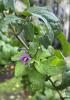
Flowers are small, white, and star-shaped, with a cluster of conspicuous yellow anthers in the center. They may occur singly or in small groups from the leaf axils.
The flower form identifies the plant as a nightshade relative of tomato, potato, eggplant, and numerous toxic wild Solanum species. It does not make the fruit equivalent to an edible tomato.
Fruit and Seeds
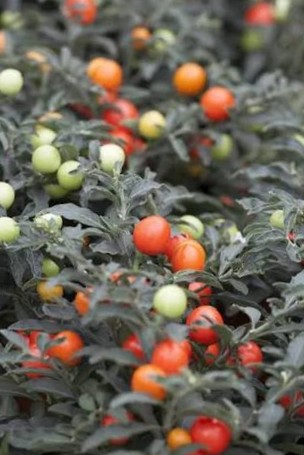
The fruit is a round fleshy berry resembling a small cherry tomato. It begins green and commonly changes through pale yellow, yellow, or orange before reaching glossy orange-red or red.
Each berry contains numerous pale flattened seeds. A compact holiday plant may carry dozens of fruit simultaneously, and fallen berries can roll well beyond the pot onto floors, beneath furniture, into heating vents, or near pet bedding.
The attractive appearance is a major exposure factor. Dogs may swallow berries as food or toys, cats may bat and chase them, and birds may shred them efficiently.
Ripe Fruit Is Not a Ripe Tomato
Ordinary culinary tomato fruit loses much of its α-tomatine during normal ripening. That species-specific change must not be transferred to Jerusalem Cherry. Exact-species researchers have prepared biologically active alkaloid fractions from ripe Solanum pseudocapsicum fruit.
Red color therefore does not establish safety. A person should never taste an unknown berry or feed one to an animal as an identification test.
Ornamental Pepper and Capsicum
True ornamental chili peppers are normally cultivars of Capsicum annuum, although other Capsicum species may also be grown ornamentally. Their fruit may be narrow, conical, upright, pendant, round, purple, cream, yellow, orange, or red.
Capsicum flowers and foliage differ in detail, and the fruit often contains capsaicin. Capsaicin causes burning pain and irritation rather than the same solanocapsine-related poisoning assessment.
Some decorative Capsicum fruit is technically edible but may be extremely hot or may have been treated with pesticides not approved for food crops. A nursery label reading “not for consumption” must be respected even when the plant is a true pepper.
Natal Cherry and Natal Plum
Natal Cherry appears as an alternate common name for Solanum pseudocapsicum in some poison references. Natal Plum is the separate species Carissa macrocarpa in Apocynaceae.
Natal Plum generally has thick opposite leaves, prominent forked thorns, white pinwheel-shaped flowers, milky sap, and larger red fruit. Ornamental Pepper has alternate leaves, white star-shaped flowers with yellow anthers, and normally lacks large forked thorns.
Winter Cherry Confusion
Winter Cherry may refer to Jerusalem Cherry, Chinese Lantern, Physalis alkekengi, or Ashwagandha, Withania somnifera. These plants differ in growth form, fruit enclosure, chemistry, medicinal use, and poisoning risk.
Chinese Lantern develops a papery inflated husk around the fruit. Ashwagandha has different foliage, flowers, fruiting structures, and pharmacologically active root constituents. Preserve the whole plant and scientific label.
Cherry Tomato Confusion
Jerusalem Cherry fruit can resemble a firm cherry tomato closely enough to mislead children and adults. Identification should use the entire plant rather than fruit alone.
The compact woody shrub, narrower leaves, ornamental display, small white flowers, persistent fruit, and nursery context support Solanum pseudocapsicum. Ordinary cherry tomatoes grow on a different plant architecture and are usually cultivated as annual food crops.
Dogs and Cats
Dogs may eat several berries rapidly, pull down a pot, dig up roots, chew stems, raid compost, or consume discarded holiday plants. Puppies and food-motivated dogs may continue swallowing before signs begin.
Cats may chew leaves, bat at berries, knock the plant from a windowsill, or groom crushed fruit from the coat and paws. A supposedly high shelf is not secure when fruit falls or a cat can climb to it.
Potting soil, fertilizer, pesticide, decorative moss, ceramic fragments, plant-support wire, and stagnant saucer water must be included in the assessment.
Horses and Livestock
Horses, cattle, sheep, goats, pigs, llamas, and other livestock are unlikely to select a household plant under ordinary grazing conditions. Exposure becomes more plausible when greenhouse waste, landscape clippings, discarded pots, ornamental fruit, compost, or nursery material is dumped into an enclosure or mixed with feed.
Hungry or forage-limited animals may consume unfamiliar vegetation they would otherwise reject. The entire group should be removed from the source because intake may differ substantially among animals.
Rabbits, Guinea Pigs, Birds, and Other Exotics
Ornamental Pepper should not be offered as forage, browse, bedding, a chew branch, nesting material, or enrichment. Rabbits and guinea pigs may develop serious gastrointestinal stasis when nausea or abdominal pain interrupts eating.
Companion birds can crush berries and seeds efficiently and may receive a large exposure relative to body weight. Reptiles, amphibians, and invertebrates may encounter pesticide-treated plants or contaminated feeder insects when the shrub is placed in an enclosure.
Household, Office, and Holiday Exposure
The plant is frequently sold during autumn and winter because its green, yellow, orange, and red berries create a festive display. It may be placed on coffee tables, windowsills, reception desks, low plant stands, porches, patios, and holiday centerpieces.
Offices, hotels, stores, clinics, and commercial interiors may use plants treated by a maintenance company. Pesticide, systemic insecticide, growth regulator, leaf-shine product, or fertilizer history may be unknown to the animal owner.
Greenhouse, Nursery, Garden, and Compost Exposure
Nursery and greenhouse areas may contain numerous nightshades, concentrated fertilizers, pesticides, fungicides, rooting hormones, plastic tags, ties, and irrigation runoff. Animals should not have unsupervised access to these work areas.
Outdoor plants may naturalize and produce large quantities of fruit. Fallen berries, uprooted shrubs, mower debris, pruning waste, and compost remain relevant after the original potted plant has been removed.
Diagnosis
Diagnosis begins with exact plant identification and exposure reconstruction. Preserve the whole plant, nursery tag, fruit at different maturity stages, flowers, leaves, roots, potting products, pesticide labels, photographs, and representative vomited material.
There is no routine clinical assay for solanocapsine. Bloodwork, electrolytes, glucose, blood gases, acid-base status, kidney and liver values, urinalysis, ECG, blood pressure, oxygenation, chest assessment, and imaging are selected to evaluate complications and alternative diagnoses.
An animal with only a common-name label may have eaten a Capsicum, another Solanum, Datura, Brugmansia, tobacco relative, pesticide-treated plant, or unrelated ornamental. The diagnostic plan must remain broader until identification is secure.
Veterinary Evaluation
The veterinarian may assess hydration, mucous-membrane color and moisture, capillary refill, pulse quality, blood pressure, heart rhythm, respiratory effort, pupil size, temperature, mentation, gait, muscle strength, swallowing, abdominal pain, and gastrointestinal bleeding.
Persistent vomiting or abdominal pain may justify radiographs or ultrasound to evaluate foreign material, obstruction, pancreatitis, or another gastrointestinal disease. Coughing or respiratory decline after vomiting may require thoracic imaging and aspiration treatment.
Differential Diagnosis
Other toxic Solanum species, potato sprouts and green tubers, tomato foliage, bittersweet nightshade, black nightshade, horsenettle, tobacco, Datura, Brugmansia, Belladonna, pesticides, mushrooms, medications, spoiled food, and infectious gastroenteritis can produce overlapping signs.
Capsaicin-containing ornamental chili peppers commonly produce intense oral burning, face rubbing, coughing, vomiting, and diarrhea. Organophosphate or carbamate insecticides can produce a more consistent cholinergic syndrome, while anticholinergic drugs or tropane-alkaloid plants may cause dryness, flushing, tachycardia, hyperthermia, hallucinations, and intestinal slowing.
Prognosis and Prevention
The prognosis is generally good when a small exposure is identified promptly and signs remain limited to temporary gastrointestinal irritation. The outlook becomes guarded with hemorrhagic diarrhea, severe dehydration, persistent neurologic abnormalities, paralysis, aspiration, respiratory depression, seizures, arrhythmia, hypotension, shock, or collapse.
Keep the plant in an animal-inaccessible room rather than relying on elevation alone. Collect fallen fruit immediately, inspect beneath furniture, secure greenhouse and garden waste, clean pruning tools and surfaces, and never discard the plant in pastures, kennels, rabbit areas, poultry runs, animal enclosures, or accessible compost.
Immediate Response After Exposure
- Stop further access: Move the animal away from the plant, fallen fruit, roots, potting soil, pruning debris, compost, greenhouse waste, and contaminated feed.
- Preserve the complete plant: Save the nursery label, entire plant, leaves, flowers, roots, stems, and berries at every available stage of ripeness.
- Preserve exposure evidence: Save chewed or vomited fragments, soil products, fertilizer, pesticide packaging, decorative moss, plant-support material, and photographs of the original scene.
- Estimate the maximum amount: Record the greatest number of berries that could be missing, the amount of foliage or roots damaged, the animal’s weight, and the earliest possible ingestion time.
- Confirm the genus: Determine whether the plant is Solanum pseudocapsicum or a true ornamental chili pepper in Capsicum.
- Contact a professional promptly: Call a veterinarian or animal poison-control service rather than waiting for weakness, seizures, or respiratory depression.
An animal that initially appears normal may still have swallowed a clinically important amount. Early professional assessment provides the safest opportunity to consider decontamination before depression, weakness, vomiting, or impaired airway protection develops.
Remove Loose Material Safely
- Clear the front of the mouth: Remove only loose leaves, seeds, or berry material visible around the lips and front of the tongue when handling can be performed safely.
- Do not reach blindly: A deep finger sweep can push material toward the airway or result in a bite.
- Do not force a mouth rinse: This is primarily an ingestion hazard rather than an insoluble-oxalate contact injury, and forced liquid increases aspiration risk.
- Wash contaminated fur: Use lukewarm water and mild pet-safe shampoo to remove crushed fruit, sap, soil, and pesticide residue from paws and coat.
- Prevent grooming: Stop the animal from licking contaminated fur until cleanup is complete.
Do Not Induce Vomiting at Home
- Do not give hydrogen peroxide automatically: It can cause severe gastrointestinal irritation, prolonged vomiting, ulceration, and aspiration.
- Never give hydrogen peroxide to a cat: It can seriously injure the feline stomach and esophagus.
- Do not use household emetics: Salt, mustard, detergent, dish soap, oil, syrup, manual gagging, and fingers in the throat are unsafe.
- Do not induce vomiting after signs begin: Depression, vomiting, weakness, ataxia, tremors, seizures, abnormal breathing, or reduced responsiveness makes airway protection unreliable.
- Do not attempt vomiting in horses, rabbits, guinea pigs, ruminants, or other non-vomiting species: Household emesis is ineffective or dangerous.
- Reserve emesis for professional direction: A veterinarian may consider controlled emesis in a fully alert, stable, asymptomatic dog after a recent meaningful ingestion when the airway and exposure make it appropriate.
The possibility of later neurologic or respiratory depression makes unsupervised vomiting especially hazardous. Successful emesis also does not prove that every berry, seed, or alkaloid has been removed.
Activated Charcoal and Gastric Decontamination
- Do not force activated charcoal: Vomiting, weakness, sedation, ataxia, seizures, or poor swallowing creates a serious aspiration risk.
- Do not use household charcoal: Barbecue briquettes, burned food, fireplace ash, and homemade carbon are not medical activated charcoal.
- Use only under veterinary direction: Medical charcoal may be considered after a meaningful recent ingestion when the expected benefit outweighs aspiration and electrolyte risks.
- Do not delay stabilization: Airway, ventilation, circulation, seizures, shock, and active gastrointestinal bleeding take priority over decontamination.
Gastric lavage may be considered only in selected serious cases under anesthesia with a protected airway. It is not a home procedure and is not justified automatically after every berry ingestion.
Do Not Give Unsupervised Drugs or Antidotes
- Do not give atropine automatically: Ornamental Pepper does not produce one predictable cholinergic syndrome, and heart-rate treatment must reflect the actual ECG and perfusion findings.
- Do not give physostigmine or neostigmine: A single human case does not establish either drug as a routine veterinary antidote, and both can cause serious adverse effects.
- Do not give human stimulants: Caffeine, decongestants, energy products, and other stimulants can worsen cardiovascular and neurologic instability.
- Do not give sedatives or sleep medication: These can deepen respiratory or central nervous system depression.
- Do not give anti-diarrheal medication: Loperamide, bismuth products, kaolin mixtures, and owner-selected veterinary products do not neutralize the alkaloids and may be inappropriate.
- Do not give human pain medication: Ibuprofen, naproxen, aspirin, and acetaminophen can create an additional poisoning.
- Do not use milk, oil, food, herbs, or supplements as antidotes: They do not neutralize solanocapsine or related alkaloids.
Food and Water
- Allow only cautious voluntary drinking: Small amounts of clean water may remain available when the animal is fully alert, swallowing normally, and not vomiting repeatedly.
- Prevent rapid gulping: A large volume consumed quickly may trigger additional vomiting.
- Do not syringe water: Forced liquid can enter the lungs and cannot correct clinically important dehydration.
- Do not force food: Feeding may worsen nausea, trigger vomiting, or complicate planned veterinary decontamination.
- Give nothing by mouth during neurologic or respiratory signs: Weakness, gagging, seizures, altered consciousness, or abnormal breathing makes aspiration likely.
Vomiting, Diarrhea, and Gastrointestinal Bleeding
- Track every episode: Record frequency, volume, blood, dark material, berry skins, seeds, leaves, soil, and whether water remains down.
- Preserve representative material: Save recognizable plant fragments and unusual material recovered from vomit or stool.
- Watch hydration: Tacky gums, sunken eyes, reduced urination, weakness, cold extremities, or inability to retain water requires treatment.
- Watch for hemorrhage: Fresh blood, coffee-ground vomit, black stool, pale gums, severe pain, or collapse requires urgent care.
- Watch for aspiration: Coughing, nasal discharge, fever, rapid breathing, or renewed lethargy after vomiting requires reassessment.
Veterinarian-selected antiemetics may reduce ongoing fluid loss and aspiration risk. Gastrointestinal protectants may be prescribed when examination supports substantial mucosal injury, but owner-selected products do not replace stabilization or diagnosis.
Progressive Weakness and Neurologic Signs
- Prevent falls: Keep the animal away from stairs, pools, traffic, furniture edges, and hard surfaces.
- Do not force walking: Use a carrier, stretcher, rigid board, sling, or blanket when movement is necessary.
- Reduce stimulation: Keep the environment quiet and dim during tremors, agitation, or seizure risk.
- Do not place objects in the mouth: Animals do not swallow their tongue during a seizure, and hands or objects can cause injury.
- Time seizure activity: Report duration, recurrence, consciousness between episodes, and any medications already given.
- Seek immediate care: Ataxia, hind-limb weakness, inability to stand, paralysis, tremors, seizures, stupor, or coma requires emergency treatment.
Breathing and Airway Emergencies
- Watch respiratory effort: Shallow breathing, gasping, open-mouth breathing, labored respiration, or decreasing effort indicates an emergency.
- Check mucous-membrane color: Blue-gray gums or tongue indicates inadequate oxygenation.
- Position for drainage: Keep the head positioned so saliva and vomit can leave the mouth.
- Do not muzzle a vomiting or respiratory-compromised animal: A muzzle may trap vomit or obstruct airflow.
- Call ahead: Tell the clinic that respiratory depression or aspiration is possible so airway equipment can be prepared.
Supplemental oxygen may be helpful, but a patient with inadequate ventilation may require intubation and assisted ventilation. Respiratory support must not be delayed while waiting for the exact alkaloid mechanism to be determined.
Cardiovascular Instability and Shock
- Watch pulse quality: A slow, rapid, irregular, weak, or difficult-to-detect pulse requires urgent assessment.
- Check perfusion: Pale gums, delayed capillary refill, cold extremities, weakness, and altered mentation may indicate shock.
- Limit exertion: Carry weak animals and keep them quiet during transport.
- Do not give stimulants: Caffeine and decongestants can worsen arrhythmias and blood-pressure abnormalities.
- Report all medication: Heart drugs, sedatives, antihistamines, pesticides, and other exposures may alter treatment.
Fluid resuscitation is selected according to dehydration, perfusion, cardiac function, kidney function, respiratory status, and measured losses. Vasopressors may be considered only when clinically important hypotension persists after appropriate volume assessment and correction rather than as a substitute for treating hypovolemia.
Skin, Fur, and Eye Exposure
- Wear gloves: Protect yourself while handling crushed berries, sap, pesticide residue, vomit, or contaminated fur.
- Wash exposed fur and skin: Use lukewarm water and mild pet-safe shampoo, followed by complete rinsing.
- Prevent grooming: Stop licking until the coat is clean.
- Flush exposed eyes: Irrigate with sterile saline or clean lukewarm water for at least 15 to 20 minutes.
- Do not use human eye drops: Redness relievers, topical anesthetics, and leftover prescriptions may worsen injury or obscure findings.
- Seek care for persistent eye signs: Squinting, cloudiness, redness, discharge, swelling, or inability to open the eye requires examination.
Recognize an Emergency
- Repeated or bloody gastrointestinal signs: Persistent vomiting, hemorrhagic diarrhea, severe abdominal pain, or inability to retain water requires treatment.
- Progressive weakness: Staggering, hind-limb weakness, inability to stand, paralysis, or reduced responsiveness indicates systemic disease.
- Neurologic signs: Tremors, muscle spasms, seizures, severe agitation, profound depression, stupor, or coma requires immediate care.
- Respiratory abnormalities: Shallow breathing, gasping, labored respiration, blue-gray gums, or decreasing respiratory effort is an emergency.
- Cardiovascular signs: A slow or irregular pulse, poor perfusion, cold extremities, collapse, or shock requires monitored treatment.
- Uncertain identification: Datura, Brugmansia, Belladonna, toxic potato material, another nightshade, or pesticide exposure may require a different response.
Safe Transportation
- Call ahead: Tell the clinic that Solanum pseudocapsicum or Jerusalem Cherry poisoning is suspected.
- Use a carrier or stretcher: Do not force a weak, ataxic, or recumbent animal to walk.
- Protect against falls: Pad the carrier and keep the animal away from stairs, traffic, water, and hard objects.
- Maintain drainage: Position the head so saliva and vomit can leave the mouth.
- Do not offer food during transport: Vomiting, weakness, and possible decontamination make feeding unsafe.
- Bring the evidence: Transport the plant, label, fruit, photographs, chemical containers, and contained vomited material.
Veterinary Evaluation
Veterinary evaluation may include hydration, temperature, pupil size, neurologic examination, muscle strength, swallowing, respiratory function, oxygenation, pulse quality, blood pressure, heart rhythm, abdominal pain, and evidence of gastrointestinal bleeding.
Complete blood count, electrolytes, glucose, kidney and liver values, acid-base status, blood gases, urinalysis, ECG, blood-pressure monitoring, and diagnostic imaging may be selected according to the animal’s findings. There is no routine rapid solanocapsine assay.
Unexpected autonomic signs may require investigation for anticholinergic medication, tropane-containing plants, or cholinesterase-inhibiting pesticide. A single human case involving neostigmine does not establish a routine diagnostic challenge or antidote protocol for animals.
Veterinary Treatment
There is no specific veterinary antidote. Treatment supports the animal until gastrointestinal, neurologic, respiratory, and cardiovascular functions stabilize and absorbed compounds are eliminated.
Intravenous fluids may correct dehydration, replace vomiting and diarrhea losses, and support circulation. Fluid type and volume must be individualized for cardiac disease, kidney dysfunction, reduced urine output, pulmonary complications, and the actual perfusion deficit.
Veterinarian-selected antiemetics may reduce continued vomiting and aspiration risk. Gastrointestinal protectants, analgesia, and nutritional support may be used according to documented irritation, bleeding, pain, and recovery of normal swallowing.
Oxygen, intubation, assisted ventilation, suction, and aspiration treatment may be required during respiratory depression. Benzodiazepines or another veterinarian-selected anticonvulsant may be used for seizures. Bradycardia, tachycardia, arrhythmia, hypotension, and shock require finding-specific therapy guided by ECG, blood pressure, perfusion, hydration, oxygenation, and electrolytes.
Dogs and Cats
- Inspect the entire pot: Look for missing berries, leaves, roots, fertilizer, insecticide, soil additives, wire, and ceramic or plastic fragments.
- Monitor cats for food refusal: Continued anorexia deserves prompt guidance even if vomiting improves.
- Do not assume one recovered berry was the entire dose: Fruit may roll under furniture or remain in the stomach.
- Seek care for behavioral change: Hiding, unusual agitation, profound quietness, confusion, weakness, or collapse requires evaluation.
Horses and Livestock
- Remove the entire group: Apparently normal animals may have consumed a different amount or may not yet show signs.
- Isolate the full waste source: Preserve plants, roots, fruit, feed, compost, fertilizer, pesticide labels, and samples from several locations.
- Never attempt vomiting: Horses and ruminants must not receive household emetics.
- Do not drench compromised animals: Salivation, colic, depression, seizures, weakness, or poor swallowing creates an aspiration risk.
- Avoid forced movement: Do not drive weak, recumbent, or respiratory-compromised animals long distances.
- Monitor the group: Record feed intake, manure, salivation, gait, breathing, recumbency, and neurologic changes.
Rabbits, Guinea Pigs, and Birds
- Remove all plant access: Collect berries, leaves, roots, seeds, contaminated bedding, soil, and enclosure decorations.
- Do not attempt vomiting: Rabbits and guinea pigs cannot vomit, and home emesis is unsafe for birds.
- Do not force food or water: Weakness, neurologic signs, abdominal enlargement, or poor swallowing creates an aspiration risk.
- Monitor food and fecal output: Reduced eating, fewer feces, regurgitation, diarrhea, or abdominal enlargement requires prompt care.
- Seek emergency care for severe signs: Tremors, inability to perch, open-mouth breathing, recumbency, seizures, or reduced responsiveness is an emergency.
Monitoring, Recovery, and Prevention
- Monitor gastrointestinal signs: Vomiting and diarrhea should decrease rather than become more frequent, painful, or bloody.
- Monitor hydration: Normal drinking, urination, gum moisture, and activity should return.
- Monitor strength and coordination: Weakness, ataxia, or abnormal behavior should not emerge after apparent improvement.
- Monitor breathing: Shallow respiration, coughing, or increased effort requires reassessment.
- Monitor pulse and perfusion: Persistent weakness, cold extremities, pale gums, or collapse requires urgent care.
- Remove the plant permanently: Collect every fallen berry and inspect beyond the pot because fruit can roll into hidden areas.
- Secure waste: Keep discarded plants, greenhouse debris, compost, pruning material, and contaminated feed inaccessible.
Small exposures treated before severe systemic signs generally have a good prognosis. Hemorrhagic diarrhea, progressive paralysis, aspiration, respiratory depression, prolonged seizures, arrhythmia, hypotension, shock, or circulatory collapse substantially worsens the outlook and may require hospitalization.
Frequently Asked Questions About Ornamental Pepper and Animal Poisoning
Is Ornamental Pepper poisonous to dogs and cats?
Yes. The Ornamental Pepper covered by this page is Solanum pseudocapsicum, also known as Jerusalem Cherry. It contains solanocapsine and related aminosteroidal alkaloids and may cause drooling, appetite loss, abdominal pain, vomiting, diarrhea, depression, dilated pupils, weakness, poor coordination, breathing abnormalities, seizures, an abnormal heartbeat, shock, or collapse. Many exposures remain gastrointestinal, but progressive neurologic, respiratory, or cardiovascular signs require emergency care.
Is Ornamental Pepper poisonous to horses and livestock?
Yes. Horses and livestock should not have access to the living plant, fallen fruit, greenhouse material, landscape clippings, compost, or contaminated feed. Horses cannot vomit and may develop salivation, feed refusal, colic, diarrhea, depression, weakness, ataxia, dilated pupils, abnormal breathing, tremors, seizures, recumbency, or collapse. Remove the entire group because apparently normal animals may have eaten a different amount or may not yet show signs.
Is Ornamental Pepper dangerous to rabbits and guinea pigs?
Yes. Leaves, berries, stems, roots, and seeds should not be offered as food, browse, bedding, or enrichment. Rabbits and guinea pigs cannot vomit, and gastrointestinal irritation or systemic weakness may stop normal eating and fecal production. Drooling, food refusal, diarrhea, reduced feces, abdominal enlargement, tremors, weakness, or breathing change requires prompt exotic-animal veterinary care.
Can companion birds eat Jerusalem Cherry berries?
No. Wild birds may disperse the fruit, but wildlife behavior does not establish safety for parrots or other companion species. Birds can crush the berries and seeds efficiently and may receive a substantial dose relative to body weight. Regurgitation, altered droppings, reduced feeding, weakness, poor balance, inability to perch, tremors, seizures, or open-mouth breathing requires avian veterinary attention.
What is the accepted scientific name for Ornamental Pepper?
The accepted name is Solanum pseudocapsicum L. Important historical synonyms include Pseudocapsicum undulatum, Solanum capsicastrum, Solanum diflorum, Solanum hyemale, Solanum ipecacuanha, and Solanum microcarpum. The name Solanum capsicastrum was historically associated with False Jerusalem Cherry but is now generally included within S. pseudocapsicum.
Is Ornamental Pepper the same as an ornamental chili pepper?
No. This page concerns Solanum pseudocapsicum. True ornamental chili peppers are usually cultivars of Capsicum annuum and may contain capsaicin, which causes intense burning and gastrointestinal irritation. Jerusalem Cherry contains solanocapsine-related alkaloids and can be associated with gastrointestinal, neurologic, respiratory, autonomic, and cardiovascular signs. The nursery label and entire plant are necessary when the common name is the only identification.
How can I distinguish Jerusalem Cherry from an ornamental Capsicum?
Jerusalem Cherry is generally a compact woody or semi-woody shrub with alternate narrow leaves, small white star-shaped flowers with yellow anthers, and round tomato-like berries. Ornamental Capsicum cultivars often have thinner herbaceous stems and fruit that may be pointed, conical, elongated, upright, or pendant, although some forms are round. Visual overlap is possible, so preserve the tag and photograph the flowers, leaves, fruit, stems, and whole growth habit.
What toxins are present in Ornamental Pepper?
Solanocapsine is the best-known species-specific alkaloid. Exact chemical research has also identified solacapine, episolacapine, isosolacapine, O-methylsolanocapsine, solacasine, and related aminosteroidal compounds. Some poison references use the broad word solanine, but Ornamental Pepper chemistry should not be described as though it consists only of the potato glycoalkaloid α-solanine.
Does Ornamental Pepper contain fluoxetine, dopamine, or amphetamine compounds?
No recognized veterinary evidence supports listing fluoxetine, dopamine, amphetamine drugs, “phentamines,” or “aramines” as Ornamental Pepper toxins. Those claims appear to result from inaccurate secondary copying. The documented chemistry centers on solanocapsine and related steroidal alkaloids, together with other ordinary plant constituents.
Which parts of Ornamental Pepper are poisonous?
Leaves, stems, roots, seeds, and ripe fruit have all yielded biologically active alkaloid fractions in exact-species research. Green fruit, flowers, fruit stalks, and sap should also remain inaccessible because no comparative veterinary study has established a harmless plant part. Fallen berries, uprooted plants, wilted foliage, pruning waste, and compost remain relevant exposure sources.
Are ripe red Jerusalem Cherries safe?
No. Exact-species researchers have recovered biologically active total-alkaloid fractions from ripe fruit. Red color therefore does not make the berry equivalent to a ripe cherry tomato. Ripening may change alkaloids, phenolics, sugars, pigments, and other compounds, but no study has established that yellow, orange, or red berries are safe for pets or livestock.
Are green berries more poisonous than red berries?
Unripe fruit is often emphasized in nightshade poison references, but no validated exact-species veterinary study defines a fixed toxicity ratio between green, yellow, orange, and red Jerusalem Cherry fruit. A recent green-versus-red fruit study measured selected phenolic compounds rather than providing a complete alkaloid or animal-toxicity comparison. All fruit colors should be treated as poisonous.
How many berries can poison a dog or cat?
No dependable safe berry count or lethal fruit count exists. Risk depends on animal size, health, plant chemistry, berry maturity, number consumed, chewing, repeated access, stomach contents, and whether foliage, roots, pesticide, fertilizer, or potting material was also swallowed. One berry may cause no signs in one animal, but that observation cannot be turned into a universal safety threshold.
What should I do if my dog eats one berry?
Remove the plant, preserve the berry and nursery label, determine the maximum number that could be missing, and contact a veterinarian or animal poison-control service. Check beneath furniture and around the pot because fallen berries roll easily. Do not assume that one observed berry was the entire exposure or induce vomiting without direct professional instructions.
How quickly do symptoms begin?
Signs may be delayed for several hours. Drooling, nausea, appetite loss, abdominal pain, vomiting, diarrhea, and depression may occur first. Weakness, pupil changes, poor coordination, tremors, seizures, respiratory depression, abnormal circulation, or collapse may develop later during a more serious exposure. An animal that appears normal immediately after ingestion may still require professional assessment and observation.
Can Ornamental Pepper cause bloody diarrhea?
Yes. Veterinary poison references describe gastrointestinal irritation and possible ulceration, and severe cases may include hemorrhagic diarrhea. Fresh blood, black stool, coffee-ground vomit, severe abdominal pain, pale gums, or collapse requires urgent examination because gastrointestinal bleeding may also indicate another toxin, foreign material, infection, or coagulation disorder.
Can Ornamental Pepper cause weakness or paralysis?
Progressive muscular weakness and paralysis are included in established poisoning descriptions. Weakness may begin as reluctance to walk, swaying, hind-limb weakness, or poor coordination and may progress until the animal cannot stand, swallow, cough, or ventilate normally. Any progressive weakness requires emergency care and investigation for additional toxic, metabolic, or neurologic causes.
Can Ornamental Pepper cause seizures?
Seizures have been reported as a possible severe effect and occurred in a published pediatric human case. They are not expected after every exposure and should trigger a broad toxicology investigation. Seizures increase the risk of overheating, aspiration, acidosis, trauma, and respiratory failure and require immediate veterinary treatment.
Can Ornamental Pepper cause breathing failure?
Serious poisoning descriptions include respiratory depression and paralysis. Breathing can also deteriorate because of neuromuscular weakness, central nervous system depression, aspiration after vomiting, seizures, shock, or another exposure. Shallow breathing, gasping, blue-gray gums, open-mouth breathing, or decreasing respiratory effort is an emergency and may require intubation and assisted ventilation.
Can it cause a slow or irregular heartbeat?
Bradycardia and irregular heartbeat appear in veterinary poison descriptions, but no single rhythm abnormality defines the exposure. Dehydration, electrolyte disturbances, autonomic effects, hypoxia, acidosis, and another toxin may all influence the ECG and blood pressure. A weak or irregular pulse, cold extremities, pale gums, poor capillary refill, or collapse requires monitored cardiovascular treatment.
Is Ornamental Pepper an anticholinergic plant?
It should not be reduced to one simple toxidrome. A published child developed a central anticholinergic clinical syndrome with hallucinations, excitement, mydriasis, flushing, dryness, hyperpyrexia, tachycardia, ataxia, and seizures after exact-species ingestion. Solanocapsine has also shown acetylcholinesterase inhibition in laboratory testing, which does not neatly explain that presentation. The natural mechanism remains incompletely resolved, and treatment must follow the animal’s actual findings.
Should atropine be given after ingestion?
Do not give atropine automatically. Ornamental Pepper does not produce one predictable cholinergic pattern, and atropine can worsen tachycardia, hyperthermia, intestinal slowing, urinary retention, or other findings when used inappropriately. A veterinarian may use it for a specific monitored indication, but it is not a universal plant antidote.
Are physostigmine or neostigmine antidotes?
A human child’s anticholinergic syndrome reportedly resolved rapidly after intravenous neostigmine, but one pediatric case does not establish a routine veterinary antidote protocol. Physostigmine and neostigmine can cause serious cardiac, respiratory, gastrointestinal, and neurologic adverse effects. They must never be administered by an owner and would require specialist diagnostic and monitoring decisions if considered clinically.
Is Ornamental Pepper the same as Natal Cherry?
Natal Cherry is used as an alternate name for Solanum pseudocapsicum in some poison references, but the name is ambiguous. Natal Plum is Carissa macrocarpa, a separate thorny shrub with opposite leaves, forked thorns, white pinwheel-shaped flowers, milky sap, and larger red fruit. Preserve the scientific name and complete plant rather than relying on Natal Cherry alone.
Is Ornamental Pepper the same as Winter Cherry?
Winter Cherry is another ambiguous name. It may refer to Jerusalem Cherry, Chinese Lantern, Physalis alkekengi, or Ashwagandha, Withania somnifera. Those plants differ in appearance, chemistry, medicinal use, and poisoning risk. A papery husk around the fruit suggests Physalis, not Solanum pseudocapsicum.
Can I identify it by tasting the fruit?
No. Never taste an unidentified fruit or feed it to an animal as a test. Jerusalem Cherry can resemble a cherry tomato closely, and flavor is not a dependable botanical or toxicological feature. Identification should use the nursery label, whole growth form, leaf arrangement, flowers, fruit, stems, and expert review when necessary.
Are dried leaves or fallen berries still poisonous?
Drying does not establish safety. Fallen berries, wilted leaves, dead stems, discarded holiday plants, pruning waste, and compost may retain alkaloids. Dried or decaying material may also contain mold, pesticide residue, fertilizer, or foreign debris that creates a separate hazard.
Can the potting soil be dangerous?
Yes. Potting soil may contain slow-release fertilizer, systemic insecticide, fungicide, water-retaining crystals, decorative moss, mold, mushrooms, or contaminated saucer water. Tremors, profuse secretions, severe agitation, abnormal pupils, bleeding, kidney failure, or liver injury may reflect a potting product or another exposure rather than the plant alone. Preserve every product label.
Should I make my dog vomit?
Do not induce vomiting unless a veterinarian or animal poison-control professional specifically directs it. Progressive depression, weakness, seizures, respiratory impairment, or poor swallowing can make vomiting dangerous. A veterinarian may consider controlled emesis only after a recent ingestion in a fully alert, stable, asymptomatic dog that can protect its airway. Hydrogen peroxide must never be given to cats.
Does activated charcoal help?
A veterinarian may consider medical activated charcoal after a meaningful recent ingestion when the expected benefit outweighs aspiration and electrolyte risks. It must not be forced into a vomiting, weak, sedated, ataxic, seizuring, or poorly swallowing animal. Household charcoal is not an alternative, and charcoal does not replace airway, circulation, seizure, or shock treatment.
How is Ornamental Pepper poisoning diagnosed?
Diagnosis uses plant identification, the maximum possible exposure, clinical progression, physical and neurologic examination, hydration, blood pressure, ECG, oxygenation, bloodwork, electrolytes, glucose, acid-base status, and evaluation for gastrointestinal bleeding or aspiration. There is no routine rapid solanocapsine test. Another nightshade, pesticide, medication, potting product, infection, or metabolic disease may need to be excluded.
How do veterinarians treat Ornamental Pepper poisoning?
There is no specific antidote. Treatment may include carefully selected early decontamination, veterinarian-administered activated charcoal, antiemetics, individualized intravenous fluids, electrolyte and glucose correction, gastrointestinal protection, analgesia, oxygen, ECG and blood-pressure monitoring, anticonvulsants, intubation, assisted ventilation, aspiration treatment, and therapy for hypotension or arrhythmia. Stabilization takes priority once systemic signs begin.
When is Ornamental Pepper exposure an emergency?
Emergency findings include repeated vomiting, hemorrhagic diarrhea, severe abdominal pain, inability to retain water, progressive weakness, stumbling, paralysis, severe agitation, confusion, tremors, seizures, shallow or labored breathing, blue-gray gums, a slow or irregular pulse, cold extremities, collapse, or reduced responsiveness. Uncertain identification also warrants urgent guidance because another nightshade or pesticide may require a different treatment plan.
What is the prognosis?
The prognosis is generally favorable when the amount is small, treatment begins early, and signs remain limited to temporary gastrointestinal irritation. The outlook becomes guarded with bloody diarrhea, severe dehydration, progressive weakness, paralysis, aspiration, respiratory depression, seizures, arrhythmia, hypotension, shock, or circulatory collapse. Recovery depends on the absorbed exposure and complications rather than one fixed timetable.
How can Ornamental Pepper poisoning be prevented?
Confirm the scientific name of any plant sold as an ornamental pepper before bringing it into a pet household. Keep Solanum pseudocapsicum in an animal-inaccessible room, collect fallen berries immediately, and inspect beneath furniture because fruit can roll far from the pot. Secure nursery waste, greenhouse debris, compost, pruning material, pesticide-treated plants, and livestock feed, and never use the plant as animal enrichment or forage.
What should I do if an animal eats Ornamental Pepper?
Remove access, preserve the complete plant, label, berries, leaves, roots, photographs, chewed or vomited material, and every fertilizer, pesticide, soil additive, or foreign object involved. Estimate the maximum possible amount and contact a veterinarian or animal poison-control service promptly. Do not induce vomiting or give peroxide, charcoal, atropine, physostigmine, neostigmine, stimulants, sedatives, anti-diarrheal medication, milk, oil, food, forced water, human medication, or leftover veterinary drugs unless specifically directed. Seek immediate care for bleeding, weakness, ataxia, paralysis, seizures, abnormal breathing, an irregular pulse, shock, collapse, or reduced responsiveness.