Tomato Plant Glycoalkaloids, α-Tomatine, Green-Vine Exposure, and Ripe-Fruit Risk Boundaries
Is Tomato Plant Poisonous to Dogs, Cats, Horses, and Livestock?
Yes—the green portions of the Tomato Plant, Solanum lycopersicum L., are poisonous to dogs, cats, horses, livestock, rabbits, birds, reptiles, and other animals when enough is consumed. Leaves, stems, vines, flowers, calyces, roots, and immature green fruit contain the steroidal glycoalkaloids α-tomatine and dehydrotomatine at much higher practical concentrations than ordinary ripe tomato flesh. Poisoning most often causes drooling, repeated swallowing, vomiting in animals capable of vomiting, diarrhea, abdominal discomfort, appetite loss, drowsiness, depression, and weakness. Larger green-plant exposures may also cause dilated pupils, abnormal behavior, loss of coordination, a slow or irregular heartbeat, tremors, collapse, or other neurologic and cardiovascular abnormalities.
A normal ripe tomato is not the same exposure as chewing through a tomato row, eating greenhouse waste, swallowing frost-damaged vines, or receiving discarded plants as livestock forage. Ripe fruit usually contains only a small fraction of the glycoalkaloid concentration found in green tissue, but tomato sauce, pizza, salsa, ketchup, seasoned leftovers, compost, pruning waste, and recently sprayed garden plants may introduce other hazards such as onion, garlic, salt, fat, xylitol, alcohol, hot peppers, pesticides, fertilizers, slug bait, mold, foreign material, or other nightshade plants.
About this guide: This page provides general pet-poisoning information and cannot diagnose or treat an individual animal. For any suspected exposure, contact a veterinarian or animal poison-control service immediately. Do not induce vomiting, give medication, or attempt home decontamination unless directed by a veterinary professional.
Tomato Plant
Solanum lycopersicum L.
Important historical synonyms and former combinations include:
- Lycopersicon esculentum Mill.
- Lycopersicon lycopersicum (L.) H.Karst.
- Lycopersicon pomum-amoris Moench
- Lycopersicon solanum-lycopersicum Hill
- Solanum lycopersicum var. esculentum (Mill.) Voss
Historical variety, form, and horticultural search names include:
- Lycopersicon cerasiforme Dunal — historical cherry-tomato name, now generally treated within the cultivated tomato complex rather than as a separate pet-safety category
- Lycopersicon esculentum var. cerasiforme Alef.
- Lycopersicon esculentum var. pyriforme Alef.
- Lycopersicon esculentum var. pruniforme Voss
- Lycopersicon esculentum var. grandifolium L.H.Bailey
Important non-synonym confusion names:
- Physalis philadelphica Lam. and Physalis ixocarpa Brot. ex Hornem. — tomatillo; related Solanaceae food crop, not cultivated tomato
- Solanum pseudocapsicum L. — Jerusalem Cherry, Winter Cherry, or Ornamental Pepper; separate poisonous ornamental species associated with solanocapsine-related alkaloids
- Solanum tuberosum L. — potato; related crop species whose main glycoalkaloid concern is α-solanine and α-chaconine, especially in sprouts, green peel, leaves, stems, and flowers
- Solanum nigrum L. complex, Solanum dulcamara L., Solanum carolinense L., and related wild nightshades — separate species or species groups with different alkaloid mixtures and different plant-part risk patterns
- Solanum betaceum Cav. — tree tomato or tamarillo; separate species, not the garden tomato plant covered on this page
- Capsicum annuum L. — pepper, chili pepper, or ornamental chili pepper; related Solanaceae crop with capsaicinoid irritation rather than tomato glycoalkaloid chemistry
Solanaceae
Tomato; Tomato Plant; Garden Tomato; Cultivated Tomato; Common Tomato; Love Apple; Wolf Peach; Tomato Vine; Tomato Seedling; Tomato Leaves; Tomato Greens; Tomato Tops; Cherry Tomato Plant; Grape Tomato Plant; Roma Tomato Plant; Plum Tomato Plant; Beefsteak Tomato Plant; Paste Tomato Plant; Salad Tomato Plant; Pear Tomato Plant; Heirloom Tomato Plant; Field Tomato; Greenhouse Tomato; Vine-Ripened Tomato.
Historical and taxonomic search variations include Solanum lycopersicum L., Lycopersicon esculentum Mill., Lycopersicon lycopersicum (L.) H.Karst., Lycopersicon pomum-amoris Moench, Lycopersicon solanum-lycopersicum Hill, Solanum lycopersicum var. esculentum (Mill.) Voss, Lycopersicon cerasiforme Dunal, Lycopersicon esculentum var. cerasiforme Alef., and Lycopersicon esculentum var. pyriforme Alef.
“Tomato” is ambiguous because it may mean the edible ripe fruit, the living plant, green fruit, crop waste, sauce, salsa, ketchup, pizza, dried leaves, or a prepared food containing other ingredients. Tomatillo is Physalis philadelphica or Physalis ixocarpa, not Solanum lycopersicum. Jerusalem Cherry, Winter Cherry, Natal Cherry, Ornamental Pepper, Horse Nettle, Black Nightshade, Bittersweet Nightshade, Potato, Eggplant, Pepper, and Tree Tomato refer to other Solanaceae plants and should not be treated as exact tomato synonyms. Green-colored ripe tomato cultivars also require care: a mature green heirloom fruit is not the same toxicologic exposure as a hard immature green fruit with leaves, stems, and calyx attached.
Principal Tomato Glycoalkaloids
The principal defensive chemicals in the Tomato Plant are the steroidal glycoalkaloids α-tomatine and dehydrotomatine. These compounds are built from a nitrogen-containing steroidal aglycone joined to a four-sugar chain known as lycotetraose. The aglycone of α-tomatine is tomatidine, while dehydrotomatine contains the closely related aglycone tomatidenol. Older articles may use tomatine broadly, and some pet-poison lists use solanine as a loose nightshade label, but α-tomatine and dehydrotomatine are the more chemically accurate names for the dominant cultivated-tomato glycoalkaloids.
Tomatine is one of the tomato plant’s natural defense systems. It helps protect young tissues, roots, flowers, calyces, and immature fruit against insects, fungi, bacteria, nematodes, and other organisms that would feed on or infect the plant. This defensive role matters clinically because the animal most likely to become ill is not the dog that swallows a small piece of ripe tomato flesh; it is the dog, goat, horse, rabbit, chicken, or other animal that eats the living plant, uprooted vines, greenhouse waste, frost-damaged plants, immature fruit with calyces, or a pile of discarded stems and leaves.
Plant-Part and Maturity Gradients
Tomatine is distributed throughout the tomato plant, but the practical concentration varies sharply with tissue and maturity. Actively growing green material is the major hazard. Leaves, stems, flowers, calyces, roots, young shoots, seedlings, and immature green fruit carry more glycoalkaloid concern than ordinary ripe fruit. The fruit is chemically defended while the seeds are immature; as biological ripening proceeds, the plant converts much of the bitter glycoalkaloid burden into other steroidal glycosides.
Friedman’s tomato-glycoalkaloid review reported that immature green tomatoes can contain as much as approximately 500 milligrams of α-tomatine per kilogram of fresh fruit, although many green tomatoes contain much less. Friedman and Levin reported dehydrotomatine concentrations of approximately 1.7 to 45 milligrams per kilogram in green fruit and approximately 0.05 to 0.42 milligrams per kilogram in red fruit. Later direct analysis of tomato fruits and vegetative tissues confirmed that calyces, flowers, leaves, roots, and stems belong in the risk picture rather than treating fruit color as the whole toxicology story.
The often-cited concentration of 48 parts per million in green tomato fruit equals 48 milligrams per kilogram, or 4.8 milligrams per 100 grams. That is a valid measured concentration from particular tomato material, not a universal chemical label attached to every green tomato. Cultivar, maturity, stress, fruit size, plant part, growing conditions, storage, and analytical method can all change the concentration. A hard immature green fruit from a red-fruited cultivar is not automatically equivalent to a mature green heirloom tomato that is biologically ripe.
Ripening Products, Esculeosides, and Green Cultivar Boundaries
During ripening, α-tomatine and dehydrotomatine are enzymatically transformed into less bitter steroidal glycosides, including esculeosides, lycoperosides, and related compounds. These ripening products explain why ripe tomato fruit normally contains far lower concentrations of the defensive glycoalkaloids than the green parts of the plant. They also explain why “green” cannot be interpreted by surface color alone. A cultivar bred to ripen green or green-striped may have completed the biological ripening process even though it does not turn red.
That distinction should not be converted into permission to feed tomato plants. Even when a ripe green cultivar fruit is low risk, the calyx, stem, leaves, seedlings, roots, and vines around it remain plant tissue. A small amount of ripe fruit is a different exposure from a pet chewing the plant, a tortoise eating discarded vines, a goat receiving greenhouse waste, or a horse finding frost-damaged tomato plants in a paddock.
Membrane-Sterol Interaction and Gastrointestinal Irritation
α-Tomatine interacts strongly with cholesterol and other 3β-hydroxysterols. At sufficient concentrations, the glycoalkaloid can form complexes with membrane sterols, disturb membrane organization, increase permeability, and injure cells. In the digestive tract, this membrane activity helps explain the common signs of salivation, nausea, vomiting, diarrhea, abdominal discomfort, food refusal, and depression after green-plant ingestion.
The same sterol-binding behavior also helps limit systemic absorption after oral exposure. α-Tomatine can form poorly absorbed complexes with dietary cholesterol and bile-associated sterols, and those complexes may be eliminated in the feces. This is one reason oral α-tomatine is much less toxic than purified α-tomatine delivered by intravenous or intraperitoneal injection in laboratory animals. The route of exposure matters. Injected experimental data should not be turned into a number of garden tomatoes required to kill a dog.
Laboratory membrane effects can include hemolysis under direct experimental conditions. That does not mean routine tomato-plant ingestion causes hemolytic anemia in dogs, cats, horses, or livestock. Natural oral exposure involves plant matrix, gut contents, sterol binding, vomiting or diarrhea, incomplete absorption, and individual physiology. Severe weakness, pale mucous membranes, collapse, or abnormal bloodwork after a tomato exposure should trigger broader veterinary evaluation rather than an automatic conclusion that tomatine hemolysis is the whole explanation.
Acetylcholinesterase and Why Tomato Is Not a Pesticide-Like Crisis by Default
Tomato glycoalkaloids may inhibit acetylcholinesterase to some degree, but this activity appears weaker and less clinically central than the membrane-sterol effects associated with α-tomatine. The ordinary tomato-plant syndrome in animals is not expected to look like a severe organophosphate or carbamate pesticide crisis from one ripe tomato or a small nibble of leaf. Drooling, vomiting, diarrhea, weakness, dilated pupils, and bradycardia can appear in established descriptions of tomato-plant ingestion, but tomato should not be treated as though it automatically produces a full cholinergic toxidrome.
This distinction matters because tomato plants are often sprayed, dusted, fertilized, or grown near pest-control products. Profuse salivation, severe tremors, repeated seizures, pinpoint pupils, respiratory distress, extreme weakness, sudden group illness, or illness after access to recently treated plants may point more strongly toward pesticide, fertilizer, slug bait, herbicide, mold, or mixed-plant exposure than toward α-tomatine alone. The plant should be identified, but so should every product used on or near it.
Tomatine, Solanine, and Solanocapsine Are Not Interchangeable
Tomato poisoning is often described loosely as solanine poisoning because tomato and potato are both members of Solanum. That language is understandable historically but imprecise chemically. Potato, Solanum tuberosum, is associated especially with α-solanine and α-chaconine in sprouts, green peel, damaged tubers, flowers, leaves, and stems. Tomato, Solanum lycopersicum, centers on α-tomatine, dehydrotomatine, and ripening-related steroidal glycosides.
Solanocapsine should not be listed as the principal Tomato Plant toxin. It is associated most strongly with Jerusalem Cherry, Solanum pseudocapsicum, which is a separate ornamental plant whose attractive green, yellow, orange, or red fruit can be confused with cherry tomatoes. A solanocapsine-type tomato glycoside has been isolated from ripe mini tomato fruit, demonstrating that tomato chemistry contains minor compounds beyond α-tomatine. That finding does not establish solanocapsine as the cause of the recognized veterinary syndrome after an animal eats tomato vines.
Atropine should also not be casually assigned to tomato as the practical cause of poisoning. Belladonna, jimsonweed, henbane, and other anticholinergic plants can cause profound dry-mouth, dilated-pupil, agitation, hyperthermia, and neurologic syndromes. Tomato Plant exposure is more realistically evaluated as a steroidal glycoalkaloid and mixed-garden exposure unless the plant identification or clinical signs point elsewhere.
Dose Data and the Limits of Tomato-Number Calculations
Pure α-tomatine has an experimentally reported oral LD50 near 500 milligrams per kilogram in mice. Reported injected LD50 values are much lower, including approximately 18 milligrams per kilogram intravenously and roughly 25 to 33 milligrams per kilogram intraperitoneally. Those numbers demonstrate that purified compound, route of administration, and species dramatically affect toxicity. They do not establish an oral lethal dose for dogs, cats, humans, horses, cattle, sheep, goats, pigs, rabbits, birds, reptiles, or other companion animals.
No validated safe or lethal dose exists for domestic animals eating an actual Tomato Plant. The practical risk depends on the species and body size of the animal, whether it ate ripe fruit or green tissue, the maturity and cultivar, the tissue concentration, the amount swallowed, whether vomiting occurred, how much was absorbed, and whether pesticides, fertilizer, mold, foreign material, or another nightshade plant was present. One ripe tomato and a wheelbarrow of frost-killed vines are not remotely the same toxicologic event.
Dried Vines, Crop Waste, Compost, and Feed Exposure
Drying, wilting, freezing, or pruning should not be treated as detoxification. Water loss may reduce plant bulk while leaving nonvolatile glycoalkaloids in the material, and wilted vines may be more likely to be eaten by hungry livestock or curious pets than a standing plant. Greenhouse disposal, canning waste, frost-damaged crop rows, tomato tops, seedlings, compost, hay contamination, bedding contamination, and trailer loads of discarded plants are higher-risk settings than a single ripe fruit from a kitchen counter.
Livestock and horses can consume much more green biomass than a household pet. A goat pen, sheep lot, cattle pasture, poultry yard, rabbit run, tortoise enclosure, or horse paddock should never be used as the disposal site for tomato vines. Group exposure also changes the investigation. When several animals develop drooling, diarrhea, weakness, abnormal behavior, tremors, or collapse after eating garden waste, the veterinarian should consider tomato glycoalkaloids, other Solanaceae plants, pesticides, nitrate, mold, spoiled feed, foreign bodies, and infectious or metabolic disease according to the species and setting.
Laboratory Benefits Are Not Veterinary First Aid
α-Tomatine has been studied for cholesterol-binding, antimicrobial, antifungal, antiparasitic, anti-inflammatory, immune, and anticancer activities. Some experiments found that dietary tomatine changed cholesterol metabolism in hamsters, that tomatine-containing green tomato extracts inhibited cultured cancer cells, and that dietary tomatine reduced tumor incidence in a rainbow-trout model. These findings are legitimate scientific evidence and help explain why tomato glycoalkaloids are biologically active.
They do not make tomato leaves a cancer treatment, a cholesterol treatment, a dewormer, an antifungal medicine, or an antidote for pets. Cell-culture inhibition, experimental diet work, purified compound pharmacology, and natural animal poisoning are separate contexts. Concentrated green-tomato extracts, homemade leaf teas, fermented vine products, powders, supplements, and owner-selected tomatine products may deliver a larger or less predictable exposure than ordinary food and should not be used as home treatment.
Expected Onset and Early Gastrointestinal Progression
The most common signs of Tomato Plant poisoning are hypersalivation and gastrointestinal disturbance. Dogs and cats may lick their lips, swallow repeatedly, drool, vomit, develop diarrhea, show abdominal discomfort, refuse food, or become quieter than normal. The earliest signs may look like ordinary dietary indiscretion, especially when the owner only sees a missing tomato, but the plant part matters. A dog that chewed leaves, vines, calyces, or immature fruit deserves more attention than a dog that stole one small piece of ripe tomato flesh.
Vomiting may occur once or repeatedly in animals capable of vomiting. A limited exposure often causes temporary stomach upset, but repeated vomiting or diarrhea can produce dehydration, electrolyte disturbance, esophageal irritation, weakness, and aspiration risk. Blood in vomit or stool is not an expected mild sign. It should prompt veterinary evaluation for severe gastrointestinal irritation, another plant, pesticide exposure, foreign material, infection, pancreatitis, or unrelated gastrointestinal disease.
Inappetence, apathy, drowsiness, depression, hiding, and reduced activity often accompany nausea and abdominal discomfort. These findings are not specific to tomato glycoalkaloids. They can also occur after spoiled food, intestinal obstruction, pancreatitis, medications, mushrooms, pesticides, fertilizer, slug bait, onions, garlic, other nightshades, or systemic disease. The clinical story is strongest when compatible signs occur after credible access to green tomato plant material.
Weakness, Pupils, Heart Rate, and Neurologic Signs
Weakness may result from glycoalkaloid effects, abdominal pain, dehydration, reduced food intake, electrolyte disturbance, or another toxin in the same setting. With a more substantial green-plant exposure, an animal may become unsteady, stumble, misjudge steps, tremble, appear confused, or have difficulty rising. Pronounced incoordination should not be dismissed as “just an upset stomach,” especially when it occurs with drooling, vomiting, diarrhea, dilated pupils, or an abnormal pulse.
Dilated pupils and a slow heart rate appear in established veterinary descriptions of tomato-plant ingestion. Altered behavior, abnormal responsiveness, disorientation, tremors, collapse, and seizures are more concerning and should trigger a broader differential. Severe neurologic signs are uncommon after ordinary household ripe-fruit exposure. When they occur, the veterinarian should consider substantial green-plant consumption, pesticide or slug-bait exposure, another poisonous Solanum species, cardiac medication exposure, mushrooms, hypoglycemia, electrolyte derangement, infectious disease, or a primary neurologic emergency.
A very slow pulse, irregular rhythm, profound weakness, pale or gray mucous membranes, fainting, collapse, respiratory difficulty, seizures, or loss of consciousness is an emergency. Tomato glycoalkaloids can contribute to cardiovascular and neurologic signs after larger exposures, but collapse after one ripe tomato is not a believable standalone explanation. The more dramatic the signs, the harder the investigation should look for a larger green-plant dose or another hazard.
Dogs
Dogs are commonly exposed by raiding garden rows, chewing seedlings, pulling fruit from low plants, digging up roots, eating frost-damaged vines, investigating compost, or swallowing pruned plants. Early signs may include drooling, repeated swallowing, vomiting, diarrhea, gas, abdominal discomfort, appetite loss, depression, and weakness. A dog may vomit recognizable leaf pieces, stems, flowers, calyces, or green fruit fragments, but vomiting does not prove that the absorbed dose is gone.
Small dogs deserve special attention because a few cherry tomatoes, stems, or immature fruit represent a larger exposure relative to body size. Whole cherry or grape tomatoes can also create a choking hazard in dogs that gulp food, especially toy breeds and brachycephalic dogs. Choking, gagging, airway obstruction, aspiration, and foreign-body concerns are mechanical emergencies separate from α-tomatine chemistry.
Prepared tomato foods create a different risk profile. Tomato sauce, pizza, pasta, ketchup, salsa, chili, soups, seasoned leftovers, and table scraps may contain onion, garlic, salt, alcohol, hot peppers, excess fat, bones, xylitol, or other ingredients more dangerous than tomato fruit. A dog that becomes weak, painful, bloated, or severely vomiting after a prepared food exposure should not be managed as a simple ripe-tomato case.
Cats
Cats may chew tomato seedlings kept indoors, investigate greenhouse vines, nibble leaves in a sunroom, or contact damaged plants while exploring a garden. The amount consumed can be difficult to estimate because only small bite marks may remain. Drooling, vomiting, hiding, food refusal, depression, weakness, dilated pupils, abnormal heart rate, poor coordination, collapse, or seizures requires veterinary advice.
Food refusal is especially important in cats. Even when the original exposure causes only moderate nausea, prolonged anorexia and dehydration can create secondary problems. Cats exposed to tomato plants in a mixed garden or bouquet area should also be protected from true lilies, oleander, yew, lily-of-the-valley, foxglove, Kalanchoe, nightshade berries, onions, garlic, and other plants or foods that may carry higher emergency priority.
Horses, Ponies, and Donkeys
Horses do not usually choose tomato vines when adequate forage is available, but they may eat them when garden waste is dumped in a paddock, pasture is sparse, plants are wilted or frost-damaged, or a curious horse reaches through a fence. Horses cannot vomit. Possible signs include salivation, repeated swallowing, feed refusal, colic, diarrhea, depression, sweating, weakness, reduced intestinal motility, loss of coordination, abnormal pulse, and reluctance to move.
A weak, ataxic, colicky, or cardiovascularly unstable horse should not be forced to walk for observation. Walking may be appropriate for some colic situations under veterinary direction, but it is not a universal response to plant poisoning. A horse with abnormal mentation, collapse risk, tremors, severe diarrhea, persistent colic, or abnormal heart rate after access to tomato vines requires large-animal veterinary care and investigation for mixed feed, pesticide, nitrate, mold, or other plant exposures.
Cattle, Sheep, Goats, Pigs, and Other Livestock
Cattle, sheep, goats, pigs, camelids, and other livestock can consume pounds of green plant material when tomato vines are discarded into their enclosure. Signs may include salivation, feed refusal, diarrhea, abdominal discomfort, reduced rumination, bloat, depression, weakness, trembling, loss of coordination, abnormal pulse, collapse, or, in pigs and ruminants, vomiting-like retching or regurgitation. Group exposure should be treated as a herd or flock problem even if only one animal is visibly ill at first.
Goats and sheep are especially likely to investigate browse and may eat vines that dogs or cats would only chew briefly. Cattle may consume substantial crop residue if hungry. Pigs may root through compost or garden waste and swallow both plant material and spoiled organic debris. Camelids may develop forestomach hypomotility, drooling, regurgitation, anorexia, weakness, dehydration, and aspiration concerns after mixed green-waste ingestion. Drenching weak or regurgitating livestock with oil, milk, charcoal, water, or home remedies can create aspiration pneumonia.
Rabbits, Guinea Pigs, Birds, Reptiles, and Small Pets
Rabbits and guinea pigs cannot vomit. A green-plant exposure may cause drooling, food refusal, tooth grinding, abdominal discomfort, diarrhea, lethargy, reduced fecal output, weakness, or worsening gastrointestinal hypomotility. In these species, even moderate digestive irritation can become serious if the animal stops eating. The absence of vomiting is not reassuring because vomiting is not available as a protective response.
Birds may show regurgitation, crop discomfort, reduced appetite, fluffed posture, weakness, inability to perch, tremors, abnormal droppings, loss of balance, respiratory difficulty, or collapse after eating tomato leaves, flowers, or green fruit. Chickens and other poultry may peck garden waste or compost. Tortoises, lizards, and other reptiles may be offered tomato fruit by owners, but tomato vines, leaves, and green plant waste should not be used as enclosure greens. Reptile signs may be subtle and delayed because appetite, digestion, and activity depend heavily on temperature and husbandry.
Ripe Tomato Flesh Versus Plant Poisoning
A small amount of ordinary fully ripe tomato flesh usually causes no glycoalkaloid poisoning. Several ripe tomatoes can still cause vomiting, diarrhea, gas, abdominal discomfort, or appetite change through acidity, fiber, sugar, volume, and dietary novelty. That is gastrointestinal dietary indiscretion, not proof that ripe tomato contains a lethal amount of α-tomatine.
Prepared tomato products should be judged by the whole recipe. Pizza, pasta sauce, salsa, ketchup, soups, chili, and leftovers may contain onion, garlic, high salt, fat, dairy, hot pepper, alcohol, xylitol, spoiled food, bones, or packaging material. A pet that becomes ill after tomato sauce may be suffering from the recipe, fat load, pancreatitis, foreign material, or unrelated disease rather than tomato glycoalkaloid poisoning.
Duration, Complications, and Prognosis
Most limited Tomato Plant exposures have a good prognosis and improve within several hours to one or two days. Mild drooling, one or two vomiting episodes, temporary diarrhea, and short appetite loss often resolve with veterinary-directed observation or symptomatic care. Recovery should be steady: vomiting should stop, appetite should return, hydration should improve, and energy should normalize.
The prognosis becomes more guarded with persistent vomiting, continuing diarrhea, dehydration, inability to keep water down, marked depression, dilated pupils, bradycardia, irregular heartbeat, weakness, stumbling, tremors, seizures, collapse, aspiration, or failure to resume eating. When the course is more severe than expected, the case should be reassessed for plant misidentification, pesticide exposure, slug bait, fertilizer, mold, another nightshade species, intestinal obstruction, pancreatitis, medication exposure, infectious disease, or another medical emergency.
The Tomato Fruit and the Tomato Plant Are Not the Same Risk
Tomato is one of the most common home-garden plants and one of the most common ingredients in human food. Pets and livestock encounter it in kitchens, gardens, greenhouses, farms, compost areas, grocery bags, pizza boxes, livestock scraps, and crop waste. The word “tomato” may refer to the ripe fruit, the living plant, immature green fruit, sauce, seedlings, vines, leaves, or a pile of discarded plants. That loose language is where most tomato-pet confusion begins.
A normal ripe tomato is not a pet killer. The practical poisoning concern is an animal eating a substantial amount of the green plant. Saying “tomatoes are poisonous” without explaining the difference scares an owner over a slice of ripe tomato while failing to focus attention on the dog chewing through a garden row, the goat eating pruned vines, the chicken pecking compost, the rabbit offered tomato leaves, or the horse exposed to discarded greenhouse plants.
The green parts of the plant—leaves, stems, vines, flowers, calyces, roots, seedlings, and immature fruit—carry the greater α-tomatine and dehydrotomatine burden. Ripe fruit carries far less. That difference does not make every tomato product safe, because prepared foods may contain onion, garlic, salt, fat, alcohol, hot peppers, xylitol, spoiled ingredients, or packaging. It does mean the page should not treat one ripe tomato slice and a pile of green vines as the same exposure.
Accepted Name and Botanical Background
The accepted scientific name is Solanum lycopersicum L. Linnaeus originally published the species in Solanum, and the older genus Lycopersicon remains common in agricultural, food-science, horticultural, toxicology, and veterinary literature. The former name Lycopersicon esculentum is especially important for searching older research and product labels. Preserving it as a synonym improves identification and research retrieval without changing the accepted name.
Tomato belongs to Solanaceae, the Nightshade or Potato Family, alongside potato, eggplant, peppers, tobacco, tomatillo, Jerusalem cherry, black nightshade, horse nettle, bittersweet nightshade, belladonna, jimsonweed, and many other plants. Family membership does not mean every member contains the same toxin. Tomato chemistry centers on α-tomatine and dehydrotomatine; potato centers more heavily on α-solanine and α-chaconine; Jerusalem cherry is associated with solanocapsine; peppers contain capsaicinoids; and belladonna and jimsonweed contain tropane alkaloids.
Origin, Distribution, and Cultivation
Cultivated tomato is a domesticated crop with South American ancestry and a long history of movement through agriculture, trade, breeding, and human food culture. Modern tomatoes are grown worldwide in fields, gardens, greenhouses, hydroponic systems, hanging baskets, patio containers, farms, schools, community gardens, and indoor seed-starting setups. That global cultivation matters more for animal exposure than the wild origin of the crop. A Tomato Plant in a backyard raised bed is the same species for pet-safety purposes as one in a commercial greenhouse.
Because tomatoes are grown as annual crops in many climates, animal exposure often follows the human management cycle. Seedlings appear indoors in late winter or spring, vines are pruned through the growing season, fallen fruit accumulates in summer, and whole plants may be pulled after frost. Each stage creates a different risk: seedlings and roots for cats or dogs indoors, low vines for dogs in the yard, fruit and calyces for scavenging pets, and large piles of green waste for livestock, poultry, rabbits, tortoises, and compost-access animals.
How to Identify the Tomato Plant
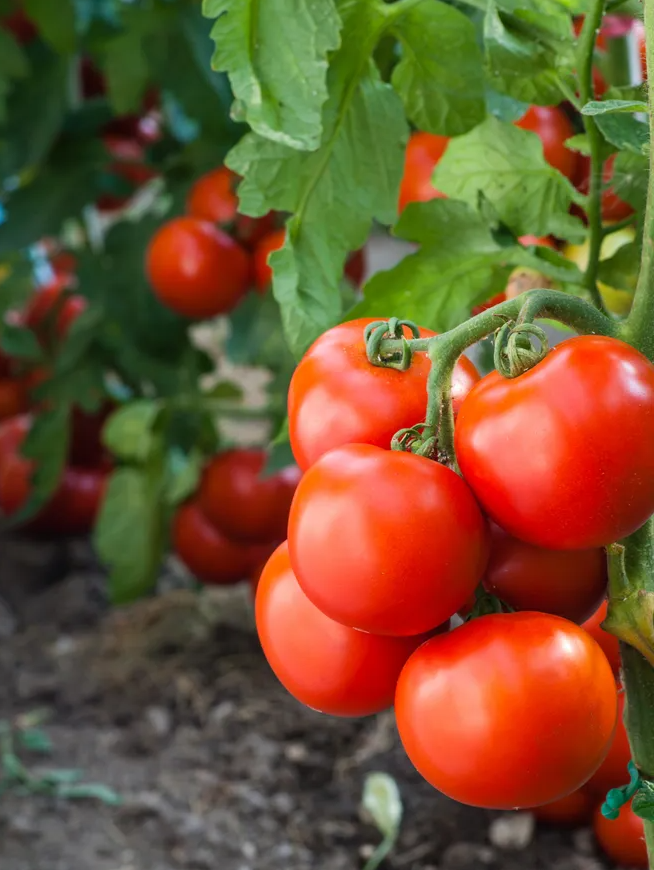
Tomato is a branching, aromatic, softly hairy plant generally grown as an annual. Depending on cultivar and support, it may remain a compact bush, grow as an indeterminate vine, sprawl across the ground, or climb cages, stakes, strings, or trellises. Stems and leaves often feel slightly sticky because of glandular hairs and release a sharp, familiar tomato-plant odor when rubbed, cut, or broken.
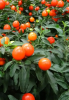
The leaves are alternate and divided into irregular, toothed or lobed leaflets. The flowers grow in clusters and usually have five pointed yellow petals arranged like a star around a central cone of yellow anthers. The fruits are botanical berries and may mature to red, orange, yellow, pink, purple, brown, striped, white, or green depending on cultivar. Small cherry and grape tomatoes can look similar to some poisonous ornamental berries, so whole-plant identification is safer than judging by fruit shape alone.
The calyx is the green star-like structure attached to the fruit. It is often overlooked because people focus on the tomato itself, but the calyx is green plant tissue and belongs in the exposure history. A dog that swallows several ripe cherry tomatoes with green calyces has still consumed some plant tissue; a goat or rabbit that eats stems, flowers, leaves, and immature fruit has consumed a much more relevant glycoalkaloid exposure.
Why the Plant Makes More Tomatine While the Fruit Is Green
Tomatine is one of the plant’s natural defenses against being eaten or infected. The immature fruit is most vulnerable while its seeds are still developing, so it carries more chemical protection against insects, fungi, and other organisms. Once the fruit is biologically ripe, it has largely completed its job of producing viable seed. The plant then converts α-tomatine and dehydrotomatine into less bitter steroidal glycosides, making ripe fruit more attractive to seed-dispersing animals while the leaves and stems remain chemically defended.
This is not an absolute color rule. Several heirloom cultivars remain green or green-striped at full ripeness. A biologically mature green cultivar may contain far less α-tomatine than a hard immature green tomato from a red-fruited cultivar. Texture, seed maturity, cultivar, normal harvest characteristics, stem attachment, and the animal’s access to leaves or calyces matter along with exterior color.
Concentration Data and Plant-Part Variation
Mendel Friedman’s review, Tomato Glycoalkaloids: Role in the Plant and in the Diet, brought together research on the history, chemistry, analysis, distribution, metabolism, defensive function, toxicology, nutrition, cholesterol interaction, antimicrobial activity, immune effects, and pharmacology of α-tomatine and dehydrotomatine. By fresh weight, one widely cited green-tomato measurement is 48 parts per million, equivalent to 48 milligrams per kilogram or 4.8 milligrams per 100 grams. Friedman’s broader review also reported that highly immature green tomatoes may contain up to approximately 500 milligrams of α-tomatine per kilogram of fresh fruit.
Those values are not contradictory. They demonstrate variation. Tomato cultivar, maturity, growing conditions, plant stress, fruit size, tissue sampled, and analytical method can change the concentration substantially. Ripe fruit contains far less. Friedman and Levin measured dehydrotomatine at approximately 0.05 to 0.42 milligrams per kilogram in red tomatoes and approximately 1.7 to 45 milligrams per kilogram in green tomatoes. Direct analysis of fruits and vegetative tissues also keeps calyces, flowers, leaves, roots, and stems in the risk picture.
A Practical Tomato-Number Calculation
The following PAWS calculation makes the practical point that one chosen low green-fruit concentration produces physically absurd fruit counts when compared with a large experimental purified-compound dose:
By weight fresh green tomatoes contain 48 ppm (4.8mg/100g) of tomatine (Tomato Glycoalkaloids: Role in the Plant and in the Diet, by Mendel Friedman). The generally accepted LD50 (lethal dose at which 50% of animals will die) for tomatine in a human is .5g per kg of body weight. It is also commonly accepted that tomatine is more toxic to a dog than it is a human. In tests done on mice weighing 25g, the LD50 was 500mg/kg or 50mg/100g or 12.5mg per mouse. Figuring your average tomato weighs 120g, the tiny mouse would need to eat just over 2 whole green tomatoes (2.18 to be exact) or 10.46 times its bodyweight in green tomatoes to have a 50% chance of dying.
Let's assume dogs are 5 times more susceptible to the toxin than both mice or humans and apply an LD50 of .1g per kg of body weight. This means a 60lb (27.21 kg) dog would need to ingest 2721mg (2.7g) of tomatine or 472 tomatoes to have a 50% chance of dying. 2721mg/4.8mg (tomatine per 100g) = 566 (100 gram units or 56,687.5 grams of tomato); 566 / 1.2 (120g average tomato)= 472 tomatoes or 124.96lbs (56.68kg) of tomato. If the toxicity is the same regardless of size a 30lb dog would need to eat 236 tomatoes and a 10lb dog would need to eat 78.6 tomatoes. That's a heck of a lot of tomatoes.
Ripened tomatoes contain even less, .04mg/100g or 120 times less tomatine than green tomatoes; meaning your 60lb dog would need to eat a measly 56,640 ripe tomatoes to get 2700mg of toxin.
What That Calculation Proves—and What It Cannot Prove
The calculation makes a valid common-sense point: when the chosen fruit contains only 4.8 milligrams per 100 grams, the physical volume needed to deliver a massive experimental dose becomes ridiculous. An animal cannot eat ten times its own body weight in intact tomatoes as one ordinary meal. The mouse arithmetic is internally understandable. A 25-gram mouse receiving 500 milligrams per kilogram would receive 12.5 milligrams of purified α-tomatine. At 4.8 milligrams per 100 grams, approximately 260 grams of that particular green tomato would contain 12.5 milligrams—more than ten times the mouse’s body weight.
The calculation becomes unreliable when it is presented as a real canine lethal threshold. No accepted human α-tomatine LD50 of 500 milligrams per kilogram has been established, and there is no evidence-based reason to assume automatically that dogs are five times more sensitive than mice. That multiplier was deliberately introduced as an assumption, not measured canine toxicology. The plant concentration can also change the answer by more than tenfold. At the upper reported concentration of 500 milligrams per kilogram, 100 grams of highly immature fruit would contain approximately 50 milligrams of α-tomatine rather than 4.8 milligrams. A tomato-number calculation based on one low measured concentration cannot be turned into a universal safety guarantee.
The conclusion remains solid even after removing the false precision: an ordinary ripe tomato is low risk, one average green tomato is extraordinarily unlikely to kill a medium or large dog, and the more realistic poisoning scenario involves an animal eating substantial quantities of glycoalkaloid-rich leaves, stems, vines, flowers, calyces, roots, and immature fruit.
Friedman’s Cholesterol-Binding Research
Research is conflicting only if every biological action is forced into the simple category of either “poison” or “benefit.” α-Tomatine can be harmful at one concentration and useful at another. The compound’s ability to bind cholesterol is central to both its low intestinal absorption and its potential nutritional effects. In the paper Lowering of Plasma LDL Cholesterol in Hamsters by the Tomato Glycoalkaloid Tomatine, Mendel Friedman, T. E. Fitch, and Wallace H. Yokoyama fed hamsters high-fat, high-cholesterol diets containing added tomatine. Dietary tomatine lowered plasma LDL cholesterol and increased fecal elimination of cholesterol and other sterols.
Tomatine forms a strong, poorly absorbed complex with cholesterol in the intestinal tract. Rather than entering the bloodstream efficiently, much of that complex passes through the animal and is excreted. This helps explain why the majority of orally ingested tomatine may remain unabsorbed and why dietary tomatine can affect cholesterol metabolism. Related feeding research found that tomatoes reduced plasma LDL cholesterol and triglycerides in hamsters. The result did not mean that tomato vines should be fed to pets. It demonstrated that a plant-defense glycoalkaloid can have nutritional and pharmacological effects in addition to toxic effects.
Friedman’s Cancer Research and the Evidence Boundary
The cancer research should not be reduced to a vague line saying that tomatine may be beneficial. It includes separate in-vitro and in-vivo experiments that answer different questions. In the study Protective Effect of Dietary Tomatine Against Dibenzo[a,l]pyrene-Induced Liver and Stomach Tumors in Rainbow Trout, Friedman, McQuistan, Hendricks, Pereira, and Bailey examined dietary tomatine in an animal tumor model. Dietary tomatine reduced the incidence of liver and stomach tumors without producing the mortality, liver-weight changes, or pathological tissue effects that would have indicated overt toxicity under the study conditions.
In the paper Tomatine-Containing Green Tomato Extracts Inhibit Growth of Human Breast, Colon, Liver, and Stomach Cancer Cells, Friedman and colleagues tested green-tomato extracts against cultured human cancer-cell lines. High-tomatine extracts strongly inhibited breast, colon, liver, and stomach cancer cells in vitro. Later work by other laboratories has examined α-tomatine effects on apoptosis, cell membranes, PI3K/Akt signaling, NF-κB signaling, invasion, metastasis-related pathways, and transplanted tumor models.
That science belongs on the page because it shows that α-tomatine is biologically active. It does not mean a dog should eat green tomato vines, that tomato leaves cure cancer, that a concentrated tomatine extract is safe, or that a tomato product should be used as home treatment. Laboratory activity, experimental cancer prevention, food exposure, and veterinary toxicology are separate categories.
Tomatine, Cell Membranes, and Oral Absorption
α-Tomatine binds to cholesterol and related 3β-hydroxysterols in biological membranes. This interaction can create insoluble complexes, disturb membrane organization, increase permeability, and eventually cause leakage or cell death at sufficient concentrations. In gastrointestinal tissue, membrane disturbance can contribute to nausea, salivation, vomiting, diarrhea, and abdominal discomfort. In laboratory systems, concentrated α-tomatine can also damage red blood cells or other cells exposed directly to the compound.
Direct laboratory exposure is not equivalent to a dog swallowing one tomato. Oral absorption is limited, and the food matrix changes the exposure. The oral mouse LD50 near 500 milligrams per kilogram contrasts sharply with far lower injected LD50 figures. Intravenous or intraperitoneal administration bypasses the intestinal sterol-binding and absorption barriers. That route difference is one of the clearest reasons not to compare a purified injected dose directly with the number of tomatoes in a garden.
Tomatine Versus Solanine and Solanocapsine
Tomato plants are routinely said to contain solanine. They may contain minor related steroidal compounds, and older poison references often use solanine as a broad nightshade-toxicant label. Chemically, however, α-tomatine and dehydrotomatine are the dominant cultivated-tomato glycoalkaloids. The original estimate of approximately 5 milligrams of solanine per 100 grams of tomato should not be treated as a fixed modern concentration for Solanum lycopersicum. Similar numerical claims often reflect older methods, broad glycoalkaloid terminology, or confusion with potato chemistry.
Solanocapsine belongs principally with Jerusalem Cherry, Solanum pseudocapsicum. A solanocapsine-type compound found in mini tomato fruit is scientifically interesting, but it does not displace α-tomatine as the main defensive glycoalkaloid or explain the ordinary tomato-plant poisoning syndrome. This matters because Jerusalem Cherry fruit can look like a small tomato but is a separate ornamental nightshade with a different risk profile.
Dogs and Cats
Dogs are most likely to be exposed by raiding a garden, chewing uprooted vines, pulling fruit from low branches, eating seedlings, digging into planters, or investigating a pile of pruned plants. Cats may nibble leaves, reach tomato seedlings kept indoors, or contact damaged vines while exploring a greenhouse or windowsill. A small amount of fully ripe tomato flesh is generally low risk for a healthy dog or cat, but leaves, stems, flowers, calyces, roots, immature green fruit, and recently treated garden plants should not be considered safe.
Tomato sauce, pizza, ketchup, salsa, chili, soups, and seasoned leftovers require separate evaluation. They may contain onion, garlic, excessive salt, fat, dairy, alcohol, hot peppers, sweeteners, or other ingredients more dangerous than the tomato itself. Whole cherry and grape tomatoes can also become choking hazards, especially for small dogs that gulp food without chewing. Choking is a mechanical emergency and has nothing to do with α-tomatine.
Horses and Livestock
The realistic severe-exposure scenario for large animals involves pounds of green plant material. Livestock may gain access to garden rows, crop fields, discarded greenhouse plants, frost-damaged vines, canning waste, tomato tops, uprooted plants, or a trailer load of tomato waste dumped into a pasture. Wilted and dried vines should not be treated as safe forage. Loss of water may concentrate nonvolatile compounds by weight, and hungry animals may eat plant material they would normally avoid.
Horses, cattle, sheep, goats, pigs, alpacas, llamas, and other managed animals should not receive Tomato Plant waste as feed, bedding, enrichment, or compost access. Illness affecting several animals should trigger examination of the entire feed or clipping pile. Herbicides, insecticides, fungicides, fertilizer, slug bait, mold, spoiled produce, foreign material, potato plants, nightshade weeds, or ornamental peppers may accompany tomato vines.
Rabbits, Guinea Pigs, Birds, Reptiles, and Other Small Animals
Rabbits and guinea pigs should not be fed tomato leaves, stems, vines, flowers, roots, or green plant waste. They cannot vomit, and food refusal can quickly become a secondary emergency. Even if a single plant nibble causes only mild irritation, a rabbit or guinea pig that stops eating, produces fewer feces, drools, grinds its teeth, or becomes lethargic needs prompt species-specific care.
Birds and poultry may peck tomato plants, green fruit, or compost piles. Small body size can make a modest quantity proportionally important, and regurgitation, weakness, abnormal droppings, loss of balance, respiratory difficulty, or collapse should not be ignored. Tortoises, lizards, and other reptiles may be offered ripe tomato fruit in some feeding systems, but green vines and leaves should not be used as enclosure forage. Reptile illness may appear as reduced appetite, quiet behavior, abnormal stool, weakness, or failure to thrive rather than dramatic vomiting.
Pesticides May Be the Bigger Emergency
Tomato plants are frequently treated with insecticides, fungicides, herbicide drift, fertilizer, slug bait, systemic products, foliar sprays, dusts, or soil drenches. A pet chewing a recently treated vine may be exposed to both tomato glycoalkaloids and an agricultural chemical. This is one of the most important real-world reasons to save labels and photograph the growing area.
Profuse salivation, severe tremors, repeated seizures, breathing difficulty, extreme weakness, pinpoint pupils, sudden collapse, or several animals becoming ill together should increase concern for pesticide or slug-bait exposure. Preserve every product container, label, application date, dilution, and treated area. The veterinarian needs to know not only that the plant was tomato, but also what was sprayed, dusted, mixed, or stored nearby.
Diagnosis
Diagnosis usually depends on witnessed exposure, chewed vines or fruit, plant identification, estimated amount, plant part, maturity, chemical-treatment history, and compatible clinical signs. Photographs should show the whole plant, leaves, flowers, fruit, calyces, damaged portions, container, greenhouse, garden bed, compost pile, or crop-waste area rather than one torn leaf with no context. A ripe cherry tomato, a hard immature green tomato, a Jerusalem Cherry berry, a tomatillo husk, a potato sprout, and a wild nightshade berry can lead to different risk interpretations.
No routine emergency test confirms α-tomatine poisoning in most clinics. Specialized chromatographic and mass-spectrometric analysis can identify glycoalkaloids in research or diagnostic settings, but treatment normally begins from exposure history and clinical findings. Veterinary assessment may include hydration, abdominal comfort, vomiting and diarrhea frequency, temperature, blood glucose, electrolytes, acid-base status, kidney and liver values, heart rate, rhythm, blood pressure, pupil size, neurologic status, respiratory status, and evaluation for aspiration or foreign material.
Important Differential Diagnoses
Other nightshade exposures matter. Jerusalem Cherry, black nightshade, bittersweet nightshade, horse nettle, potato sprouts or green peel, eggplant foliage, and ornamental pepper may be present in the same garden or compost. Pesticides, slug bait, fertilizer, spoiled food, moldy compost, mushrooms, onions, garlic, fatty leftovers, medication exposure, foreign bodies, pancreatitis, infectious gastroenteritis, nitrate, ionophores, and metabolic disease may create similar or more severe signs.
The differential diagnosis is especially important when signs are more severe than expected. One ripe tomato does not reasonably explain collapse, repeated seizures, severe respiratory distress, high fever, profound neurologic dysfunction, or death. In those situations, tomato access should be documented, but the investigation should not stop there.
Prognosis and Prevention
The risk of death or permanent injury from one ordinary ripe tomato is exceptionally low. Most limited green-plant exposures also result in no illness or temporary gastrointestinal upset. The prognosis is generally good to excellent when more substantial illness is recognized and treated before severe dehydration, aspiration, cardiovascular instability, or neurologic complications develop.
Prevention depends on treating tomato plants like crop waste, not pet food. Fence gardens or use barriers that prevent dogs and livestock from reaching the plants. Cats may require netting, a secure greenhouse, or supervised access because a low fence is no fence at all to a cat. Collect pruned vines, leaves, flowers, calyces, roots, green fruit, and uprooted plants immediately. Do not throw them into horse paddocks, goat pens, rabbit enclosures, poultry areas, tortoise runs, dog yards, or open compost accessible to animals.
The point is not to treat the tomato slice on a hamburger like cyanide. The point is to recognize that ripe fruit and a pile of green Tomato Plants are not remotely the same exposure.
Immediate Steps After Exposure
Stop further ingestion first. Move the animal away from the garden row, greenhouse, container plant, pruning pile, compost, frost-damaged vines, canning waste, hay contamination, or discarded crop material. Keep the animal calm and quiet while you determine what was eaten. The plant part matters more than the word tomato.
- Separate ripe fruit from green plant exposure: Determine whether the animal ate fully ripe fruit, immature green fruit, leaves, stems, vines, flowers, calyces, roots, seedlings, or an entire plant.
- Remove loose material safely: If the animal is alert and cooperative, clear visible plant pieces from the lips and front of the mouth. Do not reach deeply into the throat or risk being bitten.
- Preserve identification evidence: Save a representative leaf, stem, flower, fruit, calyx, roots if available, nursery tag, chemical label, vomited material, and photographs of the entire plant and damaged area.
- Check for chemical treatments: Identify any insecticide, fungicide, fertilizer, herbicide, slug bait, systemic product, dust, spray, or soil treatment used on or near the plant.
- Estimate the maximum possible amount: Record how much plant material is missing, the earliest possible exposure time, whether other animals had access, and whether any vomiting, diarrhea, weakness, or behavior change has already occurred.
- Contact a veterinarian when the exposure is more than trivial: Report the species, body weight, plant part, amount, timing, symptoms, and chemical-treatment history.
A small bite of ordinary ripe tomato flesh may require only observation for many healthy dogs and cats. Substantial green-vine ingestion, immature fruit ingestion, any exposure involving rabbits, guinea pigs, birds, reptiles, horses, or livestock, or any illness beyond mild transient stomach upset deserves professional guidance.
Do Not Attempt Unsupervised Home Treatment
- Do not induce vomiting yourself: Hydrogen peroxide, salt, mustard, syrup of ipecac, dish soap, detergent, and manual gagging can cause stomach injury, prolonged vomiting, aspiration, or airway trauma.
- Do not force food or fluids: Milk, oil, broth, bread, yogurt, large volumes of water, and forced meals do not neutralize α-tomatine and may trigger additional vomiting or aspiration.
- Do not administer activated charcoal at home: Charcoal can be inhaled into the lungs by an animal that is vomiting, weak, sedated, tremoring, uncoordinated, seizuring, or swallowing abnormally.
- Do not give antidiarrheal or stomach medication without direction: Bismuth products, loperamide, kaolin-pectin products, antacids, sucralfate, antiemetics, or human stomach medications may be inappropriate for the species or the actual condition.
- Do not give pain medication: Ibuprofen, naproxen, acetaminophen, aspirin, and similar products can create a separate and more dangerous poisoning.
- Do not give heart, seizure, antihistamine, or corticosteroid medication: Bradycardia, arrhythmia, tremors, seizures, and allergic-type signs require diagnosis rather than owner-selected medication.
- Do not drench horses or livestock: Forced oil, water, milk, charcoal, electrolyte solution, or home remedies can be aspirated by an animal that is weak, salivating, depressed, regurgitating, or swallowing abnormally.
Tomato-plant poisoning has no home antidote. The safest first aid is source removal, evidence preservation, calm observation, and timely veterinary contact. Owner treatment becomes especially dangerous when the animal is already vomiting, weak, poorly coordinated, trembling, collapsed, breathing abnormally, or unable to swallow normally.
When Emergency Examination Is Especially Important
- A large amount of green plant material was consumed: Entire vines, leaves, stems, flowers, roots, seedlings, or multiple immature fruits create more concern than one bite of ripe tomato.
- Vomiting or diarrhea is repeated: Continuing fluid loss can cause dehydration, electrolyte abnormalities, weakness, and aspiration risk.
- The animal cannot retain water: Repeated vomiting after drinking increases the need for professional fluid therapy and anti-nausea treatment.
- Weakness or depression is pronounced: Inability to stand, collapse, pale gums, gray mucous membranes, reduced responsiveness, or worsening lethargy requires prompt assessment.
- Coordination or behavior changes occur: Stumbling, confusion, abnormal drowsiness, tremors, seizures, or altered responsiveness may indicate a substantial exposure or another toxin.
- The pupils or pulse are abnormal: Markedly dilated pupils, a very slow pulse, an irregular heartbeat, faintness, or collapse requires veterinary evaluation.
- Pesticide exposure is possible: Recently treated plants, slug bait, fertilizer, herbicide drift, or illness affecting several animals may represent a more serious chemical poisoning.
- A rabbit, guinea pig, bird, reptile, or other small animal stops eating: Food refusal and reduced fecal output can quickly cause secondary complications in small species.
- A horse or livestock animal ate crop waste: Large green biomass exposure, group access, bloat, weakness, diarrhea, reduced rumination, or regurgitation deserves large-animal veterinary guidance.
Veterinary Evaluation and Decontamination
The veterinarian will evaluate the plant part and amount consumed, hydration, abdominal comfort, vomiting and diarrhea frequency, pupil size, heart rate, pulse quality, blood pressure, coordination, mental status, respiratory status, and chemical-treatment history. A small ripe-fruit exposure may require no treatment beyond observation, while substantial vine, leaf, flower, root, or immature-fruit ingestion deserves closer assessment.
Veterinary induction of vomiting may be considered after a recent large ingestion in a dog when the animal remains alert, coordinated, cardiovascularly stable, neurologically normal, and able to protect its airway. It is not appropriate once spontaneous vomiting, marked depression, weakness, incoordination, tremors, seizures, collapse, respiratory compromise, or swallowing abnormalities have developed. Cats, horses, rabbits, guinea pigs, and many other species should not be subjected to owner-style vomiting attempts.
Activated charcoal may be considered in selected cases, particularly when a significant amount of green plant material was recently consumed and the patient can safely receive it. Its benefit must be balanced against aspiration risk, dehydration, stress, and the generally limited oral absorption of α-tomatine. Charcoal should not be forced into a vomiting, weak, seizuring, poorly coordinated, bloated, or regurgitating animal.
Supportive Treatment and Monitoring
No specific antidote exists for Tomato Plant glycoalkaloid poisoning. Veterinary care may include antiemetic medication, fluid and electrolyte therapy, gastrointestinal protection, nutritional support, and monitoring of cardiovascular and neurologic function. Treatment is selected according to the patient’s measured condition rather than a fixed tomato-poisoning protocol.
Persistent vomiting or diarrhea may require fluid therapy, electrolyte correction, anti-nausea medication, and monitoring for dehydration. Abdominal pain, blood in vomit or stool, fever, severe lethargy, or unexpected worsening may lead the veterinarian to investigate pancreatitis, foreign material, infectious disease, pesticides, or another plant. Severe tremors, seizures, bradycardia, hypotension, arrhythmia, or respiratory compromise require targeted stabilization and diagnostic monitoring.
When pesticide exposure is possible, the product label becomes as important as the plant sample. Treatment priorities may change completely if the animal was exposed to organophosphates, carbamates, pyrethroids, metaldehyde slug bait, anticoagulant rodenticides, fertilizer, herbicide, or another chemical. The veterinarian should be told exactly what was applied, how it was diluted, when it was applied, and whether the animal chewed wet, dry, treated, or washed plant material.
Dogs and Cats
Dogs should be monitored for drooling, repeated swallowing, vomiting, diarrhea, abdominal discomfort, appetite loss, depression, weakness, coordination problems, pupil changes, gum color, pulse quality, breathing, and alertness. A dog that vomits plant material may still have absorbed glycoalkaloids or swallowed pesticides, calyces, stems, plastic ties, plant clips, mulch, compost, or foreign material. Whole cherry or grape tomatoes can also create choking or aspiration concerns in small dogs.
Cats should be monitored for hiding, drooling, vomiting, food refusal, dehydration, weakness, abnormal heart rate, dilated pupils, poor coordination, collapse, and prolonged anorexia. If the exposure involved a windowsill garden, seed-starting tray, greenhouse, compost, bouquet, or mixed plant area, the veterinarian should be told about every plant present. A tomato seedling does not rule out lilies, onions, garlic, ornamental nightshades, or other more dangerous exposures.
Horses and Livestock
Horses, ponies, and donkeys should be kept quiet and should not be forced to exercise when weak, depressed, colicky, uncoordinated, or suspected of cardiovascular instability. Salivation, diarrhea, feed refusal, colic, weakness, abnormal pulse, tremors, stumbling, or recumbency after access to tomato vines or garden waste warrants large-animal veterinary care. Transport decisions should be made with a veterinarian when the animal is weak, poorly coordinated, or at risk of collapse.
Cattle, sheep, goats, pigs, alpacas, llamas, and other livestock should be removed from all remaining tomato waste, compost, hay contamination, crop residue, and mixed debris. Report group access, bloat, reduced rumination, diarrhea, retching, regurgitation, depression, weakness, tremors, or collapse immediately. Do not drench affected livestock. Oral fluids, oil, charcoal, milk, or medication can be aspirated when swallowing is impaired or the animal is regurgitating.
Birds, Rabbits, Guinea Pigs, Reptiles, and Small Pets
Birds, rabbits, guinea pigs, tortoises, lizards, and other small pets require species-specific care because safe doses are not established and body size is small. Birds with regurgitation, weakness, fluffed posture, poor perching, tremors, loss of balance, respiratory difficulty, or collapse need avian veterinary attention. Rabbits and guinea pigs cannot vomit, so food refusal, reduced fecal production, drooling, abdominal discomfort, weakness, or altered heart rate is important.
Do not offer tomato leaves, vines, flowers, roots, immature fruit, or pruning debris as cage greens, bird enrichment, rabbit forage, tortoise browse, guinea-pig food, poultry treats, or bedding. Remove any tomato plants from pet-accessible rooms and enclosures. A small ripe fruit treat used in a species-appropriate diet is not the same as green-vine access.
Recovery and Prognosis
Most dogs and cats recover completely after a limited exposure. Mild drooling, vomiting, diarrhea, appetite loss, or depression often improves within several hours and resolves within approximately one or two days. The prognosis remains favorable for many larger exposures when treatment begins before severe dehydration, aspiration, cardiovascular instability, or neurologic complications develop.
Persistent weakness, incoordination, abnormal pulse, continuing vomiting, severe diarrhea, failure to resume eating, respiratory signs, or illness that does not follow the expected mild course requires follow-up. When illness is unexpectedly severe, the veterinarian should reconsider the plant identification and investigate pesticides, another nightshade species, a foreign body, pancreatitis, medication exposure, infectious disease, or unrelated illness. One ripe tomato does not reasonably explain collapse or major neurologic failure by itself.
Prevention After the Incident
Fence gardens or use barriers that prevent dogs, horses, livestock, poultry, rabbits, tortoises, and other animals from reaching tomato plants. Secure greenhouse doors, seedling trays, compost bins, and crop-waste areas. Inspect garden edges after storms, frost, pruning, trellis repair, harvesting, and plant removal. Collect fallen fruit, leaves, flowers, calyces, roots, and broken stems before animals gain access.
Never discard tomato vines, green fruit, seedlings, frost-killed plants, greenhouse waste, canning waste, or mixed garden debris in horse paddocks, goat pens, sheep lots, cattle pastures, pig areas, rabbit runs, aviaries, chicken yards, tortoise enclosures, dog yards, or open compost piles accessible to animals. Prevention is not about panic over ripe fruit. It is about keeping green plant biomass, treated garden material, and mixed crop waste out of animal feeding areas.
Frequently Asked Questions About Tomato Plants and Animal Poisoning
Are ripe tomatoes poisonous to dogs and cats?
Ordinary fully ripe tomato flesh is considered low risk for most healthy dogs and cats because it contains only a small fraction of the glycoalkaloids found in green plant tissues. A small piece of ripe tomato is unlikely to cause glycoalkaloid poisoning. Large amounts can still cause digestive upset from acidity, fiber, sugar, and dietary novelty, and prepared tomato foods may contain onion, garlic, salt, fat, alcohol, xylitol, hot peppers, or other hazardous ingredients.
Which parts of the Tomato Plant are most dangerous?
Leaves, stems, vines, flowers, calyces, roots, seedlings, and immature green fruit contain the highest practical concentrations of α-tomatine and dehydrotomatine. Ordinary ripe fruit contains far less. The calyx matters because it is green plant tissue attached to the fruit, and discarded vines matter because an animal can eat far more green material from a pruning pile than from one tomato on a counter.
Is a green tomato always more poisonous than a red tomato?
A hard immature green tomato from a red-fruited cultivar usually contains more glycoalkaloid than ripe red fruit. However, some cultivars are green or green-striped when biologically ripe. Texture, seed maturity, cultivar, normal harvest traits, and whether the animal also ate leaves, stems, or calyces matter. A mature green heirloom fruit is not the same exposure as an immature green tomato attached to a living vine.
Is tomatine or solanine the main Tomato Plant toxin?
α-Tomatine and dehydrotomatine are the principal glycoalkaloids of cultivated tomato. Solanine is associated much more strongly with potato and some other Solanum plants. Some veterinary lists use “solanine” broadly for nightshade glycoalkaloids, but it is not the most chemically precise name for the dominant tomato compounds.
Does Tomato Plant contain solanocapsine?
Solanocapsine is principally associated with Jerusalem Cherry, Solanum pseudocapsicum, not garden tomato. A solanocapsine-type steroidal glycoside has been isolated from ripe mini tomato fruit, which shows that tomato chemistry includes minor compounds beyond α-tomatine. That finding does not make solanocapsine the main explanation for ordinary Tomato Plant poisoning in animals.
How much tomatine is found in green and ripe tomatoes?
Concentrations vary widely. One frequently cited green-fruit measurement is approximately 48 milligrams per kilogram, or 4.8 milligrams per 100 grams. Other immature fruit has contained up to approximately 500 milligrams per kilogram. Ripe cultivated fruit commonly contains only several milligrams per kilogram or less, while leaves, calyces, flowers, roots, and stems can contain much higher practical concentrations than ripe fruit.
Would a dog really need to eat hundreds of tomatoes to die?
No scientifically validated tomato count exists. Calculations that produce hundreds of tomatoes rely on one chosen fruit concentration, an experimental mouse LD50, and an assumed dog-sensitivity multiplier. The useful takeaway is not that every dog has an exact tomato limit. The useful takeaway is that ordinary ripe fruit is low risk while whole green plants, immature fruit, vines, leaves, flowers, roots, and crop waste are the realistic poisoning concern.
What does the mouse LD50 of 500 milligrams per kilogram mean?
It means that under a particular experimental protocol, an oral dose of approximately 500 milligrams of purified α-tomatine per kilogram of mouse body weight killed half the test animals. It does not establish a lethal dose for dogs, cats, humans, horses, cattle, goats, rabbits, birds, or reptiles. It also cannot be converted directly into a number of garden tomatoes because purified compound, fruit concentration, plant matrix, species, and route of exposure all matter.
Why is orally eaten tomatine less toxic than injected tomatine?
α-Tomatine binds cholesterol and related sterols in the digestive tract and forms complexes that are absorbed poorly and excreted. Injected purified compound bypasses that intestinal barrier. Experimental intravenous or intraperitoneal toxicity is therefore far greater than oral toxicity, which is why route-specific numbers cannot be mixed together when judging a pet that ate plant material.
What symptoms are most likely after eating Tomato Plant?
The most likely signs are drooling, repeated swallowing, vomiting, diarrhea, abdominal discomfort, appetite loss, drowsiness, depression, and weakness. A more substantial green-plant exposure may cause dilated pupils, confusion, loss of coordination, tremors, or a slow or irregular heart rate. Collapse, seizures, and severe neurologic signs are unusual after ordinary household exposure and should prompt investigation for another toxin, pesticide, foreign material, or medical emergency.
Can Tomato Plant cause a slow heart rate or dilated pupils?
Yes, dilated pupils and bradycardia are included in established descriptions of tomato-plant ingestion. They suggest a more consequential exposure than a simple ripe-fruit nibble and deserve professional assessment, especially when they occur with drooling, vomiting, diarrhea, weakness, stumbling, tremors, or collapse. A single pulse check at home is not a complete cardiovascular evaluation.
Can Tomato Plant cause seizures or collapse?
Severe neurologic or cardiovascular signs are uncommon after ordinary ripe-fruit exposure but may occur after substantial green-plant ingestion or a mixed exposure. Collapse, seizures, severe tremors, respiratory difficulty, or loss of consciousness should be treated as an emergency and should trigger investigation for pesticides, slug bait, another poisonous nightshade, medication exposure, mushrooms, hypoglycemia, electrolyte disturbance, or unrelated disease.
Are Tomato Plants dangerous to horses, cattle, goats, and other livestock?
They can be when animals consume a large quantity of vines, leaves, stems, flowers, roots, seedlings, or green fruit. Grazing livestock can eat far more green biomass than a household pet. Tomato pruning waste, greenhouse disposal, frost-damaged plants, crop residue, and canning waste should never be dumped into animal enclosures. Group access requires group monitoring because each animal may have consumed a different amount.
Can horses vomit after eating Tomato Plant?
No. Horses cannot vomit. They may instead show salivation, feed refusal, colic, diarrhea, depression, sweating, weakness, reduced intestinal motility, loss of coordination, tremors, or an abnormal pulse. A weak or uncoordinated horse should not be forced to walk for observation unless a veterinarian directs it, because cardiovascular instability and ataxia can increase collapse and injury risk.
Are Tomato Plants safe for rabbits and guinea pigs?
No. Tomato leaves, stems, vines, flowers, roots, and immature fruit should not be fed to rabbits or guinea pigs. These species cannot vomit, and digestive irritation can become serious when the animal stops eating or produces fewer feces. Drooling, tooth grinding, food refusal, abdominal discomfort, diarrhea, lethargy, or reduced fecal output after green-plant access should be discussed with a veterinarian promptly.
Are Tomato Plants safe for birds, chickens, or reptiles?
Tomato vines, leaves, flowers, roots, and immature fruit should not be used as bird enrichment, poultry greens, tortoise browse, reptile forage, or cage bedding. Birds may peck compost or garden waste and develop regurgitation, weakness, balance problems, abnormal droppings, respiratory signs, or collapse. Reptiles may show slower, subtler signs such as reduced appetite, abnormal stool, weakness, or inactivity, so prevention is safer than experimentation.
Is dried or wilted Tomato Plant safer?
Do not assume drying, wilting, frost, or pruning makes Tomato Plant safe. Water loss may reduce bulk without eliminating nonvolatile glycoalkaloids, and hungry animals may eat wilted plant material they would normally avoid. Dried vines, frost-killed plants, hay contamination, greenhouse disposal, and compost remain relevant animal hazards.
Can tomato compost or pruning waste poison animals?
Yes. Compost and pruning waste can concentrate leaves, stems, roots, immature fruit, mold, spoiled produce, pesticides, fertilizer, slug bait, foreign material, and other garden plants in one accessible place. Dogs, pigs, poultry, goats, sheep, rabbits, tortoises, and horses should not have access to tomato waste piles. Compost exposure should be reported as a mixed exposure, not just a tomato exposure.
Could pesticides on a tomato plant be more dangerous than the plant?
Yes. Tomato plants are often treated with insecticides, fungicides, herbicides, fertilizers, slug bait, dusts, sprays, or systemic products. Profuse salivation, pinpoint pupils, severe tremors, repeated seizures, breathing difficulty, sudden collapse, or several animals becoming ill together should increase concern for chemical exposure. Save every label and tell the veterinarian what was used, when it was applied, and how the animal contacted the plant.
Should I make my pet vomit after it eats Tomato Plant?
Do not induce vomiting at home unless a veterinarian or animal poison-control professional specifically directs it. Hydrogen peroxide, salt, mustard, dish soap, and manual gagging can cause injury, prolonged vomiting, or aspiration. Veterinary emesis may be considered after a substantial recent ingestion in an alert, coordinated dog that can protect its airway, but it is inappropriate once weakness, tremors, collapse, spontaneous vomiting, or swallowing abnormalities appear.
Is activated charcoal necessary after Tomato Plant ingestion?
Not automatically. A veterinarian may consider activated charcoal after a significant recent green-plant ingestion, but its benefit must be balanced against aspiration risk and the generally limited oral absorption of α-tomatine. Charcoal should not be forced into an animal that is vomiting, weak, sedated, uncoordinated, seizuring, bloated, regurgitating, or unable to swallow normally.
How do veterinarians diagnose Tomato Plant poisoning?
Diagnosis usually uses plant identification, exposure history, plant part, amount, maturity, chemical-treatment history, clinical signs, and physical examination. Useful evidence includes photos of the entire plant, leaves, flowers, fruit, calyces, roots, damaged area, compost, pruning pile, and chemical labels. There is no routine rapid clinic test for α-tomatine poisoning, although specialized chromatographic methods can identify glycoalkaloids in research or diagnostic settings.
How is Tomato Plant poisoning treated?
Treatment is based on the patient, not a fixed tomato antidote. A veterinarian may use controlled decontamination in selected early cases, anti-nausea medication, fluid and electrolyte therapy, gastrointestinal protection, nutritional support, cardiovascular monitoring, neurologic monitoring, and treatment for complications such as dehydration, aspiration, tremors, seizures, bradycardia, hypotension, or pesticide exposure. No specific tomato-plant antidote exists.
Can tomatine have beneficial biological effects?
Yes. Studies have examined cholesterol binding, fecal sterol elimination, antimicrobial activity, antifungal activity, immune effects, and anticancer activity in laboratory or experimental models. Those findings are scientifically important, but they do not make tomato leaves, green vines, homemade extracts, or purified tomatine safe treatments for pets. A compound can be biologically interesting and still be inappropriate as animal first aid.
Is Tomato Plant the same as Jerusalem Cherry?
No. Tomato Plant is Solanum lycopersicum. Jerusalem Cherry is Solanum pseudocapsicum, an ornamental nightshade with attractive green, yellow, orange, or red fruit associated with solanocapsine-related alkaloids. Jerusalem Cherry berries can resemble cherry tomatoes, but they are a different poisonous plant and should not be judged by tomato-fruit risk rules.
Is Tomato Plant the same as tomatillo?
No. Tomatillo is usually Physalis philadelphica or Physalis ixocarpa, not Solanum lycopersicum. Tomatillos have papery husks and belong to a related but different Solanaceae group. The scientific name and whole plant should be used when an animal exposure involves a garden plant called tomato, tomatillo, husk tomato, ground cherry, or nightshade.
What differentials matter most after suspected Tomato Plant poisoning?
Important differentials include Jerusalem Cherry, black nightshade, bittersweet nightshade, horse nettle, potato sprouts or green peel, eggplant foliage, ornamental pepper, belladonna, jimsonweed, pesticides, slug bait, fertilizer, spoiled food, moldy compost, mushrooms, onion, garlic, medication exposure, foreign material, pancreatitis, infectious gastroenteritis, nitrate, ionophores, and metabolic disease. The more severe the signs, the less likely one ripe tomato is the whole explanation.
What is the usual prognosis?
The prognosis is generally good to excellent for limited exposures, especially when signs are absent or limited to mild gastrointestinal upset. Most mild cases improve within several hours to one or two days. Persistent vomiting, dehydration, pronounced weakness, dilated pupils, stumbling, abnormal pulse, respiratory difficulty, pesticide exposure, or failure to resume eating makes the case more serious and warrants follow-up.
How can Tomato Plant poisoning be prevented?
Keep animals away from tomato vines, seedlings, leaves, flowers, roots, immature fruit, pruning piles, compost, crop residue, and recently treated garden plants. Fence gardens, secure greenhouses, remove fallen fruit and calyces, collect plant waste immediately, and never dump tomato vines into horse paddocks, goat pens, sheep lots, cattle pastures, rabbit runs, poultry yards, tortoise enclosures, dog yards, or accessible compost piles.