Jerusalem Cherry Toxicity and Steroidal Alkaloid Poisoning
Is Jerusalem Cherry Poisonous to Dogs, Cats, Horses, and Livestock?
Yes—Jerusalem Cherry, Solanum pseudocapsicum, is poisonous to dogs, cats, horses, livestock, rabbits, birds, and people. Exact-species research has identified solanocapsine and several related steroidal alkaloids in the plant. Leaves, stems, and the colorful tomato-like fruit present the best-documented exposures. Green, yellow, orange, and red fruits should all be treated as unsafe.
Most recognized animal exposures are expected to cause gastrointestinal illness, including drooling, nausea, vomiting, abdominal pain, appetite loss, and diarrhea. A larger or more completely absorbed exposure may also produce depression, drowsiness, weakness, dilated pupils, abnormal behavior, poor coordination, altered heart rate or blood pressure, tremors, paralysis, seizures, respiratory depression, circulatory collapse, or shock. No dependable safe fruit count, leaf count, plant weight, or veterinary toxic dose has been established.
About this guide: This page provides general pet-poisoning information and cannot diagnose or treat an individual animal. For any suspected exposure, contact a veterinarian or animal poison-control service immediately. Do not induce vomiting, give medication, or attempt home decontamination unless directed by a veterinary professional.
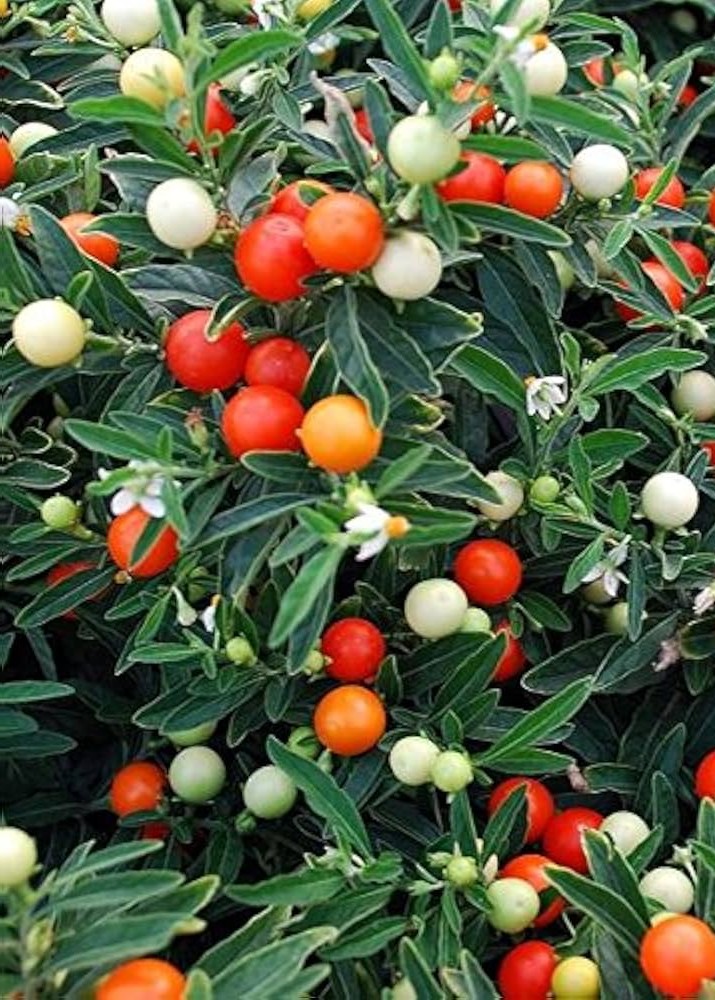
Jerusalem Cherry
Solanum pseudocapsicum L.
Important accepted botanical synonyms and historical names include:
- Pseudocapsicum undulatum Moench
- Solanum capsicastrum Link ex Schauer
- Solanum compactum T.Moore & Mast.
- Solanum diffusum Link ex Roem. & Schult.
- Solanum diflorum Vell.
- Solanum hyemale Salisb.
- Solanum hygrophilum Schltdl.
- Solanum ipecacuanha Chodat
- Solanum linkianum Roem. & Schult.
- Solanum microcarpum Vahl
- Solanum montevidense Spreng.
- Solanum pseudocapsicum var. sendtnerianum Hassl.
Important botanical distinctions:
- Solanum capsicastrum, sometimes sold as False Jerusalem Cherry or Dwarf Jerusalem Cherry, is currently included within Solanum pseudocapsicum rather than treated as a reliably separate safe species.
- Jerusalem Cherry is not a true cherry. True cherries belong to the genus Prunus.
- Cherry Tomato is Solanum lycopersicum, a separate cultivated species with compound or deeply divided aromatic foliage.
- Bittersweet Nightshade is Solanum dulcamara, while Twoleaf Nightshade is Solanum diphyllum. Both are separate poisonous species.
- Winter Cherry is also used for Withania somnifera, and Natal Cherry may refer to Carissa macrocarpa. Those common names do not provide dependable species identification.
Solanaceae
Jerusalem Cherry; Jerusalem-Cherry; Christmas Cherry; Christmas-Cherry; False Jerusalem Cherry; False Jerusalem-Cherry; Madeira Cherry; Madeira Winter Cherry; Madeira Winter-Cherry; Winter Cherry; Winter-Cherry; Coral Bush; Coral Berry; Coral-Berry; Love Apple; False Pepper; Dwarf Jerusalem Cherry; Natal Cherry; Solanum pseudocapsicum; Solanum capsicastrum; Solanum diflorum; Solanum hyemale; Solanum ipecacuanha
Christmas Cherry and Winter Cherry refer to the plant’s persistent yellow, orange, and red fruit and its frequent use as a fall and winter ornamental.
False Jerusalem Cherry and Dwarf Jerusalem Cherry were often associated with plants sold as Solanum capsicastrum. That name is now treated as a synonym of Solanum pseudocapsicum, and those plants should not be assumed safer.
Natal Cherry is ambiguous. It may refer to Jerusalem Cherry in poison-plant literature, but it is also widely used for Natal Plum, Carissa macrocarpa, an unrelated thorny shrub in Apocynaceae.
Winter Cherry is also used for Ashwagandha, Withania somnifera. Coral Berry may refer to several unrelated shrubs, including species of Ardisia and Symphoricarpos. Love Apple has also been applied historically to tomatoes.
The common names alone should never be used to decide whether a red- or orange-fruited plant is edible or which poisoning protocol applies.
Solanocapsine and a Complex Steroidal Alkaloid Mixture
Jerusalem Cherry contains solanocapsine, a nitrogen-containing steroidal alkaloid associated particularly with Solanum pseudocapsicum. Exact-species chemical investigations demonstrate that the plant does not contain one isolated poison acting alone. Its aboveground tissues and fruit contain a mixture of related steroidal alkaloids and, in fruit-stage research, steroidal glycoalkaloid or sapogenin-related constituents.
Primary structural research isolated solacapine, episolacapine, isosolacapine, and O-methylsolanocapsine from the aboveground portions of the plant. Solacapine, episolacapine, and isosolacapine are stereoisomeric steroidal alkaloids: they share the same basic molecular formula and connectivity while differing in the three-dimensional orientation of important atoms and functional groups.
Solacasine was isolated separately from an alcohol extract of Solanum pseudocapsicum and identified as an antibacterial steroidal alkaloid. Laboratory studies have also examined total alkaloid fractions from leaves, unripe fruit, roots, and other plant portions for cytotoxic, antimicrobial, antifungal, or pharmacological activity.
These findings confirm that Jerusalem Cherry has biologically active chemistry. They do not establish that every isolated compound contributes equally to natural poisoning or that a solvent extract reproduces the dose delivered when a dog swallows several intact fruits.
Solanocapsine Is Not Solanine
Solanocapsine and solanine both belong to the broad steroidal-alkaloid chemistry of the Nightshade family, but they are not the same molecule. Solanine is more strongly associated with potatoes and several other Solanum species, often as a glycoalkaloid consisting of a steroidal alkaloid aglycone attached to sugar residues.
Solanocapsine has a different ring structure, stereochemistry, nitrogen arrangement, and pharmacological profile. General veterinary summaries sometimes use “solanine” as a simplified genus-level label for Jerusalem Cherry, but exact-species chemistry supports solanocapsine and related steroidal alkaloids as the more accurate description.
The distinction does not mean that no glycosylated steroidal constituents occur in the fruit. Older direct work examined steroidal sapogenins and glycoalkaloids during berry development. It means that the toxin field should not present Jerusalem Cherry as chemically interchangeable with green potato, Bittersweet Nightshade, Black Nightshade, or every other Solanum.
The Exact Veterinary Mechanism Is Not Fully Established
The plant’s alkaloids are capable of interacting with cellular membranes, enzymes, and neural signaling systems. Gastrointestinal irritation is the most consistently recognized clinical effect and likely reflects direct mucosal exposure together with absorbed alkaloid activity.
Solanocapsine and chemically modified derivatives have been evaluated as acetylcholinesterase inhibitors in laboratory systems. Acetylcholinesterase normally breaks down acetylcholine at neural junctions. Inhibition can prolong acetylcholine activity and, at a sufficient dose, could theoretically produce cholinergic effects.
One exact-species human case instead developed a central anticholinergic-like syndrome, including altered mental status and autonomic abnormalities, and improved after veterinarian-inapplicable human treatment with neostigmine. That apparent contradiction illustrates why Jerusalem Cherry poisoning should not be reduced to one proven receptor mechanism.
The laboratory enzyme work involved purified compounds or derivatives, while the clinical case involved an unknown plant dose and a human patient. Neither establishes that every poisoned dog or cat will show a classic cholinergic or anticholinergic toxidrome. Veterinary treatment must be based on the actual gastrointestinal, neurologic, cardiovascular, respiratory, and autonomic findings.
Gastrointestinal Irritation and Possible Systemic Effects
After ingestion, plant tissue and alkaloids contact the stomach and intestinal lining. Nausea, salivation, vomiting, abdominal pain, diarrhea, appetite loss, and depression are the most defensible expected effects.
More extensive mucosal injury may produce repeated vomiting, mucus, blood-streaked vomit, bloody diarrhea, or black stool. Continued gastrointestinal losses can cause dehydration, electrolyte disturbance, acid-base abnormalities, weakness, poor perfusion, and aspiration.
A larger absorbed dose may affect the central and autonomic nervous systems. Reported or biologically plausible findings include drowsiness, confusion, agitation, dilated pupils, poor coordination, weakness, tremors, abnormal intestinal motility, altered heart rate or blood pressure, paralysis, seizures, respiratory depression, and shock.
Severe systemic findings are substantially less common than gastrointestinal illness and should trigger investigation for another nightshade, medication, pesticide, potting product, foreign body, or unrelated disease rather than being attributed automatically to one fruit.
Fruit Maturity Does Not Create an Edible Stage
The fruit begins green and progresses through yellow and orange before becoming bright red. Different stages commonly occur on the same plant.
Unripe green fruit is frequently described as containing greater concentrations of toxic steroidal constituents. Direct fruit-stage research confirms changing steroidal sapogenin and glycoalkaloid chemistry as berries develop, but the available evidence does not support one universal color threshold at which the fruit becomes safe.
Ripe red fruit remains poisonous. Ripening can change the concentration, glycosylation, bitterness, pigmentation, and distribution of secondary metabolites without eliminating every active alkaloid.
A red fruit must therefore not be treated as edible simply because it resembles a cherry tomato, has become sweet or soft, or is eaten by wildlife.
Leaves, Stems, Flowers, Fruit, Seeds, and Roots
The strongest exact-species evidence concerns aboveground or arboreal portions, leaves, fruit, and extracted plant fractions. Leaves and fruit are also the most common household exposure because they are readily accessible and may be consumed repeatedly.
Stems, young shoots, flowers, seeds, seedlings, sap, fallen fruit, and discarded plant material should remain inaccessible. Roots have not been characterized as completely in the toxicological literature and should not be treated as safe merely because the principal exposures involve foliage and berries.
The numerous seeds are surrounded by fruit pulp rather than protected within one hard stone. A dog may swallow the fruit whole, while chewing releases pulp, juice, seeds, and alkaloid-containing tissue throughout the mouth and gastrointestinal tract.
Dried, wilted, frozen, or dead-looking material should not be used as animal feed or enrichment. Loss of water does not prove that steroidal alkaloids have been destroyed.
Laboratory Biological Activity Does Not Make the Plant Medicinally Safe
Solanocapsine derivatives and total plant-alkaloid fractions have been investigated for acetylcholinesterase inhibition, cytotoxicity, antitumor activity, antimicrobial activity, antifungal activity, antioxidant effects, and other experimental properties.
Those studies use isolated compounds, concentrated fractions, cultured cells, laboratory animals, or controlled analytical methods. They do not establish a safe homemade extract, medicinal dose, veterinary treatment, or edible fruit.
An extract that kills cultured tumor cells or inhibits an enzyme may be valuable for chemical research while remaining dangerous as an uncontrolled household exposure. The presence of potentially useful molecules does not make the raw plant suitable for self-medication.
No Established Safe or Lethal Dose
No dependable safe fruit count, leaf count, plant weight, solanocapsine dose, total-alkaloid dose, toxic dose, or lethal dose has been established for an individual dog, cat, horse, livestock animal, rabbit, guinea pig, poultry bird, or pet bird.
Risk depends on species, body size, age, health, plant part, fruit maturity, amount, degree of chewing, stomach contents, individual susceptibility, co-ingested substances, and time before care.
A single fruit may produce no signs in one animal and gastrointestinal illness in another. That uncertainty does not justify predicting severe poisoning from every taste or dismissing a substantial ingestion as harmless.
Delayed Onset and Early Gastrointestinal Illness
Jerusalem Cherry poisoning does not always produce immediate signs. An animal may remain outwardly normal for several hours while plant material is digested and alkaloids are absorbed. The timing varies with the amount eaten, fruit maturity, chewing, stomach contents, individual sensitivity, and whether vomiting removes part of the exposure.
Early nausea may appear as lip licking, repeated swallowing, salivation, grass eating, restlessness, hiding, reduced interest in food, or a hunched posture. Vomiting and diarrhea are the most consistently expected clinical signs.
Some animals vomit once and recover uneventfully. Others develop repeated vomiting, watery diarrhea, abdominal cramping, appetite loss, and depression after a larger ingestion.
The absence of immediate illness does not establish safety, but it also does not mean that every asymptomatic animal will progress to severe neurologic poisoning. The exposure history and estimated amount remain important.
Abdominal Pain and Gastrointestinal Injury
Abdominal discomfort may cause whining, restlessness, repeated stretching, prayer posture, a tense abdomen, guarding, reluctance to lie down, or resistance when handled. Cats may hide, crouch, stop grooming, or refuse food without displaying obvious outward pain.
Intestinal irritation can produce frequent small-volume stool, mucus, urgency, or watery diarrhea. Forceful vomiting may leave small blood streaks from the esophagus or stomach.
Repeated fresh blood, coffee-ground vomit, black tarry stool, or substantial bloody diarrhea indicates more serious gastrointestinal injury and requires examination. Another toxic plant, caustic substance, medication, parasite, foreign body, or underlying disease may be involved.
Dehydration, Electrolyte Loss, and Shock
Repeated vomiting and diarrhea can cause dehydration even when systemic alkaloid effects remain limited. Tacky gums, sunken eyes, reduced skin elasticity, reduced urination, weakness, rapid heart rate, cool extremities, or worsening depression indicates clinically important fluid loss.
Electrolyte and acid-base abnormalities can worsen weakness, mental depression, tremors, heart-rate changes, and poor perfusion. Small animals, puppies, kittens, birds, rabbits, elderly patients, and animals with kidney, heart, endocrine, or gastrointestinal disease have less physiologic reserve.
Pale gums, cold limbs, weak pulses, collapse, and reduced responsiveness may indicate circulatory shock. Shock can result from severe gastrointestinal losses, vasomotor disturbance, cardiac dysfunction, aspiration, or another co-exposure.
Neurologic and Behavioral Effects
A more substantial absorbed dose may produce drowsiness, depression, staring, confusion, disorientation, unusual agitation, hypersensitivity, weakness, swaying, knuckling, or inability to stand.
The pupils may become dilated, and vision or visual attention may appear abnormal. An animal may fail to recognize familiar people or surroundings, walk aimlessly, press into corners, or become profoundly sleepy.
Muscle twitching can progress to tremors, spasms, rigidity, paralysis, or seizures. These severe findings are not expected after every exposure and require emergency assessment for another nightshade, pesticide, medication, metabolic disorder, or primary neurologic disease.
Reduced consciousness and loss of protective airway reflexes greatly increase the risk of inhaling vomit, water, charcoal, food, or liquid medication.
Autonomic and Anticholinergic-Like Findings
A published human case produced a central anticholinergic-like syndrome after ingestion of Solanum pseudocapsicum. Potential findings in a severe autonomic syndrome include dilated pupils, altered mental status, reduced gastrointestinal movement, dry or flushed skin, abnormal temperature, urinary retention, and a rapid or otherwise altered heart rate.
That single human case does not establish the routine veterinary syndrome and should not lead to automatic use of an anticholinergic antidote. Dogs and cats more commonly present with vomiting, diarrhea, depression, weakness, or nonspecific neurologic effects.
Solanocapsine derivatives have also demonstrated acetylcholinesterase inhibition in laboratory studies, which does not fit a simple universal anticholinergic explanation. Mixed alkaloids, dose, metabolites, receptor effects, and secondary physiologic disturbance may all influence the clinical picture.
Cardiovascular and Respiratory Effects
The heart rate may become slow, rapid, weak, or irregular in a severely affected animal. Blood pressure may fall as a result of dehydration, autonomic disturbance, poor vascular tone, cardiac effects, or shock.
Respiratory signs can include rapid shallow breathing, reduced respiratory effort, labored breathing, open-mouth breathing, neck extension, cyanosis, or respiratory depression. Aspiration after vomiting can also cause coughing, low oxygenation, fever, and worsening breathing.
Blue-gray gums, severe respiratory effort, weak breathing, collapse, or reduced responsiveness requires immediate airway and circulatory support.
Dogs and Cats
Dogs are commonly exposed after swallowing fallen fruit, stripping fruit from a low branch, pulling the plant from its pot, or raiding a discarded seasonal display. Puppies may ingest potting mix, fertilizer pellets, foil, plastic, plant tags, or decorative material during the same episode.
Cats may bite foliage, bat loose fruit, knock over the pot, drink drainage water, or ingest pulp and seeds while grooming. Persistent feline appetite loss deserves attention even after vomiting stops because prolonged anorexia can cause serious secondary metabolic disease.
Veterinary poison-surveillance data confirm reported exposure in both dogs and cats but do not define an exact symptom frequency or dose-response relationship for this species.
Horses, Livestock, Birds, and Small Mammals
Horses and livestock are more likely to encounter naturalized plants, greenhouse waste, dumped containers, landscape clippings, or discarded holiday ornamentals than an established pasture infestation.
Possible signs include salivation, feed refusal, colic, diarrhea, weakness, poor coordination, abnormal behavior, difficult breathing, collapse, or seizures. Severe group illness requires investigation of the entire feed, water, chemical, and plant environment.
Rabbits and guinea pigs cannot vomit. Gastrointestinal irritation may appear as salivation, appetite loss, abdominal discomfort, diarrhea, reduced fecal production, or gastrointestinal stasis.
Birds may tear open fruit and consume pulp and seeds. Wildlife dispersal does not establish safety for poultry or captive birds, whose diet, amount consumed, and susceptibility may differ.
Mechanical and Mixed-Exposure Complications
The fruit itself is relatively small and soft, but a dog may swallow stems, plant labels, plastic pot fragments, decorative foil, ribbon, fertilizer, stones, or compacted potting material during the same event.
Repeated gagging, immediate return of water, abdominal enlargement, persistent vomiting, reduced stool, or renewed illness after apparent improvement may indicate an esophageal or gastrointestinal foreign body.
Severe neurologic, cardiac, hepatic, renal, or respiratory disease may result from pesticide, fertilizer, systemic insecticide, mold, medication, another poisonous plant, or an unrelated illness rather than Jerusalem Cherry alone.
Expected Course and Emergency Warning Signs
Mild gastrointestinal illness may improve within several hours to one or two days as the plant material and alkaloids are eliminated and hydration is maintained. More substantial illness can require hospitalization and several days of supportive treatment.
Continued vomiting, inability to retain water, persistent diarrhea, food refusal, abdominal pain, weakness, or abnormal behavior into the following day requires reassessment.
Emergency warning signs include bloody vomit or diarrhea, black stool, severe dehydration, abnormal pupils, confusion, tremors, poor coordination, paralysis, seizures, abnormal pulse, difficult breathing, collapse, or reduced responsiveness.
Accepted Identity and Native Range
Jerusalem Cherry is Solanum pseudocapsicum, a subshrub or shrub in Solanaceae. Its accepted native range extends through southern South America, including portions of Bolivia, southern and southeastern Brazil, Argentina, Chile, Paraguay, Uruguay, and the Juan Fernández Islands.
The plant has been introduced widely through ornamental cultivation and is now naturalized in many tropical, subtropical, and mild-temperate regions. Introduced populations occur in parts of North America, Europe, Africa, Asia, Australia, and numerous islands.
In colder climates, animal exposure usually involves a potted houseplant, greenhouse plant, retail display, school, church, office, seasonal arrangement, or discarded container. In warmer climates, pets and livestock may also encounter outdoor plantings, garden waste, roadside escapees, woodland margins, or naturalized populations.
Growth Form, Leaves, Flowers, and Fruit
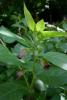
Jerusalem Cherry is a compact to medium-sized bushy shrub with branched green or maturing woody stems. Plants may remain relatively small in pots or become substantially larger where they survive outdoors year-round.
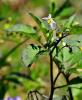
The leaves are alternate, simple, glossy to dull green, and generally elliptic, oblong, or lance-shaped. Their margins may be entire, wavy, or shallowly toothed. The simple leaf blade helps distinguish the plant from a typical tomato, whose foliage is compound or deeply divided and usually more strongly aromatic and hairy.
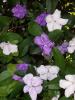
The small flowers are white or pale lavender and have five spreading lobes surrounding prominent yellow anthers. Their star-shaped form is characteristic of many nightshades and resembles a miniature tomato or potato flower.
The fruit is a smooth globose or slightly oval berry. It begins green and changes through yellow and orange before becoming bright red. Green, yellow, orange, and red fruit may occur on the same plant simultaneously.
Each fruit contains numerous pale seeds embedded in soft pulp. The exposed fruit has no papery husk and no hard cherry stone.
Why Seasonal Displays Create a High Exposure Risk
Jerusalem Cherry is often marketed during autumn and winter because its persistent fruit resembles miniature holiday ornaments. The common names Christmas Cherry and Winter Cherry reflect this commercial use.
Plants are frequently placed on floors, low tables, countertops, windowsills, desks, reception areas, church displays, or retail shelves. A dog may strip fruit directly from the branches, while a cat may climb to the pot or knock it over.
Fallen fruit can roll beneath furniture and remain hidden after the plant is moved. Fruit, leaves, soil, fertilizer, plastic, foil, ribbon, and labels may spill during disposal.
A discarded plant can produce a larger exposure than an intact display because the animal can tear open the root ball, crush many fruits, and consume leaves or stems without supervision.
Jerusalem Cherry and Cherry Tomato
Jerusalem Cherry fruit can resemble a small cherry tomato closely enough to cause accidental ingestion. Fruit appearance alone is not a safe identification method.
Jerusalem Cherry usually grows as a compact woody or semiwody ornamental shrub with simple glossy leaves. Tomato plants are generally more herbaceous, glandular or hairy, strongly scented when handled, and carry deeply divided or compound foliage.
Jerusalem Cherry fruit often remains attached for an extended period and may occur in multiple colors on the same compact plant. A person should never taste an unidentified fruit to decide whether it is a tomato.
False Jerusalem Cherry and Solanum capsicastrum
Solanum capsicastrum was historically treated as a separate species and sold under names such as False Jerusalem Cherry, Dwarf Jerusalem Cherry, or Winter Cherry.
Current botanical treatment includes it within Solanum pseudocapsicum. Reported distinctions involving plant size, leaf hairiness, fruit color, frost tolerance, or pulp toxicity have not produced a consistently accepted separate species.
A nursery label reading Solanum capsicastrum should therefore be treated as Jerusalem Cherry rather than evidence of a safer ornamental.
Natal Plum, Ashwagandha, and Ground Cherry
Natal Plum, Carissa macrocarpa, is an unrelated African shrub with thick opposite leaves, forked thorns, white pinwheel-shaped flowers, and milky latex. The fully ripe fruit has recognized food uses, although the remainder of that plant requires separate evaluation.
Ashwagandha, Withania somnifera, is also called Winter Cherry. Its fruit is enclosed within an enlarged papery calyx, and its foliage is generally gray-green and softly hairy rather than glossy and shrub-like.
Ground cherries, tomatillos, and Chinese Lantern plants belong primarily to Physalis. Their fruit develops inside an inflated papery husk. Some fully ripe Physalis fruit is edible, while unripe fruit and vegetative tissue may be toxic.
Jerusalem Cherry has an exposed berry without a lantern-like covering. Common-name overlap should never substitute for examining the complete plant.
Bittersweet Nightshade and Other Poisonous Look-Alikes
Bittersweet Nightshade, Solanum dulcamara, is a climbing or trailing plant with purple star-shaped flowers and clusters of red oval berries. Jerusalem Cherry is normally an upright bushy shrub with white flowers and round fruit.
Black Nightshade and related members of the Solanum nigrum complex are generally herbaceous and bear clusters of smaller berries that often ripen black or purple-black.
Twoleaf Nightshade, Solanum diphyllum, produces orange fruit and leaves that may appear in unequal pairs. Its native range and morphology differ, but an unfamiliar orange-fruited nightshade should not be identified casually.
Deadly Nightshade, Atropa belladonna, contains atropine, hyoscyamine, and scopolamine and can cause a severe classic anticholinergic syndrome. It requires different toxicological interpretation from Jerusalem Cherry despite common family membership.
Exact-Species Alkaloid Research
The chemistry of Jerusalem Cherry has been studied for decades. Solanocapsine was among the earliest characteristic steroidal alkaloids associated with the species.
Later structural research identified solacapine, episolacapine, isosolacapine, and O-methylsolanocapsine in the aboveground plant. The work relied on nuclear magnetic resonance and chemical correlation to distinguish compounds with closely related structures and different stereochemistry.
Solacasine was isolated in separate research and identified as a principal antibacterial constituent of an alcohol extract. Later investigators studied total alkaloid fractions from leaves, roots, stems, ripe fruit, and unripe fruit for cytotoxic and pharmacological activity.
These investigations demonstrate a chemically diverse species. They do not provide a veterinary toxic dose or prove that every compound produces the same clinical effect.
The Acetylcholinesterase and Anticholinergic Paradox
Solanocapsine and prepared derivatives have been examined as potential inhibitors of acetylcholinesterase. Inhibiting this enzyme normally increases acetylcholine activity rather than producing classic muscarinic blockade.
The exact-species human case describing a central anticholinergic syndrome is therefore not explained simply by the later enzyme study. Natural ingestion delivers several alkaloids and metabolites simultaneously, and the affected patient’s plant dose was not chemically quantified.
The human patient improved after intravenous neostigmine, but neostigmine does not cross the blood-brain barrier readily. The case is medically interesting and supports the possibility of significant autonomic effects; it does not create a routine veterinary antidote protocol.
Physostigmine, neostigmine, atropine, or another cholinergic or anticholinergic drug should never be administered empirically at home. Incorrect use can provoke bradycardia, arrhythmia, bronchial secretions, seizures, gastrointestinal hyperactivity, or other serious complications.
Veterinary Evidence and Its Limits
Jerusalem Cherry appears in veterinary poison references and surveillance systems, but detailed exact-species dog and cat reports remain sparse.
An Italian poison-center survey recorded exposure involving one dog and one cat. Such surveillance confirms real veterinary encounters but generally cannot establish dose, fruit maturity, exact alkaloid concentration, treatment response, or the frequency of every possible symptom.
Many clinical descriptions combine exact-species chemistry with broader experience involving nightshades or steroidal glycoalkaloids. That approach is reasonable for emergency recognition but requires clear evidence boundaries.
The most defensible veterinary expectation is gastrointestinal irritation with possible depression or weakness. Serious neurologic, autonomic, respiratory, or circulatory effects are possible after substantial exposure but are not demonstrated as the routine outcome of a few ripe fruits.
How Dogs, Cats, Horses, and Other Animals Are Exposed
Dogs may eat fruit directly, scavenge fallen berries, chew stems, pull the plant from its container, or raid trash and compost after the ornamental is discarded.
Cats may nibble leaves, puncture fruit during play, drink drainage water, knock over the pot, or ingest pulp and seeds while grooming contaminated paws or fur.
Horses and livestock may encounter greenhouse waste, discarded pots, naturalized plants, landscaping debris, or clippings thrown into an enclosure. The plant should never be added to hay, browse piles, bedding, poultry runs, rabbit pens, or feed areas.
Birds and wildlife may consume or disperse fruit. That ecological relationship does not establish safety for captive birds, poultry, or mammals.
Diagnosis
No routine blood, urine, or plant-toxin assay confirms Jerusalem Cherry poisoning in a living veterinary patient. Diagnosis depends on exposure history, botanical identification, amount and plant part, clinical progression, and exclusion of other toxins or diseases.
Useful evidence includes a complete fruiting branch, leaves, flowers, stems, roots, green and ripe fruit, nursery labels, photographs of the entire plant, vomited fragments, and packaging from fertilizers or pesticides.
The veterinary examination may assess hydration, abdominal pain, mental status, pupil size, coordination, muscle tone, body temperature, heart rate and rhythm, blood pressure, breathing, and protective airway reflexes.
Blood count, electrolytes, glucose, kidney and liver values, acid-base status, and urinalysis may be appropriate in a significantly ill animal. Electrocardiography and continuous cardiovascular monitoring may be needed when the pulse or blood pressure is abnormal.
Differential diagnoses include other nightshades, anticholinergic medications, antihistamines, antidepressants, stimulants, pesticides, toxic mushrooms, gastrointestinal foreign bodies, infectious gastroenteritis, metabolic disease, and primary neurologic illness.
Prognosis and Prevention
The prognosis is generally good after a small exposure that remains limited to transient vomiting, diarrhea, appetite reduction, or lethargy and receives appropriate supportive care.
The outlook becomes more guarded with bloody gastrointestinal injury, severe dehydration, aspiration, progressive weakness, paralysis, seizures, respiratory depression, abnormal heart rhythm, circulatory collapse, or shock.
Keep the plant completely inaccessible rather than relying on the animal to ignore bitter fruit. Collect every fallen berry, particularly beneath furniture and around seasonal displays.
Dispose of unwanted plants in a secured container. Do not place them in an open compost pile, paddock, kennel, poultry run, rabbit enclosure, or yard-waste heap accessible to animals.
Preserve the scientific label. Jerusalem Cherry, Winter Cherry, Natal Cherry, Love Apple, and Coral Berry can refer to unrelated plants with different poisoning mechanisms.
Immediate Steps After Exposure
- Stop further access: Move the animal away from the plant, fallen fruit, leaves, stems, seeds, soil, roots, and discarded ornamental material.
- Identify the plant: Determine whether it is Jerusalem Cherry, Cherry Tomato, Ornamental Pepper, Natal Plum, Ashwagandha, Ground Cherry, Bittersweet Nightshade, Deadly Nightshade, or another red- or orange-fruited species.
- Preserve a complete sample: Save attached leaves, flowers, green and ripe fruit, stems, roots, nursery labels, packaging, photographs, and vomited plant fragments.
- Estimate the exposure: Record the animal’s weight, number or amount missing, earliest and latest possible ingestion time, and whether vomiting has already occurred.
- Remove only loose visible material: When the animal is alert and unlikely to bite, remove fruit, seeds, leaves, or stems resting at the lips or front of the mouth. Do not reach blindly toward the throat.
- Check for mixed ingestion: Look for missing fertilizer, pesticide, potting soil, foil, plastic, ribbon, plant tags, medication, or another plant.
Do Not Induce Vomiting Automatically
Do not give hydrogen peroxide automatically. It can cause prolonged vomiting, gastric inflammation, esophageal injury, aspiration, and blood-streaked vomit.
Hydrogen peroxide must never be used to make a cat vomit. There is no safe owner-administered feline peroxide protocol.
Do not use salt, mustard, ipecac, dish soap, detergent, syrup, oil, fingers, tools, or physical gagging. These methods can create a second poisoning or injury.
A veterinarian or animal poison-control specialist may consider emesis after a recent substantial ingestion in a completely alert, stable, symptom-free dog that is breathing and swallowing normally.
Vomiting must not be induced after vomiting, weakness, drowsiness, confusion, tremors, poor coordination, collapse, seizures, abnormal breathing, or impaired swallowing begins.
Activated Charcoal and Gastrointestinal Decontamination
Veterinary-administered activated charcoal may be considered after a recent meaningful ingestion when the animal can protect the airway and the potential benefit exceeds the risks.
Do not force charcoal into a vomiting, sedated, weak, confused, seizuring, collapsed, or poorly swallowing animal. Aspirated charcoal can cause severe lung injury.
Barbecue charcoal, fireplace ash, burned food, and homemade carbon are not medical activated charcoal.
Gastric lavage is a veterinary procedure requiring anesthesia, endotracheal airway protection, and monitoring. It is not routine and must be justified by the exposure, elapsed time, and patient stability.
Repeated owner-administered vomiting or charcoal can worsen dehydration and aspiration risk without guaranteeing removal of the alkaloids.
Vomiting, Diarrhea, and Hydration
- Track every episode: Record the timing and appearance of vomit and stool, including fruit, seeds, leaves, foam, mucus, blood, black material, plastic, or soil.
- Save plant fragments: Place recognizable fruit, seeds, leaves, or stems in a sealed disposable container for veterinary identification.
- Offer water only when safe: An alert animal that is swallowing normally and not vomiting repeatedly may have voluntary access to small amounts of fresh water.
- Never force fluids: Syringed or poured water can enter the lungs and does not neutralize steroidal alkaloids.
- Watch for dehydration: Tacky gums, sunken eyes, reduced urination, weakness, rapid heart rate, cold extremities, or worsening depression requires treatment.
- Report blood immediately: Bloody vomit, coffee-ground material, black stool, substantial bloody diarrhea, pale gums, or collapse requires urgent care.
Neurologic and Behavioral Warning Signs
Watch for staring, confusion, disorientation, unusual agitation, profound sleepiness, dilated pupils, weakness, stumbling, swaying, knuckling, muscle twitching, tremors, spasms, paralysis, or seizures.
During a seizure, move surrounding objects away, prevent falls when this can be done safely, dim bright light, and keep hands away from the mouth. Animals do not swallow their tongues.
Record the duration and whether the animal regains awareness between episodes. Repeated seizures or failure to recover is an emergency.
Do not give caffeine, antihistamines, sedatives, sleep aids, stimulants, decongestants, antidepressants, or leftover anticonvulsants unless specifically directed.
Do Not Attempt an Anticholinergic Antidote at Home
A human case of Jerusalem Cherry poisoning improved after neostigmine, but that does not establish a veterinary home treatment. The patient’s diagnosis, monitoring, dose, route, and resuscitation support were medically controlled.
Physostigmine, neostigmine, atropine, or another cholinergic drug can cause dangerous bradycardia, bronchial secretions, vomiting, diarrhea, arrhythmia, seizures, or respiratory complications when used in the wrong syndrome.
A veterinarian may consider a cholinesterase inhibitor only when the examination and monitored findings strongly support an anticholinergic syndrome and contraindications have been excluded.
Treatment of an animal with drooling, diarrhea, bradycardia, bronchial secretions, or an uncertain toxin may require a completely different approach.
Breathing and Circulatory Emergencies
Rapid shallow breathing, labored respiration, open-mouth breathing, gasping, neck extension, blue-gray gums, or weak breathing requires immediate emergency care.
A pulse that is unusually slow, rapid, weak, or irregular may indicate cardiovascular involvement, dehydration, electrolyte disturbance, shock, or another toxin.
Pale gums, cold limbs, severe weakness, collapse, or reduced responsiveness suggests inadequate circulation. Keep the animal quiet and warm without overheating it.
Do not give anything by mouth to a weak, confused, collapsed, seizuring, or poorly swallowing animal.
Do Not Give Routine Home Medication
- Avoid human antidiarrheals: Do not give loperamide, bismuth products, kaolin mixtures, or other gastrointestinal medication without veterinary direction.
- Avoid human pain relievers: Ibuprofen, naproxen, acetaminophen, aspirin, and similar drugs can create additional severe poisoning.
- Do not give stomach medication automatically: Antacids, sucralfate, acid suppressants, or anti-nausea medication are not solanocapsine antidotes.
- Do not give milk, oil, bread, or extra food: These products do not neutralize the alkaloids and may worsen nausea or complicate decontamination.
- Do not use stimulants or sedatives: Caffeine, energy products, sleep aids, and leftover prescriptions can worsen neurologic or cardiovascular abnormalities.
Skin, Coat, and Eye Exposure
Wear gloves when handling crushed fruit, sap, vomit, contaminated fur, or large amounts of plant material.
Brush away loose debris, remove contaminated collars or harnesses, and wash exposed fur with lukewarm water and a mild pet-safe cleanser. Prevent grooming until cleanup is complete.
Flush an exposed eye with sterile saline or clean lukewarm water for approximately 15 to 20 minutes. Direct a gentle stream across the eye and beneath the lids.
Continued squinting, tearing, redness, swelling, cloudiness, discharge, or rubbing requires veterinary examination for retained material, corneal injury, or pesticide exposure.
Veterinary Assessment
The veterinarian may assess hydration, abdominal pain, temperature, pupil size, vision, mental status, coordination, muscle tone, heart rate and rhythm, blood pressure, respiratory effort, oxygenation, and swallowing ability.
Blood testing may include a complete blood count, electrolytes, glucose, kidney and liver values, acid-base status, lactate, and other tests based on the clinical presentation.
Electrocardiography and blood-pressure monitoring may be appropriate when the pulse is abnormal, weakness is pronounced, collapse has occurred, or autonomic effects are suspected.
Radiographs, ultrasound, or endoscopy may be needed when the animal swallowed plastic, foil, a plant tag, compacted soil, a large stem, or another foreign object.
Veterinary Treatment
There is no established universal antidote for Jerusalem Cherry poisoning. Treatment is directed at gastrointestinal irritation, dehydration, electrolyte abnormalities, altered mental status, tremors, seizures, respiratory depression, cardiovascular instability, and any mixed exposure.
Veterinarian-selected anti-nausea medication may reduce vomiting and aspiration risk after decontamination decisions are complete. Gastrointestinal protectants may be selected when ulceration, blood, or severe mucosal irritation is present.
Subcutaneous or intravenous crystalloids may be required to correct dehydration, electrolyte loss, acid-base disturbance, and poor perfusion. Fluid therapy must account for cardiovascular and kidney function.
Tremors, spasms, and seizures may require injectable anticonvulsants or muscle-relaxant medication. Oxygen, endotracheal intubation, and mechanical ventilation may be necessary when respiration is depressed or protective airway reflexes are lost.
Abnormal heart rhythm, blood pressure, or shock requires treatment directed at the actual monitored abnormality rather than a fixed nightshade-poisoning formula.
Horse and Livestock Exposure
Remove all animals from naturalized plants, discarded ornamentals, greenhouse waste, clippings, contaminated forage, and compost. Inspect the entire enclosure for fallen fruit and plant debris.
Monitor salivation, appetite, abdominal comfort, manure, diarrhea, coordination, muscle strength, pupil size, breathing, pulse quality, and awareness.
Horses, rabbits, guinea pigs, and other species unable to vomit must never receive an emetic. Do not drench a colicky, weak, seizuring, coughing, recumbent, or poorly swallowing animal with oil, water, charcoal, feed, or medication.
Multiple sick animals require investigation of feed, water, pesticides, fertilizer, additional nightshades, and other dumped plant material.
Recovery and Prognosis
The prognosis is generally good when illness remains limited to temporary vomiting, diarrhea, appetite reduction, or mild depression and hydration is maintained.
Recovery should include controlled gastrointestinal signs, normal hydration and urination, comfortable abdominal movement, normal coordination, appropriate pupil response, stable breathing, and return of appetite and activity.
The outlook becomes more guarded with gastrointestinal bleeding, severe dehydration, aspiration, persistent autonomic abnormalities, paralysis, seizures, respiratory depression, arrhythmia, circulatory collapse, or shock.
Recurrent vomiting, appetite loss, weakness, abnormal behavior, tremors, breathing changes, or reduced responsiveness after apparent improvement requires reassessment.
Frequently Asked Questions About Jerusalem Cherry and Animal Poisoning
Is solanocapsine the same toxin as solanine?
No. Both belong to the broad steroidal-alkaloid chemistry of Solanum, but they are structurally distinct. Solanocapsine and related exact-species alkaloids provide a more accurate description of Jerusalem Cherry than assigning it the same toxin profile as green potato.
Which other alkaloids have been isolated from Jerusalem Cherry?
Exact-species studies identified solacapine, episolacapine, isosolacapine, O-methylsolanocapsine, and solacasine in addition to solanocapsine. Fruit-stage research also identified changing steroidal sapogenin and glycoalkaloid chemistry during development.
Does the plant naturally contain fluoxetine or amphetamine?
Those should not be listed as the established toxins responsible for Jerusalem Cherry poisoning. Fluoxetine is a synthetic pharmaceutical, and amphetamine-type compounds have not been demonstrated as the primary natural cause of the species’ veterinary syndrome.
Are ripe red fruits safe after the green color disappears?
No. Alkaloid composition changes during fruit development, but ripening does not create a reliably edible stage. Green, yellow, orange, and red fruits should all remain inaccessible.
Is unripe fruit always the most toxic plant part?
Unripe fruit is often cited as especially alkaloid-rich, but no universal exact-species comparison proves that every green fruit contains more clinically relevant toxin than every leaf, stem, or ripe fruit. Fruit color must not be used as a veterinary safety test.
Can one red fruit poison a dog?
One fruit may cause no signs or may produce nausea, vomiting, abdominal discomfort, or diarrhea. No validated safe fruit count exists, and the significance depends on the dog’s size, health, amount chewed, and whether additional fruit or plant material was swallowed.
Why can symptoms be delayed?
The plant must be chewed or digested and its alkaloids absorbed before systemic effects become apparent. Food in the stomach, fruit maturity, dose, vomiting, and individual metabolism can alter the timeline. A normal appearance immediately after ingestion does not prove safety.
Does Jerusalem Cherry cause a cholinergic or anticholinergic syndrome?
The evidence does not support one simple answer. Solanocapsine derivatives can inhibit acetylcholinesterase in laboratory assays, while one human poisoning case produced an anticholinergic-like syndrome. Natural plant exposure involves multiple alkaloids, and most animal cases are expected to present with gastrointestinal illness rather than one pure autonomic toxidrome.
Should physostigmine or neostigmine be used after pet exposure?
Not routinely and never at home. One human case improved after neostigmine, but that does not establish a veterinary protocol. Cholinesterase inhibitors can cause serious bradycardia, secretions, gastrointestinal effects, arrhythmias, or seizures when used in the wrong clinical setting.
Why is Solanum capsicastrum listed on older labels?
It was historically treated as False Jerusalem Cherry or a separate dwarf species. Current botanical treatment places it in synonymy with Solanum pseudocapsicum. An old S. capsicastrum label does not identify a safer plant.
How can Jerusalem Cherry be distinguished from a cherry tomato?
Jerusalem Cherry is generally a compact woody or semiwody shrub with simple glossy leaves and persistent fruit. Tomato plants are more herbaceous, aromatic, and hairy and normally have compound or deeply divided leaves. An unidentified fruit should never be tasted for identification.
Is Natal Cherry the same plant?
The common name is ambiguous. Some poison references use Natal Cherry for Solanum pseudocapsicum, while horticulture commonly uses it for Natal Plum, Carissa macrocarpa. The scientific name and complete plant must be checked.
Is Winter Cherry the same as Ashwagandha?
Not necessarily. Winter Cherry may refer to Jerusalem Cherry or to Ashwagandha, Withania somnifera. Ashwagandha fruit is enclosed by an enlarged papery calyx, while Jerusalem Cherry fruit is exposed directly.
Is Jerusalem Cherry the same as a Ground Cherry?
No. Ground cherries and Chinese Lantern plants belong primarily to Physalis and produce fruit inside a papery husk. Jerusalem Cherry produces an exposed tomato-like berry.
Should a dog be made to vomit?
Not automatically. A veterinarian may consider emesis after a recent substantial ingestion in a fully alert, stable, symptom-free dog. Home vomiting becomes dangerous after weakness, drowsiness, tremors, vomiting, abnormal breathing, poor coordination, or impaired swallowing begins.
Does activated charcoal cure the poisoning?
No. Professionally administered charcoal may reduce absorption of alkaloids remaining in the gastrointestinal tract, but it cannot reverse absorbed toxin and can cause severe aspiration when forced into a symptomatic animal.
Can Jerusalem Cherry cause seizures or paralysis?
Severe poisoning may produce tremors, poor coordination, weakness, paralysis, seizures, respiratory depression, collapse, or shock. These are not the expected effects of every small ingestion and should trigger investigation for other toxins and medical disorders as well.
Why are laboratory anticancer studies not evidence that the plant is safe?
Those experiments use purified alkaloids, concentrated extracts, cultured cells, or controlled laboratory animals. A dog eating an unknown quantity of fruit receives an uncontrolled chemical mixture. Experimental biological activity does not create a safe medicinal or edible dose.
What is the expected prognosis?
The prognosis is generally good when signs remain limited to mild gastrointestinal irritation and dehydration is prevented. Gastrointestinal bleeding, severe neurologic dysfunction, paralysis, seizures, respiratory depression, cardiovascular instability, collapse, or shock creates a more guarded prognosis.