Madagascar Periwinkle Vinca Alkaloids, Severe Gastrointestinal Injury, Antimitotic Toxicity, Neurologic Disease, and Marrow Risk
Is Periwinkle Poisonous to Dogs, Cats, Horses, and Livestock?
Yes—Periwinkle, when the name refers to Catharanthus roseus (L.) G.Don, is poisonous and potentially fatal to dogs, cats, horses, cattle, sheep, goats, pigs, rabbits, guinea pigs, birds, reptiles, and other animals. This species is more precisely called Madagascar Periwinkle, Rose Periwinkle, Rosy Periwinkle, or Annual Vinca. The common name Periwinkle is ambiguous because it is also used for the separate trailing vines Vinca minor and Vinca major, so the scientific name and complete plant should be confirmed whenever possible.
Madagascar Periwinkle produces a large and chemically diverse group of terpenoid indole alkaloids. These include vinblastine, vincristine, catharanthine, vindoline, ajmalicine, serpentine, and many related compounds whose concentrations differ among tissues, cultivars, growth stages, seasons, and growing conditions. Vinblastine and vincristine are potent microtubule-disrupting compounds developed into pharmaceutical anticancer drugs, but an animal chewing the raw plant receives an uncontrolled whole-plant mixture rather than a measured medical dose.
Poisoning may begin with excessive drooling, repeated swallowing, nausea, vomiting, abdominal pain, appetite loss, severe or bloody diarrhea, depression, dehydration, and weakness. More serious cases can develop poor circulation, low blood pressure, cold extremities, pale mucous membranes, incoordination, paresis, tremors, seizures, reduced responsiveness, respiratory weakness, or collapse. Massive whole-plant exposure has also produced disseminated intravascular coagulation, intestinal hemorrhage, hepatic necrosis, renal tubular injury, pulmonary edema, and death in livestock.
Antimitotic and microtubule effects create concern for delayed complications after a substantial or concentrated exposure. Bone-marrow injury may reduce white blood cells, platelets, and red-cell production, while peripheral or autonomic nerve dysfunction may cause weakness, reduced reflexes, ileus, constipation, urinary retention, abnormal blood-pressure control, or progressive paralysis. These delayed effects are strongly established for purified vinca drugs and concentrated human herbal exposure, but their incidence after an ordinary veterinary garden-plant ingestion has not been defined, making case-specific monitoring essential rather than assuming either harmlessness or inevitable marrow failure.
About this guide: This page provides general pet-poisoning information and cannot diagnose or treat an individual animal. For any suspected exposure, contact a veterinarian or animal poison-control service immediately. Do not induce vomiting, give medication, or attempt home decontamination unless directed by a veterinary professional.
Periwinkle
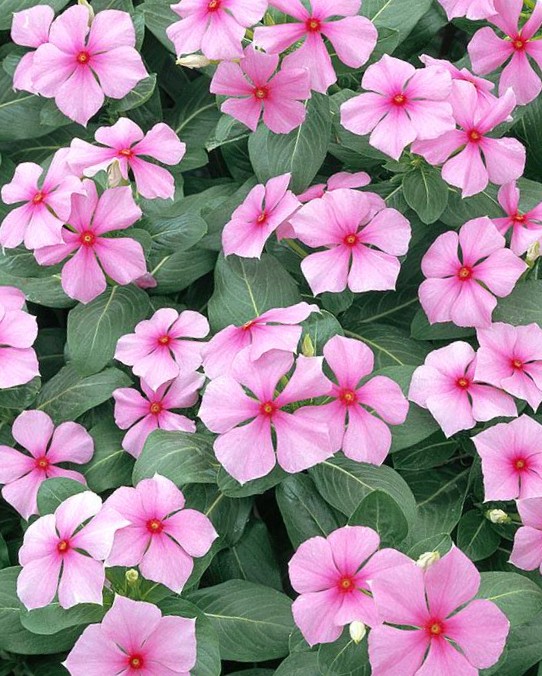
Catharanthus roseus (L.) G.Don
- Vinca rosea L. — basionym and the principal former scientific name in older botanical, medicinal, chemical, nursery, and veterinary literature
- Lochnera rosea (L.) Rchb. ex Spach — homotypic historical combination
- Ammocallis rosea (L.) Small — homotypic historical combination
- Pervinca rosea (L.) Gaterau — homotypic historical combination
- Vinca speciosa Salisb. — illegitimate superfluous historical name
Apocynaceae — Dogbane Family
Subfamily Rauvolfioideae
Periwinkle; Madagascar Periwinkle; Madagascar Vinca; Annual Vinca; Vinca; Rose Periwinkle; Rosy Periwinkle; Pink Periwinkle; Cape Periwinkle; Bright Eyes; Old Maid
Historical and taxonomic search variations include Vinca rosea L., Lochnera rosea (L.) Rchb. ex Spach, Ammocallis rosea (L.) Small, Pervinca rosea (L.) Gaterau, and Vinca speciosa Salisb. as an illegitimate superfluous name.
Periwinkle and Vinca are ambiguous names. Common Periwinkle, Lesser Periwinkle, Running Myrtle, and Creeping Myrtle generally refer to Vinca minor, while Greater Periwinkle or Bigleaf Periwinkle generally refers to Vinca major; both are separate trailing, node-rooting vines. Catharanthus roseus is normally an erect-to-spreading annual, tender perennial, or subshrub with opposite glossy leaves marked by pale midribs, five-lobed salver-shaped flowers, milky sap, and paired slender seed follicles, although modern trailing cultivars can cascade from containers and complicate identification.
A Large and Variable Terpenoid Indole Alkaloid Mixture
Madagascar Periwinkle produces one of the most chemically complex groups of terpenoid indole alkaloids known from a medicinal plant. More than one hundred alkaloids and related pathway compounds have been reported, although the exact count changes as researchers identify new structures, intermediates, derivatives, and analytical distinctions. The presence of a compound somewhere within the species does not mean that every root, stem, leaf, flower, follicle, seed, cultivar, or growing condition contains the same concentration.
Important reported alkaloids include catharanthine, vindoline, vinblastine, vincristine, ajmalicine, serpentine, lochnericine, tabersonine, vincadifformine, leurosine, and numerous biosynthetic intermediates. Different stages of alkaloid production occur in specialized cells, tissues, and cellular compartments before some compounds are transported and combined elsewhere in the plant. Whole-plant poisoning therefore involves an uncontrolled and incompletely measured chemical mixture rather than one uniform substance that can be called simply “the vinca toxin.”
No individual alkaloid has been proved to cause every gastrointestinal, neurologic, hematologic, cardiovascular, coagulation, and organ abnormality reported after natural plant exposure. The fatal sheep outbreak did not quantify each alkaloid within the leaves and flowers that were fed, and the suspected puppy case did not chemically identify a specific compound within the patient. Clinical interpretation must combine exact plant identity, exposure amount, progression, laboratory abnormalities, pathology, and the known activity of the plant’s alkaloids without pretending that vincristine or vinblastine alone explains the complete natural syndrome.
Vinblastine, Vincristine, Catharanthine, and Vindoline
Vinblastine was originally called vincaleukoblastine, so those two names identify the same compound rather than separate toxins. Vincristine has historically been called leurocristine and 22-oxovincaleukoblastine, while “vineristine” is a spelling error rather than another alkaloid. Correcting these names prevents the plant’s toxic constituents from being counted several times under historical terminology.
Vinblastine and vincristine are closely related bisindole alkaloids formed through coupling of the monomeric precursors catharanthine and vindoline. Their structures differ only modestly, but their pharmaceutical toxicity profiles are not identical. Vinblastine is generally more strongly associated with bone-marrow suppression, while vincristine is more strongly associated with peripheral and autonomic neuropathy.
Natural vinblastine and vincristine concentrations are low compared with the quantities of their precursor alkaloids and vary among plant tissues, cultivars, developmental stages, and growing conditions. This distinction is essential when assessing an animal that chewed a garden plant. The existence of severe pharmaceutical toxicity does not establish that one flower delivers the equivalent of an injected chemotherapy dose, but low natural abundance does not make a large whole-plant ingestion, repeated exposure, or concentrated herbal preparation safe.
Microtubule Disruption, Mitotic Arrest, and Antimitotic Injury
Vinblastine and vincristine bind to tubulin and interfere with normal microtubule formation and dynamics. Microtubules create the mitotic spindle that separates chromosomes during cell division, so sufficient disruption can arrest cells in metaphase or prevent successful completion of mitosis. Tissues that depend on rapid and continuous cell replacement are particularly vulnerable when a biologically important amount of active alkaloid reaches them.
Microtubules also maintain cell shape and transport proteins, vesicles, nutrients, organelles, and signaling material within cells. Their importance therefore extends beyond dividing cancer cells to gastrointestinal epithelium, bone-marrow precursors, neurons, autonomic nerves, and other tissues requiring organized intracellular movement. Disruption can produce both early gastrointestinal injury and delayed neurologic or hematologic complications.
The suspected Dachshund puppy case provides veterinary pathologic evidence compatible with this mechanism. Numerous abnormal prometaphasic mitotic figures were identified within the hippocampal granule-cell layer, and comparable antimitotic arrest was described within intestinal crypt epithelium. Those findings support vinca-type microtubule disruption but do not establish the exact absorbed alkaloid, plant dose, or relative contribution of vincristine, vinblastine, or another constituent.
Gastrointestinal Epithelium and Severe Intestinal Injury
Gastrointestinal illness may arise through several overlapping mechanisms. Bitter alkaloids and milky sap can produce oral discomfort, nausea, salivation, and vomiting, while antimitotic injury to rapidly renewing intestinal crypt cells may interfere with maintenance and repair of the mucosal surface. Severe diarrhea then produces additional fluid, electrolyte, protein, and blood loss and may expose damaged tissue to intestinal bacteria.
The documented outbreak involving 40 sheep demonstrates that massive whole-plant exposure can cause substantially more than transient stomach upset. Necropsy revealed extensive jejunal and ileal hemorrhage, edema, hyperemia, fibrinous material within the intestinal lumen, and severe mucosal injury. Bloody diarrhea and dehydration contributed to circulatory compromise while systemic coagulation abnormalities and multiorgan injury developed at the same time.
A small household nibble should not be equated automatically with sheep being allowed to consume collected leaves and flowers freely. The outbreak nevertheless proves that ordinary plant tissues contain enough biologically active material to cause fatal gastrointestinal and systemic disease when consumed in quantity. Persistent vomiting, profuse diarrhea, blood, severe abdominal pain, inability to retain water, or progressive weakness after a credible exposure requires immediate veterinary assessment.
Bone-Marrow Suppression and Delayed Blood-Cell Abnormalities
Bone marrow continually produces neutrophils and other white blood cells, platelets, and red-cell precursors. Antimitotic alkaloids can injure these rapidly dividing cell populations, but mature circulating cells do not disappear immediately after exposure. Clinically important neutropenia, thrombocytopenia, or reduced red-cell production may therefore become apparent days after the first vomiting or diarrhea has improved.
Pharmaceutical vinblastine is particularly myelosuppressive, whereas vincristine is comparatively marrow-sparing at ordinary therapeutic doses. Concentrated human exposure to Catharanthus roseus preparations has nevertheless produced severe pancytopenia and marrow-cell necrosis, confirming that nonpharmaceutical plant material can deliver clinically important antimitotic exposure under some circumstances. That evidence does not establish how frequently a dog, cat, horse, rabbit, or bird develops marrow suppression after chewing an ordinary bedding plant.
Whole-plant veterinary marrow suppression has not been characterized through a large controlled case series. It should be treated as a plausible concern after substantial, repeated, concentrated, or clinically severe exposure rather than as an inevitable consequence of every bite. Baseline and repeated complete blood counts are most useful when the estimated dose, early illness, concentrated preparation, or initial laboratory findings justify continued surveillance.
Loss of neutrophils can weaken defense against bacteria and fungi, particularly when severe intestinal injury has already damaged the gastrointestinal barrier. Fever, renewed lethargy, oral ulceration, respiratory signs, wound inflammation, or recurrent diarrhea may appear after the animal seemed to be improving. Profound neutropenia may require hospitalization, protective nursing, diagnostic cultures, and veterinarian-selected antimicrobial treatment.
Reduced platelet production can impair primary clot formation and cause bruising, petechiae, nosebleeds, oral bleeding, blood in urine or stool, or prolonged bleeding from venipuncture sites. Red-cell effects generally develop more slowly because mature erythrocytes remain in circulation longer, although acute gastrointestinal hemorrhage or DIC can produce anemia much sooner. Pale mucous membranes, weakness, rapid breathing, tachycardia, exercise intolerance, or collapse requires evaluation of blood loss, red-cell concentration, perfusion, and oxygen delivery.
Thrombocytopenia, Coagulation Failure, and Disseminated Intravascular Coagulation
The fatal sheep outbreak involved more than isolated marrow suppression. Affected animals developed severe thrombocytopenia, prolonged prothrombin and activated partial thromboplastin times, increased D-dimer concentrations, and fibrin thrombi within vessels of several organs. These findings supported disseminated intravascular coagulation, or DIC, accompanied by destructive intestinal and systemic disease.
DIC involves widespread pathologic activation of coagulation followed by consumption of platelets and clotting factors. Small-vessel thrombi impair blood flow and damage tissues while the depletion of normal clotting components causes hemorrhage elsewhere. Petechiae, bruising, bloody diarrhea, blood in urine, bleeding from injection sites, pale mucous membranes, weak pulses, organ dysfunction, and circulatory collapse may occur together.
DIC is not expected after every limited garden exposure. Its documentation in exact-species livestock poisoning establishes the possible severity of massive whole-plant ingestion and supports coagulation testing in a systemically ill patient. Treatment must address the underlying toxicosis, shock, gastrointestinal injury, tissue hypoxia, and organ dysfunction rather than focusing on platelet count or one clotting value alone.
Peripheral and Autonomic Nerve Injury
Long peripheral nerves depend on intact microtubules to transport essential material between the neuronal cell body and distant axon terminals. Vincristine-type disruption can impair axonal transport and cause progressive sensory and motor neuropathy. Weakness, reduced reflexes, altered sensation, poor coordination, paresis, or paralysis may follow a sufficiently important exposure.
Pharmaceutical and overdose evidence is much stronger than whole-plant veterinary evidence for this delayed neuropathy pattern. The suspected puppy developed paresis before progressing to profound central neurologic illness, which is compatible with but does not independently prove peripheral nerve injury. Serial neurologic examinations should document gait, postural reactions, reflexes, muscle tone, strength, sensation, swallowing, and respiratory effort when substantial exposure is suspected.
Neurologic dysfunction may continue evolving after vomiting and diarrhea have improved because injured axons recover slowly. An animal should not be considered recovered merely because the initial gastrointestinal phase has ended. Prolonged nursing, physical rehabilitation, padding, turning, nutritional support, bladder care, and respiratory monitoring may be required in a severe case.
Autonomic nerves regulate gastrointestinal movement, bladder emptying, vascular tone, heart rate, pupil responses, and other involuntary functions. Autonomic neuropathy can contribute to ileus, constipation, abdominal distension, recurrent vomiting, urinary retention, overflow dribbling, unstable blood pressure, and impaired swallowing. These complications may emerge after an earlier diarrheal illness and should not be treated automatically with owner-selected laxatives, anti-diarrheal medication, or bladder remedies.
Central Neurologic Disease, Tremors, and Seizures
Severe poisoning may produce depression, weakness, incoordination, paresis, obtundation, tremors, seizures, reduced responsiveness, or coma. Some abnormalities may reflect direct alkaloid neurotoxicity, while others can result from hypotension, dehydration, electrolyte disturbance, hypocalcemia, hypoglycemia, poor oxygen delivery, organ injury, or prolonged convulsive activity. A single mechanism should not be assigned without supporting examination and laboratory evidence.
The reported nine-week-old Dachshund progressed from sudden ptyalism and paresis to profound obtundation and refractory convulsive seizures. Histopathology supported antimitotic injury, but direct measurement of individual plant alkaloids within the patient was not reported. The case therefore remains a suspected vinca-alkaloid toxicosis rather than definitive proof of one exact compound or dose.
Seizures increase oxygen demand, body temperature, acid production, aspiration risk, and the likelihood of traumatic injury. Refractory activity may require several anticonvulsant or anesthetic strategies together with airway protection, oxygen, assisted ventilation, and intensive monitoring. Continuing deterioration despite initial gastrointestinal treatment remains possible after a large practical dose.
Hypotension, Vascular Effects, and Cardiovascular Compromise
Ajmalicine, serpentine, and related alkaloids have been investigated for hypotensive, vascular, sedative, or autonomic effects. Their exact contribution to natural veterinary poisoning has not been separated fully from the effects of vinblastine, vincristine, gastrointestinal fluid loss, hemorrhage, DIC, and shock. Whole-plant exposure should therefore be described as a chemically mixed event capable of affecting circulation rather than as exposure to one purified blood-pressure drug.
Severe vomiting and diarrhea reduce circulating blood volume and can produce weak pulses, delayed capillary refill, cold extremities, pale mucous membranes, reduced urination, weakness, collapse, and poor organ perfusion. Autonomic dysfunction and direct vascular activity may intensify this state. Calcium and other electrolyte abnormalities can further disturb muscle function, vascular tone, heart rate, and cardiac rhythm.
Blood-pressure and ECG monitoring are appropriate when an animal has severe weakness, collapse, abnormal pulses, profound dehydration, or a suspected large exposure. Fluid therapy must be adjusted according to urine output, cardiovascular response, pulmonary condition, ongoing gastrointestinal loss, and measured electrolytes. Blind administration of large fluid volumes can be harmful when pulmonary edema, kidney injury, or cardiovascular compromise is already present.
Liver, Kidney, Lung, and Multiorgan Injury
The fatal sheep outbreak documented focal periacinar and midzonal hepatic necrosis with hemorrhage, marked renal tubular necrosis, pulmonary edema, and fibrin thrombi in vessels of the brain, lungs, liver, kidneys, and intestines. Severe dehydration, DIC, poor perfusion, tissue hypoxia, and direct plant toxicity may all have contributed to these lesions. The available evidence did not establish that one individual alkaloid caused each affected organ.
Liver injury may manifest through reduced appetite, depression, vomiting, altered liver enzymes, bilirubin abnormalities, hypoglycemia, impaired clotting, jaundice, or encephalopathy. Kidney injury may cause rising urea and creatinine, electrolyte changes, abnormal urinalysis, reduced urine production, or complete absence of urine. These complications should not be predicted automatically after a trivial bite, but they must be investigated in an animal with bloody diarrhea, shock, severe dehydration, oliguria, prolonged seizures, or significant laboratory abnormalities.
Pulmonary edema and aspiration are separate but potentially overlapping respiratory problems. Pulmonary edema may result from vascular injury, DIC, shock, cardiac dysfunction, or terminal multiorgan failure, while aspiration follows inhalation of vomit, saliva, food, charcoal, or plant material. Rapid or labored breathing, coughing after vomiting, nasal discharge, blue-gray mucous membranes, abnormal lung sounds, fever, or renewed depression requires immediate respiratory evaluation.
Serial chemistry panels, urinalysis, coagulation tests, blood pressure, oxygen assessment, and respiratory monitoring help distinguish reversible dehydration from direct organ injury, DIC, aspiration, and impaired perfusion. A severe patient may have several mechanisms operating simultaneously. Treatment must respond to the evolving whole-patient picture rather than assuming that one laboratory abnormality explains every sign.
Milky Sap, Skin, Fur, and Eye Exposure
Broken leaves, stems, and roots release pale or milky latex-like sap that can carry alkaloids and other plant constituents. Contact may produce mouth discomfort, skin irritation, or eye irritation, particularly when fresh material is crushed, pruned, pulled, or handled repeatedly. The degree of local irritation varies and should not be confused with the much more serious systemic syndrome that follows meaningful ingestion.
Sap on the paws, coat, muzzle, feathers, skin, collar, harness, or bedding can later be transferred to the mouth during grooming. Pruning, mowing, repotting, propagation, seasonal removal, and disposal create opportunities for secondary exposure even when an animal was not seen biting the live plant. Gloves, handwashing, tool cleaning, surface cleaning, and prompt removal of contaminated cuttings reduce this pathway.
Eye exposure can cause pain, tearing, redness, eyelid spasm, light sensitivity, and persistent rubbing. Immediate gentle irrigation with sterile saline or clean lukewarm water can remove loose residue, but continued squinting, cloudiness, discharge, swelling, or inability to open the eye requires veterinary examination. Human redness-relief, antibiotic, steroid, or anesthetic eye medication should not be applied without professional direction.
Leaves, Stems, Flowers, Roots, Fruit, and Seeds
All plant tissues should be treated as potentially poisonous, including roots, stems, leaves, milky sap, flowers, developing fruit, paired follicles, and mature seeds. Exact alkaloid composition differs among organs because the biosynthetic pathway is distributed across specialized cells and tissues. Direct veterinary evidence is strongest for large ingestion of leaves and flowers in the fatal sheep outbreak, but that does not establish that roots, stems, fruit, or seeds are harmless.
Leaves contain specialized idioblasts and laticifers that accumulate important monoterpenoid indole alkaloids. Flowers and foliage were consumed in the fatal flock exposure, while roots contain a different but still pharmacologically active alkaloid profile. Fruit and seeds must remain inaccessible because their exact veterinary concentrations and dose response have not been adequately defined.
A plant part that is less thoroughly studied is not equivalent to a plant part proven safe. Nursery waste, pulled bedding plants, and compost frequently contain the complete root system, stems, leaves, flowers, and immature follicles together. Animal-safety guidance must therefore address the entire discarded plant rather than only the most visible flowers or leaves.
Drying, Wilting, Frost, Composting, and Feed Processing
Wilting, drying, frost injury, and ordinary short-term storage should not be assumed to destroy the active alkaloids. A dead or unattractive plant can remain chemically relevant after it no longer resembles the ornamental specimen shown on a nursery label. Frost-killed annuals and pulled flower-bed plants may become more accessible because they are placed in piles at ground level or mixed with other vegetation.
Composting is not an immediate detoxification method. Fresh and partly decomposed material can remain recognizable and chemically active while animals investigate the pile. Compost may also contain fertilizer, pesticides, mold, spoiled food, sharp objects, and other poisonous ornamentals that complicate diagnosis and treatment.
Incorporation into hay, silage, pellets, bedding, or chopped forage does not establish safety. Processing may make individual fragments harder to recognize and remove an animal’s ability to avoid the bitter plant selectively. Municipal flower-bed waste, greenhouse debris, nursery discards, and ornamental clippings should never be diverted into livestock feed merely because conventional forage is scarce.
Concentrated Herbal Preparations and Medicinal Misuse
Madagascar Periwinkle has a long history of traditional use for diabetes, hypertension, infection, pain, cancer, and other conditions. Teas, juices, powders, tinctures, extracts, and concentrated dried preparations can deliver a substantially different exposure from one incidental bite of a bedding plant. Extraction may enrich some alkaloids while leaving the identity and final concentration unknown.
Concentrated human plant exposure has produced severe systemic illness, including marrow injury and hepatobiliary abnormalities. That evidence does not establish a veterinary therapeutic dose and should never be used to justify administering the plant to an animal. Products labeled natural, traditional, detoxifying, antidiabetic, immune-supporting, or anticancer can still contain pharmacologically potent and dangerous compounds.
Pharmaceutical vincristine and vinblastine are purified drugs manufactured, measured, prescribed, and monitored under controlled medical conditions. Raw plant preparations lack standardized identity, concentration, purity, sterility, dosing, interaction review, and laboratory monitoring. Medical value in oncology does not make garden plants, homemade extracts, or herbal products safe for unsupervised treatment.
Pharmaceutical Vinca Alkaloid Exposure Is a Separate Emergency
Accidental exposure to veterinary or human vincristine or vinblastine medication is different from chewing the living plant. Pharmaceutical solutions contain a known active compound at a concentration far greater and more predictable than ordinary plant tissue. Needle-stick injury, oral ingestion, spilled medication, contact with contaminated equipment, and handling of treated-animal excreta may require specialized oncology, poison-control, veterinary, or human medical guidance.
Vincristine medication errors are especially serious because the drug is neurotoxic and can cause profound local or systemic injury when administered incorrectly. The toxic-plant page should not provide chemotherapy handling, administration, or dosing instructions. Any medication incident requires immediate contact with the prescribing oncology service or appropriate emergency medical professional.
Bitter Taste Does Not Guarantee Protection
The plant’s bitter taste and alkaloid-rich sap may discourage prolonged chewing. This probably helps explain why many casual household contacts do not progress to catastrophic poisoning. It does not provide a dependable protective mechanism for every animal or every form of exposure.
Puppies, habitual plant-chewing cats, parrots, rabbits, hungry livestock, and animals receiving ornamental waste as their only available green material may continue consuming the plant. Small animals can receive a greater practical dose relative to body weight than a large mature animal. A tea, powder, juice, tincture, pellet, or chopped-feed exposure can also bypass much of the taste-based avoidance that might limit chewing of the intact plant.
No Validated Safe or Fatal Dose
No reliable safe number of leaves, flowers, follicles, seeds, bites, grams of plant, or body-weight dose has been established for dogs, cats, horses, cattle, sheep, goats, pigs, rabbits, birds, reptiles, or other animals. Natural alkaloid concentration varies with tissue, cultivar, flower color, developmental stage, climate, soil, plant stress, and analytical method. The absorbed dose also depends on chewing, digestion, repeated access, concentration, age, body size, and existing medical disease.
The sheep outbreak involved free feeding of collected leaves and flowers, while the puppy report involved an unknown amount consumed by a very young and small patient. Neither case provides a universal threshold for another species, age group, cultivar, or household exposure. Risk assessment must remain case-specific and should avoid both unsupported extremes: that one flower is invariably fatal and that several bites are always harmless.
A limited exposure in an asymptomatic large animal is not equivalent to disappearance of an entire plant, repeated access, a concentrated herbal preparation, or group consumption of ornamental waste. Early professional assessment allows the estimated maximum dose, plant form, animal size, symptoms, and possible delayed complications to be considered together. The absence of an exact dose threshold increases the importance of evidence-based triage rather than reducing it.
Clinical Pattern and Evidence Boundary
Madagascar Periwinkle poisoning can involve gastrointestinal, neurologic, cardiovascular, hematologic, respiratory, and internal-organ abnormalities. The pattern depends heavily on the quantity, concentration, route, plant part, animal species, age, and elapsed time. A limited household exposure may produce no visible illness or only gastrointestinal signs, while massive or concentrated exposure can become rapidly fatal.
Direct whole-plant veterinary evidence remains limited compared with the extensive medical literature on purified vincristine and vinblastine. The 40-sheep outbreak provides strong evidence for acute gastrointestinal injury, DIC, hepatic necrosis, kidney injury, pulmonary edema, and death after substantial leaf-and-flower intake. The 2025 puppy report supports severe neurologic and antimitotic injury after suspected Catharanthus exposure but does not define a dose or isolate the responsible alkaloid.
Delayed marrow suppression, peripheral neuropathy, autonomic dysfunction, ileus, urinary retention, and progressive weakness are biologically plausible and well established after pharmaceutical vinca exposure. Their frequency after ordinary raw-plant ingestion is unknown. Clinicians should monitor substantial cases without promising that every plant bite will produce the complete chemotherapy-toxicity syndrome.
Early Mouth and Throat Signs
Early signs may include lip licking, repeated swallowing, drooling, foamy saliva, gagging, retching, coughing, or reluctance to eat. The bitter alkaloids and milky sap may irritate the mouth and pharynx or produce intense nausea. Plant pieces may also remain between teeth, beneath the tongue, or near the back of the mouth.
Painful swallowing can cause an animal to approach food or water and then withdraw. Persistent gagging or inability to swallow requires examination for retained material, pharyngeal irritation, neurologic dysfunction, or another foreign body. Forcing food or liquid can increase aspiration risk.
Nausea and Vomiting
Dogs, cats, pigs, birds, and other species capable of vomiting or regurgitating may develop nausea soon after ingestion. Vomit can contain food, foam, mucus, bile, flowers, leaves, stems, seed-pod material, or other planter debris. Repeated vomiting worsens fluid loss and can cause esophageal irritation or aspiration.
One brief episode in an otherwise alert animal differs from frequent vomiting, inability to retain water, progressive depression, abdominal enlargement, or unproductive retching. Persistent signs require evaluation for toxic injury, severe gastroenteritis, pancreatitis, obstruction, or a second ingested substance. An animal should not be repeatedly offered food or water merely to test whether vomiting has stopped.
Diarrhea and Hemorrhagic Intestinal Injury
Diarrhea may be soft, watery, profuse, mucoid, or bloody. Severe mucosal injury can cause abdominal pain, straining, protein loss, dehydration, electrolyte abnormalities, and circulatory compromise. Bloody diarrhea after a credible exposure should not be treated as routine self-limiting dietary upset.
In the 40-sheep outbreak, every animal developed acute illness and all died within two days after signs began. Necropsy showed linear hemorrhages, fibrinous intestinal material, edema, hyperemia, and extensive jejunal and ileal injury. That exposure was substantially larger than a typical pet nibble, but it proves that whole leaves and flowers can produce destructive intestinal disease.
Black tarry stool, repeated bright-red blood, worsening abdominal pain, pallor, weakness, or collapse indicates significant blood loss or systemic coagulation failure. Differential diagnoses include parvovirus, acute hemorrhagic diarrhea syndrome, enteric infection, anticoagulant exposure, ulceration, foreign material, and other toxic plants. The complete clinical picture and exposure history must be investigated.
Dehydration and Electrolyte Abnormalities
Vomiting, diarrhea, drooling, and refusal to drink can rapidly deplete water and electrolytes. Tacky gums, sunken eyes, reduced skin elasticity, weight loss, weak pulses, delayed capillary refill, reduced urination, and increasing lethargy may develop. Young animals and small patients have less reserve and may deteriorate quickly.
The sheep outbreak documented major electrolyte disturbance and reduced calcium in addition to dehydration and kidney abnormalities. Electrolyte changes can worsen weakness, altered mentation, tremors, cardiac rhythm disturbances, and seizures. Measured correction is safer than owner-selected salt, calcium, potassium, or electrolyte products.
Hypotension and Shock
Low blood pressure may result from gastrointestinal fluid loss, vascular or autonomic alkaloid effects, hemorrhage, DIC, or a combination of mechanisms. Early findings include weakness, quietness, pale mucous membranes, cold extremities, weak pulses, delayed capillary refill, and reluctance to stand. Progression can cause fainting, collapse, poor organ perfusion, and reduced consciousness.
An animal in shock requires rapid veterinary stabilization. Fluid treatment should be guided by cardiovascular examination, blood pressure, urine output, respiratory status, and laboratory findings. Pulmonary edema or renal injury may limit how aggressively fluids can be administered.
Heart Rate and Rhythm Changes
Heart rate may become fast because of pain, stress, dehydration, fever, shock, or sympathetic stimulation. Bradycardia or rhythm disturbance may occur with severe metabolic, autonomic, electrolyte, or cardiovascular dysfunction. No single characteristic garden-periwinkle arrhythmia has been established.
Weak or irregular pulses, fainting, marked pallor, cold extremities, breathing difficulty, or collapse requires ECG and blood-pressure assessment. Direct alkaloid effects and secondary shock can occur together. The presence of one normal heart-rate measurement does not exclude later instability.
Depression, Weakness, and Paresis
Depression and generalized weakness may accompany nausea, dehydration, hypotension, electrolyte loss, marrow injury, neurologic dysfunction, or organ damage. The animal may sleep excessively, resist standing, walk only briefly, or collapse after exertion. Progressive weakness requires more than observation of gastrointestinal signs.
Paresis is partial loss of voluntary motor strength and may involve one region or the entire body. The reported puppy developed paresis early in the clinical course before progressing to profound obtundation and seizures. Weakness should be documented with neurologic examination, reflex testing, postural reactions, muscle tone, and respiratory assessment.
Ataxia and Loss of Coordination
Ataxia may appear as swaying, crossing the limbs, misplacing the feet, stumbling, falling, or inability to rise normally. Reduced blood pressure, electrolyte disturbance, central nervous system dysfunction, and peripheral nerve injury can all contribute. The exact mechanism may differ among patients.
A staggering animal should not be forced to walk to prove whether it is improving. Falls can cause additional trauma, and exertion may worsen shock or respiratory weakness. A carrier, blanket, stretcher, or padded transport surface should be used according to the animal’s size.
Tremors and Seizures
Tremors may begin as fine muscle twitching and progress to generalized shaking. Severe cases can develop tonic-clonic seizures, loss of awareness, jaw movements, paddling, salivation, urination, defecation, and postictal disorientation. Convulsions increase oxygen demand, temperature, aspiration risk, and traumatic injury.
The reported Dachshund puppy developed refractory convulsive seizures despite intensive treatment. That single suspected case does not establish a predictable seizure rate after household exposure, but it demonstrates that neurologic deterioration can be catastrophic. Any tremor, seizure, progressive paresis, or altered responsiveness after credible exposure requires emergency care.
Obtundation, Coma, and Reduced Airway Protection
Obtundation describes a marked reduction in awareness and response to the environment. Severe patients may progress to stupor or coma and lose normal swallowing, gagging, and cough reflexes. Saliva, vomit, food, water, or charcoal can then enter the lungs.
Reduced consciousness can result from direct neurotoxicity, seizures, shock, electrolyte abnormalities, hypoglycemia, hypoxia, or multiorgan failure. Airway protection and oxygenation take priority over oral decontamination. Intubation and assisted ventilation may become necessary.
Peripheral Neuropathy and Reduced Reflexes
Delayed peripheral neuropathy is a recognized effect of pharmaceutical vincristine exposure and remains a concern after substantial plant ingestion. Signs may include reduced reflexes, muscle weakness, abnormal sensation, poor paw placement, paresis, or progressive paralysis. Recovery can be slow because injured axons regenerate gradually.
Exact whole-plant veterinary incidence has not been established. A patient whose vomiting resolves may still require follow-up neurologic examinations when the estimated dose was large or weakness persists. The evidence supports monitoring without claiming that every exposed animal will develop delayed neuropathy.
Ileus, Constipation, and Abdominal Distension
Autonomic nerve dysfunction can reduce gastrointestinal motility. An animal may stop passing stool, strain without producing feces, become distended, show abdominal pain, or begin vomiting again after an earlier diarrheal phase. Medication, dehydration, electrolyte abnormalities, inflammation, and foreign material can produce similar signs.
Ileus should not be treated automatically with an owner-selected laxative or anti-diarrheal medication. Imaging, abdominal examination, electrolyte assessment, and review of medications may be required. Mechanical obstruction must be excluded before motility treatment is considered.
Urinary Retention and Bladder Dysfunction
Autonomic neuropathy may interfere with bladder contraction and sphincter coordination. An affected animal may strain repeatedly, produce only small amounts, develop a distended bladder, or dribble urine continuously. Dehydration and kidney injury can instead reduce urine production, creating a different problem with superficially similar owner observations.
Palpation, bladder imaging, urine measurement, kidney values, and urinalysis help distinguish retention from oliguria. Prolonged retention can damage the bladder and urinary tract. Catheterization or clinician-directed medication may be required in a severe neurologic case.
Bone-Marrow Suppression
Marrow suppression may not be evident during the first hours because mature blood cells remain in circulation for different periods. White-cell, platelet, and red-cell abnormalities can emerge later after substantial antimitotic exposure. A normal initial complete blood count therefore does not guarantee that later values will remain normal.
The strongest evidence comes from pharmaceutical vinca toxicity and concentrated human plant exposure rather than a large veterinary garden-plant series. Repeated complete blood counts should be selected for patients with a meaningful estimated dose, severe early disease, concentrated exposure, or suggestive laboratory change. Unnecessary alarm after a trivial bite should be avoided, but high-risk cases should not be discharged without a monitoring plan.
Neutropenia and Infection
Reduced neutrophils can weaken defense against bacteria and fungi. Fever, renewed lethargy, oral ulceration, coughing, nasal discharge, skin infection, or worsening diarrhea may appear after apparent improvement. Severe intestinal damage increases the possibility of bacterial translocation.
Profound neutropenia may require hospitalization, protective handling, cultures, and veterinarian-selected antibiotics. Antibiotics are not an automatic antidote and should not be given at home merely because the plant contains chemotherapy-related alkaloids. Treatment depends on measured blood counts and clinical evidence of infection.
Thrombocytopenia, Bruising, and Bleeding
Platelet reduction can cause petechiae, bruising, prolonged bleeding, blood in urine or stool, nosebleeds, oral bleeding, or persistent seepage from injection sites. Severe systemic illness may also consume platelets through DIC. Platelet count alone cannot completely characterize coagulation status.
PT, APTT, fibrinogen, D-dimer, blood smear, hematocrit, and clinical bleeding may need evaluation. Invasive procedures should be planned around coagulation risk. Unexplained bleeding after exposure requires immediate reassessment even when the animal initially seemed to recover.
Anemia
Reduced red-cell production is generally delayed because circulating erythrocytes survive longer than many white cells and platelets. Blood loss from intestinal hemorrhage or DIC can cause anemia more rapidly. Pale gums, weakness, rapid breathing, tachycardia, collapse, or exercise intolerance may result.
Serial packed-cell volume and complete blood counts help define the pattern. Blood products may be required when anemia or hemorrhage compromises oxygen delivery. Iron supplements are not an emergency substitute and can be inappropriate without diagnosing the cause.
Liver Injury
Severe whole-plant exposure can injure the liver, as demonstrated by focal periacinar and midzonal necrosis with hemorrhage in the sheep outbreak. Liver abnormalities may reflect direct toxicity, hypoperfusion, DIC, or several mechanisms acting together. The study did not establish a unique liver-lesion pattern that proves the plant independently.
Possible clinical findings include reduced appetite, depression, vomiting, jaundice, altered liver enzymes, abnormal bilirubin, hypoglycemia, clotting impairment, or encephalopathy. Comparable liver failure is not expected after every small bite. Significant laboratory change requires investigation for other hepatotoxins and medical disease.
Kidney Injury and Reduced Urination
Marked renal tubular necrosis was documented in the fatal sheep outbreak. Dehydration, shock, hemoglobin or pigment injury, DIC, and direct toxic effects may contribute to kidney damage. Reduced urine production can also result simply from severe volume depletion before structural injury is present.
Urine output, creatinine, urea, electrolytes, urinalysis, hydration, and blood pressure should be followed in a severely affected patient. Complete absence of urine or worsening kidney values is an emergency. Fluid treatment must be adjusted to avoid both inadequate perfusion and fluid overload.
Pulmonary Edema and Aspiration
Pulmonary edema was present in the sheep outbreak and may reflect vascular injury, DIC, shock, or terminal cardiopulmonary failure. Aspiration is a separate risk created by vomiting, drooling, seizures, obtundation, and forced oral treatment. Both can produce rapid or labored breathing and abnormal lung sounds.
Coughing after vomiting, nasal discharge, fever, blue-gray mucous membranes, increased respiratory effort, or renewed depression requires urgent assessment. Thoracic imaging, oxygen, airway support, and ventilation may be necessary. Antibiotics are used when aspiration pneumonia or bacterial infection is supported, not as routine plant antidotes.
Dogs
Dogs may chew garden plants, pull bedding annuals from loose soil, raid compost, or consume discarded planter contents. Puppies are at increased practical risk because of exploratory chewing and small body mass. Early findings may include drooling, vomiting, diarrhea, depression, weakness, or abdominal pain.
Progressive ataxia, paresis, tremors, seizures, collapse, or reduced responsiveness requires immediate hospitalization. Substantial or concentrated exposure may justify follow-up blood counts, neurologic examinations, kidney and liver testing, and coagulation monitoring. One small bite and a missing entire plant should not receive identical risk assessments.
Cats
Cats may bite leaves or flowers, lick fresh sap, or groom plant residue from the paws and coat. Vomiting, food refusal, hiding, weakness, poor coordination, tremors, or seizures may occur after a meaningful exposure. Exact feline whole-plant case literature is limited.
Continued anorexia is particularly important because cats can develop hepatic lipidosis after prolonged inadequate intake. Delayed neutropenia, bruising, constipation, urinary difficulty, or weakness would broaden concern to marrow or autonomic effects. Force-feeding is unsafe during vomiting, ileus, obtundation, or impaired swallowing.
Horses
Horses are unlikely to seek out a bitter ornamental when adequate forage is available, but exposure can occur through greenhouse waste, municipal flower-bed debris, frost-killed annuals, roadside clippings, or contaminated hay. Horses cannot vomit and may instead show salivation, painful swallowing, colic, severe diarrhea, depression, weakness, hypotension, staggering, tremors, recumbency, seizures, or collapse. Several animals exposed to one waste source should be evaluated as a group.
A weak or neurologically abnormal horse should not be drenched or forced to walk. Feed and saliva from the nostrils, coughing, respiratory noise, recumbency, or altered awareness raises aspiration concerns. Large-animal treatment may require intravenous fluid support, cardiovascular monitoring, seizure control, and repeated laboratory testing.
Cattle, Sheep, Goats, Pigs, and Camelids
Group exposure is most likely when collected ornamentals are offered as emergency green feed or mixed into livestock waste. Salivation, anorexia, staggering, recumbency, dyspnea, bloody diarrhea, dehydration, and death can affect multiple animals over a short period. The entire ration must be withdrawn immediately.
The Turkish outbreak involved 40 sheep fed leaves and flowers after municipal gardeners removed faded bedding plants. Every sheep developed signs within 24 hours and died within two days. The event demonstrates the danger of using ornamental waste as forage rather than proving that every minor grazing contact is fatal.
Pigs and goats may consume roots, stems, or whole pulled plants more aggressively than expected. Camelids and cattle can receive repeated doses when material is chopped or mixed with desirable feed. Apparently normal animals sharing the source require monitoring because intake and timing differ.
Rabbits and Guinea Pigs
Madagascar Periwinkle should never be offered as collected greens, hay, browse, bedding, or enrichment. Rabbits and guinea pigs may develop food refusal, reduced feces, abdominal pain, diarrhea, weakness, incoordination, or neurologic abnormalities. They cannot vomit, so gastrointestinal presentation differs from dogs and cats.
Reduced intake can progress to gastrointestinal stasis. Force-feeding is unsafe until ileus, obstruction, severe pain, neurologic dysfunction, and swallowing have been assessed. Prompt exotic-animal veterinary care is appropriate after a meaningful ingestion or any abnormal sign.
Birds
Companion birds may shred flowers, leaves, stems, seed follicles, or dried plant material efficiently. Regurgitation, diarrhea, reduced eating, weakness, poor balance, tremors, seizures, inability to perch, or breathing changes may occur. Exact avian dose information remains limited.
Poultry may encounter ornamental waste or contaminated garden clippings. Several sick birds indicate a shared source that may include pesticides, fertilizer, or another poisonous plant. Preserve the complete material and seek avian veterinary guidance.
Reptiles and Other Exotics
Herbivorous reptiles may bite Madagascar Periwinkle placed in landscaped enclosures or collected plant mixtures. Exact reptile toxicology has not been characterized. Appetite loss, regurgitation, abnormal stool, weakness, tremors, altered posture, or reduced responsiveness requires species-experienced veterinary care.
Temperature, dehydration, husbandry, substrate ingestion, pesticide residue, and another plant can change the presentation. Mammalian dose and treatment assumptions should not be transferred automatically. The absence of published reptile cases does not establish safety.
Time Course and Delayed Complications
Gastrointestinal signs may begin within hours after a substantial exposure. Neurologic deterioration can progress rapidly, as occurred in the suspected puppy case. Marrow and peripheral nerve abnormalities may emerge later because cell depletion and axonal injury develop over time.
Improvement should include stable blood pressure, hydration, appetite, stool, gait, reflexes, urination, respiration, blood counts, and organ values rather than only cessation of vomiting. Renewed fever, bruising, constipation, urinary difficulty, weakness, or respiratory signs after apparent recovery requires reassessment. The monitoring period should reflect the actual estimated exposure and clinical severity.
Prognosis
A very small exposure may have a good prognosis when the animal remains clinically normal and follow-up findings are reassuring. The outlook becomes guarded with persistent gastrointestinal illness, hypotension, progressive weakness, neuropathy, marrow suppression, or coagulation abnormalities. Severe shock, refractory seizures, paralysis, DIC, respiratory failure, and organ necrosis carry a grave prognosis.
Published fatalities demonstrate that death is possible but do not establish that severe outcome is common after ordinary household nibbling. Early veterinary triage provides the best opportunity to distinguish a limited exposure from a dangerous dose. Young age, small body mass, concentrated preparations, and large whole-plant intake increase practical concern.
Why This Page Uses the Name Periwinkle
Periwinkle refers specifically to Catharanthus roseus (L.) G.Don. The more precise common names are Madagascar Periwinkle, Rose Periwinkle, Rosy Periwinkle, and Annual Vinca. The page retains the shorter title because owners, poison lists, and nursery labels frequently use Periwinkle or Vinca without the genus.
The name is botanically ambiguous. Common Periwinkle or Lesser Periwinkle generally refers to Vinca minor, while Greater Periwinkle or Bigleaf Periwinkle refers to Vinca major. Those species are trailing, node-rooting vines and should not be merged with Madagascar Periwinkle merely because the older scientific name Vinca rosea remains in circulation.
Complete plant identification is essential when the exposure record states only “vinca” or “periwinkle.” Photograph the overall habit, stems, opposite leaves, pale midribs, flowers, sap, fruit, roots, container, and nursery label. One detached flower may not distinguish the exact species or reveal other plants growing in the same container.
Accepted Name and Taxonomic History
The accepted botanical name is Catharanthus roseus (L.) G.Don. Linnaeus originally published the plant as Vinca rosea, and George Don later placed it in Catharanthus. The former name remains common in older medicinal, chemical, pharmaceutical, veterinary, and horticultural literature.
Other species-level synonyms include Lochnera rosea, Ammocallis rosea, Pervinca rosea, and the illegitimate superfluous name Vinca speciosa. These names represent historical nomenclature rather than separate modern toxic plants. Search work should include them while the public page displays the accepted name prominently.
The genus Catharanthus is separate from Vinca even though both belong to Apocynaceae and share the broad common name periwinkle. Differences include plant architecture, flowers, fruit, and several reproductive characteristics. Their chemistry also should not be treated as identical merely because both genera contain biologically active alkaloids.
Family and Latex-Bearing Plant Context
Madagascar Periwinkle belongs to Apocynaceae, the Dogbane Family, and the subfamily Rauvolfioideae. Many members of the family produce milky latex and chemically active alkaloids, glycosides, or other defensive compounds. Family membership helps explain the plant’s rich secondary chemistry but does not establish that every dogbane causes the same syndrome.
Oleander, Desert Rose, Allamanda, Plumeria, Star Jasmine, true Vinca, and Madagascar Periwinkle are all encountered within or near this family context, yet their toxic mechanisms differ. Oleander’s cardiac glycosides, for example, should not be confused with Madagascar Periwinkle’s terpenoid indole alkaloids. Exact plant identification remains clinically important.
Native Range and Worldwide Cultivation
The species is native to eastern and southern Madagascar. It occurs naturally in warm environments that can include seasonally dry coastal or open habitats. Ornamental and medicinal use has spread it throughout tropical and subtropical regions worldwide.
In frost-free climates, the plant may persist as a short-lived perennial or subshrub and may naturalize beyond gardens. In colder regions, it is commonly planted as a warm-season annual and discarded after frost or seasonal bed replacement. That annual cycle creates predictable exposure periods during planting, pruning, removal, and municipal landscape cleanup.
The plant is used in flower beds, borders, cemeteries, commercial landscapes, median strips, municipal displays, patio containers, hanging baskets, window boxes, and greenhouse production. Animals may encounter it at homes, boarding facilities, farms, parks, public events, apartment complexes, veterinary clinics, and garden centers. Seasonal disposal can move large quantities from ornamental beds into compost, trash, livestock areas, or open trailers.
Growth Form
Madagascar Periwinkle is usually an erect-to-spreading herb, tender perennial, or small subshrub. Many cultivars form rounded mounds approximately 15–60 centimeters high and wide, although growth varies with climate and selection. Modern trailing cultivars can cascade from hanging baskets or spread across a bed.
It is not ordinarily the long evergreen woody vine that roots repeatedly at its nodes and forms extensive groundcover mats. That growth pattern is more characteristic of Vinca minor or Vinca major. Trailing Catharanthus cultivars can still confuse owners, so flower and fruit structure should be examined with the overall habit.
Leaves and Stems
Leaves occur in opposite pairs and are smooth, glossy, and oval to elliptic with entire margins. A pale or whitish central midrib is often conspicuous against the darker blade. Leaf size varies by cultivar and growing conditions, but the foliage generally has a firmer texture than many impatiens.
Stems branch readily and may be upright, ascending, spreading, or trailing. Fresh damage releases pale milky sap from stems and leaves. The plant can root from propagated cuttings, making loose stems and propagation material important exposure sources.
Alkaloid biosynthesis and storage are distributed across several cell types. Leaf idioblasts and laticifers act as important alkaloid accumulation sites, while other parts of the pathway occur within epidermal and internal phloem-associated cells. This complex organization helps explain why tissue chemistry cannot be reduced to one uniform concentration.
Flowers and Cultivar Diversity
Flowers arise singly or in small groups from the upper leaf axils. Each flower has a narrow tubular base and five broad flattened lobes arranged in a pinwheel or salver form. A contrasting central eye is common but not present in every cultivar.
Wild and traditional forms are often rose-pink with a darker center. Cultivars now include white, lavender, violet, coral, salmon, red, burgundy, apricot, bicolored, and patterned flowers. Flower color does not establish a safe cultivar or predict the complete alkaloid profile.
Measured vinblastine content has differed among colored leaf or flower varieties in experimental sampling. Such studies demonstrate biological variability but do not provide a universal ranking for every commercial cultivar. Every plant identified as Catharanthus roseus should remain inaccessible.
Fruit and Seeds
After pollination, one flower develops a paired set of narrow elongated follicles. These two slender pods are an important identification feature because they differ from the berries, capsules, or single pods of many other bedding plants. The follicles dry and split as the seeds mature.
Seeds are small and may be difficult to count after pods break open. Their exact veterinary alkaloid concentration and dose response have not been defined. Fruit and seeds should be treated as potentially toxic and should not be collected for animal feed or enrichment.
Milky Sap and Handling
Broken leaves, stems, and roots release pale sap. Direct contact can irritate sensitive skin or eyes, and contaminated fur or paws can create secondary oral exposure during grooming. Gloves are appropriate during pruning, propagation, and seasonal removal.
Wash hands, tools, containers, counters, floors, and contaminated skin after handling. Keep cut material in a closed container rather than on a potting bench, patio, or open trash pile. An animal does not need access to the living plant if fresh cuttings remain within reach.
Madagascar Periwinkle and Common Periwinkle
Common or Lesser Periwinkle is Vinca minor. It forms low evergreen mats through long creeping stems that root at the nodes. Flowers are usually blue-violet, though white and purple cultivars exist.
Madagascar Periwinkle normally forms a mound or short spreading plant with ascending branches. Its flowers are commonly pink, red, white, lavender, or related colors, and its fruit consists of paired narrow follicles. The former name Vinca rosea explains why nurseries still market it as annual vinca.
Running Myrtle and Creeping Myrtle generally belong with Vinca minor rather than Catharanthus roseus. Those names should not be retained as exact aliases on this page. An owner using the name myrtle should provide the complete plant and label.
Madagascar Periwinkle and Greater Periwinkle
Greater Periwinkle is Vinca major. It has larger leaves and long trailing or climbing stems that root where they contact soil. It may spread extensively through shaded landscapes and disturbed areas.
Commercial and poison databases sometimes collapse Vinca major, Vinca minor, and Catharanthus roseus under Vinca or Periwinkle. Their identities and exact chemical profiles should remain separate. Immediate removal and veterinary consultation are still appropriate when the plant cannot be resolved promptly.
Madagascar Periwinkle and Impatiens
Madagascar Periwinkle is often confused with Impatiens because both are common bedding plants with bright five-part flowers. Impatiens generally has softer succulent stems and leaves with serrated margins, while Catharanthus has smoother entire leaves with a pale midrib and tougher branching stems. Flower structure and fruit also differ.
Mixed annual planters may contain both plants together with begonias, lantana, coleus, sweet-potato vine, petunias, and systemic pesticides. The whole planter must be evaluated after an animal tears it apart. One correctly identified flower does not account for every possible exposure.
Madagascar Periwinkle and Oleander
Both plants belong to Apocynaceae and produce milky sap, but their poisoning mechanisms differ substantially. Oleander contains potent cardiac glycosides capable of causing life-threatening arrhythmias after relatively small exposures. Madagascar Periwinkle is associated primarily with alkaloid-related gastrointestinal, neurologic, hematologic, vascular, and antimitotic effects.
A mixed ornamental-waste load can contain both plants. Cardiac rhythm abnormalities should not be attributed automatically to Madagascar Periwinkle when Oleander remains possible. Complete branch, leaf, flower, and fruit identification is essential.
A Plant with More Than One Hundred Alkaloids
Catharanthus roseus is one of the most intensively studied medicinal plants because of its extensive monoterpenoid indole alkaloid pathway. The pathway begins with indole and iridoid precursors and proceeds through numerous enzymatic steps distributed across different cells and cellular compartments. Catharanthine and vindoline ultimately serve as building blocks for the low-abundance dimeric alkaloids vinblastine and vincristine.
Alkaloid production is influenced by genetics, tissue type, developmental stage, stress, light, nutrients, temperature, and cultivation. One published list of compounds should not be mistaken for a fixed formula present in every garden plant. Analytical detection also changes as methods become more sensitive.
The plant’s chemistry evolved as part of its defense and metabolism, not as a standardized pharmaceutical manufacturing process. Animals consume many constituents together with sap, fiber, pigments, and other plant material. The resulting syndrome cannot always be assigned to one named molecule.
Medical Discovery and Why Raw Plant Use Is Unsafe
Vinblastine was discovered during investigation of the plant’s traditional antidiabetic use when researchers observed profound effects on white blood cells. That observation contributed to development of important anticancer medication. Vincristine later became another major oncology drug.
Pharmaceutical use depends on purification, exact dosing, route control, sterile preparation, interaction review, and repeated laboratory monitoring. The raw plant provides none of those safeguards. A tea or juice can expose an animal or person to an unknown mixture while creating false confidence because the source is “medicinal.”
Veterinary oncology patients treated with pharmaceutical vinca alkaloids are monitored for gastrointestinal, marrow, neurologic, and tissue injury according to the drug and protocol. Those therapeutic standards should not be copied into home treatment after plant ingestion. The emergency veterinarian must evaluate the actual exposure.
The Forty-Sheep Outbreak
In November 2012, municipal gardeners in southwestern Turkey removed faded Madagascar Periwinkle plants from city gardens. Fresh winter grass was scarce, and the collected leaves and flowers were fed freely to a flock of 40 sheep. The owner did not know the ornamental material was poisonous.
All 40 sheep became ill within 24 hours. Clinical signs included salivation, incoordination, staggering, recumbency, dyspnea, anorexia, bloody diarrhea, and dehydration. Every sheep died within two days after signs began.
Blood testing identified major coagulation, kidney, calcium, and cholinesterase abnormalities. Necropsy and histology demonstrated intestinal hemorrhage and fibrin, thrombi in vessels of several organs, hepatic necrosis, renal tubular necrosis, and pulmonary edema. The authors concluded that DIC and severe systemic injury were present.
The outbreak proves that leaves and flowers can cause fatal whole-plant poisoning when consumed in a large quantity. It also demonstrates the danger of feeding ornamental waste during forage shortages. It does not establish that every pet tasting one flower will develop the same syndrome.
The Suspected Dachshund Puppy Case
A 2025 report described a nine-week-old female Dachshund with suspected exposure to a pink-flowered Catharanthus plant. Sudden ptyalism and paresis progressed to profound obtundation and refractory convulsive seizures. Euthanasia was elected after continued deterioration despite intensive treatment.
Histopathology identified numerous abnormal prometaphasic mitotic figures in the hippocampal granule-cell layer, with additional antimitotic change described in intestinal tissue. The findings were compatible with vinca-alkaloid action. Direct chemical confirmation of the plant alkaloids within the puppy was not reported.
The case demonstrates that severe companion-animal neurotoxicity and antimitotic pathology are possible after suspected plant exposure. The puppy’s age and small size likely increased practical vulnerability, but the consumed quantity was not converted into a validated dose. The report should remain described as suspected rather than conclusively confirmed toxicosis.
Dogs and Household Exposure Pathways
Dogs may chew plants in flower beds, pull entire specimens from loose soil, raid open compost, or consume discarded containers after seasonal cleanup. Puppies may swallow more than adult dogs because exploratory chewing continues despite bitterness. Trailing cultivars can hang over the edge of containers and remain reachable even when the pot is elevated.
Dogs may also encounter landscaping waste at parks, apartment complexes, municipal work sites, nurseries, and farms. Pulled plants often include roots, soil, fertilizer, pesticide granules, tags, wire, and plastic. The complete disturbed material should be preserved.
Repeated vomiting, bloody diarrhea, weakness, hypotension, ataxia, paresis, tremors, or seizures requires emergency treatment. A meaningful exposure may also justify delayed monitoring after gastrointestinal signs improve. The follow-up plan should reflect the estimated dose and clinical course rather than the common name alone.
Cats and Household Exposure Pathways
Cats may bite leaves and flowers, investigate propagation cuttings, or walk through sap after pruning. Grooming transfers residue from the paws and coat to the mouth. A small damaged edge may be the only visible evidence of exposure.
Vomiting, food refusal, hiding, weakness, abnormal gait, tremors, or seizures requires prompt evaluation. Continued anorexia is important even when direct toxicosis appears mild because cats can develop hepatic lipidosis. Delayed bruising, fever, constipation, urinary difficulty, or reduced reflexes requires reassessment.
Horses and Livestock Exposure Pathways
Livestock exposure is most likely through deliberate feeding of ornamental clippings, municipal garden waste, greenhouse debris, frost-damaged annuals, or mixed landscaping material. The sheep outbreak demonstrates the danger of assuming that any green plant is acceptable emergency forage. Bitter taste did not prevent fatal group consumption when the material was offered freely.
Horses may encounter contaminated hay, roadside clippings, event decorations, or planters emptied near a paddock. Cattle, sheep, goats, pigs, and camelids may consume the plant when it is mixed with desirable vegetation. The whole group should be removed because individual intake and onset will differ.
Mixed ornamental waste may also contain Oleander, yew, azalea, rhododendron, Sago Palm, bulbs, pesticide, fertilizer, wire, and plastic. Severe signs may result from more than one source. Representative samples should be collected from several parts of the pile.
Rabbits, Guinea Pigs, Birds, and Reptiles
Madagascar Periwinkle should not be offered as collected forage, cage greens, browse, bedding, perches, nesting material, or planted-enclosure vegetation. Small herbivores may consume the entire plant rapidly relative to body weight. Birds can shred flowers and seed follicles efficiently.
Exact species-specific dose data are sparse. Food refusal, reduced feces, regurgitation, diarrhea, weakness, abnormal balance, tremors, seizures, abdominal enlargement, or breathing change requires specialized veterinary care. A collected plant mixture should be preserved in full rather than separating only the suspected Periwinkle.
Diagnosis
Diagnosis combines credible access, botanical identification, amount missing, onset, gastrointestinal progression, neurologic findings, blood pressure, laboratory abnormalities, and exclusion of other causes. No routine veterinary assay confirms a garden dose of vinblastine or vincristine. A damaged plant and compatible syndrome are more useful than plant presence alone.
Bring a complete plant with roots, stems, opposite leaves, flowers, paired follicles, seeds, label, and photographs of the growth form. Save vomited or passed fragments in a closed container. Record every pesticide, fertilizer, herbal product, medication, and other plant involved.
Histopathology may support antimitotic injury when abnormal arrested mitotic figures are present. Such findings are not expected to be available during initial emergency treatment. Direct alkaloid analysis is specialized and may not provide a rapid clinical answer.
Veterinary Testing
Initial evaluation may include complete blood count, blood smear, serum chemistry, electrolytes, calcium, glucose, kidney and liver values, urinalysis, blood pressure, ECG, coagulation tests, neurologic examination, and respiratory assessment. The testing plan should reflect symptoms and estimated dose. A clinically normal patient after a trivial bite does not require the same hospitalization as a collapsed animal after whole-plant ingestion.
Repeated blood counts may be appropriate because marrow abnormalities can be delayed. Coagulation testing becomes important when bloody diarrhea, petechiae, bruising, prolonged bleeding, or severe systemic illness develops. Kidney values and urine output should be followed during dehydration, shock, or oliguria.
Abdominal imaging may be used when ileus, distension, foreign material, or obstruction is possible. Thoracic imaging and oxygen assessment may be needed after aspiration or respiratory deterioration. Bladder imaging and catheterization may be necessary when autonomic dysfunction causes urinary retention.
Differential Diagnosis
Differential diagnoses include Oleander, yew, Sago Palm, Autumn Crocus, vinca chemotherapy exposure, pesticides, metaldehyde, tremorgenic molds, cannabis, medications, ethylene glycol, parvovirus, acute hemorrhagic diarrhea syndrome, pancreatitis, obstruction, sepsis, and metabolic disease. Many produce vomiting, diarrhea, weakness, tremors, seizures, or collapse. Exact plant and environmental investigation is essential.
The common name Periwinkle also requires distinction from Vinca minor and Vinca major. Those plants should not inherit every exact outbreak and pathology claim from Catharanthus roseus. Treatment should follow the actual patient while botanical identification is refined.
Veterinary Treatment
There is no specific antidote. Treatment supports the animal while unabsorbed material is removed when safe and absorbed compounds are metabolized or eliminated. Airway, breathing, circulation, neurologic stability, temperature, hydration, and bleeding take priority.
Veterinary care may include antiemetics, intravenous fluids, electrolyte correction, blood-pressure support, vasopressors, analgesia, oxygen, intubation, ventilation, anticonvulsants, and nutritional support. Severe bloody diarrhea or DIC may require plasma, blood products, intensive perfusion monitoring, and organ support. Treatment is based on measured abnormalities rather than a single historical protocol.
Delayed neutropenia may require isolation, cultures, and antibiotics when indicated. Ileus and urinary retention require clinician-directed management. Progressive neuropathy may require physical rehabilitation, turning, padding, bladder care, and prolonged nursing.
Prognosis
Prognosis is generally favorable after a genuinely small exposure when no signs develop and follow-up findings remain normal. Persistent vomiting, bloody diarrhea, dehydration, hypotension, or neurologic change creates a more guarded outlook. Concentrated herbal products and whole-plant ingestion deserve greater concern.
Refractory seizures, progressive paralysis, profound marrow suppression, DIC, respiratory failure, pulmonary edema, or organ necrosis carry a grave prognosis. The fatal sheep and puppy reports establish possible worst-case outcomes without proving that they are typical. Early treatment and accurate dose history improve risk assessment.
Prevention
Do not plant Madagascar Periwinkle where plant-chewing animals, grazing livestock, rabbits, poultry, or tortoises can access it. Account for trailing cultivars and fallen cuttings rather than only the pot location. Secure propagation and pruning work areas.
Place pulled annuals, roots, frost-damaged plants, seed follicles, and trimmings directly into a closed animal-inaccessible container. Do not leave temporary piles beside kennels, barns, compost, paddocks, or poultry runs. Municipal, nursery, and greenhouse waste must never be used as livestock forage.
Store herbal extracts and pharmaceutical vincristine or vinblastine securely. Inform family members, gardeners, landscapers, pet sitters, farm workers, and municipal crews about the risk. Retain scientific plant labels so future identification does not depend on the ambiguous words Periwinkle or Vinca.
Immediate Steps After Exposure
Remove the animal from the plant and contact a veterinarian or animal poison-control service after any meaningful ingestion. Madagascar Periwinkle exposure can begin with gastrointestinal signs and progress to cardiovascular, neurologic, coagulation, organ, or delayed hematologic complications. The response should be based on the maximum credible dose rather than the smallest amount an owner hopes was eaten.
- Remove the complete source: Prevent access to roots, stems, leaves, flowers, sap, paired seed follicles, seeds, cuttings, compost, pulled annuals, herbal preparations, and contaminated feed.
- Preserve the plant: Save the nursery label, roots, leaves, flowers, fruit, seeds, and clear photographs of the full growth form.
- Estimate the maximum amount: Record missing stems, leaves, flowers, pods, roots, or concentrated product rather than reporting only the witnessed bite.
- Record the timeline: Note the earliest and latest possible access, first sign, animal weight, age, existing disease, and whether exposure may have occurred repeatedly.
- Remove other animals: Keep housemates, flock mates, herd mates, and poultry away from the plant, feed, waste pile, and vomited material.
- Collect diagnostic material: Place recognizable plant fragments from the mouth, vomit, regurgitation, or stool in a sealed disposable container.
Confirm Which Periwinkle Was Involved
- Look for an erect or spreading bedding plant: Madagascar Periwinkle has opposite glossy leaves with pale midribs and five-lobed pinwheel flowers.
- Look for paired slender follicles: Two narrow seed pods developing from one flower strongly support Catharanthus roseus.
- Check for a creeping vine: Long node-rooting evergreen stems suggest Vinca minor or Vinca major instead.
- Do not rely on “Vinca” alone: Nursery and poison records use that word for several different plants.
- Preserve the mixed planter: Fertilizer, pesticide, decorative stone, clips, and other species may alter the emergency.
Remove Loose Material from the Mouth
Carefully remove only loose pieces visible at the lips and front of the mouth when handling can be performed safely. A gentle wipe with a damp cloth may remove sap and plant residue from accessible surfaces. This does not neutralize absorbed alkaloids or replace veterinary assessment.
- Wear gloves: Avoid transferring sap to your skin, eyes, food, or another animal.
- Do not reach blindly: Deep probing can push material farther inward or cause a serious bite.
- Do not force a rinse: Drooling, vomiting, weakness, seizures, or impaired swallowing creates aspiration risk.
- Preserve removed pieces: Keep them with the complete plant for comparison.
Skin, Fur, and Eye Exposure
- Remove contaminated equipment: Take off collars, harnesses, clothing, bedding, or bandages holding sap against the body.
- Wash skin and fur: Use lukewarm water and mild pet-safe shampoo and prevent grooming until residue is removed.
- Clean the paws: Sap on the feet may later reach the mouth or eyes.
- Flush the eyes: Use sterile saline or clean lukewarm water for sustained gentle irrigation when eye exposure occurred.
- Seek eye examination: Continued squinting, redness, cloudiness, discharge, swelling, or rubbing requires veterinary care.
Do Not Induce Vomiting at Home
The appropriateness of emesis depends on the species, amount, elapsed time, symptoms, and ability to protect the airway. Neurologic deterioration, weakness, hypotension, or repeated vomiting can develop before an owner recognizes that home emesis has become unsafe. Transportation should not be delayed for an improvised decontamination attempt.
- Do not give hydrogen peroxide automatically: It can cause prolonged vomiting, esophageal and gastric injury, dehydration, or aspiration.
- Never give hydrogen peroxide to a cat: It can seriously injure the feline stomach and esophagus.
- Do not use salt, mustard, oil, detergent, syrup, fingers, or manual gagging: These methods can cause another poisoning or physical injury.
- Do not induce vomiting after signs begin: Drooling, vomiting, weakness, staggering, paresis, tremors, seizures, or reduced awareness makes aspiration more likely.
- Do not attempt emesis in horses, rabbits, guinea pigs, birds, or ruminants: These species cannot vomit effectively or face unacceptable handling and aspiration risks.
Do Not Give Unsupervised Medication or Home Remedies
- Do not force activated charcoal: A vomiting, weak, sedated, seizing, or poorly swallowing animal can aspirate it into the lungs.
- Do not give anti-diarrheal products: Loperamide, bismuth products, and Kaopectate-type formulations do not neutralize vinca alkaloids and may worsen ileus.
- Do not give sucralfate without direction: It cannot prevent neurologic, marrow, vascular, or organ injury and may interfere with other medication.
- Do not give human pain or heart medication: Owner-selected drugs can worsen hypotension, kidney injury, bleeding, or neurologic depression.
- Do not give laxatives: Diarrhea, dehydration, ileus, and electrolyte abnormalities make unsupervised bowel treatment dangerous.
- Do not give herbal liver or detox products: They may contain additional active plants or interfere with treatment.
- Do not use leftover veterinary medication: A drug prescribed for another illness may be unsafe in shock, seizures, or marrow injury.
Water and Food
Do not force food, water, milk, oil, electrolyte solution, or supplements into a nauseated, weak, obtunded, or poorly swallowing animal. Small voluntary drinks may be allowed only when the patient is alert, breathing normally, swallowing normally, and not vomiting repeatedly. Feeding instructions should come from the treating veterinarian once obstruction, ileus, aspiration risk, and severe gastrointestinal injury have been considered.
- Stop rapid gulping: Large volumes can trigger renewed vomiting.
- Do not syringe fluids: Weakness and neurologic dysfunction increase aspiration risk.
- Do not force-feed: Ileus, vomiting, abdominal pain, and impaired swallowing must be assessed first.
- Report prolonged anorexia: Cats and small herbivores can develop serious secondary complications when they stop eating.
Emergency Gastrointestinal Signs
- Repeated vomiting: Frequent episodes or inability to retain water requires urgent treatment.
- Profuse or bloody diarrhea: Severe intestinal injury can cause dehydration, protein loss, shock, and DIC.
- Black stool or large clots: These findings may indicate substantial gastrointestinal bleeding.
- Severe abdominal pain: Guarding, hunching, stretching, crying, or a tense distended abdomen requires examination.
- Reduced or absent stool: Ileus or obstruction may emerge after the initial gastrointestinal phase.
Emergency Circulatory Signs
- Pale gums: Pallor can indicate poor perfusion, blood loss, anemia, or shock.
- Cold extremities: Cold ears, paws, feet, or limbs may accompany inadequate circulation.
- Weak or irregular pulses: These findings require blood-pressure and ECG assessment.
- Delayed capillary refill: Slow return of gum color suggests poor perfusion.
- Collapse or fainting: Loss of postural strength or consciousness is an immediate emergency.
- Reduced urine: Oliguria may reflect dehydration, shock, or kidney injury.
Emergency Neurologic Signs
- Weakness or paresis: Partial loss of strength can progress and should not be managed by forced exercise.
- Staggering or falling: Use a carrier, stretcher, blanket, or padded surface rather than forcing the animal to walk.
- Tremors: Generalized shaking may precede seizures or reflect severe metabolic disturbance.
- Seizures: Keep the animal away from hard objects and never place hands or objects in the mouth.
- Reduced responsiveness: Obtundation, stupor, or coma requires airway protection and intensive care.
- Progressive paralysis: Respiratory muscle weakness may develop and requires emergency ventilation support.
Emergency Bleeding or Marrow Signs
- Bruising or petechiae: New purple patches or pinpoint hemorrhages may indicate thrombocytopenia or DIC.
- Bleeding from multiple sites: Blood from the nose, mouth, urine, stool, or injection sites requires coagulation testing.
- Fever after improvement: Delayed neutropenia may permit severe infection.
- Oral ulcers or renewed lethargy: These findings may accompany marrow suppression or infection.
- Rapid breathing with pale gums: Blood loss or anemia may impair oxygen delivery.
Aspiration and Respiratory Warning
- Watch for coughing after vomiting: Plant material or fluid may have entered the airway.
- Monitor respiratory effort: Rapid, shallow, noisy, weak, or labored breathing requires urgent care.
- Watch for blue-gray mucous membranes: Abnormal color indicates inadequate oxygenation.
- Give nothing orally during swallowing difficulty: Food, water, charcoal, and medication can worsen aspiration.
- Report delayed respiratory signs: Fever, nasal discharge, cough, or renewed depression may indicate aspiration pneumonia.
Safe Transportation
- Call ahead: Tell the clinic that Catharanthus roseus or vinca-alkaloid plant ingestion is suspected.
- Use a secure carrier or stretcher: Do not force a hypotensive, weak, staggering, or partially paralyzed animal to walk.
- Position for drainage: Allow saliva and vomit to leave the mouth without compressing the chest.
- Reduce seizure injury: Use padding around the patient without forcibly restraining the limbs.
- Bring all evidence: Transport the plant, label, photographs, herbal product, feed sample, and safely contained gastrointestinal material.
Veterinary Stabilization
Airway, breathing, circulation, neurologic status, temperature, and severe bleeding are addressed before gastrointestinal decontamination. A collapsed or seizing patient can deteriorate during oral treatment. Stabilization may require several procedures simultaneously.
- Protect the airway: Intubation, suction, oxygen, and assisted ventilation may be required.
- Control seizures: Veterinarian-selected anticonvulsants, sedation, or anesthesia may be necessary.
- Restore perfusion: Intravenous access, measured fluid resuscitation, blood pressure, and vasopressors may be needed.
- Correct glucose and electrolytes: Abnormal calcium, potassium, sodium, glucose, and acid-base status can worsen neurologic and cardiac disease.
- Control temperature: Seizures may cause hyperthermia, while shock and prolonged recumbency can cause hypothermia.
Veterinary Decontamination
Decontamination is selected only when the expected benefit exceeds the aspiration, cardiovascular, and neurologic risks. The decision depends on elapsed time, estimated amount, plant form, symptoms, and species. It cannot reverse alkaloids that have already been absorbed or established tissue injury.
- Controlled emesis: It may be considered after a recent substantial exposure in an alert, neurologically normal dog or cat with intact airway reflexes.
- Activated charcoal: Professionally administered charcoal may be considered when absorbable alkaloids remain in the gastrointestinal tract and the airway is safe.
- Gastric lavage: A very large recent exposure may justify lavage under anesthesia with endotracheal protection.
- Foreign-material assessment: Soil, plastic, stones, clips, and other planter components may require separate imaging or removal.
- Stabilization first: Shock, seizures, respiratory weakness, profound dehydration, or altered awareness must be treated before decontamination.
Veterinary Testing and Monitoring
A normal first examination does not exclude delayed marrow or nerve injury after a substantial exposure. Testing intensity and duration should reflect the maximum credible dose and clinical course. Serial results are more informative than one isolated value.
- Complete blood counts: Baseline and repeated counts can detect neutropenia, thrombocytopenia, or declining red-cell production.
- Blood smear: Morphology and platelet estimation can supplement automated counts.
- Serum chemistry: Kidney values, liver values, glucose, protein, calcium, and electrolytes help define systemic injury.
- Coagulation testing: PT, APTT, fibrinogen, D-dimer, and platelet count may be needed during bleeding or severe illness.
- Blood pressure and ECG: Hypotension, rhythm disturbance, and perfusion should be followed in weak or collapsed patients.
- Neurologic examinations: Gait, postural reactions, reflexes, muscle strength, sensation, swallowing, and bladder function require reassessment.
- Respiratory monitoring: Oxygen saturation, lung sounds, blood gases, and airway reflexes may require continuous observation.
- Urine output: Measurement helps distinguish dehydration, retention, and kidney injury.
Veterinary Treatment
There is no specific antidote. Treatment supports the animal while gastrointestinal, cardiovascular, neurologic, hematologic, respiratory, and organ complications are addressed. The plan must change as new abnormalities emerge.
Antiemetics and analgesia may reduce fluid loss and discomfort. Intravenous fluids and electrolytes are adjusted to dehydration, blood pressure, urine output, pulmonary condition, and cardiac status. Vasopressors may be required when adequate perfusion cannot be restored with appropriate fluid therapy alone.
Seizures may require benzodiazepines, barbiturates, propofol, or other veterinarian-selected anticonvulsant and anesthetic strategies. Oxygen, intubation, and assisted ventilation may be necessary for obtundation, aspiration, or respiratory weakness. Continuous monitoring is important because neurologic function and blood pressure can change rapidly.
Severe neutropenia may require protective nursing, cultures, and antibiotics when infection is present or strongly anticipated. Thrombocytopenia, DIC, anemia, and hemorrhage may require plasma or blood products according to laboratory and clinical findings. Ileus, urinary retention, neuropathy, and paralysis require prolonged nursing and organ-specific care.
Dogs and Cats
- Monitor beyond vomiting: Gait, reflexes, blood pressure, urination, stool, and blood counts may change later.
- Prevent falls: Weak or ataxic animals should be confined to a padded single-level area.
- Monitor appetite: Prolonged feline anorexia requires nutritional planning and evaluation for hepatic lipidosis.
- Watch for constipation or urinary retention: These may indicate autonomic dysfunction rather than simple dehydration.
- Return for delayed fever or bruising: Marrow suppression may emerge after the initial gastrointestinal phase.
Horses and Livestock
- Remove the entire group: Stop access to the plants, municipal clippings, greenhouse waste, hay, silage, bedding, and mixed ration.
- Do not drench: Weakness, incoordination, salivation, seizures, or impaired swallowing creates severe aspiration risk.
- Preserve several samples: Collect material from different portions of the feed or waste pile rather than only one visible plant.
- Examine apparently normal animals: Shared exposure does not produce identical intake or simultaneous signs.
- Do not transfer suspect material: Ornamental waste should not be salvaged for another species.
Rabbits, Guinea Pigs, Birds, and Reptiles
- Do not attempt vomiting: Household emesis is unsafe or impossible in these species.
- Do not force-feed: Ileus, regurgitation, weakness, abdominal distension, and impaired swallowing must be assessed first.
- Monitor species-specific function: Fecal output, crop function, perching, posture, temperature, and breathing may reveal deterioration.
- Preserve the complete forage mixture: Several collected plants or contaminated seeds may be involved.
- Seek specialized care: Food refusal, weakness, poor balance, tremors, seizures, or respiratory signs require immediate evaluation.
Monitoring and Recovery
Recovery is not established merely because vomiting and diarrhea stop. Blood pressure, hydration, gait, reflexes, swallowing, stool, urination, breathing, blood counts, coagulation, and organ values should remain stable. Monitoring is especially important after a large, concentrated, or symptomatic exposure.
- Monitor infection: Fever, oral ulcers, coughing, discharge, or renewed lethargy may accompany neutropenia.
- Monitor bleeding: Petechiae, bruising, blood in stool or urine, and prolonged bleeding require immediate reassessment.
- Monitor nerves: Reduced reflexes, constipation, urinary difficulty, weakness, or abnormal gait may emerge later.
- Monitor aspiration: Cough, fever, rapid breathing, or recurrent depression after vomiting requires lung evaluation.
- Expected outcome: Small uncomplicated exposures may recover completely, while shock, seizures, paralysis, marrow failure, DIC, or organ necrosis carries a guarded-to-grave prognosis.
Prevention
- Keep the entire plant inaccessible: Account for roots, flowers, paired pods, fallen material, and trailing cultivars.
- Secure seasonal cleanup: Pulled annuals and frost-damaged plants should go directly into a closed container.
- Never feed ornamental waste: Municipal flower-bed plants, nursery debris, and greenhouse clippings are not emergency forage.
- Secure herbal products: Tea, juice, powders, tinctures, and dried preparations may deliver a concentrated exposure.
- Secure chemotherapy medication: Pharmaceutical vincristine and vinblastine require strict oncology storage and handling.
Frequently Asked Questions About Madagascar Periwinkle and Animal Poisoning
Is Madagascar Periwinkle poisonous to dogs and cats?
Yes. Catharanthus roseus contains a large mixture of terpenoid indole alkaloids capable of causing gastrointestinal, cardiovascular, neurologic, hematologic, and organ injury after a sufficient exposure. Dogs and cats may develop drooling, vomiting, diarrhea, abdominal pain, depression, weakness, hypotension, incoordination, tremors, seizures, or collapse. Delayed marrow or nerve effects are possible after substantial exposure, although their frequency after ordinary garden nibbling has not been defined.
Is Madagascar Periwinkle poisonous to horses and livestock?
Yes. Horses and livestock should never receive the plant or ornamental waste containing it. A documented flock of 40 sheep developed salivation, incoordination, staggering, recumbency, dyspnea, anorexia, bloody diarrhea, and dehydration after being fed leaves and flowers, and every sheep died within two days. The outbreak demonstrates the danger of large whole-plant ingestion rather than establishing that every small pasture contact is fatal.
Is Madagascar Periwinkle the same as Common Periwinkle?
No. Madagascar Periwinkle is Catharanthus roseus, while Common or Lesser Periwinkle is Vinca minor. Madagascar Periwinkle is usually an erect or spreading bedding plant with paired narrow seed follicles, whereas Vinca minor is a creeping evergreen vine that roots at its nodes. The former name Vinca rosea explains much of the continuing common-name confusion.
Does Running Myrtle refer to Madagascar Periwinkle?
Running Myrtle and Creeping Myrtle generally refer to Vinca minor, not Catharanthus roseus. Those names describe the creeping, node-rooting habit of true Common Periwinkle. They should not be used as exact aliases on this page. A nursery label reading only Periwinkle, Vinca, or Myrtle requires botanical confirmation.
Which parts of Madagascar Periwinkle are poisonous?
Roots, stems, leaves, sap, flowers, developing fruit, paired follicles, and seeds should all be treated as potentially poisonous. Direct fatal veterinary evidence is strongest for large ingestion of leaves and flowers, while exact tissue concentrations vary across the plant. No part has been established as safe animal food. Pulled annuals, cuttings, compost, and frost-damaged plants should remain inaccessible.
What toxins are present?
The plant produces more than one hundred reported terpenoid indole alkaloids and related compounds. Important examples include catharanthine, vindoline, vinblastine, vincristine, ajmalicine, serpentine, lochnericine, tabersonine, and vincadifformine. The exact mixture differs among plant tissues, cultivars, growth stages, and growing conditions. No single compound has been proved to cause every sign in natural veterinary poisoning.
Are vincaleukoblastine and vinblastine different toxins?
No. Vincaleukoblastine is the original name for vinblastine. Listing both as separate toxins incorrectly counts the same compound twice. Vinblastine is a potent microtubule-disrupting alkaloid with strong marrow-suppressive effects at pharmaceutical exposure levels.
Are leurocristine and vincristine the same compound?
Yes. Leurocristine and 22-oxovincaleukoblastine are historical names associated with vincristine. “Vineristine” is a misspelling. Vincristine is particularly associated with peripheral and autonomic neuropathy in pharmaceutical exposure, but whole-plant veterinary dose-response data remain limited.
Can a small bite cause chemotherapy-like bone-marrow suppression?
A trivial bite does not automatically deliver a pharmaceutical chemotherapy dose. Natural vinblastine and vincristine concentrations are low and variable, and veterinary whole-plant marrow suppression has not been defined through a large case series. Substantial, repeated, concentrated, or symptomatic exposures still justify concern because the plant contains antimitotic alkaloids and concentrated human exposure has caused severe marrow injury. Monitoring should be selected according to the actual case rather than assumed for every taste.
Why might blood counts need to be repeated?
Mature blood cells remain in circulation for different periods after marrow precursor cells are injured. White-cell and platelet declines can therefore appear after the first gastrointestinal signs have improved. A normal initial blood count does not guarantee that later values will remain normal after a substantial exposure. The veterinarian determines the timing and number of repeat tests from the estimated dose and clinical course.
Can Madagascar Periwinkle cause paralysis?
Progressive weakness, paresis, reduced reflexes, and paralysis are biologically plausible because vinca alkaloids can disrupt microtubules needed for axonal transport. This pattern is well established with pharmaceutical vincristine and overdose. Exact incidence after ordinary raw-plant ingestion is unknown, although the suspected puppy case began with paresis and progressed to severe central neurologic disease. Any worsening weakness requires emergency evaluation.
Can it cause constipation or urinary retention after earlier diarrhea?
Yes, autonomic nerve dysfunction can reduce intestinal movement and interfere with bladder emptying. A patient may shift from vomiting or diarrhea to constipation, distension, reduced stool, straining, or urinary retention. Dehydration, medication, obstruction, and kidney injury can produce overlapping signs. Veterinary examination is required before laxatives or bladder medication are used.
Can it cause low blood pressure?
Yes. Severe vomiting and diarrhea reduce circulating volume, while ajmalicine, serpentine, and related plant alkaloids have vascular or hypotensive activity. Autonomic dysfunction, hemorrhage, DIC, and electrolyte abnormalities may worsen perfusion. Weak pulses, pale gums, cold extremities, delayed capillary refill, fainting, or collapse requires emergency treatment.
Was a puppy fatally poisoned by Madagascar Periwinkle?
A 2025 report described suspected vinca-alkaloid toxicosis in a nine-week-old Dachshund after access to a pink-flowered Catharanthus plant. Ptyalism and paresis progressed to profound obtundation and refractory seizures, and euthanasia was elected. Postmortem abnormal prometaphasic mitotic figures supported antimitotic toxicity. Direct chemical confirmation and a measured plant dose were not reported, so the case should remain described as suspected rather than conclusively proven.
Why did all 40 sheep die in the published outbreak?
The sheep were fed collected leaves and flowers freely when winter grass was scarce. They developed severe gastrointestinal disease, dehydration, coagulation failure, fibrin thrombi, hepatic necrosis, kidney tubular necrosis, pulmonary edema, and circulatory compromise. Every sheep died within two days after signs began. The event involved massive group exposure and should not be used as the expected outcome of one minor pet bite.
Does drying or frost make the plant safe?
No reliable evidence shows that ordinary drying, wilting, frost injury, or short-term composting neutralizes the relevant alkaloids. Pulled annuals and frost-killed plants may become more dangerous practically because they are piled where animals can reach them. Hay, bedding, chopped feed, and ornamental waste should not contain the plant. Processing can also make fragments harder to identify.
Does its use in cancer treatment make the raw plant medicinally safe?
No. Pharmaceutical vincristine and vinblastine are purified, precisely measured drugs administered under strict oncology protocols. The raw plant contains an unpredictable mixture and concentration of many alkaloids. Tea, juice, powder, tincture, or dried material can produce a larger and less controllable exposure than casual plant contact. None should be given to an animal.
Should I make my dog or cat vomit?
Do not induce vomiting unless a veterinarian or animal poison-control professional specifically directs it after assessing the patient. Weakness, hypotension, neurologic deterioration, repeated vomiting, and impaired swallowing can make emesis dangerous. Hydrogen peroxide can cause additional gastrointestinal injury or aspiration and must never be used automatically. It should never be used as a feline emetic.
Should I give activated charcoal?
Do not force charcoal at home. A veterinarian may consider it after a suitable recent exposure when the animal is stable and the airway is protected. A drooling, vomiting, weak, seizing, sedated, or poorly swallowing patient can aspirate charcoal into the lungs. Charcoal also cannot reverse alkaloids already absorbed or established antimitotic injury.
How do veterinarians treat Madagascar Periwinkle poisoning?
There is no specific antidote. Treatment may include professionally selected decontamination, antiemetics, intravenous fluids, electrolyte correction, blood-pressure support, ECG monitoring, anticonvulsants, oxygen, airway protection, ventilation, blood products, and repeated laboratory testing. Severe neutropenia, DIC, ileus, urinary retention, neuropathy, aspiration, and organ injury require additional targeted care. Treatment follows the measured abnormalities of the individual animal.
What is the prognosis?
A genuinely small exposure may have a good prognosis when the animal remains stable and follow-up findings are reassuring. The outlook becomes guarded with persistent vomiting or diarrhea, hypotension, progressive weakness, neuropathy, marrow suppression, or coagulation abnormalities. Refractory seizures, paralysis, DIC, respiratory failure, pulmonary edema, and organ necrosis carry a grave prognosis. Early veterinary triage provides the best chance to distinguish a limited exposure from a dangerous dose.