Carnation Mild Irritant Exposure, Saponin Uncertainty, Bouquet Hazards, and Pesticide-Contaminated Floral Waste
Are Pinks Poisonous to Dogs, Cats, Horses, and Livestock?
Yes—Pinks, when the name refers to the Carnation, Dianthus caryophyllus L., are commonly classified as mildly poisonous to dogs, cats, and horses because ingestion may cause temporary gastrointestinal irritation and plant contact may cause mild dermatitis. The exact veterinary irritant has not been conclusively identified. Exact Carnation research has confirmed gypsogenic-acid saponin glycosides and a chemically diverse mixture of flavonoids, phenolic acids, lipids, terpenoids, alkaloids, and other metabolites, but no individual constituent has been proved to cause every ordinary pet reaction.
Most uncomplicated exposures produce no visible illness or only nausea, lip licking, drooling, vomiting, soft stool, diarrhea, abdominal discomfort, reduced appetite, or temporary lethargy. Sap, pollen, crushed leaves, and prolonged contact may cause localized redness, itching, licking, scratching, or small raised areas. Severe neurologic, cardiovascular, hepatic, renal, or respiratory poisoning is not the expected result of clean Carnation tissue alone.
Bouquets and commercially grown flowers create risks beyond the Carnation itself. True lilies or daylilies can cause fatal kidney injury in cats, while tulips, daffodils, chrysanthemums, eucalyptus, Baby’s Breath, floral preservatives, pesticides, dyes, glitter, wire, ribbon, elastic bands, plastic picks, and floral foam create separate toxic or foreign-body hazards. The complete arrangement must be preserved and every plant and accessory identified.
Carnation is not a classic severe livestock poison. Controlled feeding research found no toxicologic problems when pesticide-free fresh or ensiled Carnation by-product was fed to mature goats under experimental conditions. Greenhouse or flower-farm waste must nevertheless never be fed casually because pesticide-contaminated Carnations have caused fatal carbamate poisoning in goats, and ornamental waste may contain several unidentified plants and chemical residues.
About this guide: This page provides general pet-poisoning information and cannot diagnose or treat an individual animal. For any suspected exposure, contact a veterinarian or animal poison-control service immediately. Do not induce vomiting, give medication, or attempt home decontamination unless directed by a veterinary professional.
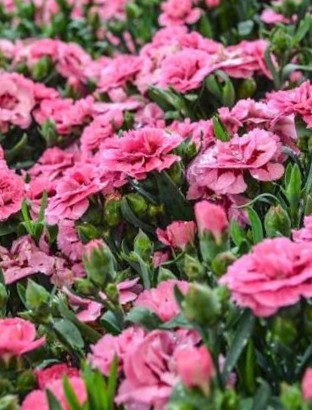
Pinks
Dianthus caryophyllus L.
- Silene caryophylla (L.) E.H.L.Krause — homotypic historical combination
- Tunica caryophyllus (L.) Scop. — homotypic historical combination
- Dianthus coronarius (L.) Burm.f. — historical heterotypic synonym
- Dianthus caryophyllus var. coronarius L. — historical infraspecific name underlying Dianthus coronarius
Caryophyllaceae — Carnation or Pink Family
Pinks; Pink; Carnation; Carnations; Clove Pink; Clove Gillyflower; Clove Gillyflowers; Gillyflower; Gilliflower; Wild Carnation; Border Carnation; Garden Carnation; Florist’s Carnation; Florist Carnation; Commercial Carnation; Grenadin Pink; Grenadin Carnation; Grenadine Carnation; Hardy Carnation; Perpetual-Flowering Carnation; Spray Carnation; Miniature Carnation
Historical and taxonomic search variations include Silene caryophylla (L.) E.H.L.Krause, Tunica caryophyllus (L.) Scop., Dianthus coronarius (L.) Burm.f., and Dianthus caryophyllus var. coronarius L.
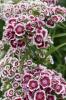
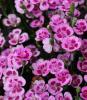
Pinks is a broad common name applied to many species and hybrids within Dianthus, not only Dianthus caryophyllus. Sweet William is Dianthus barbatus, Cottage Pink commonly refers to Dianthus plumarius, Maiden Pink to Dianthus deltoides, and Cheddar Pink to Dianthus gratianopolitanus; none is a scientific synonym of Carnation. Confirm D. caryophyllus by its gray-green opposite narrow leaves, swollen jointed stems, tubular green calyx with basal bracts, fragrant flowers, and characteristically toothed, fringed, or deeply notched petals.
Unknown Veterinary Irritant and the Evidence for Saponins
The exact substance responsible for ordinary Carnation-associated vomiting, diarrhea, and dermatitis has not been conclusively demonstrated in dogs, cats, horses, or other companion animals. Veterinary poison references therefore classify the toxic principle as an unknown irritant. That description is more accurate than presenting one compound as the universally proven cause of every reported reaction.
Saponins remain credible contributors because exact chemical research has identified triterpene saponins in cultivated Dianthus caryophyllus aerial tissue. Three gypsogenic-acid glycosides were isolated from a remontant Carnation variety: a monodesmosidic glucoside and two glycosides carrying sugar residues at both major attachment sites. Their identification confirms that at least some cultivated Carnations contain saponins rather than leaving the suggestion based solely on chemistry from unrelated Caryophyllaceae.
That discovery does not prove that these three glycosides produce the mild veterinary syndrome under every exposure condition. The study evaluated chemical structure and biological effects on fungi and plant-root growth rather than oral toxicity in dogs, cats, or horses. Cultivar, tissue, developmental stage, cultivation, extraction, and analytical method can alter which compounds are detected and at what concentration.
Saponins possess both water-compatible and fat-compatible structural regions and can interact with biological membranes. At a sufficient local concentration, plant saponins may irritate the mouth, stomach, and intestinal tract and contribute to nausea, salivation, vomiting, abdominal discomfort, or diarrhea. The expected Carnation syndrome remains mild, and there is no evidence that ordinary bouquet ingestion routinely produces the severe hemolysis or multiorgan injury associated with some more potent saponin-containing plants.
Gypsogenic Acid Is Not the Same Claim as Gypsogenin or Githagenin
The exact Carnation study identified glycosides built around gypsogenic acid. Gypsogenic acid, gypsogenin, and githagenin are related triterpenoid structures but are not interchangeable names. A page should not convert the documented gypsogenic-acid glycosides into a claim that gypsogenin or githagenin is the established Carnation pet toxin.
Potent saponins occur in other members of Caryophyllaceae, including Soapwort, Baby’s Breath, Corn Cockle, and several Gypsophila species. Family membership cannot be used to assign the concentration, absorption, hemolytic activity, or organ toxicity of those plants to Carnation. The mild clinical classification of D. caryophyllus must remain separate from more dangerous family members.
A Chemically Diverse Plant Rather Than One-Toxin Exposure
Modern metabolomic analysis of Carnation roots, stems, leaves, and flowers identified hundreds of metabolites. Major groups included flavonoids, phenolic acids, lipids, amino-acid derivatives, organic acids, nucleotides, alkaloids, terpenoids, tannins, lignans, coumarins, and quinones. Metabolite profiles differed substantially among plant organs.
Flowers were particularly rich in flavonoids and phenolic acids, while roots contained a different chemical profile. Ten compounds were structurally isolated from flowers in one recent study, nine of which were flavonoids. These findings demonstrate genuine biological and chemical complexity but do not establish that the identified antioxidant compounds are responsible for pet vomiting or dermatitis.
Carnation fragrance also reflects a mixture of volatile compounds rather than one odor molecule. Pigments differ with cultivar and flower color, and some commercial flowers are artificially dyed, painted, glittered, or treated with conditioning chemicals. The animal may therefore encounter natural Carnation metabolites together with manufacturing or florist-applied substances.
Contact Irritation, Sensitization, and Occupational Allergy
Sap, pollen, crushed tissue, fragrance compounds, flower-surface organisms, or repeated contact may irritate skin or mucous membranes. Mild pet reactions may appear as redness, itching, licking, scratching, small raised areas, or localized hair disturbance around the muzzle, paws, abdomen, or another contacting surface. Residue trapped beneath a collar, harness, bandage, clothing, or thick coat can prolong irritation.
Human greenhouse and florist studies demonstrate that Carnation can also act as a true allergen in sensitized individuals. In one occupational investigation, most symptomatic Carnation workers reacted to Carnation extract on skin testing, many reacted during nasal provocation, and immunoblotting identified major IgE-binding protein fractions. The findings supported an IgE-dependent mechanism for occupational rhinitis and asthma.
Occupational human sensitization does not establish that a dog or cat chewing one flower is likely to develop anaphylaxis. Local plant irritation, allergic contact disease, inhaled occupational allergy, and systemic anaphylaxis are different clinical processes. Widespread hives, facial swelling, breathing difficulty, vomiting with collapse, or rapidly worsening weakness requires emergency treatment regardless of the suspected mechanism.
Pesticide and Production-Chemical Contamination
Commercial Carnations may receive repeated insecticide, miticide, fungicide, growth-regulator, fertilizer, dye, and postharvest treatments. Residues can remain on leaves, stems, flowers, greenhouse by-product, packing material, and irrigation or vase water. The resulting poisoning may bear little resemblance to the mild intrinsic Carnation-irritant syndrome.
A documented dairy-goat outbreak followed consumption of Carnations obtained from a nearby greenhouse. Fifty-five goats developed a cholinergic syndrome that included salivation, bloat, rapid breathing, increased thirst, urination, diarrhea, bradycardia, constricted pupils, tremors, and convulsions. Toxicologic analysis found high carbamate concentrations in the flowers, gastrointestinal contents, and tissues, establishing pesticide contamination rather than an intrinsic Carnation toxin as the cause.
Experimental residue studies found that lindane, methyl parathion, and endosulfan could persist in Carnation plants and by-products after application. Washing reduced but did not necessarily remove all residues, and storage conditions altered degradation rates. Appearance, wilting, drying, or the passage of several days is not a dependable feed-safety test.
Severe salivation, pinpoint pupils, repeated urination, slow heart rate, muscle fasciculations, tremors, seizures, respiratory distress, or group illness after greenhouse or flower-farm waste should be treated as pesticide poisoning until proved otherwise. Plant identification alone is insufficient. Labels, supplier records, spray history, packaging, and representative feed samples become critical evidence.
Carnation Tissue and Livestock Feed: An Important Evidence Boundary
Exact controlled research does not support describing clean Carnation tissue as a classic severe ruminant poison. Mature goats were fed pesticide-free fresh or ensiled Carnation by-product as the complete experimental ration after laboratory testing confirmed the absence of the targeted organochlorine and organophosphorus residues. No toxicologic problems were observed during those trials.
The by-product consisted primarily of leaves and stems with smaller proportions of buds and flowers. It provided measurable protein, fiber, digestible organic matter, and metabolizable energy, and ensiling did not create intrinsic poisoning under the study conditions. The investigators concluded that appropriately controlled material could be used as herbivore feed.
That study does not mean household bouquets, retail flowers, greenhouse waste, or roadside floral debris should be fed to livestock. The experiment used identified material from a controlled greenhouse without recent insecticide treatment and included analytical residue testing. Commercial floral waste may contain pesticides, preservatives, wire, foam, plastic, other poisonous plants, or unsuitable quantities and should not be treated as verified feed.
The evidence also does not erase the mild pet classification. A dog or cat eating petals from a bouquet is exposed under different circumstances from a mature ruminant adapted to a controlled high-fiber ration. Species, digestive physiology, portion size, preparation, and co-exposures affect the outcome.
Cut, Wilted, Dried, Dyed, and Preserved Flowers
Cutting, wilting, or drying does not prove that natural irritants have disappeared. Petals, leaves, stems, calyces, buds, capsules, and seeds remain unsuitable for unsupervised pet ingestion. Dried arrangements may also contain stiff stems, wire, glue, paint, fragrance, preservatives, or brittle decorative material.
Florist dye may be absorbed through the stem or applied externally, and decorative flowers may carry glitter, metallic coatings, artificial snow, wax, or paint. These treatments create additional uncertainty even when the Carnation itself is only mildly irritating. Packaging and florist information should be preserved after an exposure.
Vase water may contain dissolved plant material, bacteria, sugar, acidifiers, bleach-like biocides, fertilizer salts, dye, and residues from every species in the arrangement. Drinking bouquet water is therefore not equivalent to ingesting clean Carnation tissue. Repeated vomiting after drinking from a vase requires evaluation of the entire solution and bouquet.
No Validated Pet Dose and No Expected Severe Intrinsic Syndrome
No validated petal count, flower count, stem length, gram amount, or body-weight threshold predicts signs in every dog, cat, horse, rabbit, bird, or reptile. Most animals consume a small amount and experience no illness or temporary gastrointestinal upset. Risk rises with a large ingestion, repeated exposure, very small body size, pre-existing disease, dehydration, or another material in the arrangement.
Profound weakness, pinpoint pupils, tremors, seizures, paralysis, coma, major arrhythmias, severe liver or kidney injury, respiratory failure, or rapid death does not fit clean Carnation tissue alone. These findings require immediate investigation for pesticide contamination, true lilies, toxic bulbs, Oleander, yew, azalea, medication, foreign material, infectious disease, or another poison. A visible Carnation should not prematurely end the diagnostic search.
Expected Mild Gastrointestinal Syndrome
Many Carnation exposures produce no visible illness. When signs occur, they are usually mild and begin within several hours of ingestion. Lip licking, drooling, nausea, one or more episodes of vomiting, soft stool, diarrhea, abdominal discomfort, reduced appetite, temporary quietness, or lethargy may occur.
Vomit or stool may contain recognizable fringed petals, gray-green leaf material, calyx fragments, or pieces of stem. Mild signs should improve rather than intensify continuously. Repeated vomiting, inability to retain water, blood, marked pain, or progressive weakness is not a routine minor exposure and requires veterinary assessment.
Gastrointestinal signs are nonspecific and do not confirm that Carnation caused the illness. Dietary indiscretion, spoiled food, intestinal parasites, infection, pancreatitis, obstruction, medication, pesticides, another bouquet plant, and many unrelated diseases can produce the same findings. The timing and complete exposure source must be evaluated.
Dermatitis, Eye Irritation, and Allergic Findings
Contact with sap, pollen, crushed leaves, stems, or flowers may cause localized redness, itching, licking, scratching, tenderness, or small raised areas. Common sites include the muzzle, lips, paws, lower abdomen, and skin beneath a collar or harness. Washing away the residue should reduce continued exposure.
Eye contact may cause tearing, blinking, squinting, conjunctival redness, eyelid swelling, discharge, or face rubbing. Carnation is not known for the needle-like corneal injury caused by insoluble calcium-oxalate plants, but petals, pollen, sap, preservatives, pesticide residue, and foreign particles can still abrade or irritate the eye. Persistent pain, cloudiness, or inability to open the eye requires examination.
Human occupational research establishes that Carnation proteins can cause IgE-mediated rhinitis and asthma after repeated workplace exposure. Comparable severe allergy is not a common documented pet presentation. Widespread hives, facial swelling, breathing difficulty, collapse, or rapidly progressing skin disease should be treated as an emergency and investigated for another flower, chemical, medication, insect sting, or true allergic reaction.
Dogs and Cats
Dogs may chew flowers presented at muzzle height, pull a bouquet from a table, raid a wastebasket, dig in a garden bed, or swallow stems and arrangement accessories. Cats often bite fringed petal edges, bat flowers from a vase, chew narrow leaves, drink vase water, or groom pollen and sap from the coat. The amount actually missing and every associated object should be documented.
A small taste may cause no signs or brief nausea. Larger ingestion may produce repeated vomiting, diarrhea, reduced appetite, abdominal discomfort, and dehydration. A long stem, ribbon, elastic band, wire, plastic pick, or floral foam may create a more serious obstruction or linear foreign body than the plant itself.
Continued food refusal is especially important in cats. Prolonged inadequate intake can contribute to hepatic lipidosis even when the original plant irritation was mild. A cat with possible true-lily access requires immediate treatment before kidney injury becomes visible and should never be managed as an ordinary Carnation case.
Horses, Goats, and Other Livestock
Clean Carnation tissue has not produced a characteristic severe intrinsic livestock toxicosis in controlled feeding research. Mature goats consumed pesticide-free fresh or ensiled Carnation by-product without toxicologic illness. If a horse or another animal develops only mild reduced appetite, loose manure, or transient abdominal discomfort after a small clean exposure, supportive observation may be sufficient under veterinary guidance.
Horses cannot vomit. Possible nonspecific findings include reduced appetite, mild colic, loose manure, diarrhea, depression, or skin irritation. Severe colic, profuse salivation, neurologic abnormalities, marked bradycardia, constricted pupils, tremors, convulsions, respiratory distress, or collapse should not be attributed automatically to Carnation tissue.
Greenhouse or flower-farm waste can produce a completely different presentation when contaminated with pesticides. In the documented dairy-goat outbreak, affected animals developed salivation, bloat, rapid breathing, increased thirst, urination, diarrhea, bradycardia, miosis, tremors, and seizures after eating carbamate-contaminated Carnations. Several animals becoming ill together strongly supports a shared contaminated feed source.
Mixed floral waste may contain Oleander, yew, azalea, rhododendron, toxic bulbs, true lilies, decorative berries, pesticides, preservatives, wire, or plastic. Every animal should be removed from the source while representative samples are preserved. The absence of a classic Carnation syndrome does not make the waste safe.
Rabbits, Guinea Pigs, Birds, and Reptiles
Rabbits and guinea pigs may develop reduced appetite, soft stool, diarrhea, abdominal discomfort, decreased fecal production, or lethargy after dietary disruption. Even a mild episode becomes important when food intake falls because gastrointestinal stasis can follow. These animals should not receive ornamental Carnations intentionally, despite the controlled ruminant-feed research.
Companion birds may shred flowers and stems and ingest a larger portion relative to body size. Regurgitation, diarrhea, abnormal droppings, reduced feeding, weakness, or inability to perch requires avian veterinary guidance. Wire, pesticide residue, dyed petals, glitter, and preservative solution may present greater danger than the natural Carnation compounds.
Tortoises and other herbivorous reptiles may encounter garden Pinks or flowers used in planted enclosures. Exact reptile dose information is unavailable. Reduced appetite, abnormal stool, regurgitation, weakness, altered posture, or reduced responsiveness requires evaluation of temperature, hydration, pesticides, fertilizer, substrate, and every plant involved.
Dehydration, Food Refusal, and Secondary Complications
Repeated vomiting or diarrhea can cause tacky gums, sunken eyes, reduced urination, weakness, and worsening lethargy. Puppies, kittens, geriatric animals, small exotics, and patients with kidney, heart, endocrine, or gastrointestinal disease possess less physiologic reserve. Mild intrinsic toxicity does not make secondary dehydration harmless.
Continued food refusal has special importance in cats, rabbits, guinea pigs, and birds. Cats risk metabolic complications from prolonged anorexia, while small herbivores can develop gastrointestinal stasis and birds may deteriorate rapidly from inadequate intake. Force-feeding is unsafe during active vomiting, severe abdominal distension, impaired swallowing, or possible obstruction.
Coughing after vomiting, fever, nasal discharge, or increased respiratory effort may indicate aspiration rather than direct Carnation toxicity. Persistent gagging, abdominal pain, enlargement, or reduced stool may indicate a swallowed stem, ribbon, wire, foam, plastic pick, or another object. These complications require their own diagnosis and treatment.
Signs Suggesting Pesticides, Another Plant, or Another Disease
Pinpoint pupils, profuse watery salivation, repeated urination, muscle fasciculations, severe bradycardia, tremors, seizures, or rapid respiratory compromise suggests cholinesterase-inhibiting pesticide exposure rather than the expected mild Carnation irritant. Greenhouse plants, flower-farm waste, and recently treated garden specimens require urgent residue investigation. Packaging and spray records should accompany the animal whenever possible.
Kidney injury in a cat after bouquet exposure raises immediate concern for true lilies or daylilies. Major arrhythmias may indicate Oleander, Lily of the Valley, yew, medication, or primary heart disease. Severe liver injury, coma, paralysis, profound anemia, or widespread bleeding also requires a broader differential diagnosis.
The visible Carnation may not be the plant that was eaten. Fallen pollen, chewed greenery, missing bulb pieces, vase water, floral preservative, and arrangement accessories can be overlooked. Every component of the exposure should be photographed and preserved.
Duration and Prognosis
Most uncomplicated cases improve within several hours and resolve within approximately one day. Vomiting, diarrhea, appetite, hydration, skin comfort, and activity should move steadily toward normal. A brief quiet period after vomiting is different from progressive depression or weakness.
Illness lasting beyond the expected mild course warrants veterinary reassessment. Continued vomiting or diarrhea, blood, dehydration, food refusal, spreading dermatitis, respiratory signs, eye pain, abdominal enlargement, or reduced stool may indicate a complication, contaminant, foreign body, another bouquet plant, or unrelated disease. The diagnosis should not be defended merely because Carnation exposure was documented.
Prognosis is generally excellent after a limited clean exposure. Outcome depends more heavily on dehydration, prolonged anorexia, aspiration, pesticide contamination, true-lily contact, another toxic flower, or swallowed arrangement material than on severe intrinsic Carnation toxicity. Early identification of those additional hazards prevents a mild assumption from delaying necessary care.
Exact Botanical Identity, Taxonomy, and the Meaning of Pinks
This page centers on Dianthus caryophyllus L., the Carnation or Clove Pink. Carl Linnaeus published the accepted name in 1753. Current botanical treatment places the species in Caryophyllaceae and recognizes numerous historical synonyms accumulated through centuries of cultivation and taxonomic reinterpretation.
Pinks is a broader horticultural name than Carnation. It includes many species and hybrids within Dianthus, and the name is associated with the toothed, jagged, or fringed petal margins that resemble fabric cut with pinking shears. It does not mean that all flowers are pink.
Sweet William is Dianthus barbatus, Cottage Pink is generally Dianthus plumarius, Maiden Pink is Dianthus deltoides, and Cheddar Pink is Dianthus gratianopolitanus. These related plants may share some chemistry and mild irritant potential, but exact Carnation studies should not be assigned to them automatically. Scientific identification matters whenever a page, bouquet label, or poison list uses only Pinks or Dianthus.
Native Range, Cultivated History, and Growth Form
Current botanical records place the accepted native range in Albania, Greece, and the northwestern Balkan Peninsula. Centuries of cultivation, escape, hybridization, and movement through trade make the relationship between ancestral wild populations and modern garden plants difficult to reconstruct from appearance alone. Carnation is now cultivated worldwide.
The plant is a short-lived perennial or low subshrub with a persistent or partly woody stem base. Stems are upright, branching, visibly jointed, and often coated with a pale waxy bloom. Greenhouse cut-flower cultivars may grow tall and require support, while border, miniature, and container forms remain compact.
Leaves occur in opposite pairs and are narrow, simple, smooth-edged, linear to lance-shaped, and commonly gray-green or blue-green. Their bases may partly sheath the swollen nodes. The narrow waxy foliage distinguishes Carnation from many broad-leaved bouquet plants.
Flowers, Calyx, Fragrance, Capsules, and Cultivars
Wild-type flowers have five petals, while cultivated double Carnations may possess many densely packed petals. Margins are toothed, fringed, serrated, or deeply notched. Flowers may occur singly or in clusters depending on whether the plant is grown as a standard, spray, miniature, garden, or perpetual-flowering cultivar.
The flower bud is enclosed by a tubular green calyx supported at its base by overlapping bracts. Dense double flowers may split the calyx as they expand. An animal chewing a whole flower can therefore ingest delicate petals together with tougher calyx tissue, bracts, and stem.
Many cultivars produce a spicy clove-like fragrance responsible for the name Clove Pink. Flower color includes pink, red, white, purple, burgundy, yellow, green, orange, striped, edged, and bicolored forms. Commercial blue or violet Carnations may be genetically modified cultivars or white flowers that have absorbed dye, so unusual color does not identify a separate safe species.
After pollination, a dry capsule develops inside the persistent calyx and releases numerous dark seeds. Fruiting is less obvious in frequently cut greenhouse plants but may occur in garden specimens. Buds, petals, calyces, capsules, seeds, leaves, stems, sap, and roots should remain unavailable to pets even though no single organ has been established as a severe poison.
Exact Saponin Chemistry and the Limits of Toxin Attribution
Exact research on cultivated Carnation aerial tissue identified three glycosides of gypsogenic acid. This establishes that saponins occur in at least some D. caryophyllus cultivars and supports their consideration as possible gastrointestinal irritants. It is stronger evidence than simply borrowing chemistry from Soapwort, Baby’s Breath, or Corn Cockle.
The compounds were not tested as naturally ingested toxins in dogs, cats, or horses. Their concentration within ordinary retail flowers, garden plants, stems, petals, roots, and different cultivars remains variable and incompletely connected to clinical cases. The public toxic principle should therefore remain unknown irritant, with exact Carnation saponins described as plausible contributors.
Broad metabolomic studies demonstrate major chemical differences among Carnation roots, stems, leaves, and flowers. Hundreds of flavonoids, phenolic acids, lipids, organic acids, alkaloids, terpenoids, tannins, and other compounds have been detected. Biological activity in antioxidant or cell-culture experiments does not establish pet toxicity at the concentration delivered by one chewed flower.
Carnation as Controlled Goat Feed and Why That Does Not Clear Floral Waste
A controlled ruminant study tested fresh and ensiled Carnation by-product consisting primarily of leaves and stems with smaller amounts of buds and flowers. Mature goats received the material as the complete experimental ration. The greenhouse source had not received insecticide treatment during the preceding study period, and analytical testing confirmed absence of the targeted organochlorine and organophosphorus residues.
No toxicologic problems occurred. Fresh and ensiled material showed similar overall digestibility, and the investigators concluded that the by-product could provide useful feed under controlled conditions. This evidence directly contradicts the idea that clean Carnation tissue is inherently a classic fatal livestock poison.
The study does not authorize feeding household bouquets, florist waste, municipal flowers, or commercial greenhouse debris. Its safety depended on exact identification, controlled production, residue testing, ration management, and removal of unrelated materials. Retail floral waste lacks those safeguards and may contain pesticides, preservatives, toxic companion plants, wire, plastic, foam, dye, mold, or spoiled water.
Pet poison classifications also answer a different question from ruminant feed research. Dogs and cats may respond to a small concentrated exposure with nausea or vomiting even when goats can digest a controlled high-fiber ration. Species physiology, body size, diet adaptation, preparation, and exposure context must remain separate.
Greenhouse Pesticides and the Fatal Goat-Outbreak Lesson
Commercial flower production often requires intensive pest control because mites, aphids, thrips, caterpillars, fungi, and other problems can damage high-value blooms. Plants and by-products may carry insecticide, miticide, fungicide, growth-regulator, or fertilizer residues. Discarded flowers are not automatically livestock feed because they are green and apparently fresh.
In one dairy-goat herd, approximately fifty-five animals became ill about an hour after eating Carnations obtained from a nearby greenhouse. Salivation, bloat, rapid breathing, increased thirst, urination, diarrhea, slow heart rate, constricted pupils, tremors, and convulsions developed. Toxicologic analysis of the dead kid, gastrointestinal contents, and Carnations confirmed high carbamate concentrations.
The clinical pattern was caused by cholinesterase-inhibiting pesticide contamination, not by the ordinary mild Carnation irritant. Treatment appropriate for intrinsic Carnation nausea would have been dangerously inadequate. This distinction is essential whenever severe group illness follows access to greenhouse or flower-farm material.
Other exact studies followed lindane, methyl parathion, and endosulfan residues in Carnation by-products under different environmental conditions. Degradation varied with chemical, washing, sunlight, temperature, ventilation, and storage. Drying could concentrate residues on a green-weight basis as moisture was lost, and a visually old pile could remain unsafe.
Cut Flowers, Mixed Bouquets, Vase Water, and Foreign Objects
Carnations are among the world’s most widely traded cut flowers and appear in grocery-store bunches, weddings, funerals, holiday arrangements, boutonnieres, corsages, event decorations, hotel displays, and household vases. Pet exposure therefore occurs more often through floristry than through wild plants. Fallen petals and cut stems can remain accessible after the vase has been moved.
Mixed bouquets commonly combine Carnations with roses, chrysanthemums, Alstroemeria, Baby’s Breath, eucalyptus, tulips, daffodils, true lilies, daylilies, decorative berries, and unidentified greenery. The Carnation may be the most visible flower without being the material responsible for severe illness. Cats exposed to true lilies or daylilies require immediate emergency treatment even before symptoms appear.
Floral foam, wire, ribbon, elastic bands, staples, pins, plastic water tubes, cellophane, glass beads, decorative stones, candles, and plant-food packets create separate hazards. Long string-like material can form a linear foreign body, while wire and plastic can perforate or obstruct the gastrointestinal tract. A missing accessory must be reported even when plant ingestion is also documented.
Vase water may accumulate bacteria, plant sap, pollen, dyes, fertilizer salts, sugar, acidifiers, and antimicrobial preservatives. It also receives material from every flower in the arrangement. Vomiting after drinking bouquet water should be evaluated as mixed chemical and botanical exposure rather than assigned automatically to Carnation petals.
Garden, Household, Office, and Species-Specific Exposure
Garden Pinks grow in borders, raised beds, rock gardens, containers, window boxes, and edging. Low fragrant flowers remain accessible to dogs, outdoor cats, poultry, rabbits, guinea pigs, and tortoises. Commercial garden plants may carry systemic insecticides, slug bait, fertilizer, fungicides, or foliar sprays.
Dogs may chew garden plants, pull bouquets from tables, or raid discarded arrangements. Cats may bite petals, drink vase water, knock flowers to the floor, or groom pollen from the coat. Packaging and florist labels should be retained until the exposure has been resolved.
Horses and livestock most often encounter large quantities through flower-farm waste, greenhouse debris, municipal decorations, or intentional feeding of discarded plants. No such material should enter feed or bedding unless it was produced and tested specifically for animal use. Several sick animals suggest contamination or another toxic plant rather than ordinary mild Carnation irritation.
Rabbits and guinea pigs should receive known safe forage rather than ornamental flowers. Companion birds can shred petals, calyces, stems, ribbon, and wire efficiently, while reptiles may encounter treated plants in garden enclosures. Small body size and co-exposures can make an otherwise mild plant event clinically important.
Diagnosis, Differential Diagnosis, Treatment, and Prognosis
Diagnosis begins with confirming Dianthus caryophyllus and determining whether the animal contacted a clean garden plant, retail bouquet, dyed flower, greenhouse by-product, vase water, or mixed floral waste. Preserve a complete flower with leaves and stem, every plant in the arrangement, packaging, plant-food packets, pesticide records, and missing accessories. Photographs should document the whole exposure scene.
There is no routine laboratory test for intrinsic Carnation irritation. Mild vomiting or dermatitis generally requires no specialized toxicology. Bloodwork, urinalysis, imaging, cholinesterase assessment, pesticide analysis, kidney monitoring, or ophthalmic examination becomes appropriate when signs persist, several animals are affected, a cat contacted true lilies, a foreign object is missing, or the syndrome is more severe than expected.
Differential diagnoses include true-lily nephrotoxicity in cats, tulip or daffodil bulb exposure, Chrysanthemum pyrethrins, Oleander, yew, azalea, rhododendron, Baby’s Breath, floral preservatives, pesticides, fertilizer, spoiled vase water, dietary indiscretion, infection, pancreatitis, obstruction, and unrelated gastrointestinal disease. Severe cholinergic findings after greenhouse waste require immediate pesticide-focused treatment.
There is no specific antidote for the mild intrinsic Carnation irritant. Treatment may include antiemetics, fluids, clinician-selected gastrointestinal support, bathing for dermatitis, eye irrigation, nutritional management, and removal of swallowed floral accessories. Pesticide poisoning, true-lily exposure, obstruction, aspiration, and allergic emergencies require completely different treatment plans.
Prognosis is good to excellent after an uncomplicated clean exposure. Most animals recover within several hours to approximately one day. Outcome becomes dependent on the associated hazard when dehydration, prolonged anorexia, pesticide contamination, kidney injury, severe allergy, aspiration, or a gastrointestinal foreign body develops.
Prevention
Keep bouquets in an animal-inaccessible room rather than relying only on a high shelf. Cats climb, dogs pull tablecloths, birds fly, and petals fall. Collect dropped flowers, leaves, ribbons, and packets promptly and use a closed waste container.
Confirm every flower in an arrangement before bringing it into a home with cats. Request lily-free bouquets explicitly and remember that unidentified greenery can matter as much as the showy flowers. Keep vase water inaccessible and replace spilled water immediately.
Do not feed florist, greenhouse, nursery, cemetery, event, or municipal flower waste to livestock, rabbits, poultry, or tortoises. Clean Carnation by-product can have feed value under controlled residue-tested conditions, but ordinary ornamental waste does not meet that standard. Educate growers, landscapers, event staff, pet sitters, farm workers, and family members about the distinction.
Immediate Actions After Exposure
Remove access to the Carnation, garden bed, bouquet, vase water, discarded floral material, and every accessory in the arrangement. Most clean Carnation exposures are mild, but the first response must determine whether a more dangerous flower, pesticide, preservative, or foreign object was involved. Do not discard the evidence before the complete arrangement has been identified.
- Preserve the entire source: Save a complete flower with leaves and stem, every species in the bouquet, the nursery or florist label, packaging, preservative packet, and clear photographs.
- Remove loose mouth material: Take away petals or leaf pieces visible at the front of the mouth when this can be done safely.
- Offer voluntary fresh water: An alert animal that is breathing and swallowing normally may drink, but water should not be forced.
- Estimate the maximum exposure: Record the animal’s weight, amount missing, earliest possible access, first symptom, and whether vase water or another object was swallowed.
- Check every cat bouquet for lilies: True-lily or daylily exposure is an immediate emergency even when the cat still appears normal.
- Separate other animals: Prevent access to vomit, vase water, greenhouse waste, and the remaining arrangement.
Mixed Bouquet and Foreign-Object Triage
Carnation may be the least dangerous component of the exposure. True lilies, daylilies, tulips, daffodils, Oleander, eucalyptus, chrysanthemums, Baby’s Breath, decorative berries, preservatives, pesticides, dye, ribbon, wire, floral foam, and plastic picks require separate assessment. A veterinary professional should receive photographs of the complete arrangement rather than one identified Carnation.
- Report missing ribbon or string: Long flexible material can create a linear gastrointestinal foreign body.
- Report wire, picks, pins, or staples: Sharp objects may perforate or lodge within the mouth, esophagus, stomach, or intestine.
- Report missing floral foam: Foam can expand, fragment, irritate, or contribute to obstruction.
- Preserve the vase-water packet: Ingredients and product identity may affect treatment.
- Identify dyed or coated flowers: Glitter, paint, artificial snow, wax, and dye create additional exposures.
Do Not Induce Vomiting or Give Routine Home Remedies
Aggressive decontamination is rarely justified for an uncomplicated Carnation taste. Hydrogen peroxide and improvised emetics can cause more gastrointestinal injury than the plant, while forced charcoal can be aspirated. Home treatment must not delay evaluation of a lily, pesticide, foreign body, or another toxic flower.
- Do not give hydrogen peroxide: It can cause prolonged vomiting, esophageal and gastric injury, dehydration, and aspiration.
- Do not use salt, mustard, detergent, oil, syrup, fingers, or manual gagging: These methods can create another poisoning or physical injury.
- Do not force activated charcoal: It is rarely necessary for the mild intrinsic irritant and can enter the lungs during vomiting or poor swallowing.
- Do not give diphenhydramine automatically: It does not treat nausea or diarrhea and may obscure weakness or cause sedation.
- Do not give anti-diarrheal medication or sucralfate without direction: Foreign material, obstruction, infection, or another poison may be present.
- Do not give human pain medication: Ibuprofen, naproxen, acetaminophen, and aspirin can cause a substantially more serious poisoning.
- Do not force food or fluids: Active vomiting, severe abdominal pain, reduced awareness, or possible obstruction makes forced administration unsafe.
Skin, Coat, and Eye Exposure
Wear gloves and remove sap, pollen, dye, pesticide residue, or bouquet water from the animal’s skin and coat. Residue beneath a collar, harness, clothing, bandage, or matted hair can prolong contact. Prevent grooming until the area has been rinsed thoroughly.
- Wash skin and fur: Use lukewarm water and mild pet-safe shampoo and rinse completely.
- Remove contaminated equipment: Wash collars, harnesses, bedding, clothing, and reusable carriers before reuse.
- Flush an exposed eye: Use sterile saline or clean lukewarm water for sustained gentle irrigation.
- Prevent rubbing: Continued pawing or face rubbing can worsen a corneal abrasion.
- Seek eye examination: Persistent squinting, swelling, redness, cloudiness, discharge, or inability to open the eye requires veterinary care.
When Veterinary Examination Is Important
- Persistent gastrointestinal signs: Repeated vomiting or diarrhea, blood, marked abdominal pain, or inability to retain water requires assessment.
- Dehydration or weakness: Tacky gums, sunken eyes, reduced urination, worsening lethargy, fainting, or collapse requires treatment.
- Continued food refusal: This is especially important in cats, rabbits, guinea pigs, birds, juveniles, and medically fragile animals.
- Significant skin reaction: Spreading redness, intense itching, facial swelling, generalized hives, or breathing difficulty requires prompt care.
- Possible aspiration: Coughing after vomiting, fever, nasal discharge, or increased respiratory effort requires lung evaluation.
- Possible foreign material: Missing ribbon, wire, foam, elastic bands, plastic picks, or long stems may require imaging or endoscopic removal.
- True-lily exposure in a cat: Immediate emergency treatment is necessary before kidney abnormalities become apparent.
- Atypical systemic signs: Tremors, seizures, paralysis, kidney failure, major arrhythmias, coma, or rapid collapse does not fit ordinary clean Carnation exposure.
Greenhouse Waste and Pesticide Emergency Findings
Carnations from greenhouses, flower farms, nurseries, or recently treated gardens may carry pesticide residues. Severe illness beginning after access to commercial plant waste should not be managed as mild Carnation irritation. Remove the entire group from the source and preserve representative flowers, leaves, stems, feed, packaging, and spray information.
- Watch for miosis: Markedly constricted pupils can indicate cholinesterase-inhibiting pesticide exposure.
- Watch for profuse secretions: Heavy salivation, tearing, urination, diarrhea, or respiratory fluid requires emergency care.
- Watch for bradycardia: A markedly slow pulse with weakness or poor perfusion is not an ordinary Carnation sign.
- Watch for muscle effects: Fasciculations, tremors, weakness, convulsions, or paralysis requires immediate treatment.
- Watch for group illness: Several affected animals strongly suggests a contaminated shared source.
- Do not administer atropine yourself: Antidotal treatment depends on the confirmed or strongly suspected pesticide and the animal’s clinical findings.
Veterinary Evaluation and Treatment
There is no specific antidote for the mild intrinsic Carnation irritant. Veterinary treatment follows the animal’s actual signs and may include antiemetics, fluid and electrolyte support, clinician-selected gastrointestinal care, skin bathing, ophthalmic treatment, nutritional support, and observation. Most uncomplicated patients require only limited supportive care.
Persistent vomiting, abdominal pain, or reduced stool may require radiographs, ultrasound, or endoscopy to locate a stem, wire, ribbon, foam, or plastic object. Coughing or respiratory change may require chest imaging and treatment for aspiration. Prolonged feline anorexia and small-herbivore stasis require species-specific nutritional and gastrointestinal management.
A cat exposed to a true lily requires immediate renal-protective treatment and monitoring even when no symptoms have developed. Suspected carbamate or organophosphate contamination requires emergency stabilization, decontamination selected for the species, respiratory support, seizure control, cardiovascular monitoring, and veterinarian-administered antidotal treatment when appropriate. The severe contaminant syndrome should not be treated with the limited protocol used for clean Carnation nausea.
Dogs, Cats, Horses, Livestock, and Exotics
Dogs and cats should be observed for vomiting, diarrhea, hydration, appetite, abdominal comfort, skin irritation, and passage of swallowed arrangement material. Cats require immediate reassessment after continued food refusal and emergency treatment after any plausible true-lily contact. Vomit containing string or ribbon should not be pulled from the mouth.
Horses and livestock should be removed from floral waste immediately while the source is investigated. Clean residue-tested Carnation by-product tolerated by experimental goats is not equivalent to unknown commercial waste. Salivation, bloat, miosis, bradycardia, tremors, seizures, respiratory distress, or several sick animals requires emergency large-animal care.
Rabbits and guinea pigs require monitoring of eating, fecal output, hydration, abdominal size, and activity. Birds require attention to regurgitation, droppings, food intake, perching, and breathing. Reptiles require species-appropriate temperature and hydration support while pesticide, fertilizer, and mixed-plant exposure are evaluated.
Recovery, Prognosis, and Prevention
Most uncomplicated clean exposures improve within several hours and resolve within approximately one day. Vomiting, diarrhea, appetite, hydration, activity, and skin comfort should improve steadily. Worsening illness or recurrence after apparent recovery requires reassessment for dehydration, aspiration, foreign material, pesticide contamination, or another flower.
- Monitor hydration: Voluntary drinking, gum moisture, urination, and energy should return toward normal.
- Monitor food intake: Continued anorexia is particularly important in cats, rabbits, guinea pigs, and birds.
- Monitor stool and vomiting: Blood, repeated episodes, abdominal enlargement, or absent feces requires veterinary care.
- Monitor breathing: Coughing, fever, nasal discharge, or increased effort may indicate aspiration or allergy.
- Monitor the skin and eyes: Spreading redness, facial swelling, cloudiness, or persistent squinting requires reassessment.
Prognosis is generally excellent after mild intrinsic Carnation irritation. Keep bouquets in an animal-inaccessible room, collect fallen petals promptly, exclude true lilies from cat households, secure vase water and floral accessories, and place discarded arrangements directly into a closed container. Never feed untested greenhouse or florist waste to livestock or small herbivores.
Frequently Asked Questions About Pinks, Carnations, and Animal Poisoning
Are Pinks poisonous to dogs and cats?
Yes, when Pinks refers to Carnation, Dianthus caryophyllus, the plant is commonly classified as mildly toxic. Dogs and cats may develop nausea, drooling, vomiting, diarrhea, abdominal discomfort, reduced appetite, temporary lethargy, or mild dermatitis. Severe systemic poisoning is not the expected result of clean Carnation tissue alone. Mixed bouquets, pesticides, vase water, and swallowed floral accessories may create more serious emergencies.
Are Carnations poisonous to horses and livestock?
Carnation is listed as mildly toxic to horses by major pet-poison references, but exact livestock evidence does not support treating clean tissue as a classic severe forage poison. Pesticide-free fresh and ensiled Carnation by-product was fed as the complete ration to mature goats without toxicologic illness. Unknown greenhouse, florist, or flower-farm waste remains unsafe because it may contain pesticides, other toxic plants, wire, plastic, preservatives, and mold.
Are Pinks and Carnations the same plant?
Carnation is one of the plants called a Pink. Pinks is a broad common name covering numerous Dianthus species and hybrids, while this page centers specifically on Dianthus caryophyllus. A poison record stating only “Pinks” should include a photograph or complete specimen so the exact species can be confirmed. Related species should not be treated automatically as scientific synonyms.
Is Sweet William the same as Carnation?
No. Sweet William is Dianthus barbatus, while Carnation is Dianthus caryophyllus. Cottage Pink, Maiden Pink, and Cheddar Pink also belong to separate species. They are related members of the same genus and may share some mild irritant potential, but exact chemistry and exposure evidence from Carnation should not be assigned to them automatically.
Why are Dianthus plants called Pinks?
The name is associated with the jagged, fringed, or deeply notched petal edges that resemble cloth cut with pinking shears. It does not refer only to flower color. Carnations can be red, white, yellow, green, orange, purple, striped, edged, or multicolored. Some unusual blue or violet flowers are dyed or specially bred commercial cultivars.
What toxin is present in Carnation?
The exact veterinary toxic principle remains unresolved and is appropriately described as an unknown irritant. Exact research has confirmed several gypsogenic-acid saponin glycosides in cultivated Carnation aerial tissue, making saponins plausible contributors to gastrointestinal irritation. No individual saponin or other compound has been proved to cause every ordinary dog, cat, or horse reaction.
Does Carnation contain gypsogenin or githagenin?
Exact Carnation research identified glycosides of gypsogenic acid. Gypsogenic acid, gypsogenin, and githagenin are related but distinct chemical names and should not be substituted for one another. Gypsogenin or githagenin has not been established as the specific veterinary toxin responsible for routine Carnation-associated vomiting or dermatitis. The public toxin description should remain appropriately qualified.
Which parts of Carnation are poisonous?
Petals, buds, calyces, bracts, leaves, stems, sap, roots, capsules, and seeds should remain unavailable to pets. The plant is only mildly toxic under ordinary conditions, and no one organ has been proved dramatically more dangerous than another. Cut, wilted, and dried material may still cause gastrointestinal or contact irritation. Commercial treatments and florist accessories add separate risks.
Can pesticide-free Carnation waste be fed to goats?
A controlled study found that mature goats tolerated fresh and ensiled pesticide-free Carnation by-product as a complete experimental ration without toxicologic problems. The source had controlled production conditions and was tested for targeted pesticide residues. That result does not make ordinary florist or greenhouse waste safe. Unknown commercial waste may contain dangerous chemical residues, other flowers, wire, foam, plastic, and unsuitable spoiled material.
Have goats been severely poisoned after eating Carnations?
Yes, but the documented severe outbreak was caused by pesticide contamination rather than the natural mild Carnation irritant. Fifty-five dairy goats developed salivation, bloat, diarrhea, slow heart rates, constricted pupils, tremors, and convulsions after eating greenhouse Carnations. Toxicologic analysis confirmed high carbamate concentrations, and one kid died. Severe group illness after commercial floral waste requires immediate pesticide investigation.
Can Carnation sap cause a rash or allergy?
Contact may cause localized redness, itching, licking, scratching, or small raised areas. Human occupational studies have also demonstrated IgE-mediated Carnation allergy in sensitized greenhouse workers, including rhinitis and asthma. Severe pet allergy is not commonly documented, but facial swelling, generalized hives, breathing difficulty, or collapse is an emergency. Wash ordinary residue from the skin and coat promptly.
Are cut, wilted, or dried Carnations still a concern?
Yes. Natural plant constituents do not necessarily disappear immediately after cutting or drying, and the flower may still cause mild gastrointestinal or skin irritation. Dried arrangements can contain stiff stems, wire, glue, paint, artificial fragrance, glitter, or preservative chemicals. Wilted greenhouse waste may also retain pesticide residues. Age and appearance do not prove safety.
Is Carnation vase water poisonous?
Vase water may contain plant sap, pollen, bacteria, fertilizer salts, sugar, acidifiers, antimicrobial preservatives, dye, and residues from every species in the bouquet. Drinking it can cause gastrointestinal illness even when little Carnation tissue was eaten. A bouquet containing true lilies creates additional concern for cats because plant material and pollen may enter the water. Preserve the packet and identify the whole arrangement.
Why is a mixed bouquet more dangerous than one Carnation?
The Carnation itself does not become more toxic, but the arrangement may contain true lilies, daylilies, tulips, daffodils, chrysanthemums, eucalyptus, Baby’s Breath, Oleander, decorative berries, and unidentified greenery. Wire, ribbon, elastic bands, plastic picks, floral foam, preservatives, and dye create additional hazards. True-lily exposure in a cat is an immediate emergency even when the cat appears normal.
How quickly do symptoms begin and how long do they last?
Mild nausea, vomiting, diarrhea, reduced appetite, or lethargy may begin within several hours. Contact irritation may appear shortly after sap or pollen remains against the skin. Most uncomplicated cases improve within several hours and resolve within approximately one day. Persistent, worsening, bloody, neurologic, respiratory, or systemic illness requires investigation for a complication or another exposure.
Can Carnation cause kidney failure, seizures, or coma?
Those are not expected direct effects of an uncomplicated clean Carnation exposure. Kidney injury in a cat after bouquet contact raises immediate concern for true lilies or daylilies. Tremors, seizures, pinpoint pupils, severe bradycardia, paralysis, coma, or respiratory failure may indicate pesticide contamination, another plant, medication, metabolic disease, or an unrelated emergency. Carnation should not be used to explain incompatible signs.
Should I make my dog or cat vomit?
Do not induce vomiting unless a veterinarian or animal poison-control professional specifically directs it after assessing the complete exposure. Carnation poisoning is usually mild, while hydrogen peroxide can cause prolonged vomiting, stomach and esophageal injury, dehydration, and aspiration. Home emesis may also delay urgent treatment for a true lily, pesticide, toxic bulb, or swallowed floral accessory.
Should I give activated charcoal or Benadryl?
Do not give either automatically. Activated charcoal is rarely necessary for a mild intrinsic plant irritant and can be aspirated during vomiting or impaired swallowing. Diphenhydramine does not treat gastrointestinal illness and may cause sedation. A veterinarian may choose charcoal for another toxin or an antihistamine for a genuine allergic reaction after considering the animal’s species, condition, and complete exposure.
How do veterinarians treat Carnation exposure?
There is no specific antidote for the mild intrinsic irritant. Treatment may include antiemetics, fluids, electrolyte correction, clinician-selected gastrointestinal support, bathing for dermatitis, eye irrigation, and nutritional management. Imaging or endoscopy may be needed for wire, ribbon, foam, plastic, or a long stem. True-lily exposure, pesticide poisoning, severe allergy, and aspiration require separate emergency protocols.
What is the prognosis?
Prognosis is generally excellent after a limited clean Carnation exposure. Most animals recover fully with observation or minor supportive care. The outlook depends on the associated hazard when dehydration, prolonged anorexia, pesticide contamination, true-lily nephrotoxicity, severe allergy, aspiration, or gastrointestinal obstruction develops. Correct identification of the entire bouquet or waste source is therefore more important than assuming every case is mild.