Tree Tobacco Anabasine Poisoning, Nicotinic Receptor Blockade, Respiratory Paralysis, and Fetal Contracture Injury
Is Tree Tobacco Poisonous to Dogs, Cats, Horses, and Livestock?
Yes—Tree Tobacco, Nicotiana glauca Graham, is highly poisonous to dogs, cats, horses, cattle, sheep, goats, pigs, rabbits, guinea pigs, birds, reptiles, and other animals. Its leaves, stems, bark, roots, sap, seedlings, flowers, capsules, seeds, dried material, cut branches, and contaminated forage should remain inaccessible. The principal toxin is normally anabasine, a nicotinic alkaloid that first stimulates and then blocks nicotinic acetylcholine receptors. Poisoning may begin with drooling, nausea, vomiting in species capable of vomiting, diarrhea, repeated defecation, agitation, tremors, sweating, rapid breathing, rapid heart rate, and high blood pressure, then deteriorate into depression, profound weakness, staggering, recumbency, slow or irregular heart rate, low blood pressure, shallow breathing, flaccid paralysis, seizures, coma, respiratory arrest, and death.
Respiratory-muscle failure is the principal direct lethal danger. The diaphragm and chest-wall muscles can become too weak to ventilate the lungs even when the airway itself is open, so a patient may become progressively unable to stand, hold up the head, swallow, or breathe before complete loss of consciousness occurs. Tree Tobacco is also a major reproductive hazard for pregnant livestock because maternal exposure during susceptible fetal stages can suppress fetal movement and produce cleft palate, arthrogryposis, fixed or twisted limbs, torticollis, scoliosis, lordosis, and related contracture deformities.
About this guide: This page provides general pet-poisoning information and cannot diagnose or treat an individual animal. For any suspected exposure, contact a veterinarian or animal poison-control service immediately. Do not induce vomiting, give medication, or attempt home decontamination unless directed by a veterinary professional.
Tree Tobacco
Nicotiana glauca Graham
Historical synonyms and former combinations include:
- Nicotidendron glauca (Graham) Griseb.
- Nicotiana arborea F.Dietr.
- Siphaulax glabra Raf.
Historical varieties, forms, and invalid or horticultural search names include:
- Nicotiana glauca var. angustifolia Comes
- Nicotiana glauca var. decurrens Comes
- Nicotiana glauca var. grandiflora Comes
- Nicotiana glauca var. lanceolata Comes
- Nicotiana glauca f. lateritia Lillo
Important non-synonym confusion names:
- Nicotiana tabacum L. — cultivated Tobacco; separate species normally dominated by nicotine rather than anabasine
- Nicotiana rustica L. — Aztec Tobacco or Wild Tobacco; separate nicotine-rich species
- Nicotiana alata Link & Otto, Nicotiana sylvestris Speg. & Comes, and Nicotiana garden hybrids — ornamental flowering tobaccos, not Tree Tobacco
- Salvadora persica L. — a separate plant sometimes called Mustard Tree; not a Nicotiana and not the anabasine-dominant shrub covered here
- Conium maculatum L. — Poison Hemlock; separate piperidine-alkaloid plant that can also cause fetal contracture disease and neuromuscular paralysis
- Lupinus species — lupines; separate quinolizidine-alkaloid plants that may also cause cleft palate and contracture defects in livestock
Solanaceae — Nightshade or Potato Family
Tree Tobacco; Tree-Tobacco; Tobacco Tree; Tobacco-Tree; Wild Tree Tobacco; Wild Tobacco; Shrub Tobacco; Tobacco Shrub; Tobacco Bush; Glaucous Tobacco; Blue Tobacco; Brazilian Tree Tobacco; Brazilian Tobacco Tree; Tree Nicotiana; Mustard Tree; False Tobacco; Falso Tabaco; Palan-Palan; Palán Palán; Palancho; Tabaco Moro; Tabaco Moruno; Tabaco del Monte; Tabaco Árbol; Tabaco Cimarrón.
Historical and taxonomic search variations include Nicotiana glauca Graham, Nicotidendron glauca (Graham) Griseb., Nicotiana arborea F.Dietr., Siphaulax glabra Raf., Nicotiana glauca var. angustifolia Comes, Nicotiana glauca var. decurrens Comes, Nicotiana glauca var. grandiflora Comes, Nicotiana glauca var. lanceolata Comes, and Nicotiana glauca f. lateritia Lillo. Common misspellings and search errors include Nicotania, Nicotina glauca, Nicotiana glaucus, Brazilian Tree Tabacco, and Tree Tabacco.
“Tobacco” by itself may refer to cultivated tobacco, Nicotiana tabacum, manufactured tobacco products, nicotine waste, or several wild and ornamental Nicotiana species. “Mustard Tree” is highly ambiguous and may refer to unrelated plants such as Salvadora persica. Flowering Tobacco usually refers to ornamental Nicotiana species or hybrids rather than Nicotiana glauca. Exact identification should use the woody shrub habit, smooth blue-green petioled leaves, long yellow tubular flowers, seed capsules, habitat, and scientific name rather than the common word tobacco alone.
Anabasine as the Principal Tree Tobacco Alkaloid
The principal toxic alkaloid in Tree Tobacco is anabasine, historically called neonicotine in some older literature because of its chemical and pharmacological similarity to nicotine. Anabasine is a pyridine-piperidine alkaloid. The plant may also contain nicotine, nornicotine, anatabine, and related tobacco alkaloids in smaller or variable amounts, but its toxic profile is not simply that of ordinary cultivated tobacco. In most chemically examined Nicotiana glauca, anabasine is the dominant compound responsible for acute poisoning and fetal malformation.
The supplied legacy source chain described the distinction this way:
Nicotiana glauca occasionally accumulates nicotine as a defense against herbivores, but more commonly produces anabasine, the pyridine alkaloid very toxic to herbivores and humans (Baldwin and Callahan 1993, Parker 1972). The pharmacological and toxicological effects of abasine intoxication mirror those of nicotine intoxication in nearly all respects.
The misspelling “abasine” refers to anabasine. The scientific point remains materially sound: Tree Tobacco’s dominant toxic defense differs from the nicotine-dominant chemistry of cultivated tobacco, but both alkaloids act through nicotinic receptor systems. Later chemical analyses, fatal human investigations, livestock studies, and experimental receptor work repeatedly identified anabasine in the plant, biological specimens, stomach contents, tissues, or leaf remnants after Tree Tobacco exposure.
Nicotinic Receptor Stimulation Followed by Blockade
Anabasine and nicotine both act at nicotinic acetylcholine receptors. These receptors transmit signals in autonomic ganglia, skeletal neuromuscular junctions, the adrenal medulla, and parts of the central nervous system. Initial receptor activation can produce salivation, gastrointestinal secretion, increased intestinal movement, autonomic stimulation, muscle fasciculations, tremors, rapid breathing, tachycardia, hypertension, sweating in species that sweat, anxiety, and hyperreactivity.
The same receptor system then becomes the reason the poisoning turns deadly. Continued or high-level stimulation produces receptor desensitization and depolarizing blockade. Signals no longer pass normally through autonomic ganglia or from motor nerves to skeletal muscles. Hyperexcitability gives way to depression, incoordination, profound weakness, recumbency, bradycardia, hypotension, flaccid paralysis, and respiratory arrest. The quiet phase is not recovery; it may be the transition from stimulation to receptor failure.
Anabasine appears to act especially strongly at peripheral nicotinic receptors and the neuromuscular junction. Severe patients may remain potentially recoverable while becoming physically unable to move the diaphragm and chest-wall muscles. Death is therefore commonly caused by ventilatory failure rather than primary destruction of lung tissue. If oxygenation and ventilation can be maintained long enough for receptor function to recover, even a profoundly weak patient may survive.
Acetylcholinesterase Activity and Why This Is Not a Classic Organophosphate Case
Anabasine has weak acetylcholinesterase-inhibiting activity, but Tree Tobacco poisoning should not be reduced to a classic organophosphate-like cholinergic syndrome. Its dominant mechanism is direct nicotinic receptor agonism followed by receptor desensitization and blockade. This distinction matters because treatment depends on the patient’s actual cardiovascular, neurologic, secretory, and respiratory condition rather than applying one universal cholinergic antidote.
Atropine may be useful for selected veterinary problems such as clinically important bradycardia or excessive secretions, but it does not reverse nicotinic neuromuscular blockade and cannot restore a paralyzed diaphragm. Likewise, organophosphate-style assumptions can mislead the case if they distract from airway protection, oxygenation, ventilation, seizure control, temperature management, and blood-pressure support.
Plant-Part Concentration and Dose Uncertainty
The amount of alkaloid varies with plant part, maturity, geography, soil, water availability, drought stress, injury, season, growth rate, and analytical method. Leaves and young stems are major practical exposure sources because they are abundant and readily browsed. Bark, woody stems, roots, sap, flowers, green capsules, mature capsules, seeds, fallen material, pruning waste, seedlings, and contaminated forage should also remain inaccessible.
One cattle investigation reported fresh plant material containing 1,430 parts per million anabasine. Experimental sheep collections have ranged from approximately 0.45 to 1.14 milligrams anabasine per gram of dry plant. Leaf studies from other regions have produced different values again. These measurements prove that Tree Tobacco can contain clinically important anabasine, but they also show why a single percentage or leaf count cannot be attached to every shrub.
The older statement that “most plants contain 2–8 percent nicotine” applies much more closely to certain cultivated tobacco or dry tobacco leaf discussions than to anabasine-dominant Tree Tobacco. Applying that percentage directly to Nicotiana glauca can grossly misstate its chemistry. Tree Tobacco may contain enough anabasine to kill without containing anything close to several percent nicotine.
Seeds, Flowers, Capsules, Dried Material, and Contaminated Forage
The entire plant should be treated as poisonous. Seeds may contain less alkaloid than actively growing tissues in some analyses, but “all parts except the seeds” is too absolute to support safe feeding, bedding, enrichment, or disposal. Animals usually encounter seed capsules together with leaves, stems, flowers, sap, and woody fragments rather than clean isolated seed.
Drying, cutting, wilting, or storm damage should not be treated as detoxification. Cut branches placed near a fence, dried plants in a clipping pile, wilted material in a wash, or shrub fragments mixed into hay can still expose animals. The 1994 mule report involved cultivated tobacco rather than Tree Tobacco, but it is a hard reminder that tobacco plants and their liquids can contaminate otherwise ordinary forage and cause fatal livestock poisoning.
Anabasine as an Insecticidal Alkaloid
Anabasine has genuine insecticidal activity, and Nicotiana alkaloids were historically investigated or used as botanical pesticides. That history demonstrates biological potency, but it does not provide a useful pet or livestock dose. An insecticidal extract, a mouse injection study, a dog’s oral plant exposure, a cow’s browsing event, and a bird’s consumption of leaf fragments are not interchangeable toxicological events.
Insecticidal or antimicrobial interest should also not be translated into animal treatment. Homemade leaf extracts, rinses, poultices, drenches, teas, powders, or “natural pesticide” products made from Tree Tobacco can create dangerous anabasine exposure through ingestion, skin contact, grooming, or contaminated feed. Natural origin is irrelevant when the active chemistry can paralyze respiratory muscles.
Fetal Movement Suppression, Arthrogryposis, and Cleft Palate
Anabasine is not only an acute poison. Repeated maternal exposure during susceptible gestational windows can interfere with fetal neuromuscular activity. A fetus that cannot move normally while joints, muscles, spine, skull, and palate are developing may be born with arthrogryposis, fixed flexion or extension of the limbs, scoliosis, lordosis, torticollis, abnormal head position, cleft palate, or related contracture deformities.
Keeler, Balls, and Panter’s work connected Nicotiana glauca plant-part anabasine concentrations with developmental abnormalities. Calf, sheep, goat, and swine studies further support the relationship between maternal exposure to Nicotiana glauca or isolated anabasine and congenital deformities. The dam does not have to collapse from acute poisoning for fetal damage to occur. Repeated smaller exposures can therefore create a reproductive loss that is not recognized until birth.
No Validated Safe Dose
No validated safe dose exists for dogs, cats, horses, cattle, sheep, goats, pigs, rabbits, birds, reptiles, or people. Bitter taste and spontaneous vomiting may reduce some dog and cat exposures, but they are not dependable safeguards. Anabasine may be absorbed before vomiting occurs, and a weak or tremoring patient can aspirate vomit. Horses cannot vomit, rabbits and guinea pigs cannot vomit, and livestock can consume pounds of plant material when forage is scarce or clippings are mixed into feed.
A universal number of leaves, flowers, seeds, capsules, or grams would be false precision. Risk depends on plant chemistry, plant part, amount, chewing, body size, species, pregnancy status, stomach or forestomach contents, vomiting ability, aspiration risk, time to treatment, and whether pesticides, other poisonous plants, nicotine products, contaminated hay, or mixed clipping debris were involved.
Onset and the Stimulation-to-Paralysis Pattern
Clinical signs may begin within minutes, but onset after chewing whole leaves is often delayed approximately one to two hours while plant material softens and alkaloids are released and absorbed. That delay is not guaranteed. Crushed leaves, plant extracts, concentrated material, recently cut stems, a large dose, or an animal that chews thoroughly may produce a faster onset. A normal first hour does not make a known Tree Tobacco exposure safe.
The clinical pattern often moves through two phases. The first phase reflects nicotinic receptor stimulation: salivation, gastrointestinal activation, agitation, tremors, rapid breathing, rapid heart rate, high blood pressure, sweating, and hyperreactivity. The second phase reflects receptor desensitization and blockade: depression, incoordination, weakness, recumbency, bradycardia, low blood pressure, shallow breathing, paralysis, coma, and respiratory arrest. Some patients show a mixed picture, and the transition can be rapid.
Early Gastrointestinal and Secretory Signs
Early gastrointestinal signs include excessive salivation, nausea, repeated swallowing, abdominal discomfort, vomiting, increased intestinal movement, diarrhea, and repeated defecation. Dogs and cats may vomit several times. Horses, cattle, sheep, goats, camelids, rabbits, guinea pigs, and other animals unable to vomit may instead show drooling, feed refusal, colic-like pain, diarrhea, frequent defecation, retching, regurgitation, reduced rumination, or sudden depression.
Vomiting does not prove the danger is over. Some plant material may be expelled, but anabasine may already have been absorbed. A vomiting animal may also aspirate when tremors, weakness, depression, seizures, or swallowing failure develop. Ruminants and camelids that salivate, regurgitate, bloat, or become recumbent face special aspiration risk.
Stimulatory Neurologic, Muscular, and Autonomic Signs
The initial stimulatory phase may produce anxiety, restlessness, hyperexcitability, dilated pupils, muscle twitching, fasciculations, tremors, a stiff or staggering gait, rapid breathing, rapid pulse, elevated blood pressure, and sweating in horses or livestock. The animal may become unusually reactive to sound or handling and may appear frightened, dizzy, disoriented, or mentally confused.
Seizures or tonic-clonic convulsions may occur in severe cases. Tremors and seizures increase oxygen demand just as respiratory muscle function may begin failing. Hyperthermia, acidosis, hypoglycemia, trauma, aspiration, or exhaustion can complicate the stimulatory phase, especially when the animal is chased, forced to walk, or handled roughly.
Weakness, Paralysis, and Respiratory Failure
As receptor blockade develops, the animal may become quiet, depressed, weak, uncoordinated, and unable to stand. The head may droop, the neck may extend, eyelids may sag, and voluntary movement may become progressively weaker. The pulse may slow, blood pressure may fall, body temperature may drop, and the animal may appear less dramatic than during the tremoring phase. That quietness is not necessarily improvement; it may be the beginning of generalized paralysis.
Respiratory-muscle failure is the most dangerous effect. The animal may breathe rapidly but shallowly, struggle to lift the head, extend the neck, show weak chest movement, gasp, become blue or gray around the gums, or stop producing effective breaths. Paralysis of the diaphragm and intercostal muscles can occur even when the lungs initially remain structurally capable of gas exchange. A patient can be dying from inability to ventilate before obvious lung disease is present.
Cardiovascular Signs
Tree Tobacco can produce opposite cardiovascular findings at different stages. Early sympathetic stimulation may cause tachycardia and hypertension. Later autonomic failure, neuromuscular collapse, hypoxia, shock, and receptor blockade may produce bradycardia, hypotension, weak pulses, pale or muddy mucous membranes, faintness, collapse, dysrhythmias, asystole, and death.
A single pulse check cannot define the case. Continuous or repeated heart-rate, rhythm, perfusion, oxygenation, and blood-pressure assessment may be required because the cardiovascular picture can shift as absorption, vomiting, seizures, hypoxia, fluids, ventilation, and time change the patient’s condition.
Dogs and Cats
Dogs may investigate fallen leaves, branches, uprooted shrubs, trail-side plants, garden debris, compost, or plants growing along vacant lots and washes. Cats are less likely to consume a large woody shrub but may chew young leaves, seedlings, cut material, or indoor plant fragments. Early signs may include drooling, vomiting, diarrhea, agitation, dilated pupils, tremors, rapid breathing, weakness, and abnormal behavior.
Bitter taste and vomiting may limit some exposures, but neither makes the plant safe. A dog or cat that vomits after Tree Tobacco exposure still requires professional risk assessment. Tremors, incoordination, weakness, abnormal pulse, shallow breathing, collapse, seizures, or reduced responsiveness after possible exposure requires emergency evaluation rather than home observation.
Horses, Mules, and Donkeys
Horses, mules, and donkeys may show salivation, feed refusal, colic, sweating, agitation, tremors, stiff gait, ataxia, weakness, recumbency, abnormal pulse, shallow breathing, paralysis, seizures, or sudden death after exposure to tobacco plants or contaminated forage. Horses cannot vomit, so absence of vomiting is not reassuring.
The 1994 mule report involved nicotine from cultivated tobacco contaminating hay rather than anabasine from Tree Tobacco, but the clinical sequence remains important: nicotinic receptor stimulation, neuromuscular blockade, gastrointestinal activation, and respiratory paralysis. Equids exposed to any Nicotiana plant or suspected tobacco-contaminated hay should be kept quiet and evaluated urgently.
Cattle, Sheep, Goats, Camelids, and Pigs
Cattle poisoned by Nicotiana glauca may show ataxia, depression, colic, anorexia, weakness, recumbency, and death. Sheep and goats may show salivation, diarrhea, tremors, staggering, depression, inability to rise, abnormal breathing, or sudden deterioration after browsing Tree Tobacco or mixed clippings. Camelids may develop forestomach dysfunction, drooling, regurgitation, weakness, bloat, aspiration risk, and recumbency. Pigs may root through cut shrubs, compost, or plant waste and may be exposed both acutely and reproductively.
Group exposure is common when animals share a pasture edge, wash, contaminated hay, brush pile, or dumped landscaping debris. Animals may develop signs at different times because each consumed a different amount. Pregnant animals deserve special attention even when acute signs appear mild because repeated maternal exposure can injure fetal development.
Birds, Poultry, Rabbits, Guinea Pigs, Reptiles, and Other Small Animals
Fatal Tree Tobacco poisoning has been documented in ostriches, with anabasine confirmed in suspicious leaf material recovered from the digestive tract. Birds may show poor balance, abnormal neck posture, involuntary muscle contractions, tremors, stupor, convulsions, respiratory difficulty, coma, and death. Companion birds and poultry may also peck leaves, flowers, seed capsules, or composted plant material.
Rabbits and guinea pigs cannot vomit. Possible signs include drooling, food refusal, diarrhea, abdominal discomfort, reduced fecal production, tremors, weakness, abnormal breathing, recumbency, or death. Reptiles and tortoises should not be offered Tree Tobacco, wild Nicotiana, nicotine-contaminated greens, or cigarette waste. Species-specific safe doses are not established, and reptile signs may be delayed or subtle.
Pregnant Livestock and Delayed Birth Defects
Pregnant livestock may show little dramatic maternal illness yet deliver malformed offspring. Repeated anabasine exposure during a susceptible gestational period can suppress fetal movement and produce arthrogryposis, fixed or twisted limbs, scoliosis, lordosis, torticollis, deformed head position, cleft palate, weak newborns, or inability to stand and nurse. The dam’s normal appearance does not prove fetal safety.
This reproductive syndrome is clinically different from an acute collapse case. The exposure may occur weeks before birth, and the problem may be recognized only when calves, lambs, kids, or piglets are born with contractures or palate defects. Herd history, gestational timing, pasture access, plant identification, and necropsy or neonatal examination may all matter.
Duration, Complications, and Prognosis
Animals that receive ventilation and supportive treatment before prolonged hypoxia, severe aspiration, refractory shock, recurrent seizures, or cardiac arrest may recover fully as the alkaloid is cleared and receptor function returns. Improvement may occur over several hours, but there is no reliable four-hour survival rule. A patient can relapse, aspirate, develop pneumonia, remain too weak to breathe without assistance, or show changing cardiovascular signs after apparent early improvement.
Severe poisoning can cause aspiration pneumonia, pulmonary edema, prolonged oxygen deprivation, acid-base disturbance, shock, recurrent dysrhythmias, coma, and death. The prognosis is best when exposure is witnessed, decontamination is considered before signs develop, airway protection is maintained, ventilation is available if needed, seizures are controlled, and cardiovascular instability is treated promptly. The prognosis becomes guarded to grave with prolonged respiratory arrest, cardiac arrest, severe aspiration, or delayed presentation after collapse.
Tree Tobacco Is Not Cultivated Tobacco
Tree Tobacco, Nicotiana glauca, and cultivated Tobacco, Nicotiana tabacum, belong to the same genus and can produce overlapping nicotinic poisoning syndromes. They are not interchangeable plants. Cultivated tobacco is usually an annual or short-lived crop with large, sticky, often hairy leaves that may clasp the stem and pink or whitish flowers. Its alkaloid profile is dominated by nicotine.
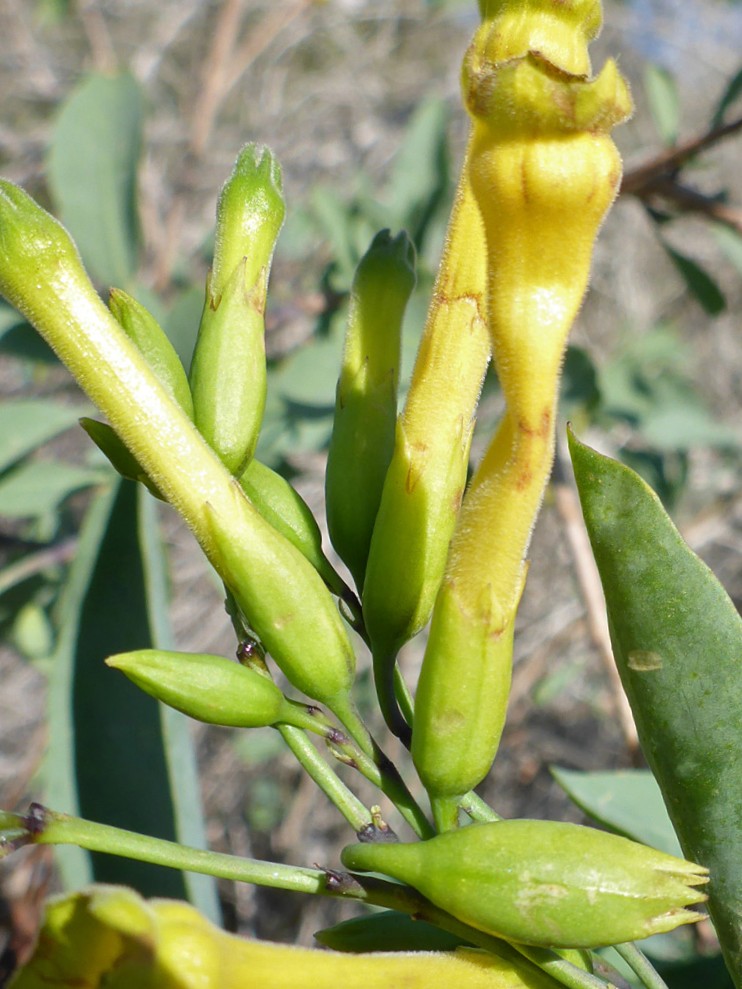
Tree Tobacco is a woody perennial shrub or small tree with smooth blue-green leaves on distinct petioles and long yellow tubular flowers. Its principal toxic alkaloid is usually anabasine. This distinction matters for plant identification, literature searching, residue interpretation, and reproductive risk, even though emergency priorities such as airway protection, seizure control, decontamination timing, and cardiovascular monitoring overlap.
Accepted Name and Botanical Identity
The accepted name is Nicotiana glauca Graham. The species was formally published in 1828 from material grown from seed sent from the Buenos Aires region. Older botanical literature may use Nicotidendron glauca, Nicotiana arborea, or Siphaulax glabra. Those names refer to Tree Tobacco rather than safer plants.
The specific epithet glauca refers to the glaucous or bluish-gray cast of the foliage. That feature is useful in the field because Tree Tobacco usually has smooth, waxy, blue-green leaves rather than the sticky, hairy leaves many people associate with cultivated tobacco or ornamental flowering tobacco.
Native and Introduced Range
Tree Tobacco is native to subtropical South America, including Bolivia, northern Argentina, Paraguay, Uruguay, southern Brazil, parts of Chile, and related southern South American regions. It has been introduced widely into Mediterranean, subtropical, semiarid, and warm-temperate regions around the world.
In the United States it is most familiar as an introduced roadside, wash, and disturbed-ground plant in California, Arizona, New Mexico, Nevada, Texas, Hawaii, and other warm states, but records occur beyond that core range. The old description limiting it to elevations below 3,000 feet and running continuously from California to North Carolina is too rigid. Its distribution is patchy, locally expanding, and tied to disturbed habitat, water movement, ornamental introduction, and local climate.
Habitat and Animal Exposure
Tree Tobacco colonizes dry riverbeds, washes, roadsides, disturbed slopes, old walls, vacant lots, construction sites, railroad corridors, riparian areas, drainage ditches, pasture edges, livestock trails, abandoned agricultural land, and shaded areas where animals gather. It can persist in dry regions because of its extensive root system and ability to establish in disturbed ground.
Livestock exposure often increases when preferred forage is sparse, drought or overgrazing reduces available pasture, animals congregate near infested waterways, or cut plants are placed within reach. Companion animals may encounter Tree Tobacco along trails, in vacant lots, around barns, beside drainage channels, in neglected landscapes, or when branches are brought home as debris. Poultry, rabbits, tortoises, and other small animals may be exposed when clippings are dumped into runs or compost areas.
How to Identify Tree Tobacco
Tree Tobacco develops as an open, rangy, heavily branched shrub or small tree, commonly 6 to 20 feet tall and capable of becoming larger in frost-free conditions. Older stems are woody and pale gray or brown, while younger growth is smooth and blue-green. The plant may develop multiple slender trunks and long, lax branches.
The leaves are smooth, thick, somewhat rubbery, and coated with a waxy bloom that gives them a glaucous blue-green appearance. Unlike many sticky tobacco species, Tree Tobacco leaves and stems are generally not densely hairy or tacky. Leaves attach to the stem by distinct stalks and are usually oval, elliptic, or lance-shaped with smooth margins and pointed tips.
The flowers occur in branching terminal clusters and consist of long, narrow, cream-yellow to bright yellow tubes with small five-lobed mouths. Flower color does not indicate safety. Flowers, supporting stems, nectar-bearing structures, and dried flowering branches should not be placed in animal areas or decorative arrangements accessible to pets. The fruit is an oval capsule containing numerous small seeds, and seed production allows the plant to spread rapidly along disturbed ground and waterways.
Poisonous Parts and Practical Exposure Material
Leaves and young stems are the major practical exposure sources, but the whole plant should be treated as poisonous. Bark, woody stems, roots, sap, flowers, green capsules, mature capsules, seeds, seedlings, fallen material, pruning debris, dried branches, and contaminated forage should all remain inaccessible. The legacy statement that seeds are toxin-free should not be relied upon.
Animals are more likely to consume seed capsules together with surrounding plant tissue than to ingest clean isolated seed. Cut branches may also be more accessible than standing shrubs because they place leaves and flowers directly at ground or feeding height. Never discard Tree Tobacco into horse paddocks, goat pens, cattle pastures, sheep lots, rabbit runs, poultry yards, tortoise enclosures, dog yards, open compost piles, or brush piles accessible to animals.
Original PAWS Lethality Comparison
The original PAWS discussion made the following blunt comparison:
Nicotine, unbeknownst to most is a super toxin in its own right, being drop for drop more lethal than strychnine or diamondback rattlesnake venom and three times deadlier than arsenic. The lethal dose (LD50-dose at which 50% of animals will die) for nicotine in dogs is reported to be around 9.2 mg/kg, whereas it would take around 20 mg/kg of Diamondback rattlesnake venom to have the same effect.
The point behind that passage is worth keeping: nicotine and related alkaloids can kill in small quantities, and “natural” does not mean mild. The comparison itself cannot function as a veterinary dose chart. LD50 figures change with test species, route of administration, formulation, venom source, endpoint, and experimental conditions. A nicotine dose swallowed by a dog cannot be compared directly with venom injected beneath tissue or with arsenic delivered by another route. Tree Tobacco also exposes animals primarily to anabasine rather than a measured dose of pure nicotine.
Full Veterinary Description of Nicotine Toxicology
The following passage from the 1994 article “Lethal Nicotine Intoxication in a Group of Mules” by Robin Sanecki, Ramesh C. Gupta, and Wade L. Kadel is preserved in full because it clearly describes the receptor stimulation, neuromuscular blockade, gastrointestinal effects, and respiratory mechanism shared broadly by nicotine and anabasine toxicosis:
”The pharmacological and toxicological effects of nicotine occur primarily in the central nervous system (CNS), cardiovascular system, skeletal muscles, and gastrointestinal tract. CNS signs depend upon the dose and vary from mild stimulatory effects, such as tremors, hyperexcitability, and auditory and visceral disturbances, to severe excitatory signs, such as marked incoordination and clonic and tonic convulsions. Nicotine transiently stimulates and then severely depresses the CNS. Cardiovascular signs, such as tachycardia and hypertension, are a result of stimulation of sympathetic ganglia and the adrenal medulla along with sympathomimetic activation of chemoreceptors of the aortic and carotid bodies. In skeletal muscles, nicotine initially stimulates nicotinic receptors of the motor end-plate and in large doses it blocks the receptors. Death is from respiratory paralysis of the diaphragm and chest muscles, resulting from descending paralysis and depolarization block of the neuromuscular junction.
“In the gastrointestinal tract, nicotine activates the smooth muscles and secretory glands, resulting in excessive salivation, increased gastric secretion, vomiting, and increased peristalsis and defecation. The respiratory response to nicotine overdose is tachypnea. The findings presented here and elsewhere indicate that diagnosis is possible by residue analysis of nicotine or its major metabolites in body fluids, tissues, or stomach contents.”
—Robin Sanecki, Ramesh C. Gupta, and Wade L. Kadel, “Lethal Nicotine Intoxication in a Group of Mules,” Journal of Veterinary Diagnostic Investigation, 6:503–504, 1994.
Why the Mule Report Still Matters Here
The mules in Sanecki, Gupta, and Kadel’s report were poisoned by nicotine from cultivated tobacco rather than anabasine from Tree Tobacco. The distinction must remain clear. The report is still relevant because it documents the same central toxicologic sequence: initial autonomic and neuromuscular stimulation, receptor blockade, weakness, and terminal respiratory paralysis.
The incident also demonstrates that livestock poisoning can occur through indirect contamination of hay rather than grazing a visible tobacco plant. Six mules died within approximately 24 hours after ordinary hay became contaminated by liquid that had dripped from previously stored tobacco plants. Nicotine was identified in stomach contents and in the hay. The lesson for Tree Tobacco is practical: Nicotiana plants, crop waste, drippings, clipping piles, and storage debris do not belong above, beside, or within reach of forage.
Direct Tree Tobacco Poisoning in Cattle
Plumlee, Holstege, Blanchard, Fiser, and Galey reported “Nicotiana glauca Toxicosis of Cattle” in the Journal of Veterinary Diagnostic Investigation in 1993. Affected cattle showed clinical signs that included ataxia, depression, colic, anorexia, serious illness, and death. The case provides exact-species veterinary documentation rather than merely borrowing nicotine data from cultivated tobacco.
This cattle report confirms that Tree Tobacco can cause acute fatal poisoning in food animals. It also supports the page’s emphasis on pasture margins, disturbed ground, drainage channels, and cut plant material because large animals may consume much greater amounts of green biomass than most companion pets.
Documented Ostrich Poisoning
Tree Tobacco poisoning has also been investigated in ostriches. Historical descriptions included staggering, spasmodic contraction of voluntary muscles, stupor, abnormal head and neck positioning, convulsions, coma-like depression, and death. In a later South African outbreak, suspicious leaves were recovered in substantial amounts from the proventricular contents of dead ostriches, and chemical testing identified anabasine, the major toxic alkaloid of the plant.
This species history matters because large birds may consume substantial plant material, cannot vomit effectively like dogs, and may progress rapidly from incoordination to recumbency and death. It also supports keeping Tree Tobacco out of poultry runs, aviaries, ratite enclosures, bird enrichment material, and compost accessible to birds.
Fatal and Near-Fatal Human Cases Confirm the Mechanism
Tree Tobacco leaves have repeatedly been mistaken for edible greens. Fatal and near-fatal human cases have followed consumption of raw or cooked leaves, proving that cooking does not reliably make the plant safe. Reported patients developed nausea, vomiting, dizziness, malaise, visual or auditory disturbance, confusion, profound muscular weakness, autonomic instability, coma, and respiratory failure. Some required intubation and mechanical ventilation but recovered completely with sustained supportive care.
Anabasine has been identified in fatal biological specimens using gas chromatography-mass spectrometry, high-performance liquid chromatography, photodiode array detection, mass spectrometry, and related analytical methods. These cases provide strong confirmation that the paralytic syndrome is not theoretical and that respiratory paralysis may be survivable when ventilation is provided before irreversible hypoxic injury.
Pregnancy, Arthrogryposis, and Cleft Palate
Anabasine is not only acutely toxic. Repeated maternal exposure can interfere with fetal neuromuscular activity during critical stages of gestation. Keeler, Balls, and Panter’s 1981 paper, “Teratogenic Effects of Nicotiana glauca and Concentration of Anabasine, the Suspect Teratogen in Plant Parts,” connected plant-part anabasine concentrations with developmental abnormalities.
Additional work produced congenital defects in calves, skeletal malformations and cleft palate in goats, toxicity and teratogenicity in sheep, embryonic death in goats, and arthrogryposis-like deformities in swine after isolated anabasine exposure. The central mechanism is prolonged reduction of fetal movement. A fetus that cannot move normally while joints, muscles, spine, skull, and palate are developing may be born with arthrogryposis, fixed flexion or extension of the limbs, scoliosis, lordosis, torticollis, deformed head position, or cleft palate.
The dam does not have to collapse from acute poisoning for fetal damage to occur. Repeated smaller exposures can therefore create a reproductive loss that is not recognized until birth. Pregnant cattle, sheep, goats, and pigs should be protected from Tree Tobacco even when the adult animals appear healthy.
Delay Before Symptoms and the Original PAWS Warning
The original warning stated:
While the prognosis with prompt treatment is considered good (i.e. the animal is witnessed eating a plant of the Nicotiana genus, stopped and treated), the sad fact is that most animals that ingest a potentially lethal dose of nicotine or anabasine will go unnoticed until clinical signs develop. Due to the poor gastric absorption rate of nicotine and anabasine from tobacco leaves, there is generally a delay of between 1 and 2 hours from the time the plant is ingested until the manifestation of clinical signs. In cases where a large amount of the plant has been ingested the time between the onset of symptoms and death can be as little as an hour. In simplest form this means that many animals are destined for a fatality by the time signs present and most will die before being seen by a veterinarian to institute treatment.
The urgency is justified, but the final conclusion is too absolute. Some severe patients have survived after respiratory failure when intubation and ventilation were provided. Clinical signs mean the treatment window is narrowing, not that death is inevitable. Onset also varies. A delay of one to two hours is common in plant cases, but symptoms can begin sooner or later depending on dose, chewing, plant part, stomach contents, and species. Any credible exposure should be addressed before symptoms appear.
Dogs and Cats
Dogs may investigate fallen leaves, branches, uprooted shrubs, garden debris, trail-side plants, wash plants, vacant lots, or clippings brought into the yard. Cats are less likely to consume a large woody shrub but may chew young leaves, seedlings, or cut material brought indoors. Bitter taste and spontaneous vomiting may limit the amount swallowed, but neither makes the exposure safe.
Anabasine may be absorbed before vomiting occurs, and a weak or tremoring animal can aspirate. A dog or cat showing tremors, incoordination, weakness, an abnormal pulse, shallow breathing, collapse, seizures, or reduced responsiveness after possible Tree Tobacco exposure requires emergency evaluation rather than home observation.
Horses and Livestock
Horses and livestock generally avoid Tree Tobacco when good forage is abundant. Drought, overgrazing, hunger, newly introduced animals, storm-damaged plants, contaminated hay, sparse browse, or landscaping debris can overcome normal avoidance. Tree Tobacco should not be allowed to grow along pasture fences, drainage channels, holding pens, corrals, hay-storage areas, livestock trails, or water points.
Cut shrubs must not be dumped where animals can browse the wilted material. Pregnant livestock require particular protection because repeated exposure can injure fetal development without causing fatal maternal illness. Group exposure should trigger removal of all animals from the plant source and preservation of forage, hay, water, and plant samples.
Birds, Rabbits, Guinea Pigs, Reptiles, and Exotics
Birds, rabbits, guinea pigs, tortoises, and reptiles should not be offered Tree Tobacco leaves, flowers, capsules, seeds, or cut branches as enrichment, browse, bedding, cage greenery, poultry greens, or tortoise forage. Species-specific safe doses are not established. Small body size can make a limited bite proportionally important, and animals that cannot vomit do not have that route of plant removal available.
Companion birds and poultry may peck at leaves, flowers, seed capsules, and compost. Rabbits and guinea pigs may stop eating after gastrointestinal or neurologic stress, creating secondary gastrointestinal stasis or hypomotility. Reptiles may show nonspecific weakness, reduced appetite, inactivity, abnormal stool, or respiratory difficulty rather than the classic mammalian sequence.
Diagnosis and Residue Analysis
Diagnosis begins with plant identification, witnessed access, missing foliage, compatible clinical signs, and the time course from stimulation to weakness. Clear photographs should show the entire shrub, smooth blue-green petioled leaves, woody branches, yellow tubular flowers, seed capsules, habitat, pasture layout, clipping pile, and any contaminated feed or water source.
Specialized laboratories can detect anabasine in plant material, stomach contents, rumen contents, crop or proventricular contents, blood, urine, feed, hay, and postmortem tissues using chromatography and mass spectrometry. Residue testing is particularly valuable in livestock outbreaks, human fatalities, bird deaths, and cases where Tree Tobacco must be distinguished from ordinary nicotine exposure. Treatment should not wait for laboratory confirmation because respiratory function can deteriorate long before analytical results become available.
Important Differential Diagnoses
Nicotine products, cultivated tobacco, ornamental Nicotiana, organophosphate or carbamate pesticides, neonicotinoid insecticides, poison hemlock, lupines, metaldehyde, strychnine, tremorgenic mycotoxins, caffeine, amphetamines, and certain mushrooms can produce overlapping salivation, tremors, seizures, weakness, paralysis, or collapse. Botulism, tick paralysis, snake envenomation, hypoglycemia, severe electrolyte disturbance, heat illness, spinal injury, primary neurologic disease, and primary cardiac disease can resemble the later paralytic phase.
Finding Tree Tobacco on the property does not prove that it caused every clinical sign. Agricultural chemicals, mixed clipping piles, contaminated feed, nicotine products, other poisonous plants, and unrelated disease must still be investigated. The most dangerous mistake is to identify one plant and then stop looking while the patient deteriorates.
Historical Treatment Recommendations and Modern Correction
Older toxicology instructions recommended emesis, gastric lavage, activated charcoal, repeated vomiting after charcoal, tannic acid, dilute potassium permanganate lavage, atropine, phentolamine, propranolol, diazepam, vasopressors, warmth, and artificial respiration. Some principles remain valid in professional care: early decontamination may reduce absorption, seizures may require medication, shock may require circulatory support, and assisted ventilation can save a patient whose respiratory muscles are paralyzed.
Other elements are outdated, overly broad, or dangerous outside a controlled veterinary setting. Reinducing vomiting after charcoal greatly increases aspiration risk. Tannic acid and potassium permanganate are not appropriate owner treatments. Atropine does not reverse nicotinic neuromuscular blockade. Cardiac medications must be selected according to the patient’s actual heart rate, rhythm, blood pressure, oxygenation, and phase of poisoning.
Prognosis and Prevention
No specific antidote reverses the entire anabasine syndrome. The prognosis depends heavily on dose, speed of recognition, aspiration, cardiovascular stability, seizure control, and whether ventilation is maintained during the paralytic phase. Patients supported before prolonged hypoxia, refractory shock, aspiration pneumonia, or cardiac arrest can recover completely as the alkaloid is metabolized and receptor function returns. Survival for four hours is encouraging but is not a guarantee.
Remove Tree Tobacco from animal areas and dispose of it where livestock, pets, poultry, and wildlife cannot reach it. Do not burn, chip, shred, compost, or leave it where animals can encounter the waste. Control seedlings and mature shrubs along fences, washes, water points, corrals, trails, pasture margins, barns, hay-storage areas, and pet-accessible landscapes. Prevention requires controlling both the living shrub and every cutting produced during removal.
Immediate Steps After Exposure
Stop further ingestion immediately. Move the animal away from the shrub, fallen branches, leaves, flowers, seed capsules, roots, seedlings, pruning debris, contaminated hay, water, bedding, compost, or mixed plant waste. Keep the animal quiet and minimize unnecessary handling. Excitement, chasing, crowding, or forced walking increases oxygen demand and may worsen tremors, overheating, cardiovascular instability, collapse risk, or respiratory fatigue.
- Contact professional help at once: Call a veterinarian, emergency veterinary hospital, or animal poison-control service while arranging transport. Do not wait for vomiting, tremors, weakness, or breathing changes.
- Preserve plant evidence: Photograph the entire shrub, smooth blue-green petioled leaves, yellow tubular flowers, woody stems, fruit capsules, habitat, pasture layout, and the portion eaten. Transport a secured sample that cannot expose another animal.
- Remove contaminated feed from every animal: When hay, pasture clippings, bedding, water, compost, or mixed plant waste may be involved, isolate the entire batch and retain representative samples for examination.
- Record pregnancy and group exposure: Note whether any exposed cattle, sheep, goats, pigs, horses, or camelids are pregnant and whether several animals shared access.
- Remove loose mouth material only when safe: Clear visible leaves or stems from the lips and front of the mouth only if the animal is alert, breathing normally, swallowing normally, and can be handled without being bitten.
- Prevent grooming after sap or leaf contact: Wear gloves and wash visible plant residue from the coat, paws, feathers, or skin with lukewarm water and a mild cleanser when this can be done without delaying emergency transport.
Do Not Attempt Unsupervised Home Treatment
- Do not induce vomiting: Hydrogen peroxide, salt, mustard, syrup of ipecac, dish soap, detergent, and manual gagging can cause injury or aspiration. Tremors, weakness, depression, seizures, or paralysis can make aspiration of vomit fatal.
- Do not administer activated charcoal yourself: Charcoal may be useful in selected patients, but it can enter the lungs when an animal is vomiting, trembling, weak, sedated, seizing, or swallowing abnormally.
- Do not repeat vomiting after charcoal: Reinducing emesis after charcoal is dangerous and can cause severe aspiration injury.
- Do not give antacids or alkaline mixtures: Changing stomach pH may alter alkaloid absorption and is not safe owner treatment.
- Do not give tannic acid or potassium permanganate: These older lavage recommendations are not appropriate owner treatments and can cause chemical injury if misused.
- Do not give milk, oil, food, alcohol, supplements, or forced water: These substances do not neutralize anabasine and may provoke vomiting or enter the lungs.
- Do not administer atropine, phentolamine, propranolol, heart medication, sedatives, anticonvulsants, vasopressors, corticosteroids, antihistamines, or leftover veterinary medication: Tree Tobacco can produce opposite cardiovascular states at different stages, and the wrong medication may worsen the patient.
- Do not drench horses or livestock: Forced oral liquids can be aspirated by an animal that is salivating, trembling, weak, recumbent, regurgitating, or unable to swallow normally.
The most important home action is not a home antidote. It is rapid source removal, preservation of evidence, quiet handling, and immediate veterinary contact before the patient loses airway control or respiratory muscle strength.
When Emergency Examination Is Especially Important
- The amount is unknown: Missing branches, large bite marks, livestock access, disturbed plant waste, or damaged hay makes the exposure impossible to dismiss safely.
- Vomiting or diarrhea begins: Gastrointestinal signs may be the first evidence that significant alkaloid absorption is underway.
- Tremors or hyperexcitability develop: Muscle fasciculations, pacing, abnormal sensitivity to sound, sweating, or seizures may precede paralysis.
- Weakness or incoordination appears: Staggering, inability to stand, dropping the head, recumbency, or reduced responsiveness suggests receptor blockade.
- The pulse or heart rate is abnormal: A very fast, slow, weak, or irregular pulse can reflect dangerous autonomic or cardiac involvement.
- Breathing becomes abnormal: Rapid breathing may occur early, while shallow respirations, weak chest movement, gasping, blue-gray gums, or respiratory silence can indicate paralysis.
- The exposed animal is pregnant: Repeated Tree Tobacco exposure can threaten fetal development even when the dam appears stable.
- Several animals share the exposure: Group illness or sudden deaths require immediate removal of suspect forage and investigation for Tree Tobacco, cultivated tobacco, pesticides, or another shared toxicant.
Veterinary Stabilization Comes Before Decontamination
The veterinarian will first assess consciousness, swallowing, airway protection, respiratory effort, oxygenation, muscle strength, heart rate and rhythm, blood pressure, temperature, hydration, seizure activity, and the likelihood that plant material remains in the stomach or forestomach. Airway and breathing support take priority over decontamination once signs are present.
Veterinary induction of vomiting may be considered when ingestion was recent and the patient remains alert, asymptomatic, coordinated, cardiovascularly stable, and able to protect its airway. Once salivation, repeated vomiting, tremors, weakness, incoordination, depression, seizures, or breathing abnormalities develop, emesis may be more dangerous than beneficial. Cats, horses, rabbits, guinea pigs, many birds, and reptiles are not candidates for household vomiting attempts.
Activated charcoal may be used in selected cases to reduce additional gastrointestinal absorption. Gastric lavage is reserved for exceptional exposures and requires anesthesia, endotracheal intubation, and airway protection. Charcoal should not be followed by reinduced vomiting. In large animals, any stomach tube, lavage, oral adsorbent, or drench decision must account for swallowing ability, regurgitation, bloat, recumbency, and aspiration risk.
Respiratory Support and Assisted Ventilation
Respiratory support is the central treatment in severe poisoning. Oxygen, suctioning, endotracheal intubation, manual ventilation, or mechanical ventilation may be required until anabasine concentrations fall and neuromuscular transmission recovers. The patient may remain otherwise recoverable while being unable to move enough air because the diaphragm and intercostal muscles are blocked.
Respiratory paralysis is not automatically irreversible when oxygenation and ventilation can be maintained. This is the most important reason to treat Tree Tobacco as a true emergency before collapse. Delayed presentation after prolonged apnea, severe aspiration, pulmonary edema, or cardiac arrest sharply worsens the prognosis.
Neurologic, Cardiovascular, and Temperature Support
Tremors, severe agitation, and seizures are treated with veterinarian-selected medication while oxygenation, body temperature, blood glucose, electrolytes, and acid-base status are monitored. Repeated muscle activity can cause hyperthermia, exhaustion, acidosis, and worsening oxygen demand. Later paralysis and shock can be associated with hypothermia, weak perfusion, and respiratory failure.
Intravenous fluids support circulation and correct dehydration, but the type and rate depend on blood pressure, pulse quality, rhythm, hydration, urine production, pulmonary status, and species. Continuous electrocardiography and repeated blood-pressure measurement may be required because anabasine can produce tachycardia, bradycardia, hypertension, hypotension, and dysrhythmias at different stages. Atropine may be used for selected clinically important bradycardia or excessive secretions, but it is not a complete antidote and does not reverse paralysis of the diaphragm.
Dogs and Cats
Dogs and cats should be transported quietly and monitored for drooling, repeated vomiting, agitation, tremors, weakness, dilated pupils, abnormal pulse, shallow breathing, collapse, seizures, and reduced responsiveness. A pet that vomits plant material may still have absorbed anabasine, and a tremoring or weak animal can aspirate vomit. Do not assume bitter taste or spontaneous vomiting protected the animal.
If the exposure involved a trail, vacant lot, compost pile, garden waste, or mixed clipping pile, the veterinarian should be told about every possible plant and chemical in the area. Tree Tobacco may not be the only hazard. Pesticides, nicotine products, poison hemlock, lupines, mushrooms, rodenticides, slug bait, fertilizer, and foreign material may change treatment priorities.
Horses and Livestock
Horses, mules, and donkeys should be kept quiet and should not be forced to walk when weak, ataxic, tremoring, colicky, or suspected of cardiovascular instability. Salivation, sweating, tremors, colic, abnormal pulse, weakness, stumbling, shallow breathing, or recumbency after Nicotiana access warrants immediate large-animal veterinary care. Transport should be planned with a veterinarian when the animal is weak or poorly coordinated.
Cattle, sheep, goats, alpacas, llamas, pigs, and other livestock should be removed from all remaining Tree Tobacco, cultivated tobacco, contaminated hay, water, bedding, clippings, and mixed debris. Do not drench affected livestock. Oral fluids, oil, charcoal, milk, or medication can be aspirated when swallowing is impaired or the animal is regurgitating. Preserve hay, feed, rumen contents, water, plant fragments, and product labels for diagnostic testing.
Pregnant Livestock
Pregnant cattle, sheep, goats, and pigs require special management after meaningful Tree Tobacco exposure. Remove exposure immediately even if the dam appears clinically normal. Record gestational stage, plant-access dates, estimated amount, and whether repeated browsing occurred. Timing materially affects the type and severity of congenital deformity.
Veterinary follow-up may include pregnancy evaluation, ultrasound when practical, neonatal planning, and careful inspection of newborns. Limb contractures, spinal curvature, torticollis, cleft palate, weak nursing, inability to stand, and deformed head or neck position may reflect prenatal alkaloid exposure. Acute maternal survival does not guarantee fetal safety.
Birds, Rabbits, Guinea Pigs, Reptiles, and Small Pets
Birds with poor balance, abnormal neck posture, muscle spasms, tremors, open-mouth breathing, inability to perch, stupor, convulsions, or collapse need avian emergency care. Minimize handling because struggling increases respiratory demand in a weak bird. Do not force food or water.
Rabbits and guinea pigs cannot vomit, so absence of vomiting does not indicate safety. Food refusal, drooling, diarrhea, reduced fecal production, weakness, tremors, or abnormal breathing requires prompt species-specific care. Reptiles and tortoises should be kept warm within their normal husbandry range and transported for exotic-animal veterinary care if weakness, abnormal breathing, reduced responsiveness, or ingestion is suspected.
Monitoring and Recovery
Monitoring should continue until breathing depth, chest movement, oxygenation, muscle strength, coordination, heart rate, rhythm, blood pressure, temperature, mentation, hydration, and swallowing remain stable without escalating support. Vomiting and seizures should be controlled, and aspiration should not be developing. Improvement must persist after oxygen, ventilation, cardiovascular drugs, and warming or cooling are reduced.
Survival through an arbitrary four-hour period is not an adequate discharge criterion. A stimulated patient can progress into a quiet paralytic phase, and a ventilated patient may need time for neuromuscular transmission to recover. Discharge should depend on sustained cardiopulmonary and neurologic stability, normal swallowing, coordinated movement, adequate hydration, and absence of recurring signs.
Prevention After the Incident
Remove Tree Tobacco from animal areas. Control seedlings and mature shrubs along fences, washes, trails, water points, corrals, pasture margins, barns, hay-storage areas, drainage channels, and pet-accessible landscapes. Place leaves, fruit capsules, seeds, roots, bark, and branches directly into a closed animal-inaccessible disposal container.
Never dry, cure, store, chip, shred, compost, burn, or process Tree Tobacco where animals can contact the plant material, smoke residue, ash, drippings, dust, or waste. Keep all Nicotiana plants and nicotine products away from hay, grain, bedding, water troughs, animal housing, feed storage, poultry runs, rabbit areas, tortoise enclosures, aviaries, and dog yards.
Frequently Asked Questions About Tree Tobacco and Animal Poisoning
Is Tree Tobacco poisonous to dogs?
Yes. Tree Tobacco contains anabasine, smaller and variable amounts of nicotine, and related alkaloids that can cause drooling, vomiting, diarrhea, agitation, tremors, rapid heartbeat, loss of coordination, weakness, paralysis, seizures, respiratory arrest, and death. A dog that chews even a limited amount should be discussed with a veterinarian or animal poison-control service immediately because deterioration can be rapid after signs begin.
Is Tree Tobacco poisonous to cats?
Yes. Cats may develop drooling, vomiting, dilated pupils, restlessness, tremors, weakness, abnormal breathing, collapse, or paralysis. Cats should never be given hydrogen peroxide or home vomiting treatment. Any known ingestion should be handled as a veterinary emergency rather than watched casually at home.
Is Tree Tobacco poisonous to horses and mules?
Yes. Horses and mules may develop salivation, colic, sweating, agitation, tremors, ataxia, weakness, recumbency, shallow breathing, paralysis, and sudden death after Nicotiana exposure or contaminated forage. A published mule outbreak involved cultivated tobacco rather than Tree Tobacco, but it demonstrates the same nicotinic receptor sequence and the danger of tobacco-contaminated hay.
Is Tree Tobacco poisonous to cattle?
Yes. A published cattle investigation confirmed exact-species Nicotiana glauca toxicosis. Affected cattle developed ataxia, depression, colic, anorexia, serious illness, and death. Cattle exposure is most likely when animals browse disturbed areas, pasture margins, washes, or discarded shrubs during forage shortage or after clippings are dumped near them.
Is Tree Tobacco poisonous to sheep and goats?
Yes. Sheep and goats can develop acute nicotinic neuromuscular poisoning after browsing Tree Tobacco, and pregnant animals may deliver offspring with cleft palate, twisted limbs, spinal curvature, torticollis, or other congenital contractures after maternal exposure. Goats and sheep should not be used to clear Tree Tobacco brush.
Is Tree Tobacco poisonous to pigs?
Yes. Pigs may develop acute nicotinic poisoning after eating plant material, and exposure of pregnant sows to anabasine or Tree Tobacco can produce severe congenital limb and skeletal deformities in piglets. Rooting through compost, clipping piles, or discarded shrubs is not safe enrichment.
Is Tree Tobacco poisonous to birds?
Yes. Fatal anabasine poisoning has been documented in ostriches, with anabasine identified in suspicious leaf material recovered from the digestive tract. Birds may show poor balance, abnormal neck posture, muscle spasms, tremors, stupor, convulsions, breathing difficulty, coma, and death. Tree Tobacco should not be placed in aviaries, poultry runs, or bird enrichment material.
Is Tree Tobacco poisonous to rabbits and guinea pigs?
Yes. Rabbits and guinea pigs may develop drooling, appetite loss, diarrhea, reduced fecal output, tremors, weakness, abnormal breathing, recumbency, or death. These species cannot vomit, so absence of vomiting does not indicate a mild exposure. Green Nicotiana material should never be used as forage or bedding.
What toxin is in Tree Tobacco?
Anabasine is normally the principal toxic alkaloid in Nicotiana glauca. The plant may also contain smaller amounts of nicotine, nornicotine, anatabine, and related tobacco alkaloids. Anabasine activates nicotinic acetylcholine receptors and then produces receptor blockade, explaining the progression from stimulation and tremors to weakness, paralysis, and respiratory failure.
Is anabasine the same as nicotine?
No. They are related alkaloids with overlapping pharmacological effects, but their structures and receptor actions are not identical. Nicotine contains pyridine and pyrrolidine portions, while anabasine contains pyridine and piperidine portions. Both can cause fatal nicotinic neuromuscular poisoning, but Tree Tobacco should not be described as simply ordinary nicotine-dominant tobacco.
Which parts of Tree Tobacco are poisonous?
Leaves and young stems create major exposure risks, but bark, woody stems, roots, sap, flowers, green capsules, mature capsules, seeds, seedlings, fallen material, dried branches, pruning debris, and contaminated forage should all be treated as poisonous. Seeds may contain less alkaloid than actively growing tissue in some analyses, but they have not been established as safe animal feed.
How can Tree Tobacco be identified?
Tree Tobacco is a tall open shrub or small tree with smooth blue-green or gray-green waxy leaves attached by distinct stalks. It produces terminal clusters of long, narrow, yellow to greenish-yellow tubular flowers and oval seed capsules. The plant is woody and generally lacks the sticky hairs commonly seen on cultivated tobacco.
Is Tree Tobacco the same as cultivated Tobacco?
No. Tree Tobacco is Nicotiana glauca, a woody shrub or small tree whose principal toxin is usually anabasine. Cultivated Tobacco is Nicotiana tabacum, an agricultural plant whose alkaloid profile is dominated by nicotine. Both can cause nicotinic stimulation, weakness, paralysis, respiratory failure, and death, but their identification, alkaloid profile, exposure setting, and reproductive evidence differ.
Is Mustard Tree the same as Tree Tobacco?
Sometimes. Mustard Tree is one common name for Nicotiana glauca, but the same common name is also used for unrelated plants such as Salvadora persica. Identification should rely on the smooth blue-green leaves, long yellow tubular flowers, woody growth habit, habitat, and scientific name rather than the common name alone.
Is ornamental Flowering Tobacco poisonous to pets?
Potentially, yes. Ornamental Nicotiana species and hybrids may contain nicotine, anabasine, nornicotine, anatabine, or related alkaloids. They are not automatically the same as Tree Tobacco, but they should not be treated as pet-safe. The exact scientific name and the plant part eaten should be preserved for veterinary assessment.
How quickly do signs begin?
Signs may begin within minutes but are often delayed approximately one to two hours after whole leaves are consumed. The delay depends on amount, chewing, plant part, stomach contents, species, and whether the material was crushed, fresh, dried, or concentrated. A symptom-free period does not establish safety after a credible exposure.
Why does the animal become excited and then weak?
Anabasine initially stimulates nicotinic receptors, causing salivation, gastrointestinal activity, tremors, rapid breathing, rapid heart rate, sweating, and hypertension. Continued activation desensitizes and blocks those receptors, causing depression, bradycardia, hypotension, muscular weakness, paralysis, and respiratory arrest. The change from agitation to quiet weakness is progression, not recovery.
Why is respiratory paralysis the major cause of death?
Nicotinic blockade prevents motor nerves from activating the diaphragm and chest-wall muscles. The lungs may initially remain capable of exchanging gases, but the animal cannot move enough air. Intubation and mechanical ventilation may keep the patient alive until receptor function returns, which is why rapid emergency care matters.
Can an animal remain conscious while becoming unable to breathe?
It is possible for neuromuscular weakness to advance before complete loss of awareness. An animal may become too weak to stand, lift the head, swallow, or breathe effectively while still showing some responsiveness. Shallow breathing, weak chest movement, gasping, blue-gray gums, or progressive paralysis requires immediate ventilation support.
Can Tree Tobacco kill a dog or cat?
Yes. Fatality is possible after a sufficiently large exposure, particularly when respiratory paralysis, aspiration, seizures, severe arrhythmia, shock, or cardiac arrest develops. Smaller exposures may cause vomiting and tremors without death, but there is no dependable leaf count that separates safe from lethal for every pet.
How much Tree Tobacco is toxic?
No validated number of leaves, flowers, capsules, seeds, or grams applies to every animal. Alkaloid concentration varies by plant organ, geography, growth stage, season, stress, moisture, and analytical method. Body size, species, pregnancy, stomach contents, vomiting ability, and time to care also affect outcome.
What happens if a dog eats one Tree Tobacco leaf?
One leaf may still cause drooling, vomiting, agitation, tremors, weakness, or incoordination, particularly in a small dog or when the leaf contains a high alkaloid concentration. Contact a veterinarian or animal poison-control service immediately. Do not wait to see whether the dog vomits or becomes weak.
Will vomiting protect a dog from fatal poisoning?
Not reliably. Vomiting may remove some plant material, but alkaloid may already have been absorbed. A dog can progress from vomiting to tremors, weakness, respiratory depression, and collapse. Vomiting also becomes dangerous when the animal is weak, tremoring, seizing, or unable to protect the airway.
Can cooking make Tree Tobacco leaves safe?
No. Serious and fatal human poisonings have followed consumption of cooked leaves mistaken for edible greens. Cooking does not reliably destroy or remove enough anabasine to make the plant safe. Tree Tobacco should never be used as human food, livestock feed, pet forage, tea, poultice, or home remedy.
Can Tree Tobacco cause birth defects in calves?
Yes. Maternal exposure during susceptible stages of pregnancy can produce arthrogryposis, twisted or fixed limbs, torticollis, spinal curvature, abnormal head position, and cleft palate in calves. The cow may show limited acute illness or may appear to recover while fetal damage has already occurred.
Can Tree Tobacco cause birth defects in lambs and kids?
Yes. Sheep and goats exposed during pregnancy may deliver offspring with cleft palate and multiple congenital contractures caused by reduced fetal movement. Timing, dose, duration, species, and individual susceptibility all influence outcome. Pregnant ewes and does should not be allowed repeated access even if they look clinically normal.
Can pregnant pigs be affected by Tree Tobacco?
Yes. Anabasine isolated from Nicotiana glauca has produced arthrogryposis-like congenital defects in swine. Pregnant sows should not be exposed to Tree Tobacco, tobacco waste, mixed Nicotiana plants, or clippings because reproductive injury may not be obvious until piglets are born.
Can fetal injury occur if the mother looks normal?
Yes. Teratogenic exposure may reduce fetal movement without producing obvious acute poisoning in the dam. A pregnant animal’s normal appearance does not prove that the fetus was unaffected. Gestational timing, repeated access, and plant identity should be recorded and discussed with a veterinarian.
Should I make my dog vomit after eating Tree Tobacco?
Do not induce vomiting at home. The animal can rapidly develop tremors, seizures, weakness, or loss of airway control. Hydrogen peroxide, salt, mustard, ipecac, dish soap, and manual gagging can cause injury or aspiration. A veterinarian may consider controlled emesis only in an appropriate alert, coordinated, asymptomatic patient.
Does activated charcoal help after Tree Tobacco ingestion?
Veterinary activated charcoal may reduce absorption after a recent exposure, but it is not an antidote and does not reverse alkaloid already acting at nicotinic receptors. It should never be forced into a vomiting, trembling, weak, seizing, recumbent, regurgitating, or poorly swallowing animal. Airway stabilization takes priority.
Does atropine cure Tree Tobacco poisoning?
No. Atropine may be useful for selected problems such as clinically important bradycardia or excessive secretions, but it does not reverse nicotinic neuromuscular blockade or respiratory paralysis. The patient may still need oxygen, intubation, assisted ventilation, seizure control, fluids, and cardiovascular monitoring.
Should potassium permanganate or tannic acid be used?
No. Potassium-permanganate lavage and tannic acid are historical toxicology recommendations and are not appropriate owner first aid. Incorrect preparation or administration can cause chemical injury and delay the treatments that matter most: airway protection, breathing support, decontamination when safe, seizure control, and circulatory stabilization.
How do veterinarians treat Tree Tobacco poisoning?
Treatment begins with airway, breathing, circulation, neurologic status, heart rhythm, blood pressure, temperature, and swallowing assessment. Depending on timing and symptoms, veterinarians may consider controlled emesis, activated charcoal, gastric lavage with airway protection, oxygen, intubation, mechanical ventilation, fluids, seizure medication, tremor control, blood-pressure support, ECG monitoring, and treatment for aspiration or shock. There is no single anabasine antidote.
How is Tree Tobacco poisoning diagnosed?
Diagnosis uses plant identification, evidence of access, the stimulation-to-depression clinical sequence, neuromuscular weakness, respiratory compromise, and testing when available. Specialized laboratories can detect anabasine or nicotine in plant material, urine, blood, tissues, ingesta, stomach or rumen contents, forage, hay, or leaf remnants, but treatment should not wait for laboratory confirmation.
What differentials matter most?
Important differentials include cultivated tobacco, nicotine products, ornamental Nicotiana, organophosphate or carbamate pesticides, neonicotinoid insecticides, poison hemlock, lupines, metaldehyde, strychnine, tremorgenic mycotoxins, caffeine, amphetamines, certain mushrooms, botulism, tick paralysis, snake envenomation, hypoglycemia, electrolyte disturbance, heat illness, spinal injury, and primary neurologic or cardiac disease.
What is the prognosis after Tree Tobacco ingestion?
The prognosis can be favorable when exposure is recognized early and breathing and circulation are supported before prolonged hypoxia, severe aspiration, refractory shock, recurrent seizures, or cardiac arrest occurs. Profound weakness can be reversible when mechanical ventilation is available. Survival for four hours is encouraging but does not guarantee recovery; discharge should depend on sustained breathing, cardiovascular stability, coordination, mentation, swallowing, and absence of recurring signs.
How can Tree Tobacco poisoning be prevented?
Remove Tree Tobacco from animal areas, control seedlings, and inspect fences, washes, trails, corrals, pasture margins, water points, barns, and hay-storage areas. Place cut plants directly into closed animal-inaccessible disposal. Never dump Tree Tobacco clippings, roots, seed capsules, branches, dried plants, or mixed brush where pets, livestock, poultry, rabbits, tortoises, or wildlife can reach them.