Kiss-Me-Quick Toxicity and Brunfelsia Convulsant Neurotoxicosis
Is Kiss-Me-Quick Poisonous to Dogs, Cats, Horses, and Livestock?
Yes—Kiss-Me-Quick and other genuine Brunfelsia species should be treated as highly poisonous to dogs, cats, horses, livestock, and other animals that eat them. The best-characterized toxic compound is brunfelsamidine, a powerful convulsant isolated from Brunfelsia grandiflora. Other active constituents, including hopeanine, scopoletin, alkaloid fractions, coumarins, beta-carboline-related compounds, and additional incompletely characterized substances, may contribute to the complete syndrome.
Poisoning commonly begins with drooling, nausea, retching, gagging, coughing, vomiting, diarrhea, anxiety, restlessness, or abnormal behavior. It may progress rapidly to hypersensitivity, facial twitching, dilated pupils, abnormal eye movement, severe disorientation, poor coordination, muscular tremors, rigid extension of the limbs, opisthotonus, generalized seizures, dangerous overheating, respiratory failure, cardiac dysrhythmia, collapse, cardiac arrest, and death.
Every accessible part should be treated as poisonous, including roots, bark, woody stems, twigs, leaves, flowers, fruit, seed-bearing capsules, seeds, sap, cuttings, dried material, fallen debris, and medicinal preparations. Fruit and seeds present the greatest documented practical hazard to dogs because a fallen fruit can contain numerous concentrated seeds and may be swallowed before illness becomes visible.
About this guide: This page provides general pet-poisoning information and cannot diagnose or treat an individual animal. For any suspected exposure, contact a veterinarian or animal poison-control service immediately. Do not induce vomiting, give medication, or attempt home decontamination unless directed by a veterinary professional.
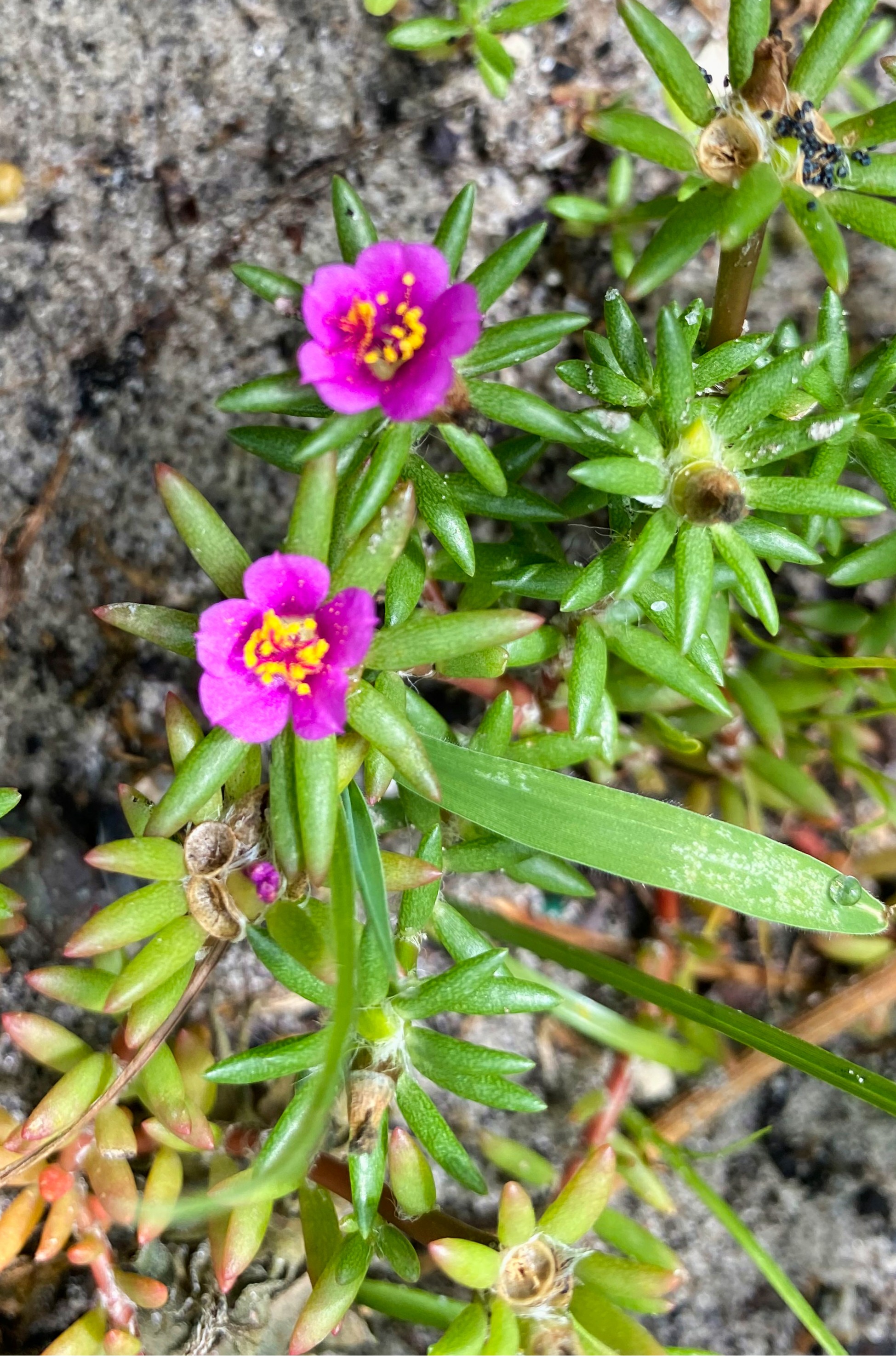
Kiss-me-quick
Brunfelsia Plum. ex L. spp.
This is a genus-level poisoning page. Important accepted species and historical names include:
- Brunfelsia pauciflora (Cham. & Schltdl.) Benth. — a principal Yesterday-Today-and-Tomorrow and Kiss-Me-Quick species
- Brunfelsia calycina Benth. — currently treated as a synonym of Brunfelsia pauciflora
- Brunfelsia calycina var. floribunda L.H.Bailey & Raffill — currently treated within Brunfelsia pauciflora
- Franciscea pauciflora Cham. & Schltdl. — basionym of Brunfelsia pauciflora
- Brunfelsia australis Benth. — Paraguay Jasmine and a color-changing Yesterday-Today-and-Tomorrow species
- Brunfelsia bonodora (Vell.) J.F.Macbr. — an accepted species used in older Australian canine-poisoning literature
- Brunfelsia grandiflora D.Don — Chiric Sanango or large-flowered Brunfelsia; the species from which brunfelsamidine was isolated
- Brunfelsia latifolia (Pohl) Benth. — an accepted eastern Brazilian species also associated with the Kiss-Me-Quick name
- Brunfelsia americana L. — American Brunfelsia or Lady-of-the-Night
- Brunfelsia uniflora (Pohl) D.Don — Manacá; a documented livestock poison
Important taxonomic cautions:
- The historical spelling Brunfelsia calcyina appears in the title of the 1990 veterinary toxicology paper. The botanical name is normally spelled Brunfelsia calycina.
- Brunfelsia calycina var. floribunda is now included within Brunfelsia pauciflora.
- Current botanical treatment recognizes Brunfelsia australis and Brunfelsia bonodora as separate accepted species. Older veterinary literature sometimes used the names differently or treated one as a former name of the other.
- The abbreviation “spp.” indicates multiple species. It does not establish that every species contains an identical concentration or mixture of toxic compounds.
Solanaceae — Nightshade Family
Kiss-Me-Quick; Kiss Me Quick; Brunfelsia; Yesterday-Today-and-Tomorrow; Yesterday, Today and Tomorrow; Yesterday Today Tomorrow; Morning-Noon-and-Night; Morning, Noon and Night; Morning Noon and Night; Brazil Raintree; Brazilian Raintree; Franciscan Raintree; Paraguay Jasmine; Lady-of-the-Night; Lady of the Night; American Brunfelsia; Manacá; Manaca; Chiric Sanango; Chiricaspi; Brunfelsia spp.
Kiss-Me-Quick, Yesterday-Today-and-Tomorrow, and Morning-Noon-and-Night may refer to Brunfelsia pauciflora, Brunfelsia australis, Brunfelsia latifolia, Brunfelsia grandiflora, related cultivated selections, or plants sold under outdated names.
Brunfelsia calycina and Brunfelsia calycina var. floribunda are historical names now associated with Brunfelsia pauciflora. The misspelling Brunfelsia calcyina appears in the title of a widely cited 1990 veterinary toxicology paper.
Paraguay Jasmine commonly refers to Brunfelsia australis. The plant is not a true jasmine in the genus Jasminum.
Lady-of-the-Night commonly refers to Brunfelsia americana, a Caribbean species whose pale flowers release a powerful fragrance during the evening and night. The same common name is also applied to unrelated night-fragrant plants.
Manacá is commonly associated with Brunfelsia uniflora and related Brazilian species. Chiric Sanango and Chiricaspi are associated principally with Amazonian Brunfelsia grandiflora and related traditional medicinal plants.
Common names are not dependable enough to establish the species, poisonous plant part, expected severity, or treatment. Every genuine Brunfelsia should remain inaccessible to animals.
Brunfelsamidine and the Convulsant Syndrome
Brunfelsamidine is the best-characterized Brunfelsia convulsant. It was isolated from root bark of Brunfelsia grandiflora collected in Peru and identified chemically as pyrrole-3-carboxamidine. The compound has also been described as pyrrole-3-carboximidamide or pyrrol-3-ylidenemethanediamine in different chemical and veterinary sources.
Experimental work identified brunfelsamidine as a powerful convulsant capable of causing excitement, muscular rigidity, tonic-clonic seizures, and death. Its simple amidine-containing structure differs from the atropine, hyoscyamine, and scopolamine tropane alkaloids associated with Jimsonweed and Angel’s Trumpet.
Brunfelsamidine is a leading explanation for the severe canine neurotoxicosis, but it has not been isolated, quantified, and correlated with clinical severity in every accepted Brunfelsia species. It should not be described as though one measured brunfelsamidine dose explains every episode of vomiting, diarrhea, paralysis, respiratory failure, and cardiac dysrhythmia.
The Strychnine-Like Comparison and Its Limits
Severe Brunfelsia poisoning resembles strychnine poisoning clinically. Affected animals can become hypersensitive to sound, light, touch, handling, and sudden movement. Minor stimulation may trigger whole-body muscular contraction, a rigid sawhorse-like stance, extensor rigidity, opisthotonus, paddling, and generalized seizures.
The resemblance suggests failure of normal inhibitory control over spinal and motor activity. It does not establish that brunfelsamidine binds to the same glycine receptor site as strychnine or that the complete Brunfelsia mixture acts through one identical molecular pathway.
Direct receptor-level evidence remains limited. Treatment must therefore control the actual tremor, seizure, respiratory, temperature, cardiovascular, and metabolic abnormalities rather than depend on an assumed single-receptor antidote.
Hopeanine and Depressant or Paralytic Effects
Hopeanine has been described in older pharmacologic work involving plants historically identified as Brunfelsia hopeana. It has been associated with decreased activity, depression, hypersensitivity, weakness, paralysis, and seizures.
The direct evidence for hopeanine is less accessible and less complete than the published structural identification of brunfelsamidine. Its exact structure, distribution across currently accepted Brunfelsia species, concentration in ornamental fruit, and contribution to naturally poisoned dogs remain incompletely established.
The proposed coexistence of convulsant and depressant principles is nevertheless clinically plausible. A poisoned animal may progress from anxiety, hypersensitivity, and seizures to weakness, stupor, paralysis, hypoventilation, coma, or respiratory arrest.
Scopoletin, Scopolin, and Other Coumarins
Scopoletin is 6-methoxy-7-hydroxycoumarin and has been isolated from Brunfelsia species. Scopolin is a glycosylated derivative. These compounds have smooth-muscle, vascular, anti-inflammatory, and other pharmacologic activities.
Scopoletin has been associated experimentally with smooth-muscle relaxation and hypotension. It may contribute to gastrointestinal, vascular, or autonomic abnormalities, but it does not explain the complete stimulus-sensitive convulsant syndrome by itself.
A whole plant can contain several compounds whose actions overlap or oppose one another. A convulsant, a depressant, and a vasodilating compound may all influence the same patient at different stages of absorption and elimination.
Manacine, Manaceine, Mandragorine, and Beta-Carboline-Related Compounds
Older Brunfelsia research described alkaloidal fractions called manacine and manaceine. Mandragorine and beta-carboline-related compounds have also been reported from certain species, roots, bark preparations, or ethnomedicinal extracts.
Names such as harmine, harmaline, tetrahydroharmine, and dimethyltryptamine-related compounds appear in ethnobotanical and chemical discussions of selected Brunfelsia plants. Their presence, abundance, and clinical importance are not uniform across the genus.
Chemical detection in one root or bark extract does not prove that the same compound is the principal toxin in the fallen fruit of a cultivated Yesterday-Today-and-Tomorrow shrub. These constituents provide evidence of broad pharmacologic complexity rather than a simple three-toxin formula.
Phenolics, Aromatic Compounds, Terpenoids, and Salicylate Esters
Modern investigations of Brunfelsia grandiflora have identified numerous phenolic compounds with antioxidant activity in laboratory systems. Flower-scent studies of Brunfelsia species have also identified volatile aromatic compounds, including methyl salicylate, methyl benzoate, terpenoids, ionones, alcohols, aldehydes, and related substances.
These chemicals contribute to fragrance, plant defense, traditional medicinal activity, and laboratory biological effects. They have not been established as the primary cause of the characteristic dog syndrome involving gastrointestinal illness followed by tremors, opisthotonus, and seizures.
One compound’s pharmacologic or antioxidant activity must not be used to declare the raw root, bark, leaf, fruit, tea, or tincture safe.
The Whole Toxic Mixture Remains Incompletely Defined
The 1990 toxicologic investigation found that every tested plant preparation caused signs resembling those of a spinal convulsant, but plant parts were not equally toxic. The researchers concluded that the toxic substances had not been completely characterized.
Differences among fruit, leaf, stem, and branch preparations could reflect different concentrations of one major toxin, different mixtures in different organs, or both. Species, genetics, maturity, soil, climate, season, and extraction method may add further variation.
No study has established a dependable chemical profile that applies to every one of the accepted Brunfelsia species or every ornamental cultivar sold under the Kiss-Me-Quick name.
Fruit and Seeds Present the Greatest Documented Practical Risk
Controlled rodent work with the historical Brunfelsia calycina var. floribunda plant found the fruit preparation caused the most rapid death and the most intense clinical signs. Leaf preparations were less lethal in the tested animals, while stem-and-branch preparations remained capable of severe poisoning.
Fruits are rounded or egg-shaped structures with a firm or leathery outer covering and multiple hard seeds embedded in fleshy tissue. A mature fruit from the plant examined in the 1990 paper contained approximately twenty small dark-brown seeds.
A puppy can swallow one or several fruits from mulch, grass, leaf litter, a walkway, or beneath a hedge before anyone recognizes the exposure. Chewing releases seed and fruit material, but swallowing an apparently intact fruit does not establish safety because digestion can breach the outer tissues.
No dependable safe fruit or seed count exists for an individual dog or cat.
Leaves, Stems, Branches, Bark, Roots, and Flowers
Leaves, stems, branches, bark, roots, flowers, sap, and pruning debris should remain inaccessible. Experimental leaf and stem-and-branch preparations produced poisoning even though fruit was more rapidly and intensely toxic in the tested rodents.
Flower toxicity has not been compared rigorously across every cultivated species. Flowers should be treated as poisonous because they belong to a toxic plant and may contain active compounds, pollen, sap, and developing reproductive tissue.
Roots and bark are especially relevant to concentrated traditional medicinal preparations. A dog chewing one fallen flower and an animal given a root decoction do not receive chemically equivalent exposures.
Water-Soluble and Stable Toxic Components
At least part of the toxic mixture from the plant studied in the 1990 investigation was water soluble. Refrigerated unbuffered aqueous preparations retained the ability to reproduce the clinical syndrome and lethality for four months.
This evidence applies directly to those experimental preparations and should not be generalized into a claim that every constituent of every Brunfelsia species has identical stability. It does demonstrate that water extraction and prolonged storage did not reliably neutralize the active material.
Rainwater containing crushed fruit, soaked pruning debris, vase or container water, homemade tea, decoction, tincture residue, and liquid from macerated roots or bark should remain inaccessible.
Dried, Wilted, Fallen, and Decomposing Material
Drying, wilting, falling from the plant, or beginning to decompose does not establish detoxification. Seeds, leathery fruit, bark, roots, woody clippings, and stable nonvolatile compounds can persist after the flowers and leaves lose their original appearance.
Partially decomposed fruit can become easier for an animal to tear apart. Pruned branches placed beside a fence or in an open compost heap may create a larger exposure than the intact shrub.
Partially burned or rain-soaked debris should also remain inaccessible because complete destruction of the active compounds has not been established.
No Established Safe or Lethal Dose
No dependable pet-safe fruit count, seed count, leaf amount, branch length, flower number, plant weight, brunfelsamidine dose, toxic dose, or lethal dose has been established for an individual dog or cat.
The experimental dog dose quoted in the historical literature does not create a home calculation. The authors of the principal investigation specifically declined to predict a canine lethal dose or comparative lethal dose among plant parts.
Risk depends on the accepted species, plant part, maturity, chemical profile, amount, degree of chewing, animal size, age, health, stomach contents, absorption, time before treatment, and whether another convulsant or garden chemical was also present.
Early Gastrointestinal and Upper-Airway-Type Signs
Brunfelsia poisoning often begins with salivation, lip licking, repeated swallowing, nausea, retching, gagging, coughing, sneezing, vomiting, abdominal discomfort, or diarrhea. These signs may begin before obvious tremors or seizures.
Fruit, seed capsules, dark seeds, leaves, bark, mulch, soil, or other fragments may be visible in vomit or loose stool. Finding plant material strongly supports exposure but does not prove that the stomach and intestines are empty.
Repeated vomiting and diarrhea can cause dehydration, electrolyte disturbance, aspiration, weakness, and additional cardiovascular stress while absorbed neurotoxins continue acting.
Anxiety, Restlessness, and Abnormal Behavior
Early neurologic effects may appear as anxiety, nervousness, unusual alertness, pacing, unexplained vocalization, hiding, apparent fear, or inability to settle.
The animal may stare, react to objects or sounds that normally cause no concern, fail to recognize familiar people, or become defensive during handling. A normally gentle dog may bite because it is frightened, disoriented, hypersensitive, or unable to interpret restraint.
These changes can progress rapidly and should not be dismissed as fear caused only by vomiting or the veterinary trip.
Hypersensitivity to Sound, Light, Touch, and Movement
A severely affected animal may startle dramatically when a door closes, a person speaks, a light is switched on, or the body is touched. Minor stimulation can trigger stronger tremors, rigid extension, or a generalized seizure.
This stimulus sensitivity is one reason the syndrome resembles strychnine poisoning and why a quiet, dim treatment area is clinically useful.
Repeated handling, forced walking, bright light, loud music, barking animals, and physical restraint can increase muscular activity, heat production, oxygen demand, and injury.
Facial Twitching, Tremors, and Muscular Contractions
Muscle abnormalities may begin with eyelid, whisker, lip, or facial twitching. Fine shivering can spread across the neck, trunk, and limbs.
Intermittent contractions may become continuous generalized tremors, involuntary rhythmic limb extension, rigid posture, paddling, or violent whole-body spasms.
The animal may remain conscious during some stimulus-triggered spasms, while generalized tonic-clonic seizures cause loss or major impairment of awareness.
Extensor Rigidity and Opisthotonus
Extensor rigidity produces stiff straightening of the limbs and body. The animal may assume a rigid sawhorse-like posture or fall while the legs remain extended.
Opisthotonus is severe backward arching of the head, neck, and spine. It indicates major neurologic involvement and can interfere with ventilation, safe positioning, and airway protection.
Rigid posture should not be mistaken for ordinary muscle soreness, tetanus, or a voluntary attempt to stand.
Poor Coordination and Inability to Stand
Disorientation may progress to stumbling, staggering, swaying, crossing of the limbs, incorrect foot placement, proprioceptive deficits, falling, recumbency, or inability to right after rolling onto the side.
Visual disturbance, abnormal eye movement, weakness, constant muscular activity, sedative treatment, and central nervous system dysfunction can all contribute.
An animal unable to stand should be carried or moved on a supportive surface rather than forced to walk.
Eye and Visual Abnormalities
Dilated pupils, horizontal or vertical nystagmus, abnormal tracking, staring, and apparent temporary blindness have occurred in canine cases.
The animal may collide with objects, misjudge distance, react fearfully to ordinary movement, or be unable to maintain visual fixation.
Persistent unequal pupils, focal deficits, eye pain, or visual abnormalities after the systemic syndrome resolves require investigation for trauma, intracranial disease, or direct ocular exposure.
Generalized Seizures
Tonic-clonic seizures are among the defining severe effects. They may recur despite initial treatment and can continue intermittently for several days.
Repeated seizures increase body temperature, oxygen demand, acidosis, aspiration risk, brain injury, muscle breakdown, kidney stress, and cardiovascular instability.
Failure to regain awareness between seizures, prolonged continuous seizure activity, or repeated clusters constitutes an immediate life-threatening emergency.
Hyperthermia and Later Hypothermia
Agitation, tremors, rigidity, and seizures generate substantial heat. A poisoned animal may become dangerously hyperthermic even in a cool environment.
Severe overheating can worsen neurologic injury, coagulation abnormalities, gastrointestinal damage, muscle breakdown, kidney injury, shock, and death.
Temperature may later fall because of central depression, prolonged anesthesia, exhausted heat reserves, impaired circulation, shock, or excessive cooling. Apparent surface warmth or coldness cannot replace repeated measured temperature.
Respiratory Failure
Respiratory abnormalities may include rapid breathing, panting, shallow respiration, labored breathing, gasping, hypoventilation, reduced respiratory effort, or complete arrest.
Breathing can be impaired by continuous muscular contraction, exhaustion, aspiration, severe hyperthermia, central nervous system depression, sedative or anesthetic medication, poor circulation, or combined complications.
A fatal canine case required endotracheal intubation and mechanical ventilation after the animal lost its gag reflex and developed respiratory failure.
Cardiovascular Abnormalities
Heart rate and blood pressure may change during severe poisoning. Weak pulses, rhythm irregularity, hypotension, fainting, poor perfusion, and cardiac arrest are possible.
A 2019 canine case developed severe cardiac dysrhythmia four days after the initial gastrointestinal and neurologic presentation and died after cardiac arrest.
Cardiac complications may result from direct toxin effects, hypoxia, acidosis, hyperthermia, seizures, electrolyte disturbance, medication, or prolonged critical illness. Continuous monitoring is required to distinguish these possibilities.
Depression, Stupor, Paralysis, and Coma
Severe excitement and convulsions may give way to profound weakness, lethargy, stupor, inability to stand, paralysis, coma, or reduced responsiveness.
Sudden quietness does not necessarily represent recovery. It may reflect central depression, muscular exhaustion, respiratory failure, shock, anticonvulsant medication, or worsening brain dysfunction.
Swallowing and airway reflexes must be reassessed before food, water, or oral medication is offered.
Dogs
Dogs account for most published companion-animal reports. Puppies are particularly vulnerable because they explore with their mouths, chew during teething, and investigate fallen fruit and mulch.
Documented canine cases include fruit and seed ingestion followed by gastrointestinal irritation, nystagmus, salivation, anxiety, tremors, extensor rigidity, opisthotonus, seizures, respiratory failure, dysrhythmia, arrest, and death.
Some dogs recover in several days, while others require prolonged anticonvulsant and supportive care. Residual seizure episodes or neurologic abnormalities may continue after discharge.
Cats
Direct feline case literature is sparse, but that evidence gap does not establish resistance. Cats may bite leaves or flowers, play with fallen fruit, or ingest residue while grooming.
Drooling, vomiting, unusual vocalization, dilated pupils, facial twitching, abnormal eye movement, tremors, poor coordination, open-mouth breathing, or seizures after access requires immediate care.
Hydrogen peroxide must never be used as a feline emetic. Forced oral treatment is particularly dangerous after neurologic signs develop.
Horses, Sheep, Donkeys, and Other Livestock
Brunfelsia uniflora has produced diarrhea, tremors, incoordination, recumbency, seizures, and other neurologic signs in sheep and donkeys. Toxicity varied with the season in the experimental plants.
Leaves collected during flowering at the beginning of the rainy period caused disease at amounts that did not cause signs when comparable material was collected after flowering. This demonstrates that one seasonal sample cannot define the risk of every plant.
Horses and livestock may encounter hedge clippings, fallen fruit, uprooted plants, discarded medicinal preparations, or contaminated forage. Multiple affected animals require immediate removal of the source and preservation of representative plant material.
Expected Onset and Duration
Signs frequently begin within approximately two to several hours, but onset depends on the species, plant part, amount, chewing, stomach contents, and individual animal.
The syndrome may last hours or several days. Severe cases can require extended ventilation, anticonvulsant treatment, temperature control, cardiac monitoring, and nutritional support.
Complete neurologic recovery can take weeks in some survivors, particularly after repeated seizures, prolonged recumbency, aspiration, or severe systemic complications.
Emergency Warning Signs
Any credible fruit or seed ingestion warrants emergency consultation before symptoms appear. Particularly dangerous findings include facial twitching, nystagmus, hypersensitivity, tremors, rigidity, opisthotonus, poor coordination, inability to stand, repeated seizures, extreme temperature, abnormal pulse, weak breathing, open-mouth breathing, collapse, or reduced responsiveness.
A Genus of Tropical American Shrubs and Small Trees
Brunfelsia is a genus of tropical American shrubs, small trees, and occasional climbing forms in Solanaceae. Current botanical treatment accepts approximately forty-nine species.
The genus is divided geographically between South American species and a substantial Caribbean radiation. Native ranges extend through the West Indies, northern and western South America, Amazonia, Brazil, Bolivia, Paraguay, Uruguay, and northern Argentina.
Wild plants occur in wet forest, seasonally dry woodland, thickets, ravines, forest margins, river-associated habitats, and other tropical or subtropical environments. Outside their native range, Brunfelsias are cultivated as hedges, screens, flowering specimens, patio containers, greenhouse plants, and potted ornamentals.
Why This Page Uses a Genus-Level Identification
Kiss-Me-Quick and Yesterday-Today-and-Tomorrow are applied to several accepted species, hybrids, cultivated selections, and plants carrying historical labels.
Poisoning papers have used Brunfelsia australis, Brunfelsia bonodora, Brunfelsia pauciflora, Brunfelsia calycina var. floribunda, Brunfelsia uniflora, and unidentified Brunfelsia species.
A genus-level page reflects the reality that an owner often has only a common name. It does not mean every species has identical chemistry, fruit toxicity, seasonal variation, or prognosis.
Current Meaning of Brunfelsia calycina var. floribunda
The plant studied in the 1990 veterinary paper was identified as Brunfelsia calcyina var. floribunda. The title itself used the spelling “calcyina.”
Current treatment places the correctly spelled Brunfelsia calycina and var. floribunda within Brunfelsia pauciflora.
The historical name should be preserved when quoting or citing the paper, while modern explanatory text should identify the current accepted placement.
Brunfelsia australis and Brunfelsia bonodora
Older veterinary literature sometimes treated Brunfelsia bonodora as an earlier or alternate name for plants later called Brunfelsia australis.
Current botanical treatment recognizes both as separate accepted species. Historical dog reports must therefore be cited using the name originally published without automatically converting every B. bonodora record into B. australis.
This taxonomic uncertainty strengthens the need to preserve the complete specimen and label rather than assigning an exposure from flower color alone.
Growth Form, Leaves, and Branching
Most cultivated Brunfelsias form dense upright, rounded, arching, or spreading shrubs. Some become small trees. Mature height may range from a compact container plant to a specimen exceeding eight or ten feet.
Leaves are simple and alternate, generally oval, elliptic, oblong, or inversely egg-shaped. Margins are usually smooth, and the surface may be glossy, leathery, or slightly dull according to species.
Branches can extend over fences, walkways, patios, dog runs, neighboring yards, and animal enclosures. Fallen reproductive material may therefore land well beyond the visible trunk.
Color-Changing Flowers
Many Yesterday-Today-and-Tomorrow plants bear tubular flowers opening into five broad rounded lobes. Newly opened flowers may be deep violet or purple, fade to lavender, and become nearly white over approximately three days.
Flowers open on different days, allowing purple, lavender, and white blooms to appear on the same shrub simultaneously.
Not every Brunfelsia follows this exact pattern. Brunfelsia americana and other Lady-of-the-Night species bear pale cream or white flowers that may yellow with age and release their strongest fragrance after sunset.
Flower color and fragrance can assist identification but do not determine the toxic dose or make a flower edible.
Fruit and Seed Identification
Brunfelsia fruit is a rounded or egg-shaped berry-like structure that may remain green, turn brown-green or yellowish, or darken as it matures. The outer covering can become firm, corky, or leathery.
Multiple hard seeds lie inside fleshy tissue. In the plant described in the 1990 toxicology paper, each mature spherical fruit contained approximately twenty small dark-brown seeds.
Fruit may fall into grass, mulch, gravel, soil, leaf litter, patios, walkways, kennels, drains, and beneath outdoor furniture. A fruiting shrub should be inspected repeatedly rather than only after pruning.
Where Dogs Are Exposed
Dogs may swallow fallen fruit, chew low branches, excavate roots, pull a potted plant apart, eat seeds from mulch, or investigate pruning debris.
Puppies are particularly vulnerable because teething, boredom, a change in environment, and indiscriminate chewing increase exposure. Several documented canine cases involved young dogs or recent access to an unfamiliar yard.
Moving to a new property, opening a previously restricted yard, replacing mulch, trimming a hedge, or allowing access after fruiting can expose an animal that had never interacted with the shrub before.
Where Cats Are Exposed
Cats may bite foliage or flowers, play with a fallen fruit, climb onto a potted specimen, or groom plant residue from the paws and coat.
The scarcity of published cat cases probably reflects different exposure behavior and reporting rather than proof that feline nervous tissue is protected from Brunfelsia compounds.
Indoor containers and cut flowering branches deserve the same precautions as outdoor shrubs.
Water, Infusions, and Moist Plant Debris
The 1990 experimental work demonstrated that water-soluble toxic material remained active in refrigerated aqueous preparations for several months.
This finding supports caution with water containing crushed fruit or plant tissue, traditional infusions, root or bark decoctions, containers used to soak clippings, and runoff from macerated material.
Ordinary rain falling on an intact shrub does not prove that every puddle becomes a lethal solution. The practical concern is water in which toxic tissue has been crushed, soaked, steeped, or stored.
Documented Veterinary Case: Fatal Poisoning in an Eleven-Week-Old Puppy
The following scientific account comes from Charles B. Spainhour, Jr., Robert A. Fiske, Wayne Flory, and John C. Reagor’s paper, A Toxicological Investigation of the Garden Shrub Brunfelsia Calcyina var. Floribunda (Yesterday-Today-and-Tomorrow) in Three Species, published in the Journal of Veterinary Diagnostic Investigation in 1990. The historical plant name is now associated with Brunfelsia pauciflora. The complete user-supplied quotation is preserved verbatim:
“In January 1989, a case of acute death of an 11-wk-old intact female Schipperkee was submitted to the Texas Veterinary Medical Diagnostic Laboratory. The local veterinarian reported that the client presented the dog to him with a complaint of an acute onset of anxiety, persistent sneezing, vomiting, moderate to severe whole body muscle tremors, and pyrexia (40.7 C). The physical status of the animal progressively worsened over a 2-hr period, culminating in a state of severe disorientation, staggering, ataxia, proprioceptive deficits, an inability to right itself, and seizures. The vomitus and loose stool contained numerous small dark brown seeds and intact medium green spherical, firm seed pods. The vaccination history was current and there was no known, suspected, or possible exposure to any heavy metal, insecticide, pesticide, herbicide, or methylxanthine. The client remarked that the puppy was seen eating mulch around bushes in the owner’s back yard approximately 2 hr prior to the first noted presentation of clinical signs. Treatment by the local veterinarian included Valium, prednisolone, and activated charcoal.”
“There are only 2 reports in the literature of the intoxication of a canine by Brunfelsia spp. All of these reports originate from Australia and involve Brunfelsia australis, formerly known as Brunfelsia bonodora. Although Brunfelsia calcyina is known to grow in New South Wales, it does not set fruit in that climate, and its toxicity has not been definitively established. This paper reports the first intoxication of a canine with Brunfelsia calcyina and is the first documented intoxication of Brunfelsia spp. in the Western Hemisphere.
“In the Australian reports, 1 dog showed clinical signs of gastric and buccal irritation, nystagmus, salivation, vomition, nervous irritation, extensor rigidity, and opisthotonous, but recovered with treatment in 2 days. Another dog died within 10 hours after ingestion of berries after exhibiting vomition, dementia, and severe hematuria.
“An experimental dog fed 5.4 g/kg of body weight of minced Brunfelsia showed depression, antisocial behavior, vomition, diarrhea, reluctance to stand, decreased motor activity, generalized fine muscle tremors, polyuria, involuntary rhythmic limb extension, convulsions, and opisthotonous. The animal was euthanized at 40 hours post dosing. Gross necropsy revealed only edema and hyperemia of the terminal ileum. Histopathologic findings were not specific.”
— Charles B. Spainhour, Jr., Robert A. Fiske, Wayne Flory, and John C. Reagor, “A Toxicological Investigation of the Garden Shrub Brunfelsia Calcyina var. Floribunda (Yesterday-Today-and-Tomorrow) in Three Species,” Journal of Veterinary Diagnostic Investigation, 1990; 2:3–8.
The historical statement treating Brunfelsia bonodora as a former name of Brunfelsia australis must be understood in the context of the taxonomy used at that time. Current botanical treatment recognizes both as accepted species.
The quoted medication names and experimental plant amount describe historical case-specific or research procedures. They are not owner instructions, a safe veterinary formula, or a dependable lethal-dose calculation.
Experimental Plant-Part Comparisons
The 1990 researchers administered aqueous preparations of fruit, leaves, stems, and branches to rats and mice. Every preparation produced evidence of toxicity, but the clinical intensity and mortality differed.
Fruit produced the most rapid death and the most intense observed convulsions. Leaf preparations were less lethal in mice, while rats receiving leaf or stem-and-branch preparations showed fewer signs and recovered.
The authors declined to calculate or predict a canine lethal dose because wet plant weight, animal-species differences, and unequal plant chemistry made such extrapolation unreliable.
Two Dogs Poisoned by Brunfelsia australis Fruit
An Australian case report described intoxication of two dogs after ingestion of Brunfelsia australis fruit.
Historical accounts summarized in the later toxicology paper included gastric and oral irritation, nystagmus, salivation, vomiting, nervous irritation, extensor rigidity, and opisthotonus in one survivor. Another dog died within approximately ten hours after vomiting, dementia, and severe hematuria.
These cases helped establish fallen fruit as the principal practical canine exposure long before the convulsant chemistry had been clarified.
Documented Brunfelsia pauciflora Seed Poisoning
A separate United States report involved a six-year-old female Siberian Husky after ingestion of Brunfelsia pauciflora seeds.
The dog developed excessive salivation, coughing, gagging, dilated pupils, muscular contractions, horizontal nystagmus, and tonic-clonic convulsions. Seeds recovered from the stomach supported the diagnosis.
Convulsions reportedly stopped on the fifth day, and complete recovery required approximately three weeks. This prolonged course demonstrates that surviving the initial hours does not guarantee rapid neurologic recovery.
Four-Dog Case Series
A 2008 Australian Veterinary Journal report described four dogs with acute Brunfelsia toxicity. Clinical findings included vomiting, diarrhea, anxiety, muscle tremors, opisthotonus, and seizures.
All four dogs recovered after individualized treatment that included combinations of anesthesia, gastrointestinal decontamination, anticonvulsants, and supportive care.
Examination of feces was required to establish the diagnosis in all four cases, illustrating the value of preserving or inspecting stool for fruit and seed material.
Respiratory Failure, Dysrhythmia, and Cardiac Arrest
A 2019 report described a two-year-old dog that developed vomiting, profuse diarrhea, salivation, abdominal pain, and severe neurologic abnormalities after yard access to a Brunfelsia shrub.
Generalized seizures remained difficult to control, protective airway reflexes were lost, and respiratory failure required mechanical ventilation.
Four days after presentation, the dog developed severe cardiac dysrhythmia and died after cardiac arrest. The case established that continuous respiratory and electrocardiographic monitoring may be necessary even when gastrointestinal and neurologic signs dominate initially.
Sheep and Donkey Poisoning by Brunfelsia uniflora
Experimental work confirmed that Brunfelsia uniflora can poison sheep and donkeys. Clinical effects included diarrhea, tremors, incoordination, recumbency, and convulsions.
Season materially changed toxicity. Leaves collected during flowering at the beginning of the rainy season caused signs at lower amounts, whereas plants collected after flowering caused no illness at larger experimental amounts.
These findings show that plant-part and seasonal conclusions from one Brunfelsia species should not be transferred automatically to every ornamental species.
Traditional Medicinal Use
Several Brunfelsia species have long histories in Caribbean and South American medicine. Roots, bark, leaves, infusions, decoctions, and ritual preparations have been used for rheumatism, pain, fever, inflammation, purging, emesis, reproductive purposes, snakebite, fatigue, and altered states of consciousness.
Traditional use demonstrates substantial biological activity, not veterinary safety. Root and bark preparations may contain different and more concentrated mixtures than ornamental fruit.
No Brunfelsia tea, tincture, powder, root preparation, bark extract, or homemade remedy should be administered to an animal.
Brunfelsia Is Not Jimsonweed
Jimsonweed, Datura stramonium, is a coarse annual herb with large upward-facing trumpet flowers and spiny seed capsules. Its atropine, hyoscyamine, and scopolamine produce a predominantly antimuscarinic syndrome.
Brunfelsia is a woody shrub with smooth or leathery rounded fruit and smaller salver-shaped flowers. Its characteristic veterinary syndrome is dominated by gastrointestinal illness, hypersensitivity, tremors, extensor rigidity, opisthotonus, and seizures.
Dilated pupils, rapid heart rate, disorientation, and temperature abnormalities can overlap. Plant identification remains important because the decontamination and monitoring priorities are not identical.
Brunfelsia Is Not Angel’s Trumpet
Angel’s Trumpets belong to Brugmansia. They are woody shrubs or trees with very large pendulous trumpet flowers and elongated smooth fruits.
Brunfelsia flowers are much smaller and have a narrow tube opening into five broad lobes. Their fruit is rounded or egg-shaped.
Both are dangerous, but Brugmansia poisoning is driven principally by antimuscarinic tropane alkaloids, while Brunfelsia is associated more strongly with a stimulus-sensitive convulsant syndrome.
Diagnosis
Diagnosis begins with access history, plant identification, the gastrointestinal-to-neurologic progression, and recovery of fruit, capsules, seeds, or other plant material.
Useful evidence includes the entire shrub or a representative branch, leaves, flowers in all color stages, mature and immature fruit, opened fruit, seeds, bark, roots, nursery labels, photographs, vomit, stool, mulch, and associated garden products.
Veterinary assessment may include neurologic examination, repeated temperature measurement, electrocardiography, blood pressure, oxygenation, ventilation assessment, blood count, glucose, electrolytes, kidney and liver values, acid-base status, lactate, creatine kinase, urinalysis, and chest imaging after aspiration risk.
Laboratory findings and necropsy lesions may be nonspecific despite severe poisoning. A normal early blood panel does not exclude progression.
Differential Diagnoses
Strychnine and metaldehyde slug bait are especially important differentials for stimulus-sensitive tremors and seizures.
Tremorgenic mold toxins, methylxanthines, amphetamine-type stimulants, serotonin toxicity, cannabis products, toxic mushrooms, organochlorine pesticides, organophosphates, carbamates, lead, zinc phosphide, and cane-toad exposure can overlap with parts of the syndrome.
Canine distemper, hypoglycemia, electrolyte disorders, epilepsy, encephalitis, heatstroke, liver failure, and structural brain disease should also be considered when the plant exposure cannot be confirmed.
Prognosis and Prevention
The prognosis is most favorable when treatment begins before repeated seizures, extreme hyperthermia, aspiration, loss of airway reflexes, respiratory failure, severe dysrhythmia, or cardiac arrest.
Some dogs recover completely within several days. Others require prolonged hospitalization and may continue to experience occasional seizures or weakness during a recovery lasting weeks.
Collect fallen fruit and seeds repeatedly. Remove low fruiting branches or the entire shrub when a dog habitually scavenges beneath it.
Place pruning debris directly into a closed container. Do not leave roots, fruit, branches, soaked plant material, or medicinal preparations in compost, mulch piles, kennels, paddocks, feed areas, or accessible trash.
Immediate Emergency Response
- Stop further exposure: Remove the animal from the shrub, fruit, seed capsules, seeds, leaves, flowers, bark, roots, mulch, cut branches, medicinal preparations, and contaminated water or debris.
- Seek emergency care: Treat any credible fruit or seed ingestion as an immediate emergency even when the animal remains outwardly normal.
- Call while leaving: Tell the clinic that Brunfelsia or Yesterday-Today-and-Tomorrow may be involved so seizure-control, airway, temperature, ventilation, and ECG equipment can be prepared.
- Reduce stimulation: Dim lights, silence music, limit talking, and avoid unnecessary touching because sound, light, and movement may trigger stronger spasms.
- Do not wait for a seizure: Drooling, coughing, gagging, vomiting, diarrhea, anxiety, facial twitching, or unusual behavior may be the beginning of rapid neurologic deterioration.
Preserve Plant and Exposure Evidence
- Collect a complete specimen: Save leaves, flowers, fruit, capsules, seeds, twigs, bark, and roots when available.
- Photograph the shrub: Include its overall form, leaves, purple, lavender, and white flowers, pale night-fragrant flowers when present, fruit, bark, and growing location.
- Save vomit and stool: Preserve representative material containing fruit, seeds, leaves, bark, or mulch in a sealed disposable container.
- Record the timeline: Note the earliest and latest possible ingestion, when the animal was last normal, and when each sign began.
- Estimate the amount: Report whether one fruit, several fruits, numerous seeds, branches, leaves, a root preparation, or an unknown amount may have been swallowed.
- Check for co-exposures: Look for strychnine bait, slug bait, pesticides, mushrooms, moldy food, compost, stimulants, medications, and toxic garden products.
Remove Only Loose Visible Material
A frightened, hypersensitive, disoriented, or neurologically abnormal animal may bite without warning.
When the animal is fully alert and safe to handle, remove only fruit, seeds, leaves, or mulch clearly visible at the lips or front of the mouth.
Do not perform a blind finger sweep or reach toward the throat. Material can be pushed deeper, and sudden muscular contraction can cause severe injury.
A damp disposable cloth may be used to wipe residue from accessible lips and front oral surfaces. Do not force a mouth rinse.
Do Not Automatically Induce Vomiting
Brunfelsia can produce tremors, rigidity, disorientation, seizures, and impaired swallowing before home-induced vomiting can be completed safely.
Hydrogen peroxide must never be used as a feline emetic. It can cause severe gastric and esophageal injury.
A veterinarian or animal poison-control specialist may occasionally consider emesis after a very recent ingestion in a completely alert, stable, asymptomatic dog that is breathing normally, swallowing normally, and able to protect the airway.
Never induce vomiting after drooling, gagging, coughing, vomiting, anxiety, disorientation, facial twitching, tremors, rigidity, poor coordination, collapse, seizures, abnormal breathing, or impaired swallowing begins.
Do not use salt, mustard, ipecac, dish soap, detergent, oil, syrup, fingers, tools, or physical gagging. Do not delay transportation while attempting a home procedure.
Activated Charcoal and Gastrointestinal Decontamination
Veterinary-administered activated charcoal may reduce absorption of toxic material remaining in the gastrointestinal tract when the airway can be protected.
Seizures, severe tremors, rigidity, temperature instability, and respiratory compromise must be controlled before oral decontamination is attempted.
Do not force charcoal into a vomiting, agitated, weak, sedated, tremoring, seizuring, collapsed, or poorly swallowing animal. Aspirated charcoal can cause severe pulmonary injury.
Household charcoal, barbecue briquettes, fireplace ash, and burned food are not medical activated charcoal.
Gastric lavage may be considered professionally after a substantial recent fruit or seed ingestion. It requires anesthesia, endotracheal intubation, seizure control, cardiovascular monitoring, and an assessment that the benefit exceeds the risk.
Colonic lavage or removal of seed-containing fecal material has been used in selected canine cases but is not an owner procedure or routine requirement.
Safe Transport During Tremors or Seizures
- Reduce stimulation: Keep the vehicle quiet and dim and avoid unnecessary conversation or touching.
- Clear the area: Remove hard, sharp, or heavy objects that the animal could strike.
- Prevent falls: Keep the animal away from stairs, water, roads, balconies, furniture edges, and open vehicle doors.
- Use a broad support surface: A blanket, padded board, or crate may allow movement without tightly restraining the body.
- Do not restrain the jaw: Animals do not swallow their tongues, and hands or objects in the mouth can cause serious bites or airway obstruction.
- Do not pin the animal down: Forceful restraint increases heat production, panic, respiratory effort, and injury.
- Time each episode: Record seizure duration and whether normal awareness returns between events.
Hypersensitivity and Muscular Rigidity
Even gentle touch may trigger stronger spasms. Handle the animal only as necessary for safe transport and airway protection.
Use soft barriers or padding to prevent impact without wrapping the chest tightly. Keep the neck free of tight collars, slip leads, or pressure.
Severe backward arching of the head and neck indicates major neurologic involvement and requires immediate professional sedation, airway assessment, and ventilation monitoring.
Do not administer methocarbamol, benzodiazepines, barbiturates, propofol, anesthetics, or leftover anticonvulsants at home.
Temperature Emergencies
Continuous tremors, muscular rigidity, agitation, and seizures can produce dangerous hyperthermia.
When the animal is clearly overheated, improve ventilation and apply cool or lukewarm water during transport without delaying arrival. Do not use ice water, alcohol, or prolonged direct ice packs.
A cold body, cold limbs, profound depression, weak pulse, or collapse may indicate hypothermia and poor circulation. Use dry blankets and gentle ambient warmth rather than direct heating pads or very hot water.
Veterinary temperature must be measured repeatedly because the patient can shift from overheating to hypothermia during prolonged illness, anesthesia, or treatment.
Breathing Emergencies
Rapid breathing, shallow respiration, labored breathing, gasping, open-mouth breathing, reduced effort, blue-gray gums, or inability to protect the airway requires immediate critical care.
Keep the neck in a neutral extended position and avoid pressure on the throat or chest.
Position a vomiting or poorly responsive animal so material can drain from the mouth rather than obstructing the airway when this can be done without unsafe handling.
Do not give food, water, charcoal, milk, oil, or medication to a weak, seizuring, sedated, or poorly swallowing animal.
When the animal becomes unresponsive and is not breathing normally, begin pet cardiopulmonary resuscitation when trained and able to do so safely while emergency help is obtained.
Cardiovascular Warning Signs
An unusually rapid, slow, weak, or irregular pulse may indicate dysrhythmia, hypoxia, acidosis, electrolyte disturbance, medication effects, or circulatory failure.
Pale, gray, or blue mucous membranes, cold limbs, weak pulses, fainting, and collapse indicate inadequate blood flow or oxygenation.
Keep the animal quiet and minimize exertion. Carry or support an unstable patient rather than forcing it to walk.
Do not administer atropine, beta blockers, antiarrhythmics, blood-pressure medication, stimulants, potassium, calcium, or magnesium without ECG and laboratory guidance.
Vomiting and Diarrhea
- Record every episode: Note fruit, capsules, dark seeds, leaves, mulch, foam, blood, or dark material.
- Save diagnostic material: Preserve representative vomit or stool containing seeds or plant fragments.
- Do not assume vomiting ended the exposure: Seeds may remain in the gastrointestinal tract while absorbed toxin continues acting.
- Do not force water: Forced liquid can be aspirated and cannot correct shock or major dehydration.
- Watch for dehydration: Tacky gums, sunken eyes, reduced urination, weak pulse, or worsening lethargy requires treatment.
- Report blood promptly: Bloody vomit, black stool, major diarrhea, pale gums, or collapse requires immediate assessment.
Do Not Give Routine Home Medication
- Do not give sedatives: Human sleep aids, antihistamines, alcohol, cannabis products, tranquilizers, and leftover prescriptions can worsen breathing or complicate seizure control.
- Do not give anticonvulsants: Diazepam, phenobarbital, primidone, pentobarbital, propofol, methocarbamol, and related drugs require professional selection and monitoring.
- Avoid human pain medication: Ibuprofen, naproxen, acetaminophen, aspirin, and similar products can create another serious poisoning.
- Avoid human antidiarrheals: Loperamide, bismuth products, and other gastrointestinal medication may complicate neurologic illness or decontamination.
- Do not give milk or oil: These products do not neutralize brunfelsamidine or the broader toxic mixture and may increase aspiration risk.
- Do not administer Brunfelsia remedies: Tea, tincture, root preparations, bark powder, juice, and extracts may contain concentrated toxins.
Veterinary Examination and Monitoring
The veterinary team may assess mental status, pupil size, eye movement, posture, proprioception, tremor pattern, reflexes, seizure activity, swallowing, temperature, hydration, circulation, and abdominal comfort.
Continuous or repeated electrocardiography and blood-pressure monitoring may identify dysrhythmia or shock before collapse occurs.
Respiratory rate, effort, oxygenation, carbon-dioxide removal, airway reflexes, and blood-gas values may require repeated assessment. Pulse oximetry alone may not reveal inadequate ventilation.
Blood testing may include glucose, electrolytes, kidney and liver values, complete blood count, acid-base status, lactate, creatine kinase, coagulation testing, and urinalysis.
Chest imaging may be appropriate after vomiting, loss of consciousness, intubation, or suspected aspiration.
Veterinary Seizure and Tremor Control
No specific Brunfelsia antidote has been established. Rapid control of tremors, rigidity, and seizures reduces heat production, oxygen demand, exhaustion, aspiration, and traumatic injury.
Veterinarian-selected benzodiazepines, barbiturates, injectable anesthetics, muscle relaxants, or combinations may be required. Refractory cases may need continuous infusions or general anesthesia.
A drug that initially controls seizures can also depress breathing. Airway readiness, oxygen, ventilation monitoring, and resuscitation capability must accompany aggressive neurologic treatment.
A quiet, darkened treatment area can reduce stimulus-triggered episodes but cannot replace medication when severe activity is present.
Airway Protection and Mechanical Ventilation
Endotracheal intubation may be required after loss of gag reflexes, persistent seizures, profound sedation, aspiration, or inadequate spontaneous breathing.
Mechanical ventilation may be necessary when the animal cannot maintain oxygenation or remove carbon dioxide adequately. A documented fatal case required ventilation after hypoventilation and respiratory failure developed.
Ventilation may need to continue after seizures appear controlled because toxin effects, exhaustion, aspiration, and medication can all impair breathing.
Fluids and Metabolic Support
Intravenous fluids may correct dehydration, support perfusion, maintain urine production, and provide controlled access for medication.
Fluid selection and rate must account for blood pressure, heart rhythm, urine output, electrolytes, respiratory status, and the risk of fluid overload.
Glucose, electrolyte, acid-base, and temperature abnormalities require measured correction rather than empirical supplementation.
Severe muscle activity may cause creatine-kinase elevation, myoglobin release, kidney stress, and metabolic acidosis requiring continued monitoring.
Cardiac Dysrhythmia and Circulatory Support
Continuous ECG monitoring is appropriate in severe poisoning because dysrhythmia and cardiac arrest can occur after several days of gastrointestinal and neurologic illness.
Rhythm-specific medication must be selected from the actual ECG. A treatment appropriate for one conduction or ventricular abnormality can worsen another.
Persistent hypotension may require reassessment of fluid status and veterinarian-selected vasopressor or inotropic support.
Defibrillation and full cardiopulmonary resuscitation may be required after ventricular fibrillation, pulseless ventricular tachycardia, or cardiac arrest.
Prolonged Monitoring and Relapse
Tremors and seizures may recur after apparent response to medication. Repeated neurologic examinations are necessary as sedatives wear off.
Respiratory failure may emerge after prolonged seizure activity or aggressive anticonvulsant treatment. Cardiac instability may also appear later in the course.
Food and water should not be offered until alertness, coordinated swallowing, gag reflexes, and gastrointestinal function have returned.
Severe cases may require days of hospitalization, assisted nutrition, physical support, aspiration management, and follow-up for recurring seizures or weakness.
Horse and Livestock Exposure
- Remove the group: Prevent further access to shrubs, fruit, clippings, uprooted plants, contaminated feed, and medicinal preparations.
- Move animals calmly: Noise, handling, and forced movement may intensify tremors or convulsions.
- Call the veterinarian immediately: Tremors, rigidity, incoordination, recumbency, seizures, or multiple affected animals requires urgent treatment.
- Preserve representative samples: Save complete plants, fruit, seeds, feed, gastrointestinal material, and photographs of the area.
- Do not drench: Never force oil, charcoal, water, feed, or medication into a trembling, seizuring, recumbent, or poorly swallowing animal.
- Monitor apparently unaffected animals: Herd mates may have consumed the same source and deteriorate later.
Recovery and Prognosis
The prognosis is best when treatment begins before repeated seizures, dangerous hyperthermia, aspiration, loss of airway reflexes, respiratory failure, severe dysrhythmia, or cardiac arrest.
Recovery should include stable temperature, normal breathing without ventilatory support, stable heart rhythm and blood pressure, controlled seizures, normal swallowing, return of coordination, adequate hydration, and improving appetite.
Some animals recover within several days. Severe cases may require several weeks before coordination, strength, and neurologic function return completely.
Recurring seizures, weakness, abnormal breathing, fainting, vomiting, or altered behavior after discharge requires immediate reassessment.
Prevention
Collect fallen fruit, capsules, and seeds regularly from beneath shrubs, mulch, walkways, patios, and dog runs.
Remove low fruiting branches or the entire shrub when a dog repeatedly scavenges beneath it. A fence must prevent access to both the plant and fallen material.
Place pruning debris directly into a closed disposal container. Do not leave branches or roots in open compost, brush piles, paddocks, kennels, or accessible trash.
Identify Brunfelsia shrubs before allowing a dog unrestricted access to a new home, rental property, vacation yard, boarding area, or unfamiliar garden.
Frequently Asked Questions About Kiss-Me-Quick and Brunfelsia Poisoning
The plant label only says Yesterday-Today-and-Tomorrow. What photographs should I take for identification?
Photograph the entire shrub from several feet away, then photograph a complete branch with attached leaves and flowers. Include both leaf surfaces, the stem and bark, newly opened purple flowers, fading lavender and white flowers, immature and mature fruit, opened fruit, and seeds. Place a ruler or common object beside the fruit for scale without covering it.
Also photograph the nursery label, receipt, pot, mulch, and exact area where the animal had access. Identification based only on one detached flower is unreliable because several Brunfelsia species and unrelated ornamentals share similar common names.
My dog swallowed one Brunfelsia fruit but still seems normal. Is that already an emergency?
Yes. Fruit is the most concerning documented plant part, and one mature fruit may contain numerous seeds. No safe fruit or seed count exists for an individual dog. Early treatment decisions are safest before tremors, rigidity, seizures, or impaired swallowing make decontamination hazardous.
Keep the dog quiet, preserve another matching fruit and the plant label, and contact an emergency veterinarian while arranging transport. Do not wait at home for the first seizure to decide that the amount was important.
My dog vomited the fruit and several seeds. Does that mean the danger has passed?
No. Vomiting may remove part of the exposure, but other seeds can remain in the stomach or intestines, and absorbed toxin can continue affecting the brain, muscles, breathing, and heart. Several case diagnoses were confirmed by seeds later recovered from feces or gastric material.
Count and preserve the recovered seeds when possible without delaying care. The veterinarian may use the estimated missing amount, timing, neurologic examination, and airway status to decide whether additional decontamination and hospitalization are necessary.
Is chewing one leaf less dangerous than eating a fruit?
Experimental evidence indicates that fruit from the historically studied Brunfelsia calycina var. floribunda plant produced more rapid and intense poisoning than leaf material. One leaf therefore generally represents a less concentrated practical exposure than one seed-filled fruit.
That does not create a safe leaf dose. Species, leaf size, chewing, animal size, and plant chemistry differ, and stem-and-branch preparations were also toxic. A small exploratory leaf bite in an asymptomatic large dog may receive a different veterinary recommendation from swallowed fruit, but the decision should follow plant identification and professional assessment.
How long can my pet remain normal before I can assume poisoning will not develop?
There is no dependable home clearance time. Signs often begin within approximately two to several hours, but stomach contents, intact seeds, plant part, amount, and individual absorption can change the timeline. Gastrointestinal signs may also precede neurologic deterioration.
The appropriate observation period depends on the exposure rather than one fixed number of symptom-free hours. A veterinarian may recommend hospital observation after fruit or seed ingestion because airway-safe treatment becomes more difficult once tremors or seizures begin.
Why should the car and treatment room be quiet and dim?
Severely poisoned animals can become hypersensitive to ordinary sound, light, touch, and movement. A door closing, a bright light, restraint, or sudden handling may trigger stronger muscular spasms or seizures.
Reducing stimulation lowers avoidable muscular activity, heat production, panic, and injury. It does not replace anticonvulsant treatment, airway protection, or monitoring. Drive directly to the clinic rather than prolonging transport to create a perfectly dark environment.
Can I transport a seizuring dog in a crate?
A crate can be useful when it is large enough, free of hard objects, well ventilated, and accessible without prolonged forceful handling. Pad the sides and floor with blankets or towels without wrapping the chest tightly or blocking airflow.
Do not place your hands near the mouth, attempt to hold the tongue, or pin the animal down. A second person should drive when possible so the passenger can observe breathing and keep the animal away from the vehicle doors.
Can normal bloodwork rule out Brunfelsia poisoning?
No. The principal experimental and canine reports found few distinctive laboratory or postmortem abnormalities despite severe neurologic illness. Exposure history, plant fragments, the gastrointestinal-to-convulsant progression, neurologic examination, and exclusion of other toxins remain central.
Bloodwork is still important because it identifies dehydration, glucose or electrolyte disorders, muscle injury, organ complications, acidosis, and alternative diagnoses. A normal early panel does not guarantee that seizures, respiratory failure, or dysrhythmia will not develop later.
Why does the old veterinary paper call the plant Brunfelsia calcyina var. floribunda?
The published title used the spelling “calcyina,” while the botanical name is ordinarily spelled calycina. Current taxonomy treats Brunfelsia calycina and its var. floribunda within Brunfelsia pauciflora.
The historical title should remain unchanged when citing or quoting the paper. Modern page text can then explain the accepted name so readers can connect an older poisoning report with a current nursery label.
Is Brunfelsia australis the same plant as Brunfelsia bonodora?
Older veterinary literature sometimes treated the names as former or alternate names for the same horticultural plant. Current botanical treatment recognizes them as separate accepted species.
That does not invalidate the poisoning reports. It means the species name should be preserved exactly as published and should not be changed solely from an older synonym statement. Both have been associated with hazardous fruit or with the broader toxic Brunfelsia group.
Can my cat be poisoned even though most published cases involve dogs?
Yes. Dogs dominate the reports because they are more likely to swallow fallen fruit, seeds, and mulch. The lack of a large feline case series is an evidence gap, not proof of resistance.
A cat with credible fruit or plant ingestion, vomiting followed by twitching or tremors, abnormal pupils or eye movement, poor coordination, open-mouth breathing, or seizures requires immediate treatment. Never use hydrogen peroxide to make a cat vomit.
Could water beneath the shrub or water used to soak clippings be poisonous?
Experimental aqueous preparations from one historically identified Brunfelsia plant retained toxicity for months when refrigerated. Water in which fruit, roots, bark, or branches have been crushed, soaked, steeped, or stored should therefore remain inaccessible.
This does not prove that ordinary rainwater touching an intact leaf becomes a lethal solution. The concern is concentrated contact with damaged plant tissue, homemade infusions, containers of soaked debris, or liquid leaking from macerated material.
Can I make the shrub safe by removing only the fruit?
Removing fruit substantially reduces the most important dog exposure, but it does not make the shrub nontoxic. Leaves, stems, branches, bark, roots, flowers, and pruning debris remain potentially poisonous.
Fruit collection also must be repeated because individual fruits mature and fall at different times. In a yard used by a scavenging dog, complete removal or a barrier that excludes both the shrub and its drop zone is more dependable than occasional fruit pickup.
Why can seizures return after the dog seemed controlled?
Plant material may remain in the gastrointestinal tract, absorbed toxicants may persist, and anticonvulsant medication may wear off before the toxic mixture has been eliminated. Changes in temperature, acid-base balance, oxygenation, and drug concentration can also alter seizure control.
Recurring twitching, startle responses, tremors, staring episodes, loss of coordination, or full seizures after discharge requires immediate reassessment. Severe survivors sometimes need prolonged monitoring and several weeks for complete neurologic recovery.
How can I tell Brunfelsia from Jimsonweed or Angel’s Trumpet when all are nightshades?
Brunfelsia is a woody shrub with small to medium salver-shaped flowers and rounded, often leathery fruit. Jimsonweed is a coarse herb with large upward-facing trumpets and spiny capsules. Angel’s Trumpet is a woody Brugmansia with enormous hanging flowers and elongated smooth fruit.
The distinction matters because Jimsonweed and Angel’s Trumpet usually produce an antimuscarinic syndrome, while Brunfelsia more characteristically causes vomiting followed by stimulus-sensitive tremors, rigidity, opisthotonus, and seizures. Bring photographs and samples rather than tasting or handling the mouth of a symptomatic animal to identify the plant.
What should I bring to the emergency clinic besides the animal?
Bring the nursery label, clear photographs, a complete branch with attached leaves and flowers, matching fruit and seeds, and any medicinal or garden product associated with the plant. Secure samples in a container away from the animal.
Also bring representative vomit or stool containing seeds when it can be collected without delaying transport. Write down the possible ingestion window, number of fruits or seeds missing, first sign observed, medications already given, and duration of every seizure.