Water Hemlock Cicutoxin Emergency, Chambered Root Poisoning, GABA-A Seizures, Rhabdomyolysis, and Rapid Livestock Death
Is Water Hemlock Poisonous to Dogs, Cats, Horses, and Livestock?
Yes—Water Hemlock on this page, Cicuta maculata L., is one of the most dangerous poisonous plants in North America and is lethally poisonous to dogs, cats, horses, cattle, sheep, goats, pigs, camelids, rabbits, birds, reptiles, wildlife, and people. This is not a routine mouth-irritation or stomach-upset plant. Spotted Water Hemlock contains cicutoxin and related C17 polyacetylene convulsants that can rapidly disrupt inhibitory signaling in the brain. A very small amount of root crown or tuberous root can be fatal, and serious signs may begin within minutes. Young foliage, lower stems, green seed heads, contaminated hay, wetland forage, ditch debris, and uprooted fragments are also dangerous.
Cicutoxin interferes with normal GABA-mediated inhibition in the central nervous system. Once that inhibitory brake fails, tremors can escalate to recurrent violent generalized seizures, respiratory failure, hyperthermia, metabolic acidosis, rhabdomyolysis, kidney injury, cardiac dysrhythmias, coma, and death. Dogs may encounter roots while digging or playing near streams and ditches. Horses and livestock may be exposed when roots are pulled from wet soil, when ditch cleaning or flooding exposes root crowns, when animals graze wet spring growth, when green seed heads are eaten, or when contaminated hay or clippings are fed. A credible ingestion should be treated as an emergency before the animal looks sick.
About this guide: This page provides general pet-poisoning information and cannot diagnose or treat an individual animal. For any suspected exposure, contact a veterinarian or animal poison-control service immediately. Do not induce vomiting, give medication, or attempt home decontamination unless directed by a veterinary professional.
Water Hemlock
Cicuta maculata L.
Accepted infraspecific taxa include:
- Cicuta maculata var. angustifolia Hook.
- Cicuta maculata var. bolanderi (S.Watson) G.A.Mulligan
- Cicuta maculata var. maculata
- Cicuta maculata var. victorinii (Fernald) B.Boivin
Important synonym:
- Cicuta virosa var. maculata (L.) J.M.Coult. & Rose
Important related Cicuta species that may also be called water hemlock:
- Cicuta bulbifera L. — Bulbiferous Water Hemlock
- Cicuta douglasii (DC.) J.M.Coult. & Rose — Western Water Hemlock
- Cicuta virosa L. — Northern or European Water Hemlock
Important non-synonym toxic look-alikes and name-confusion plants:
- Conium maculatum L. — Poison Hemlock; separate Apiaceae plant containing coniine-type piperidine alkaloids
- Oenanthe crocata L. — Hemlock Water-Dropwort; separate European wetland plant containing oenanthotoxin
- Pastinaca sativa L. — Wild Parsnip; separate plant and a dangerously misleading common-name overlap
- Daucus carota L. — Wild Carrot or Queen Anne’s Lace; separate plant and unsafe as an identification assumption
- Angelica, Sium, Berula, Heracleum, and other Apiaceae species — wetland or parsley-family look-alikes that should not be identified casually by odor, flower color, or hollow stems
Apiaceae
Formerly commonly called Umbelliferae.
Water Hemlock; Spotted Water Hemlock; Spotted Water-Hemlock; Spotted Cowbane; Cowbane; Spotted Parsley; Poison Parsnip; Poison-Parsnip; Beaver Poison; Beaver-Poison; Musquash Root; Muskrat Root; Muskrat Weed; False Parsley; Water Parsley; Wild Parsnip; Wild Carrot; Death-of-Man; Children’s Bane; Children’s-Bane; Cicuta; Cicuta maculata.
Scientific and variety search names include Cicuta maculata, Cicuta maculata var. angustifolia, Cicuta maculata var. bolanderi, Cicuta maculata var. maculata, Cicuta maculata var. victorinii, and Cicuta virosa var. maculata.
Naming caution: “Water Hemlock” may also refer to other deadly Cicuta species, including Western Water Hemlock, Cicuta douglasii; Bulbiferous Water Hemlock, Cicuta bulbifera; and Northern or European Water Hemlock, Cicuta virosa. “Poison Hemlock” refers to Conium maculatum, a separate plant containing coniine-type piperidine alkaloids. “Hemlock Water-Dropwort” refers to Oenanthe crocata, a separate European wetland plant containing oenanthotoxin. “Poison parsnip,” “wild parsnip,” “wild carrot,” “water parsley,” and “false parsley” are dangerously ambiguous names and should never be used as evidence that an unidentified wetland plant, root, stem, seed head, or hay contaminant is edible.
Cicutoxin and Related C17 Polyacetylenes
The principal toxin in Cicuta maculata is cicutoxin, an exceptionally potent C17 polyacetylene alcohol. Older descriptions often call it an unsaturated aliphatic alcohol, but its structure is more precisely understood as a highly conjugated polyenyne diol containing alternating double and triple carbon bonds. This extensively unsaturated structure helps explain both its biological potency and its instability when exposed to heat, light, oxygen, storage, and prolonged environmental degradation.
Water hemlock contains a family of related polyacetylenes rather than one isolated poison acting alone. Cicutoxin is the best-known member. Related compounds and structural analogues, including cicutol-like derivatives, isocicutoxin-type molecules, and Virol A in related water-hemlock chemistry, may contribute to total convulsant activity. Not every related molecule is equally toxic. Small changes to the hydroxyl groups, the length and geometry of the unsaturated chain, or substitutions along the molecule can greatly alter its ability to interfere with neuronal signaling.
This chemical complexity matters for practical toxicology. A root crown, green seed head, young leaf, or contaminated hay sample is not a measured dose of pure cicutoxin. It is plant material containing a changing mixture of active and less-active polyacetylenes whose concentration varies with species, variety, plant part, season, age, environmental conditions, and storage. That variability is one reason no owner should try to calculate a safe bite, root piece, mouthful, seed-head amount, or hay percentage.
GABA-A Receptor Disruption and the Loss of Inhibitory Control
Cicutoxin acts principally by suppressing the brain’s gamma-aminobutyric acid, or GABA, inhibitory system. GABA is one of the central nervous system’s major inhibitory neurotransmitters. When GABA activates a GABA-A receptor, the associated chloride channel helps restrain neuronal firing. This inhibitory tone prevents normal excitement from spreading into uncontrolled electrical activity.
Cicutoxin and active related water-hemlock polyacetylenes inhibit GABA-induced chloride currents. Once that inhibitory brake is removed, neuronal excitation can spread rapidly and without restraint. The clinical result is not mild sedation, weakness, or slow paralysis. It is sudden hyperexcitability: anxiety, salivation, twitching, rigidity, tremors, collapse, violent generalized convulsions, and potentially continuous status epilepticus.
Water-hemlock seizures can be unusually difficult because the toxin drives the brain toward uncontrolled excitation while the rest of the body is simultaneously developing hypoxia, acidosis, overheating, muscle destruction, electrolyte disturbance, and circulatory stress. Successful treatment requires more than “something for seizures.” It may require rapid GABA-enhancing medication, deep anesthesia, airway control, assisted ventilation, temperature control, fluid and electrolyte support, and continuous monitoring.
Water Hemlock Is Not Poison Hemlock
Water Hemlock, Cicuta maculata, is not the same plant as Poison Hemlock, Conium maculatum. Both are dangerous members of Apiaceae, both may grow in disturbed or moist environments, and both have small white flowers in compound umbels. Their toxicology, however, is different enough that the names must not be mixed.
Poison Hemlock contains coniine and related piperidine alkaloids that act at nicotinic acetylcholine receptors and can produce stimulation followed by progressive neuromuscular weakness, paralysis, respiratory failure, and collapse. Coniine should not be listed as a confirmed toxin of Cicuta maculata. The recurrent violent seizure syndrome of water hemlock belongs to cicutoxin and related polyacetylenes, not to coniine.
This distinction is not academic during field triage. An animal convulsing beside a chambered wetland root needs immediate seizure and airway control. An animal exposed to poison hemlock may present with a different balance of salivation, tremors, weakness, neuromuscular failure, and respiratory paralysis. Botanical certainty is useful, but emergency stabilization must begin before a perfect plant identification is available.
Oenanthotoxin Is a Comparison, Not the Water Hemlock Toxin
Oenanthotoxin is the principal convulsant associated especially with Hemlock Water-Dropwort, Oenanthe crocata, a separate European wetland plant. Oenanthotoxin is structurally related to cicutoxin and produces a similar failure of GABA-mediated inhibition. That chemical resemblance explains why Hemlock Water-Dropwort and Water Hemlock can both cause violent seizure syndromes.
The similarity should not become a naming error. Oenanthotoxin is not the established principal toxin of Cicuta maculata. It belongs in this page as a comparison and a differential-diagnosis warning, not as the toxin to list for Spotted Water Hemlock. The same caution applies in reverse: a European Oenanthe poisoning should not be filed casually as Cicuta maculata.
The Root Crown and Tuberous Roots Carry the Greatest Hazard
The chambered root crown, tuberous roots, and lower underground portions generally contain the highest cicutoxin concentration. The toxin is carried in secretory canals and oily yellow, straw-colored, or brownish fluid within the root tissues. When a root or crown is broken, that fluid can contaminate tools, gloves, soil, feed, water, clippings, hay, and adjacent plant material.
The lower stem expands into a short rootstock connected to fleshy tuberous roots. When the crown is cut lengthwise, it shows internal chambers or partitions. This is a valuable identification feature, but owners should not casually slice suspected plants to prove the diagnosis. Handling the root can spread toxic sap, and the animal emergency cannot wait for amateur dissection. Photographs, whole-plant samples collected safely, and professional identification are safer.
The roots may smell like carrot, parsnip, turnip, celery, or other edible Apiaceae roots. That pleasant odor and fleshy appearance are part of the danger. People have mistaken water-hemlock roots for wild parsnip, wild carrot, wild celery, ginseng, medicinal roots, or edible tubers. Dogs may carry root pieces like sticks. Livestock may pull up roots from wet spring soil. One or two bites can be enough.
Young Foliage, Lower Stems, and Green Seed Heads Also Matter
All parts of Water Hemlock should be treated as poisonous. The highest warning belongs to the root crown and tubers, but young leaves, lower stems, stem bases, and developing aboveground material can contain clinically important toxin, especially early in the growing season. Aboveground concentrations may decline as some plants mature, but that does not make mature plants safe.
Immature green seed heads deserve special emphasis. A documented cattle outbreak killed nine mature Hereford cows after ingestion of immature Cicuta maculata seed heads. All nine cows were found dead near the stream where the plants grew. The investigation found cicutoxin and high levels of cicutol-like polyacetylene derivatives in the seed material and supported water-hemlock poisoning as the cause. That case is the reason this page should not imply that only the roots are lethal.
Seed heads create a later-season risk that owners may miss after the obvious spring root danger has passed. Wetland margins, creek bottoms, and ditches may look less hazardous once the plants are tall, flowering, or setting seed, but grazing animals can still receive a fatal polyacetylene exposure.
Season, Habitat, and Environmental Variation
Toxin concentration varies with plant part, developmental stage, season, site, population, temperature, moisture, and environmental conditions. Roots are commonly considered especially dangerous during early spring, when young growth is emerging and the root crown may be easily pulled from wet soil. Flooding, erosion, plowing, dredging, bank repair, ditch cleaning, trampling, and hoof traffic can expose roots that grazing animals would not ordinarily reach.
Spring is not the only dangerous season. Green seed heads have killed adult cattle. Roots remain dangerous whenever they are exposed. Plants in wet meadows, subirrigated pastures, pond margins, marshes, ditches, and streambanks can remain accessible to animals throughout the grazing season. Drought can increase risk by concentrating animals near wet areas where Water Hemlock remains green after safer forage has dried out.
An owner cannot judge potency from plant height, flower production, leaf color, stem mottling, odor, sap color, or the absence of previous poisonings at the same site. A pasture may be safe for months and then become deadly after flooding exposes roots, machinery chops plants into forage, animals are turned out hungry, or seed heads become accessible.
Drying, Hay, Silage, and Weathering Are Not Reliable Detoxification
Drying and weathering may reduce toxin concentration in some aboveground tissues, but neither process should be treated as dependable detoxification. Water-hemlock polyacetylenes can degrade with light, heat, oxygen, and storage, yet residual toxicity depends on plant part, moisture, time, storage conditions, and whether roots or green seed heads are present. Root pieces can remain dangerous after being pulled from the ground.
Spotted Water Hemlock found in hay, silage, ditch hay, marsh hay, or wet-meadow forage is a serious concern. The animal owner usually cannot identify the plant part, maturity stage, amount, residual toxin concentration, or whether roots were accidentally included. Suspect hay should be isolated and professionally assessed rather than diluted into clean feed and tested on animals.
Silage and fermentation cannot be relied on as safety tools for a plant this dangerous. The correct prevention standard is exclusion from forage, not feeding after aging, drying, chopping, mixing, ensiling, or weathering.
Clinical and Lethal Doses Are Too Close for Safety Calculations
One of the most frightening characteristics of Water Hemlock is the narrow practical margin between a dose that causes obvious signs and a dose that kills. Older veterinary sources have preserved figures such as approximately 0.1% of body weight for cattle, 0.2% to 0.5% for sheep, 0.3% for pigs, and 0.5% for horses. Other sources give dramatic root-size estimates for horses, cattle, or humans. These figures communicate extraordinary potency; they should not be used as safe thresholds.
The problem is that the actual dose is almost never known. A small piece of highly toxic root may be more dangerous than a larger amount of mature leaf tissue. A green seed head may contain a different mixture of polyacetylenes than a tuber. A goat, dog, cow, or horse may chew, swallow, spit out, vomit, or aspirate plant material differently. The point is not to calculate a tolerable amount. The point is that any credible ingestion deserves emergency care.
Water Hemlock Can Act Within Minutes
Water-hemlock poisoning can develop with frightening speed. Initial signs have been reported in as little as five minutes after concentrated exposure, especially when roots or root crowns are chewed. Other cases may remain outwardly quiet for up to an hour or, less commonly, several hours. Livestock guidance often places the broader onset window around 15 minutes to six hours after ingestion, and experimental or field reports may vary with plant part, dose, species, and whether the exposure was observed.
Death has historically been reported within minutes to a few hours. Some fatal cases are found dead before anyone sees the first tremor. Older veterinary descriptions warn that once recognizable neurologic signs begin, death may follow quickly because recurrent seizures, respiratory failure, and cardiovascular collapse can develop faster than transport and treatment can be arranged. These times are not countdown clocks for an individual animal; they are warnings that waiting at home is unsafe.
Early Signs Before Convulsions
Early signs may include sudden salivation, frothing, nausea, abdominal pain, vomiting in species capable of vomiting, diarrhea, anxiety, nervousness, confusion, dilated pupils, rapid breathing, and increased pulse. An animal may stare, vocalize, circle, become hyperresponsive, stagger, tremble, or appear unable to coordinate movement. In dogs and cats, the first visible signs may resemble fear, nausea, or a sudden neurologic episode. In cattle and horses, the first visible signs may be frothing, twitching, anxious movement, or unexplained collapse near water.
These early signs may last only minutes before generalized convulsions begin. A normal-looking animal that just ate a root or green seed head is still an emergency patient. A slightly drooling or anxious animal should not be walked around, chased into a trailer, given home treatments, or handled roughly. Stimulation can worsen seizure tendency and physical exertion increases oxygen demand.
The Defining Syndrome: Tremors and Recurrent Violent Seizures
The defining neurologic syndrome consists of facial tremors, limb tremors, jaw movements, muscle rigidity, falling, paddling, opisthotonos, whole-body convulsions, and recurrent generalized tonic-clonic seizures. Convulsions may be violent enough to produce head trauma, fractures, spinal injury, broken teeth, tongue wounds, aspiration, fence injuries, and severe injury to people attempting restraint.
An animal may partially relax between episodes and then convulse again without returning to normal awareness, posture, or breathing. This can progress to status epilepticus, in which effective respiration and consciousness do not recover between seizures. Status epilepticus rapidly becomes a whole-body crisis: oxygen falls, carbon dioxide rises, lactic acid accumulates, body temperature climbs, glucose may fall, muscles break down, and heart rhythm becomes unstable.
Seizures from Water Hemlock are not a “watch and see” event. They require veterinary seizure control, oxygenation, airway protection, and monitoring. Trying to hold the animal down or placing objects in the mouth can injure both the animal and handler and does not treat the toxic process.
Respiratory Failure, Cardiac Abnormalities, and Metabolic Collapse
Respiratory failure can occur because the central nervous system loses normal control, breathing muscles are locked in spasm, the animal becomes exhausted, saliva or vomit is aspirated, or the medications needed to stop seizures suppress breathing. Death is commonly caused by status epilepticus, asphyxia, cardiovascular collapse, terminal convulsions, or some combination of these events.
Cardiac abnormalities may result from hypoxia, acidosis, potassium disturbance, autonomic instability, direct myocardial stress, or the metabolic consequences of repeated convulsions. A pulse may be rapid, weak, irregular, or difficult to assess. Severe acidosis, hyperthermia, shock, and rhabdomyolysis all make dysrhythmias more likely.
Temperature can move in either direction. Hyperthermia is common during uncontrolled muscular activity. Hypothermia may appear later if shock, poor circulation, exhaustion, and cardiovascular failure dominate. Either finding is serious in the context of suspected Water Hemlock exposure.
Rhabdomyolysis, Dark Urine, and Kidney Injury
Prolonged convulsions can destroy skeletal muscle in a process called rhabdomyolysis. Damaged muscle releases creatine kinase, potassium, phosphorus, myoglobin, and other intracellular substances into the bloodstream. Myoglobin may turn the urine red-brown or coffee-colored and can injure the kidneys, especially when the animal is dehydrated, acidotic, overheated, hypotensive, or poorly perfused.
Kidney injury after water-hemlock poisoning is therefore commonly secondary to the seizure crisis rather than the first direct action of cicutoxin on renal tissue. Reduced urination, dark urine, rising kidney values, muscle pain, stiffness, profound weakness, or persistent recumbency after seizure control requires continued veterinary monitoring. Survival of the first seizure does not guarantee that muscle and kidney complications are over.
Dogs
Dogs may encounter Water Hemlock while playing beside streams, digging in wet soil, chewing exposed roots, carrying root pieces, investigating ditch debris, or eating plants pulled during landscaping or pond work. A root can resemble a stick, carrot, parsnip, turnip, or other food-like object. Dogs may also swallow soil, plant fragments, or water contaminated by broken root material.
Early dog signs may include drooling, vomiting, diarrhea, distress, anxiety, incoordination, trembling, or sudden collapse. Progression to generalized seizures can be rapid. A dog should never be watched at home after credible ingestion while the owner waits to see whether seizures develop. By the time tremors appear, transport may already be dangerously late.
Cats
Published cat cases are uncommon, probably because cats are less likely to dig up and eat wetland roots. Lack of reports does not mean cats are resistant. Cicutoxin targets mammalian inhibitory neurotransmission, and cats share the same basic GABA-mediated neurologic vulnerability.
A credible feline exposure should be treated as an emergency before signs appear. Possible signs include drooling, vomiting, diarrhea, agitation, hiding, wide pupils, tremors, stumbling, collapse, and seizures. Home-induced vomiting is unsafe for cats, and force-feeding or force-watering a frightened, drooling, or neurologically abnormal cat can cause aspiration.
Horses, Ponies, and Donkeys
Horses may consume young plants, exposed roots, ditch-cleaning debris, immature seed heads, or water hemlock hidden in cut forage. They cannot vomit. Equine signs may include hypersalivation, dilated pupils, anxiety, loss of coordination, muscle tremors, violent convulsions, recumbency, cardiac abnormalities, sweating, respiratory distress, and respiratory arrest.
A convulsing horse is an extreme danger to people. The animal can strike with the head and limbs, roll through fencing, crush a handler, or injure itself severely. Do not hold the head down, pull the tongue, place objects in the mouth, or attempt to restrain convulsing limbs. Human safety and professional seizure control come first. Field stabilization and sedation may be necessary before transport can even be attempted.
Cattle
Cattle are frequent victims because they graze wet meadows, ditches, pond margins, and streambanks and can pull entire plants from soft soil. Poisoning may progress so quickly that cattle are found dead beside a stream, ditch, disturbed bank, or exposed root without witnessed signs. When observed, typical signs include excessive salivation, frothing, nervousness, dilated pupils, muscle twitching, rapid pulse, rapid breathing, collapse, and violent intermittent convulsions.
Not every cow in a pasture receives the same exposure. One may consume a root crown while another clips only leaves. This explains outbreaks in which several animals die suddenly while others remain normal. Every animal sharing the exposure site or contaminated feed still requires removal from the source and veterinary guidance. Severely affected cattle should not be driven long distances or forced through handling equipment unless professional direction makes movement safe.
Sheep, Goats, Pigs, Camelids, and Other Livestock
Sheep and goats may develop salivation, abdominal distress, weakness, tremors, falling, paddling, opisthotonos, recurrent seizures, respiratory failure, and death. Rumen fermentation does not reliably protect them from a concentrated cicutoxin exposure. Controlled goat studies show that water-hemlock tubers can create severe clinical signs and that professional anticonvulsant management may be necessary.
Pigs may show vomiting, diarrhea, anxiety, incoordination, muscle tremors, weakness, seizures, and respiratory failure. Alpacas and llamas may be exposed through wetland browse, ornamental pond edges, contaminated hay, or dumped ditch debris. Any group exposure involving wetland roots, green seed heads, or contaminated forage should be treated as a herd-level emergency, not an isolated sick-animal event.
Rabbits, Guinea Pigs, Birds, Reptiles, and Other Small Animals
Rabbits and guinea pigs should never be offered unidentified wetland plants, Apiaceae foliage, roots, seed heads, or hay containing suspicious material. They cannot vomit and may deteriorate rapidly from neurologic poisoning, anorexia, gut slowing, shock, or seizures. Birds may peck seed heads, stems, roots, or contaminated forage, and pet birds should not be allowed to test wild “parsley-like” plants.
Reptiles and tortoises may show less obvious early signs than dogs or cats, but that does not make exposure safe. Reduced responsiveness, abnormal posture, tremors, weakness, collapse, seizures, or sudden death after wetland plant exposure requires emergency exotic-animal care. Species-specific safe doses are not established for any of these animals.
Delayed Death and Complications After Surviving the First Crisis
Not every fatality is immediate. Death may be delayed for hours or days when the animal initially survives the seizures but develops aspiration pneumonia, cerebral injury, profound rhabdomyolysis, kidney failure, refractory metabolic acidosis, cardiac-muscle damage, persistent dysrhythmia, or respiratory complications. Surviving the first four to six hours is encouraging, but it is not proof that the crisis has passed.
Recovery requires continued monitoring until breathing, oxygenation, temperature, lactate, acid-base status, electrolytes, creatine kinase, kidney values, urine production, heart rhythm, gait, appetite, and neurologic status are stable. An animal that looks calmer after sedation may still be hypoxic, acidotic, overheated, aspirating, or developing kidney injury.
Water Hemlock on This Page Means Cicuta maculata
Water Hemlock on this page refers specifically to Cicuta maculata, the widespread North American species also called Spotted Water Hemlock, Spotted Cowbane, Cowbane, Musquash Root, Beaver Poison, and Poison Parsnip. It is a native rhizomatous perennial member of Apiaceae, the carrot family, and occurs across much of North America in wet ground, stream margins, ditches, marshes, swamps, wet meadows, pond edges, and subirrigated pasture.
The genus Cicuta includes multiple highly poisonous water-hemlock species. North American references commonly discuss Cicuta bulbifera, Cicuta douglasii, Cicuta maculata, and Cicuta virosa, with some modern treatments recognizing regional taxa or variety-level distinctions. All water hemlocks demand extreme caution. This page is anchored to C. maculata because that is the scientific name supplied for Node 708, while related Cicuta evidence is used carefully when it explains the genus-level emergency.
The USDA Warning About Water Hemlock
The United States Department of Agriculture’s Agricultural Research Service has described Western Water Hemlock, Cicuta douglasii, as the most violently toxic plant that grows in North America. That exact USDA page concerns a different Cicuta species, but the warning accurately communicates the practical danger of the genus. Spotted Water Hemlock contains the same principal convulsant class, and its roots, seed heads, and young material can produce the same kind of catastrophic neurologic emergency.
The phrase should not be used as decorative copy. It belongs on this page because it changes behavior. Owners, farm workers, landscapers, and parents should not “check whether the animal gets sick” after a possible Water Hemlock ingestion. The plant is dangerous enough that prevention, exclusion, fast identification, and emergency veterinary response are the standard.
How to Identify Spotted Water Hemlock
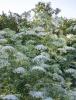
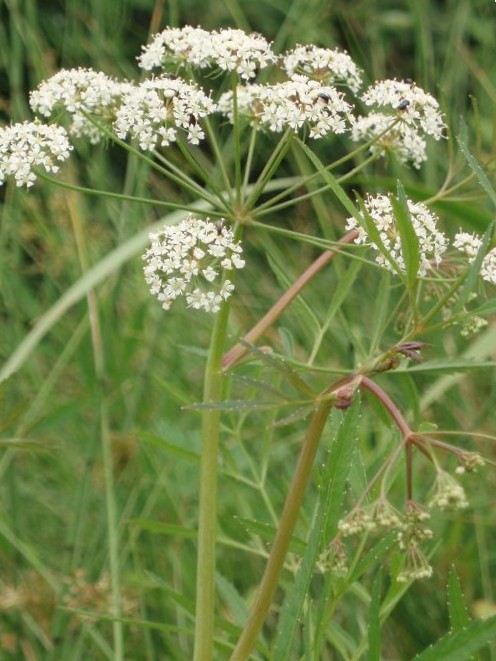
Cicuta maculata is a stout perennial that commonly grows several feet tall and can become taller in favorable wet habitats. The stems are erect, smooth, hollow, branching, and enlarged near the base. They may be green, reddish, purple-streaked, or irregularly mottled, especially near the lower stem and leaf nodes. Purple marks are useful clues but not reliable enough to identify or exclude the plant by themselves.
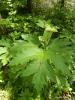
The leaves are alternate and usually twice or three-times pinnately divided. Individual leaflets are narrow to broadly lance-shaped, sharply pointed, shiny or moderately glossy, and coarsely toothed. One of the most valuable identification features is the vein pattern: major side veins commonly run toward the V-shaped notches between the teeth rather than simply ending at the tooth tips. This is a more useful clue than relying on the common name “hemlock” or the presence of white umbrella-shaped flowers alone.
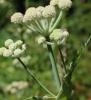
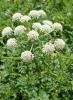
The small white or greenish-white flowers grow in broad compound umbels, the umbrella-like clusters characteristic of Apiaceae. Flowering occurs from late spring through summer depending on latitude and elevation. The fruits are small, dry, ribbed, and divided into seed-containing sections. Immature green seed heads can be poisonous enough to kill cattle, so the page should not treat the fruiting stage as safe.
The Chambered Root Crown
The lower stem expands into a short, thick root crown or rootstock connected to clusters of fleshy tuberous roots. When cut lengthwise, the crown contains internal chambers or cross-partitions. These chambers and associated canals may contain clear, yellow, straw-colored, brownish, or oily fluid that darkens after exposure to air. That liquid is part of the reason cut roots are so dangerous: sap can contaminate gloves, tools, feed, water, soil, hay, and adjacent vegetation.
This chambered root structure is an important botanical feature, but an untrained person should not cut open a suspected plant simply to confirm identification. During an emergency, dissection wastes time and spreads toxic material. For identification, photograph the whole plant, habitat, stem base, root already exposed, leaves, leaflet veins, flower heads, and seed heads. Let a veterinarian, extension specialist, botanist, or land-management professional guide sample handling.
The fleshy roots may smell like carrot, celery, turnip, parsnip, or another edible root. They may also look food-like to a person, dog, pig, goat, cow, horse, or child. The odor should increase suspicion, not confidence. Many fatal human and animal poisonings have involved edible-root mistakes.
Where Water Hemlock Grows
Spotted Water Hemlock is a wetland and wet-soil plant. It grows in marshes, wet meadows, freshwater swamps, pond margins, drainage channels, roadside ditches, seeps, stream banks, riverbanks, creek bottoms, sloughs, subirrigated pastures, and low portions of fields that stay saturated during part of the year.
Its preferred habitat places it exactly where animals gather for water. During drought, safe forage may disappear while Water Hemlock remains green around ponds, springs, sloughs, ditches, and stream margins. Recently transported, hungry, overstocked, or forage-deprived animals are especially likely to investigate plants they would normally ignore. Dogs may encounter it during recreation, farm work, fishing trips, pond-edge play, or digging.
Why Spring Exposure Is So Dangerous
Many poisonings occur in early spring because Water Hemlock is one of the first green plants to emerge and because the root crown and tubers carry a heavy toxin burden. Wet spring soil makes roots easy to pull from the ground. A cow, horse, sheep, goat, pig, or dog may uproot the entire plant while grazing or chewing young shoots and receive both aboveground material and the concentrated rootstock.
Ditch cleaning, plowing, dredging, bank repair, pond work, flood damage, erosion, excavation, and trampling can scatter roots onto the soil surface. A root lying loose on a wet bank is more accessible and may be more attractive than the intact standing plant. Machinery can chop roots and spread toxic fluid or fragments through nearby forage.
Spring is not the only dangerous season. Animals may graze green seed heads later in the year, and roots remain hazardous whenever they are exposed. Prevention cannot end when the foliage matures or the flowers disappear.
Palatability and Grazing Behavior
Unlike some bitter or irritating poisonous plants, exposed water-hemlock roots can be attractive. They are fleshy, aromatic, and easy to pull from soft wet ground. Young spring growth and green seed heads may also be grazed. Mature standing foliage may be ignored when good forage is abundant, but avoidance is not a dependable safety system.
Hunger, drought, overgrazing, mowing, chopped feed, contaminated hay, herbicide treatment, storm debris, and human dumping can defeat normal selectivity. Recently sprayed plants may become more palatable before dying, while roots remain dangerous after visible foliage wilts. A pasture that appears safe because animals ignored the plant last year may become deadly after environmental disturbance exposes roots.
The Root Is Most Toxic, but the Entire Plant Matters
The root crown and fleshy tubers contain the greatest recognized cicutoxin concentration and account for many of the most rapidly fatal cases. Lower stems and young leaves can also contain clinically important amounts, especially early in growth. Every part should therefore be treated as poisonous.
Immature seed heads deserve special emphasis because a modern investigation documented nine mature Hereford cows dying in northwestern Utah after consuming green immature seed heads of Cicuta maculata. All nine were found dead near the stream where the plant was growing, and no obvious premortem signs were witnessed. Chemical comparison and bioassay work supported the diagnosis. This outbreak proved that roots are not the only plant part capable of causing sudden death.
Cicutoxin and the Failure of Inhibitory Control
The brain depends on a balance between excitation and inhibition. GABA is one of its principal inhibitory neurotransmitters. When GABA activates a GABA-A receptor, the associated chloride current helps prevent neurons from firing excessively.
Cicutoxin inhibits GABA-induced chloride currents. Once inhibitory control fails, large groups of neurons fire together and seizure activity spreads. This is why the poisoning syndrome is dominated by twitching, muscular rigidity, recurrent generalized seizures, respiratory failure, and collapse. The clinical pattern is not the progressive floppy paralysis expected from classic poison-hemlock coniine poisoning.
Why Oenanthotoxin and Coniine Are Comparisons, Not Listed Toxins
Oenanthotoxin is the principal convulsant associated with Hemlock Water-Dropwort, Oenanthe crocata. It is structurally related to cicutoxin and causes a similar GABA-antagonist seizure syndrome. Its relevance here is comparative: it helps explain why both wetland Apiaceae plants can cause violent seizures. It should not be listed as the principal toxin of Cicuta maculata.
Coniine belongs primarily to Poison Hemlock, Conium maculatum. It acts at nicotinic acetylcholine receptors and can produce stimulation followed by progressive neuromuscular weakness and respiratory paralysis. Older attributions of coniine to water hemlock mixed the toxicology of two separate “hemlock” plants. The PAWS page should keep those boundaries clear because they matter clinically and botanically.
The Clinical and Lethal Doses May Be Nearly the Same
One of the most dangerous characteristics of Water Hemlock is the narrow apparent margin between a dose that produces signs and a dose that kills. Older toxicology material has repeated livestock percentage estimates and root-size warnings to communicate this potency. Those figures should be preserved only as danger signals, not as safety thresholds.
The actual risk depends on Cicuta species, plant part, moisture, season, root potency, seed-head chemistry, dose chewed, amount swallowed, animal size, and speed of treatment. A small quantity of highly toxic root may be more dangerous than a much larger quantity of mature leaf material. The real message is simple: there is no safe root piece, no safe seed-head amount, and no “small enough to watch at home” rule after credible exposure.
Conflicting Historical Root Estimates
Legacy veterinary material contains conflicting root estimates, including warnings that surprisingly small root portions may kill a horse, cow, or adult person. Those figures differ because they come from different species, source traditions, plant parts, moisture conditions, animal sizes, and historical observations. The conflict should not be solved by pretending one number is exact.
The common message is what matters: the root is so toxic that a small amount can kill a large animal. Controlled work with Western Water Hemlock has shown that one or two fresh tubers can be lethal to goats. That study involved Cicuta douglasii, not direct C. maculata horse dosing, but it strongly supports the field rule that counting roots or mouthfuls is not protective.
Exact Timing Warnings from the Older Literature
Older veterinary and extension descriptions report signs beginning from minutes to hours after ingestion. Concentrated root exposure may act almost immediately, while less concentrated or incompletely chewed material may take longer. Death has been reported in very short intervals, and many severe cases end in under six hours.
Delayed death remains possible. An animal may initially survive seizures and then die hours or days later from aspiration, hypoxic brain injury, cardiac dysrhythmia, rhabdomyolysis, kidney failure, acidosis, or other complications. The rapid course is the reason Water Hemlock is feared, but surviving the first convulsion does not guarantee recovery.
Why the Immediate Environment Can Make Diagnosis Both Easier and Worse
The abrupt onset of seizures may help identify Water Hemlock poisoning because the animal is often still beside the stream, ditch, wet meadow, disturbed bank, uprooted root, or green seed heads where ingestion occurred. Freshly chewed root material may remain in the mouth, on the ground, or near the animal. Environmental evidence can make the initial differential diagnosis unusually direct.
Unfortunately, that same clue is ominous. If the animal is still near the plant when violent tremors or convulsions begin, absorption has occurred quickly and the dose may have been substantial. The narrow interval between first signs and respiratory arrest leaves little time for transport, airway control, or decontamination. An environmental diagnosis should accelerate treatment, not create false confidence.
Cattle
Cattle are frequent victims because they graze wet meadows, streambanks, and pond margins and can pull entire plants from soft soil. Poisoning may progress so fast that animals are found dead beside a stream or uprooted root without witnessed signs. When observed, salivation, frothing, nervousness, dilated pupils, muscle twitching, rapid pulse, rapid breathing, collapse, and violent intermittent convulsions are characteristic.
One animal may consume a root crown while another clips a few leaves. This explains outbreaks in which several animals die while others remain normal. Every animal sharing the site still requires removal from the source and observation. Severely affected cattle should not be driven, stressed, or forced through handling equipment unless veterinary direction makes movement safe.
Horses
Horses may consume young plants, exposed roots, ditch-cleaning debris, immature seed heads, or contaminated forage. A fatal exposure can produce salivation, anxiety, dilated pupils, staggering, muscular twitching, generalized convulsions, recumbency, cardiac abnormalities, and respiratory arrest.
Horses cannot vomit. Owner attempts to induce vomiting are useless and dangerous. Gastric decompression, lavage, retrieval of root material, and administration of adsorbents are veterinary procedures considered only after the airway and neurologic state are controlled. A convulsing horse can kill or seriously injure a handler; human safety and professional seizure control come before physical restraint.
Sheep, Goats, and Pigs
Sheep and goats can develop salivation, abdominal distress, tremors, weakness, falling, paddling, opisthotonos, recurrent seizures, respiratory failure, and death. Rumen fermentation does not provide dependable protection from a concentrated cicutoxin exposure. Goat studies have contributed valuable evidence because dose, plant part, and treatment response can be studied under monitored conditions.
Pigs may show vomiting, diarrhea, anxiety, incoordination, muscle tremors, weakness, seizures, and respiratory failure. Pigs rooting through wet soil, ditch debris, compost, or chopped roots may receive a dangerous dose before anyone realizes the plant was present.
Dogs and Cats
Dogs may encounter Water Hemlock while digging beside streams, carrying roots, chewing plants pulled during landscaping, or investigating pond-edge vegetation. A root can resemble a stick, carrot, parsnip, or other food-like object. Signs may progress from vomiting, salivation, distress, and incoordination to generalized seizures before the owner has identified the plant.
Cat cases are uncommon in the literature, but cats should not be treated as resistant. Cicutoxin targets mammalian central inhibitory signaling. Any credible feline exposure requires emergency veterinary care. Home vomiting attempts, force-feeding, force-watering, and waiting for signs are unsafe.
Human Poisoning and Mistaken Foraging
Human fatalities have repeatedly followed confusion with wild parsnip, wild carrot, celery-like plants, edible roots, medicinal herbs, and other Apiaceae species. The root’s odor and fleshy appearance encourage the mistake. Children have also been poisoned after using hollow stems as whistles, flutes, or peashooters.
This matters for pet and livestock prevention because the same false confidence is often applied to animals. “It smells like carrot,” “it grows near the pond,” “birds were around it,” or “it looks like wild parsley” are not safety evidence. Wetland Apiaceae roots should never be tasted, used as toys, used as pet enrichment, or allowed into feed.
Why Rhabdomyolysis and Kidney Failure Develop
Generalized convulsions require sustained forceful contraction of nearly every major skeletal-muscle group. As oxygen and energy supplies fail, muscle-cell membranes break down. Creatine kinase, myoglobin, potassium, phosphorus, and other intracellular substances enter the circulation.
Myoglobin may turn urine red-brown and damage renal tubules, especially when the patient is dehydrated, hypotensive, acidotic, or overheated. Acute kidney failure is therefore commonly secondary to seizure-induced muscle destruction and shock rather than the first direct action of cicutoxin on renal tissue. Dialysis may support a patient with severe renal failure where advanced care is available, but it should not be described as a proven method for rapidly removing cicutoxin from the brain.
Cardiac Injury and Respiratory Failure
Cardiac dysrhythmias may result from hypoxia, profound acidosis, potassium disturbance, autonomic instability, direct myocardial injury, or the metabolic consequences of recurrent convulsions. Skeletal- and cardiac-muscle degeneration has been documented in severely poisoned livestock.
Respiratory failure can develop while seizures are active or after large doses of anticonvulsants are required to stop them. Effective ventilation may fail because of central neurologic dysfunction, sustained muscular spasm, exhaustion, aspiration, or medication-induced respiratory depression. Aggressive seizure treatment must therefore be paired with airway protection, oxygenation, and the ability to provide mechanical ventilation.
Diagnosis
Diagnosis depends heavily on the environmental setting and abrupt clinical course. Sudden convulsions in an animal beside a stream, wet ditch, marsh, recently dredged bank, uprooted chambered root, green seed heads, or suspicious hay should place cicutoxin poisoning near the top of the differential list. Treatment should not wait for laboratory confirmation.
A useful plant specimen includes the root crown, roots, lower stem, leaves, flowers, and seed heads when available. Collection should not delay emergency care, and handlers should wear gloves. Photographs should show the wet habitat, complete plant, stem markings, leaf divisions, leaflet veins, flower clusters, seed heads, and any roots already exposed. Specialized chromatography and mass spectrometry may identify cicutoxin or related polyacetylenes in plant material, gastrointestinal contents, tissues, or biological samples, but emergency treatment is based on exposure and signs.
Important Differential Diagnoses
Other causes of sudden violent seizures include Hemlock Water-Dropwort, another Cicuta species, strychnine, metaldehyde slug bait, tremorgenic mycotoxins, organochlorine pesticides, certain pyrethroids, isoniazid, nicotine, bromethalin, toxic algae, salt poisoning, hypoglycemia, severe electrolyte disturbances, head trauma, encephalitis, and primary epilepsy.
Poison Hemlock can cause salivation, tremors, weakness, collapse, and respiratory failure, but its coniine-related neuromuscular syndrome is not identical to recurrent cicutoxin status epilepticus. Plant identification refines the diagnosis, but seizure and airway management must begin before botanical certainty is available.
Veterinary Seizure Control
There is no specific antidote for cicutoxin. Veterinary treatment prioritizes rapid seizure suppression and airway protection. Benzodiazepines are a logical first-line class because they enhance GABAergic inhibition, and experimental goat work supports diazepam as effective at managing clinical signs of water-hemlock poisoning. Barbiturates, anesthetic infusions, propofol, inhalant anesthesia, or other advanced seizure-control measures may be required when seizures are refractory.
Exact drug, dose, route, and sequence depend on species, size, cardiovascular condition, respiratory status, previous medication, pregnancy, age, and the ability to intubate and ventilate. Historical dose statements should not be converted into owner instructions. High doses of benzodiazepines, barbiturates, propofol, or inhalant anesthetics can suppress breathing and blood pressure. The treatment environment must be prepared for oxygen, intubation, ventilation, blood-pressure support, and continuous monitoring.
Phenytoin and Historical Morphine Use
Older water-hemlock literature states that phenytoin has not been reliably effective for toxin-driven seizure control and should not be depended upon as the principal anticonvulsant. Water-hemlock status epilepticus often responds better to medications that enhance GABAergic inhibition or produce broader anesthetic suppression.
Historical livestock accounts reported some success using intravenous pentobarbital and morphine to reduce convulsions and pain in cattle. That evidence is part of the veterinary history of this poisoning, not a modern universal antidote. Morphine can worsen respiratory depression, alter gastrointestinal function, and complicate an already unstable patient when used without species-specific monitoring.
Veterinary Decontamination
The immediate goals are seizure control and airway management. Decontamination is considered only when it can be performed early and after stabilization. This order matters because an animal in active convulsions can aspirate vomit, charcoal, lavage fluid, or cathartic and die from the attempted treatment.
A veterinarian may induce vomiting in an alert, neurologically normal dog after a very recent ingestion when the airway is intact. Emesis becomes unsafe once anxiety, confusion, weakness, tremors, abnormal swallowing, or seizures develop. Horses and ruminants cannot be managed through ordinary induced vomiting. Gastric lavage, endoscopic retrieval of root material, and activated charcoal may be considered after the airway is secured. Even prompt decontamination may be incomplete because cicutoxin can be absorbed rapidly.
Treatment of Secondary Complications
Further treatment may be required for rhabdomyolysis, metabolic acidosis, hyperthermia, hypotension, dysrhythmias, aspiration, trauma, and kidney injury. Intravenous fluids are adjusted to circulation, cardiac function, electrolyte status, acid-base measurements, urine production, and severity of muscle breakdown rather than given at one universal rate.
Older protocols described urinary alkalinization and sodium bicarbonate for severe acidosis. Modern use depends on measured pH, ventilation, perfusion, potassium concentration, and the underlying cause of acidosis. Hypotension may respond to carefully calculated fluids, but vasopressors may be required when blood pressure remains dangerously low. Rhabdomyolysis requires monitoring of creatine kinase, potassium, phosphorus, kidney values, urine color, and urine production.
Prognosis
The prognosis depends heavily on the amount and plant part consumed, how quickly seizures begin, whether oxygenation can be maintained, and how long convulsions continue before control. Recurrent seizures, severe acidosis, respiratory failure, hyperthermia, aspiration, and extensive muscle injury produce a guarded to poor outlook.
Older references state that an animal surviving four to six hours with treatment may recover. Survival through that period is encouraging because many fulminant deaths occur earlier, but it does not guarantee a positive outcome. Kidney failure, aspiration pneumonia, dysrhythmia, brain injury, and rhabdomyolysis can emerge or worsen later. Animals that survive may need exercise restriction and continued monitoring until muscle enzymes, renal values, heart rhythm, respiration, temperature, gait, and neurologic function normalize.
Prevention
Inspect wet pastures, stream banks, creek bottoms, sloughs, pond margins, drainage channels, and roadside ditches before animals enter. Mark and exclude patches of Water Hemlock, especially where roots could be exposed by flooding, machinery, erosion, excavation, or trampling. Inspect wet-meadow hayfields before cutting.
Remove complete plants, including the chambered root crown and tuberous roots, according to local agricultural or land-management guidance. Wear gloves, avoid sap contact, clean tools thoroughly, and secure every root and plant fragment. Do not leave pulled plants where pets, livestock, children, or wildlife can reach them. Keep animals away from recently treated patches for the entire herbicide-label interval and until dangerous roots and plant material have been removed.
Teach children and adults never to taste, smell closely, cut, chew, or make whistles from unidentified hollow-stemmed members of the carrot family. Common names such as wild carrot, poison parsnip, water parsley, false parsley, or cowbane are not dependable identification tools.
Immediate Steps After Exposure
Call a veterinarian, emergency veterinary hospital, or animal poison-control service immediately. Treat every credible ingestion of Spotted Water Hemlock, an exposed chambered root, green seed head, contaminated hay, ditch debris, or unidentified wetland Apiaceae plant as a life-threatening emergency. Do not wait for tremors or seizures to prove the exposure was serious.
- Prevent further ingestion if safe: Remove unaffected animals from the site and isolate roots, plants, contaminated feed, ditch debris, hay, silage, water trough material, or plant fragments.
- Reduce stimulation: Keep surroundings quiet and dim. Noise, touch, bright light, chasing, restraint, transport stress, and unnecessary movement may intensify toxin-driven seizure activity.
- Protect people first: Stay clear of the mouth, hooves, horns, head, and violently moving limbs. A convulsing horse, cow, goat, pig, or dog can seriously injure handlers.
- Preserve evidence only when safe: Photograph the plant, growing site, exposed roots, seed heads, wet habitat, contaminated hay, and surrounding feed. Save plant fragments already available while wearing gloves, but do not delay treatment or uproot more plants during the emergency.
- Report the full exposure history: Tell the veterinarian about ditch work, flooding, erosion, pond cleaning, hay cutting, herbicide treatment, root chewing, seed-head grazing, wetland pasture access, and the last time the animal was normal.
Do Not Attempt Unsupervised Home Treatment
- Do not induce vomiting: Tremors and seizures can begin abruptly, creating an extreme aspiration risk. Horses, cattle, sheep, goats, rabbits, guinea pigs, rats, and many other animals cannot vomit normally.
- Do not force activated charcoal, water, milk, oil, food, electrolyte solution, or a cathartic: A confused, weak, trembling, vomiting, or seizing animal may inhale the material into its lungs.
- Do not give human or leftover veterinary seizure medication: Drug selection and dose depend on species, airway status, cardiovascular condition, route, previous treatment, and the ability to provide ventilation.
- Do not place your hands or an object in the mouth during a seizure: Animals do not swallow their tongues. Severe bites, crushing injuries, broken teeth, and aspiration can result.
- Do not hold down the head or limbs: Move hazards away when possible, but forceful restraint can injure both animal and handler.
- Do not walk, chase, ride, exercise, or stress the animal: Exertion worsens oxygen demand, acidosis, hyperthermia, muscle destruction, and cardiovascular instability.
- Do not wait for exact botanical identification: Stabilization must begin before the plant species or toxin can be confirmed.
During a Seizure
Protect people first. Stay out of the kick zone and away from the mouth and head. Clear nearby hazards when possible without restraining the animal directly. Move buckets, tools, wires, furniture, panels, rocks, and sharp objects only if it can be done safely. Do not try to pull the tongue, pry open the jaw, hold the animal down, or drag a convulsing large animal.
Time the episodes if you can do so safely. Record when the first tremor or convulsion began, how long each seizure lasted, whether consciousness returned between episodes, whether breathing resumed normally, and how many seizures occurred. This information helps the veterinary team judge severity and treatment response. Do not transport an actively convulsing large animal without veterinary direction; field stabilization and professional sedation may be required before movement is safe.
When Emergency Examination Is Especially Important
Every credible Water Hemlock ingestion is an emergency before signs appear. The plant is dangerous enough that “still normal” is not reassuring after root, seed head, young shoot, contaminated hay, or unknown wetland-plant ingestion.
- Drooling, frothing, vomiting, or diarrhea begins: These may be early signs before tremors or seizures.
- The animal becomes anxious, confused, hyperresponsive, or wide-eyed: Neurologic excitation may be starting.
- Twitching, tremors, rigidity, staggering, or collapse occurs: Toxin absorption has likely progressed to the central nervous system.
- Any seizure occurs: Recurrent seizures, status epilepticus, respiratory failure, hyperthermia, acidosis, and rhabdomyolysis can follow rapidly.
- Breathing is abnormal: Gasping, cyanosis, noisy breathing, aspiration, or failure to breathe normally after a seizure is immediately life-threatening.
- Urine becomes dark or output decreases: Rhabdomyolysis, dehydration, shock, or kidney injury may be developing.
- Several animals share the exposure: Remove the group from the source and treat the pasture, hay, ditch, streambank, or clippings as hazardous until proven otherwise.
Veterinary Stabilization
Veterinary treatment prioritizes rapid seizure control and airway protection. Oxygen, endotracheal intubation, assisted ventilation, intravenous benzodiazepines, barbiturates, anesthetic infusions, or inhalant anesthesia may be required. Continuous monitoring of temperature, oxygenation, heart rhythm, blood pressure, glucose, electrolytes, lactate, blood gases, acid-base status, and neurologic state guides treatment.
Some water-hemlock convulsions can be refractory and may require more than one class of anticonvulsant. Experimental goat work supports diazepam as a useful treatment for managing clinical signs, but drug choice, dose, and route must be selected by a veterinarian for the patient in front of them. High-dose anticonvulsants and anesthetics can suppress breathing and blood pressure, which is why seizure control must be paired with the ability to intubate, ventilate, and support circulation.
Veterinary Decontamination
Decontamination is considered only after the animal is neurologically stable and the airway is protected. A veterinarian may induce vomiting in a suitable alert dog after a very recent exposure, but this is unsafe once anxiety, confusion, weakness, tremors, abnormal swallowing, vomiting, or seizures have begun. Horses and ruminants cannot be treated through ordinary induced vomiting.
Gastric lavage, endoscopic retrieval of root material, and activated charcoal may be considered after airway control. A cathartic is not automatically appropriate in a dehydrated, hypotensive, acidotic, or unstable patient. Even prompt decontamination may be incomplete because cicutoxin can be absorbed rapidly.
Treatment of Rhabdomyolysis and Organ Complications
Intravenous fluids and electrolyte management support circulation and renal perfusion. Controlled cooling may be necessary for hyperthermia. Severe acidosis, hypotension, dysrhythmias, aspiration, cerebral injury, trauma, and respiratory failure are treated according to measured abnormalities rather than one universal protocol.
Creatine kinase, potassium, phosphorus, kidney values, urine color, and urine output are monitored for rhabdomyolysis and acute kidney injury. Sodium bicarbonate, vasopressors, urinary alkalinization, antiarrhythmics, renal-replacement support, and mechanical ventilation may be considered in advanced care settings when the measured problem justifies them. Dialysis may support a patient with severe kidney failure, but it is not an established antidote or reliable method of rapidly clearing cicutoxin from the central nervous system.
Dogs and Cats
Dogs should be kept quiet and transported for emergency care after credible ingestion of Water Hemlock root, young plant material, seed heads, contaminated hay, or unknown wetland Apiaceae fragments. Do not try to make the dog vomit at home. Do not place your hands in the mouth if tremors, confusion, or seizures begin. Bring photos or plant fragments only if this does not delay care.
Cats should receive the same emergency triage despite fewer published cases. Home emesis is unsafe. A cat that chewed a suspicious wetland plant, root, or contaminated plant fragment should not be watched for signs. Drooling, vomiting, hiding, wide pupils, tremors, stumbling, collapse, or seizures requires immediate emergency care.
Horses and Livestock
Horses, ponies, donkeys, cattle, sheep, goats, pigs, alpacas, llamas, and other livestock should be removed from the exposure source if it can be done without provoking panic or injury. Do not drive, chase, rope, or force a neurologically abnormal animal through facilities unless directed by a veterinarian. Convulsions may begin without warning.
Isolate the pasture, streambank, hay, silage, ditch debris, brush pile, or clippings for inspection. Preserve the complete plant source. Group exposure should be treated as a group event even if only one animal is currently sick. Severely affected large animals may need field stabilization, sedation, oxygen, seizure control, and professional transport decisions.
Birds, Rabbits, Guinea Pigs, Reptiles, and Small Pets
Small animals should not be offered unidentified wetland plants, Apiaceae roots, seed heads, or hay containing suspicious material. If exposure occurs, remove the plant source and contact an exotic-animal veterinarian or poison-control service immediately. Do not force food, water, charcoal, oil, or home remedies.
Rabbits and guinea pigs cannot vomit and can deteriorate from neurologic poisoning, anorexia, gut slowing, shock, or seizures. Birds and reptiles may show weakness, tremors, abnormal posture, poor perching, collapse, reduced responsiveness, or seizures rather than the same pattern seen in dogs and cats. Species-specific safe doses are not established.
Recovery and Prognosis
The prognosis is guarded to poor after recurrent generalized seizures begin. Rapid seizure suppression, maintained oxygenation, stable cardiovascular function, and improving lactate, temperature, acid-base status, muscle enzymes, electrolytes, and urine production improve the chance of recovery. Delayed treatment, prolonged status epilepticus, aspiration, severe hyperthermia, shock, and rhabdomyolysis worsen the outlook.
Monitoring must continue after visible convulsions stop because aspiration pneumonia, cerebral injury, dysrhythmia, rhabdomyolysis, electrolyte disturbance, and kidney failure may appear later. The exposure site must remain closed until all roots, seed heads, hay, and plant fragments have been located and removed safely.
Prevention After the Incident
Close the exposure site immediately. Do not allow animals back into the ditch, wet meadow, streambank, pasture edge, hay lot, pond margin, or brush pile until the plants and roots have been identified and removed under appropriate guidance. Water Hemlock roots and plant fragments should never be left where pets, livestock, children, or wildlife can reach them.
Inspect wet areas before grazing, hay cutting, ditch cleaning, pond work, or turning out hungry animals. Provide adequate safe forage so animals are not pushed toward wet margins. Clean equipment, tools, gloves, buckets, trailers, and feed areas that may have contacted root sap or fragments. Teach everyone on the property that “wild carrot,” “poison parsnip,” “water parsley,” and “cowbane” are not safe identification labels.
Frequently Asked Questions About Water Hemlock and Animal Poisoning
Is Water Hemlock really one of the most poisonous plants in North America?
Yes. North American water hemlocks are famous in veterinary and agricultural toxicology because small exposures can produce violent seizures and death. The most dangerous material is usually the chambered root crown and tuberous roots, but young foliage, lower stems, and immature green seed heads can also be lethal. A credible ingestion should be treated as an emergency before signs appear.
Is Water Hemlock the same plant as Poison Hemlock?
No. Water Hemlock belongs to Cicuta and is poisoned principally by cicutoxin and related polyacetylenes. Poison Hemlock is Conium maculatum and contains coniine-type piperidine alkaloids. Both are deadly members of Apiaceae, but their roots, chemistry, and clinical mechanisms differ.
Is Water Hemlock the same as Hemlock Water-Dropwort?
No. Hemlock Water-Dropwort is Oenanthe crocata, a separate European wetland plant whose principal convulsant is oenanthotoxin. Oenanthotoxin is structurally related to cicutoxin and causes a similar GABA-antagonist seizure syndrome, but it is not the established principal toxin of Cicuta maculata.
Which part of Spotted Water Hemlock is most poisonous?
The chambered root crown and fleshy tuberous roots contain the greatest recognized toxin burden. Young leaves, lower stems, stem bases, and immature green seed heads can also be lethal. A documented Cicuta maculata outbreak killed nine adult cows after green seed-head ingestion, so roots are not the only dangerous plant part.
How can Water Hemlock be recognized?
Spotted Water Hemlock has hollow branching stems, divided leaves with sharply toothed lance-shaped leaflets, and compound clusters of small white flowers. A valuable leaf clue is that major veins often run toward the notches between teeth. The thickened root crown contains internal chambers, but suspected plants should not be cut open casually because toxic fluid can contaminate hands and tools.
Where does Water Hemlock grow?
It grows in wet meadows, marshes, freshwater swamps, pond margins, ditches, seeps, stream banks, creek bottoms, drainage channels, and subirrigated pastures. This places it where livestock and wildlife gather for water. Dogs may encounter it while digging, playing, or carrying roots near streams, ponds, or ditches.
Why is spring exposure so dangerous?
In early spring, Water Hemlock may be one of the first green plants available, and wet soil makes the toxic root crown easy to pull up. Flooding, ditch cleaning, erosion, plowing, excavation, and trampling can expose roots. Hungry or newly turned-out animals may consume both shoots and root material in one exposure.
Can green seed heads kill livestock?
Yes. Immature Cicuta maculata seed heads have been implicated in a cattle outbreak in which nine mature cows died. The seed heads contained cicutoxin and cicutol-like polyacetylenes. This is why prevention must include the whole plant and not just the root crown.
How much Water Hemlock can kill a horse or cow?
No dependable universal amount exists. Older sources preserve estimates such as small root portions, percentage-of-body-weight figures, or root-size warnings, but those numbers are danger signals, not safety thresholds. Potency varies by plant part, species, season, moisture, and individual plant chemistry. Any credible root, seed-head, or unknown ingestion requires emergency care.
How quickly do signs begin?
Signs may begin within minutes after concentrated root exposure, although some cases are recognized later. Early drooling, anxiety, vomiting, wide pupils, or twitching can rapidly progress to violent generalized seizures. Death may occur within a short period because respiratory failure and cardiovascular collapse can follow uncontrolled convulsions.
Why does Water Hemlock cause such violent seizures?
Cicutoxin interferes with GABA-mediated chloride currents in the central nervous system. GABA normally restrains excessive neuronal firing. When that inhibition fails, excitation spreads through the brain and produces tremors, rigidity, recurrent generalized seizures, and status epilepticus.
Why can kidney failure follow Water Hemlock poisoning?
Prolonged convulsions can destroy skeletal muscle, causing rhabdomyolysis. Myoglobin and other muscle breakdown products enter the bloodstream and can injure the kidneys, especially when the animal is dehydrated, acidotic, overheated, or poorly perfused. Kidney failure is usually a secondary complication of the seizure crisis rather than the first direct toxin effect.
Can Water Hemlock remain dangerous in hay?
Yes. Drying and weathering may reduce toxin in some aboveground material, but they are not dependable detoxification methods. Roots, young material, green seed heads, and incompletely dried fragments can remain dangerous. Hay containing suspected Water Hemlock should be isolated rather than fed or diluted into clean hay.
Can herbicide treatment make Water Hemlock more dangerous temporarily?
Yes. Recently sprayed plants may become more palatable before they die, and the roots may remain dangerous after visible foliage wilts. Animals should be excluded for the full herbicide-label interval and until hazardous plants, roots, and fragments have been removed safely.
Is Water Hemlock poisonous to dogs?
Yes. Dogs are susceptible to the same mammalian GABA-disrupting toxin. Dogs may dig up roots, carry them like sticks, chew plants pulled during landscaping, or encounter fragments near streams and ditches. Any credible ingestion requires emergency veterinary care before tremors or seizures develop.
Is Water Hemlock poisonous to cats?
Yes. Published cat cases are uncommon, but cats are not considered resistant. Cicutoxin targets mammalian central nervous system inhibition. A cat that chews or swallows suspected Water Hemlock should receive emergency veterinary guidance immediately. Do not induce vomiting or force food or water at home.
Is Water Hemlock poisonous to horses?
Yes. Horses may consume young plants, exposed roots, ditch-cleaning debris, green seed heads, or contaminated forage. They cannot vomit and may develop anxiety, salivation, tremors, violent convulsions, recumbency, respiratory distress, and death. A convulsing horse is dangerous to handlers and should not be restrained without professional direction.
Is Water Hemlock poisonous to cattle, sheep, goats, and pigs?
Yes. Cattle, sheep, goats, pigs, alpacas, llamas, and other livestock can develop salivation, abdominal distress, tremors, collapse, recurrent seizures, respiratory failure, and sudden death. Group exposure is common when animals share a wet pasture, streambank, hay source, or ditch debris. Remove the entire group from the source immediately.
Is Water Hemlock safe for rabbits, guinea pigs, birds, or reptiles?
No. Water Hemlock should never be used as browse, bedding, cage greenery, tortoise forage, reptile enrichment, bird seed-head material, or small-mammal forage. Species-specific safe doses are not established, and the plant is far too dangerous to experiment with. Any credible ingestion requires exotic-animal veterinary guidance.
Should vomiting be induced after Water Hemlock ingestion?
Do not induce vomiting at home. Seizures can begin abruptly, and a confused, trembling, weak, or seizing animal can inhale vomit. A veterinarian may consider emesis only in a suitable alert dog after a very recent exposure. Horses and ruminants cannot be managed through ordinary induced vomiting.
Should activated charcoal be given immediately?
Do not force charcoal into an exposed animal. Charcoal may be considered after veterinary stabilization, but drooling, vomiting, weakness, tremors, and seizures create an extreme aspiration risk. Seizure control, oxygenation, and airway protection take priority over gastrointestinal decontamination.
Is there an antidote for cicutoxin?
No specific antidote is available. Treatment depends on rapid seizure suppression, airway protection, oxygenation, ventilation, cardiovascular support, temperature control, and correction of acidosis, electrolyte abnormalities, rhabdomyolysis, aspiration, and kidney injury. Survival improves when aggressive supportive care begins before prolonged hypoxia and muscle destruction develop.
Why are benzodiazepines discussed in Water Hemlock treatment?
Cicutoxin disrupts GABA-mediated inhibition, and benzodiazepines enhance GABA-A receptor function. Experimental goat work supports diazepam as useful for managing clinical signs of water-hemlock poisoning. This is professional emergency care, not an owner dosing instruction. Drug choice and dose depend on species, airway status, cardiovascular condition, and ventilation support.
Why is phenytoin not emphasized?
Older water-hemlock literature notes that phenytoin has not been reliably effective for this toxin-driven seizure syndrome. Water-hemlock seizures often require medications that enhance GABAergic inhibition or produce broader anesthetic suppression. The treatment plan belongs to the veterinarian managing the patient’s airway, oxygenation, circulation, and seizure status.
Can people be poisoned by handling Water Hemlock?
Most poisonings involve ingestion, especially of roots, but toxic sap can contaminate skin, tools, gloves, feed, and water. Suspected plants should be handled with gloves and removed according to local agricultural or land-management guidance. Children and adults should never taste, chew, smell closely, cut, or make whistles from unidentified hollow-stemmed Apiaceae plants.
How do veterinarians diagnose Water Hemlock poisoning?
Diagnosis relies on exposure history, wetland setting, abrupt onset of tremors or seizures, plant identification, and clinical findings. Useful evidence includes photos of the complete plant, stem, leaves, leaflet veins, flower clusters, seed heads, exposed roots, habitat, contaminated hay, and gastrointestinal material. Specialized laboratory testing may identify cicutoxin, but treatment cannot wait for confirmation.
What differentials matter most?
Important differentials include Hemlock Water-Dropwort, Poison Hemlock, strychnine, metaldehyde slug bait, tremorgenic mycotoxins, organochlorine pesticides, pyrethroids, isoniazid, nicotine, bromethalin, toxic algae, salt poisoning, hypoglycemia, severe electrolyte disturbance, trauma, encephalitis, and primary epilepsy. Sudden seizures near a wetland root should trigger treatment before the differential list is complete.
What is the prognosis?
The prognosis is guarded to poor once recurrent generalized seizures begin. Rapid seizure suppression, oxygenation, stable cardiovascular function, and improving temperature, lactate, acid-base status, muscle enzymes, electrolytes, and urine production improve the chance of recovery. Delayed treatment, aspiration, severe hyperthermia, shock, and rhabdomyolysis worsen the outlook.
How can livestock poisoning be prevented?
Inspect wet pastures, pond edges, stream banks, sloughs, ditches, and creek bottoms before grazing or cutting hay. Remove complete plants and roots safely, keep animals away from dredged or herbicide-treated patches, and provide adequate forage. Never leave uprooted Water Hemlock roots where livestock, pets, children, or wildlife can reach them.