Ranger’s Button Furanocoumarins, Photosensitization, Ocular Injury, and Unidentified Pulmonary Toxicosis
Is Ranger’s Button Poisonous to Dogs, Cats, Horses, and Livestock?
Yes—Ranger’s Button, Angelica capitellata (A.Gray) Spalik, Reduron & S.R.Downie, formerly Sphenosciadium capitellatum A.Gray, is poisonous to animals. The strongest veterinary evidence involves fatal acute respiratory toxicosis in cattle and severe photosensitization with ocular injury in experimentally exposed horses. The plant contains confirmed linear furanocoumarins that can make skin and eyes abnormally vulnerable to ultraviolet light, but the substance responsible for the acute bovine pulmonary syndrome has not been identified.
Dogs, cats, sheep, goats, camelids, pigs, rabbits, guinea pigs, birds, and other animals should not be allowed to chew, graze, browse, lie in, or eat cut material from Ranger’s Button. Their exact species-specific risk is less well documented than cattle and horse poisoning, so the page should not pretend that every animal develops the same syndrome. The safe practical rule is to treat fresh plants, cut stems, sap-contaminated coats, roots, flowers, seed heads, meadow hay, and mowed or wilted material as hazardous until a veterinarian and plant specialist have evaluated the exposure.
About this guide: This page provides general pet-poisoning information and cannot diagnose or treat an individual animal. For any suspected exposure, contact a veterinarian or animal poison-control service immediately. Do not induce vomiting, give medication, or attempt home decontamination unless directed by a veterinary professional.
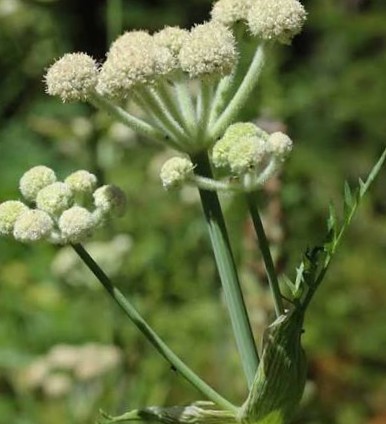
Ranger's Button
Angelica capitellata (A.Gray) Spalik, Reduron & S.R.Downie
- Sphenosciadium capitellatum A.Gray — original and still widely used name in classic veterinary toxicology, older floras, poison-plant references, and field guides.
- Selinum capitellatum (A.Gray) Benth. & Hook.f. ex S.Watson — historical combination.
- Selinum eryngiifolium Greene — recognized heterotypic synonym.
- Selinum validum Congdon — recognized heterotypic synonym.
- Sphenosciadium eryngiifolium (Greene) J.M.Coult. & Rose — historical combination.
- Sphenosciadium capitellatum var. eryngiifolium (Greene) Jeps., Sphenosciadium capitellatum var. scabrum Jeps., and Sphenosciadium capitellatum var. validum (Congdon) Jeps. — older varietal names useful for literature and herbarium searches.
Apiaceae — Carrot, Parsley, or Celery Family
Umbelliferae is the traditional alternative family name found in older botanical and veterinary references.
Ranger’s Button; Ranger’s Buttons; Ranger Button; Ranger Buttons; White Heads; Whiteheads; Swamp White Heads; Swamp Whiteheads; Woollyhead Parsnip; Woolly-head Parsnip; Woolly Head Parsnip; Button Parsley; Gray Swamp Whiteheads; Grayswamp Whiteheads; Swamp White Heads Angelica; Whiteheads Poison Plant
Historical and taxonomic search variations include Sphenosciadium capitellatum A.Gray, Selinum capitellatum (A.Gray) Benth. & Hook.f. ex S.Watson, Selinum eryngiifolium Greene, Selinum validum Congdon, Sphenosciadium eryngiifolium (Greene) J.M.Coult. & Rose, Sphenosciadium capitellatum var. eryngiifolium (Greene) Jeps., Sphenosciadium capitellatum var. scabrum Jeps., and Sphenosciadium capitellatum var. validum (Congdon) Jeps.
“Ranger’s Button” and “White Heads” refer to the same western Apiaceae species, but “parsnip,” “parsley,” “angelica,” and “white umbels” are broad family-related clues rather than proof of edibility or safety. Do not confuse Ranger’s Button with edible parsnip, culinary parsley, garden angelica, cow parsnip, water parsnip, poison hemlock, water hemlock, or other white-flowered carrot-family plants. Correct identification matters because similar-looking Apiaceae can cause very different emergencies, including seizures, neuromuscular paralysis, contact photodermatitis, photosensitization, or pulmonary toxicosis.
Two Distinct Poisoning Problems: Phototoxicity and Pulmonary Toxicosis
Ranger’s Button presents an unusual toxicologic problem because the plant has produced two substantially different experimental syndromes. Cattle developed acute respiratory disease with fatal pulmonary injury after receiving substantial amounts of ground green plant, while horses developed severe photosensitization and ocular injury. The available evidence does not establish that one chemical causes both syndromes, and the finished page should not flatten the plant into a single generic “skin irritant” or “furanocoumarin plant.”
The furanocoumarin chemistry is directly supported by exact-species root analysis. The bovine pulmonary syndrome is directly supported by classic experimental and field veterinary evidence, but its chemical cause remains unidentified. Those two statements should be kept side by side because they define the evidence boundary: Ranger’s Button contains confirmed phototoxic compounds, yet confirmed furanocoumarins do not fully explain the rapid respiratory distress and fatal pulmonary disease reported in calves.
This distinction affects risk communication. Horses and possibly other species may show sunlight-activated skin and eye injury after ingestion or sap exposure. Cattle may develop severe respiratory compromise after substantial ingestion of green aboveground material. Dogs, cats, small herbivores, birds, and other species have much less direct case documentation, so they should be treated as at risk without pretending that their exact syndrome has been mapped with the same detail.
Confirmed Linear Furanocoumarins in Ranger’s Button Roots
Chemical analysis of Ranger’s Button roots identified several linear furanocoumarins, including isoimperatorin, phellopterin, imperatorin, oxypeucedanin, isopimpinellin, and a compound identified as cnidilin or a cnidilin-like linear furanocoumarin. These are psoralen-related plant-defense compounds capable of becoming biologically reactive after exposure to ultraviolet light. Their presence provides a strong chemical basis for the plant’s photosensitizing and ocular hazards.
The furanocoumarin study tested root extracts. The classic animal experiments involved ground green aboveground material and seeds as well as horse exposure to plant material sufficient to induce photosensitization. The exact amount and distribution of these compounds across leaves, hollow stems, petioles, flower heads, fruits, seeds, roots, seasonal growth stages, wet-meadow sites, and cured forage have not been comprehensively established. It is therefore inaccurate to claim that only the roots are hazardous or that every plant part contains the same concentration.
The plant should be handled as a whole-plant exposure risk because animals do not encounter isolated purified root extracts in the field. Cattle graze leaves and stems in meadows, horses may ingest aerial material or contaminated hay, dogs and cats may chew cut stems or groom sap from the coat, and livestock may consume mowed or baled material mixed with forage. Roots, sap, cut surfaces, flower heads, and seed-containing structures also matter for identification, sample preservation, and possible contact transfer.
How Furanocoumarins Produce Photosensitization
Furanocoumarins can reach skin and ocular tissue after ingestion, and sap or crushed material may also contaminate the surface of the skin, coat, muzzle, eyelids, legs, udder, or eyes directly. After absorbing ultraviolet-A radiation, certain linear furanocoumarins form excited molecules that react with DNA, proteins, and cellular membranes. DNA cross-linking, reactive oxygen species, membrane damage, and inflammatory signaling can injure or kill exposed cells.
This reaction explains why an animal can initially appear normal indoors, in a trailer, in a barn, or under deep shade and then become painful when moved into strong sunlight. Sunlight is not merely an aggravating factor; for photodynamic injury, light exposure is the second half of the toxic reaction. Cloud cover, reflection from water, high-elevation ultraviolet exposure, open-sided shelters, and some window exposure can still be enough to worsen lesions in a sensitized animal.
Phototoxic injury concentrates in sparsely haired, unpigmented, or lightly pigmented tissue because melanin, hair, and wool absorb or block some incoming light before it reaches sensitized cells. White facial markings, pale muzzles, eyelids, ears, udder, teats, vulva, coronary bands, lightly pigmented noses, thin-haired abdomens, and clipped or rubbed skin are practical danger zones. Severe exposure and intense ultraviolet light can sometimes injure darker or more protected tissue as well.
Primary Versus Hepatogenous Photosensitization
Ranger’s Button is best discussed as a plant capable of primary photosensitization because it contains photodynamic furanocoumarins. Primary photosensitization occurs when the animal absorbs, ingests, or contacts a phototoxic substance that then reaches sun-exposed tissues in an active form. This differs from hepatogenous photosensitization, where liver or biliary dysfunction prevents normal elimination of phylloerythrin, a chlorophyll-derived photodynamic compound.
The historical Ranger’s Button horse experiments support a primary plant-associated reaction because the plant itself induced photophobia, tearing, ocular opacity, apparent blindness, and lesions on unpigmented skin. That does not remove the need to evaluate liver function in natural cases. A cow, horse, sheep, goat, dog, or cat may graze Ranger’s Button while also having liver disease, consuming another hepatotoxic plant, eating moldy forage, or receiving a medication that affects photosensitivity.
Misclassifying hepatogenous photosensitization as simple plant-contact phototoxicity can miss serious hepatic disease. Conversely, assuming every photosensitive animal has liver failure can miss a primary furanocoumarin exposure. The clinical workup should consider both mechanisms when Ranger’s Button exposure, sunlight timing, liver values, jaundice, pasture history, and plant identification do not all align cleanly.
The Unknown Pulmonary Toxicant
The agent responsible for acute bovine respiratory toxicosis remains unknown. Furanocoumarins are well-recognized photosensitizers, but they do not by themselves provide a complete explanation for the rapid respiratory distress and fatal pulmonary disease reported after calves received ground green Ranger’s Button. The plant may contain another unidentified pneumotoxic compound, a metabolite produced during digestion, or a combination of constituents that act together.
The classic veterinary work showed that ground stems and leaves could kill calves or cause clinical signs of pulmonary involvement, and ground seeds also caused illness. Calves receiving approximately 10–16 grams of ground fresh plant per kilogram of body weight developed respiratory distress within several hours, and the more severely affected calves died. That experiment established that the green plant could be acutely toxic, but it did not isolate the toxic substance or define a universal grazing dose.
The pulmonary evidence should be interpreted carefully. Grinding disrupts cells and releases chemical constituents before the material reaches the gastrointestinal tract. Stomach-tube administration prevents an animal from rejecting unpalatable material and does not mimic ordinary grazing perfectly. At the same time, a hungry animal in a dense wet meadow, an animal with overnight unrestricted access, or livestock eating contaminated cut forage may consume more plant material than expected. The experimental dose is historical evidence, not a safe-field calculator.
Fresh, Cut, Wilted, Dried, and Hay Exposure
Drying should not be assumed to make Ranger’s Button safe. Furanocoumarins are not reliably destroyed by ordinary wilting or hay curing, and the stability of the unidentified pulmonary toxicant has not been adequately characterized. Contaminated hay, green chop, cut meadow forage, bedding, or browse piles should be withdrawn rather than tested by continued feeding.
Mowing can change exposure by mixing Ranger’s Button with more palatable grasses and forbs. Hungry livestock may consume cut material they would have avoided when it was standing. Dogs may chew cut hollow stems, cats may contact sap on discarded vegetation, rabbits or guinea pigs may be offered unidentified greenery, and horses may receive mixed meadow hay with dried flower heads hidden inside the bale.
Frost, trampling, crushing, and transport can also alter contact and ingestion risk. Crushed plants can spread sap onto skin, tack, trailers, tools, gloves, boots, fur, feathers, and muzzles. Washing may reduce continued surface exposure, but it cannot remove a compound that has already been absorbed systemically. Sunlight exclusion remains necessary whenever photosensitization is suspected.
No Validated Safe Dose Across Species
No dependable toxic dose has been established for horses, sheep, goats, dogs, cats, birds, rabbits, guinea pigs, reptiles, or small herbivores. Published evidence is concentrated in historical cattle outbreaks, controlled calf dosing, and horse photosensitization experiments. The absence of detailed case series in dogs and cats should be described as an evidence gap rather than a safety finding.
Risk depends on plant part, amount eaten, whether the material was ground or cut, season, location, maturity, sunlight exposure, coat color, skin pigment, liver function, species, body size, and the presence of another plant or disease. A single bite from a dog on a hike is not the same exposure as cattle grazing an infested wet meadow overnight, but neither should be dismissed when respiratory, eye, or photosensitive signs develop.
Because the most serious bovine syndrome may involve an unidentified toxin, owners should not rely on a narrow furanocoumarin explanation to decide safety. A plant capable of both severe photosensitization and fatal respiratory disease in controlled historical work should be excluded from animal feed, hay, bedding, browse, kennel areas, paddocks, cages, aviaries, tortoise enclosures, and livestock-accessible cuttings.
Two Main Clinical Patterns
Ranger’s Button can produce an acute respiratory syndrome in cattle and a photosensitization syndrome involving the skin and eyes, particularly in horses. These patterns may overlap in the field, but they should not be collapsed into one generic symptom list because their timing, mechanism, treatment priorities, and prognosis differ. Respiratory compromise is handled as an immediate large-animal emergency; photosensitization requires strict light exclusion, skin care, eye care, and evaluation for liver disease or other photodynamic causes.
The strongest direct veterinary evidence comes from cattle and horses. Dogs and cats are classified as susceptible by poison-plant references, but detailed confirmed case reports are sparse. Sheep, goats, camelids, pigs, rabbits, guinea pigs, birds, and reptiles should be treated cautiously because the plant’s chemistry and experimental evidence do not support animal exposure, but their exact Ranger’s Button syndromes are not documented with the same precision.
Acute Respiratory Syndrome in Cattle
In experimentally dosed calves, respiratory distress began approximately two to four hours after administration of a large amount of ground green plant. Early signs included slight salivation, weakness, apparent abdominal tenderness, and extension of the head and neck as the animals struggled to breathe. The progression could be rapid, and severely affected calves died within hours to a few days after dosing.
Severe pulmonary disease may cause rapid or labored respiration, flared nostrils, open-mouth breathing, neck extension, reluctance to move, anxiety, cyanosis, weakness, collapse, or death. Affected animals may have very little respiratory reserve. Driving, roping, loading, prolonged restraint, forced movement, heat stress, barking dogs, crowding, or rough examination can precipitate sudden deterioration by increasing oxygen demand and stress.
Historical cattle that died were described as bloated, with protrusion of the anus and bloody discharge from the nose and mouth. These are grave terminal or postmortem findings rather than useful early warning signs. Sudden death with bloody discharge also requires exclusion of anthrax and other infectious or toxic causes before a carcass is opened or moved.
Photosensitization and Sunlight-Triggered Pain
Photosensitization may not become obvious until a sensitized animal is exposed to sufficiently intense ultraviolet light. Early behavior may include seeking shade, turning the face away from light, restlessness, rubbing the muzzle or eyelids, shaking the head, repeated blinking, reluctance to leave a barn, or sudden discomfort when moved from shade into sun.
Skin lesions begin as redness, heat, tenderness, and swelling on areas that receive strong sunlight and lack protective pigment, hair, or wool. Common sites include the muzzle, eyelids, ears, white facial markings, udder, vulva, teats, coronary bands, lower limbs, and other white-haired or sparsely covered skin. Lightly pigmented dogs and cats may show signs on the nose, eyelids, ear margins, thin-haired abdomen, lips, or areas where sap remained on the coat.
Continued sunlight can produce fluid-filled blisters, serum exudation, crusting, fissures, ulceration, and full-thickness skin necrosis. Damaged skin may become leathery and eventually slough. Pain, itching, rubbing, dehydration, fly strike, and bacterial infection can prolong illness even after the original plant exposure has stopped. A patient that appears comfortable inside may worsen again if daylight exposure resumes too soon.
Ocular Injury and Slow Eye Recovery
The eyes can be affected more seriously than the skin. Tearing, squinting, blepharospasm, conjunctival inflammation, corneal edema, corneal cloudiness, photophobia, eyelid swelling, discharge, rubbing, and apparent blindness were documented in experimentally exposed horses. Furanocoumarin-associated uveitis, corneal ulceration, stromal injury, and deeper ocular inflammation are also practical concerns in a photosensitized animal.
In the historical horse experiments, inflamed lesions on white areas of the nose healed within approximately two weeks after exposure stopped, but corneal cloudiness remained for about two months. This demonstrates that ocular recovery may be substantially slower than skin recovery. It does not prove that every affected horse becomes permanently blind, but it does mean that cloudy eyes should not be dismissed as a superficial skin problem.
Dogs, cats, horses, cattle, sheep, goats, rabbits, and birds that squint, tear, avoid light, paw or rub the eyes, develop corneal cloudiness, or appear visually impaired need prompt veterinary examination. Human redness-relief drops, topical anesthetic drops, and steroid-containing eye medication can delay healing or worsen an undiagnosed corneal ulcer.
Dogs, Cats, and Companion Animals
Dogs may encounter Ranger’s Button while hiking, camping, hunting, swimming, accompanying livestock, or exploring wet western meadows and creek margins. Possible signs include drooling, vomiting, gastrointestinal discomfort, weakness, photosensitive redness on lightly pigmented skin, facial rubbing, squinting, tearing, cloudy eyes, or reluctance to enter sunlight. A dog with severe respiratory distress should be evaluated for Ranger’s Button exposure only as part of a broader emergency differential.
Cats may be exposed by chewing cut vegetation, grooming sap from the coat, or contacting plant material brought back from a hike, meadow, or hay field. White cats and cats with lightly pigmented ears or noses already have substantial sunlight vulnerability. Painful redness, facial swelling, squinting, tearing, cloudiness, or sudden light avoidance after plant contact deserves prompt examination.
Birds, rabbits, guinea pigs, tortoises, and other small or exotic animals should not be allowed access to Ranger’s Button foliage, stems, roots, flowers, seed heads, hay, or cut material. Direct species-specific clinical reports are sparse, but small body size, stress sensitivity, and difficulty recognizing pain make conservative management appropriate. Reduced appetite, ocular signs, skin redness, weakness, abnormal breathing, depression, or collapse after exposure should be treated as urgent.
Horses, Sheep, Goats, and Other Grazing Animals
Horses are the best-documented species for the photosensitization and ocular syndrome. They may show photophobia, tearing, corneal cloudiness, apparent blindness, painful lesions on white facial markings, swollen eyelids, and reluctance to leave shade. A horse may also show salivation, feed refusal, depression, colic-like behavior, or weakness depending on the amount ingested, concurrent forage, dehydration, and sunlight exposure.
Sheep, goats, and camelids should be considered at risk when they graze the same wet meadows, stream margins, spring-fed openings, or contaminated hay as cattle and horses. Specific Ranger’s Button case detail is much weaker for these species, but they can develop photosensitization from plant phototoxins or liver disease from other causes, and they can be harmed by forced movement, drenching, or rough handling when weak or breathing abnormally.
Pigs and poultry may encounter the plant through dumped forage, cut vegetation, bedding, yard waste, or access to wet meadows. Apiaceae furanocoumarins are biologically plausible hazards across species, but Ranger’s Button-specific poultry or swine case evidence is limited. Any animal showing sunlight-associated skin pain, ocular inflammation, respiratory distress, weakness, or sudden illness after exposure deserves professional evaluation.
Findings That Require a Broader Differential Diagnosis
Photosensitization should not automatically be attributed to Ranger’s Button merely because the plant is present. Liver disease can cause hepatogenous photosensitization through accumulation of phylloerythrin, while other plants, medications, congenital porphyrias, fungal toxins, algae, mycotoxins, and contact phototoxins can create similar lesions. Jaundice, dark urine, weight loss, persistent appetite loss, abnormal liver values, or widespread systemic illness makes hepatic evaluation especially important.
Acute respiratory distress in cattle must be distinguished from fog fever, toxic gas exposure, anaphylaxis, aspiration, bacterial or viral pneumonia, perilla mint, moldy sweet potatoes, other pneumotoxic plants, heart failure, severe systemic disease, toxic algae, and environmental exposure. Acute respiratory distress in dogs and cats also raises concern for aspiration, allergic airway swelling, heart disease, pulmonary edema from another cause, pneumonia, smoke exposure, pesticides, electrical injury, or another toxic plant.
Water hemlock, poison hemlock, cow parsnip, water parsnip, Sierra angelica, spring parsley, and other white-flowered Apiaceae can grow in overlapping habitats and produce very different poisoning patterns. Rapid seizures point more strongly toward water hemlock; progressive weakness and respiratory paralysis may suggest poison hemlock; contact photodermatitis may suggest cow parsnip or other furanocoumarin-containing species. Similar white umbels do not mean interchangeable toxins.
Duration and Prognosis
Mild photosensitization recognized early can improve rapidly once the animal is placed in complete shade and further exposure stops. Redness and swelling may settle before blistering or necrosis develops. More extensive lesions can require weeks of wound management, and deep necrosis, secondary infection, fly strike, udder or teat injury, coronary-band damage, and facial wounds can prolong recovery.
Ocular injury may resolve much more slowly than skin injury. Historical horses retained corneal cloudiness for approximately two months after skin lesions healed. Persistent opacity, ulceration, uveitis, scarring, or visual impairment requires continued ophthalmic monitoring and may carry a more guarded prognosis than limited skin redness.
Cattle with mild illness after lower exposure may recover, but marked respiratory distress carries a guarded to poor prognosis. Historical fatalities occurred after signs developed and even after animals had been removed from the meadow. Early removal of unaffected herd mates is essential, but it does not guarantee that an animal already carrying an absorbed dose will remain well.
Ranger’s Button and White Heads Are the Same Plant
Ranger’s Button is the same western wildflower historically called White Heads, Swamp Whiteheads, Woollyhead Parsnip, and Button Parsley. The accepted botanical name is now Angelica capitellata, but nearly all of the classic veterinary poisoning literature was published under Sphenosciadium capitellatum. Both names must remain visible because ranchers, veterinarians, plant identifiers, toxicologists, and older poison-plant books may use different nomenclature for the same species.
The transfer into Angelica was based on modern phylogenetic evidence showing that the formerly single-species genus Sphenosciadium belongs within the larger angelica lineage. The name change does not represent a newly discovered plant or a change in known toxic properties. It is a taxonomy update, not a clinical downgrade.
PAWS retains the page title “Ranger’s Button” because that is a well-established common and field name. Owners, veterinarians, ranchers, and plant identifiers should search both Angelica capitellata and Sphenosciadium capitellatum when reviewing older case reports, herbarium records, meadow surveys, furanocoumarin chemistry, and livestock-poisoning references.
Identification in Western Wet Meadows
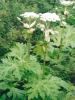
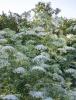
Ranger’s Button is a stout perennial Apiaceae that grows from a substantial taproot, tuberous root, or thickened underground crown. Its erect, hollow, leafy stems commonly reach approximately 3–5 feet and may grow taller under favorable conditions. Plants are usually most conspicuous in summer when the compound umbels carry tight round white or pale purple-tinged flower heads.
The basal and lower stem leaves are large and pinnately or bipinnately divided. Their narrow to lance-shaped segments may be further lobed or toothed, producing an open, somewhat fernlike appearance rather than a broad simple leaf. Leaf stalks clasp or sheath the main stem, and upper sheaths may become expanded while carrying little or no blade.
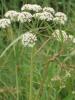
The lower stems and leaves are usually smooth, while the rays and branches within the flowering structure are conspicuously rough or woolly with short hairs. The flowers provide the most useful field clue. Like other carrot-family plants, Ranger’s Button produces a compound umbel, but each smaller umbellet forms a tight, nearly spherical head. The many projecting stamens give each round head a fuzzy or woolly appearance—the “buttons” or “white heads” reflected in its common names.
Identification is harder before flowering, after mowing, in dried hay, or when only fragments are present. Photographs should show the entire plant, habitat, leaf bases, hollow stems, divided leaves, compound umbels, individual round flower heads, and root crown when safe to expose. Do not taste suspected carrot-family plants, and do not assume a white umbel is safe because it resembles an edible family member.
Native Range, Elevation, and Exposure Sites
The species is native to western North America from Oregon and Idaho through Nevada and California into northwestern Mexico, including northern Baja California. In California it occurs on both sides of the Sierra Nevada and in portions of the North Coast Ranges, White Mountains, and southern mountain ranges. Regional floras may still index the plant under Sphenosciadium capitellatum, so both names matter for range and habitat searches.
Ranger’s Button favors consistently moist environments, including wet mountain meadows, spring-fed openings, creek margins, streambanks, lake and pond edges, marshy ground, seeps, drainage channels, and meadow hay fields. California records extend from mid-elevation mountain sites to high-elevation meadows above 10,000 feet. Its wet habitat concentrates livestock exposure where animals gather for forage and water.
Cattle and horses may be attracted to green meadow vegetation when surrounding forage becomes dry, short, trampled, or overgrazed. Dense stands may also be incorporated accidentally into meadow hay. Dogs may encounter the plant while hiking, camping, hunting, swimming, or accompanying livestock in western mountain country. Cats, rabbits, guinea pigs, birds, and reptiles are more likely to encounter cut stems, hay, yard waste, or plant material carried back to a home, barn, camp, kennel, or enclosure.
Look-Alikes and Identification Hazards
Ranger’s Button shares moist habitat and tall stature with several other members of the carrot family. Cow parsnip, western water hemlock, Sierra angelica, water parsnip, poison hemlock, and other white-flowered Apiaceae can occur nearby. Several are dangerous, but they are dangerous in different ways.
The spherical, densely packed, woolly individual flower heads distinguish Ranger’s Button from the flatter, more open umbellets of many related species. Its divided leaves, hollow stems, sheathing petioles, and hairy flowering branches also assist identification, but flowers may be absent during early growth or after mowing. Water hemlock usually has more open white clusters and sharply toothed leaflets with veins ending in notches; poison hemlock has different foliage, odor, and often purple-spotted stems; cow parsnip has much broader leaves and can cause furanocoumarin contact injury.
Correct identification is medically important because water hemlock can cause rapidly fatal seizures, poison hemlock can cause progressive neuromuscular paralysis, cow parsnip can cause contact photodermatitis, and Ranger’s Button has been associated with pulmonary disease and photosensitization. Similar white umbels should never be treated as interchangeable toxins or as wild edible confirmation.
Confirmed Furanocoumarins and Phototoxic Injury
Chemical analysis of Ranger’s Button roots identified isoimperatorin, phellopterin, imperatorin, oxypeucedanin, isopimpinellin, and a linear furanocoumarin identified as cnidilin. Several of these compounds belong to the psoralen-type group known for phototoxic activity. This chemistry provides a strong explanation for the photosensitization and ocular injury documented in horses.
After a photodynamic compound reaches exposed skin or ocular tissue, sunlight supplies the energy that converts it into a damaging form. The reaction injures cellular DNA and membranes and produces inflammatory molecules. Sunlight is therefore an essential second component of the photosensitization syndrome, not just an environmental irritant.
Primary photosensitization occurs when the animal absorbs the phototoxic substance itself and the circulating compound reaches the skin. This differs from hepatogenous photosensitization, in which liver dysfunction prevents elimination of phylloerythrin, a photodynamic chlorophyll metabolite. The historic Ranger’s Button horse experiments support a primary plant-associated reaction, but a naturally affected animal should still receive liver testing because multiple causes can overlap in the same meadow or herd.
The Wolfin Meadow Cattle Outbreak
One of the most important field investigations occurred at Wolfin Meadow—also called Poison Meadow—on the western side of California’s Sierra Nevada at approximately 5,000 feet. The meadow had a long history of cattle illness and had been fenced to prevent grazing. Ranger’s Button was abundant there but reportedly absent from neighboring meadows.
During June 1966, cattle were permitted to enter the meadow during the day and were removed at night for about 30 days without apparent harm. When the cattle were later given unrestricted access, three animals died within several days. Six more died the following day even though the group had been removed from the meadow.
In September of the same year, cattle broke through the fence and entered the meadow again. Five additional deaths followed. The recurrence after renewed access strengthened the suspicion that a meadow plant was responsible. One heifer that subsequently died showed respiratory distress, mild salivation, neck extension, weakness, and abdominal tenderness. A mature cow that survived several days had hindquarter incoordination, neck extension, and bulging eyes, while her nursing calf appeared normal and survived.
The outbreak was an important field association rather than a modern analytical confirmation in every animal. Nevertheless, the concentration of Ranger’s Button in the affected meadow, repeated exposure-associated deaths, clinical pattern, and later experimental reproduction made the plant the principal suspect. The old field record remains valuable because sudden deaths associated with a specific wet meadow are exactly the kind of event modern ranchers may still encounter.
Experimental Cattle Poisoning
Investigators administered ground fresh Ranger’s Button plant material to calves through a stomach tube. Doses of approximately 10–16 grams per kilogram of body weight produced respiratory distress within two to four hours. The severely affected calves died approximately 4½–60 hours after dosing. Lesser quantities produced milder illness without death in the animals tested.
The recorded signs included weakness, salivation, apparent abdominal pain, cervical extension, and increasingly difficult breathing. This experiment confirmed that the green plant could produce an acute toxic syndrome, but it did not identify the chemical responsible. It also did not establish that 10 grams per kilogram is a universal threshold because plant chemistry can change with location, maturity, weather, tissue, and season.
The experiment used finely ground plant delivered directly into the stomach. Grinding can release more chemical material than ordinary grazing, while stomach-tube administration prevents the animal from rejecting an unpalatable plant. The dose should therefore be preserved as historical experimental evidence, not converted into a grazing calculator or a safe lower dose.
Experimental Horse Photosensitization
Horses given Ranger’s Button developed a very different dominant syndrome. They became photophobic, produced severe tear discharge in sunlight, and developed corneal cloudiness with apparent blindness. Swollen, red, painful lesions appeared on white, nonpigmented areas of the nose, where sunlight reached sensitized tissue without the protection provided by dark pigment.
After dosing stopped and the animals were removed from continuing exposure, the skin lesions healed within approximately two weeks. Corneal cloudiness persisted for about two months, demonstrating the slow recovery possible after severe ocular phototoxicity. The historical reports do not establish whether subtle respiratory changes also occurred in every horse or whether all ocular changes eventually resolved without residual scarring.
Modern cases deserve complete ophthalmic examination rather than prediction from the old experiments alone. A horse with corneal opacity, squinting, tearing, or apparent blindness needs evaluation of the eyelids, conjunctiva, cornea, anterior chamber, and deeper structures. Fluorescein staining is important because treatment choices change if the cornea is ulcerated.
Dogs, Cats, and Other Companion Animals
Dogs and cats are considered susceptible, but their exact Ranger’s Button syndrome is poorly documented. A dog that chews the plant may experience drooling, vomiting, gastrointestinal discomfort, weakness, or exposure to phototoxic sap. Lightly pigmented skin on the muzzle, eyelids, abdomen, ears, lips, and nose is theoretically more vulnerable once photodynamic compounds are present.
Cats may be exposed by chewing cut vegetation or grooming plant sap from their coat. White cats and cats with lightly pigmented ears or noses already have substantial sunlight vulnerability, and painful redness, swelling, squinting, tearing, or cloudiness after plant contact deserves prompt examination. Cats may hide during early illness, so a quiet cat after exposure should not be assumed comfortable.
Serious respiratory distress in a dog or cat should not be assigned to Ranger’s Button solely because the plant was nearby. Aspiration, allergic airway swelling, heart disease, pneumonia, smoke exposure, pesticides, electrical injury, heat injury, snakebite, anaphylaxis, and other toxic plants must remain in the differential diagnosis. The plant exposure can be real while still failing to explain the whole emergency.
Livestock, Small Herbivores, Birds, and Reptiles
Cattle are the central species for the acute pulmonary syndrome because field deaths and experimental calf poisoning are documented. Horses are central for the photosensitization and ocular syndrome. Sheep, goats, camelids, pigs, and other grazing animals may share exposure to wet meadows, stream margins, hay, and cut forage, but the species-specific Ranger’s Button literature is much thinner for them.
Rabbits, guinea pigs, and other small herbivores should never be given unidentified meadow vegetation, Apiaceae cuttings, or hay containing Ranger’s Button. Even if the pulmonary syndrome has not been reproduced in these species, the plant’s phototoxic chemistry, uncertain plant-part distribution, and lack of feeding safety data make it inappropriate forage. Reduced eating after exposure can create secondary gastrointestinal stasis concerns in rabbits and guinea pigs.
Birds and reptiles may encounter Ranger’s Button through cage decoration, aviary browse, tortoise pens, collected wild greens, or cut meadow vegetation. Direct case evidence is sparse, but the plant should not be used as enrichment, nesting material, edible browse, or terrarium foliage. Ocular irritation, skin redness, mouth irritation, weakness, food refusal, abnormal breathing, or collapse after exposure should prompt species-appropriate veterinary care.
Skin Contact Versus Ingestion
The horse experiments established photosensitization after ingestion. Direct sap contact followed by sunlight is also biologically plausible because the plant contains furanocoumarins, but species-specific veterinary contact cases are not well documented. The safest language is to treat contact as a meaningful exposure without overstating direct-contact case proof.
Animals walking, lying, rolling, or working in cut stands may contaminate their legs, muzzle, belly, udder, teats, coat, feathers, tack, harness, or bedding. Dogs and cats can then transfer sap to the eyes during grooming. Ranch workers and pet owners can transfer sap from gloves, tools, boots, clippers, hay hooks, vehicle floors, or hands to an animal’s face.
Wash exposed skin and fur promptly and keep the animal out of direct sunlight while veterinary advice is obtained. Washing cannot remove a compound that has already been absorbed, but it can reduce continued surface exposure and prevent transfer into the eyes or mouth. Wear gloves and avoid rubbing the animal’s eyes after handling plant material.
Hay, Mowing, and Meadow Management
Fresh green aboveground plant material produced the documented cattle toxicosis. Whether ordinary hay curing reliably destroys the unidentified pulmonary toxin has not been established, and the plant’s furanocoumarins may remain phototoxic after drying. Do not feed hay known to contain substantial Ranger’s Button merely because it has dried.
Suspect bales should be isolated, representative plants identified, and the situation reviewed with a veterinarian, forage specialist, or poison-plant authority. Meadow hay should be inspected during flowering whenever possible because the round white woolly heads are easier to recognize before the plant is dried and fragmented. Bales from infested wet meadows should not be mixed into feed lots until the risk is evaluated.
Mowing can create a short-term exposure by mixing cut stems and leaves with more palatable forage. Hungry animals may consume material they would have avoided while it was standing. Cut plants should not be piled in paddocks, kennels, rabbit areas, poultry runs, aviaries, goat pens, compost areas, or places accessible to browsing livestock and pets.
Where a historically dangerous meadow contains dense stands, exclusion may be more dependable than expecting animals to avoid the plant. Maintain fencing, provide adequate forage, inspect after storm damage, prevent hungry livestock from entering dense stands, and keep animals out of recently cut, trampled, or windrowed material.
Diagnosis and Differential Diagnosis
Diagnosis begins with the clinical pattern, sunlight relationship, location, and confirmed plant identification. A complete sample should include leaves, stems, round flower heads, and roots when safe to collect. Photographs should document the whole plant, wet meadow or creek-margin habitat, the distribution of skin lesions, and every suspect plant growing in the same area.
Animals with photosensitization need assessment for liver disease. Serum gamma-glutamyl transferase, alkaline phosphatase, sorbitol dehydrogenase, bilirubin, bile acids, complete blood count, chemistry panel, urinalysis, and other tests may help distinguish primary phototoxicity from impaired biliary excretion of phylloerythrin. Jaundice, dark urine, weight loss, persistent appetite loss, or abnormal liver values should shift attention toward hepatogenous disease or mixed exposure.
An ophthalmic examination should assess the eyelids, conjunctiva, cornea, anterior chamber, and deeper structures. Fluorescein staining can identify corneal ulceration. Corneal opacity may result from edema, inflammation, ulceration, cellular injury, scarring, or uveitis and should not be treated solely from its surface appearance.
Acute bovine respiratory disease requires consideration of fog fever, toxic gas exposure, anaphylaxis, aspiration, bacterial or viral pneumonia, perilla mint, moldy sweet potatoes, other pneumotoxic plants, heart failure, severe systemic disease, toxic algae, and environmental exposure. Necropsy and laboratory testing may be necessary when animals die.
Sudden cattle death with bloody discharge must also raise concern for anthrax. Do not open, move, or perform a field necropsy on the carcass until a veterinarian or animal-health authority has evaluated that possibility. Carcass safety is not optional merely because a toxic plant is suspected.
Prognosis and Prevention
The prognosis for uncomplicated primary photosensitization is often favorable when exposure ends and the animal is placed in complete shade before extensive tissue necrosis develops. Severe eye injury can require weeks or months of care and may result in residual visual impairment. Skin often heals better than it looks initially, but deep necrosis, infection, fly strike, damage to teats or coronary bands, and extensive facial injury can prolong recovery.
The prognosis for cattle with marked respiratory distress is guarded to poor. Historical fatalities occurred after signs had already developed and even after animals had been removed from the meadow. Early removal of unaffected herd mates is essential, but an animal already carrying an absorbed dose can continue to deteriorate.
Prevention depends on identification and access control. Inspect wet mountain meadows, creek margins, spring areas, and meadow hay fields during flowering, when the plant’s round white heads make it easiest to recognize. Provide adequate safe forage, avoid turning hungry livestock into dense stands, repair fences promptly, and prevent cut plants from entering hay, feed, bedding, or browse piles.
Keep dogs and other companion animals away during mowing, haying, and removal. Wear gloves when handling the plant, wash tools and hands, and keep cut material out of kennels, barns, rabbit areas, poultry runs, aviaries, tortoise enclosures, and compost piles accessible to animals. In high-risk meadows, exclusion and forage management are safer than relying on livestock to avoid the plant.
Immediate Steps After Exposure
Remove access without creating exertion. Move unaffected animals away from Ranger’s Button, suspect forage, cut vegetation, hay, bedding, and wet-meadow stands, but do not chase, rope, drive, or forcibly load an animal that is already breathing hard, extending its neck, weak, unstable, or distressed. Exertion can worsen severe respiratory compromise.
- Move out of sunlight: Place a photosensitive animal in complete shade or, preferably, inside a dark, well-ventilated building. Window glass, partial shade, cloud cover, high-elevation light, and reflected light may still allow enough ultraviolet exposure to worsen injury.
- Call a veterinarian promptly: Report the species, number of animals exposed, amount and duration of access, current breathing, sunlight-associated signs, eye signs, skin lesions, and whether the plant was fresh, cut, wilted, or present in hay.
- Preserve identification evidence: Photograph the entire plant, round woolly flower heads, leaves, hollow stems, habitat, wet meadow, suspect hay, and affected skin distribution.
- Collect samples safely: Wearing gloves, secure a representative plant sample without crushing it, contaminating feed, or exposing animals to additional material.
- Withdraw suspect forage: Remove contaminated hay, cut vegetation, browse piles, or meadow forage from every animal in the group and provide clean feed and water.
- Wash external contamination: Rinse sap or plant debris from exposed skin, fur, feathers, or feet with lukewarm water and a mild animal-safe cleanser when the animal is stable enough to handle safely.
- Irrigate exposed eyes: Flush the eyes with sterile saline or clean lukewarm water for approximately 15 to 20 minutes if this can be done safely, then seek veterinary examination for continued tearing, squinting, cloudiness, swelling, or light avoidance.
Do not assume that moving an animal off the meadow ends the emergency. Cattle in the historic outbreak died after removal, and photosensitized animals can worsen when daylight exposure continues. The first-aid priorities are low-stress removal, sunlight exclusion, evidence preservation, safe decontamination of surface sap, and prompt veterinary assessment.
Do Not Attempt Unsupervised Home Treatment
There is no safe home antidote for Ranger’s Button. The bovine pulmonary toxin has not been identified, and absorbed photodynamic compounds cannot be removed from tissue by household remedies. Unsafe oral treatment can add aspiration, stress, dehydration, or eye and skin complications.
- Do not induce vomiting: Hydrogen peroxide, salt, mustard, dish soap, detergent, manual gagging, or fingers in the throat can cause aspiration and additional injury.
- Do not attempt vomiting in horses, cattle, sheep, goats, camelids, rabbits, guinea pigs, birds, reptiles, or other non-vomiting species: Household emesis is unsafe, ineffective, or anatomically impossible.
- Do not force water or drench: Never pour or syringe fluid into an animal that is weak, breathing hard, drooling heavily, coughing, neurologically abnormal, or swallowing poorly.
- Do not administer activated charcoal yourself: Charcoal’s benefit has not been established for Ranger’s Button and aspiration is especially dangerous in a respiratory-compromised animal.
- Do not give corticosteroids or antihistamines automatically: These drugs do not remove absorbed phototoxins, and use depends on inflammation stage, infection risk, corneal status, pregnancy status, species, and the animal’s complete condition.
- Do not give diuretics, morphine, sedatives, bronchodilators, or human respiratory medication: Pulmonary edema and respiratory distress have different mechanisms, and inappropriate medication may worsen oxygenation, hydration, or cardiovascular status.
- Do not apply grease, oil, butter, sunscreen, caustic washes, or unapproved ointments before examination: Occlusive products can trap heat, complicate wound assessment, attract dirt, and interfere with prescribed treatment.
- Do not use human eye drops: Topical anesthetics, redness relievers, antibiotic-steroid combinations, and corticosteroid eye drops can delay healing or worsen an undiagnosed corneal ulcer.
Emergency Findings Requiring Immediate Examination
- Respiratory distress: Rapid or labored breathing, neck extension, flared nostrils, open-mouth breathing, blue mucous membranes, frothy or bloody nasal discharge, severe anxiety, weakness, or collapse requires immediate large-animal or emergency veterinary care.
- Ocular abnormalities: Severe tearing, persistent squinting, cloudy or blue-white corneas, swollen eyelids, apparent blindness, refusal to face light, or eye rubbing requires urgent examination.
- Progressive photosensitive skin injury: Rapid swelling, blistering, serum leakage, open ulcers, necrosis, sloughing skin, severe pain, udder or teat involvement, coronary-band damage, or extensive facial injury warrants prompt treatment.
- Herd exposure: More than one affected animal, unrestricted access to a dense meadow, contaminated hay, or sudden deaths requires removal of the entire group and investigation of plant, forage, water, infectious disease, and other toxins.
- Signs of liver disease: Jaundice, dark urine, weight loss, persistent appetite loss, abnormal liver values, or widespread illness may indicate hepatogenous photosensitization rather than isolated primary phototoxic exposure.
- Sudden unexplained death: Keep people and animals away from the carcass and contact a veterinarian before moving or opening it, particularly when bloody discharge creates concern for anthrax.
Safe Handling and Transportation
An animal in respiratory distress should be handled as little as possible. Forced movement can convert marginal breathing into collapse. For cattle, horses, sheep, goats, and camelids, call ahead and let the veterinarian decide whether treatment should begin in the field before loading or trailering.
- Keep the patient quiet: Reduce noise, dogs, crowding, heat stress, unnecessary restraint, and repeated movement.
- Do not force loading: A cow or horse with neck extension, flared nostrils, open-mouth breathing, or weakness may be safer treated on site.
- Use low-stress separation: Move unaffected herd mates calmly to clean forage and shade without pushing the sick animal.
- Protect painful skin and eyes: Avoid rubbing lesions, leaving animals in sunlight, or transporting in bright open trailers without veterinary direction.
- Bring evidence: Provide plant samples, photographs, hay samples, meadow location, and information about other plants in the same area.
Veterinary Treatment
No specific antidote is available. Treatment begins by ending exposure, eliminating sunlight, assessing the airway and lungs, evaluating the eyes and skin, and determining whether liver disease or another poison is contributing to the syndrome. Respiratory cases and photosensitization cases require different priorities, although they may occur in the same exposure setting.
An animal in respiratory distress may need oxygen, calm positioning, airway support, thoracic auscultation, thoracic ultrasound or imaging when feasible, blood-gas assessment, pulse oximetry when useful, electrocardiographic monitoring, blood pressure assessment, and carefully selected treatment for pulmonary edema or inflammation. Intravenous fluids must be individualized because excessive volume can worsen respiratory compromise, while dehydration or shock still requires correction.
Recent gastrointestinal decontamination may be considered only after the veterinarian evaluates species, dose, time, breathing, swallowing, neurologic status, and aspiration risk. Professionally induced vomiting is limited to appropriate asymptomatic vomiting species. Activated charcoal, gastric evacuation, or rumen procedures are not automatically beneficial and never take priority over breathing support.
Photosensitive animals require complete protection from sunlight until circulating photodynamic substances have cleared. A dark barn is generally preferable to a shade tree or open-sided shelter. Night turnout or night grazing may be permitted later under veterinary direction, but daytime exposure should not resume simply because the skin appears temporarily less red.
Early inflammatory skin lesions may receive cool compresses, pain control, and veterinary anti-inflammatory treatment selected for the patient. Ulcerated or necrotic areas require gentle cleaning, nonirritating wound management, bandaging when appropriate, fly-strike prevention, and treatment of secondary bacterial infection when present. Loose skin should not be pulled away without professional assessment.
Eye treatment depends on fluorescein staining, corneal depth, intraocular inflammation, and vision. Therapy may include lubricants, pain control, pupil-dilating medication, antimicrobial treatment for ulcerated corneas, systemic anti-inflammatory treatment, and referral to a veterinary ophthalmologist. Topical corticosteroids are contraindicated when corneal ulceration is present and should not be used without examination.
Blood chemistry, liver enzymes, bilirubin, bile acids, complete blood count, urinalysis, coagulation testing, and other diagnostics may help distinguish primary photosensitization from hepatogenous disease. An animal with liver dysfunction requires treatment of the underlying hepatic or biliary disorder in addition to protection from sunlight.
Species-Specific Support
Cattle with respiratory signs should not be driven, chased, or forced through handling systems unless the veterinarian determines that the benefit outweighs the risk. The sick animal may have minimal respiratory reserve. Herd mates should be removed from the meadow, hay, or forage source quietly, and the area should be investigated for Ranger’s Button, water hemlock, poison hemlock, fog-fever risk, toxic algae, infectious disease, and other sudden-death hazards.
Horses with photosensitization require strict light exclusion, eye examination, skin protection, pain control, hydration assessment, and evaluation for liver disease. White facial markings, pale muzzles, eyelids, and coronary bands deserve close monitoring. A horse that appears blind, refuses light, or has corneal opacity should not be turned out because it may injure itself or worsen ocular lesions.
Dogs and cats need assessment of oral exposure, vomiting, sap on the coat, eye contact, sunlight-associated skin changes, and alternative causes of breathing difficulty. Small companion animals should be kept indoors and out of sunlight while advice is obtained. Do not let them groom contaminated fur before washing is complete if that can be safely prevented.
Rabbits, guinea pigs, birds, reptiles, and other exotics require species-appropriate handling, warmth, hydration assessment, ocular assessment, and monitoring for food refusal. Force-feeding should wait until swallowing, respiratory status, gastrointestinal movement, and obstruction risk have been assessed. Cut meadow plants should not be used as cage enrichment, browse, bedding, or terrarium foliage.
Recovery and Prognosis
Mild photosensitization recognized early can improve rapidly once the animal is placed in complete shade. Skin inflammation may settle before ulceration and necrosis develop. More extensive lesions can require several weeks of wound management, and healing may be prolonged by deep necrosis, infection, fly strike, udder or teat injury, coronary-band involvement, or extensive facial wounds.
- Monitor sunlight sensitivity: Pain should not return when the animal is briefly exposed to low light under veterinary direction.
- Monitor skin progression: Redness, swelling, serum leakage, crusting, necrosis, odor, flies, and sloughing require repeated evaluation.
- Monitor eyes: Tearing, squinting, corneal cloudiness, uveitis, ulceration, and vision may recover more slowly than skin lesions.
- Monitor breathing: Respiratory rate, effort, nasal discharge, froth, blood, lung sounds, oxygenation, and willingness to move are critical in cattle and any animal with pulmonary signs.
- Monitor liver status: Jaundice, abnormal liver values, dark urine, weight loss, or persistent illness may mean hepatogenous photosensitization or mixed disease.
Ocular injury can resolve much more slowly than skin injury. Historical horses retained corneal cloudiness for approximately two months after their skin lesions had healed. Persistent opacity, ulceration, uveitis, or visual impairment requires continued ophthalmic monitoring.
Cattle with mild illness after a lower exposure may recover, but severe respiratory distress carries a guarded to poor prognosis. Animals can continue to deteriorate after removal from the plant because absorbed toxic material may already have initiated lung injury. Prevention depends on strict meadow control, hay inspection, prompt removal of unaffected animals, and avoidance of cut or dried Ranger’s Button in feed.
Frequently Asked Questions About Ranger’s Button and Animal Poisoning
Is Ranger’s Button the same plant as White Heads?
Yes. Ranger’s Button, Ranger’s Buttons, White Heads, Swamp Whiteheads, Woollyhead Parsnip, and Button Parsley are common names for the same species. The accepted name is Angelica capitellata, while most older veterinary literature uses Sphenosciadium capitellatum. Both scientific names should be searched when reviewing toxicology, range, or case-history information.
Why did the scientific name change?
Modern phylogenetic research placed the formerly single-species genus Sphenosciadium within Angelica. The accepted combination is now Angelica capitellata. The change affects taxonomy, not the identity or known poisoning history of the plant, so older Sphenosciadium capitellatum toxicology remains relevant.
What toxins are in Ranger’s Button?
The roots contain several identified linear furanocoumarins, including isoimperatorin, phellopterin, imperatorin, oxypeucedanin, isopimpinellin, and cnidilin or a cnidilin-like compound. These compounds can account for photosensitization. The substance responsible for the plant’s acute pulmonary toxicity in cattle has not been identified.
Does Ranger’s Button cause one or two different poisoning syndromes?
The evidence supports at least two clinical patterns. Large experimental doses caused acute respiratory disease and death in calves. Experimentally exposed horses developed photosensitization, painful dermatitis, severe tearing, corneal cloudiness, and apparent temporary blindness. It has not been proved that the same chemical causes both patterns.
How does Ranger’s Button photosensitization work?
Absorbed or surface-deposited furanocoumarins can reach the skin and eyes. When exposed to ultraviolet light, the compounds become reactive and damage DNA, proteins, cellular membranes, and surrounding tissue. The injury is concentrated in sun-exposed areas with little pigment, hair, or wool, although severe exposure can affect more protected areas too.
Can an animal look normal until it enters sunlight?
Yes. A photodynamic compound may be present before visible lesions develop. Strong sunlight then activates the compound, producing pain, redness, swelling, tearing, and photophobia. Moving a suspected animal into complete shade or a dark building is appropriate even before obvious skin sloughing appears.
Which skin areas are most likely to be injured?
White, lightly pigmented, hairless, or sparsely covered areas are most vulnerable. Common sites include the muzzle, eyelids, ears, white facial markings, udder, teats, vulva, lower limbs, coronary bands, lips, and lightly haired abdominal skin. Severe exposure and intense sunlight can sometimes affect pigmented skin as well.
Can Ranger’s Button permanently blind a horse?
Severe ocular injury can potentially leave scarring or lasting visual impairment, but the historical experiment did not prove that every affected horse remained permanently blind. The horses developed corneal cloudiness and apparent blindness, and their eyes remained cloudy for approximately two months after dosing stopped. Any affected eye deserves proper ophthalmic examination.
Why does Ranger’s Button affect cattle lungs?
The mechanism remains unknown. Calves given large amounts of ground green plant developed rapid respiratory distress and fatal pulmonary disease, but the responsible chemical was not identified. The confirmed furanocoumarins explain phototoxicity more readily than they explain the entire acute bovine respiratory syndrome.
How much Ranger’s Button poisoned the experimental calves?
Historical calves receiving approximately 10–16 grams of ground fresh plant per kilogram of body weight through a stomach tube developed respiratory distress within two to four hours and died about 4½–60 hours later when severely affected. That is not a proven field threshold because grinding, forced administration, plant chemistry, season, and individual susceptibility affect the result.
What happened during the Wolfin Meadow cattle outbreak?
After cattle were given unrestricted access to a California meadow where Ranger’s Button was abundant, three died within several days and six more died the following day after removal. Five additional deaths followed when cattle broke through the fence later that year. Subsequent experiments reproduced acute illness with the plant, making Ranger’s Button the principal suspect in that meadow-associated outbreak.
Is Ranger’s Button toxic to dogs?
It is classified as toxic to dogs, but detailed confirmed canine case reports are sparse. Possible concerns include gastrointestinal upset, phototoxic skin inflammation, eye injury, weakness, and potentially other systemic effects. A dog that chews the plant or develops skin or eye signs after exposure should be discussed with a veterinarian promptly.
Is Ranger’s Button toxic to cats?
It is classified as toxic to cats, although species-specific case evidence is limited. Cats can ingest the plant directly or lick sap from their coat. White ears, lightly pigmented noses, eyelids, and the eyes may be particularly vulnerable to sunlight-associated injury after exposure.
Can Ranger’s Button poison sheep, goats, or camelids?
They should be considered at risk if they graze infested wet meadows, eat contaminated hay, or consume cut material, but direct Ranger’s Button case detail is much stronger for cattle and horses. Sheep, goats, and camelids can still suffer from photosensitization, respiratory disease, mixed forage poisoning, or unsafe handling, so exposure deserves veterinary attention rather than casual observation.
Can brushing against Ranger’s Button cause dermatitis?
Direct sap exposure followed by sunlight is biologically plausible because the plant contains furanocoumarins, but the strongest veterinary evidence involves ingestion. Wash sap from skin or fur promptly, prevent grooming when possible, keep the animal out of sunlight, and seek advice if redness, swelling, tearing, squinting, or pain develops.
Is dried Ranger’s Button safe in hay?
Safety has not been established. Furanocoumarins may remain after drying, and the stability of the unidentified pulmonary toxicant is unknown. Hay containing a meaningful amount of Ranger’s Button should be isolated and evaluated rather than fed to determine whether animals become ill.
Can mowed Ranger’s Button be more dangerous than standing plants?
It can be more practical as an exposure because mowing mixes cut stems and leaves with palatable forage and may place sap-contaminated material at ground level. Hungry livestock, dogs, rabbits, goats, poultry, and other animals may consume cut vegetation they would not have selected while the plant was standing. Cut material should be removed from animal-accessible areas.
How can Ranger’s Button be distinguished from water hemlock?
Ranger’s Button produces distinctive tight, round, woolly individual flower heads within the larger compound umbel. Water hemlock usually has more open, flatter clusters and sharply toothed leaflets with veins ending in the notches. Because mistakes can be fatal, uncertain plants should be identified by a qualified botanist, extension specialist, or other qualified plant expert.
How is Ranger’s Button different from cow parsnip?
Cow parsnip usually has very large broad leaves and broad open umbels, while Ranger’s Button has divided leaves and tight round woolly flower heads inside the compound umbel. Both are Apiaceae and both can be associated with furanocoumarin-related light injury, so uncertainty should not be treated as safety. Preserve photos of the whole plant and habitat for identification.
Should I make my dog vomit after eating Ranger’s Button?
Do not induce vomiting at home. Hydrogen peroxide can cause aspiration and severe stomach irritation. A veterinarian may consider controlled emesis only in an appropriate, alert, asymptomatic vomiting species after evaluating the amount, timing, breathing, swallowing, plant identification, and risk of respiratory compromise.
Will activated charcoal prevent Ranger’s Button poisoning?
Its effectiveness has not been established for Ranger’s Button. Charcoal cannot reverse phototoxic compounds already absorbed into tissue, and it can be aspirated by a weak or respiratory-compromised animal. It should be used only when a veterinarian determines that the timing, species, and airway safety justify it.
Should a photosensitive animal be allowed outside on a cloudy day?
Not without veterinary direction. Ultraviolet radiation penetrates clouds, open-sided shelters, and some windows. Affected animals should generally be housed in complete shade or a dark building until the photodynamic compound has cleared and the veterinarian considers daylight exposure safe.
Why should liver function be tested?
Liver disease can cause hepatogenous photosensitization by preventing normal elimination of phylloerythrin. Its skin lesions can look nearly identical to primary furanocoumarin photosensitization. Liver enzymes, bilirubin, bile acids, history, pasture plants, and other findings help identify the underlying mechanism and prevent missing a serious hepatic disease.
What should be done when a cow is breathing hard after exposure?
Minimize movement and call a large-animal veterinarian immediately. Do not chase, rope, drive, or force the animal into a trailer unless the veterinarian directs it. Oxygen, calm handling, respiratory assessment, and carefully selected supportive treatment may be required at the site before movement is safe.
What samples should be saved for identification?
Save photographs of the whole plant, wet meadow or creek-margin habitat, leaves, hollow stems, round woolly flower heads, roots when safely collected, hay, and cut forage. Wear gloves and keep samples away from feed and animals. If multiple white-flowered Apiaceae are growing together, preserve evidence of all of them because water hemlock, poison hemlock, cow parsnip, and Ranger’s Button create different risks.
What is the prognosis after Ranger’s Button poisoning?
Mild primary photosensitization usually has a favorable prognosis when sunlight exposure stops early. Severe skin and eye injury can require weeks or months of treatment. Cattle with advanced respiratory distress have a guarded to poor prognosis and may deteriorate after they are removed from the plant because absorbed toxic material may already have initiated lung injury.