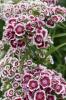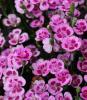
Wild Carnation, Dianthus Saponins, Mild Gastrointestinal Irritation, Contact Dermatitis, Bouquet Water, and Mixed-Flower Exposure Risk
Is Wild Carnation Poisonous to Dogs, Cats, Horses, and Livestock?
Yes—Wild Carnation, Dianthus caryophyllus, is considered mildly poisonous to dogs, cats, and horses and should not be offered to livestock, rabbits, guinea pigs, birds, reptiles, or other animals. The plant is not usually associated with life-threatening systemic poisoning after an ordinary pet exposure, but it can cause gastrointestinal irritation and contact dermatitis. Carnation tissues contain triterpenoid saponins and other incompletely identified irritants. Eating the flowers, petals, calyces, leaves, stems, or cuttings most often causes temporary nausea, drooling, lip licking, vomiting, diarrhea, appetite loss, mild lethargy, or abdominal discomfort. Sap contact may cause redness, itching, paw licking, muzzle irritation, eyelid irritation, or mild dermatitis.
The main danger is usually not a single carnation petal. The bigger practical risk is the exposure scene: florist bouquets can include true lilies, tulips, daffodils, chrysanthemums, baby’s breath, eucalyptus, hydrangea, irises, preservatives, fertilizer residues, dyes, floral foam, wire, ribbon, plastic picks, and contaminated vase water. Serious systemic signs such as seizures, collapse, liver failure, kidney failure, marked heart-rate abnormalities, severe weakness, or bloody gastrointestinal disease are not characteristic of uncomplicated Wild Carnation ingestion and should trigger investigation for another flower, bouquet chemical, foreign material, medication, pesticide, infection, metabolic disease, or unrelated illness.
About this guide: This page provides general pet-poisoning information and cannot diagnose or treat an individual animal. For any suspected exposure, contact a veterinarian or animal poison-control service immediately. Do not induce vomiting, give medication, or attempt home decontamination unless directed by a veterinary professional.
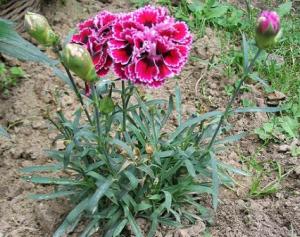
Wild Carnation
Dianthus caryophyllus L.
Important botanical synonyms and historical names include:
- Silene caryophylla (L.) E.H.L.Krause
- Tunica caryophyllus (L.) Scop.
- Caryophyllus tunica Garsault
- Dianthus acinifolius Schur
- Dianthus arbuscula Lindl.
- Dianthus arrectus Dumort.
- Dianthus binatus Schur
- Dianthus calyculatus Laun.
- Dianthus caryophyllus var. carduinus Ser.
- Dianthus caryophyllus var. coronarius L.
- Dianthus caryophyllus subsp. coronarius (L.) Bonnier
- Dianthus caryophyllus f. intermedius Pamp.
- Dianthus caryophyllus var. minor Gray
- Dianthus caryophyllus var. wakefieldii C.Morren
- Dianthus coronarius (L.) Burm.f.
- Dianthus corsicus Link ex Spreng.
- Dianthus kayserianus Schur
- Dianthus lignosus Laun.
- Dianthus longicaulis Costa
- Dianthus miniatus A.Huet ex Nyman
- Dianthus morrisii Hance
- Dianthus moschatus J.F.Gmel.
- Dianthus multinervis Vis.
- Tunica morrisii (Hance) Walp.
Important non-synonym confusion names:
- Dianthus barbatus L. — Sweet William; separate Dianthus species often grouped with carnations in pet-poison lists
- Dianthus plumarius L. — Garden Pink, Feathered Pink; separate Dianthus species
- Dianthus deltoides L. — Maiden Pink; separate Dianthus species
- Dianthus chinensis L. — China Pink; separate Dianthus species
- Gypsophila paniculata L. — Baby’s Breath; separate Caryophyllaceae plant often present in bouquets
- Agrostemma githago L. — Corn Cockle; separate Caryophyllaceae plant with much more serious livestock-toxicology history
- Saponaria officinalis L. — Soapwort; separate Caryophyllaceae plant rich in saponins
Caryophyllaceae
Wild Carnation; Carnation; Common Carnation; Garden Carnation; Clove Pink; Clove Gillyflower; Gillyflower; Border Carnation; Florist’s Carnation; Florists’ Carnation; Florist Carnation; Perpetual-Flowering Carnation; Greenhouse Carnation; Grenadin Carnation; Grenadin Pink; Carnation Pink; Pinks; Dianthus caryophyllus.
Scientific and historical search names include Dianthus caryophyllus, Silene caryophylla, Tunica caryophyllus, Caryophyllus tunica, Dianthus coronarius, Dianthus corsicus, Dianthus longicaulis, Dianthus morrisii, Dianthus multinervis, and Tunica morrisii.
Naming caution: “Pinks” is a broad horticultural name used for many Dianthus species and garden hybrids rather than an exclusive name for Dianthus caryophyllus. “Sweet William” properly refers to Dianthus barbatus, a separate species with small flowers arranged in dense, flat-topped clusters, although poison-control references may group it with carnations because the practical pet-safety concern is similar. “Wild Carnation” is also applied informally to other naturally occurring Dianthus species. Exact identification requires the scientific name, a nursery label, or clear photographs of the whole plant, not the common name alone.
Triterpenoid Saponins and Unknown Irritants
The toxic principle in Wild Carnation is best described as a mixture of triterpenoid saponins and other incompletely identified plant irritants. Veterinary poison-control references often use the cautious term “unknown irritant” because no single carnation compound has been tied conclusively to every case of vomiting, diarrhea, drooling, appetite loss, or dermatitis. Chemical research nevertheless confirms that cultivated Dianthus caryophyllus produces biologically active saponins in its aboveground tissues.
This evidence boundary is important. Carnation should not be described as a high-potency systemic poison, and it should not be described as chemically harmless. The best current practical description is mild irritant toxicity, supported by confirmed Caryophyllaceae-type triterpenoid saponins and by consistent clinical reports of mild gastrointestinal upset and mild dermatitis in exposed animals.
What Saponins Do
Saponins are glycosides made from a water-compatible sugar portion attached to a fat-interacting non-sugar portion called a sapogenin or aglycone. That combination gives many saponins soap-like properties and allows them to interact with sterols in biological membranes. In the digestive tract, this membrane interaction can irritate epithelial cells, alter permeability, stimulate fluid movement, and provoke nausea, drooling, vomiting, abdominal discomfort, and diarrhea.
Saponin effects depend heavily on structure, concentration, plant part, dose, species, and whether the compounds are monodesmosidic or bidesmosidic. One Caryophyllaceae saponin cannot be treated as equivalent to every other saponin in the family. The carnation page should therefore explain the chemistry without borrowing the severity of more dangerous saponin-rich plants such as corn cockle or strongly saponin-rich soapwort material.
Gypsogenic-Acid Glycosides in Carnation
Olesia Gumnicka and Wiesław Oleszek investigated the aerial parts of a remontant horticultural carnation and identified three gypsogenic-acid glycosides: gypsogenic acid 3-O-glucopyranoside, a 3,28-O-diglucopyranoside, and a more complex 3,28-bidesmosidic glycoside containing an additional linked glucose unit. The structures were established using mass spectrometry and proton and carbon nuclear magnetic resonance methods.
These compounds are pentacyclic oleanane-type triterpenoid saponins. They should not be described as steroidal saponins merely because both chemical groups contain ring-shaped, lipid-compatible aglycones. Steroidal saponins and triterpenoid saponins are structurally distinct categories. Caryophyllaceae is particularly well known for oleanane-type triterpenoid saponins based on gypsogenin, gypsogenic acid, quillaic acid, and related sapogenins.
Gypsogenic Acid, Gypsogenin, and Githagenin Are Not Interchangeable
Gypsogenic acid should not be confused with gypsogenin or githagenin. These are related names within Caryophyllaceae chemistry, but they do not identify one interchangeable compound. The carnation study directly demonstrated gypsogenic-acid glycosides rather than proving that gypsogenin or githagenin is the specific substance responsible for pet illness.
The distinction matters because pet-toxicology pages can easily drift into family-level chemistry that sounds more precise than it is. Dianthus caryophyllus belongs to a family famous for saponins, but the exact compounds, concentrations, and clinical severity differ from plant to plant. The directly documented carnation finding supports mild irritant potential; it does not prove a severe poisoning pattern.
Biological Activity Does Not Equal a Veterinary Toxic Dose
The isolated carnation saponins were evaluated for activity against a fungus and against plant-root growth rather than for veterinary toxicity. Gypsogenic acid 3-O-glucopyranoside strongly inhibited seedling-root growth under the experimental conditions, while the bidesmosidic form showed little inhibitory activity. These findings demonstrate that molecular structure changes biological activity, but they do not establish a toxic dose for dogs, cats, horses, cattle, goats, rabbits, birds, or reptiles.
No validated carnation dose has been established for pets or livestock. One animal may eat a petal and show no signs, while another may vomit after eating leaves or stems. The practical triage depends on species, body size, amount eaten, plant part, symptoms, hydration, health status, and whether a mixed bouquet, preservative solution, pesticide, or foreign material was also involved.
Sap Contact and Dermatitis
Carnation sap may irritate the skin independently of ingestion. Direct contact can produce redness, itching, mild swelling, or dermatitis in susceptible individuals, especially when sap remains trapped against moist, damaged, thinly haired, or sparsely haired skin. Common animal contact sites include the lips, muzzle, chin, paws, eyelids, abdomen, groin, skin folds, and areas beneath collars or harnesses.
Continued licking or scratching can make a mild plant reaction look worse. Repeated trauma can create abrasions, hair loss, secondary bacterial infection, or hot-spot-like lesions. Skin findings should be cleaned and observed, but persistent, spreading, painful, moist, crusted, or infected areas require veterinary care rather than repeated household ointments.
Allergic Carnation Reactions
Occupational studies in people have documented contact urticaria, dermatitis, rhinoconjunctivitis, and asthma associated with carnation exposure, demonstrating that carnation proteins can act as allergens after sensitization. This supports a cautious allergy statement for animals but does not mean every rash, sneeze, or upset stomach after contact is a true allergy.
Most pet exposures are irritant events, not confirmed IgE-mediated allergy. Rapid facial swelling, widespread hives, coughing, wheezing, breathing difficulty, collapse, pale gums, or shock is an emergency regardless of whether the trigger is carnation, an insect sting, a medication, a food, bouquet preservative, pesticide, or another plant.
Poisonous Plant Parts
All fresh plant parts should be treated as potentially irritating, including petals, flower bases, calyces, leaves, stems, sap, roots, and propagation cuttings. The concentration of individual constituents may vary among cultivars, plant tissues, growth stages, growing conditions, and environmental stress. A brightly colored florist carnation, an old-fashioned clove pink, a greenhouse stem, and a garden border plant should therefore receive the same basic pet-safety precautions.
Dried petals and old stems may be less juicy, but they should not be treated as safe food. Dried bouquet pieces can still irritate the stomach and may be mixed with wire, ribbon, floral foam, preservatives, potpourri fragrance, mold, or other plant material. Propagation cuttings, nursery plugs, and garden trimmings may also contain rooting media, fertilizer, pesticide, or fungicide residues.
Bouquet and Florist Hazards Beyond Carnation Chemistry
Cut flowers may create hazards beyond the plant’s natural chemistry. Florist bouquets can contain preservative solutions, fertilizer residues, pesticides, decorative wire, floral foam, ribbon, elastic bands, plastic picks, cellophane, dyes, and other flowers with much greater toxicity. Illness that is unusually severe for carnation exposure should prompt investigation of the entire arrangement rather than attributing every sign automatically to Dianthus caryophyllus.
True lilies in a mixed bouquet are a major cat emergency and have a completely different toxicology profile from carnation. Tulips, daffodils, chrysanthemums, baby’s breath, eucalyptus, hydrangea, irises, oleander, autumn crocus, sago palm decorations, or unidentified greenery can change the triage. A carnation petal on the floor does not prove that carnation was the only exposure.
No Characteristic Severe Systemic Syndrome
Severe neurologic depression, tremors, seizures, collapse, profound weakness, marked heart-rate abnormalities, liver failure, kidney failure, coma, and death are not characteristic of uncomplicated carnation ingestion. Bloody vomiting or bloody diarrhea is also not the expected pattern after a small carnation exposure. When these signs appear, the veterinarian should look for another plant, bouquet preservative, pesticide, foreign material, medication, infection, metabolic disease, pancreatitis, obstruction, allergic reaction, or unrelated illness.
The correct safety message is balanced: Carnation should not be fed or ignored, but it should not be inflated into a highly lethal plant. Most animal exposures are mild and recover with plant removal, observation, and supportive care when needed.
Mild Gastrointestinal Irritation
Wild Carnation most often causes mild gastrointestinal irritation. An animal may develop nausea, lip licking, drooling, reduced appetite, one or more episodes of vomiting, loose stool, or diarrhea after eating petals, leaves, calyces, flower bases, stems, or cuttings. Some animals remain completely asymptomatic, especially after swallowing only a small petal fragment. The bitter or irritating character of the plant often discourages continued eating before a large amount is consumed.
Abdominal discomfort may accompany vomiting or diarrhea. Dogs may pace, stretch, eat grass, hunch the abdomen, or appear restless. Cats may hide, refuse food, sit quietly, lick their lips repeatedly, or avoid normal activity. Mild lethargy can reflect nausea and temporary fluid loss rather than a direct neurologic poison.
Vomiting and Diarrhea Can Still Dehydrate Small or Fragile Animals
Repeated vomiting and diarrhea are not the usual outcome but can produce clinically important dehydration. Tacky gums, sunken eyes, reduced skin elasticity, weakness, decreased urination, dry stool, or inability to retain water indicates that the exposure is no longer a simple transient stomach upset. Small dogs, kittens, cats, puppies, elderly animals, and patients with kidney, heart, endocrine, gastrointestinal, or immune disease can become dehydrated more rapidly.
Blood in vomit or stool is not expected after a small uncomplicated carnation exposure. Bloody diarrhea, repeated straining, abdominal distention, severe abdominal pain, persistent vomiting after drinking, black stool, collapse, or worsening weakness should trigger investigation for another plant, foreign material, gastrointestinal disease, parasite, infection, medication exposure, toxin, or bouquet chemical.
Contact Dermatitis
Contact with sap or crushed tissue can cause mild dermatitis. Affected skin may become red, itchy, swollen, or irritated, particularly around the lips, muzzle, paws, eyelids, abdomen, groin, skin folds, or another area with thin hair. Moisture and friction can intensify the reaction, especially if sap remains beneath a collar, harness, bandage, bedding, or between the toes.
Continued licking, chewing, or scratching can enlarge the affected region and create superficial abrasions or secondary infection. Mild redness that resolves after rinsing is different from a spreading, moist, painful, crusted, bleeding, or infected skin lesion. Persistent dermatitis deserves veterinary assessment rather than repeated unsupervised creams, essential oils, or human rash products.
Eye and Airway-Related Signs
Eye exposure may produce tearing, blinking, squinting, redness, eyelid swelling, discharge, cloudiness, or rubbing. Carnation is not known for the severe raphide eye injury seen with some aroids, but sap, pollen, debris, preservatives, and other bouquet materials can still irritate the eye. Continued squinting or cloudiness requires examination.
Allergic reactions are possible but appear uncommon in ordinary companion-animal exposures. Sensitized individuals could develop more pronounced itching, hives, facial swelling, sneezing, coughing, wheezing, or respiratory discomfort after contact. Facial swelling or breathing difficulty should not be assumed to be an ordinary carnation reaction. These signs require prompt professional assessment.
Dogs
Dogs may pull carnations from garden beds, chew florist bouquets, shred fallen stems, eat dropped petals, or drink vase water. Puppies and dogs that routinely mouth objects are at greatest risk. Expected signs are mild nausea, drooling, vomiting, diarrhea, appetite reduction, abdominal discomfort, or temporary lethargy. Contact dermatitis may affect the muzzle or paws.
A dog that swallowed ribbon, floral foam, wire, plastic picks, cellophane, bouquet food packets, or stems from other flowers may look much sicker than a dog that ate only carnation petals. Persistent vomiting, abdominal pain, abdominal enlargement, lack of stool, painful straining, blood, collapse, or worsening illness should not be blamed automatically on carnation.
Cats
Cats may chew the narrow leaves, bat at petals, drink bouquet water, or walk across fallen plant material. Sap on the paws can be swallowed later during grooming. Vomiting, diarrhea, drooling, food refusal, hiding, lip licking, and mild dermatitis are the principal concerns.
A cat that continues refusing food should be examined because prolonged anorexia can create secondary metabolic illness even when the original plant toxin is mild. Carnation exposure in a mixed bouquet also requires special caution because true lilies may be present. Lily exposure in cats is a different emergency and should not be dismissed because carnations themselves are usually mild.
Horses, Ponies, and Donkeys
Horses cannot vomit. A horse eating carnation foliage, discarded bouquets, garden trimmings, or stable decorations may develop reduced appetite, mild colic, soft manure, diarrhea, salivation, or contact irritation around the lips and muzzle. The expected syndrome is mild gastrointestinal and skin irritation, not a characteristic fatal neurologic disease.
Persistent colic, repeated lying down, rolling, sweating, abdominal distention, reduced manure, marked depression, dehydration, or diarrhea that does not resolve requires equine veterinary examination. Horse exposures often involve discarded arrangements or event decorations, so other plants, wire, ribbons, foam, preservatives, and pesticides must be considered.
Cattle, Sheep, Goats, Pigs, Camelids, and Other Livestock
Detailed cattle, sheep, goat, camelid, and pig cases involving Dianthus caryophyllus are limited. Small accidental consumption would be expected to produce gastrointestinal irritation rather than a distinctive fatal syndrome. Possible signs include feed refusal, salivation, mild abdominal discomfort, soft manure, diarrhea, and irritation of the lips or muzzle.
Ornamental plants and florist waste should never be used as emergency forage. Mixed bouquet debris may contain much more dangerous plants, wires, ribbons, preservatives, pesticides, or plastic. Goats and pigs may be more likely than cattle or sheep to investigate discarded arrangements, compost, or garden waste, and the entire exposure source should be evaluated.
Rabbits, Guinea Pigs, Birds, Reptiles, and Other Small Animals
Carnation should not be offered as browse, enrichment, bedding, cage greenery, tortoise forage, poultry greens, or reptile décor. Species-specific safe doses are not established. Rabbits and guinea pigs may show reduced appetite, soft stool, diarrhea, abdominal discomfort, reduced fecal output, or secondary gut slowing after eating irritating plant material. Any small herbivore that stops eating needs prompt care.
Birds may shred petals, leaves, stems, floral foam, ribbon, or bouquet wrap and can be exposed to both plant irritants and foreign material. Reptiles and tortoises may show reduced appetite, abnormal stool, inactivity, or dehydration rather than the vomiting pattern seen in dogs. Because the carnation literature is not built around exotic pets, caution is more appropriate than assuming safety.
Signs That Point Beyond Uncomplicated Carnation Exposure
Severe neurologic depression, tremors, seizures, collapse, profound weakness, marked heart-rate abnormalities, liver failure, kidney failure, coma, severe bloody gastrointestinal disease, or respiratory distress are not characteristic of uncomplicated carnation ingestion. When these signs appear, the veterinarian should investigate another flower in the bouquet, pesticides, preservative solution, medication, foreign material, infection, pancreatitis, obstruction, metabolic disease, allergic reaction, or a different toxic exposure.
Most mild cases improve within several hours and recover within approximately 12 to 24 hours, although diarrhea, appetite loss, or skin irritation can persist for a day or two. Continued vomiting, refusal to eat, worsening diarrhea, visible blood, persistent dermatitis, eye pain, or failure to improve within the expected period warrants veterinary examination.
Wild Carnation on This Page Means Dianthus caryophyllus
The Wild Carnation covered here is Dianthus caryophyllus, the species from which most familiar garden and florist carnations were developed. It belongs to Caryophyllaceae, the Pink or Carnation family. The page title should remain Wild Carnation because that is the PAWS plant-name field, but the scientific name is essential because cultivated carnations dominate the modern flower trade and because several naturally occurring Dianthus species may be called wild carnations.
Plant identification should therefore rely on the scientific name, morphology, nursery label, florist invoice, or photographs of the whole plant rather than the common name alone. For pet safety, a florist carnation, garden carnation, clove pink, border carnation, greenhouse carnation, or old-fashioned pink should all be treated as a mild irritant exposure unless another plant or product in the arrangement changes the risk.
Accepted Name, Synonyms, and Native Range
The accepted scientific name is Dianthus caryophyllus L. Carl Linnaeus published the name in 1753. Kew places the species in Caryophyllaceae and treats it as native to the Balkan Peninsula, with native distribution including Albania, Greece, and the northwestern Balkans. It has been widely cultivated and introduced far beyond that range.
Centuries of cultivation, selection, taxonomic treatment, and horticultural naming created many synonyms and historical names. Older names such as Silene caryophylla, Tunica caryophyllus, Dianthus coronarius, Dianthus corsicus, Dianthus multinervis, and Tunica morrisii may appear in botanical databases or historical literature. Household pets are far more likely to encounter a florist bouquet, garden cultivar, patio container, propagation cutting, or discarded arrangement than a confirmed wild Balkan population.
The Larger Dianthus Genus
Dianthus contains hundreds of accepted species native mainly to Europe and temperate Asia, with additional species in Africa and subarctic North America. The genus includes carnations, numerous plants called pinks, and Sweet William. Most species are herbaceous perennials, although annuals, biennials, and low woody-based subshrubs also occur.
Leaves are usually opposite, simple, narrow, and green to blue-gray. Wild-type flowers normally have five petals, often with toothed, fringed, or deeply cut outer margins. Centuries of breeding have produced thousands of cultivars and hybrids with double or densely petaled flowers, dwarf or tall growth, repeated flowering, stronger stems, altered fragrance, and nearly every commercial flower color. A modern double carnation may not visibly display the five-petal structure of its wild-type ancestors.
“Pinks” Refers to More Than One Species
The name pinks does not refer simply to flower color. It has long been associated with the serrated or “pinked” edges of the petals, resembling fabric cut with pinking shears. Several Dianthus species and their hybrids are called pinks, including D. plumarius, D. gratianopolitanus, D. deltoides, D. chinensis, compact garden hybrids, and older border forms.
Their chemistry is not necessarily identical, although mild gastrointestinal and skin irritation is a reasonable precaution across the group. A pet owner reporting that a dog ate “pinks” should provide a label or photograph rather than assuming the plant was exactly D. caryophyllus.
Sweet William Is a Separate Species
Sweet William properly refers to Dianthus barbatus. It usually forms dense, broad, flat-topped clusters containing many small flowers rather than the larger individual blooms associated with florist carnations. Poison-control references sometimes list Sweet William as an additional carnation name because both plants belong to Dianthus and present similar practical pet concerns.
Botanically, however, D. barbatus and D. caryophyllus are separate accepted species. Keeping that distinction improves plant identification, search accuracy, and future page structure, even when the immediate first-aid advice is similar.
Growth Form, Leaves, and Flowers
Wild-type carnation is a short-lived evergreen or semi-evergreen subshrub or herbaceous perennial with a somewhat woody base. Garden plants are often managed as perennials, biennials, or annual bedding plants depending on cultivar and climate. Plants commonly grow approximately one to three feet tall, while greenhouse florist carnations may develop longer flowering stems.
The stems are slender, erect, jointed, and often bluish green or gray green. The leaves grow in opposite pairs along the stem. They are narrow, linear to lance-shaped, smooth-edged, and commonly coated with a waxy bloom that gives them a gray-green or blue-green appearance. Their stiff, grass-like appearance helps distinguish carnation from broad-leaved flowering ornamentals.
Wild-type flowers are usually pink to pink-purple and have five petals with toothed or fringed margins. The petals arise from a long tubular green calyx surrounded by several overlapping bracts. Cultivars may bear single, semi-double, or densely double flowers in white, cream, yellow, orange, salmon, red, burgundy, purple, green, pink, and multicolored patterns. The characteristic fragrance is spicy and often compared with cloves, cinnamon, or nutmeg. The names clove pink and clove gillyflower refer to this scent rather than the plant containing culinary cloves.
Flowering Season and Exposure Timing
Wild and border carnations often produce their main flowering display from late spring through summer. Greenhouse and perpetual-flowering cultivars can bloom over a much longer period and supply the cut-flower industry throughout the year. A fixed July-to-August flowering period does not apply to every climate, cultivar, or production system.
Indoor bouquets create exposure during every season. Carnations are common around holidays, weddings, funerals, anniversaries, birthdays, hospital visits, graduations, religious events, Mother’s Day, Valentine’s Day, and memorial arrangements. A winter carnation exposure is therefore not unusual even though outdoor garden plants are seasonal in many climates.
Why Carnations Are Considered Mildly Toxic
Carnation is classified as toxic to dogs, cats, and horses by major veterinary poison resources, but the expected effects are mild gastrointestinal signs and mild dermatitis. This classification distinguishes carnation from highly dangerous ornamentals such as true lilies, oleander, autumn crocus, castor bean, yew, foxglove, or sago palm. “Mildly toxic” does not mean suitable for chewing or feeding; it means that the ordinary documented syndrome is usually limited and self-resolving.
The main veterinary problem is owner interpretation. Some owners dismiss “mild” as harmless and allow repeated chewing. Others panic as if a single petal equals a lethal poison. The accurate middle ground is that carnation should be removed, the whole bouquet should be checked, and the animal should be monitored or triaged based on species, amount, symptoms, and co-exposures.
Triterpenoid Saponins
Scientific analysis has confirmed triterpenoid saponins in the aerial parts of a cultivated remontant carnation. The isolated compounds were glycosides of gypsogenic acid, an oxidized oleanane-type triterpene. Saponins are amphipathic molecules, meaning that one part interacts readily with water while another interacts with fats and membrane sterols.
This property accounts for their ability to foam in water and helps explain their irritant effects on gastrointestinal and skin cell membranes. The quantity and distribution of the identified saponins in ordinary florist cultivars have not been translated into a veterinary toxic dose. The compounds support the biological plausibility of mild irritation without proving that one specific saponin causes every carnation case.
Gypsogenic Acid, Gypsogenin, and Githagenin
Caryophyllaceae contains many structurally related oleanane-type triterpenoid saponins. Gypsogenin, gypsogenic acid, quillaic acid, and githagenin occur in different combinations across members of the family. These names should not be treated as interchangeable synonyms. They describe related but structurally distinct sapogenins or acids.
The study of cultivated carnation specifically identified glycosides based on gypsogenic acid. That finding corrects the idea that Dianthus caryophyllus lacks the characteristic saponin chemistry found elsewhere in Caryophyllaceae. It does not establish that carnation contains the same concentration or clinical danger as soapwort, corn cockle, or strongly saponin-rich Gypsophila species.
Family Chemistry Does Not Establish Equal Toxicity
Soapwort, baby’s breath, corn cockle, campions, chickweeds, and carnations all belong to or near Caryophyllaceae chemistry discussions, but they do not contain identical compounds or create identical poisoning risks. Corn cockle, Agrostemma githago, has a serious livestock-toxicology history and should not be used to exaggerate carnation danger.
Species identity, plant part, chemical concentration, dose, animal species, preparation, bouquet context, and co-exposures determine the clinical outcome. For carnation, the dependable veterinary evidence supports mild gastrointestinal irritation and dermatitis rather than severe family-wide saponin poisoning.
Contact Dermatitis
Carnation sap and crushed tissue can irritate skin. Clinical signs may include redness, itching, mild swelling, paw licking, rubbing, or a localized rash. Moisture and friction can increase the reaction. Sap trapped beneath a collar, between toes, in skin folds, around the muzzle, or against thinly haired skin may remain in contact longer than sap on a dry outer coat.
Continued licking and scratching can create abrasions or secondary bacterial infection even when the original plant reaction was mild. Skin exposure should be washed promptly with a mild pet-safe cleanser and observed for persistence, spreading, pain, discharge, crusting, or self-trauma.
Allergic Carnation Reactions
Occupational studies have documented IgE-mediated allergy among people who work extensively with carnations. Reported manifestations include rhinitis, conjunctivitis, asthma, contact urticaria, and dermatitis. These findings establish that carnation proteins can act as allergens after repeated exposure.
They do not prove that every rash after touching a carnation is allergic or that an animal eating one flower is likely to develop anaphylaxis. Rapid facial swelling, widespread hives, wheezing, coughing, breathing difficulty, collapse, or pale mucous membranes is an emergency regardless of whether the trigger is carnation, an insect sting, medication, bouquet preservative, pesticide, or another allergen.
Cut-Flower Bouquets Create Mixed Exposures
Carnations are commonly used as filler flowers in mixed bouquets. A missing petal beside a bouquet does not prove that carnation was the only plant eaten. Arrangements may contain true lilies, tulips, daffodils, chrysanthemums, eucalyptus, baby’s breath, hydrangea, irises, oleander, alstroemeria, ferns, unknown greenery, or other plants with different toxic mechanisms.
The complete bouquet should be photographed or brought for identification. Vase water may contain bacterial growth, flower food, sugar, acidifiers, biocides, fertilizer, dyes, pesticides, and substances leached from multiple stems. Drinking the water may produce a different exposure from chewing one carnation petal.
Foreign-Material Hazards
Florist arrangements may contain wire, tape, ribbon, elastic bands, plastic picks, cellophane, floral foam, wooden skewers, pins, staples, preservative packets, and decorative stones. These materials can cause choking, gastrointestinal obstruction, perforation, oral injury, or chemical irritation.
Persistent vomiting, abdominal enlargement, painful straining, lack of stool, worsening abdominal pain, collapse, or illness that worsens after a bouquet exposure may indicate swallowed foreign material rather than simple carnation irritation. A dog that ate a carnation stem plus floral foam is not the same case as a cat that mouthed one petal.
Dogs
Dogs may pull carnations from garden beds, chew florist bouquets, shred stems, drink vase water, or swallow dropped petals and leaves. Puppies and dogs that routinely mouth objects are at greatest risk. Expected signs are mild nausea, drooling, vomiting, diarrhea, appetite reduction, temporary lethargy, or contact dermatitis affecting the muzzle or paws.
Most dog cases are managed with plant removal, exposure identification, observation, and supportive care when needed. Veterinary examination becomes more important when vomiting repeats, the dog cannot retain water, diarrhea becomes severe, blood appears, foreign material may have been swallowed, another flower is involved, or the dog is very small, young, elderly, or medically fragile.
Cats
Cats may chew the narrow leaves, bat at petals, drink bouquet water, knock over arrangements, or walk across fallen plant material. Sap on the paws can be swallowed later during grooming. Vomiting, diarrhea, drooling, food refusal, hiding, and mild dermatitis are the principal concerns.
A cat that continues refusing food should be examined because prolonged anorexia can create secondary metabolic illness even when the original plant toxin is mild. Mixed bouquets are especially important in cats because true lilies can be deadly even when carnation is only a mild irritant. The entire arrangement must be identified.
Horses
The ASPCA includes horses among susceptible species. A horse eating carnation foliage, stable decorations, wedding flowers, event arrangements, or discarded bouquets may develop reduced appetite, mild colic, soft manure, diarrhea, or contact irritation. Horses cannot vomit.
Persistent colic, repeated lying down, rolling, sweating, abdominal distention, reduced manure, marked depression, dehydration, or ongoing diarrhea requires veterinary examination and investigation for other plants, preservatives, pesticides, or foreign material. Carnation itself is not expected to produce a classic fatal neurologic syndrome in horses.
Other Livestock
Detailed cattle, sheep, goat, pig, camelid, and poultry cases involving D. caryophyllus are limited. Small accidental consumption would be expected to produce gastrointestinal irritation rather than a distinctive fatal syndrome. The practical recommendation is not to feed ornamental plants or florist waste at all.
Mixed bouquet debris may contain much more dangerous plants, wires, ribbons, preservatives, or pesticide residues. Goats, pigs, and poultry may investigate discarded flowers aggressively, and the risk can shift from mild plant irritation to mixed toxic plant exposure or foreign-material ingestion.
Diagnosis
Diagnosis generally depends on known or suspected exposure, identification of the plant, and development of mild gastrointestinal or skin signs. Preserve the flower label, plant tag, bouquet card, packaging, flower-food packet, and photographs of the entire arrangement or garden plant. Report every other plant, product, and foreign material within reach.
Laboratory testing is rarely necessary after one small exposure with brief signs. Persistent vomiting, repeated diarrhea, dehydration, weakness, blood in vomit or stool, facial swelling, eye pain, foreign-material ingestion, or illness lasting longer than expected may justify bloodwork, urinalysis, abdominal imaging, fecal testing, allergy treatment, or other evaluation.
Veterinary Treatment
There is no carnation-specific antidote. Veterinary care is directed toward symptoms and may include an antiemetic, fluid replacement, electrolyte monitoring, treatment of dermatitis, eye irrigation, allergy treatment when indicated, appetite support, or imaging for swallowed foreign material.
Induced vomiting is rarely justified for a plant expected to cause mild spontaneous gastrointestinal irritation. Hydrogen peroxide can injure the stomach and esophagus, prolong vomiting, and be aspirated into the lungs. Activated charcoal is not a universal antidote and has no established routine benefit after a small carnation exposure. It can be inhaled by a vomiting, weak, or poorly swallowing animal.
Prognosis
The prognosis is excellent for most carnation exposures. Mild vomiting, diarrhea, appetite loss, or dermatitis generally resolves after the plant is removed and the animal receives appropriate supportive care. Most animals recover within several hours to one or two days.
The prognosis depends more heavily on hydration, underlying disease, another toxic flower, vase-water chemicals, swallowed foreign material, or allergic response when signs become severe or persistent. A severe case should not be attributed indefinitely to carnation without reassessing the exposure scene and the animal’s medical status.
Prevention
Keep carnations and mixed bouquets where pets cannot climb, jump, pull, or knock them down. Remove dropped petals, leaves, and stem fragments promptly. Prevent animals from drinking bouquet water. Store flower-food packets, pruning tools, ribbon, wire, floral foam, cellophane, and discarded plant material in closed containers.
Wear gloves when handling large quantities if skin irritation has occurred previously. Wash sap from hands, tools, counters, floors, and animal-accessible surfaces. Label garden plants accurately and do not assume every flower sold as a pink, Sweet William, or wild carnation is Dianthus caryophyllus.
Immediate Steps After Exposure
Prevent further ingestion first. Remove the animal from the plant, bouquet, garden bed, vase, patio container, discarded arrangement, compost, or floral waste. Collect fallen petals, leaves, stems, cuttings, and vase spills before another animal reaches them.
- Check the entire arrangement: Identify every flower, greenery, preservative packet, wire, ribbon, floral foam, plastic pick, decorative stone, and piece of wrapping that may also have been chewed or swallowed.
- Contact a veterinarian or animal poison-control service: Report the animal’s species, weight, amount eaten, time of exposure, symptoms, medical problems, and all other flowers or bouquet materials involved.
- Remove loose material carefully: If the animal is alert, cooperative, breathing normally, and swallowing normally, take visible plant pieces from the front of the mouth and gently wipe sap from the lips or muzzle.
- Clean skin exposure: Wash sap from the paws, coat, muzzle, feathers, scales, or skin with lukewarm water and a mild pet-safe cleanser, then prevent continued licking or scratching.
- Preserve identification evidence: Save the plant label, bouquet card, flower-food packet, photographs, and any recognizable material found in vomit or stool.
Do Not Attempt Unsupervised Home Treatment
- Do not induce vomiting with hydrogen peroxide: Peroxide can cause severe gastritis, esophageal irritation, prolonged vomiting, bleeding, and aspiration.
- Do not use salt, mustard, oil, syrup of ipecac, dish soap, or manual gagging: These methods can create additional poisoning or injury.
- Do not force food, milk, water, broth, or electrolyte solution: A nauseated, vomiting, weak, or poorly swallowing animal may inhale the material.
- Do not force activated charcoal: Its benefit is not established for a small carnation exposure, and aspiration can be more dangerous than the expected mild illness.
- Do not give diphenhydramine automatically: Mild contact irritation is not necessarily an allergy, and facial swelling or breathing difficulty requires veterinary assessment rather than an unsupervised dose.
- Do not administer Kapectolin, Kaopectate, sucralfate, antacids, pain medication, probiotics, antiemetics, or antidiarrheal drugs without veterinary direction: These products do not neutralize carnation saponins and may be inappropriate for the animal or formulation.
- Do not assume carnation was the only exposure: Mixed bouquets, vase water, florist foam, ribbon, wire, lilies, tulips, daffodils, pesticides, and preservatives can change the emergency level.
When Veterinary Examination Is Especially Important
- Vomiting or diarrhea is repeated: Continued fluid loss can cause dehydration, electrolyte disturbance, weakness, and reduced circulation.
- Blood appears in vomit or stool: Bleeding is not expected after a minor carnation exposure and requires investigation for substantial irritation, another plant, disease, or foreign material.
- The animal cannot retain water: Repeatedly vomiting after drinking substantially increases dehydration risk.
- A cat continues refusing food: Prolonged anorexia can create serious secondary metabolic complications.
- Facial swelling, hives, coughing, wheezing, or breathing difficulty develops: These signs may indicate a significant allergic reaction, another exposure, or airway problem.
- The eye remains painful: Continued squinting, tearing, redness, cloudiness, discharge, or swelling requires examination.
- Severe weakness, tremors, seizures, collapse, or organ abnormalities appear: These are not characteristic of simple carnation ingestion and require a search for another toxin or illness.
- Wire, ribbon, floral foam, plastic, wood picks, or another bouquet component may have been swallowed: Foreign materials can create an obstruction, perforation, choking episode, or chemical irritation even when the flowers themselves are only mildly toxic.
Skin and Eye Decontamination
Wash sap from skin, paws, muzzle, coat, feathers, or scales with lukewarm water and a mild pet-safe cleanser when this can be done safely. Prevent licking or scratching until residue has been removed. Clean collars, bedding, carriers, cages, floors, counters, grooming tools, and transport surfaces if they were contaminated with sap or bouquet water.
If material enters the eye, gently rinse with sterile saline or clean lukewarm water if this can be done safely. Do not rub the eye, use leftover medication, or apply human redness drops. Persistent squinting, tearing, redness, cloudiness, swelling, discharge, pawing, or apparent vision difficulty requires veterinary examination.
Veterinary Treatment
Veterinary treatment is symptomatic and supportive. Depending on the signs, it may include antiemetic medication, fluid replacement, electrolyte monitoring, skin cleansing, eye irrigation, treatment of an allergic reaction, appetite support, or imaging for swallowed foreign material. Mild cases may require only plant removal, observation, and hydration monitoring.
Gastric lavage and activated charcoal are not routine procedures for a small carnation exposure. They may be considered only when the veterinarian identifies a different serious toxicant or an exceptional mixed exposure that justifies their risks. The treatment plan should be based on the whole exposure, not just the word “carnation.”
Dogs and Cats
Dogs should be monitored for vomiting, diarrhea, drooling, appetite, hydration, abdominal pain, dermatitis, and any evidence of swallowed bouquet material. Puppies, toy breeds, elderly dogs, and dogs with kidney, heart, endocrine, or gastrointestinal disease may need earlier veterinary guidance if vomiting or diarrhea develops.
Cats should be monitored for vomiting, diarrhea, drooling, hiding, food refusal, dehydration, and grooming of sap from the paws or coat. Any mixed bouquet exposure involving possible true lilies should be treated as a separate cat emergency. Do not wait for kidney signs if lilies may have been present.
Horses and Livestock
Horses cannot vomit and may show reduced appetite, mild colic, soft manure, diarrhea, or mouth and muzzle irritation after eating carnations or discarded arrangements. Remove all floral waste and check for other plants and foreign materials. Persistent colic, depression, reduced manure, abdominal distention, or ongoing diarrhea requires equine veterinary care.
Cattle, sheep, goats, pigs, alpacas, llamas, poultry, and other livestock should not be given florist waste or ornamental trimmings as forage. If exposure occurs, remove the source and inspect the entire pile or bouquet for more dangerous plants, preservatives, wire, foam, mold, or pesticides. Group exposure should be managed as a feed-source problem, not simply one animal with a stomach upset.
Birds, Rabbits, Guinea Pigs, Reptiles, and Small Pets
Small animals should not be offered carnations as browse, bedding, enrichment, cage greenery, or tortoise forage. If exposure occurs, remove the plant and contact an appropriate veterinarian when signs develop or the amount is meaningful. Do not force food, water, oil, milk, charcoal, or household medication.
Rabbits and guinea pigs that stop eating, develop diarrhea, produce fewer fecal pellets, or become weak need prompt care. Birds with poor perching, regurgitation, reduced appetite, weakness, or suspected foreign-material ingestion need avian guidance. Reptiles and tortoises may show reduced appetite, abnormal stool, inactivity, or dehydration rather than the dog-and-cat vomiting pattern.
Recovery and Prognosis
Most dogs, cats, and horses with limited carnation exposure recover completely within several hours to approximately one or two days. Mild dermatitis may take somewhat longer to resolve if the animal continues licking or scratching the area.
Persistent or worsening illness should not be attributed indefinitely to carnation. Reassessment is necessary to identify dehydration, another toxic flower, contaminated vase water, swallowed bouquet material, allergy, infection, pancreatitis, obstruction, or an unrelated medical problem.
Prevention After the Incident
Keep garden carnations and mixed bouquets outside animal reach. Remove dropped petals and stems promptly. Prevent access to vase water. Store flower-food packets, ribbons, wire, floral foam, plastic picks, pruning tools, and discarded arrangements in closed containers.
Do not feed event flowers, florist waste, garden trimmings, or old arrangements to livestock, rabbits, poultry, reptiles, or compost-accessing pets. Label garden plants accurately and remember that “pinks,” “Sweet William,” and “wild carnation” may refer to different Dianthus species.
Frequently Asked Questions About Wild Carnation and Animal Poisoning
Is Wild Carnation poisonous to dogs and cats?
Yes, but the toxicity is generally mild. Dogs and cats may develop nausea, drooling, vomiting, diarrhea, reduced appetite, temporary lethargy, or mild dermatitis after eating or contacting Dianthus caryophyllus. Repeated vomiting, blood, dehydration, facial swelling, breathing difficulty, eye pain, or signs that last longer than expected require veterinary care.
Is Sweet William the same plant as Wild Carnation?
No. Sweet William properly refers to Dianthus barbatus, while Wild Carnation on this page is Dianthus caryophyllus. Poison-control lists sometimes group the names because both are Dianthus ornamentals with similar mild irritant potential. Botanically, they should remain separate species.
Are all plants called pinks the same species?
No. Pinks is a broad horticultural name covering numerous Dianthus species and hybrids. The name comes partly from the serrated or “pinked” petal edges, not only from flower color. Their exact chemistry may differ, so the scientific name, label, or photograph should be confirmed whenever possible.
Which parts of a carnation are poisonous?
Petals, flower bases, calyces, leaves, stems, sap, roots, and propagation cuttings should all be treated as potentially irritating. Any part may cause gastrointestinal upset when eaten or dermatitis when sap contacts sensitive skin. Dried bouquet material should also be kept away from animals because it may contain plant fragments, preservatives, ribbon, wire, or floral foam.
What toxins are present in Dianthus caryophyllus?
The veterinary toxic principle remains partly unidentified, but triterpenoid saponins are confirmed in the aerial tissues. Researchers isolated gypsogenic-acid glycosides from a cultivated remontant carnation. Other sap constituents, proteins, or irritants may contribute to gastrointestinal and skin signs, which is why poison references often use the broader phrase “unknown irritant.”
Are carnation saponins steroidal?
The compounds directly identified from carnation were pentacyclic oleanane-type triterpenoid saponins. They are not steroidal saponins. Both groups are glycosides with lipid-compatible aglycones, but their chemical skeletons differ. The distinction matters because different saponin classes and structures can have different biological activity.
Are gypsogenic acid and gypsogenin the same compound?
No. They are closely related oleanane-type triterpenoid structures but are not interchangeable names. The carnation study specifically identified glycosides based on gypsogenic acid. Gypsogenin, githagenin, quillaic acid, and related sapogenins occur in broader Caryophyllaceae chemistry discussions, but they should not be treated as one identical carnation toxin.
Can touching carnations cause dermatitis?
Yes. Sap or crushed plant tissue may cause redness, itching, mild swelling, paw licking, rubbing, or localized dermatitis in susceptible animals and people. Moisture and friction can worsen the reaction when sap is trapped under a collar, between toes, in skin folds, or against thinly haired skin. Persistent or infected skin lesions need veterinary care.
Can carnations cause allergies?
Yes, allergy is possible, especially after repeated exposure. Occupational studies in people have documented carnation-associated rhinitis, conjunctivitis, asthma, contact urticaria, and dermatitis. In pets, rapid facial swelling, hives, coughing, wheezing, breathing difficulty, collapse, or pale gums should be treated as an emergency regardless of whether carnation is the suspected trigger.
Can carnation poisoning be fatal?
Fatal poisoning is not characteristic of ordinary carnation ingestion. Severe or progressive illness should prompt investigation for another toxic plant, bouquet preservative, pesticide, swallowed foreign material, allergy, infection, obstruction, metabolic disease, or unrelated illness. Carnation itself is best treated as a mild irritant plant, not a high-fatality poison.
How long do carnation poisoning symptoms last?
Most mild vomiting, diarrhea, appetite loss, drooling, or lethargy improves within several hours and resolves within approximately 12 to 48 hours. Mild dermatitis may take somewhat longer if the animal continues licking or scratching. Persistent vomiting, refusal to eat, worsening diarrhea, blood, eye pain, or skin infection requires reassessment.
Should vomiting be induced after a pet eats a carnation?
No. Hydrogen peroxide and other home emetics can injure the stomach and esophagus, prolong vomiting, and be aspirated. Carnation exposure is usually mild and may already cause spontaneous vomiting. Veterinary care focuses on identifying the whole exposure, preventing dehydration, controlling symptoms, and checking for more dangerous bouquet components.
Should activated charcoal be given?
Not without veterinary direction. Activated charcoal has no established routine benefit for a small carnation exposure and can be inhaled by a vomiting, weak, sedated, or poorly swallowing animal. It may be considered only if a veterinarian identifies another serious toxicant in a mixed exposure.
Should diphenhydramine be given for carnation exposure?
Not automatically. Mild contact irritation is not necessarily an allergy, and diphenhydramine does not treat ordinary gastrointestinal upset. Facial swelling, hives, coughing, wheezing, or breathing difficulty requires veterinary assessment because the reaction may be significant or may involve another exposure. Dose and formulation also matter by species.
Are carnations poisonous to horses?
Yes, carnations are considered toxic to horses, but expected signs are usually mild gastrointestinal or skin effects. Horses cannot vomit and may instead show reduced appetite, mild colic, soft manure, diarrhea, salivation, or muzzle irritation. Persistent colic, abdominal distention, reduced manure, marked depression, or ongoing diarrhea requires equine veterinary examination.
Are carnations poisonous to cattle, sheep, goats, and pigs?
Detailed livestock case reports for Dianthus caryophyllus are limited. Small accidental consumption would be expected to cause gastrointestinal irritation rather than a distinctive fatal syndrome. Ornamental plants and florist waste should still never be used as forage because mixed flowers, preservatives, pesticides, wire, ribbon, and floral foam can create greater hazards.
Are carnations safe for rabbits, guinea pigs, birds, or reptiles?
Carnations should not be offered as browse, bedding, cage greenery, tortoise forage, poultry greens, or enrichment. Species-specific safe doses are not established. Small animals may develop food refusal, diarrhea, abnormal stool, weakness, or secondary gut slowing, and they may also swallow foreign material from bouquets or arrangements.
Is water from a carnation bouquet dangerous?
Bouquet water may contain bacteria, flower food, sugar, acidifiers, biocides, fertilizer, dyes, pesticides, and substances released by every plant in the arrangement. Pets should not be allowed to drink it, particularly when the bouquet contains unidentified flowers. Vomiting or diarrhea after drinking vase water may not be caused by carnation itself.
What if the bouquet also contained lilies?
Treat that as a separate and much more serious concern for cats. True lilies can cause severe kidney injury in cats, while carnations usually cause mild gastrointestinal or skin irritation. A mixed bouquet exposure should always be evaluated plant by plant. Do not assume the mild carnation risk applies to every flower in the arrangement.
Can floral foam, ribbon, or wire be more dangerous than the carnation?
Yes. Wire, ribbon, plastic picks, floral foam, cellophane, elastic bands, and wooden skewers can cause choking, gastrointestinal obstruction, perforation, or chemical irritation. Persistent vomiting, abdominal pain, abdominal enlargement, lack of stool, painful straining, or worsening illness after a bouquet exposure may indicate a foreign-material problem.
How do veterinarians diagnose carnation poisoning?
Diagnosis usually depends on a known or suspected exposure, plant identification, and mild gastrointestinal or skin signs. Useful evidence includes the plant label, bouquet card, flower-food packet, photographs of the entire arrangement, and any material found in vomit or stool. Testing is rarely needed for one small exposure but may be appropriate when signs are persistent, severe, bloody, or inconsistent with carnation.
What differentials matter most?
Important differentials include true lilies, tulips, daffodils, chrysanthemums, baby’s breath, eucalyptus, hydrangea, irises, oleander, pesticides, vase preservatives, spoiled vase water, swallowed wire or ribbon, floral foam, pancreatitis, obstruction, parasites, infection, allergy, and unrelated gastrointestinal disease. Severe signs should not be blamed on carnation without checking the whole exposure.
What is the usual prognosis?
The prognosis is excellent for most carnation exposures. Mild vomiting, diarrhea, appetite loss, or dermatitis usually resolves after the plant is removed and supportive care is provided if needed. The outlook depends more on hydration, underlying disease, mixed-bouquet plants, vase-water chemicals, foreign material, or allergic reaction when signs become severe or persistent.
How can Wild Carnation poisoning be prevented?
Keep garden plants and bouquets outside animal reach, remove fallen petals and stems promptly, prevent access to vase water, and secure flower-food packets, ribbons, wire, floral foam, and discarded arrangements in closed containers. Do not feed ornamental flowers or florist waste to livestock, rabbits, birds, reptiles, or other animals.