Grooming Dryers • Force Dryers • High Velocity Dryers • Tub-Side Drying • Undercoat Removal • Electrical Load • Dryer Safety
Force Grooming Dryers: Brute-Force Water Removal, Undercoat Blasting, Noise, Heat, and Breaker Reality
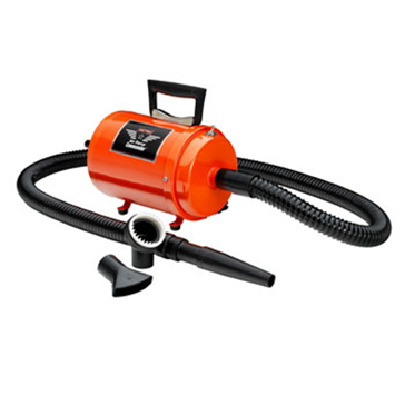
Force dryers are likely the most useful type of grooming dryer and my personal favorite because of their versatility, speed, and sheer usefulness in a working grooming room.
The main advantage is the concentrated air stream. A strong force dryer can quite literally blow water, loose coat, and dead undercoat off a dog before the groomer ever gets to finish drying.
Most dryers in this category do not use a heating element. They rely on air power to physically push water out of the dog’s coat and into the surrounding air.
That does not mean the air always stays cool. After a few minutes of use, the motors heat up from operating friction and transfer that heat into the air exiting the hose. The result can be warm air, hot air, and in some cases air hot enough that you need to pay attention before you roast one spot on the dog like a fool with a hose.
Used correctly, a force dryer saves time, removes water fast, reduces brushing labor, blows out shedding coat, and helps the shop move dogs through the bathing stage without drowning the schedule.
⚠️
Operator rule
A force dryer is not just “air.” It is power, heat, noise, hose control, dog stress, electrical draw, and production speed all coming out of one machine.
🗺️
Use This Page Like a Force Dryer Buying and Use Check
Force dryers are simple in concept, but the wrong setup creates heat, noise, electrical, hose-control, and workflow problems.
💨
Why Force Dryers Work
Concentrated air power removes water, loose coat, and undercoat fast.
🔥
Heat Without a Heater
Motors can warm the exiting air enough that the dog feels heat even when the dryer has no heating element.
💪
K-9 Style Brute Force
Big dual-motor force dryers are tub-side water-removal monsters, but they are loud, powerful, and electrically demanding.
🚗
Portable Commander Type
Smaller portable force dryers are not as powerful, but they are useful for small dogs, spot drying, fluffing, and cleaning hair off the floor.
⚡
Breaker Reality
Powerful force dryers need serious electrical planning, especially when multiple motors or multiple dryers run at once.
✅
Operator Verdict
A serious grooming shop should have a strong force dryer, but it should be used for the job it actually does best.
🖼️
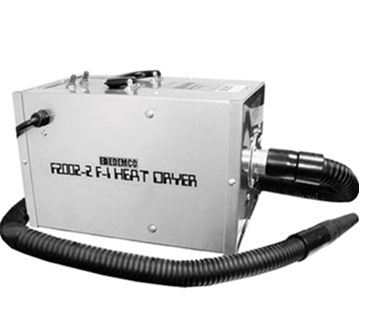
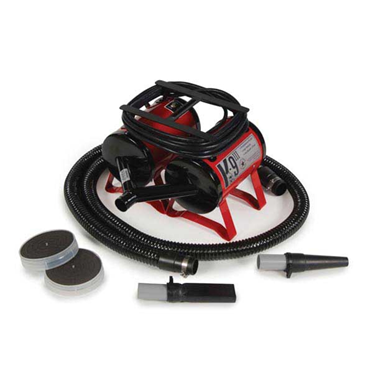
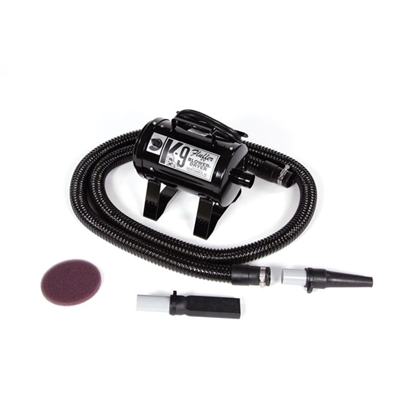
Force Grooming Dryer Examples
These examples show the type of force dryer equipment used for tub-side water removal, undercoat blasting, spot drying, and grooming room production.
💨
Why Force Dryers Are So Useful
They remove water with power instead of waiting politely for evaporation.
Force dryers are useful because they attack the slowest part of grooming: getting the dog dry enough to move into the next stage.
A towel can only do so much. A stand dryer can finish and straighten the coat, but it is not the fastest way to remove the bulk of water from a freshly bathed dog.
A force dryer uses a concentrated air stream to physically push water out of the coat. On heavy-coated dogs, that air can also lift and blow away dead undercoat and excess shedding hair, which can save a tremendous amount of brushing time.
This is why I like them near the tub. Bathe the dog, blast the bulk water out, blow loose coat out, then move the dog into the proper finish-drying process.
Used correctly, a force dryer turns a soaking wet dog into a manageable dog faster than almost any other piece of drying equipment in the room.
📌
Main job
The force dryer is the water-removal and coat-blasting tool. It is not automatically the best finish dryer, fluff dryer, or gentle dryer for every dog.
🔥
Force Dryers Can Get Hot Even Without a Heating Element
No heating element does not mean no heat.
The vast majority of dryers in this category do not have a heating element.
They rely on air power to physically push water out of the dog’s coat and into the surrounding air.
That being said, after a few minutes of use the motor or motors will heat up due to operating friction and transfer that heat into the air exiting the hose.
In my experience with the dual-motor K-9 III forced air dryer, it takes about three minutes for the air exiting the hose to get warm. From there it can get hot enough that it becomes impossible to hold your hand directly in front of it for a prolonged period of time.
I have not tested this to the extreme because I am not trying to win a stupid prize, but based on feel, I am confident you could injure skin if you held the hose in one area too long once the dryer is hot.
That means the operator has to stay awake. When the motors heat up and the air starts getting hot, keep a hand within the stream of air as you are drying the pet so you know what the pet is feeling.
If it is too hot for you to handle, it is too hot for the dog.
At that point, increase the distance between the hose outlet and the pet so the exiting air blends with ambient room air before it hits the coat. The goal is air that is tolerable but still effective, not a hot-air punishment wand.
⚠️
Heat rule
Keep your hand in the airflow. If the air is too hot for your hand, it is too hot for the dog. Move back, change angle, reduce intensity if possible, or stop.
🐕
Undercoat Removal Is Where Force Dryers Earn Their Keep
Some dryers are powerful enough to remove dead coat before your arm falls off from brushing.
Some force dryers are so powerful that you can use them to reliably remove dead undercoat and excess shedding by simply blowing the hair off and away from the coat.
That saves brushing time, reduces arm fatigue, and helps the bather or groomer deal with shedding breeds before the room becomes a snow globe full of dog hair.
This is especially useful with heavy-coated dogs where loose undercoat is packed into the coat and waiting for the right moment to explode onto the floor, the wall, the bather, and possibly the next county.
The force dryer does not replace proper brushing, but it can make the brushing process much more efficient.
It also exposes what is really going on in the coat. Once water and loose coat are blown out, mats, packed areas, skin issues, and coat problems are easier to see.
💪
The K-9 Style Dryer: Brute Force Near the Tub
This is the big tub-side dryer I want when the job is water removal and coat blasting.
The two most common force dryer styles I have seen in grooming shops are single- or dual-motor K-9 dryers by Electric Cleaner Company and Metro Air Force Commander style dryers.
I have used and owned both for my grooming shops, and they do different jobs.
The K-9 dryer, especially the dual-motor variety, relies on sheer power and brute force.
I have yet to find another force dryer that feels comparable on those attributes.
The downside is that this dryer has a place, and that place is usually by or around the tub where you want to remove the vast majority of water from the pet.
This is typically not the dryer I would use to fluff a toy poodle. Even on the lower setting, the air stream can be strong enough to tangle hair and make managing the hose, dog, and brush at the same time a pain.
The K-9 style dryer is the sledgehammer. Sometimes you need a sledgehammer. Sometimes you need a finish tool.
⚠️
Use-case warning
Do not confuse “most powerful” with “best for every drying task.” A dual-motor force dryer is excellent for blasting water out at the tub. It is not automatically the right tool for finish drying a delicate coat.
🔊
K-9 Style Dryer Tradeoffs: Noise, Mobility, and Hose Reach
Power does not arrive quietly, politely, or without consequences.
The noise that a powerful dual-motor dryer produces can be deafening, especially in the confines of a grooming tub and surround.
It can become nearly impossible for other groomers in the room to talk in a normal tone and communicate while that dryer is operating.
This matters in a real grooming room because communication affects safety, timing, handoffs, dog handling, and general sanity.
The K-9 style dryer also trades mobility for power.
The two big motors are awesome for drying and blowing water out of a coat, but the unit is often mounted to a wall because it is too inconvenient to carry from station to station.
That means its effective reach is limited to the hose length and the way the tub area is arranged.
This is not necessarily a problem. It just means the dryer should be planned into the bathing station instead of treated like a portable accessory that will magically serve every part of the room.
📌
Layout point
A powerful wall-mounted force dryer belongs where the wet dogs are. Put it near the tub, plan hose reach, and understand that everyone else in the room may have to wait to finish their sentence.
🛠️
The Annoying Stuff: Nozzles, Hose Ends, and Air Control
Good equipment can still have dumb little annoyances.
One minor issue I have found annoying is the male end where the nozzle attaches to concentrate airflow.
It can have a nasty habit of popping off the hose once the rubber gets hot and soft.
Nothing a little duct tape or copious zip tie use will not fix, but it is still annoying when you are standing there with a wet dog and the dryer decides to launch its own accessory program.
The other feature I always felt the basic unit lacked was a dial or better way to precisely regulate the amount of air exiting the machine.
On the basic switch-style versions, it can feel like full blast or nothing. That is fine when you are blasting water out of a Labrador. It is less ideal when you want more delicate control.
Variable-speed models address that problem better, but the main buying point remains the same: know whether you are buying brute force, control, portability, or some tradeoff between them.
🚗
Metro Air Force Commander Style Dryers: The Little Engine That Could
Not nearly as powerful as the big K-9 style dryer, and that is not automatically a problem.
The Metro Air Force Commander style dryer is a nifty, versatile, useful little unit.
It reminds me of the little engine that could.
It is not nearly as powerful as the K-9 dryer, but it does not need to be because it serves a different purpose.
This type of dryer is useful as a highly portable drying or fluffing unit for smaller dogs, spot drying damp areas, light finish assistance, and moving around the room without needing a wall mount and a dedicated tub station.
Some versions provide different power levels, motor control, or airflow adjustment so you can set the flow of air more precisely.
The motors on these units do not tend to get super hot in the same way the big dual-motor units do. Lukewarm to a little above is usually what I expect from the air exiting the machine.
The main advantage is portability. They are lightweight, easy to move, useful on smaller dogs, useful for damp spots, and helpful when the big dryer is either too much or already being used.
They also make a dandy floor cleaner. You can carry the unit around and use the exiting air to corral the gobs of dog hair that typically inhabit a grooming room floor into one location for cleaning.
The only disadvantage, if it can even be considered one, is power. But given the way this dryer is typically used, I give it a pass.
Bigger motors add weight, and more weight reduces portability. That is the tradeoff.
📌
Operator translation
The big force dryer is the tub-side brute. The portable Commander-style dryer is the flexible helper. I like having both because they solve different problems.
💵
Current 2026 Market Snapshot
The old “couple hundred bucks and done” dryer math is not where the better professional units usually sit anymore.
Current pricing for professional force dryers varies by brand, motor setup, switch style, variable-speed control, accessories, retailer, and shipping.
K-9 III style dual-motor dryers commonly appear around the $595 to $700 range depending on whether you are looking at a standard switch model or variable-speed version.
Metro Air Force Commander style portable dryers commonly appear around the high $200s to low $300s depending on version and retailer.
That keeps the buying decision pretty clear.
The big K-9 style dryer costs more, pulls more power, makes more noise, and delivers more brute force. The portable Commander-style dryer costs less, moves easier, stores easier, and works better as a flexible helper.
Do not compare them like they are trying to do the same job. They are not.
⚡
Breaker Reality: Give Powerful Force Dryers Their Own Electrical Plan
A force dryer can fit on the wall and still not belong on the circuit.
Check your breakers.
Best case scenario, give a powerful dual-motor force dryer its own outlet and circuit planning. At minimum, understand what the dryer draws and what else is already using that circuit.
I have noticed that a dual-motor force dryer can have a nasty habit of popping a breaker if both motors are thrown on simultaneously, especially if other tools or fixtures are drawing amps from that same circuit at the same time.
This is not theoretical nonsense. It becomes very real when the grooming room is busy, the bather is trying to blast water out of a dog, another groomer is using tools, lights are on, other equipment is running, and suddenly the dryer stops because the electrical system got tired of your optimism.
If you are planning multiple tub stations with multiple powerful force dryers, do not assume two units with four motors can run simultaneously on a shared circuit.
That is how you create a grooming room where the breaker panel becomes part of the workflow.
⚠️
Electrical warning
Powerful force dryers need real circuit planning. Use qualified electrical help where required and do not build the drying plan around extension cords, shared circuits, and prayer.
⚖️
Practical Force Dryer Comparison
The big dryer and the portable dryer both have a place when you use each one for the right job.
Swipe left/right to see the full table.
| Dryer Style | Best Use | Main Advantage | Main Downside | My Take |
|---|---|---|---|---|
| Dual-motor K-9 style force dryer | Tub-side water removal, undercoat blasting, heavy coats, production bathing. | Brute force and speed. | Noise, heat buildup, electrical draw, limited mobility, too much air for some finish work. | Highly recommended for serious grooming rooms. |
| Single-motor force dryer | Lower-volume rooms, smaller shops, lighter duty, or budget-sensitive setups. | Less cost and less electrical demand than dual-motor units. | Less brute force and slower heavy-coat water removal. | Useful, but I prefer serious power near the tub when volume demands it. |
| Metro Commander style portable dryer | Small dogs, spot drying, fluff assistance, room mobility, floor hair control. | Portable, lighter, easier to control, less aggressive. | Not enough power to replace the big tub-side dryer. | Excellent helper dryer when used for the right job. |
| Variable-speed force dryer | Shops wanting more control over airflow intensity. | Better adjustment for different dog sizes, coats, and tolerance levels. | Usually higher purchase price. | Worth considering when control matters as much as raw power. |
📈
My Real-World Production Setup
I am not guessing from a catalog. I have used these dryers in working grooming shops.
I have limited to no experience with every force dryer model on the market, and there may be better options available that I have not used.
What I do know is that with one dual-motor K-9 III and two Metro Commander style dryers, I could reliably groom about thirty full-groom dogs a day with three groomers and a bather, not counting various walk-in baths.
At that level, if I were to purchase another dryer, it would be another K-9 III style unit mounted on another tub.
The reason is simple: occasionally a bather or groomer would be waiting for another bather or groomer to finish using the big force dryer before they could begin blowing water or hair from the coat of the dog they just bathed.
That is the point where one powerful tub-side dryer starts becoming a bottleneck.
The issue with adding another one would not be whether the dryer is useful. The issue would be making sure another breaker and dedicated outlet were available.
Two powerful units running simultaneously on a shared circuit is not a dryer plan. It is a breaker-tripping experiment.
📌
Production signal
When staff are waiting on the force dryer before they can move the next dog forward, the dryer has become a production bottleneck.
🛁
Where Force Dryers Belong in the Grooming Room
The big force dryer should be planned around the tub, not shoved wherever an outlet exists.
The big force dryer belongs around the bathing station because that is where the wettest dog is.
This is the dryer you want immediately after the bath to remove the bulk of the water and loosen coat before the dog moves to the table or waiting area.
That means tub layout, hose reach, wall mounting, water spray, noise, staff movement, outlet location, and breaker access all matter.
If the hose is too short, the dryer becomes annoying. If the dryer is mounted poorly, the hose fights you. If the outlet is shared with other equipment, the dryer may pop the breaker. If the tub surround traps noise, the room becomes a jet-engine closet.
A force dryer is a production tool. Give it a production location.
✅
Force Dryer Buying Checklist
Before buying, make the dryer survive these questions.
- Is this dryer meant for tub-side water removal, finish work, small-dog drying, spot drying, or backup use?
- Is the unit single motor, dual motor, switch controlled, or variable speed?
- Does the dryer produce enough air power for heavy-coated dogs and undercoat removal?
- Does the airflow have enough control for smaller dogs and more sensitive coats?
- How loud is the dryer in the actual tub area, not just in a product video?
- How hot does the exiting air get after several minutes of use?
- Can staff keep a hand in the airflow and adjust distance safely during drying?
- What amperage does the dryer draw, and does the grooming room circuit support it?
- Does the dryer need a dedicated outlet or circuit?
- Is the dryer portable, wall-mounted, or basically married to one tub?
- Are hoses, nozzles, filters, and attachments easy to replace or maintain?
- Will this dryer create a production bottleneck if more than one bather needs it?
🚫
Common Force Dryer Mistakes
Force dryers are simple tools until people use them like cavemen with electricity.
Swipe left/right to see the full table.
| Mistake | Why It Hurts | Better Move |
|---|---|---|
| Using maximum air for every dog | Can scare dogs, tangle coats, irritate skin, and make finish work harder. | Match airflow to dog size, coat type, drying stage, and tolerance. |
| Holding the hose too close in one spot | Hot air and concentrated force can become uncomfortable or unsafe. | Keep moving, monitor heat with your hand, and increase distance when needed. |
| Expecting a big force dryer to fluff a delicate coat | Too much air can tangle and blow the coat around instead of helping finish it. | Use the force dryer for water removal, then use a stand dryer for finish work. |
| Ignoring noise | Staff cannot communicate, dogs stress harder, and the room becomes exhausting. | Plan dryer location, tub surround, hearing comfort, and staff workflow. |
| Ignoring electrical draw | Breakers trip when the room gets busy. | Plan dedicated outlets and circuit load before relying on the dryer. |
| Buying portable when the shop needs production power | Drying takes too long on large or heavy-coated dogs. | Use portable dryers as helpers, not as replacements for a serious tub-side unit. |
✅
My Operator Verdict on Force Grooming Dryers
I feel any serious grooming shop should have one, but it should be chosen and placed like production equipment.
My verdict is that force dryers are likely the most useful dryer type in the grooming room.
A strong tub-side force dryer saves time, removes water fast, blasts out loose coat, reduces brushing labor, and helps the grooming room turn out dogs efficiently.
The K-9 III style dual-motor dryer is my preferred brute-force tool for serious tub-side drying. It is loud, powerful, not especially portable, and electrically demanding, but it does the job.
The Metro Commander style dryer is a different kind of useful. It is portable, flexible, handy on smaller dogs, good for spot drying, useful as a helper dryer, and even useful for blowing hair into one pile on the floor.
I like having both kinds of tools because they solve different problems.
The biggest mistake is expecting one dryer to do everything perfectly. The big force dryer removes water and coat. The portable dryer helps where flexibility matters. The stand dryer finishes and straightens. Each tool has a job.
Force dryers make money because they save labor. They also create heat, noise, airflow, hose-control, dog-stress, and electrical responsibilities.
Buy the force dryer like an operator, not like someone impressed by the biggest air number in the advertisement.
⚠️
Final take
A serious grooming room should have a strong force dryer near the tub. Just remember that brute force is not a substitute for heat awareness, electrical planning, airflow control, and knowing when the dog needs a gentler finishing tool.
❓
Force Grooming Dryer FAQ
Straight answers about force dryers, high-velocity dryers, heat, noise, undercoat removal, electrical draw, and professional use.
What is a force grooming dryer?
A force dryer is a high-velocity grooming dryer that uses concentrated airflow to physically push water and loose coat out of the dog’s coat.
Do force dryers have heating elements?
Most force dryers do not have heating elements. They rely on air power. However, the motors can heat up during use and warm the air exiting the hose.
Can a force dryer get too hot?
Yes. Even without a heating element, a powerful dryer can produce hot air after running for several minutes. Keep a hand in the airflow and adjust distance if it becomes too hot.
What is the best use for a big dual-motor force dryer?
Tub-side water removal, heavy coat drying, undercoat blasting, and production bathing. That is where brute-force airflow earns its keep.
Is a big force dryer good for fluffing small dogs?
Not usually as the main finish tool. It can be too strong, tangle coat, and make it difficult to manage the hose, dog, and brush at the same time.
Why would I want a smaller portable force dryer?
A smaller portable dryer is useful for small dogs, spot drying, lighter fluffing, moving around the room, and cleaning dog hair into one area of the floor.
Do force dryers need dedicated electrical circuits?
Powerful dual-motor dryers may need dedicated outlet and circuit planning. At minimum, check the dryer amperage and what else is drawing from the same circuit.
How many force dryers does a busy shop need?
That depends on tub count, dog volume, coat mix, and staffing. When staff are waiting on the force dryer before they can move wet dogs forward, the dryer has become a bottleneck.
What is my basic recommendation?
For a serious grooming room, I like one strong tub-side force dryer and at least one smaller portable helper dryer, paired with a stand dryer for finish work.
🐾
Bottom Line: Force Dryers Are Workhorses, Not Magic Wands
They save serious time, but only when used for the right drying stage with the right safety and electrical planning.
Force dryers are some of the most useful tools in the grooming room.
They remove water fast, blast loose coat, reduce brushing labor, and help keep the grooming schedule moving.
My preference is a strong dual-motor force dryer near the tub for serious water removal and undercoat work, plus a smaller portable force dryer for flexibility, small dogs, spot drying, and general room usefulness.
Just do not confuse power with finish quality. A force dryer is not always the right tool for delicate fluff work, curly coat straightening, or fearful dogs that cannot tolerate the noise and velocity.
Watch heat. Watch noise. Watch the dog. Watch the circuit. Watch the hose. And do not wait until the breaker trips during a full grooming schedule to realize the dryer should have had a better plan.