PAWS Pet Poison Plant Guide
Is Ambrosia Mexicana Poisonous to Dogs, Cats, Horses, and Livestock?
Yes—Ambrosia Mexicana, now botanically classified as Dysphania botrys, should be treated as potentially poisonous to dogs, cats, horses, livestock, and other animals. Veterinary poison lists associate the plant with vomiting, appetite loss, depression, and other gastrointestinal signs. Exact-species chemical studies confirm a complex and highly variable essential oil rich in oxygenated sesquiterpenes and related aromatic compounds, although no single constituent has been proved to cause the reported veterinary syndrome.
Most ordinary exposures are expected to cause no illness or mild to moderate gastrointestinal irritation rather than catastrophic systemic poisoning. Nausea, vomiting, reduced appetite, abdominal discomfort, lethargy, depression, and diarrhea are possible after ingestion. Severe breathing difficulty, chocolate-brown blood, blue-gray mucous membranes, profound tremors, hypocalcemia, seizures, coma, or sudden death are not the expected species-specific pattern and require immediate investigation for another plant, contaminated forage or water, fertilizer, pesticide, industrial contaminant, or concurrent toxic exposure.
About this guide: This page provides general pet-poisoning information and cannot diagnose or treat an individual animal. For any suspected exposure, contact a veterinarian or animal poison-control service immediately. Do not induce vomiting, give medication, or attempt home decontamination unless directed by a veterinary professional.
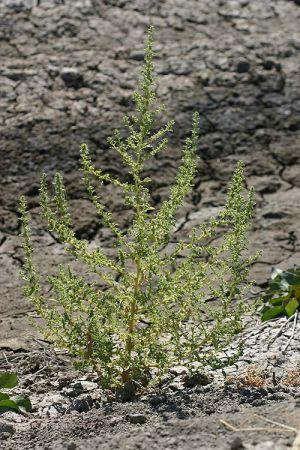
Ambrosia Mexicana
Dysphania botrys (L.) Mosyakin & Clemants
Important botanical synonyms and former names include:
Chenopodium botrys L.
Atriplex botrys (L.) Crantz
Botrydium aromaticum Spach
Botrydium botrys (L.) Small
Botrys aromaticus (Spach) Nieuwl.
Neobotrydium botrys (L.) Moldenke
Teloxys botrys (L.) W.A.Weber
Vulvaria botrys (L.) Bubani
Ambrina botrys Moq.
Ambrina foetida Moq.
Chenopodium aromaticum Anon.
Chenopodium botrydium St.-Lag.
Chenopodium nepalense Moq.
Roubieva botrys Fuss
Ambrosia mexicana hort. ex Bedevian is a historical horticultural name associated with Chenopodium botrys. It is not the accepted scientific name and should not be confused with currently accepted species in the ragweed genus Ambrosia.
Amaranthaceae Juss. — Amaranth Family
Order: Caryophyllales
Older botanical, horticultural, and veterinary references may place Jerusalem Oak in Chenopodiaceae, the Goosefoot Family. Modern classification includes the former Chenopodiaceae within Amaranthaceae.
Ambrosia Mexicana, Jerusalem Oak, Jerusalem-Oak, Oak of Jerusalem, Jerusalem Oak Goosefoot, Jerusalem-Oak Goosefoot, Jerusalem Oak Gooseleaf, Feather Geranium, Feathered Geranium, Sticky Goosefoot, Glandular Goosefoot, Oak-Leaved Goosefoot, Oakleaf Goosefoot, Aromatic Goosefoot, Goosefoot, Dysphania botrys, Chenopodium botrys, Teloxys botrys, Botrydium botrys, Neobotrydium botrys, Ambrina botrys, Atriplex botrys
Ambrosia Mexicana is a historical horticultural and veterinary-list name. The accepted plant is not a modern member of Ambrosia, the ragweed and bursage genus in Asteraceae.
Jerusalem Oak is an annual herb rather than an oak tree. It has no botanical relationship to Quercus species and does not produce acorns.
Feather Geranium refers to the finely divided foliage. The plant is unrelated to true Geranium species and to ornamental Pelargonium.
Goosefoot is a broad common name used for numerous species. Lambsquarters, Chenopodium album; Epazote, Dysphania ambrosioides; and Red Crumbweed, Dysphania glomulifera, are separate plants and should not be assigned the same toxin profile merely because they share a common name, former genus, or current genus.
The Exact Veterinary Toxic Principle Has Not Been Established
Veterinary poison-control lists classify Ambrosia Mexicana or Jerusalem Oak as poisonous and commonly identify sesquiterpene lactones as the toxic principle. The reported clinical signs are vomiting, appetite loss, depression, lethargy, and related gastrointestinal illness.
That classification is useful for practical exposure management, but the primary exact-species chemistry requires a more careful description. Published analyses of Dysphania botrys, historically studied as Chenopodium botrys, repeatedly document complex essential oils dominated by oxygenated sesquiterpenes, sesquiterpene alcohols, acetates, ketones, monoterpenes, and related terpenoids.
The studies reviewed did not isolate and identify one particular sesquiterpene lactone as the confirmed cause of dog, cat, horse, or livestock poisoning. The safest evidence-based wording is therefore that the plant contains biologically active and potentially irritating aromatic terpenoids, while the precise compound or combination responsible for the veterinary gastrointestinal syndrome remains unresolved.
This correction does not make the plant edible or pet-safe. It distinguishes a practical poison-list classification from the more limited conclusions supported by exact-species analytical and clinical evidence.
Polyoxygenated Sesquiterpenes from the Whole Plant
Juan de Pascual Teresa, Ignacio San Feliciano Bellido, María Soledad González, and Susana Vicente published “Chenopodiaceae Components: Polyoxigenated Sesquiterpenes from Chenopodium botrys” in 1980.
The investigators isolated several eudesmane- and guaiane-type sesquiterpenes from the plant. This early work established that Jerusalem Oak produces numerous structurally specialized oxygenated sesquiterpenes rather than one chemically uniform toxic substance.
Isolation of these compounds did not establish a veterinary dose, determine whether fresh leaves cause vomiting in animals, or demonstrate that every identified molecule is irritating when swallowed naturally.
The North American Essential-Oil Study
Armineh Bedrossian, Philip Beauchamp, Bouchra Bernichi, Vasu Dev, Kitaw Kitaw, Hanne Rechtshaffen, Albert Bottini, and Håkon Hope analyzed essential oil from plants growing on the eastern slope of California’s central Sierra Nevada.
“The essential oil of Chenopodium botrys … consists of 90% oxygenated sesquiterpenoids.”
Alpha- and beta-chenopodiol together represented approximately 36 percent of the oil. Other major constituents included eudesma-3,11-dien-6-alpha-ol, botrydiol, elemol, elemol acetate, gamma-eudesmol, and alpha- and beta-eudesmol.
The researchers also characterized two previously undescribed sesquiterpene alcohols, including guaia-3,9-dien-11-ol and eudesm-11-en-4-alpha,6-alpha-diol.
This study provides strong exact-species evidence for abundant oxygenated sesquiterpenes and sesquiterpene alcohols. It does not identify a confirmed sesquiterpene lactone or establish that the measured oil composition is identical in every geographic population.
Regional Chemistry Varies Substantially
Essential-oil profiles from Saudi Arabia, Iran, Greece, North America, and other regions differ markedly. This geographic and chemical variability is one reason no single compound should be presented as the universal Jerusalem Oak toxin.
Plants studied in Saudi Arabia yielded approximately two percent essential oil by weight, with alpha- and beta-eudesmol reported as principal sesquiterpenes.
Researchers comparing plants from two Iranian locations found juniper camphor, elemol, and alpha-cadinol among the leading constituents. Even the two Iranian oils differed in the percentages of their major compounds.
A Greek study identified 54 compounds accounting for approximately 94.4 percent of the oil. Its dominant constituents included elemol acetate, elemol, botrydiol, alpha-chenopodiol, beta-eudesmol, and selina-3,11-dien-6-alpha-ol.
These studies demonstrate that plant origin, genetics, environment, maturity, collection time, and analytical method can materially alter the essential-oil profile.
The 2020 Iranian Essential-Oil Study
Hasan Rezaieseresht, Saeideh Sadat Shobeiri, and Arezou Kaskani obtained essential oil by hydrodistilling dried flowering aerial material collected in northeastern Iran.
Gas chromatography–mass spectrometry detected 37 constituents. Oxygenated sesquiterpenes represented approximately 64.17 percent of the oil, while non-oxygenated sesquiterpenes represented another 13.71 percent.
The principal reported constituents were alpha-eudesmol at approximately 16.81 percent, elemol acetate at 13.2 percent, elemol at 9 percent, and alpha-chenopodiol-6-acetate at 7.9 percent.
“Sesquiterpenes were the major compounds in the essential oil of C. botrys.”
The researchers exposed cultured human cervical-cancer cells to measured concentrations of the distilled oil and documented concentration-dependent cytotoxicity, apoptosis, and cell-cycle arrest.
Those laboratory findings confirm that concentrated oil contains biologically active compounds. They do not show that a dog or cat chewing one fresh leaf receives an equivalent concentration or will develop cellular injury resembling the cultured-cell experiment.
The 2023 Flowering-Aerial-Part Study
Kağan Veryer and Fuat Bozok analyzed hydrodistilled essential oil from flowering aerial parts of Dysphania botrys. They identified 43 constituents accounting for more than 98 percent of the oil.
The dominant constituents in that sample differed from many earlier profiles. The leading compounds included 2,3-dehydro-4-oxo-beta-ionone and (+)-7-epi-amiteol rather than the chenopodiol- or eudesmol-dominant patterns described in several other populations.
This result reinforces the conclusion that Jerusalem Oak does not have one fixed essential-oil formula. It also makes it inappropriate to assign one named constituent as the cause of every veterinary exposure without direct toxicological evidence.
Essential Oil Is Not Equivalent to Fresh Foliage
Hydrodistillation concentrates volatile compounds from a much larger mass of plant material. The resulting oil is chemically and toxicologically different from an animal taking one bite of a fresh leaf or stem.
Cell-culture cytotoxicity, antimicrobial activity, herbicidal activity, and insecticidal effects produced by concentrated oil do not establish an equivalent whole-animal poisoning syndrome after natural plant ingestion.
Essential oil, tincture, concentrated extract, homemade medicinal preparation, or another processed product deserves more concern than a limited fresh-plant exposure because concentration removes the natural dilution present in the foliage.
Concentrated products should be assessed according to the extraction method, carrier ingredients, amount swallowed, animal species, and exact formulation rather than by applying the expected course of a minor leaf nibble.
Leaves and Glandular Aerial Tissues
The leaves are the principal poisonous portion identified in veterinary plant lists. They are covered with short glandular hairs and produce a strong aromatic odor when rubbed or crushed.
The stems and flowering branches also bear glandular tissue and contain volatile compounds. Freshly pulled whole plants or piles of weeds may expose an animal to considerably more leafy and flowering material than a standing plant among other vegetation.
Flowers, developing fruits, seeds, dry stems, and roots have not been compared adequately in a part-by-part veterinary toxicology study. They should not be deliberately fed, but it is more accurate to identify the glandular aerial growth as the best-documented chemical concern than to claim that every tissue contains an identical concentration.
Why Many Natural Exposures Are Expected to Be Limited
The strong odor, sticky glandular surface, resinous texture, and unusual or bitter flavor may discourage continued feeding. This likely restricts many dog and cat exposures to one exploratory bite or a small amount of foliage.
A puppy, habitual plant-chewer, hungry horse, grazing livestock animal, rabbit offered unidentified forage, or pet given access to freshly pulled weeds may consume more before the plant is recognized.
Repeated access, several mature plants, seed-bearing material mixed with forage, or a concentrated herbal preparation deserves more concern than one brief nibble from an intact weed.
No controlled feeding study establishes how often fresh Dysphania botrys causes signs, how much plant is required, or whether every animal species responds in the same manner.
Nitrate Poisoning Should Not Be Assumed
Some plants historically classified within Chenopodium can accumulate nitrate, particularly after heavy fertilization, drought, cloudy weather, rapid regrowth, herbicide injury, or other plant stress.
That former-genus and family association does not establish nitrate as the principal toxin in Dysphania botrys. No species-specific evidence was identified demonstrating that nitrate or nitrite causes the ordinary Jerusalem Oak syndrome.
Nitrate and nitrite poisoning causes methemoglobinemia, in which altered hemoglobin cannot carry oxygen normally. Chocolate-brown blood, brown or blue-gray mucous membranes, rapid labored breathing, severe weakness, tremors, staggering, collapse, abortion, or sudden group deaths are emergency findings.
Those signs require testing of forage, water, fertilizer, blood, rumen contents, and all available plants. Methylene blue should not be administered merely because Jerusalem Oak was present.
Cyanide Findings from Another Dysphania Species
Severe cyanide poisoning has been documented in cattle exposed to Dysphania glomulifera, the Australian plant commonly called Red Crumbweed.
In that outbreak, 40 cows died over two days. The plant had a measured cyanogenic potential of approximately 18,600 milligrams of hydrogen cyanide per kilogram of dry matter, and plant material was identified in the rumen of an affected cow.
The same study also measured substantial nitrate in the plant, but the investigators determined that nitrate-nitrite poisoning was not responsible for the deaths.
This direct case evidence belongs to D. glomulifera, not D. botrys. It should not be transferred automatically across the genus.
Rapid anxiety, muscle fasciculations, severe breathing difficulty, seizures, collapse, or unusually bright-red blood suggests cyanide or another fast-acting toxin rather than the expected Jerusalem Oak gastrointestinal pattern.
Oxalate Claims Are Also Unconfirmed
Oxalates occur in many members of Amaranthaceae, but their concentrations and chemical forms differ by species, plant part, maturity, and environmental conditions.
Acute hypocalcemia, recumbency, pronounced muscle tremors, kidney injury, or widespread calcium-oxalate deposition has not been established as the defining syndrome of Dysphania botrys.
Those findings require investigation for another oxalate-containing plant, ethylene glycol, kidney disease, metabolic illness, contaminated forage, or an incorrectly identified weed.
Roadside and Disturbed-Site Contamination
Jerusalem Oak commonly grows along roads, railways, gravel areas, construction sites, vacant lots, cultivated fields, river margins, and other disturbed ground. Plants from these locations may carry contaminants unrelated to their natural chemistry.
Possible co-exposures include herbicide, insecticide, fertilizer, petroleum residue, antifreeze, road salt, heavy metals, concrete dust, paint, treated-wood residue, mold, discarded medication, animal waste, and contaminated standing water.
The plant may also grow among other toxic weeds. A severe or unusual syndrome may result from the location or a neighboring species rather than from Jerusalem Oak itself.
Photographs of the growing site, representative samples of all available plants, and labels for chemicals used nearby are essential parts of the exposure history.
No Dependable Safe or Toxic Dose
No safe leaf count, plant weight, essential-oil concentration, individual terpenoid dose, or lethal threshold has been established for an individual dog, cat, horse, livestock animal, rabbit, bird, reptile, or other pet.
Risk depends on the amount swallowed, animal species and size, plant maturity, geographic chemotype, growing conditions, whether the material was fresh or concentrated, and whether another toxic weed or environmental contaminant was present.
Cell-culture concentrations, essential-oil percentages, and the amounts reported in chemical analyses cannot be converted into a fresh-leaf safe dose or a toxic amount for an animal.
Drying, mowing, pulling, or storage does not establish that the plant is harmless. Dried seed-bearing weeds and contaminated hay should not be offered to animals merely because the fresh odor has diminished.
Expected Gastrointestinal Signs
The expected poisoning syndrome is gastrointestinal and generally mild to moderate. Signs may begin within several hours and include lip licking, repeated swallowing, nausea, excessive salivation, appetite reduction, vomiting, abdominal discomfort, lethargy, and depression.
A dog may eat grass, pace, stretch repeatedly, assume a hunched posture, or resist abdominal handling. A cat may hide, crouch, vomit, refuse food, groom less, or become unusually quiet.
Diarrhea is possible through gastrointestinal irritation but is less consistently documented than vomiting, anorexia, and depression. One small exposure may produce no visible illness.
Vomiting, Food Refusal, and Abdominal Discomfort
Vomiting may occur once or recur after a more meaningful ingestion. Plant fragments, glandular stems, soil, seeds, or foreign material may be visible in the vomit.
Abdominal discomfort may appear as restlessness, repeated stretching, guarding, whining, a tense posture, reluctance to move, or resistance when the abdomen is touched.
Red blood, coffee-ground material, black stool, severe abdominal enlargement, repeated unproductive retching, or pronounced focal pain is not expected after a minor exposure. These findings may indicate substantial mucosal injury, obstruction, another toxin, or unrelated disease.
Dehydration and Weakness
Repeated vomiting or diarrhea can cause dehydration even when the original plant is considered a relatively low-severity poison.
Dry or tacky gums, sunken eyes, reduced skin elasticity, increasing thirst, reduced urination, rapid heart rate, cool extremities, worsening weakness, poor pulse quality, or collapse indicates significant fluid loss or circulatory compromise.
Electrolyte abnormalities may develop during prolonged gastrointestinal illness and contribute to muscle weakness, trembling, abnormal heart rhythm, depression, or reduced responsiveness.
Horses and Livestock
Horses cannot vomit and may instead develop feed refusal, depression, salivation, abdominal discomfort, diarrhea, mild colic-like behavior, or reduced water intake.
Cattle, sheep, and goats may show reduced appetite, ruminal slowing, abdominal discomfort, diarrhea, depression, or weakness after eating irritating plant material.
The presence of several affected animals, respiratory distress, abnormal mucous-membrane color, severe tremors, or sudden death is not consistent with assuming uncomplicated Jerusalem Oak irritation. The complete feed, water, pasture, fertilizer, and chemical history must be investigated.
Signs Suggesting Nitrate or Nitrite Poisoning
Chocolate-brown blood, brown or blue-gray gums, rapid labored breathing, severe exercise intolerance, weakness, tremors, staggering, collapse, abortion, or sudden group deaths suggest methemoglobinemia from nitrate or nitrite exposure.
These signs are not the expected clinical pattern of ordinary Dysphania botrys ingestion. High-nitrate forage, fertilizer, contaminated water, another plant, or industrial exposure should be considered immediately.
An affected animal may deteriorate rapidly. Treatment should be based on the actual diagnosis rather than on the former placement of Jerusalem Oak within Chenopodium.
Signs Suggesting Cyanide or Another Rapid-Acting Toxin
Severe anxiety, muscle fasciculations, rapidly progressive breathing difficulty, seizures, collapse, and unusually bright red blood or mucous membranes may indicate cyanide poisoning.
Profound tremors, hyperthermia, uncontrolled bleeding, major pupil abnormalities, marked bradycardia, or coma may indicate pesticide, tremorgenic mold, medication, rodenticide, another poisonous plant, or metabolic disease.
These signs require immediate emergency treatment and should not be attributed to Jerusalem Oak merely because it was growing nearby.
Rabbits, Guinea Pigs, Birds, and Other Animals
Rabbits and guinea pigs should not be offered Jerusalem Oak as forage. Appetite interruption, abdominal discomfort, diarrhea, or altered intestinal movement can become serious in animals dependent on continuous intake of appropriate fiber.
Reduced eating, fewer droppings, tooth grinding, abdominal enlargement, weakness, diarrhea, or unusual quietness requires prompt veterinary attention.
Companion birds may develop regurgitation, altered droppings, food refusal, fluffed posture, weakness, or loss of balance. Wildlife interaction with the seeds does not establish safety for captive species.
Expected Course and Atypical Illness
Most mildly affected dogs and cats should begin improving within several hours after access ends. Uncomplicated gastrointestinal signs commonly resolve within approximately one or two days.
Continued vomiting, food refusal, diarrhea, abdominal pain, depression, or weakness into the following day requires veterinary reassessment.
Severe respiratory distress, abnormal blood color, seizures, coma, kidney abnormalities, hypocalcemia, or sudden death is not the expected species-specific course and requires investigation for another or additional exposure.
Plant Identity and Accepted Taxonomy
Ambrosia Mexicana is an aromatic annual herb currently accepted as Dysphania botrys. It belongs to Amaranthaceae and was formerly classified as Chenopodium botrys in Chenopodiaceae.
The species was originally described by Carl Linnaeus as Chenopodium botrys in 1753 and transferred to Dysphania in 2002. Both names remain useful during plant identification because the former name is deeply established in floras, weed references, herbals, and veterinary poison lists.
The historical horticultural name Ambrosia mexicana can look like a current scientific name, but the plant is not now classified with modern ragweeds in the genus Ambrosia.
Native and Introduced Range
The native range extends from eastern-central and southern Europe through western and central Asia to Mongolia and the central Himalayan region.
The species has been introduced to many additional temperate areas, including much of the United States and portions of Canada and northeastern Mexico.
Its broad introduced distribution and preference for disturbed soil make it more likely to be encountered as a weed than as a deliberately maintained ornamental.
Growth Form, Stems, and Leaves
Jerusalem Oak is an annual that commonly grows from several inches to approximately two feet tall, although moisture, soil, competition, and climate can produce larger or smaller plants.
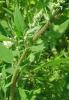
The stems are upright or ascending, often branch from near the base, and are covered with short-stalked glandular hairs. Their sticky surface may collect dust, seeds, soil particles, and environmental debris.
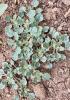
Leaves are arranged alternately. Lower and middle leaves are generally ovate to oblong and deeply or irregularly lobed, creating the miniature oak-leaf or feathered appearance reflected in the common names.
Upper leaves become smaller and may have shallower lobes or nearly entire margins. The foliage is strongly aromatic when rubbed or crushed.
Flowers, Fruits, and Seeds
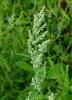
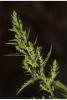
The flowers are extremely small, green to yellow-green, and lack showy petals. They are grouped densely along elongated terminal and axillary branching structures.
Flowering usually occurs during summer and early autumn. A mature plant may carry a large, highly branched flowering structure that occupies much of its upper portion.
Each flower develops into a small dry fruit containing a flattened seed. Seed-bearing weeds should not be added to animal feed, hay, hutches, coops, paddocks, or accessible compost.
The separate toxicity of the seeds has not been defined sufficiently to establish a safe dose. The leafy glandular growth remains the clearest documented poisoning concern.
Why It Is Called Jerusalem Oak and Feather Geranium
The deeply lobed leaves resemble miniature oak leaves, producing the names Jerusalem Oak, Jerusalem-Oak Goosefoot, and Oak of Jerusalem.
The plant is an herb rather than a woody tree. It does not produce acorns and should not be assigned the tannin-related livestock syndrome associated with heavy consumption of true oak leaves or acorns.
Feather Geranium refers to the divided, feathery appearance and strong scent of the foliage. The species is unrelated to true geraniums in Geranium and ornamental plants in Pelargonium.
Lambsquarters, Epazote, Ragweed, and Red Crumbweed
Lambsquarters is generally Chenopodium album, a separate species with broader triangular or diamond-shaped leaves and a pale mealy coating. It has stronger evidence for nitrate accumulation under particular agricultural conditions.
Epazote or Mexican Tea is Dysphania ambrosioides. It generally has longer, less deeply divided leaves and an essential-oil profile in which ascaridole can be especially important. It is not an exact synonym for Jerusalem Oak.
True ragweeds belong to Ambrosia in Asteraceae. They are best known for wind-dispersed pollen and human seasonal allergy rather than the sticky glandular foliage of Dysphania botrys.
Red Crumbweed is Dysphania glomulifera, an Australian species responsible for a documented cyanide-poisoning outbreak in cattle. The shared genus does not make cyanogenic poisoning the expected syndrome of Jerusalem Oak.
Disturbed-Site Exposure and Contamination
The plant commonly grows along roadsides, rail corridors, gravel bars, streambanks, vacant lots, construction areas, gardens, cultivated fields, dry slopes, waste ground, and disturbed river margins.
Dogs may pull plants from loose soil, carry freshly weeded stems, or eat material in roadside or vacant-lot vegetation. Horses and livestock may encounter it along dry-lot edges, disturbed paddocks, fence lines, or poor-quality forage.
These locations create an important toxicologic complication. The plant may carry herbicide, fertilizer, road salt, petroleum residue, heavy metals, concrete dust, treated-wood residue, pesticide, mold, or animal waste.
Severe or atypical illness may result from the location or a neighboring toxic species rather than from Jerusalem Oak itself. Photographs of the site and labels for nearby chemicals are often as important as the plant sample.
Dogs, Cats, Horses, and Livestock
Dogs are most likely to eat the plant while exploring disturbed ground or playing with pulled weeds. Puppies and habitual plant-chewers may consume more before the strong odor discourages them.
Cats are less likely to eat a large mature specimen but may chew seedlings, leaves, or plant material carried indoors. Continued feline appetite loss should not be dismissed because prolonged fasting can create additional metabolic complications.
Horses may show feed refusal, salivation, depression, abdominal discomfort, or mild colic because they cannot vomit. Livestock may consume the plant when desirable forage is scarce or when weeds are mixed into hay or clippings.
Group illness should never be attributed from plant presence alone. Several affected animals, abnormal breathing, unusual blood color, tremors, or sudden death requires direct analysis of forage, water, fertilizer, and suspect plants.
Diagnosis and Differential Diagnosis
No routine veterinary test detects a specific Jerusalem Oak sesquiterpene. Diagnosis depends on credible exposure, accurate plant identification, compatible vomiting or appetite loss, and exclusion of more dangerous alternatives.
Useful evidence includes the complete plant with roots, lower and upper leaves, glandular stems, flowering branches, seeds, photographs of the growing site, material found in vomit, and labels from chemicals used nearby.
Bloodwork and electrolyte testing may be appropriate after persistent vomiting, depression, weakness, dehydration, or suspected contamination. Imaging may be needed when foreign material or another cause of vomiting is possible.
Chocolate-brown blood or mucous membranes warrants testing for nitrate and nitrite. Rapid collapse with bright red blood may justify cyanide testing. These diagnoses require toxin-specific treatment rather than generalized treatment for a poisonous weed.
Prognosis and Prevention
The prognosis is good to excellent after most limited exposures involving correctly identified Jerusalem Oak without chemical contamination or another poisonous plant.
Mild vomiting, appetite loss, abdominal discomfort, depression, or lethargy commonly resolves within several hours to one or two days. Persistent or worsening illness suggests a larger exposure, dehydration, contamination, another plant, or another disease.
Remove the plant from pet yards, kennels, paddocks, hay fields, and accessible garden areas before it flowers and produces seed. Wear gloves when handling sticky mature plants or vegetation that may have been sprayed.
Place pulled plants directly into a closed container. Do not throw them into paddocks, goat pens, rabbit enclosures, poultry runs, kennels, open compost, hay, or brush piles accessible to animals.
Immediate Steps After Exposure
- Stop further access. Move the animal away from Jerusalem Oak plants, pulled weeds, suspect forage, compost, clippings, and the surrounding disturbed site.
- Preserve a complete sample. Save roots, lower leaves, upper leaves, sticky branching stems, flowering clusters, seeds, and photographs of the plant growing in place.
- Record the location. Note whether the plant grew along a roadway, railway, construction site, sprayed field, gravel area, vacant lot, feedlot, streambank, or contaminated property.
- Estimate the amount. Determine whether the animal took one bite, ate several leaves, swallowed most of a plant, consumed pulled weeds, or had repeated access.
- Check for other exposures. Identify nearby fertilizer, herbicide, pesticide, road chemicals, contaminated water, mushrooms, mold, foreign material, and other weeds.
- Remove only loose visible material. Lift leaves, stems, flowers, or seed clusters resting at the lips or front of the mouth when this can be done safely.
- Gently wipe accessible residue. Use a damp cloth on the lips and front of the mouth of a fully alert animal that is breathing and swallowing normally.
- Contact a veterinarian. Obtain guidance after more than a minor nibble, an unknown quantity, a concentrated preparation, horse or livestock exposure, or development of clinical signs.
Do Not Attempt Unsupervised Home Treatment
- Do not induce vomiting automatically. The expected syndrome is usually limited gastrointestinal irritation, and home emesis may add aspiration or gastric injury.
- Do not give hydrogen peroxide, salt, mustard, syrup of ipecac, detergent, oil, or use manual gagging. These methods can cause gastric injury, aspiration, sodium poisoning, or airway trauma.
- Never use hydrogen peroxide as a feline emetic. It can severely injure a cat’s stomach and esophagus.
- Never attempt to induce vomiting in a horse. Horses cannot vomit.
- Do not administer activated charcoal at home. It is not routinely needed after a small exposure and may be inhaled by a vomiting, depressed, weak, trembling, or poorly swallowing animal.
- Do not give methylene blue. It is not a Jerusalem Oak antidote and is reserved for professionally diagnosed or strongly suspected methemoglobinemia.
- Do not give mineral oil. It does not neutralize the plant’s compounds and can cause severe aspiration pneumonia.
- Do not force milk, food, water, electrolyte products, antidiarrheals, stomach remedies, pain relievers, or leftover prescriptions. None is a universal antidote, and forced oral treatment can worsen aspiration risk.
When Emergency Examination Is Required
- Persistent gastrointestinal illness: Repeated vomiting, inability to retain water, frequent diarrhea, blood, black stool, severe abdominal pain, or continued food refusal requires examination.
- Dehydration or poor circulation: Dry or tacky gums, sunken eyes, reduced urination, pale gums, cool extremities, profound weakness, inability to stand, or collapse requires urgent treatment.
- Respiratory abnormalities: Rapid labored breathing, gasping, neck extension, open-mouth breathing in a cat, blue-gray mucous membranes, or collapse is an emergency.
- Abnormal blood or mucous-membrane color: Chocolate-brown blood or brown gums suggests methemoglobinemia, while unusually bright red blood may accompany cyanide poisoning.
- Neurologic signs: Persistent tremors, severe incoordination, seizures, coma, or reduced responsiveness is not the expected mild Jerusalem Oak syndrome.
- Group illness: Several sick livestock animals, abortions, sudden deaths, severe weakness, abnormal breathing, or unusual blood color requires immediate forage, water, and pasture investigation.
- Possible chemical exposure: Recently sprayed vegetation, fertilizer granules, pesticide containers, spills, contaminated water, or industrial debris may require a different treatment plan.
Vomiting, Appetite, and Hydration Monitoring
Count vomiting and diarrhea episodes and note whether plant material, seeds, soil, blood, foam, chemicals, plastic, or other foreign material is present.
Fresh water may remain available when the animal is fully alert, swallowing normally, and not vomiting repeatedly. Do not syringe or pour water into the mouth.
Monitor appetite, activity, gum moisture, urination, breathing, and the ability to stand. Continued appetite refusal is particularly important in cats, rabbits, guinea pigs, and other animals susceptible to complications from reduced food intake.
An animal that repeatedly vomits after drinking may require injectable anti-nausea medication and subcutaneous or intravenous fluids.
Do Not Administer Methylene Blue Without a Diagnosis
Methylene blue is used professionally to reduce methemoglobin in selected cases of nitrate or nitrite poisoning. It is not a general treatment for members of Amaranthaceae, Chenopodiaceae, Chenopodium, or Dysphania.
Incorrect administration can cause adverse effects, and treatment requires accurate dosing, intravenous delivery, monitoring, and special consideration in food-producing animals.
Chocolate-brown blood, brown or blue-gray mucous membranes, severe dyspnea, weakness, or collapse should be reported immediately. The veterinarian may need blood testing and analysis of forage, plants, water, and fertilizer.
Do not delay emergency transport while attempting to identify the plant perfectly or locate methylene blue independently.
Possible Cyanide or Other Rapid Toxicity
Rapid breathing difficulty, anxiety, muscle fasciculations, seizures, collapse, or unusually bright red blood may indicate cyanide or another rapidly acting toxin.
Remove all animals from the source without forcing affected animals to exercise. Stress and exertion can worsen oxygen deprivation.
Preserve representative samples from several pasture locations, hay bales, feed troughs, water sources, and rumen-accessible plants rather than submitting only one convenient weed.
Cyanide treatment is toxin-specific and time-sensitive. It should never be improvised from the fact that another species in the genus caused a published outbreak.
Chemical and Coat Contamination
Inspect the site for herbicide residue, fertilizer granules, pesticide containers, fuel, road chemicals, paint, concrete dust, treated wood, contaminated water, and discarded materials.
Wear gloves when handling plants that may have been sprayed. Preserve labels, photographs, warning signs, receipts, or property-maintenance information that can identify the product.
If plant or chemical residue is present on the coat, prevent grooming and wash the animal gently with lukewarm water and a mild species-appropriate cleanser. Rinse thoroughly.
Do not use solvents, gasoline, paint thinner, alcohol, bleach, concentrated vinegar, essential oils, or harsh degreasers on the animal.
Veterinary Examination and Supportive Care
The veterinarian will assess hydration, circulation, abdominal pain, appetite, mental status, respiratory function, mucous-membrane color, and the possibility of another plant or chemical exposure.
Bloodwork may evaluate electrolytes, glucose, kidney and liver values, acid-base status, red-cell changes, and consequences of vomiting or dehydration. Specific testing may be required when nitrate, nitrite, cyanide, pesticide, heavy metal, or another toxin is suspected.
A veterinarian may consider professional emesis only after a recent substantial ingestion in a fully alert, stable, asymptomatic dog that can protect its airway. It is not routine after a minor nibble and is inappropriate after vomiting, depression, weakness, tremors, seizures, abnormal breathing, collapse, or impaired swallowing begins.
Activated charcoal may be considered when a significant absorbable toxin or mixed exposure is suspected and the animal can protect its airway. It is not automatically required for uncomplicated Jerusalem Oak ingestion.
Vomiting, Fluids, and Gastrointestinal Treatment
Veterinarian-selected antiemetics such as maropitant or ondansetron may control continuing nausea and vomiting and reduce further fluid loss.
Subcutaneous or intravenous fluids may be used when vomiting, diarrhea, or food and water refusal produces dehydration. Fluid composition and amount depend on species, body size, circulation, electrolyte values, continuing losses, urine production, and underlying disease.
Sucralfate may be considered when repeated vomiting, hematemesis, esophagitis, erosive gastritis, or documented mucosal injury indicates a need for barrier protection. It is not a Jerusalem Oak antidote.
Acid suppression or other gastrointestinal medication may be selected when clinically indicated. Antidiarrheal medication should not be used automatically before infection, foreign material, another toxin, and other causes have been assessed.
Horses and Livestock
Remove the entire group from suspect plants, pulled weeds, hay, forage, fertilizer, and water. Examine every animal sharing the source rather than treating only the first visibly ill individual.
Do not drench or force oil, water, charcoal, feed, or medication into a weak, bloated, coughing, recumbent, seizing, or poorly swallowing animal.
Assess appetite, breathing, mucous-membrane color, gait, behavior, rumen activity, manure, water consumption, abortions, and deaths across the group.
Large-animal evaluation may include blood-gas assessment, methemoglobin testing, nitrate or cyanide analysis, fluid and electrolyte therapy, rumen treatment, cardiovascular support, and toxin-specific antidotal treatment when the diagnosis warrants it.
Rabbits, Guinea Pigs, Birds, and Other Animals
Rabbits and guinea pigs cannot vomit. Reduced eating, fewer droppings, tooth grinding, abdominal enlargement, diarrhea, weakness, or unusual quietness requires prompt veterinary attention because gastrointestinal stasis may become more serious than the initial irritation.
Birds may show regurgitation, altered droppings, food refusal, fluffed posture, weakness, tremors, or balance changes. Species-specific avian assessment is preferable to adapting dog or cat treatment.
Do not improvise emesis, charcoal, medication, or fluid treatment for birds, reptiles, rodents, or other exotic pets. Their anatomy and metabolism differ substantially.
Prognosis and Recovery
The prognosis is good to excellent for most limited exposures involving correctly identified Jerusalem Oak without chemical contamination or another toxic plant.
Mild vomiting, appetite loss, abdominal discomfort, depression, or lethargy should begin improving within several hours and generally resolve within one or two days.
Persistent illness, worsening weakness, dehydration, respiratory abnormalities, tremors, abnormal blood color, seizures, or collapse indicates that the original diagnosis may be incomplete.
The prognosis then depends on identifying and treating the actual concurrent toxin, contaminated feed, chemical exposure, metabolic disorder, or alternative poisonous plant.
Frequently Asked Questions About Ambrosia Mexicana and Animal Poisoning
How poisonous is Ambrosia Mexicana to dogs and cats?
It is generally classified as a relatively low-severity gastrointestinal poison. Dogs and cats may develop vomiting, appetite loss, nausea, abdominal discomfort, depression, lethargy, and possibly diarrhea. Most limited, correctly identified exposures are expected to resolve with monitoring or supportive care. Repeated vomiting, dehydration, marked weakness, abnormal breathing, tremors, seizures, or collapse requires veterinary evaluation for a larger exposure, environmental contamination, or another toxin.
What is the accepted scientific name?
The accepted name is Dysphania botrys (L.) Mosyakin & Clemants. The former scientific name Chenopodium botrys L. remains common in veterinary poison databases, floras, weed manuals, horticultural records, and older chemical studies.
Is Ambrosia mexicana a current scientific name?
No. It is a historical horticultural name associated with Chenopodium botrys. The accepted plant is Dysphania botrys and is not a modern member of the ragweed genus Ambrosia.
What toxin is actually present in Jerusalem Oak?
The precise veterinary toxic principle has not been proved. Poison lists commonly identify sesquiterpene lactones, but exact-species primary chemical studies more clearly document complex and highly variable essential oils rich in oxygenated sesquiterpenes, sesquiterpene alcohols, acetates, monoterpenes, and related aromatic compounds. No one constituent has been demonstrated to cause every natural dog, cat, horse, or livestock case.
Does that mean the sesquiterpene-lactone classification is wrong?
It should be treated as an unconfirmed veterinary-list classification rather than a species-specific chemical fact. The plant may contain compounds not detected in every essential-oil study, but the published analyses reviewed did not establish one named sesquiterpene lactone as the cause of poisoning. The practical recommendation to prevent ingestion remains appropriate.
What compounds have exact-species studies identified?
Different studies have reported chenopodiols, botrydiol, elemol, elemol acetate, alpha-eudesmol, beta-eudesmol, alpha-cadinol, juniper camphor, alpha-chenopodiol-6-acetate, guaiane- and eudesmane-type sesquiterpenes, and many other volatile compounds. The dominant mixture differs markedly among geographic populations.
Why does the plant’s chemical composition vary?
Essential-oil composition can differ with genetics, geographic origin, climate, soil, water, plant maturity, flowering stage, collection season, stress, drying, extraction method, and analytical procedure. Studies from North America, Saudi Arabia, Iran, Greece, and Türkiye reported substantially different dominant compounds.
Does laboratory cytotoxicity mean one leaf causes organ damage?
No. Cultured human cells exposed directly to measured concentrations of hydrodistilled essential oil are not equivalent to a pet chewing fresh foliage. The laboratory findings confirm that concentrated oil is biologically active, but they do not establish kidney, liver, neurologic, or multisystem failure after an ordinary plant exposure.
Which parts of the plant are poisonous?
The leaves are the principal poisonous portion identified in veterinary references. The glandular stems and flowering branches contain the same type of aromatic secretions and should also remain inaccessible. Flowers, seeds, roots, and dry stems have not been studied sufficiently to claim that every part contains an identical concentration or to establish a safe amount.
Can one bite cause serious poisoning?
One exploratory bite may cause no signs or mild vomiting and appetite reduction. Greater concern applies when a small animal eats several branches, a horse or livestock animal consumes the plant with poor-quality forage, an animal repeatedly accesses pulled weeds, or a concentrated oil, extract, or herbal preparation is involved.
Can Jerusalem Oak cause nitrate poisoning and chocolate-brown blood?
Nitrate poisoning has not been established as the expected species-specific syndrome of Dysphania botrys. Chocolate-brown blood, brown or blue-gray mucous membranes, rapid labored breathing, severe weakness, or sudden group deaths suggests methemoglobinemia from nitrate or nitrite and requires testing of forage, water, fertilizer, blood, and all available plants.
Can it cause cyanide poisoning?
Cyanide is not established as the principal toxin of Jerusalem Oak. A published fatal cattle outbreak involved the separate Australian species Dysphania glomulifera. Rapid respiratory distress, muscle fasciculations, seizures, collapse, and unusually bright-red blood requires immediate investigation for cyanide or another fast-acting toxin rather than attribution to D. botrys.
Does it cause soluble-oxalate kidney damage or hypocalcemia?
That syndrome is not established for Jerusalem Oak. Oxalate concentrations vary widely among species in Amaranthaceae. Marked hypocalcemia, recumbency, muscle tremors, kidney abnormalities, or widespread oxalate injury should prompt testing for another plant, contaminated feed, ethylene glycol, metabolic disease, or another cause.
Is Jerusalem Oak the same as Lambsquarters?
No. Lambsquarters is generally Chenopodium album, a separate species with broader triangular or diamond-shaped leaves and a pale mealy coating. Lambsquarters has stronger evidence for nitrate accumulation under particular agricultural conditions. Its toxicology should not be copied automatically onto Jerusalem Oak.
Is Jerusalem Oak the same as Epazote?
No. Epazote is Dysphania ambrosioides, another aromatic species with a different growth form and essential-oil profile. Concentrated Epazote oil may contain substantial ascaridole and has a different toxicological history. Sharing a genus does not make the plants interchangeable.
Is Ambrosia Mexicana a ragweed, oak, or geranium?
No. It belongs to Amaranthaceae. “Ambrosia” comes from a historical name, “Jerusalem Oak” refers to the miniature oak-like leaf shape, and “Feather Geranium” refers to the divided aromatic foliage. It is unrelated to modern ragweeds, true oaks, true geraniums, and ornamental Pelargonium.
Can roadside herbicide or contamination be more dangerous than the plant?
Yes. Jerusalem Oak commonly grows along roadsides, railways, construction sites, gravel areas, vacant lots, cultivated land, and other disturbed locations. Herbicide, pesticide, fertilizer, petroleum residue, heavy metals, road salt, concrete dust, treated wood, contaminated water, mold, or another weed may produce a more severe syndrome. Preserve site photographs and chemical labels.
Should I induce vomiting or give activated charcoal?
Do not induce vomiting at home. A veterinarian may consider professional emesis after an unusual substantial recent ingestion in an alert, asymptomatic dog, but it is not routine for a small exposure. Activated charcoal is also not automatically necessary and can be aspirated by a vomiting, weak, depressed, trembling, or poorly swallowing animal.
Should I give methylene blue or mineral oil?
No. Methylene blue is a professional treatment for diagnosed or strongly suspected methemoglobinemia and is not a Jerusalem Oak antidote. Mineral oil does not neutralize the plant and may cause severe aspiration pneumonia. Neither should be administered from a plant name, former family association, or generalized livestock-treatment chart.
Is Jerusalem Oak poisonous to horses, cattle, sheep, and goats?
It should be kept out of forage. Horses may develop feed refusal, salivation, depression, abdominal discomfort, diarrhea, or mild colic-like signs. Ruminants may develop reduced appetite, ruminal slowing, gastrointestinal discomfort, diarrhea, depression, or weakness. Severe group illness or deaths requires investigation of the complete feed, water, fertilizer, chemical, and plant mixture.
How is Ambrosia Mexicana poisoning diagnosed and treated?
Diagnosis depends on accurate plant identification, exposure history, compatible vomiting or appetite loss, and exclusion of more serious contaminants and plants. There is no specific antidote for uncomplicated Jerusalem Oak ingestion. Treatment may include anti-nausea medication, fluids, electrolyte assessment, gastrointestinal support, and toxin-specific testing or treatment when nitrate, cyanide, pesticide, fertilizer, or another exposure is suspected.
How long do symptoms last, and what is the prognosis?
Mild vomiting, appetite reduction, abdominal discomfort, depression, or lethargy should generally improve within several hours and resolve within one or two days. The prognosis is good to excellent after most limited exposures involving the correctly identified plant. Persistent illness, abnormal breathing, unusual blood color, tremors, seizures, collapse, or group deaths means the diagnosis must be reconsidered.