Wormseed Essential-Oil Poisoning, Epazote Name Confusion, Ascaridole Toxicity, and Nitrate-Related Livestock Risk
Is Wormseed Poisonous to Dogs, Cats, Horses, and Livestock?
Yes—Wormseed, Dysphania ambrosioides, is poisonous to dogs, cats, horses, livestock, birds, rabbits, reptiles, and other animals when enough plant material, seed-rich material, herbal preparation, or concentrated essential oil is consumed. This strongly aromatic plant is also known as epazote, Mexican tea, Spanish tea, Jesuit’s tea, Jerusalem tea, paico, Mexican wormseed, and Indian goosefoot. Older veterinary, medical, culinary, and toxicology sources often use the former name Chenopodium ambrosioides.
The principal species-specific hazard is the volatile essential oil, especially ascaridole, a reactive monoterpene endoperoxide historically responsible for the plant’s use against intestinal worms and for many of its most serious poisonings. The oil may also contain limonene, p-cymene, alpha-terpinene, carvacrol, caryophyllene oxide, isoascaridole, pinocarvone, pinocarveol, and other terpenoid constituents in highly variable proportions. Concentrated wormseed oil, medicinal extract, repeated high-strength infusion, or large seed-rich exposure can cause severe gastrointestinal, neurologic, hepatic, renal, respiratory, cardiovascular, and systemic toxicity.
Wormseed also presents a separate conditional nitrate risk when plants grow under drought, frost, cloudy weather, dense shade, herbicide injury, heavy manure application, or excessive nitrogen fertilization. Ruminants such as cattle, sheep, and goats are especially vulnerable because rumen microbes can convert nitrate to nitrite, which forms methemoglobin and prevents blood from carrying oxygen normally. This nitrate hazard is not a fixed concentration in every wormseed plant and cannot be judged by smell, color, or taste. Suspect forage, hay, silage, green chop, water, and plant material require laboratory testing.
About this guide: This page provides general pet-poisoning information and cannot diagnose or treat an individual animal. For any suspected exposure, contact a veterinarian or animal poison-control service immediately. Do not induce vomiting, give medication, or attempt home decontamination unless directed by a veterinary professional.
Wormseed
Dysphania ambrosioides (L.) Mosyakin & Clemants
Important botanical synonyms and former scientific names include:
- Chenopodium ambrosioides L.
- Agathophytum ambrosioides (L.) Peterm.
- Ambrina ambrosioides (L.) Spach
- Atriplex ambrosioides (L.) Crantz
- Blitum ambrosioides (L.) Beck
- Botrys ambrosioides (L.) Nieuwl.
- Neobotrydium ambrosioides (L.) M.L.Zhang & G.L.Chu
- Orthosporum ambrosioides (L.) Kostel.
- Teloxys ambrosioides (L.) W.A.Weber
- Vulvaria ambrosioides (L.) Bubani
Additional historical Chenopodium ambrosioides forms and varieties appear in older botanical and ethnobotanical literature, including names based on leaf size, hairiness, lobing, and growth form.
Important non-synonym confusion names:
- Dysphania anthelmintica (L.) Mosyakin & Clemants — American Wormseed; formerly Chenopodium anthelminticum L. or treated by some older sources near Chenopodium ambrosioides var. anthelminticum; currently a separate accepted species
- Artemisia cina O.Berg & C.F.Schmidt — Levant wormseed or santonica; unrelated Asteraceae plant historically used as an anthelmintic and containing different sesquiterpene lactone chemistry
- Artemisia spp. — wormwoods and mugworts; unrelated plants sometimes sharing wormseed, wormwood, or vermifuge names
- Chenopodium album L. — lambsquarters or goosefoot; separate Amaranthaceae plant associated with nitrate accumulation and oxalate concerns but not the same species as epazote
- Dysphania botrys (L.) Mosyakin & Clemants — Jerusalem oak goosefoot; separate aromatic goosefoot species
- Dysphania multifida (L.) Mosyakin & Clemants — cutleaf goosefoot; separate species
- Amaranthus spp. — pigweeds; separate Amaranthaceae plants that may share nitrate or oxalate forage concerns
- Atriplex spp. and Salsola spp. — saltbushes and Russian thistles; separate Amaranthaceae plants with different forage-risk profiles
Amaranthaceae — Amaranth, Goosefoot, Beet, Spinach, Lambsquarters, Pigweed, and Saltbush Family
Wormseed was formerly placed in Chenopodiaceae, the Goosefoot family. Chenopodiaceae is now generally included within Amaranthaceae. The old family name still appears in veterinary, extension, toxicology, and botanical sources and remains useful for searching older material.
Family placement matters because many former chenopods and amaranths can accumulate nitrate, oxalate, or other antinutritional compounds under certain growing conditions. It should not, however, erase species boundaries. Dysphania ambrosioides has a distinctive volatile-oil hazard centered on ascaridole and related terpenes, while lambsquarters, pigweeds, saltbushes, beets, spinach, quinoa relatives, and other amaranths may present different combinations of forage, oxalate, nitrate, and antinutritional risk.
Wormseed; Mexican Wormseed; Epazote; Epazote de Zorrillo; Mexican Tea; Spanish Tea; Jesuit’s Tea; Jesuit Tea; Jerusalem Tea; American Wormseed; Indian Wormseed; Indian Goosefoot; Mexican Goosefoot; Goosefoot; Paico; Paico Macho; Pazote; Ipasote; Ypasote; Yerba de Santa María; Herba Sancti Mariae; Worm Tea; Stinking Weed; Stinkweed; Pigweed; Bitterweed; Bluebush; Oil of Chenopodium; Wormseed Oil; Dysphania ambrosioides; Chenopodium ambrosioides.
Historical and taxonomic search variations include Agathophytum ambrosioides, Ambrina ambrosioides, Atriplex ambrosioides, Blitum ambrosioides, Botrys ambrosioides, Neobotrydium ambrosioides, Orthosporum ambrosioides, Teloxys ambrosioides, Vulvaria ambrosioides, and many older Chenopodium ambrosioides varieties and forms.
“American Wormseed” is ambiguous and may refer to Dysphania anthelmintica, formerly Chenopodium anthelminticum, a closely related but currently separate species. “Wormseed” is also used for Artemisia cina and other historically important anthelmintic plants. “Goosefoot,” “Pigweed,” and “Lambsquarters” are broad common names applied to numerous Amaranthaceae species. They do not establish that a plant is Dysphania ambrosioides.
Ascaridole-Rich Volatile Essential Oil
The principal species-specific toxins in Wormseed are found in its volatile essential oil. The best-known constituent is ascaridole, an unusual bicyclic monoterpene endoperoxide historically responsible for the plant’s use against intestinal worms and for many of its most serious poisonings. Veterinary poison-control guidance also identifies limonene and p-cymene, while chemical analyses have found varying proportions of alpha-terpinene, carvacrol, caryophyllene oxide, isoascaridole, pinocarvone, pinocarveol, and other terpenoid constituents.
The oil is concentrated especially in glandular tissues, flowering tops, fruits, and seeds, although the exact distribution changes with plant maturity, chemotype, environment, and harvest stage. Mature seed-rich material, dried plant material, distilled oil, medicinal extracts, and homemade deworming preparations can therefore represent a much more serious exposure than a few fresh culinary leaves used to season food.
Ascaridole contains an oxygen-oxygen bond within an endoperoxide bridge. That bond can be activated in the presence of reduced iron or heme, producing highly reactive carbon-centered radicals. Experimental work with mammalian mitochondria showed that iron markedly increased ascaridole’s inhibition of oxidative phosphorylation and initiated lipid peroxidation. Lipid peroxidation damages cellular membranes, while impaired oxidative phosphorylation reduces the cell’s ability to produce adenosine triphosphate. High-energy tissues such as the brain, liver, kidneys, heart, skeletal muscle, and gastrointestinal tract can therefore be injured after a sufficiently concentrated exposure.
The Complete Oil Is a Mixture, Not One Molecule
Ascaridole is not the only biologically important constituent. Studies of Wormseed essential oil and purified constituents have shown that ascaridole, carvacrol, and caryophyllene oxide can all affect mammalian cells or mitochondria under experimental conditions. Carvacrol and caryophyllene oxide can inhibit components of the mitochondrial electron-transport chain, while caryophyllene oxide has shown strong cytotoxicity in some test systems. The clinical effect of a real exposure is therefore produced by a mixture rather than by one molecule acting alone.
The proportion of ascaridole varies greatly among plants and oils. One commercial Madagascar oil analysis reported high ascaridole together with isoascaridole, p-cymene, alpha-terpinene, and limonene, but other geographic samples have been dominated by alpha-terpinene, limonene, pinocarvone, pinocarveol, p-cymene, or other terpenes. Geography, genetics, soil, climate, growth stage, storage, distillation, and analytical method can all change the measured oil profile.
Ascaridole is heat sensitive. Ordinary gas chromatography can partly convert ascaridole into isoascaridole during analysis, causing the original ascaridole concentration to be underestimated unless methods are selected carefully. This is one reason the toxin section should avoid presenting one universal percentage as though it applies to every plant, every oil, and every product label.
Culinary Epazote Is Not the Same Exposure as Essential Oil
The small amount of fresh leaf traditionally used to flavor food does not create the same exposure as swallowing essential oil, seed oil, a concentrated extract, a medicinal preparation, or a large mass of seed-rich flowering material. Distillation collects volatile constituents from a much larger amount of plant tissue into a small volume. That concentration step is what turns an aromatic herb into a serious poisoning risk.
ASPCA-style toxicology summaries correctly separate low toxicity when the plant is used as a spice from high toxicity when concentrated oil is ingested. That distinction must remain clear for pet owners. “Used in food” does not mean “safe as an animal dewormer,” “safe as a homemade herbal dose,” or “safe when a dog drinks essential oil.”
Infusions also require caution. Research on ascaridole-less Chenopodium ambrosioides infusions found nematocidal activity from a water-soluble component other than ascaridole and a different smooth-muscle toxicity signal than purified ascaridole in that experimental system. That finding supports the idea that some traditional infusions may be less hazardous than essential oil, but it does not establish a safe dose for animals, repeated dosing, small patients, concentrated preparations, or contaminated homemade remedies.
Gastrointestinal, Neurologic, Liver, Kidney, Respiratory, and Cardiovascular Injury
Concentrated Wormseed oil can irritate and injure the gastrointestinal tract, producing salivation, nausea, vomiting, diarrhea, abdominal pain, and inflammation. Severe vomiting and diarrhea can cause dehydration, electrolyte abnormalities, acid-base disturbance, reduced circulation, and secondary kidney stress.
Systemic oil poisoning can progress beyond the digestive tract. Mitochondrial injury, lipid peroxidation, oxidative stress, and direct cellular toxicity can help explain depression, disorientation, weakness, loss of coordination, tremors, seizures, coma, liver injury, kidney injury, respiratory compromise, abnormal heart rate, and shock after concentrated exposure. Animals cannot report headache, dizziness, hallucinations, temporary hearing change, or vertigo, so those effects may appear as abnormal behavior, panic, failure to respond normally, circling, collapse, or unexplained ataxia.
There is no specific antidote for ascaridole. Treatment is supportive and directed toward decontamination when safe, control of vomiting or seizures, respiratory support, fluid and electrolyte management, cardiovascular monitoring, temperature management, and repeated liver and kidney assessment.
Nitrate Is a Separate Conditional Forage Hazard
Nitrate represents a separate, environmentally determined hazard. Plants absorb nitrogen principally as nitrate or ammonium and use it to form amino acids, nucleic acids, chlorophyll, and other essential compounds. When growth is proceeding normally, nitrate reduction and protein synthesis generally keep pace with root uptake. When growth is slowed while uptake continues, nitrate can accumulate in stems and leaves.
Drought, cold, frost injury, cloudy weather, dense shade, herbicide injury, nutrient imbalance, acidic soil, excessive manure, feedlot runoff, sewage-contaminated soil, or heavy nitrogen fertilization can increase the risk. Wormseed and related goosefoot or amaranth plants should be considered suspect when dense stands enter hay, green chop, silage, pasture, or bedding after these stressors.
Nitrate is not a fixed constituent at one predictable concentration, and a plant’s nitrate risk cannot be determined by appearance, smell, palatability, height, or common name. Laboratory analysis of the actual forage is required, with units clearly identified as nitrate, nitrate-nitrogen, or potassium nitrate and reported on a dry-matter or fresh-weight basis.
Ruminant Methemoglobinemia
Ruminants are particularly vulnerable because rumen microorganisms rapidly reduce nitrate to nitrite. Conversion of nitrite to ammonia is slower. When intake overwhelms that second step, nitrite crosses the rumen wall and oxidizes the ferrous iron in hemoglobin to the ferric state, creating methemoglobin.
Methemoglobin cannot bind and transport oxygen normally. The resulting syndrome is a functional suffocation in which the lungs may contain air and the animal may breathe hard, but the blood cannot deliver enough oxygen to the brain, heart, muscles, fetus, and other tissues. Cattle, sheep, and goats are therefore the main concern for plant-associated nitrate poisoning, although other species can be affected by concentrated nitrate or nitrite exposures.
Nitrite is much more toxic than nitrate. Signs can progress from anxiety, rapid breathing, weakness, tremors, and poor exercise tolerance to gray-blue or brown mucous membranes, chocolate-brown blood, collapse, seizures, coma, and death. Movement, crowding, restraint, or forced handling can worsen an unstable animal by increasing oxygen demand.
Oxalates and Cyanogenic Glycosides Are Evidence-Bound Differentials
Calcium oxalate or crystalline sand has been observed anatomically in Wormseed tissues. Oxalates can bind calcium and may contribute to antinutritional or toxic effects when present at high concentrations, but the concentration, solubility, and veterinary significance of oxalate in this species are not defined well enough to make systemic oxalate poisoning its ordinary clinical syndrome.
Reports that nitrogen fertilization can increase oxalate accumulation in some plants provide a reason for caution, not proof that every high-nitrate Wormseed plant simultaneously contains a lethal oxalate dose. If livestock signs suggest hypocalcemia or oxalate-associated renal injury, the actual forage, blood chemistry, urine findings, and plant population should be investigated rather than assuming oxalate toxicosis from the name goosefoot alone.
Cyanogenic glycosides appear in some broad phytochemical summaries of Chenopodium and related plants, but their identity, concentration, and clinical relevance in Dysphania ambrosioides remain poorly established compared with ascaridole and essential oil toxicology. Cyanide poisoning should remain a differential when livestock have access to known cyanogenic plants, but it should not displace ascaridole-rich oil and conditional nitrate accumulation as the central Wormseed hazards.
Ordinary Plant Ingestion
After an ordinary plant ingestion, the earliest signs are usually gastrointestinal. Dogs or cats may drool, lick their lips, refuse food, vomit, develop abdominal pain, or pass soft stool and diarrhea. These signs may reflect the irritating essential oil, bitter plant material, and direct gastrointestinal exposure rather than severe systemic poisoning.
Horses cannot vomit and may instead develop salivation, feed refusal, depression, diarrhea, or colic. Rabbits, guinea pigs, birds, reptiles, and other exotics may show nonspecific appetite loss, abnormal droppings, lethargy, weakness, or behavior change. Small body size can make even limited exposure more important than it appears.
A small culinary-level exposure is much less concerning than access to seed oil, concentrated essential oil, homemade dewormer, repeated strong tea, an herbal extract, a pesticide product, or a large quantity of flowering plant. The exposure form is often more important than the common name.
Concentrated Essential-Oil or Extract Poisoning
Concentrated Wormseed oil can produce a much more serious syndrome. Severe nausea, repeated vomiting, profuse diarrhea, abdominal pain, and gastrointestinal inflammation may be followed by depression, marked sleepiness, agitation, dizziness-like disorientation, weakness, loss of coordination, staggering, tremors, and seizures.
Human poisoning accounts also describe headache, hallucinations, temporary deafness, paralysis, hepatic injury, renal injury, coma, and death. Animals cannot report headache, vertigo, or hearing change, so those effects may appear as abnormal behavior, disorientation, failure to respond normally to sound, circling, panic, unexplained ataxia, profound depression, or collapse.
Respiratory and cardiovascular deterioration may accompany severe essential-oil poisoning. Breathing can become rapid, shallow, labored, or irregular. The heart rate may be fast, weak, slow, irregular, or otherwise abnormal. Circulation may deteriorate as dehydration, mitochondrial injury, seizures, acid-base disturbance, aspiration, or shock progresses.
Nitrate-Associated Methemoglobinemia in Ruminants
In ruminants consuming high-nitrate forage, signs often begin suddenly and may progress rapidly. Early changes include anxiety, reduced exercise tolerance, rapid breathing, weakness, muscular tremors, a rapid weak pulse, and incoordination. Vaginal, oral, and conjunctival mucous membranes may turn gray, blue, or brown as methemoglobin increases.
Freshly drawn blood may appear dark brown or chocolate colored and can remain abnormally brown even after exposure to air. This sign points much more specifically toward nitrate or nitrite-associated methemoglobinemia than ordinary essential-oil stomach upset.
As methemoglobinemia worsens, cattle, sheep, or goats may stagger, urinate frequently, become profoundly weak, lie down, gasp for air, convulse, enter a coma, and die from tissue anoxia. Animals can die within an hour after consuming heavily contaminated forage, and the first recognized sign in a group may be a dead animal. Movement, gathering, restraint, transport, or excitement increases tissue oxygen demand and can worsen an already unstable patient.
Subacute Nitrate Exposure
Subacute nitrate exposure may be less dramatic than sudden methemoglobinemia. Animals can show poor appetite, impaired growth, reduced performance, reproductive loss, fetal injury, or abortion. Some apparently recovered animals continue to experience respiratory distress or secondary pulmonary complications.
Because nitrate concentrations vary within a field and individual intake differs, animals in the same group may range from apparently unaffected to dead. Pregnant animals deserve special caution because fetal hypoxia and abortion can occur even when the dam survives.
Horses, Dogs, Cats, Pigs, and Other Non-Ruminants
Horses are generally more tolerant of plant nitrate than adult ruminants because nitrate reduction occurs primarily in the hindgut rather than in a large foregut fermentation chamber. Equine nitrate poisoning is uncommon but possible, particularly after fertilizer exposure, contaminated water, or heavily contaminated forage. Rapid breathing, weakness, tremors, brown mucous membranes, collapse, or unexplained death after a suspect exposure requires immediate veterinary investigation.
Dogs, cats, adult pigs, rabbits, birds, reptiles, and people are less efficient than adult ruminants at converting dietary nitrate to nitrite, so plant nitrate is usually less central than essential-oil toxicity after Wormseed exposure. Concentrated nitrate or nitrite fertilizer, contaminated water, cured products, medications, unusual gastrointestinal bacterial activity, or very high-nitrate plant material can still cause gastrointestinal injury and methemoglobinemia.
Young pigs and some other young animals may have greater nitrate-reducing gastrointestinal activity than healthy adult monogastric animals. Any patient with gray-blue or brown mucous membranes, chocolate-brown blood, rapid breathing, weakness, tremors, collapse, or seizures after possible nitrate exposure should be evaluated urgently.
Oxalate and Cyanide Differentials
Oxalate-associated signs would be expected only if an animal consumed plant material containing a sufficiently high concentration of bioavailable oxalate. Possible findings include depression, weakness, muscle tremors, incoordination, altered pulse, labored breathing, recumbency, tetany, coma, and death. Because these signs overlap with nitrate, essential-oil, and other poisonings, oxalate toxicosis should not be diagnosed solely from the plant’s family or the presence of crystals in a tissue section.
Cyanide poisoning can resemble acute nitrate poisoning because both deprive tissues of usable oxygen. Cyanide-exposed blood is often described as unusually bright or cherry red, whereas nitrate-associated methemoglobinemia produces chocolate-brown blood. Color alone is not sufficiently reliable for a final diagnosis, particularly after death or mixed exposure, but it can guide urgent field investigation while plant, blood, ocular fluid, rumen-content, water, and forage samples are submitted for laboratory analysis.
Red Flags Requiring Emergency Care
Emergency signs after Wormseed exposure include ingestion of essential oil or concentrated extract, repeated vomiting, profuse diarrhea, severe abdominal pain, marked depression, disorientation, loss of coordination, tremors, seizures, collapse, coma, rapid or difficult breathing, abnormal heart rate, gray-blue or brown mucous membranes, chocolate-brown blood, sudden death in a group, or any illness after suspect high-nitrate forage.
Do not wait for all signs to appear. Essential-oil poisoning and nitrate-associated methemoglobinemia can deteriorate quickly, and treatment is most effective before prolonged hypoxia, aspiration, seizures, liver injury, kidney injury, shock, or coma has occurred.
Wormseed on This Page Means Dysphania ambrosioides
The Wormseed covered here is the strongly aromatic herb now accepted as Dysphania ambrosioides. It remains better known in much of the medical, veterinary, culinary, ethnobotanical, and toxicology literature as Chenopodium ambrosioides.
The plant is also called epazote, Mexican tea, Spanish tea, Jesuit’s tea, Jerusalem tea, paico, Mexican wormseed, Indian goosefoot, and Mexican goosefoot. These names may describe culinary use, medicinal history, smell, geographic association, or the former use of its essential oil as a treatment for intestinal worms.
Accepted Taxonomy
The accepted name is Dysphania ambrosioides (L.) Mosyakin & Clemants. Carl Linnaeus published the plant as Chenopodium ambrosioides in 1753, and Sergei Mosyakin and Steven Clemants transferred it to Dysphania in 2002.
Current classification places it in Amaranthaceae. Chenopodiaceae was formerly maintained as a separate family for goosefoots, saltbushes, beets, spinach, and their relatives. Modern phylogenetic treatment generally includes that group within the broader Amaranthaceae. Older poison-plant and livestock references may still use Chenopodiaceae, and that older family name remains useful for searching historical material.
American Wormseed Can Mean a Different Species
Dysphania anthelmintica is currently accepted as a separate species. It was formerly known as Chenopodium anthelminticum or treated by some older sources near Chenopodium ambrosioides var. anthelminticum.
American Wormseed, Wormseed, and epazote have been applied to both species. Dysphania anthelmintica generally has a less leafy or nearly leafless inflorescence and has a particularly strong historical association with commercial wormseed-oil production along the Atlantic coastal region.
The distinction is botanically important, but both plants possess strongly aromatic essential oils and should be treated cautiously around animals. In an exposure, the safest identification approach is to preserve the plant, label, product bottle, and photographs rather than relying on “wormseed” alone.
Native and Introduced Range
Dysphania ambrosioides is native across a broad portion of the Americas and has been moved widely by people. Its distribution reflects culinary cultivation, medicinal use, accidental seed movement, and its ability to colonize disturbed soil.
It can behave as an annual in cold climates and as a short-lived perennial in warm regions. The plant is now found in many tropical, subtropical, warm temperate, and disturbed habitats outside its native range.
Habitat and Animal Exposure
Wormseed grows in gardens, crop fields, roadsides, stream banks, waste ground, farmyards, disturbed pasture, vacant lots, ditch banks, construction sites, compost edges, and other open soils. It tolerates heat, disturbance, rocky or sandy ground, and moderately fertile soil and can reseed aggressively.
Pets most often encounter it in herb gardens, naturalized yard margins, dried herbal products, traditional remedies, essential-oil bottles, or concentrated extracts. Dogs may chew the plant because of curiosity, nausea, boredom, or access to discarded garden material. Cats may nibble leaves, lick plant residue from paws, or contact oil products left on counters or skin.
Livestock risk increases when dense stands are cut into hay, incorporated into green chop, grazed during forage scarcity, or exposed after drought and heavy nitrogen fertilization. Risk is highest when Wormseed is part of a broader high-nitrate weed stand that includes lambsquarters, pigweeds, nightshades, Russian thistle, sorghum-type grasses, or other nitrate-accumulating plants.
Identification
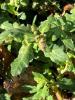
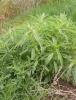
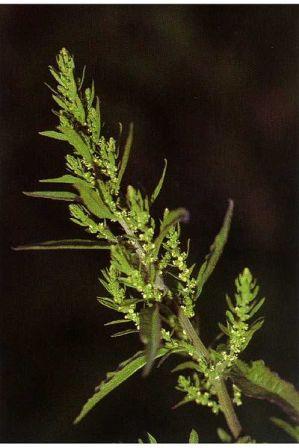
Wormseed is an erect, much-branched aromatic herb commonly growing two to five feet tall, though size varies with moisture, soil, season, and competition. The stems are green, reddish, or cream-streaked, round to slightly ridged, and dotted with minute glands that produce the characteristic oil.
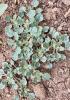
The leaves are alternate, oblong to lance-shaped, and irregularly toothed or deeply lobed, especially lower on the plant. Upper leaves become smaller and may have smoother margins. Crushing the foliage releases a powerful resinous, medicinal, citrus-like, turpentine-like, skunk-like, or otherwise pungent odor.
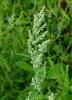
The flowers are tiny, green, and lacking showy petals. They occur in dense axillary and terminal clusters or branched spikes. Seeds are small, dark, and produced abundantly. Mature flowering and seed-rich material is more concerning than a few young culinary leaves because seed heads and flowering tops can be associated with higher oil exposure and large accumulated biomass.
The Goosefoot Name
The former genus name Chenopodium comes from Greek words for goose and foot, referring to the shape of leaves in many species. The familiar name goosefoot is therefore applied broadly across plants once placed in that genus.
Wormseed leaves are usually narrower, more glandular, and more strongly aromatic than the classic triangular leaves of lambsquarters, Chenopodium album. The species can still be confused when young, when mowed, when dried in hay, or when a field contains both plants.
Culinary Use and Poisoning Risk Are Not Contradictory
Epazote has a long history as a culinary herb, particularly in Mexican and Central American foods. A small amount of fresh leaf is used for its strong flavor and is traditionally added to beans and other dishes.
Culinary use does not establish that unlimited fresh plant, seeds, medicinal tea, or essential oil is safe. The dose, plant part, preparation, chemotype, and concentration differ enormously. Distilled oil represents volatile constituents from a large amount of plant material compressed into a very small volume.
Pets should not be given Wormseed as a dewormer, digestive remedy, flea remedy, herbal tonic, appetite stimulant, parasite treatment, or “natural” medication. The old medicinal use is exactly why overdose risk exists.
Traditional Anthelmintic Use
Wormseed received its common name from its use against intestinal worms. Preparations made from the plant were used in the Americas and later entered commercial medicine as oil of chenopodium.
The oil was administered against roundworms, hookworms, and other intestinal parasites in people and animals. The margin between an anthelmintic dose and a toxic dose was narrow, and serious poisonings and fatalities contributed to its replacement by safer modern medications.
Traditional medicinal use is historically important, but it does not provide a safe household dose for a dog, cat, horse, cow, sheep, goat, bird, rabbit, reptile, or other animal.
Ascaridole
Ascaridole is a monoterpene endoperoxide and one of the characteristic chemicals of Wormseed oil. The name reflects the compound’s historical activity against Ascaris roundworms.
The peroxide bridge is chemically reactive. In the presence of reduced iron or heme, ascaridole can split into free-radical intermediates capable of damaging lipids, proteins, membranes, and energy-producing cellular machinery. This reactivity contributes to both its antiparasitic action and its toxicity.
A compound capable of injuring a parasite can also injure mammalian cells when exposure is high enough. Concentrated oil is therefore categorically different from a seasoning leaf.
Essential-Oil Composition Is Highly Variable
One commercial oil from Madagascar analyzed by gas chromatography, gas chromatography-mass spectrometry, and carbon-13 nuclear magnetic resonance contained substantial ascaridole along with isoascaridole, p-cymene, alpha-terpinene, and limonene. The investigators used combined methods because ascaridole is heat sensitive and can be distorted by ordinary gas-chromatographic conditions.
Other Wormseed oils contain very little ascaridole and may be dominated by alpha-terpinene, limonene, pinocarvone, pinocarveol, p-cymene, carvacrol, caryophyllene oxide, or other constituents. Geography, genetics, climate, growth stage, harvest timing, soil, storage, and distillation all affect composition.
That variability matters for animal poisoning. A pet owner cannot smell a bottle, read a common name, or know the country of origin and reliably predict the oil’s strength, ascaridole content, or risk.
Monzote and Colleagues’ Mitochondrial Study
Lianet Monzote, Werner Stamberg, Katrin Staniek, and Lars Gille studied toxic effects of Wormseed essential oil and purified constituents including ascaridole, carvacrol, and caryophyllene oxide on mammalian cells and mitochondria.
All tested products showed toxicity under the experimental conditions, with caryophyllene oxide particularly cytotoxic in the tested cellular system. Carvacrol and caryophyllene oxide interfered directly with mitochondrial electron transport. Ascaridole was less toxic in isolated mitochondria without reduced iron, but iron or reduced heme activated it and generated reactive radical chemistry.
The activated ascaridole initiated lipid peroxidation and impaired oxidative phosphorylation. This work provides a mechanistic explanation for why concentrated Wormseed oil can damage multiple high-energy organs rather than acting only as a gastrointestinal irritant.
MacDonald and Colleagues’ Infusion Study
D. MacDonald, K. VanCrey, P. Harrison, P.K. Rangachari, J. Rosenfeld, C. Warren, and G. Sorger studied ascaridole-less infusions of Chenopodium ambrosioides. Most of the nematocidal activity in the tested infusion was attributed to a water-soluble component other than ascaridole.
Synthetic ascaridole and ascaridole extracted from the infusion reduced carbachol-induced contractions in rat gastrointestinal smooth muscle at nematocidal concentrations. The aqueous infusion and the ascaridole-free residue retained nematocidal activity without the same detectable effect on smooth-muscle contraction in that test system.
The finding supports the idea that traditional infusion exposure may differ from essential-oil exposure. It should not be stretched into a safe veterinary dosing rule. Concentration, repeated dosing, patient size, preparation, contamination, product identity, and individual susceptibility still determine the risk.
Severe and Fatal Human Poisoning
Human fatalities from oil of chenopodium and high-dose Chenopodium ambrosioides preparations are historically and recently documented. Severe poisoning has included corrosive or inflammatory gastrointestinal disease, dizziness, headache, temporary hearing loss, neurologic depression, seizures, paralysis, hepatic injury, renal injury, respiratory failure, coma, and death.
A 2024 case report described a four-year-old child who died after repeated high-dose Chenopodium ambrosioides infusions given for fever. Human reports cannot define a veterinary toxic dose, but they demonstrate the organ systems that require monitoring after concentrated or repeated exposure.
The Nitrogen Cycle Within the Plant
Plants absorb nitrogen from soil mainly as nitrate ions or ammonium ions. Nitrogen is then incorporated into amino acids, proteins, nucleic acids, chlorophyll, enzymes, and numerous other essential molecules.
When nitrate enters the plant, it is reduced first to nitrite and then to ammonium before incorporation into organic compounds. Under normal growing conditions, nitrate uptake and conversion proceed at roughly compatible rates, keeping free nitrate at a relatively low concentration.
When growth slows but root uptake continues, nitrate can accumulate. The hazard is therefore not simply that the plant “makes nitrate”; it is that environmental conditions disrupt the balance between absorption and metabolic use.
Conditions That Increase Nitrate Accumulation
Drought is a classic risk because water limitation restricts growth and protein synthesis while nitrate may continue entering the roots. The danger can remain after rain because damaged plants may resume nitrate uptake before normal growth and conversion are restored.
Extended cloudiness, dense shade, cool temperatures, frost injury, hail, disease, nutrient deficiencies, and herbicide injury can also reduce photosynthesis or enzyme activity and allow nitrate to build up. Plants damaged but not killed by herbicides may remain attractive and dangerous.
Excessive nitrogen fertilizer, manure, feedlot runoff, sewage-contaminated soil, or naturally nitrogen-rich ground increases the amount available for uptake. Nitrate tends to be concentrated in roots and lower stalks, although distribution varies by species and growth stage. Grain and mature seed generally contain less nitrate than actively growing vegetative tissue, but seed-rich Wormseed remains important for essential-oil exposure.
Nitrate Units Must Be Identified
Forage reports may express results as nitrate, nitrate-nitrogen, or potassium nitrate. These numbers are not interchangeable. Approximately 1,000 parts per million nitrate-nitrogen corresponds to about 4,400 parts per million nitrate.
Confusing the units can create a major management error. A result reported as nitrate-nitrogen is much more concentrated than the same number reported as nitrate. A result on a fresh-weight basis also differs from a dry-matter basis because water dilutes the number.
Every laboratory result should therefore be read with its analytical basis, moisture basis, and conversion factor intact. A veterinarian, diagnostic laboratory, extension toxicologist, or nutritionist should help interpret suspect forage for pregnant animals, hungry animals, newly introduced feed, water nitrate, or mixed rations.
Rumen Conversion of Nitrate
Rumen microorganisms normally reduce nitrate to nitrite and then nitrite to ammonia. The ammonia can be incorporated into microbial protein or absorbed and ultimately converted to urea.
The first step, nitrate to nitrite, proceeds more rapidly than the second step. When high-nitrate forage is consumed quickly, nitrite accumulates before the microbial population can convert it to ammonia.
Nitrite passes through the rumen wall into the bloodstream and oxidizes hemoglobin. This is why adult cattle, sheep, and goats are more vulnerable to plant nitrate poisoning than many monogastric animals.
Methemoglobin and Oxygen Deprivation
Normal hemoglobin contains iron in the ferrous state and can bind oxygen. Nitrite oxidizes that iron to the ferric state, creating methemoglobin, which cannot carry oxygen effectively.
Healthy animals normally maintain only a small percentage of hemoglobin as methemoglobin because enzyme systems continually reduce it back to functional hemoglobin. Massive nitrite production overwhelms that protective system.
As methemoglobin rises, tissues become hypoxic despite continued breathing. The animal increases its respiratory and heart rates in an attempt to deliver more oxygen, but the blood itself has lost much of its transport capacity.
Clinical Methemoglobin Percentages
Normal methemoglobin commonly represents only a small percentage of total hemoglobin. Clinical signs may begin as levels rise, although the relationship varies among species, health status, pregnancy, exertion, anemia, and concurrent disease.
As the methemoglobin fraction increases, weakness, tremors, ataxia, a rapid weak heartbeat, respiratory distress, and abnormal mucous-membrane color become more likely. At severe levels, marked dyspnea, anxiety, collapse, convulsions, coma, and death may occur.
Methemoglobin may decline after exposure because normal enzyme systems convert it back toward hemoglobin. A delayed normal result therefore does not exclude an acute nitrate episode, especially if the animal died or was sampled long after signs began.
Ozmen, Mor, and Ayhan’s Cattle Outbreak
Ozlem Ozmen, Firdevs Mor, and Unsal Ayhan reported nitrate poisoning in cattle fed Chenopodium album hay. Three cows died after developing ataxia, bluish-brown mucous membranes, rapid and difficult breathing, increased heart rates, tremors, and coma. The animals died approximately thirty minutes after signs were recognized.
Brown, poorly coagulated blood was the prominent necropsy finding. Slight pulmonary edema and generalized visceral hyperemia were also observed. The hay contained 2,500 ppm nitrate-nitrogen and 11 ppm nitrite-nitrogen; expressed as nitrate rather than nitrate-nitrogen, 2,500 ppm nitrate-nitrogen corresponds to approximately 11,000 ppm nitrate.
The plant involved was Chenopodium album, not Dysphania ambrosioides. The outbreak remains relevant because it demonstrates the seriousness of nitrate accumulation in goosefoot-type forage and provides a documented clinical and analytical comparison for suspected Wormseed-contaminated forage.
Horses and Hindgut Fermentation
Nitrate reduction occurs in the equine cecum and colon, but horses do not possess the large foregut fermentation chamber that makes cattle, sheep, and goats especially efficient at producing nitrite before absorption.
Plant-associated nitrate poisoning is therefore much less common in horses. Equine cases are more often associated with fertilizer spills, contaminated water, or unusually high-nitrate feed.
Rarity does not mean impossibility. Rapid breathing, weakness, tremors, brown mucous membranes, chocolate-colored blood, collapse, or unexplained death after a suspected nitrate exposure requires immediate veterinary investigation.
Dogs, Cats, and Other Monogastric Animals
Adult dogs and cats are less efficient than ruminants at reducing ingested nitrate to nitrite. Plant nitrate is therefore a less likely primary problem than essential-oil toxicity after a Wormseed exposure.
Concentrated nitrate or nitrite fertilizer, contaminated water, cured products, medications, unusual gastrointestinal bacterial activity, or extremely high-nitrate plant material can still produce methemoglobinemia. Young pigs and some other animals may possess greater nitrate-reducing gastrointestinal activity than healthy adult monogastric animals.
Cyanide and Nitrate Poisoning Can Look Similar
Both nitrate or nitrite and cyanide interfere with oxygen delivery or oxygen use and can cause sudden breathing difficulty, weakness, tremors, collapse, seizures, coma, and death.
Nitrate poisoning converts hemoglobin to methemoglobin and classically produces chocolate-brown blood. Cyanide prevents cells from using oxygen and may leave venous blood unusually bright or cherry red.
Color is not a substitute for testing. Cyanide can dissipate rapidly after death, methemoglobin can revert toward hemoglobin, and decomposition changes blood appearance. Samples must be collected promptly and handled according to veterinary diagnostic-laboratory instructions.
Cyanogenic Plants in the Differential Diagnosis
Important cyanogenic forage plants include arrowgrass, sorghums, Johnson grass, Sudan grass, chokecherry and other Prunus, elderberry, flax, and some stressed corn.
A pasture containing both high-nitrate weeds and cyanogenic plants can create a mixed or uncertain exposure. The plant population, recent weather, herbicide use, frost, forage processing, blood color, postmortem change, and laboratory findings should all be considered.
Oxalates
Anatomical work has documented calcium oxalate or crystalline sand in Wormseed leaf tissues. This confirms that the plant can store oxalate but does not establish a clinical systemic oxalate dose.
Soluble oxalates are absorbed and can bind circulating calcium, producing hypocalcemia, muscle dysfunction, cardiac abnormalities, and renal crystal deposition. Insoluble calcium oxalate acts mainly as a local irritant or antinutritional mineral.
The exact soluble-to-insoluble ratio and concentration in Wormseed under different conditions require further species-specific investigation. A veterinarian should not attribute tetany, hypocalcemia, or renal injury to Wormseed oxalate without supporting laboratory findings.
Nitrogen and Oxalate Accumulation
Research in several plant species shows that nitrate nutrition can influence oxalate synthesis and accumulation. The relationship involves nitrogen metabolism, organic-acid balance, calcium regulation, and plant growth.
Reports of oxalate rising under nitrate-rich conditions should not be transferred automatically to every Wormseed population. Plant species, cultivar, tissue, maturity, analytical method, moisture basis, and environmental conditions all matter.
When livestock illness suggests both nitrate and oxalate toxicity, the actual forage should be tested for both rather than relying on a theoretical relationship.
Diagnosis of Essential-Oil Poisoning
Diagnosis begins with evidence that the animal contacted Wormseed, seed oil, essential oil, an herbal extract, an infusion, a pesticide product, or a deworming preparation. The concentration, product label, amount, route, and time are critical.
Veterinary evaluation may include neurologic examination, blood glucose, electrolytes, acid-base status, complete blood count, liver enzymes, bilirubin, kidney values, urinalysis, coagulation testing, electrocardiography, blood pressure, respiratory monitoring, and oxygenation assessment.
There is no routine blood test that proves ascaridole poisoning in ordinary clinical practice. The diagnosis usually rests on exposure history, characteristic gastrointestinal and neurologic progression, exclusion of other toxicants, and organ-function monitoring.
Diagnosis of Nitrate Poisoning
Chocolate-brown blood and abnormal mucous-membrane color provide important clues. A field nitrate test on forage can identify suspect material, but quantitative laboratory analysis is required for ration decisions.
Whole blood may be analyzed for methemoglobin during acute illness. Serum, plasma, ocular fluid, fetal fluid, water, and forage can be tested for nitrate or nitrite according to laboratory protocol.
Postmortem ocular fluid is particularly useful because nitrate remains comparatively stable there. The suspected feed, water, fertilizer, and plants should be sampled at the same time. Samples must be collected and stored exactly as the diagnostic laboratory instructs.
Veterinary Treatment of Essential-Oil Poisoning
There is no specific antidote to ascaridole. Treatment is symptomatic and supportive and may include professional gastrointestinal decontamination after a very recent exposure, antiemetics, intravenous fluids, electrolyte and acid-base correction, seizure control, oxygen, temperature management, cardiac monitoring, and support of liver and kidney function.
Inducing vomiting becomes unsafe when the animal is depressed, ataxic, tremoring, seizing, having breathing difficulty, or unable to protect its airway. Concentrated aromatic oils also present an aspiration hazard. Activated charcoal may be considered by a veterinarian in selected cases, but it is not a universal antidote and should not be forced into a vomiting or neurologically impaired animal.
Veterinary Treatment of Nitrate or Nitrite Poisoning
Methylene blue is the principal veterinary treatment for clinically significant methemoglobinemia. It acts as an electron carrier that accelerates reduction of ferric methemoglobin back to oxygen-carrying ferrous hemoglobin.
It is administered intravenously in a veterinarian-selected concentration and dose. The correct regimen depends on species, severity, product formulation, diagnostic confidence, response, and food-animal regulations.
Excessive methylene blue can itself cause oxidative injury and methemoglobinemia. It is not approved without restriction for animals entering the human food chain, and withdrawal and regulatory requirements must be addressed by the treating veterinarian. Animals should be handled quietly because excitement and restraint increase oxygen demand. Oxygen and supportive care may be provided, but oxygen alone cannot restore the transport capacity of severely methemoglobinemic blood.
Why Mineral Oil Is Not Routine Owner First Aid
Mineral oil has been proposed historically as a cathartic to reduce the time nitrate-containing material remains in the digestive tract. It does not reverse absorbed nitrite or convert methemoglobin back to hemoglobin.
Administering a large volume to a weak, dyspneic, neurologically impaired, or poorly swallowing animal can cause aspiration pneumonia. Any cathartic or gastrointestinal treatment must be selected and administered by a veterinarian.
Prognosis
Limited ingestion of fresh Wormseed leaf may cause only temporary gastrointestinal illness. Concentrated essential-oil exposure carries a much more guarded prognosis because neurologic, hepatic, renal, respiratory, and cardiovascular injury may develop.
Acute nitrate poisoning can respond rapidly and dramatically to methylene blue when recognized and treated before prolonged hypoxia causes irreversible organ damage. Untreated animals with severe methemoglobinemia may die within minutes to hours.
Pregnancy loss can occur after maternal hypoxia even when the dam survives. Respiratory complications, aspiration, organ injury, or neurologic deficits may prolong recovery after either essential-oil or nitrate poisoning.
Prevention
Do not use Wormseed oil, epazote oil, seed extract, or homemade worm medicine in animals. Store essential oil and medicinal products in childproof and animal-proof containers.
Keep herb plants out of reach of pets that chew vegetation. Collect mature seed heads and prevent dried plant material from entering animal feed. Do not add Wormseed, seed heads, or pruning piles to rabbit hutches, chicken runs, goat pens, horse paddocks, compost piles accessible to animals, or tortoise enclosures.
Test Wormseed-contaminated forage after drought, frost, heavy nitrogen fertilization, cloudy weather, herbicide injury, manure application, sewage or feedlot runoff, or abnormal growth. Do not judge nitrate safety by plant color, smell, palatability, or old use as a culinary herb.
Remove animals from suspect forage or water immediately when illness occurs, but avoid unnecessary running, gathering, or stressful handling of animals showing respiratory distress.
Immediate Steps After Exposure
Remove the source immediately. Prevent further access to the plant, seeds, flowering tops, hay, herbal infusion, essential oil, pesticide product, fertilizer, contaminated water, or homemade deworming preparation.
- Contact a veterinarian or animal poison-control service: Report the animal’s species, weight, plant or product, estimated amount, concentration, exposure time, and current gastrointestinal, neurologic, respiratory, or cardiovascular signs.
- Treat essential-oil exposure as urgent: Bring the bottle, label, ingredient list, concentration, and remaining product to the veterinary facility.
- Keep livestock quiet: Minimize running, crowding, restraint, and transportation stress when nitrate poisoning is suspected because exertion increases oxygen demand.
- Preserve diagnostic evidence: Secure representative forage, plant, hay, silage, green chop, water, fertilizer, vomited material, and product packaging for laboratory analysis.
- Protect the rest of the group: If one animal becomes ill after suspect forage or water, remove access for all animals until testing and veterinary guidance are complete.
Do Not Attempt Unsupervised Home Treatment
- Do not induce vomiting with hydrogen peroxide: Concentrated essential oil can be aspirated, and peroxide can cause severe gastric and esophageal injury.
- Do not give salt, mustard, oil, syrup of ipecac, or another household emetic: These methods can create additional poisoning and delay definitive treatment.
- Do not force activated charcoal: A vomiting, depressed, ataxic, tremoring, seizing, or poorly swallowing animal can inhale charcoal into the lungs.
- Do not give mineral oil unless a veterinarian directs and administers it: Mineral oil does not reverse methemoglobinemia and can cause aspiration pneumonia.
- Do not attempt methylene-blue treatment yourself: It requires intravenous administration, species-specific dosing, diagnostic judgment, monitoring, and consideration of food-animal regulations.
- Do not force food, water, milk, or electrolyte solution: Neurologic depression, vomiting, weakness, or respiratory distress greatly increases aspiration risk.
- Do not chase or exercise affected livestock: Additional oxygen demand can cause sudden collapse or death in an animal with severe methemoglobinemia.
- Do not assume culinary epazote proves safety: A few seasoning leaves are not comparable to essential oil, seed oil, extract, repeated tea, or high-nitrate forage.
When Emergency Examination Is Especially Important
- Concentrated oil or extract was swallowed: Serious neurologic and organ injury may develop even before obvious symptoms appear.
- Breathing becomes rapid, shallow, or labored: Air hunger, gasping, open-mouth breathing, or marked respiratory effort may indicate methemoglobinemia, aspiration, shock, or systemic essential-oil toxicity.
- Mucous membranes appear gray, blue, or brown: This is a major warning sign for impaired oxygen transport.
- Blood appears chocolate brown: Persistent brown coloration strongly supports methemoglobinemia and requires immediate veterinary treatment.
- Neurologic signs develop: Staggering, tremors, disorientation, abnormal response to sound, seizures, paralysis, collapse, or coma indicates severe poisoning.
- Vomiting or diarrhea is persistent: Repeated fluid loss can cause dehydration, electrolyte disturbance, kidney injury, and shock.
- A pregnant animal was exposed to high-nitrate forage: Fetal hypoxia and abortion may occur even when the dam survives.
- More than one animal is affected: Multiple sick animals after the same feed, hay, pasture, water, or supplement exposure requires urgent herd-level investigation.
Veterinary Treatment for Essential-Oil Exposure
There is no specific antidote to ascaridole. Veterinary treatment may include professional gastrointestinal decontamination when appropriate, antiemetics, intravenous fluids, electrolyte and acid-base correction, seizure control, oxygen, electrocardiographic monitoring, temperature support, blood-pressure support, and repeated liver and kidney testing.
An animal with depressed consciousness, ataxia, tremors, seizures, respiratory distress, abnormal swallowing, or aspiration risk may require airway protection and assisted ventilation. Vomiting should not be induced in an animal unable to protect its airway. Concentrated aromatic oils create an additional aspiration hazard.
Activated charcoal may be considered by a veterinarian in selected cases, but timing, airway safety, vomiting, neurologic status, product formulation, and the likelihood of benefit must be weighed. It should not be treated as an owner-administered universal antidote.
Veterinary Treatment for Nitrate/Nitrite Poisoning
Methylene blue is the principal treatment when nitrate or nitrite has caused clinically important methemoglobinemia. It is administered intravenously by a veterinarian and may produce rapid improvement as methemoglobin is reduced back to functional hemoglobin.
Response, recurrence, blood color, respiratory effort, methemoglobin concentration, and the continuing gastrointestinal nitrate source must be monitored. Repeat treatment may be considered professionally when signs recur, but excessive methylene blue can itself cause oxidative toxicity.
Oxygen, fluid support, and quiet handling may accompany antidotal therapy. Suspect feed and water must be removed immediately to prevent continued exposure of both the patient and the rest of the herd or flock.
Diagnostic Sampling
Whole blood should be collected promptly when methemoglobin measurement is planned. Serum, plasma, ocular fluid, fetal fluid, rumen contents, forage, water, fertilizer, plant material, and product samples may be tested for nitrate and nitrite according to laboratory instructions.
Samples should be collected and stored exactly as directed because nitrate, nitrite, cyanide, and methemoglobin do not remain equally stable after collection or death. Delayed or poorly handled samples can make a real poisoning harder to prove.
For essential-oil exposure, bring the product bottle, label, concentration, remaining liquid, dosing instructions, and any packaging. “Natural,” “herbal,” or “food grade” wording does not establish animal safety.
Dogs, Cats, Horses, Livestock, and Exotics
Dogs and cats with limited leaf exposure may develop only gastrointestinal upset, but essential-oil ingestion, repeated vomiting, neurologic signs, depression, tremors, seizures, or breathing difficulty requires emergency care. Cats and small dogs may receive a large relative dose from a small amount of concentrated oil.
Horses should be evaluated for colic, diarrhea, depression, weakness, tremors, respiratory distress, abnormal mucous membranes, and possible fertilizer or high-nitrate water exposure. Horses cannot vomit and should not receive forced oral fluids or mineral oil from an owner when weak or neurologically abnormal.
Cattle, sheep, and goats with suspected nitrate poisoning should be kept quiet and treated urgently. Do not drive them long distances, crowd them, chase them, or force exercise unless a veterinarian determines that movement is unavoidable. Poultry, rabbits, guinea pigs, reptiles, birds, and other small animals should not be offered Wormseed as browse, enrichment, cage greenery, or herbal medication because safe doses are not established.
Recovery and Prognosis
Animals with mild gastrointestinal illness after a limited leaf exposure often recover with supportive care. Concentrated oil ingestion has a more guarded prognosis and may require several days of hospitalization and follow-up organ testing.
Animals with nitrate-associated methemoglobinemia can improve rapidly when methylene blue is administered before prolonged tissue hypoxia occurs. Severe collapse, seizures, coma, respiratory failure, delayed treatment, or continued access to high-nitrate feed worsens the prognosis.
Pregnant livestock should be monitored for abortion after a significant nitrate episode. Recovered animals with continued respiratory distress, weakness, jaundice, abnormal urination, poor appetite, diarrhea, or neurologic change require reassessment.
Prevention After the Incident
Do not use Wormseed oil, epazote oil, seed extract, or homemade epazote preparations as animal dewormers. Store essential oils and medicinal products in locked containers away from pets, children, livestock feed, water buckets, tack rooms, and barns.
Prevent pets from chewing garden plants, dried herbs, seed heads, or discarded trimmings. Do not throw mature Wormseed, seed-rich plants, or herbal waste into paddocks, goat pens, chicken runs, rabbit hutches, tortoise enclosures, compost piles accessible to animals, or hay storage areas.
Test suspect forage after drought, frost, heavy fertilization, cloudy weather, herbicide injury, manure application, or unusual growth. Keep written results with units clearly labeled as nitrate, nitrate-nitrogen, or potassium nitrate and with the moisture basis documented.
Frequently Asked Questions About Wormseed and Animal Poisoning
Is the accepted scientific name Chenopodium ambrosioides or Dysphania ambrosioides?
The accepted name is Dysphania ambrosioides (L.) Mosyakin & Clemants. Chenopodium ambrosioides is its most important scientific synonym and remains widely used in veterinary, medical, culinary, herbal, and toxicology literature. A good poison page should use the accepted name while preserving the older name for search and source matching.
Is Wormseed in Chenopodiaceae or Amaranthaceae?
Current classification places Wormseed in Amaranthaceae. Chenopodiaceae was formerly recognized as a separate Goosefoot family and is still used in many references, but it is now generally included within Amaranthaceae. The old family name is useful for searching older nitrate, forage, and toxicology sources.
Is American Wormseed the same plant?
The name is ambiguous. It may refer to Dysphania ambrosioides, but it also refers specifically to Dysphania anthelmintica, formerly Chenopodium anthelminticum. The two are currently treated as separate species, although both have aromatic essential oils and historical anthelmintic use.
Is Wormseed the same as epazote?
Usually yes, when the scientific name is Dysphania ambrosioides. Epazote is the culinary and regional name most often encountered in gardens and food contexts. The poisoning risk depends heavily on the form of exposure: a few culinary leaves are not the same as essential oil, seed extract, homemade dewormer, or high-nitrate forage.
What is the primary toxin in Wormseed?
The principal species-specific toxin is the volatile essential oil, especially the monoterpene endoperoxide ascaridole. Limonene, p-cymene, alpha-terpinene, carvacrol, caryophyllene oxide, isoascaridole, pinocarvone, pinocarveol, and other terpenes may contribute to the complete toxic effect.
How does ascaridole damage cells?
Ascaridole’s peroxide bond can be activated by reduced iron or heme, generating reactive radicals. These radicals initiate lipid peroxidation and interfere with mitochondrial oxidative phosphorylation, damaging cellular membranes and reducing energy production. That mechanism helps explain why concentrated oil can affect the gut, nervous system, liver, kidneys, heart, and respiration.
Why is Wormseed oil more dangerous than culinary epazote?
Distillation concentrates volatile chemicals from a large amount of plant tissue into a small volume. A few leaves used as seasoning represent a fundamentally different dose from swallowing essential oil, medicinal extract, seed-rich material, or a concentrated tea. Food use does not create a safe animal deworming dose.
Can Wormseed be used as a natural dewormer for pets or livestock?
No owner should use Wormseed oil, epazote oil, seed extract, or homemade Wormseed preparations as animal dewormers. The plant’s historical anthelmintic use came with a narrow safety margin, serious poisoning, and fatalities. Modern parasite control should use veterinarian-selected products with known dosing and safety data.
What symptoms occur after essential-oil exposure?
Concentrated oil or extract exposure may cause repeated vomiting, diarrhea, abdominal pain, depression, disorientation, weakness, loss of coordination, tremors, seizures, abnormal breathing, abnormal heart rate, liver injury, kidney injury, coma, or death. Essential-oil ingestion should be treated as urgent even before severe signs appear.
Can Wormseed cause nitrate poisoning?
Wormseed can present a conditional nitrate risk when growing conditions permit accumulation, especially after drought, heavy nitrogen fertilization, reduced light, cold injury, manure application, or herbicide damage. The actual forage must be tested because nitrate concentration cannot be determined by plant appearance, smell, or common name.
Was the 2003 cattle outbreak caused by this exact species?
No. Ozmen, Mor, and Ayhan’s outbreak involved Chenopodium album hay. It remains relevant because three cows developed classic nitrate poisoning after eating goosefoot hay, but it does not prove that every Dysphania ambrosioides plant contains the same nitrate concentration.
What happened in the Ozmen, Mor, and Ayhan outbreak?
Three cows developed ataxia, bluish-brown mucous membranes, rapid difficult breathing, increased heart rates, tremors, and coma and died approximately thirty minutes after signs appeared. Their blood was brown and poorly coagulated. The hay contained 2,500 ppm nitrate-nitrogen and 11 ppm nitrite-nitrogen.
Why does nitrate poisoning turn the blood brown?
Rumen microorganisms convert nitrate to nitrite. Nitrite oxidizes the iron in hemoglobin and forms methemoglobin, which cannot transport oxygen normally. Methemoglobin gives blood and mucous membranes a gray-brown or chocolate-brown appearance and creates tissue hypoxia even while the animal is breathing.
Are cattle more susceptible than horses?
Yes. Cattle, sheep, and goats rapidly convert nitrate to nitrite in the rumen. Horses perform some nitrate reduction in the hindgut but are generally much more tolerant of plant nitrate. Equine poisoning is uncommon and is often associated with fertilizer, contaminated water, or extremely high-nitrate feed.
Can Wormseed poison dogs and cats?
Yes. Dogs and cats may develop drooling, vomiting, diarrhea, abdominal pain, appetite loss, depression, weakness, tremors, seizures, or more severe systemic illness after enough plant material or concentrated oil is consumed. Essential oil, extract, seed-rich material, or homemade medicine is far more concerning than a tiny accidental nibble of a culinary herb.
Can Wormseed poison horses?
Yes. Wormseed is listed as toxic to horses, especially when concentrated oils are ingested. Horses may develop salivation, feed refusal, depression, diarrhea, colic, weakness, tremors, or neurologic signs. Nitrate poisoning is less common in horses than in ruminants but can occur after contaminated water, fertilizer, or extremely high-nitrate forage exposure.
Can rabbits, guinea pigs, birds, reptiles, or tortoises eat Wormseed?
No. Wormseed should not be used as forage, browse, cage greenery, enrichment, nesting material, tortoise food, or herbal medication. Safe doses are not established for many small animals and exotics, and appetite loss, diarrhea, neurologic signs, or dehydration can become serious quickly in small patients.
Can Wormseed cause oxalate poisoning?
Calcium oxalate has been observed in Wormseed tissues, but its concentration and solubility are not sufficiently characterized to make systemic oxalate poisoning the usual syndrome. Suspected hypocalcemia, renal injury, tetany, or oxalate toxicosis requires laboratory confirmation and investigation of other plants or toxins.
Does Wormseed contain cyanogenic glycosides?
Broad phytochemical lists sometimes report cyanogenic glycosides, but their exact identity and toxicologic importance in Dysphania ambrosioides are not established as clearly as ascaridole. Cyanide remains an important differential when other cyanogenic plants are present, but it should not replace essential-oil toxicity as the central Wormseed hazard.
How can nitrate poisoning be distinguished from cyanide poisoning?
Nitrate-associated methemoglobinemia classically produces chocolate-brown blood. Cyanide poisoning may leave blood unusually bright or cherry red. Color is only a field clue; rapid laboratory testing and identification of available plants, water, feed, and fertilizers are necessary.
What do forage nitrate numbers mean?
The laboratory must specify whether the result is nitrate, nitrate-nitrogen, or potassium nitrate and whether it is reported on a fresh- or dry-matter basis. Approximately 1,000 ppm nitrate-nitrogen equals 4,400 ppm nitrate, so confusing the units creates a major interpretation error.
What level of nitrate is dangerous?
Risk depends on the reporting units, total ration, water nitrate, animal adaptation, pregnancy, health, and rate of intake. Forage above low-risk ranges may require dilution or restriction under professional guidance, and very high-nitrate forage has serious toxic potential. A veterinarian, nutritionist, extension toxicologist, or diagnostic laboratory should interpret results before feeding.
Is methylene blue an antidote?
Methylene blue is the principal veterinary treatment for nitrate- or nitrite-induced methemoglobinemia. It converts methemoglobin back toward oxygen-carrying hemoglobin. It must be administered intravenously by a veterinarian because incorrect dosing can worsen oxidative injury and food-animal restrictions apply.
Should vomiting or activated charcoal be used at home?
No. Hydrogen peroxide can injure the stomach and cause aspiration, especially with aromatic oils. Activated charcoal may also be aspirated by a vomiting, depressed, ataxic, or poorly swallowing animal. A veterinarian must decide whether professional decontamination is appropriate.
Should mineral oil be given for nitrate exposure?
Not by an owner. Mineral oil does not reverse absorbed nitrite or convert methemoglobin back to hemoglobin, and it can cause aspiration pneumonia if given to a weak, dyspneic, neurologically impaired, or poorly swallowing animal. Any cathartic or gastrointestinal treatment must be selected by a veterinarian.
Can animals recover from Wormseed poisoning?
Yes. Limited leaf ingestion may cause only temporary gastrointestinal illness. Concentrated essential-oil poisoning has a more guarded prognosis and may require hospitalization. Nitrate-poisoned animals may improve rapidly after timely methylene-blue treatment, but prolonged hypoxia, seizures, coma, organ injury, or delayed care worsens the outlook.
How can Wormseed poisoning be prevented?
Never use Wormseed oil or homemade epazote preparations as animal dewormers. Store extracts securely, prevent pets from chewing the plant, keep mature seed heads out of feed, and test Wormseed-contaminated forage after drought, frost, heavy fertilization, cloudy weather, manure application, or herbicide injury.