Poison Suckleya Dhurrin, Hydrogen Cyanide Release, and Rapid Livestock Collapse
Is Poison Suckleya Poisonous to Dogs, Cats, Horses, and Livestock?
Yes—Poison Suckleya, Suckleya suckleyana (Torr.) Rydb., is a potentially fatal cyanogenic plant for cattle, sheep, goats, horses, dogs, cats, rabbits, guinea pigs, pigs, and other animals that eat enough toxic material. The best-documented natural hazard involves cattle and sheep grazing dense succulent stands around drying ponds, reservoirs, irrigation ditches, wet depressions, and alkaline disturbed ground. The confirmed cyanogenic glucoside is dhurrin, which can release hydrogen cyanide when plant tissue is chewed, crushed, ground, wilted, trampled, chopped, frozen, or digested.
Cyanide poisoning is an oxygen-use emergency rather than ordinary stomach upset. Hydrogen cyanide blocks mitochondrial cytochrome-c oxidase, so blood may still carry oxygen while the brain, heart, muscles, and respiratory system cannot use it. Signs can begin within minutes and may include sudden anxiety, rapid or difficult breathing, glassy eyes, drooling, muscle twitching, trembling, staggering, weakness, cardiac irregularities, collapse, convulsions, coma, respiratory arrest, and death. Dogs, cats, and horses have fewer direct Poison Suckleya case reports than cattle and sheep, but no mammal should be considered safe from a plant capable of releasing lethal cyanide.
About this guide: This page provides general pet-poisoning information and cannot diagnose or treat an individual animal. For any suspected exposure, contact a veterinarian or animal poison-control service immediately. Do not induce vomiting, give medication, or attempt home decontamination unless directed by a veterinary professional.
Poison Suckleya
Suckleya suckleyana (Torr.) Rydb.
- Obione suckleyana Torr. — original basionym and historical name used in older botanical literature.
- Atriplex suckleyana (Torr.) S.Watson — important historical combination; older toxicology, herbarium, and range references may use this name.
- Suckleya petiolaris A.Gray — illegitimate superfluous historical name, not a separate safer species.
- Suckleya suckleyana is the only accepted species in the genus Suckleya; it is not a species of Chenopodium, even though older literature placed the plant among chenopods or goosefoots.
Amaranthaceae — Amaranth or Pigweed Family
Older references place the genus in Chenopodiaceae, the Goosefoot Family.
Poison Suckleya; poison suckleya; Suckleya; suckleya; Sucklea; Sucklea Saltbush; Poison Sucklea; poison-suckleya; poison suckleya plant; cyanogenic suckleya; poisonous range suckleya
Historical and taxonomic search variations include Obione suckleyana Torr., Atriplex suckleyana (Torr.) S.Watson, Suckleya petiolaris A.Gray, and older family references under Chenopodiaceae or the Goosefoot Family.
Do not confuse Poison Suckleya with Suckley’s Saltbush or Suckley’s Orach, names more properly associated with Atriplex suckleyi, a different plant. Common-name spelling can also be confusing: “Sucklea” is a search variant, while Suckleya is the correct genus. Poison Suckleya also resembles low annual saltbushes, goosefoots, lamb’s-quarters, and prostrate pigweeds, so fruiting structures and expert identification are more dependable than the common name alone.
Dhurrin and Hydrogen Cyanide as the Confirmed Poison-Suckleya Hazard
The established toxic principle in Poison Suckleya is cyanogenic glycoside chemistry. Direct phytochemical work on Suckleya suckleyana identified dhurrin, a 4-hydroxymandelonitrile glucoside, as the cyanogenic glucoside present in the plant. Dhurrin is not the final poison that disables the animal’s cells; it is a stored cyanide precursor that can release hydrogen cyanide, historically called hydrocyanic acid or prussic acid, after plant tissue is damaged and the glycoside is enzymatically broken down.
The exact-species dhurrin evidence is stronger than a generic “cyanogenic plant” label. Dhurrin was reported from leaves, fruits, stems, and roots of S. suckleyana, with leaves highest in that study, followed by fruits, stems, and roots. That plant-part ranking is useful, but it should not be converted into a claim that roots, fruits, flowers, seeds, or other tissues are safe animal feed. Field toxicity depends on the whole exposure: cyanogenic potential, plant maturity, moisture, tissue damage, amount eaten, animal species, rumen or gastrointestinal conditions, and the speed at which cyanide is released and absorbed.
Hydrogen cyanide is volatile, fast acting, and capable of killing before routine diagnostic confirmation is available. This makes Poison Suckleya fundamentally different from plants that primarily cause delayed gastrointestinal irritation, liver injury, kidney injury, or mechanical mouth irritation. A credible ingestion is managed as an emergency even when the animal still looks normal.
How Chewing, Crushing, Wilting, Grinding, and Digestion Release Cyanide
In intact cyanogenic plant tissue, the cyanogenic glycoside and the enzymes capable of degrading it are separated within or among cells. Chewing, grinding, crushing, chopping, trampling, frost injury, wilting, herbicide injury, mowing, rumen fermentation, and digestion disrupt that separation. Enzymatic hydrolysis can then produce an unstable cyanohydrin that decomposes and liberates hydrogen cyanide.
The physical condition of the plant matters. Finely ground, heavily chewed, chopped, frosted, trampled, or partially wilted material may release cyanide more efficiently than an equal amount swallowed with little tissue damage. The historical feeding work with Poison Suckleya showed why this distinction matters: ground high-cyanide plant material could produce rapid poisoning in experimental animals, while lower-cyanide material from another site was grazed without illness under the conditions observed.
Drying does not provide a dependable safety guarantee. Free hydrogen cyanide may dissipate during proper curing or ensiling, but intact cyanogenic glycosides can remain, especially when the original plant was highly cyanogenic or curing was incomplete. Poison Suckleya has not been studied sufficiently to assign a reliable “safe after drying” period. Hay, green chop, silage, bedding, composted vegetation, or feed contaminated with Poison Suckleya should be isolated and tested rather than judged by smell, color, age, or the fact that another stand was grazed safely.
Cellular Oxygen Failure and Histotoxic Hypoxia
Once absorbed, cyanide binds to the ferric iron in mitochondrial cytochrome-c oxidase. This blocks the final stage of the electron-transport chain and prevents cells from using oxygen for aerobic energy production. The animal may be breathing rapidly, and the blood may still contain abundant oxygen, but the tissues cannot extract and use that oxygen efficiently.
The result is histotoxic hypoxia. Energy-hungry tissues such as the brain, heart, skeletal muscles, and respiratory-control centers fail quickly. This explains the characteristic combination of anxiety, rapid breathing, glassy eyes, muscle twitching, weakness, staggering, irregular heartbeat, collapse, convulsions, coma, respiratory arrest, and death. It also explains why oxygen and antidotal treatment must be arranged immediately rather than after a long observation period.
Bright-red venous blood is a classic clue in cyanide poisoning because oxygenated blood can circulate past tissues that cannot use the oxygen. That sign is not dependable. Blood color changes with time, exposure to air, decomposition, terminal respiratory failure, and mixed intoxications. Historical Poison Suckleya investigations included dark or black blood, so blood color should support but never replace the exposure history, clinical course, plant identification, laboratory testing, and veterinary judgment.
Variable Cyanide Potential and the Absence of a Safe Dose
Poison Suckleya’s cyanide potential varies sharply. Historical Colorado analyses detected hydrocyanic acid in every specimen tested, but reported concentrations ranged from 0.002% to 0.0364%, roughly 20 to 364 parts per million. Plant material from one water-hole site caused rapid fatal poisoning when force-fed, while lower-cyanide plants from another location were grazed for hours or force-fed without producing illness. A plant’s identity alone therefore does not reveal whether a particular stand is lethal.
Regional forage guidance has treated approximately 200 parts per million hydrogen-cyanide potential on an as-fed basis as a significant danger threshold for cyanogenic forage, and Poison Suckleya may sometimes exceed that level. These numbers are useful for forage testing and herd-risk management. They are not a safe-mouthful calculator for an individual dog, cat, horse, cow, sheep, goat, rabbit, or guinea pig because cyanide release depends on chewing, plant damage, rumen or stomach conditions, plant part, animal size, health, hunger, and how quickly treatment begins.
Plant age, growing site, moisture, temperature, frost, drought, mineral nutrition, nitrogen availability, herbicide injury, and maturity can all influence cyanogenic potential in cyanogenic plants. The historical investigators noted that their highest-cyanide Poison Suckleya specimens grew where soil nitrate was abundant and proposed that nitrogen availability might have increased cyanide production. That observation concerns nitrogen’s role in cyanogenic glycoside formation; it does not prove nitrate toxicosis as the cause of Poison Suckleya deaths.
Species Risk: Ruminants, Horses, Dogs, Cats, and Small Herbivores
Ruminants are at the greatest practical field risk from Poison Suckleya. Rumen microorganisms, plant enzymes, rumen moisture, and the relatively neutral rumen environment can release cyanide rapidly from crushed cyanogenic tissue. Cattle, sheep, and goats may also consume large amounts quickly when a dense, succulent stand forms around a drying water source while surrounding forage is dry, sparse, trampled, or overgrazed.
Monogastric animals do not have the same rumen environment, but they are not immune to cyanide. Dogs can thoroughly crush plant tissue while chewing, retrieve uprooted plants, eat mowed or chopped material, or investigate damp vegetation around ponds and irrigation ditches. Cats may nibble succulent leaves or groom plant residue from their coat. Horses cannot vomit and may progress from anxiety, salivation, rapid breathing, tremors, and incoordination to collapse and convulsions before a handler recognizes the plant involved.
Historical experiments also showed susceptibility in rabbits and guinea pigs exposed to concentrated Poison Suckleya extract. Those experiments do not establish a dose from casual voluntary nibbling, but they strongly support excluding the plant from rabbit, guinea-pig, tortoise, poultry, small-ruminant, and other herbivore feed. Unidentified greens collected near ponds, ditches, reservoir margins, alkaline flats, or irrigated fields should never be offered to small animals.
Nitrate, Oxalate, and Other Differential Toxicants
Oxalates and nitrates should not be listed as equal confirmed toxins of Poison Suckleya merely because many plants historically grouped in Chenopodiaceae or Amaranthaceae can accumulate those toxicants. Species-specific evidence identifies cyanogenic chemistry as the established Poison Suckleya hazard. When an animal shows chocolate-brown blood, methemoglobinemia, severe hypocalcemia, calcium-oxalate kidney injury, or a prolonged renal syndrome, the veterinarian should investigate nitrate-contaminated forage, oxalate-containing plants, fertilizer contamination, another weed, water contamination, or a mistaken identification.
This distinction matters because the syndromes can look similar while requiring different treatment. Cyanide prevents tissues from using oxygen; nitrate-derived nitrite converts hemoglobin into methemoglobin that cannot carry oxygen effectively. Sodium nitrite may help confirmed cyanide poisoning but can worsen oxygen delivery in nitrate poisoning. Methylene blue may be appropriate for nitrate or nitrite methemoglobinemia but is not the routine field antidote for confirmed cyanide poisoning from Poison Suckleya.
Other fast-acting causes of collapse near a pond, ditch, reservoir, or feed source include toxic algae, hydrogen sulfide, urea toxicity, organophosphates or carbamates, fumigants, carbon monoxide, ionophore contamination, oleander, yew, acute pneumonia, electrocution, lightning strike, and anthrax. The presence of Poison Suckleya does not exclude another lethal exposure in the same setting.
Rapid Onset and Sudden Death
Acute Poison Suckleya poisoning can begin within minutes. General cyanide toxicosis commonly becomes apparent within 15 to 20 minutes to several hours, but historical experiments with highly cyanogenic Poison Suckleya produced initial signs in cattle after about 20 minutes, in a sheep after 6 minutes, and in rabbits and guinea pigs after approximately 5 minutes. Animals may also be found dead without ever being observed ill.
The speed of onset depends on cyanide potential, plant amount, chewing and tissue disruption, rumen or gastrointestinal conditions, animal size, and whether the material was fresh, wilted, ground, chopped, or concentrated in feed. Waiting for symptoms can eliminate the short window in which oxygen, airway support, and antidotal therapy are most likely to work. A credible exposure is an emergency before the animal collapses.
Sudden death near drying ponds, stock tanks, reservoirs, irrigation ditches, wet depressions, or shared suspect forage should trigger herd-level action. Other animals may have grazed the same plant, eaten a different portion of the stand, or be ready to drink and graze through the same area. Even animals that look normal should be moved quietly to safe feed and water without chasing or exhausting them.
Early Distress, Autonomic Signs, and Respiratory Failure
Early signs reflect rapidly developing cellular oxygen starvation. An affected animal may appear anxious, restless, unusually alert, glassy-eyed, reluctant to move, or suddenly distressed. Pupils may dilate. Lip licking, drooling, tearing, urination, defecation, muscle twitching, and trembling may develop as the nervous and autonomic systems become impaired.
Breathing usually becomes rapid at first as the body attempts to compensate for tissue hypoxia. Respiration may then become deep, labored, shallow, irregular, gasping, or intermittently absent. Open-mouth breathing, extended head and neck posture, harsh respiratory effort, cyanotic or blue-gray mucous membranes, and pauses in breathing indicate advanced respiratory compromise.
Oxygen can be lifesaving, but oxygen alone does not remove cyanide from cytochrome oxidase. A patient that is breathing rapidly after Poison Suckleya exposure needs immediate professional evaluation for antidotal therapy, airway support, and cardiovascular stabilization. Forced walking, running, loading, crowding, or rough handling increases oxygen demand and can worsen an animal already close to collapse.
Cardiovascular and Neurologic Progression
Cyanide-related cellular hypoxia compromises cardiac energy production quickly. The heart rate may become rapid, weak, or irregular, and affected animals may develop hypotension, serious dysrhythmias, cold extremities, collapse, and cardiac arrest. Agitation, struggling, convulsions, respiratory failure, and acidosis place additional stress on the heart.
Neurologic signs include muscle fasciculations, trembling, weakness, loss of coordination, staggering, inability to remain standing, spasms, paddling movements, generalized convulsions, coma, and death. Historical Poison Suckleya experiments described animals going down soon after initial signs, arching or drawing back the head, swinging the limbs, briefly ceasing to breathe after spasms, and then entering another cycle until terminal respiratory arrest.
Survival after severe signs begin may be measured in minutes rather than days. An animal that remains standing and receives rapid treatment may recover dramatically, but collapse, repeated convulsions, sustained respiratory arrest, profound hypotension, and serious dysrhythmias carry a poor prognosis. Apparent temporary improvement should not end veterinary observation because recurrent respiratory, cardiac, neurologic, acid-base, or aspiration complications remain possible.
Species-Specific Presentations
Cattle have the strongest field evidence of natural Poison Suckleya poisoning. They may graze dense mats around receding water sources and show few warning signs before collapsing. A herd outbreak may first appear as carcasses near a drying pond, reservoir, or stock tank. Sheep were poisoned experimentally, and goats are considered at risk because their rumen environment can also favor rapid cyanide release.
Dogs, cats, pigs, rabbits, guinea pigs, and other animals capable of vomiting may develop nausea, vomiting, abdominal discomfort, salivation, or diarrhea, but severe gastrointestinal upset is not the defining Poison Suckleya syndrome. Cyanide’s principal threat is acute failure of cellular oxygen use. Vomiting in a weak, disoriented, twitching, or convulsing animal creates an additional aspiration risk and should not be provoked at home.
Horses cannot vomit. A poisoned horse may show sudden anxiety, salivation, rapid breathing, muscle tremors, weakness, staggering, apparent colic, collapse, convulsions, or respiratory arrest. Direct Poison Suckleya cases in horses are not well documented, so a large-animal veterinarian must also consider other cyanogenic plants, nitrate-contaminated forage, toxic algae, yew, oleander, ionophores, fumigants, pesticides, neurologic disease, and other causes of sudden cardiopulmonary collapse.
Rabbits and guinea pigs were demonstrably susceptible to concentrated Poison Suckleya extract in historical experiments. Pet rabbits, guinea pigs, and other small herbivores may express serious illness as sudden reduced appetite, weakness, abnormal breathing, altered fecal output, tremors, collapse, or seizures. Because these species are small and cannot tolerate prolonged food refusal, unidentified wetland or ditch vegetation should be treated as unsafe.
Birds and reptiles have little direct Poison Suckleya case documentation, but cyanide’s core mechanism is not limited to mammals. Poultry, ducks, geese, parrots, tortoises, and other herbivorous or omnivorous animals should not be given unidentified succulent plants from pond margins, irrigation ditches, reservoir beds, alkaline flats, or agricultural ground. Sudden weakness, open-mouth breathing, poor balance, inability to perch, tremors, seizures, collapse, or death after such exposure requires urgent veterinary investigation.
Blood Color, Nitrate Look-Alikes, and Findings That Do Not Fit
Mucous membranes and venous blood may appear unusually bright red early in cyanide poisoning because oxygenated blood is circulating past tissues that cannot use the oxygen. Mucous membranes may turn blue or gray terminally when breathing and circulation fail. Historical Poison Suckleya necropsies also described dark or black blood, emphasizing that blood color changes after death and should never be treated as a definitive field test.
Chocolate-brown blood and gray-brown mucous membranes are more characteristic of nitrate or nitrite poisoning, in which hemoglobin is converted to methemoglobin and cannot carry oxygen effectively. Cyanide and nitrate poisoning can otherwise look strikingly similar. Both may cause rapid breathing, weakness, tremors, collapse, convulsions, and death, but their antidotal treatment differs enough that guessing from color alone can be dangerous.
Hypocalcemia-type tremors, tetany, weakness, recumbency, and kidney injury would raise concern for soluble-oxalate poisoning, grass tetany, milk fever, electrolyte disturbance, severe dehydration, shock, or mixed forage rather than a typical isolated Poison Suckleya exposure. Kidney failure is not a defining primary effect of acute cyanide poisoning, although severe shock, prolonged hypoxia, rhabdomyolysis, and dehydration can produce secondary organ injury in animals that survive the initial crisis.
Duration and Prognosis
The clinical course is usually either rapid death or rapid improvement after effective treatment. Historical experiments and general cyanide toxicology both support a short, dangerous window between first signs and collapse when the plant material is strongly cyanogenic. An animal that is still standing, breathing, and responsive at the time of treatment has a better chance than one already in repeated convulsions or respiratory arrest.
Recovery can be strikingly fast when an effective antidote is administered before prolonged oxygen deprivation damages the brain and heart. Improvement in breathing, coordination, mucous-membrane color, heart rhythm, and awareness may occur within minutes, but the animal still needs observation for recurrent signs, aspiration pneumonia, muscle injury, acid-base disturbance, organ dysfunction, or complications from the collapse itself.
Persistent illness lasting days after a mild suspected exposure should broaden the diagnostic search. Poison Suckleya can be part of the history while failing to explain the entire disease. Nitrate forage, toxic algae, other cyanogenic plants, pesticides, ionophores, caustics, foreign material, infectious disease, neurologic disorders, and metabolic emergencies may be responsible for continuing signs.
Botanical Identity, Taxonomy, and Naming History
Poison Suckleya is Suckleya suckleyana (Torr.) Rydb., the only accepted species in the genus Suckleya. It was originally described as Obione suckleyana, later transferred to Atriplex as Atriplex suckleyana, and ultimately placed in its own genus. Suckleya petiolaris appears in historical botanical literature but is treated as an illegitimate superfluous name rather than a separate species.
Older references place Poison Suckleya in Chenopodiaceae, the Goosefoot Family. Modern classification treats that older chenopod group within Amaranthaceae, the Amaranth or Pigweed Family. This relationship explains the plant’s resemblance to saltbushes, goosefoots, lamb’s-quarters, and pigweeds, but it does not make Poison Suckleya a species of Chenopodium or prove that it shares every nitrate, oxalate, or saponin hazard associated with other chenopod-like plants.
The page title should remain Poison Suckleya because that is the established toxic-plant common name. “Suckleya,” “Sucklea,” and “Sucklea Saltbush” are useful search variants, but they should not blur the plant with Suckley’s Saltbush or Suckley’s Orach, names applied to Atriplex suckleyi. When poisoning is suspected, the complete plant and fruiting structures should be preserved for identification rather than relying on one common name.
Growth Form and Identification
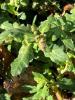
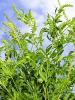
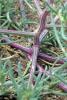
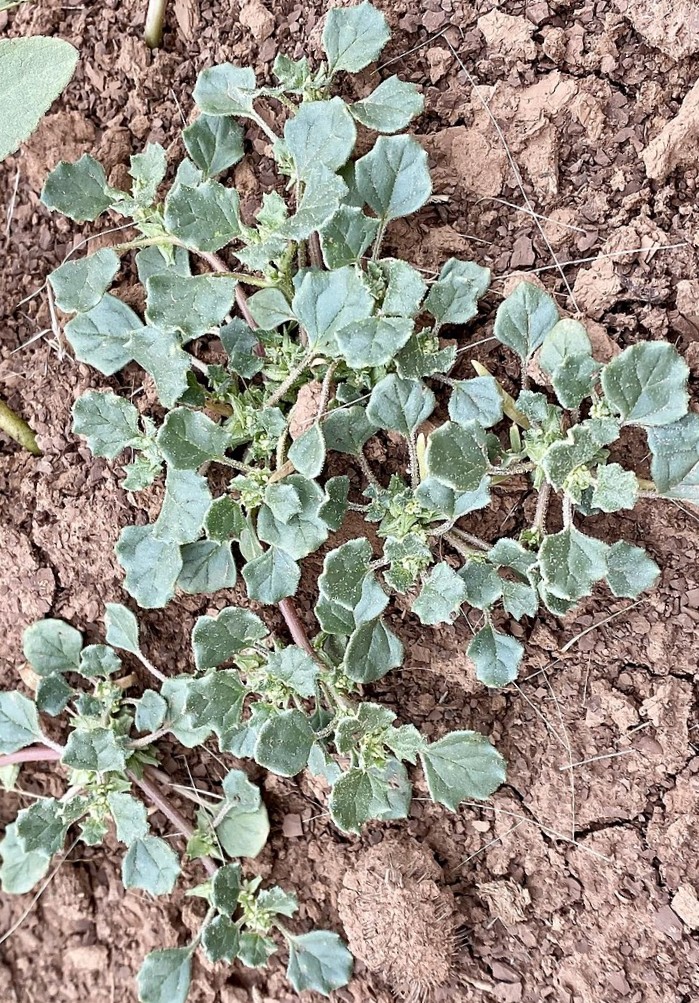
Poison Suckleya is a low, fleshy annual herb rather than a tall upright weed. Its freely branching stems commonly spread across the ground or ascend slightly when crowded by surrounding vegetation. Plants are often about 4 to 16 inches across or tall, with succulent cylindrical stems that may be green, reddish, or visibly striped. Frost or drying conditions can make the stems brittle while leaving hazardous material accessible to animals.
The leaves are alternate and borne on relatively long stalks. Leaf blades are usually round, broadly diamond-shaped, rhombic-ovate, or wedge-based, with margins carrying short blunt triangular teeth or shallow rounded teeth. Young stems and leaves may have a pale mealy or scurfy coating that often becomes less noticeable as tissue matures.
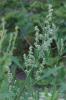
The flowers are small, green, unshowy, and borne in clusters in the leaf axils. Male and female flowers occur on the same plant. The fruiting structure is especially useful for identification: the seed is enclosed by two strongly flattened, partly united structures with a notched or two-toothed tip and narrow winged margins. Mature seeds are smooth and reddish brown.
Poison Suckleya can be confused with prostrate pigweeds, lamb’s-quarters, goosefoots, and low annual saltbushes. Spreading pigweed normally has smoother leaf margins and lacks the distinctive flattened two-part fruit covering. Several Atriplex species resemble Poison Suckleya closely, so fruiting structures, habitat, and expert identification are more reliable than leaf shape alone.
Native Range, Habitat, and Exposure Settings
The accepted native range extends from southeastern Alberta through the western Great Plains to northwestern Texas. Botanical records place it in Alberta, Saskatchewan, Montana, Wyoming, Colorado, New Mexico, Texas, and adjacent portions of the central plains. It may be locally uncommon across much of that range yet become conspicuous where wet-ground disturbance creates favorable habitat.
Typical habitat includes drying pond and lake margins, reservoir bottoms, moist depressions, stream valleys, creek banks, irrigation ditches, edges of irrigated fields, alkaline mud, agricultural ground, stock-tank margins, and disturbed sites where water previously stood. The plant often becomes most visible after a pond, reservoir, or ditch recedes and exposes moist soil.
This growth pattern puts the plant directly where thirsty cattle, sheep, goats, and other livestock congregate. A dense mat of succulent Poison Suckleya may be one of the greenest plants remaining around a drying water hole in late summer or autumn. Animals may eat it readily when surrounding forage is dry, sparse, trampled, overgrazed, frost-damaged, or unavailable.
Dogs may encounter Poison Suckleya while walking around stock ponds, irrigation ditches, reservoirs, creek bottoms, wet depressions, or recently drained ground. Cats may be exposed around barns, outbuildings, irrigation margins, or carried vegetation. Horses may encounter the plant in low wet areas, irrigated margins, or hay and green chop contaminated with weeds from damp ground. Small herbivores are at risk when people collect unidentified greens from wet or agricultural sites.
Why Toxicity Varies So Sharply
Two Poison Suckleya stands that look similar may differ greatly in cyanide potential. In the original Colorado work, plants from one water hole contained 0.0364% hydrocyanic acid and caused rapid fatal poisoning when ground and force-fed. Specimens from another reservoir contained much lower concentrations, and cattle grazed the lower-cyanide material for three hours without becoming ill.
Grinding had a major practical effect in those experiments because it disrupted plant cells and increased contact between cyanogenic glycosides and plant or digestive enzymes. Animals voluntarily eating intact plants may crush less tissue, consume less material, or stop before reaching a lethal dose. That variability cannot be relied upon as protection in the field because plant chemistry, hunger, grazing pressure, chewing efficiency, maturity, moisture, frost, and stand density can change from one exposure to another.
Historical investigators suspected that high soil nitrate and local growing conditions increased the plant’s hydrocyanic-acid content. Modern cyanogenic-plant toxicology supports the broader principle that nitrogen availability and plant stress can affect cyanogenic potential in some plants. The evidence does not support a simple rule that all young plants are safe, all mature plants are dangerous, all autumn plants are lethal, or water consumption alone determines whether poisoning occurs.
Historical Colorado Cattle Losses and Experimental Evidence
The most detailed species-specific investigation began after unexplained cattle deaths around water holes in northeastern Colorado. During 1935 and 1936, owners reported that 34 cattle had died after grazing vegetation in the drained Empire Reservoir near Fort Morgan. Bloat, forage poisoning, contaminated water, and anthrax were among the initial suspicions.
In 1937, three dairy cattle died suddenly near another water hole. Their dark blood prompted concern about anthrax, but bacteriologic examination did not identify pathogenic organisms. Poison Suckleya was found growing in the dried pond. Shortly afterward, four more cattle died near another water hole; plant material later identified as Poison Suckleya was found in one animal’s rumen and gave a strong positive test for hydrocyanic acid.
A limited survey located the plant in 20 water holes across four Colorado counties. Twenty-two cattle had died near eight of those sites during the same summer with histories considered compatible with cyanide poisoning. Those investigations lacked modern analytical confirmation in every carcass, but the repeated location pattern, rumen evidence, chemical testing, and feeding experiments established Poison Suckleya as a credible cause of sudden livestock death.
In one controlled experiment, a 550-pound steer received approximately one gallon of finely ground plant containing 0.0364% hydrocyanic acid. Distress began in about 20 minutes with reluctance to move, glassy eyes, muscle twitching, lip licking, urine dribbling, and staggering. The steer went down within 40 minutes, developed slow labored respiration, spasms, pauses in breathing, and an irregular weak heartbeat, and died 1 hour 40 minutes after receiving the material.
A similarly exposed heifer developed the same progressive syndrome and went down within 30 minutes. Investigators administered intravenous sodium nitrite followed by sodium thiosulfate. Recovery was rapid, and the heifer was eating hay and appeared normal approximately one hour after the final treatment. That case remains important because it shows that rapidly administered cyanide antidotes can reverse Poison Suckleya intoxication before irreversible hypoxic injury occurs.
A ewe given lower-cyanide plant material developed drowsiness, slower deeper breathing, and mild incoordination after 18 minutes but recovered within approximately 40 minutes. When high-cyanide material was used, signs began after 6 minutes, the ewe went down after 8 minutes, and death occurred within 30 minutes. Aqueous extract prepared from high-cyanide plants produced signs in rabbits and guinea pigs within about 5 minutes; one rabbit died after 30 minutes and one guinea pig after 20 minutes, while smaller doses caused temporary restlessness and incoordination followed by recovery.
“Symptoms of intoxication developed rapidly, followed by death or a quick recovery, depending on the quantity administered.”
That historical conclusion remains clinically useful. Poison Suckleya is not a plant where caretakers can safely “watch for a day” after credible ingestion. Either the released cyanide is insufficient and the animal may recover quickly, or the animal may collapse before delayed help can be arranged.
Dogs, Cats, Horses, Livestock, and Small-Animal Exposure Pathways
No well-documented naturally occurring Poison Suckleya cases in dogs, cats, or horses were located. That absence should be treated as an evidence gap, not proof of safety. Cyanide inhibits the same essential cellular-respiration enzyme in these species, and a sufficiently large absorbed dose can be fatal.
Dogs may encounter Poison Suckleya while walking, hunting, herding, retrieving, or exploring around stock ponds, receding reservoirs, irrigation channels, and wet agricultural margins. Digging, carrying uprooted plants, eating mowed vegetation, chewing while drinking, or swallowing chopped plant material can increase exposure. Because dogs crush plant tissue thoroughly, even a relatively small amount of highly cyanogenic material deserves emergency veterinary consultation.
Outdoor and barn cats are less likely to consume a dense stand but may chew succulent leaves or groom contaminated plant material from the coat. Sudden salivation, vomiting, rapid breathing, dilated pupils, agitation, weakness, tremors, or collapse after access to unidentified wetland vegetation should prompt immediate investigation for cyanide and other fast-acting toxins.
Horses are not protected merely because Poison Suckleya poisoning is reported most often in cattle and sheep. A horse cannot vomit and may progress rapidly from salivation, anxiety, tachypnea, tremors, and incoordination to recumbency, convulsions, and respiratory arrest. Large-animal veterinarians must also consider nitrate-contaminated forage, toxic algae, yew, oleander, ionophore contamination, fumigants, pesticides, and other causes of sudden cardiopulmonary collapse.
Cattle have the strongest field evidence of natural Poison Suckleya poisoning. Their habit of grazing dense vegetation around ponds and reservoirs, combined with rapid cyanide release in the rumen, creates the principal practical risk. Sheep were poisoned experimentally, and goats are considered at risk because they share the ruminant fermentation setting that can rapidly liberate cyanide from crushed plant material.
Rabbits and guinea pigs were susceptible to concentrated Poison Suckleya extract in historical experiments. These results support concern for pet rabbits, guinea pigs, tortoises, poultry, and other small herbivores, even though experimental extracts do not establish the dose from ordinary voluntary nibbling. Unidentified greens from ponds, ditches, reservoirs, alkaline flats, roadsides, or agricultural fields should not be used as feed.
Water, Forage, Hay, Silage, and Disturbed Plants
Several historical field deaths were reported after cattle drank soon after grazing Poison Suckleya, and regional guidance has also associated water consumption after cyanogenic-plant grazing with increased risk. The mechanism and consistency of that relationship remain uncertain. In one historical trial, cattle grazed lower-cyanide Poison Suckleya for hours and drank repeatedly without becoming ill.
Water should not be withheld as a home antidote, and a symptomatic animal should never be forced to drink. The practical lesson is that dense stands around water sources promote simultaneous plant consumption, thirst, stress, and exposure of multiple animals to the same hazardous patch. Herd mates should be moved quietly to clean feed and water without chasing or overhandling already distressed animals.
Mowing, chopping, grinding, trampling, frost, herbicide injury, and other tissue damage can promote cyanide release. Recently cut material should not be left where animals can gorge on it. Poison Suckleya entering green chop, hay, silage, bedding, or compost should be treated as suspect because the actual cyanide concentration and degree of toxin loss during curing are unknown.
Laboratory testing is the only dependable way to evaluate suspect forage. Representative samples should include plants from several parts of the field or stand because cyanide potential can vary sharply within one location. Hay, green chop, or silage containing Poison Suckleya should not be fed merely because another stand or an earlier sample tested below a danger threshold.
Diagnosis, Samples, and Important Differentials
A presumptive diagnosis combines sudden cardiopulmonary and neurologic signs with access to Poison Suckleya or another cyanogenic source. The veterinarian may submit representative plants, forage, stomach or rumen contents, rumen gas, heparinized blood, liver, and muscle for cyanide analysis. Cyanide is volatile and unstable, so samples must be sealed, preserved, chilled or frozen when instructed, and transported according to the diagnostic laboratory’s directions.
Do not crush or smell suspect stomach contents, rumen contents, or plant material closely. Hydrogen cyanide can be released from disturbed specimens, and not everyone can detect the sometimes-described bitter-almond odor. Gloves, sealed containers, good ventilation, and professional sample collection are appropriate. Owners should photograph the full plant, stand, water source, and surrounding vegetation before disturbance whenever that can be done safely.
Bright-red blood may support cyanide poisoning, but it fades quickly and is not always present. Historical Poison Suckleya cases included dark blood. Chocolate-brown blood supports nitrate or nitrite poisoning, but lighting, decomposition, oxygen exposure, and mixed intoxications can mislead even experienced observers. Blood color should never be used as the sole basis for owner treatment.
Nitrate poisoning is an especially important differential because it also causes rapid breathing, weakness, tremors, collapse, convulsions, and death around stressed forage. Other differentials include urea toxicity, organophosphate or carbamate exposure, hydrogen sulfide, carbon monoxide, toxic algae, yew, oleander, ionophores, fumigants, electrocution, lightning strike, acute pneumonia, and anthrax.
Sudden unexplained livestock death with unclotted dark blood must be handled cautiously because anthrax can endanger people and other animals. Do not open, move, or conduct a field necropsy on the carcass until a veterinarian or animal-health authority has evaluated that possibility. A Poison Suckleya hypothesis should never override basic carcass-safety precautions.
Prognosis and Prevention
The prognosis depends on how much cyanide has been released and whether antidotal treatment begins before prolonged cellular hypoxia damages the brain and heart. An animal that is still standing and receives rapid treatment may recover dramatically. Collapse, repeated convulsions, respiratory arrest, profound hypotension, and serious dysrhythmias carry a poor prognosis.
Inspect stock ponds, reservoir margins, irrigation ditches, drying lake beds, stream valleys, wet depressions, alkaline mud, and disturbed agricultural ground before allowing livestock access. Inspection is especially important in late summer and autumn, after water recedes, after unusual moisture patterns, when surrounding forage is short, and whenever dense green vegetation develops around a water source.
Do not turn hungry animals directly into a dense stand. Provide safe forage first, fence heavily infested pond margins, and avoid forcing livestock to trail through or linger in suspect plants. Remove or control Poison Suckleya before it matures and produces seed, but keep animals away from recently cut, sprayed, uprooted, wilted, frosted, or trampled material until the risk has been professionally evaluated.
Prevent companion-animal and small-herbivore exposure by avoiding unidentified plant collection from pond edges, ditches, reservoir bottoms, wet fields, and alkaline disturbed ground. Keep dogs from chewing vegetation at stock-water sites, prevent cats from accessing pulled or mowed material, and never feed wild greens to rabbits, guinea pigs, tortoises, poultry, or cage birds unless the plant identity and safety are certain.
Immediate Steps After Exposure
Call a veterinarian immediately. Tell the clinic that the suspected plant is Poison Suckleya, Suckleya suckleyana, and that acute cyanide poisoning is possible. Emergency oxygen, airway equipment, intravenous access, and antidotes may need to be prepared before the animal arrives or before a large-animal veterinarian reaches the site.
- Do not wait for symptoms: Cyanide signs can begin within minutes, and an apparently normal animal may collapse while treatment arrangements are being made.
- Move unaffected animals quietly: Remove herd mates from plants, suspect forage, contaminated pond margins, hay, green chop, silage, and disturbed wet-ground vegetation without running, crowding, or exhausting them.
- Reduce stimulation: Keep the affected animal quiet, shaded or sheltered as appropriate, and well ventilated while emergency help is arranged.
- Protect handlers: Keep people away from the legs, head, horns, jaws, and body of a trembling, collapsing, or convulsing horse, cow, sheep, or goat.
- Preserve evidence: Photograph the full plant, stand, water source, surrounding vegetation, feed, hay, silage, and any disturbed material.
- Collect samples only safely: Wearing gloves, place representative plant or forage material in a secure container without crushing it, and follow the veterinarian or laboratory’s instructions for chilling, freezing, sealing, and transport.
- Report every possible exposure: Tell the veterinarian about water sources, fertilizers, herbicides, mowed material, frosted plants, hay, silage, toxic algae, pesticides, other weeds, and any animal already found dead.
Excitement and forced movement increase oxygen demand. A poisoned animal may be close to decompensation even before it falls. Large animals may require treatment at the exposure site instead of forced loading into a trailer, especially when they are trembling, weak, breathing abnormally, or already recumbent.
Do Not Attempt Unsupervised Home Treatment
Home treatment wastes the limited time available for cyanide poisoning and can make the patient harder to save. Cyanide prevents tissues from using oxygen; it is not neutralized by food, milk, oil, water, charcoal, home vomiting, or owner-selected medication. Oral treatment is especially dangerous when the animal is breathing rapidly, trembling, weak, disoriented, gagging, convulsing, or unable to swallow normally.
- Do not induce vomiting: Hydrogen peroxide, salt, mustard, dish soap, detergent, fingers, or manual gagging can delay antidotal treatment and cause aspiration.
- Do not attempt vomiting in cats, horses, ruminants, rabbits, guinea pigs, birds, or reptiles: Household emesis is unsafe, ineffective, anatomically impossible, or clinically inappropriate in these species.
- Do not force activated charcoal: Charcoal is not a dependable cyanide antidote and can be inhaled by an animal with rapid breathing, weakness, tremors, seizures, or poor swallowing.
- Do not give methylene blue yourself: Methylene blue is principally used for nitrate or nitrite methemoglobinemia and requires veterinary diagnosis, route selection, and monitoring.
- Do not give nitrite or thiosulfate products at home: Sodium nitrite, sodium thiosulfate, hydroxocobalamin, and other cyanide treatments require the correct formulation, route, diagnosis, and patient monitoring.
- Do not force water, oil, milk, feed, mineral products, vinegar, molasses, or drenches: These do not neutralize absorbed cyanide and can lead to aspiration or dangerous handling stress.
- Do not rely on blood color or almond odor: Cyanide blood may look bright red, dark, or normal depending on timing and handling; many people cannot smell hydrogen cyanide at all.
Sodium nitrite can be lifesaving in confirmed cyanide poisoning, but it deliberately creates methemoglobin and may worsen oxygen delivery when nitrate poisoning is actually present. That is one reason field guessing is dangerous. Treatment must be selected by a veterinarian using the plant history, clinical signs, blood appearance, rapid tests when available, and the likelihood of nitrate, cyanide, or mixed intoxication.
Emergency Findings Requiring Immediate Examination
Every credible Poison Suckleya ingestion deserves immediate veterinary assessment because the animal can deteriorate faster than routine testing can be completed. Treatment is especially urgent when the animal ate a large amount rapidly, consumed finely chopped or crushed material, grazed a dense stand, was exposed to plants collected from a drying pond or irrigated margin, or shares a forage source with other animals.
- Abnormal breathing: Rapid breathing, gasping, open-mouth breathing, an extended neck, deep labored respirations, shallow respirations, irregular breathing, or pauses in breathing.
- Neurologic signs: Glassy eyes, dilated pupils, muscle twitching, tremors, weakness, stumbling, inability to stand, spasms, paddling, seizures, coma, or reduced responsiveness.
- Cardiovascular signs: Very rapid, weak, or irregular pulse, collapse, cold extremities, pale tissue, blue-gray tissue, bright-red mucous membranes, or loss of consciousness.
- Herd-level illness: More than one animal affected near a pond, reservoir, ditch, stock tank, shared pasture, hay lot, green chop, silage, or feed source.
- Possible aspiration: Coughing, nasal discharge, abnormal breathing, fever, renewed depression, or respiratory distress after vomiting, regurgitation, drooling, collapse, or drenching.
- Sudden unexplained death: Keep people and animals away from the carcass and contact a veterinarian before moving or opening it, especially when anthrax remains possible.
Safe Handling and Transportation
- Call ahead: Give the clinic or large-animal veterinarian the suspected plant name, time of exposure, number of animals, current signs, and whether nitrate forage, algae, pesticide, fertilizer, or another poisonous plant is possible.
- Do not chase or exercise the animal: Increased exertion raises oxygen demand during a poisoning that already blocks oxygen use at the cellular level.
- Do not muzzle a vomiting or respiratory patient: A tight muzzle can prevent drainage and worsen breathing.
- Use quiet restraint: Avoid crowding, yelling, dogs, electric prods, forced walking, or unnecessary loading when the patient is unstable.
- Let fluid drain from the mouth: Position weak small animals so saliva or vomit can exit without compressing the chest or neck.
- Bring evidence: Transport plant samples, photos, feed labels, forage samples, hay or silage samples, and safely collected material exactly as directed by the veterinarian.
For large animals, the safest plan may be on-site treatment rather than transport. A cow, sheep, goat, or horse that is trembling, breathing hard, staggering, recumbent, or convulsing can injure handlers and itself during loading. The veterinarian can decide whether field oxygen, intravenous access, antidotal therapy, or seizure control should occur before movement.
Veterinary Treatment
Veterinary treatment begins with immediate support of airway, breathing, and circulation. Oxygen is a priority. An unconscious, convulsing, or severely dyspneic animal may require airway protection, intubation, assisted ventilation, intravenous access, seizure control, temperature management, acid-base assessment, electrocardiographic monitoring, blood-pressure support, and treatment of hypotension or dysrhythmias.
Hydroxocobalamin binds cyanide to form cyanocobalamin, which can then be eliminated from the body. It has the advantage of not deliberately impairing the blood’s oxygen-carrying capacity. Sodium thiosulfate may be used as a sulfur donor to promote conversion of cyanide to the less toxic thiocyanate. These treatments must be selected and administered by veterinary professionals using appropriate formulations and monitoring.
The traditional veterinary cyanide approach uses sodium nitrite followed by sodium thiosulfate. Sodium nitrite creates methemoglobin, which binds cyanide and helps draw it away from mitochondrial enzymes. The technique can be lifesaving in confirmed cyanide poisoning, and a historical Poison Suckleya heifer recovered rapidly after this combination. It can also worsen hypoxia or a mistaken nitrate diagnosis, so it must not be used by owners or chosen casually in the field.
When cyanide and nitrate poisoning cannot be distinguished immediately, the veterinarian may choose treatments that do not aggravate possible methemoglobinemia and may use methylene blue when nitrate or nitrite exposure remains a serious possibility. Plant identification, pasture history, feed testing, blood appearance, rapid diagnostic tests, and herd pattern all assist that decision, but treatment should not be delayed until every result is available when the animal is collapsing.
Activated charcoal may be considered in a very recent, stable monogastric-animal exposure after the airway has been assessed, but its cyanide-binding effectiveness is limited. Oral or ruminal sodium thiosulfate may be used by veterinary professionals to reduce continued cyanide production in gastrointestinal contents. Decontamination never takes priority over oxygen, antidotal therapy, and stabilization.
Species-Specific Support
Dogs and cats require rapid assessment of breathing, heart rhythm, neurologic status, swallowing, vomiting, aspiration risk, and possible co-exposures such as algae, pesticides, fertilizers, or other wetland plants. A dog that chewed heavily, swallowed mowed material, or became weak or trembly after pond-margin exposure should not be observed casually at home. A cat that hides after sudden salivation, vomiting, rapid breathing, or weakness may already be critically ill.
Horses and livestock should be removed from the hazardous stand quietly while the affected animal is kept as calm as possible. Drenching, forced walking, forced loading, and rough handling are unsafe when cyanide poisoning is possible. Herd mates should receive clean feed and water, and the entire site should be investigated for Poison Suckleya, nitrate forage, toxic algae, fertilizer, pesticides, and other sudden-death hazards.
Rabbits, guinea pigs, and other small herbivores should not be force-fed after suspected cyanogenic-plant exposure until breathing, neurologic status, swallowing, gastrointestinal movement, and obstruction risk have been assessed. Birds and reptiles require species-appropriate oxygen, warmth, hydration assessment, and handling by clinicians familiar with their stress responses. In all small patients, collapse can occur rapidly because a small amount of highly cyanogenic material may represent a large exposure relative to body size.
Recovery, Monitoring, and Prognosis
Recovery can be strikingly rapid when an effective antidote is administered before prolonged oxygen deprivation causes irreversible injury. Improvement in breathing, coordination, mucous-membrane color, heart rhythm, blood pressure, and awareness may occur within minutes. The animal still requires observation because recurrent signs, aspiration, neurologic abnormalities, muscle injury, acid-base disturbance, and organ dysfunction can follow the initial hypoxic event.
- Monitor breathing: Respiratory rate, effort, oxygenation, and recurrence of gasping or irregular breathing matter after apparent improvement.
- Monitor neurologic function: Tremors, weakness, seizures, mentation, coordination, and ability to stand should continue to improve.
- Monitor cardiovascular status: Heart rhythm, pulse quality, mucous-membrane color, blood pressure, and collapse risk may change after treatment.
- Monitor aspiration and secondary injury: Coughing, fever, nasal discharge, abnormal lung sounds, muscle pain, dark urine, or renewed depression needs reassessment.
- Monitor the environment: All exposed animals and shared feed, water, hay, silage, and pasture must be evaluated even if only one animal was visibly sick.
The prognosis is best for animals treated before collapse and worst after prolonged recumbency, repeated convulsions, respiratory arrest, profound hypotension, or serious dysrhythmias. The difference between a normal animal and a fatal case may be the particular portion of a variable stand consumed. Prevention therefore depends on plant identification, fencing, forage testing, safe feed management, and avoiding animal access to dense Poison Suckleya around receding water sources.
Frequently Asked Questions About Poison Suckleya and Animal Poisoning
Is Poison Suckleya really poisonous?
Yes. Suckleya suckleyana contains the cyanogenic glucoside dhurrin and can release hydrogen cyanide when its tissue is damaged and digested. Historical chemical tests, livestock-loss investigations, and controlled feeding experiments confirmed that highly cyanogenic Poison Suckleya can cause rapid illness and death.
Is Poison Suckleya a species of Chenopodium?
No. Poison Suckleya is the sole accepted species in the separate genus Suckleya. It was historically classified near saltbushes and goosefoots and was once named Atriplex suckleyana and Obione suckleyana. Its former placement in Chenopodiaceae does not make it a Chenopodium species.
What toxin does Poison Suckleya contain?
The confirmed cyanogenic glucoside is dhurrin. When plant cells are crushed, chewed, ground, wilted, chopped, or digested, enzymatic reactions can release hydrogen cyanide, also called hydrocyanic acid or prussic acid. The released cyanide, rather than intact dhurrin alone, causes the rapidly fatal cellular-respiration failure.
Which parts of Poison Suckleya are poisonous?
No consistently safe plant part has been established. Direct phytochemical evidence found dhurrin in leaves, fruits, stems, and roots, with leaves highest in that study. The succulent stems and leaves are the main grazing exposure, but flowers, fruiting structures, seeds, roots, chopped material, and dried or wilted plant debris should also be considered hazardous until tested.
Does Poison Suckleya cause nitrate poisoning?
Species-specific evidence identifies cyanide as Poison Suckleya’s established toxic principle. Historical investigators suggested that nitrogen-rich soil might increase cyanide production, but that is not the same as proving nitrate accumulation sufficient to cause methemoglobinemia. Chocolate-brown blood or a positive nitrate forage test should prompt investigation of another or additional nitrate source.
Does Poison Suckleya cause oxalate poisoning?
No convincing species-specific evidence establishes soluble oxalates as the characteristic Poison Suckleya hazard. Tremors, weakness, recumbency, hypocalcemia, and kidney injury could indicate another oxalate-containing plant, grass tetany, milk fever, electrolyte disturbance, or mixed forage. Poison Suckleya’s documented acute syndrome is cyanide-induced histotoxic hypoxia.
Is Poison Suckleya toxic to dogs?
It should be considered potentially fatal to dogs. Direct published Poison Suckleya cases in dogs are sparse, but cyanide affects the canine mitochondrial respiratory system, and a dog can thoroughly crush plant tissue while chewing. Any credible ingestion requires emergency veterinary consultation before abnormal breathing, tremors, weakness, or collapse begins.
Is Poison Suckleya toxic to cats?
Yes, cats should not be allowed to chew the plant. Exact feline cases involving confirmed Suckleya suckleyana are not well documented, but cats are susceptible to cyanide. Sudden salivation, vomiting, rapid breathing, dilated pupils, weakness, tremors, or collapse after contact with unidentified wetland vegetation is an emergency.
Can Poison Suckleya kill horses?
A sufficiently cyanogenic stand can potentially kill a horse, although direct Poison Suckleya horse cases are poorly documented. Horses cannot vomit and may progress from anxiety, salivation, rapid breathing, tremors, and staggering to collapse, convulsions, and respiratory failure. Other cyanogenic plants and nitrate-contaminated forage must also be considered.
Which livestock are most at risk?
Cattle and sheep have the strongest species-specific evidence, including field losses and controlled feeding experiments. Goats are also considered at risk because they are ruminants and can rapidly release cyanide in the rumen. Dense succulent mats around drying water sources are the classic practical exposure setting.
Can Poison Suckleya harm rabbits and guinea pigs?
Yes. Historical experiments using aqueous extract from highly cyanogenic Poison Suckleya caused rapid illness and death in a rabbit and guinea pig, while smaller doses caused temporary incoordination followed by recovery. Pet rabbits and guinea pigs should never be fed unidentified plants collected from ponds, ditches, reservoir margins, or agricultural fields.
How quickly do symptoms begin?
Signs can begin within minutes. Historical Poison Suckleya experiments produced signs in a sheep after 6 minutes, in rabbits and guinea pigs after about 5 minutes, and in cattle after approximately 20 minutes. General cyanide cases may take longer, but waiting for signs can eliminate the limited opportunity for successful antidotal treatment.
Why does cyanide cause rapid breathing when the blood still contains oxygen?
Cyanide prevents mitochondrial cytochrome-c oxidase from using oxygen to produce cellular energy. The lungs may bring in oxygen and the blood may carry it normally, but tissues cannot extract and use it. The animal breathes rapidly in an unsuccessful attempt to correct this cellular oxygen starvation.
Is the blood always bright cherry red in cyanide poisoning?
No. Bright-red venous blood is a classic clue, but it is not consistently visible and can fade after death or exposure to air. Historical Poison Suckleya cases also described very dark or black blood. Chocolate-brown blood favors nitrate or nitrite poisoning, but neither color is reliable enough to determine treatment without the full exposure history.
Why is distinguishing cyanide from nitrate poisoning so important?
The syndromes overlap, but the mechanisms and antidotes differ. Cyanide prevents cells from using oxygen, while nitrate-derived nitrite converts hemoglobin into methemoglobin that cannot carry oxygen effectively. Sodium nitrite can help treat confirmed cyanide poisoning but may worsen nitrate-induced methemoglobinemia, making unsupervised field treatment dangerous.
Does drinking water after grazing Poison Suckleya make poisoning worse?
Historical field reports and regional guidance associate some outbreaks with drinking shortly after consumption, but the relationship is not consistent enough to use as a diagnostic rule. Water should not be withheld as an antidote, and a distressed animal should never be forced to drink. The main danger is grazing a dense cyanogenic stand concentrated around the water source.
Is dried Poison Suckleya safe in hay or silage?
Safety cannot be assumed. Free hydrogen cyanide may decline during proper curing or ensiling, but cyanogenic glycosides can remain, especially when the original material had high cyanide potential or curing was incomplete. Poison-Suckleya-contaminated hay, green chop, or silage should be isolated and tested before feeding.
Should I make my dog vomit after eating Poison Suckleya?
No home emetic should be given. Cyanide signs can begin before vomiting is completed, and hydrogen peroxide can cause stomach injury, uncontrolled vomiting, or aspiration. Call a veterinarian immediately. Any gastrointestinal decontamination must be weighed against the need for oxygen, antidotal treatment, and airway protection.
Will activated charcoal neutralize the cyanide?
No. Activated charcoal is not a reliable cyanide antidote and has limited binding effectiveness for this exposure. A veterinarian may consider it in a very recent, stable monogastric-animal ingestion, but it must not delay oxygen or specific antidotal treatment and should not be given to an animal with poor swallowing, rapid breathing, weakness, or neurologic signs.
Is methylene blue the treatment for Poison Suckleya?
Not routinely. Methylene blue is principally used to reduce methemoglobin in nitrate or nitrite poisoning. Poison Suckleya causes cyanide poisoning. A veterinarian may consider methylene blue when nitrate poisoning remains a serious possibility, but it should never be administered by an owner or treated as a substitute for cyanide-specific antidotes and oxygen.
What antidotes are used for Poison Suckleya poisoning?
Veterinary treatment may include hydroxocobalamin, sodium thiosulfate, oxygen, and full respiratory and cardiovascular support. A traditional sodium nitrite and sodium thiosulfate protocol can be effective when cyanide poisoning is confirmed, but sodium nitrite deliberately creates methemoglobin and requires careful veterinary judgment when nitrate poisoning has not been excluded.
Can an animal recover after collapsing?
Recovery remains possible when cyanide antidotes, oxygen, and respiratory support are provided immediately. A historical heifer with progressive Poison Suckleya signs recovered rapidly after intravenous antidotal treatment. The prognosis becomes poor after prolonged collapse, recurrent convulsions, respiratory arrest, severe hypotension, or serious cardiac dysrhythmias.
What samples should be saved after a suspected exposure?
Photograph the full plant, stand, water source, surrounding vegetation, feed, and affected area. Preserve representative plant and forage samples in secure containers without crushing them, and follow the veterinarian or diagnostic laboratory’s instructions for chilling, freezing, sealing, and transport. Do not deliberately smell suspect rumen contents, stomach contents, or crushed plant material.
How can Poison Suckleya poisoning be prevented in a herd?
Inspect drying ponds, reservoirs, irrigation ditches, wet depressions, and alkaline disturbed ground before turnout. Fence dense stands, provide safe forage before moving livestock, prevent access to cut or sprayed plants, and test suspect hay, silage, or green chop. Because cyanide potential varies sharply, never assume an untested stand is safe because animals grazed another stand without becoming ill.