Narrowleaf Goosefoot Nitrate Accumulation, Methemoglobinemia, and Conditional Oxalate Risk
Is Narrowleaf Goosefoot Poisonous to Dogs, Cats, Horses, and Livestock?
Yes—Narrowleaf Goosefoot, Chenopodium leptophyllum, can become poisonous to dogs, cats, horses, cattle, sheep, goats, rabbits, guinea pigs, birds, and other animals when the plant, forage, water, or associated material contains a clinically important concentration of nitrate, nitrite, or possibly soluble oxalate. It is best understood as a conditional accumulator plant rather than a species containing one constant dose of one toxin. Two plants with the same name may present very different hazards because soil nitrogen, moisture, sunlight, temperature, plant growth, fertilizer, plant injury, harvest conditions, and the rest of the ration can alter exposure.
The best-supported danger is nitrate-associated poisoning in ruminants. Cattle, sheep, and goats convert plant nitrate to nitrite in the rumen. Nitrite oxidizes normal hemoglobin into methemoglobin, which cannot carry oxygen effectively. An affected animal may develop anxiety, depression, weakness, rapid and labored breathing, a rapid weak heartbeat, gray-brown or blue-brown mucous membranes, tremors, staggering, recumbency, seizures, collapse, or death.
Narrowleaf Goosefoot has not been studied through a substantial species-specific poisoning series, and no dependable nitrate or soluble-oxalate concentration has been established for every stand, season, or plant part. A fatal cattle outbreak involving the related Common Lambsquarters, Chenopodium album, confirms that goosefoot-contaminated hay can contain enough nitrate to kill livestock, but the analytical result from that hay cannot be assigned automatically to C. leptophyllum.
Soluble oxalates are a secondary concern because related goosefoots can contain measurable soluble oxalate and several members of Amaranthaceae are recognized oxalate accumulators. A large clinically important exposure may lower ionized calcium and contribute to weakness, tremors, abnormal gait, recumbency, cardiac instability, kidney injury, or reduced urine production. Direct evidence defining the amount and chemical form of oxalate in Narrowleaf Goosefoot remains limited, so suspected oxalate poisoning requires analysis of the actual plant or forage and compatible veterinary findings.
Dogs and cats are much less likely than cattle to develop classic plant-derived nitrate poisoning from one exploratory bite because they do not rapidly ferment a large forage mass in a rumen. They may instead show drooling, vomiting, diarrhea, abdominal discomfort, appetite loss, or lethargy. Rapid breathing, gray-brown or blue mucous membranes, severe weakness, tremors, collapse, seizures, or reduced urination is not a routine mild plant reaction and requires immediate veterinary evaluation for nitrate, fertilizer, contaminated water, oxidizing chemicals, oxalates, another plant, or serious disease.
About this guide: This page provides general pet-poisoning information and cannot diagnose or treat an individual animal. For any suspected exposure, contact a veterinarian or animal poison-control service immediately. Do not induce vomiting, give medication, or attempt home decontamination unless directed by a veterinary professional.
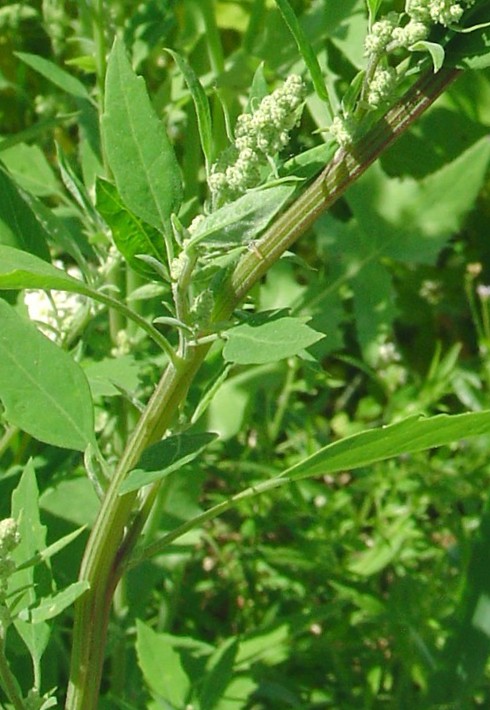
Narrowleaf Goosefoot
Chenopodium leptophyllum (Moq.) Nutt. ex S.Watson
The accepted scientific name is Chenopodium leptophyllum (Moq.) Nutt. ex S.Watson. Alfred Moquin-Tandon originally described the plant in 1849 as a variety of Common Lambsquarters, Chenopodium album var. leptophyllum. The accepted species combination was published in 1874.
Accepted botanical synonyms include:
- Botrys leptophyllus (Moq.) Nieuwl.
- Chenopodium album var. leptophyllum Moq.
- Chenopodium inamoenum Standl.
- Chenopodium leptophyllum var. oblongifolium S.Watson
- Chenopodium leptophyllum f. rubricaule Aellen
- Chenopodium oblongifolium (S.Watson) Rydb.
- Chenopodium pratericola var. oblongifolium (S.Watson) Wahl
Chenopodium oblongifolium is an illegitimate later homonym but remains useful when reviewing older floras, herbarium labels, and agricultural records. The basionym Chenopodium album var. leptophyllum also explains why this species has sometimes been discussed together with the highly variable Common Lambsquarters complex.
Chenopodium pratericola and Chenopodium desiccatum are accepted as separate species and should not be listed as simple synonyms of C. leptophyllum. Those taxa have also been called Narrowleaf Goosefoot in some field guides, making specimen-level identification important during a poisoning investigation.
Amaranthaceae — Amaranth or Pigweed Family
Older botanical and agricultural references may place the species in Chenopodiaceae, the Goosefoot Family.
Narrowleaf Goosefoot; Narrow-Leaf Goosefoot; Narrow-Leaved Goosefoot; Narrowleaf Lambsquarters; Narrowleaf Lamb’s-Quarters; Narrow-Leaf Lambsquarters; Slimleaf Goosefoot; Slim-Leaf Goosefoot; Slimleaf Lambsquarters; Slimleaf Lamb’s-Quarters; Slenderleaf Goosefoot; Slender-Leaved Goosefoot; Narrowleaf Pigweed; Slimleaf Pigweed
“Lambsquarters,” “goosefoot,” and “pigweed” are broad common names applied to many plants. Pigweed may refer to Chenopodium, Amaranthus, or other unrelated weeds depending on region and agricultural usage. A common name alone is not sufficient for a toxicology investigation.
Narrowleaf Goosefoot is also used for Chenopodium pratericola and Chenopodium desiccatum in some floras and field guides. Those are separate accepted species and should not be treated as botanical synonyms of Chenopodium leptophyllum without examination of a complete mature specimen.
Common Lambsquarters, Fat Hen, White Goosefoot, and Lamb’s-Quarters usually refer to Chenopodium album, a related species with broader and often more irregularly shaped leaves. Toxicity findings from C. album can help identify possible goosefoot hazards but do not establish the chemical concentration of a particular C. leptophyllum stand.
A Conditional Accumulator Rather Than a Fixed-Dose Poison
Narrowleaf Goosefoot should be treated as a conditional accumulator plant. Its hazard depends less on the simple presence of the species and more on what the plant has accumulated from its environment, how much is consumed, how rapidly it is eaten, and which animal species is exposed.
Nitrate is the best-supported concern because goosefoots and many other fast-growing weeds can retain nitrate when uptake from the soil continues faster than the plant can convert it into amino acids, proteins, chlorophyll, and other compounds. Soluble oxalate is a secondary concern based mainly on related goosefoots and broader Amaranthaceae evidence. Neither constituent has been mapped comprehensively across *Chenopodium leptophyllum* populations, plant parts, seasons, soils, and environmental conditions.
This evidence boundary matters. The plant should not be dismissed as harmless, but every Narrowleaf Goosefoot specimen should not be described as though it naturally contains the same lethal concentration. Analysis of the actual forage, hay, water, fertilizer, and ration is more informative than the plant name alone.
Species-Specific Evidence Is Limited
No substantial series of veterinary poisoning cases involving botanically confirmed *Chenopodium leptophyllum* has established a characteristic species-specific dose, toxin concentration, or clinical progression. Direct analytical surveys of its nitrate and soluble-oxalate content are also limited.
The strongest clinical evidence comes from nitrate poisoning generally and from the related species *Chenopodium album*. A published outbreak killed three cows after they consumed *C. album*-contaminated hay containing a high nitrate concentration. Separate direct chemical work confirmed that *C. album* leaves can contain both soluble and insoluble oxalate.
Related-species evidence is appropriate for identifying plausible hazards, but it must remain labeled as related-species evidence. The nitrate or oxalate concentration measured in Common Lambsquarters cannot be assigned automatically to Narrowleaf Goosefoot growing in another field.
Nitrate Accumulation
Plant roots absorb nitrate from soil as an essential nitrogen source. Under favorable conditions, nitrate is reduced within the plant and incorporated into amino acids, proteins, nucleic acids, chlorophyll, and other compounds needed for growth.
When nitrate uptake continues but photosynthesis or growth slows, nitrate reduction can fall behind. The unused nitrate remains stored in vegetative tissue. The plant may look green, vigorous, wilted, red-tinged, mature, or dead without revealing its nitrate concentration.
The ability to accumulate nitrate is not unique to goosefoots. Sorghums, millets, oats, corn, pigweeds, lambsquarters, nightshades, kochia, thistles, and many other weeds or crops can become hazardous under the right conditions.
Conditions That Increase Nitrate Risk
Heavy nitrogen fertilizer, manure-rich soil, fertilizer spills, drought, restricted root or shoot growth, cool weather, prolonged cloud cover, shade, acidic soil, nutrient imbalance, frost injury, hail, disease, and certain herbicide injuries can increase concern. These conditions either increase nitrate availability or interfere with the plant’s ability to convert nitrate during normal growth.
Drought is often emphasized, but drought alone does not create nitrate. Risk is greatest when substantial soil nitrogen remains available while water stress limits plant growth. A drought-stressed plant in nitrogen-poor soil may test lower than a lush plant growing near a fertilizer spill.
Rain after drought can stimulate renewed nitrate uptake before normal growth and photosynthesis fully recover. A weather change that makes forage look healthier does not guarantee that stored nitrate has fallen to a safe concentration.
Frost, Wilting, and Herbicide Injury
Frost does not destroy nitrate. Frost-damaged vegetation may remain hazardous, and damaged plants may become easier for livestock to consume. A waiting period based solely on the appearance of dead foliage cannot establish safety.
Wilting and herbicide injury can interrupt normal plant metabolism. Some herbicides also make weeds temporarily more palatable or accessible before the plants die. Grazing restrictions on the product label address pesticide use but do not necessarily certify that nitrate concentration is safe.
The field or forage should be sampled and tested after significant stress rather than cleared by visual inspection.
Distribution Within the Plant
Nitrate often accumulates in stems, stalks, and other vegetative tissues, and concentrations may be greater in lower portions of many accumulator plants. Mature seed and flowers commonly contain less nitrate than the lower stalk, but that general pattern has not been defined sufficiently for every tissue of *C. leptophyllum*.
Close-cut hay and whole-plant forage may include more lower-stem tissue than selective grazing. Livestock forced to clean up coarse stems after preferred material is gone may therefore receive a different exposure from animals browsing only the upper plant.
No part should be assigned a universal safe concentration without analysis. A bulk hay sample must represent the actual mixture being fed rather than a few hand-selected leaves.
Nitrate Is Converted to Nitrite
Nitrate itself is substantially less toxic than nitrite. The principal injury occurs after microorganisms reduce nitrate to nitrite. Cattle, sheep, goats, and other ruminants perform this conversion efficiently within the rumen.
Under normal dietary conditions, rumen microorganisms continue reducing nitrite to ammonia, which can be incorporated into microbial protein. After a large rapid nitrate intake, nitrate-to-nitrite conversion may proceed faster than nitrite-to-ammonia conversion. Nitrite accumulates, crosses the rumen wall, and enters the circulation.
Horses can convert nitrate to nitrite in the hindgut, but generally less extensively than ruminants. Adult dogs and cats are more resistant to forage nitrate because they lack a rumen and normally consume far less vegetation.
Methemoglobin Formation
Nitrite oxidizes the iron in hemoglobin from its normal ferrous state to the ferric state, forming methemoglobin. Methemoglobin cannot bind and transport oxygen effectively.
The animal may have open airways and functioning lungs but still experience severe tissue hypoxia because the blood cannot deliver enough usable oxygen. Nitrite-associated vasodilation and low blood pressure can further reduce tissue oxygen delivery.
Rapid breathing, a rapid weak pulse, gray-brown or blue-brown mucous membranes, weakness, trembling, staggering, recumbency, seizures, and collapse reflect this failure of oxygen transport.
Chocolate-Brown Blood
High methemoglobin concentrations may make fresh blood appear dark red, muddy brown, or chocolate brown. Mucous membranes and recently dead tissues can develop a similar gray-brown or blue-brown cast.
Robert Smith, DVM, and Glenn Selk summarized the classic observation as follows:
“The blood is chocolate brown because of its methemoglobin content.”
The color supports a diagnosis but does not prove it. Chlorates, aniline compounds, acetaminophen, onions, garlic, certain local anesthetics, medications, and other oxidizing substances can also produce methemoglobinemia. The discoloration may be subtle early in poisoning or fade after death.
Exercise and Stress Increase Oxygen Demand
A methemoglobinemic animal already has reduced oxygen-carrying capacity. Chasing, loading, forced walking, rough restraint, struggling, heat, fear, and excitement increase tissue oxygen demand at the exact time oxygen delivery is impaired.
A standing animal may collapse after being driven toward a trailer or treatment area. Quiet handling is therefore an important part of emergency management, not merely a convenience.
In severe field cases, bringing treatment to the animal may be safer than moving the animal a long distance. Transportation decisions belong to the attending large-animal veterinarian.
Continuing Rumen Release and Nitrate Recycling
Plant material already present in the rumen may continue releasing nitrate after access to the original forage has stopped. Additional nitrate can enter the circulation and some may return to the digestive tract through saliva and gastrointestinal secretions.
Once nitrate returns to the rumen, microorganisms may again reduce it to nitrite. Continuing absorption helps explain why an animal can improve after treatment and then deteriorate if substantial suspect material remains available internally.
Repeat treatment, rumen management, feed removal, and continued monitoring may therefore be necessary in selected cases.
Hay Does Not Lose Nitrate Through Drying
Nitrate is not sufficiently volatile to disappear simply because a plant is cut and dried. High-nitrate Narrowleaf Goosefoot or another accumulator weed can remain hazardous in hay.
Drying may concentrate nitrate on an as-fed weight basis as water is lost. Livestock may also consume dried material more rapidly than standing vegetation and lose the opportunity to select around an unpalatable weed.
A documented *Chenopodium album* hay outbreak demonstrates that goosefoot-related nitrate poisoning can survive the haymaking process and become fatal when contaminated forage is fed.
Spoiled Forage and Preformed Nitrite
Damp hay, heated forage, wet feed, and poorly stored green chop may support microbial conversion of nitrate to nitrite before the material is eaten. Preformed nitrite can increase risk to horses, pigs, dogs, and other animals that ordinarily convert plant nitrate less efficiently than ruminants.
Odor and color do not measure the nitrite concentration. Spoiled or heated suspect forage should be isolated and tested rather than offered to a less susceptible species.
Silage Can Reduce but Not Guarantee Safety
Proper ensiling can reduce nitrate during successful fermentation, but the amount of reduction is variable. Starting concentration, chop size, packing, moisture, oxygen exclusion, fermentation, storage, and sampling all affect the final result.
Freshly chopped suspect forage should not be fed before fermentation is complete. Finished silage must still be sampled and interpreted in relation to moisture, dry-matter intake, other feeds, and water nitrate.
High-nitrate silage also creates a human and animal gas hazard. Nitrogen dioxide generated during early fermentation can accumulate in low or enclosed areas around silos and produce severe respiratory injury.
Nitrate in Water and Fertilizer
Water can contribute materially to total nitrate exposure, particularly near fertilized fields, manure runoff, shallow wells, storage tanks, or improperly cleaned fertilizer equipment. A forage concentration that might be manageable alone can become hazardous when water supplies additional nitrate.
Nitrate fertilizer is a more concentrated exposure than ordinary plant tissue. Direct access to fertilizer, spills, treated water, runoff, or improperly cleaned tanks can produce serious illness in ruminants, horses, dogs, pigs, and other animals.
Every investigation should include forage, water, fertilizer, supplements, crops, weeds, and the complete ration rather than assuming the visible goosefoot is the only source.
Soluble Oxalates
Soluble oxalates can bind calcium in the digestive tract and after absorption. A large rapid exposure may lower ionized calcium enough to interfere with nerve transmission, skeletal-muscle contraction, gastrointestinal function, and cardiac rhythm.
Absorbed oxalate can combine with calcium and precipitate as calcium oxalate crystals within renal tubules. Clinically important exposure may therefore produce both acute hypocalcemia and kidney injury.
Related *Chenopodium* species, including *C. album*, have documented soluble oxalate. The amount and chemical form present in *C. leptophyllum* have not been characterized sufficiently to assign a species-specific dose or predictable syndrome.
Oxalate Evidence Must Remain Conditional
Weakness, tremors, stiffness, abnormal gait, recumbency, reduced urination, and kidney abnormalities can be compatible with soluble oxalate poisoning, but they are not specific. Hypocalcemia, hypomagnesemia, nitrate poisoning, kidney disease, neurologic illness, and other toxic plants can produce overlapping findings.
Diagnosis should include measurement of ionized or total calcium, kidney values, electrolytes, urine production, urinalysis, and analysis of the actual plant or forage. Pasture and hay should also be inspected for better-documented oxalate plants such as Halogeton, docks, sorrels, pigweeds, and certain grasses.
Methylene blue does not treat oxalate-associated hypocalcemia or renal crystal injury. Calcium therapy does not reverse nitrate-induced methemoglobinemia.
Cyanogenic Glycosides Are Not an Established Toxin
Cyanogenic glycosides should not be listed as a confirmed toxin of Narrowleaf Goosefoot without direct analytical evidence from the implicated material. No dependable species-specific evidence establishes clinically important hydrogen-cyanide release from *Chenopodium leptophyllum*.
Cyanide poisoning remains an important differential diagnosis because it can also cause rapid breathing, trembling, seizures, collapse, and sudden death in livestock. The mechanism is different: nitrite prevents hemoglobin from carrying oxygen, whereas cyanide prevents cells from using available oxygen.
Correct differentiation matters because some cyanide antidote strategies intentionally form methemoglobin and could worsen an existing nitrate or nitrite poisoning.
No Universal Safe Dose
No dependable leaf weight, plant count, stem amount, hay percentage, nitrate value, or soluble-oxalate dose can be applied to every animal and every report. Laboratory units, moisture basis, total intake, eating rate, adaptation, pregnancy, anemia, health, and contributions from water and other feed all influence risk.
One scattered plant in a well-managed pasture is not equivalent to a hungry herd consuming a dense stand or contaminated bale. A small dog nibbling one leaf is not equivalent to that herd, but systemic signs in any species require urgent investigation.
The safest conclusion comes from representative plant identification, quantitative forage and water testing, complete ration assessment, and examination of the affected animals.
No Single Antidote Covers Every Possible Syndrome
Veterinarian-administered intravenous methylene blue is the principal antidotal treatment for clinically important nitrate- or nitrite-induced methemoglobinemia. It helps return methemoglobin toward functional hemoglobin but can itself injure red blood cells or worsen methemoglobinemia when used incorrectly.
Measured calcium replacement may be used for clinically important oxalate-associated hypocalcemia, together with fluid therapy, cardiac monitoring, and kidney support. Calcium administration can cause dangerous rhythm abnormalities when the formulation, route, rate, or diagnosis is wrong.
Owners should never select one treatment merely because Narrowleaf Goosefoot was found nearby. The toxic mechanism must be identified from the exposure, clinical findings, laboratory testing, and source analysis.
The Clinical Pattern Depends on the Actual Exposure
Narrowleaf Goosefoot does not produce one uniform syndrome every time it is eaten. An animal may have direct gastrointestinal irritation, nitrate- or nitrite-induced methemoglobinemia, soluble-oxalate-associated hypocalcemia or renal injury, fertilizer exposure, contaminated water, spoiled-feed nitrite exposure, or illness caused by another plant mixed with the sample.
The affected species and feeding pattern are crucial. Cattle consuming a large quantity of high-nitrate forage may become critically ill within hours, while a dog taking one exploratory bite may develop no signs or only transient vomiting.
Early Nitrate or Nitrite Signs
Early signs in ruminants may include drowsiness, depression, anxiety, behavioral change, salivation, frequent urination, reduced appetite, muscular weakness, trembling, and poor coordination. The heartbeat may become rapid and weak, and the animal may separate from the group or repeatedly lie down.
Because the primary problem is impaired oxygen transport, affected animals may breathe faster before obvious mucous-membrane discoloration appears. Exercise can make early weakness and respiratory effort dramatically worse.
Respiratory Distress and Methemoglobinemia
As methemoglobin increases, breathing may become rapid, deep, labored, open-mouth, or gasping. The animal attempts to compensate for inadequate oxygen delivery even though air is entering the lungs.
Visible mucous membranes may change from normal pink to gray, muddy brown, blue-brown, or cyanotic. Fresh blood may appear dark red or chocolate brown. Normal color does not rule out early poisoning, and discoloration can be difficult to judge in pigmented animals or poor lighting.
Progressive hypoxia may produce cold extremities, weak pulses, falling body temperature, profound weakness, collapse, and respiratory arrest.
Neurologic and Muscular Signs
The brain and skeletal muscles are highly sensitive to reduced oxygen delivery. Animals may tremble, stumble, sway, develop a wide-based stance, fall, become unable to rise, paddle, convulse, lose consciousness, or enter a coma.
These signs may resemble cyanide poisoning, pesticide exposure, hypocalcemia, hypomagnesemia, urea toxicity, toxic gases, or primary neurologic disease. The presence of goosefoot in a field does not eliminate those alternatives.
Sudden Death and Group Outbreaks
A severe nitrate exposure may progress so quickly that the first recognized problem is a dead animal near a feeder, hay bale, water source, fertilizer spill, or affected pasture. Other animals may already be developing methemoglobinemia even when they still appear normal.
Sudden illness involving several animals strongly supports a shared feed, water, fertilizer, plant, gas, or environmental source. The entire group should be removed quietly and assessed rather than waiting for each animal to collapse.
Exercise-Associated Collapse
A mildly affected animal may remain standing while quiet but collapse when chased, loaded, restrained, or walked. Movement increases oxygen demand while methemoglobin has reduced the blood’s capacity to deliver oxygen.
Do not walk a weak animal merely to keep it awake or upright. In livestock cases, forced movement may turn a treatable patient into a recumbent emergency.
Subacute and Continuing Exposure
Not every nitrate case is immediately dramatic. Animals may consume nitrate-containing feed over hours or days before intake, rumen adaptation, water nitrate, weather, health, or feeding behavior changes enough to produce recognizable illness.
Reduced appetite, poor weight gain, weakness, depressed production, and reproductive problems have been associated with continuing nitrate exposure, but these findings are nonspecific. Infection, parasites, mineral imbalance, poor ration formulation, heat stress, and many management problems require investigation before chronic nitrate toxicity is diagnosed.
Pregnancy, Abortion, and Stillbirth
Nitrate can cross the placenta, and nitrite can impair fetal oxygen delivery. A pregnant cow, ewe, or doe may survive the acute episode while the fetus sustains significant hypoxic injury.
Abortion or stillbirth may occur days after the dam’s breathing, gait, and mucous-membrane color appear normal. Pregnant survivors require continued observation and reproductive follow-up rather than being considered fully recovered at the end of the first day.
Delayed Respiratory Complications
Some livestock surviving severe respiratory distress may continue breathing rapidly or develop delayed pulmonary injury. Interstitial emphysema, pulmonary edema, aspiration, infection, or tissue injury from prolonged hypoxia may contribute.
Continued respiratory effort, coughing, exercise intolerance, nasal discharge, or renewed depression after the apparent crisis requires veterinary reassessment.
Soluble-Oxalate Signs
A large soluble-oxalate exposure may lower blood calcium within hours. Depression, feed refusal, weakness, tremors, stiffness, abnormal gait, muscle fasciculation, recumbency, tetany-like activity, seizures, or cardiac instability may occur.
Kidney injury may produce reduced or absent urination, dehydration, persistent depression, abdominal or renal discomfort, and rising kidney values. Some animals may survive the initial hypocalcemic period but deteriorate later as renal tubular injury becomes more apparent.
Dogs
A dog taking one exploratory bite is unlikely to receive the same plant-derived nitrate dose as a cow rapidly consuming contaminated forage. Dogs may instead develop salivation, nausea, vomiting, diarrhea, abdominal discomfort, appetite loss, depression, or lethargy.
Greater concern exists after a large ingestion, access to nitrate fertilizer, nitrate-contaminated water, spoiled vegetation containing preformed nitrite, or a mixed plant exposure. Rapid breathing, gray-brown or blue gums, marked weakness, tremors, seizures, collapse, or reduced urination requires immediate emergency care.
Cats
Cats are unlikely to graze a large stand but may chew collected plants, hay, clippings, or material brought indoors. Mild exposure may cause drooling, vomiting, diarrhea, appetite loss, hiding, or lethargy.
Open-mouth breathing, abnormal gum color, marked weakness, poor coordination, tremors, collapse, seizures, or reduced responsiveness indicates a serious emergency. Hydrogen peroxide must never be used as a feline emetic, and methylene blue has a narrow safety margin in cats.
Horses
Horses are generally less susceptible than ruminants to nitrate stored in ordinary plants because nitrate-to-nitrite conversion occurs less extensively in the hindgut. They can still be poisoned by a sufficiently large exposure, preformed nitrite in spoiled forage, nitrate fertilizer, or nitrate-contaminated water.
Possible signs include colic, diarrhea, depression, salivation, weakness, rapid breathing, a rapid or weak pulse, tremors, poor coordination, collapse, or brown mucous membranes. Horses cannot vomit, so absence of vomiting has no reassuring value.
Soluble oxalates create a separate equine concern involving hypocalcemia, kidney injury, and disturbed calcium metabolism. Reduced urination, muscle trembling, weakness, stiffness, or recumbency requires urgent evaluation.
Cattle
Cattle are the principal domestic species at risk from plant nitrate because rumen microorganisms rapidly convert nitrate to nitrite. Hungry cattle introduced to suspect forage may consume a large dose before normal microbial adaptation can reduce nitrite onward to ammonia.
Signs may include anxiety, depression, salivation, frequent urination, rapid and difficult breathing, a rapid weak heartbeat, gray-brown mucous membranes, trembling, ataxia, recumbency, seizures, coma, and sudden death.
A documented outbreak involving *Chenopodium album* hay killed three cows shortly after ataxia, bluish-brown mucous membranes, difficult breathing, tachycardia, tremors, and coma were recognized.
Sheep and Goats
Sheep and goats are also ruminants and can develop severe methemoglobinemia after rapidly consuming nitrate-accumulating plants, contaminated hay, green chop, water, or fertilizer. Browsing behavior does not establish that a weed is safe.
Weakness, rapid breathing, gray-brown mucous membranes, trembling, staggering, recumbency, seizures, and sudden death may occur. Group exposure should be assumed whenever several animals share the same source.
Rabbits, Guinea Pigs, and Other Small Herbivores
Narrowleaf Goosefoot should not be deliberately offered as forage when its identity and chemical composition are uncertain. A small herbivore may consume a substantial quantity relative to body weight.
Possible signs include drooling, reduced appetite, diarrhea, abnormal fecal output, abdominal discomfort, weakness, tremors, abnormal breathing, recumbency, or seizures. Food refusal and reduced feces can develop into gastrointestinal stasis even when severe methemoglobinemia does not occur.
Birds and Poultry
Species-specific bird evidence is sparse. Unidentified goosefoot plants, heavily fertilized greens, spoiled vegetation, and clippings should not be placed in cages, coops, runs, or poultry feeding areas.
Open-mouth breathing, weakness, inability to perch or stand, altered droppings, tremors, seizures, collapse, or reduced responsiveness requires immediate avian or poultry veterinary attention.
Signs That Do Not Confirm One Specific Toxin
Vomiting, diarrhea, weakness, tremors, abnormal breathing, seizures, and collapse can result from many emergencies. Cyanide, urea, organophosphate or carbamate pesticides, chlorates, acetaminophen, onion or garlic exposure, carbon monoxide, hydrogen sulfide, hypocalcemia, hypomagnesemia, respiratory disease, heatstroke, and other toxic plants can resemble nitrate or oxalate poisoning.
Chocolate-brown blood supports methemoglobinemia but is not unique to nitrate. Reduced urination supports kidney injury but does not prove oxalate exposure. Diagnosis requires examination, testing, and analysis of the actual source.
Prognosis
The prognosis may be good when nitrate poisoning is recognized early, affected animals remain quiet, the source is removed, and methylene blue is administered before prolonged hypoxia causes irreversible injury. Clinical improvement can be dramatic when methemoglobin is successfully reduced back toward functional hemoglobin.
The prognosis becomes guarded to grave with severe respiratory distress, recumbency, seizures, coma, prolonged hypoxia, delayed pulmonary injury, renal failure, delayed discovery, or multiple sudden deaths. Pregnant survivors remain at risk of later abortion or stillbirth.
Plant Identity
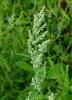
Chenopodium leptophyllum is a native North American annual in Amaranthaceae. It is one of several gray-green or mealy plants commonly called goosefoot, lambsquarters, or pigweed.
Its veterinary importance is conditional. It may grow in forage, disturbed pasture, dry lots, roadsides, or livestock-affected ground where nitrate availability and plant stress create an accumulation risk. Finding the species does not prove a toxic concentration, and failing to recognize it does not make suspect forage safe.
Accepted Botanical Classification
The accepted name is Chenopodium leptophyllum (Moq.) Nutt. ex S.Watson. It belongs to Amaranthaceae, the Amaranth or Pigweed family.
Older floras, agricultural references, and veterinary texts may place the species in Chenopodiaceae, the Goosefoot family. Modern systems generally include the former Chenopodiaceae lineage within a broader Amaranthaceae.
The change in family treatment is taxonomic and does not alter the forage risk or plant chemistry.
Native Range
The documented native range extends from Alaska and western Canada through much of the western and central United States into northern Mexico. Recorded areas include the western plains, Rocky Mountain region, Great Basin, interior Northwest, Southwest, southern Great Plains, and parts of northern Mexico.
Introduced records also occur farther east. Range maps should not replace specimen identification because several similar goosefoots overlap geographically.
Habitat
Narrowleaf Goosefoot grows primarily in dry open temperate habitats. It occurs in sandy or gravelly soils, plains, grasslands, steppe, valleys, roadsides, disturbed fields, overgrazed ground, dry lots, construction sites, fencerows, and livestock-affected areas.
Its ability to colonize bare or disturbed soil can place it near fertilizer, manure, feeding areas, water runoff, and damaged pasture. Those conditions may be more important to toxicology than the plant’s mere presence.
Growth Form
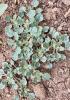
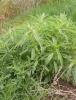
The plant is an erect or mostly erect annual with slender branching stems. It commonly remains relatively small but may vary with moisture, competition, grazing, soil fertility, and growing season.
Young stems and foliage may appear pale, gray-green, or powdery because of a mealy surface. Stems may become reddish or purple with age or environmental stress.
Leaves
The leaves are linear to narrowly lance-shaped or narrowly oblong. They are usually smooth-edged, relatively short, somewhat fleshy, and far narrower than the triangular or diamond-shaped leaves commonly associated with many forms of *Chenopodium album*.
The narrow leaves help separate the plant from broader-leaved lambsquarters, but leaf shape alone may not distinguish it reliably from *C. pratericola*, *C. desiccatum*, and other related taxa.
Flowers and Seeds
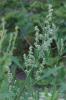
The flowers are tiny, green, and clustered in glomerules arranged in terminal and leaf-axil panicles. They lack the conspicuous petals expected from many ornamental plants.
Mature seeds are small, dark, and enclosed by the persistent floral structures. Mature fruit and seed characteristics may be necessary to distinguish similar goosefoot species.
Common-Name Confusion
Narrowleaf Goosefoot is not an exclusive common name. *Chenopodium pratericola* and *Chenopodium desiccatum* may also be called Narrowleaf, Desert, Slimleaf, or Arid-Land Goosefoot.
Preserve a complete plant with roots, lower and upper stems, leaves, flowers, mature fruits, and seeds whenever possible. A loose handful of hay fragments or an identification application may not resolve the species.
Narrowleaf Goosefoot Versus Common Lambsquarters
Common Lambsquarters is *Chenopodium album*. It usually has broader leaves that may be triangular, rhombic, diamond-shaped, irregularly toothed, or lobed, although the species is highly variable.
Narrowleaf Goosefoot generally has much narrower, mostly entire leaves. The historical placement of *C. leptophyllum* as a variety of *C. album* helps explain the close botanical association and the frequent transfer of toxicology information between them.
The transfer must remain qualified. A lethal nitrate result from *C. album* hay proves that related goosefoot forage can become dangerous, not that every *C. leptophyllum* plant has the same concentration.
Narrowleaf Goosefoot Versus Prairie Goosefoot
Prairie Goosefoot is usually *Chenopodium pratericola*. It has been confused repeatedly with Narrowleaf Goosefoot and has appeared historically under infraspecific names connected with *C. leptophyllum*.
Seed-coat, pericarp, floral, and mature-fruit characteristics may be needed for confident separation. Both species can occupy dry disturbed habitats, so location and narrow leaves are not enough.
Narrowleaf Goosefoot Versus Desert Goosefoot
Desert Goosefoot commonly refers to *Chenopodium desiccatum*. It is another narrow-leaved western goosefoot that may grow in dry, disturbed, sandy, or saline areas.
The taxa should not be merged casually in veterinary records. A correct species identification helps define what evidence is direct and what evidence comes from related plants.
Why the Exact Species May Not Determine the Emergency
During an acute livestock outbreak, delaying treatment until every goosefoot specimen is resolved to species may be dangerous. High-nitrate forage, water, or fertilizer requires immediate source control and treatment based on the clinical syndrome.
Botanical identification remains important for prevention, source tracing, and accurate public information, but the nitrate analysis of the actual feed often has greater immediate clinical value than the final Latin name.
How Plants Use Nitrate
Nitrate is a normal plant nutrient rather than an abnormal contaminant in every instance. Roots absorb it from soil, and plant enzymes reduce and incorporate it into organic nitrogen compounds.
Photosynthesis, energy supply, trace nutrients, water, temperature, and active growth influence this process. When uptake exceeds conversion, nitrate accumulates in vegetative tissues.
Drought and Regrowth
Drought limits growth and can reduce nitrate conversion. If soil nitrogen remains available, nitrate may accumulate while the plant is visibly stressed.
Rain after drought does not make the plant immediately safe. Roots may absorb additional nitrate rapidly during early regrowth before leaf development and photosynthesis catch up.
Sample suspect forage after regrowth rather than relying on a general waiting period.
Cloudiness, Shade, and Cool Weather
Prolonged cloud cover and dense shade reduce photosynthesis. Cool conditions can also slow growth and enzyme activity.
These factors become especially important when soil nitrogen is abundant. A heavily fertilized shaded weed patch may carry a different risk from an open low-nitrogen site containing the same species.
Nutrient Imbalance
Sulfur, phosphorus, molybdenum, and other nutrients participate directly or indirectly in nitrate reduction and plant growth. A plant can have abundant nitrogen but inadequate supporting nutrients for efficient protein synthesis.
The result may be lush or stressed vegetation with retained nitrate. Soil fertility history and manure application should be included in the investigation.
Fertilizer and Manure
Nitrogen fertilizer, manure, lagoon runoff, spilled granules, and improperly cleaned fertilizer tanks can increase nitrate exposure directly or by enriching plant growth sites.
Fertilizer ingestion can produce gastrointestinal irritation and severe nitrate or electrolyte exposure without requiring the plant to accumulate the entire dose. Preserve product labels and report recent applications or spills.
Water as Part of the Total Dose
Water nitrate adds to dietary nitrate. Shallow wells, runoff, tanks, ponds, and water hauled in former fertilizer containers deserve particular attention.
Forage and water should be evaluated together. A moderate forage value may become unacceptable when water and supplements provide additional nitrate.
Why Hungry Ruminants Are Vulnerable
Hungry cattle, sheep, and goats may gorge rapidly when first introduced to a field or bale. A large nitrate dose entering the rumen over a short period can produce nitrite faster than microbes can reduce it onward to ammonia.
Gradual adaptation and multiple feedings can change rumen handling of nitrate, but adaptation is not a guarantee against poisoning. Animals should receive known-safe feed before carefully controlled introduction to suspect forage.
Nitrate and Nitrite Reporting Units
Laboratories may report nitrate, nitrate-nitrogen, nitrite, nitrite-nitrogen, potassium nitrate, percentage, parts per million, dry matter, fresh weight, or as-fed concentration. These values are not numerically interchangeable.
Nitrate-nitrogen is only the nitrogen portion of the nitrate molecule and produces a smaller numerical value than total nitrate. A dry-matter result also cannot be compared directly with an as-fed result without adjusting for moisture.
The laboratory, veterinarian, or livestock nutritionist should interpret the report before a ration is fed, diluted, blended, grazed, or sold.
Representative Forage Sampling
Nitrate concentration can vary across a field, within a windrow, among bales, and between stems and leaves. One convenient handful cannot certify an entire lot.
Collect multiple subsamples from the actual material being consumed, including weed-heavy portions and coarse stems. Keep a separate complete plant for botanical identification.
Sampling equipment, containers, storage, moisture basis, and laboratory instructions should be followed carefully because a poor sample can produce false reassurance.
Hay
Nitrate remains in dried hay. Color, smell, age, and apparent curing quality cannot demonstrate a safe concentration.
A bale containing high-nitrate weeds may expose livestock more efficiently than the standing plants because animals consume the mixed forage rapidly. Isolate the whole hay lot until representative testing is complete.
Green Chop and Stockpiled Forage
Freshly chopped forage is consumed rapidly and may deliver a concentrated dose. Chopping also removes the animal’s ability to select around individual weeds.
Stockpiled green material can heat or ferment improperly and may develop preformed nitrite. Suspect green chop should not be held and fed casually while awaiting a test result.
Silage
Successful fermentation may reduce nitrate, but the result is variable and starting concentration still matters. Finished silage must be tested after fermentation.
Nitrogen dioxide gas produced during early ensiling is toxic to people and animals. It may collect near silo openings, feed rooms, low spaces, and poorly ventilated areas and cause severe delayed lung injury.
Published Related-Species Cattle Case
A published 2003 report involved Common Lambsquarters, *Chenopodium album*, rather than Narrowleaf Goosefoot. Three cows fed contaminated hay developed ataxia, bluish-brown mucous membranes, rapid difficult breathing, increased heart rates, tremors, coma, and death.
The animals died shortly after their signs were recognized. Necropsy findings included brown poorly coagulated blood, mild pulmonary edema, and congestion. Analysis confirmed a high nitrate concentration in the hay.
The case demonstrates that drying a nitrate-accumulating goosefoot into hay does not eliminate the hazard. It should be cited as related-species evidence and not mislabeled as a *C. leptophyllum* case.
Methemoglobin and Clinical Severity
Healthy animals normally have only a small proportion of methemoglobin. As the percentage rises, mucous-membrane discoloration, rapid breathing, tachycardia, weakness, trembling, and ataxia become increasingly likely.
Higher concentrations are associated with marked dyspnea, recumbency, seizures, coma, and death. The exact relationship varies with anemia, pregnancy, exertion, health, continuing absorption, and how quickly the sample is collected.
A delayed low methemoglobin result does not necessarily exclude an earlier episode because methemoglobin can decline after exposure or treatment.
Published Veterinary Guidance from Smith and Selk
Robert Smith, DVM, and Glenn Selk described the clinical course, diagnosis, differential diagnosis, treatment, and prognosis of nitrate poisoning in livestock. Their work emphasized rapid onset, tissue hypoxia, nitrite-associated vasodilation, chocolate-brown blood, respiratory distress, weakness, ataxia, tremors, collapse, convulsions, and death.
They wrote:
“The blood is chocolate brown because of its methemoglobin content.”
They also emphasized that exercise accentuates the clinical signs and may precipitate collapse. That observation remains directly relevant to field handling of affected livestock.
Diagnosis and Sample Timing
Whole blood collected promptly may be analyzed for methemoglobin during an acute episode. Plasma is generally preferred for antemortem nitrate testing, while ocular fluid is particularly useful after death.
Fetal thoracic fluid, fetal stomach contents, and maternal uterine fluid may assist investigations involving abortion or stillbirth. Forage, hay, water, fertilizer, and complete plant samples are also essential.
Rumen nitrate does not necessarily reproduce the original dietary concentration and should not be the only source sample.
Field Screening Tests
Diphenylamine-based tests and nitrate strips can provide rapid presumptive screening of forage, water, or selected biological samples. They do not identify the plant or measure the complete dietary dose.
A positive screening result supports restriction and laboratory testing. A negative result from one leaf or one section of a bale cannot certify a field or hay lot as safe.
Historical diphenylamine formulations may involve concentrated acid and should not be prepared casually by owners.
Nitrate Versus Cyanide
Both nitrate and cyanide poisoning can cause rapid breathing, tremors, weakness, seizures, collapse, and sudden death. Nitrite forms methemoglobin and prevents effective oxygen transport; cyanide blocks cellular use of available oxygen.
Blood may appear chocolate brown with marked methemoglobinemia and unusually bright red with cyanide poisoning, but color is not definitive. Sample analysis and the exposure history are necessary.
Correct distinction matters because nitrites used in some cyanide-antidote strategies intentionally produce methemoglobin and may worsen nitrate poisoning.
Soluble Oxalate and Kidney Injury
Soluble oxalate can lower calcium and precipitate as calcium oxalate within renal tubules. Severe exposure may therefore combine neuromuscular signs with declining kidney function.
Urine production, kidney values, electrolytes, calcium, phosphorus, urinalysis, hydration, and cardiac rhythm should be monitored. Recovery from the initial tremors does not guarantee that renal injury has resolved.
Dogs
Dogs rarely consume a livestock-sized forage dose, but they may eat pulled weeds, hay, fertilizer, spilled feed, compost, or contaminated water. Mild gastrointestinal signs are more plausible after a small nibble.
Systemic respiratory, neurologic, circulatory, or urinary signs require a broader investigation that includes oxidizing chemicals, fertilizer, medications, onions, garlic, acetaminophen, another plant, and underlying disease.
Cats
Cats may chew plant material brought indoors or contact contaminated hay and fertilizer. Their small size can make a concentrated chemical co-exposure important even when the volume is small.
Methylene blue can cause red-cell injury in cats and must be used only by a veterinarian after careful diagnosis and risk assessment. It must never be selected at home from plant identification alone.
Horses
Horses are less susceptible to ordinary forage nitrate than ruminants but remain vulnerable to concentrated fertilizer, contaminated water, spoiled feed containing nitrite, and sufficiently large exposures.
Soluble oxalate presents a separate risk in horses. Chronic or repeated oxalate intake can also disturb calcium balance even when an acute hypocalcemic crisis does not occur.
Cattle, Sheep, and Goats
Ruminants are the principal animals at risk. Sudden access to dense weeds, drought-stressed forage, contaminated hay, green chop, water, or fertilizer can expose an entire group.
One affected animal should trigger removal and assessment of every animal sharing the source. Apparently normal animals may have consumed a smaller amount or may still be developing methemoglobinemia.
Rabbits, Guinea Pigs, Birds, and Poultry
Narrowleaf Goosefoot should not be deliberately offered to small herbivores or birds when its chemical composition is unknown. Fertilizer-contaminated or spoiled vegetation creates additional concern.
Food refusal, altered fecal output, open-mouth breathing, weakness, inability to perch or stand, tremors, or seizures requires species-experienced veterinary care.
Veterinary Treatment Principles
Treatment depends on whether the patient has methemoglobinemia, hypocalcemia, renal injury, direct gastrointestinal irritation, fertilizer exposure, or another diagnosis. No single Narrowleaf Goosefoot antidote covers all possibilities.
For clinically important nitrate or nitrite poisoning, veterinarian-administered intravenous methylene blue is the principal antidotal therapy. Smith and Selk summarized its role as follows:
“Methylene blue is the principal therapeutic agent.”
For soluble-oxalate poisoning, treatment may include measured calcium replacement, fluids, electrolyte correction, cardiac monitoring, and kidney support. Methylene blue does not reverse oxalate-associated hypocalcemia or calcium oxalate crystal injury.
Food-Animal Treatment Considerations
Treatment of cattle, sheep, goats, and other food-producing animals requires veterinary oversight, complete treatment records, and residue-avoidance guidance. Emergency use of methylene blue raises food-safety and regulatory considerations that cannot be managed through an internet dose chart.
The immediate need to save the animal must be coordinated with instructions concerning milk, meat, withdrawal, identification of treated animals, and follow-up documentation.
Prognosis
Nitrate poisoning may respond rapidly when recognized early and treated before prolonged hypoxia causes irreversible brain, heart, muscle, or lung injury. Removing the source and keeping animals quiet improves the chance of successful stabilization.
Severe dyspnea, recumbency, seizures, coma, delayed discovery, renal failure, prolonged hypoxia, or several sudden deaths creates a guarded to grave outlook. Pregnant survivors require monitoring for later reproductive loss.
Prevention
Test suspect forage after drought, heavy fertilization, prolonged cloudiness, frost, herbicide injury, unexplained growth restriction, or unusual weed dominance. Include water, fertilizer, supplements, crops, weeds, hay, silage, and the full ration.
Do not turn hungry livestock onto unfamiliar or suspect forage. Secure fertilizer, clean spills promptly, prevent runoff into water, isolate questionable hay lots, and never throw pulled goosefoot plants or landscape clippings into animal enclosures.
Immediate Response
- Stop further exposure: Remove animals from Narrowleaf Goosefoot, suspect pasture, hay, green chop, silage, fertilizer, contaminated feed, and potentially contaminated water.
- Protect the entire group: Do not leave apparently normal livestock on the same source merely because only one animal is showing signs.
- Contact a veterinarian immediately: Acute nitrate or nitrite poisoning can progress rapidly and may require treatment before laboratory confirmation is available.
- Preserve representative evidence: Save complete plants and multiple samples of forage, hay, water, fertilizer, supplements, and every ration component.
- Record the exposure: Note when animals gained access, when they last appeared normal, how much may have been consumed, recent weather, fertilization, herbicide use, and whether several animals are affected.
- Keep affected animals quiet: Prevent chasing, forced walking, struggling, rough restraint, and unnecessary loading.
Narrowleaf Goosefoot exposure should be triaged as a possible feed, water, fertilizer, nitrate, nitrite, or oxalate incident rather than as a simple plant nibble. Ruminants with methemoglobinemia can deteriorate when exertion increases tissue oxygen demand. A group outbreak may continue while animals remain on the source, so restriction and veterinary contact take priority over attempting to identify every plant in the field.
Recognize an Emergency
- Respiratory distress: Rapid, deep, labored, open-mouth, gasping, or progressively weak breathing requires immediate veterinary treatment.
- Abnormal mucous membranes: Gray, muddy brown, blue-brown, pale, or cyanotic gums, eyelids, or vulvar tissue may indicate severe oxygen-transport failure.
- Neurologic signs: Tremors, staggering, repeated falling, recumbency, seizures, coma, or reduced responsiveness indicates severe hypoxia or another major poisoning.
- Cardiovascular signs: A rapid weak heartbeat, weak pulses, cold extremities, collapse, or abnormal rhythm requires urgent care.
- Reduced urination: Little or no urine, persistent depression, or worsening weakness may indicate oxalate-associated kidney injury, dehydration, or shock.
- Multiple affected animals: Sudden illness or death involving several animals strongly supports a shared source emergency.
Methemoglobinemia prevents normal oxygen transport even when the lungs are moving air. Affected animals may become critically hypoxic before every textbook sign appears. Normal-looking blood or gums do not exclude early poisoning, and owners should not injure an animal to inspect its blood. Sudden respiratory or neurologic deterioration requires treatment rather than continued home observation.
Keep Affected Livestock Calm
- Minimize movement: Do not force a weak or breathing-impaired animal to walk farther than necessary for immediate safety or treatment.
- Reduce noise and excitement: Keep people, vehicles, dogs, and unaffected livestock away from the patient.
- Do not create a stampede: Block access to suspect feed or water calmly rather than chasing the entire group abruptly.
- Follow transport instructions: A veterinarian may determine that treating the animal in place is safer than loading it.
- Provide good airflow: Use a quiet, well-ventilated area without exposing animals to silage gas, exhaust, smoke, or excessive heat.
Exercise and struggling increase oxygen demand while methemoglobin has reduced oxygen-carrying capacity. A standing cow, ewe, or goat may collapse after being driven, roped, or loaded. Quiet handling is part of the medical response. Transportation should be planned with the veterinarian rather than attempted automatically when the animal is severely dyspneic or unstable.
Remove Loose Plant Material
- Wear gloves: Handle plants, fertilizer, vomit, feed, water containers, and contaminated material carefully.
- Remove visible loose pieces: In a dog or cat, carefully remove accessible leaves or stems from the lips and front of the mouth when handling is safe.
- Avoid blind sweeps: Do not reach deeply into the throat or push material toward the airway.
- Rinse only when safe: A gentle mouth rinse may be considered only in a fully alert animal that is breathing and swallowing normally.
- Do not struggle with an unstable patient: Transport and treatment take priority once weakness, tremors, abnormal breathing, or collapse begins.
Loose material can be removed from the front of a small animal’s mouth, but extensive oral cleaning does not reverse nitrate, nitrite, or oxalate already absorbed. Ruminant exposure usually involves a forage mass already within the rumen rather than a few removable leaves. Do not delay professional treatment while attempting to clear every fragment.
Do Not Induce Vomiting at Home
- Do not give hydrogen peroxide: It does not reverse nitrate, nitrite, methemoglobinemia, or soluble-oxalate poisoning and may cause gastrointestinal injury or aspiration.
- Never give peroxide to a cat: Hydrogen peroxide can cause serious feline stomach and esophageal injury.
- Do not induce vomiting after signs begin: Weakness, tremors, breathing difficulty, seizures, recumbency, vomiting, or poor swallowing creates serious aspiration risk.
- Do not induce vomiting in horses or livestock: Horses cannot vomit, and distressed livestock should not be drenched or manipulated in an attempt to cause emesis.
- Do not attempt vomiting in rabbits, guinea pigs, birds, or reptiles: Household emesis is inappropriate or dangerous in these species.
- Do not use household emetics: Salt, mustard, ipecac, oil, detergent, syrup, fingers in the throat, and manual gagging are unsafe.
Plant-derived nitrate poisoning in livestock is not corrected by returning stomach contents through vomiting. In dogs and cats, any decision about veterinary emesis depends on the exact exposure, timing, clinical condition, and airway safety. Once systemic weakness, respiratory distress, tremors, or altered responsiveness appears, stabilization and diagnosis take priority.
Do Not Give Activated Charcoal Automatically
- Do not force charcoal: Never administer it to a vomiting, weak, trembling, recumbent, sedated, coughing, or poorly swallowing animal.
- Do not use it as a nitrate antidote: Charcoal does not restore oxygen-carrying hemoglobin.
- Do not use it as an oxalate antidote: Charcoal does not correct hypocalcemia or remove calcium oxalate crystals from the kidneys.
- Do not repeat doses without direction: Repeated charcoal can worsen dehydration, constipation, electrolyte imbalance, and aspiration risk.
- Do not use household charcoal: Barbecue briquettes, fireplace ash, burned food, and homemade carbon are not medical activated charcoal.
Activated charcoal is not a dependable treatment for nitrate, nitrite, or soluble oxalate. A veterinarian may consider gastrointestinal decontamination when a recent mixed exposure includes another absorbable toxin, but charcoal must not delay methylene blue, oxygen support, calcium assessment, seizure control, or circulation support. Its aspiration risk is substantial in hypoxic or neurologically abnormal animals.
Do Not Give Home Antidotes
- Do not administer methylene blue: It requires veterinary diagnosis, preparation, intravenous administration, species-specific judgment, and monitoring.
- Do not give calcium: Incorrect calcium formulation, route, concentration, or administration can cause fatal cardiac rhythm abnormalities.
- Do not drench mineral oil: Mineral oil does not reverse methemoglobinemia and can be aspirated by a weak or poorly swallowing animal.
- Do not drench vinegar: Vinegar does not restore functional hemoglobin and may cause aspiration or delay definitive care.
- Do not give salt or electrolyte mixtures: Unmeasured supplementation can worsen fluid, cardiac, or neurologic instability.
- Do not give human medication: Pain relievers, sedatives, antacids, anti-diarrheal drugs, stimulants, and heart medications may create additional toxicity.
Nitrate and oxalate poisoning require different treatments. Methylene blue can improve nitrate- or nitrite-induced methemoglobinemia but does not correct oxalate-associated hypocalcemia. Calcium can support a genuinely hypocalcemic patient but does not reverse methemoglobinemia. Selecting the wrong treatment from the plant name alone may worsen the emergency.
Food and Water
- Remove suspect feed and water: Preserve representative samples before replacing them with known-safe sources.
- Do not force food: A weak, trembling, recumbent, vomiting, or poorly swallowing animal may choke or aspirate.
- Do not force water or drench: Poured or syringed fluids may enter the lungs.
- Provide only known-safe forage when directed: Do not offer material from the same field, bale, batch, or water source.
- Follow veterinary instructions: Oral intake may need to be restricted during emergency stabilization or planned procedures.
Removing the source stops additional exposure but does not eliminate nitrate already within the rumen or nitrite already in the bloodstream. Suspect feed and water must be isolated rather than discarded before representative samples are obtained. A veterinarian may recommend a safe replacement ration, rumen management, or controlled feeding plan according to the species and clinical condition.
Dogs and Cats
- Preserve the entire source: Save the complete plant, fertilizer packaging, water information, vomited fragments, and photographs of the site.
- Do not assume vomiting confirms nitrate poisoning: Gastrointestinal signs are nonspecific and may come from another plant, chemical, fertilizer, pesticide, or disease.
- Watch breathing and gum color: Rapid breathing, gray-brown or blue gums, weakness, tremors, or collapse requires immediate transport.
- Monitor urination: Reduced output may indicate dehydration, shock, obstruction, or possible renal injury.
- Do not force food or water: A weak, vomiting, trembling, or poorly swallowing pet can aspirate.
One exploratory nibble in a dog or cat is not equivalent to a livestock forage exposure, but concentrated fertilizer, contaminated water, spoiled material containing nitrite, or a large plant ingestion can be serious. Methylene blue also has species-specific risks, particularly in cats. Treatment must be based on confirmed or strongly suspected methemoglobinemia rather than the plant’s presence alone.
Horses
- Remove suspect forage, fertilizer, and water: Save representative material before providing a known-safe replacement.
- Do not exercise the horse: Walking a hypoxic horse to keep it standing can increase oxygen demand and precipitate collapse.
- Do not drench a distressed horse: Colic, weakness, salivation, abnormal breathing, or poor swallowing increases aspiration risk.
- Report spoiled-feed exposure: Preformed nitrite may be more important than ordinary plant nitrate in some equine cases.
- Report urinary changes: Reduced urination, stiffness, tremors, or weakness may support an oxalate or kidney concern.
Horses usually convert plant nitrate to nitrite less efficiently than cattle, sheep, and goats, but they are not immune. Fertilizer, contaminated water, spoiled forage, and a sufficiently large intake can produce serious poisoning. Soluble oxalates require a separate assessment of calcium, kidney function, urine production, and cardiac rhythm.
Cattle, Sheep, and Goats
- Call before moving the animals: Field treatment may be safer than transporting a severely hypoxic or recumbent patient.
- Remove the source quietly: Block access to the pasture, bale, feeder, water, or fertilizer without causing a stampede.
- Examine the whole group: Check breathing, gait, alertness, mucous-membrane color, pulse quality, urination, and recumbency in every exposed animal.
- Isolate the hay or ration: Do not feed more material until representative testing and professional interpretation are complete.
- Monitor pregnant survivors: Abortion or stillbirth may occur after the acute clinical signs resolve.
Ruminants are the main animals at risk because their microbial digestion efficiently converts nitrate to nitrite. Group exposure can continue after the first animal becomes sick. Quiet source removal, rapid veterinary treatment, and investigation of the complete feed-and-water system are essential.
Rabbits, Guinea Pigs, Birds, and Reptiles
- Remove every exposure source: Secure plants, hay, greens, fertilizer, bedding, water, clippings, and contaminated enclosure material.
- Do not induce vomiting: Household emesis is inappropriate or dangerous in these species.
- Monitor appetite and output: Reduced food intake, feces, droppings, or urine requires prompt attention.
- Watch breathing and coordination: Open-mouth breathing, weakness, inability to stand or perch, tremors, or collapse is an emergency.
- Do not force feed before assessment: Severe weakness, abnormal breathing, gastrointestinal distension, or poor swallowing must be evaluated first.
- Seek species-experienced care: Fluid therapy, calcium treatment, oxygen support, medication, and restraint differ substantially among species.
Species-specific evidence is limited, so unidentified or chemically untested goosefoot should not be offered deliberately. Small body size may make concentrated fertilizer, contaminated greens, or spoiled feed important even when the physical quantity appears modest. Food refusal can also create severe secondary gastrointestinal complications in rabbits and guinea pigs.
Safe Sample Collection
- Collect complete plants: Include roots, lower stems, upper stems, leaves, flowers, mature fruits, and seeds for botanical identification.
- Take multiple forage subsamples: Sample several locations, bales, windrows, feeders, or sections of the pasture rather than one convenient handful.
- Separate identification and chemistry samples: Keep a complete botanical specimen apart from the bulk forage submitted for nitrate or oxalate analysis.
- Save water and fertilizer samples: Both may contribute substantially to the exposure.
- Follow laboratory instructions: Containers, refrigeration, freezing, volume, and shipping requirements vary by test.
- Do not rely on rumen contents alone: Rumen concentration may not reproduce the original dietary concentration.
Correct sampling is central because nitrate and oxalate concentrations may vary across fields, plants, bales, and plant parts. A poor sample can falsely clear a hazardous lot or falsely condemn a safe one. Coordinate with the diagnostic laboratory, veterinarian, extension toxicologist, or nutritionist before collecting large investigations whenever time permits.
Veterinary Evaluation
- Assess breathing and oxygen delivery: Respiratory rate, effort, mucous-membrane color, pulse quality, temperature, and responsiveness help establish urgency.
- Measure methemoglobin promptly: Whole-blood analysis can support acute nitrate or nitrite poisoning, but the concentration may decline after exposure or treatment.
- Test nitrate and nitrite: Plasma is generally useful before death, while ocular fluid is particularly valuable after death.
- Evaluate calcium and kidney function: Calcium, phosphorus, electrolytes, urea, creatinine, urinalysis, and urine output help assess suspected oxalate injury.
- Investigate alternative causes: Cyanide, urea, pesticides, chlorates, carbon monoxide, hypocalcemia, hypomagnesemia, respiratory disease, drugs, and other plants may cause similar signs.
- Analyze the source: Forage, hay, water, fertilizer, supplements, crops, weeds, and the complete ration should be included.
Clinical treatment may need to begin before final laboratory confirmation. Chocolate-brown blood, compatible respiratory and neurologic signs, exposure to suspect forage, and rapid improvement after professionally administered methylene blue may support the diagnosis, but source analysis remains necessary for prevention and herd management.
Veterinary Treatment for Nitrate or Nitrite Poisoning
- Administer methylene blue professionally: Veterinary preparation and slow intravenous administration are required because excessive treatment can worsen methemoglobinemia or damage red blood cells.
- Use low-stress handling: Organize examination and treatment to minimize exertion, fear, restraint, and oxygen demand.
- Provide oxygen when practical: Oxygen supports the fraction of hemoglobin that remains functional but does not replace definitive reversal of methemoglobinemia.
- Support circulation: Intravenous access, fluids, blood-pressure assessment, and other cardiovascular support may be necessary.
- Control seizures: Veterinarian-administered anticonvulsants may be required while oxygen transport is restored.
- Remove continuing exposure: Animals must remain off suspect feed and water while the full source is investigated.
When acute nitrate-induced methemoglobinemia is reasonably suspected, treatment may need to begin before final analytical results are available. Methylene blue acts as an electron carrier that helps return methemoglobin toward functional hemoglobin. Clinical response may be rapid, but treatment must account for species, severity, continuing absorption, anemia, pregnancy, red-cell susceptibility, and whether the diagnosis is correct.
Smith and Selk summarized the central therapeutic role as follows:
“Methylene blue is the principal therapeutic agent.”
Methylene blue is not a household product or an automatic treatment for every weak animal found near goosefoot. Incorrect use can create additional oxidative red-cell injury, particularly in dogs and cats, and it does not treat soluble-oxalate hypocalcemia or renal injury.
Food-Animal Treatment Considerations
- Use veterinary oversight: Treatment of food-producing animals requires a valid veterinarian-client-patient relationship and complete records.
- Identify treated animals: Record animal identification, product, amount, route, time, clinical response, and any retreatment.
- Obtain residue guidance: Follow veterinarian-provided meat and milk instructions rather than estimating a withdrawal period.
- Do not use an internet dose chart: Emergency treatment and food-safety obligations must be managed together.
Methylene-blue use in food-producing animals presents residue and regulatory considerations in addition to its medical risks. The attending veterinarian must balance immediate life-saving treatment with milk, meat, recordkeeping, and follow-up requirements. Producers should not improvise treatment from old livestock manuals or online dose tables.
Veterinary Treatment for Suspected Soluble-Oxalate Poisoning
- Correct measured low calcium carefully: Veterinarian-administered calcium may be used with cardiac monitoring when clinically important hypocalcemia is documented or strongly suspected.
- Provide fluid therapy: Fluids may support circulation, correct dehydration, and maintain renal perfusion while urine production remains possible.
- Monitor cardiac rhythm: Hypocalcemia and calcium administration can both alter the heart rhythm.
- Monitor urine production: Declining output may indicate renal tubular injury, dehydration, obstruction, or shock.
- Repeat laboratory testing: Calcium, electrolytes, kidney values, acid-base status, and urinalysis may change after the initial examination.
- Identify other oxalate plants: Inspect the source for Halogeton, docks, sorrels, pigweeds, and other better-documented accumulators.
Oxalate treatment differs fundamentally from nitrate treatment. Methylene blue does not restore calcium or remove calcium oxalate crystals from renal tubules. Calcium must be selected and administered carefully because rapid or excessive intravenous calcium can cause life-threatening rhythm abnormalities. Kidney monitoring may remain necessary after neuromuscular signs improve.
Monitoring and Recovery
- Monitor breathing: Respiratory effort and rate should return toward normal as oxygen transport improves.
- Monitor mucous membranes: Gray-brown or cyanotic tissue should improve, but visual color does not replace laboratory and clinical monitoring.
- Monitor coordination: Tremors, staggering, weakness, recumbency, or reduced responsiveness should resolve rather than recur.
- Monitor urine production: Reduced output, dark urine, continued depression, or worsening kidney values requires further treatment.
- Monitor pregnancy: Abortion or stillbirth may occur after surviving dams appear clinically normal.
- Retest the source: Do not return animals to the pasture, hay, feed, or water until its safety has been established.
Improvement after methylene blue does not prove that all nitrate has left the digestive tract. Continuing rumen release or additional exposure can produce recurrent methemoglobinemia. Oxalate-associated kidney injury may also become clearer after the initial weakness improves. Monitoring must continue according to the severity and suspected mechanism.
Prevention and Prognosis
- Test before feeding: Analyze forage after drought, heavy fertilization, prolonged cloudiness, frost, herbicide injury, or unexplained growth restriction.
- Consider every nitrate source: Water, crops, weeds, fertilizer, supplements, hay, silage, and the complete ration contribute to total exposure.
- Do not turn hungry livestock onto suspect forage: Rapid gorging can overwhelm normal rumen handling of nitrate.
- Secure fertilizer: Clean spills promptly and prevent runoff or contaminated equipment from affecting water and feed.
- Isolate suspect feed lots: Do not blend or dilute material until quantitative results have been professionally interpreted.
- Recognize favorable circumstances: Early nitrate poisoning may respond dramatically when treatment begins before prolonged hypoxia causes irreversible injury.
- Recognize guarded circumstances: Severe respiratory distress, recumbency, seizures, coma, renal failure, delayed discovery, or multiple sudden deaths worsens the outlook.
Prevention depends on representative testing and ration management rather than visual identification alone. A plant that tested safely in one field or year does not certify another stand. The prognosis is often favorable when source removal, quiet handling, diagnosis, and treatment occur early, but prolonged hypoxia and renal injury can become irreversible.
Frequently Asked Questions About Narrowleaf Goosefoot and Animal Poisoning
Is every Narrowleaf Goosefoot plant poisonous?
No. Narrowleaf Goosefoot is best treated as a conditional accumulator rather than a plant containing one fixed toxin concentration. One specimen may contain a relatively low nitrate concentration, while another growing in heavily fertilized, drought-stressed, shaded, frost-injured, or growth-restricted conditions may present a substantially greater hazard. Plant identity helps identify the possibility of poisoning, but representative laboratory testing determines whether the actual forage or hay is dangerous.
What is the strongest established toxic concern?
Nitrate and the nitrite produced from it are the strongest established concerns. Rumen microorganisms convert nitrate to nitrite, which oxidizes normal hemoglobin into methemoglobin. Methemoglobin cannot transport oxygen effectively, so cattle, sheep, and goats may develop rapid breathing, gray-brown mucous membranes, weakness, trembling, staggering, seizures, collapse, or death even though their lungs are receiving air.
Has Narrowleaf Goosefoot itself caused a documented livestock outbreak?
Published veterinary evidence involving botanically confirmed Chenopodium leptophyllum is sparse. The strongest goosefoot case evidence comes from the related species Chenopodium album, whose contaminated hay caused fatal nitrate poisoning in three cows. That outbreak proves that goosefoot-containing hay can remain dangerous after drying, but it should not be mislabeled as a direct Narrowleaf Goosefoot case or used to assign the same nitrate concentration to every stand.
Does Narrowleaf Goosefoot definitely contain toxic soluble oxalate?
Soluble oxalate is a plausible secondary concern, but the exact concentration and chemical form in C. leptophyllum have not been defined sufficiently to provide a species-specific toxic dose. Direct analysis has confirmed soluble oxalate in the related Common Lambsquarters, and several Amaranthaceae plants are established oxalate accumulators. Suspected oxalate poisoning should therefore be confirmed through analysis of the actual plant or forage together with calcium, kidney, urine, and clinical findings.
Does Narrowleaf Goosefoot contain cyanide?
No dependable species-specific evidence establishes clinically important cyanogenic-glycoside or hydrogen-cyanide production by Chenopodium leptophyllum. Cyanide remains an important differential diagnosis because it can cause rapid breathing, tremors, seizures, collapse, and sudden death in livestock. The distinction matters because nitrate impairs oxygen transport through methemoglobin, while cyanide prevents cells from using oxygen, and the antidotal approaches are not interchangeable.
Why are cattle, sheep, and goats at greater risk than dogs?
Ruminants contain dense microbial populations that convert plant nitrate to nitrite within the rumen. Nitrite can accumulate and enter the bloodstream when a large dose is consumed faster than rumen microorganisms can reduce it onward to ammonia. Dogs lack a rumen and ordinarily consume far less plant material, so one exploratory bite is less likely to reproduce the classic cattle syndrome. Concentrated fertilizer, contaminated water, preformed nitrite, or a large dog exposure can still be serious.
Why should nitrate-poisoned livestock be kept quiet?
Methemoglobinemia reduces the blood’s ability to carry oxygen. Walking, chasing, loading, restraint, fear, heat, and struggling increase oxygen demand while delivery is already impaired. A standing animal may collapse after being driven toward a trailer or treatment area. Quiet handling is therefore part of emergency treatment and may influence whether the animal survives long enough to receive methylene blue.
Why does nitrate poisoning cause chocolate-brown blood?
Nitrite changes the iron in hemoglobin into a form called methemoglobin. High methemoglobin concentrations give blood a muddy red or chocolate-brown appearance and prevent normal oxygen transport. The color supports methemoglobinemia but is not unique to nitrate poisoning because drugs and other oxidizing chemicals can produce the same change. Owners should never cut or bleed an animal to inspect its blood.
Does normal-looking blood or pink gums rule out nitrate poisoning?
No. Discoloration may be subtle early in the syndrome, difficult to see in pigmented animals, altered by lighting, or reduced after the animal dies or begins recovering. Methemoglobin also declines after treatment and over time. Exposure history, breathing, weakness, pulse quality, timely blood testing, and analysis of the source are more reliable than waiting for a textbook color.
Can drought make Narrowleaf Goosefoot dangerous?
Drought can increase concern because plant growth and nitrate conversion slow while soil nitrate may remain available. The result depends on soil nitrogen, rainfall history, plant stage, and other environmental conditions. Drought is therefore a reason to test rather than proof of a toxic concentration. Plants may remain high in nitrate during early regrowth after rainfall.
Does frost destroy nitrate?
No. Frost may damage growth and make vegetation wilt, but nitrate remains in the tissue. Frost-damaged plants may also become more accessible or palatable to livestock. Appearance, smell, and the number of days since frost cannot certify safety. Suspect forage should be restricted and analyzed before animals are allowed to consume it.
Can herbicide treatment increase the risk?
Some herbicide injuries interrupt normal growth and nitrate metabolism, and damaged weeds may temporarily become more accessible or palatable. The pesticide label’s grazing restriction addresses chemical use but does not necessarily establish a safe nitrate concentration. Recently treated, heavily fertilized, drought-stressed, or growth-restricted vegetation should be tested rather than assumed safe after it wilts.
Does drying Narrowleaf Goosefoot into hay make it safe?
No. Nitrate is not removed reliably by ordinary hay drying. Animals may also consume dried mixed forage rapidly and lose the ability to select around individual weeds. A fatal cattle outbreak involving related Chenopodium album hay demonstrates that goosefoot-associated nitrate can persist after curing. Hay should be sampled quantitatively rather than judged by smell, age, color, or dryness.
Does ensiling make high-nitrate forage safe?
Successful fermentation may reduce nitrate, but the reduction is variable and cannot be guaranteed. Starting concentration, moisture, packing, oxygen exclusion, fermentation quality, and storage all affect the finished feed. Silage should be tested after fermentation and interpreted on the correct moisture basis. Freshly chopped suspect forage should not be fed while waiting for it to ferment.
Why must water be tested during a nitrate investigation?
Water can add significantly to the animal’s total nitrate dose. Shallow wells, fertilizer runoff, manure contamination, storage tanks, ponds, and improperly cleaned fertilizer equipment are possible sources. A forage concentration that might be manageable alone can become hazardous when water supplies additional nitrate. The complete exposure must be assessed rather than testing only the visible weed.
Is nitrate-nitrogen the same as total nitrate?
No. Nitrate-nitrogen reports only the nitrogen portion of the nitrate molecule and produces a smaller number than a total-nitrate result from the same sample. Laboratories may also report results on a dry-matter or as-fed basis. Applying a guideline expressed in different units can create a serious feeding error. The laboratory, veterinarian, or nutritionist should interpret the report before the forage is used.
Can one home nitrate strip prove a hay lot is safe?
No. Screening strips and field tests can identify possible nitrate, but concentration may vary among fields, bales, stems, leaves, and sections of a feeding area. One negative leaf or one section of one bale cannot certify an entire lot. Multiple representative subsamples should be submitted for quantitative analysis, and a separate complete plant should be retained for identification.
Why is methylene blue used for nitrate poisoning?
Methylene blue helps convert methemoglobin back toward functional hemoglobin, restoring the blood’s ability to carry oxygen. It can produce a dramatic improvement when clinically important nitrate or nitrite poisoning is recognized early. It must be prepared and administered intravenously by a veterinarian because the effective approach varies by species and severity, and excessive or incorrect use can cause additional oxidative red-cell injury.
Why can’t an owner give methylene blue?
The diagnosis may be wrong, product concentrations differ, intravenous administration carries serious risks, and dogs and cats are more susceptible than ruminants to methylene-blue-associated red-cell damage. Treatment of food-producing animals also raises residue, recordkeeping, meat, and milk considerations. An internet dose chart cannot replace veterinary examination, source analysis, species-specific judgment, and monitoring.
Does methylene blue treat soluble-oxalate poisoning?
No. Methylene blue treats methemoglobinemia; it does not correct low calcium or remove calcium oxalate crystals from renal tubules. Suspected oxalate poisoning may require carefully measured calcium, fluids, cardiac monitoring, kidney assessment, and continuing urine monitoring. Giving methylene blue merely because goosefoot was present can delay the treatment the patient actually needs.
Should mineral oil or vinegar be drenched into affected cattle?
No. Mineral oil and acidifying drenches have appeared in older discussions of nitrate management, but they do not rapidly restore functional hemoglobin. A weak, trembling, hypoxic, recumbent, or poorly swallowing animal may inhale the liquid, and restraint can trigger collapse. Rumen or gastrointestinal treatment must be selected and performed by the attending veterinarian.
Should I make my dog vomit after it eats Narrowleaf Goosefoot?
Do not induce vomiting unless a veterinarian or animal poison-control professional specifically directs it for that dog. Hydrogen peroxide does not neutralize nitrate or oxalate and becomes dangerous after weakness, tremors, breathing difficulty, vomiting, collapse, or impaired swallowing begins. Preserve the plant, fertilizer, water information, and exposure details so the professional can determine whether decontamination is appropriate.
When is Narrowleaf Goosefoot exposure an emergency?
Rapid or labored breathing, gray-brown or blue mucous membranes, a rapid weak heartbeat, severe weakness, staggering, tremors, recumbency, seizures, collapse, coma, or reduced responsiveness requires immediate treatment. Reduced or absent urination may indicate kidney injury or shock. Sudden illness or death affecting several animals is also an emergency because the remaining group may still be consuming the same source.
How can Narrowleaf Goosefoot poisoning be prevented?
Identify dense goosefoot growth, test suspect forage after drought or other stress, include water and fertilizer in the nitrate assessment, provide known-safe feed before introducing animals to questionable pasture, and prevent rapid gorging. Secure fertilizer, clean spills, isolate suspect hay lots, and never throw pulled weeds or clippings into pastures, kennels, coops, hutches, aviaries, or accessible compost piles.