Lamb’s Quarters Nitrate Accumulation and Soluble-Oxalate Toxicity
Is Lamb’s Quarters Poisonous to Dogs, Cats, Horses, and Livestock?
Yes—Lamb’s Quarters, Chenopodium album, can poison dogs, cats, horses, cattle, sheep, goats, rabbits, guinea pigs, and other animals when enough high-nitrate or high-soluble-oxalate material is consumed. The risk varies sharply with the animal species, amount eaten, plant part, soil fertility, drought or frost stress, recent rainfall, manure or nitrogen fertilizer, harvested form, water source, and whether the plant was consumed alone or mixed into hay, silage, green chop, compost, or another feed.
A small exploratory bite by a dog or cat is more likely to cause no illness or brief nausea, vomiting, diarrhea, abdominal discomfort, appetite loss, or lethargy than life-threatening systemic poisoning. Greater concern is warranted after substantial or uncertain ingestion, repeated grazing, consumption of roots or lower stems from heavily fertilized soil, access to fertilizer granules or runoff, or ingestion of concentrated dried plant material.
Nitrate-associated poisoning occurs when nitrate is converted to nitrite and nitrite oxidizes normal hemoglobin into methemoglobin, which cannot carry oxygen effectively. Severe cases can produce rapid breathing, weakness, gray-blue or brown mucous membranes, chocolate-brown blood, staggering, collapse, seizures, and death. Soluble oxalates can instead bind calcium and form calcium-oxalate crystals, causing hypocalcemia, tremors, tetany, abnormal heart rhythm, kidney injury, reduced urine production, seizures, or death after a sufficiently large exposure.
About this guide: This page provides general pet-poisoning information and cannot diagnose or treat an individual animal. For any suspected exposure, contact a veterinarian or animal poison-control service immediately. Do not induce vomiting, give medication, or attempt home decontamination unless directed by a veterinary professional.
Lamb's Quarters
Chenopodium album L.
The accepted species was published by Carl Linnaeus in 1753. It belongs to the taxonomically complex Chenopodium album aggregate, a group whose members can be difficult to separate because of morphological variability, hybridization, and different chromosome or ploidy levels.
Accepted infraspecific taxa include:
- Chenopodium album var. album
- Chenopodium album var. missouriense (Aellen) Bassett & Crompton
- Chenopodium album var. reticulatum (Aellen) Uotila
Historical or nomenclatural combinations attached directly to the accepted species include:
- Atriplex alba (L.) Crantz
- Botrys albus (L.) Nieuwl.
- Chenopodium viride var. album (L.) Hartm.
- Chenopodium album var. commune Moq., an old name not validly published
The abbreviation Chenopodium album agg. means the Chenopodium album aggregate rather than one perfectly resolved species. It is used in weed, ecological, seed, and forage literature when the material could not be assigned confidently to a narrower taxon.
Several related goosefoots formerly included within a very broad concept of Chenopodium album are now recognized separately. A poisoning investigation should therefore preserve roots, lower and upper leaves, inflorescences, mature fruiting material, seeds, photographs of the complete growth habit, and the collection location.
Amaranthaceae — Amaranth Family
Historically classified in Chenopodiaceae — Goosefoot Family
Lamb’s Quarters; Lamb’s-Quarters; Lambsquarters; Lambs Quarters; Lamb’s Quarter; Lambsquarter; Common Lamb’s Quarters; Common Lamb’s-Quarters; Common Lambsquarters; Common Goosefoot; White Goosefoot; Goosefoot; Fat Hen; Fat-Hen; Wild Spinach; Wild Spinage; Pigweed; White Pigweed; Melde; Meldeweed; Mealweed; Mealy Goosefoot; Dirty Dick; Bacon Weed; Dungweed; Midden Myles; Muckweed; Frost-Blite; Pata de Ganso; Quelite Cenizo; Quelite de Ceniza; Cenizo; Nabo Blanco; Bledo Blanco; Bathua; Bathu; Bathuwa; Bathu; Chakvat; Vastuk; Paruppu Keerai; Chenopodium album; Chenopodium album agg.
Lamb’s Quarters, Lambsquarters, White Goosefoot, Common Goosefoot, Fat Hen, and Wild Spinach are among the most widespread English names for Chenopodium album. Apostrophes and hyphens vary widely in agricultural, botanical, forage, and veterinary literature.
Bathua, Bathu, Bathuwa, Bathu, Chakvat, and Vastuk are regional food or forage names used principally in South Asia. These names may also be applied broadly to cultivated or wild goosefoot greens, so a food label does not always prove that the material is taxonomically pure Chenopodium album.
Quelite Cenizo, Quelite de Ceniza, Cenizo, Pata de Ganso, Nabo Blanco, and Bledo Blanco are Spanish or regional names associated with Lamb’s Quarters or related goosefoots. “Quelite” is a broad food category rather than a unique species name.
Pigweed is highly ambiguous. It is applied to Lamb’s Quarters and to numerous species of Amaranthus, including Redroot Pigweed, Amaranthus retroflexus. Both groups may accumulate nitrate or oxalate, but they are botanically different and can have different associated toxic syndromes.
Goosefoot is also a broad name for several species of Chenopodium, Oxybasis, Chenopodiastrum, Blitum, and related genera. The triangular outline of some leaves explains the name but does not provide species-level identification.
Lamb’s Quarters should not be confused with Epazote, Dysphania ambrosioides, an aromatic plant formerly called Chenopodium ambrosioides. Epazote has a strong odor and a different essential-oil toxicology.
A Variable Nitrate and Soluble-Oxalate Hazard
Lamb’s Quarters is not uniformly poisonous in every setting. It can function as an edible green, incidental forage, agricultural weed, or dangerous nitrate source depending on its chemistry and the amount consumed. The most important established toxicologic concerns are nitrate accumulation and soluble oxalates. Saponins and other antinutritional constituents may add gastrointestinal or nutritional effects but do not explain the characteristic methemoglobinemia produced by nitrate-rich forage.
Two plants that look alike can differ sharply in nitrate and oxalate concentration. Plants within the same field may also vary according to soil fertility, manure distribution, drainage, sunlight, plant age, frost injury, drought, recent rain, disease, herbicide exposure, competition, and the proportion of roots, stems, and leaves sampled.
A field or hay lot that was tolerated previously is not guaranteed to remain safe. Plant chemistry changes among growing seasons, cutting dates, bale locations, and regrowth cycles. Visual appearance, bitterness, height, leaf color, or the presence of a white mealy coating cannot reveal nitrate or soluble-oxalate concentration.
How Nitrate Accumulates in the Plant
Plant roots absorb nitrogen principally as nitrate or ammonium. Nitrate must be reduced enzymatically and incorporated into amino acids, proteins, nucleic acids, chlorophyll, and other cellular material. Under favorable growing conditions, uptake and use remain sufficiently balanced that excessive nitrate does not accumulate.
Accumulation occurs when nitrate uptake continues faster than photosynthesis and growth can use it. Heavy nitrogen fertilization, manure-rich soil, feedlot runoff, old barnyards, compost, fertilizer spills, and nitrogen-rich irrigation water can provide a large nitrate supply. Lamb’s Quarters thrives in fertile disturbed ground and may take advantage of nitrogen that surrounding crops cannot use as rapidly.
Drought is a major risk because water stress slows growth and photosynthesis while nitrate may remain available in the root zone. Early rainfall after drought does not guarantee immediate safety. Renewed root uptake can occur before the plant has resumed enough sustained growth to metabolize accumulated nitrate.
Cloudy weather, prolonged shade, cool temperatures, frost, hail, disease, nutrient imbalance, severe crowding, cutting, and herbicide injury can also interrupt normal plant metabolism. Any condition that slows carbohydrate production or tissue growth while nitrogen remains available may increase the mismatch between nitrate uptake and incorporation.
Where Nitrate May Be Concentrated
Nitrate often concentrates most heavily in roots, lower stems, and stalk bases because these tissues receive and transport nitrate from the soil. Upper stems and leaves may contain less, although this pattern is not absolute and should not replace testing.
Cutting height influences the final chemistry of harvested forage. Hay or green chop containing substantial lower stem and root-crown material may differ from a sample consisting only of upper leaves. A hand-picked “clean-looking” specimen is not representative of an entire field or bale lot.
Flowers and mature seed are not necessarily the most nitrate-rich tissues, but seed heads can remain attached to stems and leaves in harvested forage. A laboratory sample must reflect what animals actually receive.
How Ruminants Convert Nitrate to Nitrite
Rumen microorganisms reduce nitrate to nitrite and then normally reduce nitrite to ammonia for microbial protein production. The first step may proceed more rapidly than the second when the nitrate load is sudden or large, the rumen population is unadapted, or fermentable energy is inadequate.
Nitrite accumulates in the rumen, crosses the rumen wall, and enters the bloodstream. It oxidizes the iron within hemoglobin from the ferrous state to the ferric state, forming methemoglobin.
Methemoglobin cannot carry oxygen normally. An affected animal may continue moving air through the lungs while tissues receive progressively less usable oxygen. The brain, heart, and working muscles are particularly vulnerable.
This mechanism explains rapid breathing, anxiety, weakness, a rapid weak pulse, muddy or brown mucous membranes, chocolate-colored blood, incoordination, collapse, seizures, coma, and death.
Why Cattle, Sheep, and Goats Are at Greatest Risk
Cattle, sheep, goats, and other ruminants efficiently convert plant nitrate to nitrite before absorption. A hungry, newly introduced, or unadapted animal can consume a dangerous amount of nitrate-rich forage before the rumen microbial population adjusts or before less hazardous feed becomes available.
Gradual adaptation can improve ruminal conversion of nitrite to ammonia, but adaptation is incomplete and temporary. It can be lost after feed interruption, ration change, transport, illness, or movement to a different forage source.
Adaptation also does not protect against an abrupt concentration increase, fertilizer spill, highly contaminated water, wet green chop containing nitrite, or a bale with substantially more Lamb’s Quarters than the rest of the lot.
Nitrate Risk in Dogs, Cats, and Horses
Dogs and cats lack a rumen and are generally less efficient than ruminants at converting plant nitrate to nitrite. Severe methemoglobinemia after one ordinary leaf bite is therefore unlikely. Their risk increases with a large quantity of high-nitrate vegetation, direct nitrite exposure, fertilizer, contaminated water, decomposing plant material, or another oxidizing chemical.
Dogs that pull plants from fertilized soil may ingest roots, lower stems, fertilizer granules, compost, or runoff during the same event. The fertilizer or water source can deliver a more concentrated nitrate dose than the leaf itself.
Horses perform much of their microbial fermentation in the cecum and colon. Nitrite produced in the hindgut is generally absorbed less efficiently than nitrite formed in the rumen, making forage-associated nitrate poisoning less common than in cattle. Concentrated forage, wet feed, fertilizer, and contaminated water can still produce serious equine exposure.
Methemoglobin and Chocolate-Brown Blood
Normal oxygenated blood is bright red. As methemoglobin rises, blood may become dark red-brown or chocolate brown and can remain abnormally brown after exposure to air. Visible mucous membranes may appear muddy gray, slate blue, bluish-brown, dark brown, or nearly black.
Color depends on methemoglobin concentration, lighting, pigmentation, anemia, circulation, and oxygenation. Blood or gum color is a valuable clue but not a complete diagnosis.
Acetaminophen, benzocaine, local anesthetics, chlorates, nitrites, aniline compounds, onions, garlic, mothballs, and other oxidizing agents can also produce methemoglobinemia. A dog with brown gums after chewing a weed may have reached a chemical or medication during the same period.
Conventional two-wavelength pulse oximeters can be misleading during methemoglobinemia because they do not directly distinguish all abnormal hemoglobin species. Co-oximetry or direct methemoglobin measurement is more useful when available.
Exact-Species Fatal Cattle Evidence
Three cows developed acute ataxia, bluish-brown mucous membranes, rapid difficult breathing, increased heart rates, tremors, and coma after being fed hay containing Chenopodium album. All three died shortly after the clinical signs were recognized.
Brown, poorly coagulated blood was the most prominent necropsy finding. Mild pulmonary edema and generalized organ congestion were also reported, consistent with severe systemic oxygen deprivation.
The hay contained 2,500 parts per million nitrate-nitrogen and 11 parts per million nitrite-nitrogen. Because nitrate-nitrogen reports only the nitrogen portion of the nitrate molecule, multiplying by approximately 4.43 gives about 11,075 parts per million nitrate.
The case demonstrates that unit confusion can be fatal. A nitrate threshold cannot be applied correctly until the analyte, reporting basis, moisture basis, and units match the laboratory report.
Soluble Oxalates
Lamb’s Quarters contains oxalic acid and soluble oxalate salts. Exact-species HPLC analysis of raw Fat Hen leaves measured 1,112.4 milligrams total oxalate per 100 grams of dry matter in the tested material. Approximately three-quarters of the total oxalate was soluble.
Those results confirm that the leaves can contain a meaningful soluble fraction, but they describe one set of food-plant samples rather than every wild stand. Oxalate concentration and the soluble-to-insoluble proportion vary with plant tissue, age, genetics, soil minerals, water availability, and analytical method.
Soluble oxalate can be absorbed from the gastrointestinal tract and bind ionized calcium. Calcium is essential for nerve transmission, skeletal-muscle contraction, cardiac electrical function, and many cellular processes.
A sufficiently large acute exposure may cause hypocalcemia with weakness, muscle fasciculations, tremors, a stiff gait, incoordination, tetany, recumbency, seizures, abnormal heart rhythm, or death.
Oxalate-Associated Kidney Injury
Absorbed oxalate can combine with calcium and form calcium-oxalate crystals. These crystals may precipitate in renal tubules, injure tubular cells, obstruct flow, and reduce kidney function.
Clinical abnormalities can include dehydration, persistent vomiting, increased thirst, increased urination, reduced urine-concentrating ability, blood in urine, rising kidney values, declining urine production, or complete failure to produce urine.
Kidney injury may become apparent after the initial gastrointestinal or muscular signs. Temporary improvement does not eliminate the need for follow-up testing after a substantial soluble-oxalate exposure.
Calcium-oxalate crystals in urine can support exposure but are not specific to Lamb’s Quarters. Their absence also does not exclude renal injury.
Insoluble and Soluble Calcium Oxalate Are Different
Lamb’s Quarters does not produce the classic immediate raphide injury associated with Philodendron, Dieffenbachia, Calla Lily, and many other aroids. Those plants contain bundles of insoluble needle-shaped calcium oxalate crystals that puncture the lips and mouth during chewing.
The important Lamb’s Quarters hazard is soluble oxalate absorbed after substantial ingestion. It may cause systemic calcium binding and renal crystal deposition rather than immediate severe oral burning from raphides.
The shared phrase “calcium oxalate” should not lead to identical first aid. Oral rinsing is central to a raphide exposure, while systemic Lamb’s Quarters poisoning requires assessment of calcium, kidney function, hydration, urine output, and the possibility of simultaneous nitrate toxicosis.
Saponins and Other Antinutritional Constituents
Lamb’s Quarters also contains saponins, phytates, phenolic compounds, and other antinutritional constituents. These compounds can influence taste, gastrointestinal tolerance, nutrient absorption, or feed value.
Saponins may contribute salivation, nausea, diarrhea, or reduced palatability after some exposures. They are not the best-supported explanation for chocolate-brown blood, tissue hypoxia, severe hypocalcemia, or calcium-oxalate nephrosis.
Human-food or medicinal studies detecting additional chemicals should not be converted automatically into a list of proven veterinary toxins.
Fresh Plants, Hay, Silage, and Stored Feed
Drying does not reliably remove nitrate. Lamb’s Quarters incorporated into hay can remain dangerous, and a dry ration may deliver a large plant dry-matter dose more rapidly than grazing fresh plants.
Proper ensiling can reduce nitrate through fermentation, but the reduction is variable. Silage should be analyzed after fermentation before feeding rather than presumed safe because it has been stored for a certain number of weeks.
Wet green chop, damp hay, or poorly stored plant material may permit microbial conversion of nitrate to the more toxic nitrite. Heating, spoilage, and anaerobic pockets can create a different hazard than the original fresh plant.
Rain entering an uncovered bale may move soluble nitrate downward and produce uneven concentrations. The lower or wetter portion should not be assumed to represent the top, and one grab sample may miss a hazardous layer.
No Dependable Safe or Lethal Dose
No dependable pet-safe leaf count, stem length, root weight, plant mass, nitrate concentration, oxalate concentration, safe forage percentage, toxic dose, or lethal dose applies universally to every animal.
Laboratory interpretation depends on whether results are reported as nitrate, nitrate-nitrogen, nitrite, nitrite-nitrogen, potassium-nitrate equivalent, dry matter, or as-fed concentration. These figures are not numerically interchangeable.
Risk also depends on animal species, body size, pregnancy, anemia, heart or lung disease, kidney health, rumen adaptation, hunger, amount consumed, rate of consumption, available carbohydrate, water nitrate, and other feed ingredients.
Small Dog and Cat Exposures
A dog or cat that takes one small bite may show no visible illness or may develop salivation, lip licking, nausea, vomiting, diarrhea, abdominal discomfort, appetite reduction, depression, or temporary lethargy.
These signs do not identify the specific toxin. Gastrointestinal illness may result from plant fiber, saponins, soluble oxalate, fertilizer, herbicide, compost, mold, contaminated water, or another weed consumed at the same time.
One brief vomiting episode in an otherwise normal pet differs from repeated vomiting, progressive weakness, abnormal breathing, discolored gums, tremors, reduced urine production, or collapse. A large, concentrated, or uncertain ingestion requires a lower threshold for examination.
Early Nitrate and Nitrite Signs
Acute nitrate or nitrite poisoning deprives tissues of usable oxygen. Early findings may include uneasiness, anxiety, drowsiness, reduced activity, weakness, exercise intolerance, rapid breathing, increased respiratory effort, a rapid weak pulse, reduced body temperature, frequent urination, trembling, or a stiff and uncoordinated gait.
Affected livestock may separate from the group, lag behind, stand with the neck extended, resist walking, or collapse when driven. Exertion increases oxygen demand and may convert a standing animal into a recumbent or dying animal.
The breathing effort can be misleading. The lungs may be moving air adequately, but oxidized hemoglobin cannot transport enough oxygen from the lungs to the tissues.
Mucous-Membrane and Blood Color
As methemoglobinemia progresses, the gums, conjunctiva, vulva, and other visible mucous membranes may become muddy gray, slate blue, bluish-brown, dark brown, or nearly black rather than healthy pink.
Fresh blood may appear chocolate brown and may remain abnormally dark after exposure to air. This differs from the unusually bright-red venous blood sometimes associated with cyanide poisoning, although neither color change is present or reliable in every case.
Pigmentation, anemia, poor lighting, shock, and postmortem change can make visual assessment difficult. A normal-looking area of gum does not exclude early methemoglobinemia.
Severe Tissue Hypoxia
Severely affected animals may breathe rapidly and shallowly, gasp, stagger, become unable to stand, faint, collapse, or develop an abnormal heart rhythm. Anxiety may give way to depression and reduced responsiveness as cerebral oxygen delivery fails.
Seizures, coma, and death can occur from profound brain hypoxia. Sudden death may be the first visible warning when hungry ruminants consume highly contaminated forage rapidly.
Cardiac injury, aspiration, pulmonary edema, shock, and prolonged recumbency can complicate the primary methemoglobinemia.
Acute Soluble-Oxalate and Hypocalcemic Signs
Substantial soluble-oxalate ingestion may begin with salivation, nausea, vomiting, diarrhea, appetite loss, depression, weakness, and abdominal discomfort.
Falling ionized calcium can produce muscle fasciculations, facial twitching, generalized tremors, a stiff gait, incoordination, teeth grinding, tetany, recumbency, seizures, or abnormal cardiac rhythm.
The clinical picture can overlap with nitrate hypoxia. Weakness, tremors, recumbency, seizures, and arrhythmia can occur in either syndrome, so treatment should not be chosen solely from appearance.
Kidney Injury
Oxalate-associated renal injury may produce persistent vomiting, profound lethargy, dehydration, appetite loss, increased thirst, increased urination, painful urination, blood in urine, or rising kidney values.
As damage progresses, urine production may decline. Oliguria or anuria, uremic breath, oral ulceration, severe depression, weakness, or recumbency indicates serious renal dysfunction.
A dog, cat, horse, or livestock animal may appear to improve after the initial gastrointestinal episode and develop clearer kidney abnormalities later. Continued monitoring is important after substantial exposure.
More Than One Syndrome Can Occur
A heavily fertilized Lamb’s Quarters stand may contain nitrate and soluble oxalate simultaneously. An animal can therefore experience tissue hypoxia, dehydration, hypocalcemia, and renal injury during the same exposure.
Vomiting and diarrhea can worsen electrolyte imbalance. Hypoxia can aggravate seizures and kidney injury. Kidney dysfunction can reduce the animal’s ability to regulate fluids and electrolytes.
Fertilizer or contaminated water can add nitrate independently of the plant. Herbicide, pesticide, another weed, mold, or a foreign object can create additional signs.
Cattle, Sheep, and Goats
Ruminants are the animals most likely to develop acute plant-associated nitrate methemoglobinemia. Signs can appear rapidly after unrestricted access to highly contaminated pasture, hay, silage, green chop, or water.
Possible findings include salivation, frequent urination, abdominal discomfort, muscular trembling, rapid weak pulse, rapid difficult breathing, muddy or brown mucous membranes, chocolate-brown blood, ataxia, recumbency, convulsions, coma, and sudden death.
One dead animal may be the first warning. Apparently normal herd mates can have consumed the same source and should be moved calmly, examined, and managed as exposed animals.
Horses
Horses are less susceptible than ruminants to ordinary plant nitrate because nitrate reduction occurs mainly within the hindgut. This relative resistance does not make high-nitrate hay, wet feed, fertilizer, or contaminated water safe.
Signs may include depression, feed refusal, abdominal discomfort, weakness, trembling, rapid or labored breathing, incoordination, dark mucous membranes, collapse, or seizures.
Horses cannot vomit. Serious gastrointestinal or systemic exposure may therefore occur without the emesis seen in dogs.
Dogs
Dogs may graze seedlings, pull weeds from gardens, chew uprooted plants, investigate compost, eat clippings, or consume Lamb’s Quarters mixed into livestock feed. A pulled plant may carry fertilizer granules, treated soil, mulch, pesticides, or another poisonous weed.
A small bite is more likely to cause gastrointestinal signs than methemoglobinemia. Rapid breathing, gray-brown gums, profound weakness, staggering, tremors, collapse, reduced urine production, or seizures suggests a large, concentrated, or mixed exposure.
Chocolate-colored blood or brown mucous membranes requires immediate evaluation for nitrate, nitrite, oxidizing medication, fertilizer, chemical exposure, or another cause of methemoglobinemia.
Cats
Cats may nibble young leaves, encounter the plant in outdoor enclosures, or ingest vegetation carried indoors with produce, forage, or gardening debris.
Vomiting, food refusal, hiding, and lethargy may be the first recognized signs. Continued feline anorexia deserves attention because prolonged refusal to eat can cause serious secondary metabolic disease.
Open-mouth breathing, brown or blue-gray gums, marked weakness, tremors, staggering, seizures, or reduced responsiveness requires immediate emergency care. Hydrogen peroxide must never be used as a feline emetic.
Rabbits, Guinea Pigs, and Other Herbivorous Pets
Rabbits, guinea pigs, tortoises, and other herbivorous pets may consume much more vegetation relative to body weight than a dog or cat. A basket of weeds therefore creates a different exposure from one exploratory bite.
These animals can deteriorate rapidly from gastrointestinal disease, dehydration, hypoxia, hypocalcemia, renal injury, and cessation of normal food intake.
Refusal to eat, reduced fecal production, weakness, trembling, rapid breathing, or reduced urine output warrants prompt species-experienced veterinary care.
Pregnancy and Reproductive Effects
Severe maternal methemoglobinemia deprives the fetus of oxygen as well as the dam. Abortion, stillbirth, weak offspring, or delayed fetal loss may follow a substantial hypoxic episode.
Reproductive loss is not specific to nitrate poisoning and can be caused by infection, nutrition, trauma, heat, or other toxins. Pregnant animals that survive an acute event should remain under veterinary observation rather than being considered fully cleared when breathing and gum color improve.
Emergency Warning Signs
Emergency findings include rapid or labored breathing, gasping, muddy gray, blue-gray, or brown mucous membranes, chocolate-colored blood, severe weakness, trembling, inability to stand, marked incoordination, abnormal heart rhythm, tetany, reduced urine production, seizures, collapse, coma, or reduced responsiveness.
Multiple animals affected after access to the same field, water source, hay lot, silage, feed, or fertilizer constitutes an immediate herd emergency even when some animals remain outwardly normal.
Accepted Identity and the Chenopodium album Aggregate
Lamb’s Quarters is Chenopodium album, an annual broadleaf plant in Amaranthaceae. Older agricultural and veterinary references place it in Chenopodiaceae, the Goosefoot family, which is now generally included within the broader Amaranthaceae.
The species is morphologically variable and belongs to a complicated aggregate containing diploid, tetraploid, and hexaploid lineages. Hybridization and polyploidization have produced closely related plants that may overlap in leaf shape, mealy coating, seed features, and growth habit.
The accepted name remains appropriate for this page, but a field identification made from one leaf may be less precise than the name implies. A complete flowering or fruiting specimen and expert examination may be necessary during a disputed poisoning investigation.
Native and Introduced Range
The species is native across broad temperate regions extending through Eurasia and the Indian subcontinent, with some North American infraspecific populations treated as native. Agriculture, seed movement, soil disturbance, livestock, and human transport have carried Lamb’s Quarters through most temperate and many subtropical regions.
It is now among the world’s most familiar agricultural and garden weeds. Its ability to emerge over an extended season, produce large numbers of seeds, tolerate disturbance, and respond strongly to fertile soil allows it to become abundant quickly.
Where Animals Encounter Lamb’s Quarters
Lamb’s Quarters grows in crop fields, vegetable gardens, barnyards, feedlots, manure piles, corrals, disturbed pasture, fence rows, roadsides, vacant lots, construction sites, compost areas, livestock pens, waste ground, and soil surrounding fertilizer storage or application equipment.
It may become one of the few green plants available during drought, overgrazing, crop failure, or pasture disturbance. Hungry animals can consume a large amount before a safer forage is provided.
Dogs may encounter pulled weeds, lawn clippings, garden waste, compost, uprooted plants, livestock feed, or material carried indoors. Rabbits and guinea pigs are often exposed when owners collect unidentified roadside or garden weeds as fresh forage.
Growth Form and Stem
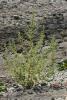
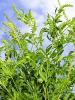
Lamb’s Quarters develops as an upright annual with a central stem and numerous ascending or spreading branches. Mature height varies from less than one foot in poor soil to several feet in fertile ground.
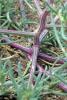
Stems may be green, pale, grooved, red-streaked, or purplish. The lower stem becomes coarser and more fibrous with maturity and may contain a substantial share of the plant’s nitrate load.
A taproot anchors the plant. Pulled plants may retain fertilizer, manure, pesticide, herbicide, contaminated soil, sharp debris, or treated mulch around the root system.
Leaves and the Mealy Coating
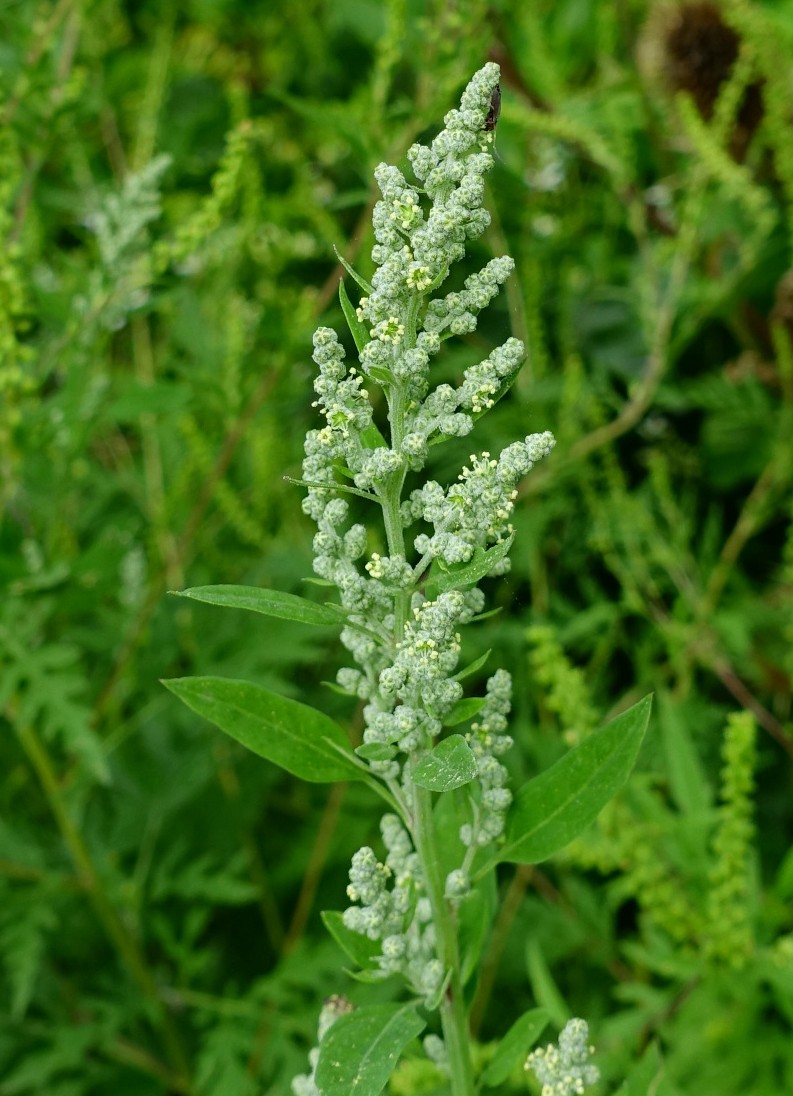
The earliest seedling leaves occur opposite one another, while later true leaves are generally alternate. Lower and middle leaves may be triangular, diamond-shaped, ovate, or goosefoot-shaped with irregular teeth or shallow lobes.
Upper leaves become progressively narrower and may be nearly lance-shaped with fewer teeth. A single plant can therefore appear to carry several different leaf types.
Young leaves and growing tips often have a white, gray, or silvery mealy coating. The coating is produced by specialized epidermal structures and wax rather than ordinary mold or pesticide powder.
The underside of a leaf may remain pale and mealy after the upper surface becomes greener. Absence of a heavy coating does not exclude the species, especially on mature or rain-washed foliage.
Flowers, Fruit, and Seeds
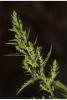
The flowers are tiny, green, petal-less, and clustered densely at branch ends and in upper leaf axils. They can be overlooked easily and may resemble compact dusty seed heads.
Each small fruit contains a dark seed. A large mature plant can produce thousands of seeds, and seeds of different colors or coat thicknesses may occur on the same plant.
The durable seed bank allows Lamb’s Quarters to reappear after cultivation, construction, manure spreading, and soil disturbance. Removing one mature crop of plants does not eliminate buried seed.
Lamb’s Quarters and Redroot Pigweed
Redroot Pigweed, Amaranthus retroflexus, is frequently called Pigweed and may grow beside Lamb’s Quarters. It generally has broader oval leaves with prominent veins, rougher or hairier stems, and dense bristly flower spikes rather than the mealy goosefoot foliage of Chenopodium album.
Both plants may accumulate nitrate and soluble oxalate. Misidentification therefore does not eliminate the need to test mixed forage.
Some Amaranthus poisonings also involve a renal tubular syndrome not explained solely by oxalate crystals. That additional concern should not be assigned automatically to correctly identified Lamb’s Quarters.
Lamb’s Quarters and Black Nightshade
Young Black Nightshade, Solanum nigrum or related species, may grow in the same disturbed soil and can be confused with Lamb’s Quarters before fruit develops.
Nightshades commonly develop star-shaped flowers and rounded berries, while Lamb’s Quarters has dense clusters of tiny green flowers and dark dry seeds without fleshy berries.
Nightshade glycoalkaloids can produce a different gastrointestinal and neurologic syndrome. A mixed stand should be preserved and identified rather than assuming every triangular-leaved weed is Lamb’s Quarters.
Lamb’s Quarters and Epazote
Epazote is Dysphania ambrosioides, historically known as Chenopodium ambrosioides. It has a strong penetrating odor caused by essential oils and usually bears elongated toothed leaves.
Its toxicology involves volatile oil constituents and is not equivalent to nitrate-dominant Lamb’s Quarters poisoning. The old shared genus name can create confusion in historical sources and herbal products.
Edible Green Does Not Mean Unlimited Animal Safety
Lamb’s Quarters has a long history as a cooked vegetable, potherb, grain substitute, famine food, and regional green known as Bathua or Quelite Cenizo. Its leaves contain useful protein, minerals, carotenoids, vitamins, and other nutrients.
Human preparation normally involves correct identification, selected plant material, portion control, and often cooking or discarding water. That exposure is not comparable to a hungry cow consuming a Lamb’s Quarters-dominant hay lot or a rabbit receiving an unrestricted basket of raw weeds from fertilized soil.
Cooking can reduce the measured oxalate content of prepared leaves, but it does not create a veterinary treatment for an animal that has already swallowed raw plants. Cooking also does not resolve nitrate risk reliably enough to justify feeding suspect material.
Exact Oxalate Measurements in Fat Hen Leaves
A laboratory study measured total, soluble, and insoluble oxalate in raw and cooked Fat Hen leaves using high-performance liquid chromatography.
The raw leaves contained 1,112.4 milligrams total oxalate per 100 grams dry matter. Approximately 75% of the total in raw and boiled leaves was soluble, while wok cooking shifted a greater proportion into the insoluble fraction.
Boiling, wok cooking, processing into pesto, and juice preparation reduced measured total or soluble oxalate to differing degrees. These food-processing results demonstrate that chemistry changes with preparation, but they do not establish a safe animal serving or validate home treatment with dairy products or calcium.
Conditions That Increase Nitrate Risk
Heavy nitrogen fertilizer, manure, feedlot runoff, old livestock lots, and naturally fertile soil can supply nitrate faster than the plant can use it. Drought, shade, cool cloudy weather, frost, disease, hail, cutting, and herbicide injury can slow growth and increase storage.
Rain after drought can produce rapid nitrate uptake before sustained growth resumes. A greener field after rain may therefore remain hazardous.
Low areas, manure patches, irrigation channels, fertilizer overlaps, stock-tank overflow, and field edges may differ sharply from the rest of the stand. Representative sampling must account for those high-risk zones.
Frost, Herbicide, and Wilted Plants
Frost does not neutralize nitrate or soluble oxalate. Damaged plants may become more palatable as they wilt, while their chemical load remains present.
Some herbicide-injured plants may temporarily accumulate nitrate or become easier for livestock to consume. Animals should not be turned onto sprayed Lamb’s Quarters solely because it appears wilted or dying.
Herbicide residue can also create a mixed exposure. Preserve the product name, active ingredient, application rate, date, weather, and grazing restriction information.
Hay, Green Chop, and Silage
Drying does not reliably reduce nitrate, so contaminated hay can remain dangerous. Mowing and baling also remove the animal’s ability to select around individual weeds.
Green chop can deliver a large dose rapidly. When chopped material remains warm and wet, bacteria may convert nitrate to nitrite before feeding, increasing the immediate hazard.
Proper ensiling can reduce nitrate, but the extent is unpredictable. Silage should be analyzed after fermentation, and silo gases create a separate human and animal hazard during early storage.
A single bale or one section of a bale may differ from the remainder of the lot. Core samples from multiple bales and separate testing of visibly different material provide better information than one handful.
Nitrate, Nitrate-Nitrogen, and Moisture Basis
Nitrate and nitrate-nitrogen describe the same underlying nitrate source in different numerical forms. Nitrate includes the complete nitrate ion, while nitrate-nitrogen reports only its nitrogen portion.
The molecular-weight conversion is approximately 4.43. A result of 2,500 parts per million nitrate-nitrogen is therefore equivalent to approximately 11,075 parts per million nitrate.
As-fed and dry-matter results also differ. Fresh weeds, hay, and silage contain very different water percentages, so the same feed can produce different-looking numbers depending on the reporting basis.
The laboratory, veterinarian, nutritionist, or livestock specialist should interpret the actual report. Numbers copied from a chart are unsafe when analyte, units, and moisture basis do not match.
Why a Low Nitrate Result Does Not Clear the Feed
A low nitrate result reduces concern for nitrate-associated methemoglobinemia but does not measure soluble oxalate, total oxalate, nitrite formed during spoilage, herbicide, pesticide, fertilizer granules, mold, metals, or other weeds.
A sample may also be unrepresentative. Lamb’s Quarters concentration can vary among bales, windrows, field zones, and bale layers.
Testing should be selected according to the clinical signs and the complete exposure history rather than assuming one negative analyte proves the lot safe.
Pregnancy and Delayed Fetal Loss
A pregnant dam that survives acute methemoglobinemia may appear clinically normal before fetal consequences become evident. The fetus may have experienced severe hypoxia during the maternal event.
Abortion, stillbirth, or weak offspring can occur after the initial crisis. These outcomes are not unique to nitrate and require examination for infectious, nutritional, traumatic, and other toxic causes.
Exposed pregnant animals should remain under veterinary and reproductive monitoring even when methemoglobin and respiratory signs improve.
Diagnosis
Diagnosis begins with plant identification, amount consumed, field and weather conditions, fertilizer and manure history, forage form, water source, number of animals affected, and progression of clinical signs.
Useful veterinary testing may include direct methemoglobin measurement, co-oximetry, blood gases, packed cell volume, electrolytes, ionized calcium, phosphorus, magnesium, glucose, kidney values, liver values, urinalysis, urine-output measurement, ECG, and blood pressure.
Plants, hay, silage, green chop, feed, water, fertilizer, rumen contents, stomach contents, blood, plasma, and postmortem ocular fluid may be analyzed for nitrate or nitrite. Sample choice, timing, refrigeration, and laboratory method affect interpretation.
Methemoglobin and nitrite can change after treatment or death. A negative late sample does not always exclude an earlier acute exposure.
Prognosis
The prognosis is generally favorable after a small dog or cat exposure limited to temporary gastrointestinal irritation.
Animals with nitrate-associated methemoglobinemia may improve rapidly when diagnosed and treated before prolonged tissue hypoxia produces irreversible brain, heart, or organ injury.
The outlook becomes guarded with severe respiratory distress, high methemoglobin, delayed treatment, collapse, repeated seizures, aspiration, shock, marked hypocalcemia, declining urine output, acute kidney injury, or prolonged recumbency.
Sudden death can occur before treatment begins, particularly in ruminants consuming highly contaminated feed rapidly.
Prevention
Remove Lamb’s Quarters from pet areas and prevent access to pulled weeds, garden waste, compost, fertilized soil, contaminated water, livestock feed, hay, and silage.
Test forage after drought, heavy fertilization, manure application, frost, cloudy weather, herbicide injury, rapid regrowth, unexplained illness, or any major change in the weed content of the ration.
Do not rely on smell, color, palatability, drying, wilting, ensiling, a prior safe feeding, or the experience of one animal to approve a new lot.
Immediate Steps After Exposure
- Stop further exposure: Remove the animal from the plant, pasture, hay, silage, green chop, feed, fertilizer, runoff, stock water, compost, or weed pile and prevent other animals from entering the area.
- Preserve the complete plant: Save roots, lower stems, upper leaves, flowers, seeds, and representative material from every visibly different area.
- Preserve related products: Save fertilizer, herbicide, pesticide, feed, water-treatment, and soil-amendment labels.
- Estimate the maximum amount: Record the largest possible quantity eaten, earliest and latest access, plant form, and whether the animal was hungry or newly introduced.
- Document growing conditions: Report drought, rain after drought, frost, fertilization, manure, cloudy weather, spraying, cutting, regrowth, or feedlot runoff.
- Contact a veterinarian: Obtain guidance after more than a small taste, an uncertain amount, hay or concentrated-material ingestion, or any clinical sign.
Recognize a Nitrate Emergency
- Watch breathing: Rapid, shallow, difficult, gasping, or progressively weaker breathing requires immediate emergency care.
- Check mucous membranes: Muddy gray, blue-gray, bluish-brown, or chocolate-brown gums, conjunctiva, or vulva may indicate impaired oxygen transport.
- Watch for weakness: Drowsiness, trembling, staggering, inability to stand, collapse, or refusal to move can accompany severe tissue hypoxia.
- Observe the pulse: A rapid weak or irregular pulse, fainting, or collapse requires urgent treatment.
- Treat seizures as critical: Convulsions may reflect severe cerebral oxygen deprivation and require immediate transport.
- Report chocolate-colored blood: Abnormally brown blood strongly supports methemoglobinemia when the exposure history is compatible.
Minimize Stress and Oxygen Demand
Keep the animal quiet, cool, and protected from unnecessary activity. Running, chasing, struggling, crowding, and heat increase tissue oxygen demand when functional hemoglobin is limited.
Do not make a weak dog or horse walk farther than necessary. Carry a small animal when safe or use a stretcher, board, trailer position, or low-stress livestock handling method appropriate to the species.
Move affected livestock only far enough to stop further ingestion unless the veterinarian directs otherwise. Chasing a dyspneic cow across a pasture can precipitate collapse.
Provide fresh air and avoid smoke, dust, hot enclosed vehicles, overcrowded trailers, chest compression, and tight restraints.
Do Not Attempt Unsupervised Home Treatment
Do not give methylene blue. It is an intravenous veterinary treatment that requires diagnostic support, species-specific judgment, careful preparation, monitoring, and attention to food-animal regulations.
Do not give calcium tablets, antacids, dairy products, injectable livestock calcium, mineral drenches, or supplements based only on tremors or weakness. Intravenous calcium can cause dangerous arrhythmias when administered inappropriately or too rapidly.
Do not give mineral oil, cooking oil, milk, yogurt, bread, electrolyte drinks, oxygen-producing products, iron, vitamins, herbal remedies, or human medication. These products do not reverse methemoglobinemia or remove absorbed oxalate.
Do not give laxatives or cathartics. Vomiting and diarrhea may already be causing dehydration, and forced oral products create aspiration risk.
Do not force food or water into a weak, vomiting, trembling, recumbent, seizuring, dyspneic, or poorly swallowing animal.
Vomiting and Decontamination in Dogs and Cats
Do not induce vomiting automatically. The decision depends on the species, amount, timing, plant form, associated chemicals, current symptoms, and ability to protect the airway.
Hydrogen peroxide must never be used as a feline emetic. Do not give it automatically to a dog.
Never attempt vomiting in an animal that is already vomiting, weak, lethargic, trembling, uncoordinated, breathing abnormally, collapsed, seizuring, or swallowing poorly.
Do not use salt, mustard, ipecac, detergent, dish soap, oil, syrup, fingers, or manual gagging.
Veterinary emesis may be considered after a recent meaningful ingestion only when a dog remains fully alert, stable, asymptomatic, breathing normally, and able to protect the airway.
Activated Charcoal
Activated charcoal does not reverse methemoglobinemia and does not remove oxalate that has already been absorbed. Its ability to bind nitrate and simple mineral salts is limited.
A veterinarian may consider charcoal when another absorbable plant constituent, pesticide, medication, or mixed toxin is involved. The decision should be based on the complete exposure rather than the plant name alone.
Do not force charcoal into a vomiting, weak, sedated, neurologically abnormal, collapsed, dyspneic, or poorly swallowing animal. Aspiration can cause severe lung injury.
Barbecue charcoal, fireplace ash, burned food, and homemade carbon are not medical activated charcoal.
Soluble-Oxalate Warning Signs
- Watch for hypocalcemia: Muscle fasciculations, tremors, a stiff gait, weakness, ataxia, tetany, seizures, or abnormal heartbeat may indicate clinically important calcium binding.
- Watch water intake: Increased thirst may accompany dehydration or early renal dysfunction.
- Watch urination: Increased urination, painful urination, blood, reduced output, or failure to urinate can indicate kidney injury.
- Track gastrointestinal losses: Record vomiting, diarrhea, appetite, voluntary water intake, and recognizable plant fragments.
- Do not wait for renal failure: Kidney injury may become apparent after the first gastrointestinal or muscular signs improve.
Breathing Difficulty, Collapse, and Seizures
Do not give anything by mouth to an animal with rapid or difficult breathing, collapse, reduced consciousness, seizures, or impaired swallowing.
During a seizure, clear hard objects away, prevent falls, keep hands away from the mouth, and do not restrain the jaw or pin the animal down.
Time each episode and record whether awareness returns between seizures. A brief video may assist the veterinarian when recording does not delay transport.
Keep the neck in a natural position during transport and avoid pressure on the throat or chest. Begin species-appropriate CPR only when the animal is unresponsive and not breathing normally and when doing so does not delay emergency assistance.
Immediate Livestock Response
- Remove the entire group: Stop access to the suspect pasture, hay, silage, green chop, feed, fertilizer, or water source.
- Do not chase the herd: Use calm low-stress movement because exertion increases oxygen demand.
- Provide uncontaminated forage: Isolate the source and offer safe alternative feed under veterinary or nutrition guidance.
- Examine apparently normal animals: Herd mates may have consumed the same material and can deteriorate later.
- Protect pregnant animals: Report every exposure involving pregnant livestock because delayed fetal loss may follow maternal hypoxia.
- Preserve representative samples: Retain plants from several field zones, hay from multiple bales, silage, water, feed, fertilizer, and requested postmortem specimens.
- Do not drench: Never force water, oil, charcoal, calcium, feed, or medication into a dyspneic, weak, recumbent, seizuring, or poorly swallowing animal.
Veterinary Diagnosis
The veterinary team may assess mucous-membrane color, breathing, pulse quality, temperature, circulation, hydration, neurologic status, abdominal comfort, urine production, and evidence of associated fertilizer or chemical exposure.
Co-oximetry or direct methemoglobin measurement may be needed because conventional pulse oximetry can be misleading during abnormal-hemoglobin states.
Laboratory testing may include blood gases, packed cell volume, blood count, glucose, electrolytes, ionized calcium, phosphorus, magnesium, kidney values, liver values, lactate, acid-base status, urinalysis, urine sediment, and coagulation testing.
Continuous or repeated ECG and blood-pressure monitoring may be necessary in an animal with weakness, hypocalcemia, methemoglobinemia, shock, or an abnormal pulse.
Testing Plants, Hay, Silage, Feed, and Water
Samples must represent what the animals actually consumed. Collect weeds from several locations, hay cores from multiple bales, separate visibly wet or discolored portions, and obtain water from the actual drinking point.
Tell the laboratory whether nitrate, nitrate-nitrogen, nitrite, nitrite-nitrogen, soluble oxalate, total oxalate, fertilizer, pesticide, herbicide, metals, or another contaminant is suspected.
Record whether the result is reported on a dry-matter or as-fed basis. Do not compare incompatible units or apply one chart to a differently reported result.
Contact the diagnostic laboratory before collecting postmortem blood, plasma, ocular fluid, rumen contents, stomach contents, or water because timing, container selection, refrigeration, and transport affect reliability.
Veterinary Treatment of Methemoglobinemia
Supplemental oxygen supports the patient but cannot by itself restore the oxygen-carrying function of methemoglobin.
Veterinarians may administer intravenous methylene blue when nitrate or nitrite exposure and clinically important methemoglobinemia are strongly supported. Appropriate treatment can produce rapid improvement.
Methylene blue tolerance and oxidative-red-cell risk differ among species. Excessive or inappropriate treatment can cause hemolysis, Heinz-body injury, or additional methemoglobinemia.
Cats and some other patients may be especially vulnerable to oxidative injury. Food-animal residue, withdrawal, and documentation requirements must also be considered.
Veterinary Treatment of Hypocalcemia and Kidney Risk
Veterinarian-administered intravenous calcium may be required when soluble-oxalate exposure has caused documented symptomatic hypocalcemia.
Calcium must be administered with ECG monitoring and reassessment because inappropriate or rapid delivery can cause bradycardia, arrhythmia, or cardiac arrest.
Carefully selected intravenous fluids may correct dehydration, support circulation, and maintain renal perfusion. Fluid delivery must be adjusted when urine production declines or when cardiac or pulmonary disease limits tolerance.
Kidney values, ionized calcium, phosphorus, magnesium, acid-base status, urinalysis, urine sediment, hydration, body weight, and urine output may require repeated monitoring.
Shock, Arrhythmia, and Seizure Support
Hypovolemic or distributive shock should be addressed with appropriate volume assessment and fluid resuscitation. Vasopressors may be considered when clinically important hypotension persists after circulating volume has been corrected adequately.
Fluids and vasopressors require caution in animals with reduced urine output, cardiac dysfunction, pulmonary edema, or severe electrolyte abnormalities.
Veterinarian-selected anticonvulsants may control seizures while hypoxia, hypocalcemia, glucose disturbance, temperature abnormalities, and other underlying causes are corrected.
Intubation, mechanical ventilation, aspiration treatment, and intensive monitoring may be required in a collapsed or neurologically compromised patient.
Monitoring After Initial Improvement
Continue observation after gum color and breathing improve. Further nitrite absorption, dehydration, aspiration, electrolyte change, kidney injury, or another associated toxin may become apparent later.
Monitor breathing, mucous-membrane color, strength, coordination, appetite, water intake, urination, and neurologic function.
Pregnant livestock require continued reproductive observation because fetal loss may occur after the dam appears clinically recovered.
Return immediately for renewed rapid breathing, dark gums, weakness, tremors, reduced urine output, collapse, or seizures.
Recovery and Prognosis
A small pet exposure limited to temporary gastrointestinal irritation generally has a favorable prognosis.
Nitrate-poisoned animals may improve quickly after appropriate methylene-blue treatment, oxygen support, source removal, and management of circulation.
Hypocalcemic animals may improve after controlled calcium replacement, although concurrent kidney injury can prolong or complicate recovery.
Severe hypoxia, collapse, repeated seizures, shock, declining urine production, acute kidney failure, aspiration, or delayed treatment creates a guarded-to-poor prognosis.
Prevention
Test drought-stressed, frost-damaged, heavily fertilized, herbicide-injured, rapidly regrowing, or Lamb’s Quarters-dominant forage before unrestricted feeding.
Do not place hungry or unadapted livestock directly onto dense stands. Provide safe forage first and use professional ration planning.
Secure fertilizer bags, spreaders, tanks, runoff, stock water, liquid-fertilizer equipment, compost, and pulled weeds from pets and livestock.
Do not rely on drying, wilting, baling, ensiling, rain exposure, color, smell, or a previous safe feeding to eliminate nitrate or soluble-oxalate risk.
Frequently Asked Questions About Lamb’s Quarters and Animal Poisoning
My dog took one bite of Lamb’s Quarters and still seems normal. Does the dog need emergency treatment?
One small bite from a correctly identified plant that was not growing around fertilizer, manure, treated soil, or contaminated water is more likely to cause no illness or temporary gastrointestinal irritation than severe systemic poisoning. Remove access, photograph the entire plant, and monitor for vomiting, diarrhea, appetite loss, lethargy, weakness, abnormal breathing, discolored gums, tremors, or urination changes.
The recommendation changes when the dog is very small, several plants are missing, roots or lower stems were eaten, the amount is uncertain, the plant came from a fertilized field or feedlot, fertilizer granules were present, or any symptom develops. Rapid breathing, gray-brown gums, collapse, tremors, or seizures requires emergency care.
The weed was growing beside spilled fertilizer. Is the fertilizer more dangerous than the plant?
It may be. Nitrogen fertilizer can increase nitrate accumulation within the plant, while direct ingestion of granules, concentrated runoff, treated soil, liquid fertilizer, or contaminated water can deliver a much larger nitrate dose than chewing one leaf.
Save the product label and report the formulation, amount missing, date applied, recent rain or irrigation, and whether the animal drank nearby water. Do not assume Lamb’s Quarters explains every symptom when a concentrated chemical source was accessible.
Why can a normal household pulse-oximeter reading be misleading?
Standard two-wavelength pulse oximeters are designed primarily to estimate oxyhemoglobin and deoxyhemoglobin. They do not directly separate all abnormal hemoglobin forms and may display a deceptively stable value during methemoglobinemia.
Gray-brown gums, chocolate-colored blood, rapid breathing, weakness, and a credible nitrate or nitrite exposure should not be dismissed because a household device shows an acceptable number. Veterinary co-oximetry or direct methemoglobin measurement is more informative.
Why are cattle much more vulnerable to plant nitrate than dogs?
Rumen microorganisms in cattle convert nitrate to the more toxic nitrite before absorption. When nitrite production exceeds the microbes’ ability to reduce it further to ammonia, nitrite enters the blood and forms methemoglobin.
Dogs lack a rumen and ordinarily convert less plant nitrate to nitrite. They can still be poisoned by concentrated high-nitrate vegetation, direct nitrite, fertilizer, contaminated water, decomposing material, or another oxidizing substance.
Why does my forage report list nitrate-nitrogen instead of nitrate?
Nitrate-nitrogen reports only the nitrogen portion of the nitrate molecule, while nitrate reports the complete nitrate ion. The values describe the same underlying nitrate source but are not numerically equal.
Multiplying nitrate-nitrogen by approximately 4.43 gives the equivalent nitrate concentration. The conversion does not address moisture; dry-matter and as-fed results still require separate interpretation.
The laboratory says the hay has a low nitrate result. Does that prove it is safe?
No. A low nitrate result reduces concern for nitrate-associated methemoglobinemia in the tested sample but does not evaluate soluble oxalate, nitrite formed during spoilage, fertilizer, herbicide, pesticide, mold, metals, or other weeds.
The sample may also fail to represent the entire lot. A few bales, lower bale layers, wet areas, or field zones can contain much more Lamb’s Quarters than the material submitted. Ask which additional analyses and sampling methods fit the clinical problem.
How should a mixed hay lot be sampled when Lamb’s Quarters is unevenly distributed?
Core multiple bales from throughout the lot rather than selecting one visibly weedy bale or one clean bale. Keep visibly different cuttings, wet bales, lower rain-soaked layers, or separate fields identifiable so they can be analyzed independently when necessary.
Tell the laboratory whether the animals are eating whole bales, ground feed, a total mixed ration, or selected portions. A representative sample must mirror the actual feeding exposure.
Can wet or heating green chop become more dangerous after harvest?
Yes. Microbial activity in warm, wet, or poorly stored material can convert nitrate to the more toxic nitrite before the feed is consumed. Nitrite can cause methemoglobinemia more directly than nitrate.
Do not feed suspicious heating, sour, wet, or improperly stored material while waiting for testing. Preserve a representative sample without exposing people or animals to silo gases or confined-space hazards.
Lamb’s Quarters is eaten as Bathua or wild spinach. Why is unrestricted animal consumption unsafe?
Human food use involves correct identification, selected portions, limited serving size, and often cooking or discarding cooking water. The nitrate and oxalate concentrations of the chosen food material may also differ from a stressed agricultural weed.
A cooked human serving is not comparable to a cow consuming Lamb’s Quarters-dominant hay, a rabbit receiving an unrestricted basket of raw weeds, or a dog eating roots coated with fertilizer. Edibility does not create a universal animal-safe dose.
Can I feed Lamb’s Quarters to rabbits or guinea pigs if it came from my garden?
Garden origin alone does not establish safety. Fertilizer, manure, drought, herbicide, pesticide, contaminated soil, plant maturity, and mistaken identification all matter. Small herbivores may consume a large dose relative to body weight and can decline quickly when pain, nausea, or systemic illness stops normal eating.
Do not offer plants from treated, fertilized, roadside, feedlot, drought-stressed, frosted, or otherwise uncertain areas. A species-experienced veterinarian or animal nutrition professional should guide any routine forage use.
Does drying or storing Lamb’s Quarters make the oxalate and nitrate disappear?
No. Drying does not reliably destroy nitrate, and soluble oxalate may remain in dried tissue. Hay can allow animals to consume a large dry-matter dose rapidly without selecting around individual weeds.
Storage can create additional problems when material remains wet or heats, because bacteria may convert nitrate to nitrite. Brown, dry, or old plant material should not be assumed chemically inactive.
Does proper silage fermentation guarantee that nitrate is gone?
No. Fermentation often reduces nitrate, but the amount of reduction varies with moisture, packing, microbial activity, temperature, and storage conditions.
Test the finished silage after fermentation. A pre-ensiling result does not establish the final nitrate or nitrite concentration, and an assumed percentage reduction should not replace analysis.
My pet vomited the plant and now looks normal. Could kidney injury still appear later?
Yes, after a sufficiently large soluble-oxalate exposure. Vomiting may remove some unabsorbed material but does not show how much oxalate entered the bloodstream before the plant was expelled.
Monitor appetite, water intake, urination, energy, and repeated vomiting. A substantial or uncertain ingestion may justify follow-up blood chemistry, ionized calcium, urinalysis, and urine-output assessment even after temporary improvement.
How can a veterinarian distinguish nitrate poisoning from soluble-oxalate poisoning?
Nitrate or nitrite poisoning is supported by gray-brown mucous membranes, chocolate-brown blood, tissue hypoxia, and elevated methemoglobin. Soluble-oxalate poisoning is supported by low ionized calcium, muscular twitching or tetany, urinary calcium-oxalate crystals, and kidney injury.
The syndromes overlap in weakness, tremors, recumbency, arrhythmia, and seizures. Testing matters because methylene blue treats clinically important methemoglobinemia, while controlled intravenous calcium may be needed for hypocalcemia. Neither therapy should be selected from appearance alone.
One cow died but the remaining herd looks normal. Should all animals be moved?
Yes. Apparently normal herd mates may have eaten the same forage and can deteriorate later. Remove the group calmly, minimize exertion, provide uncontaminated forage, and call the veterinarian immediately.
Preserve plants from multiple locations, hay from several bales, water, feed, fertilizer, and appropriate postmortem samples. Do not wait for every animal to develop brown blood, collapse, or seizures before isolating the source.
A pregnant cow recovered after methylene-blue treatment. Is the pregnancy safe?
Not necessarily. Maternal recovery means oxygen transport improved, but the fetus may have experienced significant hypoxia during the acute episode. Abortion, stillbirth, or weak offspring can occur later.
Continue reproductive monitoring and investigate any loss rather than assuming nitrate is automatically responsible. Infection, nutrition, trauma, heat, and other toxins remain possible causes.
How can I tell Lamb’s Quarters from Redroot Pigweed before the plants flower?
Lamb’s Quarters commonly has triangular or diamond-shaped leaves with an irregularly toothed outline and a white or silvery mealy coating on young growth. Redroot Pigweed usually has broader oval leaves, more prominent veins, and rougher or hairier stems without the same mealy appearance.
Seedlings and mixed stands can still be difficult. Both plants may accumulate nitrate and oxalate, so preserve complete specimens and test the mixture rather than using uncertain identification to clear the forage.
The blood was brown, but the animal had access to several chemicals. Is Lamb’s Quarters definitely responsible?
No. Chocolate-brown blood strongly supports methemoglobinemia but does not identify the source. Nitrite, chlorates, acetaminophen, benzocaine, onions, garlic, aniline compounds, mothballs, and other oxidizing agents may produce a similar abnormal hemoglobin state.
Preserve all chemical, medication, fertilizer, feed, and plant information. A complete exposure investigation is more reliable than assigning the diagnosis to the most visible weed.
What samples should I bring or save after suspected Lamb’s Quarters poisoning?
Save complete rooted plants from several locations, lower and upper stems, leaves, flowers, seeds, hay from multiple bales, silage, green chop, feed, water from the actual source, fertilizer and pesticide packaging, and recognizable plant material from vomit or stool.
Write down recent weather, fertilizer and manure history, herbicide use, feed changes, earliest possible exposure, first clinical sign, gum color, breathing changes, urine output, pregnancy status, and whether more than one animal is affected. Contact the laboratory before collecting postmortem blood or ocular fluid so samples are handled correctly.