PAWS Pet Poison Plant Guide
Is Brunfelsia Poisonous to Dogs, Cats, Horses, and Livestock?
Yes—Brunfelsia, Brunfelsia spp., is seriously poisonous to dogs, cats, horses, livestock, and other animals. Yesterday-Today-and-Tomorrow shrubs contain a complex mixture of water-soluble and other neuroactive constituents. Brunfelsamidine is a directly isolated convulsant, while exact-species experiments also demonstrate important toxicity in alkaloid, flavonoid, and saponin fractions. Poisoning can cause vomiting, diarrhea, salivation, anxiety, abnormal behavior, exaggerated responses to stimulation, tremors, muscle rigidity, incoordination, severe disorientation, recurrent convulsions, respiratory failure, cardiac dysrhythmia, collapse, coma, and death.
All parts should be treated as toxic. Rounded fruit, leathery pods, and their numerous seeds present the greatest practical danger to dogs because they fall into mulch and can be carried or swallowed. Leaves, flowers, stems, branches, roots, sap, clippings, and contaminated forage are also unsafe. No dependable safe berry, seed, leaf, or plant-part dose has been established.
About this guide: This page provides general pet-poisoning information and cannot diagnose or treat an individual animal. For any suspected exposure, contact a veterinarian or animal poison-control service immediately. Do not induce vomiting, give medication, or attempt home decontamination unless directed by a veterinary professional.
Brunfelsia
Brunfelsia Plum. ex L.
The page is intentionally genus-level because multiple accepted Brunfelsia species are cultivated under the same common names and have been associated with poisoning.
Representative ornamental and toxic species include:
Brunfelsia pauciflora (Cham. & Schltdl.) Benth.
Relevant synonyms include Franciscea pauciflora Cham. & Schltdl., Brunfelsia calycina Benth., Brunfelsia calycina var. floribunda L.H.Bailey & Raffill, Brunfelsia calycina var. eximia L.H.Bailey & Raffill, Brunfelsia lindeniana (Planch.) N.E.Br., Brunfelsia macrantha (Lem.) Bosse, and Brunfelsia pauciflora var. calycina (Benth.) J.A.Schmidt.
Brunfelsia australis Benth.
Relevant synonyms include Franciscea australis (Benth.) Miers, Brunfelsia hopeana var. australis (Benth.) J.A.Schmidt, Brunfelsia paraguayensis Chodat, Brunfelsia uniflora f. intermedia Hassl., and Brunfelsia uniflora f. obovatifolia Hassl.
Brunfelsia uniflora (Pohl) D.Don
Relevant synonyms include Franciscea uniflora Pohl, Brunfelsia hopeana (Hook.) Benth., Brunfelsia mutabilis (H.Jacq.) Vilm., and Franciscea hopeana Hook.
Brunfelsia americana L.
Relevant synonyms include Brunfelsiopsis americana (L.) Urb., Brunfelsia fallax Duchass. ex Griseb., Brunfelsia terminalis Salisb., and Brunfelsia violacea G.Lodd.
Brunfelsia bonodora (Vell.) J.F.Macbr. is currently accepted as a separate species and should not be treated as a botanical synonym of Brunfelsia australis.
Historical genus-level synonyms include Franciscea Pohl and Brunfelsiopsis (Urb.) T.Post & Kuntze. Martia Lacerda ex J.A.Schmidt is an unpublished or invalidly published historical genus name.
Solanaceae — Nightshade Family
Brunfelsia is generally placed within subfamily Petunioideae and tribe Petunieae. It is related to Petunia and several other ornamental Solanaceae, but its characteristic Brunfelsia neurotoxins should not be assumed to occur in every member of the nightshade family.
Brunfelsia, Yesterday Today and Tomorrow, Yesterday-Today-and-Tomorrow, Yesterday, Today and Tomorrow, Yesterday, Today, Tomorrow, Yesterday-Today-Tomorrow Plant, Morning-Noon-and-Night, Morning Noon and Night, Kiss-Me-Quick, Kiss Me Quick, Lady-of-the-Night, Lady of the Night, Raintree, Rain Tree, Franciscan Rain Tree, Franciscan Rain-Tree, Fransiscan Rain Tree, Brunfelsia spp.
Manacá and Manacá-de-Cheiro are regional Brazilian names applied to Brunfelsia uniflora and related species.
“Yesterday-Today-and-Tomorrow” most commonly refers in horticulture to Brunfelsia pauciflora, Brunfelsia australis, Brunfelsia grandiflora, or plants sold under older Brunfelsia calycina names. “Lady-of-the-Night” is applied especially to fragrant white-flowered species such as Brunfelsia americana and related cultivated Brunfelsia, so the common name does not identify one species reliably.
A Complex Neurotoxic Plant Rather Than One Uniform Poison
Brunfelsia poisoning is produced by a complex and incompletely characterized mixture of biologically active constituents. The severe syndrome cannot be attributed confidently to one molecule in every species, cultivar, plant part, season, or exposure.
Brunfelsamidine is the best-characterized named convulsant. Hopeanine, scopoletin, saponins, flavonoids, additional alkaloids, and other fractions may contribute different neurologic, gastrointestinal, cardiovascular, or smooth-muscle effects. Exact-species research demonstrates that several chemically separated fractions can be toxic, which argues against treating Brunfelsia poisoning as a simple single-alkaloid syndrome.
The plant belongs to Solanaceae, but its characteristic veterinary syndrome should not be explained as ordinary potato, tomato, or nightshade glycoalkaloid poisoning. Brunfelsamidine is not solanine, atropine, scopolamine, nicotine, or a conventional tropane alkaloid.
Brunfelsamidine Is a Directly Isolated Convulsant
Helen A. Lloyd, Henry M. Fales, Mark E. Goldman, Donald M. Jerina, Timothy Plowman, and Richard E. Schultes isolated a convulsant from Brunfelsia grandiflora and identified it as pyrrole-3-carboxamidine, now called brunfelsamidine.
Brunfelsamidine is a small nitrogen-containing amidine with a pyrrole ring. Its structure differs fundamentally from tropane alkaloids and steroidal glycoalkaloids. Experimental exposure produced marked motor excitation and convulsant activity.
Brunfelsamidine provides a plausible explanation for anxiety, exaggerated startle responses, muscular rigidity, stimulus-sensitive tremors, tonic-clonic seizures, respiratory arrest, and death. The complete molecular target has not been established, and clinical resemblance to strychnine poisoning does not prove that brunfelsamidine acts at the same inhibitory glycine-receptor site.
The compound was isolated from B. grandiflora. Its concentration has not been quantified across every ornamental species, fruit, seed, leaf, root, cultivar, or season. A dog poisoned by an unidentified nursery Brunfelsia may therefore have consumed brunfelsamidine, related compounds, or a different mixture whose complete chemistry was never measured.
Hopeanine Has More Limited Veterinary Evidence
Hopeanine was isolated and structurally characterized in older research involving root material identified as Brunfelsia hopeana, a historical name now associated with Brunfelsia uniflora. Root powder and alkaloid-rich extracts in that research showed central nervous system depressant activity in laboratory rats.
Secondary toxicology accounts commonly describe hopeanine as producing weakness, depression, paralysis, hypersensitivity, and seizures. The original evidence does not establish that hopeanine is present at an equivalent concentration in every cultivated Yesterday-Today-and-Tomorrow plant or that purified hopeanine has been demonstrated to cause every depressant sign seen in naturally poisoned dogs.
Hopeanine is therefore best described as an incompletely characterized historical Brunfelsia alkaloid that may contribute to depression or paralysis. It should not be presented as though its role in natural veterinary poisoning were as directly established as the experimental convulsant activity of brunfelsamidine.
Exact-Species Leaf Fractions Demonstrate Additional Toxicity
A 2018 experiment separated Brunfelsia uniflora leaf material into alkaloid, flavonoid, and saponin fractions and administered the fractions by gavage to groups of Swiss mice. Twenty mice were divided into four groups of five receiving one of the three extracts or saline.
Animals receiving plant fractions developed moderate to severe clinical abnormalities that included piloerection, vocalization, abnormal behavior, and seizures. Every mouse in the tested saponin group died within approximately ten to twenty minutes. The investigators concluded that the saponin fraction of the tested leaves caused acute neurologic toxicity and death.
This experiment does not establish that a raw leaf contains the same dose or bioavailability as a concentrated separated fraction. It does demonstrate that the toxicity of B. uniflora cannot be assigned only to brunfelsamidine or hopeanine and that non-alkaloid fractions may contribute materially.
The study also found biologic activity in the alkaloid and flavonoid fractions. It did not identify one purified compound responsible for every sign, and its mouse results cannot be converted into a safe or lethal raw-leaf dose for dogs, cats, horses, or livestock.
Scopoletin and Other Pharmacologically Active Compounds
Scopoletin, historically called gelseminic acid in some older literature, has been chemically identified in the genus Brunfelsia. It is a coumarin with experimentally demonstrated vascular, smooth-muscle, anti-inflammatory, and other pharmacologic activity, but its detection in the plant does not establish it as a principal cause of Brunfelsia neurotoxicity.
Scopoletin should not be described as a proven Brunfelsia neuromuscular blocker or as the established cause of paralysis, bradycardia, or hypotension in naturally poisoned animals. Frequently repeated claims about a “neuromuscular block” appear to rely on pharmacologic experiments involving purified scopoletin obtained from another plant rather than direct Brunfelsia poisoning research. No species-confirmed veterinary study has shown that scopoletin produces the characteristic stimulus-sensitive tremors, rigidity, opisthotonus, or recurrent convulsions of Brunfelsia toxicosis.
Brunfelsamidine has much stronger direct evidence as a Brunfelsia convulsant. It was isolated from Brunfelsia grandiflora and identified as pyrrole-3-carboxamidine, a structure chemically distinct from tropane alkaloids and the steroidal glycoalkaloids associated with several other nightshade-family plants. It provides a plausible direct basis for severe motor excitation and seizures, although its precise molecular target and its quantitative contribution across every Brunfelsia species and plant part remain unresolved.
The complete poisoning syndrome should not be attributed to brunfelsamidine alone. Exact-species experiments demonstrate toxicity in several separated Brunfelsia fractions, and naturally poisoned animals may show gastrointestinal irritation, neurologic excitation, depression, weakness, respiratory failure, and cardiovascular complications. The most defensible interpretation is that brunfelsamidine is the best-characterized convulsant within a variable and incompletely defined toxic mixture.
Other Reported Constituents
The broader chemical literature has reported numerous additional substances in one or more Brunfelsia species, plant parts, or extracts. These include aesculetin, α-ionone, α-terpineol, benzyl benzoate, benzyl salicylate, β-bisabolene, β-cyclocitral, brunfelsene, β-damascenone, β-eudesmol, β-safranal, elemol, 2-ethylfuran, farnesol, geraniol, ionones, isobutyl salicylate, lavandulal, limonene, linalool, linoleic acid, linolenic acid, manaceine, manacine, mandragorine, methylfurans, methylanisoles, myrcene, myristic acid, nerolidol, neophytadiene, ocimene, palmitic acid, pinoresinols, salicylic-acid esters, scopolin, terpinolene, and related compounds.
This inventory includes fragrance chemicals, fatty acids, terpenes, coumarins, phenolics, and alkaloids detected for phytochemical or pharmacologic purposes. Their detection does not mean that each is an equally important veterinary poison or that every compound occurs in every species and plant part.
Some Brunfelsia species also contain calystegines or other alkaloidal constituents. The contribution of those compounds to the classic acute dog-poisoning syndrome has not been established.
Whole-Plant Toxicity and Water-Soluble Activity
The 1990 investigation by Charles B. Spainhour, Jr., Robert A. Fiske, Wayne Flory, and John C. Reagor tested preparations made from fruit, leaves, stems, and branches of the ornamental plant identified in the publication as Brunfelsia calcyina var. floribunda, a name now associated with Brunfelsia pauciflora.
Every tested plant-part preparation produced toxicity in laboratory animals, although potency differed. Fruit preparations caused the fastest deaths and most severe convulsions. Leaf material was generally less potent in those experiments, while stems and branches remained capable of serious or fatal toxicity.
The investigators found the active material to be water soluble and remarkably stable. Refrigerated aqueous extracts retained their ability to reproduce the clinical syndrome and cause death for at least four months.
Rain, irrigation, soaking, washing, wilting, refrigeration, or storage should therefore not be assumed to neutralize fallen fruit, soaked mulch, cut branches, or plant debris. Water solubility also does not mean that ordinary rinsing removes toxin already present within plant tissue.
Fruit, Pods, and Seeds Present the Greatest Practical Risk
All parts of an unidentified Brunfelsia should be treated as poisonous, but rounded fruit, leathery pod-like fruits, and their numerous hard seeds are the greatest practical concern for dogs.
Fruit preparations were the most potent material in the Spainhour animal experiments, and fruit or seed ingestion appears repeatedly in canine case reports. Fallen fruit can remain hidden in mulch, leaves, grass, or groundcover beneath the shrub, where puppies and foraging dogs can find it.
Finding green fruit, pale pulp, leathery pod fragments, or numerous dark seeds in vomit, feces, gastric contents, or lavage material can strongly support the diagnosis. Failure to find recognizable fragments does not exclude exposure because seeds may be chewed, dispersed, or retained within the gastrointestinal tract.
Flowers, leaves, stems, branches, bark, roots, sap, clippings, and contaminated mulch remain unsafe. Root preparations have demonstrated substantial pharmacologic activity, and no raw or prepared plant part should be administered as a sedative, dewormer, anti-inflammatory remedy, ritual preparation, or behavioral treatment.
Season and Plant Stage Can Change Potency
Experimental research involving Brunfelsia uniflora demonstrated substantial seasonal variation. Leaves collected in November at the beginning of the rainy season, while plants were flowering, caused diarrhea, ataxia, severe convulsions, recumbency, and other neurologic signs in sheep and donkeys.
Two sheep and one donkey receiving ten grams of the tested flowering-season leaves per kilogram developed severe poisoning. A donkey receiving five grams per kilogram developed diarrhea without the full neurologic syndrome. Surviving animals recovered over approximately one to three days.
Leaves collected in April at the end of the rainy season did not cause clinical signs at the tested ten- or twenty-gram-per-kilogram research doses. That experiment demonstrates seasonal chemical variation in that plant population; it does not establish a safe season, a safe dose, or equivalent behavior in another species, cultivar, climate, or location.
Flowering stage, fruiting, rainfall, temperature, plant age, tissue, geography, and individual plant chemistry may alter toxin concentration or the balance among active fractions.
Fresh, Wilted, Stored, and Discarded Material
Fresh fruit, fallen fruit, seeds, leaves, flowers, roots, branches, pruning debris, storm-damaged material, and plants uprooted during landscaping should all remain inaccessible.
The stability of refrigerated aqueous extracts demonstrates that simple storage does not rapidly destroy the active toxic fraction. No dependable evidence shows that wilting, ordinary air drying, soaking, rainfall, frost, composting, or contamination with mulch or forage makes Brunfelsia safe.
Loose debris can create a greater practical exposure than an intact shrub because an animal may consume several fruits or mouthfuls of plant material rapidly without reaching through dense branches.
No Dependable Safe or Lethal Dose
No validated safe berry count, seed count, leaf count, or raw-plant dose exists for dogs, cats, horses, cattle, sheep, goats, rabbits, poultry, or other animals.
An older experimental dog given 5.4 grams of minced plant material per kilogram developed depression, antisocial behavior, vomiting, diarrhea, reluctance to stand, decreased motor activity, generalized fine tremors, polyuria, involuntary rhythmic limb extension, convulsions, and opisthotonus before euthanasia approximately forty hours after dosing.
That experimental amount documents severe toxicity. It is not a minimum toxic dose, a prediction for every species, or a boundary below which exposure is safe.
Patient size, fruit maturity, seed chewing, plant species, tissue, season, stomach contents, repeated access, toxin mixture, and individual susceptibility can all change the outcome. Any credible fruit or seed ingestion warrants prompt veterinary assessment rather than waiting to calculate an estimated dose.
Early Gastrointestinal and Upper-Airway-Like Signs
Brunfelsia poisoning often begins within approximately one to several hours, although the timing varies with the plant species, tissue, amount, stomach contents, individual susceptibility, and whether the animal returned to the shrub repeatedly.
Early signs may include lip licking, salivation, retching, gagging, coughing, repeated sneezing, vomiting, abdominal pain, loose stool, or diarrhea. These findings can be mistaken initially for ordinary gastroenteritis, respiratory irritation, or something caught in the throat.
Vomit, feces, or gastric material may contain round green fruit, leathery pod fragments, pale pulp, or numerous small dark seeds. Recognition of those materials may provide the most important diagnostic clue.
Vomiting does not guarantee that the exposure has ended. Seeds or fruit may remain in the stomach or intestines, absorbed toxins can continue acting, and repeated vomiting can cause dehydration, electrolyte loss, esophageal injury, or aspiration.
Behavioral Change and Extreme Sensitivity to Stimulation
Anxiety, restlessness, unexplained vocalization, inability to settle, pacing, hiding, unusual attachment to people, avoidance of familiar people, or abrupt antisocial behavior may follow the gastrointestinal phase.
Some animals become excited, hyperresponsive, and unable to tolerate touch or sound. Others become quiet, depressed, weak, or reluctant to stand. Alternation between stimulation and depression is consistent with exposure to several active plant fractions rather than one uniform neurologic effect.
Noise, bright light, touch, movement, restraint, transport, or sudden handling may intensify tremors and trigger a convulsive episode. A quiet, dark, low-stimulation environment is therefore a clinically important part of early management.
Tremors, Fasciculations, and Rigidity
Fine facial twitching or localized muscle fasciculations may progress to generalized trembling, whole-body tremors, a stiff-legged gait, extensor rigidity, or a rigid sawhorse-like stance.
The animal may startle violently at a sound or touch. Muscular activity may stop briefly when the environment becomes quiet and then recur with stimulation.
Prolonged tremors increase oxygen demand and heat production and can cause lactic acidosis, exhaustion, muscle injury, abnormal potassium or phosphorus concentrations, and secondary kidney stress.
Ataxia and Severe Neurologic Dysfunction
Neurologic dysfunction may include stumbling, swaying, abnormal limb placement, proprioceptive deficits, involuntary rhythmic limb extension, falling, inability to right the body, dilated pupils, nystagmus, severe disorientation, and loss of normal awareness.
An affected animal may become laterally recumbent while remaining hypersensitive to sound, touch, or movement. Attempts to force the animal to stand can precipitate another episode and create injury to the patient or handler.
Marked ataxia, repeated falling, or inability to rise indicates advanced systemic neurotoxicity rather than uncomplicated vomiting or diarrhea.
Convulsions, Opisthotonus, and Status Epilepticus
Seizures may be tonic, clonic, or tonic-clonic and may recur over hours or days. Opisthotonus, in which the neck and back become severely extended, has been documented in dogs and experimental animals.
Cluster seizures or status epilepticus can cause hyperthermia, hypoxemia, lactic acidosis, aspiration, brain injury, muscle breakdown, electrolyte abnormalities, and exhaustion. Severe Brunfelsia-associated motor activity may not stop with one benzodiazepine dose and can require several anticonvulsant or anesthetic approaches.
Jaw movements during a seizure are involuntary. Objects, fingers, medication, water, or food must never be placed in the mouth.
Temperature Abnormalities
Body temperature may rise rapidly because of persistent tremors, rigidity, or seizures. The fatal eleven-week-old puppy described in the original American investigation reached 40.7°C.
Hyperthermia increases metabolic demand and can worsen cellular injury, cardiovascular stress, coagulation abnormalities, muscle damage, and neurologic deterioration.
Hypothermia can develop later during prolonged anesthesia, severe central depression, shock, or environmental exposure. Temperature must be measured repeatedly and managed according to the actual reading rather than estimated from panting, trembling, or skin temperature.
Respiratory Failure and Aspiration
Breathing may become rapid during anxiety, fever, tremors, pain, or seizures. Rapid breathing does not guarantee effective ventilation.
Shallow respirations, reduced chest movement, rising carbon dioxide, loss of airway reflexes, blue-gray mucous membranes, aspiration after vomiting, or respiratory arrest can occur in severe cases. In the original rodent experiments, respiration stopped several minutes before cardiac activity ceased.
Aspiration can produce coughing, nasal discharge, fever, falling oxygen saturation, abnormal lung sounds, increased respiratory effort, or delayed deterioration after the primary neurologic syndrome begins to improve.
Cardiac Dysrhythmia and Circulatory Collapse
Cardiac involvement may include premature beats, an irregular rhythm, weak pulses, low blood pressure, poor perfusion, or cardiac arrest. Cardiovascular abnormalities may result from direct plant effects, hypoxia, hyperthermia, severe acidosis, electrolyte disturbance, prolonged seizures, dehydration, anesthetic medication, or several factors acting together.
A 2019 canine case began with vomiting, profuse diarrhea, salivation, and abdominal pain and progressed rapidly to severe neurologic dysfunction. Generalized seizures did not respond adequately to initial benzodiazepine treatment. The dog lost its gag reflex, required endotracheal intubation, developed hypoventilation requiring mechanical ventilation, and later developed severe cardiac dysrhythmia followed by fatal cardiac arrest on the fourth day.
This case demonstrates that severe deterioration can continue after initial stabilization and that electrocardiography, blood pressure, ventilation, oxygenation, carbon-dioxide monitoring, electrolytes, and acid-base status may remain important for several days.
Urinary and Muscle-Injury Findings
Polyuria occurred in one historical experimental dog, and severe hematuria was reported in an older canine fruit-poisoning account. Neither finding is present in every case.
Dark urine, blood in urine, reduced urine production, or markedly increased urination may indicate dehydration, shock, urinary disease, muscle breakdown, kidney stress, or an additional toxin.
Prolonged muscular activity may increase creatine kinase and release muscle pigments. Urinalysis, kidney values, electrolytes, and urine production may require repeated monitoring after severe tremors or seizures.
The Fatal Eleven-Week-Old Puppy
Charles B. Spainhour, Jr., Robert A. Fiske, Wayne Flory, and John C. Reagor described the best-known early American case:
“In January 1989, a case of acute death of an 11-wk-old intact female Schipperkee was submitted to the Texas Veterinary Medical Diagnostic Laboratory. The local veterinarian reported that the client presented the dog to him with a complaint of an acute onset of anxiety, persistent sneezing, vomiting, moderate to severe whole body muscle tremors, and pyrexia (40.7 C). The physical status of the animal progressively worsened over a 2-hr period, culminating in a state of severe disorientation, staggering, ataxia, proprioceptive deficits, an inability to right itself, and seizures. The vomitus and loose stool contained numerous small dark brown seeds and intact medium green spherical, firm seed pods.”
The progression from anxiety, sneezing, vomiting, and tremors to severe disorientation, ataxia, inability to right, and seizures within two hours demonstrates why early gastrointestinal signs cannot be managed as routine stomach upset when Brunfelsia fruit may have been eaten.
Other Documented Canine Cases
Earlier Australian reports involved dogs poisoned after eating Brunfelsia fruit. Recorded signs included mouth and stomach irritation, salivation, vomiting, nystagmus, nervous excitation, extensor rigidity, opisthotonus, dementia, hematuria, depression, reluctance to stand, fine tremors, abnormal limb movement, convulsions, and death.
A later Siberian Husky developed salivation, coughing, gagging, dilated pupils, muscular contractions, horizontal nystagmus, and clonic-tonic convulsions after eating seeds from a plant identified as Brunfelsia pauciflora. Convulsions continued until the fifth day, and complete recovery required approximately three weeks.
A 2008 series described four dogs with vomiting, diarrhea, muscle tremors, anxiety, opisthotonus, and seizures. All survived after combinations of general anesthesia, gastric lavage, enema, benzodiazepines, barbiturate treatment, and propofol sedation.
A 2012 case involving substantial Brunfelsia australis ingestion produced gastrointestinal, neurologic, and cardiac abnormalities. Green potato exposure was also initially suspected, making the complete toxicologic interpretation more complex, but the eventual investigation identified major Brunfelsia consumption.
Cats
Cats should be treated as susceptible, although detailed species-confirmed feline case reports are much less common than canine reports.
Possible warning signs include drooling, vomiting, diarrhea, altered behavior, hiding, dilated pupils, muscle twitching, tremors, poor coordination, abnormal eye movements, rigidity, or seizures.
Any neurologic sign after access to a Brunfelsia houseplant, container shrub, fallen fruit, or pruning debris requires immediate emergency evaluation rather than waiting for a uniquely feline syndrome.
Horses, Sheep, Cattle, Goats, and Donkeys
Livestock may develop salivation, diarrhea, altered behavior, weakness, ataxia, sweating, teeth grinding, muscle tremors, nystagmus, convulsions, paddling, lateral recumbency, and respiratory compromise.
In experimental Brunfelsia uniflora poisoning, flowering-season leaves caused severe diarrhea and convulsions in sheep and a donkey. One donkey remained ataxic with involuntary movements after repeated convulsions but began eating after approximately two days and recovered fully by the third day.
Horses cannot vomit. Continuing colic, diarrhea, abnormal behavior, staggering, tremors, recumbency, or seizures after Brunfelsia access requires immediate large-animal veterinary care.
Several affected animals strongly indicate a shared pasture, clipping, forage, water, or plant exposure. All animals should be removed from the source while representative samples are preserved.
Expected Course and Emergency Findings
A normal appearance immediately after ingestion does not provide meaningful reassurance. Clinical signs may progress rapidly over several hours, while severe tremors, seizures, respiratory dysfunction, or cardiac abnormalities may persist for several days.
Some treated dogs recover within approximately two days. Others require prolonged hospitalization and may not regain complete neurologic function for several weeks. Fatal deterioration can occur within hours or after several days of intensive care.
Any credible fruit, pod, or seed ingestion warrants prompt veterinary assessment. Repeated vomiting, severe diarrhea, anxiety, abnormal behavior, exaggerated startle responses, twitching, tremors, rigidity, stumbling, abnormal eye movements, inability to stand, fever, an irregular pulse, breathing changes, collapse, or any seizure requires immediate emergency treatment.
Why This Is a Genus-Level Page
Brunfelsia is an accepted tropical American genus containing approximately 49 accepted species. Nurseries, landscapers, veterinarians, and plant owners frequently use Yesterday-Today-and-Tomorrow for several different species and hybrids without identifying the plant completely.
Brunfelsia pauciflora, B. australis, and B. grandiflora are among the plants most often sold for their purple, lavender, and white flowers. Brunfelsia americana and related fragrant species may be sold as Lady-of-the-Night. A page limited to one species would fail to address many real-world exposures in which the owner possesses only a common name or nursery label.
The genus belongs to Solanaceae but is generally placed in subfamily Petunioideae and tribe Petunieae. It is botanically closer to petunias than to several of the famous tropane-containing nightshades, and its severe neurotoxicity should not be explained simply by saying that all Solanaceae contain the same alkaloids.
Important Naming Corrections
The plant identified in the 1990 American toxicology study as Brunfelsia calcyina var. floribunda is currently included within Brunfelsia pauciflora. The spelling “calcyina” appears in the paper title, while the botanical name more commonly appears as calycina.
Brunfelsia calycina, B. calycina var. floribunda, B. lindeniana, and B. macrantha are among the historical names now placed under B. pauciflora. These synonyms remain important because they appear throughout horticultural and veterinary literature.
Brunfelsia australis and Brunfelsia bonodora are both currently accepted species. Older reports and later summaries sometimes describe B. australis as formerly known as B. bonodora, but the names should not be treated as modern synonyms without confirming the original specimen.
How to Recognize Yesterday-Today-and-Tomorrow
Most cultivated Brunfelsia are evergreen or semi-evergreen shrubs, although they may lose leaves after cold weather. The leaves are simple, smooth-edged, and arranged alternately along the branches. Shape varies from narrow elliptic to broad oval or obovate depending on the species.
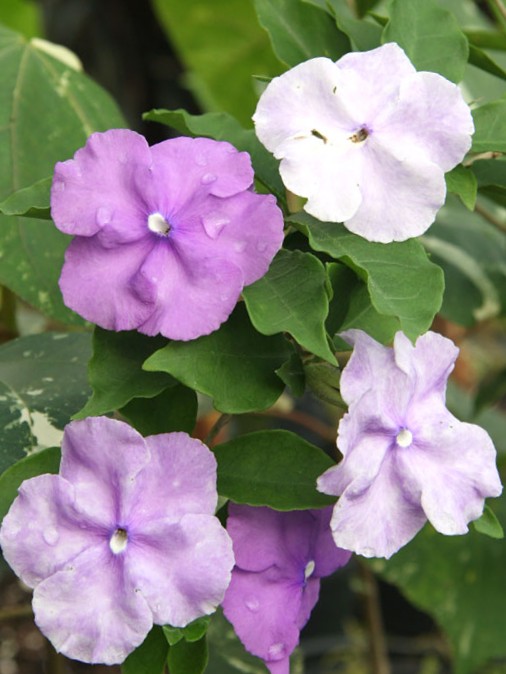
The flowers usually have a long narrow tube opening into five broad, flattened lobes. In the classic Yesterday-Today-and-Tomorrow species, a newly opened flower is rich violet or purple, fades to lavender, and then becomes nearly white over approximately three days. Flowers of several ages occur together, creating the three-color display.
Not every Brunfelsia follows that exact color sequence. Lady-of-the-Night forms may open white or cream and become yellowish while producing a strong fragrance after dark. Identification should therefore consider the leaves, flower tube, fruit, growth habit, and nursery source rather than flower color alone.
The fruit is a rounded, green to brown-green leathery berry or capsule-like fruit containing pale flesh and numerous hard dark seeds. Fallen fruit may blend into mulch beneath the shrub, which creates a particular danger for puppies and dogs that forage through landscape beds.
Where Animals Encounter It
Brunfelsia is grown outdoors in warm climates as a specimen shrub, hedge, foundation plant, screen, patio plant, or fragrant planting near doors and windows. In colder climates it may be kept in a container and moved indoors, exposing cats and dogs to foliage, dropped flowers, and fruit.
Dogs may chew berries, carry seed pods, dig beneath the root crown, or ingest fallen fruit while eating mulch. Landscape pruning creates accessible leaves and branches, while storm damage can move plant material into kennels, paddocks, rabbit runs, or livestock areas.
Livestock exposure is less common in ordinary ornamental settings but can occur where native or escaped Brunfelsia grows along woodland, thicket, field, or pasture margins. Risk increases when desirable forage is scarce or cut branches are discarded as browse.
All Parts Are Toxic, but Fruit Is Especially Dangerous
The experimental work of Spainhour and colleagues demonstrated toxicity in fruit, leaf, stem, and branch preparations. Fruit produced the fastest and most severe effects in mice and rats, supporting the practical warning that berries, pods, and seeds present the highest immediate concern.
Leaves and stems should not be described as harmless. Stem and branch preparations caused fatal intoxication in laboratory animals, while leaf toxicity varied by animal species and dose. The research specifically warned against predicting a universal lethal dose across plant parts because their toxin concentrations and compositions differed.
Roots also deserve caution because several Brunfelsia species have a history of medicinal, ritual, or ethnobotanical use involving root preparations. No raw or prepared portion should be administered to an animal as medicine, a sedative, a dewormer, or a behavioral treatment.
The 1989 Fatal Puppy Investigation
The puppy described in the 1990 report had been seen eating mulch around backyard shrubs approximately two hours before signs were recognized. Seeds and intact fruit pods in vomit and loose stool tied the syndrome to the plant. Despite treatment that included diazepam, prednisolone, and activated charcoal, the condition progressed and the puppy died.
Necropsy and histopathology did not identify a distinctive lesion capable of confirming Brunfelsia poisoning by itself. That absence remains diagnostically important: severe functional neurotoxicity can kill an animal without producing dramatic structural changes in the brain or other organs.
Earlier Australian Canine Evidence
The same paper preserved the earlier Australian experience in the following passage:
“In the Australian reports, one dog showed clinical signs of gastric and buccal irritation, nystagmus, salivation, vomition, nervous irritation, extensor rigidity, and opisthotonous, but recovered with treatment in 2 days. Another dog died within 10 hours after ingestion of berries after exhibiting vomition, dementia, and severe hematuria. An experimental dog fed 5.4 g/kg of body weight of minced Brunfelsia showed depression, antisocial behavior, vomition, diarrhea, reluctance to stand, decreased motor activity, generalized fine muscle tremors, polyuria, involuntary rhythmic limb extension, convulsions, and opisthotonous. The animal was euthanized at 40 hours post dosing. Gross necropsy revealed only edema and hyperemia of the terminal ileum. Histopathologic findings were not specific.”
This record demonstrates both the variability and seriousness of the syndrome. One dog recovered within two days, one died within ten hours, and the experimentally exposed dog developed a mixture of gastrointestinal, behavioral, motor, urinary, and convulsive signs before euthanasia. The 5.4 g/kg dose must not be interpreted as a minimum toxic dose or safety boundary.
Later Canine Cases and Recovery
A later case involved a six-year-old female Siberian Husky that developed salivation, coughing, gagging, dilated pupils, muscular contractions, horizontal nystagmus, and clonic-tonic convulsions after eating seeds from a plant identified as Brunfelsia pauciflora. Treatment included activated charcoal, intravenous fluids, anticonvulsants, corticosteroids, and ophthalmic ointment.
The convulsions stopped on the fifth day, and the dog had recovered completely by approximately three weeks. Corticosteroid use in that historical case should not be interpreted as a proven Brunfelsia antidote, but the recovery demonstrates that prolonged severe poisoning is survivable with sustained intensive support.
A 2008 report described four dogs with vomiting, diarrhea, muscle tremors, anxiety, opisthotonus, and seizures. All recovered after combinations of general anesthesia, gastric lavage, enema, diazepam, phenobarbitone, and propofol sedation. The case series reinforces that seizure control may require escalation beyond a single benzodiazepine dose.
Livestock Evidence and Seasonal Potency
Brunfelsia uniflora has caused or reproduced neurologic disease in sheep and donkeys. Leaves collected at the beginning of the rainy season while the plants were flowering caused diarrhea and severe convulsions at experimental doses that produced no illness when material was collected at the end of the rainy season.
This seasonal difference may reflect changes in toxin concentration or the relative proportions of alkaloids, saponins, flavonoids, and other constituents. It does not mean late-season plants are safe, and the results from one population of B. uniflora cannot be converted into a safe period for another species or ornamental cultivar.
Diagnosis and Important Look-Alikes
There is no routine clinic test that rapidly confirms brunfelsamidine or hopeanine in a living animal. Diagnosis depends heavily on access history, plant identification, finding seeds or pods in vomit or stool, and recognizing the combination of gastrointestinal illness followed by stimulus-sensitive tremors, rigidity, ataxia, and seizures.
Differential diagnoses include strychnine, metaldehyde slug bait, tremorgenic mycotoxins, organophosphate or carbamate insecticides, pyrethroids, amphetamines, methylxanthines, nicotine, toxic mushrooms, hypoglycemia, hypocalcemia, hepatic encephalopathy, head trauma, meningitis, epilepsy, and other seizure-causing plants.
The absence of characteristic necropsy lesions does not exclude Brunfelsia. Plant fragments, seeds, stomach contents, vomit, feces, landscape samples, and photographs of the flowering or fruiting shrub may be more diagnostically valuable than nonspecific tissue changes.
Prevention
The most reliable prevention is removal of Brunfelsia from areas accessible to dogs. Picking up visible fruit while leaving the shrub in place reduces but does not eliminate risk because more fruit can fall, seeds can remain hidden in mulch, and every other plant part remains toxic.
Where the shrub is retained, fence the entire root and drip-line area, remove fallen fruit and seed pods daily, place pruning debris directly into closed waste, and prevent pets from digging or foraging in the mulch. Do not compost Brunfelsia where animals can reach the pile.
Never throw clippings into horse pastures, livestock pens, rabbit runs, chicken enclosures, or kennels. A young dog, newly adopted animal, or persistent plant chewer should not be expected to avoid the shrub after tasting it once.
Immediate Steps After Exposure
- Stop further ingestion: Remove the animal from the shrub, fruit, leathery pods, seeds, leaves, flowers, stems, roots, clippings, mulch, compost, hay, or contaminated forage. Search beneath the plant because fruit and seeds may remain concealed under mulch or fallen leaves.
- Determine what was available: Note whether the exposure involved fruit, seeds, leaves, roots, an entire pruning pile, repeated visits to the shrub, or an unknown quantity. Record the earliest and latest possible exposure times.
- Remove only loose visible material: If the animal remains calm and neurologically normal, remove pieces resting at the lips or front of the mouth. Do not force the jaws open or reach blindly toward the throat.
- Give nothing by mouth after neurologic signs begin: Tremors, rigidity, staggering, disorientation, repeated vomiting, heavy salivation, abnormal swallowing, or seizure activity creates a serious aspiration risk.
- Reduce stimulation: Place the animal in a quiet, dim area away from barking dogs, children, loud voices, music, bright light, sudden movement, and unnecessary handling. Sound, touch, movement, and restraint can intensify tremors or precipitate convulsions.
- Prevent injury without tight restraint: Block stairs, pools, sharp furniture, and hard objects. Use a padded crate or blanket when this can be done safely. Do not hold a convulsing animal down and do not place hands or objects near the mouth.
- Preserve identification evidence: Bring a representative plant sample that includes leaves, flowers, fruit, and seeds when available. Preserve photographs, nursery labels, mulch samples, vomit, stool containing seeds, and a written symptom timeline.
- Arrange emergency veterinary evaluation: Do not wait for tremors or seizures after a credible fruit, pod, seed, or substantial plant ingestion. Decontamination is safest before neurologic signs begin.
Do Not Attempt Unsupervised Home Treatment
- Do not induce vomiting: Hydrogen peroxide, salt, mustard, syrup of ipecac, detergent, oil, manual gagging, and fingers in the throat can cause gastric injury, uncontrolled vomiting, aspiration, or fatal delay.
- Do not force water or mouth flushing: Gagging, salivation, vomiting, altered awareness, tremors, rigidity, and poor coordination can allow liquid and plant material to enter the lungs.
- Do not give activated charcoal: Charcoal can be aspirated during vomiting, tremors, seizures, sedation, or impaired swallowing. An unstable patient may require a cuffed endotracheal tube before any oral decontamination.
- Do not give a laxative or cathartic: Brunfelsia commonly causes diarrhea. Sorbitol, magnesium products, oils, salts, or another cathartic may worsen dehydration and electrolyte loss.
- Do not give food, milk, bread, yogurt, or oil as an antidote: These substances do not neutralize the neurotoxic fractions and may worsen vomiting or aspiration risk.
- Do not give owner-selected sedatives or seizure medication: Diazepam, phenobarbital, methocarbamol, levetiracetam, propofol, gabapentin, and similar drugs require professional selection, airway planning, and respiratory and cardiovascular monitoring.
- Do not give human pain relievers or fever reducers: Ibuprofen, naproxen, acetaminophen, aspirin, and similar medications can create a second poisoning and may worsen kidney, liver, or gastrointestinal injury.
- Do not use corticosteroids automatically: They do not neutralize brunfelsamidine or another Brunfelsia constituent and are not established antidotes.
- Do not use ice or an ice-water bath: Severe hyperthermia requires controlled cooling together with rapid control of muscular activity. Aggressive cold exposure can cause vasoconstriction, shivering, injury, and an unsafe fall in temperature.
- Do not assume vomiting made the animal safe: Seeds and fruit may remain in the gastrointestinal tract, and absorbed toxin can continue producing severe neurologic effects.
When Emergency Examination Is Especially Important
- Any credible fruit, pod, or seed ingestion: Fruit preparations produced the most severe experimental toxicity, and no safe number has been established.
- Vomiting, diarrhea, sneezing, coughing, gagging, or heavy salivation: These may be the first stage of a rapidly progressing neurotoxic syndrome.
- Anxiety or abnormal behavior: Restlessness, unexplained vocalization, hypersensitivity, antisocial behavior, profound depression, or disorientation may indicate central nervous system involvement.
- Twitching, tremors, rigidity, or exaggerated startle responses: These signs may precede generalized convulsions and may worsen with stimulation.
- Staggering or inability to control the limbs: Ataxia, abnormal limb placement, falling, involuntary extension, or inability to right the body indicates advanced toxicity.
- Any seizure: Cluster seizures, opisthotonus, or status epilepticus can cause hyperthermia, hypoxia, aspiration, muscle injury, and respiratory arrest.
- Marked fever or low body temperature: Both hyperthermia during muscular activity and hypothermia during prolonged depression or anesthesia require measured, controlled treatment.
- Rapid, shallow, labored, weak, or declining breathing: Hypoventilation, aspiration, central depression, prolonged seizure activity, or respiratory-muscle failure may be developing.
- An irregular pulse, pale gums, weak pulses, fainting, or collapse: Cardiac dysrhythmia, poor perfusion, hypoxia, acidosis, or circulatory failure may be present.
- Blood in urine, dark urine, or abnormal urine production: Urinary disease, dehydration, muscle breakdown, shock, kidney stress, or another toxin may be present.
- Several animals are affected: Remove the herd, flock, or group from the pasture, forage, clippings, mulch, feed, or water source and preserve representative samples.
Veterinary Stabilization Comes Before Decontamination
The first priority is to determine whether the patient remains stable enough for gastrointestinal decontamination or has entered the tremor-and-seizure phase requiring immediate airway, breathing, temperature, and neurologic stabilization.
The examination includes mentation, swallowing and gag reflexes, pupil size, nystagmus, muscle tone, coordination, temperature, respiratory depth, oxygenation, pulse quality, heart rhythm, blood pressure, hydration, abdominal findings, and the animal’s ability to stand safely.
An actively convulsing, severely tremoring, hypoventilating, collapsed, or poorly swallowing animal must be stabilized before material is placed into the mouth or stomach.
Diagnostic and Monitoring Priorities
No routine clinical test immediately confirms brunfelsamidine, hopeanine, or total Brunfelsia toxin exposure. Testing is used to measure complications, identify treatable metabolic abnormalities, and exclude other causes of acute neurotoxicity.
Laboratory evaluation may include blood glucose, complete blood count, sodium, potassium, chloride, calcium, magnesium, kidney and liver values, creatine kinase, urinalysis, lactate, acid-base measurements, and blood gases.
Continuous electrocardiography is important in severe cases because dysrhythmias and fatal cardiac arrest have been documented. Repeated blood-pressure measurement, pulse oximetry, capnography after intubation, serial temperature readings, urine output, and repeated neurologic assessment may be required.
Coughing, fever, reduced oxygenation, abnormal lung sounds, or worsening respiratory effort after vomiting may justify chest imaging for aspiration injury.
Vomit, feces, gastric contents, seeds, fruit, mulch, clippings, forage, and a complete plant specimen may provide more diagnostic value than nonspecific blood or tissue findings.
Professional Emesis and Gastrointestinal Decontamination
A veterinarian may consider clinic-induced vomiting after a recent substantial exposure when a dog remains fully alert, neurologically normal, cardiovascularly stable, not already vomiting repeatedly, and able to protect the airway.
Once tremors, rigidity, disorientation, repeated vomiting, abnormal swallowing, seizures, respiratory changes, or substantial depression develops, emesis becomes dangerous and stabilization takes priority.
Horses, rabbits, and guinea pigs cannot vomit and must never undergo attempted emesis.
Gastric lavage may be considered after a large fruit or seed ingestion, particularly when the patient is already anesthetized and intubated for seizure control. A cuffed endotracheal tube is essential when consciousness, swallowing, or airway reflexes are impaired.
Lavage cannot reverse toxin already absorbed, but it may remove recognizable fruit, pods, seeds, or plant fragments that would otherwise continue releasing active material.
Activated Charcoal and Lower Gastrointestinal Procedures
A veterinarian or veterinary toxicologist may administer activated charcoal after professional emesis or lavage when the potential benefit outweighs the risks and the airway is protected.
Charcoal is not an automatic treatment in a vomiting, dehydrated, convulsing, recumbent, or poorly swallowing animal. Aspiration, hypernatremia, constipation, ileus, and worsening dehydration must be considered.
Repeated charcoal has appeared in older recommendations, but clinically important enterohepatic recycling of Brunfelsia toxins has not been established. Repeated administration should be based on a toxicologist’s assessment rather than applied mechanically.
Enemas and colonic lavage were used in published canine cases to remove recognizable seed or plant material. They are not universal Brunfelsia treatments and may be inappropriate in an unstable, dehydrated, or severely neurologic patient.
Tremor and Muscle-Rigidity Control
Severe tremors and rigidity must be controlled promptly because continuous muscular activity increases oxygen demand, temperature, lactate production, muscle injury, aspiration risk, and the likelihood of respiratory failure.
Benzodiazepines such as diazepam or midazolam may control some seizure activity. Methocarbamol may be selected when generalized tremors or rigidity are prominent.
The response must be monitored closely. Medication that reduces visible movement can also depress awareness, blood pressure, swallowing, or ventilation, particularly when several sedative agents are combined.
Recurrent Seizures and Status Epilepticus
Brunfelsia-associated seizures may be difficult to control with one medication. Phenobarbital, pentobarbital, levetiracetam, propofol, or another veterinarian-selected anticonvulsant or anesthetic may be required when seizures recur or progress to status epilepticus.
Refractory cases may require continuous propofol treatment or inhalant anesthesia until the toxin burden declines. These approaches require endotracheal intubation, oxygen, assisted ventilation when needed, ECG, blood-pressure monitoring, temperature management, and repeated acid-base and electrolyte assessment.
Seizure medication should be titrated to the patient’s response rather than continued blindly. Excessive central nervous system depression can worsen hypoventilation and hypotension.
Airway and Respiratory Support
Oxygen is appropriate when seizures, aspiration, poor perfusion, depressed mentation, or abnormal respiration compromises oxygen delivery.
Loss of the gag reflex, ineffective breathing, rising carbon dioxide, severe hypoxemia, or the need for deep anesthesia may require endotracheal intubation.
A patient that cannot ventilate adequately requires assisted or mechanical ventilation. The fatal 2019 canine case demonstrates that hypoventilation can be a major component of severe Brunfelsia poisoning rather than merely a consequence of brief seizure activity.
Respiratory rate alone is not enough. Chest excursion, oxygen saturation, carbon dioxide, airway reflexes, blood gases, and signs of aspiration must be evaluated.
Cardiovascular Support and Dysrhythmias
Continuous ECG, blood pressure, pulse quality, perfusion, oxygenation, temperature, electrolytes, and acid-base status guide cardiovascular treatment.
Intravenous crystalloids are used first when vomiting, diarrhea, dehydration, anesthesia, or poor intake has reduced circulating volume. Fluid therapy must be adjusted for cardiovascular function, urine production, lung findings, and ongoing losses.
A vasopressor or inotropic drug may be added when clinically important hypotension persists after appropriate volume correction and treatment of hypoxia, acidosis, temperature abnormalities, and other reversible causes.
No antiarrhythmic is appropriate for every Brunfelsia case. Medication must be selected according to the documented rhythm and the patient’s blood pressure and perfusion.
Temperature and Muscle-Injury Management
Hyperthermia treatment begins with stopping tremors and seizures. Controlled evaporative or conductive cooling may be used while circulation and neurologic activity are stabilized.
Active cooling must be stopped before the temperature falls below the intended target because the body can continue losing heat after cooling measures end.
Prolonged muscular activity may increase creatine kinase, potassium, phosphorus, lactate, and the risk of pigment-associated kidney stress. Serial blood tests, urine monitoring, fluid support, and assessment for muscle pain or swelling may be required.
Hypothermia during prolonged anesthesia or severe depression requires controlled warming and continued temperature measurement.
Gastrointestinal and Aspiration Care
Once decontamination decisions are complete and seizures are controlled, veterinarian-selected antiemetic medication may be used for continuing nausea or vomiting.
Gastrointestinal protectants may be considered when repeated vomiting, blood, esophagitis, or documented mucosal injury is present. They do not bind or neutralize Brunfelsia neurotoxins.
Coughing, nasal discharge, fever, hypoxemia, abnormal lung sounds, or increasing respiratory effort may indicate aspiration pneumonitis or pneumonia. Treatment may include oxygen, suctioning, nebulization, physiotherapy, ventilation support, and antibiotics when bacterial pneumonia is suspected or documented.
Fluid, Electrolyte, and Nursing Support
Intravenous fluids may be needed to correct dehydration, maintain perfusion during anesthesia, support kidney function, and replace continuing vomiting or diarrhea losses.
Fluid composition and rate depend on hydration, blood pressure, sodium, potassium, chloride, acid-base status, urine production, heart function, and respiratory findings.
Food and oral medication should be withheld until the patient is sufficiently awake to swallow safely and vomiting is controlled.
Recumbent animals require padded bedding, regular repositioning, protection from self-injury, bladder management when needed, and eye lubrication when blinking is reduced. Quiet, dim housing should continue while stimulus-sensitive motor activity remains possible.
Horses and Grazing Animals
Remove horses, cattle, sheep, goats, and donkeys from the affected pasture, thicket, clippings, or feed immediately. Do not continue using suspected forage while waiting for plant identification.
Because horses cannot vomit and ruminants may retain material in the forestomachs, decontamination differs from canine treatment. Management may include nasogastric evaluation in horses, examination of rumen contents and motility, selected professional adsorbent treatment, fluids, electrolyte correction, anticonvulsants, temperature control, and respiratory monitoring.
A convulsing large animal presents a severe safety hazard. Treatment requires adequate space, minimal stimulation, experienced handling, and professional sedation or anesthesia.
When several animals are affected, preserve plants from multiple areas, record the flowering and seasonal stage, and retain forage, water, stomach, rumen, fecal, or other relevant samples.
Recovery and Prognosis
The prognosis is best when ingestion is witnessed and professional decontamination is completed before tremors or seizures develop.
Dogs with tremors or seizures may require several days of hospitalization, repeated anticonvulsant therapy, intravenous fluids, continuous ECG, airway protection, and ventilation. Published recovery times range from approximately two days to several weeks.
Before discharge, the animal should maintain normal temperature, breathe without assistance, remain seizure-free without escalating medication, stand and walk safely, swallow normally, retain food and water, and maintain stable hydration, blood pressure, rhythm, and urine production.
The prognosis becomes guarded to poor with uncontrolled status epilepticus, respiratory failure, severe aspiration, persistent dysrhythmia, prolonged hyperthermia, coma, circulatory collapse, or delayed treatment after substantial fruit or seed ingestion.
Frequently Asked Questions About Brunfelsia and Animal Poisoning
Is Yesterday-Today-and-Tomorrow poisonous to dogs and cats?
Yes. Brunfelsia can cause much more than ordinary stomach upset. Vomiting, diarrhea, salivation, coughing, sneezing, or anxiety may progress to exaggerated startle responses, tremors, rigidity, ataxia, severe disorientation, recurrent seizures, respiratory failure, cardiac dysrhythmia, coma, and death. Dogs account for most detailed reports, but cats should also be treated as susceptible.
Which Brunfelsia species is Yesterday-Today-and-Tomorrow?
The common name is applied to several species rather than one plant. Brunfelsia pauciflora, B. australis, and B. grandiflora are commonly sold under the name, while B. uniflora and other species may use it regionally. An unidentified nursery Brunfelsia should be treated conservatively because chemistry has not been mapped completely across the genus.
Is Brunfelsia calycina var. floribunda now Brunfelsia pauciflora?
Yes. The ornamental identified in the 1990 fatal puppy investigation as Brunfelsia calcyina var. floribunda is now included within Brunfelsia pauciflora. The unusual spelling “calcyina” appears in the published article title, while the botanical name is normally spelled “calycina.”
Is Brunfelsia bonodora merely an old name for Brunfelsia australis?
No. Current botanical treatment accepts Brunfelsia bonodora and Brunfelsia australis as separate species. Older veterinary reports and later summaries sometimes combine or misapply the names, so a historical specimen should not be reassigned automatically without reviewing its original identification.
Which parts of Brunfelsia are poisonous?
Every part should be considered poisonous. Fruit, leathery pod-like fruits, and seeds present the greatest practical danger because experimental fruit preparations were the most potent and fruit ingestion appears repeatedly in canine reports. Leaves, flowers, stems, branches, bark, roots, sap, clippings, and contaminated mulch or forage are also unsafe.
What is brunfelsamidine?
Brunfelsamidine is pyrrole-3-carboxamidine, a convulsant directly isolated from Brunfelsia grandiflora. It is chemically different from atropine, scopolamine, solanine, nicotine, and conventional tropane alkaloids. It provides a plausible explanation for excitement, rigidity, stimulus-sensitive tremors, tonic-clonic seizures, respiratory arrest, and death.
Is hopeanine a proven cause of Brunfelsia poisoning?
Hopeanine is an alkaloid isolated and characterized in older work involving root material identified as Brunfelsia hopeana, now associated with B. uniflora. It is commonly described as having depressant or paralytic effects, but its direct role in naturally occurring dog poisoning is less firmly demonstrated than the experimental convulsant activity of brunfelsamidine.
Are alkaloids the only toxic Brunfelsia compounds?
No. Exact-species research with Brunfelsia uniflora leaf fractions found clinical toxicity after alkaloid, flavonoid, and saponin extracts. All mice receiving the tested saponin fraction died rapidly. The concentrated extract experiment does not establish a raw-leaf dose, but it shows that the syndrome cannot be assigned only to two named alkaloids.
Does Brunfelsia contain ordinary nightshade toxins?
Brunfelsia belongs to Solanaceae, but its principal documented convulsant is not atropine, scopolamine, solanine, or a standard tropane alkaloid. Broad claims that every poisonous nightshade produces the same toxin syndrome are inaccurate.
Is Brunfelsia poisoning the same as strychnine poisoning?
No, although the syndromes can look similar. Both may cause extreme sensitivity to sound or touch, muscle rigidity, opisthotonus, and violent convulsions. Brunfelsia commonly also causes vomiting, diarrhea, salivation, coughing, sneezing, depression, and prolonged neurologic illness. Brunfelsamidine has not been proven to act at the same receptor site as strychnine.
How quickly can symptoms begin?
Signs may begin within approximately one to several hours. In the fatal eleven-week-old puppy case, anxiety, sneezing, vomiting, tremors, and fever progressed to severe disorientation, ataxia, inability to right, and seizures over approximately two hours after presentation.
Can one Brunfelsia berry or pod poison a dog?
No reliable safe fruit or seed count exists. Risk depends on the dog’s size, fruit maturity, number of seeds, degree of chewing, plant species, seasonal potency, repeated access, and individual susceptibility. One fruit represents a proportionally larger exposure to a puppy or toy-breed dog, but no swallowed fruit should be dismissed as automatically safe.
Can Brunfelsia cause respiratory failure or cardiac arrest?
Yes. A documented dog developed loss of airway reflexes, hypoventilation requiring mechanical ventilation, severe cardiac dysrhythmia, and fatal cardiac arrest four days after exposure. Severe cases require monitoring of ventilation, oxygenation, carbon dioxide, ECG, blood pressure, electrolytes, temperature, and acid-base status.
Can dogs recover after Brunfelsia seizures?
Yes. Published dogs have recovered after severe tremors, opisthotonus, and repeated seizures when intensive treatment was sustained. Recovery has ranged from approximately two days to several weeks. Other dogs have died within hours or after several days, so documented survival is not a reason to delay emergency care.
Is Brunfelsia poisonous to horses and livestock?
Yes. Experimental evidence in sheep and donkeys documents diarrhea, ataxia, severe convulsions, nystagmus, recumbency, and prolonged neurologic abnormalities after ingestion of Brunfelsia uniflora. Cattle have also developed reversible neurologic disease in experimental work. Horses, goats, and other grazing animals should not have access to Brunfelsia shrubs, clippings, or contaminated forage.
Does Brunfelsia become more poisonous while flowering?
Potency can vary with season and plant stage. Flowering-season Brunfelsia uniflora leaves collected at the beginning of the rainy season caused severe poisoning in sheep and a donkey, while later-season material did not cause signs at comparable experimental doses. That finding applies to the tested plants and does not establish a safe season for another species, cultivar, or location.
Should I make my dog vomit?
No home vomiting method should be used. Veterinary emesis may be considered very soon after ingestion while a dog remains completely alert, stable, neurologically normal, and able to protect its airway. Once tremors, rigidity, repeated vomiting, disorientation, seizures, or swallowing abnormalities develop, emesis can cause aspiration and stabilization takes priority.
Should I give activated charcoal?
Do not give charcoal at home. A veterinarian may use it after professional emesis or gastric lavage when the airway is protected. Vomiting, severe diarrhea, dehydration, tremors, seizures, recumbency, or impaired swallowing can make charcoal dangerous, and repeated dosing is not supported as an automatic Brunfelsia protocol.
Is there a Brunfelsia antidote?
No established toxin-specific antidote exists. Treatment centers on safe gastrointestinal decontamination, rapid control of tremors and seizures, a quiet low-stimulation environment, intravenous fluids, electrolyte and acid-base correction, ECG and blood-pressure monitoring, oxygen, temperature control, aspiration care, airway protection, and mechanical ventilation when breathing becomes inadequate.
When is Brunfelsia exposure an emergency?
Any credible fruit, pod, or seed ingestion deserves prompt veterinary assessment. Vomiting, diarrhea, unusual behavior, exaggerated startle responses, twitching, tremors, rigidity, stumbling, abnormal eye movements, fever, an irregular pulse, breathing changes, collapse, or any seizure requires immediate emergency treatment.