Winter Cherry Steroidal Alkaloid Poisoning, Jerusalem Cherry Fruit Risk, Nightshade Confusion, and Solanocapsine Toxicology
Is Winter Cherry Poisonous to Dogs, Cats, Horses, and Livestock?
Yes—Winter Cherry, Solanum pseudocapsicum, is poisonous to dogs, cats, horses, livestock, birds, rabbits, reptiles, and other animals. This ornamental nightshade is better known to many owners as Jerusalem Cherry, Christmas Cherry, Christmas Orange, Madeira Winter Cherry, or Ornamental Nightshade. It is not an edible cherry, not a cherry tomato, not a pepper, not ashwagandha, not Chinese lantern, and not Natal plum. Accurate identification matters because several unrelated plants share the names “winter cherry,” “Natal cherry,” or “Christmas cherry.”
Winter Cherry contains solanocapsine and related steroidal alkaloids throughout the plant. Veterinary sources also describe the plant broadly as containing solanine or solanine-type nightshade alkaloids because the clinical syndrome overlaps with other toxic Solanum species. Chewing or swallowing leaves, stems, flowers, roots, unripe fruits, ripe fruits, or seeds may cause drooling, nausea, vomiting in species capable of vomiting, abdominal pain, diarrhea, appetite loss, depression, weakness, loss of coordination, abnormal pupils or heart rate, respiratory depression, shock, seizures, coma, and, rarely, death.
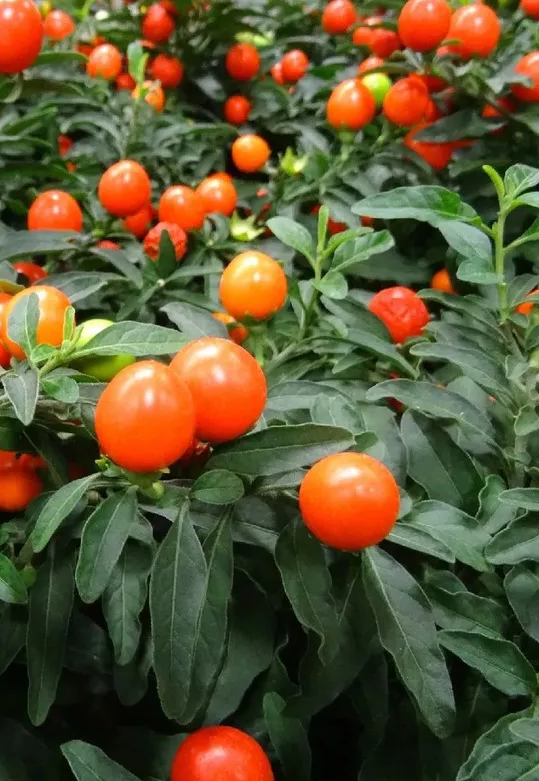
The bright fruits create the greatest practical household risk. They ripen from green through yellow and orange to glossy red and can look deceptively like small tomatoes or decorative cherries. Red ripe fruit remains unsafe; fruit color should never be used as proof of edibility. Many cases remain gastrointestinal and recover with prompt supportive care, but substantial fruit ingestion, small body size, delayed signs, repeated vomiting, bloody diarrhea, neurologic depression, breathing changes, or collapse can become serious quickly.
About this guide: This page provides general pet-poisoning information and cannot diagnose or treat an individual animal. For any suspected exposure, contact a veterinarian or animal poison-control service immediately. Do not induce vomiting, give medication, or attempt home decontamination unless directed by a veterinary professional.
Winter Cherry
Solanum pseudocapsicum L.
Important botanical synonyms include:
- Pseudocapsicum undulatum Moench
- Solanum capsicastrum Link ex Schauer
- Solanum compactum T.Moore & Mast.
- Solanum diffusum Link ex Roem. & Schult.
- Solanum diflorum Vell.
- Solanum eremanthum Dunal
- Solanum hyemale Salisb.
- Solanum hygrophilum Schltdl.
- Solanum ipecacuanha Chodat
- Solanum linkianum Roem. & Schult.
- Solanum microcarpum Vahl
- Solanum montevidense Spreng.
- Solanum pseudocapsicastrum Reider
- Solanum singuliflorum Steud.
- Solanum tucumanense Griseb.
- Solanum ulmoides Dunal
- Solanum validum Rusby
Additional historical infraspecific names include:
- Solanum pseudocapsicum var. normale Kuntze
- Solanum pseudocapsicum var. typicum Hassl.
- Solanum pseudocapsicum var. luteum Poir.
- Solanum pseudocapsicum var. microcarpum Pers.
- Solanum pseudocapsicum var. parvifolium Kuntze
- Solanum pseudocapsicum var. sendtnerianum Hassl.
Important non-synonym confusion names:
- Withania somnifera (L.) Dunal — ashwagandha, also sometimes called winter cherry; separate Solanaceae plant with different chemistry and use
- Physalis alkekengi L. — Chinese lantern or bladder cherry, also sometimes called winter cherry; separate Solanaceae plant with papery husks
- Carissa macrocarpa (Eckl.) A.DC. — Natal plum or Natal cherry; unrelated thorny shrub in Apocynaceae
- Solanum lycopersicum L. — tomato; related crop plant but not Winter Cherry
- Capsicum annuum L. — ornamental or culinary pepper; separate Solanaceae crop with different fruit form and chemistry
- Solanum dulcamara L. — bittersweet nightshade or woody nightshade; separate toxic nightshade
- Solanum nigrum L. and related black-nightshade species — separate Solanum species with variable edible/toxic traditions depending on species and fruit maturity
- Atropa belladonna L., Datura spp., Brugmansia spp., and Hyoscyamus niger L. — tropane-alkaloid nightshades with much more characteristic antimuscarinic poisoning
- Prunus spp. — true cherries and cherry relatives; unrelated Rosaceae plants with different cyanogenic concerns in leaves, pits, or wilted material
Solanaceae — Nightshade, Potato, Tomato, Pepper, Eggplant, and Tobacco Family
Solanaceae contains edible crops, ornamental houseplants, weeds, medicinal plants, and some of the most dangerous plant poisons kept around homes and gardens. Family membership matters because many nightshades produce steroidal alkaloids, glycoalkaloids, tropane alkaloids, nicotine-type alkaloids, capsaicinoids, or other biologically active compounds. Winter Cherry belongs in this family, but it should not be treated as edible tomato, edible pepper, deadly nightshade, jimsonweed, tobacco, ashwagandha, or Chinese lantern without confirming the actual plant.
Winter Cherry; Winter-Cherry; Jerusalem Cherry; Jerusalem-Cherry; Jerusalem Cherry Nightshade; Madeira Winter Cherry; Madeira Cherry; Christmas Cherry; Christmas Orange; Christmas Pepper; False Capsicum; False Jerusalem Cherry; Ornamental Nightshade; Coral Bush; Coral Berry; Cherry Tomato Nightshade; Tomato-Like Nightshade; Solanum pseudocapsicum; Solanum capsicastrum; Pseudocapsicum undulatum.
Historical and taxonomic search variations include Solanum compactum, Solanum diffusum, Solanum diflorum, Solanum eremanthum, Solanum hyemale, Solanum hygrophilum, Solanum ipecacuanha, Solanum linkianum, Solanum microcarpum, Solanum montevidense, Solanum pseudocapsicastrum, Solanum singuliflorum, Solanum tucumanense, Solanum ulmoides, Solanum validum, and historical Solanum pseudocapsicum varieties and forms.
“Natal Cherry” has also been applied to Solanum pseudocapsicum, but that name more commonly refers to Natal plum, Carissa macrocarpa, an unrelated thorny shrub in Apocynaceae. “Winter cherry” is highly ambiguous and may also refer to ashwagandha, Withania somnifera, Chinese lantern, Physalis alkekengi, or other fruiting plants. “Christmas pepper” and “false capsicum” can create confusion with ornamental Capsicum. Accurate identification requires the scientific name, plant photographs, fruit shape, flowers, leaves, and label when available.
Solanocapsine and Related Steroidal Alkaloids
The principal plant-specific toxin in Winter Cherry is solanocapsine, a nitrogen-containing steroidal alkaloid built on a complex sterol-like carbon skeleton. It is chemically related to the broader group of steroidal alkaloids and glycoalkaloids found throughout Solanum, but it is not simply another spelling of solanine. That distinction matters because the exact alkaloid profile of Solanum pseudocapsicum is not identical to potato, tomato, black nightshade, bittersweet nightshade, or horse nettle.
Solanocapsine was investigated chemically in the first half of the twentieth century along with the related alkaloid solanocapsidine. Later work identified additional steroidal alkaloids from the aerial portions of the plant, including solacasine, solacapine, episolacapine, isosolacapine, and O-methylsolanocapsine. These compounds demonstrate that Winter Cherry contains a mixture of structurally related alkaloids rather than one isolated poison at one fixed concentration.
Veterinary references do not use completely consistent terminology. Some identify solanocapsine as the toxic principle, while others list solanine or describe the plant more broadly as containing solanine-type steroidal alkaloids. The safest scientific wording is to place solanocapsine and related S. pseudocapsicum steroidal alkaloids at the center of the page while recognizing that solanine-type glycoalkaloid language appears in veterinary and toxicology sources.
How Steroidal Alkaloids Irritate the Gut and Affect the Body
Steroidal alkaloids and glycoalkaloids can irritate mucous membranes and the lining of the gastrointestinal tract. Their lipophilic steroid portion can interact with membrane cholesterol and disturb cell-membrane integrity, while polar groups influence solubility, distribution, and biological effect. Local injury helps explain drooling, nausea, vomiting, abdominal pain, diarrhea, possible gastrointestinal ulceration, appetite loss, and depression.
Related Solanum glycoalkaloids are often absorbed incompletely from the gastrointestinal tract. Poor absorption can keep much of the exposure concentrated within the stomach and intestine, producing severe local irritation without proportionate systemic poisoning. Poor absorption does not make the plant harmless. Enough toxin may still be absorbed after a substantial ingestion to affect the nervous, cardiovascular, and respiratory systems.
Once absorbed, steroidal alkaloids may interfere with cell membranes, ion transport, neuronal signaling, cardiac function, and cholinesterase activity. Severe cases can therefore progress beyond vomiting and diarrhea to depression, weakness, ataxia, rear-limb weakness, muscle spasms, tremors, seizures, abnormal heart rate, low blood pressure, respiratory depression, shock, coma, or death.
Acetylcholinesterase Findings and Why the Syndrome Is Not Simple
Solanocapsine has demonstrated acetylcholinesterase-inhibiting activity in laboratory assays. Acetylcholinesterase normally breaks down acetylcholine after nerve transmission. Inhibiting the enzyme can permit acetylcholine to accumulate, but a purified in vitro result does not prove that natural plant ingestion will produce a classic cholinergic syndrome in every animal.
A clinically important cholinesterase-inhibitor syndrome can include salivation, tearing, urination, diarrhea, vomiting, small pupils, muscle twitching, weakness, slow heart rate, respiratory secretions, and respiratory failure. Winter Cherry poisoning does not consistently follow that complete pattern. Some signs overlap, especially salivation, vomiting, diarrhea, weakness, and respiratory compromise, but the overall clinical picture is more accurately described as steroidal-alkaloid nightshade poisoning with gastrointestinal, neurologic, cardiovascular, and respiratory potential.
The clinical literature also contains anticholinergic-like descriptions involving dry flushed skin, dilated pupils, tachycardia, hyperthermia, confusion, hallucination-like behavior, urinary retention, and reduced bowel activity. Those signs have been reported most clearly across human nightshade cases and accounts that combine several Solanum species. They do not fit neatly with acetylcholinesterase inhibition, and the complete Winter Cherry toxidrome should not be forced into one simple cholinergic or anticholinergic category.
When Anticholinergic Signs Suggest Another Nightshade
Plant identity is especially important when anticholinergic signs dominate. Other members of Solanaceae—particularly deadly nightshade, jimsonweed, angel’s trumpet, and henbane—contain atropine, scopolamine, and hyoscyamine and produce a far more characteristic antimuscarinic syndrome. A patient with extreme agitation, hallucination-like behavior, very dry mucous membranes, pronounced dilated pupils, urinary retention, absent intestinal sounds, and marked hyperthermia may have eaten one of those plants or experienced a mixed exposure.
That does not mean a Winter Cherry patient with dilated pupils, abnormal heart rate, or agitation is safe. It means the veterinarian should confirm the plant and look for mixed exposure, another nightshade, medication ingestion, stimulant exposure, seizure disorder, heat illness, or another cause when the signs do not match the expected gastrointestinal-and-depression pattern.
All Plant Parts Are Treated as Poisonous
All parts of Winter Cherry should be considered poisonous. Leaves, stems, roots, flowers, unripe fruit, ripe fruit, seeds, and plant sap may contain biologically active alkaloids. Solanocapsine is reported throughout the plant, and unripe fruit and leaves are frequently identified as especially hazardous. Ripe orange or red fruit remains toxic and should never be described as edible merely because some alkaloid concentrations may change during ripening.
Fruit chemistry changes during maturation, and different studies have reported different distributions of alkaloids among tissues and ripening stages. No color—green, yellow, orange, or red—should be used as proof that a fruit is harmless. The same plant may carry multiple fruit colors at once, and a pet may consume both immature and ripe berries before anyone notices.
The fruit creates the greatest household exposure risk. It is round, smooth, brightly colored, and similar in size and appearance to a cherry tomato. A single plant may carry many fruits at once, allowing a curious or bored dog, cat, bird, rabbit, small mammal, or child to consume far more plant material than would ordinarily be taken from one bitter leaf.
The 2005 Berry GC-MS Study and Its Limits
A 2005 gas chromatography-mass spectrometry analysis of Winter Cherry berries reported 25 assigned components representing 99.80% of the analyzed extract. The authors grouped the extract broadly as alkaloids, hydrocarbons, fatty acids, alcohols, and carboxylic-acid derivatives. Several peak assignments from that analysis were unusual, including aramine, dopamine, “phenthamines,” fluoxetine, 2-fluoro-2′,4,5-benzenethanamine, 3-methoxyamphetamine, and 3-ethoxyamphetamine.
Those reported names are preserved here because they are part of the published chemical discussion, but they require strong qualification. “Phenthamines” is not a clearly defined standard compound name. Fluoxetine is a synthetic selective serotonin reuptake inhibitor, and methoxy- and ethoxyamphetamine derivatives are generally discussed as synthetic psychoactive chemicals rather than established plant metabolites.
Gas chromatography-mass spectrometry commonly identifies compounds by comparing fragmentation patterns with spectral libraries. A library match is a proposed identity, not the same as isolating a pure compound and confirming it through authentic standards, nuclear magnetic resonance, high-resolution mass spectrometry, retention-index confirmation, and independent replication. Co-elution, derivatization products, contaminants, instrument background, and chemically similar fragmentation patterns can produce misleading assignments.
Accordingly, aramine, “phenthamines,” fluoxetine, dopamine, and the reported amphetamine derivatives should not be listed as proven primary toxins of Winter Cherry or used to predict a pharmaceutical stimulant, antidepressant, or amphetamine overdose. The established toxicology remains centered on solanocapsine and related steroidal alkaloids, gastrointestinal irritation, and possible neurologic, cardiovascular, and respiratory complications after substantial exposure.
No Validated Safe Dose Exists
No reliable safe number of fruits, leaves, or seeds exists for dogs, cats, horses, cattle, sheep, goats, pigs, rabbits, birds, reptiles, or people. Risk depends on plant chemistry, fruit maturity, plant part, number of fruits eaten, animal size, amount retained in the stomach, vomiting, time since exposure, individual susceptibility, and whether another plant, medication, pesticide, potting material, or disease is involved.
Low palatability, vomiting, and incomplete oral absorption may reduce the likelihood that many animals retain a fatal dose. Those factors cannot be relied upon when a small animal eats numerous fruits, a pet is not discovered until signs begin, a horse or livestock group is exposed to discarded ornamental material, or the patient develops neurologic, respiratory, or circulatory signs.
Gastrointestinal Signs Are Usually First
Winter Cherry poisoning most commonly begins as gastrointestinal illness. Signs may be delayed for several hours, so an animal can appear normal immediately after eating the plant. Hypersalivation, lip licking, repeated swallowing, nausea, appetite loss, vomiting, abdominal pain, and diarrhea are the most dependable early findings.
The gastrointestinal disturbance may be severe. Vomiting can become repeated or prolonged, and diarrhea may contain mucus or blood when the intestinal lining is significantly irritated or ulcerated. The animal may become dehydrated, weak, unwilling to move, and increasingly depressed as fluid and electrolytes are lost. Shock may develop from fluid loss, vascular effects, or a combination of gastrointestinal and systemic poisoning.
Dogs may whine, pace, stretch, hunch the abdomen, or resist being touched around the belly. Cats may hide, drool, repeatedly lick their lips, refuse food, or appear unusually still. A painful animal may alternate between restlessness and profound quietness.
Neurologic, Respiratory, and Cardiovascular Signs
Neurologic abnormalities may follow the gastrointestinal phase when enough toxin is absorbed. Apathy, drowsiness, depression, weakness, vertigo-like disorientation, loss of coordination, staggering, rear-limb weakness or paresis, collapse, muscle spasms, tremors, and convulsions have all been associated with severe nightshade poisoning.
An affected animal may become excited or restless before becoming drowsy and depressed. Excitement and depression are not mutually exclusive: central nervous system poisoning can shift through periods of agitation, confusion, ataxia, somnolence, and coma as toxin concentration, hydration, oxygenation, and physiologic disturbance change.
Breathing may become rapid, shallow, labored, or irregular. Dyspnea can result from central respiratory depression, muscular weakness, aspiration of vomit, shock, seizure activity, or a combination of these problems. Severe respiratory depression may progress to respiratory paralysis and death.
Cardiovascular findings can include tachycardia, bradycardia, irregular rhythm, low blood pressure, poor pulses, pale, gray, or muddy mucous membranes, and circulatory collapse. The exact pattern may vary with dose, hydration, acid-base disturbance, individual alkaloids, and the stage of poisoning.
Anticholinergic-Like Signs Need Careful Interpretation
Human and combined nightshade reports sometimes describe a central anticholinergic-like syndrome. Possible findings include confusion, delirium, hallucination-like behavior, excitement, hyperpyrexia, ataxia, dilated pupils, dry or flushed skin, dry mouth, tachycardia, urinary retention, and markedly reduced or absent bowel movements.
These findings should be retained as possible severe manifestations but not described as the routine pet syndrome. Salivation, vomiting, diarrhea, abdominal pain, depression, weakness, and ataxia are more consistently recognized after veterinary Winter Cherry exposure. A pronounced dry anticholinergic presentation should raise concern for plant misidentification or another Solanaceae species containing tropane alkaloids.
Dogs
Dogs are especially likely to eat the colorful fruit. A small ingestion may cause drooling, nausea, vomiting, diarrhea, abdominal discomfort, appetite loss, or depression. Larger exposures can progress to bloody diarrhea, weakness, ataxia, rear-limb paresis, tremors, seizures, respiratory depression, and collapse.
Puppies, small dogs, and animals that repeatedly chew houseplants are at increased risk because a modest number of fruits represents a larger dose per kilogram. A dog that vomits visible berries should still be assessed because toxin may already have passed into the intestine. Vomited fruit also provides valuable identification evidence and should be saved safely for the veterinarian.
Cats
Cats may chew leaves or bat and swallow fallen fruit. Signs can include drooling, nausea, vomiting, diarrhea, appetite loss, hiding, depression, weakness, loss of coordination, tremors, or seizures. Cats may be less likely than dogs to eat many fruits, but one curious cat can still return to a plant repeatedly.
Prolonged refusal to eat is particularly important in cats because sustained anorexia can create additional metabolic complications. Continued vomiting, drowsiness, ataxia, weakness, or respiratory change requires veterinary examination even when the amount eaten appears small.
Horses
Horses cannot vomit. An exposed horse may instead develop drooling, feed refusal, depression, abdominal pain, reduced or abnormal intestinal sounds, diarrhea, or colic. Pawing, flank watching, stretching, repeated lying down, rolling, sweating, an increasing pulse, abdominal distention, reduced manure, or weakness requires immediate veterinary examination.
Exposure is more likely through discarded houseplants, landscape trimmings, fruiting ornamental shrubs, compost piles, or naturalized shrubs than through ordinary pasture grazing. A fruiting ornamental nightshade should never be thrown into a paddock, dry lot, manure pile, or compost area accessible to horses.
Cattle, Sheep, Goats, Pigs, and Other Livestock
Detailed species-specific livestock case series for Winter Cherry are limited, but livestock can be affected by toxic Solanum alkaloids. Possible signs include salivation, feed refusal, gastrointestinal irritation, diarrhea, ruminal stasis, abdominal discomfort, weakness, ataxia, labored breathing, tremors, collapse, and sudden deterioration after substantial ingestion.
Naturalized Winter Cherry may become accessible where forage is limited. Cattle, goats, pigs, and other browsing animals may consume plants avoided under better feeding conditions. Fruit contamination of hay or silage is less common than household pet exposure but should still be investigated when the plant grows densely around a field edge or when ornamental trimmings are dumped near animals.
Birds, Rabbits, Reptiles, and Other Small Animals
Birds may eat and disperse the fruits in the wild without developing the same visible illness expected in mammals. Differences in digestive anatomy, gut transit, metabolism, and exposure quantity may account for apparent tolerance in some wildlife. Wildlife consumption does not establish safety for parrots, poultry, caged birds, rabbits, guinea pigs, tortoises, reptiles, dogs, cats, or livestock.
Small animals should not be offered Winter Cherry fruit, leaves, stems, or seeds as browse, enrichment, treat material, cage greenery, or compost access. Safe doses are not established, and a small body size means that a few berries or leaf pieces may represent a meaningful exposure. Food refusal, diarrhea, weakness, tremors, abnormal droppings, breathing changes, or neurologic signs after exposure warrants species-appropriate veterinary advice.
Expected Course and Red Flags
Clinical signs may persist for one to three days and occasionally longer, depending on amount eaten, dehydration, complications, and supportive care. Many animals with limited exposure recover after the plant is removed and gastrointestinal support is provided. The prognosis worsens when signs progress beyond stomach upset.
Continued vomiting, bloody diarrhea, profound depression, progressive weakness, respiratory abnormalities, seizures, abnormal heart rhythm, collapse, or failure to improve within the expected period requires continued hospitalization and investigation for complications or an additional toxicant. Dramatic signs should prompt review for tropane nightshades, caffeine or medication ingestion, pesticides, moldy potting soil, foreign material, or a second poisonous plant.
Winter Cherry on This Page Means Solanum pseudocapsicum
The Winter Cherry covered on this page is Solanum pseudocapsicum, the ornamental nightshade more commonly called Jerusalem Cherry. It is a compact evergreen or semi-evergreen shrub grown for its long-lasting yellow, orange, and red fruit. The fruits are decorative, not edible cherries.
The plant is particularly common as a seasonal houseplant because its fruit ripens during autumn and winter. That timing explains names such as Christmas Cherry and Christmas Orange. The seasonal display also explains why many exposures occur indoors, on porches, near holiday decorations, or after a fruiting plant is discarded.
Accepted Name and Native Range
Solanum pseudocapsicum L. is the accepted scientific name. The species was formally published by Carl Linnaeus in 1753 and has accumulated many botanical synonyms and infraspecific names because it has been cultivated, transported, and described under several ornamental and regional forms.
Its native range extends through parts of South America, including Brazil, Bolivia, Argentina, Paraguay, Uruguay, Chile, and the Juan Fernández Islands. It is not native to Jerusalem, Madeira, or Natal merely because those locations appear in common names. Human cultivation has introduced the plant widely into warm temperate, subtropical, and tropical regions, where it may persist, escape, or naturalize.
Growth Form and Identification
Winter Cherry is a bushy perennial subshrub or shrub. Potted plants are often maintained around one to three feet tall, while outdoor specimens in frost-free climates may become larger and woody. The plant is generally non-spiny, although it should not be identified by absence of spines alone because many nightshades and ornamental cultivars vary in appearance.
The leaves are simple, alternate, and attached by short stalks. They are usually lance-shaped, elliptical, or narrowly oval, with dark green surfaces and entire, slightly wavy, or shallowly toothed margins. Some horticultural forms have cream or pale variegation. Leaves and stems remain poisonous and should not be treated as safe because pets are more attracted to the fruits.
The flowers are small, white, and star-shaped, with five spreading lobes and a conspicuous central cluster of yellow anthers. Their resemblance to small potato or tomato flowers reflects the plant’s close relationship to those crops within Solanaceae.
The fruits are botanically berries. They begin green and ripen through yellow and orange to glossy red. Each fruit contains many pale flattened seeds embedded in soft pulp. Their smooth round shape can make them look deceptively similar to cherry tomatoes, especially to children or pets investigating a potted plant at floor level.
Do Not Confuse It with a Tomato or Pepper
Winter Cherry belongs to the same family as tomatoes, potatoes, eggplants, and peppers. Its fruits may look and feel like small tomatoes, but they are not an edible tomato variety. The plant’s ornamental purpose and tomato-like appearance are exactly what make it dangerous around pets and children.
Ornamental peppers belong mainly to Capsicum annuum and often produce elongated, conical, upright, or pepper-shaped fruits with a visible pepper-like calyx. Winter Cherry fruits are generally round and develop beneath a small persistent star-shaped calyx. The name Christmas Pepper or False Capsicum can blur that difference and should not be used as proof of edibility.
Identification should not depend on taste. Biting an unknown nightshade fruit to decide whether it is a tomato, pepper, or edible berry creates an unnecessary poisoning risk.
“Natal Cherry” Is an Ambiguous Name
Natal Cherry has been used for Solanum pseudocapsicum in some horticultural and toxic-plant references. It is also used for Natal plum, Carissa macrocarpa, a thorny South African shrub in Apocynaceae. The two plants are unrelated and should not be merged.
Carissa macrocarpa has thick glossy opposite leaves, forked thorns, white pinwheel-shaped flowers, milky latex, and larger plum-like fruit. Its fully ripe fruit is used as food, while other plant parts and unripe fruit require caution. It should not be confused chemically or toxicologically with Jerusalem Cherry.
Other Plants Called Winter Cherry
The name Winter Cherry is also applied to ashwagandha, Withania somnifera, and to Chinese lantern, Physalis alkekengi. Both are members of Solanaceae but are botanically and chemically distinct from Solanum pseudocapsicum.
Physalis fruit is enclosed within a papery lantern-like husk. Withania produces smaller red-orange fruits enclosed by a persistent papery calyx and is used in herbal products. A common name alone is not enough to determine poisoning risk. During an exposure, the scientific name, label, and clear photographs are more valuable than a seasonal common name.
Why Houseplants Create a Special Risk
Outdoor grazing animals can often select around an unpleasant weed. A houseplant places many bright fruits within a small enclosed space where a dog, cat, rabbit, bird, or other pet may return repeatedly. Fallen fruits can roll beneath furniture and remain available after the plant has been moved.
Curious puppies, kittens, and young animals investigate objects by mouthing them. Bored or confined pets may chew leaves and branches even when the flavor is unpleasant. Birds and small mammals may pick at fruit because it is colorful and soft. A single decorative plant can therefore create repeated exposures over days unless every fruit is removed.
The fruits may also be mistaken for food by children or adults. Their tomato-like texture and bright color make Winter Cherry one of the more concerning ornamental nightshades kept indoors.
All Parts Should Be Treated as Poisonous
Leaves, stems, roots, flowers, unripe fruit, ripe fruit, and seeds should all be treated as potentially toxic. Unripe fruit and leaves are frequently identified as containing particularly important alkaloid concentrations, but ripe fruit remains unsafe.
Fruit chemistry changes during maturation, and different studies have reported different distributions of alkaloids among tissues and ripening stages. No color—green, yellow, orange, or red—should be used as proof that a fruit is harmless.
The colorful fruit creates the greatest practical danger because it can be swallowed quickly and in quantity. The leaves may carry substantial alkaloid fractions and should not be treated as less important merely because pets are more attracted to fruit.
Solanocapsine
Solanocapsine is a steroidal alkaloid with a rigid sterol-like framework and nitrogen atoms within the molecule. Its chemical structure differs from the familiar potato glycoalkaloids alpha-solanine and alpha-chaconine, although all belong to the wider chemistry of steroidal alkaloids produced by nightshades.
Solanocapsine has been studied because of its biological and antimicrobial activity, and modern research has investigated it and synthetic derivatives as acetylcholinesterase inhibitors. Pharmaceutical interest in a purified molecule does not make the raw plant safe. A laboratory assay is not a feeding trial, and the mixture inside a fruiting houseplant is not a measured medication.
The concentration of solanocapsine in a household plant is not standardized. Variety, tissue, fruit maturity, light, temperature, nutrition, stress, plant age, and extraction method can all affect the chemical profile.
Solanocapsidine and Other Confirmed Steroidal Alkaloids
Solanocapsidine is a related alkaloid identified alongside solanocapsine. Additional work on the aerial portions of the plant isolated or reported solacasine, solacapine, episolacapine, isosolacapine, and O-methylsolanocapsine.
These compounds are important because they show that the plant’s biological activity cannot be assigned automatically to one purified molecule. The complete alkaloid mixture may produce additive, opposing, or otherwise interacting effects.
Cell-culture studies have found cytotoxic activity in alkaloid fractions prepared from leaves, ripe fruit, roots, seeds, and stems. Laboratory cytotoxicity supports biologic activity but does not provide a pet toxic dose or prove that natural oral exposure causes the same effect as concentrated extracts applied directly to cells.
Solanocapsine Is Related to, but Not Identical with, Solanine
Solanine is a steroidal glycoalkaloid best known from potatoes and several other Solanum species. It consists of a steroidal alkaloid core attached to a carbohydrate chain. Solanocapsine has a different structure and should not be treated as a spelling variant of solanine.
Veterinary databases sometimes list solanine for Jerusalem Cherry because the clinical syndrome resembles that of other toxic nightshades and because solanine or solanine-like material has been reported in chemical and toxicology sources. The more exact plant-specific wording remains solanocapsine and related steroidal alkaloids, while acknowledging broader solanine-type nightshade toxicology.
Why Gastrointestinal Signs Are So Common
Steroidal alkaloids can irritate and destabilize the epithelial membranes lining the stomach and intestines. The body responds with salivation, nausea, vomiting, abdominal cramping, increased secretion, and diarrhea.
Severe inflammation may damage the mucosal surface enough to cause erosions or ulceration. Blood may then appear in vomit or stool. Continued fluid loss can produce dehydration, reduced circulation, acid-base disturbance, and shock even when direct absorption of the alkaloid is incomplete.
The bitter or irritating effect may discourage further eating, but it is not dependable protection. An animal can swallow multiple berries rapidly, and individual plants or fruits may not be equally unpalatable.
Oral Absorption and Route-Dependent Toxicity
Related steroidal glycoalkaloids are absorbed relatively poorly through the gastrointestinal tract compared with direct injection. This can produce an apparently contradictory picture: dramatic laboratory toxicity by intravenous or intraperitoneal administration but much lower toxicity after oral ingestion.
Historical toxicity data for S. pseudocapsicum extract illustrate the importance of route, species, extract, and experimental method. Parenteral toxicity figures should never be converted into a “safe berry count” for a dog, cat, horse, child, bird, rabbit, or other animal.
Poor oral absorption reduces but does not eliminate the possibility of death. Large ingestion, prolonged contact with the gastrointestinal tract, individual susceptibility, small body size, preexisting illness, delayed discovery, or a particularly concentrated plant can still permit enough systemic exposure to cause severe neurologic or respiratory disease.
Animal-Model Evidence and Its Limits
Some secondary toxicology descriptions state that cats and rodents given moderate quantities of leaves or berries did not develop severe or life-threatening illness. That observation is consistent with the generally favorable outcome of limited oral exposure and with incomplete gastrointestinal absorption.
Accessible descriptions do not provide enough consistent detail about exact plant material, ripeness, dose, extraction, animal numbers, or observation period to create a dependable feline or rodent safety threshold. The absence of severe illness in one experiment cannot establish that unrestricted ingestion is safe.
Experimental extracts have caused death, convulsions, respiratory depression, blood-pressure changes, and cardiac effects when administered by parenteral routes. Natural chewing and swallowing is a different exposure, but laboratory findings confirm that the plant contains compounds capable of serious physiologic effects.
The 2005 Berry GC-MS Study
A chemical and nutrient analysis published in 2005 examined Winter Cherry berry extract using gas chromatography-mass spectrometry and photometric methods. Twenty-five peaks were assigned names, collectively representing 99.80% of the reported extract composition.
The authors categorized the material as approximately 38.55% alkaloids, 22.18% hydrocarbons, 19.38% fatty acids, 13.27% alcohols, and 3.73% carboxylic-acid derivatives. The study also evaluated mineral nutrients in the berries.
The reported individual identifications included aramine, dopamine, “phenthamines,” fluoxetine, 2-fluoro-2′,4,5-benzenethanamine, 3-methoxyamphetamine, and 3-ethoxyamphetamine. Those names generated much of the claim that Winter Cherry contains antidepressant and amphetamine-like drugs.
Why Fluoxetine and Amphetamine Derivatives Are Not Established Winter Cherry Toxins
Fluoxetine is a manufactured selective serotonin reuptake inhibitor developed as a pharmaceutical. Methoxyamphetamine and ethoxyamphetamine compounds are generally recognized as synthetic or laboratory chemicals. Their confirmed natural biosynthesis by S. pseudocapsicum would be an extraordinary finding.
Extraordinary chemical identification requires more than a preliminary mass-spectral library match. A defensible confirmation would ordinarily include authentic reference standards, retention-index agreement, high-resolution mass spectrometry, isolation of the compound, nuclear magnetic resonance, and independent replication.
No convincing body of independent plant research has established fluoxetine, 3-methoxyamphetamine, or 3-ethoxyamphetamine as natural Winter Cherry constituents responsible for animal poisoning. These names should therefore remain within a critical discussion of one analytical report rather than appear in the primary toxin field.
“Phenthamines” is also chemically unclear and may represent a typographical, database, or library-assignment problem rather than a defined natural product. “Aramine” is a named chemical, but its identification in Winter Cherry has not become part of the established veterinary toxicology of the species. Dopamine is a genuine biological molecule found in animals and some plant tissues, but one reported GC-MS assignment does not prove that dopamine contributes meaningfully to Winter Cherry poisoning.
Acetylcholinesterase Inhibition
Solanocapsine has inhibited acetylcholinesterase in laboratory testing. This enzyme normally ends acetylcholine signaling at nerve synapses. Inhibition can permit acetylcholine to remain active longer.
A clinically important cholinesterase-inhibitor syndrome typically produces salivation, tearing, urination, diarrhea, vomiting, small pupils, muscle twitching, weakness, slow heart rate, and respiratory secretions. Winter Cherry cases do not consistently follow that complete pattern.
The in vitro finding may contribute to some effects or become important only at particular concentrations. It does not establish that Winter Cherry behaves like an organophosphate or carbamate pesticide, and atropine should not be given automatically on the basis of plant identity alone.
Anticholinergic-Like Reports
Confusion, hallucination-like behavior, excitement, hyperthermia, dry skin, flushing, dilated pupils, tachycardia, urinary retention, and absent bowel sounds describe an antimuscarinic or anticholinergic syndrome. Such findings have appeared in human nightshade reports and toxicology summaries that discuss bittersweet and Jerusalem Cherry together.
Tropane-alkaloid plants such as deadly nightshade, jimsonweed, angel’s trumpet, and henbane provide a much more direct chemical explanation for a severe dry anticholinergic crisis. An animal with pronounced mydriasis, dry mouth, ileus, urinary retention, hallucination-like behavior, and hyperpyrexia should be treated urgently, but the veterinarian should confirm the plant and search for mixed or alternative exposure rather than assuming solanocapsine alone explains every sign.
Dogs
Dogs are especially likely to eat the colorful fruit. A small ingestion may cause drooling, nausea, vomiting, diarrhea, abdominal discomfort, appetite loss, or depression. Larger exposures can progress to bloody diarrhea, weakness, ataxia, rear-limb paresis, tremors, seizures, respiratory depression, and collapse.
Puppies, small dogs, and animals that repeatedly chew houseplants are at increased risk because a modest number of fruits represents a larger dose per kilogram. A dog that vomits visible berries should still be assessed because toxin may already have passed into the intestine.
Cats
Cats may chew leaves or bat and swallow fallen fruit. Signs can include drooling, nausea, vomiting, diarrhea, appetite loss, hiding, depression, weakness, loss of coordination, tremors, or seizures.
Prolonged refusal to eat is particularly important in cats because sustained anorexia can create additional metabolic complications. Continued vomiting, drowsiness, ataxia, weakness, or respiratory change requires veterinary examination even when the amount eaten appears small.
Horses
Winter Cherry is classified as toxic to horses. Horses cannot vomit, so expected signs include salivation, feed refusal, depression, abdominal pain, colic, diarrhea, weakness, ataxia, tremors, respiratory difficulty, or collapse.
Exposure is more likely through discarded houseplants, landscape trimmings, or naturalized shrubs than through ordinary pasture grazing. A fruiting ornamental should never be thrown into a paddock or compost pile accessible to horses.
Cattle, Sheep, Goats, Pigs, and Other Livestock
Detailed species-specific case series are limited, but livestock can be affected by toxic Solanum alkaloids. Possible signs include salivation, gastrointestinal irritation, diarrhea, ruminal stasis, weakness, ataxia, labored breathing, tremors, and collapse.
Naturalized Winter Cherry may become accessible where forage is limited. Cattle and goats may browse plants avoided under better feeding conditions. Fruit contamination of hay or silage is less common than household pet exposure but should still be investigated when the plant grows densely around a field edge.
Birds and Wildlife
Birds may eat and disperse the fruits without developing the same visible illness expected in mammals. Differences in digestive anatomy, gut transit, metabolism, and exposure quantity may account for this apparent tolerance.
Wildlife consumption does not establish that the fruit is safe for parrots, poultry, caged birds, dogs, cats, rabbits, reptiles, or livestock. Direct controlled dose information for most bird species is lacking.
Diagnosis
Diagnosis begins with identification of the plant and a credible exposure. Bring the complete potted plant when practical or provide photographs showing leaves, flowers, green fruit, ripe fruit, stems, nursery label, and the growing or indoor location.
Vomited berries, leaves, seeds, or stems can provide direct evidence. Because symptoms may be delayed, a normal examination immediately after ingestion does not rule out later gastrointestinal or neurologic illness.
Veterinary evaluation may include hydration assessment, abdominal palpation, neurologic examination, heart rate and rhythm, blood pressure, temperature, oxygenation, serum chemistry, electrolytes, blood glucose, blood gases, complete blood count, and urinalysis. Electrocardiographic monitoring is appropriate when the heart rate is very fast, slow, irregular, or accompanied by weakness and poor pulses.
Important Differential Diagnoses
Other toxic nightshades include woody nightshade, black nightshade, horse nettle, potato foliage and sprouts, deadly nightshade, jimsonweed, angel’s trumpet, henbane, tobacco, and tree tobacco. These plants contain different alkaloid mixtures and do not produce identical syndromes.
Ataxia, tremors, seizures, and respiratory depression also require consideration of pesticides, metaldehyde slug bait, tremorgenic mycotoxins, cannabis, medications, chocolate, caffeine products, xylitol-associated hypoglycemia, ethylene glycol, and numerous neurologic diseases.
Vomiting and bloody diarrhea may result from gastrointestinal infection, dietary indiscretion, foreign material, pancreatitis, anticoagulants, caustic chemicals, parvovirus, hemorrhagic diarrhea syndrome, or another poisonous plant.
Veterinary Decontamination
A veterinarian may induce vomiting after a recent substantial ingestion in an alert dog or cat that has no neurologic abnormalities and can protect its airway. The decision depends on elapsed time, species, amount, current signs, and aspiration risk.
Gastric lavage may be considered after a very large ingestion when the patient is anesthetized, intubated, and the airway is protected. It is not an owner first-aid procedure and is rarely justified for a small asymptomatic exposure.
Activated charcoal may be used to bind alkaloid remaining in the gastrointestinal tract, but it is not a universal antidote. A vomiting, weak, seizing, drowsy, ataxic, or poorly swallowing animal can aspirate charcoal into the lungs.
Supportive Treatment and Prognosis
There is no proven species-specific antidote to solanocapsine. Treatment is symptomatic and supportive while the alkaloids are eliminated and the gastrointestinal, neurologic, cardiovascular, and respiratory effects resolve. Veterinary care may include antiemetics, intravenous fluids, electrolyte correction, gastrointestinal protectants, pain control, temperature management, oxygen, electrocardiographic monitoring, and repeated neurologic assessment.
Seizures require veterinarian-selected anticonvulsants. Severe respiratory depression may require intubation and mechanical ventilation. Shock may require carefully controlled intravenous fluids and, when circulation remains inadequate, vasopressor support. A patient with suspected anticholinergic signs should be evaluated by a veterinarian or toxicologist before an antidotal drug is considered.
The prognosis is generally good when only a small or moderate amount was eaten and signs remain limited to gastrointestinal irritation. Many affected animals recover within approximately one to three days with removal from the source and appropriate supportive care. The outlook becomes guarded with bloody gastrointestinal disease, severe dehydration, persistent ataxia, recurrent seizures, respiratory depression, arrhythmia, low blood pressure, circulatory shock, or coma.
Prevention
Do not keep fruiting Winter Cherry within reach of pets or children. Placing it on a low shelf, windowsill, plant stand, porch, or floor does not provide dependable protection from cats, climbing dogs, birds, or small mammals.
Collect fallen fruit daily and inspect beneath furniture. Discard plants and trimmings in a closed container rather than an accessible compost pile. Do not offer the fruit to wildlife, livestock, poultry, rabbits, tortoises, or caged animals. Naturalized shrubs should be removed from animal areas before heavy fruiting, with every cut branch and fallen fruit secured afterward.
Label the pot with the scientific name. Common names such as Winter Cherry, Natal Cherry, Christmas Cherry, and Jerusalem Cherry can refer to or be confused with several unrelated plants.
Immediate Steps After Exposure
Stop further ingestion. Remove the animal from the plant and collect all fallen fruit, leaves, stems, seeds, soil-contaminated pieces, and chewed material before another animal reaches them. Secure the potted plant or shrub where no pet, horse, livestock animal, bird, or child can access it.
- Contact a veterinarian or animal poison-control service: Report the animal’s species, body weight, estimated number of fruits or amount of foliage, fruit color, time of exposure, and current symptoms.
- Preserve identification evidence: Bring the plant, nursery label, clear photographs, and any recognizable pieces found in vomit.
- Clear loose material only when safe: If the animal is alert, cooperative, and swallowing normally, remove visible pieces from the front of the mouth and gently wipe or rinse away residue. Do not force water toward the throat.
- Keep the animal quiet: Limit activity when weakness, ataxia, tremors, abnormal heart rate, abnormal pupils, or breathing difficulty is present.
- Remove access for the whole group: If one animal ate berries, assume other animals may have reached the same plant or fallen fruit.
Do Not Attempt Unsupervised Home Treatment
- Do not induce vomiting with hydrogen peroxide: Peroxide can cause severe gastritis, esophageal irritation, prolonged vomiting, bleeding, and aspiration.
- Do not use salt, mustard, oil, syrup of ipecac, or manual gagging: These methods can create additional poisoning or injury without reliably removing the plant.
- Do not force activated charcoal: A nauseated, weak, drowsy, ataxic, or seizing animal may inhale it into the lungs.
- Do not force food, milk, water, or electrolyte solution: An animal with vomiting, abdominal pain, neurologic depression, or impaired swallowing may aspirate.
- Do not give Kapectolin, Kaopectate, sucralfate, antacids, bismuth, loperamide, antidiarrheal medication, antihistamines, sedatives, stimulants, pain medication, atropine, physostigmine, or corticosteroids without veterinary direction: These products do not neutralize solanocapsine and may obscure or worsen neurologic, cardiac, respiratory, or intestinal abnormalities.
- Do not wait for severe signs after a large ingestion: Symptoms can be delayed for several hours, and veterinary decontamination is safest before weakness, drowsiness, ataxia, or seizures develop.
- Do not treat this as tomato, pepper, true cherry, ashwagandha, or Chinese lantern without identification: Common-name confusion can lead to the wrong level of concern or the wrong differential diagnosis.
When Emergency Examination Is Especially Important
- Vomiting or diarrhea is repeated or bloody: Continued gastrointestinal loss can cause dangerous dehydration, electrolyte disturbance, ulceration, and shock.
- Abdominal pain is severe: Persistent hunching, crying, flank watching, rolling, abdominal enlargement, or reduced bowel movements requires examination.
- Neurologic signs appear: Confusion, staggering, rear-limb weakness, tremors, spasms, seizures, profound drowsiness, or coma indicates systemic poisoning.
- Breathing changes: Slow, shallow, labored, noisy, or irregular breathing may indicate respiratory depression, aspiration, muscular weakness, seizure activity, or shock.
- The heart rate or pupils are abnormal: Marked tachycardia, bradycardia, irregular rhythm, very dilated pupils, very dry flushed tissues, or absent intestinal sounds warrants urgent assessment.
- The animal collapses or cannot stand: Collapse may indicate hypotension, arrhythmia, severe dehydration, neurologic toxicity, or respiratory failure.
- A horse develops colic: Repeated lying down, rolling, sweating, rapid pulse, abdominal distention, or reduced manure requires immediate equine care.
- A cat stops eating or becomes unusually dull: Continued anorexia, hiding, vomiting, or weakness after exposure requires veterinary assessment.
Veterinary Decontamination
A veterinarian may induce vomiting in a suitable alert dog or cat after a recent substantial ingestion. The procedure becomes unsafe after significant drowsiness, weakness, ataxia, seizures, respiratory depression, or loss of normal swallowing. Horses, rabbits, guinea pigs, and adult ruminants are not managed through ordinary induced vomiting.
After a very large ingestion, gastric lavage may be considered under anesthesia with endotracheal intubation and a protected airway. Activated charcoal may be administered when the expected benefit outweighs the risks of aspiration and additional gastrointestinal stress. These are veterinary procedures, not owner first aid.
Veterinary Monitoring and Support
Veterinary treatment may include antiemetics, intravenous fluids, electrolyte replacement, gastrointestinal protectants, pain control, blood-pressure monitoring, electrocardiography, oxygen, temperature control, and repeated neurologic examinations.
Seizures are treated with veterinarian-selected anticonvulsants. Respiratory depression may require intubation and assisted ventilation. Circulatory shock may require intravenous fluid resuscitation and carefully monitored vasopressor medication after volume status is addressed.
Animals with severe abdominal pain, reduced intestinal movement, repeated vomiting, or suspected retained fruit or plant material may need radiographs or ultrasound to distinguish alkaloid-related ileus from obstruction, foreign material, pancreatitis, or another gastrointestinal emergency.
Dogs, Cats, Horses, Livestock, and Small Animals
Dogs should be evaluated according to amount eaten, number of fruits, vomiting, depression, weakness, and neurologic status. A dog that vomits visible berries may still require treatment because toxin may already have moved into the intestine.
Cats should be monitored closely for food intake, hydration, and neurologic signs. Continued anorexia, vomiting, hiding, weakness, or loss of coordination after exposure should not be dismissed as a minor stomach upset.
Horses require prompt care for colic, diarrhea, weakness, ataxia, tremors, respiratory difficulty, or collapse. Do not throw fruiting plants, trimmings, or discarded potted Winter Cherry into paddocks, dry lots, manure piles, or compost accessible to horses.
Cattle, sheep, goats, pigs, poultry, rabbits, birds, reptiles, and other animals should not be allowed to browse the plant or consume fallen fruit. If a group had access, remove the source immediately and preserve plant material for identification.
Recovery and Prognosis
Most limited exposures have a good prognosis and resolve over approximately one to three days. Appetite, activity, hydration, stool quality, coordination, breathing, and heart rate should return toward normal as the toxin is eliminated and gastrointestinal inflammation resolves.
Continued bloody diarrhea, vomiting, depression, ataxia, abnormal heart rhythm, breathing difficulty, seizures, or inability to eat and drink requires continued veterinary care. Severe respiratory depression, shock, coma, or recurrent seizures carries a guarded prognosis.
Prevention After the Incident
Remove the plant from animal-accessible areas and collect every fallen fruit. Inspect under furniture, behind plant stands, porch corners, patio edges, bird cages, rabbit areas, and compost locations. Secure discarded plants in a closed trash container rather than an open pile.
Label any retained plant with the scientific name Solanum pseudocapsicum. Common names such as Winter Cherry, Jerusalem Cherry, Christmas Cherry, Christmas Orange, Natal Cherry, and False Capsicum are too ambiguous for emergency identification.
Frequently Asked Questions About Winter Cherry and Animal Poisoning
Is Winter Cherry poisonous to dogs and cats?
Yes. Solanum pseudocapsicum is toxic to both dogs and cats. Typical signs include drooling, vomiting, abdominal pain, diarrhea, appetite loss, depression, weakness, and loss of coordination. Large exposures may cause bloody diarrhea, seizures, respiratory depression, shock, coma, or death.
Is Winter Cherry the same as Jerusalem Cherry?
Yes, when the scientific name is Solanum pseudocapsicum. Winter Cherry, Jerusalem Cherry, Christmas Cherry, Christmas Orange, Madeira Winter Cherry, False Capsicum, and Ornamental Nightshade are common names for the same ornamental nightshade. The scientific name remains important because several unrelated plants also use the name winter cherry.
Which parts of Winter Cherry are poisonous?
Leaves, stems, flowers, roots, unripe fruit, ripe fruit, and seeds should all be treated as poisonous. Unripe fruit and leaves are frequently identified as particularly hazardous, but ripe orange or red fruit remains unsafe. The colorful fruits create the greatest practical risk because animals can swallow several quickly.
Is a ripe red Jerusalem Cherry safe to eat?
No. Alkaloid concentrations can change as fruit ripens, but red fruit is not rendered edible by its color. Ripe fruit still contains biologically active alkaloids and can cause gastrointestinal, neurologic, cardiovascular, and respiratory poisoning after sufficient exposure.
What is solanocapsine?
Solanocapsine is a plant-specific steroidal alkaloid isolated from Solanum pseudocapsicum. It is structurally related to other nightshade alkaloids and can contribute to gastrointestinal irritation, neurologic depression, weakness, respiratory abnormalities, and other systemic effects after sufficient exposure.
Are solanocapsine and solanine the same toxin?
No. They are related steroidal alkaloid compounds but have different chemical structures. Some veterinary references use solanine as a broad toxic principle for Jerusalem Cherry, while plant-specific chemical research emphasizes solanocapsine and several related alkaloids. Both terms point toward nightshade steroidal-alkaloid poisoning, not edible tomato safety.
What other alkaloids are reported from Winter Cherry?
Research on Solanum pseudocapsicum has reported solanocapsine, solanocapsidine, solacasine, solacapine, episolacapine, isosolacapine, and O-methylsolanocapsine. The plant should therefore be described as containing a mixture of related steroidal alkaloids rather than one uniform toxin at one fixed concentration.
Does Winter Cherry naturally contain fluoxetine or amphetamines?
One 2005 GC-MS study assigned berry-extract peaks to fluoxetine, “phenthamines,” dopamine, 3-methoxyamphetamine, 3-ethoxyamphetamine, and related names. Those unusual assignments have not been confirmed sufficiently to treat these substances as established natural Winter Cherry toxins. The dependable toxicology remains centered on solanocapsine and related steroidal alkaloids.
Does Winter Cherry cause an anticholinergic syndrome?
Anticholinergic-like signs—including dilated pupils, dry flushed skin, tachycardia, hyperthermia, confusion, hallucination-like behavior, urinary retention, and reduced bowel activity—have been reported in broader nightshade literature. They are not the most consistent veterinary Winter Cherry pattern. Pronounced anticholinergic signs should prompt investigation for another nightshade such as jimsonweed, belladonna, angel’s trumpet, or henbane.
Can symptoms be delayed after ingestion?
Yes. Gastrointestinal and neurologic symptoms may not appear for several hours. An animal can look normal during the period when alkaloids remain in the digestive tract and are being absorbed. A substantial witnessed ingestion should be discussed with a veterinarian before symptoms begin, while decontamination may still be safer.
How many Winter Cherry fruits are poisonous?
No dependable safe or toxic fruit count exists. Risk varies with fruit maturity, plant chemistry, fruit size, animal weight, amount retained in the stomach, and individual sensitivity. Several fruits may represent a substantial dose for a small pet, while one animal may develop more severe signs than another after a similar exposure.
Why are the fruits especially dangerous?
The fruits are smooth, bright, tomato-like, and often produced in large numbers on one potted plant. A dog, cat, bird, rabbit, or child can swallow several before bitterness or stomach upset discourages more eating. Fallen fruit can also roll under furniture and remain available after the plant is moved.
Is Winter Cherry poisonous to horses?
Yes. Winter Cherry is classified as toxic to horses. Horses cannot vomit, so signs may include salivation, feed refusal, colic, diarrhea, weakness, ataxia, tremors, respiratory difficulty, collapse, or abnormal heart rate. A fruiting ornamental plant should never be discarded into a paddock or compost pile accessible to horses.
Is Winter Cherry poisonous to cattle, sheep, goats, or pigs?
It should be treated as hazardous to livestock. Detailed species-specific Winter Cherry case series are limited, but toxic Solanum alkaloids can affect grazing and browsing animals. Possible signs include salivation, feed refusal, gastrointestinal irritation, diarrhea, ruminal stasis, weakness, ataxia, labored breathing, tremors, and collapse after substantial ingestion.
Can birds or wildlife eat Winter Cherry safely?
Some wild birds may consume and disperse the fruits without obvious illness, but wildlife use does not establish safety for parrots, poultry, caged birds, rabbits, reptiles, dogs, cats, or livestock. Species differ in gut transit, metabolism, and tolerance. The plant should not be offered as food or enrichment.
Is Natal Cherry the same plant as Winter Cherry?
The name Natal Cherry has sometimes been applied to Solanum pseudocapsicum, but it more commonly identifies Natal plum, Carissa macrocarpa. The two plants are unrelated and have different identifying features and toxicology. The scientific name should always be confirmed.
Is Winter Cherry the same as ashwagandha or Chinese lantern?
No. Ashwagandha is Withania somnifera, and Chinese lantern is Physalis alkekengi. Both are in Solanaceae and may be called winter cherry in some contexts, but they are not Solanum pseudocapsicum. Common names alone are not enough for poisoning decisions.
Is Winter Cherry the same as a tomato or pepper?
No. Winter Cherry belongs to the same family as tomatoes and peppers, but it is not an edible tomato or pepper cultivar. Its round fruits can look like cherry tomatoes, and names such as Christmas Pepper or False Capsicum can confuse owners. The plant should be identified by the scientific name, leaves, flowers, and fruit structure.
Should hydrogen peroxide be used to induce vomiting?
No owner should induce vomiting with hydrogen peroxide. Peroxide can cause severe stomach and esophageal irritation, prolonged vomiting, bleeding, and aspiration. A veterinarian may induce vomiting in a suitable alert dog or cat after a recent ingestion, but that decision depends on timing, dose, symptoms, species, and airway safety.
Is activated charcoal a universal antidote?
No. Activated charcoal may bind some alkaloid remaining in the gastrointestinal tract, but it does not reverse absorbed toxin and can be aspirated by a vomiting, weak, drowsy, ataxic, seizing, or poorly swallowing animal. It should be administered only under veterinary direction.
Should atropine or physostigmine be given?
No owner should give either drug. Winter Cherry does not produce one simple cholinergic or anticholinergic syndrome in every case. Antidotal drugs can be dangerous when the diagnosis is wrong, and signs resembling a dry anticholinergic syndrome should prompt urgent veterinary assessment and confirmation that another tropane nightshade was not involved.
Can an animal recover from Winter Cherry poisoning?
Yes. The prognosis is generally good when the amount is limited and treatment begins before severe neurologic, respiratory, or circulatory signs develop. Many cases resolve within one to three days with supportive care. Seizures, respiratory depression, shock, coma, arrhythmia, and persistent bloody gastrointestinal disease make the prognosis more guarded.
How can Winter Cherry poisoning be prevented?
Keep the fruiting plant entirely out of reach of pets and children, collect fallen berries immediately, and dispose of plants and trimmings in a closed container. Label the plant with its scientific name because Winter Cherry, Natal Cherry, Christmas Cherry, Christmas Orange, False Capsicum, and Jerusalem Cherry are easily confused with unrelated plants.