Franciscan Rain Tree Toxicity and Severe Brunfelsia Neurotoxicosis
Is Franciscan Rain Tree Poisonous to Dogs, Cats, Horses, and Livestock?
Yes—Franciscan Rain Tree and other Brunfelsia species are highly poisonous and potentially fatal to dogs, cats, horses, livestock, rabbits, birds, and other animals. Poisoning typically begins with salivation, vomiting, diarrhea, abdominal discomfort, anxiety, or unusual behavior and may progress rapidly to tremors, extreme muscular rigidity, loss of coordination, opisthotonus, repeated seizures, respiratory failure, cardiac dysrhythmia, collapse, and death.
Every part should be treated as toxic, including leaves, stems, bark, roots, flowers, fruit, and seeds. Fruit and seeds create the greatest practical danger for dogs because they fall beneath shrubs, become hidden in mulch or soil, and may be deliberately eaten. No safe number of berries, seeds, flowers, or leaves has been established.
About this guide: This page provides general pet-poisoning information and cannot diagnose or treat an individual animal. For any suspected exposure, contact a veterinarian or animal poison-control service immediately. Do not induce vomiting, give medication, or attempt home decontamination unless directed by a veterinary professional.

Franciscan Rain Tree
Brunfelsia spp.
Important accepted species associated with Franciscan Rain Tree, Yesterday-Today-and-Tomorrow, or documented animal poisoning include:
- Brunfelsia pauciflora (Cham. & Schltdl.) Benth. — the principal Brazilian Yesterday-Today-and-Tomorrow species and the accepted placement of the plant historically reported as Brunfelsia calycina var. floribunda
- Brunfelsia australis Benth. — Paraguay Jasmine and a frequently cultivated Yesterday-Today-and-Tomorrow species
- Brunfelsia uniflora (Pohl) D.Don — Manacá and a species with experimentally confirmed livestock and laboratory-animal toxicity
- Brunfelsia americana L. — American Brunfelsia or Lady-of-the-Night
- Brunfelsia latifolia (Pohl) Benth. — a Brazilian species represented in canine poison-center records
- Brunfelsia bonodora (Vell.) J.F.Macbr. — an accepted species historically associated with canine fruit poisoning
- Brunfelsia grandiflora D.Don — the species from which the experimental convulsant brunfelsamidine was isolated
Important historical names include:
- Brunfelsia calycina Benth. — synonym of Brunfelsia pauciflora
- Brunfelsia calycina var. floribunda L.H.Bailey & Raffill — synonym of Brunfelsia pauciflora and the name used in a major veterinary toxicology investigation
- Franciscea pauciflora Cham. & Schltdl. — homotypic synonym of Brunfelsia pauciflora
- Brunfelsia hopeana (Hook.) Benth. — synonym associated with Brunfelsia uniflora in older pharmacologic and ethnobotanical literature
Brunfelsia australis and Brunfelsia bonodora are currently accepted as separate species. Older case reports and secondary references have not always applied those names consistently.
Solanaceae
Franciscan Rain Tree; Franciscan Raintree; Fransiscan Rain Tree; Fransiscan Raintree; Yesterday-Today-and-Tomorrow; Yesterday, Today and Tomorrow; Yesterday Today Tomorrow; Yesterday-and-Today; Morning-Noon-and-Night; Morning, Noon and Night; Kiss-Me-Quick; Paraguay Jasmine; Brazil Raintree; Brazilian Raintree; Lady-of-the-Night; Brunfelsia; Brunfelsia pauciflora; Brunfelsia australis; Brunfelsia uniflora; Brunfelsia americana; Brunfelsia latifolia; Brunfelsia bonodora; Brunfelsia calycina; Brunfelsia calycina var. floribunda; Franciscea pauciflora
“Fransiscan Rain Tree” is a frequently repeated misspelling of Franciscan Rain Tree, not the name of a separate species.
Yesterday-Today-and-Tomorrow is applied most often to Brunfelsia pauciflora, Brunfelsia australis, Brunfelsia uniflora, related cultivated forms, and plants sold without reliable species identification.
Lady-of-the-Night is highly ambiguous and is also used for Cestrum nocturnum, Brassavola nodosa, Epiphyllum oxypetalum, and other unrelated fragrant night-blooming plants.
Paraguay Jasmine and Brazil Raintree are trade names rather than dependable species identifications. Brunfelsia is not a true jasmine and does not belong to the genus Jasminum.
Franciscan Rain Tree should not be confused with Golden Rain Tree (Koelreuteria paniculata), Rain Tree (Samanea saman), Brazilian Raintree bonsai (Pithecellobium tortum), or Texas Mountain Laurel (Dermatophyllum secundiflorum).
An Incompletely Characterized Neurotoxic Mixture
Brunfelsia poisoning cannot be attributed with certainty to one compound in every species, plant part, or natural exposure. The genus produces chemically diverse alkaloids, amidines, coumarins, saponins, flavonoids, terpenes, salicylate derivatives, and other secondary metabolites. Only a small portion of that chemistry has been tested directly for veterinary toxicity.
The characteristic syndrome is dominated by gastrointestinal irritation followed by severe central nervous system dysfunction. Brunfelsamidine is the strongest identified candidate for the excitatory convulsant component, while hopeanine, scopoletin, saponins, and additional unidentified constituents may contribute differently among species and plant tissues.
A laboratory extract, isolated molecule, or chemical detected in one wild species should not be presented as though it occurs at an identical concentration in every ornamental Brunfelsia. The responsible public description is a potent but incompletely defined Brunfelsia neurotoxin mixture.
Brunfelsamidine
Brunfelsamidine was isolated from the root bark of Brunfelsia grandiflora and identified as pyrrole-3-carboxamidine. Experimental work established it as a powerful convulsant capable of producing excitement, tonic-clonic convulsions, and death.
Its pharmacologic effects resemble important features of naturally occurring Brunfelsia poisoning, particularly hyperexcitability, muscular rigidity, and repeated generalized seizures. This makes brunfelsamidine a leading candidate for the excitatory syndrome.
The compound has not been quantified systematically in the leaves, flowers, fruit, and seeds of every ornamental species implicated in canine cases. Its isolation from B. grandiflora does not prove that it is the sole or dominant toxin in every B. pauciflora, B. australis, B. uniflora, or unidentified hybrid exposure.
Hopeanine and Depressant Effects
Hopeanine was isolated and pharmacologically investigated in older work involving material identified as Brunfelsia hopeana, a name associated with Brunfelsia uniflora. Experimental descriptions include decreased activity, depression, paralysis, hypersensitivity, and seizures.
Hopeanine is often described as the depressant counterpart to the excitatory brunfelsamidine component. That two-toxin explanation may help account for animals alternating between agitation, tremors, rigidity, profound depression, weakness, and respiratory failure.
The evidence base for hopeanine is much smaller and older than the published veterinary case literature. Its concentration and clinical contribution have not been established in most naturally poisoned dogs, cats, horses, sheep, or donkeys.
Scopoletin Is Present but Is Not a Proven Principal Seizure Toxin
Scopoletin is a coumarin documented within the genus. It has smooth-muscle-relaxant and other biologic effects and has sometimes been included in lists of suspected Brunfelsia toxicants.
Its presence does not establish it as the cause of the defining tonic-clonic seizure syndrome. Scopoletin may contribute to altered vascular tone, gastrointestinal function, or other effects, but natural poisoning has not been reduced successfully to a scopoletin toxidrome.
The extensive lists of terpenes, fragrances, fatty acids, hydrocarbons, and phenolic compounds detected in Brunfelsia extracts likewise should not be labeled automatically as clinically important animal poisons merely because they are chemically present.
Saponin-Rich Brunfelsia uniflora Extracts
Research on Brunfelsia uniflora complicates the simple claim that brunfelsamidine and hopeanine alone explain the genus. Investigators separated leaf material into alkaloid-, flavonoid-, and saponin-rich extracts and administered them experimentally to mice.
All extract groups produced neurologic abnormalities of differing intensity, while every mouse receiving the saponin-rich fraction died rapidly after developing severe signs. The study establishes that potentially lethal activity can reside outside the traditionally emphasized pyrrole-amidine compounds.
The experimental fractions and concentrated laboratory dose do not reproduce an ordinary pet chewing exposure, and the individual saponins were not identified as clinical dog toxins. The result nevertheless demonstrates that Brunfelsia toxicity is chemically more complex than a fixed two-compound model.
A Strychnine-Like Clinical Pattern, Not a Proven Identical Mechanism
Brunfelsia poisoning is frequently described as strychnine-like because affected animals can become unusually responsive to noise, light, touch, restraint, or movement and then develop extensor rigidity, a stiff sawhorse stance, opisthotonus, violent tremors, and generalized seizures.
This comparison is clinically useful because it emphasizes stimulus reduction and rapid control of muscular activity. It does not prove that brunfelsamidine blocks inhibitory glycine receptors through precisely the same molecular interaction as strychnine.
The exact receptor targets, ion-channel effects, neurotransmitter changes, absorption pattern, metabolism, and elimination of the complete natural toxin mixture remain insufficiently defined.
All Parts Are Toxic, but Potency Is Unequal
The original comparative investigation of material identified as Brunfelsia calycina var. floribunda found that preparations from all tested plant portions caused a spinal-convulsant-type syndrome in laboratory animals. Toxicity was not distributed equally, and fruit was the most potent preparation in that study.
Leaves, flowers, stems, bark, roots, fruit, seeds, and whole-plant preparations should therefore all be considered poisonous. Fruit and seeds present the greatest practical danger to dogs because they may be swallowed deliberately and can remain concealed in mulch, leaf litter, or soil.
The terms berry, fruit, seedpod, and pod are used inconsistently in veterinary and horticultural descriptions. Brunfelsia produces a fleshy or corky berry-like fruit enclosing multiple hard seeds.
Season and Growth Stage Can Change Toxicity
Experimental work with Brunfelsia uniflora demonstrated substantial seasonal variation. Leaves collected while plants were flowering at the beginning of the rainy season produced diarrhea, ataxia, involuntary movement, and convulsions in sheep and donkeys, while larger tested amounts collected after flowering at the end of the rainy period produced no clinical signs.
The result supports genuine variation in toxin concentration or composition through the growth cycle. It does not establish a universally safe month, season, or nonflowering stage for every Brunfelsia species or geographic region.
Ornamental shrubs may flower or fruit on a different schedule from wild plants, and drought, irrigation, pruning, climate, genetics, soil, and plant stress may alter chemistry. No owner should use season alone to decide that leaves or clippings are safe.
Water Solubility and Stability
The early comparative study found that the active toxic principles were water soluble and highly stable under the tested conditions. Water solubility helps explain why wet plant material, vomit, gastrointestinal contents, soaking water, or aqueous herbal preparations may retain biologic activity.
Stability means that wilting, drying, cutting, or partial decomposition should not be assumed to detoxify the shrub. Dried clippings, uprooted roots, old fruit, seeds, mulch-contaminating material, and compost remain inappropriate for animal access.
Brewing the plant as tea or soaking roots and bark may extract toxic constituents into the liquid rather than make the material safe.
No Established Safe Dose
No dependable safe berry count, seed count, leaf count, flower count, plant weight, or gram-per-kilogram exposure applies across Brunfelsia species and animal groups.
Published experimental amounts describe specific plant material, preparation methods, collection seasons, and study animals. They are not thresholds below which a dog, cat, horse, sheep, goat, rabbit, or bird can be assumed safe.
Risk depends on species identification, plant part, season, amount, seed damage, animal size, age, prior health, time since exposure, and whether another pesticide, fertilizer, poisonous plant, mushroom, medication, or toxic mulch was consumed simultaneously.
Early Gastrointestinal and Behavioral Signs
Signs commonly begin within approximately two to several hours, although the interval varies with the plant, dose, stomach contents, and animal. Salivation, repeated swallowing, sneezing, coughing, gagging, retching, vomiting, diarrhea, abdominal pain, reduced appetite, and restlessness may be the first visible warnings.
Some animals become anxious, nervous, unusually vocal, reactive, or unable to settle. Others appear withdrawn, antisocial, depressed, or profoundly quiet between episodes. Plant material, fruit, seed fragments, or whole hard seeds may be visible in vomit or stool.
Gastrointestinal signs may precede neurologic deterioration by minutes or hours. An animal that vomits and then appears calmer is not necessarily recovering because toxin may already have been absorbed and additional fruit or seeds may remain in the stomach or intestines.
Hyperesthesia and Stimulus-Sensitive Motor Activity
An affected animal may become abnormally sensitive to touch, sound, light, sudden movement, restraint, opening of a cage door, or vibration during transport. Minor stimulation can intensify twitching, tremors, rigid extension, or seizure activity.
Early motor abnormalities include facial twitching, fine muscle fasciculation, trembling of the limbs or trunk, a stiff gait, reluctance to move, and a broad-based or sawhorse stance. The animal may remain aware and frightened during periods of extreme rigidity.
Forced walking, loud voices, repeated examinations, bright treatment areas, and unnecessary handling can worsen the muscular response. A quiet, dim environment is supportive care, not a substitute for anticonvulsant and airway treatment.
Ataxia, Rigidity, and Opisthotonus
Neurologic progression may include staggering, poor paw placement, proprioceptive deficits, inability to stand, falling, inability to right the body, involuntary limb extension, paddling, jaw movement, teeth grinding, horizontal or other nystagmus, and severe disorientation.
Opisthotonus is a sustained backward arching of the head, neck, and spine caused by intense extensor activity. It may occur with tonic seizure activity or severe strychnine-like rigidity and represents advanced neurotoxicosis.
Continuous rigidity can impair breathing, obstruct normal positioning, increase oxygen consumption, damage muscle, and generate substantial heat even when separate convulsive episodes are not obvious.
Repeated Seizures
Generalized tonic-clonic seizures may occur singly, in clusters, or repeatedly over several days. An animal may regain partial awareness between episodes or remain stuporous because of toxin effects, exhaustion, medication, hyperthermia, hypoxia, or brain dysfunction.
Some Brunfelsia seizures respond incompletely to an initial benzodiazepine. Severe cases may require multiple anticonvulsant and muscle-relaxant drugs, continuous infusions, general anesthesia, endotracheal intubation, and intensive monitoring.
Prolonged seizure activity can cause hypoglycemia, lactic acidosis, cerebral injury, aspiration, muscle breakdown, kidney stress, cardiovascular instability, and death independently of the original plant toxin.
Depression, Weakness, and Paralytic Features
Brunfelsia poisoning is not always continuously excitatory. Animals may become profoundly lethargic, weak, withdrawn, stuporous, unable to stand, or poorly responsive between tremor and seizure episodes.
Depressant and paralytic effects have been associated experimentally with hopeanine, but sedation, hypoxia, exhaustion, metabolic disturbance, anticonvulsant medication, and respiratory muscle fatigue may produce a similar appearance.
Loss of a gag reflex, weak spontaneous breathing, inability to maintain normal posture, or failure to regain awareness is a critical emergency rather than normal sleep after a seizure.
Hyperthermia, Hypothermia, and Muscle Injury
Continuous tremors, muscular rigidity, agitation, and seizures generate heat rapidly and can produce dangerous hyperthermia. Affected animals may pant, feel hot, become more disoriented, or develop worsening cardiovascular and neurologic instability.
Sustained muscle contraction may raise creatine kinase, release myoglobin into urine, disturb electrolytes, and place secondary stress on the kidneys. Severe acidosis and increased oxygen demand can intensify neurologic and respiratory failure.
Hypothermia may occur later during profound depression, shock, prolonged anesthesia, mechanical ventilation, or recovery. Temperature must be measured repeatedly because an animal can move from overheating to excessive cooling during the same hospitalization.
Respiratory and Aspiration Complications
Rapid breathing may result from anxiety, pain, fever, acidosis, or intense muscular activity. More serious findings include labored breathing, weak respiratory effort, cyanosis, reduced oxygen saturation, loss of airway reflexes, and hypoventilation.
Vomiting during tremors, seizures, or impaired consciousness creates a substantial aspiration risk. Coughing, fever, abnormal lung sounds, nasal discharge, low oxygenation, or increased breathing effort may indicate aspiration pneumonitis or pneumonia.
A fatal canine case documented loss of the gag reflex, respiratory failure requiring mechanical ventilation, subsequent severe cardiac dysrhythmia, and cardiac arrest. Respiratory and cardiac monitoring are therefore appropriate in major exposures rather than assuming the syndrome is limited to seizures.
Cardiovascular Abnormalities
Tachycardia may accompany agitation, hyperthermia, pain, dehydration, or seizure activity. Bradycardia, irregular rhythms, poor pulse quality, hypotension, or dysrhythmia may develop in more severe cases.
Cardiac abnormalities may reflect direct plant effects, scopoletin-associated smooth-muscle activity, hypoxia, acid-base disturbance, electrolyte changes, hyperthermia, medication, or severe systemic stress. The exact contribution of each Brunfelsia constituent is unresolved.
Weak pulses, pale or gray gums, cold extremities, fainting, collapse, or an irregular heartbeat requires continuous ECG and blood-pressure assessment.
Urinary and Ocular Findings
Polyuria and other urinary changes have been described in experimental and naturally occurring cases. Increased urination may also reflect intravenous fluid treatment, stress, temperature disturbance, or altered kidney perfusion.
Dilated pupils and nystagmus have been reported. Apparent visual difficulty may reflect abnormal eye movement, mydriasis, disorientation, seizure activity, sedative medication, or inadequate cerebral perfusion rather than one established ocular toxin.
Unequal pupils, persistent blindness-like behavior, red or brown urine, inability to urinate, or worsening kidney values requires investigation rather than automatic attribution to a routine Brunfelsia course.
Dogs and Cats
Dogs account for most reported companion-animal cases because they dig beneath shrubs, chew mulch, and deliberately consume fallen fruit and seeds. Puppies and young dogs face particular risk because a small number of fruit can represent a substantial exposure relative to body weight.
Cats are also considered susceptible. They may bite leaves or flowers, play with fallen fruit, or ingest residue while grooming. The scarcity of detailed feline reports reflects limited documentation rather than proof of feline resistance.
Any cat developing vomiting, drooling, tremors, abnormal pupils, ataxia, weakness, rigidity, or seizures after Brunfelsia access requires immediate treatment and investigation for other neurotoxins as well.
Horses and Livestock
Horses, donkeys, cattle, sheep, and goats may be exposed through naturalized plants, clippings, uprooted shrubs, or garden waste dumped into an enclosure. Possible signs include salivation, diarrhea, anxiety, involuntary movement, ataxia, rigidity, recumbency, paddling, convulsions, and collapse.
Experimental poisoning with flowering-season Brunfelsia uniflora leaves produced severe neurologic disease in sheep and a donkey. Convulsions recurred over extended periods, but surviving animals recovered after the plant was removed and the syndrome resolved.
Not every animal consuming the same pasture or discarded shrub becomes ill at the same time. The entire group should be removed and examined rather than waiting for additional animals to develop seizures.
Duration, Recovery, and Prognosis
Mild gastrointestinal and neurologic signs may resolve within one or two days. Severe tremors and seizures can persist or recur for several days, and complete return of coordination, strength, behavior, and stamina may take weeks.
Prognosis becomes guarded with repeated or refractory seizures, extreme temperature, aspiration, respiratory failure, severe dysrhythmia, cardiac arrest, prolonged coma, muscle injury, or inability to stand.
Deaths have occurred despite charcoal, anticonvulsants, fluids, and supportive treatment. Early intervention before sustained seizures, hyperthermia, aspiration, and respiratory exhaustion provides the best opportunity for recovery.
A Genus-Level Poisoning Page
Franciscan Rain Tree is not a dependable one-species botanical name. It is used most often for ornamental Brunfelsia associated with the Yesterday-Today-and-Tomorrow group, but nursery labels, poison lists, and internet sources apply it inconsistently.
The genus Brunfelsia contains roughly fifty accepted tropical American shrubs, small trees, and occasional climbing forms in Solanaceae. Species are native to South America, Central America, the Caribbean, and the Antilles and differ substantially in range, flower color, fragrance, fruit, and chemistry.
A genus-level page is therefore more accurate than assigning every Franciscan Rain Tree exposure to Brunfelsia pauciflora. The scientific label and complete plant remain essential during a poisoning investigation.
Species Commonly Involved
Brunfelsia pauciflora is a Brazilian shrub widely cultivated for flowers that open violet, fade through lavender, and become nearly white. The historical names Brunfelsia calycina and B. calycina var. floribunda are currently treated as synonyms of this accepted species.
Brunfelsia australis is native from southern Brazil through Paraguay, Uruguay, and northeastern Argentina and is also widely sold as Yesterday-Today-and-Tomorrow or Paraguay Jasmine. Brunfelsia uniflora is a broad-ranging South American species associated with the regional name Manacá and with documented livestock toxicity.
Brunfelsia americana is a Caribbean and northern South American species often called Lady-of-the-Night. B. latifolia, B. bonodora, and unidentified Brunfelsia have also appeared in poisoning reports or poison-center records.
Brunfelsia bonodora should not be presented automatically as a former name of B. australis. Modern taxonomy accepts both as separate species, although older veterinary reports and subsequent summaries have sometimes handled the names inconsistently.
How to Recognize Brunfelsia
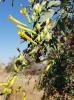
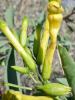
Brunfelsias are generally evergreen or semi-evergreen shrubs with simple alternate leaves and smooth leaf margins. Leaves are commonly oval, elliptic, or lance-shaped and may be glossy or slightly dull depending on the species.
The flowers have a long narrow tube opening into five broad lobes. Many are strongly fragrant, particularly during the evening, but fragrance and flower color vary among species.
Yesterday-Today-and-Tomorrow types are recognized by flowers that open deep purple or violet, become lavender, and finally fade to white. Several color stages can occur on one shrub simultaneously.
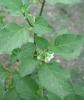
The fruit may be green when immature and become brown, dark, or blackish with age. It contains multiple firm seeds and may remain partly concealed by the persistent calyx. Fallen fruit can disappear beneath bark mulch or leaf litter while remaining accessible to dogs.
Common-Name Confusion
Lady-of-the-Night may refer to Brunfelsia, Night-Blooming Jasmine in the genus Cestrum, fragrant orchids, or night-blooming cacti. Paraguay Jasmine is not a true Jasminum, and Brazil Raintree is also used for unrelated bonsai and landscape trees.
“Fransiscan Rain Tree” is a repeated spelling error rather than a separate botanical entity. Correcting the spelling does not solve the more important problem that Franciscan Rain Tree itself may identify different Brunfelsia species.
Useful emergency photographs should show the complete shrub, leaves, flowers at each color stage, unopened buds, fruit, seeds, bark, and nursery label.
Fruit and Seeds Create the Greatest Household Risk
All plant parts should be treated as toxic, but fruit and seeds dominate severe canine exposure patterns. Dogs forage through mulch, swallow fallen fruit, crack seed-bearing material, and may return repeatedly to the ground beneath a shrub.
Fruit can remain present after the conspicuous flowering period and may be overlooked when it turns brown or becomes covered by leaves. Removing visible berries once does not guarantee that the soil and mulch are clear.
Leaves and flowers also cause poisoning. The poison-center series included a dog reported to have eaten two leaves, and experimental livestock work confirmed that flowering-season leaves of B. uniflora can produce severe neurologic disease.
The Fatal Schipperke Case
The foundational veterinary investigation followed the death of an eleven-week-old Schipperke and compared the toxicity of multiple plant preparations in laboratory animals. The supplied historical clinical account is preserved in full:
“In January 1989, a case of acute death of an 11-week-old intact female Schipperke was submitted to the Texas Veterinary Medical Diagnostic Laboratory. The local veterinarian reported that the client presented the dog with a complaint of an acute onset of anxiety, persistent sneezing, vomiting, moderate to severe whole-body muscle tremors, and pyrexia of 40.7°C.
“The physical status of the animal progressively worsened over a two-hour period, culminating in severe disorientation, staggering, ataxia, proprioceptive deficits, an inability to right itself, and seizures. The vomitus and loose stool contained numerous small dark-brown seeds and intact medium-green, spherical, firm seedpods.
“The vaccination history was current, and there was no known, suspected, or possible exposure to heavy metals, insecticides, pesticides, herbicides, or methylxanthines. The owner remarked that the puppy had been seen eating mulch around bushes in the backyard approximately two hours before the first clinical signs were observed. Treatment by the local veterinarian included diazepam, prednisolone, and activated charcoal.”
The close temporal relationship, seeds and fruit recovered from vomit and stool, rapid neurologic progression, and lack of another identified exposure strongly supported Brunfelsia poisoning. The puppy died despite treatment.
Gross and microscopic examination did not reveal lesions sufficient to explain the dramatic syndrome. This is consistent with a functional neurotoxic disturbance in which neurotransmission, muscular activity, respiration, and circulation fail without necessarily producing a distinctive visible brain lesion.
The Historical Review and Experimental Dog
The same publication summarized the limited literature then available and described an experimental canine exposure. The historical passage is preserved in full:
“There are only two reports in the literature of intoxication of a canine by Brunfelsia species. These reports originated from Australia and involved Brunfelsia australis, formerly known as Brunfelsia bonodora. Although Brunfelsia calycina is known to grow in New South Wales, it does not set fruit in that climate, and its toxicity had not been definitively established. This paper reports the first intoxication of a canine with Brunfelsia calycina and the first documented intoxication by a Brunfelsia species in the Western Hemisphere.
“In the Australian reports, one dog showed signs of gastric and buccal irritation, nystagmus, salivation, vomiting, nervous irritation, extensor rigidity, and opisthotonus but recovered with treatment in two days. Another dog died within ten hours after ingestion of berries after exhibiting vomiting, dementia, and severe hematuria.
“An experimental dog fed 5.4 g/kg of body weight of minced Brunfelsia showed depression, antisocial behavior, vomiting, diarrhea, reluctance to stand, decreased motor activity, generalized fine muscle tremors, polyuria, involuntary rhythmic limb extension, convulsions, and opisthotonus. The animal was euthanized 40 hours after dosing. Gross necropsy revealed only edema and hyperemia of the terminal ileum. Histopathologic findings were not specific.”
The statement that only two canine reports existed reflects the literature available when the article was published in 1990 and is no longer current. Additional case reports, a four-dog series, poison-center surveillance, livestock experiments, and a fatal respiratory and cardiac case have since expanded the evidence.
The older suggestion that B. australis was formerly known as B. bonodora also requires modern taxonomic context. Current authorities accept them as separate species, and historic case identifications cannot always be reconstructed confidently.
The experimental amount must not be used as a threshold for owners. The plant species, harvested tissue, toxin concentration, preparation, animal condition, and study design differ from a natural exposure, and serious poisoning has followed much smaller unquantified ingestions.
The Siberian Husky Seed Case
A six-year-old Siberian Husky developed excessive salivation, coughing, gagging, dilated pupils, muscular contractions, horizontal nystagmus, and tonic-clonic convulsions after eating seeds identified as Brunfelsia pauciflora.
Convulsions continued until the fifth day, and complete recovery required approximately three weeks. This case demonstrates that surviving animals may need prolonged hospitalization and that stopping the most dramatic seizures does not guarantee immediate neurologic recovery.
The 42-Dog Poison-Center Series
A review of 38 exposure incidents involving 42 dogs found cases attributed to historical B. calycina var. floribunda, B. australis, B. pauciflora, B. americana, B. latifolia, and unidentified Brunfelsia.
Evidence of chewed material was present in many incidents. Recorded quantities included two leaves in one dog and fifteen, twenty, or thirty seeds in three others, but these reports did not establish dose-response thresholds.
Gastrointestinal and central nervous system signs predominated. Among nineteen dogs with known outcomes, thirteen recovered, two died, one was euthanized, two later had intermittent seizures, and one remained lethargic at follow-up.
Four Treated Dogs
A later Australian report described four dogs with acute Brunfelsia poisoning. Vomiting, diarrhea, anxiety, muscle tremors, opisthotonus, ataxia, and seizures were among the principal findings.
The series reinforced the characteristic progression from gastrointestinal illness to severe central nervous system excitation and demonstrated that intensive supportive treatment can result in survival.
Respiratory Failure, Dysrhythmia, and Cardiac Arrest
A two-year-old dog with access to a Brunfelsia shrub developed vomiting, profuse diarrhea, salivation, abdominal pain, and rapidly progressive neurologic abnormalities. Plant material was found in the diarrhea and later recovered from the gastrointestinal tract.
Gastric and colonic lavage were performed under anesthesia, but generalized seizures developed during recovery and did not respond adequately to benzodiazepines. Loss of the gag reflex required intubation, and respiratory failure required mechanical ventilation.
Four days after presentation, severe cardiac dysrhythmia developed and progressed to fatal cardiac arrest. This case establishes that massive Brunfelsia exposure can extend beyond gastrointestinal and seizure signs to hypoventilation, respiratory failure, cardiac instability, and death.
Livestock and Seasonal Toxicity
Experimental administration of authenticated Brunfelsia uniflora leaves produced diarrhea, drooling, restlessness, ataxia, involuntary movement, and convulsions in sheep and donkeys when the leaves were collected during flowering at the beginning of the rainy season.
Leaves collected after flowering at the end of the rainy period produced no signs at the larger amounts tested. The finding supports strong seasonal chemical variation but does not make every nonflowering Brunfelsia safe.
Surviving animals recovered over several days without distinctive microscopic nervous-system lesions. Removing livestock from invaded areas can prevent additional intake while affected animals are evaluated.
Why Severe Poisoning May Leave Few Lesions
Multiple reports describe dramatic tremors, seizures, recumbency, and death with little or no specific gross or histologic injury. This does not weaken the diagnosis.
A toxin can disrupt inhibitory and excitatory neurotransmission, breathing, muscle function, temperature regulation, and cardiac rhythm without creating a unique lesion visible at necropsy. Secondary aspiration, muscle injury, hypoxia, or organ stress may become more obvious than the primary toxic effect.
Diagnosis
Diagnosis depends on exposure evidence, plant identification, the progression from gastrointestinal signs to muscular and neurologic abnormalities, and exclusion of competing causes.
Useful evidence includes a flowering or fruiting branch, intact fruit, seeds from vomit or stool, photographs of the shrub and ground beneath it, nursery labels, mulch, clippings, compost, and all pesticide or fertilizer containers used nearby.
Testing may include complete blood count, serum chemistry, glucose, sodium, potassium, chloride, calcium, magnesium, kidney and liver-associated values, acid-base measurements, lactate, creatine kinase, urinalysis, ECG, blood pressure, temperature, and oxygenation.
No routine clinical assay confirms brunfelsamidine, hopeanine, or the complete plant toxin burden. Identification of characteristic plant fragments in gastrointestinal material can be especially valuable.
Differential Diagnoses
Strychnine, metaldehyde slug bait, tremorgenic mold toxins, methylxanthines, amphetamines, cocaine, organochlorine or other pesticides, pyrethroids, lead, toxic mushrooms, hypoglycemia, electrolyte disease, epilepsy, head trauma, and inflammatory or infectious brain disease can produce overlapping signs.
The presence of a Brunfelsia shrub does not exclude a second exposure. Mulch beneath the plant may also contain cocoa products, mushrooms, fertilizer, slug bait, rodenticide, treated wood, or discarded medication.
Prevention
Prevention must focus on the entire shrub and the soil beneath it. Collect developing and fallen fruit repeatedly, remove seed-bearing material from mulch and leaf litter, and prevent dogs from digging around the root zone.
Bag leaves, flowers, branches, roots, fruit, and seeds rather than placing them in open compost or throwing them into a pasture. Branches extending through fences into neighboring dog runs, paddocks, or poultry areas should be removed.
In a home with an exploratory puppy, fruit-eating dog, plant-chewing cat, rabbit, bird, or livestock access, complete removal of Brunfelsia is more dependable than attempting to find every fallen seed.
Immediate Emergency Response
- Treat every credible ingestion as urgent. Contact an emergency veterinarian or animal poison-control professional immediately after exposure to Brunfelsia leaves, flowers, bark, roots, fruit, seeds, clippings, or contaminated mulch.
- Do not wait for neurologic signs. An animal may appear normal initially and then develop vomiting, tremors, rigidity, seizures, hypoventilation, or collapse within hours.
- Stop further access. Move the animal away from the shrub, fallen fruit, mulch, compost, garden waste, propagation material, and every related plant part.
- Remove only loose visible material. If the animal is fully alert and behaving normally, lift plant material resting at the lips or front of the mouth without reaching blindly toward the throat.
- Save diagnostic evidence. Collect a flowering or fruiting branch, intact fruit, seeds, vomit, stool containing plant material, nursery labels, and every pesticide, fertilizer, mulch, or garden-product package from the area.
- Record the exposure. Note the approximate time, plant part, estimated amount, number of fruit or seeds missing, and whether vomiting has occurred.
- Reduce stimulation. Keep the animal in a quiet, dim, cool area away from children, other animals, loud voices, bright light, and unnecessary handling.
- Transport securely. Use a padded crate, box, stretcher, or blanket and have another person drive whenever possible because tremors and seizures may begin suddenly.
Do Not Attempt Unsupervised Home Treatment
- Do not induce vomiting. Do not use hydrogen peroxide, salt, mustard, syrup of ipecac, dish soap, detergent, manual gagging, or fingers in the throat.
- Do not give activated charcoal yourself. A vomiting, tremoring, weak, sedated, or seizuring animal can inhale charcoal and develop severe lung injury.
- Do not force food or water. Food, milk, oil, bread, or water does not neutralize brunfelsamidine, hopeanine, saponins, or other toxic constituents and may be aspirated.
- Do not give owner-selected anticonvulsants or muscle relaxants. Diazepam, phenobarbital, methocarbamol, gabapentin, human seizure medication, and leftover veterinary prescriptions require professional selection and monitoring.
- Do not forcefully restrain a trembling animal. Restraint and stimulation may worsen motor activity, increase body temperature, and expose the handler to an involuntary bite.
- Do not place anything in the mouth during a seizure. Animals do not swallow their tongues, and fingers, spoons, towels, liquids, or tablets can cause injury or aspiration.
When Immediate Advanced Care Is Required
- Tremors or muscular rigidity develop. Fine twitching, whole-body shaking, stiff extension, a sawhorse stance, or opisthotonus can progress rapidly.
- Seizures occur. Repeated episodes, continuous motor activity, or failure to regain awareness is life-threatening.
- Breathing changes. Labored breathing, weak respiratory effort, cyanosis, loss of the gag reflex, or low oxygenation may require intubation and mechanical ventilation.
- Body temperature is abnormal. Tremors and seizures can produce dangerous hyperthermia, while shock, anesthesia, or prolonged depression can cause hypothermia.
- The animal cannot stand or right itself. Severe ataxia, paralysis-like weakness, recumbency, and altered awareness require continuous monitoring and airway protection.
- The pulse or rhythm is abnormal. Bradycardia, tachycardia, irregular rhythm, weak pulses, collapse, or poor circulation requires ECG and blood-pressure monitoring.
- Vomiting or diarrhea is severe. Profuse fluid loss, plant-filled diarrhea, blood, abdominal pain, or inability to retain water can cause dehydration and aspiration.
Professional Gastrointestinal Decontamination
A veterinarian may consider clinic-induced vomiting after a very recent ingestion when the dog or cat remains fully alert, neurologically normal, cardiovascularly stable, not already vomiting, and able to protect the airway.
Because Brunfelsia neurologic signs may begin abruptly, the opportunity for safe emesis can close quickly. Weakness, tremors, abnormal behavior, incoordination, repeated vomiting, rigidity, seizures, respiratory abnormalities, or altered awareness make emesis unsafe.
Activated charcoal may be administered professionally after airway and neurologic assessment. Additional doses may be considered after a significant fruit or seed ingestion when continued release from retained material is suspected.
Repeated charcoal requires monitoring of vomiting, bowel function, hydration, sodium, potassium, consciousness, and aspiration risk. Cathartics should not be repeated routinely in an animal with diarrhea, dehydration, or electrolyte disturbance.
Large fruit or seed burdens may justify anesthetized gastric lavage, endoscopic retrieval, enterogastric lavage, or other veterinary removal procedures. Endotracheal intubation and airway protection are essential when consciousness or seizure control is impaired.
Colonic lavage has been used in an exceptional severe case with plant material throughout the gastrointestinal tract. It is not routine owner first aid and must follow stabilization and professional assessment.
Tremor and Seizure Control
Neurologic stabilization takes priority over oral decontamination once tremors, rigidity, or seizures begin. The patient should be moved to a quiet treatment area with padded surfaces and minimal light, noise, and handling.
Benzodiazepines such as diazepam or midazolam may be used for seizure control, but severe Brunfelsia seizures can respond incompletely. Repeated or continuous treatment may be needed according to the patient’s response.
Methocarbamol may be particularly useful when sustained muscle tremors and rigidity are prominent. It is a veterinary muscle-relaxant treatment, not an owner-administered home remedy.
Phenobarbital, pentobarbital, propofol, or other anesthetic and anticonvulsant agents may be required when motor activity persists. Refractory cases may need continuous infusions or inhalant anesthesia.
Deep sedation and anesthesia can suppress breathing and airway reflexes. Endotracheal intubation, oxygen, capnography, blood-gas monitoring, and mechanical ventilation may therefore become necessary as seizure treatment intensifies.
Airway and Respiratory Support
Repeated vomiting, loss of consciousness, seizures, and absent protective reflexes create major aspiration risks. The airway should be cleared of visible vomit without unnecessary stimulation, and a recumbent animal should be positioned with the neck extended and nose unobstructed during transport.
Veterinary treatment may include oxygen supplementation, suction, endotracheal intubation, assisted ventilation, or prolonged mechanical ventilation when spontaneous breathing is inadequate.
Coughing, fever, abnormal lung sounds, nasal discharge, falling oxygen saturation, or increased respiratory effort after vomiting may require thoracic imaging and treatment for aspiration injury.
Temperature Management
Body temperature must be measured repeatedly. Tremors and seizures can generate severe hyperthermia, while prolonged anesthesia, shock, or depression can produce hypothermia.
Veterinary cooling may use controlled evaporative measures, fans, cool fluids, and treatment of the muscular activity causing heat production. Ice baths and uncontrolled chilling can cause vasoconstriction, discomfort, and overshoot hypothermia.
Hypothermic patients require gradual monitored warming. Heating pads, hot-water bottles, and forced-air devices can burn sedated or immobile animals when used without close supervision.
Fluids, Electrolytes, Glucose, and Acid-Base Support
Intravenous fluids may correct dehydration, support circulation, maintain kidney perfusion, and replace losses from vomiting and diarrhea. Fluid treatment should be adjusted to cardiovascular status, urine output, temperature, and laboratory results.
Sodium, potassium, chloride, calcium, magnesium, glucose, blood gases, lactate, and acid-base status may change during prolonged vomiting, diarrhea, rigidity, seizures, hypoventilation, or intensive treatment.
Hypoglycemia and clinically important electrolyte abnormalities can worsen tremors and seizures and should be corrected according to measured values rather than assumption.
Muscle Injury and Kidney Monitoring
Continuous contraction and repeated seizures may cause substantial skeletal-muscle injury. Creatine kinase, urine color, kidney values, hydration, and urine output may require repeated assessment.
Myoglobin released from damaged muscle can darken urine and add secondary kidney stress. Prompt seizure control, adequate circulation, and individualized fluid therapy reduce this complication.
Primary destructive kidney disease is not the defining Brunfelsia syndrome, but kidney function can deteriorate after dehydration, shock, hyperthermia, muscle breakdown, or prolonged poor perfusion.
Cardiac Monitoring
Electrocardiography should be considered in significant exposures and is especially important when the animal has severe neurologic disease, hypoxia, electrolyte abnormalities, weak pulses, bradycardia, tachycardia, or collapse.
Treatment must follow the actual rhythm and its effect on circulation. No one antiarrhythmic medication is appropriate for every Brunfelsia patient.
Blood pressure, pulse quality, temperature, oxygenation, electrolytes, and acid-base status should be evaluated alongside the ECG because dysrhythmia may be secondary to several interacting abnormalities.
Diagnostic Testing and Competing Toxins
There is no routine clinical assay that confirms Brunfelsia poisoning. Diagnosis combines plant evidence, the sequence of gastrointestinal and neurologic signs, and exclusion of other causes.
Testing may include complete blood count, serum chemistry, glucose, electrolytes, kidney and liver-associated values, creatine kinase, urinalysis, blood gases, lactate, ECG, blood pressure, temperature, and thoracic imaging when aspiration is possible.
Strychnine, metaldehyde, tremorgenic mold toxins, methylxanthines, amphetamines, pesticides, pyrethroids, lead, mushrooms, hypoglycemia, epilepsy, and structural or inflammatory brain disease may require specific testing or treatment.
Dogs and Cats
Dogs commonly ingest fruit or seeds from mulch and may have a substantial gastrointestinal plant burden before signs develop. Puppies require particular concern because of their exploratory behavior and small body size.
Cats may chew leaves or flowers or encounter residue during grooming. A symptomatic cat should receive the same immediate neurologic and airway assessment even though detailed feline case reports are fewer.
During recovery, confine affected pets at ground level away from stairs, pools, balconies, traffic, and high furniture. Report recurrent twitching, staring, tremors, seizures, coughing, fever, vomiting, weakness, or gait abnormalities immediately.
Horses and Livestock
Remove the entire exposed group from Brunfelsia shrubs, dumped garden waste, clippings, fruit, or contaminated forage. Horses cannot vomit and should never receive an emetic.
Keep affected livestock quiet and avoid forced exercise, loud transport, or aggressive restraint. Veterinary treatment may require sedation, anticonvulsants, muscle relaxation, fluids, temperature management, oxygen, and prolonged monitoring.
Preserve plants, leaves, fruit, seeds, feed samples, clippings, and photographs. Inspect every animal sharing the source because onset and dose may differ across the group.
Prognosis and Recovery
Prognosis is more favorable when treatment begins before tremors, severe hyperthermia, repeated seizures, aspiration, respiratory failure, and dysrhythmia develop.
Animals with limited gastrointestinal signs and no neurologic progression may recover within one or two days. Severe cases may need prolonged intensive care, ventilation, and repeated anticonvulsant treatment.
Weakness, incoordination, lethargy, altered behavior, and intermittent seizures can continue after the initial crisis. Complete neurologic recovery may require several weeks.
Death remains possible despite aggressive treatment, particularly after massive fruit or seed ingestion, refractory seizures, aspiration, respiratory failure, cardiac arrest, or prolonged hypoxia.
Frequently Asked Questions About Franciscan Rain Tree and Animal Poisoning
Does Franciscan Rain Tree identify one exact Brunfelsia species?
No. The name is used most often for Yesterday-Today-and-Tomorrow ornamentals such as Brunfelsia pauciflora, but it also appears on genus-level poison lists and plants sold under uncertain or incorrect species names. A poisoning record should preserve the complete plant, nursery label, flowers, fruit, and seeds rather than assigning a species from Franciscan Rain Tree alone.
Is Brunfelsia calycina var. floribunda still accepted?
No. Current taxonomy treats that name as a synonym of Brunfelsia pauciflora. The historical name remains essential for research because it appears in the original fatal puppy and comparative-toxicity investigation and in numerous later veterinary references.
Is Brunfelsia bonodora an old name for Brunfelsia australis?
Not under current taxonomy. Both are accepted as separate species. Older veterinary publications and later summaries sometimes linked or confused the names, so historical case identifications should be reported as published while modern explanatory text acknowledges the uncertainty.
Is brunfelsamidine definitely the only toxin?
No. Brunfelsamidine is a proven convulsant isolated from Brunfelsia grandiflora and closely resembles the excitatory clinical syndrome. Hopeanine has older experimental depressant and paralytic evidence, scopoletin occurs in the genus, and a saponin-rich B. uniflora fraction was acutely lethal to mice. The complete toxin mixture in naturally poisoned dogs remains unresolved.
Does Brunfelsia contain strychnine?
No evidence establishes strychnine as a natural Brunfelsia constituent. The term strychnine-like describes the clinical resemblance: stimulus-sensitive muscular rigidity, a stiff stance, opisthotonus, and violent seizures. It should not be interpreted as proof that the two plants contain the same chemical or act through an identical receptor mechanism.
Why are fruit and seeds considered especially dangerous?
Fruit was the most potent plant preparation in the original comparative laboratory investigation, and severe canine cases commonly involve fruit or seeds. Dogs may deliberately eat fallen fruit and can locate it beneath mulch after it is no longer visible from the surface. Leaves and flowers remain poisonous and cannot be considered safe alternatives.
Can one berry or seed kill a dog?
No universal fruit or seed count predicts survival or death. Brunfelsia species, plant chemistry, season, seed maturity, body size, and individual response vary. Because published severe and fatal cases often involved uncertain quantities, every credible fruit or seed ingestion warrants immediate professional guidance.
Are nonflowering or dried plants safe?
No. One livestock study showed major seasonal variation in B. uniflora leaf toxicity, but that finding applies to specific plants collected at two points in one region. It does not establish a universally safe season. Early research also found the active principles water soluble and stable, so dried clippings, roots, fruit, and seeds should remain inaccessible.
How quickly can signs begin?
Many documented dogs developed gastrointestinal or neurologic signs within approximately two to several hours. The exact interval depends on dose, plant part, stomach contents, seed damage, and species. An animal should not be left at home merely because it remains normal during the first hour.
Why should a poisoned animal be kept somewhere dark and quiet?
Brunfelsia poisoning may produce hyperesthesia and stimulus-sensitive motor activity. Light, noise, touch, movement, restraint, and transport vibration can trigger or intensify tremors, rigidity, and seizures. Reducing stimulation helps limit provocation but does not replace anticonvulsant, airway, temperature, and intensive-care treatment.
Can seizures continue for several days?
Yes. One published dog continued convulsing until the fifth day and required approximately three weeks for complete recovery. Poison-center records also include dogs with later intermittent seizures. Severe cases may require repeated medication, continuous infusions, anesthesia, ventilation, and extended observation.
Why can necropsy or brain histology appear nearly normal?
Brunfelsia toxins can disrupt neurotransmission, muscular function, breathing, and circulation without producing a distinctive structural lesion visible through routine pathology. Severe functional poisoning and death are therefore possible even when gross and microscopic findings are nonspecific.
Is there an antidote?
No specific antidote has been established. Treatment focuses on rapid control of tremors and seizures, airway protection, safe gastrointestinal decontamination, temperature control, intravenous fluids, metabolic correction, ECG monitoring, aspiration management, and mechanical ventilation when breathing fails.
Should vomiting be induced immediately at home?
No. Neurologic signs may begin abruptly, and an animal that becomes weak, tremoring, uncoordinated, or seizuring can inhale vomit. A veterinarian may consider clinic-induced vomiting after a very recent exposure only while the patient remains completely alert, stable, neurologically normal, and able to protect the airway.
Can Brunfelsia cause respiratory failure or cardiac arrest?
Yes. A published fatal canine case progressed from vomiting and diarrhea to refractory seizures, loss of the gag reflex, hypoventilation requiring mechanical ventilation, severe cardiac dysrhythmia, and cardiac arrest. Major exposures require respiratory and cardiovascular monitoring in addition to seizure control.
Are cats, horses, and livestock susceptible even though most reports involve dogs?
Yes. Cats are listed as susceptible, while authenticated Brunfelsia uniflora experiments produced severe neurologic disease in sheep and a donkey. Dogs dominate household reports because they commonly eat fallen fruit and dig beneath shrubs, not because other animals are proven resistant.