Belladonna Poisoning and Anticholinergic Toxicosis
Is Deadly Nightshade Poisonous to Dogs, Cats, Horses, and Livestock?
Yes—Deadly Nightshade or Belladonna, Atropa bella-donna, is highly poisonous to dogs and cats and can also poison horses, pigs, and other livestock. Every part contains antimuscarinic tropane alkaloids, principally hyoscyamine and atropine, with smaller amounts of scopolamine and related compounds. Ingestion can cause dry mouth, extreme thirst, dilated pupils, rapid heart rate, reduced intestinal movement, urinary retention, agitation, disorientation, staggering, tremors, seizures, respiratory failure, coma, and death.
The glossy black berries are especially dangerous because an animal may swallow them readily, but the roots, leaves, flowers, stems, seeds, dried material, herbal preparations, and concentrated extracts are also hazardous. Dogs and cats are considered especially susceptible to oral Belladonna exposure, while horses, pigs, ruminants, rabbits, poultry, and other animals should never be allowed to graze, browse, root up, or consume the plant in hay, silage, garden waste, compost, clippings, or medicinal products.
About this guide: This page provides general pet-poisoning information and cannot diagnose or treat an individual animal. For any suspected exposure, contact a veterinarian or animal poison-control service immediately. Do not induce vomiting, give medication, or attempt home decontamination unless directed by a veterinary professional.
Deadly Nightshade
Atropa bella-donna L.
Widely used spelling variant:
- Atropa belladonna L.
Important botanical synonyms and historical names include:
- Atropa lethalis Salisb.
- Atropa bella-donna subsp. caucasica (Kreyer) Avet.
- Atropa caucasica Kreyer
- Atropa borealis Kreyer ex Pascher
- Atropa cordata Pascher
- Atropa digitaloides Pascher
- Atropa lutea (Döll) Al-Nowaihi & M.M.Mourad
- Atropa mediterranea Kreyer ex Pascher
- Atropa paschkewiczii Kreyer
- Belladona baccifera Lam.
- Belladona trichotoma Scop.
- Boberella bella-donna (L.) E.H.L.Krause
The hyphenated Atropa bella-donna is the currently accepted Kew spelling. The unhyphenated Atropa belladonna remains deeply established in medicine, toxicology, horticulture, veterinary searches, and older literature, so it remains important identification context rather than a separate plant.
Solanaceae Juss. — Nightshade, Potato, or Tomato Family
Deadly Nightshade belongs to the order Solanales, subfamily Solanoideae, tribe Hyoscyameae, and genus Atropa.
Solanaceae includes edible plants such as tomato, potato, pepper, and eggplant as well as poisonous plants such as Jimsonweed, Henbane, Mandrake, Tobacco, Bittersweet Nightshade, Black Nightshade, and numerous ornamental Solanum species. Membership in the family alone does not establish one shared toxin or level of danger.
Deadly Nightshade, Belladonna, Bella-donna, Belladonna Nightshade, Devil’s Cherries, Devil’s Cherry, Devil’s Berries, Devil’s Herb, Naughty Man’s Cherries, Dwayberry, Dwayberries, Dwale, Banewort, Divale, Great Morel, Black Cherry Nightshade, Poison Black Cherry, Atropa bella-donna, Atropa belladonna, Atropa lethalis
“Deadly Nightshade” is sometimes applied incorrectly or loosely to Bittersweet Nightshade, Solanum dulcamara, Black Nightshade, Solanum nigrum, and other Solanum species. Those plants contain different principal toxins and should not be treated as botanical synonyms of Belladonna.
“Belladonna” can also create confusion with Belladonna Lily, Amaryllis belladonna, an Amaryllidaceae bulb plant containing lycorine-type alkaloids. Belladonna Lily is not Atropa bella-donna and does not produce the same classic antimuscarinic toxidrome.
“Great Morel” is an old Belladonna name and does not refer to edible morel mushrooms in the genus Morchella.
Tropane Alkaloids and the Belladonna Antimuscarinic Syndrome
The principal toxicants in Deadly Nightshade are tropane alkaloids that block normal muscarinic acetylcholine signaling. Fresh Atropa bella-donna tissue is most strongly associated with hyoscyamine, especially the naturally active levorotatory form often described as L-hyoscyamine or (S)-hyoscyamine. Atropine is the racemic mixture of S-hyoscyamine and R-hyoscyamine, and hyoscyamine can racemize during extraction, drying, processing, laboratory preparation, or storage. That chemistry is one reason Belladonna toxicology is often discussed under the familiar name atropine even when hyoscyamine is the dominant native alkaloid in the living plant.
For an exposed animal, the distinction between hyoscyamine and atropine does not create a safe category. Both are potent antimuscarinic compounds capable of affecting the mouth, eyes, heart, gastrointestinal tract, bladder, temperature regulation, and brain. Scopolamine, also called hyoscine, occurs in smaller and variable amounts and can add prominent central nervous system effects, including abnormal responsiveness, confusion, amnesia-like behavior, sedation, delirium, and alternating agitation and depression. Other related compounds reported from Belladonna or its plant parts include anisodamine-related pathway products, apoatropine, aposcopolamine, tropine, tropinone, littorine-related compounds, and additional root alkaloids.
Modern plant chemistry and biosynthetic work support the same practical conclusion that older toxicology reached from poisoning cases: Belladonna is not a single-compound exposure. The animal encounters a variable alkaloid mixture shaped by genetics, plant organ, maturity, season, climate, soil, harvest time, processing, and storage. The final syndrome depends on the total alkaloid burden, the animal species, the amount chewed or swallowed, stomach contents, gastrointestinal motility, concurrent medications, health status, and the time between exposure and professional decontamination.
This variable chemistry matters because a small, bitter leaf bite and a swallowed handful of berries are not equivalent exposures, and a concentrated tincture or powder may deliver a larger active dose than obvious plant fragments. It also explains why one patient may show agitation and marked tachycardia while another becomes progressively dull, hot, weak, or poorly responsive. The shared mechanism is muscarinic blockade, but the clinical expression depends on which receptors are affected most strongly and how much central nervous system involvement develops.
How Muscarinic Receptor Blockade Produces the Clinical Pattern
Acetylcholine normally activates muscarinic receptors that help regulate salivary and tear production, pupil constriction, focusing of the lens, vagal control of heart rate, intestinal movement, bladder contraction, bronchial secretions, and many smooth-muscle and glandular functions. Belladonna alkaloids competitively prevent acetylcholine from activating those receptors. As a result, the animal may develop dry or tacky mucous membranes, reduced tear production, widely dilated pupils, impaired visual focusing, rapid heart rate, quiet bowel sounds, delayed gastric emptying, constipation, urinary retention, and impaired heat control.
The syndrome is therefore not just a stomach upset or a vague plant irritation. It is a coordinated autonomic and neurologic poisoning. The same receptor blockade that dries the mouth can also slow the gut, distend the bladder, dilate the pupils, raise the heart rate, and alter the animal's ability to interpret its environment. When alkaloids cross the blood-brain barrier, central effects may include restlessness, disorientation, apparent hallucination-like behavior, pacing, aggression, ataxia, tremors, seizures, stupor, coma, and respiratory failure.
The dry mouth associated with Belladonna poisoning is not a corrosive burn and is not the same injury caused by insoluble-calcium-oxalate plants such as Philodendron, Monstera, Dieffenbachia, Calla Lily, or Golden Pothos. The mouth may look unusually dry, tacky, reddened, or poorly lubricated, and swallowing may become awkward because saliva is reduced and coordination is impaired. Deep ulceration, extensive blistering, rapidly destructive tissue swelling, or heavy oral bleeding is not typical of uncomplicated Belladonna antimuscarinic poisoning and should prompt investigation for another plant, caustic chemical, foreign body, thermal injury, pesticide, or mixed exposure.
Gastrointestinal and urinary effects are clinically important because they can prolong the poisoning. Antimuscarinic ileus can slow movement of berries, roots, leaves, charcoal, food, or other swallowed material through the stomach and intestine. Retained plant material can continue releasing alkaloids after the initial ingestion, and recurrent delirium or tachycardia may appear after temporary improvement. Bladder contraction may fail while the outlet remains functionally closed, producing a large painful bladder, straining, repeated unsuccessful attempts to urinate, or complete urinary retention.
Poisonous Plant Parts, Berries, Roots, and Preparation Differences
Every part of Deadly Nightshade should be treated as poisonous: roots, rhizomatous structures, stems, leaves, flowers, green berries, ripe black berries, seeds, sap, dried material, powdered material, extracts, tinctures, and contaminated herbal preparations. Alkaloid concentrations are not fixed across the plant. Roots may contain a broad alkaloid mixture, leaves can contain substantial alkaloids during active growth, budding, or flowering, and fruits remain important because they are easy to swallow and visually attractive. Comparative plant-part rankings should not be treated as universal unless the specific plant, stage, organ, and analytical method are known.
The glossy black berries create the greatest practical exposure hazard for many households and landscapes. They resemble edible fruit more than a bitter leaf or thick root does, and a dog can swallow them quickly before an owner recognizes the plant. A child may also pick berries and bring them indoors, where a dog, cat, rabbit, bird, or other animal can reach them. The berries are dangerous because of both chemistry and access: they contain tropane alkaloids, are easy to ingest, and may be consumed in multiples before anyone counts what is missing.
Roots and uprooted plants deserve equal respect. A digging dog, rooting pig, garden-cleanup pile, erosion site, construction area, compost heap, or bag of pulled weeds may expose thick underground portions that an animal would not normally encounter on an intact standing plant. A freshly removed plant can be more dangerous than the undisturbed specimen because berries, leaves, stems, roots, soil, and broken tissue are concentrated at ground level. Discarded vegetation should therefore be treated as poisonous waste, not as harmless yard debris.
Drying, wilting, grinding, or storing Belladonna does not reliably remove the alkaloid hazard. Dried leaves, powdered roots, old jars of herbal material, medicinal preparations, contaminated feed, and homemade extracts can still contain clinically meaningful tropane alkaloids. Concentrated tinctures, liquid extracts, capsules, powders, and pharmaceutical or quasi-medicinal products can deliver a much larger absorbable dose than a brief bite of a fresh leaf. Product exposures should be treated as potential drug or extract poisonings rather than casual plant chewing.
No dependable veterinary safe dose has been established for dogs, cats, horses, pigs, cattle, goats, sheep, rabbits, birds, or other animals. Berry number, leaf amount, root weight, and gram-per-kilogram estimates are unreliable because plant chemistry varies and because animals differ in size, gastrointestinal handling, concurrent disease, medications, and chewing behavior. A single missing berry cannot be declared harmless, and a single visible berry does not prove that only one was eaten. A credible ingestion by a dog or cat warrants immediate professional guidance before symptoms begin.
Species Susceptibility and Historical Animal Reports
Dogs and cats should be treated as highly susceptible to oral Belladonna exposure. Carnivores have historically been described as more vulnerable than many grazing herbivores, and differences in gastrointestinal physiology, microbial metabolism, hepatic detoxification, feeding behavior, and alkaloid handling probably contribute. This distinction is useful for risk interpretation, but it does not justify watchful waiting in a dog or cat that may have eaten berries, roots, dried material, or a concentrated product.
Horses, cattle, sheep, goats, pigs, rabbits, poultry, and other animals can differ substantially in apparent tolerance, but tolerance is not immunity. Plant chemistry varies, and farm exposures may involve roots, clippings, wilted material, hay, silage, compost, hedge trimmings, garden waste, or feed contamination rather than a small selective nibble from a standing plant. Pigs deserve particular caution because rooting behavior can expose underground portions and because discarded garden material may be scavenged enthusiastically.
“Though so powerful in its action on the human body, the plant seems to affect some of the lower animals but little. Eight pounds of the herb are said to have been eaten by a horse without causing any injury, and an ass swallowed 1 lb. of the ripe berries without any bad results following. Rabbits, sheep, goats and swine eat the leaves with impunity, and birds often eat the seeds without any apparent effect, but cats and dogs are very susceptible to the poison.”
This older passage from Cooper and Johnson is valuable because it captures the long-recognized species difference, but it is not a modern safety threshold. The quantities were not established through contemporary controlled veterinary toxicology, plant chemistry varies, and absence of obvious injury in one historical animal does not establish safety for another animal, another plant, another season, or another preparation. The practical conclusion is that dogs and cats are high-risk patients, some herbivores and birds may tolerate exposures that would be dangerous to carnivores, and no domestic species should be deliberately allowed to consume Deadly Nightshade.
Skin, Eye, Extract, and Mixed-Exposure Hazards
Brief contact with intact skin is usually less dangerous than ingestion, but handling Deadly Nightshade still requires care. Alkaloids may be absorbed to some degree through injured skin, and sap, crushed tissue, powder, or extract can be transferred from hands, gloves, tools, shoes, fur, or paws to the mouth and eyes. A pet walking through crushed plant material may later lick its paws or rub contaminated material into an eye during grooming.
Eye exposure is especially important because antimuscarinic alkaloids can produce local ocular effects. Sap, extract, or contaminated residue reaching the eye may cause prolonged pupil dilation, blurred vision, light sensitivity, impaired focusing, and visual confusion. A unilateral dilated pupil after plant handling, grooming, or exposure to a broken stem should not be dismissed as harmless irritation without veterinary assessment, especially if the animal is also disoriented, painful, or systemically abnormal.
Mixed exposures are common around real plants. A dog may eat berries along with compost, mushrooms, mulch, pesticides, fertilizer, spoiled fruit, or another nightshade species. A cat may encounter a tincture, dried powder, human medication, or ophthalmic drug at the same time as plant material. Livestock may consume Belladonna mixed with hay, silage, hedge trimmings, moldy feed, bedding, or other weeds. When clinical signs do not fit the expected antimuscarinic pattern, a second toxin or separate diagnosis must be considered.
Important alternatives include Jimsonweed, Angel's Trumpet, Henbane, Mandrake, anticholinergic antihistamines, atropine, scopolamine, motion-sickness medications, sleep aids, antidepressants, muscle relaxants, ophthalmic preparations, pesticides, caustics, foreign bodies, and other dark-berried plants. Belladonna explains dry mouth, mydriasis, tachycardia, ileus, urinary retention, delirium, tremors, and seizures well; it does not explain every possible plant-associated illness. Profound diarrhea, severe oral burns, primary kidney failure, liver failure, bleeding, jaundice, marked bradycardia, or signs dominated by caustic injury should broaden the differential diagnosis.
Onset, Early Pattern, and Why Waiting Is Unsafe
Deadly Nightshade poisoning may begin within approximately 30 minutes to several hours, but the timeline is not dependable enough for home observation. A meal, swallowed intact berries, delayed gastric emptying, reduced intestinal movement, or retained plant material can postpone or extend absorption. Early signs may be subtle: restlessness, unusual alertness, repeated trips to the water bowl, lip licking despite a dry mouth, difficulty swallowing, reduced tear production, dilated pupils, or a faster-than-normal heart rate. These signs may appear before the owner has connected them to a missing berry or chewed plant.
Some animals show vomiting, drooling, abdominal discomfort, or diarrhea soon after eating raw plant material. Those signs can reflect the taste and irritation of the plant, swallowed fragments, nausea, or a mixed exposure, but they are not the mature Belladonna pattern. As antimuscarinic effects become established, the picture typically shifts toward dry secretions, mydriasis, tachycardia, reduced gastrointestinal movement, urinary retention, heat dysregulation, and central nervous system disturbance. A case that begins like a stomach upset can become a neurologic and cardiovascular emergency.
The absence of early signs does not prove that the animal is safe. Dogs may swallow berries whole, cats may hide after exposure, and livestock may show nonspecific behavior changes before obvious neurologic signs appear. Decontamination, monitoring, and stabilization are safer before agitation, impaired swallowing, tremors, seizures, or respiratory compromise develops. A credible ingestion by a dog or cat should be treated as an emergency even when the animal still looks normal.
Repeated or concentrated exposure changes the risk. Dried material, tinctures, powders, extracts, human medications, herbal preparations, and contaminated feed may deliver alkaloids without obvious fresh plant fragments. In those situations, onset and severity may not match the owner's estimate of how much plant tissue was chewed. Packaging, labels, missing product volume, spilled powder, and the earliest possible exposure time become as important as leaves or berries.
Dry Mouth, Thirst, Swallowing Trouble, Dilated Pupils, and Visual Confusion
Dry mouth is one of the most characteristic findings. The gums and tongue may feel tacky, saliva may be scant or thick, and the animal may appear intensely thirsty. A dog may hover over the water bowl, drink repeatedly, or seem unable to satisfy its thirst. A cat may lick its lips, refuse food, hide, or show discomfort when the mouth is touched. This thirst does not mean that water should be forced into the mouth; the same poisoning can impair swallowing and awareness, increasing aspiration risk.
Swallowing can become awkward because saliva is reduced, pharyngeal coordination may be impaired, and central processing may be abnormal. Food may fall from the mouth, the animal may repeatedly swallow without relief, or water may be coughed back up. A disoriented animal can inhale water, food, charcoal, vomit, or saliva into the lungs. Heavy drooling is not the classic sign once strong antimuscarinic drying is established, so marked salivation should raise questions about early plant taste, nausea, oral foreign material, seizure activity, another plant, or mixed exposure.
The pupils often become widely dilated and respond poorly to light. Paralysis of normal focusing can make nearby objects hard to interpret, and bright light may be uncomfortable. Dogs and cats may bump into furniture, hesitate at stairs, misjudge doorways, fail to track familiar objects, startle when approached, or seem temporarily blind even though the retina itself is not necessarily injured. In a large animal, visual confusion may appear as reluctance to move, abnormal response to handlers, poor obstacle awareness, or sudden panic.
Visual disturbance and delirium together create handling risk. A normally gentle animal may bite, claw, kick, strike, bolt, or injure itself because it cannot interpret ordinary touch, voices, light, movement, or restraint. A poisoned horse or livestock animal may become dangerous in a stall, trailer, chute, or pasture. An agitated dog may snap at family members while appearing frightened or confused rather than intentionally aggressive. Quiet, protected transport is safer than repeated stimulation or attempts to force examination at home.
Heart, Gut, Bladder, and Temperature Changes
Tachycardia is common because muscarinic blockade reduces parasympathetic restraint on the heart. During early agitation, pulses may feel strong and the animal may appear intensely stimulated. Severe poisoning can progress to weak pulses, hypotension, rhythm disturbance, poor perfusion, collapse, or shock, especially when hyperthermia, dehydration, hypoxia, seizures, acidosis, or another toxin is present. A slow heart rate is not the expected Belladonna pattern and should prompt assessment for terminal deterioration, hypoxia, hypothermia, another drug, a separate plant, or underlying conduction disease.
The gastrointestinal tract may become quiet or nearly motionless. Bowel sounds can diminish, the abdomen may become uncomfortable or distended, fecal production may decline, and functional ileus can develop. This is more than a symptom on a list; it can prolong absorption by keeping berries, roots, leaves, food, or other material in the stomach and intestine. Constipation, delayed gastric emptying, reflux, regurgitation, or bloating may persist after the animal's behavior begins improving.
Repeated vomiting with progressive abdominal distention, unproductive retching, severe focal pain, blood, black stool, absent feces, or worsening depression does not fit a simple uncomplicated Belladonna course and should broaden the investigation. A foreign body, obstructive plant material, another toxic plant, pesticide, caustic, pancreatitis, gastric dilatation-volvulus in dogs, colic in horses, or other gastrointestinal emergency may be present. Plant poisoning does not protect the animal from having a second problem.
Urinary retention can be painful and dangerous. A poisoned animal may posture repeatedly without producing urine, pass only drops, vocalize, lick the genital area, or develop a large tense bladder. Retention worsens discomfort and may contribute to agitation, blood pressure instability, and kidney stress. In male cats, inability to urinate must be distinguished from urethral obstruction, which is itself an emergency. Belladonna may explain retention, but it should not be used as an excuse to skip bladder examination.
Temperature control may fail because of dry mucous membranes, central dysregulation, agitation, pacing, tremors, and seizures. Dogs and cats may pant heavily, feel hot, develop deep red mucous membranes, become increasingly restless, or collapse. Severe hyperthermia can injure the brain, kidneys, liver, gastrointestinal tract, muscles, and coagulation system even after the alkaloid effect begins to fade. In practical terms, body temperature is not a side issue; it can determine whether the patient survives without secondary organ injury.
Delirium, Ataxia, Tremors, Seizures, Stupor, and Respiratory Failure
Central antimuscarinic poisoning can look like fear, panic, psychosis, or sudden behavioral change. Affected animals may pace, circle, stare, vocalize, hide, snap at unseen objects, fail to recognize familiar surroundings, react aggressively to gentle handling, or alternate between agitation and drowsiness. This is delirium, not ordinary anxiety. The animal may be unable to process sound, light, movement, pain, or restraint in a normal way.
Ataxia may appear as swaying, crossing the limbs, stumbling, falling, abnormal head movement, or inability to stand. Tremors may involve the face, limbs, trunk, or entire body. Severe central toxicity can progress to generalized seizures, repeated convulsions, prolonged loss of consciousness, or failure to recover between episodes. Seizures increase heat production, oxygen demand, aspiration risk, acidosis, muscle injury, and cardiovascular instability, so they require immediate professional control.
Late or massive poisoning may shift from excitation to profound depression. The animal may become minimally responsive, lose protective airway reflexes, breathe slowly or irregularly, or enter coma. Respiratory compromise may result from central depression, exhaustion, aspiration, repeated seizures, medication required to control seizures, severe hyperthermia, or cardiovascular collapse. Blue-gray gums, prolonged apnea, shallow breathing, loss of airway protection, or coma requires airway support and assisted ventilation in a clinical setting.
Some signs are compatible with severe Belladonna poisoning but should still trigger broader investigation. Persistent coma without earlier anticholinergic features, marked bradycardia, primary kidney failure, liver failure, severe bloody diarrhea, caustic oral burns, paralysis without delirium, or profound respiratory depression after only a tiny suspected plant exposure may indicate another toxin, a medication, trauma, metabolic disease, or mixed ingestion. The best emergency approach is to treat the anticholinergic syndrome while actively looking for co-exposures and complications.
Species-Specific Presentation in Dogs, Cats, Horses, Livestock, Rabbits, and Birds
Dogs often present after berry ingestion, chewing of pulled plants, digging around roots, or access to compost and yard waste. They may show obvious drinking attempts, pacing, mydriasis, abnormal behavior, vomiting, tremors, or collapse. Puppies and indiscriminate chewers are high-risk because they may swallow material quickly and repeatedly. Dogs exposed to tinctures, extracts, powders, or human medication may show a drug-like anticholinergic syndrome without recognizable plant fragments.
Cats may be less demonstrative. A cat may hide, stop eating, become irritable, have dilated pupils, show visual confusion, lick the lips, or become dull rather than pacing dramatically. Because cats are small and can be difficult to examine at home, owner estimates of exposure are often unreliable. A cat with mydriasis, dry mouth, abnormal behavior, urinary difficulty, tremors, or collapse after possible Belladonna access should not be monitored casually.
Horses may develop dry mouth, thirst, dilated pupils, rapid pulse, reduced gut sounds, abdominal distention, constipation, colic-like discomfort, urinary retention, excitement, incoordination, tremors, depression, or collapse. Horses cannot vomit, so gastrointestinal retention, ileus, colic, bladder function, temperature, hydration, and neurologic status become central concerns. A visually confused or ataxic horse can injure handlers and should be managed with large-animal veterinary guidance.
Cattle, sheep, goats, and other ruminants may be exposed through contaminated hay, silage, clippings, hedge trimmings, dumped garden waste, feed screenings, or brush piles. Reduced rumen movement, bloat, altered behavior, thirst, tremors, depression, decreased fecal output, or neurologic signs should prompt inspection of the entire group's access to forage, pasture edges, bedding, recent pruning waste, and feed storage. Pigs may encounter roots while rooting and may be exposed to concentrated discarded plant material; rooting behavior makes underground plant parts especially relevant.
Rabbits and guinea pigs cannot vomit, so early concern may be food refusal, reduced fecal output, abdominal distention, drooling, weakness, tremors, or abnormal behavior rather than vomiting. Poultry and companion birds require careful interpretation: wild birds may eat berries and disperse seeds without visible illness, but that does not establish safety for managed birds, chicks, ducks, parrots, finches, or aviary birds exposed to concentrated plant material or contaminated feed. Small body size can turn a visually minor exposure into a serious event.
Emergency Warning Signs and Expected Course
Any suspected ingestion by a dog or cat warrants veterinary or animal poison-control guidance before symptoms begin. Emergency findings include widely dilated pupils, dry or tacky mouth, repeated drinking attempts with poor swallowing, rapid or irregular heartbeat, marked agitation, visual confusion, ataxia, compulsive pacing, tremors, seizures, hot body, deep red mucous membranes, absent bowel sounds, progressive abdominal distention, repeated unsuccessful urination, collapse, slow or shallow breathing, blue-gray gums, stupor, or coma.
The course may last one to two days or longer after substantial ingestion because antimuscarinic slowing of the stomach and intestines can prolong absorption and elimination. Temporary improvement does not always mean the poisoning has ended, especially after short-acting reversal treatment or partial sedation. Recovery requires return of normal awareness, vision-related behavior, swallowing, temperature, circulation, intestinal movement, urination, hydration, and respiratory function. The prognosis becomes guarded with sustained hyperthermia, status epilepticus, aspiration, refractory dysrhythmia, shock, prolonged urinary retention, coma, or respiratory failure.
Plant Identity, Range, Habitat, and Key Identification Features
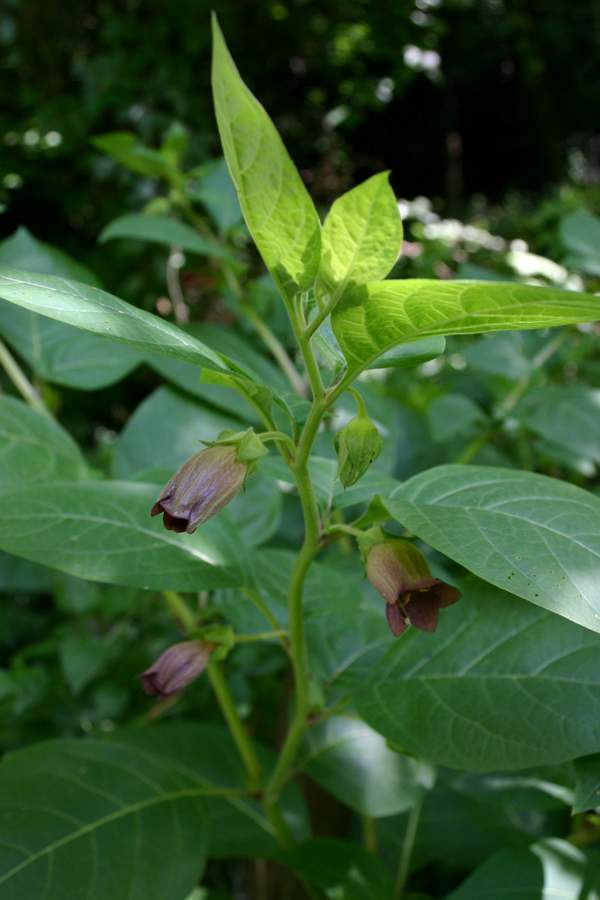
Deadly Nightshade is Atropa bella-donna, a branching herbaceous perennial in the Solanaceae family. It commonly grows several feet tall under favorable conditions and arises from a thick perennial root system that can produce multiple upright green to purplish stems. The leaves are dull green, oval to broadly egg-shaped, and often appear in unequal pairs along the upper stems. The flowers hang singly from the leaf axils and are usually bell-shaped, dull purple-brown to greenish purple, with a broad five-lobed green calyx beneath each flower.
The fruit ripens into a glossy black or deep purple berry held singly within an enlarged star-shaped green calyx. That solitary berry presentation is one of the most useful field clues because several other nightshade-like or dark-berried plants produce clustered berries instead. A pet owner may notice only "black berries," but defensible identification depends on the whole plant: growth habit, leaf shape, flower form, berry arrangement, calyx shape, root structure, and the location where the plant was growing.
The accepted native range extends from Europe to northern Iran and northwestern Africa. The plant has been introduced locally into North America, New Zealand, Australia, and other temperate regions, but it is much less common in many North American settings than Bittersweet Nightshade, Black Nightshade, Horse Nettle, Pokeweed, or other dark-berried plants. A suspected Belladonna plant in North America should therefore be identified carefully rather than assumed from the common name alone.
Deadly Nightshade favors fertile, often calcareous soil and is classically associated with woodland openings, forest margins, shaded banks, disturbed ground, old quarries, roadsides, ruins, old estate gardens, medicinal plantings, and locations where soil has been disturbed. It may appear around older human habitation, abandoned garden areas, stonework, hedges, compost edges, or semi-shaded property margins. These are exactly the kinds of places where dogs explore, cats hunt, children pick berries, and yard waste is moved into piles.
How Dogs, Cats, and Household Animals Encounter Deadly Nightshade
Dogs are most likely to be poisoned by swallowing berries or by investigating pulled plants. Fallen fruit can resemble cherries, blueberries, or other edible material and may be eaten quickly during walks, woodland exploration, yard investigation, or play near old gardens and shaded fence lines. Puppies and plant-chewing dogs may bite leaves or stems. Digging dogs may expose roots during landscaping, erosion, construction, or removal of an established plant.
Freshly pulled plants are a major practical hazard because roots, berries, leaves, stems, broken sap-bearing tissue, and soil-contaminated plant parts are suddenly placed at ground level. A dog may drag a plant out of a yard-waste pile, tear open a bag of weeds, chew roots, swallow fallen berries, or investigate vomit from another animal. The risk is not limited to the standing plant. Removal, cleanup, and disposal can create the exposure.
Cats are less likely than dogs to eat large quantities of a bitter outdoor plant, but they remain vulnerable to small body size, indoor samples, grooming transfer, concentrated products, and access to berries brought inside for identification. Outdoor cats may brush through plants while hunting or sheltering along woodland margins, ruins, hedges, and overgrown gardens. A cat may mouth a leaf, bat at a hanging berry, lick contaminated paws, or investigate another animal's vomit containing berries or plant fragments.
Indoor exposures often occur because a person brings suspicious plant material inside. A berry cluster, cutting, leaf, or root sample placed on a counter, desk, windowsill, paper towel, or plastic bag can become accessible to a dog, cat, rabbit, bird, or child. Photographs of the plant in place are often safer than loose plant material indoors. If a sample must be collected, it should be sealed, labeled, kept away from animals, and handled with gloves.
Dried herbal material, tinctures, extracts, powders, compounded preparations, old apothecary-style products, homeopathic or herbal remedies, and human medications can expose animals without obvious plant pieces. A spilled bottle, chewed dropper, open capsule, powdered product, or mislabeled preparation should be treated as a medication or extract exposure. Packaging, labels, product strength, missing volume, and time of access are important evidence for the veterinarian.
Horses, Livestock, Rabbits, Poultry, and Group Exposure
Horses and livestock are more likely to encounter Deadly Nightshade through contaminated forage, hay, silage, hedge trimmings, dumped garden waste, brush piles, compost, clippings, bedding, or feed contamination than by deliberately selecting a healthy standing plant. The risk increases when animals are hungry, forage is limited, paddocks are overgrazed, weeds are cut and mixed with palatable material, or removed plants are thrown into an enclosure. Drying or wilting plant material may also make it harder for animals to avoid selectively.
Horses cannot vomit, so suspected ingestion requires attention to gut motility, abdominal pain, hydration, ileus, bladder size, temperature, cardiovascular status, and neurologic safety. Cattle, sheep, and goats may show reduced rumen movement, bloat, altered behavior, thirst, tremors, depression, or decreased fecal output. Pigs may root up underground portions or consume discarded garden material, making roots and yard-waste access especially important. One symptomatic animal should trigger inspection of the entire group's feed, hay, silage, pasture edges, bedding, compost access, and recent property maintenance.
Rabbits and guinea pigs should never be offered unidentified nightshade plants as forage. They cannot vomit, and early signs may be food refusal, reduced droppings, abdominal distention, drooling, weakness, tremors, or abnormal behavior rather than obvious vomiting. Poultry and birds require careful interpretation because wild birds may eat Belladonna berries and disperse seeds without visible poisoning. That wildlife observation does not establish safety for chickens, ducks, parrots, finches, aviary birds, young poultry, or birds exposed to concentrated plant material, feed contamination, or mixed waste.
Important Look-Alikes and Common-Name Confusion
Bittersweet Nightshade, Solanum dulcamara, is one of the most common sources of confusion. It is a climbing or scrambling vine with purple star-shaped flowers, a prominent yellow anther cone, and clusters of berries that ripen from green through yellow and orange to red. Deadly Nightshade is an upright branching perennial with drooping bell-shaped flowers and solitary berries that ripen black within broad green calyces. Both are poisonous, but they are not the same plant and do not produce identical toxicologic expectations.
Black Nightshade, Solanum nigrum and related members of the Solanum nigrum complex, generally has small white star-shaped flowers with yellow central anthers and clusters of small dark berries. Deadly Nightshade has larger solitary drooping purple-brown bell-shaped flowers and larger solitary dark berries. The phrase "black nightshade" should not be used as a substitute identification for Belladonna merely because both plants can bear dark fruit.
Pokeweed, Phytolacca americana, produces elongated hanging clusters of many purple-black berries on conspicuous pink or red stalks. Belladonna bears berries singly. Pokeweed poisoning is associated primarily with gastrointestinal irritants such as saponins, lectins, and related compounds, while Belladonna produces an antimuscarinic neurologic and autonomic syndrome. The distinction matters when interpreting dry mouth, urinary retention, pupil dilation, delirium, vomiting, diarrhea, cardiovascular signs, and treatment priorities.
Belladonna Lily, Amaryllis belladonna, creates a different name problem. It is a bulb plant with long strap-shaped leaves and tall leafless flower stalks bearing pink trumpet-shaped blooms. Its principal veterinary hazard involves lycorine-type Amaryllidaceae alkaloids and gastrointestinal illness, especially after bulb ingestion. It is not Atropa bella-donna, does not produce black Belladonna berries, and does not create the same classic tropane-antimuscarinic toxidrome.
"Great Morel" is an old Belladonna name and does not refer to edible morel mushrooms in the genus Morchella. "Deadly Nightshade" may also be used loosely by the public for several unrelated or only distantly related dark-berried plants. The scientific name, complete plant photograph, flowers, berry arrangement, and growth habit are more reliable than the common name alone.
Plant Removal, Yard Waste, and Environmental Prevention
Deadly Nightshade should not be intentionally cultivated in yards, kennel areas, cat enclosures, horse paddocks, livestock areas, rabbit runs, poultry yards, aviaries, or gardens accessible to animals. Old medicinal gardens, woodland margins, shaded disturbed ground, ruins, compost areas, estate plantings, and recently cleared land should be inspected carefully where the species occurs. Removing fruiting plants before berries fall reduces risk, but removal itself can scatter berries, expose roots, and concentrate poisonous plant material where animals can reach it.
Gloves should be worn while pulling, cutting, or bagging the plant. Cuts should be covered, and hands, tools, shoes, clothing, vehicle surfaces, and containers should be washed before animals contact them. Avoid touching the eyes or mouth during removal because contaminated sap, crushed tissue, powder, or plant residue can transfer alkaloids to mucous membranes. Loose berries, seeds, root pieces, and soil contaminated with fallen fruit should be collected rather than left behind.
Removed Deadly Nightshade should not be placed in open compost, animal bedding, paddocks, livestock pens, poultry runs, rabbit enclosures, brush piles, or loosely covered yard-waste areas. It should not be burned where people or animals may inhale smoke from concentrated plant material. Bagging and secure disposal are safer than leaving wilted plants where dogs, pigs, goats, chickens, or wildlife can investigate them.
Prevention requires follow-up. Disturbed soil can expose dormant seed, and root fragments or seedlings may appear after the original plant has been removed. Property owners should recheck the site during the growing season, especially after soil disturbance, rain, clearing, or brush removal. Livestock owners should also inspect fence lines, hedges, hay sources, silage, clippings, and feed storage rather than focusing only on what is visibly growing inside the paddock.
Veterinary Evidence, Diagnosis, and Evidence Boundaries
Published veterinary descriptions of authenticated Deadly Nightshade poisoning are less extensive than the human clinical literature and general anticholinergic toxicology literature. That limitation does not make the plant harmless. The syndrome is pharmacologically well supported because hyoscyamine, atropine, and scopolamine act on muscarinic receptors shared across mammalian species, and veterinary toxicology recognizes the same receptor-mediated pattern: dry secretions, mydriasis, tachycardia, reduced gastrointestinal movement, urinary retention, heat dysregulation, delirium, tremors, seizures, and respiratory compromise in severe cases.
Diagnosis usually depends on plant identification, witnessed access, missing berries or plant parts, vomited fragments, compatible clinical signs, and exclusion of other causes. No ordinary in-clinic blood or urine test proves that an animal swallowed Atropa bella-donna. Useful evidence includes photographs of the plant in place, the complete plant if it can be collected safely, flowers, berries at different ripening stages, leaves, roots, nursery labels, herbal-product labels, medication packaging, contaminated hay or feed, and any safely contained vomited material.
The most important differentials include Jimsonweed, Angel's Trumpet, Henbane, Mandrake, atropine, scopolamine, anticholinergic antihistamines, tricyclic or other antidepressants, motion-sickness medications, sleep aids, muscle relaxants, ophthalmic drugs, pesticides, mixed plant ingestion, urinary obstruction, gastrointestinal obstruction, heat illness, seizure disorders, and metabolic disease. Specialized toxicology laboratories may be able to measure atropine, hyoscyamine, or scopolamine in selected samples, but results are rarely available fast enough to direct initial emergency treatment. A negative or unavailable test should not override a strong exposure history and compatible antimuscarinic syndrome.
Medicinal History Does Not Establish Pet Safety
Belladonna has a long medicinal history because its alkaloids produce real pharmacologic effects. Standardized atropine remains an important veterinary and human medication when used for a defined indication at a controlled dose. That medical value does not make raw leaves, roots, berries, home preparations, tinctures, or unregulated products safe for pets. A drug selected and monitored by a veterinarian is not equivalent to an animal eating an unpredictable mixture of plant tissue and alkaloids.
Belladonna-derived or anticholinergic products may appear in older remedies, homeopathic preparations, herbal mixtures, compounded products, ophthalmic medications, motion-sickness products, gastrointestinal products, and other human medications. Some highly diluted products may contain little active alkaloid, while other preparations, extracts, or contamination events may contain clinically important amounts. The label alone cannot be used to decide whether an exposure is harmless. The exact product, concentration, route, missing amount, timing, and patient condition matter.
All Belladonna-derived products, pharmaceutical atropine, scopolamine products, hyoscyamine products, anticholinergic eye medications, and related human medications should be stored as potential poisons. A pet exposure involving a medication, extract, tincture, or powder should be reported as a medication exposure, not minimized as a plant nibble. Packaging and labels should travel with the animal to the clinic because treatment decisions may change when the exposure is concentrated rather than fresh plant material.
Prognosis and Long-Term Prevention
The prognosis is generally favorable when exposure is recognized early, plant material is removed professionally when appropriate, neurologic signs have not yet developed, body temperature and circulation remain stable, and respiratory function is preserved. Recovery requires more than a normal heart rate. The animal should regain normal awareness, vision-related behavior, swallowing, hydration, body temperature, intestinal movement, urination, circulation, and breathing without intensive medication.
Clinical effects may persist for one to two days or longer after substantial ingestion because antimuscarinic slowing of the stomach and intestines can prolong absorption and delay elimination. Recurrent delirium, tachycardia, ileus, or urinary retention may occur after temporary improvement, especially if a short-acting reversal treatment wears off while plant alkaloids remain active. Prognosis becomes guarded with sustained hyperthermia, status epilepticus, aspiration, refractory dysrhythmia, shock, prolonged urinary retention, coma, or respiratory failure.
Long-term prevention depends on identification, secure disposal, and household habits. Pet owners should not rely on bitterness, wildlife feeding, folklore about herbivore resistance, or a guessed safe berry count. Livestock owners should inspect forage, fence lines, hedges, dumped clippings, silage, hay, and brush piles. Household owners should keep plant samples, berries, dried herbs, tinctures, extracts, and anticholinergic medications inaccessible. The safest rule is simple: every part of confirmed Deadly Nightshade is dangerous, and animals should be kept away from both the standing plant and all removed material.
Immediate Steps After Possible Ingestion
- Treat the exposure as an emergency: Contact an emergency veterinarian or livestock veterinarian immediately and begin arranging transport before clinical signs appear.
- Prevent further access: Remove the animal from the standing plant, berries, roots, uprooted material, herbal preparation, vomit, compost, clippings, or contaminated feed.
- Protect yourself from an abnormal animal: Delirium, impaired vision, agitation, and seizures can make a normally gentle animal bite, strike, kick, or flee unpredictably.
- Remove only loose visible material: If the animal is calm, alert, breathing normally, and swallowing normally, take away berries or leaves resting at the front of the mouth. Do not reach blindly toward the throat.
- Do not force a mouth rinse: A disoriented, dysphagic, tremoring, or poorly coordinated animal can aspirate water. A damp cloth may be used on accessible lips or gums only when this can be done safely.
- Preserve identification evidence: Bring photographs, the plant label, a safely contained leafy flowering or fruiting sample, product packaging, and any plant fragments found in vomit.
- Contain vomit and plant debris: Wear gloves and keep other animals away because recovered berries and leaves may still contain active alkaloids.
- Reduce stimulation: Keep the environment quiet, dim, cool, and free of stairs, traffic, water, sharp objects, or other injury hazards while transport is arranged.
Do Not Attempt Unsupervised Home Treatment
- Do not induce vomiting at home: Hydrogen peroxide, salt, mustard, ipecac, detergent, and manual gagging can cause gastric injury, aspiration, electrolyte disturbance, and dangerous delay.
- Do not induce vomiting after behavioral or neurologic signs begin: Agitation, visual impairment, confusion, weakness, tremors, seizures, abnormal breathing, or impaired swallowing creates an unacceptable aspiration and injury risk.
- Do not administer activated charcoal yourself: Charcoal may be useful professionally but can be aspirated by an agitated, sedated, vomiting, seizuring, or dysphagic animal.
- Do not give mineral oil or cathartics: Reduced gastrointestinal motility increases aspiration, dehydration, electrolyte, and prolonged intestinal-retention risks.
- Do not force food or water: Dry mouth may make the animal appear desperate to drink, but impaired swallowing and delirium can allow liquid to enter the lungs.
- Do not give cholinergic or cardiac medication: Pilocarpine, neostigmine, physostigmine, propranolol, sedatives, and heart medications can cause severe complications when used without diagnosis and continuous monitoring.
- Do not give human antihistamines, sleep aids, motion-sickness medication, antidepressants, or muscle relaxants: Several common products have antimuscarinic effects and can intensify the poisoning.
- Do not give human pain relievers or leftover prescriptions: These products may create a second poisoning or complicate neurologic and cardiovascular assessment.
When Emergency Examination Is Required
Every credible dog or cat ingestion warrants immediate professional guidance. The following findings indicate an advanced emergency:
- Central nervous system abnormalities: Disorientation, compulsive pacing, apparent hallucination-like behavior, aggression, staring, ataxia, tremors, seizures, stupor, or coma.
- Cardiovascular abnormalities: Markedly rapid or irregular heartbeat, weak pulses, pale or dark-red mucous membranes, fainting, hypotension, or collapse.
- Urinary retention: Repeated straining, inability to urinate, a painful enlarged abdomen, or passage of only small drops.
- Gastrointestinal stasis: Progressive abdominal distention, absent feces, absent bowel sounds, repeated regurgitation, or persistent vomiting.
- Temperature disturbance: Intense panting, a hot body, deep-red gums, worsening agitation, profound weakness, or collapse.
- Respiratory compromise: Slow or shallow breathing, blue-gray gums, prolonged apnea, loss of airway reflexes, or aspiration after vomiting.
Veterinary Stabilization
Initial priorities are airway protection, effective ventilation, oxygenation, cardiovascular assessment, temperature control, safe restraint, vascular access, seizure control, and prevention of injury.
Monitoring may include electrocardiography, blood pressure, oxygen saturation, exhaled carbon dioxide, core temperature, blood glucose, electrolytes, blood gases, hydration, urine output, bladder size, and gastrointestinal motility.
A severely agitated animal may require chemical restraint to prevent self-injury and permit examination. Sedation must be selected carefully because excessive central depression can impair breathing and protective airway reflexes.
The veterinary team should assess every possible co-exposure, including antihistamines, antidepressants, motion-sickness drugs, sleep aids, muscle relaxants, ophthalmic medications, Jimsonweed, Henbane, Angel’s Trumpet, Mandrake, pesticides, and mixed plant material.
Professional Gastrointestinal Decontamination
A veterinarian may induce vomiting after a recent ingestion when the animal remains alert, behaviorally normal, normothermic, cardiovascularly stable, and able to protect its airway.
Emesis is contraindicated after agitation, delirium, visual disorientation, weakness, tremors, seizures, respiratory abnormalities, repeated spontaneous vomiting, or impaired swallowing develops.
Activated charcoal may be administered after airway and neurologic assessment. Antimuscarinic slowing of gastric and intestinal movement can delay toxin passage, but additional charcoal doses are not automatic because ileus, constipation, dehydration, sodium disturbance, and aspiration can result.
Gastric lavage is reserved for an exceptional recent, substantial ingestion when safer emesis is impossible or inadequate. The patient must be anesthetized and intubated with a cuffed tube to protect the airway.
Endoscopic removal may be considered when large intact berries, root material, product packaging, or another foreign object remains accessible within the upper gastrointestinal tract.
Control of Agitation, Delirium, Tremors, and Seizures
Benzodiazepines may be used for dangerous agitation, tremors, or seizures. The patient’s respiratory effort, oxygenation, blood pressure, heart rhythm, body temperature, and response must be monitored.
Persistent seizures may require additional anticonvulsants or general anesthesia. Oxygen, endotracheal intubation, and assisted ventilation may become necessary when repeated medication, exhaustion, aspiration, or severe poisoning suppresses breathing.
Phenothiazine tranquilizers and medications with antimuscarinic, seizure-threshold, blood-pressure, cardiac-conduction, or temperature effects require careful case-specific consideration rather than routine administration.
Physostigmine as a Selected Reversal Treatment
Physostigmine is a reversible acetylcholinesterase inhibitor capable of crossing the blood-brain barrier. By increasing available acetylcholine, it can temporarily reverse severe central antimuscarinic delirium as well as some peripheral findings.
Its most defensible role is a strongly supported, substantially pure antimuscarinic exposure involving severe central delirium, dangerous uncontrollable agitation, or another life-threatening manifestation that is not adequately controlled with supportive treatment.
Dry mouth, dilated pupils, tachycardia, ileus, or urinary retention alone does not automatically justify physostigmine. Sinus tachycardia may be an appropriate physiologic response to agitation, heat, dehydration, or poor circulation and should not be reversed solely to normalize the displayed heart rate.
Before administration, the veterinarian or consulting toxicologist should evaluate the electrocardiogram, cardiac conduction, blood pressure, oxygenation, seizure activity, respiratory status, and possibility of a mixed ingestion. Particular caution is necessary when a tricyclic antidepressant, sodium-channel-blocking drug, conduction abnormality, bradyarrhythmia, or significant seizure risk is possible.
Physostigmine must be administered in a monitored clinical setting with continuous electrocardiography, airway equipment, oxygen, seizure treatment, and resuscitation capability immediately available.
Excessive or inappropriate administration can cause bradycardia, atrioventricular block, bronchial secretions, bronchospasm, vomiting, diarrhea, seizures, cholinergic crisis, or respiratory deterioration.
Its action may be shorter than the absorbed Belladonna alkaloids. A dramatic initial response does not prove that the poisoning has ended, and delirium, tachycardia, ileus, or urinary retention can recur as the reversal effect fades.
Published physostigmine experience is derived predominantly from human antimuscarinic poisoning. Direct veterinary evidence for authenticated Deadly Nightshade exposure is limited, so use in animals requires individualized veterinary toxicology judgment rather than mechanical application of a human protocol.
Cardiovascular Monitoring and Treatment
Sinus tachycardia often improves as agitation, hyperthermia, dehydration, and the antimuscarinic burden resolve. Treatment should be based on perfusion and the documented rhythm rather than the heart-rate number alone.
Electrocardiography is necessary to identify a true dysrhythmia. Electrolytes, oxygenation, acid-base status, temperature, blood pressure, hydration, and perfusion should be corrected before rhythm-specific medication is selected.
Hypotension may require carefully titrated intravenous fluids and, when inadequate perfusion persists, a veterinarian-selected vasopressor. Excessive fluid administration should be avoided in patients with cardiac or pulmonary compromise.
Hyperthermia Management
Control of agitation and seizures is central to reducing heat production. Additional cooling may include room-temperature water, fans, cool intravenous fluids when appropriate, and other controlled hospital measures.
Ice-water immersion, prolonged direct ice application, alcohol rubs, and methods that provoke intense shivering or peripheral vasoconstriction can worsen heat dissipation or cause tissue injury.
Active cooling should be reduced as the temperature approaches a safe range to prevent rebound hypothermia.
Urinary Retention
The urinary bladder should be palpated or imaged repeatedly. A large painful bladder may require sterile urinary catheterization and a closed collection system.
Catheterization relieves pressure and permits direct urine-output monitoring but does not neutralize the circulating toxin.
Difficulty urinating must be distinguished from urethral obstruction, bladder rupture, neurologic disease, severe dehydration, and other causes of reduced urine production.
Gastrointestinal Stasis and Nutrition
Abdominal examination and serial assessment of bowel sounds help identify developing ileus. Radiographs or ultrasound may be needed when distention, persistent vomiting, absent feces, or retained foreign material is suspected.
Oral food, liquids, charcoal, and medication should be withheld while swallowing is unsafe or substantial ileus is present. Intravenous support and carefully selected antiemetic treatment may be required.
Prokinetic medication should not be administered until mechanical obstruction and gastrointestinal perforation have been excluded and the patient’s cardiac and neurologic condition has been evaluated.
Normal behavior may return before gastrointestinal motility is fully restored. Continued monitoring is necessary because retained plant material and delayed movement can prolong or renew alkaloid absorption.
Respiratory Support and Aspiration
Supplemental oxygen may be provided during stabilization. An obtunded, convulsing, or poorly ventilating animal may require intubation, suction of secretions, and positive-pressure ventilation.
Coughing, nasal discharge, fever, abnormal lung sounds, falling oxygen saturation, or increasing respiratory effort after vomiting raises concern for aspiration.
Thoracic imaging may initially be normal and may require repetition. Antimicrobial medication is appropriate when bacterial aspiration pneumonia is established or strongly suspected rather than automatically after every vomiting episode.
Horses, Livestock, and Group Management
Remove the entire herd or group from the plant, contaminated forage, hay, silage, clippings, or disposal area. Provide uncontaminated feed and water while the source is investigated.
Horses cannot vomit. Management may include nasogastric assessment, activated charcoal when safe, treatment of ileus or colic, fluid support, cardiovascular monitoring, bladder assessment, temperature control, and neurologic observation.
Ruminants may require evaluation of rumen contents and motility. Rumen evacuation or rumenotomy may be considered after a substantial recent ingestion when recoverable plant material remains and the animal is stable enough for the procedure.
Relative herbivore tolerance must not be used to justify home observation after obvious clinical signs. Pigs, young animals, hungry livestock, animals with limited forage, and animals consuming concentrated roots or contaminated feed may face greater risk.
Prognosis and Recovery
The prognosis is generally favorable when ingestion is recognized promptly, decontamination occurs before neurologic signs, temperature and circulation remain stable, and respiratory function is preserved.
Clinical effects may persist for one to two days or longer because gastrointestinal stasis can prolong absorption and elimination. Recurrent delirium or tachycardia may occur after an initial response to a short-acting treatment.
Recovery requires more than a normal heart rate. The animal should regain normal awareness, vision-related behavior, swallowing, body temperature, intestinal motility, urination, hydration, circulation, and respiratory function without intensive medication.
The prognosis becomes guarded with sustained hyperthermia, status epilepticus, aspiration, refractory dysrhythmia, shock, prolonged urinary retention, coma, or respiratory failure.
Most surviving animals can recover completely once the alkaloids are eliminated and secondary complications are controlled. Persistent visual confusion, constipation, urinary difficulty, weakness, or behavioral abnormality after discharge requires reassessment.
Frequently Asked Questions About Deadly Nightshade, Belladonna, and Animal Poisoning
Is Deadly Nightshade the same plant as Belladonna?
Yes. Deadly Nightshade and Belladonna usually refer to Atropa bella-donna, the black-berried Solanaceae plant that produces tropane alkaloids such as hyoscyamine, atropine, and scopolamine. The unhyphenated spelling Atropa belladonna remains common in medicine, toxicology, horticulture, and older references, but the currently accepted Kew spelling is Atropa bella-donna. The naming matters because “nightshade” is also applied loosely to several Solanum plants that produce different poisoning patterns.
Is Deadly Nightshade poisonous to dogs?
Yes. Dogs are high-risk patients after credible Deadly Nightshade ingestion, especially if berries, roots, dried material, tinctures, extracts, or an unknown amount may have been swallowed. Expected signs can include dry or tacky mouth, intense thirst, widely dilated pupils, rapid heart rate, visual confusion, agitation, pacing, vomiting, reduced bowel movement, urinary retention, tremors, seizures, collapse, coma, and respiratory failure. A dog that may have eaten Belladonna should be assessed before signs begin rather than watched at home until the syndrome is obvious.
Is Deadly Nightshade poisonous to cats?
Yes. Cats may be exposed by mouthing leaves or berries outdoors, licking contaminated paws or fur, investigating plant samples brought indoors, or reaching dried herbal material or concentrated Belladonna products. A poisoned cat may hide, refuse food, develop dilated pupils, act visually confused, lick the lips, show dry mouth, become agitated or unusually dull, strain to urinate, tremble, seize, or collapse. Cats should not be given peroxide, forced water, activated charcoal, milk, oil, sedatives, antihistamines, or human medication at home.
Is Deadly Nightshade poisonous to horses and livestock?
Yes. Horses, cattle, sheep, goats, pigs, poultry, and other livestock should not be allowed to eat Deadly Nightshade, even though some herbivores may tolerate exposures that would be dangerous to dogs, cats, or people. Farm exposure is often through contaminated hay, silage, hedge trimmings, garden waste, compost, brush piles, feed screenings, or uprooted plants rather than deliberate grazing of the standing plant. Signs may include dry mouth, thirst, dilated pupils, rapid pulse, reduced gut or rumen movement, abdominal distention, constipation, urinary retention, excitement, incoordination, tremors, depression, collapse, or colic-like behavior.
Are rabbits, guinea pigs, poultry, and birds safe around Deadly Nightshade?
No. Rabbits and guinea pigs should not be fed unidentified nightshade plants, pulled weeds, clippings, or contaminated forage. They cannot vomit, so early warning may be food refusal, reduced droppings, drooling, weakness, abdominal distention, tremors, or abnormal behavior rather than obvious vomiting. Wild birds may eat and disperse Belladonna berries without visible poisoning, but that does not establish safety for poultry, parrots, aviary birds, chicks, ducks, or other managed birds exposed to concentrated berries, leaves, seeds, feed contamination, or mixed plant waste.
What is the toxic principle in Deadly Nightshade?
The main toxic principle is a group of antimuscarinic tropane alkaloids. Fresh plant tissue is especially associated with hyoscyamine, while atropine is the familiar racemic mixture often discussed in poisoning reports and pharmacology. Scopolamine can add important central nervous system effects. These compounds block muscarinic acetylcholine receptors, disrupting normal control of salivation, tear production, pupil size, visual focusing, heart rate, intestinal movement, bladder contraction, heat regulation, and brain function.
Are the black berries the most dangerous part?
The berries are the greatest practical attraction hazard, but they should not be treated as the only dangerous part or automatically the most concentrated tissue in every plant. Ripe black berries are glossy, soft, cherry-like, and easy for a dog or child to swallow quickly. Roots and leaves can also contain substantial alkaloids, and uprooted plants may place berries, roots, stems, and leaves together at ground level. The safe rule is that every part of confirmed Deadly Nightshade is poisonous.
How much Deadly Nightshade does it take to poison a pet?
No dependable veterinary berry count, leaf amount, root weight, or gram-per-kilogram dose can rule out poisoning. Alkaloid concentration varies by plant genetics, season, organ, growth stage, soil, climate, processing, and storage, while patient risk varies by species, size, stomach contents, chewing behavior, health status, and time to treatment. One missing berry cannot be declared harmless, and one visible berry does not prove that only one was eaten. Credible ingestion by a dog or cat warrants immediate professional guidance.
Are dried Belladonna leaves, roots, powders, or tinctures still dangerous?
Yes. Drying, wilting, grinding, or storing Deadly Nightshade does not reliably remove tropane alkaloids. Dried leaves, powdered roots, old herbal jars, tinctures, extracts, capsules, compounded preparations, and contaminated herbal products can deliver clinically important alkaloid exposure without obvious fresh plant pieces. Concentrated products may be more dangerous than a brief bite of a living leaf, so product packaging, label strength, missing amount, and timing should be brought to the veterinarian.
Can a pet be poisoned just by touching Deadly Nightshade?
Serious systemic poisoning is much more likely after ingestion than after brief contact with intact skin. Touching one leaf is not the same as swallowing berries or roots. Contact still matters because sap, crushed tissue, powder, or extract can be transferred from hands, gloves, tools, fur, or paws to the mouth and eyes, and absorption through injured skin is more plausible than through intact skin. Wash contacted skin or fur with mild soap and water, prevent grooming of contaminated material, and seek veterinary care for eye exposure or any neurologic signs.
Can Deadly Nightshade sap or residue affect the eyes?
Yes. Belladonna alkaloids reaching the eye can cause prolonged pupil dilation, impaired focusing, blurred vision, light sensitivity, and visual confusion. A pet may transfer residue to the eye by rubbing the face or grooming contaminated paws. Unilateral pupil dilation after plant handling should not be dismissed automatically as harmless irritation, especially if the animal is also disoriented, painful, weak, or systemically abnormal. Eye exposure should be flushed only when safe and followed by veterinary assessment if signs persist.
Why can a poisoned animal be desperately thirsty but still unsafe to give water by force?
Belladonna alkaloids reduce salivation and other secretions, so the mouth can become dry or tacky and the animal may repeatedly seek water. At the same time, the poisoning can impair swallowing coordination, vision, awareness, and airway protection. A delirious, weak, tremoring, gagging, vomiting, or poorly coordinated animal can inhale water into the lungs. Voluntary small amounts of water may be reasonable only for an alert animal that is breathing normally and swallowing normally; water should never be poured, syringed, or forced into the mouth.
Should I induce vomiting after Deadly Nightshade ingestion?
No home vomiting should be attempted. Hydrogen peroxide, salt, mustard, ipecac, dish soap, detergent, manual gagging, and fingers in the throat can cause gastric injury, aspiration, electrolyte disturbance, and dangerous delay. A veterinarian may consider controlled emesis in a recently exposed dog only when the animal is still neurologically normal, stable, alert, breathing normally, and able to protect the airway. Once agitation, visual confusion, weakness, tremors, seizures, abnormal breathing, repeated vomiting, or swallowing difficulty appears, emesis becomes unsafe.
Should activated charcoal be given after Belladonna exposure?
Activated charcoal may be useful in selected veterinary cases because antimuscarinic slowing of the gut can prolong retention and absorption of plant material. It should not be given by an owner at home. A poisoned animal may be agitated, dysphagic, vomiting, tremoring, seizuring, sedated, or unable to protect the airway, and charcoal aspiration can be life-threatening. Repeated charcoal is not automatic because ileus, constipation, dehydration, electrolyte disturbance, and aspiration risk may make aggressive charcoal treatment harmful.
What is physostigmine, and why is it not given to every poisoned animal?
Physostigmine is a reversible acetylcholinesterase inhibitor that crosses the blood-brain barrier and can temporarily reverse severe central antimuscarinic delirium. It is not a harmless confirmation test or routine treatment for every dilated pupil, dry mouth, or rapid heartbeat. It is considered only when the veterinarian has strong reason to believe the patient has a substantially pure antimuscarinic toxidrome and when the benefit outweighs the risk. It can cause bradycardia, conduction abnormalities, bronchial secretions, vomiting, seizures, cholinergic toxicity, and respiratory deterioration, so it requires ECG monitoring, airway support capability, and resuscitation readiness.
How is Deadly Nightshade different from Bittersweet Nightshade?
Deadly Nightshade, Atropa bella-donna, is an upright branching perennial with drooping bell-shaped purple-brown flowers and solitary black berries held in broad green calyces. Bittersweet Nightshade, Solanum dulcamara, is a climbing or scrambling vine with purple star-shaped flowers, yellow central anthers, and clusters of berries that ripen toward red. Both are poisonous, but they are not botanical synonyms and do not produce identical toxin profiles or clinical expectations.
How is Deadly Nightshade different from Black Nightshade?
Black Nightshade usually refers to Solanum nigrum or related plants in the Solanum nigrum complex. Those plants generally have small white star-shaped flowers with yellow central anthers and clusters of small dark berries. Deadly Nightshade has larger solitary drooping bell-shaped flowers and solitary dark berries surrounded by enlarged green calyces. The phrase “black nightshade” should not be used as a substitute identification for Belladonna merely because both plants can bear dark fruit.
Is Belladonna Lily the same as Deadly Nightshade?
No. Belladonna Lily is Amaryllis belladonna, a bulb plant with strap-like leaves and pink trumpet-shaped flowers. Its main veterinary hazard involves Amaryllidaceae alkaloids, especially after bulb ingestion, and it is not the same as the black-berried Atropa bella-donna. The shared word “Belladonna” can cause dangerous confusion because the plants belong to different families, look different, and produce different poisoning patterns.
Does wildlife eating Belladonna berries prove they are safe for pets?
No. Wild birds and some herbivores may tolerate oral exposures that would be dangerous to dogs, cats, or people. That observation does not establish a safe dose for pets, poultry, livestock, or captive birds. Species differ in gastrointestinal physiology, microbial metabolism, feeding behavior, and alkaloid handling, and the plant itself varies in chemistry. A berry that passes through a wild bird without obvious harm can still be dangerous to a dog, cat, pig, horse, rabbit, or companion bird.
What plant material is most useful for confirming the identity?
Photographs of the entire plant in place are often the safest and most useful evidence. Include the growth habit, leaves, flower shape, berry arrangement, calyx structure, stems, roots if exposed, and the surrounding habitat. If a sample can be collected safely, preserve a leafy flowering or fruiting stem and keep it sealed away from animals and children. A single detached black berry or leaf is less useful because several unrelated or only distantly related plants can produce dark berries or nightshade-like foliage.
How do veterinarians diagnose Deadly Nightshade poisoning?
Diagnosis usually relies on a credible exposure history, plant identification, missing berries or plant parts, vomited fragments, and a compatible antimuscarinic pattern: dry mucous membranes, widely dilated pupils, rapid heart rate, reduced bowel sounds, urinary retention, hyperthermia, delirium, tremors, or seizures. No ordinary clinic blood test proves that an animal swallowed Atropa bella-donna. Specialized testing for atropine, hyoscyamine, or scopolamine may be possible through toxicology laboratories, but results usually do not return fast enough to guide the initial emergency plan.
What other poisonings can look like Belladonna poisoning?
Jimsonweed, Angel’s Trumpet, Henbane, Mandrake, atropine, scopolamine, anticholinergic antihistamines, tricyclic or other antidepressants, motion-sickness drugs, sleep aids, muscle relaxants, ophthalmic medications, and some mixed plant or medication exposures can produce similar anticholinergic signs. Severe diarrhea, caustic oral burns, primary kidney failure, liver failure, marked bradycardia, bleeding, jaundice, or a course dominated by collapse without antimuscarinic features should broaden the investigation. The veterinarian may need to treat the Belladonna-like syndrome while also looking for co-exposures.
How long can Deadly Nightshade poisoning last?
Many successfully treated patients improve over one to two days, but substantial exposures can last longer. Antimuscarinic slowing of the stomach and intestines may prolong absorption, and temporary improvement after sedation or physostigmine does not prove that the alkaloids have been eliminated. Recovery requires more than a normal heart rate: the animal should regain normal awareness, vision-related behavior, swallowing, body temperature, intestinal movement, urination, hydration, circulation, and breathing without intensive support.
When is Deadly Nightshade exposure an emergency?
Any credible ingestion by a dog or cat should be treated as an emergency before signs begin. Immediate care is especially urgent for berries, roots, dried material, tinctures, extracts, powders, unknown quantities, puppies, kittens, small animals, elderly animals, or patients with heart, neurologic, urinary, respiratory, kidney, or gastrointestinal disease. Emergency signs include widely dilated pupils, dry mouth, repeated drinking with poor swallowing, rapid or irregular heartbeat, visual confusion, agitation, tremors, seizures, hyperthermia, inability to urinate, abdominal distention, collapse, slow or shallow breathing, blue-gray gums, stupor, or coma.
How should Deadly Nightshade be removed from a yard or animal area?
Wear gloves, cover cuts, avoid touching the eyes or mouth, and keep animals away from the work area. Remove berries, roots, stems, leaves, and loose fragments, then secure the material immediately in a closed container or bag. Do not place Belladonna in open compost, animal bedding, livestock pens, poultry runs, rabbit enclosures, paddocks, brush piles, or accessible yard-waste piles. Check the site again for seedlings or regrowth after soil disturbance, rain, clearing, or new growth.