PAWS Pet Poison Plant Guide
Is California Goosefoot Poisonous to Dogs, Cats, Horses, and Livestock?
Yes—California Goosefoot, Blitum californicum, should be treated as potentially poisonous when it is part of nitrate- or soluble-oxalate–contaminated pasture, hay, silage, green chop, or other forage. It is not known to be uniformly toxic every time it is eaten, and no direct study has established a nitrate concentration, oxalate concentration, toxic dose, or characteristic poisoning case specifically for this species.
The principal concern is a substantial grazing or forage exposure involving cattle, sheep, or goats. Rumen microbes can convert excessive dietary nitrate into nitrite, which changes functional hemoglobin into methemoglobin and prevents normal oxygen transport. Related goosefoot species have also been shown to contain soluble oxalate, but the amount present in California Goosefoot has not been measured adequately. The actual plant, hay, silage, complete ration, fertilizer source, and water must be tested rather than judged from the common name alone.
About this guide: This page provides general pet-poisoning information and cannot diagnose or treat an individual animal. For any suspected exposure, contact a veterinarian or animal poison-control service immediately. Do not induce vomiting, give medication, or attempt home decontamination unless directed by a veterinary professional.
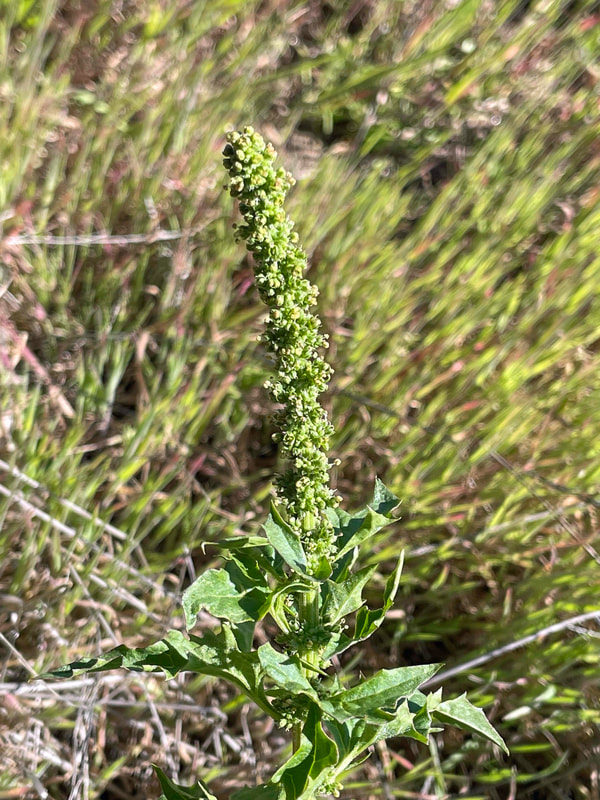
California Goosefoot
Blitum californicum S.Watson
Important botanical synonyms and historical names include:
Chenopodium californicum (S.Watson) S.Watson
Carocarpidium californicum (S.Watson) S.C.Sand. & G.L.Chu
Blitum bonus-henricus var. erosum Moq.
Chenopodium anthelminticum var. hastatum Moq.
Chenopodium californicum remains widely used in government databases, regional floras, ethnobotanical records, older veterinary references, and plant-identification resources, but current Kew treatment accepts Blitum californicum.
Amaranthaceae Juss. — Amaranth Family
Former or alternative placement: Chenopodiaceae Vent. — Goosefoot Family. Modern systems generally include Chenopodiaceae within Amaranthaceae, but the former family name remains common in botanical, agricultural, and toxic-plant literature.
California Goosefoot, California Blite, California Chenopodium, Indian Lettuce, Indian-Lettuce, Goosefoot, California Goosefoot Blite, Pigweed, Soap Plant, Soapplant, Soap Root, Soaproot, Blitum californicum, Chenopodium californicum
“Goosefoot” is a broad name used for numerous species formerly or currently classified in Chenopodium, Blitum, and related genera. “Lambsquarters,” “Lamb’s Quarters,” “White Goosefoot,” and “Fat Hen” more properly refer to Chenopodium album and should not be treated as true synonyms of California Goosefoot.
“Indian Lettuce” is also used for unrelated edible greens, while “Soaproot” more commonly identifies plants in the genus Chlorogalum in parts of California. Neither common name alone is sufficient for toxicological identification.
California Goosefoot Has Not Been Proven Uniformly Toxic
No direct toxicology study has established that every Blitum californicum plant contains dangerous nitrate or soluble-oxalate concentrations. No species-confirmed livestock outbreak, companion-animal case report, controlled feeding experiment, or validated raw-plant dose was located for California Goosefoot itself.
The plant remains a reasonable veterinary concern because it belongs to a group that includes documented nitrate- and oxalate-containing forage plants. That relationship supports laboratory testing and cautious management, but it does not permit the concentration measured in another goosefoot species to be assigned automatically to California Goosefoot.
The most accurate conclusion is that California Goosefoot is a conditionally hazardous suspected forage plant rather than a uniformly poisonous plant with one fixed toxin concentration.
Nitrate Accumulation Depends on the Growing Environment
Nitrate is a normal plant nutrient absorbed from soil. Healthy growing tissue ordinarily reduces nitrate to nitrite and then to ammonium so that nitrogen can be incorporated into amino acids, proteins, chlorophyll, and other plant compounds.
Accumulation occurs when nitrate uptake continues faster than the plant can complete that conversion. Excessive nitrogen fertilizer, concentrated manure, fertilizer runoff, drought, frost, prolonged cloudy or cool weather, heavy shade, nutrient imbalance, interrupted growth, rapid regrowth, and some forms of herbicide or physical injury can create that imbalance.
A plant growing in one location may therefore contain little nitrate while an apparently identical plant growing beside a fertilizer spill, in manure-rich soil, or under severe environmental stress may contain much more.
This mechanism is well established in forage plants generally and has been demonstrated experimentally in lambsquarters, Chenopodium album. It has not been quantified specifically in Blitum californicum.
How Nitrate Becomes Nitrite in Ruminants
Cattle, sheep, and goats face the greatest practical risk because microbes in the rumen reduce dietary nitrate to nitrite. Other rumen microbes then reduce nitrite to ammonia for microbial protein production.
When nitrate enters faster than nitrite can be converted to ammonia, nitrite accumulates in the rumen and is absorbed into the bloodstream.
Nitrite oxidizes the iron within hemoglobin from its normal ferrous state to the ferric state, producing methemoglobin. Methemoglobin cannot transport oxygen effectively.
The animal may therefore move air rapidly through apparently functional lungs while the brain, heart, skeletal muscles, fetus, and other tissues remain deprived of usable oxygen.
Continuing Absorption from the Rumen
Removing an animal from the feed stops additional consumption but does not immediately remove material already present in the rumen.
Nitrate and nitrite may continue to be released from retained forage. Nitrate and nitrite can also return to the gastrointestinal tract through saliva and secretions and undergo further microbial processing.
Clinical signs may therefore recur after an initial improvement. Continued monitoring and, in selected cases, professional removal or management of rumen contents may be necessary.
The Documented Lambsquarters Hay Case
The strongest directly documented goosefoot case involved lambsquarters, Chenopodium album, rather than California Goosefoot.
Ozmen, Mor, and Ayhan reported three cows that died after eating contaminated Chenopodium album hay. The animals developed ataxia, bluish-brown mucous membranes, rapid difficult breathing, tachycardia, tremors, coma, and death.
The implicated hay contained 2,500 parts per million nitrate-nitrogen and 11 parts per million nitrite-nitrogen. The nitrate-nitrogen value is equivalent to approximately 11,000 parts per million when expressed as nitrate.
This case proves that a related goosefoot can retain a lethal nitrate concentration after drying. It does not prove that California Goosefoot normally reaches that concentration or that the reported hay concentration represents a universal lethal threshold.
Forage-Test Units Can Cause Dangerous Confusion
Laboratories may report nitrate as nitrate, nitrate-nitrogen, or potassium nitrate. These are not numerically interchangeable.
A result expressed as nitrate-nitrogen is approximately 4.43 times lower numerically than the equivalent result expressed as nitrate. A producer who compares values without checking the reporting unit can underestimate the actual exposure several fold.
Historical guidance has sometimes described forage below approximately 4,400 parts per million nitrate as comparatively low risk and concentrations above approximately 15,000 parts per million as having serious toxic potential. Intoxication has been reported near approximately 8,250 parts per million under high-intake conditions, and severely stressed plants of other species have approached approximately 70,000 parts per million.
These figures are management guides rather than universal biological boundaries. Animal species, pregnancy, adaptation, intake rate, total ration, water nitrate, rumen condition, and laboratory reporting units all alter the risk.
Water Contributes to the Total Nitrate Dose
Wells, ponds, fertilizer runoff, wastewater, stock tanks, and water carried in improperly cleaned agricultural equipment may contribute nitrate or nitrite.
A forage concentration that appears marginal by itself may become dangerous when the animals also drink nitrate-contaminated water.
Pasture, hay, silage, green chop, complete feed, supplements, and water should therefore be sampled separately. Testing only the visible California Goosefoot cannot determine the complete nitrate exposure.
Drying Does Not Destroy Nitrate
Nitrate is chemically stable during ordinary hay curing. A high-nitrate plant can remain high in nitrate after drying, as demonstrated by the fatal Chenopodium album hay case.
Hay may create a greater practical exposure than standing pasture because animals consume it quickly and cannot select around individual weeds.
Damp hay, wet green chop, or improperly stored forage may also permit microbial conversion of nitrate into the more immediately toxic nitrite before feeding.
Ensiling May Reduce but Does Not Guarantee Removal
Fermentation during proper ensiling may reduce nitrate substantially, sometimes by approximately one-half, because microorganisms metabolize part of the nitrate.
The amount removed depends on the initial concentration, fermentation quality, moisture, compaction, storage, and sampling location.
Silage made from suspect forage must be tested after fermentation. A reduction from an extremely high starting concentration may still leave a dangerous final product.
Horses and Nonruminants
Horses are generally more tolerant of nitrate-rich forage because extensive nitrate reduction occurs in the cecum and colon rather than before absorption in a rumen. They are not immune.
A published outbreak involving nitrate-contaminated grass and alfalfa killed nine Thoroughbred mares. Signs included severe abdominal pain, diarrhea, rapid shallow breathing, tachycardia, blue-brown mucous membranes, tremors, ataxia, convulsions, and abortion.
Dogs, cats, pigs, birds, and other nonruminants are less likely to develop severe methemoglobinemia from a brief taste of ordinary foliage. Concentrated fertilizer, sodium nitrite, contaminated water, cured meat products, or another chemical source may present a greater practical risk.
Soluble Oxalate Is a Separate, Unconfirmed California Goosefoot Concern
Soluble oxalate is chemically and clinically separate from nitrate. After absorption, soluble oxalate can bind ionized calcium and form calcium oxalate crystals.
A sufficiently large acute exposure may cause hypocalcemia, muscular weakness, twitching, tremors, tetany, seizures, cardiac abnormalities, recumbency, or death. Calcium oxalate deposition within renal tubules can also produce kidney injury.
No direct study has established the soluble-oxalate concentration of Blitum californicum. The warning is based on related goosefoot and amaranth-family plants and must remain identified as a potential rather than confirmed species-specific mechanism.
Direct Oxalate Evidence from Chenopodium album
A direct chemical analysis of raw lambsquarters, Chenopodium album, measured 1,112.4 milligrams of total oxalate per 100 grams of dry leaf matter. Approximately 75 percent of the total was present as soluble oxalate.
Boiling reduced the total oxalate concentration to 682.8 milligrams per 100 grams of dry matter, while wok cooking reduced it to 883.6 milligrams per 100 grams. Preparation also changed the relative soluble and insoluble fractions.
These measurements confirm that one related goosefoot can contain substantial soluble oxalate. They do not establish the amount present in California Goosefoot, an animal toxic dose, or the concentration remaining in naturally dried forage.
Nitrate and Oxalate Must Not Be Treated as One Toxin
Nitrate poisoning produces methemoglobinemia and functional oxygen deprivation. Soluble-oxalate poisoning produces hypocalcemia, neuromuscular dysfunction, and possible calcium oxalate kidney injury.
Both can cause weakness, tremors, recumbency, seizures, and collapse, but the diagnostic testing and treatment are different.
Methylene blue reverses clinically important methemoglobinemia. It does not correct hypocalcemia or calcium oxalate nephrosis. Intravenous calcium may be required for documented oxalate-associated hypocalcemia but does not reverse nitrate-induced methemoglobinemia.
Saponins Have Not Been Established as the Principal Toxin
Some goosefoot roots have a history of use as soap, and saponins occur in several related plants. That ethnobotanical or genus-level information does not establish a saponin poisoning syndrome for California Goosefoot.
No direct study has shown that saponins are responsible for methemoglobinemia, hypocalcemia, kidney injury, or a characteristic companion-animal syndrome after Blitum californicum ingestion.
Cyanide Is an Important Differential, Not a Confirmed Toxin
Cyanogenic glycosides have not been established as toxic principles of California Goosefoot.
Cyanide remains an important differential diagnosis when animals collapse in mixed pasture containing sorghum, wild cherry, arrow grass, elderberry, flax, or another cyanogenic plant.
Cyanide and nitrate poisoning can both cause rapid breathing, weakness, seizures, and sudden death, but their antidotal treatments are not interchangeable.
No California Goosefoot-Specific Safe Dose
No validated safe plant percentage, fresh-weight dose, hay concentration, leaf count, root amount, nitrate concentration, or soluble-oxalate concentration exists specifically for dogs, cats, horses, cattle, sheep, goats, pigs, rabbits, poultry, or other animals exposed to California Goosefoot.
Risk must be determined by testing representative samples of the actual plant, forage, feed, fertilizer, and water involved.
The mere presence of California Goosefoot does not prove poisoning. The absence of species-specific evidence also does not justify feeding untested suspect forage after drought, frost, heavy fertilization, manure accumulation, herbicide injury, or unexplained group illness.
The Syndrome Depends on the Actual Contaminant
California Goosefoot does not have a species-confirmed clinical syndrome. The expected findings depend on whether the actual exposure involves nitrate and nitrite, soluble oxalate, gastrointestinal irritation, fertilizer, contaminated water, another plant, or a mixture of hazards.
Illness should therefore be described as suspected nitrate- or oxalate-associated forage poisoning until plant, feed, water, blood, and other diagnostic samples establish the cause.
Onset of Acute Nitrate Poisoning
Acute nitrate poisoning in cattle, sheep, and goats may begin within approximately 30 minutes to several hours after a large intake.
An affected animal may stop eating, lag behind the herd, become anxious or unusually quiet, appear weak, breathe more rapidly, develop a fast weak pulse, or become reluctant to move.
The animal may appear unable to catch its breath even though the lungs are initially moving air. The central problem is that methemoglobin cannot carry oxygen effectively.
Rapid or Labored Breathing
As methemoglobinemia progresses, breathing becomes deep, rapid, and labored. The nostrils may flare, the neck may extend, and the animal may breathe with the mouth open.
Exercise, struggling, crowding, heat, and forced walking increase tissue oxygen demand and may precipitate collapse.
Breathing difficulty in several animals after shared feed or water access is a major emergency even when California Goosefoot has not yet been identified conclusively.
Gray-Brown or Chocolate-Colored Mucous Membranes
Normal pink mucous membranes may become muddy gray, gray-brown, blue-brown, or chocolate-brown as methemoglobin increases.
Freshly collected blood may also appear dark chocolate-brown and may fail to become normally red after exposure to air.
Owners should not cut an animal or attempt to collect blood merely to inspect its color. Other oxidizing toxins can produce methemoglobinemia, and safe collection and interpretation belong to the veterinarian.
Methemoglobin Percentage and Clinical Severity
Individual animals do not all develop signs at the same methemoglobin percentage, and laboratory values must be interpreted with the clinical condition.
Subtle respiratory or color changes may begin when methemoglobin exceeds approximately 20 percent of total hemoglobin.
Values around 30 to 40 percent may be accompanied by tachycardia, reduced body temperature, muscular tremors, weakness, and ataxia.
When methemoglobin approaches or exceeds approximately 50 to 70 percent, severe air hunger, hypotension, recumbency, seizures, coma, and death become increasingly likely.
Weakness, Tremors, and Staggering
Neurologic deterioration develops because the brain and skeletal muscles are deprived of oxygen.
Muscular tremors may progress to an unsteady gait, hind-limb weakness, frequent urination, inability to remain standing, collapse, and recumbency.
Terminal paddling or convulsions usually reflect profound cerebral oxygen deprivation rather than a direct convulsant compound within California Goosefoot.
Sudden Death and Group Exposure
Some animals die so rapidly that no earlier illness is observed. The first recognized sign may be one or more dead animals near a feeder, hay bale, water source, fertilizer spill, or recently grazed field.
Other herd members may show rapid breathing, weakness, abnormal mucous-membrane color, tremors, or reluctance to move.
All shared feed and water sources must be closed immediately. One visible weed should not be blamed while contaminated hay, water, fertilizer, gas, or another plant remains accessible.
Subacute and Chronic Nitrate Exposure
Repeated lower exposure may produce reduced feed intake, poor weight gain, diminished milk production, exercise intolerance, reproductive loss, or weak offspring rather than dramatic collapse.
Experimental and field studies have associated high dietary nitrate with methemoglobinemia, abortion, stillbirth, premature calves, and other reproductive consequences.
These outcomes are not specific to California Goosefoot and require evaluation of the complete ration, water, infectious disease, nutrition, and other reproductive causes.
Pregnancy and Delayed Fetal Loss
Pregnant animals may abort after apparently surviving an acute episode because fetal tissues are especially vulnerable to maternal oxygen deprivation.
Abortion may occur after the dam’s breathing, mucous-membrane color, and strength appear to have improved.
Pregnant animals therefore require continued veterinary observation after significant nitrate exposure.
Signs in Horses
Nitrate poisoning is less common in horses but has been documented after ingestion of contaminated grass and alfalfa.
Possible findings include severe abdominal pain, diarrhea, salivation, rapid shallow breathing, tachycardia, blue-brown mucous membranes, weakness, tremors, ataxia, convulsions, collapse, and abortion.
Because nitrate poisoning is comparatively unusual in horses, cyanide, carbon monoxide, toxic gas, cardiopulmonary disease, fertilizer, contaminated water, and other causes require careful investigation.
Signs in Dogs and Cats
A brief taste of ordinary California Goosefoot foliage is unlikely to reproduce the severe methemoglobinemia seen in ruminants consuming contaminated forage.
Dogs and cats may develop nausea, vomiting, diarrhea, abdominal discomfort, or appetite loss after eating plant material.
Concentrated fertilizer, sodium nitrite, contaminated water, food products, medications, or another oxidizing chemical presents a more credible cause when a companion animal develops gray-brown mucous membranes, rapid breathing, a fast weak heartbeat, marked weakness, tremors, collapse, or seizures.
Acute Soluble-Oxalate Signs
A large soluble-oxalate exposure may bind ionized calcium and produce depression, muscular weakness, a weak pulse, twitching, tremors, a stiff gait, ataxia, tetany, seizures, recumbency, coma, or rapid death.
These signs may begin within hours, but they are not evidence that California Goosefoot has been proven to contain a toxic oxalate concentration.
Ionized calcium, phosphorus, magnesium, acid-base status, ECG findings, and analysis of the actual plant or forage are needed to distinguish oxalate poisoning from nitrate toxicosis and other disorders.
Delayed Kidney Injury from Soluble Oxalate
Calcium oxalate deposition within renal tubules may cause kidney injury after the initial gastrointestinal or neuromuscular signs.
Possible findings include persistent appetite loss, vomiting, dehydration, increased thirst, increased urination, reduced urination, progressive depression, or complete failure to produce urine.
Kidney abnormalities after California Goosefoot exposure require investigation for ethylene glycol, other oxalate-containing plants, dehydration, shock, medications, infection, urinary obstruction, and pre-existing renal disease.
Nitrate and Cyanide Can Resemble One Another
Both nitrate and cyanide poisoning can cause rapid breathing, weakness, tremors, collapse, seizures, and sudden death.
Nitrate-associated blood is often chocolate-brown because hemoglobin has been converted into methemoglobin. Venous blood in cyanide poisoning may remain unusually bright or cherry red because tissues cannot remove oxygen normally.
Blood color is only a field clue. Lighting, decomposition, oxygen exposure, other oxidizing toxins, and collection technique can alter its appearance.
Other Important Differential Diagnoses
Severe salivation, bloat, diarrhea, pulmonary distress, weakness, seizures, or sudden group deaths may also result from urea toxicity, grain overload, hypocalcemia, hypomagnesemia, organophosphate exposure, chlorate, aniline compounds, acetaminophen, toxic gases, mold toxins, contaminated water, or another poisonous plant.
A mixed pasture or feed source should not be reduced to a California Goosefoot diagnosis merely because that plant is present.
Response to Treatment and Recurrence
Animals treated promptly for nitrate-induced methemoglobinemia may show rapid improvement in breathing, mucous-membrane color, strength, and awareness after veterinarian-administered methylene blue.
Signs can recur while contaminated material remains within the rumen or digestive tract.
Continued respiratory difficulty after methemoglobinemia improves raises concern for aspiration, pulmonary edema, emphysema, pneumonia, severe anemia, or another concurrent disease.
Emergency Warning Signs
Rapid deep breathing, air hunger, gray-brown or chocolate-colored mucous membranes, a rapid weak pulse, severe weakness, marked tremors, staggering, inability to stand, seizures, collapse, coma, or sudden illness in several animals requires immediate veterinary treatment.
Possible oxalate emergencies include tetany, severe muscle twitching, seizures, cardiac abnormalities, profound weakness, or a major decrease in urine production.
Accepted Identity and Taxonomic History
Blitum californicum is the accepted name for the western North American plant long known as Chenopodium californicum.
Molecular phylogenetic research showed that Chenopodium as traditionally defined contained several independent evolutionary lineages. Recognition of Blitum as a separate genus reflects those relationships.
The older name remains legitimate and important for searching regional floras, herbarium records, ethnobotanical literature, government databases, and historical toxicology sources.
Family Placement
Modern classification places California Goosefoot in Amaranthaceae. Chenopodiaceae is the important former goosefoot-family placement retained in much of the agricultural and botanical literature.
The historical family change does not establish that every amaranth or goosefoot possesses the same nitrate or oxalate concentration.
How to Recognize California Goosefoot
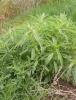
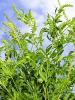
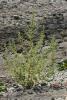
California Goosefoot is a perennial herb or low subshrub arising from a stout fleshy caudex or root crown.
Several decumbent, ascending, or upright stems may form a loose clump. Mature plants can approach approximately one meter under favorable conditions.
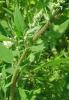
The leaves are carried on distinct petioles and are broadly triangular, arrowhead-shaped, or deltoid. Their margins are deeply and irregularly toothed.
The flowers are small, green, and inconspicuous. They occur in compact rounded clusters arranged along terminal and upper-stem inflorescences.
California Goosefoot Is Not Lambsquarters
Lambsquarters or White Goosefoot is Chenopodium album, a widespread annual agricultural weed with direct nitrate-poisoning and oxalate-measurement literature.
California Goosefoot is the western perennial Blitum californicum.
The species share historical placement within a broader Chenopodium concept, but the nitrate or oxalate concentration measured in C. album cannot be assigned automatically to B. californicum.
Ambiguous Common Names
Goosefoot, Indian Lettuce, Pigweed, Soap Plant, and Soaproot are not reliable species-level names.
Pigweed commonly refers to species of Amaranthus. Soaproot commonly refers to species of Chlorogalum in California. Indian Lettuce is applied to several unrelated edible greens.
A complete specimen, clear photographs, geographic location, and scientific identification are necessary when treatment or forage management depends on the plant’s identity.
Native Range and Exposure Habitat
California Goosefoot is native to California and northwestern Mexico, including portions of Baja California.
It occurs in grassland, chaparral, foothill woodland, open slopes, disturbed ground, road margins, coastal and inland habitats, and some montane or desert-edge environments.
Livestock exposure may occur when native plants grow within range, along fence lines, beside access roads, in disturbed feeding areas, or within material harvested with other forage.
Why the Exact Species Evidence Matters
No direct California Goosefoot study has established a nitrate concentration, soluble-oxalate concentration, veterinary toxic dose, or naturally occurring poisoning outbreak.
The page’s nitrate and oxalate warnings are based on biological plausibility and direct evidence from related forage plants, particularly Chenopodium album.
This distinction prevents two opposite errors: declaring the plant harmless because species-specific cases are absent or declaring every plant toxic because another goosefoot caused an outbreak.
Environmental Conditions Determine Nitrate Risk
Nitrate accumulation depends on soil nitrogen, plant growth, weather, moisture, light, nutrients, and plant injury.
Heavy fertilization, concentrated manure, drought, frost, cool cloudy weather, shade, nutrient deficiency, interrupted growth, herbicide injury, and rapid regrowth can interfere with normal nitrate assimilation.
Rain after drought may create a hazardous period when roots absorb available nitrate faster than recovering foliage can incorporate it into protein.
Plant Parts and Sampling
Nitrate concentration can vary among stems, leaves, roots, growth stages, and individual plants. Lower stems often contain more nitrate in recognized nitrate-accumulating forage species, although this distribution has not been quantified specifically in California Goosefoot.
A single leaf or one handful from a large field cannot represent the complete exposure.
Representative sampling should include multiple plants, locations, elevations, fertilizer bands, bale layers, feed-bunk areas, silage depths, and water sources.
Fresh Pasture, Hay, Green Chop, and Silage
Fresh plants may be consumed selectively, while hay and green chop prevent animals from avoiding individual weeds.
Drying does not remove nitrate or soluble oxalate reliably. High-nitrate goosefoot hay has caused fatal cattle poisoning.
Freshly cut, damp, or stockpiled green material may permit nitrate-to-nitrite conversion before feeding.
Ensiling may reduce nitrate, but the finished silage must be sampled and tested rather than assumed safe.
Water Must Be Tested Separately
Water can contribute enough nitrate or nitrite to turn a borderline forage ration into a toxic total exposure.
Potential sources include wells, ponds, manure runoff, wastewater, fertilizer tanks, leaking equipment, and water hauled in containers previously used for agricultural chemicals.
A clean plant sample does not exclude contaminated water, and a clean water sample does not prove that the forage is safe.
The Direct Chenopodium album Hay Case
In 2003, Ozmen, Mor, and Ayhan reported three cows that died after consuming Chenopodium album hay.
The cows developed ataxia, bluish-brown mucous membranes, rapid difficult breathing, increased heart rates, tremors, coma, and death. Chocolate-brown poorly coagulated blood was a prominent postmortem finding.
The hay contained 2,500 parts per million nitrate-nitrogen and 11 parts per million nitrite-nitrogen.
The case establishes a serious goosefoot-related forage hazard but remains evidence about C. album, not a species-specific California Goosefoot dose.
Experimental Nitrate Evidence
Controlled research involving pregnant ewes fed nitrate-containing forage demonstrated that methemoglobinemia rose with intake and that reproductive outcomes depended on dose, forage, infection, and other complications.
Separate plant-physiology research showed that herbicide treatment could increase nitrate concentration in susceptible Chenopodium album leaves while disrupting nitrate- and nitrite-reduction processes.
These studies support the importance of intake, plant stress, herbicide exposure, and total-ration analysis without proving that California Goosefoot behaves identically.
Oxalate Evidence from a Related Species
A direct analysis of raw Chenopodium album leaves measured substantial total and soluble oxalate.
The result supports including soluble oxalate in the differential when large quantities of an unidentified goosefoot are consumed.
It does not establish that California Goosefoot contains the same concentration, that drying leaves the concentration unchanged, or that the measured human-food sample represents a livestock toxic dose.
Diagnosis
Diagnosis combines clinical signs, plant identification, feed and water history, methemoglobin measurement, and chemical testing of representative samples.
Blood, serum, plasma, urine, ocular fluid, rumen contents, stomach contents, forage, hay, silage, complete feed, fertilizer, and water may be tested according to the clinical circumstances.
Ocular fluid may be particularly useful after death when postmortem changes make blood interpretation difficult.
Chocolate-brown blood supports methemoglobinemia but is not diagnostic by itself because chlorate, aniline compounds, acetaminophen, and other oxidants can produce similar changes.
Evaluation for Soluble Oxalate
When soluble oxalate is suspected, evaluation may include ionized calcium, total calcium, phosphorus, magnesium, kidney values, acid-base status, ECG findings, urinalysis, urine output, and analysis of the plant or feed.
Calcium oxalate crystals in urine are not sufficient alone to prove that California Goosefoot caused the illness.
Important Differential Diagnoses
Differential diagnoses include cyanide, urea, carbon monoxide, hydrogen sulfide, chlorate, aniline compounds, acetaminophen, sulfonamides, organophosphates, hypocalcemia, hypomagnesemia, grain overload, pneumonia, pulmonary edema, contaminated water, fertilizer, toxic gases, and other poisonous plants.
Sudden group illness requires a complete feed, water, chemical, environmental, and infectious-disease investigation.
Prevention
Test questionable pasture, hay, silage, green chop, complete feed, and water after drought, frost, heavy fertilization, manure accumulation, prolonged cloudy weather, cool growing conditions, herbicide injury, or unusual regrowth.
Do not turn hungry livestock directly into a field containing abundant suspect vegetation.
Keep animals away from fertilizer spills, leaking tanks, contaminated runoff, and water transported in improperly cleaned equipment.
Do not return animals to suspect forage or water until representative testing has been interpreted by the veterinarian, diagnostic laboratory, nutritionist, or qualified forage specialist.
Immediate Steps After Suspected Exposure
- Remove access without stressing affected animals: Stop access to California Goosefoot, unidentified goosefoot weeds, pasture, hay, silage, green chop, complete feed, fertilizer, and suspect water. Do not chase, crowd, rope, or force a visibly breathless or staggering animal to walk a long distance.
- Move unaffected animals first when practical: Quietly prevent additional herd members from eating or drinking while leaving severely compromised animals undisturbed until veterinary help can reach them safely.
- Do not force a down animal to stand: Exercise increases tissue oxygen requirements and may precipitate collapse or death during methemoglobinemia.
- Identify every possible source: Determine whether the exposure involved fresh plants, hay, silage, damp forage, stockpiled green chop, manure-rich ground, fertilizer, drought-stressed regrowth, frost-damaged vegetation, herbicide injury, contaminated water, or a chemical spill.
- Preserve separate representative samples: Save complete plants and collect hay, silage, feed, water, fertilizer, and material from different field or bale locations in separate labeled containers.
- Keep affected animals quiet and cool: Minimize noise, handling, transport, heat, and exertion while emergency care is arranged.
- Do not force food or water: A weak, recumbent, trembling, seizing, severely breathless, or poorly swallowing animal can aspirate oral material.
- Call a veterinarian immediately: Acute nitrate poisoning may kill within minutes to hours, and antidotal treatment is most effective before prolonged oxygen deprivation causes irreversible injury.
Do Not Attempt Unsupervised Home or Field Treatment
- Do not administer methylene blue yourself: It must be prepared, calculated, and injected intravenously by a veterinarian. Excessive concentration or dosing can damage red blood cells, cause hemolysis, produce Heinz bodies, or worsen methemoglobinemia.
- Do not induce vomiting: Hydrogen peroxide, salt, mustard, syrup of ipecac, detergent, oil, and manual gagging are unsafe and inappropriate for cattle, sheep, goats, horses, neurologically abnormal animals, and patients with breathing difficulty.
- Do not give activated charcoal automatically: Charcoal does not reliably bind inorganic nitrate or nitrite and cannot reverse methemoglobinemia. It may be considered professionally only when another charcoal-bindable substance was involved.
- Do not give mineral oil routinely: It does not reverse methemoglobinemia, may be aspirated, and can delay antidotal treatment and stabilization.
- Do not administer calcium without documented need: Intravenous calcium may be necessary for soluble-oxalate-associated hypocalcemia but can cause severe rhythm disturbances or tissue injury when administered improperly.
- Do not give sodium nitrite or a cyanide antidote merely because cyanide is possible: Sodium nitrite intentionally produces methemoglobin and may make nitrate poisoning substantially worse.
- Do not give atropine or antiarrhythmic medication routinely: A rapid heart rate commonly reflects oxygen deprivation rather than a primary rhythm disorder.
- Do not force a collapsed animal to stand or walk: Additional muscular work may cause sudden deterioration when functional hemoglobin is severely reduced.
When Emergency Examination Is Especially Important
- Rapid or labored breathing: Deep respiration, air hunger, open-mouth breathing, flared nostrils, or severe respiratory distress indicates impaired oxygen delivery or another major cardiopulmonary emergency.
- Abnormal mucous-membrane color: Gray, muddy brown, blue-brown, or chocolate-colored gums and conjunctiva support clinically important methemoglobinemia.
- Weakness or circulatory collapse: A rapid weak pulse, low body temperature, cold extremities, severe depression, staggering, inability to stand, fainting, or recumbency may accompany advanced poisoning.
- Neurologic deterioration: Tremors, marked ataxia, seizures, terminal paddling, coma, or unresponsiveness indicates critical cerebral hypoxia, hypocalcemia, or another acute toxin.
- Sudden group illness or death: Several affected animals strongly suggests a shared feed, water, fertilizer, pasture, gas, infectious, or chemical source.
- Possible soluble-oxalate syndrome: Muscle twitching, tetany, tremors, seizures, weakness, abnormal urination, or collapse after heavy plant ingestion warrants immediate ionized-calcium and kidney evaluation.
- Pregnant livestock were exposed: Fetal loss may occur after the dam appears to recover from acute maternal oxygen deprivation.
- Blood appears unusually bright red or collapse is exceptionally rapid: Cyanide or another cause must be considered because the antidotal approach differs from nitrate poisoning.
Veterinary Examination and Diagnostic Priorities
The veterinarian must determine whether the dominant problem is nitrate-induced methemoglobinemia, soluble-oxalate-associated hypocalcemia or kidney injury, cyanide poisoning, another oxidizing agent, cardiopulmonary disease, a feed-related disorder, or a combination of exposures.
Treatment may need to begin from the clinical presentation before every laboratory result is available.
Physical assessment includes respiratory rate and effort, mucous-membrane color, pulse quality, heart rate and rhythm, blood pressure, temperature, coordination, awareness, rumen motility, gastrointestinal function, hydration, urine production, and pregnancy status.
Methemoglobin and Blood Evaluation
Co-oximetry or another validated direct methemoglobin measurement is preferred when available.
A blood-gas instrument that calculates rather than directly measures oxygen saturation may produce misleading results during methemoglobinemia.
Testing may include complete blood count, packed cell volume, blood smear, blood gases, lactate, kidney and liver values, electrolytes, acid-base status, and repeated methemoglobin measurements.
Nitrate and Nitrite Testing
Blood, serum, plasma, urine, ocular fluid, rumen contents, stomach contents, hay, silage, complete feed, fertilizer, and water may be analyzed for nitrate and nitrite.
Field screening tests are presumptive. Representative laboratory testing is needed because nitrate may vary greatly among plants, field locations, bale layers, and water sources.
The laboratory report must state whether the result is expressed as nitrate, nitrate-nitrogen, nitrite, nitrite-nitrogen, or potassium nitrate.
Oxalate and Calcium Assessment
When soluble oxalate remains possible, testing may include ionized calcium, total calcium, phosphorus, magnesium, kidney values, acid-base status, ECG findings, urinalysis, urine output, and plant or feed oxalate analysis.
Documented hypocalcemia and declining urine production substantially change the treatment plan and prognosis.
Differentiating Nitrate from Cyanide
Nitrate and cyanide can both cause rapid breathing, weakness, collapse, seizures, and sudden death.
Chocolate-brown blood supports methemoglobinemia. Unusually bright or cherry-red venous blood can support cyanide suspicion, but neither appearance is definitive.
Laboratory testing, exposure history, speed of onset, forage species, water source, and chemical access are necessary because nitrate and cyanide treatments are different.
Methylene Blue for Methemoglobinemia
Methylene blue is the principal veterinary antidote for clinically important nitrate- or nitrite-induced methemoglobinemia.
Within red blood cells it is converted to leucomethylene blue, which helps reduce ferric methemoglobin back to functional ferrous hemoglobin.
The veterinarian selects the species-appropriate dose, solution concentration, dilution, intravenous administration rate, and need for repeat treatment according to the patient’s methemoglobin level, clinical response, continuing absorption, cardiovascular status, and red-cell condition.
Visible improvement in mucous-membrane color, respiration, awareness, and strength may begin rapidly when treatment is given before irreversible hypoxic injury develops.
Excessive or repeated methylene blue can itself oxidize hemoglobin, produce Heinz bodies, damage red cells, and cause hemolytic anemia. Continued blood monitoring is therefore necessary.
Use in cattle, sheep, goats, and other food-producing animals requires veterinary oversight, animal identification, and current residue and withdrawal guidance.
Oxygen and Airway Support
Supplemental oxygen supports the remaining functional hemoglobin and dissolved plasma oxygen but does not convert methemoglobin back into hemoglobin.
Oxygen should support rather than delay antidotal treatment.
An animal with respiratory fatigue, severe depression, aspiration, or inability to protect the airway may require intubation and assisted ventilation.
Handling must remain minimal after oxygen begins because struggling and exertion increase oxygen consumption.
Fluid and Circulatory Support
Nitrite can produce vasodilation and hypotension, while diarrhea, reduced intake, or prolonged illness may contribute dehydration.
Veterinarian-directed intravenous crystalloids may support circulating volume, kidney perfusion, and blood pressure. Fluids do not reverse methemoglobinemia and must not delay methylene blue.
Fluid administration is adjusted according to pulse quality, blood pressure, hydration, urine production, lung sounds, lactate, respiratory status, and response.
Persistent hypotension after appropriate volume restoration and antidotal treatment may require a veterinarian-selected vasopressor or inotrope with continuous monitoring.
Blood Transfusion
Whole blood or packed red cells may be considered when methemoglobinemia is profound, significant anemia or hemolysis is present, methylene blue is unavailable or ineffective, or oxygen delivery remains inadequate.
The decision depends on hematocrit, methemoglobin, perfusion, species, clinical response, and access to compatible blood products.
Professional Management of Rumen Contents
The first gastrointestinal intervention is removal of contaminated feed and prevention of continued intake.
Rumen evacuation, lavage, or controlled removal of recently consumed high-nitrate material may be considered after a massive exposure when continuing absorption is likely.
The animal must first be stable enough to tolerate restraint, tubing, or transport. Severely hypoxic animals may collapse during the procedure.
Activated charcoal and cathartics cannot substitute for methylene blue in an animal with methemoglobinemia.
Veterinary Treatment of Soluble-Oxalate Poisoning
A substantial soluble-oxalate exposure can produce both acute hypocalcemia and calcium oxalate kidney injury.
Treatment may include veterinarian-selected decontamination in a stable, asymptomatic patient; intravenous fluids; careful correction of documented ionized hypocalcemia; ECG monitoring; seizure control; and serial assessment of kidney function and urine production.
Intravenous calcium must be administered under cardiovascular monitoring because excessive or rapid administration can produce bradycardia, serious arrhythmias, cardiac arrest, or severe tissue injury if it leaves the vein.
Persistent oliguria or anuria despite restoration of hydration indicates significant renal injury and worsens the prognosis.
Tremors and Seizures
Convulsions during nitrate poisoning commonly result from severe cerebral oxygen deprivation. Reversal of methemoglobinemia, oxygen support, and restoration of circulation address the underlying cause.
A veterinarian may use a benzodiazepine for continuing seizures while the primary toxin and metabolic abnormalities are treated.
Oxalate-associated seizures also require correction of confirmed hypocalcemia. Persistent neurologic signs require reassessment for cyanide, pesticides, hypomagnesemia, hypoglycemia, urea, mold toxins, or primary neurologic disease.
Cardiac Abnormalities
Tachycardia commonly reflects hypoxia, while severe electrolyte disturbance, hypotension, or terminal oxygen deprivation may produce rhythm abnormalities.
Atropine and antiarrhythmic drugs are not routine nitrate or oxalate antidotes.
Treatment is selected according to ECG findings, blood pressure, perfusion, calcium, potassium, magnesium, and the documented rhythm.
Horses and Other Nonruminants
Horses cannot vomit and generally require evaluation of feed, water, gastrointestinal function, respiratory status, methemoglobin, circulation, and possible cyanide or toxic-gas exposure.
Methylene blue may be considered when clinically important methemoglobinemia is confirmed or strongly supported, with species-specific dosing and monitoring selected by the veterinarian.
Dogs and cats with concentrated fertilizer, sodium nitrite, contaminated water, or unexplained methemoglobinemia may require oxygen, intravenous access, methylene blue, blood testing, and monitoring for hemolysis.
Group Exposure and Field Investigation
Remove access to every shared feed and water source. Do not focus only on one visible plant.
Collect separate samples from multiple portions of the pasture, hay lot, silage pile, feed bunk, water system, fertilizer source, and complete ration.
Record recent fertilizer application, manure spreading, herbicide treatment, drought, frost, rainfall, prolonged cloud cover, irrigation changes, harvest date, storage conditions, and the time each animal developed signs.
Recovery and Prognosis
The prognosis may be good when nitrate poisoning is recognized early, exposure ends, and veterinarian-administered methylene blue rapidly restores functional hemoglobin.
Animals must be monitored for recurrent methemoglobinemia while contaminated material remains in the digestive tract.
Continued observation may be necessary for respiratory injury, aspiration, hypotension, anemia, hemolysis, kidney abnormalities, muscle injury, and fetal loss.
The prognosis becomes guarded to poor when animals are recumbent, severely breathless, seizing, comatose, profoundly hypothermic, or experiencing prolonged multiple-organ oxygen deprivation.
Soluble-oxalate prognosis becomes guarded when severe hypocalcemia cannot be controlled or urine production declines because of calcium oxalate kidney injury.
Surviving animals should not be returned to the original pasture, feed, hay, silage, or water until representative testing has been completed and a safe management plan has been established.
Frequently Asked Questions About California Goosefoot and Animal Poisoning
Is California Goosefoot always poisonous?
No. California Goosefoot is not known to contain one uniformly lethal toxin at a fixed concentration. The principal concern is its potential to accumulate nitrate or soluble oxalate under particular environmental, soil, and forage conditions. The actual plant, complete ration, and water source must be tested to determine the risk.
Is the accepted name Blitum californicum or Chenopodium californicum?
Blitum californicum S.Watson is the currently accepted name. Chenopodium californicum (S.Watson) S.Watson is a legitimate botanical synonym that remains common in older floras, government records, plant guides, and toxicology material.
Is California Goosefoot in Amaranthaceae or Chenopodiaceae?
Modern taxonomy places it in Amaranthaceae. Chenopodiaceae is the former goosefoot-family placement and remains common in older literature. The two family names in different sources do not necessarily indicate different plants.
Is California Goosefoot the same as lambsquarters?
No. Lambsquarters or White Goosefoot is usually Chenopodium album, a widespread annual agricultural weed. California Goosefoot is the western perennial Blitum californicum. The fatal cattle case involving C. album hay supports caution but does not establish the nitrate concentration or toxic dose of California Goosefoot.
What makes a goosefoot plant accumulate dangerous nitrate?
Risk can increase with excessive nitrogen fertilizer, manure-rich soil, drought, frost damage, prolonged cloudy or cool weather, shading, nutrient imbalance, interrupted growth, rapid regrowth, and some forms of herbicide or physical injury. Total exposure also includes nitrate in water, supplements, and the rest of the ration.
Does drying California Goosefoot make it safe?
No. Nitrate and soluble oxalate are not reliably destroyed by ordinary hay curing. High-nitrate goosefoot hay has caused fatal cattle poisoning. Proper ensiling may reduce nitrate, but the finished silage must still be tested before feeding.
Why are cattle, sheep, and goats especially susceptible?
Rumen microbes convert nitrate to nitrite. Nitrite is absorbed into the bloodstream and changes hemoglobin into methemoglobin, which cannot carry oxygen normally. Conversion of nitrate to nitrite can occur faster than the rumen can detoxify nitrite to ammonia.
What does nitrate poisoning look like?
Typical signs include sudden weakness, rapid or labored breathing, anxiety, a rapid weak pulse, gray-brown or chocolate-colored mucous membranes, tremors, staggering, frequent urination, recumbency, seizures, collapse, and sudden death. Several animals may become ill from the same feed or water source.
Why does the blood become chocolate brown?
Nitrite oxidizes normal hemoglobin into methemoglobin. Methemoglobin is brown and cannot transport oxygen effectively. An owner should not cut an animal or attempt to draw blood to check its color; the veterinarian should collect and test blood safely.
Is bright cherry-red blood proof of cyanide poisoning?
No. Bright or cherry-red blood can support suspicion of cyanide, while chocolate-brown blood supports methemoglobinemia, but neither color is definitive. Laboratory testing and identification of every plant, feed, water, and chemical source are necessary because the treatments differ.
Does California Goosefoot contain cyanide?
Cyanogenic glycosides have not been established as toxic principles of Blitum californicum. Cyanide remains an important differential diagnosis in mixed pastures containing sorghum, wild cherry, arrow grass, elderberry, flax, or another cyanogenic plant.
Can California Goosefoot cause oxalate poisoning?
Related goosefoots and other Amaranthaceae can contain soluble oxalates, but California Goosefoot-specific toxic concentrations have not been established. A large exposure may justify testing the plant, ionized calcium, kidney values, and urine rather than assuming either that the plant is harmless or that severe oxalate poisoning is certain.
Is California Goosefoot poisonous to dogs and cats?
A small taste of ordinary foliage is more likely to cause no signs or mild gastrointestinal upset than fatal methemoglobinemia. Dogs and cats are more commonly exposed to dangerous nitrate or nitrite through fertilizer, contaminated water, food products, or chemicals. Weakness, gray-brown mucous membranes, rapid breathing, collapse, tremors, or seizures requires immediate veterinary care.
Is California Goosefoot poisonous to horses?
Horses are generally more tolerant of nitrate-containing forage than ruminants because they lack a rumen, but severe forage contamination, fertilizer, nitrite, or contaminated water can still cause poisoning. Rapid breathing, weakness, abnormal mucous-membrane color, ataxia, or collapse warrants emergency examination.
How is nitrate poisoning treated?
Veterinary treatment centers on calm handling, immediate removal of the source, intravenous methylene blue to convert methemoglobin back to functional hemoglobin, oxygen, blood-pressure and respiratory monitoring, fluid support when indicated, and management of continuing gastrointestinal absorption. Severe cases may require airway support or blood transfusion.
Can I give methylene blue to livestock myself?
No. Methylene blue must be prepared and injected intravenously at a species-appropriate dose by a veterinarian. Incorrect concentration or excessive dosing can damage red blood cells or worsen methemoglobinemia. Food-producing animals also require current residue and withdrawal guidance.
Does activated charcoal treat nitrate poisoning?
Activated charcoal does not reliably bind nitrate or nitrite and does not reverse methemoglobinemia. It may be used professionally for another toxin in a mixed exposure or selected soluble-oxalate cases, but it should not delay methylene blue and can be aspirated by a weak or breathless animal.
What is the prognosis after suspected California Goosefoot poisoning?
The prognosis can be good when nitrate poisoning is recognized early and methylene blue is administered promptly. It becomes guarded to poor after severe respiratory distress, recumbency, seizures, coma, prolonged hypotension, extensive kidney injury, or delayed discovery of sudden group exposure.