Kochia Toxicity, Nitrate and Oxalate Exposure, and Complex Livestock Toxicosis
Is Kochia Poisonous to Dogs, Cats, Horses, and Livestock?
Yes—Kochia, Bassia scoparia, can poison dogs, cats, horses, cattle, sheep, goats, and other animals, although the most severe and best-documented disease occurs when livestock consume it as a substantial portion of the diet. Kochia can accumulate nitrate and soluble oxalate and has also been associated with liver injury, secondary photosensitization, kidney damage, altered mineral balance, and polioencephalomalacia. Its chemistry and toxicity vary sharply among fields, years, growth stages, weather conditions, soil types, and individual plants.
A small exploratory bite by a dog or cat is more likely to cause no illness or temporary drooling, nausea, vomiting, diarrhea, abdominal discomfort, appetite reduction, or lethargy than life-threatening systemic poisoning. Greater concern is warranted when a pet consumes many stems, an entire ornamental plant, concentrated dried material, fertilizer-contaminated vegetation, runoff, stock-tank water, or an unknown mixture of weeds and chemicals.
Severe nitrate or nitrite exposure can prevent blood from carrying oxygen normally, producing rapid breathing, weakness, gray, blue, or brown mucous membranes, chocolate-brown blood, collapse, seizures, coma, and death. Heavy soluble-oxalate exposure can cause dangerously low ionized calcium, muscular twitching, tremors, tetany, seizures, recumbency, kidney injury, and death. Repeated livestock consumption may instead produce weight loss, liver failure, photosensitization, kidney disease, apparent blindness, head pressing, incoordination, or prolonged neurologic illness.
About this guide: This page provides general pet-poisoning information and cannot diagnose or treat an individual animal. For any suspected exposure, contact a veterinarian or animal poison-control service immediately. Do not induce vomiting, give medication, or attempt home decontamination unless directed by a veterinary professional.
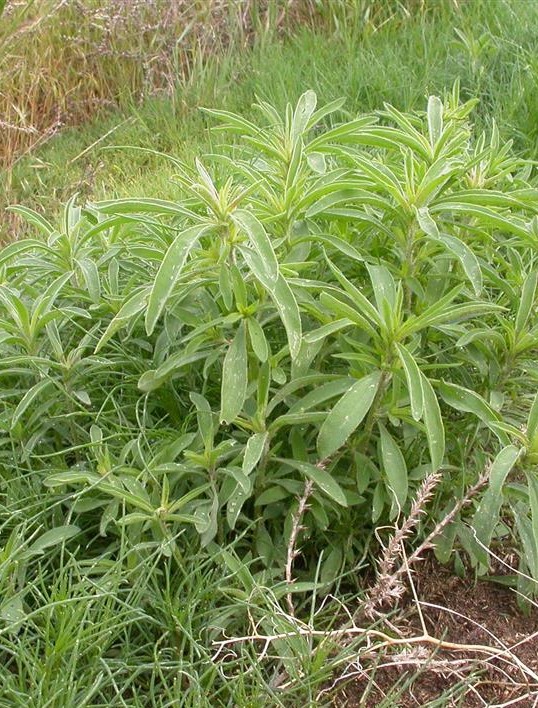
Kochia
Bassia scoparia (L.) Voss
The basionym and most important historical scientific names include:
- Chenopodium scoparium L. — the original name published by Linnaeus
- Kochia scoparia (L.) Schrad. — the name used throughout much of the veterinary, agricultural, weed-control, and forage literature
A 2025 revision of the Bassia scoparia complex recognizes the following principal varieties:
- Bassia scoparia var. scoparia — the widespread type variety
- Bassia scoparia var. subvillosa (Moq.) Lambinon — a more pubescent form with conspicuous hairs in the leaf or bract axils
- Bassia scoparia var. angustifolia (Turcz.) Sukhor. & Sennikov — a narrow-leaved salt-adapted form formerly treated as Bassia angustifolia
- Bassia scoparia var. trichophila (Stapf ex “Haage & Schmidt”) Sukhor. & Sennikov — the cultivated ornamental Summer Cypress or red Burning Bush form
- Bassia scoparia var. hirsutissima (Sukhor.) Sukhor. & Sennikov — a hirsute Central Asian and South Siberian form
Important synonyms and former segregate names now included within the broader species concept include:
- Kochia sieversiana (Pall.) C.A.Mey.
- Bassia sieversiana (Pall.) W.A.Weber
- Kochia densiflora B.D.Jacks.
- Kochia scoparia subsp. densiflora (B.D.Jacks.) Aellen
- Kochia scoparia var. angustifolia Turcz.
- Kochia angustifolia (Turcz.) Peschkova
- Bassia angustifolia (Turcz.) Freitag & G.Kadereit
- Kochia littorea (Makino) Makino
- Bassia littorea (Makino) Freitag & G.Kadereit
- Kochia trichophila Stapf ex “Haage & Schmidt”
- Kochia scoparia var. trichophila (Stapf ex “Haage & Schmidt”) Osborn
- Kochia albovillosa Kitag.
- Kochia scoparia subsp. hirsutissima Sukhor.
- Kochia alata Bates
- Bassia alata (Bates) A.J.Scott
- Kochia parodii Aellen
Important identification and naming distinctions:
- Bassia indica is a closely related but separate species that can be confused with Kochia in parts of Asia, North Africa, and the Mediterranean.
- Forage Kochia is usually Bassia prostrata, a perennial or subshrub used for rangeland forage. It is not the annual tumbleweed species Bassia scoparia.
- Fivehook Bassia is Bassia hyssopifolia, a separate species whose fruiting structures develop prominent hooked or spiny projections.
- Russian Thistle commonly refers to species formerly placed in Salsola, including Salsola tragus or related current combinations. It is not Kochia even though both plants can become tumbleweeds.
Amaranthaceae — Amaranth Family
Historically classified in Chenopodiaceae — Goosefoot Family
Kochia; Common Kochia; Summer Cypress; Summer-Cypress; Mock Cypress; Mock-Cypress; Mexican Summer Cypress; Mexican Burningbush; Mexican Burning Bush; Mexican Fireweed; Mexican Firebrush; Fireweed; Firebrush; Fireball; Fireball Bush; Burning Bush; Belvedere; Belvedere Cypress; Red Belvedere; Railroad Weed; Tumbleweed; Annual Tumbleweed; Broom Kochia; Broomweed; Common Red Sage; Mirabel; Morenita; Poor Man’s Alfalfa; World’s Fair Plant; Bassia scoparia; Kochia scoparia; Chenopodium scoparium
Summer Cypress and Mock Cypress describe the plant’s finely branched, conical appearance. Kochia is an annual flowering plant in Amaranthaceae and is unrelated to true cypress trees in Cupressaceae.
Burning Bush, Mexican Burningbush, Fireball, and Mexican Fireweed refer to the red, burgundy, orange-red, or purple coloration that ornamental and mature plants may develop. Burning Bush is also widely used for the unrelated woody shrub Euonymus alatus.
Railroad Weed reflects Kochia’s ability to colonize gravel, ballast, industrial soil, roadsides, and railway corridors. Tumbleweed refers to the mature plant breaking near ground level and rolling in the wind while dispersing seed.
Poor Man’s Alfalfa reflects Kochia’s potential forage value when young, properly identified, tested, mixed with safer forage, and managed professionally. The name does not mean Kochia is nutritionally or toxicologically interchangeable with alfalfa.
Forage Kochia most often refers to Bassia prostrata, a perennial rangeland shrub. It should not be confused with annual Kochia, Bassia scoparia.
“Kockia,” “Kocia,” and “Morentia” are spelling errors rather than established plant names. Morenita is a recognized regional or horticultural common name.
Kochia Toxicosis Is Not Caused by One Consistent Poison
Kochia can produce several clinically different poisoning syndromes. Directly documented concerns include nitrate accumulation, soluble and total oxalates, liver injury, secondary photosensitization, kidney damage, and polioencephalomalacia. The plant also contains saponins, beta-carboline alkaloids, triterpenoid glycosides, phenolic compounds, and other biologically active constituents.
The presence of a compound does not prove that it causes every field outbreak. Nitrate and oxalate can be measured and connected to defined mechanisms. The specific toxic principle responsible for the characteristic chronic liver disease and photosensitization has not been established conclusively.
One field may contain Kochia that provides usable forage, while another stand can produce severe disease. Plants from the same property may also differ according to soil fertility, moisture, topography, maturity, fertilizer exposure, and weather.
Nitrate Accumulation
Kochia absorbs nitrate from the soil as part of normal nitrogen nutrition. Plant cells ordinarily reduce nitrate to nitrite and then to ammonium before incorporating nitrogen into amino acids, proteins, chlorophyll, nucleic acids, and other compounds.
Nitrate accumulates when root uptake continues faster than the plant can use it. Drought, frost, hail, low temperature, cloudy weather, disease, herbicide injury, abrupt growth interruption, excessive manure, and heavy nitrogen fertilizer can all disrupt the balance between nitrate uptake and metabolism.
Rapid growth after rain does not guarantee immediate safety. Nitrate absorbed during stress may remain elevated while damaged or newly recovering tissue resumes growth.
Older or seed-producing plants are often treated as more hazardous, but nitrate concentration cannot be determined from color, height, bitterness, red autumn foliage, or maturity alone. Laboratory testing is required.
How Ruminants Convert Nitrate into More Toxic Nitrite
Rumen microorganisms reduce nitrate to nitrite and then reduce nitrite to ammonia for microbial protein production. The first step can proceed faster than the second when the nitrate load is large or the animal is not adapted.
Accumulated nitrite crosses the rumen wall and enters the bloodstream. It oxidizes the iron within hemoglobin from the ferrous state to the ferric state, forming methemoglobin.
Methemoglobin cannot transport oxygen normally. The lungs may continue moving air, but the blood cannot deliver enough usable oxygen to the brain, heart, muscles, and other tissues.
This mechanism explains the combination of rapid breathing, anxiety, weakness, dark mucous membranes, chocolate-brown blood, staggering, collapse, seizures, and death.
Nitrate Risk in Dogs and Cats
Dogs and cats are less efficient than ruminants at converting plant nitrate to nitrite because they lack a rumen. Severe forage-associated nitrate poisoning is therefore uncommon in companion animals.
That relative resistance is not absolute. A pet can receive a more important nitrate or nitrite exposure by eating a large quantity of highly contaminated vegetation, fertilizer granules, fertilizer-soaked soil, compost, treated seed, runoff, stock-tank water, or concentrated feed.
Gastrointestinal illness after one small Kochia bite does not prove methemoglobinemia. Gray, blue, slate-colored, or brown gums, chocolate-colored blood, rapid labored breathing, profound weakness, collapse, or seizures requires immediate evaluation for nitrate, nitrite, oxidizing medication, chemical exposure, or another cause.
Methemoglobin and Abnormal Blood Color
Normal oxygenated blood is bright red. As methemoglobin rises, blood can appear dark red-brown or chocolate brown and may remain abnormally dark after exposure to air.
Mucous membranes may appear muddy, gray, slate blue, brown, or nearly black. The visible color depends on the methemoglobin percentage, lighting, pigmentation, anemia, circulation, and oxygenation.
Blood color is an important clue rather than a complete diagnosis. Acetaminophen, benzocaine, nitrates, nitrites, aniline compounds, local anesthetics, onions, garlic, mothballs, and other oxidizing exposures can produce methemoglobinemia.
Soluble and Total Oxalates
Kochia can accumulate substantial oxalate concentrations. An exact-species survey of samples collected over several growing seasons measured a maximum of 4.7% soluble oxalate and 11.4% total oxalate in Colorado Kochia after heavy rainfall.
Those figures describe particular samples rather than a universal concentration. Plant age, rainfall, soil chemistry, growing location, and sampling method materially change the result.
Soluble oxalates are absorbed from the gastrointestinal tract and bind ionized calcium. Calcium is required for normal nerve transmission, skeletal-muscle contraction, heart function, and many cellular processes.
Rapid heavy ingestion can produce acute hypocalcemia with salivation, weakness, twitching, tremors, tetany, stiff gait, incoordination, seizures, recumbency, arrhythmia, or sudden death.
Oxalate-Associated Kidney Injury
Absorbed oxalate combines with calcium to form calcium-oxalate crystals. Crystals can lodge within renal tubules and injure tubular epithelial cells.
Continued exposure can produce increased thirst, increased urination, reduced concentrating ability, abnormal kidney values, dehydration, urinary calculi, chronic nephrosis, renal fibrosis, declining urine production, and kidney failure.
Chronic renal injury may develop without dramatic early tetany. Animals consuming Kochia-dominant hay or pasture can lose weight and performance before severe renal insufficiency is recognized.
Calcium-oxalate crystals in urine or kidney tissue can support oxalate exposure but are not completely specific to Kochia.
Kochia-Associated Liver Injury
Cattle grazing Kochia as their only forage have developed marked liver disease, including hepatocellular degeneration, necrosis, fibrosis, cholestasis, increased liver-associated enzyme activity, hyperbilirubinemia, and secondary photosensitization.
The specific Kochia hepatotoxin remains unidentified. Saponins and alkaloids have been detected, but no purified Kochia compound has reproduced every feature of the field syndrome consistently.
The plant’s saponin chemistry includes momordin Ic and multiple kochianosides isolated from the fruit used as Kochiae Fructus. Harmane and harmine have also been isolated from Kochia. These findings demonstrate biologic complexity but do not establish that momordin Ic, harmine, or any single saponin causes the livestock liver disease.
Environmental, nutritional, microbial, and plant-chemistry interactions may help explain why one Kochia stand is tolerated and another causes hepatotoxicosis.
Secondary or Hepatogenous Photosensitization
Rumen microorganisms convert chlorophyll into phylloerythrin. A healthy liver removes phylloerythrin from the blood and excretes it into bile.
When liver injury impairs biliary elimination, phylloerythrin remains in the circulation and accumulates in skin. Ultraviolet light activates the pigment and causes local oxidative tissue injury.
Unpigmented, lightly haired, sparsely haired, and highly exposed skin is affected most severely. The eyelids, muzzle, ears, lips, udder, teats, vulva, face, and white patches may become swollen, painful, red, blistered, crusted, ulcerated, or necrotic.
This is not ordinary sunburn. Skin treatment alone cannot correct the underlying liver dysfunction or remove circulating phylloerythrin.
Polioencephalomalacia and Sulfur
Polioencephalomalacia is softening and necrosis of the cerebral cortex. Kochia-associated outbreaks have produced apparent blindness, head pressing, nystagmus, abnormal eye position, incoordination, recumbency, opisthotonus, paddling, seizures, coma, and death.
The exact mechanism in Kochia-fed animals remains uncertain. Kochia can contribute sulfur to the total ration, and high sulfur intake can produce hydrogen sulfide within the rumen and cerebral cortical injury.
Altered thiamine metabolism has also been proposed. Direct, consistent demonstration of Kochia thiaminase as the sole cause has not been established.
Water, molasses, distillers grains, mineral supplements, feed byproducts, other weeds, and contaminated forage can add sulfur. A complete diet and water investigation is necessary.
Nitrate Hypoxia Can Mimic Neurologic Disease
A blind, staggering, recumbent, or seizuring ruminant may have polioencephalomalacia, but severe methemoglobinemia can also deprive the cerebral cortex of oxygen and produce similar signs.
Acute hypocalcemia, liver failure, lead, salt poisoning, cyanide, infectious encephalitis, listeriosis, and metabolic disease must also be considered.
Administering one presumptive treatment without evaluating blood color, methemoglobin, calcium, feed, water, and neurologic findings can miss a simultaneous or alternate syndrome.
Cyanide Is Not an Established Primary Kochia Toxin
Cyanogenic glycosides are not established as a routine major toxin in Bassia scoparia. Cyanide remains an important differential because it can cause sudden anxiety, respiratory distress, trembling, convulsions, collapse, and death.
Cyanide prevents cells from using oxygen, while nitrite prevents hemoglobin from carrying oxygen efficiently. Blood may appear unusually bright red in cyanide poisoning and chocolate brown in methemoglobinemia, but blood color is not consistently diagnostic.
Sorghum, Sudan grass, Johnson grass, wild cherry, chokecherry, arrowgrass, flax, elder, cyanide-containing chemicals, and mixed forage should be investigated when the onset is extremely rapid.
Plant Parts, Growth Stage, and Dried Material
Seedlings, leaves, stems, flowers, fruits, seeds, green growth, mature growth, dried stalks, hay, green chop, silage, tumbleweeds, and plant debris should all be considered potentially hazardous when consumed in quantity.
The aerial tissues are the principal forage exposure. Roots and the surrounding soil can add fertilizer, herbicide, heavy metals, salts, contaminated water, or other substances.
Drying and baling do not reliably destroy nitrate, sulfate, soluble oxalate, saponins, or alkaloids. A dry tumbleweed can retain chemical hazards and collect additional contaminants while rolling.
Animals lose the ability to select against Kochia once it is chopped and mixed into hay, grain, green chop, or a total ration.
Herbicide, Fertilizer, and Environmental Co-Exposure
Kochia commonly grows in agricultural, industrial, roadside, railway, feedlot, and waste areas where herbicides, nitrate fertilizer, salts, metals, petroleum products, pesticides, and contaminated water may be present.
Severe oral injury, salivation, seizures, liver failure, kidney injury, or abnormal blood color may reflect the plant, an associated chemical, or both.
A complete exposure investigation should include every product applied to the area, recent spraying, fertilizer history, runoff, water source, compost, treated seed, feed, and neighboring weeds.
No Dependable Safe or Lethal Dose
No dependable pet-safe leaf count, stem length, plant weight, seed amount, nitrate concentration, oxalate concentration, safe forage percentage, toxic dose, or lethal dose can be calculated at home.
Laboratory nitrate results must be interpreted according to whether the value is reported as nitrate, nitrate-nitrogen, nitrite, potassium-nitrate equivalent, dry matter, or as-fed concentration. Those values are not numerically interchangeable.
Risk also depends on the animal species, body size, health, diet, adaptation, amount consumed, rate of consumption, water chemistry, plant maturity, fertilizer history, and availability of alternative forage.
Small Dog and Cat Exposures
A dog or cat that chews Kochia may develop drooling, lip licking, repeated swallowing, nausea, vomiting, diarrhea, abdominal discomfort, appetite reduction, depression, sleepiness, or reluctance to move.
Plant material may appear in vomit or stool as narrow hairy leaves, fibrous stems, seeds, or dry fragments. These gastrointestinal signs do not reveal whether nitrate, oxalate, sap, fertilizer, herbicide, soil, or another plant caused the irritation.
One brief episode in an otherwise normal pet is different from repeated vomiting, progressive weakness, abnormal gum color, breathing difficulty, tremors, reduced urination, or collapse.
Methemoglobinemia and Tissue Hypoxia
Nitrate- or nitrite-associated methemoglobinemia prevents the blood from carrying adequate oxygen. Early signs may include anxiety, restlessness, rapid breathing, rapid heart rate, weakness, exercise intolerance, and an abnormal mucous-membrane color.
Gums and other visible mucous membranes may become gray, slate blue, muddy brown, dark brown, or nearly black. Fresh blood may appear chocolate brown.
As tissue hypoxia worsens, the animal may stagger, tremble, become unable to stand, faint, collapse, develop seizures, become comatose, or die.
The apparent breathing effort can be misleading. An affected animal may breathe rapidly while remaining profoundly oxygen deprived because the defect is in blood oxygen transport rather than air movement alone.
Acute Nitrate Poisoning in Ruminants
Cattle, sheep, and goats can deteriorate rapidly after eating highly nitrate-contaminated Kochia because rumen microorganisms convert nitrate to nitrite efficiently.
Signs may include frequent urination, salivation, abdominal discomfort, rapid weak pulse, low body temperature, muscular trembling, incoordination, gasping, weakness, collapse, and terminal convulsions.
A dead animal may be the first visible warning. Herd mates that still appear normal may have consumed the same source and require immediate removal and evaluation.
Acute Soluble-Oxalate and Hypocalcemic Signs
Rapid heavy consumption of high-soluble-oxalate Kochia can lower ionized calcium. Early findings may include salivation, feed refusal, depression, weakness, teeth grinding, muscle fasciculations, and a stiff or uncoordinated gait.
Progressive hypocalcemia can cause generalized tremors, tetany, rigid extension, seizures, recumbency, abnormal heart rhythm, and sudden death.
These signs are substantially more likely after major livestock consumption than after one small pet bite. A small animal that develops tetany or seizures requires investigation for fertilizer, another oxalate plant, hypoglycemia, pesticide, medication, or metabolic disease as well.
Kidney Injury and Chronic Oxalate Disease
Chronic or substantial oxalate exposure can produce increased thirst, increased urination, dehydration, weight loss, poor growth, reduced production, weakness, and abnormal kidney values.
As kidney damage progresses, urine production may decline. Oliguria or anuria, uremic breath, oral ulceration, vomiting, profound depression, and recumbency indicate severe renal dysfunction.
Urinary calculi may cause straining, abdominal discomfort, repeated posturing, blood in urine, or obstruction. Obstruction must be distinguished from reduced urine production caused by renal failure.
Liver Disease
Kochia-associated hepatotoxicity may cause depression, appetite loss, weight loss, weakness, dehydration, diarrhea, jaundice, dark urine, poor performance, or abnormal liver-associated blood values.
Some animals develop liver injury without obvious photosensitization, particularly when they have dark skin, dense hair, limited ultraviolet exposure, or early disease.
Severe liver failure can contribute to low blood glucose, bleeding abnormalities, neurologic dysfunction, poor drug metabolism, and death.
Hepatogenous Photosensitization
Affected animals may become restless or distressed in sunlight, seek shade, resist leaving a barn, shake the head, rub the face, or avoid exposed ground.
Lightly pigmented or poorly haired skin can become hot, painful, reddened, swollen, blistered, crusted, ulcerated, and necrotic. Lesions commonly affect the eyelids, muzzle, ears, lips, udder, teats, vulva, and white patches.
Eye discharge, severe eyelid swelling, corneal ulceration, and apparent blindness may occur. Flies and secondary bacterial infection can worsen damaged tissue.
Photosensitization can continue after the animal is removed from Kochia because circulating phylloerythrin remains present until liver function and biliary elimination improve.
Polioencephalomalacia
Early cortical neurologic signs may include isolation from the herd, appetite reduction, wandering, staring, apparent blindness, failure to avoid obstacles, head pressing, teeth grinding, or standing with the head elevated.
Nystagmus, abnormal eye position, reduced menace response, facial twitching, incoordination, weakness, circling, recumbency, opisthotonus, paddling, seizures, coma, and death can follow.
Some affected animals remain conscious but visually unaware. Others become profoundly depressed or seizure repeatedly.
These findings require immediate veterinary treatment because early thiamine-responsive disease may improve, while delayed cortical necrosis can become irreversible.
Several Toxic Syndromes Can Occur Together
An animal consuming Kochia-dominant forage can have liver injury, oxalate-associated kidney disease, dehydration, electrolyte abnormalities, and neurologic disease simultaneously.
Nitrate-related hypoxia can intensify seizures and organ injury. Kidney disease can impair elimination and worsen electrolyte imbalance. Liver dysfunction can reduce glucose regulation and produce photosensitization.
Clinical signs alone cannot determine the complete mechanism. Blood, urine, feed, water, and plant testing may identify more than one relevant abnormality.
Horses
Horses are less susceptible than ruminants to plant nitrate because nitrate reduction occurs primarily within the hindgut, where nitrite absorption is less efficient than from the rumen. This relative resistance does not make contaminated forage safe.
Horses can develop gastrointestinal irritation, colic, diarrhea, appetite loss, depression, weakness, trembling, ataxia, increased thirst, kidney abnormalities, liver injury, photosensitization, breathing difficulty, seizures, or collapse.
Horses cannot vomit. Severe abdominal discomfort, reflux, intestinal stasis, recumbency, or neurologic signs may occur without the vomiting seen in dogs.
Dogs
Dogs may encounter Kochia as an ornamental red Summer Cypress, a weed in disturbed soil, a dry tumbleweed trapped against a fence, or debris brought into a yard after mowing or wind.
Puppies and habitual vegetation chewers may ingest leaves, stems, seeds, soil, fertilizer pellets, herbicide residue, or contaminated water during the same event.
A small ingestion is more likely to cause gastrointestinal illness than the chronic cattle syndrome. Gray-brown gums, rapid breathing, profound weakness, tremors, poor coordination, reduced urine, seizures, or collapse suggests a larger, concentrated, or mixed exposure.
Cats
Cats may nibble ornamental foliage, play with a dry branch, investigate spilled potting soil, or groom plant residue from their paws and coat.
Vomiting, diarrhea, appetite loss, hiding, or temporary lethargy are the most plausible findings after a minor exposure. Continued feline food refusal deserves attention because prolonged anorexia can create serious secondary metabolic disease.
Open-mouth breathing, gray or brown gums, severe weakness, tremors, incoordination, seizures, or reduced responsiveness requires immediate care. Hydrogen peroxide must never be used as a feline emetic.
Blood Color and Cyanide Differentials
Chocolate-brown blood supports methemoglobinemia. Unusually bright-red venous blood may raise concern for cyanide, although blood color changes with time, oxygen exposure, lighting, and postmortem conditions.
An almond-like odor is unreliable and cannot be detected by every person. Absence of the odor does not exclude cyanide.
Mixed forage containing sorghum, Johnson grass, wild cherry, arrowgrass, flax, or another cyanogenic plant requires a broader investigation than Kochia alone.
Emergency Warning Signs
Emergency findings include repeated vomiting, substantial diarrhea, gray, blue, or brown gums, chocolate-colored blood, rapid labored breathing, gasping, marked weakness, trembling, inability to stand, tetany, apparent blindness, head pressing, reduced urine production, severe photosensitive skin injury, seizures, collapse, coma, or reduced responsiveness.
Multiple animals affected from the same field, water supply, feed lot, or hay batch constitutes an immediate herd emergency even when some animals still appear normal.
Accepted Identity and the Revised Bassia scoparia Complex
Kochia is Bassia scoparia, a fast-growing annual in Amaranthaceae. The species was originally published as Chenopodium scoparium and later became widely known as Kochia scoparia.
Modern molecular work placed the former genus Kochia within Bassia. A 2025 revision further demonstrated that several morphologically variable segregates belong within a broadly defined Bassia scoparia.
The species now includes smooth, hairy, narrow-leaved, saline-habitat, ornamental, and heavily pubescent variants. Hairiness alone does not establish a separate species or a different toxic syndrome.
Ornamental Summer Cypress
The cultivated red or pyramidal plant sold as Summer Cypress, Fireball, Mexican Burningbush, or Red Belvedere is Bassia scoparia var. trichophila.
It was selected for a compact, symmetrical, finely branched habit and colorful late-season foliage. It can revert toward a more ordinary weedy form over generations when nursery selection is removed.
An ornamental plant belongs to the same toxicologically relevant species as agricultural Kochia. Decorative color and compact shape do not establish a nitrate-, oxalate-, or saponin-free cultivar.
Native and Introduced Range
Kochia is native through eastern Europe and broad temperate areas of Asia. Its precise center of origin remains uncertain, with substantial morphological diversity occurring in Central Asia and southern Siberia.
The plant was transported as an ornamental, broom material, forage experiment, accidental seed contaminant, and agricultural weed. It is now widespread across North America and many other temperate regions.
Its salt tolerance, drought tolerance, deep root system, rapid growth, prolific seed production, and tumbleweed dispersal allow it to colonize damaged or exposed soil quickly.
Where Animals Encounter Kochia
Kochia grows in cropland, feedlots, corrals, dry lots, old livestock pens, manure-rich soil, overgrazed pasture, rangeland, field margins, roadsides, railway corridors, ditch banks, construction areas, vacant lots, waste ground, drainage channels, gardens, and landscaped beds.
It may become one of the few green plants remaining during drought or overgrazing. Hungry animals can consume a large amount before better forage becomes available.
Dogs may encounter uprooted plants, mowing debris, windblown tumbleweeds, ornamental plantings, roadside weeds, or Kochia growing near fertilizer and treated agricultural ground.
Growth Form
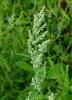
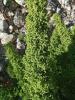
Kochia begins as a soft gray-green seedling and develops into a densely branched upright annual. Mature plants commonly reach approximately two to five feet, although favorable conditions can produce substantially larger individuals.
The overall shape may be pyramidal, oval, rounded, conical, or candelabra-like. Numerous fine branches give the plant a soft cypress-like appearance from a distance.
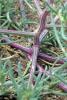
Stems are green when young and may become red-streaked, burgundy, or purplish before drying brown. Color is influenced by cultivar, temperature, stress, maturity, and genetics.
Leaves
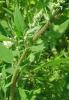
Leaves are alternate, narrow, linear to lance-shaped, and usually taper toward both ends. Their margins and lower surfaces commonly carry fine hairs.
Young foliage can be palatable and nutritionally useful. As the plant matures, stems become coarser, leaf-to-stem ratio declines, and the plant may accumulate more problematic concentrations of nitrate, oxalate, or other constituents.
Narrow leaves alone are insufficient for identification because Russian Thistle, Fivehook Bassia, and other dryland weeds can appear similar when young.
Flowers, Fruits, and Seeds
Kochia flowers are tiny, green, petal-less, and easily overlooked. They occur in clusters within upper leaf axils and along the terminal branches.
Each flower produces a small one-seeded fruit surrounded by persistent floral segments. Fruiting structures may develop short membranous wings or projections rather than the large hooked structures of Fivehook Bassia.
Seeds are small, flattened, and brown to nearly black. One mature plant can produce thousands of seeds and replenish a persistent soil seed bank.
The Tumbleweed Stage
After maturity and drying, the stem can break near ground level. Wind rolls the branching plant across open ground while seeds disperse.
A tumbleweed may lodge against a pasture fence, kennel, barn, vehicle, gate, or house. Confined animals may investigate or chew it even when they had no access to the original stand.
Dried Kochia retains nitrate and oxalate hazards and may collect herbicide, road dust, petroleum residue, mold, manure, salt, and other contaminants as it travels.
Kochia Can Be Forage and Poison
Young Kochia can contain useful protein and may support livestock when managed carefully. Its forage reputation led to the name Poor Man’s Alfalfa.
The plant becomes hazardous when it dominates the diet, is consumed rapidly by hungry or unadapted animals, contains excessive nitrate or oxalate, or is fed for long periods without safer forage.
In four controlled grazing trials, illness occurred only in steers grazing pure Kochia. Animals grazing native grass with Kochia performed better and did not reproduce the same frequency of clinical disease.
This does not create a universal safe ration percentage. Testing, water chemistry, stage of growth, animal adaptation, and professional ration design remain necessary.
Annual Kochia Is Not Forage Kochia
Forage Kochia ordinarily refers to Bassia prostrata, formerly Kochia prostrata. It is a perennial or long-lived subshrub used for fall and winter grazing and rangeland rehabilitation.
Annual Kochia, Bassia scoparia, dies after one growing season and can break loose as a tumbleweed. The two plants differ in life history, growth form, management, and forage research.
A publication or feed label discussing “forage kochia” should not be assumed to describe annual Kochia toxicity unless the scientific name is provided.
How Nitrate Accumulation Changes with Weather and Fertility
Heavy nitrogen fertilizer, manure, feedlot soil, and old corrals provide abundant nitrate. Drought or cool cloudy weather can slow the metabolic processes required to incorporate that nitrate into plant tissue.
Frost, herbicide injury, hail, disease, or mowing can stop growth abruptly while roots continue supplying nitrate. Regrowth after stress may remain hazardous until laboratory testing confirms otherwise.
One portion of a field can differ from another. Low areas, manure patches, heavily fertilized strips, field edges, and runoff zones may contain the most hazardous plants.
Nitrate Laboratory Reports
A laboratory may report nitrate as nitrate, nitrate-nitrogen, potassium nitrate equivalent, or another unit. Results may also be expressed on an as-fed or dry-matter basis.
Nitrate and nitrate-nitrogen values differ by a substantial conversion factor and cannot be compared directly. Moisture content further changes the apparent concentration.
The report should be interpreted with the laboratory, veterinarian, toxicologist, or livestock nutritionist. The sampled material must represent the actual forage lot or field rather than one selected plant.
Exact Oxalate Research
Kochia collected during three Colorado growing seasons and an additional New Mexico season was analyzed for soluble and total oxalates.
The maximum measured concentrations were 4.7% soluble oxalate and 11.4% total oxalate in Colorado plants after heavy rainfall. Those values were high enough to create concern for chronic oxalate poisoning.
Rain therefore does not guarantee lower oxalate risk. Water availability can alter growth and chemistry in different ways depending on timing, soil, and plant development.
Experimental Lamb and Cattle Hay Studies
Controlled 1991 studies compared Kochia hay with alfalfa in lambs, sheep, and cattle. The tested Kochia hay contained approximately 6.3% total oxalate.
Lambs fed Kochia developed evidence of impaired nitrogen retention and hepatotoxicosis. Changes included altered liver-associated enzyme activity and metabolic-hormone responses.
Sheep and cattle differed in their biochemical response. This reinforces that one animal species cannot be used as a direct dose model for another.
Documented Colorado Cattle Outbreak
Cattle consuming Kochia as the only pasture forage developed tearing, depression, appetite loss, nystagmus, head pressing, recumbency, and occasional opisthotonus.
Postmortem findings included pulmonary edema and congestion, hepatic necrosis and fibrosis, proximal renal tubular injury, necrosis of lightly pigmented skin, and laminar cerebrocortical necrosis.
The simultaneous liver, kidney, skin, and brain lesions demonstrate that Kochia toxicosis is broader than a single nitrate episode.
Four Experimental Grazing Trials
Four grazing trials were conducted over three years with yearling steers allowed to graze pure irrigated and fertilized Kochia for periods ranging from approximately two weeks to more than three months.
Morbidity and mortality varied substantially among years. Some trials produced no clinical illness, while others produced depression, dehydration, weight loss, muscular weakness, photosensitization, ocular discharge, crusting of the muzzle, and death.
Liver-associated blood values increased consistently in steers grazing Kochia. Bilirubin, calcium, and serum-protein changes also occurred in several trials.
The variability itself is one of the most important findings: a field tolerated one year cannot be assumed safe the next.
Kochia and Russian Thistle
Russian Thistle and Kochia frequently occupy the same dry disturbed environments and can both become tumbleweeds.
Young Russian Thistle may be relatively soft, but mature plants develop stiff prickly leaf tips and sharp flower bracts. Kochia remains more softly hairy and lacks the same rigid terminal spines.
Russian Thistle can also accumulate nitrate and soluble oxalate. Misidentifying one as the other does not eliminate the need for forage testing.
Kochia and Lambsquarters
Lambsquarters, Chenopodium album, usually has broader triangular, diamond-shaped, or goosefoot-like leaves. Young growth often carries a pale mealy or powdery coating.
Kochia has much narrower linear or lance-shaped leaves and develops a more finely branched cypress-like form.
Both species may accumulate nitrate and oxalate. Evidence from a Lambsquarters poisoning case should not be presented as exact Kochia research, and vice versa.
Kochia and Fivehook Bassia
Fivehook Bassia, Bassia hyssopifolia, is another annual salt-tolerant weed in the same genus. Its fruiting perianth develops five prominent hooked or spiny projections.
Kochia fruiting structures have much shorter wings or tubercles. The plants can be difficult to distinguish before mature fruit develops.
A complete flowering or fruiting specimen is more reliable than a detached leaf.
Kochia and Bassia indica
Bassia indica is a close relative native to the Indian subcontinent and introduced into parts of North Africa, western Asia, and the Mediterranean.
It generally has a taller tumbleweed habit, thicker hirsute leaves, and conspicuously hairy floral segments. Some hairy forms of Bassia scoparia overlap in appearance.
Misidentification is especially relevant when interpreting forage or medicinal studies published outside North America.
Kochia Is Not Euonymus Burning Bush
The familiar woody ornamental Burning Bush is usually Euonymus alatus. It has opposite leaves, woody stems, distinctive corky wings, and red or orange fruit capsules.
Kochia is an annual with alternate narrow leaves, tiny green flowers, and no woody cork-winged branches.
Both are inappropriate for unrestricted pet consumption, but their toxins and expected clinical syndromes differ.
Kochiae Fructus and Traditional Medicine
The dried ripe fruit is used in East Asian traditional medicine under names including Kochiae Fructus and Di Fu Zi.
Exact fruit chemistry includes momordin Ic, kochianosides, oleanane-type triterpenoid glycosides, flavonoids, and other constituents investigated for antipruritic, anti-inflammatory, antimicrobial, and pharmacologic effects.
Traditional use involves selected, processed material and controlled formulations. It does not establish that raw field fruit, seeds, whole plants, powders, extracts, or teas are safe for dogs, cats, horses, or livestock.
Tonburi
Processed Kochia seed is eaten in Japan as tonburi, sometimes called field caviar or land caviar. Commercial production includes harvesting selected seed and extensive washing, boiling, soaking, and removal of the outer covering.
This specialized food use does not establish that raw seed heads, tumbleweed seeds, forage, or ornamental plants are safe for pets.
A prepared human food may also contain salt, seasoning, onion, garlic, sauce, or other ingredients that create separate animal risks.
Diagnosis
Diagnosis begins with complete plant identification and a detailed account of pasture, hay, feed, water, fertilizer, pesticide, and weather conditions.
Useful samples include rooted plants, lower and upper leaves, flowers, fruits, seeds, dried tumbleweed material, hay from multiple bales, green chop, grain, water, fertilizer, soil, vomit, rumen contents, and photographs of the whole stand.
Veterinary testing may include methemoglobin measurement, co-oximetry, blood gases, packed cell volume, electrolytes, ionized calcium, glucose, kidney and liver values, bilirubin, coagulation testing, urinalysis, urine output, ECG, blood pressure, and neurologic examination.
Feed, forage, water, rumen contents, ocular fluid, and environmental material may be analyzed for nitrate, nitrite, oxalate, sulfate, metals, pesticides, and other toxicants.
Pulse Oximetry Has Important Limits
A conventional pulse oximeter estimates oxygen saturation from limited wavelengths of light and can provide misleadingly stable values during methemoglobinemia.
Co-oximetry directly separates several hemoglobin species and is more useful when oxidized hemoglobin is suspected.
A normal-looking pulse-oximeter number must not override abnormal gum color, chocolate-brown blood, rapid breathing, weakness, or a credible nitrate exposure.
Prognosis
The prognosis is generally favorable after a small pet exposure limited to temporary gastrointestinal irritation.
Animals with nitrate-associated methemoglobinemia may improve rapidly after correct diagnosis and treatment before prolonged hypoxia causes irreversible injury.
The prognosis becomes guarded with severe hypocalcemia, declining urine production, kidney failure, liver failure, extensive photosensitization, blindness, repeated seizures, coma, prolonged recumbency, or multiple-organ disease.
Liver, kidney, skin, and brain injury can continue after the animals are removed from the source and may require days to weeks of treatment.
Immediate Response for Dogs and Cats
- Stop further exposure: Move the animal away from Kochia, dry tumbleweeds, ornamental plants, hay, fertilizer, contaminated soil, runoff, standing water, and other accessible weeds.
- Preserve a complete plant: Save roots, lower and upper leaves, stems, flowers, fruits, seeds, dried material, nursery labels, and clear photographs.
- Preserve associated products: Save fertilizer, herbicide, pesticide, compost, potting-medium, water-treatment, and feed packaging.
- Estimate the amount: Record whether the pet took one bite, ate several stems, pulled up an ornamental plant, chewed a tumbleweed, or had prolonged unsupervised access.
- Check for mixed exposure: Determine whether granules, soil, contaminated water, treated seed, mushrooms, another weed, plastic, wire, or foreign material may also have been swallowed.
- Contact a veterinarian: Obtain guidance after a meaningful or uncertain ingestion and immediate care for abnormal breathing, gum color, weakness, tremors, seizures, reduced urine, or collapse.
Do Not Automatically Induce Vomiting
Hydrogen peroxide must never be used as a feline emetic. It can cause severe gastric and esophageal injury.
Do not give hydrogen peroxide automatically to a dog. A veterinarian or animal poison-control specialist may consider emesis only after a recent meaningful ingestion in a completely alert, stable, symptom-free dog that is breathing and swallowing normally.
Never induce vomiting after vomiting, weakness, gray or blue gums, tremors, poor coordination, difficult breathing, collapse, seizures, or impaired swallowing begins.
Do not use salt, mustard, ipecac, detergent, dish soap, oil, syrup, fingers, tools, or physical gagging.
Do not delay transportation while attempting a home procedure. Methemoglobinemia, hypocalcemia, shock, and neurologic deterioration require hospital treatment.
Activated Charcoal and Oral Products
Activated charcoal does not reliably reverse nitrate or soluble-oxalate poisoning. It may be considered professionally when another absorbable plant constituent, pesticide, or medication is involved.
Do not force charcoal into a vomiting, weak, dyspneic, sedated, trembling, seizuring, collapsed, or poorly swallowing animal. Aspiration can cause severe lung injury.
Barbecue charcoal, fireplace ash, burned food, and homemade carbon are not medical activated charcoal.
Do not give mineral oil. It does not neutralize nitrate, oxalate, sulfate, saponins, or alkaloids and can cause aspiration pneumonia.
Do not give milk, oil, bread, extra food, or an electrolyte drink in an attempt to dilute the exposure.
Vomiting and Diarrhea
- Track each episode: Record the time and appearance of vomit and stool, including leaves, stems, seeds, fertilizer granules, blood, foam, black material, soil, or foreign debris.
- Save representative material: Place recognizable plant fragments in a sealed disposable container for veterinary identification.
- Offer water only when safe: A fully alert animal that is swallowing normally and not vomiting repeatedly may have voluntary access to small amounts of clean water.
- Never force fluids: Syringed or poured water can enter the lungs and cannot correct significant dehydration, methemoglobinemia, hypocalcemia, or kidney injury.
- Watch for dehydration: Tacky gums, sunken eyes, reduced urination, weak pulses, or increasing lethargy requires treatment.
- Report blood promptly: Repeated blood, coffee-ground vomit, black stool, substantial bloody diarrhea, pale gums, or collapse requires urgent examination.
Methemoglobinemia Warning Signs
Inspect mucous membranes in natural light when this can be done safely. Gray, slate-blue, muddy brown, dark brown, or nearly black gums may indicate impaired oxygen transport.
Rapid breathing, labored respiration, gasping, open-mouth breathing, neck extension, anxiety, severe weakness, staggering, or collapse requires immediate emergency care.
Chocolate-brown blood from the mouth, an injury, vomit, stool, or a veterinary blood draw supports methemoglobinemia.
Keep the animal quiet. Exercise and struggling increase oxygen demand when functional hemoglobin is limited.
Do not give anything by mouth to an animal with breathing difficulty, collapse, reduced consciousness, or impaired swallowing.
Do Not Administer Methylene Blue at Home
Methylene blue can reduce methemoglobin toward functional hemoglobin when nitrate or nitrite poisoning is confirmed or strongly supported.
It requires intravenous administration, accurate concentration, species-specific judgment, and monitoring. Preparation errors or excessive treatment can cause hemolysis, Heinz-body injury, or additional methemoglobinemia.
Cats and certain other patients may be particularly vulnerable to oxidative red-cell injury. Food-animal residue and regulatory requirements must also be considered.
Methylene blue is not a general antidote for vomiting, oxalate poisoning, liver injury, kidney failure, or polioencephalomalacia.
Tremors, Tetany, and Seizures
- Clear the area: Move hard, sharp, or heavy objects away from the animal.
- Prevent falls: Keep the animal away from stairs, roads, pools, ponds, ditches, and elevated surfaces.
- Do not restrain the jaw: Animals do not swallow their tongues, and hands near the mouth can be bitten severely.
- Do not pin the animal down: Forceful restraint worsens breathing, heat production, and muscular injury.
- Time each episode: Record seizure duration and whether awareness returns between events.
- Seek immediate critical care: Tremors, rigid extension, repeated seizures, recumbency, or failure to regain awareness may indicate hypocalcemia, hypoxia, polioencephalomalacia, or another severe toxin.
Do Not Give Calcium at Home
Calcium treatment may be lifesaving when acute soluble-oxalate exposure has produced confirmed clinically important hypocalcemia.
Intravenous calcium must be given slowly with ECG monitoring because rapid or inappropriate administration can cause dangerous arrhythmia or cardiac arrest.
Do not give calcium tablets, antacids, dairy products, injectable livestock calcium, mineral drenches, or supplements based only on tremors or weakness.
The same signs may be caused by methemoglobinemia, seizures, fertilizer, pesticide, hypoglycemia, or another toxin requiring different treatment.
Urination and Kidney Warning Signs
Monitor water intake and urination. Increased thirst and increased urine can occur during early tubular dysfunction.
Straining, blood in urine, reduced output, dark urine, or complete failure to urinate requires immediate veterinary assessment.
Do not restrict voluntary access to clean water in an alert animal unless the veterinarian gives different instructions.
Do not force oral water or attempt to “flush the kidneys.” Fluid therapy must be matched to hydration, blood pressure, electrolytes, kidney function, and urine production.
Oliguria or anuria creates a guarded prognosis and increases the risk of fluid overload.
Skin and Photosensitization
Move an affected animal indoors or into complete shade immediately. Ordinary mesh shade may not block enough ultraviolet light.
Photosensitive skin is painful and fragile. Prevent rubbing against fences, trees, rough walls, or equipment and control flies.
Do not apply human sunscreen, zinc cream, anesthetic cream, corticosteroid, antibiotic ointment, petroleum product, or homemade treatment without veterinary direction. Many products are unsafe when licked or inappropriate for ulcerated tissue.
Eye swelling, tearing, squinting, cloudiness, or apparent blindness requires examination and protection from further ultraviolet exposure.
Photosensitization requires liver evaluation. Treating the skin without addressing hepatic dysfunction is incomplete.
Do Not Give Routine Home Medication
- Avoid human pain relievers: Ibuprofen, naproxen, acetaminophen, aspirin, and similar drugs can create additional kidney, liver, blood, or gastrointestinal injury.
- Avoid human antidiarrheals: Loperamide, bismuth products, and other gastrointestinal medication may delay diagnosis or complicate poisoning.
- Do not give vitamins or minerals: Calcium, magnesium, iron, thiamine, potassium, and other supplements require a diagnosis and controlled dosing.
- Do not give herbal Kochia products: Kochiae Fructus, Di Fu Zi, seed powder, extracts, tea, tincture, and traditional preparations contain active compounds and are not pet antidotes.
- Do not use leftover medication: Heart drugs, anticonvulsants, steroids, antibiotics, and diuretics may worsen the wrong syndrome.
Veterinary Assessment for Dogs and Cats
The veterinary team may assess mucous-membrane color, pulse quality, breathing, temperature, hydration, neurologic status, abdominal comfort, urine production, and evidence of associated chemical exposure.
Co-oximetry or direct methemoglobin measurement may be required because conventional pulse oximetry can be misleading.
Blood testing may include packed cell volume, blood gases, electrolytes, ionized calcium, glucose, kidney and liver values, bilirubin, acid-base status, lactate, blood count, and coagulation testing.
Urinalysis, urine-output measurement, sediment examination, imaging, ECG, and blood-pressure monitoring may be necessary in a significantly ill patient.
Veterinary Treatment
There is no single Kochia antidote. Treatment must address the syndrome actually identified.
Supplemental oxygen supports the patient while abnormal oxygen transport, breathing, or circulation is corrected.
Veterinary methylene blue may be used for clinically important nitrate- or nitrite-induced methemoglobinemia.
Veterinarian-administered intravenous calcium may be required for symptomatic hypocalcemia caused by soluble oxalates.
Carefully selected intravenous fluids may correct dehydration, support circulation, and maintain kidney perfusion. Fluid delivery must be adjusted when urine output declines.
Veterinarian-selected anticonvulsants may control seizures while hypoxia, hypocalcemia, cerebral cortical disease, or another underlying cause is treated.
Liver injury may require nutritional support, glucose management, antioxidant or hepatoprotective care, coagulation monitoring, and treatment of secondary complications.
Immediate Livestock Response
- Remove the entire group: Move animals calmly away from Kochia pasture, hay, green chop, feed, fertilizer, and suspect water.
- Minimize exertion: Do not chase or force dyspneic, weak, trembling, blind, or staggering animals to travel long distances.
- Provide uncontaminated forage: Offer safe alternative feed while the suspect source is isolated and tested.
- Call a veterinarian immediately: One sudden death may mean apparently normal herd mates have consumed the same source.
- Preserve representative samples: Collect plants from multiple areas, hay from multiple bales, water, feed, fertilizer, rumen material, and other requested specimens.
- Do not drench: Never force water, oil, charcoal, feed, or medication into a dyspneic, recumbent, seizuring, blind, or poorly swallowing animal.
Suspected Nitrate or Nitrite Poisoning in Livestock
Rapid breathing, gray-brown mucous membranes, chocolate-brown blood, trembling, weakness, staggering, and sudden collapse strongly support methemoglobinemia.
Reduce stress and handling because muscular activity increases oxygen demand.
Veterinary methylene blue may produce rapid improvement when treatment is given before prolonged tissue hypoxia causes irreversible injury.
Food-animal residue rules, milk withdrawal, species sensitivity, and treatment documentation must be addressed professionally.
Forage, hay, green chop, water, fertilizer, and every weed present should be tested rather than assuming Kochia was the only nitrate source.
Suspected Soluble-Oxalate Poisoning
Muscle twitching, tremors, tetany, teeth grinding, weakness, recumbency, or seizures requires immediate ionized-calcium assessment.
Intravenous calcium must be administered slowly with cardiac monitoring.
Kidney values, urine production, hydration, and urine sediment should be monitored for calcium-oxalate injury.
Chronic exposure must be stopped even after acute muscular signs improve because renal injury can continue.
Suspected Polioencephalomalacia
Apparent blindness, head pressing, wandering, nystagmus, abnormal eye position, opisthotonus, seizures, and recumbency requires emergency neurologic treatment.
Move affected animals to a quiet protected area away from open water, steep ground, sharp fencing, traffic, and obstacles.
Veterinarian-administered thiamine may be lifesaving in thiamine-responsive polioencephalomalacia. Treatment should begin promptly when the syndrome is suspected.
Water, feed, molasses, distillers grains, supplements, and weeds should be tested for sulfur because correcting the total dietary burden may be necessary.
Nitrate hypoxia, lead, salt poisoning, listeriosis, liver failure, and hypocalcemia must remain in the differential diagnosis.
Photosensitization Care
House affected animals indoors or under complete ultraviolet protection while circulating photodynamic pigment remains present.
Evaluate liver function, bilirubin, hydration, nutrition, and biliary disease rather than treating the skin alone.
Pain control, wound care, fly prevention, eye treatment, fluid therapy, and treatment of secondary infection may be required.
Do not return an animal to direct sunlight merely because the skin surface appears drier. Recurrence can occur until phylloerythrin clearance and liver function improve.
Testing Pasture, Hay, and Water
Samples should represent the complete source. Collect plants from multiple locations, hay cores from multiple bales, and water from the actual drinking point.
Tell the laboratory whether nitrate, nitrate-nitrogen, nitrite, soluble oxalate, total oxalate, sulfate, metals, herbicide, or another contaminant is suspected.
Record whether results are reported on a dry-matter or as-fed basis. Do not compare values across incompatible units.
Suspect material should remain withheld until interpretation is complete. Diluting a dangerous lot without professional calculation can still produce poisoning.
Recovery and Prognosis
A small pet exposure limited to temporary gastrointestinal irritation generally has a favorable prognosis.
Nitrate-poisoned animals may improve rapidly after appropriate methylene-blue treatment, oxygen support, and removal from the source.
Acute hypocalcemia may also improve quickly after controlled calcium replacement, although concurrent kidney injury can complicate recovery.
Liver failure, kidney failure, extensive photosensitization, irreversible cortical necrosis, repeated seizures, coma, or prolonged recumbency creates a guarded prognosis and may require days to weeks of care.
Prevention
Test drought-stressed, mature, heavily fertilized, or Kochia-dominant pasture and hay before unrestricted feeding.
Do not move hungry or unadapted livestock directly onto a dense Kochia stand. Provide safe alternative forage and professional ration planning.
Do not rely on drying, baling, weathering, or the tumbleweed stage to eliminate nitrate or oxalate.
Secure nitrate fertilizer, runoff, bags, granules, stock-tank additives, and application equipment from pets and livestock.
Remove ornamental Kochia from areas used by dogs that habitually chew plants or dig in fertilized soil.
Frequently Asked Questions About Kochia and Animal Poisoning
My dog took one bite of Kochia and still seems normal. Does the dog need emergency treatment?
One small bite from a correctly identified, untreated Kochia plant is more likely to cause no illness or brief gastrointestinal irritation than severe nitrate, oxalate, liver, or neurologic poisoning. Remove access, photograph the plant, and monitor for vomiting, diarrhea, appetite loss, lethargy, abnormal gum color, breathing changes, weakness, tremors, and urination changes.
The recommendation changes when the dog is very small, several stems are missing, the amount is unknown, the plant grew in heavily fertilized soil, fertilizer granules were present, runoff or stock water was consumed, or the dog develops any symptoms. Gray-brown gums, rapid breathing, collapse, or seizures requires emergency care rather than home observation.
The plant is a red ornamental sold as Fireball or Summer Cypress. Is it safer than wild Kochia?
The red ornamental is generally Bassia scoparia var. trichophila, a cultivated variety of the same species. Its compact shape and red foliage were selected for appearance, not proven absence of nitrate, oxalate, or other active compounds.
One household bite is still usually less concerning than cattle grazing a pure Kochia field, but the ornamental should not be treated as edible. Fertilizer, systemic insecticide, decorative stones, and potting material can make a knocked-over container a mixed exposure.
What photographs and samples are most useful after a pet exposure?
Photograph the entire plant, its growth habit, lower and upper leaves, fine marginal hairs, branching pattern, flowers or seeds, stem base, and the exact site where it grew. Include an object for scale without hiding the plant.
Save a rooted specimen when possible, along with any nursery label, fertilizer bag, herbicide container, soil treatment, vomited plant material, and a sample of suspicious water. One detached narrow leaf may not distinguish Kochia from Russian Thistle, Fivehook Bassia, or another weed.
The Kochia was growing beside fertilizer. Should I be more concerned about the plant or the fertilizer?
Both must be considered. Heavy nitrogen can increase nitrate accumulation within the plant, while direct ingestion of fertilizer granules, concentrated runoff, treated soil, or contaminated water can deliver a larger nitrate dose than chewing one stem.
Save the fertilizer label and report the formulation, amount missing, application date, rainfall, irrigation, and whether the animal drank nearby water. Do not assume the plant explains abnormal gum color, tremors, vomiting, or collapse when a concentrated chemical source was available.
Can a normal pulse-oximeter reading rule out nitrate poisoning?
No. Conventional pulse oximeters may provide misleading values during methemoglobinemia because they do not directly separate all forms of abnormal hemoglobin. A reading that appears stable can conflict with gray-brown gums, chocolate-colored blood, rapid breathing, and profound weakness.
Veterinary co-oximetry or direct methemoglobin measurement is more useful. Clinical findings and exposure history should not be dismissed solely because a household or standard two-wavelength device displays an acceptable number.
Why are cattle more vulnerable to Kochia nitrate than dogs and horses?
Rumen microorganisms in cattle, sheep, and goats convert nitrate to the more toxic nitrite before absorption. When nitrite production exceeds the microbes’ ability to reduce it further to ammonia, nitrite enters the blood and creates methemoglobin.
Dogs lack a rumen, and horses perform much of their fermentation farther back in the digestive tract, where nitrite absorption is less efficient. Both can still be poisoned by a large or concentrated source, fertilizer, contaminated water, or another oxidizing chemical.
How can a veterinarian tell nitrate poisoning from soluble-oxalate poisoning?
Nitrate poisoning is supported by gray-brown mucous membranes, chocolate-brown blood, tissue hypoxia, and elevated methemoglobin. Soluble-oxalate poisoning is supported by low ionized calcium, muscular twitching, tetany, calcium-oxalate crystals, and kidney injury.
The syndromes can overlap in weakness, tremors, recumbency, and seizures. Testing matters because methylene blue treats clinically important methemoglobinemia, while controlled intravenous calcium may be needed for hypocalcemia. Neither treatment should be chosen from appearance alone.
Does a safe nitrate result mean Kochia hay cannot cause illness?
No. A low nitrate result reduces concern for nitrate-associated methemoglobinemia but does not evaluate soluble oxalate, total oxalate, sulfur, liver-associated toxins, herbicide, metals, mold, or other weeds in the same hay.
Kochia-dominant hay has produced biochemical and toxicologic changes even when the clinical picture was not acute nitrate poisoning. Ask the laboratory and veterinarian which additional analyses are appropriate for the signs being observed.
Why do nitrate reports list both nitrate and nitrate-nitrogen?
Nitrate and nitrate-nitrogen express the same underlying nitrogen source in different numerical forms. The values differ because one reports the entire nitrate molecule while the other reports only its nitrogen portion.
Dry-matter and as-fed reporting creates another difference. A threshold copied from a chart cannot be applied safely until the analyte, units, and moisture basis match the laboratory report. The testing laboratory or livestock nutritionist should interpret the result.
Can an old dry Kochia tumbleweed still poison an animal?
Yes. Drying does not reliably remove nitrate, oxalate, sulfate, saponins, or alkaloids. A tumbleweed can lodge against a fence or kennel where an animal that never entered the original field can chew it.
The dry plant may also carry herbicide residue, road contaminants, salts, mold, dust, or manure. Preserve a sample and inspect the area where it traveled rather than assuming a brown dead plant is chemically inactive.
Is “Forage Kochia” the same plant discussed on this page?
Usually not. Forage Kochia generally refers to Bassia prostrata, a perennial or subshrub planted for rangeland grazing. This page concerns annual Kochia, Bassia scoparia, which dies after one season and commonly becomes a tumbleweed.
Some publications use “kochia forage” merely to mean annual Kochia being fed as forage, so the scientific name must be checked. Recommendations for perennial Forage Kochia should not be transferred automatically to annual Kochia hay or pasture.
The cattle were removed from Kochia, but their white skin is still worsening. Why?
Hepatogenous photosensitization can continue after plant removal because phylloerythrin remains in the bloodstream while the damaged liver is still unable to eliminate it normally. Ultraviolet light continues activating that pigment in unpigmented skin.
The animals require complete ultraviolet protection, liver evaluation, pain control, wound and eye care, nutrition, hydration, and prevention of secondary infection. Returning them to sunlight too early can restart severe injury.
One cow died, but the others look normal. Should the whole herd be moved?
Yes. Apparently normal herd mates may have eaten the same forage and can deteriorate later. Remove the group calmly, minimize exertion, provide uncontaminated forage, and call the veterinarian immediately.
Preserve plants from multiple locations, hay from several bales, water, feed, fertilizer, and appropriate postmortem samples. Do not wait for every animal to develop chocolate-brown blood, blindness, photosensitization, or seizures before isolating the source.
How can Kochia be distinguished from Russian Thistle before both plants become tumbleweeds?
Kochia generally has narrow but soft leaves with fine hairs along the margins and a dense cypress-like branching pattern. Mature Russian Thistle develops stiffer, sharper leaves and prickly flower bracts.
Young plants can be difficult to separate, and both may accumulate nitrate or oxalate. Identification should use the entire flowering or fruiting plant rather than one leaf, and a mixed stand should be sampled as a mixture for forage testing.
Can processed tonburi or Kochiae Fructus be given to a pet?
No. Tonburi is a specially processed human food made from selected Kochia seed, while Kochiae Fructus is a traditional medicinal material containing active triterpenoid saponins and other compounds.
Neither use establishes a veterinary dose. Commercial foods may contain salt, onion, garlic, sauces, or seasonings, and medicinal extracts may concentrate active compounds far beyond the exposure from one field seed.
What should I bring to the veterinarian after suspected Kochia poisoning?
Bring a complete plant or several representative plants, photographs of the stand, hay or feed samples, water from the actual source, fertilizer and pesticide packaging, and any vomited plant fragments. Keep samples secured away from the animal.
Write down when exposure may have occurred, how much was available, whether the animal was hungry or newly introduced to the field, recent weather, fertilizer use, other accessible weeds, first clinical sign, urine output, gum color, and whether more than one animal is affected.