Jerusalem Oak Toxicity and Variable Aromatic Terpenoid Exposure
Is Jerusalem Oak Poisonous to Dogs, Cats, Horses, and Livestock?
Yes—Jerusalem Oak, Dysphania botrys, should be treated as poisonous to dogs, cats, horses, livestock, rabbits, birds, and other animals that eat it. Veterinary poison references associate exposure principally with vomiting, appetite loss, and depression. Exact-species chemistry shows that the sticky, strongly aromatic aerial growth contains a complex and highly variable essential oil composed primarily of monoterpenes, sesquiterpenes, oxygenated terpenoids, alcohols, diols, acetates, and related plant-defense compounds.
Most ordinary exposures are expected to produce no illness or a mild to moderate gastrointestinal syndrome involving nausea, drooling, vomiting, abdominal discomfort, diarrhea, appetite reduction, lethargy, or depression. No dependable pet-safe leaf count, stem length, seed amount, plant weight, essential-oil dose, toxic dose, or lethal dose has been established. Concentrated essential oil, homemade extract, medicinal preparation, heavily contaminated forage, or simultaneous exposure to fertilizer, pesticide, another weed, or contaminated water presents a substantially greater and less predictable risk than one exploratory bite of the fresh plant.
About this guide: This page provides general pet-poisoning information and cannot diagnose or treat an individual animal. For any suspected exposure, contact a veterinarian or animal poison-control service immediately. Do not induce vomiting, give medication, or attempt home decontamination unless directed by a veterinary professional.
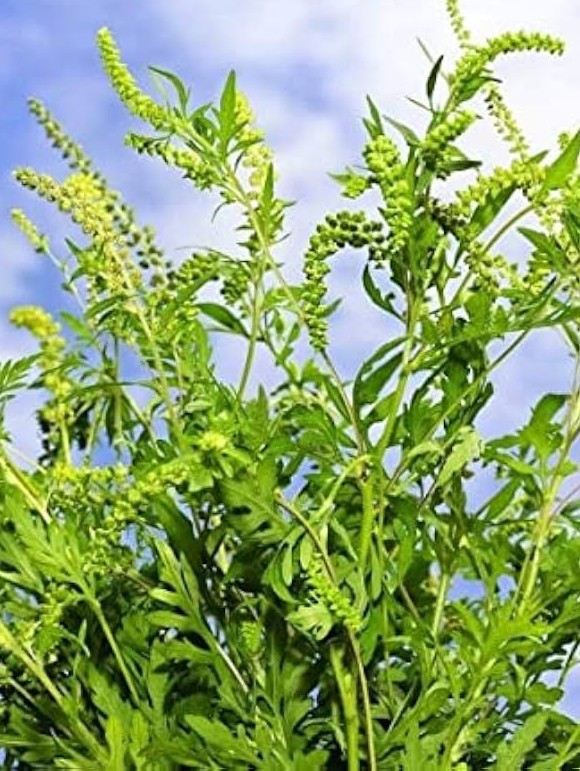
Jerusalem Oak
Dysphania botrys (L.) Mosyakin & Clemants
Important accepted botanical synonyms and former combinations include:
- Chenopodium botrys L. — basionym and the most important historical name in chemical, horticultural, and veterinary literature
- Atriplex botrys (L.) Crantz
- Botrydium botrys (L.) Small
- Botrys aromaticus (Spach) Nieuwl.
- Neobotrydium botrys (L.) Moldenke
- Teloxys botrys (L.) W.A.Weber
- Vulvaria botrys (L.) Bubani
- Ambrina botrys Moq.
- Ambrina foetida Moq.
- Chenopodium aromaticum Anon.
- Chenopodium botrydium St.-Lag.
- Chenopodium nepalense Moq.
- Roubieva botrys Fuss
Botrydium aromaticum Spach is an illegitimate superfluous name, while Chenopodium botryoides Raf. ex Moq. was not validly published.
Important botanical distinctions:
- Jerusalem Oak is currently placed in Dysphania rather than the broad historical genus Chenopodium.
- Modern classification places the species in Amaranthaceae. Chenopodiaceae remains an important historical family placement and continues to appear in older literature.
- “Ambrosia Mexicana” is retained in pet-poison databases and common-name lists but should not be presented as a current accepted botanical synonym.
- Epazote or Mexican Tea is usually Dysphania ambrosioides, a related but chemically distinct species.
- Lambsquarters is usually Chenopodium album, a separate mealy-leaved weed with a stronger documented association with nitrate accumulation.
Amaranthaceae — Amaranth Family
Formerly classified in Chenopodiaceae — Goosefoot Family
Jerusalem Oak; Jerusalem-Oak; Jerusalem Oak Goosefoot; Jerusalem-Oak Goosefoot; Jerusalem Oak Gooseleaf; Oak-Leaved Goosefoot; Oakleaf Goosefoot; Oak-Leaf Goosefoot; Sticky Goosefoot; Sticky Glandular Goosefoot; Aromatic Goosefoot; Botrys Goosefoot; Feather Geranium; Ambrosia Mexicana; Chénopode Botryde; Chénopode en Grappe; Klebriger Drüsengänsefuß; Dysphania botrys; Chenopodium botrys; Botrydium botrys; Teloxys botrys; Ambrina botrys
Jerusalem Oak, Oak-Leaved Goosefoot, and Oakleaf Goosefoot refer to the irregular lobing of the lower leaves. The plant is an annual herb and is unrelated to oaks in the genus Quercus.
Feather Geranium is only a common name. Jerusalem Oak is not a true geranium and does not belong to Geraniaceae.
Ambrosia Mexicana is a legacy poison-list and common-name label. It does not make the plant a true ragweed in the genus Ambrosia and should not be formatted as an accepted modern scientific synonym.
Aromatic Goosefoot and Sticky Goosefoot refer to the dense glandular hairs and strong odor released from the foliage and flowering portions.
Epazote, Mexican Tea, American Wormseed, and Jesuit’s Tea usually refer to Dysphania ambrosioides, not Dysphania botrys. The related plants can differ substantially in essential-oil composition and ascaridole concentration.
The Exact Pet-Toxic Principle Remains Incompletely Characterized
Veterinary poison references identify sesquiterpene lactones as the toxic principle associated with Jerusalem Oak and list vomiting, anorexia, and depression as the characteristic signs. That classification is useful for clinical recognition but is not the same as direct identification of one exact molecule responsible for dog, cat, or horse poisoning.
Primary chemical studies of Dysphania botrys have concentrated largely on its volatile essential oil. Those investigations repeatedly identify oxygenated sesquiterpenoids, sesquiterpene alcohols, diols, acetates, monoterpenes, aromatic hydrocarbons, and related terpenoids. Many of the best-known constituents—chenopodiol, botrydiol, elemol, eudesmol, and their acetates—are not sesquiterpene lactones.
No authenticated exact-species veterinary dose-response study has isolated one compound from Jerusalem Oak, administered it at naturally relevant doses to dogs or cats, and reproduced the recognized vomiting, appetite loss, and depression syndrome. The most accurate conclusion is therefore that the aromatic terpenoid mixture is biologically active, the plant should be treated as poisonous, and the precise contribution of a sesquiterpene-lactone fraction remains unresolved.
North American Oxygenated-Sesquiterpenoid Chemotype
An investigation of Jerusalem Oak growing on the eastern slope of California’s central Sierra Nevada found an essential oil composed of approximately 90% oxygenated sesquiterpenoids. The principal constituents included combined α- and β-chenopodiol, eudesma-3,11-dien-6α-ol, botrydiol, elemol, elemol acetate, γ-eudesmol, and α- and β-eudesmol.
Researchers also characterized guaia-3,9-dien-11-ol and established the structure of another new oxygenated sesquiterpenoid through single-crystal X-ray analysis. This chemotype demonstrates why the plant’s odor and biological activity cannot be attributed accurately to one generic “oil.”
Chenopodiols and botrydiol are oxygenated sesquiterpene alcohols or diols. Elemol and eudesmols are sesquiterpene alcohols. Elemol acetate and chenopodiol acetate are esterified derivatives. Their biological effects may differ according to concentration, metabolism, and the other compounds present in the whole oil.
Greek, Macedonian, Iranian, Turkish, and Other Chemotypes
Greek flowering aerial material produced an oil dominated by elemol acetate, elemol, botrydiol, α-chenopodiol, β-eudesmol, and selina-3,11-dien-6α-ol. This profile resembles the oxygenated-sesquiterpenoid-rich North American material but differs in the relative proportions of individual compounds.
Plants collected from five locations in North Macedonia also produced oils dominated by sesquiterpene constituents. Major compounds included elemol acetate, seline-11-en-4α-ol, selina-3,11-dien-6α-ol, elemol, α-eudesmol acetate, α-chenopodiol, botrydiol, and α-chenopodiol-6-acetate.
Two Iranian populations yielded still another profile dominated by juniper camphor, elemol, and α-cadinol. A later Iranian investigation found 2,3-dehydro-4-oxo-β-ionone and (+)-7-epi-amiteol among its largest components.
Research involving material from three Turkish regions likewise demonstrated that location changes both essential-oil composition and measured antioxidant or enzyme-inhibitory activity. The species is therefore best understood as producing multiple chemotypes rather than one universally fixed oil.
Monoterpene-Rich Oil and Iso-Ascaridole
One Iranian sample differed markedly from the sesquiterpenoid-rich oils. Its dried flowering aerial material produced an oil dominated by γ-terpineol and p-cymene, with iso-ascaridole present at a lower but measurable concentration.
Ascaridole and iso-ascaridole are oxygenated monoterpene peroxides best known from Epazote or American Wormseed, Dysphania ambrosioides. Concentrated wormseed oil has caused severe human and animal poisoning involving gastrointestinal, neurologic, hepatic, renal, and auditory injury.
The detection of iso-ascaridole in one Jerusalem Oak population is toxicologically relevant, but it does not establish ascaridole as the dominant or universal toxin of Dysphania botrys. Several other populations were dominated by oxygenated sesquiterpenoids and contained little or no reported ascaridole.
A veterinarian should distinguish a dog taking one bite of a fresh local weed from an animal given a concentrated homemade oil or extract. Distillation can deliver a far larger dose of selected volatile compounds than casual grazing.
A 2020 Sesquiterpenoid-Rich Oil
A 2020 investigation of aerial-part essential oil identified α-eudesmol, elemol acetate, elemol, and α-chenopodiol-6-acetate as major constituents. The oil produced cytotoxicity, apoptosis-related changes, and cell-cycle arrest in cultured cervical cancer cells.
Those laboratory findings confirm biological potency but do not define veterinary toxicity. A cultured cell is exposed directly to a measured oil concentration without digestion, metabolism, protein binding, or the protective barriers present in a living animal.
The work should not be used to market Jerusalem Oak oil as a pet cancer remedy or to predict that ordinary leaf chewing causes the same cellular effects throughout the body.
Polyphenols, Flavonoids, and Other Nonvolatile Constituents
Jerusalem Oak also contains a substantial nonvolatile polyphenol fraction. Research has identified glycosides and derivatives related to quercetin, kaempferol, isorhamnetin, hispidulin, jaceosidine, eupatilin, and other flavones or flavonols.
Modern fractionation studies found that different solvents recover different polyphenol mixtures. Ethyl-acetate fractions contained quercetin mono- and diglycosides, kaempferol diglycosides, isorhamnetin derivatives, and glycosides of hispidulin and jaceosidine.
These compounds may contribute antioxidant, enzyme-inhibitory, antimicrobial, anti-inflammatory, or other experimental activities. Their presence does not establish each one as an acute pet toxin, nor does it make a crude extract safe.
Fresh Plant, Dried Material, and Concentrated Preparations
Sticky leaves, upper stems, and flowering growth contain the oil-producing glandular structures and represent the most chemically documented material. Lower stems, seedlings, seeds, and dried flowering tops should also remain inaccessible.
Drying changes the amount and proportions of volatile compounds as some components evaporate or oxidize. It does not establish that the remaining tissue, nonvolatile compounds, seeds, or residual oil is harmless.
Essential oil, tincture, alcohol extract, tea concentrate, powdered herb, parasite remedy, and topical preparation can deliver substantially different doses from the living weed. No concentrated preparation should be administered to an animal.
Topical application also creates oral exposure when an animal licks its coat and may cause local irritation, aspiration, or systemic absorption.
Nitrate Is Not an Established Primary Jerusalem Oak Toxin
Several Amaranthaceae and former Chenopodiaceae species can accumulate nitrate, particularly in heavily fertilized, manure-rich, drought-stressed, cloudy, damaged, or rapidly growing vegetation. Lambsquarters and several pigweeds are better documented nitrate hazards than Jerusalem Oak.
No exact-species evidence establishes ordinary Dysphania botrys ingestion as a routine cause of methemoglobinemia. The plant’s presence in mixed forage does not eliminate nitrate risk because another weed, fertilizer, water source, or stressed crop may be responsible.
Chocolate-brown blood, gray-brown mucous membranes, rapid labored breathing, severe air hunger, weakness, staggering, collapse, or herd-level sudden death requires immediate methemoglobin evaluation and testing of the complete forage and water source.
Oxalate and Cyanide Are Also Unproved as Routine Primary Toxins
Oxalates occur broadly in Amaranthaceae, but no exact-species evidence establishes soluble oxalate as the ordinary cause of Jerusalem Oak pet poisoning. Acute hypocalcemia, tetany, severe muscle tremors, calcium-oxalate renal injury, or chronic oxalate disease requires evaluation of every plant in the forage and other possible causes.
Cyanide poisoning has been documented in other Dysphania species, including Australian crumbweeds. That evidence must not be transferred automatically to Dysphania botrys.
Rapid respiratory collapse, severe convulsions, unusually bright-red blood, or sudden herd deaths requires emergency investigation for cyanogenic plants, fertilizer, combustion products, chemicals, and contaminated feed rather than an assumption that Jerusalem Oak’s aromatic oil caused the syndrome.
No Established Safe or Lethal Dose
No dependable pet-safe leaf count, stem length, flowering-top amount, seed quantity, plant weight, essential-oil volume, toxic dose, or lethal dose has been established for dogs, cats, horses, cattle, sheep, goats, rabbits, guinea pigs, poultry, or pet birds.
Risk depends on the animal’s species, size, age, health, plant chemotype, plant part, quantity, degree of chewing, stomach contents, concentration, route, and simultaneous exposure to other plants or chemicals.
The evidence supports proportionate caution: one exploratory bite is not expected routinely to cause catastrophic systemic poisoning, but a meaningful ingestion, concentrated preparation, symptomatic animal, or uncertain plant identification deserves professional assessment.
Expected Gastrointestinal Syndrome
Veterinary poison guidance identifies vomiting, appetite loss, and depression as the characteristic Jerusalem Oak signs. Exact-species clinical detail is sparse, so no dependable onset time or symptom sequence has been established for dogs or cats.
When illness occurs, early nausea may appear as lip licking, repeated swallowing, mild drooling, grass eating, restlessness, hiding, or approaching food and then refusing it. Vomiting may occur once or become repeated after a larger exposure.
Abdominal irritation may cause whining, repeated stretching, prayer posture, hunching, tense abdominal muscles, restlessness, or reluctance to be touched. Cats may hide, crouch, stop grooming, or refuse food rather than display obvious abdominal pain.
Diarrhea can follow ingestion of a larger amount of leafy tissue. Stool may become soft or watery and may contain mucus. Repeated blood, black stool, or coffee-ground vomit is more serious than the expected low-severity presentation and requires examination for substantial gastrointestinal injury, another toxin, or an unrelated disorder.
Depression, Lethargy, and Weakness
An affected animal may become quiet, sleep more, withdraw from activity, lose interest in play, or appear generally unwell. Depression may accompany nausea directly or result from poor intake and dehydration.
Weakness can develop after repeated vomiting, diarrhea, inadequate drinking, electrolyte disturbance, hypoglycemia in a very small patient, or a more substantial exposure.
Profound depression, inability to stand, severe confusion, or reduced responsiveness is not the expected result of one minor bite and should trigger a broader toxicologic and medical investigation.
Dehydration and Secondary Metabolic Effects
Repeated vomiting and diarrhea can cause tacky gums, reduced skin elasticity, sunken eyes, decreased urination, rapid heart rate, weakness, cool extremities, or worsening lethargy.
Puppies, kittens, toy-breed dogs, birds, rabbits, guinea pigs, senior animals, and patients with kidney, heart, endocrine, or gastrointestinal disease may become dehydrated more quickly.
Electrolyte and acid-base abnormalities can aggravate weakness, tremors, altered heart rate, poor coordination, or mental depression even when the original plant exposure was primarily gastrointestinal.
Concentrated Oil or Extract Exposure
Ingestion of essential oil, alcohol extract, tincture, highly concentrated tea, powdered preparation, or homemade parasite treatment is not equivalent to nibbling the fresh weed. Concentrates may deliver far larger quantities of monoterpenes, sesquiterpenoids, and peroxide-containing compounds.
Possible findings after a concentrated exposure include intense vomiting, abdominal pain, profound depression, tremors, poor coordination, seizures, respiratory depression, hepatic or renal abnormalities, and circulatory instability. Exact Jerusalem Oak veterinary dose-response data are not available, so these severe findings require management as an unknown concentrated botanical exposure.
Topical oil can also be swallowed during grooming or inhaled during struggling, creating aspiration and respiratory risk.
Neurologic Signs Are Not the Routine Fresh-Plant Presentation
Tremors, muscle spasms, marked incoordination, recumbency, paralysis, seizures, coma, or profound behavioral change are not established as the characteristic result of ordinary fresh Jerusalem Oak ingestion.
Those findings may indicate a concentrated oil, pesticide, metaldehyde slug bait, tremorgenic mold, cannabis, stimulant, another poisonous plant, hypoglycemia, electrolyte disorder, liver disease, kidney disease, or primary neurologic illness.
Seizures can also arise secondarily from severe hypoxia caused by methemoglobinemia, cyanide, aspiration, respiratory failure, or shock.
Respiratory Distress and Abnormal Blood Color
Rapid breathing can occur with stress, pain, dehydration, fever, aspiration, or metabolic disturbance. Severe air hunger, gray-brown mucous membranes, chocolate-brown blood, staggering, tremors, and sudden collapse suggest methemoglobinemia from nitrate, nitrite, or another oxidizing substance.
That presentation is not the recognized routine effect of Jerusalem Oak’s volatile terpenoids. The entire forage, water supply, fertilizer history, medications, and coexisting plants must be investigated.
Bright-red venous blood, rapid respiratory collapse, severe excitement, convulsions, and sudden death can occur with cyanide exposure. Blood color alone is not a reliable home diagnostic test.
Blue-gray gums, open-mouth breathing, gasping, neck extension, weak respiratory movement, or collapse requires immediate emergency care regardless of the suspected toxin.
Possible Oxalate or Calcium Abnormalities
Marked muscle tremors, tetany, stiff gait, weakness, recumbency, seizures, abnormal heart rhythm, low blood calcium, or acute renal abnormalities may indicate soluble-oxalate poisoning from another plant or mixed forage.
These findings should not be assigned automatically to Jerusalem Oak. Other amaranths, pigweeds, sorrels, docks, Oxalis, rhubarb leaves, and metabolic disorders may produce a more convincing oxalate-associated syndrome.
Dogs and Cats
Dogs are most likely to encounter Jerusalem Oak while chewing weeds along paths, investigating uprooted plants, eating yard debris, or consuming aromatic growth from disturbed soil. Sticky fragments may cling to the muzzle or coat.
Cats generally ingest smaller quantities but may nibble foliage or groom plant residue from the paws and fur. Persistent feline food refusal deserves attention because prolonged anorexia can cause serious secondary metabolic disease.
No exact-species study defines how often dogs or cats develop each sign. Clinical severity must therefore be judged from the actual patient rather than from a rigid symptom timetable.
Horses and Livestock
Horses and livestock may encounter Jerusalem Oak in disturbed pasture, field margins, dry watercourses, waste ground, construction areas, or contaminated hay and green chop. Its strong aroma may reduce voluntary consumption, but hungry animals or those presented with cut mixed forage may eat it.
Possible low-severity signs include feed refusal, depression, abdominal discomfort, diarrhea, weakness, or reduced activity. Adult horses and ruminants do not ordinarily vomit in the same manner as dogs and cats.
Rapid labored breathing, dark mucous membranes, severe trembling, collapse, sudden death, or several affected animals strongly suggests nitrate, nitrite, cyanide, contaminated water, fertilizer, pesticide, or another plant in the forage.
Rabbits, Guinea Pigs, and Birds
Rabbits and guinea pigs cannot vomit. Gastrointestinal irritation may appear as appetite loss, reduced water intake, abdominal discomfort, soft stool, diarrhea, reduced fecal production, or gastrointestinal stasis.
Birds may shred dried flowering tops or consume seeds mixed into feed. No exact safe dose has been established, and wild bird use cannot be converted into a safe serving for poultry or captive birds.
Any small animal that stops eating after exposure requires prompt attention because secondary gastrointestinal and metabolic complications may become more important than the original plant irritation.
Expected Course and Emergency Findings
Mild nausea, one vomiting episode, appetite reduction, or temporary depression may improve within several hours to one or two days once access stops and hydration is maintained.
Continued vomiting, persistent diarrhea, inability to retain water, worsening weakness, food refusal into the following day, blood, or increasing abdominal pain requires veterinary reassessment.
Emergency findings include severe tremors, poor coordination, seizures, labored breathing, gray-brown or blue mucous membranes, collapse, profound depression, reduced responsiveness, suspected concentrated oil exposure, or several affected animals sharing the same forage or water.
Accepted Identity and Taxonomic History
Jerusalem Oak is Dysphania botrys, a sticky aromatic annual in Amaranthaceae. It was described originally as Chenopodium botrys and remained in the broad genus Chenopodium throughout much of the botanical, chemical, and veterinary literature.
Modern phylogenetic and morphological treatments separate the glandular aromatic goosefoots into Dysphania. The family Chenopodiaceae was also absorbed into an expanded Amaranthaceae under contemporary classification.
Older names remain important for research retrieval. A chemical paper using Chenopodium botrys is generally studying the same species now accepted as Dysphania botrys.
“Ambrosia Mexicana” persists in pet-poison databases, but current botanical synonym lists do not treat it as an accepted formal name. It should be understood as a legacy label rather than evidence that the plant belongs to the ragweed genus Ambrosia.
Native and Introduced Range
The accepted native range extends from eastern-central and southern Europe through the Mediterranean region, western and central Asia, Mongolia, the central Himalaya, and portions of the Arabian Peninsula.
Jerusalem Oak has been introduced widely outside that range. It is naturalized in much of the United States and southern Canada and occurs in additional parts of Europe, North Africa, Mexico, and Asia.
In North America it is generally encountered as an introduced weed rather than a deliberately cultivated ornamental. Local abundance can vary greatly from year to year according to disturbance, rainfall, soil movement, and seed-bank exposure.
Growth Form and Glandular Trichomes
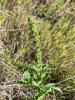
The plant completes its life cycle in one growing season. It commonly reaches approximately one to two feet tall but may remain lower in dry compacted soil or grow larger where moisture and nutrients are available.
Stems branch extensively from near the base and may form an upright, spreading, or irregular mound. Young growth and flowering branches are covered with glandular hairs or trichomes that produce the sticky aromatic secretion.
Dust, sand, small insects, and debris may adhere to the glandular surface. The same sticky material can transfer to an animal’s muzzle, paws, or coat and later be swallowed during grooming.
Crushing releases a strong resinous, medicinal, camphor-like, citrus-like, or seasoning-like odor. Odor supports identification but should never be tested by tasting an unknown plant.
Leaves, Flowers, Fruit, and Seeds
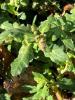
Leaves are alternate. Lower leaves are generally ovate to oblong and divided into several irregular rounded or pointed lobes, producing the oak-leaf resemblance behind the common name.
Upper leaves become progressively smaller and may be shallowly toothed or nearly entire. This developmental change can make the upper flowering portions look different from the lower plant.
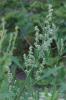
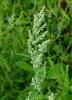
The tiny green to yellow-green flowers lack conspicuous petals. They occur in dense branching clusters at stem tips and in upper leaf axils, producing a granular or beaded appearance.
Each small dry fruit encloses or loosely surrounds a flattened dark seed. Dried flowering tops can shed many seeds into soil, bedding, hay, bird feed, or yard debris.
Disturbed-Ground Exposure
Jerusalem Oak favors roadsides, railroad areas, gravel pits, vacant lots, dry streambeds, riverbanks, construction sites, recently cleared land, field margins, waste areas, disturbed gardens, and compacted soil around buildings.
Dogs may encounter it during walks or while chewing weeds in neglected yards. Uprooted plants and mowing debris can create a concentrated pile that is easier to consume than a standing weed.
Cats may contact sticky fragments carried indoors on footwear, clothing, equipment, another animal, or pulled weeds. Horses and livestock may encounter the plant after it is cut into mixed forage.
The complete exposure site should be examined. Disturbed ground often contains multiple weeds, fertilizer, herbicide, pesticide, trash, mushrooms, treated seed, and contaminated water.
Jerusalem Oak and Lambsquarters
Lambsquarters, Chenopodium album, is a related but separate weed. Young leaves commonly carry a pale gray or white mealy coating, especially near the growing tip, and the plant lacks Jerusalem Oak’s dense sticky aromatic glands.
Lambsquarters leaves are often triangular, diamond-shaped, or goosefoot-like rather than deeply lobed like the lower leaves of Jerusalem Oak. Mature Lambsquarters can grow substantially taller.
The distinction is toxicologically important because Lambsquarters has a stronger documented association with nitrate accumulation and soluble oxalates in livestock forage.
Mixed stands can contain both species. Testing a forage sample identified only as “goosefoot” without separating its components can produce misleading conclusions.
Jerusalem Oak and Epazote
Epazote or Mexican Tea is usually Dysphania ambrosioides. It is also glandular, strongly aromatic, and historically classified in Chenopodium.
Epazote generally develops longer, narrower leaves with irregular teeth rather than the more conspicuously lobed lower leaves of Jerusalem Oak. It may also grow taller and persist longer in warm climates.
Epazote essential oil is more consistently associated with ascaridole and historical wormseed preparations. Concentrated oil has produced serious poisoning.
Jerusalem Oak can contain iso-ascaridole in some chemotypes, but its oil is often dominated instead by oxygenated sesquiterpenoids. The species must not be treated as chemically interchangeable.
Ragweed, Geranium, and Oak Name Confusion
True ragweeds belong to Ambrosia in Asteraceae. Their flower heads, pollen biology, leaf surfaces, and chemistry differ from Jerusalem Oak despite the legacy phrase Ambrosia Mexicana.
True geraniums belong to Geraniaceae and typically produce five-petaled flowers and distinctive beaked fruits. Feather Geranium is only a common name for Jerusalem Oak.
True oaks are woody trees or shrubs in the genus Quercus. Jerusalem Oak is an annual herb whose lobed lower leaves only resemble a small oak leaf superficially.
Essential-Oil Chemotypes
Chemotype refers to a chemically distinct population within the same botanical species. Jerusalem Oak provides an unusually clear example.
North American, Greek, Macedonian, Iranian, Turkish, Saudi Arabian, and other samples have produced oils with very different dominant constituents. Some are rich in chenopodiols, botrydiol, elemol, eudesmols, and their acetates. Others contain large proportions of γ-terpineol, p-cymene, juniper camphor, ionone derivatives, or other compounds.
Geography, climate, soil, growth stage, plant genetics, collection date, drying, and distillation conditions can influence the profile. A laboratory result from one population cannot define every Jerusalem Oak plant worldwide.
This variation is one reason no universal clinical dose can be calculated from the visible amount eaten.
Polyphenol and Flavonoid Research
Older research isolated several flavones from Jerusalem Oak. Modern high-resolution chromatography has expanded the known profile to include quercetin, kaempferol, isorhamnetin, hispidulin, jaceosidine, eupatilin, and multiple glycosides.
Different solvent fractions show different antioxidant, enzyme-inhibitory, cytotoxic, and antimicrobial activity. These findings may support future pharmaceutical investigation but do not establish medicinal safety for raw plant material.
Laboratory biological activity should not be confused with veterinary poisoning evidence. A concentrated fraction used against cultured cells is chemically and pharmacologically different from a pet taking one bite outdoors.
Traditional Uses and Their Limitations
Jerusalem Oak has been used traditionally as an aromatic flavoring and in preparations for digestive complaints, diarrhea, fever, cough, respiratory disease, pain, wounds, urinary complaints, and intestinal parasites.
Uses varied among regions and could involve seeds, dried aerial growth, tea, decoction, infusion, extract, or oil. Historical terminology did not always distinguish Dysphania botrys from related aromatic goosefoots consistently.
Traditional use records deserve preservation as ethnobotanical evidence. They do not provide a validated dose for dogs, cats, horses, livestock, rabbits, birds, or people.
The highly variable essential-oil chemistry makes homemade distillates, parasite remedies, tinctures, and concentrated teas especially unpredictable.
Nitrate, Oxalate, and Cyanide Differentials
Jerusalem Oak should not be designated automatically as a nitrate, soluble-oxalate, or cyanogenic plant. Exact-species evidence does not support those compounds as its routine primary veterinary hazard.
The differential remains important because it grows among species that may accumulate nitrate or oxalate, and because related Dysphania species have caused cyanide poisoning.
Livestock signs must be matched to blood findings, serum calcium, kidney values, plant identification, forage analysis, fertilizer history, water testing, and the clinical course.
A mixed forage sample should be collected from several locations and include every weed present rather than one selected plant brought from the field edge.
Diagnosis
No routine blood, urine, or plant-toxin assay confirms Jerusalem Oak poisoning in a living dog or cat. Diagnosis depends on plant identification, amount and preparation, clinical findings, exposure timing, and exclusion of another toxin.
Useful evidence includes the complete rooted plant, lower and upper leaves, sticky stems, flowering clusters, seeds, photographs of the site, vomited fragments, yard-product labels, and samples of any homemade oil or extract.
Laboratory testing is often unnecessary after a minor exposure with no signs. Repeated vomiting, weakness, tremors, breathing abnormalities, or a concentrated preparation may justify blood count, electrolytes, glucose, liver and kidney values, calcium, acid-base assessment, urinalysis, and cardiovascular monitoring.
Suspected methemoglobinemia requires evaluation of blood color and oxygen-carrying function, ideally including co-oximetry or methemoglobin measurement. Suspected nitrate, cyanide, or oxalate exposure requires specific testing of the patient and environmental source.
Prognosis and Prevention
The prognosis is generally good when exposure is limited and signs remain confined to mild vomiting, appetite loss, or temporary depression.
The outlook becomes more guarded with repeated gastrointestinal losses, bloody discharge, severe dehydration, neurologic abnormalities, respiratory distress, shock, a concentrated essential-oil exposure, or confirmed mixed poisoning.
Remove accessible plants from kennels, dog runs, rabbit areas, and yards used by habitual weed chewers. Collect uprooted weeds and flowering tops before animals enter the work area.
Do not place Jerusalem Oak in animal feed, hay, browse piles, bedding, bird seed, herbal preparations, compost accessible to pets, or homemade parasite treatments.
Immediate Steps After Exposure
- Stop further access: Move the animal away from living plants, uprooted weeds, dried flowering tops, seeds, yard debris, contaminated forage, extracts, and essential oil.
- Preserve the complete plant: Save roots, lower and upper leaves, sticky stems, flowers, seeds, and material recovered from vomit.
- Photograph the site: Record the plant’s overall shape, glandular stems, lobed leaves, flower clusters, surrounding weeds, fertilizer, water, and disposal area.
- Determine the form: Establish whether the animal took one bite, ate several stems, consumed mixed forage, or received oil, tea, tincture, powder, or another concentrated preparation.
- Record timing and amount: Note the earliest and latest possible exposure and when the animal was last observed acting normally.
- Check for other hazards: Look for pesticide, herbicide, fertilizer, slug bait, mushrooms, compost, stagnant water, and other poisonous weeds.
Do Not Induce Vomiting Automatically
Do not give hydrogen peroxide automatically. It can cause prolonged vomiting, gastric inflammation, esophageal injury, aspiration, and bloody gastrointestinal irritation.
Hydrogen peroxide must never be used to induce vomiting in a cat.
Do not use salt, mustard, ipecac, dish soap, detergent, mineral oil, cooking oil, syrup, fingers, tools, or physical gagging.
A veterinarian or animal poison-control specialist may consider emesis only after a recent meaningful ingestion in a completely alert, stable, asymptomatic dog that is breathing and swallowing normally.
Vomiting must not be induced after weakness, depression, repeated vomiting, tremors, poor coordination, seizures, respiratory abnormality, collapse, or impaired swallowing begins.
Activated Charcoal and Concentrated Preparations
Activated charcoal is not automatically required after one small bite of fresh Jerusalem Oak. Its benefit against the plant’s complete aromatic mixture has not been established directly.
A veterinarian may consider medical activated charcoal after substantial recent ingestion or a concentrated oil, extract, tincture, or powdered preparation when the animal can protect its airway.
Do not force charcoal into a vomiting, weak, sedated, trembling, seizuring, collapsed, or poorly swallowing animal.
Household charcoal, burned food, fireplace ash, and barbecue briquettes are not medical activated charcoal.
Bring the oil bottle, preparation recipe, product label, ingredient list, concentration, and remaining material to the clinic.
Vomiting, Diarrhea, and Appetite Loss
- Track every episode: Record the timing and appearance of vomit and stool, including leaves, stems, seeds, foam, mucus, blood, black material, or foreign debris.
- Save plant fragments: Place recognizable material in a sealed disposable container for identification.
- Monitor appetite: Temporary appetite reduction may accompany nausea, but continued refusal of food or water requires advice.
- Offer water only when safe: An alert animal that is swallowing normally and not vomiting repeatedly may have voluntary access to small amounts of fresh water.
- Never force fluids: Syringed or poured water can enter the lungs and does not neutralize aromatic terpenoids.
- Watch for dehydration: Tacky gums, sunken eyes, reduced urination, weakness, cool extremities, or worsening lethargy requires treatment.
- Report blood immediately: Bloody vomit, coffee-ground material, black stool, substantial bloody diarrhea, pale gums, or collapse requires urgent examination.
Depression, Tremors, and Seizures
Monitor the animal’s awareness, posture, coordination, pupil response, muscle tone, and ability to stand. Increasing sleepiness, confusion, swaying, knuckling, falling, tremors, spasms, or rigid posture is not expected after a trivial exposure.
During a seizure, move surrounding objects away, prevent falls when this can be done safely, dim bright light, and keep hands away from the mouth. Animals do not swallow their tongues.
Record the duration and whether awareness returns between episodes. Repeated seizures or failure to recover requires emergency treatment.
Do not give human sedatives, antihistamines, cannabis products, alcohol, sleep aids, stimulants, or leftover anticonvulsants.
Abnormal Breathing or Mucous-Membrane Color
Rapid labored breathing, gasping, open-mouth breathing, neck extension, weak respiratory movement, or blue-gray gums is an immediate emergency.
Gray-brown mucous membranes or chocolate-brown blood suggests methemoglobinemia from nitrate, nitrite, medication, chemical, or another oxidizing substance rather than the expected Jerusalem Oak gastrointestinal syndrome.
Keep the animal quiet and minimize exertion because an oxygen-deprived patient may collapse during struggling or forced walking.
Do not give food, water, charcoal, oil, or medication by mouth to a weak, dyspneic, seizuring, collapsed, or poorly swallowing animal.
Suspected Nitrate or Nitrite Exposure
Remove all animals calmly from the suspected forage, water, fertilizer, pasture, or feed source. Preserve representative samples from several locations.
The veterinarian may assess blood color, oxygen saturation, methemoglobin concentration, acid-base status, cardiovascular function, and the nitrate or nitrite concentration of forage and water.
Methylene blue is a veterinarian-administered treatment for confirmed or strongly suspected clinically important methemoglobinemia. It is not a routine antidote for Jerusalem Oak’s aromatic compounds.
Do not administer a copied methylene-blue dose. Species sensitivity, concentration errors, incorrect diagnosis, food-animal restrictions, and overdose can cause additional hemolysis or methemoglobinemia.
Suspected Oxalate or Cyanide Exposure
Low blood calcium, tetany, marked tremors, weakness, recumbency, or kidney abnormalities may require emergency calcium assessment and investigation of soluble-oxalate plants.
Rapid excitement, respiratory distress, convulsions, unusually bright-red blood, collapse, or sudden herd death may require immediate cyanide-directed evaluation and treatment.
Neither syndrome should be diagnosed from plant-family membership or blood color alone. Preserve the complete mixed forage and environmental evidence.
Skin, Coat, and Eye Exposure
Wear gloves when handling crushed aromatic foliage, concentrated oil, extracts, vomit, or heavily contaminated fur.
Brush away loose plant debris and wash sticky residue from the coat with lukewarm water and a mild pet-safe cleanser. Prevent grooming until cleanup is complete.
Concentrated essential oil on the skin may require repeated gentle washing because oily material adheres to fur. Do not use solvents, alcohol, bleach, concentrated detergent, or another essential oil.
Flush an exposed eye with sterile saline or clean lukewarm water for approximately 15 to 20 minutes. Continued squinting, tearing, redness, swelling, cloudiness, or rubbing requires veterinary examination.
Veterinary Examination
The veterinarian may assess hydration, abdominal pain, temperature, heart rate and rhythm, blood pressure, mental status, coordination, muscle tone, breathing, oxygenation, and protective airway reflexes.
Minor asymptomatic exposure may require only consultation and observation. Repeated gastrointestinal signs or concentrated exposure may justify blood count, electrolytes, glucose, liver and kidney values, calcium, acid-base status, urinalysis, electrocardiography, and blood-pressure monitoring.
Severe respiratory or herd-level signs may require methemoglobin measurement, nitrate testing, cyanide testing, forage analysis, toxicology screening, or evaluation for pesticides and fertilizers.
The plant sample should be compared with Lambsquarters, Epazote, Pigweed, Ragweed, Poison Hemlock, Dogfennel, and every other weed collected from the site.
Veterinary Treatment for Dogs and Cats
There is no established Jerusalem Oak-specific antidote. Treatment is directed at nausea, vomiting, gastrointestinal irritation, hydration, neurologic abnormalities, respiratory compromise, and any confirmed mixed exposure.
Veterinarian-selected anti-nausea medication may reduce vomiting, discomfort, dehydration, and aspiration risk after decontamination decisions are complete.
Subcutaneous or intravenous fluids may be used when repeated vomiting, diarrhea, or poor intake causes dehydration. Fluid selection and volume should account for cardiovascular and kidney function.
Gastrointestinal protectants may be selected when pain, ulceration, blood, or substantial mucosal irritation is present. Human antidiarrheals and stomach medications should not be substituted.
Tremors or seizures require veterinarian-selected anticonvulsant or muscle-relaxant treatment. Oxygen, airway protection, and mechanical ventilation may be necessary after severe depression, aspiration, or respiratory failure.
Concentrated oil exposure may justify extended monitoring of neurologic status, liver and kidney values, glucose, electrolytes, breathing, and gastrointestinal function.
Horse and Livestock Exposure
- Remove suspect forage: Stop access to contaminated hay, green chop, pasture, water, clippings, weed piles, and landscape debris.
- Preserve representative samples: Collect every plant species present and unopened portions of the same feed lot.
- Monitor the group: Watch appetite, rumen function, manure, abdominal comfort, coordination, breathing, mucous-membrane color, and awareness.
- Do not drench: Never force water, mineral oil, charcoal, feed, or medication into a weak, dyspneic, seizuring, recumbent, or poorly swallowing animal.
- Minimize exertion: Move oxygen-deprived or unstable animals only as necessary for safety and treatment.
- Test before refeeding: Suspect forage should not be returned until identification and relevant nitrate, cyanide, oxalate, pesticide, or other testing is complete.
Recovery and Prognosis
The prognosis is generally good when signs remain limited to mild vomiting, appetite reduction, or temporary depression and continued exposure is prevented.
Recovery should include declining gastrointestinal signs, normal hydration and urination, return of appetite, ordinary coordination, normal breathing, and restoration of usual activity.
The outlook becomes more guarded with repeated fluid losses, bloody gastrointestinal injury, severe neurologic signs, respiratory compromise, shock, concentrated oil exposure, or confirmed nitrate, cyanide, oxalate, or pesticide poisoning.
Renewed vomiting, food refusal, weakness, tremors, abnormal breathing, dark mucous membranes, or reduced responsiveness after apparent improvement requires reassessment.
Prevention
Remove accessible plants from yards, kennels, paths, rabbit enclosures, and areas used by habitual weed chewers.
Collect uprooted plants, dried flowering tops, and seeds after mowing, landscaping, construction, or soil disturbance.
Do not make essential oil, tincture, tea, food flavoring, dewormer, topical remedy, or animal supplement from Jerusalem Oak.
Inspect hay, green chop, bedding, and browse mixtures carefully because a more dangerous contaminating plant may be present beside Jerusalem Oak.
Frequently Asked Questions About Jerusalem Oak and Animal Poisoning
Are sesquiterpene lactones proven to be the exact Jerusalem Oak toxins?
Veterinary poison references list sesquiterpene lactones as the toxic principle, but primary exact-species chemical studies have focused mainly on oxygenated sesquiterpenoids, sesquiterpene alcohols, diols, acetates, monoterpenes, and other volatile compounds. No particular lactone has been demonstrated as the sole cause of pet illness.
Does that mean the plant is not poisonous?
No. Veterinary guidance associates it with vomiting, appetite loss, and depression, and its essential oil contains numerous biologically active terpenoids. The evidence supports treating the plant as poisonous while being honest that its exact veterinary mechanism and dose-response remain incompletely characterized.
What are chenopodiol and botrydiol?
They are oxygenated sesquiterpenoids identified in Jerusalem Oak essential oil. They are alcohol or diol compounds rather than sesquiterpene lactones. Their exact contribution to natural dog or cat poisoning has not been established.
Does every Jerusalem Oak plant contain the same essential oil?
No. Studies from North America, Greece, North Macedonia, Iran, Turkey, Saudi Arabia, and other regions found markedly different dominant compounds. Genetics, geography, environment, growth stage, collection time, and extraction method can produce distinct chemotypes.
Does Jerusalem Oak contain ascaridole?
Iso-ascaridole was reported in one Iranian essential-oil sample, but it was not the dominant constituent and is not consistently reported from other populations. Ascaridole should not be described as the universal Jerusalem Oak toxin.
Is Jerusalem Oak the same as Epazote?
No. Epazote is usually Dysphania ambrosioides. It generally has narrower leaves and is more consistently associated with ascaridole-rich wormseed oil. Jerusalem Oak is Dysphania botrys and often has an oxygenated-sesquiterpenoid-rich oil.
Is “Ambrosia Mexicana” a valid scientific name?
It is retained as a legacy pet-poison or common-name label, but current botanical synonym lists do not recognize it as an accepted formal synonym of Dysphania botrys. The plant is not a true ragweed in the genus Ambrosia.
Why is the older name Chenopodium botrys still important?
Most historical chemistry, medicinal-use, and veterinary references were published before the species was transferred to Dysphania. Searching only the current name can miss much of the primary research.
Does Jerusalem Oak routinely cause nitrate poisoning?
No exact-species evidence establishes it as a routine major nitrate accumulator. Lambsquarters, pigweeds, fertilizer, contaminated water, and other forage components are stronger differentials when chocolate-brown blood and methemoglobinemia occur.
Is methylene blue an antidote for Jerusalem Oak?
No. Methylene blue is used professionally for clinically important methemoglobinemia, including nitrate or nitrite poisoning. It is not routine treatment for the expected Jerusalem Oak gastrointestinal syndrome.
Are soluble oxalates the principal Jerusalem Oak toxin?
No. Family-level occurrence of oxalates does not establish acute hypocalcemia or oxalate kidney injury as this species’ ordinary syndrome. Abnormal calcium or kidney findings require investigation of the complete mixed forage and other medical causes.
Does Jerusalem Oak release cyanide?
Species-specific evidence does not establish cyanogenic glycosides as its routine primary hazard. Cyanide poisoning has occurred with other Dysphania species, but that finding cannot be transferred automatically to Dysphania botrys.
What does one small bite usually cause?
One bite may cause no signs or brief nausea, vomiting, appetite reduction, or lethargy. No validated safe dose exists, so the animal should be monitored and the plant identification confirmed rather than assuming either guaranteed illness or guaranteed safety.
Why is essential oil more concerning than the fresh weed?
Distillation concentrates volatile terpenoids from a large amount of plant material into a small volume. A few drops of oil can represent much more chemical exposure than one leaf and may be absorbed through the mouth, lungs, gastrointestinal tract, or skin.
Can Jerusalem Oak essential oil be used as a dewormer?
No. Historical parasite remedies involving aromatic goosefoots do not establish a safe veterinary dose. Species confusion, variable chemotypes, ascaridole-containing populations, concentration errors, aspiration, and individual animal sensitivity make homemade preparations unsafe.
Does drying make Jerusalem Oak harmless?
No dependable evidence establishes dried plants as safe. Some volatile compounds may evaporate or oxidize, but residual oil, nonvolatile compounds, seeds, and plant debris remain unsuitable for feed or chew material.
How can Jerusalem Oak be distinguished from Lambsquarters?
Jerusalem Oak has sticky glandular stems, a strong aromatic odor, and deeply lobed lower leaves. Lambsquarters commonly has triangular or diamond-shaped leaves with a pale mealy coating and lacks the same dense sticky aromatic glands.
Should a dog be made to vomit?
Not automatically. A veterinarian may consider emesis after a recent substantial ingestion in a completely alert and stable dog. Home vomiting becomes unsafe after weakness, depression, vomiting, tremors, poor coordination, seizures, respiratory abnormality, or impaired swallowing begins.
Does activated charcoal cure the poisoning?
No. Veterinary-administered charcoal may reduce absorption after a substantial recent exposure or concentrated preparation, but it does not reverse absorbed compounds and can cause severe aspiration when forced into a symptomatic animal.
What is the expected prognosis?
The prognosis is generally good when signs remain limited to mild vomiting, appetite reduction, or temporary depression. Concentrated oil, repeated gastrointestinal losses, severe neurologic signs, respiratory distress, shock, or a confirmed nitrate, cyanide, oxalate, pesticide, or mixed-plant exposure creates greater concern.