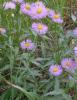
Chrysanthemum Sesquiterpene Lactones, Gastrointestinal Irritation, and Contact Dermatitis
Are Chrysanthemums and Mums Poisonous to Dogs, Cats, Horses, and Livestock?
Yes—Chrysanthemums and mums, Chrysanthemum species and hybrids, should be treated as poisonous to dogs, cats, horses, livestock, rabbits, birds, and other animals. Chewing leaves, stems, flower heads, roots, or fresh cuttings may cause drooling, nausea, vomiting, abdominal discomfort, diarrhea, appetite loss, and depression. Direct contact can also cause skin irritation or delayed allergic contact dermatitis because florist mums contain allergenic sesquiterpene lactones.
Most limited ornamental-mum ingestions are expected to cause no signs or mild gastrointestinal illness rather than life-threatening systemic poisoning. There is no validated safe number of flowers or leaves, however, and concentrated extracts, substantial ingestion, repeated vomiting, severe dermatitis, painful swallowing, eye contact, pesticide-coated foliage, or swallowed floral material requires a separate risk assessment.
Ordinary garden and florist mums should not be confused with the commercial pyrethrum insecticide plant. Natural pyrethrins are obtained principally from Tanacetum cinerariifolium, formerly Chrysanthemum cinerariifolium, and clinically important pyrethrin concentrations have not been demonstrated as a defining characteristic of every ornamental mum. Tremors, severe incoordination, seizures, hyperthermia, respiratory distress, or rapid collapse after contact with a mum display should prompt immediate investigation for an applied insecticide, synthetic pyrethroid, another toxicant, or incorrect plant identification.
Most retail garden and florist mums belong to the complex hybrid Chrysanthemum × morifolium, but the common names chrysanthemum and mum are used for multiple species and for unrelated plants formerly classified in Chrysanthemum. Preserve the complete plant and label whenever exact identification affects treatment.
About this guide: This page provides general pet-poisoning information and cannot diagnose or treat an individual animal. For any suspected exposure, contact a veterinarian or animal poison-control service immediately. Do not induce vomiting, give medication, or attempt home decontamination unless directed by a veterinary professional.
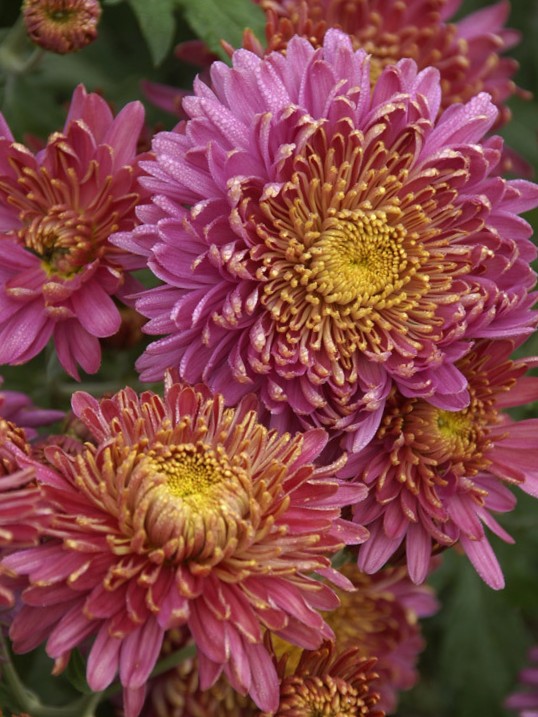
Chrysanthemum / Mums
Chrysanthemum spp.
Most florist mums, garden mums, hardy mums, cushion mums, spray mums, and exhibition mums belong to the accepted cultivated hybrid Chrysanthemum × morifolium (Ramat.) Hemsl. Botanical and horticultural literature frequently omits the multiplication sign and writes the name as Chrysanthemum morifolium.
The cultivated hybrid has been associated with a complex ancestry involving Chrysanthemum argyrophyllum, Chrysanthemum dichrum, Chrysanthemum indicum, Chrysanthemum nankingense, and Chrysanthemum zawadzkii. Individual cultivars may have complex breeding histories that cannot be reconstructed accurately from flower color or bloom form alone.
Important historical and taxonomic search names for florist and garden mums include:
- Dendranthema × morifolium (Ramat.) Tzvelev
- Dendranthema × grandiflorum (Ramat.) Kitam.
- Matricaria × morifolia Ramat.
- Chrysanthemum × hortorum W.Mill.
- Chrysanthemum × sinense Sabine
- Chrysanthemum × stipulaceum (Moench) W.Wight
- Pyrethrum × sinense (Sabine) DC.
- Tanacetum × sinense (Sabine) Sch.Bip.
- Anthemis × grandiflora Ramat.
Chrysanthemum indicum L., Indian Chrysanthemum or wild chrysanthemum, is a separate accepted species and an important contributor to the cultivated-mum lineage and allergen literature. Other accepted species commonly encountered in botanical, horticultural, or medicinal literature include Chrysanthemum lavandulifolium, Chrysanthemum nankingense, Chrysanthemum zawadzkii, and Chrysanthemum makinoi.
The insecticide-producing pyrethrum plant is currently accepted as Tanacetum cinerariifolium (Trevir.) Sch.Bip. Its former name, Chrysanthemum cinerariifolium, explains why natural pyrethrins are repeatedly attributed too broadly to all chrysanthemums. It is not the same botanical entity as a typical retail garden or florist mum.
Several plants historically called chrysanthemums are now classified elsewhere. Crown Daisy is Glebionis coronaria, Corn Marigold is Glebionis segetum, Shasta Daisy belongs to Leucanthemum, Marguerite Daisy is generally Argyranthemum frutescens, and Painted Daisy or Persian Pyrethrum is commonly Tanacetum coccineum. Those names are not exact synonyms for Chrysanthemum × morifolium.
Asteraceae — Aster, Daisy, and Sunflower Family
The historical family name Compositae remains common in allergy, dermatology, horticultural, and older botanical literature.
Chrysanthemum; Chrysanthemums; Mum; Mums; Garden Mum; Hardy Mum; Florist Mum; Florist’s Chrysanthemum; Florists’ Chrysanthemum; Pot Mum; Potted Mum; Cushion Mum; Spray Mum; Decorative Mum; Exhibition Mum; Football Mum; Incurve Mum; Reflex Mum; Spider Mum; Quill Mum; Spoon Mum; Anemone Mum; Pompon Mum; Button Mum; Daisy Mum; Fall Mum; Autumn Mum
Botanical and historical search variations include Chrysanthemum × morifolium, Chrysanthemum morifolium, Dendranthema × morifolium, Dendranthema × grandiflorum, Chrysanthemum × grandiflorum, Chrysanthemum × hortorum, Chrysanthemum × sinense, and Pyrethrum × sinense.
Indian Chrysanthemum and Wild Chrysanthemum may refer to Chrysanthemum indicum, but wild chrysanthemum is not a dependable species-level name. Tea chrysanthemum may describe selected cultivars of Chrysanthemum × morifolium, Chrysanthemum indicum, or another cultivated taxon intended for human consumption.
Pyrethrum, Dalmatian Pyrethrum, Insect Flower, and Dalmatian Chrysanthemum usually refer to Tanacetum cinerariifolium, formerly Chrysanthemum cinerariifolium. Painted Daisy and Persian Insect Flower commonly refer to Tanacetum coccineum. These plants are related members of Asteraceae but are not ordinary florist mums.
Annual Chrysanthemum, Crown Daisy, Garland Chrysanthemum, Corn Chrysanthemum, Shasta Daisy, Marguerite Daisy, Feverfew, Oxeye Daisy, and Corn Marigold may refer to species now placed in Glebionis, Leucanthemum, Argyranthemum, Tanacetum, or other genera. Complete plant features and the nursery or florist label should be used instead of the common name alone.
Genus-Level Page and Species-Specific Evidence
Chrysanthemum and mum are broad horticultural names rather than one chemically uniform species. Most retail florist and garden mums are cultivars within the complex hybrid Chrysanthemum × morifolium, while research may be indexed under Chrysanthemum indicum, Chrysanthemum morifolium, Dendranthema grandiflorum, or another historical combination. Compounds demonstrated in one species or cultivar should not be assigned automatically at the same concentration to every mum.
The strongest direct evidence relevant to ordinary ornamental exposure concerns allergenic sesquiterpene lactones in florist chrysanthemums. Gastrointestinal illness after natural pet ingestion is recognized clinically, but exact veterinary feeding trials and validated dog- or cat-specific toxic doses are lacking. The page therefore distinguishes confirmed plant chemistry, human occupational allergy research, companion-animal clinical expectations, and pyrethrin-insecticide toxicology.
Sesquiterpene Lactones as the Principal Confirmed Allergen Class
Sesquiterpene lactones are fifteen-carbon plant metabolites containing a lactone ring. Many allergenic members possess an exposed α-methylene-γ-lactone structure capable of reacting with nucleophilic groups in proteins. Once the small plant compound binds to skin proteins, the resulting complex may be recognized by the immune system and produce delayed T-cell-mediated allergic contact dermatitis.
This process differs from immediate corrosive injury and from poisoning caused by a toxin circulating through the bloodstream. A previously unsensitized individual may tolerate early contact or develop only direct irritation, while a sensitized individual can develop a more substantial delayed reaction after a later exposure. The delay between contact and visible inflammation can make the plant connection difficult to recognize.
Sesquiterpene-lactone composition varies among species, cultivars, tissues, and growing conditions. The chemical class should not be reduced to one universal mum toxin, and a negative test for one lactone does not prove the absence of all chrysanthemum allergens.
Arteglasin A
Research on florist chrysanthemum material identified arteglasin A as an allergenic guaianolide sesquiterpene lactone. Investigators isolated multiple active fractions from dried flower extracts, and arteglasin A was demonstrated in material identified as Chrysanthemum indicum. Its discovery established that chrysanthemum allergy could be linked directly to a defined plant metabolite rather than to pollen dust or nonspecific handling alone.
Arteglasin A should not be represented as the only active compound or as a measured toxin in every modern mum cultivar. The original research found additional allergenic fractions, and hybrid florist chrysanthemums possess substantial chemical diversity. Clinical dermatitis reflects the complete exposure and the patient’s sensitization pattern rather than one laboratory compound in isolation.
Alantolactone and Broad Cross-Reactivity
Alantolactone has been demonstrated in flowers, leaves, and stems of florist chrysanthemum material used in occupational contact-dermatitis investigation. In that research, flowers contained the greatest measured amount among the examined tissues. Positive reactions in sensitized people and experimental animals supported its role as a clinically important chrysanthemum allergen.
Other work testing people allergic to florist chrysanthemums found responses to numerous structurally related sesquiterpene lactones. Alantolactone produced frequent reactions, but arbusculin A, 8-deoxycumambrin, ambrosin, damsin, psilostachynin, and other lactones also reacted in some patients. This cross-reactivity helps explain why a person or potentially an animal sensitized through one Asteraceae exposure may react to a related plant without the two species having identical chemistry.
Alantolactone must not be listed as universally quantified in all mums. One study can establish presence in its tested florist material without proving a uniform concentration in every cultivar, every plant part, or every growing season.
Parthenolide, Pyrethrosin, and Chemical Overgeneralization
Parthenolide is strongly associated with Feverfew, Tanacetum parthenium, and pyrethrosin is associated especially with pyrethrum chemistry. Both compounds appear frequently in broader Asteraceae allergy literature. Their presence should not be assumed in an ordinary florist mum merely because they occur in related plants.
One experimental investigation of florist-chrysanthemum allergy did not detect parthenolide, alantolactone, or pyrethrosin in the particular flower extracts examined, while later studies identified arteglasin A and demonstrated alantolactone in other material. These apparently conflicting results illustrate the importance of cultivar, analytical method, plant source, tissue selection, concentration, and chemical variability.
The correct conclusion is not that one study invalidates another. Florist chrysanthemums contain allergenic sesquiterpene lactones, but the exact compound profile is not uniform and cannot be reconstructed accurately from a generic commercial label reading mum.
How Contact Dermatitis Develops
Fresh sap, crushed leaves, stems, flower material, and plant hairs may transfer lactones and other irritants to skin. Direct irritation can produce prompt redness, burning, itching, or tenderness. Allergic contact dermatitis generally develops after sensitization and can emerge hours to days after contact, with redness, papules, swelling, crusting, vesicles, or persistent itching.
Repeated occupational exposure has made chrysanthemum an important cause of dermatitis among florists, greenhouse workers, breeders, growers, and gardeners. Hands and fingertips are commonly affected because workers pinch buds, remove leaves, cut stems, and arrange flowers, but airborne plant particles may expose the face, eyelids, neck, and forearms. Sap retained on animal fur, collars, bedding, or tools can extend exposure and transfer allergens to people.
Veterinary dermatitis has not been characterized with the same depth as human occupational disease. Nevertheless, the established chemistry and contact-allergy evidence justify washing contaminated coats and monitoring animals for delayed skin inflammation.
Immediate Hypersensitivity and Respiratory Allergy
Chrysanthemum exposure can produce more than delayed dermatitis in susceptible people. Occupational research has documented simultaneous immediate and delayed reactions, and pollen or airborne plant material may contribute to rhinitis, conjunctival symptoms, urticaria, or asthma. Immediate allergy and delayed contact allergy use different immune pathways and may occur in the same sensitized individual.
Comparable immediate hypersensitivity has not been quantified adequately in dogs, cats, horses, or livestock. Rapidly progressive facial swelling, hives, respiratory noise, breathing difficulty, weakness, vomiting with collapse, or reduced responsiveness must nevertheless be treated as an emergency regardless of how uncommon the reaction may be.
Oral and Gastrointestinal Irritation
Chewed leaves, stems, flower heads, roots, sap-bearing tissues, and plant hairs can irritate the lips, mouth, esophagus, stomach, and intestine. Expected signs include lip licking, salivation, repeated swallowing, nausea, vomiting, appetite loss, abdominal discomfort, and diarrhea. The exact contribution of sesquiterpene lactones, volatile oils, bitter terpenoids, plant fiber, and other constituents to each natural exposure has not been quantified.
Repeated vomiting carries irritating material and stomach acid back through the esophagus. Secondary esophagitis, superficial bleeding, dehydration, electrolyte disturbance, weakness, and aspiration may become more clinically important than the initial amount of plant. Long stems, bouquet wire, ribbon, floral foam, and plastic can add choking or obstruction independently of chemical toxicity.
Natural Pyrethrins and the Former Chrysanthemum Name
Natural pyrethrins are six closely related insecticidal esters produced principally by the pyrethrum plant, Tanacetum cinerariifolium. The species was formerly classified as Chrysanthemum cinerariifolium, which created the persistent statement that chrysanthemums as a whole contain pyrethrins. Modern pyrethrum research demonstrates specialized biosynthesis concentrated especially in the flower heads of that species.
The six natural compounds are pyrethrin I, pyrethrin II, cinerin I, cinerin II, jasmolin I, and jasmolin II. Their acid portions are derived from chrysanthemic or pyrethric acid, while the alcohol portions are related to pyrethrolone, cinerolone, or jasmolone. They act on insect voltage-gated sodium channels and rapidly impair normal nerve function.
This specialized chemistry is not a proven genus-wide defining feature of ordinary florist mums. A research project introduced chrysanthemol synthase from pyrethrum into Chrysanthemum × morifolium to alter its odor, taste, and insect resistance, underscoring that a commercial mum should not be treated automatically as untreated pyrethrum flowers.
Pyrethrins, Synthetic Pyrethroids, and Treated Plants
Natural pyrethrins and synthetic pyrethroids are pesticide toxicants rather than interchangeable names for mum sap. Synthetic pyrethroids include compounds such as permethrin, cypermethrin, deltamethrin, bifenthrin, and many others designed to remain active longer than natural pyrethrins. Products may also contain synergists, solvents, petroleum distillates, surfactants, or additional insecticides that alter toxicity.
These compounds prolong sodium-channel opening in nerve and muscle membranes. Veterinary poisoning may cause excessive salivation, vomiting, agitation, hyperesthesia, twitching, tremors, severe incoordination, seizures, abnormal temperature, respiratory difficulty, weakness, or collapse. Cats are especially vulnerable to concentrated permethrin products intended for dogs.
A mum purchased from a greenhouse, nursery, supermarket, florist, or outdoor display may have pesticide residue even when its own tissues contain no clinically meaningful pyrethrin amount. Neurologic signs after chewing a treated plant must therefore trigger investigation of the product applied to the plant, not an unsupported assumption that every mum naturally contains a dangerous insecticidal dose.
Flowers, Leaves, Stems, Roots, and Pollen
Flowers, leaves, and stems have all produced positive findings in chrysanthemum-allergen research. The flower heads contain numerous ray and disk florets, reproductive tissue, pollen, glandular structures, and concentrated handling surfaces. Leaves and stems provide a larger vegetative mass and release sap when crushed or cut.
Roots and rhizome-associated tissues are less common household exposures but may become accessible when a dog overturns a pot, digs up a garden mum, or raids discarded plants. Soil, fertilizer, pesticide granules, mold, stones, plastic labels, and root-ball mesh may accompany the ingestion.
Pollen is most relevant to inhalation and ocular exposure. An animal nosing through flowers may develop sneezing, tearing, conjunctival irritation, or facial rubbing without swallowing much plant material. Pollen exposure should not be mistaken automatically for systemic poisoning.
Fresh, Wilted, and Dried Material
Freshly cut or crushed material transfers sap and contact allergens most readily. Pruning, pinching, deadheading, transplanting, and bouquet preparation can concentrate numerous damaged stems and leaves at ground level where animals can access them.
Wilting and drying do not prove destruction of all sesquiterpene lactones or other active plant constituents. Dried wreaths, bouquets, pressed flowers, potpourri, craft material, funeral arrangements, and discarded fall displays should remain inaccessible. Brittle stems and dried decorations may also create mechanical injury.
Dry plant dust can become airborne during sweeping, shredding, compost handling, or removal of old greenhouse material. Previously sensitized people may react without direct handling of a fresh flower.
Extracts, Teas, Foods, and Concentrated Products
Selected chrysanthemum flowers are used in human teas, foods, traditional preparations, extracts, cosmetics, and medicinal products. This use involves particular species or cultivars, defined processing, and intended human preparation. It does not establish that a pesticide-treated ornamental mum is safe for an animal to eat.
Alcohol extracts, essential-oil products, concentrated botanical preparations, tinctures, capsules, topical products, and homemade remedies may deliver a much larger or chemically altered exposure than one chewed flower. Formulations may also contain alcohol, xylitol, caffeine, sweeteners, oils, preservatives, other herbs, or medications.
Product packaging, ingredient lists, concentration, amount, and preparation method are essential after exposure. Clinical findings from a concentrated insecticidal or medicinal product should not be predicted from intact garden foliage alone.
Toxic-Dose and Evidence Limitations
No validated toxic dose exists for ornamental Chrysanthemum species or florist mums in dogs, cats, horses, cattle, sheep, goats, rabbits, guinea pigs, or birds. No safe number of leaves, flower heads, stems, or bites has been established. Risk depends on exact identity, amount, plant part, degree of crushing, animal size, repeated access, prior sensitization, underlying disease, and associated products.
Most limited ornamental-plant ingestions are expected to produce no signs or mild gastrointestinal irritation. The absence of controlled dose-response trials prevents declaring a particular amount harmless, but it also prevents inflating every flower nibble into expected pyrethrin neurotoxicity.
Severe neurologic illness should broaden the investigation immediately. Applied pesticide, pyrethrum concentrate, synthetic pyrethroid, slug bait, cannabis, medication, mushroom, another poisonous plant, metabolic disease, or incorrect identification may explain the findings better than an ordinary untreated mum.
Expected Onset and Clinical Pattern
Oral irritation, lip licking, repeated swallowing, salivation, gagging, or abrupt refusal to continue chewing may begin soon after fresh mum tissue is bitten. Nausea, vomiting, abdominal discomfort, appetite loss, and diarrhea may develop during the following hours. A precise onset period has not been established for every species, cultivar, plant part, and exposure amount.
Most limited exposures are expected to remain mild and gastrointestinal. Skin allergy may appear later than the ingestion signs, and repeated contact can make the relationship to the plant less obvious. Pesticide residue, floral preservative, contaminated water, concentrated extract, or foreign material may produce a different onset and clinical course.
Early Oral and Throat Findings
Early findings may include lip licking, mouth pawing, repeated tongue movement, excessive drooling, face rubbing, gagging, coughing, head shaking, or vocalization. The lips, gums, tongue, and visible oral tissue may appear mildly red or tender after substantial chewing.
Continuous drooling, repeated attempts to swallow, regurgitation, coughing whenever water is offered, or refusal of all food may indicate more than a brief bitter taste. Retained plant material, pharyngeal inflammation, esophageal irritation, aspiration, string, wire, or another oral foreign body should be considered.
Nausea, Vomiting, and Abdominal Pain
Vomiting may contain flowers, green leaves, stems, food, foam, bile, mucus, soil, or decorative material. Visible mum fragments support the exposure history but do not prove that the plant explains every sign or that the stomach has emptied completely.
Abdominal discomfort may appear as restlessness, repeated stretching, prayer position, a hunched posture, guarding, vocalization, reluctance to lie down, or resistance to handling. Food refusal may persist after vomiting stops because nausea, oral irritation, esophageal discomfort, gastritis, or foreign material remains.
Repeated vomiting can produce dehydration, electrolyte abnormalities, weakness, reduced urine production, esophagitis, aspiration, and superficial blood streaking. These complications may require treatment even when the original plant has relatively low systemic toxicity.
Diarrhea and Gastrointestinal Fluid Loss
Diarrhea may be soft, watery, mucus-covered, or occasionally blood-streaked after substantial intestinal irritation. Frequent stool adds further fluid and electrolyte loss and may be especially consequential in small, elderly, or medically fragile animals.
Repeated blood, dark coffee-ground vomit, black tar-like stool, severe abdominal pain, pale gums, or collapse is not the expected mild mum syndrome. Those findings require evaluation for significant gastrointestinal injury, a foreign body, medication, coagulopathy, infection, pancreatitis, pesticide, or another toxin.
Skin Irritation and Delayed Contact Dermatitis
Skin exposed to crushed leaves, stems, flowers, or sap may become red, itchy, tender, or swollen. Animals may lick, scratch, chew, or rub the affected site. Papules, crusting, small blisters, or spreading inflammation may follow substantial exposure or sensitization.
Direct irritation can appear promptly, while allergic contact dermatitis may not become obvious until hours or days later. A sensitized animal or person can react more strongly after later exposures. Fur, collars, bedding, pruning gloves, and grooming equipment may retain plant allergens after the visible flower has been removed.
Eye and Airborne Exposure
Plant sap, pollen, dust, or small floral particles can cause tearing, blinking, squinting, conjunctival redness, eyelid swelling, sneezing, facial rubbing, or nasal irritation. Material may remain trapped beneath an eyelid or cause a corneal abrasion.
Persistent squinting, cloudiness, discharge, marked swelling, inability to open the eye, or apparent visual change requires veterinary examination. Human redness-relief drops, topical anesthetics, steroid eye medication, and leftover prescriptions should not be used without examination.
Immediate Allergy and Respiratory Complications
Rapidly progressive facial swelling, hives, respiratory noise, wheezing, breathing difficulty, weakness, vomiting with collapse, or reduced responsiveness may indicate an immediate hypersensitivity reaction. Although this is not the routine presentation after a mum nibble, the airway and circulation take priority over identifying the exact allergen.
Coughing may also result from throat irritation, retained plant fragments, inhaled pollen, aspiration of vomit, floral powder, pesticide spray, or another plant. Persistent coughing, rapid breathing, fever, nasal discharge, or renewed lethargy after vomiting may indicate aspiration pneumonia.
Pyrethrin or Pyrethroid Product Exposure
Plant ingestion alone should be distinguished from exposure to an insecticide product. Natural pyrethrin concentrates and synthetic pyrethroids can produce hypersalivation, vomiting, agitation, exaggerated response to touch, muscle twitching, tremors, severe ataxia, seizures, abnormal temperature, weakness, respiratory distress, or collapse.
Cats exposed to concentrated permethrin products may develop severe tremors and seizures. An animal that chewed a nursery-treated mum, contacted a recently sprayed garden, licked pesticide from the coat, or was given the wrong flea product requires immediate toxicologic assessment. The product container and active-ingredient label are more useful than the plant’s common name.
Dogs
Dogs may chew potted mums, carry cut stems, dig up roots, raid bouquets, or consume discarded fall displays. Expected findings are drooling, vomiting, diarrhea, abdominal discomfort, appetite loss, depression, or contact dermatitis. Foil, plastic pots, wire, ribbon, foam, fertilizer, and pesticides can add separate hazards.
A dog that vomits once but remains alert may have a limited exposure. Repeated vomiting, severe pain, inability to retain water, progressive weakness, coughing, tremors, marked incoordination, or collapse requires examination and a broader search for mixed toxins or foreign material.
Cats
Cats may bite flower petals or leaves, bat at stems, climb into bouquets, drink vase water, or groom sap and pollen from the paws and coat. Signs may include quiet drooling, vomiting, diarrhea, hiding, reduced grooming, appetite loss, or unusual stillness.
Persistent food refusal is important even after vomiting stops because cats can develop serious secondary metabolic illness during prolonged inadequate intake. Tremors, seizures, hyperthermia, profound ataxia, or open-mouth breathing should raise immediate concern for pesticide or pyrethroid exposure, another toxin, or a separate medical emergency.
Horses
Horses may encounter garden mums, greenhouse waste, cut-flower debris, discarded potted plants, or landscape clippings. Because horses cannot vomit, salivation, feed refusal, oral discomfort, colic, diarrhea, coughing, depression, or weakness may predominate.
A horse with persistent salivation, painful swallowing, respiratory noise, severe colic, repeated diarrhea, marked weakness, tremors, or abnormal behavior requires large-animal veterinary evaluation. It should not be drenched when swallowing is abnormal because oral fluid or charcoal may be aspirated.
Cattle, Sheep, and Goats
Livestock exposure is most likely when greenhouse material, garden clippings, unsold plants, bouquets, or fall decorations are discarded into a pasture or feed area. Goats may sample unfamiliar plants readily, while cattle and sheep may consume them when mixed with more desirable forage.
Salivation, feed refusal, diarrhea, abdominal discomfort, ruminal disturbance, depression, or weakness may occur after a substantial ingestion. Widespread herd illness, severe tremors, convulsions, sudden death, or marked respiratory signs should prompt investigation for pesticides, contaminated feed, more dangerous plants, and metabolic disease.
Rabbits and Guinea Pigs
Rabbits and guinea pigs cannot vomit. Oral pain, salivation, reduced appetite, diarrhea, decreased fecal production, abdominal discomfort, tooth grinding, hiding, or weakness may be the important signs after exposure.
Even mild plant irritation can become clinically important when normal feeding stops. Gastrointestinal stasis may develop, so a small herbivore that eats less or produces fewer feces requires prompt species-experienced veterinary guidance.
Birds
Pet birds may shred flowers, leaves, or stems while appearing to swallow little material. Plant sap, pollen, pesticide residue, and floral products can contact the beak, mouth, eyes, feet, feathers, and respiratory tract.
Beak wiping, regurgitation, diarrhea, food refusal, weakness, altered balance, respiratory change, tremors, or unusual quietness requires avian veterinary advice. Sap or pesticide on feathers may be ingested repeatedly during preening.
Severe or Atypical Findings
Profound ataxia, generalized tremors, seizures, hyperthermia, persistent arrhythmia, jaundice, acute kidney failure, progressive paralysis, coma, or rapid unexplained collapse is not the expected uncomplicated syndrome after one untreated garden-mum nibble. Those findings require urgent evaluation for pesticide, pyrethrin concentrate, synthetic pyrethroid, medication, cannabis, toxic mushroom, xylitol, metabolic disease, another plant, or incorrect identification.
A chewed mum should not become the automatic explanation for every abnormality in the same room. The clinical signs, timing, treatment history, missing products, and known toxicology must fit before the diagnosis is accepted.
Duration and Prognosis
Most uncomplicated gastrointestinal cases improve within several hours to one or two days after exposure ends, vomiting is controlled, and hydration and appetite return. Contact dermatitis may develop later and persist after gastrointestinal signs have resolved.
The prognosis is generally good to excellent after limited plant ingestion causing mild drooling, vomiting, diarrhea, or abdominal discomfort. Aspiration, severe dehydration, allergic airway compromise, eye injury, esophagitis, gastrointestinal obstruction, or pesticide poisoning creates a more guarded situation determined by the complication rather than the flower alone.
Plant Identity
Chrysanthemums are herbaceous or somewhat woody perennial plants in Asteraceae. Most potted fall mums, cut-flower mums, hardy garden mums, and exhibition mums belong to the cultivated hybrid complex Chrysanthemum × morifolium. Wild species and related horticultural taxa vary in height, leaf form, flower-head structure, hardiness, scent, and growth habit.
The plants commonly produce alternate, aromatic leaves with toothed, lobed, or divided margins. Stems may be upright, branching, green, or increasingly woody near the base. Crushing the foliage often releases a strong characteristic odor.
Composite Flower Heads
A single mum “flower” is a capitulum composed of numerous small florets attached to a shared receptacle. Daisy-form mums show an outer ring of petal-like ray florets surrounding central disk florets. Double and exhibition forms may contain densely packed ray florets that conceal or replace the visible disk.
This composite structure explains why one flower head can shed many small florets and pollen-bearing particles. Animals may swallow an entire head, pull apart individual florets, or carry floral debris on the muzzle and coat.
Florist and Garden Mums
Florist mums are selected primarily for greenhouse production, cut flowers, or decorative potted displays. Garden or hardy mums are selected for outdoor performance and overwintering under suitable conditions. These categories overlap genetically and do not represent separate toxicological species.
Retail names such as cushion, spider, quill, pompon, football, decorative, incurve, reflex, spoon, and anemone describe growth or flower-head form. They do not establish that one group is safe for animals.
Accepted Hybrid Identity
The accepted botanical name for the principal florist-mum hybrid is Chrysanthemum × morifolium (Ramat.) Hemsl. Historical attempts to divide the genus placed this hybrid in Dendranthema, producing the names Dendranthema × morifolium and Dendranthema × grandiflorum. These names remain common in older horticultural, genetic, phytochemical, and allergy literature.
The hybrid has a complex East Asian ancestry involving several accepted Chrysanthemum species. Modern cultivars may be polyploid and highly selected, so flower appearance alone cannot determine exact parentage or chemical concentration.
Native Range and Cultivated Distribution
The accepted genus Chrysanthemum is native broadly across temperate Eurasia into northern Indo-China, with major diversity in East Asia. The florist-mum hybrid is associated especially with Chinese cultivation and East Asian ancestral species.
Today mums are cultivated worldwide in gardens, greenhouses, nurseries, floral operations, botanical collections, cemeteries, public landscapes, farms, homes, offices, schools, churches, and seasonal retail displays. Animal exposure is therefore much more likely from cultivated material than from a correctly identified wild species.
Where Dogs and Cats Encounter Mums
Dogs and cats may reach potted fall mums on porches, patios, steps, hearths, tables, windowsills, balconies, and entryways. Fallen flower heads, broken stems, pruning debris, and overturned pots may remain accessible even after the main display is moved.
Cut chrysanthemums are common in bouquets, funeral flowers, wedding arrangements, centerpieces, wreaths, sympathy displays, and mixed seasonal decorations. Floral wire, ribbon, pins, foam, plastic sleeves, candles, dyes, preservatives, and other plants can create hazards independent of the mum.
Horses and Livestock Exposure
Horses and livestock are most likely to encounter chrysanthemums when greenhouse waste, unsold plants, cemetery flowers, landscape clippings, garden debris, or old bouquets are discarded into an enclosure. Wilted ornamental material may be consumed when it is mixed with hay, grass, or more desirable browse.
No garden or florist mum should be offered as livestock feed simply because some chrysanthemum cultivars are used in human food or tea. Exact species, pesticide history, amount, and animal susceptibility remain uncertain.
Poisonous Parts
Flowers, pollen, leaves, stems, sap, roots, rhizome-associated tissue, fresh cuttings, wilted material, dried flowers, and concentrated preparations should remain inaccessible. Direct allergen research has demonstrated clinically active material in flowers, leaves, and stems.
No plant part has been established as a universally safe pet chew. Flowers may contain concentrated allergenic material in some tested plants, while leaves and stems usually provide the largest accessible vegetative mass.
Pyrethrum Is Not an Ordinary Mum
Commercial natural pyrethrum is produced primarily from Tanacetum cinerariifolium, formerly Chrysanthemum cinerariifolium. Its old botanical placement explains why modern consumer pages often state without qualification that all chrysanthemums contain pyrethrins.
Typical florist and garden mums are usually Chrysanthemum × morifolium, not Tanacetum cinerariifolium. They share a plant family and some historical naming, but they should not be assumed to synthesize identical insecticidal concentrations.
Other Plants Called Chrysanthemum
Crown Daisy or Garland Chrysanthemum is Glebionis coronaria. Corn Chrysanthemum is commonly Glebionis segetum. Shasta Daisy belongs to Leucanthemum, Marguerite Daisy to Argyranthemum, and Feverfew and Painted Daisy to Tanacetum.
These plants may share daisy-like flower heads and historical classifications, but their chemistry and expected poisoning syndromes are not automatically identical. Preserve the entire plant and label rather than relying on the word chrysanthemum.
Fresh Cuttings and Deadheading Debris
Pinching, deadheading, dividing, transplanting, and cutting mums damages numerous stems and leaves and creates concentrated piles at ground level. Fresh plant material may transfer sap and allergens to an animal’s paws, muzzle, coat, skin, and eyes.
Wear gloves during handling and place debris directly into a closed container. Material left beside a porch, greenhouse, fence, barn, compost pile, or open trash bag remains accessible to animals.
Bouquets, Floral Water, and Preservatives
Vase water may contain sap, pollen, leaf fragments, fertilizer residue, floral preservative, bacteria, mold, and chemicals released by every plant in the arrangement. Cats and dogs should not be allowed to drink it.
Mixed bouquets may contain true lilies, yew, eucalyptus, autumn crocus, amaryllis, hydrangea, ivy, or other plants that produce a more dangerous syndrome than chrysanthemums. Preserve the complete arrangement and florist information after an exposure.
Pesticide and Greenhouse Chemical Exposure
Commercial mums may be treated with insecticides, miticides, fungicides, plant-growth regulators, wetting agents, fertilizer, or decorative coating. Residue may be present without being visible or strongly scented.
Tremors, seizures, severe incoordination, hyperthermia, marked salivation, or rapid systemic decline should prompt an immediate search for applied chemicals. The nursery, grower, retailer, or landscape service may be able to identify recent products when the label is unavailable.
Dried Flowers and Decorations
Dried chrysanthemums may appear in wreaths, potpourri, pressed-flower art, memorial arrangements, crafts, dried bouquets, herbal pillows, and decorative displays. Drying does not establish that every allergenic sesquiterpene lactone has been destroyed.
Brittle stems, wire, pins, glue, string, silica-drying residue, paint, fragrance, and preservatives may add mechanical or chemical hazards. Dried material should not be used as animal bedding, nesting material, forage, or enrichment.
Edible and Tea Chrysanthemums
Selected chrysanthemum cultivars are used in human tea, foods, garnishes, and traditional preparations. Their intended use depends on botanical selection, cultivation, processing, and food-safety controls. A random florist mum may carry pesticide residues and is not equivalent to a food-grade flower.
Human culinary use does not establish a veterinary dose or prove safety for every pet species. Prepared tea, extract, candy, supplement, or herbal product may contain caffeine, sugar, xylitol, alcohol, additional herbs, medication, or concentrated plant material.
Plant Identification
Useful photographs should show the whole plant, leaf arrangement, leaf surfaces, stem structure, growth habit, flower-head form, central disk when visible, roots, pot, and label. Save several leaves and complete flower heads rather than one detached petal-like ray floret.
Exact identification may require botanical or horticultural expertise because complex hybrids, old genus names, and common-name reuse obscure species boundaries. Initial veterinary care can address gastrointestinal irritation and skin exposure while identification continues.
Diagnosis
No routine blood, urine, or saliva test confirms ingestion of an ornamental mum or identifies its complete sesquiterpene-lactone profile. Diagnosis relies on plant identification, amount missing, timing, symptoms, skin or eye contact, pesticide history, and exclusion of other toxins and diseases.
A chewed plant supports exposure but does not prove that it caused severe neurologic, cardiovascular, hepatic, renal, or respiratory abnormalities. Those findings require broader toxicologic and medical investigation.
Veterinary Evaluation
The veterinarian may examine hydration, oral and throat comfort, swallowing, abdominal pain, temperature, heart rate, pulse quality, blood pressure, respiration, gait, mental status, skin, and eyes. Repeated vomiting or diarrhea may justify a complete blood count, electrolytes, glucose, serum chemistry, acid-base assessment, and urinalysis.
Coughing or abnormal breathing may require oxygen measurement and chest imaging. Persistent vomiting, abdominal pain, missing wire, ribbon, foam, plastic, or a large plant mass may justify radiographs, ultrasound, or endoscopy.
Tremors, seizures, hyperthermia, or marked ataxia require an immediate pesticide and pyrethroid exposure history. Treatment priorities differ substantially from those for mild plant-related gastroenteritis.
Differential Diagnosis
Drooling, vomiting, and diarrhea may result from dietary indiscretion, spoiled food, infection, parasites, pancreatitis, medication, household chemicals, foreign-body obstruction, or many ornamental plants. Oral irritation may also result from calcium-oxalate plants, corrosive cleaners, electrical injury, caterpillar hairs, string, bones, or sticks.
Dermatitis may be caused by flea products, cleaning agents, fertilizers, insects, fungi, bacterial infection, food allergy, or another Asteraceae plant. Tremors and seizures require investigation for pyrethroids, organophosphates, metaldehyde, cannabis, medications, xylitol, mushrooms, hypoglycemia, and neurologic disease.
Prognosis
The prognosis is generally good to excellent after a limited ornamental-mum ingestion producing mild drooling, vomiting, diarrhea, or abdominal discomfort. Improvement should include decreasing gastrointestinal signs, normal hydration, comfortable swallowing, renewed appetite, and return of ordinary behavior.
The outlook becomes more guarded when aspiration, severe dehydration, gastrointestinal bleeding, eye injury, extensive dermatitis, allergic airway compromise, foreign-body obstruction, or pesticide poisoning develops. In those cases, prognosis depends on the complication and speed of treatment.
Prevention
Keep potted mums, cut flowers, bouquets, floral water, dried arrangements, pruning debris, and discarded plants outside animal-accessible areas. Account for climbing cats, dogs that pull decorations down, small herbivores during indoor exercise, and birds allowed to fly near plants.
Wear gloves during handling, wash exposed skin and tools, and clean sap or pollen from animal equipment. Ask about pesticide use before placing greenhouse or nursery plants where animals can chew them, and retain product labels until the display has been removed safely.
Immediate Response
- Stop further exposure: Move the animal away from the potted mum, garden plant, bouquet, dried arrangement, floral water, pruning debris, pesticide, or contaminated area.
- Preserve the complete plant: Save flower heads, leaves, stems, roots, nursery tags, bouquet labels, photographs, and representative vomited fragments.
- Estimate the maximum amount: Report the greatest amount that could be missing rather than only the bite that was witnessed.
- Record the exposure window: Note the earliest and latest possible access and when drooling, vomiting, diarrhea, itching, swelling, coughing, tremors, or behavioral change began.
- Record the patient’s information: Provide species, weight, age, medications, underlying disease, allergy history, and recent flea or pesticide treatment.
- Contact a professional: Obtain veterinary or animal poison-control guidance when the amount is substantial or unknown, symptoms develop, a concentrated product was involved, or the plant may have been chemically treated.
A currently normal animal may still develop gastrointestinal signs or delayed dermatitis. Early guidance is especially important when the display contains another plant, pesticide residue, floral preservative, wire, ribbon, foam, plastic, or potting products. Preserve the entire exposure scene until those possibilities have been assessed.
Check for Pesticides and Mixed Exposures
- Confirm the exact plant: Distinguish florist mums from pyrethrum, Feverfew, Crown Daisy, Shasta Daisy, Marguerite Daisy, and other plants called chrysanthemum.
- Check pesticide history: Save labels for insecticide, miticide, fungicide, fertilizer, growth regulator, leaf shine, and decorative spray.
- Check flea products: Determine whether the animal recently received a dog-only permethrin product or contacted a treated dog.
- Inspect bouquets: Identify every flower, leaf, berry, preservative, ribbon, wire, pin, foam block, candle, and decoration involved.
- Check the pot: Account for soil, fertilizer pellets, insecticide granules, plastic tags, drainage material, stones, and saucer water.
- Report other accessible toxins: Medications, cannabis, nicotine, mushrooms, xylitol, rodenticide, slug bait, spoiled food, and other plants may explain severe findings.
Severe tremors or seizures change the case immediately. Ordinary mum ingestion, concentrated pyrethrum insecticide, synthetic pyrethroid exposure, and a dog-only permethrin flea product require different risk assessments and treatment priorities. Bring every product container to the veterinary facility.
Remove Loose Plant Material
- Wear gloves: Florist mums can cause allergic contact dermatitis in sensitized people.
- Remove visible pieces: Carefully take loose flower, leaf, or stem fragments from the lips and front of the mouth when this can be done safely.
- Avoid blind finger sweeps: Do not reach deeply into the throat or push plant material toward the airway or esophagus.
- Wipe accessible residue: A damp cloth may be used on the lips and front of the mouth of a fully alert animal.
- Rinse only when safe: A gentle mouth rinse is appropriate only when breathing and swallowing are normal and the animal can protect the airway.
- Stop after coughing or gagging: Difficulty handling a rinse means further oral decontamination is unsafe without veterinary assessment.
Mouth cleaning removes loose material but does not reverse irritation already affecting the esophagus, stomach, or intestine. Persistent gagging, regurgitation, painful swallowing, or coughing may require a sedated oral examination, imaging, or endoscopy.
Do Not Induce Vomiting at Home
- Do not give hydrogen peroxide automatically: Unnecessary emesis can worsen irritation, dehydration, esophagitis, and aspiration risk.
- Never give peroxide to a cat: Hydrogen peroxide can cause substantial feline gastric and esophageal injury.
- Never use household emetics: Salt, mustard, dish soap, oil, ipecac, manual gagging, and fingers in the throat are unsafe.
- Do not induce vomiting after signs begin: Drooling, vomiting, coughing, weakness, tremors, seizures, abnormal breathing, sedation, or poor swallowing makes emesis unsafe.
- Do not induce vomiting after foreign-material ingestion: Wire, pins, ribbon, plastic, foam, hooks, and long stems can cause further injury while returning through the esophagus.
- Reserve emesis for veterinary selection: A veterinarian may consider controlled emesis in a dog only when timing, material, neurologic status, and airway safety support it.
A recent uncomplicated plant ingestion in an alert dog is different from pesticide exposure, pyrethroid tremors, facial swelling, or swallowed floral wire. Once neurologic or respiratory signs develop, stabilization and decontamination appropriate to the actual toxin become more important than stomach emptying.
Activated Charcoal
- Do not give charcoal routinely: Its benefit after an ordinary mum-leaf or flower ingestion is uncertain.
- Never force charcoal: A drooling, vomiting, coughing, weak, sedated, trembling, seizing, or poorly swallowing animal can aspirate it.
- Do not use household charcoal: Fireplace ash, burned food, and barbecue briquettes are not medical activated charcoal.
- Avoid owner-administered cathartics: Sorbitol-containing products can worsen diarrhea, dehydration, and electrolyte imbalance.
- Allow case-specific professional use: A veterinarian may consider charcoal after certain pesticide, concentrated extract, medication, or mixed toxic exposures.
Charcoal does not remove plant allergens from the skin or eyes and does not treat established tremors or seizures. Its role depends on the active ingredient, timing, gastrointestinal function, and airway safety.
Do Not Give Household Remedies or Improvised Medication
- Do not give milk or dairy: Milk, yogurt, cream, cheese, and ice cream do not neutralize mum allergens or gastrointestinal irritants.
- Do not give oils: Cooking oil, mineral oil, butter, and other fats do not bind the plant and may be aspirated.
- Do not give forced food or bread: Food cannot detoxify the exposure and may trigger more vomiting.
- Do not give antidiarrheal medication: Loperamide, bismuth products, and similar drugs may be inappropriate or obscure deterioration.
- Do not give human pain medication: Ibuprofen, naproxen, acetaminophen, aspirin, and similar products can cause an additional poisoning.
- Do not give leftover veterinary drugs: Antiemetics, sedatives, anticonvulsants, corticosteroids, antibiotics, and gastrointestinal medications require patient-specific selection.
No household remedy neutralizes the complete plant mixture or an unidentified pesticide. Adding oral substances to a nauseated, trembling, or poorly swallowing animal can increase vomiting and aspiration risk.
Do Not Give Antihistamines Automatically
- Do not treat every reaction as allergy: Direct irritation, delayed allergic dermatitis, pesticide poisoning, aspiration, and foreign-body injury require different care.
- Do not give diphenhydramine without direction: It does not remove sesquiterpene lactones, plant material, pyrethrins, or synthetic pyrethroids.
- Do not delay airway treatment: Rapid facial swelling, throat swelling, breathing difficulty, weakness, or collapse requires emergency evaluation.
- Avoid combination products: Human allergy, sleep, cold, and sinus medicines may contain decongestants, acetaminophen, alcohol, caffeine, or xylitol.
- Allow veterinary selection: A veterinarian may choose antihistamines, anti-inflammatory therapy, injectable emergency medication, oxygen, or airway support according to the actual reaction.
Antihistamines do not treat pyrethroid tremors or mechanical airway obstruction. Sedation can make an animal appear quieter while neurologic function, breathing, or circulation worsens.
Food and Water
- Do not force food: A nauseated, vomiting, weak, trembling, coughing, or poorly swallowing animal may aspirate.
- Do not force water: Syringed or poured water cannot correct significant dehydration and may enter the lungs.
- Offer small amounts cautiously: Water may remain available only when the animal is fully alert, swallowing normally, and not vomiting repeatedly.
- Prevent rapid drinking: Gulping a large volume may trigger additional vomiting.
- Remove vase and saucer water: It may contain sap, pollen, preservative, fertilizer, pesticide, bacteria, mold, or another plant’s toxins.
- Follow veterinary feeding guidance: Food should be reintroduced according to nausea, hydration, species, swallowing comfort, and medical history.
Cats, rabbits, guinea pigs, and birds require particular attention when food intake declines. Assisted feeding should not begin until nausea, swallowing, respiratory status, and obstruction risk have been evaluated.
Skin and Coat Exposure
- Wear gloves: Chrysanthemum allergens can cause persistent dermatitis in sensitized people.
- Remove plant debris: Lift flowers, leaves, stems, and pollen from the coat without crushing them further.
- Wash contaminated fur: Use lukewarm water and mild pet-safe shampoo for ordinary plant residue.
- Ask before washing pesticide exposure: A veterinarian or poison service may recommend a specific decontamination approach according to the product and the animal’s neurologic condition.
- Prevent grooming: Stop the animal from licking contaminated fur until plant material or pesticide has been removed.
- Clean equipment: Wash collars, harnesses, bedding, carriers, grooming tools, gloves, clothing, and pruning equipment.
- Monitor for delayed dermatitis: Redness, itching, papules, swelling, crusting, or blisters may appear hours or days later.
Do not apply bleach, alcohol, solvents, essential oils, concentrated detergent, or human rash products. A severely trembling, seizing, overheated, or respiratory-compromised animal should be stabilized before stressful bathing unless the veterinary team directs otherwise.
Eye Exposure
- Begin irrigation promptly: Flush the affected eye with sterile saline or clean lukewarm water for approximately 15 to 20 minutes.
- Flush gently: Allow fluid to pass across the ocular surface and beneath the eyelids without high pressure.
- Prevent rubbing: Stop the animal from scratching the eye or rubbing it against furniture, bedding, carpet, or the ground.
- Do not use tools: Tweezers, cotton swabs, cloth, and fingernails can worsen corneal injury.
- Do not apply human eye medication: Redness drops, anesthetic drops, steroid products, ointments, and leftover prescriptions may worsen injury or obscure findings.
- Obtain examination for persistent signs: Continued squinting, cloudiness, discharge, marked redness, swelling, or inability to open the eye requires veterinary care.
Irrigation reduces retained pollen, sap, and particles but cannot exclude a corneal abrasion or foreign material beneath an eyelid. Fluorescein staining and magnified examination may be needed.
Vomiting and Diarrhea
- Track every episode: Record the number, timing, and progression of vomiting and diarrhea.
- Inspect recovered material: Note flowers, leaves, stems, soil, foam, wire, ribbon, plastic, blood, dark material, or product residue.
- Save representative fragments: Preserve plant and foreign material in a sealed disposable container.
- Watch hydration: Tacky gums, reduced urination, sunken eyes, inability to retain water, or worsening weakness requires care.
- Watch for aspiration: Coughing, fever, nasal discharge, rapid breathing, or renewed lethargy may indicate aspiration pneumonia.
- Watch for obstruction: Persistent vomiting, abdominal enlargement, pain, straining, or reduced stool may indicate swallowed stems or floral material.
One brief episode is different from progressive gastroenteritis. Repeated fluid loss may require prescription anti-nausea medication, intravenous or subcutaneous fluids, electrolyte correction, analgesia, and imaging for a foreign body.
Recognize Pyrethrin or Pyrethroid Toxicosis
- Watch for muscle activity: Twitching, tremors, repeated ear or skin movements, rigid limbs, or seizures requires immediate care.
- Watch coordination: Severe staggering, inability to stand, falling, or exaggerated response to touch suggests more than mild plant irritation.
- Watch temperature: Continuous muscle activity can produce dangerous hyperthermia.
- Watch breathing: Rapid, labored, weak, irregular, or gasping respiration requires emergency transportation.
- Check recent products: Report dog flea treatments, household sprays, garden insecticides, foggers, powders, concentrates, and treated plants.
- Prevent further licking: Separate a cat from a recently treated dog and prevent grooming of contaminated fur.
Pyrethrin and synthetic-pyrethroid poisoning is a different clinical problem from ordinary mum ingestion. Treatment may require dermal decontamination, temperature control, intravenous access, tremor and seizure control, respiratory support, and prolonged monitoring. Do not delay emergency care while trying to determine whether the chemical came from the plant or an applied product.
Recognize an Emergency
- Abnormal breathing: Rapid, noisy, labored, open-mouth, gasping, or weak breathing requires immediate transportation.
- Progressive swelling: Rapid enlargement of the lips, muzzle, tongue, throat, face, or eyelids requires urgent assessment.
- Neurologic signs: Tremors, severe ataxia, seizures, stupor, or coma is not a routine mild mum reaction.
- Hyperthermia: An animal that feels abnormally hot while trembling or seizing requires emergency treatment.
- Repeated fluid loss: Continued vomiting or diarrhea with inability to retain water, weakness, or reduced urination requires examination.
- Significant bleeding: Repeated fresh blood, coffee-ground material, black stool, pale gums, or collapse requires urgent care.
- Possible obstruction: Severe abdominal pain, enlargement, repeated unproductive retching, or missing wire, ribbon, foam, or plastic requires emergency assessment.
Do not delay transportation while attempting oral remedies. Airway compromise, anaphylaxis, aspiration, seizures, dangerous overheating, shock, and gastrointestinal obstruction cannot be treated safely at home.
Safe Transportation
- Keep the animal quiet: Reduce activity, noise, bright light, handling, and unnecessary stimulation.
- Prevent injury: Use a padded carrier, crate, stretcher, or blanket and protect a trembling animal from hard surfaces.
- Do not restrain a seizure forcefully: Keep hands away from the mouth and remove nearby objects.
- Do not muzzle a vomiting or respiratory patient: A muzzle can trap vomit and interfere with breathing.
- Do not compress the neck: Remove a tight collar when facial or throat swelling is suspected.
- Avoid uncontrolled cooling: Do not use ice baths or extreme cold for hyperthermia unless the veterinary team directs the method.
- Call ahead: Report the plant, pesticide ingredients, symptoms, current temperature when known, and estimated arrival time.
Veterinary Examination
- Assess hydration and circulation: Gum moisture, pulse quality, heart rate, blood pressure, body weight, and urine output help measure fluid loss.
- Inspect the mouth and throat: Persistent drooling, dysphagia, coughing, or regurgitation may require detailed or sedated examination.
- Evaluate neurologic function: Tremor pattern, gait, awareness, reflexes, temperature, and seizure activity help distinguish pesticide toxicosis from uncomplicated plant irritation.
- Assess the lungs: Coughing or breathing change after vomiting may require oxygen measurement and chest imaging.
- Assess the abdomen: Persistent pain, distention, vomiting, or missing floral material may justify radiographs, ultrasound, or endoscopy.
- Examine the skin and eyes: Dermal lesions, retained particles, corneal injury, and facial swelling require targeted evaluation.
- Check laboratory values: Complete blood count, electrolytes, glucose, serum chemistry, acid-base status, urinalysis, and other tests may be selected according to severity.
No routine blood or urine assay confirms ordinary mum ingestion. Product identification is critical during suspected pyrethrin or pyrethroid exposure, while laboratory tests measure complications such as dehydration, hyperthermia, acid-base disturbance, organ perfusion, and competing disease.
Veterinary Treatment
Veterinarian-selected anti-nausea medication may reduce vomiting, discomfort, fluid loss, and aspiration risk. Intravenous or subcutaneous fluids may be used according to hydration, circulation, electrolyte values, species, and underlying disease. Analgesia and gastrointestinal protection may be selected when oral, esophageal, gastric, abdominal, skin, or eye pain is significant.
Dermatitis treatment begins with effective decontamination. Topical therapy, anti-inflammatory medication, antihistamines, analgesia, or antibiotics may be chosen according to whether the lesion is irritant, allergic, excoriated, or infected. Antihistamines do not neutralize sesquiterpene lactones and do not substitute for airway management.
Pyrethrin or pyrethroid toxicosis may require repeated assessment of temperature, glucose, oxygenation, acid-base status, and neurologic function. Veterinarians may use medications to control tremors and seizures, intravenous fluids, active temperature management, oxygen, intubation, ventilation, and other intensive support according to the patient’s condition.
Endoscopy or surgery may be necessary when wire, ribbon, pins, foam, plastic, long stems, or another object obstructs or injures the gastrointestinal tract. There is no single antidote that neutralizes every mum constituent, pesticide, and mixed floral exposure.
Horses and Livestock
- Remove the source: Prevent further access to plants, greenhouse waste, cut flowers, discarded displays, contaminated feed, and applied chemicals.
- Do not attempt vomiting: Horses and ruminants must never receive household emetics.
- Do not drench symptomatic animals: Salivation, coughing, weakness, tremors, depression, or abnormal swallowing increases aspiration risk.
- Examine the group: Other animals may have consumed the same material and can develop signs at different times.
- Retain samples: Preserve complete plants, feed, water, pesticide containers, greenhouse records, and photographs of the exposure area.
- Obtain large-animal veterinary care: Oral examination, fluid support, colic care, diarrhea management, neurologic monitoring, and pesticide treatment may be required.
Severe tremors, seizures, widespread illness, or sudden death is not explained adequately by assuming ordinary mum ingestion. Contaminated forage, sprayed plants, insecticides, more dangerous weeds, and metabolic disease must be investigated.
Rabbits, Guinea Pigs, and Birds
- Do not attempt vomiting: Rabbits and guinea pigs cannot vomit, and household emesis is unsafe for birds.
- Monitor food intake: Reduced eating can become clinically important before dramatic signs appear.
- Monitor fecal output: Reduced feces, diarrhea, abdominal pain, or abnormal posture requires species-experienced veterinary guidance.
- Remove coat and feather contamination: Prevent continued ingestion during grooming or preening.
- Watch respiration and coordination: Small species can deteriorate quickly after aspiration, pesticide exposure, or neurologic poisoning.
- Do not use mums as enrichment: Keep flowers, leaves, stems, dried material, and wreaths out of cages and exercise areas.
Monitoring and Recovery
- Monitor vomiting and diarrhea: Episodes should decrease rather than become more frequent, painful, or bloody.
- Monitor hydration: Drinking, urination, gum moisture, strength, and activity should normalize.
- Monitor appetite: Continued food refusal may indicate nausea, oral pain, esophageal irritation, obstruction, or another illness.
- Monitor the skin: Delayed redness, itching, papules, swelling, crusting, or blisters may appear after gastrointestinal signs resolve.
- Monitor the eyes: Squinting, cloudiness, discharge, or rubbing should improve rather than progress.
- Monitor neurologic function: Twitching, tremors, incoordination, seizures, or abnormal responsiveness requires immediate reassessment.
- Watch for aspiration: Coughing, fever, nasal discharge, rapid breathing, or renewed lethargy may develop after vomiting.
Recovery means that the animal retains water, resumes appropriate eating, urinates and defecates normally, walks normally, maintains a normal temperature, breathes comfortably, and returns to ordinary behavior. Persistent dermatitis may require treatment after gastrointestinal signs have resolved.
Prevention and Prognosis
- Keep displays inaccessible: Account for potted plants, fallen flowers, bouquets, vase water, dried wreaths, wire, ribbon, and foam.
- Secure discarded material: Place flowers, stems, roots, soil, and old plants directly into a closed container.
- Ask about chemical treatment: Retain nursery, florist, greenhouse, and pesticide information when animals may contact the plant.
- Use gloves during handling: Wash hands, tools, clothing, bedding, and animal equipment after contact.
- Typical prognosis: Limited untreated-plant ingestion usually has a good-to-excellent prognosis.
- Guarded circumstances: Aspiration, severe dehydration, allergic airway compromise, obstruction, hyperthermia, seizures, or pesticide poisoning requires intensive care.
Frequently Asked Questions About Chrysanthemums, Mums, and Animal Poisoning
Are chrysanthemums and mums poisonous to dogs?
Yes. Dogs that chew mum flowers, leaves, stems, or roots may develop drooling, nausea, vomiting, abdominal discomfort, diarrhea, appetite loss, depression, or skin irritation. Most limited untreated-plant exposures are expected to remain mild, but repeated vomiting, inability to retain water, painful swallowing, progressive weakness, coughing, tremors, or collapse requires veterinary assessment. The complete display must also be checked for fertilizer, pesticide, wire, ribbon, foam, plastic, and more dangerous plants.
Are chrysanthemums and mums poisonous to cats?
Yes. Cats may drool quietly, lick their lips, vomit, develop diarrhea, hide, stop grooming, or refuse food after chewing the plant or grooming plant residue from their paws and coat. Continued food refusal is important because prolonged inadequate intake can produce serious secondary metabolic disease in cats. Tremors, seizures, marked ataxia, hyperthermia, or open-mouth breathing should raise immediate concern for pesticide or pyrethroid exposure, another toxin, or a separate emergency rather than uncomplicated mum ingestion alone.
Are mums poisonous to horses and livestock?
Mums should not be offered to horses, cattle, sheep, goats, or other livestock. Substantial ingestion may cause salivation, oral discomfort, feed refusal, colic, diarrhea, ruminal disturbance, depression, or weakness, although no validated livestock toxic dose has been established. Exposure usually occurs when greenhouse waste, garden clippings, old bouquets, or seasonal displays are discarded into an enclosure. Severe neurologic signs or widespread group illness requires investigation for pesticides, contaminated feed, other poisonous plants, and metabolic disease.
Are chrysanthemums dangerous to rabbits, guinea pigs, or birds?
They should remain inaccessible. Rabbits and guinea pigs cannot vomit, so salivation, appetite reduction, diarrhea, reduced fecal production, abdominal pain, tooth grinding, hiding, or weakness may be the important signs. Pet birds may shred flowers and leaves, exposing the beak, mouth, eyes, feet, feathers, and gastrointestinal tract to plant material or pesticide residue. A small herbivore or bird that stops eating, develops abnormal feces, loses coordination, or breathes abnormally requires prompt species-experienced veterinary guidance.
Which parts of a chrysanthemum are poisonous?
Flowers, pollen, leaves, stems, sap, roots, fresh cuttings, wilted material, dried arrangements, and concentrated preparations should remain inaccessible. Direct allergy research has demonstrated active material in flowers, leaves, and stems, with flowers containing the greatest alantolactone amount among the tissues examined in one study. No plant part has been established as a universally safe pet chew. Roots and root balls may also expose an animal to soil, fertilizer, pesticide granules, plastic, stones, or mesh.
Can one mum flower or leaf seriously poison a pet?
One small bite is more likely to cause no signs or limited gastrointestinal irritation than life-threatening systemic poisoning, but no safe number of flowers or leaves has been established. Risk depends on the exact plant, animal size, amount swallowed, degree of crushing, repeated access, prior sensitization, pesticide treatment, and associated decorations. A pet may pull apart several flower heads while leaving much of the damaged material attached, so visible debris can underestimate intake. The animal’s actual symptoms and the greatest amount that could be missing should guide urgency.
How quickly do mum poisoning symptoms begin?
Lip licking, salivation, repeated swallowing, mouth pawing, gagging, or coughing may begin soon after fresh tissue is chewed. Nausea, vomiting, abdominal discomfort, appetite loss, and diarrhea may develop over the following hours. Allergic contact dermatitis can be delayed for hours or days and may appear after the gastrointestinal signs have improved. A pesticide, concentrated extract, floral preservative, or foreign body may produce a different onset and progression.
Can mums cause skin irritation or allergic dermatitis?
Yes. Florist chrysanthemums are an established cause of occupational allergic contact dermatitis, largely because of allergenic sesquiterpene lactones in the plant. Affected skin may become red, itchy, swollen, papular, crusted, blistered, or painful, and a sensitized individual may react more strongly after later contact. Wearing gloves and washing plant residue from an animal’s coat helps protect both the animal and the person handling it. Delayed, spreading, facial, blistering, or infected lesions require veterinary or human medical assessment as appropriate.
Can chrysanthemum pollen or sap irritate a pet’s eyes?
Yes. Sap, pollen, plant dust, and small floral particles may cause tearing, blinking, squinting, conjunctival redness, eyelid swelling, facial rubbing, or discomfort. The eye should be irrigated promptly with sterile saline or clean lukewarm water without scraping the ocular surface. Continued squinting, cloudiness, discharge, inability to open the eye, marked swelling, or apparent vision change requires veterinary examination. Human redness drops, topical anesthetics, and leftover eye medication should not be used.
Can chrysanthemums cause an immediate allergic reaction?
Immediate allergy is possible but is not the routine result of a pet nibbling a mum. Human occupational research has documented immediate and delayed chrysanthemum hypersensitivity in the same sensitized individuals, showing that more than one immune mechanism can occur. Rapid facial or throat swelling, hives, breathing difficulty, weakness, vomiting with collapse, or reduced responsiveness requires emergency treatment. An owner-selected antihistamine must not delay oxygen, airway management, injectable emergency medication, or treatment of shock.
What toxins have been confirmed directly in florist chrysanthemums?
The best-established harmful compounds are allergenic sesquiterpene lactones. Arteglasin A was isolated from Chrysanthemum indicum florist material, and alantolactone was demonstrated in tested florist-mum flowers, leaves, and stems. Additional chrysanthemum fractions and structurally related lactones have produced positive reactions in sensitized people and experimental animals. The exact chemical inventory varies, so one study’s cultivar should not be treated as a complete quantitative assay of every modern mum.
What is arteglasin A?
Arteglasin A is a guaianolide sesquiterpene lactone identified as an allergen in chrysanthemum research. Its chemical structure allows it to participate in protein-binding reactions that can initiate delayed allergic contact dermatitis in a sensitized individual. The discovery provides direct evidence that chrysanthemum dermatitis is linked to defined plant chemistry rather than ordinary flower dust alone. It does not establish arteglasin A as the only mum toxin or prove an oral toxic dose for dogs or cats.
What is alantolactone, and where is it found in mums?
Alantolactone is an allergenic sesquiterpene lactone detected in tested florist-chrysanthemum flowers, leaves, and stems. One investigation measured the greatest amount in the flowers, but that result should not be converted into a universal ranking for every species and cultivar. Alantolactone can cross-react immunologically with related Asteraceae lactones, making sensitization patterns broader than one plant. Its presence helps explain contact dermatitis but does not define a validated pet-ingestion dose.
Do ordinary florist and garden mums contain pyrethrins?
Clinically important pyrethrin content should not be assumed in every florist or garden mum. The principal commercial source of natural pyrethrins is Tanacetum cinerariifolium, which was formerly called Chrysanthemum cinerariifolium. Most retail mums are cultivars of Chrysanthemum × morifolium, a different botanical hybrid with its own chemical profile. The old genus name is the main reason pyrethrin toxicology is repeatedly transferred too broadly to all plants called chrysanthemum.
Is pyrethrum the same plant as a garden mum?
No. Pyrethrum used for natural insecticide production is primarily Tanacetum cinerariifolium, formerly Chrysanthemum cinerariifolium. A typical florist or garden mum is usually Chrysanthemum × morifolium. The plants are related members of Asteraceae and may both have daisy-like flower heads, but their specialized chemistry and commercial uses differ. Preserve the label and entire plant when exact identification affects a poisoning assessment.
Why are pyrethrins associated with the word chrysanthemum?
Pyrethrum was historically classified within the genus Chrysanthemum, and scientific and consumer literature still repeats the former name Chrysanthemum cinerariifolium. Modern taxonomy places the principal insecticide-producing species in Tanacetum. The old name is scientifically relevant for literature searches but misleading when it is shortened to the claim that all chrysanthemums contain the same insecticidal concentration. Botanical history should not replace exact plant identification.
Can eating a mum cause tremors or seizures?
Tremors and seizures are not the expected presentation after one limited ingestion of an untreated florist mum. Those findings are more consistent with an applied pyrethrin or synthetic-pyrethroid pesticide, another toxicant, severe metabolic disease, or a different plant. A nursery mum may have chemical residue, and cats can develop serious poisoning after contact with concentrated permethrin products intended for dogs. Preserve pesticide containers and obtain emergency veterinary care rather than attributing severe neurologic signs automatically to the flower.
What is the difference between pyrethrins and synthetic pyrethroids?
Pyrethrins are natural insecticidal esters obtained principally from pyrethrum flowers. Pyrethroids are synthetic compounds designed to resemble or improve upon that insecticidal chemistry, often with greater environmental persistence. Both groups affect voltage-gated sodium channels, but potency, duration, formulation, and animal toxicity vary substantially among products. The exact active ingredient and concentration are essential during veterinary assessment.
Are cats especially sensitive to mum pesticides?
Cats are especially vulnerable to several concentrated synthetic pyrethroids, particularly permethrin products labeled for dogs. Exposure may occur when a cat receives the wrong product, grooms a recently treated dog, contacts a spill, or licks residue from treated foliage. Signs can include salivation, twitching, tremors, severe incoordination, seizures, and hyperthermia. This pesticide emergency must be distinguished from the milder gastrointestinal or skin effects expected from an ordinary untreated mum.
Are nursery or greenhouse mums more dangerous because they may be sprayed?
They can present a different risk because commercial plants may be treated with insecticides, miticides, fungicides, fertilizer, growth regulators, wetting agents, or decorative products. Residue may remain even when the leaves appear dry and have no obvious odor. Neurologic signs, marked respiratory effects, or rapid deterioration should prompt immediate investigation of the grower’s or retailer’s chemical history. Save the nursery tag and ask the supplier which products were applied.
Are dried chrysanthemums still poisonous?
Dried mums should remain inaccessible. Drying does not prove complete destruction of allergenic sesquiterpene lactones, and dry plant dust may still expose a sensitized individual. Dried arrangements may also contain wire, glue, pins, silica residue, fragrance, dye, pesticide, or brittle stems that create separate hazards. Do not use dried mums as animal bedding, forage, nesting material, or enrichment.
Are chrysanthemum bouquets and vase water dangerous?
They can be. Vase water may contain pollen, plant sap, fertilizer, floral preservative, bacteria, mold, and compounds released by every plant in the arrangement. Bouquets may include true lilies, yew, autumn crocus, eucalyptus, hydrangea, ivy, wire, ribbon, foam, and other hazards more serious than the mum itself. Preserve the complete arrangement, florist label, packaging, and recovered material after an exposure.
Are edible chrysanthemum flowers or chrysanthemum tea safe for pets?
Human culinary use does not establish a safe veterinary dose. Food-grade chrysanthemum involves selected botanical material, controlled production, and intended preparation, while a florist mum may carry pesticide residues and may not be the same cultivar or species. Tea, candy, supplements, tinctures, and extracts can contain concentrated plant material, caffeine, sugar, xylitol, alcohol, medication, or additional herbs. Do not give these products to an animal without direct veterinary guidance.
Is there a known toxic dose of chrysanthemums for pets?
No validated toxic dose has been established for ornamental mums in dogs, cats, horses, livestock, rabbits, guinea pigs, or birds. There is no dependable number of flowers, leaves, stems, or bites that guarantees either illness or safety. Risk assessment uses exact plant identity, animal size, greatest possible amount, symptoms, repeated exposure, prior sensitization, pesticide history, and associated material. Experimental or insecticide-product doses should not be converted into fresh-plant calculations.
Should vomiting be induced after a pet eats mums?
Do not induce vomiting at home. Hydrogen peroxide, salt, mustard, dish soap, oil, ipecac, manual gagging, and fingers in the throat can cause additional injury and aspiration. Never attempt household emesis in cats, horses, rabbits, guinea pigs, birds, or an animal that is drooling, vomiting, coughing, trembling, seizing, weak, sedated, breathing abnormally, or swallowing poorly. A veterinarian may consider controlled emesis in a suitable dog only after reviewing the exact exposure.
Does activated charcoal help after mum ingestion?
Activated charcoal is not routinely required after a small intact-flower or leaf ingestion, and its benefit for local plant irritation is uncertain. It cannot remove allergens from the skin, irrigate the eyes, or treat established vomiting, tremors, or seizures. Do not administer it at home because a drooling, vomiting, weak, trembling, sedated, or poorly swallowing animal can aspirate it. A veterinarian may consider charcoal when a particular pesticide or another absorbable toxin was involved.
Is there an antidote for chrysanthemum poisoning?
No single antidote neutralizes the complete plant mixture. Veterinary treatment is directed toward the actual findings and may include oral or dermal decontamination, eye irrigation, anti-nausea medication, fluids, electrolyte correction, pain control, gastrointestinal protection, allergy treatment, or removal of foreign material. Pyrethrin or pyrethroid toxicosis requires a separate treatment plan that may include tremor and seizure control, temperature management, oxygen, and intensive monitoring. Product identification is therefore essential.
Is there a blood or urine test for mum poisoning?
No routine clinical assay confirms ingestion of an ornamental mum or identifies its complete sesquiterpene-lactone mixture. Diagnosis relies on plant identification, amount, timing, compatible signs, pesticide history, and exclusion of other toxins or diseases. Blood tests and urinalysis may still measure dehydration, electrolyte disturbance, glucose abnormalities, organ perfusion, hyperthermia complications, or competing diagnoses. Imaging, ocular examination, or endoscopy may be selected according to the patient’s actual signs.
Which findings require immediate emergency care?
Abnormal breathing, rapidly increasing facial or throat swelling, inability to swallow saliva, repeated vomiting with inability to retain water, severe weakness, collapse, pale or blue-gray gums, tremors, marked incoordination, seizures, hyperthermia, or reduced responsiveness requires immediate care. Severe abdominal enlargement, repeated unproductive retching, significant bleeding, or missing wire, ribbon, foam, or plastic also warrants emergency assessment. Do not delay transportation while attempting oral remedies. Bring the plant, photographs, nursery labels, bouquet materials, pesticide containers, and recovered fragments.
How long do mum poisoning symptoms last?
Most uncomplicated gastrointestinal cases improve within several hours to one or two days after exposure ends, vomiting is controlled, and hydration and appetite return. Contact dermatitis may appear later and last longer than the digestive signs. Esophagitis, aspiration, eye injury, severe dehydration, obstruction, or pesticide toxicosis can extend recovery substantially. Failure to improve as expected requires veterinary reassessment rather than continued home treatment.
What is the prognosis after chrysanthemum exposure?
The prognosis is generally good to excellent after limited untreated-plant ingestion causing mild drooling, vomiting, diarrhea, or abdominal discomfort. The outlook remains favorable when exposure is stopped promptly and hydration, swallowing, appetite, and activity return normally. Aspiration pneumonia, allergic airway compromise, gastrointestinal obstruction, hyperthermia, prolonged seizures, or concentrated pesticide exposure creates a more guarded situation. In complicated cases, prognosis is determined by the secondary injury or chemical product rather than by the mum alone.
Why is exact chrysanthemum identification so difficult?
The common name chrysanthemum has been applied to numerous species, complex hybrids, and plants now placed in other genera. Florist mums also exist in thousands of cultivars with dramatically different flower forms, while older scientific literature frequently uses Dendranthema, Pyrethrum, or another historical name. One detached flower or photograph may not show the leaf, stem, root, growth habit, label, or chemical-treatment history needed for identification. Preserve the whole plant and its source information whenever the diagnosis depends on the exact taxon.