Ground Apple Toxicity, Gastrointestinal Irritation, and Chamomile Allergy
Is Ground Apple Poisonous to Dogs, Cats, Horses, and Livestock?
Yes—Ground Apple or Roman Chamomile, Chamaemelum nobile, is treated as poisonous to dogs, cats, and horses and should not be deliberately fed to livestock or other animals. Eating the plant may cause drooling, nausea, vomiting, diarrhea, abdominal discomfort, appetite loss, lethargy, or depression. Contact with the foliage, flowers, pollen, sap, dried herb, or topical preparations may cause skin irritation or allergic contact dermatitis.
Most brief exposures to the living plant are expected to remain mild, but concentrated essential oil, tinctures, extracts, powders, supplements, cosmetics, and repeated medicinal use can deliver a much greater chemical exposure. A sensitized animal may develop facial swelling, hives, intense itching, coughing, wheezing, breathing difficulty, weakness, or anaphylactic collapse.
About this guide: This page provides general pet-poisoning information and cannot diagnose or treat an individual animal. For any suspected exposure, contact a veterinarian or animal poison-control service immediately. Do not induce vomiting, give medication, or attempt home decontamination unless directed by a veterinary professional.
Ground Apple
Chamaemelum nobile (L.) All.
The basionym is Anthemis nobilis L., a name still widely used in veterinary toxicology, pharmaceutical literature, herbal products, cosmetics, seed catalogs, and older horticultural references.
Important homotypic synonyms and former combinations include:
- Chamomilla nobilis (L.) Godr.
- Matricaria nobilis (L.) Baill.
- Ormenis nobilis (L.) J.Gay ex Coss. & Germ.
Additional historical names include Anacyclus aureus L., Anthemis aurea (L.) DC., and forms or varieties described for golden foliage and cultivated flower types.
Double-flowered Roman Chamomile is a horticultural form of Chamaemelum nobile, not a separate toxic species.
Asteraceae
Older references may use the former family name Compositae.
Ground Apple; Earth Apple; Roman Chamomile; Roman Camomile; Common Chamomile; Common Camomile; English Chamomile; English Camomile; Garden Chamomile; Garden Camomile; Lawn Chamomile; Lawn Camomile; True Chamomile; Sweet Chamomile; Low Chamomile; Noble Chamomile; Mother’s Daisy; Whig Plant; Double Chamomile; Double Camomile; Double-Flowered Roman Chamomile; Golden Chamomile; Chamaemelum nobile; Anthemis nobilis; Chamomilla nobilis; Matricaria nobilis; Ormenis nobilis
“Chamomile,” “Camomile,” and “Common Chamomile” are ambiguous names. They are also applied to German Chamomile, Matricaria chamomilla, which is a separate annual species with a different dominant essential-oil profile.
Double Chamomile generally refers to a cultivated double-flowered form of Roman Chamomile rather than a separate species.
Stinking Chamomile or Dog Fennel is Anthemis cotula, a separate irritating annual weed. Pineapple Weed is Matricaria discoidea, and Feverfew is Tanacetum parthenium.
The scientific name should be preserved whenever a plant, tea, essential oil, supplement, or cosmetic is being identified because commercial products labeled only “chamomile” may contain a different species or a mixture.
Roman Chamomile Essential Oil Is Chemically Distinct
The best-supported chemical hazard in Ground Apple is its complex volatile essential oil together with allergenic or irritating nonvolatile constituents. Exact-species chemical studies show that Roman Chamomile differs substantially from German Chamomile and should not inherit the latter species’ toxin list without verification.
Roman Chamomile flower oil is dominated by low-molecular-weight esters of angelic, tiglic, isobutyric, methacrylic, and related acids. Frequently reported major constituents include isobutyl angelate, 2-methylbutyl angelate, isoamyl angelate, isoamyl tiglate, propyl tiglate, methallyl angelate, and related ester families.
Italian oil samples contained particularly high proportions of isobutyl angelate and 2-methylbutyl angelate. More recent investigations from other growing regions have documented substantially different relative profiles, while a comprehensive 2026 analysis identified approximately 190 volatile constituents and several previously unreported natural esters.
This variability matters clinically. A plant, distilled oil, cosmetic ingredient, and commercial aromatherapy product may contain very different proportions even when all are labeled Roman Chamomile. No single ester has been proven to cause every veterinary sign attributed to the plant.
Sesquiterpene Lactones and Contact Sensitization
Roman Chamomile flowers contain germacranolide-type sesquiterpene lactones, particularly nobilin and 3-epinobilin. Other exact-species compounds include 1,10-epoxynobilin, 3-dehydronobilin, and related oxygenated lactones.
Sesquiterpene lactones are reactive plant-defense compounds common in the Asteraceae. They can bind to skin proteins and function as haptens, allowing a sensitized immune system to recognize later contact and produce delayed allergic contact dermatitis.
Human patch testing and case reports provide direct evidence that Roman Chamomile flower oil and preparations containing the plant can trigger allergic dermatitis. Affected individuals have developed severe exudative eczema after applying Roman Chamomile ointment, and some patients already allergic to other Asteraceae extracts have reacted during testing with Anthemis nobilis.
Equivalent controlled veterinary sensitization studies are lacking. The human evidence supports a biologically credible contact-allergy hazard but does not prove that every dog, cat, horse, or person touching the plant will become allergic.
Gastrointestinal Irritation After Ingestion
Fresh foliage, flowers, dried herb, tea material, and concentrated products expose the mouth and gastrointestinal tract to volatile esters, bitter lactones, phenolic compounds, tannin-like constituents, and other plant chemicals. The combined mixture can produce salivation, nausea, vomiting, diarrhea, abdominal discomfort, appetite loss, lethargy, or depression.
No exact constituent has been identified as the sole cause of the veterinary gastrointestinal syndrome. The response may reflect direct mucosal irritation, unpleasant taste and aroma, individual sensitivity, product concentration, or another ingredient in a commercial preparation.
The living plant and an essential oil are not equivalent exposures. Distillation concentrates volatile compounds into a small volume, while alcoholic tinctures, solvent extracts, powdered flowers, capsules, and concentrated teas can deliver substantially more plant material than one exploratory bite.
Minor Terpenoids, Flavonoids, and Phenolic Compounds
Roman Chamomile also contains minor monoterpenes and sesquiterpenes, flavonoids, phenolic acids, coumarin-related compounds, polyacetylenes, and other metabolites. Reported constituents include apigenin and luteolin glycosides, quercetin derivatives, chamaemeloside, farnesene-related compounds, bisabolol-related compounds, and variable amounts of azulene derivatives.
These compounds should not all be presented as independent veterinary toxins. Many were isolated during pharmacological, food-chemistry, or authentication studies rather than poisoning investigations, and some occur only in minor or highly variable amounts.
Bisabolol and chamazulene are strongly associated with German Chamomile and may occur in Roman Chamomile at lower or variable concentrations. They do not accurately define the dominant Roman Chamomile oil profile.
Coumarins Do Not Establish Routine Anticoagulant Poisoning
The word coumarin does not automatically mean that a plant functions like warfarin. Direct vitamin K antagonists require particular chemical structures and metabolic conditions that are not established for ordinary Roman Chamomile exposure.
Experimental chamomile preparations have shown antiplatelet or coagulation-related activity in some laboratory systems, but controlled human intake studies did not demonstrate predictable prolongation of routine coagulation tests. Those findings do not prove veterinary safety, but they weaken claims that one normal plant ingestion routinely produces a bleeding disorder.
Repeated concentrated exposure still deserves caution in animals receiving anticoagulant or antiplatelet medication, undergoing surgery, or affected by liver disease, thrombocytopenia, inherited clotting disease, gastrointestinal ulceration, or another bleeding risk.
Unexplained bruising, nosebleeds, bleeding gums, blood in urine, black stool, pale gums, or persistent hemorrhage should not be attributed casually to Roman Chamomile. Another toxin, medication interaction, clotting disorder, trauma, or systemic disease requires investigation.
Allergic and Respiratory Exposure
Exposure can occur through direct skin contact, ingestion, pollen, dried flower dust, aerosolized products, diffusers, sprays, shampoos, creams, and essential-oil vapor. A sensitized animal may develop localized dermatitis, generalized hives, facial swelling, conjunctival irritation, coughing, wheezing, or anaphylaxis.
Cross-reactivity among Asteraceae allergens is possible but cannot be predicted solely from family membership. Previous allergy to ragweed, chrysanthemum, feverfew, daisy, marigold, or another member may increase concern, but some sensitized individuals tolerate Roman Chamomile while others react.
Repeated topical use may provide more opportunity for sensitization than a single brief touch. Previous uneventful exposure does not guarantee that every later exposure will remain harmless.
Plant Parts and Product Concentration
Flowers and aerial herb are the best-studied structures because they are used to produce teas, extracts, powders, hydrosols, and essential oil. Leaves, stems, flower heads, pollen, sap, dried plant material, and products made from them should be considered potentially irritating or allergenic.
Evidence does not establish identical toxin concentrations in roots, seeds, foliage, single flowers, double flowers, and every cultivar. Product concentration, extraction solvent, storage, oxidation, botanical authenticity, and contamination may alter the exposure more than the weight of the original plant alone.
Essential oil, tincture, extract, capsule, concentrated tea, cosmetic, diffuser blend, or herbal supplement may contain other ingredients—including alcohol, xylitol, melatonin, valerian, hops, citrus oils, cannabis-derived compounds, sweeteners, preservatives, and medications—that create a greater hazard than Roman Chamomile itself.
No Established Veterinary Toxic Dose
No dependable leaf count, flower weight, tea concentration, essential-oil volume, or gram-per-kilogram dose has been established as safe or toxic for dogs, cats, horses, cattle, sheep, rabbits, birds, or other animals.
Risk depends on the product, concentration, amount, route, patient size, previous sensitization, medications, underlying disease, and the presence of additional ingredients. The absence of a published lethal dose does not create a safe medicinal amount for home use.
Gastrointestinal Signs
After eating Ground Apple, a dog or cat may lick its lips, swallow repeatedly, salivate, gag, become nauseated, vomit, refuse food, develop abdominal discomfort, or have diarrhea. Lethargy and depression may accompany gastrointestinal illness.
One brief nibble may cause no signs or only temporary stomach upset. Larger quantities of fresh or dried herb, tea bags, concentrated tea, tincture, capsules, extracts, composted flowers, or commercial products can produce more persistent signs.
Repeated vomiting or diarrhea may lead to dehydration, dry or tacky gums, reduced urination, sunken eyes, electrolyte abnormalities, weakness, rapid heart rate, or collapse. Cats require particular attention when nausea or mouth discomfort causes prolonged food refusal.
Contact Dermatitis and Sensitization
Skin contact may cause redness, warmth, itching, burning, papules, rash, localized swelling, or worsening of an existing dermatitis. Common exposure sites include the paws, muzzle, lips, sparsely haired abdomen, groin, lower legs, and areas repeatedly contacting a chamomile lawn or topical product.
Allergic contact dermatitis is a delayed immune reaction. The skin may appear normal immediately after exposure and become increasingly red, itchy, swollen, crusted, or exudative during the following hours or days.
Repeated exposure can produce sensitization, allowing a later contact to cause a stronger response than earlier exposures. Continued licking, scratching, or rubbing can produce secondary abrasions, hair loss, infection, and moist dermatitis.
Immediate Hypersensitivity and Anaphylaxis
An immediate allergic reaction may cause sudden muzzle, lip, eyelid, facial, tongue, or throat swelling; raised hives; generalized redness; intense itching; vomiting; diarrhea; coughing; wheezing; or respiratory distress.
Severe anaphylaxis can produce pale gums, weak pulses, low blood pressure, profound weakness, disorientation, collapse, or loss of consciousness. Gastrointestinal signs occurring together with facial swelling, hives, or breathing changes should not be dismissed as ordinary plant-related vomiting.
Contact dermatitis and anaphylaxis are different immune patterns. A delayed itchy rash does not inevitably progress to anaphylaxis, but any airway or circulatory involvement requires immediate emergency treatment.
Eye and Respiratory Irritation
Pollen, flower dust, powdered herb, sprays, steam, essential-oil droplets, sap, or contaminated paws may irritate the eyes. Signs include tearing, blinking, squinting, conjunctival redness, eyelid swelling, discharge, or repeated rubbing.
Aerosolized products may provoke sneezing, coughing, nasal discharge, wheezing, or increased respiratory effort, particularly in an animal with asthma, chronic bronchitis, allergic airway disease, or previous Asteraceae sensitivity.
Essential-oil diffusion should not be assumed safe merely because the vapor is dilute. Small rooms, poor ventilation, continuous operation, multiple oils, and direct exposure near a cage or resting area can increase respiratory contact.
Concentrated Essential Oil and Extract Exposure
Concentrated Roman Chamomile oil may cause stronger oral, gastrointestinal, dermal, or respiratory irritation than the growing plant. An animal may drool, vomit, develop diarrhea, become quiet or weak, walk unsteadily, cough, or show skin redness after ingestion, dermal application, or heavy vapor exposure.
These signs are not specific to Roman Chamomile. Carrier oils, alcohol, other essential oils, sedatives, sweeteners, and additional herbal ingredients commonly present in commercial products may substantially change the syndrome.
Oil aspiration is a particular concern after forced dosing or vomiting. Coughing, rapid breathing, fever, respiratory effort, abnormal lung sounds, or renewed lethargy after ingestion may indicate aspiration pneumonitis or pneumonia.
Horses and Grazing Animals
Horses and livestock may develop salivation, reduced appetite, diarrhea, abdominal discomfort, depression, or contact dermatitis after eating or repeatedly contacting Roman Chamomile. The muzzle and lower limbs may be affected when animals graze or walk through dense growth.
Allergic swelling, hives, coughing, abnormal breathing, weakness, or collapse is possible in a sensitized animal. Horses cannot vomit, so reduced appetite, colic, diarrhea, or systemic illness may be the principal ingestion signs.
Natural livestock poisoning reports are limited. A dense planting, contaminated hay, discarded herbal material, or restricted access to safer forage creates greater concern than occasional contact with one plant.
Bleeding and Other Atypical Findings
Easy bruising, prolonged bleeding, nosebleeds, black stool, blood in urine, severe anemia, seizures, jaundice, kidney failure, coma, or major cardiac abnormalities are not expected after one ordinary ingestion of the living plant.
Such findings require investigation for medication exposure, rodenticide, gastrointestinal ulceration, liver disease, platelet disease, trauma, another plant, a concentrated mixed product, or unrelated illness.
Expected Course and Prognosis
Mild gastrointestinal irritation or localized skin redness may begin improving within several hours after exposure stops. Contact allergy may appear later and can persist until the allergen is removed and inflammation is treated.
Persistent vomiting, diarrhea, dehydration, extensive dermatitis, eye inflammation, or refusal to eat may require one or more days of veterinary care. Secondary skin infection can prolong recovery.
Most allergic reactions respond well when treated promptly. Anaphylaxis can progress within minutes and carries a grave risk without immediate epinephrine, airway support, circulation support, and monitoring.
Accepted Identity and Historical Names
Ground Apple is Chamaemelum nobile (L.) All., a member of Asteraceae. Linnaeus originally described the species as Anthemis nobilis, which remains common on cosmetic labels, essential-oil bottles, herbal products, seed packets, and veterinary poison lists.
Other historical combinations include Chamomilla nobilis, Matricaria nobilis, and Ormenis nobilis. These names refer to Roman Chamomile rather than separate modern species.
The older family name Compositae describes the compound flower heads typical of daisies, sunflowers, ragweed, chrysanthemums, marigolds, and related plants. Asteraceae membership is relevant to contact allergy but does not mean every family member contains the same toxins.
Growth Habit and Identification
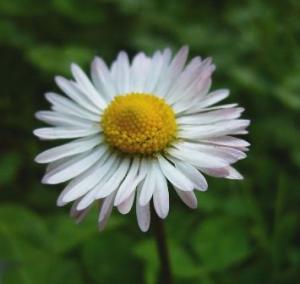
Roman Chamomile is normally a low, creeping perennial or semi-evergreen herb. Soft stems spread along the ground, root at the nodes, and form an aromatic mat. Flowering stems rise above the foliage rather than producing a rigid bushy plant.
The alternate leaves are finely divided into narrow segments and have a fern-like appearance. Bruising or walking across the foliage releases a sweet, fruity fragrance often compared with apples, explaining the common names Ground Apple and Earth Apple.
Single-flowered plants produce white ray florets around yellow disk florets. Double-flowered cultivars develop many additional white florets and may show little of the yellow center. Some double forms are propagated vegetatively because seed production is limited.
Roman and German Chamomile Are Different Species
German Chamomile is Matricaria chamomilla, also widely listed as Matricaria recutita. It is generally a taller annual with upright branching stems and a hollow conical flower receptacle.
Roman Chamomile is a creeping perennial with rooting stems and a solid or pithy receptacle. Their essential oils also differ: Roman oil is rich in angelate, tiglate, butyrate, and related esters, whereas German Chamomile is more strongly associated with bisabolol derivatives, matricin-derived chamazulene, and related compounds.
Commercial products labeled only “chamomile” may contain Roman Chamomile, German Chamomile, another daisy-like plant, or a blend. Product identification therefore requires the scientific name and complete ingredient list.
Essential-Oil Diversity and Product Authentication
Roman Chamomile oil is chemically variable. Geography, genotype, flower type, soil, weather, harvest stage, drying, distillation, storage, oxidation, and adulteration all influence its profile.
Research comparing authenticated chamomile species with commercial flowers, oils, and finished products has shown that analytical profiling can distinguish Roman Chamomile from German Chamomile and Chrysanthemum materials. The same work demonstrates why common-name labeling alone may be unreliable.
Recent exact-species research has continued expanding the known ester profile. Identification of numerous rare and previously unreported compounds does not mean each is a veterinary toxin; it confirms that the oil is far more chemically complex than the short lists commonly repeated on consumer pages.
Living Plant, Tea, Oil, Extract, and Cosmetic Are Different Exposures
A small bite of fresh foliage delivers a dilute mixture within moist plant tissue. Dried flowers, powdered herb, concentrated tea, tincture, extract, capsule, flower oil, and topical ointment can deliver much more material or concentrate particular chemical fractions.
Steam distillation concentrates volatile compounds but leaves many water-soluble and nonvolatile constituents behind. Alcoholic extraction, oil infusion, hydrosol production, and powdered whole-herb products create different chemical exposures.
Commercial calming products may also contain valerian, hops, lavender, passionflower, melatonin, alcohol, xylitol, citrus oil, cannabis-derived ingredients, preservatives, or flavorings. Poisoning assessment must address the entire formulation rather than assuming every sign came from chamomile.
Contact Allergy and Asteraceae Cross-Reactivity
Roman Chamomile oil has caused confirmed allergic contact dermatitis in people. Patch-testing studies have also shown that some patients sensitized to other Asteraceae preparations react to Anthemis nobilis material.
Nobilin and related sesquiterpene lactones provide a plausible chemical basis for delayed contact sensitivity. The immune system can become sensitized after repeated skin exposure and react more strongly during later contact.
Cross-reactivity is possible in an individual already sensitive to ragweed, chrysanthemums, feverfew, daisies, marigolds, or another Asteraceae member, but it is not universal. Family relationship alone cannot predict the severity of a particular animal’s reaction.
Chamomile lawns, topical sprays, shampoos, creams, and repeated herbal applications create recurrent exposure. Dogs with chronic pododermatitis or environmental allergies may contact the plant repeatedly through the paws and underside of the body.
Bleeding Claims Require Careful Interpretation
Roman Chamomile contains coumarin-related constituents, but plant coumarins are not automatically equivalent to warfarin or another vitamin K antagonist. A predictable direct anticoagulant syndrome has not been established in dogs, cats, horses, or livestock after ordinary exposure.
Controlled human chamomile studies found no meaningful prolongation of standard coagulation tests after substantial tea or capsule intake. Those trials cannot establish a veterinary dose, and the botanical identity of commercial chamomile products may vary, but they contradict claims that routine chamomile ingestion inevitably causes bleeding.
Caution remains appropriate for animals receiving anticoagulants, antiplatelet drugs, aspirin or another nonsteroidal anti-inflammatory drug, chemotherapy, or medication affecting liver function. Surgery, thrombocytopenia, gastrointestinal ulceration, liver disease, and inherited clotting disorders also alter risk.
Diagnosis and Important Differentials
No routine veterinary blood test confirms Roman Chamomile ingestion or contact. Diagnosis relies on botanical or product identification, exposure history, clinical pattern, response to decontamination, and exclusion of another cause.
Useful evidence includes a whole-plant photograph, flower head, leaves and creeping stems, nursery label, tea wrapper, essential-oil bottle, dropper, cosmetic container, supplement facts panel, and the complete ingredient list.
Vomiting and diarrhea have broad differentials, including spoiled food, another plant, medication, infection, pancreatitis, foreign material, and systemic disease. Dermatitis may result from fleas, mites, bacterial or yeast infection, another contact allergen, environmental allergy, or caustic chemicals.
Facial swelling and hives may follow an insect sting, vaccine, medication, food, another plant, or environmental allergen. Treatment should address anaphylaxis immediately rather than waiting to prove which ingredient triggered it.
Exposure Settings and Prevention
Ground Apple may grow in herb gardens, chamomile lawns, cracks between paving stones, borders, containers, medicinal gardens, and low-traffic groundcover. Repeated skin and pollen contact may be more important than one ingestion in these settings.
Pets may also reach dried flowers, tea bags, herbal pillows, sachets, bath products, soaps, shampoos, lotions, tinctures, supplements, diffusers, and discarded garden or commercial processing waste.
Store oils, tinctures, capsules, teas, and cosmetics in closed cabinets. Collect flower heads, lawn clippings, pruned material, and used tea bags promptly rather than placing them in an open trash container or accessible compost pile.
Animals with known Asteraceae allergy or repeated reactions should avoid Roman Chamomile entirely. A different groundcover is more practical than repeated medication where a dog develops dermatitis from a chamomile lawn.
Prognosis
Most brief contacts with the living plant have a good prognosis. Mild gastrointestinal signs or localized irritation often resolves after the source is removed and supportive care is provided.
Repeated exposure can prolong allergic dermatitis, while concentrated products may produce more substantial gastrointestinal, dermal, respiratory, or mixed-product toxicity.
Anaphylaxis becomes life-threatening when airway swelling, bronchoconstriction, low blood pressure, or shock develops. Prompt recognition and veterinary treatment substantially improves the chance of recovery.
Immediate Steps After Ground Apple Exposure
- Stop further access. Remove the animal from the living plant, lawn, dried flowers, tea bags, oil, tincture, extract, capsule, cosmetic, diffuser, garden waste, or compost.
- Identify the exact exposure. Determine whether the animal contacted a plant, swallowed fresh or dried material, drank tea, chewed packaging, or reached a concentrated commercial product.
- Save all evidence. Preserve the plant label, photographs, representative plant material, product bottle, dropper, wrapper, ingredient panel, lot number, and material found in vomit.
- Remove loose mouth material. When the animal is calm and breathing normally, lift away visible leaves, flowers, tea material, or packaging resting at the lips or front of the mouth.
- Gently clear the mouth. Wipe the lips and front of the mouth with a clean damp cloth. Do not force fluid toward the throat.
- Prevent grooming. Keep the animal from licking contaminated paws, coat, skin, or topical product until washing is complete.
- Contact a veterinarian. Report the species, product concentration, estimated amount, time, current signs, medical conditions, and medications.
Allergic-Reaction Emergency
Facial swelling, hives, breathing changes, weakness, or collapse may indicate an immediate hypersensitivity reaction. These cases can deteriorate rapidly and are not suitable for prolonged home observation.
- Watch the face and airway. Swelling of the muzzle, lips, eyelids, tongue, or throat requires prompt examination.
- Watch breathing. Wheezing, coughing, noisy inhalation, open-mouth breathing, rapid effort, or blue-gray mucous membranes is an emergency.
- Watch circulation. Pale gums, weak pulses, cold extremities, profound weakness, disorientation, or collapse suggests shock.
- Minimize stress. Keep the animal quiet and transport immediately.
- Give nothing by mouth. Do not force food, water, charcoal, antihistamine, or another medication into an animal with facial swelling, respiratory distress, weakness, or impaired swallowing.
Veterinary treatment of anaphylaxis may include injectable epinephrine, oxygen, intravenous access, fluid resuscitation, airway support, bronchodilators, antihistamines, corticosteroids, vasopressors, temperature support, and continuous cardiovascular and respiratory monitoring.
Do Not Induce Vomiting at Home
Do not automatically induce vomiting after plant ingestion, tea exposure, or a commercial-product exposure. Concentrated oil, alcohol-containing tincture, symptomatic illness, allergic swelling, and altered awareness increase aspiration risk.
- Do not use hydrogen peroxide, salt, mustard, ipecac, detergent, dish soap, manual gagging, or fingers in the throat.
- Never use hydrogen peroxide as a feline emetic.
- Do not induce vomiting in a horse, rabbit, guinea pig, bird, or another species incapable of safe emesis.
- Do not induce vomiting in a symptomatic animal. Vomiting, weakness, facial swelling, hives, coughing, wheezing, poor coordination, collapse, or impaired swallowing are contraindications.
A veterinarian or animal poison-control professional may consider professional emesis after a substantial, very recent dog ingestion only when the exact product is appropriate for emesis and the patient remains fully alert, stable, asymptomatic, breathing normally, and able to protect its airway.
Skin and Coat Decontamination
Wear gloves when handling essential oil, tincture, concentrated extract, lotion, powdered flowers, or heavily contaminated fur. Remove collars, harnesses, blankets, or clothing holding the material against the skin.
Wash contaminated skin and fur thoroughly with mild soap or pet-safe shampoo and lukewarm water. Essential-oil contamination may require repeated gentle washing with fresh soap and clean water.
Rinse completely and direct runoff away from the eyes, mouth, and uncontaminated skin. Do not scrub aggressively because friction can worsen dermatitis.
Do not apply alcohol, peroxide, bleach, solvents, concentrated vinegar, essential oils, fragranced products, human burn cream, or harsh disinfectants. Prevent licking until the coat is clean and dry.
Eye Exposure
Flush an exposed eye immediately with sterile saline or clean lukewarm water for at least 15 to 20 minutes. Allow the fluid to carry pollen, powder, oil droplets, sap, and plant fragments away from the eye.
- Do not rub the eye.
- Prevent pawing. Use safe restraint or an Elizabethan collar when available.
- Seek veterinary care. Continued squinting, tearing, redness, discharge, cloudiness, eyelid swelling, or apparent visual difficulty requires examination.
- Do not use leftover eye medication. Human redness drops and old veterinary products may be inappropriate, particularly before corneal ulceration has been excluded.
Essential Oil, Tincture, and Concentrated Products
Treat concentrated products differently from one bite of the plant. Do not place more oil, food, milk, or another substance into the mouth in an attempt to dilute or neutralize the exposure.
Do not add essential oil to drinking water. Oil does not disperse uniformly and may expose the mouth and stomach to concentrated droplets.
Move an animal coughing or wheezing during diffusion into clean fresh air without exposing it to extreme temperatures. Turn off and remove the diffuser, ventilate the room, and preserve every oil bottle used in the blend.
Check the complete ingredient list for alcohol, xylitol, melatonin, valerian, hops, cannabis-derived compounds, citrus oils, wintergreen, tea tree oil, eucalyptus, preservatives, and medications. These ingredients can change urgency and treatment.
Gastrointestinal Monitoring
- Track vomiting and diarrhea. Record frequency, volume, plant or product material, blood, coffee-ground material, or black stool.
- Monitor drinking. An alert animal that is swallowing normally and not repeatedly vomiting may take small voluntary amounts of fresh water.
- Do not force fluids or food. Forced intake can provoke vomiting or aspiration.
- Monitor hydration. Dry or tacky gums, sunken eyes, reduced urination, rapid heart rate, worsening lethargy, or weakness requires care.
- Monitor appetite. Prolonged food refusal is especially important in cats, rabbits, guinea pigs, and small animals.
Veterinary Gastrointestinal and Supportive Treatment
Persistent vomiting may require a prescription antiemetic. Intravenous or subcutaneous fluids may be used when vomiting, diarrhea, or poor intake causes dehydration.
Blood testing may include a complete blood count, electrolytes, glucose, kidney and liver values, blood proteins, platelet count, and other measurements appropriate to the product and clinical course.
Activated charcoal is not routinely necessary after a small plant ingestion and may have limited value for volatile oils. A veterinarian may consider it after a selected substantial recent extract or mixed-product ingestion only when the patient can protect its airway.
Gastric lavage is reserved for exceptional serious recent exposures under anesthesia with a protected airway. Cathartics are not routine because they can worsen diarrhea, dehydration, and electrolyte imbalance.
Dermatitis Treatment
Localized dermatitis may require gentle cleansing, prevention of licking or scratching, and veterinarian-selected topical or systemic treatment. Extensive or painful inflammation may require prescription analgesia and anti-inflammatory medication.
Antihistamines may help selected immediate allergic signs or itching, while corticosteroids may be considered in particular inflammatory or allergic cases. Neither should be administered automatically at home, and neither replaces epinephrine or airway and circulation support during anaphylaxis.
Antibiotics are used when secondary bacterial infection is present or strongly suspected rather than for every red or itchy area. Cytology or culture may be needed when lesions are moist, crusted, foul-smelling, spreading, or poorly responsive.
Bleeding and Medication Review
Tell the veterinarian about warfarin, clopidogrel, aspirin, nonsteroidal anti-inflammatory drugs, corticosteroids, chemotherapy, herbal supplements, liver disease, platelet disorders, planned surgery, and any previous bleeding problem.
Unusual bruising, nosebleeds, bleeding gums, black stool, blood in urine, weakness, or pale gums may require a platelet count, coagulation testing, liver evaluation, medication review, and investigation for another toxin.
Do not discontinue a prescribed anticoagulant or another essential medication without speaking to the prescribing veterinarian.
Horses and Livestock
Remove horses and livestock from dense Roman Chamomile growth, contaminated hay, garden clippings, dried flowers, discarded tea, and herbal-product waste. Supply clean water and adequate uncontaminated forage without forcing intake.
Inspect the muzzle, lips, lower legs, and other contact areas for redness, swelling, itching, or exudative dermatitis. Monitor appetite, manure, abdominal comfort, hydration, breathing, and behavior.
Facial swelling, hives, respiratory distress, weakness, persistent diarrhea, colic, extensive dermatitis, or refusal to eat requires veterinary examination. Preserve plant and feed samples for identification.
Recovery and Prevention
Most limited plant exposures have a good to excellent prognosis. Mild gastrointestinal signs or localized irritation may improve within several hours to one day.
Contact-allergy lesions can continue developing after exposure and may require several days of treatment. Continued exposure through a lawn, bedding, topical product, or contaminated equipment can prevent recovery.
Store essential oils, teas, tinctures, supplements, cosmetics, and dried herbs in closed cabinets. Collect lawn clippings, used tea bags, flowers, and garden waste immediately.
Animals with a confirmed or strongly suspected Roman Chamomile allergy should avoid future exposure because a later reaction may occur more rapidly or severely.
Frequently Asked Questions About Ground Apple and Animal Poisoning
Why is Roman Chamomile oil different from German Chamomile oil?
Roman Chamomile oil is characteristically rich in angelate, tiglate, butyrate, and related esters. German Chamomile more commonly contains higher proportions of bisabolol derivatives and matricin-derived chamazulene. Products labeled only “chamomile” should not be assumed chemically identical.
Can a dog react after repeatedly walking on a chamomile lawn?
Yes. A lawn creates repeated contact with foliage, flowers, pollen, and crushed aromatic tissue. A sensitized dog may develop itchy or inflamed paws, lower legs, abdomen, or muzzle even without eating a substantial quantity.
Can an animal become allergic after earlier exposures caused no problem?
Yes. Allergic contact dermatitis requires sensitization, which may develop after repeated exposure. An animal can tolerate the plant or a topical product initially and react during a later contact. Previous tolerance does not guarantee permanent safety.
Does a ragweed allergy prove the animal will react to Roman Chamomile?
No. Shared Asteraceae allergens can permit cross-reactivity, but reactions are individual and incomplete. A history of allergy to ragweed, chrysanthemums, daisies, feverfew, or marigolds increases caution without proving that Roman Chamomile will trigger a reaction.
Is double-flowered Roman Chamomile a safer species?
No. Double Chamomile is a cultivated flower form of Chamaemelum nobile. Flower structure and propagation may differ, but no veterinary research establishes that the double form lacks volatile esters or allergenic sesquiterpene lactones.
Why can an essential-oil exposure be more serious than chewing the plant?
Distillation concentrates volatile compounds from a large quantity of flowers into a small volume. Oils may also be swallowed without the taste and bulk that limit plant consumption. Aspiration, dermal concentration, continuous diffusion, and other oils in a blend create additional risks.
Does Roman Chamomile normally cause a bleeding disorder?
No predictable veterinary anticoagulant syndrome has been established after ordinary plant exposure. Roman Chamomile coumarin-related compounds are not automatically equivalent to warfarin. Repeated concentrated use and concurrent anticoagulant or antiplatelet medication still warrant veterinary review.
Why might a chamomile calming product cause signs not described for the plant?
Commercial products may contain alcohol, xylitol, melatonin, valerian, hops, cannabis-derived ingredients, citrus oils, preservatives, or medications. The full formulation may produce sedation, hypoglycemia, neurologic effects, or other signs unrelated to Roman Chamomile alone.
Can chamomile pollen or dried flower dust affect the eyes and lungs?
Yes. Dust, pollen, sprays, and aerosolized products can cause tearing, conjunctival irritation, sneezing, coughing, or wheezing in a sensitive animal. Direct eye exposure should be irrigated promptly, and respiratory distress requires emergency examination.
How can Roman Chamomile be distinguished from German Chamomile?
Roman Chamomile is a low creeping perennial with stems that may root at the nodes. German Chamomile is usually a taller upright annual with a hollow conical flower receptacle. A scientific label remains more dependable than appearance alone, especially in dried products.