Showy Daisy Mild Irritation, Fleabane Name Confusion, Asteraceae Contact Reactions, and Evidence-Boundary Veterinary Risk
Is Showy Daisy Poisonous to Dogs, Cats, Horses, and Livestock?
Yes—Showy Daisy, Erigeron speciosus (Lindl.) DC., is classified as toxic to dogs, cats, and horses because it may cause mild gastrointestinal irritation and occasional contact dermatitis, but it is not recognized as a highly poisonous or commonly fatal plant. This western North American perennial is also known as Showy Fleabane, Aspen Fleabane, Oregon Fleabane, Garden Fleabane, and Showy Erigeron. The strongest veterinary framing is mild irritant with limited evidence, not severe systemic toxicosis.
Dogs and cats that chew Showy Daisy may develop no signs or brief vomiting, soft stool, diarrhea, appetite reduction, drooling, lip licking, abdominal discomfort, or temporary lethargy. Contact with crushed foliage may irritate susceptible skin, especially on the muzzle, paws, sparsely haired abdomen, or skin between the toes. Eye contamination can cause tearing, redness, squinting, or pawing and should be rinsed promptly.
No specific mammalian toxin, reliable toxic dose, fatal veterinary case series, or predictable kidney, liver, neurologic, cardiac, respiratory, or blood-clotting syndrome has been established for Erigeron speciosus. Domestic sheep and several wild herbivores are documented consumers of the plant, so ordinary livestock poisoning should not be exaggerated. Severe illness after grazing, garden exposure, or chewing a daisy-like plant should prompt investigation for wrong-plant identification, pesticides, fertilizers, herbicides, blister beetles, contaminated feed, infectious disease, foreign body, another toxic Asteraceae, or an unrelated emergency.
About this guide: This page provides general pet-poisoning information and cannot diagnose or treat an individual animal. For any suspected exposure, contact a veterinarian or animal poison-control service immediately. Do not induce vomiting, give medication, or attempt home decontamination unless directed by a veterinary professional.
Showy Daisy
Erigeron speciosus (Lindl.) DC.
Historical synonyms include:
- Stenactis speciosa Lindl.
- Erigeron conspicuus Rydb.
- Erigeron eucephaloides Greene
- Erigeron leiophyllus Greene
- Erigeron leucotrichus Rydb.
- Erigeron macranthus Nutt.
- Erigeron salicinus Rydb.
Historical variety and former combination names include:
- Erigeron speciosus var. conspicuus (Rydb.) B.Boivin
- Erigeron speciosus var. macranthus (Nutt.) Cronquist
- Erigeron subtrinervis var. conspicuus (Rydb.) Cronquist
- Erigeron subtrinervis subsp. conspicuus
Important non-synonym confusion names:
- Erigeron glaucus Ker Gawl. — true Seaside Daisy; separate coastal species, not Erigeron speciosus
- Erigeron karvinskianus DC. — Mexican Fleabane; separate species sometimes confused through daisy-like common names
- Erigeron canadensis L., historically Conyza canadensis (L.) Cronquist — Horseweed; separate species, not Erigeron speciosus
Asteraceae
Compositae is the traditional alternative family name encountered in older botanical, agricultural, and toxicological literature.
Showy Daisy; Showy Fleabane; Aspen Fleabane; Oregon Fleabane; Oregon Wild-Daisy; Oregon Wild Daisy; Garden Fleabane; Garden Erigeron; Showy Erigeron; Large-Flowered Fleabane; Beautiful Fleabane; Specious Fleabane; Blue Fleabane; Purple Fleabane; Western Fleabane; Erigeron speciosus; Stenactis speciosa; Erigeron macranthus; Erigeron conspicuus; Erigeron eucephaloides; Erigeron leiophyllus; Erigeron leucotrichus; Erigeron salicinus; Erigeron speciosus var. conspicuus; Erigeron speciosus var. macranthus
“Fleabane” is used for numerous Erigeron species and for plants in other genera. It is not sufficient for emergency identification by itself. A detached lavender daisy-like flower head should not be used alone to identify this plant because many asters, fleabanes, mayweeds, chamomiles, chrysanthemums, groundsels, and sneezeweeds can look similar to a non-specialist.
“Horseweed” usually refers to Erigeron canadensis, formerly Conyza canadensis, and should not be treated as an exact name for Erigeron speciosus. “Seaside Daisy” more commonly refers to Erigeron glaucus or, in some horticultural markets, Erigeron karvinskianus. The safest public wording is to preserve Showy Daisy as the page title while using Erigeron speciosus as the controlling identification.
The Veterinary Toxic Principle Remains Unknown
The exact substance responsible for illness after dogs, cats, or horses ingest Showy Daisy has not been established. Veterinary plant-poison references variously identify the toxic principle as unknown or describe the plant simply as an irritant. That classification is consistent with a mild gastrointestinal or contact-irritation syndrome, but it does not establish a single poison, receptor-level mechanism, toxic concentration, or predictable dose-response relationship.
This wording should not be expanded into an unsupported claim that Erigeron speciosus contains pyrethrins, pyrrolizidine alkaloids, cardiac glycosides, cyanogenic glycosides, soluble oxalates, insoluble calcium oxalate raphides, tremetone, colchicine-type alkaloids, or another recognized poison class as its established veterinary toxin. Those chemical classes have their own syndromes and should not be assigned to Showy Daisy merely because it belongs to Asteraceae or because another daisy-like plant contains them.
The most accurate classification is a suspected low-severity gastrointestinal and contact irritant with incompletely characterized active constituents. A plant can be legitimately listed as toxic without being a major systemic poison. That evidence boundary is the key to making this page scientifically stronger than a generic poison-list entry.
Species-Specific Chemical Research
Species-specific chemical research confirms that Erigeron speciosus produces biologically active compounds. In 2002, Kumudini M. Meepagala, George Sturtz, David Wise, and David E. Wedge investigated a steam-distilled fraction prepared from the aerial portions of the plant. The preparation inhibited several plant-pathogenic fungi and showed molluscicidal activity against the ram’s-horn snail Planorbella trivolvis.
Bioassay-guided fractionation isolated methyl 2Z,8Z-deca-2,8-diene-4,6-diynoate and its 2E,8E geometrical isomer. These compounds are acetylenic or polyacetylenic esters, and the 2Z,8Z compound is commonly described as a matricaria-type methyl ester. Polyacetylenes in members of Asteraceae may function as chemical defenses and can demonstrate antimicrobial, antifungal, insecticidal, molluscicidal, or herbivore-deterrent activity under suitable experimental conditions.
The method used in that study is essential to interpreting the result. Steam distillation separates and concentrates volatile or steam-carried constituents from a larger mass of plant material. A dog chewing a few leaves, a cat biting a flower head, or a horse grazing intact vegetation is not exposed to the same preparation, concentration, or route used in a laboratory bioassay.
What the Polyacetylene Evidence Does Not Prove
The identified compounds have not been proved to be the sole cause of vomiting, diarrhea, or dermatitis listed in veterinary references. The study did not feed ordinary leaves to dogs, cats, horses, rabbits, birds, or livestock. It did not establish a pet toxic dose, measure vomiting in mammals, define a horse syndrome, or demonstrate that matricaria methyl ester causes the mild poison-list signs.
Laboratory activity in fungi and freshwater snails cannot be translated directly into mammalian poisoning severity. A steam-distilled fraction is chemically and quantitatively different from one bite of the intact plant. The study proves biological activity; it does not justify claiming that Showy Daisy causes severe mammalian toxicosis.
The correct public message is therefore balanced: Showy Daisy is not chemically inert, and concentrated extracts or distillates should not be treated as harmless. At the same time, ordinary plant chewing has not been linked to a defined severe systemic syndrome in veterinary literature.
Why Pyrethrins Should Not Be Assigned to Showy Daisy
No reliable evidence establishes pyrethrins as the principal toxins of Erigeron speciosus. Pyrethrins are best documented in pyrethrum-producing plants such as Tanacetum cinerariifolium and cannot be assigned automatically to every daisy-family species. Asteraceae is a large family with many unrelated chemical profiles.
Mislabeling Showy Daisy as a pyrethrin plant would create diagnostic and treatment confusion. Pyrethrin toxicosis in pets, especially cats, can involve tremors, hyperexcitability, hypersalivation, seizures, and neurologic signs after exposure to concentrated insecticidal products or pyrethrum-derived compounds. That is not the established Showy Daisy profile.
The Fleabane name also should not be treated as proof of insecticidal safety or efficacy. Historical plant names often reflect folklore, not measured veterinary pharmacology.
Mechanical and Nonspecific Gastrointestinal Irritation
Mechanical and nonspecific gastrointestinal irritation remains a reasonable explanation for many reported exposures. Dogs and cats do not digest large amounts of fibrous green plant material efficiently, and swallowing stems, leaves, flower heads, hairs, roots, soil, mulch, seed heads, or garden debris may provoke nausea-like behavior, vomiting, soft stool, or diarrhea even when no potent systemic toxin is present.
Quantity and form matter. A single flower head or leaf fragment is not equivalent to a puppy shredding a clump, a cat repeatedly chewing foliage, or a small herbivore eating a meaningful amount of an unfamiliar garden plant. Roots, soil, fertilizer granules, herbicide residue, pesticide residue, mold, slug bait, contaminated mulch, and other plants mixed into the material may drive signs more strongly than the fleabane itself.
Individual sensitivity also matters. Animals with preexisting gastrointestinal disease, dietary indiscretion, pancreatitis risk, medication exposure, parasites, infectious enteritis, kidney disease, diabetes, or stress may develop more noticeable signs after eating a plant that would not affect another animal. The plant may be part of the history without being the entire diagnosis.
Contact Irritation and Asteraceae Sensitivity
Mild dermatitis is associated with Showy Daisy in veterinary reference material. Contact exposure may produce localized redness, itching, licking, rubbing, small raised areas, or inflammation where crushed leaves, stems, flowers, sap, or pollen contacted the skin. Susceptible areas include the muzzle, paws, sparsely haired abdomen, inner thighs, and skin between the toes.
Asteraceae plants can contain volatile substances, polyacetylenes, lactones, resins, and other small reactive molecules capable of irritating or sensitizing susceptible skin. A Showy-Daisy-specific allergen has not been established, so the public page should avoid claiming a known allergen or predictable allergy syndrome. Fleas, mites, pollen allergy, food allergy, bacterial infection, yeast infection, lawn chemicals, herbicides, fertilizers, insect bites, and contact with another plant should remain in the differential diagnosis.
Plant material rubbed onto the coat as a supposed flea repellent may create more prolonged contact and later be swallowed during grooming. That practice increases exposure while providing no reliable veterinary flea control.
Concentrated Extracts, Distillates, and Treated Plants
Concentrated extracts, steam distillates, essential-oil-like preparations, infused oils, homemade insect repellents, poultices, teas, dried herb mixtures, and pesticide-treated plants should be evaluated separately from one exploratory bite of the living plant. Processing can concentrate or alter plant chemistry, and topical use can increase skin contact and grooming exposure.
Plants sprayed with herbicide, pesticide, fungicide, fertilizer, deer repellent, slug bait, or other lawn and garden chemicals may cause signs unrelated to the natural chemistry of Erigeron speciosus. Chewing a treated plant or treated garden debris should be reported as a chemical exposure as well as a plant exposure.
Cats deserve special caution around concentrated botanical products because they may tolerate some plant-derived oils, solvents, or topical compounds poorly. The fact that an intact Showy Daisy plant is low severity does not make a concentrated home extract safe.
Not a Proven Severe Organ-Injury Plant
The available evidence does not support a characteristic systemic syndrome involving liver failure, kidney failure, paralysis, cardiac collapse, severe coagulopathy, respiratory failure, or sudden death from ordinary Showy Daisy exposure. Seizures, profound incoordination, paralysis, dangerous heart-rhythm abnormalities, pale or blue mucous membranes, jaundice, severe tremors, collapse, reduced urine production, or black stool should not be casually attributed to this plant.
Those signs require a broader evaluation. Possible explanations include another daisy-like plant, groundsel, sneezeweed, yew, oleander, water hemlock, poison hemlock, pesticide exposure, fertilizer, slug bait, medication, foreign body, infectious disease, pancreatitis, gastrointestinal obstruction, blister beetles in hay, moldy feed, nitrate or cyanogenic plants, toxic mushrooms, or unrelated medical disease.
This boundary improves the page because it tells the owner when the plant’s known profile no longer fits. A mild plant can be involved in an exposure history, but it should not be used to explain signs that point toward a more dangerous problem.
No Reliable Toxic Dose
No reliable toxic dose has been established for dogs, cats, horses, cattle, sheep, goats, rabbits, guinea pigs, birds, reptiles, or other animals. Concentrations may vary among leaves, stems, flowers, roots, seeds, individual plants, seasons, growth stages, environmental conditions, and extraction methods. The published chemical work used aerial portions, but no veterinary study has established one uniquely dangerous plant part or a reliably harmless part.
The safest practical approach is to prevent deliberate chewing of the entire plant while keeping the severity in perspective. Showy Daisy does not have the established lethal profile associated with yew, oleander, foxglove, autumn crocus, water hemlock, true lilies in cats, or other major toxic plants. A small taste by a healthy dog or cat is more likely to cause no signs or mild gastrointestinal irritation than life-threatening systemic poisoning.
Onset and Early Progression
The expected syndrome after Showy Daisy ingestion is mild gastrointestinal irritation. Dogs and cats may show lip licking, drooling, repeated swallowing, food refusal, grass eating, retching, vomiting, soft stool, or diarrhea. “Nausea” is often used in general descriptions, but nausea is a subjective human sensation; in an animal it is inferred from observable behavior such as lip smacking, restlessness, salivation, food avoidance, or attempts to vomit.
A precise onset time has not been established for Erigeron speciosus. Direct irritation from chewed leaves or flowers would usually be expected to cause signs relatively soon after exposure, but onset may vary with amount eaten, plant part, animal size, stomach contents, individual sensitivity, and whether another substance was consumed at the same time. Many small exposures may produce no obvious illness or only one episode of vomiting or transient loose stool.
Repeated ingestion may matter more than a single taste because the animal continues introducing irritating material into the gastrointestinal tract. A larger amount of fibrous vegetation may cause more persistent vomiting or diarrhea even when the plant does not contain a powerful systemic toxin. The clinical course should improve after access ends; worsening signs do not fit the expected mild profile.
Vomiting, Diarrhea, and Dehydration Risk
Continuing vomiting and diarrhea can become more clinically important than the original plant exposure. Small dogs and cats, juveniles, elderly animals, and those with kidney disease, diabetes, gastrointestinal disease, pancreatitis risk, endocrine disease, or another underlying disorder can become dehydrated more quickly. Dry or tacky gums, sunken eyes, weakness, reduced urination, persistent thirst, or inability to keep water down requires veterinary attention.
Vomiting once after chewing fibrous plant material is different from repeated vomiting, retching without production, bloody vomit, black stool, marked abdominal pain, abdominal distention, collapse, fever, or severe lethargy. Those findings should prompt evaluation for foreign body, pancreatitis, infectious disease, toxin exposure, medication ingestion, gastrointestinal obstruction, or another cause.
Soft stool or one brief episode of diarrhea may be compatible with mild plant irritation. Profuse watery diarrhea, blood, mucus, severe pain, dehydration, fever, weakness, or diarrhea lasting beyond the expected short course should not be blamed automatically on Showy Daisy.
Contact Dermatitis and Eye Exposure
Mild dermatitis is also associated with Showy Daisy in veterinary reference material. Observable signs may include localized redness, itching, licking, rubbing, small raised areas, or inflammation where crushed leaves, stems, flowers, sap, or pollen contacted the skin. Repeated rolling, lying in a patch, or rubbing crushed foliage onto the coat can create more prolonged contact than a casual brush against the plant.
Facial swelling, widespread hives, marked pain, blistering, eye involvement, or breathing difficulty is not the expected minor reaction and requires urgent care. Those signs may indicate hypersensitivity, exposure to another plant, insect sting, chemical contact, or a more serious allergic or toxic event.
Eye contamination can cause tearing, redness, blinking, squinting, light sensitivity, pawing at the face, or discharge. Plant debris, sap, pollen, soil, or another irritant may be involved. Eyes should be irrigated promptly, and persistent signs after rinsing require veterinary examination because retained debris or corneal injury can be more important than the plant’s mild toxicity listing.
Dogs and Cats
Dogs are most likely to take an exploratory bite while walking through a meadow or garden, chew uprooted clumps, or ingest plant material mixed with grass, soil, fertilizer, herbicide, mulch, or another weed. Puppies may shred plant material more aggressively than adult dogs and may swallow soil or roots with it. A limited exposure may produce no signs or brief vomiting and diarrhea.
Cats may chew garden foliage or cut flowers but are unlikely to consume a forage-sized amount. Mild vomiting, soft stool, appetite reduction, or skin irritation is possible. Cats may also groom plant material from the coat after lying in or brushing against crushed foliage.
Continued food refusal is important even when the original plant is considered mildly irritating. Cats can become dehydrated and may develop secondary metabolic complications from prolonged anorexia. A cat that refuses food after the initial mild stomach upset passes should be evaluated.
Horses
Horses cannot vomit. Gastrointestinal irritation may instead appear as reduced appetite, salivation, lip curling, pawing, flank watching, restlessness, altered manure, diarrhea, or signs of colic. Mild exposure may produce no obvious signs, but equine abdominal pain should never be dismissed casually because horses can develop serious gastrointestinal disease from many causes.
Persistent pain, repeated rolling, sweating, abdominal distention, reduced gut sounds, weakness, abnormal heart rate, failure to pass manure, or repeated attempts to lie down and rise should not be explained by Showy Daisy without veterinary evaluation. Those signs may indicate colic, obstruction, gas distention, enteritis, sand, toxin exposure, or another emergency.
The ASPCA-style classification includes horses, but a Showy-Daisy-specific equine dose, case series, or distinctive severe syndrome has not been established. Mild gastrointestinal irritation remains possible, and horses should not be encouraged to graze ornamental plantings or clipping piles.
Livestock, Sheep, Goats, and Cattle
Serious poisoning has not been established in sheep, cattle, goats, or other livestock under ordinary grazing conditions. Showy Daisy is consumed by sheep and wildlife, and that history does not fit a major systemic range-plant poison. The livestock message should remain limited and evidence-bounded.
A group outbreak involving marked depression, respiratory distress, neurologic abnormalities, jaundice, bloody diarrhea, sudden death, severe weakness, photosensitivity, or multiple recumbent animals should prompt immediate investigation for another plant, contaminated feed, pesticide exposure, infectious disease, or another shared hazard. The mere presence of Showy Daisy in a field does not prove causation.
Garden clippings placed over a fence create a different exposure than ordinary grazing because they concentrate plant material and may include multiple ornamental species. A mixed clipping pile should be identified completely before blaming Showy Daisy.
Rabbits, Guinea Pigs, Birds, and Other Small Animals
Rabbits, guinea pigs, chinchillas, and several other small herbivores cannot vomit. They may instead show appetite reduction, abdominal discomfort, soft stool, diarrhea, reduced fecal production, tooth grinding, hunched posture, lethargy, or gastrointestinal stasis after eating an unfamiliar plant. Species-specific Showy-Daisy poisoning data are unavailable.
Continued food refusal or reduced fecal output in these animals is medically important even when the original exposure is considered low severity. The secondary gastrointestinal consequences of not eating may become more dangerous than the plant’s mild irritant potential.
Direct bird and reptile toxicity data for Erigeron speciosus are limited. Pet birds, reptiles, and small exotic mammals should not be offered unidentified daisy-like plants as enrichment, forage, cage decoration, or terrarium planting. Asteraceae contains many harmless, mildly irritating, and genuinely toxic species, and common names are unreliable.
Signs That Do Not Fit Showy Daisy
Seizures, profound incoordination, paralysis, dangerous heart-rhythm abnormalities, respiratory failure, severe tremors, liver injury, kidney injury, pale or blue mucous membranes, jaundice, bloody vomiting, black stool, reduced urine production, severe colic, and sudden collapse are not recognized components of the established Showy-Daisy syndrome. Their presence should trigger reconsideration of the plant identification and evaluation for mixed exposure, chemical contamination, intestinal obstruction, or an unrelated medical emergency.
Severe neurologic, cardiac, hepatic, renal, hematologic, or respiratory signs may point toward another toxic plant, pesticide, medication, caustic chemical, mushroom, foreign body, infection, pancreatitis, metabolic disease, or contaminated feed. The expected Showy Daisy profile is mild and local to gastrointestinal or skin irritation. A severe course should not be treated as an undocumented normal stage of this plant’s poisoning.
Expected Duration and Prognosis
Older summaries have described complete recovery within approximately one to twenty-four hours. That may be a reasonable general expectation for uncomplicated irritation, but a precise recovery interval has not been established through a published species-specific veterinary case series. Some animals may recover quickly, and some may need supportive care if vomiting or diarrhea persists.
The expected prognosis is excellent when signs are limited to brief vomiting, diarrhea, appetite reduction, or localized dermatitis. Illness persisting beyond a day or two, repeatedly worsening after initial improvement, or producing systemic abnormalities does not fit the limited documented profile. The diagnosis should be reassessed rather than assuming severe signs represent normal Showy-Daisy poisoning.
Showy Daisy Is a Western North American Fleabane
Showy Daisy is the perennial wildflower botanically recognized as Erigeron speciosus (Lindl.) DC. It belongs to the tribe Astereae within Asteraceae, the large family that includes asters, daisies, sunflowers, goldenrods, ragweeds, chrysanthemums, groundsels, sneezeweeds, and many other ornamentals and wild plants.
The accepted native range extends from Alberta and British Columbia south through the western United States to northwestern Mexico. Native populations occur in Arizona, Colorado, Idaho, Montana, Nevada, New Mexico, Oregon, South Dakota, Utah, Washington, Wyoming, and a disjunct portion of Baja California. Cultivated plants and garden escapes may also occur outside the native range.
This plant is commonly used in native gardens, pollinator plantings, restoration projects, wildflower seed mixes, perennial borders, and western landscape designs. Those uses increase animal exposure but do not change the evidence-based toxicity category: low-severity gastrointestinal or contact irritation unless another hazard is involved.
Relationship to the Seaside Daisy Page
This Showy Daisy page and the Seaside Daisy record may both point to Erigeron speciosus in animal-poison databases. The overlap is a naming problem, not a toxicology difference. Showy Daisy, Showy Fleabane, Aspen Fleabane, and Oregon Fleabane are the stronger common-name matches for Erigeron speciosus.
True Seaside Daisy more consistently refers to Erigeron glaucus, a separate coastal species with a lower, spreading habit and thick, often gray-green leaves. Some horticultural markets may also use seaside daisy loosely for Erigeron karvinskianus or other daisy-like ornamentals. The scientific name should control the record.
For this node, the public copy can be more direct than the Seaside Daisy record because “Showy Daisy” is a better match for Erigeron speciosus. The page still needs the warning because owners and veterinarians may land here after seeing the ambiguous Seaside Daisy or Fleabane names elsewhere.
Common-Name Confusion Matters in Poisoning Cases
Showy Fleabane, Aspen Fleabane, Oregon Fleabane, Oregon Wild-Daisy, Garden Fleabane, Garden Erigeron, and Showy Daisy are established names for Erigeron speciosus. The name Fleabane alone is not sufficient for identification because it is applied to many different Erigeron species and has also been used for plants outside the genus.
Horseweed normally refers to Erigeron canadensis, historically known as Conyza canadensis. Horseweed is generally a tall annual or winter annual with many very small flower heads, not the clumping, large-flowered perennial described on this page. Veterinary or botanical information assigned to Horseweed should not automatically be transferred to Showy Daisy.
A photograph or specimen should be matched to the scientific species before assuming that toxicity information for one plant applies fully to another. Asteraceae contains mild irritants, useful forage plants, allergenic plants, pyrethrin-containing plants, pyrrolizidine-alkaloid plants, and several other toxicological categories.
Taxonomy and Historical Scientific Names
The species was first published under the name Stenactis speciosa Lindl. and was later transferred to Erigeron. Historical literature may also use Erigeron conspicuus, Erigeron macranthus, Erigeron salicinus, Erigeron eucephaloides, Erigeron leiophyllus, Erigeron leucotrichus, or former varietal and subspecific combinations.
Some western plants were historically associated with threenerve fleabane, Erigeron subtrinervis. The two species have overlapping ranges and can produce intermediate-looking populations, but modern treatments generally recognize them as separate species. Poisoning reports that identify only an old variety or an ambiguous common name should therefore be interpreted cautiously.
Growth Form and Identification
Showy Daisy is a long-lived herbaceous perennial with a thick, branching, fleshy-to-woody caudex, short rhizomes, a taproot, and fibrous roots. Small colonies may form as the plant spreads. Clusters of mostly upright leafy stems commonly grow approximately 6–40 inches, or 15–100 centimeters, tall.
The stem and basal leaves are variable in shape and may be oblanceolate, spatulate, elliptic, or oval. They commonly show three principal veins. Basal leaves may reach approximately 1–6 inches long but frequently wither by flowering time, which explains why mature flowering plants can appear bare or sparse near the ground.
Leaves higher on the stem become progressively smaller. They are generally arranged alternately and may clasp or partly clasp the stem. Plants range from relatively smooth to somewhat hairy, and forms once separated on the basis of hairiness now are usually treated within the natural variation of the species.
Flower-Head Structure
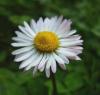
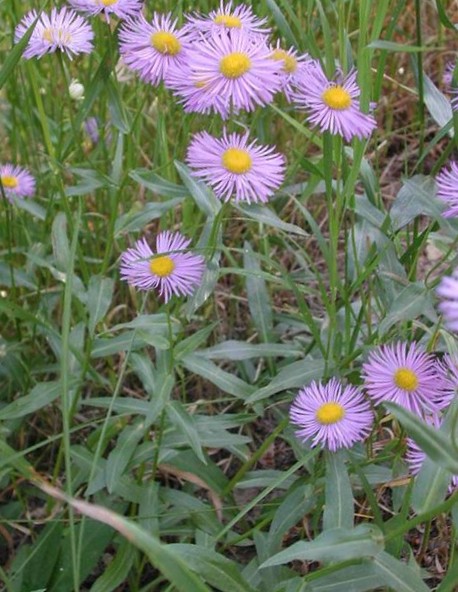
Flower heads are terminal and may number from one to twenty or more on a stem. Individual heads may approach 2 inches across under favorable conditions. Approximately 75–150 narrow lavender, purple, blue, pink, or less commonly white ray florets surround yellow to orange disk florets.
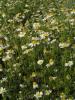
The numerous narrow rays give the flower a finer, more feathery appearance than many ordinary garden daisies. The entire head is a composite structure rather than one flower with individual petals. This matters for identification because many Asteraceae share the same basic head structure but differ in leaf shape, plant height, habitat, chemistry, and veterinary significance.
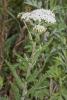
Useful identification photographs should show the whole clump, leaf arrangement, basal leaves if present, stem leaves, branching pattern, multiple flower heads, disk color, ray color, and habitat. One close-up of a purple daisy-like head is not enough for a poisoning case.
Habitat and Realistic Animal Exposure
In its native range, Showy Daisy occurs in dry and moist meadows, grasslands, sagebrush communities, quaking-aspen woodlands, open coniferous forests, forest edges, rocky slopes, stream terraces, mountain meadows, and subalpine plant communities. It is particularly associated with western uplands but can occur across a broad range of moisture conditions where soils drain adequately.
Dogs are most likely to encounter the plant in native gardens, perennial borders, meadow plantings, hiking areas, restoration sites, parks, or cut-flower material. Puppies and vegetation-chewing dogs may pull up stems, bite flowers, or eat discarded clippings. Cats are more likely to investigate cut flowers, potted nursery plants, or garden vegetation within an enclosed yard.
Horses and livestock may encounter Showy Daisy in western meadow, woodland, or rangeland vegetation. Garden clippings placed over a fence create a different exposure than ordinary grazing because they concentrate freshly cut material and may contain multiple ornamental species. The entire clipping pile must be identified rather than assuming Showy Daisy is the only plant present.
Which Parts May Cause Irritation?
No reliable veterinary study has established one uniquely poisonous part or identified any plant part as universally harmless. The published steam-distillation study used aerial portions, meaning aboveground leaves, stems, and flower-bearing material were included in the preparation. Roots, fruits, and seeds have not been assigned a separate veterinary toxic dose.
The safest practical approach is to prevent deliberate chewing of the entire plant while keeping the severity in perspective. Showy Daisy does not have the established lethal profile associated with yew, oleander, foxglove, autumn crocus, water hemlock, true lilies in cats, or other major toxic plants. A small taste by a healthy dog or cat is more likely to cause no signs or mild gastrointestinal irritation than life-threatening systemic poisoning.
Species-Specific Antifungal and Molluscicidal Research
A laboratory investigation published in 2002 examined a steam-distilled fraction of the aerial portions of Erigeron speciosus. The fraction was tested against several plant-pathogenic fungi, including species of Botrytis and Colletotrichum, and also against the ram’s-horn snail Planorbella trivolvis.
Bioassay-guided fractionation isolated methyl 2Z,8Z-deca-2,8-diene-4,6-diynoate and its 2E,8E isomer. These acetylenic esters demonstrated that Showy Daisy contains compounds with genuine biological activity rather than an entirely imaginary natural-pesticide reputation.
The experiment does not show that a dog, cat, horse, sheep, or cow will be poisoned by the same mechanism after chewing the intact plant. Steam distillation concentrates selected compounds, laboratory fungi and snails differ greatly from mammals, and no companion-animal toxic dose was derived. The finding is species-specific chemical evidence, but its veterinary significance remains limited and comparative.
Why the Plant Should Not Be Used as a Flea Repellent
The word Fleabane developed from historical beliefs that various plants repelled or killed fleas. The name has been applied broadly and does not prove that every fleabane contains the same chemicals or works against fleas under real household conditions. A common name is not a safety study.
Crushing Showy-Daisy leaves and smearing them on clothing, bedding, or an animal is not an evidence-based flea-control method. Plant residue may irritate the skin, enter the eyes, or be swallowed during grooming. A steam-distilled laboratory fraction should not be equated with a safe homemade topical preparation.
Concentrated extracts and essential-oil-type products can differ markedly from intact vegetation. Cats in particular may be vulnerable to concentrated botanical products that dogs or humans tolerate differently. Flea prevention should use a product labeled for the animal’s exact species and selected with veterinary guidance.
Sheep and Wildlife Regularly Consume the Plant
Showy Daisy is eaten by mule deer, mountain goats, northern pocket gophers, golden-mantled ground squirrels, and domestic sheep. It has been described as highly palatable and preferred by sheep, and its abundance can decrease where sheep grazing is prolonged.
In one field study, Showy Daisy accounted for approximately 18 percent of the diet of tame mule deer at a wet-meadow site. Northern pocket-gopher stomachs also contained both roots and aboveground portions, showing that naturally exposed herbivores may consume several tissues.
In captive feeding trials, northern pocket gophers consumed an average of approximately 0.12 pound, or 53 grams, of Showy Daisy daily. Whole plants collected from a mountain meadow were fed over several weeks. This is not a controlled dog, cat, horse, or livestock safety trial, but it is strong evidence that ordinary intact vegetation is not universally acutely poisonous to herbivorous mammals.
What the Sheep Evidence Means
The documented preference of sheep for Showy Daisy conflicts with any broad claim that the species is a highly dangerous livestock poison. Plants were absent from some heavily sheep-grazed locations while persisting on protected sites, consistent with substantial consumption rather than avoidance because of acute toxicity.
This does not prove that every sheep, goat, cow, horse, or camelid can eat unlimited amounts without gastrointestinal effects. Palatability studies are not formal toxicology trials, individual plants can vary chemically, and animals may react to contamination, mold, mixed clippings, herbicide, fertilizer, or another plant eaten at the same time. The evidence supports a low-severity assessment, not an absolute declaration that adverse reactions are impossible.
Dogs and Cats
Published veterinary information for dogs and cats is sparse. The documented or listed syndrome consists of mild vomiting, diarrhea, gastrointestinal irritation, and possible dermatitis. No characteristic canine or feline neurologic, cardiac, renal, hepatic, or hematologic toxicosis has been established for this species.
A pet that remains bright, comfortable, and able to retain water after a small taste may require only professional advice and observation. Persistent vomiting, repeated diarrhea, abdominal pain, lethargy, dehydration, blood in vomit or stool, or failure to eat warrants examination because the animal may have consumed more plant material, another substance, or a foreign body.
Horses
The ASPCA-style listing includes horses among susceptible species, but a Showy-Daisy-specific equine dose, case series, or distinctive systemic syndrome has not been established. Mild gastrointestinal irritation remains possible, and horses should not be encouraged to graze ornamental plantings or clipping piles.
Because horses cannot vomit, potential gastrointestinal illness is assessed through appetite, manure production, gut sounds, abdominal comfort, hydration, heart rate, mucous membranes, and behavior. Colic signs always require appropriate attention because serious equine disease cannot be distinguished safely from mild plant irritation by the plant’s reputation alone.
Livestock, Rabbits, Birds, and Other Species
Serious poisoning in cattle, sheep, goats, camelids, and other ordinary livestock species is not well documented. Showy Daisy is described as highly palatable to domestic sheep and is consumed by several wild herbivores. That does not prove unlimited ingestion is harmless, but it does not support describing the species as an established severe livestock poison.
There are no dependable species-specific toxic-dose studies for rabbits, guinea pigs, chinchillas, birds, reptiles, or most exotic pets. These animals should not be deliberately offered Showy Daisy as feed, browse, cage greens, bedding, or enclosure decoration. Food refusal, reduced fecal output, diarrhea, weakness, abnormal breathing, regurgitation, or persistent lethargy after plant access requires species-appropriate veterinary advice.
Diagnosis
Diagnosis begins with accurate plant identification and a credible exposure history. A veterinarian or poison-control specialist may ask which parts were eaten, how much vegetation is missing, when access occurred, whether the plant was fresh or dried, and whether pesticides, fertilizers, slug bait, herbicides, or other garden chemicals had recently been applied.
Useful photographs show the entire plant, growth habit, leaves, upper and lower leaf surfaces, stems, flower heads, base, root material, and surrounding vegetation. A representative sample can be sealed for identification. A single close photograph of a purple daisy-like flower may not distinguish Showy Daisy from related fleabanes, asters, or more toxic daisy-family plants.
Laboratory testing is often unnecessary for an alert animal with brief, mild gastrointestinal signs. Persistent illness may justify evaluation of hydration, electrolytes, blood glucose, kidney and liver values, pancreatitis, infectious gastrointestinal disease, dietary indiscretion, intestinal obstruction, medication exposure, or another toxin.
Important Differential Diagnoses
Many daisy-like plants do not share the same toxicology. Chrysanthemums may expose animals to pyrethrins and other irritants. Ragworts and groundsels may contain hepatotoxic pyrrolizidine alkaloids. Sneezeweeds may contain sesquiterpene lactones, while some mixed ornamental bouquets contain plants with entirely different and more serious hazards.
Severe neurologic signs, cardiovascular collapse, jaundice, kidney failure, respiratory paralysis, profound salivation, tremors, seizures, or sudden death do not fit the established Showy-Daisy profile. Those findings should prompt immediate reconsideration of the identification and investigation for pesticides, toxic mushrooms, medications, spoiled feed, contaminated water, or another poisonous plant.
Veterinary Treatment
There is no recognized Showy-Daisy antidote. Treatment is based on the animal’s condition and usually centers on controlling gastrointestinal signs, replacing fluid losses, protecting the skin or eyes after contact, and ruling out another cause when the illness is more severe than expected.
A veterinarian may prescribe an antiemetic, fluid therapy, electrolyte correction, gastrointestinal support, or dermatologic treatment. Diagnostic testing and observation may be appropriate when vomiting or diarrhea continues, hydration is impaired, the animal has underlying disease, or the plant identification is uncertain.
Activated charcoal is not automatically beneficial. Its veterinary use is reserved for toxic agents that it is expected to bind and for patients in which aspiration and other complications can be controlled. Gastric lavage is an invasive veterinary procedure for selected serious exposures and is not a routine response to a plant associated primarily with mild irritation.
Prognosis
The prognosis is generally favorable when Showy Daisy is correctly identified and signs remain limited to mild vomiting, diarrhea, appetite reduction, or localized skin irritation. Many minor exposures may never produce observable illness.
An older estimate of recovery within approximately one to twenty-four hours is compatible with uncomplicated gastrointestinal irritation but should not be treated as a guaranteed timeline. Worsening signs, inability to retain water, significant dehydration, bloody stool, marked abdominal pain, weakness, or illness lasting beyond an expected short course requires reassessment.
Preventing Exposure
Animals that repeatedly browse ornamental plants should be separated from Showy-Daisy beds with fencing, supervised access, raised containers, or relocation of the plants. Flower-arranging scraps, pulled plants, and pruning debris should be collected before pets or livestock enter the area.
Never throw mixed garden clippings into a horse paddock, goat pen, cattle pasture, rabbit enclosure, chicken run, aviary, or accessible compost pile. A clipping pile may contain Showy Daisy alongside yew, azalea, oleander, foxglove, rhododendron, groundsel, or another substantially more dangerous plant.
Do not apply homemade fleabane rubs, concentrated distillates, essential oils, or crushed leaves to an animal. Keep garden chemicals separate from plant samples, and label cultivated plants with the scientific name Erigeron speciosus so that an emergency assessment does not depend on ambiguous names such as Fleabane, Horseweed, or Seaside Daisy.
Immediate Steps After Exposure
Stop further ingestion. Move the animal away from the plant, remove fallen stems or flowers, and prevent other animals from reaching the same material. Because daisy-like plants are frequently misidentified, plant identification is part of first aid rather than an afterthought.
- Remove only loose mouth material: If the animal is alert and cooperative, take visible plant fragments from the front of the mouth. Do not reach deeply into the throat or place yourself at risk of being bitten.
- Preserve identification evidence: Photograph the complete plant, leaves, stems, flower heads, root base, surrounding vegetation, and any nursery or seed-mix label. Save a representative sample where it cannot be eaten by another animal.
- Check for garden chemicals: Determine whether the plant or surrounding soil was recently treated with insecticide, herbicide, fertilizer, fungicide, deer repellent, or slug bait.
- Monitor the complete animal: Watch appetite, vomiting, stool, hydration, energy, abdominal comfort, skin, eyes, breathing, urination, and behavior.
- Contact a veterinarian or animal poison-control service: Report the animal’s species, weight, estimated amount eaten, time of exposure, current signs, and whether the plant identification is certain.
- Separate mixed clippings: If the exposure came from garden waste, identify every plant in the pile rather than assuming Showy Daisy is the only hazard.
Skin or Eye Contact
Prevent licking and grooming. Keep the animal from swallowing crushed plant material left on the coat, paws, or skin. If the animal rolled in or was rubbed with foliage, contact time may be greater than after a simple plant bite.
Rinse exposed skin gently with lukewarm water to remove visible plant residue when the animal is stable and the skin is not severely painful or blistered. A mild animal-safe cleanser may be useful when crushed vegetation, soil, pollen, sap, fertilizer, or pesticide residue is present.
Flush an exposed eye with clean lukewarm water or sterile saline while arranging veterinary advice. Persistent squinting, redness, cloudiness, tearing, discharge, pawing at the eye, or light sensitivity requires examination because retained plant debris or corneal injury may be present.
Do Not Attempt Unsupervised Home Treatment
Most small Showy-Daisy exposures are expected to be mild, but unnecessary home treatment can cause gastrointestinal injury, aspiration, sedation, or delayed diagnosis. The proper early response is removal, identification, rinsing when needed, monitoring, and veterinary guidance when signs are more than brief and mild.
- Do not induce vomiting automatically: Do not give hydrogen peroxide, salt, mustard, syrup of ipecac, dish soap, detergent, or another emetic unless a veterinarian specifically directs treatment for that individual animal.
- Do not give activated charcoal on your own: Charcoal is not a universal antidote and may cause aspiration or other complications, particularly in an animal that is vomiting, weak, sedated, dehydrated, or unable to swallow normally.
- Do not force food or fluids: Forced water, milk, oil, broth, or food may worsen vomiting or enter the airway.
- Do not give gastrointestinal medication without direction: Antidiarrheals, sucralfate, antacids, Kaopectate-type products, antiemetics, and human stomach medications should be selected and dosed by a veterinarian.
- Do not give human pain medication: Many human pain relievers are dangerous to pets and can create a more serious poisoning than the plant exposure.
- Do not drench livestock or attempt gastric lavage: Oral drenching can cause aspiration, and gastric lavage is an invasive veterinary procedure. Horses cannot vomit.
- Do not rub leaves on the animal as flea control: Historical fleabane folklore does not establish safe or effective veterinary parasite control.
When Emergency Examination Is Especially Important
- Vomiting is repeated or water will not stay down: Continuing fluid loss can cause dehydration and electrolyte disturbance.
- Diarrhea is severe, bloody, painful, or persistent: These findings may indicate a complication, another toxicant, or another disease.
- The animal becomes weak or abnormally quiet: Collapse, marked depression, tremors, seizures, incoordination, breathing difficulty, pale gums, or an abnormal heart rate does not fit the expected mild syndrome.
- There is facial swelling or widespread skin inflammation: Hives, rapidly increasing swelling, eye involvement, or breathing difficulty may represent a more serious hypersensitivity or contact reaction.
- A horse shows colic: Pawing, rolling, flank watching, sweating, abdominal distention, reduced manure, or persistent restlessness requires veterinary assessment.
- A rabbit or guinea pig stops eating: Reduced appetite or fecal output can become medically important even after a low-severity plant exposure.
- The plant identification is uncertain: Numerous daisy-like plants and mixed garden clippings have different toxic properties.
- Several animals are affected: Group illness raises concern for chemical contamination, contaminated feed, infectious disease, or a more dangerous shared plant exposure.
Veterinary Treatment
Veterinary care is primarily supportive. Depending on the animal’s condition, treatment may include assessment of hydration and abdominal comfort, antiemetic medication, fluid replacement, electrolyte correction, gastrointestinal support, skin treatment, eye examination, and observation.
Laboratory testing may be appropriate when illness is persistent, severe, inconsistent with mild irritation, or complicated by underlying disease. Imaging or additional gastrointestinal evaluation may be needed when a large amount of fibrous plant material was swallowed and obstruction or another foreign body is possible.
Veterinary decontamination is determined case by case. Activated charcoal is reserved for exposures in which the expected benefit outweighs aspiration, dehydration, sodium disturbance, and gastrointestinal risks. Gastric lavage would rarely be justified for a correctly identified Showy-Daisy exposure and must be performed with appropriate sedation or anesthesia and airway protection.
Dermatitis may require bathing, itch control, topical or systemic anti-inflammatory treatment, and treatment of secondary bacterial or yeast infection. Eye exposure may require irrigation, fluorescein staining, pain control, and medication for corneal injury.
Species-Specific Support
Dogs and cats usually need monitoring for vomiting, stool, appetite, hydration, skin irritation, eye irritation, and energy level. A pet that improves quickly after access ends can often recover uneventfully. A pet that worsens or remains ill should be examined because the plant may not be the main problem.
Horses and livestock should be evaluated in the context of the entire pasture, hay, feed, clipping pile, and chemical exposure. Serious colic, profuse diarrhea, weakness, neurologic signs, photosensitivity, jaundice, collapse, or sudden death should not be attributed to Showy Daisy without investigating more dangerous pasture or feed hazards.
Rabbits, guinea pigs, chinchillas, and other small herbivores need special attention to appetite and fecal output. Birds and reptiles need species-appropriate care if they develop respiratory signs, marked lethargy, regurgitation, tremors, or prolonged food refusal after access to an unfamiliar plant.
Recovery and Prognosis
The prognosis is generally good when Showy Daisy is correctly identified and signs remain limited to mild vomiting, diarrhea, appetite reduction, or localized dermatitis. Some animals remain entirely normal after a small exposure. Uncomplicated irritation may resolve over several hours.
- Monitor vomiting and stool: Signs should decrease rather than become repeated, bloody, painful, or dehydrating.
- Monitor hydration: Dry gums, weakness, sunken eyes, reduced urination, or inability to retain water requires care.
- Monitor appetite: Cats, rabbits, guinea pigs, birds, and very small animals should not go long without eating.
- Monitor skin: Redness, itching, hives, swelling, or spreading dermatitis may require treatment and access prevention.
- Monitor eyes: Squinting, cloudiness, tearing, or discharge after rinsing should be examined.
- Monitor for wrong-pattern signs: Seizures, collapse, jaundice, abnormal urination, marked weakness, or severe respiratory signs require a broader diagnosis.
The commonly repeated one-to-twenty-four-hour recovery estimate is not a guaranteed endpoint. Continuing or worsening illness, significant dehydration, abdominal pain, weakness, bloody stool, or unusual systemic signs requires reevaluation rather than continued home observation.
Frequently Asked Questions About Showy Daisy and Animal Poisoning
Is Showy Daisy highly poisonous to dogs?
No. Showy Daisy is classified as toxic because it may cause mild vomiting, diarrhea, or gastrointestinal irritation, but it is not recognized as a highly poisonous or commonly fatal plant. Repeated vomiting, weakness, significant abdominal pain, bloody diarrhea, breathing difficulty, collapse, or another severe sign requires veterinary assessment because it exceeds the expected mild syndrome.
Is Showy Daisy toxic to cats?
Yes, it should be treated as potentially irritating to cats. Chewing may cause vomiting or diarrhea, and contact with crushed vegetation may irritate the skin. Serious systemic poisoning is not established, but cats should not be allowed to chew the plant, and prolonged appetite loss after any plant exposure deserves veterinary attention.
Is Showy Daisy poisonous to horses?
The ASPCA-style listing classifies Erigeron speciosus as toxic to horses, but a specific equine toxic dose or characteristic severe syndrome has not been established. The expected concern is gastrointestinal irritation rather than a proven fatal toxicosis. Because horses cannot vomit, appetite loss, altered manure, abdominal discomfort, or colic signs deserve attention.
Is Showy Daisy poisonous to sheep, cattle, or goats?
Serious poisoning in these livestock species is not well documented. Showy Daisy is described as highly palatable to domestic sheep and is consumed by several wild herbivores. That does not prove unlimited ingestion is harmless, but it does not support describing the species as an established severe livestock poison. Group illness should trigger investigation for another pasture, feed, infectious, or chemical cause.
What is the toxic substance in Showy Daisy?
The exact veterinary toxic principle remains unknown and is often described simply as an irritant. A steam-distilled fraction contained bioactive acetylenic esters, including methyl 2Z,8Z-deca-2,8-diene-4,6-diynoate and its 2E,8E isomer. Those compounds have not been proved to be the sole cause of vomiting, diarrhea, or dermatitis in companion animals eating the intact plant.
Does Showy Daisy contain pyrethrins?
Pyrethrins have not been established as the principal toxins of Erigeron speciosus. They should not be assigned to this plant merely because it belongs to the daisy family. The strongest species-specific chemical study identified matricaria-type acetylenic esters in a steam-distilled fraction, not a pyrethrin toxicosis syndrome in pets.
Which parts of Showy Daisy can cause illness?
No veterinary study has identified one uniquely poisonous part or established a reliably harmless part. Leaves, stems, flowers, seeds, roots, and garden debris should all be kept away from animals that habitually chew plants. The published chemical research used the aerial, or aboveground, portions, but that does not prove roots or other parts are safe to feed.
How quickly do symptoms begin?
A precise onset interval has not been established for this species. Direct gastrointestinal irritation would generally be expected within a relatively short period, but timing depends on the amount, plant material, individual animal, stomach contents, and other exposures. Delayed, severe, or progressive illness should prompt investigation for another plant, chemical contamination, foreign body, or unrelated disease.
How long does Showy-Daisy poisoning last?
Older summaries commonly describe uncomplicated recovery within approximately one to twenty-four hours, but that interval has not been validated by a published species-specific veterinary case series. Mild irritation may settle quickly after access ends. Continuing vomiting, diarrhea, pain, weakness, dehydration, or appetite loss requires veterinary reassessment regardless of elapsed time.
Should I make my dog vomit after eating Showy Daisy?
Do not induce vomiting unless a veterinarian or animal poison-control specialist specifically directs you to do so. Hydrogen peroxide can irritate the gastrointestinal tract and may be unsafe because of the animal’s condition, the amount eaten, time since exposure, or aspiration risk. Cats, horses, rabbits, guinea pigs, rats, and several other species must not be treated as though they can safely be made to vomit at home.
Should I give activated charcoal?
Not without veterinary direction. Activated charcoal is not a universal antidote, and its benefit for a mild Showy-Daisy exposure has not been established. It can contribute to vomiting, aspiration, dehydration, sodium abnormalities, or gastrointestinal complications in an unsuitable patient.
Can Showy Daisy be rubbed on a pet to repel fleas?
No. The name Fleabane reflects historical pest-repellent beliefs rather than proof that fresh Showy-Daisy leaves provide safe or effective flea control. Crushed vegetation may irritate the skin and can be swallowed during grooming. Use a flea-control product labeled for the animal’s exact species and selected with veterinary guidance.
Is Horseweed the same plant as Showy Daisy?
Usually not. Horseweed most commonly refers to Erigeron canadensis, formerly Conyza canadensis, a tall annual with many very small flower heads. Showy Daisy is the clumping, larger-flowered perennial Erigeron speciosus. Treating those common names as interchangeable can lead to wrong-plant research during an exposure.
Is Seaside Daisy the same as Showy Daisy?
The name is ambiguous. Seaside Daisy is more consistently used for Erigeron glaucus, a coastal western species, although some pet-poison references also apply the name to Erigeron speciosus. The scientific name or a physical specimen should be confirmed before relying on species-specific information.
Why does Showy Daisy have antifungal and molluscicidal activity?
The plant produces acetylenic compounds that demonstrated biological activity in a concentrated steam-distilled fraction. Such chemistry may help protect a plant against fungi or invertebrates. The experiment does not establish that ordinary ingestion of intact vegetation produces the same effect in dogs, cats, horses, or livestock.
Can dried Showy Daisy in hay still cause problems?
Drying cannot be assumed to eliminate every plant compound, although a toxic dose in hay has not been established for this species. Small amounts in mixed forage are not associated with a recognized severe livestock syndrome. Unexplained group illness warrants inspection of the entire hay supply for more dangerous plants, mold, blister beetles, chemicals, or excessive foreign material.
What signs suggest that the animal ate something more dangerous?
Seizures, profound incoordination, abnormal heart rhythm, pale or blue gums, breathing difficulty, jaundice, dark urine, severe colic, rapidly progressive weakness, collapse, black stool, or bloody vomiting does not fit the established mild Showy-Daisy syndrome. These findings require emergency care and immediate reconsideration of plant identification, pesticide exposure, medication access, or ingestion of another toxin.
What did the 2002 Erigeron speciosus study actually prove?
It proved that a steam-distilled fraction of aerial Showy-Daisy material had antifungal and molluscicidal activity and contained identifiable acetylenic esters. It did not prove that dogs, cats, horses, or livestock develop severe poisoning from chewing intact plants. The study is valuable because it shows species-specific bioactive chemistry, but it should not be inflated into a mammalian toxic-dose claim.
Why is wildlife consumption important evidence?
Wildlife and livestock use helps place the plant in the right risk category. Mule deer, mountain goats, northern pocket gophers, golden-mantled ground squirrels, domestic sheep, and likely Greater Sage-Grouse consume Aspen Fleabane or Showy Daisy. That does not prove every pet can eat it safely, but it argues strongly against describing ordinary intact vegetation as predictably lethal to herbivores.
How should a veterinarian interpret severe illness when Showy Daisy is present?
Showy Daisy should not be singled out as the cause merely because it grows in the same garden, pasture, or hay lot. Severe colic, neurologic signs, photosensitivity, jaundice, sudden death, tremors, collapse, profuse diarrhea, or group illness should trigger a broader investigation. More dangerous plants, blister beetles, pesticides, fertilizers, infectious disease, moldy feed, nitrate, cyanide, selenium, or metabolic disease may better fit the clinical course.
What photographs are most useful after a suspected exposure?
Useful photographs show the entire clump, root base, lower leaves, stem leaves, branching habit, flower-head clusters, upper and lower leaf surfaces, and the surrounding habitat or garden bed. A loose flower head is often not enough. If the plant was treated with chemicals, the fertilizer, pesticide, herbicide, fungicide, or slug-bait label is just as important as the plant sample.
What is the evidence limit for Showy Daisy poisoning?
Direct veterinary case data for Erigeron speciosus are limited. The page relies on poison-list mild-irritant reporting, direct chemical research on steam-distilled plant material, range and wildlife-consumption studies, botanical identity, and comparison with other Asteraceae exposures. That evidence supports a cautious mild-toxicity page, not a claim of a known severe mammalian poison.
How can Showy-Daisy exposure be prevented?
Prevent habitual plant chewers from entering Showy-Daisy beds, collect cut flowers and garden debris promptly, and never throw mixed landscape clippings into animal enclosures. Label cultivated plants with the scientific name Erigeron speciosus so emergency identification does not depend on ambiguous common names. Avoid homemade fleabane rubs, extracts, and topical uses on animals.