PAWS Pet Poison Plant Guide
Is Clammy Goosefoot Poisonous to Dogs, Cats, Horses, and Livestock?
Yes, Clammy Goosefoot, Dysphania pumilio, can be poisonous to livestock—especially sheep that consume a large quantity from an infested pasture. Species-specific grazing references associate the plant with a cyanogenic syndrome that may cause profuse diarrhea, rapid breathing, weakness, tremors, collapse, convulsions, and sudden death. Cattle appear to be affected less often, and serious poisoning in dogs, cats, and horses is not well documented. Nitrate and oxalate poisoning should not be attributed automatically to this species merely because those hazards occur in other goosefoot plants.
About this guide: This page provides general pet-poisoning information and cannot diagnose or treat an individual animal. For any suspected exposure, contact a veterinarian or animal poison-control service immediately. Do not induce vomiting, give medication, or attempt home decontamination unless directed by a veterinary professional.
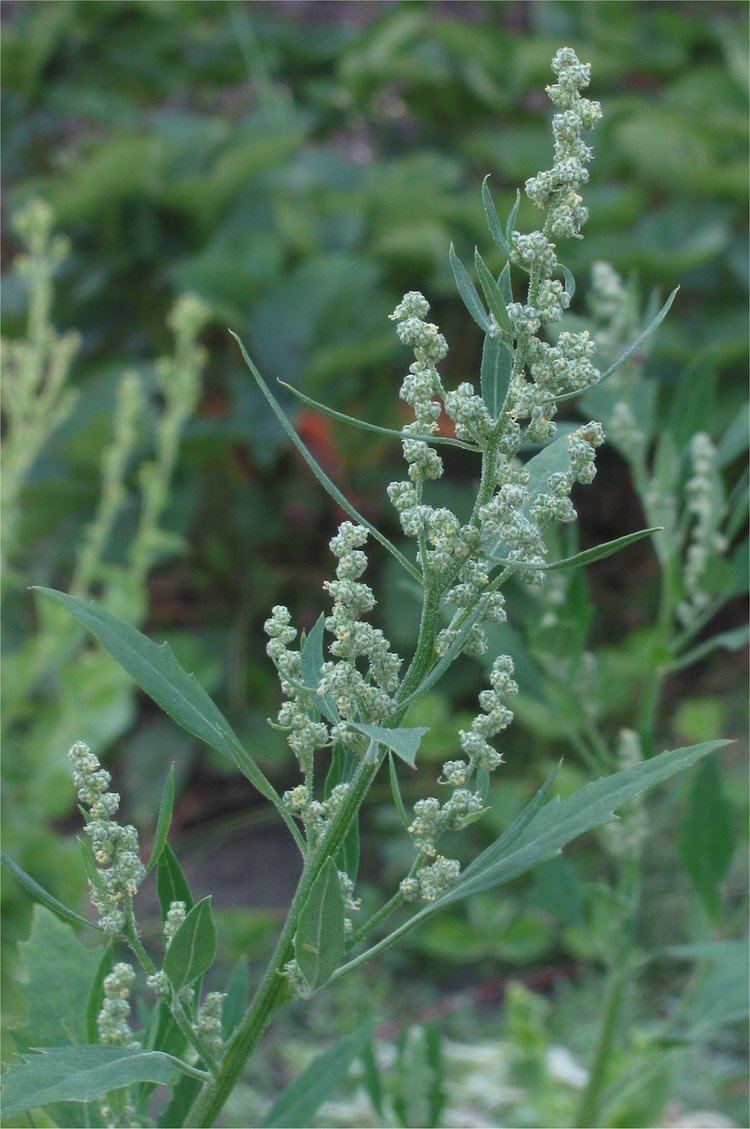
Clammy Goosefoot
Dysphania pumilio (R.Br.) Mosyakin & Clemants
Important botanical synonyms and historical names include:
Chenopodium pumilio R.Br.
Neobotrydium pumilio (R.Br.) M.L.Zhang & G.L.Chu
Teloxys pumilio (R.Br.) W.A.Weber
Ambrina pumilio Moq.
Blitum glandulosum Moq.
Blitum pumilio C.A.Mey.
Chenopodium glandulosum (Moq.) F.Muell.
Chenopodium carinatum f. rubellum Aellen
Chenopodium pumilio f. glandulosum (Moq.) Aellen
Chenopodium pumilio f. rubellum (Aellen) Aellen
Chenopodium pumilio remains important for searching older veterinary, pasture-management, weed, and botanical literature, although the accepted placement is now within Dysphania.
Amaranthaceae Juss. — Amaranth Family
Historical family placement: Chenopodiaceae Vent. — Goosefoot Family
Modern botanical classification includes the former Chenopodiaceae within Amaranthaceae. Older livestock, weed-management, and botanical references may therefore list Clammy Goosefoot under either family name.
Clammy Goosefoot, Clammy Glandular-Goosefoot, Clammy Glandular Goosefoot, Small Crumbweed, Small Crumb Weed, Mint Weed, Mintweed, Clammy Goose-foot, Goosefoot, Dysphania pumilio, Chenopodium pumilio, Teloxys pumilio, Neobotrydium pumilio, Ambrina pumilio
“Goosefoot” is a broad common name used for numerous species formerly placed in Chenopodium and for related plants in Amaranthaceae. It does not identify Clammy Goosefoot by itself.
“Mintweed” is also ambiguous. Clammy Goosefoot has a noticeable aromatic or mint-like odor, but it is not a true mint and does not belong to Lamiaceae.
A Reported but Incompletely Characterized Cyanogenic Hazard
Clammy Goosefoot is treated in Western Australian livestock guidance as a plant capable of causing cyanide poisoning, profuse scouring, and sudden death when sheep consume large quantities. Sheep are the principal species identified in those grazing warnings, while cattle are reported to be affected less frequently.
The exact toxicology remains incompletely characterized. Historical work described Chenopodium pumilio, now accepted as Dysphania pumilio, as suspected of poisoning livestock and possibly cyanogenetic. A specific cyanogenic glycoside, quantitative hydrogen-cyanide concentration, controlled feeding dose, and complete veterinary case series have not been established for the species.
The most accurate description is therefore a reported or suspected cyanogenic livestock hazard rather than a chemically complete, experimentally defined cyanide-poisoning model.
Why Cyanide Remains the Primary Practical Concern
Despite the evidence limitations, current regional grazing guidance continues to associate heavy consumption of Clammy Goosefoot with cyanide poisoning in sheep. A dense infestation should therefore be treated seriously when exposed animals develop rapid breathing, tremors, weakness, convulsions, collapse, or sudden death.
The warning is strongest when hungry sheep enter a heavily infested paddock and consume a large amount rapidly. Light incidental grazing without illness does not establish that every stand, growing condition, or future exposure is safe.
Plant chemistry may vary with population, soil, moisture, growth stage, environmental stress, and other conditions. No field characteristic reliably identifies a highly hazardous plant before laboratory testing.
How Cyanide Causes Cellular Hypoxia
When a genuinely cyanogenic plant is damaged or digested, plant enzymes may release hydrogen cyanide from cyanogenic precursors. Absorbed cyanide binds mitochondrial cytochrome c oxidase and prevents cells from using oxygen for aerobic energy production.
Oxygen may remain present in the blood while the brain, heart, respiratory muscles, and other tissues are unable to use it. This produces histotoxic hypoxia, sometimes described as internal cellular suffocation.
Severe exposure can cause anxiety, rapid breathing, weakness, tremors, staggering, convulsions, cardiovascular collapse, coma, and death within a short period.
Venous blood and mucous membranes may appear unusually bright red because less oxygen has been removed by the tissues. That appearance is a diagnostic clue rather than proof and can fade or change after collection or death.
Direct Evidence from Other Dysphania Species Must Not Be Misassigned
Fatal cyanide poisoning has been documented directly in cattle grazing dense Dysphania glomulifera, commonly called Red Crumbweed. Chemical testing in that outbreak supported a cyanide diagnosis.
Dysphania glomulifera and Dysphania pumilio are separate species. The Red Crumbweed outbreak demonstrates that cyanogenic toxicity occurs within the broader group, but its measured plant concentrations, affected species, exposure conditions, and case outcome cannot be copied automatically onto Clammy Goosefoot.
Likewise, toxicity documented in Dysphania littoralis, Dysphania ambrosioides, or other aromatic goosefoots does not establish an identical toxin mixture in D. pumilio.
Profuse Scouring and Gastrointestinal Injury
Profuse scouring, meaning severe diarrhea, is repeatedly included in livestock descriptions of Clammy Goosefoot poisoning. Gastrointestinal illness may occur with a cyanide-type syndrome or may dominate an exposure in which respiratory and neurologic signs are less severe.
The specific substance responsible for the diarrhea has not been identified. Aromatic constituents, cyanogenic material, other plant-defense chemicals, or the ingestion of a large mass of irritating vegetation may contribute.
Severe diarrhea can cause dehydration, electrolyte loss, weakness, poor circulation, kidney stress, and secondary shock even when the animal survives the immediate toxic exposure.
Nitrate Is a Differential, Not a Confirmed Primary Clammy Goosefoot Toxin
Several plants historically grouped within Chenopodium can accumulate dangerous nitrate concentrations. Lambsquarters, Chenopodium album, has caused fatal nitrate and nitrite poisoning in cattle fed contaminated hay.
Clammy Goosefoot is a different species now placed in Dysphania. Exact-species evidence has not established nitrate accumulation as its characteristic primary poisoning mechanism.
Nitrate testing remains important when the pasture also contains known accumulators, has received heavy nitrogen or manure, experienced drought or frost, contains fertilizer contamination, or is supplied by nitrate-contaminated water.
Nitrite converts hemoglobin into methemoglobin, preventing normal oxygen transport. Affected animals may have gray, blue-brown, or muddy mucous membranes and chocolate-brown blood rather than the unusually bright blood sometimes associated with cyanide.
Oxalate Is Also a Differential
Soluble oxalates occur in several members of Amaranthaceae and the former Chenopodiaceae. Large sudden intake can bind calcium, causing hypocalcemia, tremors, tetany, weakness, recumbency, and kidney injury.
Species-specific evidence has not established Clammy Goosefoot as a major oxalate accumulator or shown that oxalate explains its reported sheep poisonings.
Low blood calcium, painful muscle contractions, tetany, urinary abnormalities, or kidney injury should prompt testing of every abundant pasture plant rather than automatic assignment to Dysphania pumilio.
Why Cyanide, Nitrate, and Oxalate Must Be Distinguished
Cyanide, nitrate or nitrite, and soluble oxalate poisoning can all cause weakness, rapid breathing, tremors, collapse, convulsions, and sudden death. The treatments are not interchangeable.
Traditional cyanide treatment may use nitrite to create a controlled amount of methemoglobin that binds cyanide. Giving nitrite to an animal already suffering nitrate-induced methemoglobinemia can worsen oxygen deprivation.
Methylene blue is used to reverse nitrate-associated methemoglobinemia. Monitored calcium treatment is used when oxalate poisoning has caused clinically important hypocalcemia. Neither treatment should be administered merely because the pasture contains a plant called goosefoot.
Plant identification, grazing history, blood appearance, methemoglobin measurement, forage testing, gastrointestinal contents, calcium values, and toxicologic analysis should guide treatment whenever time permits.
Species Susceptibility
Sheep are the principal animals identified in species-specific Clammy Goosefoot warnings. The greatest risk is associated with heavy intake from dense infestations, particularly when hungry animals have little desirable forage available.
Cattle are reported to be affected less often but should not be considered immune. Goats, horses, camelids, poultry, rabbits, dogs, cats, and other animals should also be prevented from eating large amounts because neither a safe dose nor a complete species-specific toxicology profile has been established.
Serious poisoning in dogs, cats, and horses has not been documented convincingly for this exact plant. Marked respiratory, neurologic, cardiovascular, or systemic illness in those species requires investigation for another cyanogenic plant, pesticide, fertilizer, nitrate source, toxic weed, medication, or unrelated disease.
Plant Parts and Exposure Form
No reliable tissue-by-tissue toxicity ranking has been established for Clammy Goosefoot. Leaves, stems, flowers, seeds, roots, fresh plants, cut material, and contaminated forage should remain inaccessible when a poisoning investigation is underway.
The safety of hay containing the species cannot be assumed. Hydrogen cyanide may decline during drying, but curing conditions vary, the exact Clammy Goosefoot toxin has not been defined, gastrointestinal irritants may remain, and mixed nitrate-accumulating weeds can remain dangerous after drying.
Suspect hay, silage, cut forage, and pasture material should be isolated and tested rather than diluted into clean feed.
No Established Safe or Lethal Dose
No validated safe intake, lethal intake, plant weight, pasture percentage, or gram-per-kilogram dose has been established for Dysphania pumilio.
Regional guidance describes poisoning after sheep consume large quantities and emphasizes avoiding the introduction of hungry animals into dense infestations. Those practical warnings should not be converted into a calculated safe lower amount.
Any sudden group illness associated with heavy Clammy Goosefoot grazing requires immediate removal from the source, quiet handling, veterinary assessment, and testing of the complete pasture or feed mixture.
Rapid Cyanide-Type Illness
A severe cyanogenic exposure may produce signs within minutes to a few hours. An animal may become anxious, breathe rapidly, stagger, tremble, collapse, convulse, or die before a long period of obvious illness is observed.
Sudden deaths among sheep grazing a dense Clammy Goosefoot infestation should be treated as a shared pasture emergency. The remaining animals may still carry a dangerous gastrointestinal toxin burden even when they initially appear normal.
Respiratory Distress and Cellular Hypoxia
Rapid breathing, open-mouth breathing, flared nostrils, neck extension, air hunger, and increased respiratory effort occur as the body attempts to compensate for failed cellular oxygen use.
Breathing may later become shallow or irregular as the brain and respiratory muscles lose energy. Blue mucous membranes are not required; cyanide-poisoned animals may retain pink, red, or unusually bright mucous membranes despite critical tissue hypoxia.
Cardiovascular Deterioration
The heart rate may initially increase. Pulses can become rapid and weak as blood pressure and tissue perfusion deteriorate.
Severe poisoning may progress to abnormal heart rhythm, hypotension, cold extremities, weak or absent pulses, recumbency, cardiovascular collapse, and cardiac arrest.
Anxiety, Tremors, and Convulsions
Early neurologic signs may include apprehension, restlessness, loss of coordination, staggering, muscle fasciculations, or tremors. Affected animals may separate from the group or fall while attempting to move.
Seizures and terminal convulsions result from severe cerebral energy failure and hypoxia. Convulsions occurring immediately before death do not necessarily indicate a primary seizure disorder.
Scouring and Gastroenteritis
Profuse diarrhea, traditionally described as scouring, is a recognized feature of Clammy Goosefoot poisoning in sheep. Abdominal discomfort, reduced appetite, rumen disturbance, dehydration, and weakness may accompany the diarrhea.
Blood or mucus may appear when gastrointestinal inflammation is severe. Continuing fluid loss can prolong illness after the immediate cyanide threat has passed.
Signs in Cattle
Cattle are reported to be affected less often than sheep but should not be regarded as immune. A substantial exposure may cause reduced appetite, salivation, abdominal discomfort, diarrhea, rapid breathing, weakness, tremors, incoordination, recumbency, or sudden death.
Illness in several cattle should prompt testing of Clammy Goosefoot, the entire pasture mixture, hay, silage, water, fertilizer, and other cyanogenic or nitrate-accumulating plants.
Signs in Horses
Species-specific Clammy Goosefoot poisoning is not well documented in horses. A large ingestion could nevertheless cause gastrointestinal irritation or expose the horse to cyanogenic material.
Horses cannot vomit. Colic, diarrhea, salivation, abnormal breathing, weakness, tremors, incoordination, collapse, or an unexplained change in mucous-membrane color after access to a dense infestation requires veterinary assessment.
Signs in Dogs and Cats
Serious poisoning from ordinary Clammy Goosefoot ingestion has not been established well in dogs or cats. A small plant-chewing exposure may cause no signs or produce vomiting, diarrhea, salivation, appetite reduction, or transient abdominal discomfort.
Rapid breathing, bright-red mucous membranes, tremors, seizures, collapse, repeated vomiting, profuse diarrhea, or profound weakness should not be dismissed as routine plant irritation. Another plant, fertilizer, pesticide, slug bait, medication, or concentrated cyanogenic exposure should be investigated.
How Nitrate Poisoning May Differ
Nitrate-associated nitrite poisoning commonly produces gray, blue-brown, or muddy mucous membranes and chocolate-brown blood because hemoglobin has been converted to methemoglobin.
Weakness, rapid breathing, tremors, staggering, frequent urination, recumbency, abortion, and sudden death may resemble cyanide poisoning. Blood color can help guide an emergency investigation but is not sufficient by itself to determine treatment.
How Oxalate Poisoning May Differ
Acute soluble-oxalate poisoning may cause salivation, depression, weakness, muscle tremors, stiffness, tetany, rapid breathing, weak pulses, incoordination, recumbency, coma, and death.
Low blood calcium and kidney injury support an oxalate diagnosis. Those findings require evaluation of every pasture species and the forage analysis because they are not established as the characteristic Clammy Goosefoot syndrome.
Emergency Warning Signs
Emergency findings include sudden group illness, rapid or labored breathing, bright-red or abnormally dark mucous membranes, severe weakness, staggering, tremors, repeated falling, profuse scouring, seizures, recumbency, collapse, coma, or sudden death.
Animals that appear to recover from the acute episode still require monitoring for dehydration, gastrointestinal injury, aspiration, muscle damage, pregnancy loss, and recurrence when toxic plant material remains within the rumen or gastrointestinal tract.
Accepted Identity and Historical Placement
Clammy Goosefoot is now accepted as Dysphania pumilio. It was described originally as Chenopodium pumilio and remains listed under that name in older floras, weed guides, livestock publications, herbarium records, and poison-plant databases.
The transfer into Dysphania reflects modern understanding of aromatic glandular goosefoots. It does not represent a newly discovered plant or a change in its grazing risk.
Identification
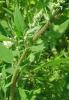
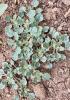
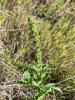
Clammy Goosefoot is a low annual or short-lived perennial herb. It may grow upright but commonly spreads close to the ground, forming a loose mat or low branching patch.
The stems and leaves carry glandular and segmented hairs that give the plant a sticky or clammy feel. Crushing the foliage releases a noticeable aromatic odor often described as mint-like.
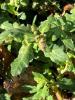
Leaves are alternate, small, oval, elliptic, or nearly round, and may have entire, wavy, or shallowly lobed margins. The leaf shape can resemble a small webbed foot, producing the traditional goosefoot name.
Tiny green flowers occur in dense rounded clusters within the leaf axils. The flowers lack the conspicuous petals of many pasture plants and can be overlooked unless the plant is examined closely.
Native Range and Introduced Distribution
Dysphania pumilio is native throughout mainland Australia and Tasmania. It has been transported widely and is now introduced into parts of North America, South America, Europe, Africa, Asia, New Guinea, and New Zealand.
In North America, it has been recorded in numerous eastern, southern, midwestern, and western states. It commonly appears in disturbed or compacted sites rather than intact high-quality native vegetation.
Where Livestock Encounter It
Clammy Goosefoot grows in overgrazed paddocks, disturbed pasture, crop margins, roadsides, yards, waste areas, bare soil, drainage margins, cultivated ground, and locations where desirable spring pasture growth has been poor.
Australian pasture guidance describes it as favored by wet years and disturbed or overgrazed sites. It germinates principally from spring into summer and may become one of the more available green plants when surrounding forage is sparse.
The greatest risk occurs when hungry sheep are placed into a dense infestation or when animals are forced to consume large amounts because adequate alternative forage is unavailable.
Clammy Goosefoot Versus Lambsquarters
Lambsquarters or Fat Hen, Chenopodium album, is a taller, usually nonaromatic annual with mealy gray-white new growth. It is a well-recognized nitrate accumulator and may also contain substantial oxalate.
Clammy Goosefoot is smaller, sticky, glandular, and strongly aromatic. Its most specific reported livestock hazard is cyanide poisoning in sheep rather than the nitrate syndrome established for Chenopodium album.
The two plants may grow in the same disturbed paddock, manure-rich site, or crop margin. Mixed stands can expose animals to more than one toxic mechanism, making botanical identification and laboratory forage analysis more useful than assigning every sign to one common name.
Related Nitrate-Poisoning Evidence
Ozmen, Mor, and Ayhan documented fatal nitrate poisoning in cattle fed Chenopodium album hay in “Nitrate Poisoning in Cattle Fed Chenopodium album Hay,” published in Veterinary and Human Toxicology in 2003. The affected cattle developed ataxia, blue-brown mucous membranes, difficult breathing, increased heart rate, tremors, coma, and chocolate-brown blood.
Ozmen O, Mor F, Ayhan U. Nitrate poisoning in cattle fed Chenopodium album hay. Veterinary and Human Toxicology. 2003;45:83–84.
General nitrate-management guidance is also provided in “Nitrate Poisoning in Cattle, Sheep and Goats” by Dan Undersander, Dave Combs, Randy Shaver, and Dave Thomas, and in “Nitrate Toxicity: Diagnosis and Treatment” by Robert Smith, DVM, and Glenn Selk.
These works are important when forage testing establishes a nitrate hazard, but none makes Dysphania pumilio interchangeable with Chenopodium album.
Cyanide Versus Nitrate in a Mixed Pasture
Both cyanide and nitrite poisoning can produce respiratory distress, weakness, tremors, collapse, convulsions, and sudden death. A veterinarian must consider the plant population, environmental conditions, blood appearance, forage tests, gastrointestinal contents, and response to treatment.
Cyanide-poisoned blood may remain bright red because tissues cannot remove and use its oxygen. Nitrate-poisoned blood becomes brown because methemoglobin cannot carry oxygen effectively.
Blood color may change after collection or death and can be influenced by lighting, oxygen exposure, decomposition, and mixed toxicities. It is a field clue rather than a stand-alone diagnosis.
Forage and Plant Testing
Collect the whole suspect plant, including stems, leaves, flowers, and roots when possible. Preserve hay, silage, water, fertilizer, stomach or rumen contents, and samples of every abundant plant in the affected grazing area.
Hydrogen cyanide can dissipate from damaged material. Contact the diagnostic laboratory promptly for instructions on sealing, cooling, freezing, or preserving plant and gastrointestinal samples.
Nitrate testing remains appropriate when the pasture contains known accumulators, received heavy nitrogen or manure, experienced drought or frost, or includes contaminated water or fertilizer. Oxalate and mineral testing may be justified when hypocalcemia or kidney injury is documented.
Pasture Management
Do not turn hungry sheep directly into a heavily infested pasture. Provide safe hay or other suitable forage before grazing and limit access while plant density and risk are evaluated.
Improve desirable pasture competition through appropriate grazing pressure, rotation, soil testing, fertility management, reseeding, and reduction of bare or disturbed ground. Clammy Goosefoot produces substantial seed reserves, so one season of removal may not eliminate future emergence.
Mowing or grazing may reduce top growth and seed production but should not be used by forcing animals to consume a dense stand. Herbicide selection and grazing restrictions should follow the product label and local agricultural guidance.
Diagnosis
No routine clinic test proves Clammy Goosefoot exposure by itself. Diagnosis depends on plant identification, grazing history, compatible clinical signs, toxicologic analysis, and exclusion of nitrate, oxalate, pesticide, fertilizer, infectious disease, and other cyanogenic plants.
Blood-gas analysis, lactate, acid-base status, glucose, electrolytes, kidney values, calcium, methemoglobin measurement, urinalysis, and other tests may be selected according to the suspected toxic mechanism.
Necropsy and toxicologic sampling can be especially important when the first sign is sudden death. Rapid collection improves the chance of identifying cyanide before it dissipates.
Prevention
Inspect paddocks before turning in hungry sheep, particularly during seasons when Clammy Goosefoot is abundant and desirable pasture growth is limited.
Remove animals from dense stands, supply uncontaminated forage, test suspicious plant material, and prevent access to fertilizer spills, nitrate-contaminated water, mixed weed hay, and dumped garden or crop waste.
Do not return livestock to the source until the plant population, forage, water, and any chemical contamination have been evaluated and the cause of illness has been addressed.
Immediate Steps After Suspected Clammy Goosefoot Poisoning
- Remove the entire group from the source. Move sheep and other livestock away from the infested paddock, contaminated hay, cut forage, silage, water, fertilizer, or mixed weed source. Prevent unaffected animals from continuing to graze.
- Move animals quietly and slowly. Cyanide, nitrate, and other hypoxia-producing poisonings reduce the animal’s ability to tolerate exertion. Chasing, crowding, prolonged restraint, or forcing affected animals to walk may trigger collapse and death.
- Call a veterinarian immediately. Sudden respiratory distress, scouring, tremors, recumbency, seizures, or deaths within a grazing group requires emergency diagnosis and treatment. Antidotes are most useful when administered promptly.
- Provide clean alternative forage. Once animals are safely removed, prevent additional ingestion by offering uncontaminated hay appropriate for the species. Do not force feed or drench a weak, convulsing, or dysphagic animal.
- Preserve plant and feed samples. Collect complete Clammy Goosefoot plants and representative samples of every abundant pasture weed, hay, silage, water, fertilizer, and feed. Ask the veterinarian or laboratory how cyanide samples should be sealed and preserved.
- Record group and individual findings. Note how many animals were exposed, how many are ill or dead, when grazing began, the estimated plant density, recent feed changes, and whether breathing, scouring, tremors, seizures, abortion, or sudden collapse occurred.
- Protect handlers. Do not place the face close to vomit, rumen contents, or freshly crushed suspect plants. Use gloves and work in a ventilated area while collecting samples.
Dogs and Cats After Plant Ingestion
Remove the plant and safely take away loose material resting at the front of the mouth. Do not force water toward the throat or induce vomiting at home.
A one-time small ingestion is more likely to cause no signs or mild gastrointestinal irritation than the severe sheep syndrome. Monitor for vomiting, diarrhea, drooling, appetite loss, weakness, abnormal breathing, tremors, or altered awareness.
Prompt veterinary evaluation is warranted when the amount is substantial or unknown, the plant was crushed into food, several animals are affected, or the pet develops repeated vomiting, breathing changes, severe weakness, tremors, seizures, or collapse.
Do Not Attempt Unsupervised Treatment
- Do not chase or exercise affected livestock. Animals with cellular hypoxia may collapse during gathering, loading, restraint, or transport.
- Do not administer sodium nitrite without a confirmed veterinary plan. Nitrite intentionally creates methemoglobin to bind cyanide. If the animal actually has nitrate poisoning and already carries excessive methemoglobin, additional nitrite can make the oxygen deficit worse.
- Do not administer methylene blue casually. Methylene blue is the principal treatment for nitrate-induced methemoglobinemia, not a universal plant-poison antidote. Product selection, diagnosis, species, food-animal status, and monitoring matter.
- Do not give sodium thiosulfate or hydroxocobalamin without veterinary direction. These may be important cyanide treatments, but they require appropriate preparation, route, diagnosis, and monitoring.
- Do not give calcium automatically. Calcium treatment is relevant when soluble-oxalate poisoning has produced measured or strongly suspected hypocalcemia. It does not treat cyanide or nitrate poisoning and can affect cardiac rhythm when used inappropriately.
- Do not drench a recumbent or neurologically abnormal animal. Mineral oil, charcoal, water, electrolytes, or oral antidotes can enter the lungs when swallowing is impaired.
- Do not rely only on blood color. Bright-red blood suggests cyanide and chocolate-brown blood suggests methemoglobinemia, but mixed poisoning, decomposition, sample exposure, and observation conditions can mislead.
- Do not return animals to the pasture after temporary improvement. Toxic plant material may remain available, and cyanide production can continue within the rumen or gastrointestinal tract.
When Emergency Examination Is Especially Important
- Sudden group illness or death: One dead sheep and several weak or rapidly breathing animals in the same paddock may represent a continuing exposure affecting the entire group.
- Severe respiratory signs: Air hunger, open-mouth breathing, flared nostrils, rapid shallow respiration, neck extension, weak respiratory movement, or blue, bright-red, gray, or brown mucous membranes requires immediate treatment.
- Neurologic deterioration: Anxiety, staggering, muscle tremors, repeated falling, seizures, recumbency, coma, or failure to respond normally indicates severe cellular hypoxia or another acute toxicosis.
- Profuse scouring: Severe diarrhea, blood or mucus in manure, dehydration, weakness, sunken eyes, reduced urination, or poor perfusion requires fluid and electrolyte assessment even when respiratory signs improve.
- Possible nitrate exposure: Chocolate-brown blood, muddy mucous membranes, drought- or frost-stressed forage, heavy nitrogen fertilization, fertilizer ingestion, or contaminated water requires rapid methemoglobin evaluation.
- Possible oxalate exposure: Tetany, painful muscle contractions, weakness, recumbency, low blood calcium, or kidney abnormalities requires testing of the mixed pasture and prompt calcium and renal assessment.
Veterinary Examination and Diagnostic Priorities
The immediate priorities are breathing, circulation, neurologic function, blood color, perfusion, temperature, hydration, gastrointestinal function, and the number of exposed animals.
Because cyanide can act rapidly and dissipate from samples, treatment may need to begin from a strong exposure history and compatible signs before every laboratory result is available.
- Cyanide investigation: Whole blood, rumen or stomach contents, liver, muscle, and properly preserved plant material may be submitted for cyanide analysis according to laboratory instructions.
- Nitrate and methemoglobin testing: Fresh blood color, methemoglobin measurement, forage nitrate, water nitrate, rumen contents, and fertilizer history help identify nitrate or nitrite poisoning.
- Oxalate and calcium assessment: Ionized calcium, total calcium, kidney values, urinalysis, urine output, and forage oxalate testing may be selected when hypocalcemia or renal injury is suspected.
- Systemic monitoring: Blood gases, oxygenation, lactate, acid-base status, glucose, electrolytes, kidney and liver values, electrocardiography, blood pressure, and repeated neurologic examination help define severity and complications.
Veterinary Treatment of Suspected Cyanide Poisoning
Treatment must begin quickly because cyanide can cause death before extensive diagnostic testing is completed. Supplemental oxygen supports the animal but does not reverse the blocked cellular respiratory enzyme by itself.
Sodium nitrite followed by sodium thiosulfate is a traditional veterinary antidote strategy. Nitrite creates a controlled amount of methemoglobin that binds circulating cyanide, while thiosulfate supplies sulfur that allows enzymatic conversion of cyanide into the less toxic thiocyanate.
This approach requires caution because excessive methemoglobin also reduces oxygen delivery. Sodium nitrite can be dangerous when nitrate poisoning is the actual cause of illness or when substantial methemoglobinemia already exists.
Hydroxocobalamin binds cyanide to form cyanocobalamin and may be combined with sodium thiosulfate. It avoids deliberately producing methemoglobinemia and may be considered when available and clinically appropriate.
Sodium thiosulfate may also be administered into the rumen or stomach under veterinary control to reduce continued cyanide release from retained plant material. Oral treatment requires secure tube placement and protection against aspiration.
When Cyanide and Nitrate Cannot Be Distinguished Immediately
Cyanide and nitrate poisoning share signs of tissue hypoxia, rapid breathing, weakness, tremors, collapse, and convulsions. Giving a nitrite antidote to an animal already suffering nitrate-induced methemoglobinemia can intensify the oxygen deficit.
When the diagnosis remains uncertain, a veterinarian may favor methylene blue because it reduces methemoglobin and avoids deliberately creating more of it. Methylene blue has also been used when other cyanide treatments are unavailable, but it is not the preferred universal cyanide antidote.
Treatment selection should incorporate blood appearance, measured methemoglobin, plant identification, pasture history, fertilizer or water exposure, toxicology consultation, and the response of similarly affected animals.
Treatment When Nitrate Poisoning Is Confirmed
Methylene blue is the principal veterinary agent used to convert methemoglobin back toward functional hemoglobin in nitrate or nitrite poisoning. Improvement in mucous-membrane color, breathing, strength, and awareness may occur rapidly when treatment is administered early.
Recurrence is possible when nitrate remaining in the rumen continues to be converted into nitrite. Repeated clinical assessment and methemoglobin monitoring may therefore be necessary.
Methylene blue has food-animal regulatory and residue implications and is not approved for every use or jurisdiction. The attending veterinarian must address legal treatment, withdrawal, slaughter, and milk considerations.
Mineral oil may have a role after direct nitrate-fertilizer ingestion to reduce caustic gastrointestinal effects and speed passage. It is not a routine cyanide treatment and should be given only through a professionally managed oral or gastric plan.
Treatment When Oxalate Poisoning Is Confirmed
Acute soluble-oxalate poisoning may require monitored intravenous calcium to correct clinically significant hypocalcemia. Heart rhythm must be observed because rapid or unnecessary calcium administration can cause dangerous arrhythmias.
Fluid therapy may be used to restore perfusion, support urine production, and reduce additional kidney injury. Treatment must be adjusted according to hydration, calcium, kidney function, urine output, electrolytes, and cardiopulmonary status.
Seizures or tetany require immediate control while calcium and other metabolic abnormalities are corrected. Established renal failure carries a more guarded prognosis than uncomplicated transient hypocalcemia.
Rumen Decontamination and Gastrointestinal Support
Rumen evacuation, rumen lavage, or rumenotomy may be considered after a recent substantial ingestion when large quantities of toxic plant material remain and the animal can tolerate the procedure.
These procedures require veterinary restraint, airway protection, circulatory assessment, and control of handler exposure to plant material and rumen gas.
Activated charcoal may have a limited role in mixed plant exposures but should not delay specific cyanide or nitrate treatment. Cyanide is absorbed too rapidly for charcoal alone to provide dependable rescue.
Profuse scouring may require intravenous or oral fluids, electrolyte replacement, treatment of acid-base abnormalities, and monitoring of urine production. Oral fluids should not be forced into a recumbent or dysphagic animal.
Oxygen, Seizure, and Cardiovascular Support
Supplemental oxygen should be provided when practical, especially during antidote preparation and early stabilization. Cyanide prevents cellular oxygen use, so oxygen is supportive rather than a substitute for antidotal treatment.
Seizures may require veterinarian-selected benzodiazepines or other anticonvulsants. Sedation must be balanced against breathing, blood pressure, and airway protection.
Intravenous fluids and cardiovascular support may be needed for hypotension, dehydration, or shock. Fluid administration should be guided by perfusion, blood pressure, lung sounds, urine production, and the severity of diarrhea.
Endotracheal intubation and assisted ventilation may be required when effective breathing or airway reflexes are lost. Cardiopulmonary arrest requires immediate resuscitation while the suspected toxin is treated.
Food-Animal and Herd Considerations
Treatment of cattle, sheep, goats, and other food-producing animals must account for drug approval, residue, milk, slaughter, and withdrawal requirements. The veterinarian should document every antidote and supportive medication administered.
Apparently normal herd mates may still have consumed the plant. They should remain off the source, receive safe forage, and be observed closely for delayed breathing changes, diarrhea, weakness, abortion, or recurrence.
Pregnant animals may abort after a severe hypoxic episode even when the dam survives. Pregnancy monitoring may be warranted after substantial cyanide or nitrate exposure.
Recovery and Prognosis
The prognosis can be good when affected animals are found early, handled quietly, removed from the source, and given the correct antidote before prolonged hypoxia causes irreversible brain or cardiac injury.
Improvement should include slower and easier breathing, normal mucous-membrane color, stronger pulses, resolution of tremors, restored coordination, return of normal rumen or gastrointestinal activity, and decreasing diarrhea.
The prognosis is guarded to poor when animals are found recumbent, convulsing, comatose, severely dyspneic, profoundly dehydrated, or in cardiovascular arrest. Sudden death may occur before treatment can be organized.
Surviving animals may require continued care for aspiration, gastrointestinal inflammation, dehydration, electrolyte disturbance, kidney injury, muscle damage, pregnancy loss, or complications of prolonged recumbency.
Frequently Asked Questions About Clammy Goosefoot and Animal Poisoning
Is Clammy Goosefoot poisonous to sheep?
It should be treated as a potential poisoning hazard. Western Australian livestock guidance associates heavy consumption with cyanide poisoning, profuse scouring, and sudden death in sheep. Historical evidence described the plant as suspected of poisoning livestock and possibly cyanogenetic rather than identifying a specific cyanogenic glycoside or validated toxic dose.
Is Clammy Goosefoot poisonous to cattle?
Cattle are reported to be affected less frequently than sheep, but they should not be regarded as immune. Rapid breathing, diarrhea, weakness, tremors, incoordination, recumbency, or sudden death after heavy grazing requires an immediate investigation of Clammy Goosefoot and every other pasture, water, feed, and fertilizer exposure.
Is Clammy Goosefoot poisonous to dogs and cats?
Serious poisoning from this exact species has not been documented well in dogs or cats. A small ingestion may cause no signs or mild digestive upset. Rapid breathing, repeated vomiting, profuse diarrhea, severe weakness, tremors, seizures, abnormal awareness, or collapse requires emergency veterinary evaluation and investigation for another or mixed exposure.
Is Chenopodium pumilio the same plant as Dysphania pumilio?
Yes. Chenopodium pumilio is the original and most important historical scientific name. Modern botanical classification accepts Dysphania pumilio. Older livestock and weed references may use the former name.
Has cyanide been chemically confirmed in Clammy Goosefoot?
The evidence is incomplete. Historical Western Australian literature described the species as possibly cyanogenetic, and current regional grazing guidance continues to warn of cyanide poisoning. A named cyanogenic glycoside, controlled feeding trial, quantitative exact-species cyanide profile, and dependable toxic dose have not been established.
Does a cyanide case involving Red Crumbweed prove that Clammy Goosefoot is equally toxic?
No. Fatal cyanide poisoning has been documented in cattle grazing Red Crumbweed, Dysphania glomulifera. That is a different species. The case supports caution within the genus but does not establish the toxin concentration or clinical risk of Dysphania pumilio.
What symptoms have been associated with Clammy Goosefoot?
Reported livestock concerns include profuse scouring, rapid breathing, weakness, tremors, staggering, convulsions, collapse, and sudden death after large consumption. Because the evidence is limited, the complete pasture and feed source must be investigated for other cyanogenic plants, nitrate, oxalate, fertilizer, pesticide, and infectious disease.
Does Clammy Goosefoot cause nitrate poisoning?
Nitrate has not been established as its characteristic primary toxin. The confusion arises partly because other goosefoot plants, especially Lambsquarters, Chenopodium album, are documented nitrate accumulators. Nitrate testing remains appropriate when environmental conditions or the mixed pasture create a credible nitrate risk.
Does Clammy Goosefoot cause oxalate poisoning?
It has not been established as a major exact-species oxalate hazard. Oxalate poisoning remains a differential when animals have hypocalcemia, tetany, recumbency, or kidney abnormalities and the pasture contains other oxalate-accumulating plants.
Can blood color distinguish cyanide from nitrate poisoning?
Unusually bright-red blood may support cyanide exposure, while chocolate-brown blood supports nitrate-induced methemoglobinemia. Blood color is only a clue. Air exposure, lighting, decomposition, treatment, and mixed poisoning can alter its appearance.
Why must cyanide and nitrate poisoning be distinguished before treatment?
Traditional cyanide treatment may deliberately create a limited amount of methemoglobin to bind cyanide. Nitrate poisoning already creates excessive methemoglobin, so giving a nitrite-based cyanide treatment to a nitrate-poisoned animal may worsen oxygen deprivation.
Does methylene blue treat Clammy Goosefoot poisoning?
Methylene blue is the principal treatment for confirmed nitrate-induced methemoglobinemia, not a universal Clammy Goosefoot antidote. A veterinarian may consider it when nitrate poisoning remains a serious possibility, but the decision requires the exposure history, blood findings, diagnostic testing, species, and food-animal regulations.
What treatments may be used when cyanide poisoning is strongly suspected?
Veterinary treatment may include hydroxocobalamin, sodium thiosulfate, or a carefully managed sodium-nitrite and sodium-thiosulfate protocol, together with oxygen and supportive care. Treatment selection depends on diagnostic confidence, availability, species, severity, and whether nitrate poisoning has been excluded.
Can Clammy Goosefoot be toxic in hay?
Contaminated hay should not be assumed safe. Hydrogen cyanide may decline during curing, but drying conditions vary, the exact Clammy Goosefoot toxin has not been fully characterized, gastrointestinal irritants may remain, and other nitrate-accumulating weeds in the same hay can remain hazardous.
How can Clammy Goosefoot poisoning be prevented?
Do not place hungry sheep into dense infestations. Provide safe forage, remove animals from heavily contaminated fields, reduce overgrazing and bare ground, identify every abundant pasture weed, and test suspect plants, hay, silage, water, and fertilizer contamination before animals return.
What is the prognosis?
The prognosis may be good when affected animals are recognized early, moved quietly, removed from the source, and given the correct treatment before prolonged hypoxia develops. It becomes poor when animals are found severely breathless, convulsing, comatose, profoundly dehydrated, or already in cardiovascular arrest.