Oak-Leaved Goosefoot Nitrate Accumulation, Nitrite Poisoning, Methemoglobinemia, and Forage Risk
Is Oak-Leaved Goosefoot Poisonous to Dogs, Cats, Horses, and Livestock?
Yes—Oak-Leaved Goosefoot, Oxybasis glauca (L.) S.Fuentes, Uotila & Borsch, can become poisonous to dogs, cats, horses, cattle, sheep, goats, rabbits, guinea pigs, birds, and other animals when the plant, contaminated forage, or associated water contains a harmful nitrate or nitrite concentration. The greatest established risk is to cattle, sheep, goats, and other ruminants that rapidly consume a substantial amount of high-nitrate vegetation, hay, green chop, or mixed forage. The plant is not uniformly poisonous whenever it is eaten, and its danger cannot be determined from appearance, taste, growth stage, or common name alone.
Rumen microorganisms normally reduce nitrate to nitrite and then reduce nitrite further toward ammonia for microbial protein production. When nitrate intake overwhelms the second conversion step, nitrite accumulates and enters the bloodstream. Nitrite oxidizes normal hemoglobin into methemoglobin, which cannot transport oxygen adequately, and also may lower blood pressure through vascular relaxation.
Affected animals may develop anxiety or unusual quietness, salivation, rapid and labored breathing, a rapid weak heartbeat, low body temperature, weakness, tremors, staggering, recumbency, seizures, coma, and death. Visible mucous membranes may become gray, muddy brown, blue-brown, or cyanotic, and freshly collected blood may appear dark red or chocolate-brown. Exercise, chasing, forced walking, loading, or rough restraint can precipitate collapse because the animal’s oxygen demand rises while the blood cannot carry an adequate supply.
Dogs, cats, and horses are generally less susceptible than ruminants to nitrate contained in ordinary plant tissue because they do not produce nitrite in a rumen. They can still become ill after a sufficiently large plant ingestion, concentrated nitrate fertilizer, nitrate-rich water, or spoiled vegetation containing preformed nitrite. Oak-Leaved Goosefoot should not be described as a confirmed cyanogenic or soluble-oxalate plant without analysis of the actual material.
About this guide: This page provides general pet-poisoning information and cannot diagnose or treat an individual animal. For any suspected exposure, contact a veterinarian or animal poison-control service immediately. Do not induce vomiting, give medication, or attempt home decontamination unless directed by a veterinary professional.
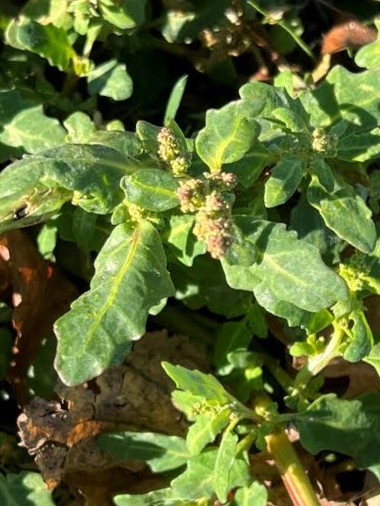
Oak-Leaved Goosefoot
Oxybasis glauca (L.) S.Fuentes, Uotila & Borsch
- Chenopodium glaucum L. — basionym and the principal name used in older agricultural, floristic, and veterinary literature
- Agathophytum glaucum (L.) Fuss — homotypic synonym
- Atriplex glauca (L.) Crantz — illegitimate later homonym and historical placement
- Blitum glaucum (L.) W.D.J.Koch — homotypic synonym
- Botrys glaucus (L.) Nieuwl. — homotypic synonym
- Orthospermum glaucum (L.) Opiz — homotypic synonym
- Orthosporum glaucum (L.) Peterm. — homotypic synonym
- Chenopodium glaucum subsp. euglaucum Aellen — historical name that was not validly published
- Chenopodium ambiguum var. majus Moq. — historical heterotypic synonym
- Chenopodium ambiguum var. minus Moq. — historical heterotypic synonym
- Chenopodium glaucum f. minus (Moq.) Aellen — historical form
- Chenopodium glaucum var. littorale Rodway — historical variety
- Chenopodium glaucum var. prostratum Beck — historical variety
- Chenopodium glaucum subsp. prostratum (Beck) P.D.Sell — historical subspecies treatment
- Chenopodium glaucum subsp. orientale Vorosch. — historical subspecies treatment
- Chenopodium littorale Moq. — illegitimate later homonym and historical synonym
- Chenopodium nudiflorum F.Muell. ex Murr — historical synonym
- Chenopodium prostratum Jacquem. ex Moq. — historical provisional synonym
- Chenopodium wolffii Simonk. — historical synonym
- Oxybasis salina (Standl.) Uotila — separate North American species formerly treated as Chenopodium glaucum var. salinum or Oxybasis glauca subsp. salina; not an exact synonym of O. glauca
Amaranthaceae — Amaranth or Pigweed Family
Older botanical, agricultural, and veterinary references may place the species in Chenopodiaceae, the Goosefoot Family.
Oak-Leaved Goosefoot; Oak Leaved Goosefoot; Oakleaf Goosefoot; Oak-Leaf Goosefoot; Glaucous Goosefoot; Red-Stemmed Goosefoot; Red Stemmed Goosefoot; Glaucous Chenopodium; Chénopode Glauque
Oak-Leaved Goosefoot, Oakleaf Goosefoot, and Glaucous Goosefoot are the principal English common names for Oxybasis glauca. Glaucous Chenopodium reflects the long-used former scientific name Chenopodium glaucum. “Goosefoot” is a broad common name applied to numerous plants formerly or currently placed in Chenopodium, Oxybasis, Chenopodiastrum, Blitum, and related genera.
Older North American references may apply Oak-Leaved Goosefoot to Chenopodium glaucum var. salinum. That western and northern North American taxon is now accepted by many authorities as Oxybasis salina, a separate species. Records created under older broad treatments cannot always be assigned confidently to O. glauca without mature flowers, fruit, seeds, geographic context, or preserved specimens.
Oak-Leaved Goosefoot must not be confused automatically with Common Lambsquarters, Chenopodium album; Red Goosefoot, Oxybasis rubra; Saltmarsh Goosefoot, Oxybasis chenopodioides; Nettleleaf Goosefoot, Chenopodiastrum murale; or Epazote, Dysphania ambrosioides. These plants differ taxonomically and may have different nitrate, oxalate, essential-oil, saponin, or other chemical evidence.
Nitrate Is the Established Oak-Leaved Goosefoot Hazard
Oak-Leaved Goosefoot is recognized in veterinary range-plant literature as a nitrate-accumulating plant capable of endangering cattle and sheep. The plant does not contain one fixed toxic concentration, and the presence of the species alone does not prove poisoning. Risk depends on the amount of nitrate accumulated under the particular growing conditions, the quantity and speed of intake, the complete ration, water nitrate, animal species, adaptation, pregnancy, and health.
Direct exact-species veterinary evidence is limited. Oak-Leaved Goosefoot appears in poisonous-plant inventories as a nitrate hazard, but a well-documented outbreak linking authenticated Oxybasis glauca, quantitative plant analysis, compatible animals, and source-to-patient testing was not located. The strongest clinical goosefoot evidence comes from related Chenopodium album hay and should not be relabeled as an exact O. glauca case.
Why Nitrate Accumulates
Plants absorb nitrogen from soil as nitrate and ammonium and normally incorporate it into amino acids, proteins, nucleic acids, chlorophyll, and other compounds as growth proceeds. Nitrate accumulation occurs when uptake continues while photosynthesis, enzymatic reduction, or new tissue growth slows. The result is temporary storage of unused nitrate within vegetative tissue.
Oak-Leaved Goosefoot frequently grows in nutrient-rich disturbed soil, barnyards, manure-affected ground, waste sites, cultivated fields, shorelines, ditches, saline areas, and locations receiving runoff. Those habitats can supply abundant plant-available nitrogen. Excess fertilizer or manure does not guarantee a toxic plant, but it increases the need for representative testing when growth is restricted.
Drought, cool weather, prolonged cloudiness, heavy shade, frost injury, deficient sulfur or phosphorus, poor molybdenum availability, acidic soil, disease, and some herbicide injuries can interfere with nitrate use. A stressed appearance is not diagnostic, and a lush green stand is not proof of safety. Laboratory analysis remains necessary.
Nitrate-to-Nitrite Conversion in Ruminants
Cattle, sheep, goats, deer, and other ruminants are particularly susceptible because rumen microorganisms reduce nitrate to nitrite before reducing nitrite further toward ammonia. Under ordinary conditions the resulting ammonia contributes to microbial amino-acid and protein production. During a large or rapid nitrate intake, nitrite may be produced faster than the rumen community can reduce it.
Nitrite then accumulates in the rumen and is absorbed through the rumen wall. Nitrate already absorbed into circulation may also return to the gastrointestinal tract through saliva and secretions, allowing further nitrite production. Forage remaining in the rumen can continue releasing nitrate after the animal has been removed from the field or feeder.
Methemoglobin and Tissue Hypoxia
Nitrite oxidizes iron in hemoglobin from its normal ferrous state to the ferric state, producing methemoglobin. Methemoglobin cannot bind and transport oxygen normally. The lungs may continue moving air, but the blood cannot deliver an adequate oxygen supply to the brain, heart, skeletal muscles, fetus, and other tissues.
Nitrite can also relax vascular smooth muscle and lower blood pressure. Hypotension further compromises tissue perfusion while oxygen-carrying capacity is already reduced. This combination explains why exercise, chasing, loading, struggling, and stressful restraint can precipitate collapse.
The relationship between methemoglobin percentage and clinical severity is approximate rather than absolute. Weakness, tremors, ataxia, and increased respiratory or heart rate may appear as the abnormal pigment becomes substantial. Brown or cyanotic mucous membranes, severe respiratory distress, recumbency, seizures, coma, and death become more likely as the percentage rises, but anemia, pregnancy, cardiovascular disease, respiratory disease, exertion, and continuing absorption alter individual tolerance.
Plant Parts and Variable Distribution
Nitrate commonly accumulates most heavily in vegetative tissue, especially lower stalk portions, although the exact distribution varies among plants and conditions. Upper stems and leaves may contain less than the lower stalk, while flowers and mature seeds often contain lower concentrations. These are general forage patterns, not an exact map for every Oak-Leaved Goosefoot plant.
Close mowing, whole-plant harvest, uprooting, or hay containing substantial lower-stem material can therefore differ from selective grazing of upper foliage. A sample consisting only of green leaf tips may underestimate what animals consumed from a weed-heavy bale or closely cut field. Representative sampling must include the relevant plant portions.
Hay, Green Chop, and Silage
Drying does not volatilize or reliably destroy nitrate. Oak-Leaved Goosefoot incorporated into hay can remain hazardous, and fragmented weeds within baled forage are harder for livestock to avoid than standing plants. Hungry animals may consume a toxic dose rapidly before adverse taste or early illness reduces intake.
Damp hay, heating forage, wet clippings, and poorly stored plant material may permit microbial conversion of nitrate into preformed nitrite. Preformed nitrite is more directly hazardous and can increase risk to horses, dogs, cats, and other nonruminants that ordinarily convert plant nitrate less efficiently. Spoiled forage also introduces mold, bacterial toxins, and fermentation products.
Successful ensiling may reduce nitrate substantially, but the reduction is variable and cannot be assumed. The finished silage must be tested before feeding. High-nitrate silage fermentation can also generate nitrogen-oxide gases capable of injuring or killing people and animals in poorly ventilated silos or storage areas.
Water, Fertilizer, and the Complete Ration
Water may contribute materially to total nitrate intake, especially near fertilizer runoff, manure concentration, shallow wells, ponds, drainage channels, liquid-fertilizer equipment, or contaminated tanks. A forage result cannot be interpreted safely without considering drinking water and the remainder of the ration. Supplements, crop residues, weeds, and multiple forage lots may add to the total dose.
Concentrated nitrate fertilizer is a separate direct exposure. A dog, horse, or livestock animal ingesting fertilizer may receive a much larger readily soluble dose than would be obtained from one exploratory plant bite. Preserve the fertilizer label and do not treat that event as ordinary plant browsing.
Nitrate Reporting Units
Laboratories may report nitrate, nitrate-nitrogen, nitrite, nitrite-nitrogen, potassium nitrate, sodium nitrate, percentage, parts per million, milligrams per kilogram, dry-matter concentration, fresh-weight concentration, or as-fed concentration. These values are not numerically interchangeable. A result must be interpreted in the same units and moisture basis as the guideline being used.
Nitrate-nitrogen reports only the nitrogen portion of the nitrate ion and therefore produces a lower number than total nitrate. Converting between the two requires the appropriate molecular factor. Moisture content also matters because a dry-matter result can appear much higher than the concentration in wet forage while representing the same sample.
No single threshold guarantees safety or poisoning. Intake rate, forage form, adaptation, water contribution, ration dilution, body size, pregnancy, and underlying disease can shift risk substantially. Current scholarship cautions against treating one published number as a universal pass-or-fail boundary.
Soluble Oxalates Are Not an Established Exact-Species Toxin
Several plants in Amaranthaceae and former Chenopodiaceae can accumulate soluble sodium or potassium oxalates. After absorption, soluble oxalate may bind calcium, cause acute hypocalcemia, and form calcium-oxalate crystals within renal tubules. That syndrome differs from nitrite-induced methemoglobinemia.
A clinically toxic soluble-oxalate concentration has not been established specifically for Oxybasis glauca. Oxalate poisoning should therefore be considered only when the actual plant or forage analysis, blood calcium, kidney measurements, urine production, urinalysis, and clinical course support it. Evidence from Common Lambsquarters, Halogeton, greasewood, or another oxalate accumulator cannot be transferred automatically.
Cyanide Is a Differential Diagnosis, Not a Confirmed Toxin
Cyanide poisoning and nitrate poisoning can both cause anxiety, rapid breathing, tremors, seizures, weakness, collapse, and sudden death. Their mechanisms differ: methemoglobin prevents blood from transporting oxygen normally, while cyanide prevents cells from using delivered oxygen. Field presentation alone may not separate them reliably.
Cyanogenic glycosides are not established as an important Oak-Leaved Goosefoot toxin. Cyanide becomes relevant when the plant mixture includes sorghum, Johnson grass, Sudan grass, wild cherry, arrowgrass, flax, or another documented cyanogenic source. Antidotal treatment should not be chosen from blood color or one weed identification alone.
No Universal Toxic Dose
No dependable safe plant weight, leaf count, stem length, hay percentage, nitrate concentration, or grazing duration applies to every animal. The same field can vary across low spots, manure areas, shaded zones, weed patches, regrowth stages, and fertilizer patterns. Bales from one field may also differ markedly.
The practical diagnosis depends on compatible illness plus representative testing of the plant, forage, water, and animal. Methylene blue is the principal veterinarian-administered treatment for clinically important nitrite-induced methemoglobinemia, but no owner-administered plant antidote is appropriate. Oxygen, low-stress handling, circulation support, seizure control, and removal of the source remain essential.
Acute Nitrate and Nitrite Poisoning
The principal expected syndrome is nitrite-induced methemoglobinemia, especially in cattle, sheep, goats, and other ruminants. Clinical signs may begin within a short period after rapid consumption of a highly contaminated source or may emerge over several hours as nitrate continues to leave the forage and undergo microbial conversion. Sudden death may be the first recognized finding.
Early abnormalities can include anxiety, unusual drowsiness, separation from the group, salivation, reduced appetite, frequent urination or defecation, muscular weakness, trembling, and poor coordination. Affected animals may sway, stumble, become reluctant to move, lie down repeatedly, or become unable to rise.
Respiratory Distress and Air Hunger
Rapid breathing is one of the most important early findings because tissues are receiving inadequate oxygen despite continued airflow through the lungs. Breathing may become deep and labored, with nostril flare, neck extension, open-mouth breathing, abdominal effort, gasping, or progressively weak respiratory movement. An animal may appear panicked or may become increasingly dull as hypoxia worsens.
Supplemental oxygen can support the fraction of hemoglobin that remains functional, but it does not rapidly convert methemoglobin back to normal hemoglobin. Veterinary antidotal treatment and removal of the continuing nitrate source are therefore central. Severe respiratory effort, cyanosis, recumbency, or declining responsiveness requires immediate treatment.
Mucous-Membrane and Blood Color
Oral, conjunctival, vaginal, and other visible mucous membranes may become gray, muddy brown, blue-brown, slate-colored, or cyanotic. Fresh blood may appear dark red or chocolate-brown and may fail to brighten normally when exposed to air. The color results from substantial methemoglobin formation.
Chocolate-brown blood supports an oxidant methemoglobinemia but is not unique to nitrate poisoning. Chlorates, aniline compounds, medications, and other oxidants can produce a similar appearance. The discoloration may be subtle early in the case or may fade after death, so its absence does not rule out poisoning.
Cardiovascular Effects
The heartbeat commonly becomes rapid and weak as the body attempts to compensate for inadequate oxygen delivery. Nitrite-associated vasodilation can lower blood pressure, weaken peripheral pulses, cool the extremities, and worsen collapse. Body temperature may fall as perfusion and muscular activity decline.
Severe hypoxia can destabilize the cardiac rhythm and ultimately cause cardiac arrest. Anemia, heart disease, lung disease, pregnancy, or exertion reduces the reserve available to compensate. A single apparently normal heart-rate reading does not exclude rapidly evolving poisoning.
Neurologic and Muscular Findings
The brain and skeletal muscles are highly sensitive to oxygen deprivation. Tremors, ataxia, hypermetria, weakness, falling, recumbency, paddling, terminal anoxic convulsions, stupor, coma, and death may occur. Seizures can be a consequence of severe hypoxia rather than a direct primary neurotoxin.
Forced walking, chasing, loading, struggling, or rough restraint increases oxygen demand and may transform a standing animal into a collapsed one. The animal should be kept calm and moved only as necessary for immediate safety or veterinarian-directed treatment.
Cattle, Sheep, and Goats
Ruminants are the highest-priority species because the rumen converts nitrate into nitrite efficiently. Dense weed growth, hay contaminated with lower stems, heavily fertilized forage, drought-stressed plants, green chop, and nitrate-rich water can expose multiple animals simultaneously. One affected animal should trigger immediate removal and examination of the entire group.
Individual animals may consume different amounts and develop signs at different times. Hungry or unadapted animals placed suddenly on suspect forage are at particular risk. Apparently normal animals should not remain on the source while the first clinical case is treated.
Horses
Horses are generally more resistant to nitrate in plant tissue because nitrate reduction occurs mainly in the hindgut rather than in a rumen and nitrite absorption may be less efficient. Resistance is not immunity. Large forage exposure, concentrated fertilizer, nitrate-rich water, or preformed nitrite in spoiled feed can produce serious disease.
Possible findings include salivation, colic, diarrhea, depression, weakness, rapid breathing, tremors, poor coordination, abnormal mucous-membrane color, collapse, and death. A horse with respiratory distress or neurologic signs should not be exercised or drenched. The complete feed, water, and chemical exposure requires investigation.
Dogs and Cats
A dog or cat taking one exploratory bite is much less likely than a cow to develop classic plant-derived nitrate poisoning. Adult monogastric animals do not convert plant nitrate into nitrite as efficiently as ruminants. Mild vomiting or diarrhea after plant chewing may instead reflect nonspecific gastrointestinal irritation or another substance at the site.
Greater concern exists after substantial plant ingestion, fertilizer exposure, nitrate-contaminated water, spoiled vegetation containing preformed nitrite, or a mixed toxic-plant event. Rapid breathing, brown or blue gums, marked weakness, tremors, seizures, collapse, or reduced responsiveness requires emergency care. The species identification should not delay stabilization.
Rabbits, Guinea Pigs, Birds, and Other Exotics
Exact species-specific evidence is sparse. Oak-Leaved Goosefoot should not be offered deliberately as forage, cage greens, browse, nesting material, or poultry feed when its nitrate concentration is unknown. Small body size can make a concentrated fertilizer or spoiled-plant exposure especially consequential.
Rabbits and guinea pigs cannot vomit and may show food refusal, diarrhea, reduced fecal production, abdominal discomfort, weakness, tremors, abnormal breathing, or recumbency. Birds may show open-mouth breathing, poor balance, inability to perch, tremors, seizures, weakness, or collapse. Species-experienced veterinary care is required.
Pregnancy, Abortion, and Stillbirth
Severe maternal methemoglobinemia deprives the fetus of oxygen. Abortion, premature delivery, stillbirth, or weak offspring may occur after the dam’s breathing, gait, and mucous-membrane color appear to improve. The delay reflects fetal injury sustained during the hypoxic episode rather than continued visible maternal poisoning.
Pregnant survivors require continued observation and reproductive follow-up. Not every abortion after nitrate exposure is necessarily caused by nitrate, and infectious, nutritional, genetic, and other toxic causes must remain in the investigation. Exposure severity and gestational stage affect outcome.
Subacute and Longer-Term Exposure
Some animals may consume excessive nitrate for days without the dramatic peracute presentation seen after rapid engorgement. Reduced appetite, poor growth, diminished production, reproductive failure, weak offspring, or increased illness susceptibility have been associated with prolonged high-nitrate intake, but these findings are nonspecific. They require complete ration, water, nutritional, infectious, endocrine, and herd-management evaluation.
Current research cautions against interpreting every performance problem from one forage concentration. Adaptation, intake pattern, forage form, dietary energy, microbial activity, and total ration composition influence risk. Chronic claims should not be made from plant presence alone.
Delayed Respiratory or Systemic Complications
Most successful treatment produces rapid improvement as functional hemoglobin is restored. Continued or recurrent respiratory distress may indicate ongoing gastrointestinal nitrate release, inadequate response, aspiration, pulmonary edema, interstitial lung disease, infection, or an unrelated respiratory disorder. Persistent rapid breathing requires reassessment rather than assumption that brown blood has fully resolved.
Reduced urination, rising kidney values, tetany-like muscular activity, or continuing cardiac abnormalities may suggest shock, concurrent dehydration, another toxin, or possible soluble-oxalate exposure rather than uncomplicated nitrate poisoning. The clinical course should determine the expanded investigation.
Important Differential Diagnoses
Cyanide poisoning can cause rapid breathing, excitement, tremors, seizures, collapse, and sudden death. Organophosphate or carbamate pesticides may cause salivation, diarrhea, tremors, weakness, and respiratory compromise. Hypocalcemia, hypomagnesemia, grain overload, urea poisoning, chlorates, carbon monoxide, respiratory disease, and other nitrate-accumulating plants can overlap.
Blood color can guide but cannot establish the diagnosis. Bright-red venous blood is traditionally associated with cyanide, and chocolate-brown blood with methemoglobinemia, but visual interpretation is imperfect. Owners should not draw blood, cut open a dead animal, or select an antidote from color alone.
Duration and Prognosis
Acute cases may deteriorate and die within a short period when a large nitrite-producing dose is consumed rapidly. Other animals remain ill for many hours because forage continues releasing nitrate in the digestive tract. Recurrence after initial treatment is possible while absorption continues.
The prognosis may be favorable when exposure is recognized early, animals are handled quietly, methylene blue is administered promptly by a veterinarian, and the source is removed. The outlook becomes guarded to grave after severe respiratory distress, recumbency, seizures, coma, prolonged hypoxia, aspiration, delayed discovery, or multiple sudden deaths.
Exact Botanical Identity
Oak-Leaved Goosefoot is Oxybasis glauca (L.) S.Fuentes, Uotila & Borsch, an annual plant in Amaranthaceae. Linnaeus described it as Chenopodium glaucum in 1753. Molecular and morphological work later showed that the traditional broad genus Chenopodium contained several distinct evolutionary lineages, leading to the accepted transfer into Oxybasis in 2012.
The old name remains essential in veterinary and agricultural research because nearly all historical references predate the transfer. Searches limited to Oxybasis glauca can miss relevant material indexed under Chenopodium glaucum. The old name should be retained as a synonym without being presented as the currently accepted combination.
Family Placement
Modern classification places the species in Amaranthaceae, subfamily Chenopodioideae. Older systems recognized Chenopodiaceae as a separate Goosefoot family. Both family names occur legitimately in the literature because the classification changed rather than because the plant itself changed.
Family membership does not establish an identical toxin profile. Amaranthaceae includes nitrate accumulators, soluble-oxalate accumulators, edible crops, ornamentals, weeds, and species with other hazards. Exact identification and analysis remain necessary.
Oxybasis glauca and Oxybasis salina
North American floras historically treated many western and northern populations as Chenopodium glaucum var. salinum, Chenopodium glaucum subsp. salinum, or Oxybasis glauca subsp. salina. Current Kew treatment accepts those plants as Oxybasis salina, a separate species native from subarctic North America through western and central portions of the continent into northwestern Mexico.
Older poisoning, distribution, and weed records may therefore combine two species. Mature flowers, seed orientation, seed-coat characters, geography, and expert identification may be needed to resolve a specimen. Toxicological evidence should not be assigned to one species merely from the historical common name.
Growth Form and Leaves
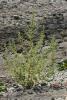
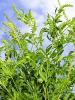
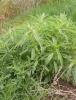
Oak-Leaved Goosefoot is a low, spreading, ascending, or occasionally erect annual that often branches near the base. Plants commonly remain relatively short but can become more robust in fertile, moist, disturbed soil. Stems may be green, reddish, or red-striped.
Leaves are alternate, somewhat thick or fleshy, and generally oblong, lance-shaped, elliptic, or narrowly ovate. Their margins may be shallowly lobed, sinuate, or coarsely toothed, producing the oak-leaf appearance. The upper surface is green to blue-green, while the underside is often densely white-mealy or farinose.
Flowers, Fruit, and Seeds
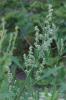
The flowers are tiny, green, and lack showy petals. They occur in dense glomerules arranged along terminal and axillary spikes or short panicles. Terminal flowers and lateral flowers may differ in sex, perianth structure, and seed orientation.
Seeds are small, flattened, reddish-brown to dark, and finely patterned. Mature fruit and seed characters help separate closely related Oxybasis species. A photograph of one immature leaf is not enough for high-confidence taxonomic identification.
Native and Introduced Range
Current Kew treatment considers the species native across temperate Eurasia and Australia. It has been introduced into numerous parts of North America, South America, northern Africa, Europe outside portions of its native range, and other temperate regions. Older broad treatments that included O. salina can make North American range descriptions appear inconsistent.
The species grows in disturbed temperate habitats and may appear wherever moist or saline ground receives nutrient enrichment. Local occurrence does not establish that a stand contains a hazardous nitrate concentration. Growing conditions and current laboratory analysis control that question.
Habitat and Exposure Pathways
Oak-Leaved Goosefoot occurs in waste places, manure heaps, barnyards, cultivated fields, gardens, railways, gravel pits, dumps, ditches, riverbanks, shorelines, mudflats, saline soil, and areas disturbed by livestock or machinery. Several of these habitats combine abundant nitrogen with fluctuating moisture and growth stress.
Livestock may encounter it while grazing, through close-cut hay, green chop, silage, crop residues, weed-heavy bales, or piles of pulled plants. Dogs, cats, poultry, rabbits, and other animals may reach garden weeds, compost, clippings, fertilizer spills, or contaminated drainage water. The complete site must be evaluated.
Environmental Conditions That Increase Nitrate Risk
Drought is a major concern because plant growth and nitrate assimilation slow while root uptake may continue. Heavy nitrogen fertilization, manure-rich soil, cool weather, prolonged cloudiness, shading, frost, deficient sulfur or phosphorus, impaired molybdenum-dependent nitrate reduction, disease, and some herbicide injuries can also contribute.
A drought-ending rain does not make suspect forage immediately safe. Roots may resume nitrate uptake rapidly before leaf growth and metabolism fully recover. Sampling recommendations should reflect the field’s recent weather, fertilization, regrowth, and harvest history.
Rate of Intake and Rumen Adaptation
Rumen microorganisms may adapt gradually to increasing dietary nitrate, allowing some animals to process a ration that would endanger an unadapted animal consuming it suddenly. Adaptation is incomplete, varies among animals, and can be lost after ration changes. It must never be treated as immunity.
Hungry animals introduced suddenly to suspect pasture or hay remain at high risk because rapid engorgement delivers nitrate faster than microbial detoxification can handle. Forage palatability, particle size, dry-matter intake, dietary energy, and competing feed affect how quickly the dose reaches the rumen.
Fresh Forage Versus Hay
The same analytical nitrate concentration does not always create identical practical risk in fresh pasture and dry hay. Fresh forage may release nitrate more slowly and may be eaten at a different dry-matter rate, while dry forage can be consumed rapidly and may contain fragmented lower stems. Current reviews caution against a universal one-number interpretation divorced from forage form.
Drying does not remove nitrate. A weed-dominated hay lot must be sampled across multiple bales and locations because nitrate may vary within the field and bale. Choosing one clean handful or testing only leaves can produce misleading reassurance.
Silage and Nitrogen-Oxide Gas
Fermentation may reduce nitrate in silage, sometimes substantially, but the result is inconsistent. Final silage must be tested after fermentation rather than assumed safe from the original crop or an expected percentage reduction. Spoilage, uneven packing, and mixed plant material create additional variation.
High-nitrate forage can generate nitrogen-oxide gases during ensiling. These gases can accumulate in silo headspace, adjacent rooms, pits, or poorly ventilated storage areas and cause severe respiratory injury. People and animals must remain away from suspicious yellow-brown fumes and confined storage areas.
Water as a Combined Source
Water nitrate contributes to the total dose and may be especially important during hot weather or when livestock consume large volumes. Shallow wells, ponds receiving fertilizer or manure runoff, drainage areas, and reused fertilizer tanks require attention. A forage concentration that appears manageable may become unsafe when water adds substantial nitrate.
Water samples should be collected from the source animals actually used, including troughs when contamination or concentration within the delivery system is possible. Replacing the water before sampling can erase evidence needed to identify the outbreak source.
Representative Plant and Forage Sampling
Collect complete plants for identification, including roots, lower and upper stems, leaves, mature flowers, fruit, and seeds when available. Keep the botanical voucher separate from the bulk forage sample. Label every specimen with the location, date, field, bale, feeder, and collector.
For forage analysis, collect numerous subsamples from the actual areas, bales, loads, or ration components the animals consumed. Include weed-heavy portions and lower stems. Do not combine unrelated lots when the goal is to locate a dangerous source.
Laboratory instructions control container type, sample mass, refrigeration, freezing, shipping, and holding time. The submission form should specify whether results are needed as nitrate, nitrate-nitrogen, nitrite, dry matter, or as fed. Interpretation becomes unreliable when units or moisture basis are omitted.
Published Related-Goosefoot Case
Ozmen, Mor, and Ayhan reported fatal nitrate poisoning in three cows fed hay containing Common Lambsquarters, Chenopodium album. The cows developed ataxia, bluish-brown mucous membranes, rapid and difficult breathing, increased heart rates, tremors, and coma and died shortly after the signs were recognized.
Necropsy disclosed brown poorly coagulated blood, mild pulmonary edema, and congestion. The hay contained 2,500 ppm nitrate-nitrogen and 11 ppm nitrite-nitrogen. The nitrate-nitrogen value corresponds to a substantially larger total-nitrate number, illustrating why unit conversion is essential.
This case confirms that dried goosefoot-contaminated hay can cause lethal ruminant methemoglobinemia. It involved C. album, not authenticated O. glauca, and must be presented as related-species forage evidence rather than an exact Oak-Leaved Goosefoot outbreak.
Diagnosis
Diagnosis combines exposure history, compatible clinical progression, mucous-membrane and blood appearance, methemoglobin measurement, nitrate or nitrite analysis, treatment response, botanical identification, and exclusion of competing causes. No one element identifies Oak-Leaved Goosefoot as the source by itself.
Rapid improvement after veterinarian-administered methylene blue strongly supports clinically important methemoglobinemia, but other oxidant toxicants also respond to reduction of methemoglobin. Forage, water, fertilizer, and plant analysis is required to establish the environmental source.
Diagnostic Specimens
Plasma or serum can be useful for antemortem nitrate analysis, while promptly collected whole blood can be used for methemoglobin measurement during the acute episode. Methemoglobin declines as the animal recovers or after treatment, so delayed sampling may produce a normal result despite a genuine earlier crisis.
Ocular fluid is commonly used after death because nitrate can remain diagnostically useful there when blood has degraded. Rumen or stomach contents, urine, liver, water, forage, fertilizer, and complete plant specimens may also be submitted according to laboratory instructions. Abortion investigations may include fetal and maternal fluids selected by the veterinarian and laboratory.
Methylene Blue and Veterinary Treatment
Methylene blue is the principal antidotal drug for clinically important nitrate- or nitrite-induced methemoglobinemia. Within red blood cells it acts through reducing pathways that convert methemoglobin toward functional hemoglobin, restoring oxygen-carrying capacity. Improvement in color, breathing, strength, and responsiveness may be rapid when treatment is timely.
Preparation, concentration, dose, route, species, and need for retreatment must be determined by the attending veterinarian. Excessive or inappropriate methylene blue can itself oxidize hemoglobin or injure red blood cells. Continuing nitrate release from the rumen can cause recurrence after an initially successful response.
Oxygen, intravenous access, cardiovascular support, seizure control, temperature management, and quiet handling may be needed. Oral drenching of a weak, hypoxic, trembling, recumbent, or poorly swallowing animal creates aspiration and stress hazards. Historical mineral-oil recommendations are not owner first aid.
Food-Animal Drug Considerations
Methylene blue use in food-producing animals requires veterinary oversight and residue planning. Regulatory status, compounding requirements, treatment records, and meat or milk withdrawal decisions cannot be taken from a generic internet dose chart. The veterinarian must address both the life-threatening emergency and food-safety obligations.
Owners should not purchase aquarium, laboratory, industrial, or human methylene-blue products for livestock injection. Purity, sterility, concentration, additives, and labeling may be unsuitable. Delayed professional treatment while attempting home preparation can be fatal.
Prognosis
The prognosis can be good when the source is removed, movement is minimized, diagnosis is recognized early, and methylene blue is administered before prolonged hypoxia causes irreversible injury. Animals may regain normal breathing, mucous-membrane color, coordination, and alertness rapidly but still require observation for recurrence.
The outlook is guarded to grave with severe respiratory distress, recumbency, seizures, coma, aspiration, prolonged tissue hypoxia, cardiac arrest, delayed treatment, or multiple sudden deaths. Pregnant survivors require monitoring for delayed reproductive loss even after apparent maternal recovery.
Prevention
Identify weed-dense areas and test suspect pasture, hay, green chop, silage, and water after drought, heavy nitrogen fertilization, prolonged cloudiness, frost, herbicide injury, or unexplained growth restriction. Do not rely on leaf color, plant maturity, another field’s result, or one grab sample.
Do not turn hungry livestock onto unfamiliar or suspect forage. Secure fertilizer, clean spills, prevent runoff into water, separate forage lots, and never throw pulled goosefoot plants or weed clippings into paddocks, kennels, hutches, poultry runs, or accessible compost. Retest before returning animals to an implicated source.
Immediate Response
- Stop further exposure: Remove animals from the Oak-Leaved Goosefoot, suspect pasture, hay, green chop, silage, fertilizer, supplements, and potentially contaminated water.
- Protect the entire group: Do not leave apparently normal livestock on the source merely because only one animal is showing signs.
- Contact a veterinarian immediately: Acute nitrite poisoning can progress rapidly, and treatment may need to begin before final laboratory confirmation is available.
- Preserve representative samples: Save complete plants and multiple samples of forage, hay, water, fertilizer, supplements, and every ration component involved.
- Record the exposure: Note when access began, when animals last appeared normal, recent weather, fertilization, herbicide use, ration changes, and the number of affected or pregnant animals.
Keep Affected Animals Calm
- Minimize movement: Do not force a weak or breathing-impaired animal to walk farther than necessary for immediate safety.
- Reduce noise and excitement: Keep vehicles, dogs, crowds, and unnecessary handling away from affected livestock.
- Do not exercise the animal: Walking an affected animal to keep it upright increases oxygen demand and may precipitate collapse.
- Call before loading: A large-animal veterinarian may recommend field treatment instead of transport for a severely hypoxic animal.
- Avoid prolonged restraint: Struggling can worsen tissue oxygen deprivation even when treatment is being prepared.
Methemoglobinemic animals may be moving air through their lungs while their blood remains unable to deliver an adequate oxygen supply. A quiet standing animal can deteriorate abruptly when chased, loaded, or forced to walk. Low-stress handling is an active component of emergency treatment rather than a convenience.
Emergency Findings
- Respiratory distress: Rapid, deep, labored, gasping, open-mouth, or progressively weak breathing requires immediate treatment.
- Abnormal mucous membranes: Gray, muddy brown, blue-brown, slate-colored, or cyanotic gums, eyelids, or vulvar tissue may indicate methemoglobinemia.
- Neurologic signs: Tremors, staggering, falling, recumbency, seizures, coma, or reduced responsiveness indicates severe hypoxia or another major poisoning.
- Cardiovascular signs: A rapid weak heartbeat, weak pulses, cold extremities, low body temperature, or collapse requires urgent care.
- Multiple affected animals: Sudden illness or death involving several animals strongly suggests a shared forage, water, fertilizer, feed, or environmental source.
Do Not Induce Vomiting
- Do not give hydrogen peroxide: It does not reverse nitrate, nitrite, or possible oxalate poisoning and may cause additional gastrointestinal injury or aspiration.
- Never give peroxide to a cat: Hydrogen peroxide can seriously injure the feline stomach and esophagus.
- Do not induce vomiting in horses or ruminants: Horses cannot vomit, and manipulating distressed livestock creates aspiration and stress risks.
- Do not induce vomiting after signs begin: Weakness, tremors, respiratory distress, seizures, recumbency, and impaired swallowing make aspiration especially likely.
- Do not use salt, mustard, oil, detergent, syrup, fingers, or manual gagging: These methods do not restore oxygen-carrying hemoglobin.
Do Not Give Unsupervised Antidotes or Drenches
- Do not administer methylene blue: It requires veterinary diagnosis, sterile intravenous preparation, species-appropriate dosing, monitoring, and food-animal residue planning.
- Do not give calcium automatically: Calcium treats documented hypocalcemia, not methemoglobinemia, and incorrect intravenous administration can cause fatal cardiac abnormalities.
- Do not drench mineral oil: It does not reverse methemoglobinemia and may be aspirated by a weak or poorly swallowing animal.
- Do not drench vinegar: Vinegar does not restore functional hemoglobin and creates aspiration risk.
- Do not force activated charcoal: Charcoal is not a dependable antidote for nitrate, nitrite, or soluble oxalate and may be inhaled.
- Do not give human medication: Sedatives, pain medication, heart drugs, and antidiarrheals may worsen the condition or obscure progression.
Dogs and Cats
- Remove visible plant material: Carefully clear loose leaves and stems from the lips and front of the mouth when handling is safe.
- Preserve every possible source: Save the plant, fertilizer package, water information, vomited fragments, and photographs of the site.
- Do not assume vomiting identifies nitrate: Gastrointestinal signs may result from fertilizer, pesticide, contaminated water, another plant, or unrelated disease.
- Seek emergency care for systemic signs: Rapid breathing, brown or blue gums, weakness, tremors, seizures, collapse, or reduced responsiveness requires immediate transport.
- Do not force food or water: A vomiting, trembling, weak, or poorly swallowing animal may aspirate.
Horses
- Remove suspect feed and water: Preserve representative samples before replacing them with known safe sources.
- Do not exercise the horse: Forced walking increases oxygen demand and may trigger collapse.
- Do not drench a distressed horse: Colic, weakness, salivation, abnormal breathing, or poor swallowing increases aspiration risk.
- Report fertilizer and spoiled-forage exposure: Horses are relatively resistant to ordinary plant nitrate but can be severely poisoned by concentrated nitrate or preformed nitrite.
- Seek care for respiratory or neurologic signs: Tremors, staggering, recumbency, seizures, brown mucous membranes, or abnormal breathing requires urgent large-animal treatment.
Cattle, Sheep, and Goats
- Call before moving animals: The veterinarian may recommend field treatment because loading and transport increase oxygen demand.
- Remove the source quietly: Block access to the pasture, bale, feeder, water, or fertilizer without causing a stampede.
- Examine the entire group: Check breathing, gait, alertness, mucous-membrane color, temperature, urination, and ability to stand.
- Isolate the implicated feed lot: Do not feed additional suspect material until representative testing is complete.
- Identify pregnant survivors: Abortion or stillbirth may occur after the adult animal appears clinically recovered.
Rabbits, Guinea Pigs, Birds, and Other Exotics
- Do not attempt vomiting: Household emesis is unsafe or impossible in these species.
- Minimize handling: Struggling increases oxygen demand in a weak bird or small mammal.
- Do not force-feed a compromised animal: Abnormal breathing, tremors, weakness, gastrointestinal distension, or impaired swallowing must be assessed first.
- Monitor posture and breathing: Open-mouth breathing, inability to perch, loss of balance, tremors, recumbency, or collapse requires immediate specialized care.
- Preserve feed and water: Small-animal cases may involve fertilizer, spoiled greens, contaminated water, or a mixed plant source.
Safe Sample Collection
- Collect complete plants: Include roots, lower stems, upper stems, leaves, flowers, fruit, and seeds for botanical identification.
- Collect many forage subsamples: Sample several field areas, bales, loads, feeders, and ration portions rather than one convenient handful.
- Include lower stems: Do not submit only leaves when animals consumed whole plants or close-cut hay.
- Save water and fertilizer: Water and direct fertilizer exposure may contribute substantially to the total dose.
- Label every sample: Record the field, bale, feeder, animal group, date, time, and material.
- Follow laboratory instructions: Container, refrigeration, freezing, shipping, and requested reporting units affect diagnostic value.
Veterinary Diagnosis
Diagnosis uses the exposure history, clinical progression, mucous-membrane and blood appearance, methemoglobin measurement, nitrate or nitrite testing, forage and water analysis, botanical identification, treatment response, and exclusion of competing causes. Treatment may need to begin before final laboratory results when compatible animals are deteriorating rapidly.
- Collect blood promptly: Methemoglobin measurement is most useful during the acute episode because the percentage falls during recovery and after treatment.
- Submit serum or plasma as directed: These specimens may support antemortem nitrate analysis.
- Collect ocular fluid after death: Ocular fluid is commonly used for postmortem nitrate testing.
- Investigate abortions: The veterinarian and laboratory may request fetal, maternal, feed, water, and plant specimens.
- Test the source: Animal findings alone do not identify Oak-Leaved Goosefoot as the environmental cause.
- Consider differential diagnoses: Cyanide, pesticides, chlorates, carbon monoxide, urea, hypocalcemia, hypomagnesemia, respiratory disease, and other poisonous plants may overlap.
Veterinary Treatment for Nitrate or Nitrite Poisoning
Methylene blue is the principal antidotal treatment for clinically important nitrite-induced methemoglobinemia. It assists red-blood-cell reducing systems in converting methemoglobin toward functional hemoglobin and can restore oxygen transport rapidly. It must be prepared and administered intravenously by a veterinarian because concentration, dose, species, severity, response, and food-animal status materially affect safe use.
Supplemental oxygen supports the hemoglobin that remains capable of carrying oxygen but does not replace antidotal treatment. Intravenous access, fluid and cardiovascular support, blood-pressure assessment, temperature management, and veterinarian-selected seizure control may be required. Handling should remain quiet and efficient.
Nitrate may continue to leave forage already present in the rumen after the first treatment. Recurrent breathing difficulty, brown mucous membranes, weakness, or rising methemoglobin may require additional veterinarian-directed treatment. Oral cathartics are not automatic and should never be drenched into a weak or poorly swallowing patient.
Food-Animal Treatment Considerations
Methylene blue use in cattle, sheep, goats, and other food-producing animals requires veterinary oversight, treatment records, residue-avoidance planning, and veterinarian-issued meat or milk withdrawal instructions. Regulatory and compounding requirements differ by jurisdiction and product. Owners should not inject aquarium, industrial, laboratory, or internet-purchased methylene blue.
Veterinary Treatment When Oxalate Is Suspected
Soluble-oxalate poisoning requires a different plan and should not be presumed merely because the plant belongs to Amaranthaceae. Methylene blue does not correct hypocalcemia or remove calcium oxalate from the kidneys. Diagnosis should be supported by actual plant or forage analysis and compatible calcium, kidney, urine, and clinical findings.
Veterinarian-directed care may include carefully monitored calcium treatment, fluid and circulatory support, ECG monitoring, kidney-value assessment, urinalysis, and urine-output monitoring. Reduced or absent urine production materially worsens the prognosis. Calcium administration without confirming the need can itself cause dangerous cardiac effects.
Monitoring and Recovery
- Monitor breathing: Respiratory rate and effort should return toward normal without renewed distress.
- Monitor mucous-membrane color: Brown or cyanotic tissue should improve, but visual color does not replace clinical and laboratory monitoring.
- Monitor coordination and strength: Tremors, staggering, weakness, recumbency, or reduced responsiveness should resolve rather than recur.
- Monitor circulation: Heart rate, pulse quality, blood pressure, temperature, and extremity warmth should stabilize.
- Monitor pregnancy: Pregnant survivors require follow-up for delayed abortion, stillbirth, or weak offspring.
- Retest the source: Do not return animals to the pasture, hay, ration, silage, or water until its safety has been established.
Prevention and Prognosis
- Test before feeding: Analyze suspect forage after drought, heavy nitrogen fertilization, prolonged cloudiness, frost, herbicide injury, or unexplained growth restriction.
- Consider every nitrate source: Water, crops, weeds, fertilizer, supplements, and the complete ration contribute to total exposure.
- Do not turn hungry animals onto suspect forage: Rapid engorgement can overwhelm normal rumen metabolism.
- Keep fertilizer inaccessible: Clean spills promptly and prevent runoff into animal water sources.
- Typical prognosis: Early cases may respond rapidly when methylene blue is administered before prolonged hypoxia causes irreversible injury.
- Guarded prognosis: Severe respiratory distress, recumbency, seizures, coma, prolonged hypoxia, aspiration, delayed discovery, or multiple deaths creates a guarded to grave outlook.
Frequently Asked Questions About Oak-Leaved Goosefoot and Animal Poisoning
My dog ate one Oak-Leaved Goosefoot leaf. Is classic nitrate poisoning likely?
Classic plant-derived nitrate toxicosis is much less likely after one exploratory leaf bite in an adult dog than after rapid forage consumption by a ruminant. Dogs do not have a rumen converting nitrate into nitrite at the same rate, and the nitrate concentration of one plant remains unknown. Remove access and identify whether fertilizer, contaminated water, pesticide, spoiled clippings, or another plant was involved. Rapid breathing, brown or blue gums, marked weakness, tremors, seizures, collapse, or a substantial ingestion requires immediate veterinary advice.
Why can a healthy-looking stand still contain dangerous nitrate?
Nitrate concentration reflects uptake and metabolism rather than visible wilting alone. A vigorous plant growing in nitrogen-rich soil may absorb more nitrate than it can use during cool, cloudy, shaded, or otherwise growth-limiting conditions. Conversely, a drought-stressed plant may or may not contain a dangerous concentration. Visual inspection can identify a reason to test but cannot replace quantitative analysis.
Why should affected cattle not be walked or chased?
Methemoglobin cannot carry oxygen normally, so affected cattle have little reserve for increased muscular demand. Walking, running, struggling, loading, or fear raises tissue oxygen requirements while nitrite may also be lowering blood pressure. An animal that remains standing quietly can collapse when driven. Contact the veterinarian before attempting transport and organize treatment with the least possible exertion.
Does chocolate-brown blood prove that Oak-Leaved Goosefoot caused the illness?
Chocolate-brown blood strongly supports substantial methemoglobinemia but does not identify the plant source. Chlorates, aniline compounds, medications, and other oxidizing toxicants can produce the same pigment change. The color may also be subtle or fade after death. Plant identification, forage and water analysis, animal specimens, clinical progression, and treatment response are needed to connect the syndrome specifically to nitrate-containing Oak-Leaved Goosefoot.
Can Oak-Leaved Goosefoot remain dangerous after it is made into hay?
Yes. Nitrate does not evaporate during ordinary hay drying, and lower stems incorporated into the bale may carry a substantial concentration. Baled forage may be consumed faster than standing weeds, and livestock cannot sort every fragmented stem and leaf. Damp heating hay can also permit microbial conversion toward preformed nitrite. Multiple representative bale samples are necessary because one clean handful cannot certify an entire lot.
Does ensiling automatically make high-nitrate Oak-Leaved Goosefoot safe?
No. Fermentation may reduce nitrate, but the amount of reduction varies with moisture, packing, fermentation quality, plant material, and storage. Finished silage must be tested rather than declared safe from an expected percentage reduction. High-nitrate forage can also generate hazardous nitrogen-oxide gas during early fermentation, creating a separate inhalation danger around silos and enclosed storage.
How can fertilizer make the case more dangerous?
Fertilizer can increase nitrate available for plant uptake and can also become a direct concentrated exposure when animals ingest spilled granules or liquid. Runoff may contaminate ponds, troughs, or shallow wells. A fertilizer exposure cannot be assessed from the weed alone because the soluble chemical dose may greatly exceed ordinary plant intake. Preserve the label, formulation, spill location, and water information.
Why must water be tested along with forage?
Water contributes to the total nitrate dose and may be consumed in large quantities during hot weather. Fertilizer runoff, manure, shallow wells, contaminated tanks, and drainage can elevate water nitrate without changing taste, odor, or appearance. A forage lot that appears acceptable in isolation may create excessive total intake when combined with nitrate-rich water. Samples should come from the source and delivery system the animals actually used.
Are Oak-Leaved Goosefoot seeds the most dangerous plant part?
No. Nitrate generally accumulates more heavily in vegetative tissues, particularly lower stalks, than in mature seeds. Seed-bearing material is not automatically safe because it usually includes stems, leaves, flower clusters, and immature tissue. The exact distribution varies, and representative testing is needed when animals consumed whole plants or contaminated hay.
Is Oxybasis salina the same plant?
Current Kew treatment recognizes Oxybasis salina as a separate North American species. Older floras called it Chenopodium glaucum var. salinum or Oxybasis glauca subsp. salina, so historical records may combine the two. Geographic context, mature reproductive structures, seeds, and specialist identification may be required. A broad old record should not be assigned automatically to exact O. glauca.
Can a pregnant cow abort after she appears to have recovered?
Yes. Severe maternal methemoglobinemia can deprive the fetus of oxygen during the acute episode, and reproductive loss may become apparent later. Normal breathing, gait, and mucous-membrane color in the dam do not guarantee that the fetus escaped hypoxic injury. Record the exposure date, identify every pregnant survivor, and arrange continued veterinary reproductive monitoring.
Why is nitrate-nitrogen not the same number as total nitrate?
Nitrate-nitrogen reports only the nitrogen portion of the nitrate molecule, whereas total nitrate includes the oxygen atoms as well. The nitrate-nitrogen value is therefore numerically much smaller and must be converted before comparison with a total-nitrate guideline. Moisture basis also matters because dry-matter and as-fed concentrations differ. The laboratory report and feeding guideline must use compatible units.
How should a veterinarian triage a suspected nitrate outbreak before laboratory confirmation?
The first priorities are quiet removal from the source, respiratory effort, mucous-membrane color, strength, neurologic status, heart rate, pulse quality, blood pressure, temperature, and the number of exposed animals. Compatible group illness with gray-brown mucous membranes, weakness, tachypnea, and rapid progression can justify emergency treatment while samples are collected. Cyanide, pesticides, urea, chlorates, hypocalcemia, hypomagnesemia, and respiratory disease must remain in the differential.
Which specimens are most valuable in a nitrate investigation?
Prompt whole blood is useful for methemoglobin measurement during the acute episode, while serum or plasma may support nitrate analysis. Ocular fluid is commonly used after death. Rumen or stomach contents, urine, tissues selected by the laboratory, complete plant vouchers, forage, hay, ration components, water, and fertilizer may all be important. Sampling instructions should be obtained before collection because timing, storage, and container choice affect interpretation.
Why might an animal relapse after initially responding to methylene blue?
Forage remaining in the rumen can continue releasing nitrate, and absorbed nitrate may return to the digestive tract through saliva and secretions. Additional nitrite can therefore enter the bloodstream after the first treatment. Recurring brown mucous membranes, respiratory distress, weakness, or rising methemoglobin requires reassessment and veterinarian-directed retreatment. A rapid initial response does not prove that absorption has ended.
How should suspected oxalate poisoning be separated from nitrate poisoning?
Nitrate poisoning centers on methemoglobinemia, tissue hypoxia, respiratory distress, and gray-brown blood or mucous membranes. Soluble oxalate poisoning more directly produces hypocalcemia and possible calcium-oxalate renal injury, with weakness, tetany-like activity, cardiac abnormalities, and reduced urine production. Because toxic soluble oxalate has not been demonstrated specifically for O. glauca, the diagnosis requires actual forage analysis and compatible calcium, kidney, urine, and clinical findings.
How strong is the direct evidence for Oak-Leaved Goosefoot poisoning?
Veterinary range-plant references specifically identify Chenopodium glaucum, now Oxybasis glauca, as a nitrate hazard to cattle and sheep. Direct exact-species clinical documentation is nevertheless sparse, and a fully authenticated outbreak with plant analysis and animal confirmation was not located. The biological plausibility is strong because the plant can accumulate nitrate and ruminant nitrate toxicosis is well established. The evidence boundary should remain explicit rather than presenting a related-species case as exact proof.
What does the fatal Chenopodium album hay case establish?
It establishes that dried hay containing a related goosefoot can retain enough nitrate to cause rapid fatal methemoglobinemia in cattle. The three cows developed ataxia, bluish-brown mucous membranes, difficult breathing, tachycardia, tremors, and coma, and the hay contained a high nitrate-nitrogen concentration. It does not establish the concentration, dose, or incidence for O. glauca. Its value is mechanistic, diagnostic, and forage-management evidence.
Why are universal nitrate thresholds increasingly questioned?
A laboratory concentration does not capture intake rate, forage form, rumen adaptation, dietary energy, water nitrate, ration dilution, plant-particle release, animal health, or pregnancy. Fresh forage and dry hay with the same dry-matter nitrate may not deliver the dose at the same rate. Current review literature supports using thresholds as management guides rather than guarantees. Interpretation should be tied to the entire exposure and animal group.
What research is still needed for a stronger exact-species risk assessment?
Authenticated Oxybasis glauca populations should be sampled across geography, growth stage, plant part, soil nitrogen, salinity, drought, frost, shading, and fertilizer regimes. Nitrate and nitrite should be reported on clear fresh-weight, dry-matter, and nitrate-nitrogen bases. Prospective veterinary outbreaks should connect voucher-confirmed plants, representative forage and water analysis, animal methemoglobin and nitrate results, treatment, intake reconstruction, pregnancy status, and outcome. Comparable work should keep O. salina and related goosefoots taxonomically separate.